
Vitamin B7 (Biotin): The Complete Supplement Guide
On this page
Quick Reference Card
Attribute
Common Name
- Detail
- Biotin (Vitamin B7)
Attribute
Other Names / Aliases
- Detail
- Vitamin H, Coenzyme R, D-Biotin, W Factor, vitamin B7
Attribute
Category
- Detail
- Water-Soluble Vitamin (B-Complex)
Attribute
Primary Forms & Variants
- Detail
- D-Biotin (the biologically active form; supplements typically contain this single form, unlike many vitamins with multiple supplemental variants)
Attribute
Typical Dose Range
- Detail
- AI: 30 mcg/day (adults); supplemental beauty doses: 2,500-10,000 mcg; clinical research doses: up to 300 mg/day (MS trials)
Attribute
RDA / AI / UL
- Detail
- AI: 30 mcg/day (adults 19+), 25 mcg (ages 14-18), 30 mcg (pregnancy), 35 mcg (lactation). No RDA established (insufficient data). No UL established (no evidence of toxicity)
Attribute
Common Delivery Forms
- Detail
- Capsule, tablet, softgel, gummy
Attribute
Best Taken With / Without Food
- Detail
- Can be taken with or without food. Absorption does not require food
Attribute
Key Cofactors
- Detail
- Pantothenic acid (B5, shares intestinal transporter), magnesium (general B-vitamin cofactor), other B vitamins
Attribute
Storage Notes
- Detail
- Store at room temperature in a closed container, away from heat, moisture, and direct light. No refrigeration required
Overview
The Basics
Biotin is a B vitamin your body uses to convert food into energy. You may know it better from the "hair, skin, and nails" supplements that line pharmacy shelves, but its primary biological role is far less glamorous: it helps enzymes break down fats, carbohydrates, and amino acids. Think of biotin as a helper molecule that certain metabolic enzymes need in order to do their jobs. Without it, those enzymes sit idle, and key metabolic processes slow to a crawl.
The good news is that outright biotin deficiency is rare. Most people get enough from a normal diet that includes foods like eggs, liver, nuts, and seeds. Your gut bacteria also produce some biotin, adding to what you get from food. The groups most at risk for running low are people with a rare genetic condition called biotinidase deficiency, people with chronic alcohol use, and pregnant or breastfeeding women (about a third of pregnant women develop marginal deficiency despite eating normally) [1][2].
Where biotin gets interesting, and where the marketing gets ahead of the science, is in the beauty supplement space. Biotin is heavily promoted for hair growth, stronger nails, and healthier skin. The evidence for these claims is surprisingly thin. There are a handful of small studies on brittle nails, a few case reports in children with rare hair conditions, and essentially no controlled trials showing that biotin helps hair grow faster in people who aren't deficient. The strongest aesthetic evidence is for nail thickness in people with brittle nails, and even that comes from studies without placebo controls [3][4][5].
The Science
Biotin (cis-hexahydro-2-oxo-1H-thieno[3,4-d]-imidazole-4-valeric acid) is a water-soluble vitamin designated vitamin B7, historically also known as vitamin H (from the German word "Haut," meaning skin). It was isolated alongside other B vitamins from yeast and given vitamin status after the identification of biotin-responsive deficiency conditions [1][2].
Biotin functions as a covalently bound coenzyme for five mammalian carboxylases: propionyl-CoA carboxylase, pyruvate carboxylase, methylcrotonyl-CoA carboxylase (MCC), acetyl-CoA carboxylase 1 (ACC1), and acetyl-CoA carboxylase 2 (ACC2). These enzymes catalyze critical carboxylation reactions in fatty acid synthesis, gluconeogenesis, and branched-chain amino acid catabolism [1][2][6]. Beyond its coenzyme role, biotin participates in histone modifications, gene regulation through modification of transcription factor activity, and cell signaling pathways [1].
The attachment of biotin to apocarboxylases is mediated by holocarboxylase synthetase (HCS) in an ATP-dependent reaction that proceeds through a biotinyl-5'-AMP intermediate. Biotinidase catalyzes the recycling of biotin from degraded carboxylases, and genetic deficiency of biotinidase (prevalence: 1 in 112,271 for profound deficiency, 1 in 129,282 for partial deficiency) represents the most common cause of pathological biotin depletion [2][7].
Chemical & Nutritional Identity
Property
Chemical Name
- Value
- Cis-hexahydro-2-oxo-1H-thieno[3,4-d]-imidazole-4-valeric acid
Property
Synonyms
- Value
- Biotin, vitamin B7, vitamin H, coenzyme R, D-biotin, W factor
Property
Molecular Formula
- Value
- C10H16N2O3S
Property
Molecular Weight
- Value
- 244.31 g/mol
Property
CAS Number
- Value
- 58-85-5
Property
PubChem CID
- Value
- 171548
Property
Category
- Value
- Water-soluble vitamin; B-complex member
Property
Active Form
- Value
- Protein-bound biotin (biotinylated carboxylases)
Property
AI (IOM 1998)
- Value
- Adults 19+: 30 mcg/day; 14-18 years: 25 mcg/day; Pregnancy: 30 mcg/day; Lactation: 35 mcg/day
Property
UL (IOM 1998)
- Value
- Not established (no evidence of toxicity from oral intake)
Property
FDA Daily Value
- Value
- 30 mcg
Biotin exists as a single biologically active stereoisomer (D-biotin). Unlike many other vitamins, there are no widely used bioavailability-differentiated supplemental forms. Supplements almost universally contain D-biotin, and the bioavailability of the free form is reported to be essentially 100% even at pharmacologic doses up to 20 mg/day [1][8].
Most dietary biotin is bound to protein and must be released by proteases and biotinidase before absorption. Dietary avidin, a glycoprotein found in raw egg whites, binds biotin with exceptionally high affinity (Kd approximately 10^-15 M) and prevents its absorption. Cooking denatures avidin, eliminating this interference [1][2].
Mechanism of Action
The Basics
Biotin's main job is helping certain enzymes work. Your body has five enzymes that absolutely require biotin to function, and these enzymes are involved in some of the most fundamental processes in metabolism: turning sugar into energy, building fats, and breaking down proteins. Without enough biotin, these enzymes cannot do their work, and waste products begin to accumulate.
You can think of biotin as a key that fits into specific enzyme locks. Once biotin clicks into place, those enzymes become "active" and can carry out their chemical reactions. When biotin is absent, the locks remain jammed. This is why biotin deficiency produces such wide-ranging symptoms: the affected enzymes touch so many different metabolic pathways that a shortage of one small vitamin can ripple through the whole system.
Beyond enzyme activation, biotin is also involved in gene regulation. It can attach to proteins called histones that package your DNA, potentially influencing which genes are turned on or off. This is a newer area of research that is not yet fully understood.
The Science
Biotin functions primarily as a covalently bound coenzyme for five mammalian carboxylases, each catalyzing an essential carboxylation reaction:
Pyruvate carboxylase (PC): Catalyzes the conversion of pyruvate to oxaloacetate in the mitochondrial matrix, serving as a critical anaplerotic reaction that replenishes citric acid cycle intermediates and provides substrate for gluconeogenesis [1][2][6].
Acetyl-CoA carboxylase 1 (ACC1): Catalyzes the rate-limiting step in cytosolic fatty acid synthesis, converting acetyl-CoA to malonyl-CoA. ACC1 also serves as a major intracellular storage protein for biotin [2][6].
Acetyl-CoA carboxylase 2 (ACC2): Located on the outer mitochondrial membrane, produces malonyl-CoA that serves as an allosteric inhibitor of carnitine palmitoyltransferase 1 (CPT1), thereby regulating fatty acid beta-oxidation [2].
Propionyl-CoA carboxylase (PCC): Converts propionyl-CoA to D-methylmalonyl-CoA in the catabolism of odd-chain fatty acids, cholesterol side chains, and the amino acids isoleucine, valine, threonine, and methionine [1][2].
Methylcrotonyl-CoA carboxylase (MCC): Essential for leucine catabolism, converting 3-methylcrotonyl-CoA to 3-methylglutaconyl-CoA [1][2].
The carboxylase reaction proceeds via a two-step ping-pong mechanism: bicarbonate-dependent ATP-driven carboxylation of the biotin prosthetic group to form carboxybiotin, followed by transfer of the carboxyl group to the acceptor substrate [6].
Biotin also modulates gene expression through at least two mechanisms: biotinylation of histones H3 and H4 (affecting approximately 0.001% of these histones) and modification of transcription factor activity, including NF-kappa-B [2]. In hepatocytes, biotin has been shown to induce cGMP production, which mediates increased glucokinase activity and may influence insulin receptor expression through protein kinase G (PKG) signaling [9].
Absorption & Bioavailability
The Basics
Biotin absorption is remarkably efficient. When you take a biotin supplement, your body absorbs essentially 100% of the free biotin, even at doses far exceeding normal dietary levels (up to 20 mg/day in studies). This makes biotin one of the most bioavailable supplements you can take [1][8].
From food, biotin absorption is slightly more complex. Most dietary biotin is bound to proteins and needs to be freed before your body can absorb it. Digestive enzymes and a specific enzyme called biotinidase work together to release biotin from food proteins in your intestine. One important caveat: raw egg whites contain a protein called avidin that binds biotin so tightly it essentially makes the biotin unavailable. Cooking eggs denatures avidin and eliminates this problem.
Your body absorbs biotin through a specific transporter in the small intestine called the sodium-dependent multivitamin transporter (SMVT). This same transporter also handles pantothenic acid (vitamin B5) and alpha-lipoic acid. At very high biotin concentrations, absorption can also occur through passive diffusion, bypassing the transporter entirely [2][9].
The Science
Dietary biotin, predominantly protein-bound, undergoes hydrolysis by gastrointestinal proteases and peptidases to yield biocytin and biotin-oligopeptides. Biotinidase in the intestinal lumen then cleaves these intermediates to release free biotin for absorption [1][2].
Absorption of free biotin occurs primarily in the jejunum via the sodium-dependent multivitamin transporter (SMVT, gene SLC5A6), a carrier-mediated active transport system with an apparent Km of approximately 3.2 +/- 0.7 uM [9]. The SMVT is expressed on the apical membrane of intestinal enterocytes and is also present in the colon, enabling uptake of biotin synthesized by colonic bacteria [9].
At pharmacologic concentrations, biotin absorption additionally occurs via passive diffusion, a process independent of sodium and not inhibited by chronic alcohol consumption [9]. The oral bioavailability of free biotin is reported at 100% even at doses up to 20 mg/day [1][8].
SMVT expression is upregulated during biotin deficiency and with aging, and downregulated by chronic alcohol exposure [9]. Because SMVT is shared with pantothenic acid and alpha-lipoic acid, competitive inhibition at high doses of any of these nutrients is theoretically possible, though clinically significant interactions at normal supplemental doses have not been documented in humans [9][10].
Biotin is stored primarily in the liver and exists in the blood in free form (approximately 81%), reversibly protein-bound (approximately 7%), and covalently bound (approximately 11%) states. Biotinidase serves as a potential carrier protein in plasma, with binding affinity in the low nanomolar range [9]. Supplementation with as little as 900 mcg increases circulating biotin concentrations in healthy adults [9].
Topical biotin application (0.3% ointment) has been shown to increase serum biotin levels by 21% in healthy subjects and 81.7% in subjects with atopic dermatitis, suggesting transdermal absorption is possible [9].
Research & Clinical Evidence
The Basics
The research picture for biotin supplementation is surprisingly narrow for such a well-known vitamin. The strongest evidence supports its role in correcting deficiency, which makes sense, and a modest role in strengthening brittle nails. Beyond that, the clinical evidence thins out considerably.
For nails, three small studies (none with placebo controls) found that 2.5 mg/day biotin for several months increased nail thickness and reduced brittleness in women with nail problems. About 63-91% of participants reported improvement, though without placebo controls it is impossible to know how much of that improvement would have happened on its own [3][4][5].
For hair, the evidence is even weaker. The only published studies showing biotin-responsive hair improvement were in children with rare conditions (uncombable hair syndrome, biotinidase deficiency). There are no controlled trials demonstrating that biotin supplementation promotes hair growth or reduces hair loss in healthy adults with normal biotin levels [3][11].
One area that generated significant research interest was the use of very high-dose biotin (300 mg/day, branded as "MD1003") for progressive multiple sclerosis. An early double-blind trial showed promising results, but a larger, well-designed Phase 3 trial published in 2020 failed to confirm efficacy and raised concerns about lab test interference [12][13].
Preliminary research also suggests biotin may influence glucose metabolism and triglyceride levels, but this evidence comes primarily from animal studies and small, early-stage human trials [9][14][15].
The Science
Brittle Nails: Three small studies without placebo controls assessed biotin (2.5 mg/day) for brittle fingernails. In a study of 22 women supplemented for 6-15 months, nail thickness increased by 25% in pre-post comparisons of 8 patients with samples taken immediately before and after treatment [3]. A second study in 45 patients with thin, brittle nails reported 91% experiencing firmer, harder nails after an average of 5.5 months [4]. A retrospective study of 35 patients found clinical improvement in 63% [5]. No studies included placebo groups, randomization, or blinding, and baseline biotin status was not assessed.
Hair Loss: Evidence is limited to case reports. Biotin supplementation (3-5 mg/day) improved hair shaft quality in children with uncombable hair syndrome after 3-4 months [16][17]. Hair regrowth occurs when biotin deficiency (from biotinidase deficiency, avidin consumption, or anticonvulsant medications) is corrected. Low serum biotin has been associated with hair loss in some women, but supplementation in non-deficient individuals has not been demonstrated to affect hair growth rate or density in controlled trials [11].
Multiple Sclerosis: MD1003, pharmaceutical-grade biotin at 300 mg/day, was investigated for progressive MS based on the rationale that high-dose biotin could enhance fatty acid synthesis (supporting remyelination) and increase energy production in demyelinated neurons. An initial randomized, double-blind, placebo-controlled trial (n=154) reported that 12.6% of MD1003-treated patients achieved sustained reversal of disability versus 0% on placebo [12]. However, the subsequent larger Phase 3 SPI2 trial (n=642, Lancet Neurology, 2020) found no significant difference in disability outcomes between MD1003 and placebo and identified risks associated with biotin-induced laboratory test interference [13]. A Cochrane review concluded there was insufficient evidence to support biotin for MS [18]. Case reports described tardive reactivation of progressive MS during high-dose biotin treatment [19].
Glucose Metabolism: Animal studies demonstrate that biotin deficiency reduces hepatic glucokinase (GK) activity by 40-45%, and biotin supplementation restores GK activity through a cGMP-mediated mechanism [9]. In mice, biotin supplementation sufficient to increase serum levels 10-fold enhanced insulin secretion (69% increase at 5.6 mM glucose) and increased GK gene expression by 70% [9]. In humans, a preliminary study of high-dose biotin (10 mg IM thrice weekly, then 5 mg oral daily) in three diabetic patients with neuropathy reported improved neuropathic symptoms after one year [14]. Chromium picolinate combined with biotin improved glycemic control in a small study of type 2 diabetic patients [15].
Triglycerides: Biotin supplementation at 900 mcg reduced circulating triglycerides in healthy adults. Higher doses (5-15 mg/day) reduced triglycerides and vLDL in atherosclerotic and type 2 diabetic subjects [9]. In mice, the triglyceride-lowering effect was associated with a 40% increase in AMPK-alpha phosphorylation and suppression of SREBP-1c [9].
Evidence & Effectiveness Matrix
Category
Hair Health
- Evidence Strength
- 2/10
- Reported Effectiveness
- 5/10
- Summary
- No RCTs in non-deficient individuals. Only case reports in rare conditions. Community reports deeply divided; works mainly when correcting deficiency [3][11][16]
Category
Skin Health
- Evidence Strength
- 2/10
- Reported Effectiveness
- 3/10
- Summary
- Only evidence in deficiency-related dermatitis. Community reports overwhelmingly negative due to acne at supplemental doses [1][9]
Category
Side Effect Burden
- Evidence Strength
- 7/10
- Reported Effectiveness
- 4/10
- Summary
- No direct toxicity at any tested dose (up to 200 mg/day). However, lab test interference is a serious and well-documented safety concern. Community reports significant acne at high doses [1][20]
Category
Nausea & GI Tolerance
- Evidence Strength
- 7/10
- Reported Effectiveness
- 8/10
- Summary
- Excellent GI tolerability across all dose levels. Virtually no reports of GI distress [1][9]
Category
Treatment Adherence
- Evidence Strength
- 5/10
- Reported Effectiveness
- 6/10
- Summary
- Easy to take, inexpensive, widely available. Acne side effect is the primary reason for discontinuation. Timeline expectations (4-6 months for nail effects) cause frustration
Category
Heart Health
- Evidence Strength
- 3/10
- Reported Effectiveness
- N/A
- Summary
- Triglyceride reduction at supplemental doses shown in small human studies. AMPK activation demonstrated in animal models. Insufficient community data for effectiveness score [9]
Category
Energy Levels
- Evidence Strength
- 2/10
- Reported Effectiveness
- N/A
- Summary
- Cofactor for ATP-producing enzymes. No human trials assessing energy outcomes. Community data not yet collected for this outcome
Category
Mood & Wellbeing
- Evidence Strength
- 1/10
- Reported Effectiveness
- N/A
- Summary
- Depression is a symptom of deficiency, but no trials in non-deficient populations. Community data not yet collected
Categories scored: 8
Categories with community data: 5
Categories not scored (insufficient data): Fat Loss, Muscle Growth, Weight Management, Appetite & Satiety, Food Noise, Sleep Quality, Focus & Mental Clarity, Memory & Cognition, Anxiety, Stress Tolerance, Motivation & Drive, Emotional Aliveness, Emotional Regulation, Libido, Sexual Function, Joint Health, Inflammation, Pain Management, Recovery & Healing, Physical Performance, Gut Health, Digestive Comfort, Blood Pressure, Heart Rate & Palpitations, Hormonal Symptoms, Temperature Regulation, Fluid Retention, Body Image, Immune Function, Bone Health, Longevity & Neuroprotection, Cravings & Impulse Control, Social Connection, Withdrawal Symptoms, Daily Functioning
Benefits & Potential Effects
The Basics
Biotin's clearest benefit is correcting deficiency. For people who genuinely lack biotin (those with biotinidase deficiency, chronic alcohol use, prolonged anticonvulsant therapy, or marginal status during pregnancy), supplementation can resolve symptoms including skin rashes, hair loss, brittle nails, neurological symptoms, and developmental issues in infants [1][2].
For people with normal biotin status (the vast majority of adults eating a varied diet), the additional benefits of supplementation are far less certain. The best-supported use case is strengthening brittle nails, where 2.5 mg daily over several months has shown improvement in small studies, though these lacked placebo controls [3][4][5].
The hair growth claims that dominate biotin marketing deserve a reality check. Most research and community experience suggests that biotin supplementation does not meaningfully accelerate hair growth in people who are not deficient. It may help reduce hair shedding in specific situations (medication-induced hair loss, post-pregnancy), but the evidence base is thin. If your hair is thinning and you suspect biotin deficiency, testing your levels before supplementing is a more targeted approach.
There is preliminary evidence that biotin may support metabolic health, specifically through effects on triglyceride levels and glucose metabolism. Small human studies have shown triglyceride reductions at supplemental doses of 900 mcg to 15 mg daily [9]. However, these findings have not been replicated in large trials and should be considered preliminary.
The Science
Deficiency correction: Biotin supplementation reverses the clinical manifestations of biotin deficiency, including the characteristic biotin deficiency facies (perioral erythema and unusual fat distribution), alopecia, conjunctivitis, neurological symptoms (depression, lethargy, hallucinations, paresthesias), and ketolactic acidosis [1][2]. In biotinidase deficiency, lifelong supplementation at 5-20 mg/day prevents neurological sequelae including seizures, ataxia, hearing loss, and developmental delay [7].
Nail health: The three published studies collectively assessed 102 subjects with brittle nails treated with 2.5 mg/day biotin. Reported improvements included 25% increase in nail thickness [3], 91% reporting firmer nails [4], and 63% showing clinical improvement [5]. The mechanism may involve enhanced production of keratin infrastructure, as biotin is required for acetyl-CoA carboxylase activity, which provides malonyl-CoA for fatty acid synthesis in the nail matrix.
Triglycerides and lipid metabolism: Human data from three studies shows biotin supplementation (900 mcg to 15 mg/day) reduces serum triglycerides and vLDL in healthy, atherosclerotic, and diabetic populations. The mechanism involves cGMP-mediated AMPK activation and downregulation of SREBP-1c, reducing hepatic lipogenesis [9].
Glucose metabolism: Biotin supplementation increases hepatic glucokinase activity through a cGMP/PKG signaling cascade, enhances insulin secretion from pancreatic islets, and may improve glycemic control when combined with chromium picolinate [9][14][15].
Reading about potential benefits gives you a framework. Seeing whether those benefits are showing up in your own body turns knowledge into confidence. Doserly lets you track the specific health markers relevant to this supplement, building a personal dataset that captures what's actually changing week over week.
The app's AI analytics go further than simple logging. By correlating your supplement intake with the biomarkers and health outcomes you're tracking, Doserly surfaces patterns you might miss on your own, like whether a dose adjustment three weeks ago corresponds to the improvement you're noticing now. When it's time to evaluate whether a supplement is earning its place in your stack, you have your own data to guide the decision.
Keep sensitive protocol records in a purpose-built app.
Doserly is designed for private health tracking with structured records, offline-ready workflows, and exportable history when you need it.
Privacy
Health records
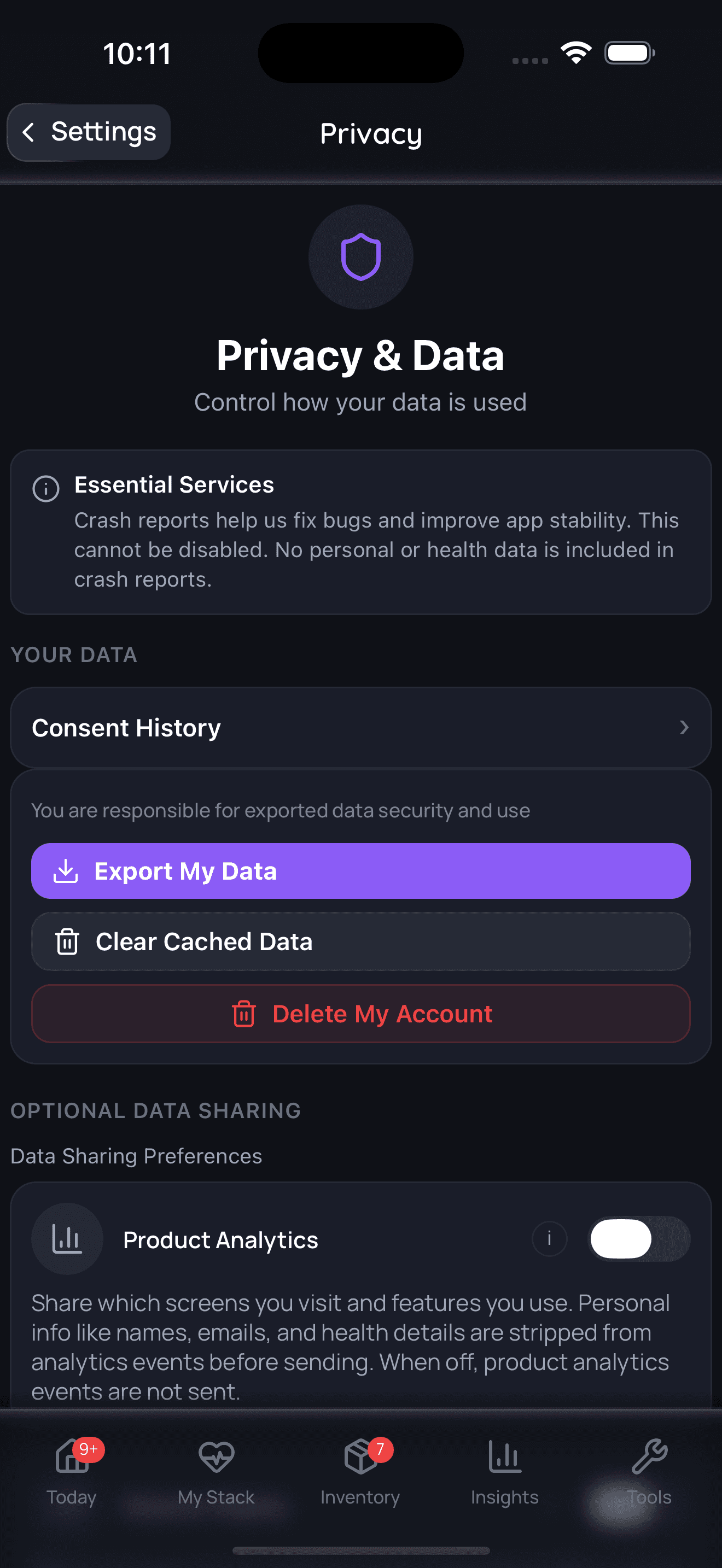
Privacy controls help you manage records; keep clinical records where required.
Side Effects & Safety
The Basics
Biotin has no known toxicity at any dose tested in humans. This is why no Upper Tolerable Intake Level (UL) has been established. Studies have tested doses up to 200 mg/day orally and 20 mg/day intravenously without producing toxic effects [1][20]. Your body excretes excess biotin through urine, and there is no evidence of accumulation-related harm.
That said, "non-toxic" does not mean "no side effects." The most widely reported issue with high-dose biotin supplementation, particularly at the 2,500-10,000 mcg doses found in many beauty supplements, is acne. Community reports of biotin-induced breakouts are extensive and consistent, with descriptions ranging from mild comedonal acne to severe cystic lesions, particularly on the jawline, chin, and back. The proposed mechanism involves competitive inhibition of pantothenic acid (vitamin B5) absorption through the shared SMVT transporter, potentially leading to functional B5 deficiency and impaired skin barrier function. While this mechanism has biological plausibility, it has not been confirmed in clinical studies [2][9].
The most clinically serious safety concern with biotin is not a biological effect at all, but interference with laboratory tests. High biotin levels in blood can produce falsely normal or falsely abnormal results on diagnostic tests that use biotin-streptavidin technology. This includes thyroid function tests (TSH, FT3, FT4), cardiac biomarkers (troponin), pregnancy tests (hCG), vitamin D levels (25-hydroxyvitamin D), and various hormone assays [20][21][22].
The FDA has issued a safety communication about this issue after a patient died following a troponin test that gave a falsely low result due to biotin interference, leading clinicians to miss a heart attack [20]. Even a single 10 mg dose of biotin has been shown to interfere with thyroid function tests administered within 24 hours [22]. Anyone taking supplemental biotin should inform their healthcare providers before any blood tests and consider stopping biotin supplementation for several days before laboratory work.
The Science
Toxicity profile: No adverse effects have been reported at oral doses of 10-50 mg/day in multiple studies, or at 200 mg/day oral and 20 mg/day IV in patients with biotinidase deficiency [1][20]. The absence of toxicity at these supraphysiologic doses (up to 6,667x the AI) is the basis for the IOM's decision not to establish a UL.
Acne/dermatologic effects: While not documented in formal clinical studies, community reports of acne at supplemental doses (2,500-10,000 mcg) are extensive. The hypothesized mechanism involves competitive inhibition of pantothenic acid (B5) absorption via the shared SMVT transporter, leading to functional B5 deficiency. Pantothenic acid is a precursor to coenzyme A, which is involved in lipid metabolism and skin barrier maintenance. This mechanism is biologically plausible given the shared transporter kinetics but has not been validated in controlled human studies [9][10].
Laboratory test interference: Biotin supplements cause clinically significant interference with immunoassays utilizing biotin-streptavidin technology. Case reports document [20][21][22][23]:
- Falsely suppressed TSH levels mimicking thyrotoxicosis/Graves' disease (at 10-300 mg/day)
- Falsely low troponin values masking acute myocardial infarction (one documented death)
- Falsely elevated free T4 and free T3 suggesting hyperthyroidism
- Erroneous 25-hydroxyvitamin D results
- False hCG results on pregnancy tests
- Falsely elevated testosterone on immunoassay
The American Association of Clinical Chemistry has issued guidance on identifying and addressing biotin interference [24]. Newer-generation assays for high-sensitivity troponin T and TSH have been developed to prevent biotin interference [25]. The FDA recommends that healthcare providers ask patients about biotin supplementation before ordering laboratory tests [20].
SIRT1 inhibition: In vitro, biotin inhibits the deacetylase activity of SIRT1 with an IC50 of approximately 200 uM, while the metabolite biotinyl-5'-AMP inhibits the NAD+ binding pocket at concentrations equipotent with nicotinamide (500 uM). In mice, chronic high-dose biotin supplementation decreased lipolysis and insulin sensitivity through SIRT1 suppression. The relevance of this finding to human supplementation at typical doses is unclear [9].
Knowing the possible side effects is the first step. Catching them early in your own experience is what keeps a supplement routine safe. Doserly lets you log any symptoms as they arise, tagging them with severity, timing relative to your dose, and whether they resolve on their own or persist.
The app's interaction checker cross-references everything in your stack, supplements and medications alike, flagging known interactions before they become a problem. It also monitors your total intake against established upper limits, alerting you if your combined sources of a nutrient are approaching thresholds where risk increases. Think of it as a safety net that works quietly in the background while you focus on the benefits.
Keep side effects, flags, and follow-up notes visible.
Doserly helps you document safety observations, side effects, medication changes, and follow-up questions so important context is not scattered.
Safety log
Flags and notes
Safety notes are not emergency guidance; seek medical help when appropriate.
Dosing & Usage Protocols
The Basics
Biotin dosing is unusual among supplements because the gap between dietary adequacy and common supplemental doses is enormous. The Adequate Intake for adults is just 30 mcg per day, which most people easily exceed through diet alone. Meanwhile, the doses in popular "hair, skin, and nails" supplements typically range from 2,500 to 10,000 mcg, which is 83 to 333 times the AI [1][8].
The only well-studied supplemental dose for a specific application is 2.5 mg (2,500 mcg) per day for brittle nails, taken consistently for at least 6 months. This produced measurable improvements in nail thickness in three small studies [3][4][5]. For context, this dose is about 83 times the AI.
The 5,000 and 10,000 mcg doses commonly marketed for hair growth have not been validated in clinical trials for that purpose. Given that biotin deficiency is rare and that higher doses increase the risk of acne and lab test interference, many healthcare professionals recommend against megadosing biotin unless there is a confirmed deficiency or a specific medical reason [1][20].
For people who want to ensure adequate biotin intake without the risks associated with high-dose supplementation, the amount found in a standard B-complex vitamin or multivitamin (typically 30-100 mcg) provides nutritional insurance without exceeding physiological needs.
The Science
Adequate Intake values (IOM, 1998):
- Adults 19+: 30 mcg/day
- Adolescents 14-18: 25 mcg/day
- Pregnancy: 30 mcg/day
- Lactation: 35 mcg/day
- FDA Daily Value: 30 mcg
No RDA established: The Food and Nutrition Board found insufficient evidence to derive an Estimated Average Requirement (EAR) or Recommended Dietary Allowance (RDA) for biotin. The AI was extrapolated from estimated biotin content of human breast milk and body weight scaling [1].
No UL established: The absence of reported toxicity at any tested oral dose led the IOM to decline setting a Tolerable Upper Intake Level [1].
Studied supplemental doses:
- Brittle nails: 2.5 mg (2,500 mcg)/day for 6-15 months [3][4][5]
- Triglyceride reduction: 900 mcg to 15 mg/day [9]
- Diabetic neuropathy: 5-10 mg/day (exploratory) [14]
- Progressive MS (MD1003): 300 mg/day (failed Phase 3 trial) [13]
- Biotinidase deficiency: 5-20 mg/day (lifelong) [7]
Absorption considerations: Oral bioavailability of free biotin is 100% across the tested dose range (up to 20 mg/day) [1][8]. Active carrier-mediated absorption predominates at nutritional doses; passive diffusion contributes at pharmacologic doses [9].
Getting the dose right matters more than most people realize. Too little may be ineffective, too much wastes money or introduces risk, and inconsistency undermines both. Doserly tracks every dose you take, across every form, giving you a clear record of what you're actually consuming versus what you planned.
The app helps you compare RDA recommendations against therapeutic ranges discussed in the research, so you can see exactly where your intake falls. If you switch forms, say from a standard capsule to a liposomal liquid, Doserly adjusts your tracking to account for different bioavailabilities. Pair that with smart reminders that keep your timing consistent, and the precision that makes a real difference in outcomes becomes effortless.
Build reminders around the routine, not just the compound.
Doserly can keep timing, skipped doses, and schedule changes organized so the plan you read about becomes easier to follow and review.
Today view
Upcoming reminders

Reminder tracking supports consistency; it does not select a protocol for you.
What to Expect (Timeline)
Weeks 1-2: At supplemental doses (2,500+ mcg), circulating biotin levels will increase. Some users report skin changes (both positive and negative) within this early window. Acne breakouts, if they occur, often appear within the first 1-2 weeks. No visible changes to hair or nails should be expected this early; nails are dead tissue that must grow out to reflect any internal change.
Weeks 3-4: If biotin-related acne is going to develop, it typically manifests within this window. Users who tolerate the supplement without skin issues by week 4 are less likely to develop problems later. No measurable hair or nail changes should be expected yet.
Months 2-3: Early signs of nail improvement may begin to appear at the base of the nail (the newly growing portion). Some users report reduced nail splitting or peeling. Hair shedding reduction, if it is going to occur, may become noticeable in this period. Hair growth rate changes (if any) are unlikely to be visually apparent.
Months 4-6: This is the minimum window recommended before evaluating nail outcomes, as the entire fingernail takes 4-6 months to grow from matrix to free edge. Users in the nail studies reported measurable improvements in thickness and firmness within this timeframe [3][4][5]. Hair changes, if present, may become more noticeable.
Months 6+: Long-term users who have seen benefits (primarily nail strength) often report maintenance of those benefits with continued supplementation. Discontinuation typically leads to gradual return to baseline over several months, since the body stores only small amounts of biotin.
Interactions & Compatibility
Synergistic
- Pantothenic Acid (Vitamin B5): Co-supplementation with B5 may help prevent the acne that some users experience with high-dose biotin, as biotin and B5 compete for absorption via the shared SMVT transporter. Balancing intake of both nutrients is a common community recommendation, though this has not been clinically validated.
- B-Complex: B vitamins function as a network. Supplementing biotin within a B-complex provides balanced B-vitamin intake and avoids the potential for creating imbalances that can occur with isolated high-dose supplementation.
- Chromium: One study found that biotin combined with chromium picolinate improved glycemic control in type 2 diabetic patients [15]. The combination may have additive effects on glucose metabolism.
- Zinc: Zinc supports keratin synthesis and is commonly co-supplemented with biotin for nail and hair health. No direct interaction studies, but the combination addresses complementary aspects of keratin production.
Caution / Avoid
- Alpha-Lipoic Acid (ALA): ALA shares the SMVT intestinal transporter with biotin and has been shown in animal studies to reduce the catalytic activity of biotin-dependent enzymes (pyruvate carboxylase by 28-35%, beta-methylcrotonyl-CoA carboxylase by 29-36%). This suppression was reversible with concurrent biotin administration [10]. Separate dosing times may be prudent.
- Anticonvulsant Medications: Carbamazepine (Tegretol), primidone (Mysoline), phenytoin (Dilantin), and phenobarbital (Luminal) have been associated with significantly lower serum biotin levels with chronic use. These medications may accelerate biotin catabolism and inhibit intestinal biotin absorption. People on long-term anticonvulsant therapy should discuss biotin status with their healthcare provider [1][26].
- Raw Egg Whites: Avidin in raw egg whites binds biotin with extremely high affinity, effectively sequestering it from absorption. This is primarily relevant for people who consume large quantities of raw egg whites regularly [1][2].
- Alcohol: Chronic alcohol consumption reduces biotin absorption by downregulating the SMVT transporter in the intestinal wall. At 2% alcohol concentration, biotin transport was reduced to 38-76% of control values [9].
- Laboratory Tests: Supplemental biotin at doses of 10 mg and above should be discontinued at least 2-3 days before any blood tests using biotin-streptavidin immunoassay technology. Consult with your healthcare provider about the specific washout period needed for planned tests [20][21].
How to Take / Administration Guide
Recommended forms: D-Biotin is the standard supplemental form. Unlike many other vitamins, there are no widely available bioavailability-differentiated forms. The biotin in capsules, tablets, softgels, and gummies is biochemically identical.
Timing considerations: Biotin can be taken at any time of day with or without food. Absorption is not significantly affected by meals. For people taking biotin as part of a B-complex or multivitamin, take it with your regular vitamin schedule.
Separation from competing nutrients: If also supplementing with alpha-lipoic acid or high-dose pantothenic acid (B5), consider taking them at different times of day to minimize potential competition at the SMVT transporter, though clinically significant interference at typical supplemental doses has not been demonstrated in humans.
Cycling guidance: No cycling is recommended or necessary. Biotin is a water-soluble vitamin with no evidence of accumulation or tolerance development. Users who benefit from supplementation typically take it continuously.
Water intake: A common community recommendation is to increase water intake while taking high-dose biotin to help with excretion and potentially mitigate skin issues. While increased hydration is generally beneficial, there is no clinical evidence specifically linking water intake to biotin tolerability.
Before lab work: If taking supplemental biotin (especially at doses above 1,000 mcg), inform your healthcare provider before any blood tests. Most practitioners recommend stopping biotin supplementation 2-3 days before laboratory tests, though some immunoassays may be affected at lower doses. The FDA has specifically warned about this interaction [20].
Choosing a Quality Product
Third-party certifications: Look for products verified by USP (United States Pharmacopeia) or NSF International. Independent testing programs verify that the product contains what the label claims and is free from harmful contaminants. For athletes, NSF Certified for Sport or Informed Sport certifications provide additional assurance against banned substance contamination.
Form considerations: Since biotin supplements almost universally contain D-biotin and bioavailability is 100% regardless of dose form (capsule, tablet, softgel, gummy), the choice between delivery forms is primarily a matter of personal preference rather than efficacy.
Dose selection: Products are commonly available at 1,000 mcg, 2,500 mcg, 5,000 mcg, and 10,000 mcg. Based on available evidence, 2,500 mcg/day is the only dose with published (though limited) clinical support for an aesthetic indication (brittle nails). Higher doses have not been shown to provide additional benefits and may increase the risk of acne and lab test interference.
Red flags:
- Products claiming biotin will "regrow hair" or "reverse hair loss" in non-deficient individuals (not supported by evidence)
- Proprietary blends that do not disclose the exact amount of biotin
- Products combining biotin with many unresearched ingredients at undisclosed doses
- Marketing claims that exceed the evidence base (e.g., "clinically proven hair growth")
Excipient considerations: Standard fillers and excipients in biotin supplements are generally well-tolerated. For individuals with sensitivities, look for products free from common allergens (gluten, soy, dairy). Gummy forms often contain added sugars.
Storage & Handling
Biotin supplements should be stored at room temperature in a tightly closed container, away from heat, moisture, and direct light. No refrigeration is required. Biotin is relatively stable compared to some other B vitamins, but prolonged exposure to high humidity can degrade potency.
Keep supplements in their original packaging to preserve any moisture barrier built into the container design. Avoid storing supplements in bathrooms where humidity fluctuates. Check expiration dates and replace as needed; water-soluble vitamins can lose potency over time.
Lifestyle & Supporting Factors
Dietary sources: Many common foods provide biotin. The richest dietary sources include beef liver (30.8 mcg per 3 oz serving, providing 103% DV), whole cooked eggs (10 mcg, 33% DV), salmon (5 mcg per 3 oz, 17% DV), pork (3.8 mcg per 3 oz, 13% DV), sunflower seeds (2.6 mcg per 1/4 cup, 9% DV), and sweet potatoes (2.4 mcg per 1/2 cup, 8% DV) [1]. The average dietary biotin intake in Western populations is estimated at 35-70 mcg/day, which exceeds the AI [1].
Signs suggesting inadequate biotin status: Thinning hair progressing to generalized hair loss, scaly red rash (particularly around the eyes, nose, mouth, and perineum), brittle nails, fatigue, depression, and paresthesias in the extremities. These symptoms are nonspecific and could indicate many conditions; they should prompt medical evaluation, not self-treatment [1][2].
Factors that increase biotin needs:
- Chronic alcohol consumption (reduces absorption)
- Long-term anticonvulsant medication use (accelerates catabolism)
- Pregnancy and lactation (at least one-third develop marginal deficiency)
- Biotinidase deficiency (genetic condition)
- Regular consumption of large quantities of raw egg whites
- Inflammatory bowel disease or other malabsorption conditions
Testing: Reliable assessment of biotin status is challenging. Serum biotin levels have limited sensitivity for marginal deficiency. Urinary 3-hydroxyisovaleric acid (3-HIA) excretion and measurement of biotinylated carboxylases (holo-MCC, holo-PCC) in white blood cells are considered more reliable biomarkers [1][2].
Exercise: No specific exercise interactions with biotin supplementation have been documented. Biotin's role in energy metabolism is relevant to all physical activity, but supplementation beyond nutritional adequacy has not been shown to enhance exercise performance.
Regulatory Status & Standards
United States (FDA): Biotin is regulated as a dietary supplement under the Dietary Supplement Health and Education Act (DSHEA). It has GRAS (Generally Recognized as Safe) status. The FDA has established a Daily Value of 30 mcg. The FDA has issued specific safety communications regarding biotin interference with laboratory tests, advising healthcare providers and patients to be aware of this interaction [20].
Canada (Health Canada): Biotin is available as a Natural Health Product (NHP). Licensed products carry a Natural Product Number (NPN).
European Union (EFSA): EFSA has evaluated and authorized several health claims for biotin, including contributions to normal energy-yielding metabolism, normal functioning of the nervous system, normal macronutrient metabolism, normal psychological function, normal hair and skin, and maintenance of normal mucous membranes. The EU has not set maximum permitted levels for biotin in supplements.
Australia (TGA): Biotin is available as a listed complementary medicine. It is permitted in supplements and fortified foods.
Athlete & Sports Regulatory Status:
Biotin (vitamin B7) is not on the World Anti-Doping Agency (WADA) Prohibited List and is not banned by any national anti-doping organization (USADA, UKAD, Sport Integrity Canada, Sport Integrity Australia, NADA Germany) or any major professional sports league (NFL, NBA, MLB, NHL, MLS, NCAA). As an essential vitamin, it presents no anti-doping concerns.
Athletes should be aware that biotin supplements can interfere with laboratory immunoassays, which could complicate routine blood testing performed as part of anti-doping monitoring or medical clearance.
For athletes who prefer tested products, biotin supplements are available with NSF Certified for Sport, Informed Sport, and Cologne List certifications. The NCAA requires that supplements provided by athletic departments carry NSF Certified for Sport or Informed Sport certification.
Athletes can verify the status of biotin supplements through GlobalDRO.com across US, UK, Canada, Australia, Japan, Switzerland, and New Zealand jurisdictions.
Regulatory status and prohibited substance classifications change frequently. Athletes should always verify the current status of any supplement with their sport's governing body, their national anti-doping agency, and a qualified sports medicine professional before use. Third-party certification (Informed Sport, NSF Certified for Sport) reduces but does not eliminate the risk of contamination with prohibited substances.
Frequently Asked Questions
Does biotin make your hair grow faster?
Based on available evidence, biotin supplementation does not appear to increase hair growth rate in individuals with normal biotin status. The published evidence for biotin and hair health is limited to case reports in children with rare conditions (uncombable hair syndrome) and reversal of hair loss caused by biotin deficiency. Community reports are mixed, with many users reporting no measurable change in hair growth rate even after months of supplementation. Most sources agree that biotin is only likely to benefit hair health in individuals who are actually deficient.
How much biotin should I take for hair and nails?
The only supplemental dose studied in published trials for nail health is 2.5 mg (2,500 mcg) per day, taken consistently for at least 6 months. This dose produced improvements in brittle nails in three small studies, though none included placebo controls. There is no clinical evidence supporting higher doses (5,000-10,000 mcg) for additional benefit. Individuals considering biotin supplementation should consult a healthcare professional to determine whether supplementation is appropriate for their situation.
Can biotin cause acne?
High-dose biotin supplementation (2,500-10,000 mcg) is widely reported by users to cause acne breakouts, particularly on the jawline, chin, and back. While this has not been formally studied in clinical trials, the volume and consistency of community reports is substantial. The proposed mechanism involves competition with pantothenic acid (B5) for absorption, potentially leading to functional B5 deficiency. Multivitamin-level doses (30-100 mcg) are rarely associated with this effect.
Will biotin mess up my blood tests?
Yes, this is a well-documented concern. Supplemental biotin can interfere with many common laboratory tests that use biotin-streptavidin immunoassay technology, including thyroid function tests, cardiac biomarkers (troponin), vitamin D levels, pregnancy tests, and hormone assays. Even a single 10 mg dose can affect thyroid tests for up to 24 hours. The FDA has issued a safety communication about this issue. Anyone taking supplemental biotin should inform their healthcare provider before blood work and may need to stop supplementation several days before testing.
Is biotin deficiency common?
No. Biotin deficiency is rare in healthy adults eating a normal mixed diet. The average dietary biotin intake in Western populations (35-70 mcg/day) exceeds the Adequate Intake (30 mcg/day). Groups at higher risk include people with biotinidase deficiency (a rare genetic disorder), people with chronic alcohol use, pregnant and breastfeeding women (about one-third develop marginal deficiency), and people on long-term anticonvulsant medications.
Is it safe to take 10,000 mcg of biotin daily?
No toxicity has been demonstrated at this dose or even much higher doses (up to 200 mg/day). However, "non-toxic" does not mean "no side effects." At 10,000 mcg (333 times the AI), the risks include acne breakouts (commonly reported), interference with lab tests (well documented), and potential competition with pantothenic acid absorption. Most evidence-based resources suggest there is no demonstrated benefit of doses above 2,500 mcg for any aesthetic or general health indication.
Does biotin help with hair loss from medication?
Some evidence suggests biotin may help with hair loss specifically caused by anticonvulsant medications (particularly valproic acid), which can deplete biotin through increased catabolism. Animal studies show that biotin supplementation reduced valproic acid-induced hair loss. In these cases, biotin is likely correcting a drug-induced deficiency rather than providing a pharmacological hair growth effect.
Can I get enough biotin from food alone?
For most people, yes. A varied diet that includes eggs, organ meats, fish, nuts, seeds, and vegetables provides well above the Adequate Intake of 30 mcg/day. A single serving of beef liver provides over 100% of the Daily Value. People with normal diets and no malabsorption conditions are unlikely to benefit from biotin supplementation beyond what food provides.
Should I take biotin with B5 to prevent acne?
This is a common community recommendation based on the theory that biotin and pantothenic acid (B5) compete for absorption via the same intestinal transporter (SMVT). The idea is that supplementing B5 alongside biotin may prevent the functional B5 deficiency that could contribute to acne. While biologically plausible, this approach has not been validated in clinical studies. Taking a balanced B-complex rather than isolated high-dose biotin may be a more prudent strategy.
How long should I stop biotin before a blood test?
Most healthcare providers recommend discontinuing biotin supplementation at least 2-3 days before laboratory tests. However, the washout period may need to be longer for very high doses (10+ mg/day). Consult your healthcare provider for specific guidance based on the tests being ordered and your biotin dose.
Myth vs. Fact
Myth: Biotin supplements will make your hair grow faster and thicker.
Fact: There are no controlled clinical trials demonstrating that biotin supplementation increases hair growth rate or thickness in people with normal biotin levels. The published evidence is limited to case reports in children with rare genetic conditions and reversal of deficiency-related hair loss. Community experience aligns with this: many users who tracked their hair growth rate found no change after months of supplementation. Biotin may reduce hair shedding in some cases, but this is different from promoting new growth [3][11][16][17].
Myth: You can't take too much biotin because it's water-soluble.
Fact: While biotin does not accumulate to toxic levels (excess is excreted in urine), high-dose supplementation is associated with clinically significant laboratory test interference, commonly reported acne breakouts, and potential competition with pantothenic acid absorption. "Non-toxic" and "risk-free" are not the same thing. The FDA has warned about biotin interference with lab tests after at least one patient death was linked to a falsely low troponin result [1][20].
Myth: Everyone needs a biotin supplement for healthy hair, skin, and nails.
Fact: The average Western diet provides 35-70 mcg of biotin daily, well above the Adequate Intake of 30 mcg. Biotin deficiency severe enough to cause hair, skin, or nail symptoms is rare in healthy adults eating a varied diet. Gut bacteria also produce biotin. Supplementation is primarily beneficial for individuals with documented deficiency, biotinidase deficiency, chronic alcohol use, or long-term anticonvulsant therapy [1][2].
Myth: Higher doses of biotin produce better results.
Fact: The only published clinical data for an aesthetic benefit (brittle nails) used 2,500 mcg/day. No studies have shown that 5,000 mcg or 10,000 mcg produces better results than 2,500 mcg. Higher doses are associated with more frequent reports of acne and greater potential for lab test interference. Since oral biotin bioavailability is 100% across the tested dose range, more is not necessarily better [1][3][4][5][8].
Myth: Biotin is completely safe with no side effects.
Fact: Biotin has no direct toxicity at tested doses, but high-dose supplementation is associated with well-documented laboratory test interference (potentially life-threatening), frequent reports of acne at beauty supplement doses, and possible competition with B5 absorption. The safety profile at multivitamin doses (30-100 mcg) is excellent, but the safety profile at commonly marketed doses (5,000-10,000 mcg) includes meaningful caveats [1][9][20].
Myth: Biotin supplements are interchangeable regardless of form.
Fact: This one is actually close to true. Unlike many other vitamins (e.g., magnesium oxide vs. glycinate, cyanocobalamin vs. methylcobalamin), biotin supplements almost universally contain the same active form (D-biotin) with essentially identical bioavailability regardless of delivery vehicle (capsule, tablet, gummy, softgel). The choice between forms is primarily about convenience and tolerance, not efficacy [1][8].
Myth: Taking biotin with water will prevent acne breakouts.
Fact: This is a widely repeated community recommendation without clinical support. While adequate hydration is generally good for skin health, there is no evidence that increasing water intake specifically prevents biotin-related acne. The proposed mechanism of biotin-induced acne (competition with pantothenic acid for absorption) would not be affected by water intake.
Sources & References
Government & Institutional Sources
[1] Institute of Medicine, Food and Nutrition Board. Dietary Reference Intakes: Thiamin, Riboflavin, Niacin, Vitamin B6, Folate, Vitamin B12, Pantothenic Acid, Biotin, and Choline. Washington, DC: National Academy Press; 1998.
[2] Said HM. Biotin: biochemical, physiological and clinical aspects. Subcell Biochem. 2012;56:1-19.
[6] Pacheco-Alvarez D, Solorzano-Vargas RS, Del Rio AL. Biotin in metabolism and its relationship to human disease. Arch Med Res. 2002;33(5):439-47.
[7] Wolf B. Biotinidase deficiency and our champagne legacy. Gene. 2016;589:142-50.
[8] Zempleni J, Mock DM. Bioavailability of biotin given orally to humans in pharmacologic doses. Am J Clin Nutr. 1999;69(3):504-8.
Clinical Trials & Studies
[3] Colombo VE, Gerber F, Bronhofer M, Floersheim GL. Treatment of brittle fingernails and onychoschizia with biotin: scanning electron microscopy. J Am Acad Dermatol. 1990;23(6 Pt 1):1127-32.
[4] Floersheim GL. Treatment of brittle fingernails with biotin. Z Hautkr. 1989;64(1):41-8.
[5] Hochman LG, Scher RK, Meyerson MS. Brittle nails: response to daily biotin supplementation. Cutis. 1993;51(4):303-5.
[9] Zempleni J, Wijeratne SSK, Hassan YI. Biotin. Biofactors. 2009;35(1):36-46.
[10] Zempleni J, Wijeratne SSK, Kuroishi T. Biotin. In: Erdman JW, Macdonald IA, Zeisel SH, eds. Present Knowledge in Nutrition. 10th ed. Washington, DC: Wiley-Blackwell; 2012:359-74.
[11] Patel DP, Swink SM, Castelo-Soccio L. A Review of the Use of Biotin for Hair Loss. Skin Appendage Disord. 2017;3(3):166-169.
[12] Tourbah A, Lebrun-Frenay C, Edan G, et al. MD1003 (high-dose biotin) for the treatment of progressive multiple sclerosis: A randomised, double-blind, placebo-controlled study. Mult Scler. 2016;22(13):1719-1731.
[13] Cree BAC, Cutter G, Wolinsky JS, et al. Safety and efficacy of MD1003 (high-dose biotin) in patients with progressive multiple sclerosis (SPI2): a randomised, double-blind, placebo-controlled, phase 3 trial. Lancet Neurol. 2020;19(12):988-997.
[14] Koutsikos D, Agroyannis B, Tzanatos-Exarchou H. Biotin for diabetic peripheral neuropathy. Biomed Pharmacother. 1990;44(10):511-4.
[15] Albarracin CA, Fuqua BC, Evans JL, et al. Chromium picolinate and biotin combination improves glucose metabolism in treated, uncontrolled overweight to obese patients with type 2 diabetes. Diabetes Metab Res Rev. 2008;24(1):41-51.
[16] Shelley WB, Shelley ED. Uncombable hair syndrome: observations on response to biotin and occurrence in siblings with ectodermal dysplasia. J Am Acad Dermatol. 1985;13(1):97-102.
[17] Boccaletti V, Zendri E, Giordano G, Gnetti L, De Panfilis G. Familial Uncombable Hair Syndrome: Ultrastructural Hair Study and Response to Biotin. Pediatr Dermatol. 2007;24(1):E14-6.
[18] Parks NE, Jackson-Tarlton CS, Vacchi L, Merdad R, Johnston BC. Dietary interventions for multiple sclerosis-related outcomes. Cochrane Database Syst Rev. 2020;5:CD004192.
[19] Demas A, Cochin JP, Hardy C, Vaschalde Y, Bourre B, Labauge P. Tardive Reactivation of Progressive Multiple Sclerosis During Treatment with Biotin. Neurol Ther. 2020;9(1):181-185.
Safety & Regulatory
[20] U.S. Food and Drug Administration. The FDA Warns that Biotin May Interfere with Lab Tests: FDA Safety Communication. November 28, 2017.
[21] Li D, Radulescu A, Shrestha RT, et al. Association of biotin ingestion with performance of hormone and nonhormone assays in healthy adults. JAMA. 2017;318(12):1150-60.
[22] Biscolla RPM, Chiamolera MI, Kanashiro I, Maciel RMB, Vieira JGH. A single 10 mg oral dose of biotin interferes with thyroid function tests. Thyroid. 2017;27(8):1099-1100.
[23] Barbesino G. Misdiagnosis of Graves' disease with apparent severe hyperthyroidism in a patient taking biotin megadoses. Thyroid. 2016;26(6):860-3.
[24] Li D, Ferguson A, Cervinski MA, Lynch KL, Kyle PB. AACC Guidance Document on Biotin Interference in Laboratory Tests. J Appl Lab Med. 2020;5(3):575-587.
[25] Mzougui S, Favresse J, Soleimani R, et al. Biotin interference: evaluation of a new generation of electrochemiluminescent immunoassays for high-sensitive troponin T and thyroid-stimulating hormone testing. Clin Chem Lab Med. 2020;58(12):2037-2045.
[26] Mock DM, Dyken ME. Biotin catabolism is accelerated in adults receiving long-term therapy with anticonvulsants. Neurology. 1997;49(5):1444-7.
Observational & Review
[27] Mock DM. Marginal biotin deficiency is common in normal human pregnancy and is highly teratogenic in mice. J Nutr. 2009;139(1):154-7.
[28] Perry CA, West AA, Gayle A, et al. Pregnancy and lactation alter biomarkers of biotin metabolism in women consuming a controlled diet. J Nutr. 2014;144(12):1977-84.
[29] Soleymani T, Lo Sicco K, Shapiro J. The Infatuation With Biotin Supplementation: Is There Truth Behind Its Rising Popularity? A Comparative Analysis of Clinical Efficacy versus Social Popularity. J Drugs Dermatol. 2017;16(5):496-500.
[30] Thompson KG, Kim N. Dietary supplements in dermatology: A review of the evidence for zinc, biotin, vitamin D, nicotinamide, and Polypodium. J Am Acad Dermatol. 2020;S0190-9622(20)30744-1.
Related Supplement Guides
Same Category (Water-Soluble Vitamins / B-Complex)
- Vitamin B1 (Thiamine, Benfotiamine)
- Vitamin B2 (Riboflavin)
- Vitamin B3 (Niacin, Niacinamide)
- Vitamin B5 (Pantothenic Acid)
- Vitamin B6
- Vitamin B9 (Folic Acid, Methylfolate)
- Vitamin B12
- B-Complex
- Vitamin C
Common Stacks / Pairings
- Vitamin B5 (Pantothenic Acid) — Often co-supplemented to balance SMVT competition and potentially prevent biotin-related acne
- Zinc — Complementary support for keratin synthesis (hair and nails)
- Chromium — Studied in combination for glucose metabolism in type 2 diabetes
- Iron — Commonly combined for hair health protocols (addresses different mechanisms of hair loss)
- Collagen — Frequently stacked for comprehensive hair, skin, and nail support
Related Health Goal
- Silicon — Alternative mineral for nail and hair health
- Selenium — Trace mineral important for thyroid function and hair health
- Vitamin E — Antioxidant support for skin health
- Vitamin A — Important for skin cell turnover and health