
Garlic: The Complete Supplement Guide
On this page
Quick Reference Card
Attribute
Common Name
- Detail
- Garlic
Attribute
Other Names / Aliases
- Detail
- Allium sativum, Stinking Rose, La-suan, Da-suan, Camphor of the Poor, Nectar of the Gods
Attribute
Category
- Detail
- Herbal / Botanical (Allium genus, Amaryllidaceae family)
Attribute
Primary Forms & Variants
- Detail
- Aged garlic extract (AGE, most studied, odorless, S-allylcysteine standardized), garlic powder tablets (allicin-yielding), raw/fresh garlic (allicin-rich on crushing), garlic oil macerate, black garlic (fermented)
Attribute
Typical Dose Range
- Detail
- 600-1,200 mg/day standardized extract; 1-2 raw cloves 2-3 times daily; 1.2-2.4 mg S-allylcysteine/day for AGE
Attribute
RDA / AI / UL
- Detail
- No established RDA, AI, or UL (not an essential nutrient)
Attribute
Common Delivery Forms
- Detail
- Tablet, capsule (enteric-coated or standard), powder, raw cloves, liquid extract, oil
Attribute
Best Taken With / Without Food
- Detail
- Commonly taken with meals to reduce GI discomfort. Raw garlic is best crushed and left to sit for 10 minutes before consumption to allow allicin formation.
Attribute
Key Cofactors
- Detail
- Vitamin C (may enhance cardiovascular benefits); often stacked with CoQ10, fish oil, or other cardiovascular supplements
Attribute
Storage Notes
- Detail
- Store supplements in a cool, dry place away from heat and moisture. Raw garlic bulbs should be stored at room temperature in a dry, ventilated area. Garlic oil should be refrigerated after opening.
Overview
The Basics
Garlic is one of the most widely used plants in the world, valued both as a culinary staple and as a traditional remedy for thousands of years. Ancient civilizations in Egypt, Greece, Rome, China, and India all used garlic for a range of health concerns, from wound infections to respiratory ailments. Its scientific name, Allium sativum, places it in the same family as onions, leeks, and chives [1][2].
In modern wellness, garlic has become one of the most commonly consumed herbal supplements globally. The primary appeal centers on cardiovascular health. People take garlic supplements hoping to support healthy blood pressure, cholesterol levels, and general heart function. The research picture is substantial but nuanced: multiple large analyses of clinical trials have found modest, statistically significant improvements in blood pressure and cholesterol, though the effects are considerably smaller than those achieved with prescription medications [3][4].
What makes garlic interesting from a supplement perspective is the chemistry. Crushing or cutting a raw garlic clove triggers a rapid enzyme reaction that produces allicin, a sulfur compound responsible for garlic's distinctive smell and many of its biological effects. Different supplement forms capture different compounds from this process, which is why the form of garlic supplement chosen matters more than with many other supplements [5].
The Science
Allium sativum L. is a bulbous perennial plant of the Amaryllidaceae family (formerly classified within Liliaceae), cultivated worldwide for culinary and medicinal purposes. Its use in traditional medicine spans at least 5,000 years, documented in Sumerian clay tablets, Egyptian medical papyri (Codex Ebers, ca. 1550 BCE), and classical Greek and Roman medical texts [1][2].
Garlic has been the subject of extensive modern research, particularly regarding cardiovascular risk factors. A 2026 comprehensive meta-analysis incorporating 108 randomized controlled trials and 7,137 participants found that garlic supplementation produced statistically significant improvements in triglycerides (WMD: -5.82 mg/dL), total cholesterol (WMD: -10.21 mg/dL), LDL cholesterol (WMD: -5.90 mg/dL), systolic blood pressure (WMD: -3.71 mmHg), diastolic blood pressure (WMD: -1.97 mmHg), fasting blood glucose (WMD: -2.77 mg/dL), and C-reactive protein [3].
The clinical effect size, while consistently statistically significant across meta-analyses, is described as modest relative to pharmaceutical interventions. A 2016 meta-analysis and review of 39 RCTs with 2,300 participants estimated approximately a 10% reduction in total cholesterol when garlic was taken for more than 2 months [4]. The NCCIH summarizes the evidence as showing garlic may reduce cholesterol and blood pressure "to a small extent" in affected populations [6].
The bioactive compound profile of garlic is complex and form-dependent. Over 200 chemical compounds have been identified, with organosulfur compounds (alliin, allicin, ajoene, diallyl sulfides, S-allylcysteine) considered the primary bioactives [5][7]. Processing method profoundly affects which compounds are present in the final product, a factor that complicates cross-study comparison and has significant implications for supplement selection.
Chemical & Nutritional Identity
Property
Chemical Name
- Value
- Allium sativum L. bulb extract
Property
Plant Family
- Value
- Amaryllidaceae (formerly Liliaceae)
Property
Active Compounds
- Value
- Organosulfur compounds: alliin, allicin, ajoene, diallyl sulfides (DAS, DADS, DATS), S-allylcysteine (SAC), S-allylmercaptocysteine
Property
Key Bioactive
- Value
- Allicin (produced enzymatically from alliin by alliinase upon tissue disruption)
Property
CAS Number
- Value
- 539-86-6 (allicin); 8008-99-9 (garlic oil)
Property
PubChem CID
- Value
- 65036 (allicin)
Property
Category
- Value
- Herbal supplement (Allium vegetable derivative)
Property
Part Used
- Value
- Bulb (cloves)
Property
Standardization
- Value
- Varies by form: allicin yield (garlic powder), S-allylcysteine content (AGE), total thiosulfinates
Common Supplement Forms
Form
Aged Garlic Extract (AGE)
- Key Compounds
- S-allylcysteine (SAC), S-allylmercaptocysteine
- Standardization
- 1.2-2.4 mg SAC/day typical
- Notes
- Odorless; most clinical evidence; produced by ethanol extraction and aging for 10-20 months
Form
Garlic Powder Tablets
- Key Compounds
- Alliin (converted to allicin in gut)
- Standardization
- Allicin yield 3,600-5,400 mcg/tablet
- Notes
- Enteric coating protects alliinase from stomach acid; allicin formation occurs in intestine
Form
Raw/Fresh Garlic
- Key Compounds
- Allicin (upon crushing), ajoene, diallyl sulfides
- Standardization
- Unstandardized
- Notes
- Must crush/chop and wait 10+ min for full allicin formation; cooking destroys alliinase enzyme
Form
Garlic Oil Macerate
- Key Compounds
- Diallyl sulfides (DAS, DADS, DATS), ajoene
- Standardization
- Varies
- Notes
- Steam-distilled or oil-macerated; different compound profile from raw garlic
Form
Black Garlic
- Key Compounds
- S-allylcysteine, melanoidins, polyphenols
- Standardization
- Unstandardized
- Notes
- Fermented at high temperature; higher antioxidant activity, lower allicin
Mechanism of Action
The Basics
Garlic works through several interconnected pathways, most of which center on a group of sulfur-containing compounds that are relatively unique to the Allium family.
The best-known mechanism involves allicin, the compound produced when you crush or cut a garlic clove. Allicin is responsible for garlic's sharp smell and many of its biological effects. It has natural antibacterial, antifungal, and antiviral properties, and it also affects how blood clots form, which is part of why garlic can influence both heart health and bleeding risk [5][7].
For cardiovascular effects, garlic appears to work in at least three ways. First, it may act similarly (though much more mildly) to statin medications, inhibiting the same enzyme (HMG-CoA reductase) that controls cholesterol production in the liver [8]. Second, garlic promotes the relaxation of blood vessel walls by stimulating the production of nitric oxide and hydrogen sulfide, two signaling molecules that dilate blood vessels and lower blood pressure [9]. Third, garlic reduces oxidative stress on LDL cholesterol particles, which is one of the processes believed to contribute to arterial plaque formation [8].
Garlic also interacts with the immune system. It appears to support both branches of immunity: the innate (immediate, non-specific) response through macrophage activation, and the adaptive (targeted) response through T-cell proliferation and antibody production [10].
The Science
The pharmacological activity of garlic is attributed primarily to its organosulfur compounds, which act through multiple molecular targets:
Lipid Metabolism: Garlic and its derivatives have demonstrated HMG-CoA reductase inhibitory activity, a mechanism shared with statin drugs [8]. Additionally, garlic may reduce oxidative modification of LDL cholesterol and exert antithrombotic effects through inhibition of platelet aggregation [8]. A 2018 meta-analysis confirmed significant reductions in total cholesterol and LDL cholesterol across 39 RCTs [4].
Vascular Function: Garlic compounds promote vasodilation through stimulation of endothelial nitric oxide synthase (eNOS) and production of hydrogen sulfide (H2S), both potent vasodilatory mediators [9]. Allicin and its derivatives also inhibit angiotensin-converting enzyme (ACE) activity in vitro, though the clinical relevance of ACE inhibition at dietary doses remains debated [9]. Smooth muscle relaxation and vasodilation are the primary proposed mechanisms for garlic's antihypertensive effects.
Immune Modulation: Garlic stimulates both humoral and cellular immunity, including T-cell proliferation, restoration of suppressed antibody responses, and macrophage cytotoxicity against tumor cells [10]. It may enhance selenium absorption, with possible implications for immune defense and cancer prevention [10].
Anti-inflammatory Pathways: Garlic supplementation has been shown to reduce circulating C-reactive protein (CRP), tumor necrosis factor alpha (TNF-alpha), and interleukin-6 (IL-6) in a systematic review and meta-analysis of RCTs [11]. Cyclooxygenase (COX) inhibition contributes to its anti-inflammatory profile.
Antioxidant Activity: Garlic enhances total antioxidant capacity and reduces malondialdehyde (a marker of lipid peroxidation). The 2026 meta-analysis of 108 RCTs confirmed significant improvements in both markers [3].
Anticancer Mechanisms: Preclinical evidence suggests garlic compounds may halt cell cycle progression, induce apoptosis in cancer cells, decrease angiogenesis, and influence carcinogen metabolism [10][12]. However, clinical evidence for cancer prevention in humans remains mixed and largely observational [6][12].
CYP450 Interactions: In vitro data indicate garlic products may inhibit CYP2C9 and CYP2C19 and interfere with drugs metabolized by these enzymes [13]. Garlic extract also induces intestinal P-glycoprotein, which can affect the bioavailability of P-gp substrate drugs [13]. Effects on CYP3A4 are mixed in studies [13].
Absorption & Bioavailability
The Basics
The form of garlic supplement you choose dramatically affects what your body actually absorbs, more so than with most supplements. This is because garlic's bioactive compounds are chemically unstable, meaning they change rapidly depending on how the garlic is processed, stored, and consumed.
When you crush or chop a raw garlic clove, an enzyme called alliinase converts alliin (an odorless compound) into allicin (the pungent, biologically active compound) within seconds. However, allicin itself is unstable and breaks down quickly. If garlic is swallowed whole without crushing, or if it is cooked at high temperatures before allicin forms, the enzyme is destroyed and significantly less allicin is produced [5][7].
Aged garlic extract takes a different approach entirely. During the months-long aging process, allicin is converted into more stable compounds like S-allylcysteine (SAC), which is water-soluble and well absorbed. SAC has a documented oral bioavailability in the range of 70-100% in human pharmacokinetic studies, making it one of the most reliably absorbed garlic compounds [14].
Enteric-coated garlic powder tablets represent a middle ground. The coating protects the alliinase enzyme from stomach acid, allowing allicin to form in the alkaline environment of the small intestine. However, the actual amount of allicin generated in vivo varies considerably between products and individuals [5].
The Science
The bioavailability of garlic bioactives is highly form-dependent and remains one of the most complex aspects of garlic pharmacology:
Allicin: Produced enzymatically from alliin by alliinase upon tissue disruption. Allicin is highly reactive and unstable, with a half-life of approximately 16 hours at room temperature in aqueous solution [5]. Oral bioavailability of allicin itself is low; it is rapidly metabolized to secondary compounds (diallyl sulfides, ajoene, vinyldithiins) upon absorption. The clinical significance of allicin may therefore be mediated largely through its metabolites rather than allicin per se [7].
S-Allylcysteine (SAC): The primary bioactive in aged garlic extract. SAC is water-soluble, chemically stable, and demonstrates oral bioavailability of 70-100% in human pharmacokinetic studies [14]. Peak plasma concentrations are reached approximately 1 hour after oral administration. SAC has a plasma half-life of approximately 10 hours and is primarily excreted renally [14].
Enteric-coated garlic powder: Designed to protect alliinase from gastric acid deactivation, allowing alliin-to-allicin conversion in the small intestine. Actual allicin yield in vivo varies significantly between products, as demonstrated in dissolution testing studies. Not all enteric-coated products successfully deliver their claimed allicin yield [5].
Fat co-administration: Diallyl sulfides and other lipophilic garlic compounds follow typical patterns for fat-soluble substances, with enhanced absorption when consumed with dietary fat. SAC, being water-soluble, does not require fat co-administration [14].
Cooking effects: Microwaving garlic partially destroys bioactive compounds. Grilling and roasting preserve bioactives provided the garlic is sliced or crushed before cooking to allow allicin formation [15]. Heating whole, uncrushed cloves deactivates alliinase before allicin can form.
Research & Clinical Evidence
Cardiovascular Risk Factors
The Basics
Cardiovascular health is where garlic has been studied most extensively, and the evidence is more substantial than for many herbal supplements. Multiple large analyses combining the results of dozens of clinical trials have consistently found that garlic supplementation produces small but real improvements in several heart health markers, including cholesterol levels, blood pressure, and markers of inflammation and oxidative stress [3][4][16].
The key word is "modest." The improvements are statistically significant (meaning they are unlikely to be due to chance), but they are smaller than what you would see from prescription medications. For context, garlic supplementation typically reduces total cholesterol by about 10%, compared to 30-50% reductions with statin drugs [4][6]. This positions garlic as a potential complementary approach rather than a replacement for medication in people with clinical cardiovascular conditions.
The effects appear to be most pronounced in people who already have elevated cardiovascular risk factors (high cholesterol, high blood pressure, diabetes) rather than in healthy individuals with normal values [3].
The Science
A 2026 comprehensive meta-analysis incorporating 108 RCTs and 7,137 participants represents the largest synthesis of garlic cardiovascular evidence to date [3]. Key findings include:
- Total cholesterol: WMD -10.21 mg/dL (95% CI: -13.69 to -6.74)
- LDL cholesterol: WMD -5.90 mg/dL (95% CI: -10.51 to -1.29)
- HDL cholesterol: WMD +2.18 mg/dL (95% CI: 1.49 to 2.87)
- Triglycerides: WMD -5.82 mg/dL (95% CI: -8.16 to -3.49)
- Systolic BP: WMD -3.71 mmHg (95% CI: -5.07 to -2.36)
- Diastolic BP: WMD -1.97 mmHg (95% CI: -2.86 to -1.08)
- CRP: WMD -1.6 (significant reduction)
- Malondialdehyde: WMD -1.03 nmol/mL (significant reduction)
- Total antioxidant capacity: WMD +0.46 mmol/L (significant increase)
Effects were most pronounced in adults with unfavorable baseline risk factors [3].
Blood Pressure
The Basics
Blood pressure reduction is one of garlic's most consistent findings across studies. The typical reduction seen in clinical trials is in the range of 2-5 mmHg for systolic pressure and 1-3 mmHg for diastolic pressure, with some studies reporting larger reductions in people with significantly elevated blood pressure [16][17]. One focused meta-analysis in hypertensive patients found that the blood pressure-lowering effect was significant only at doses above 1,200 mg/day of aged garlic extract [17].
These reductions may seem small in absolute numbers, but population-level studies suggest that even modest, sustained blood pressure reductions can meaningfully reduce the risk of cardiovascular events over time [16].
The Science
A 2025 meta-analysis focused specifically on long-term garlic consumption as adjunctive treatment for hypertension found significant reductions in both SBP (effect size: -4.21 mmHg, 95% CI: -5.74 to -2.69, P < 0.001) and DBP (effect size: -3.13 mmHg, 95% CI: -4.42 to -1.84, P < 0.001) [17]. Subgroup analyses indicated optimal effects at a dosage of 2.4 mg S-allylcysteine over an 8-week duration in participants aged 50-60 years. The optimal S-allylcysteine dosage range was identified as 0.5-1.5 mg [17].
A separate meta-analysis of 19 RCTs specifically evaluating aged garlic extract found significant SBP reduction (WMD: -2.49 mmHg, 95% CI: -4.02 to -0.95) and LDL reduction (WMD: -4.41 mg/dL, 95% CI: -8.28 to -0.54) [18]. Subgroup analyses showed that aged garlic significantly affected SBP and triglycerides in participants with cardiovascular diseases, and DBP in patients with hypercholesterolemia [18].
Cancer
The Basics
Garlic's potential anticancer properties have attracted considerable research attention, but the evidence is far more mixed than for cardiovascular outcomes. Some population-based studies have found associations between higher garlic consumption and lower rates of certain cancers (particularly stomach and colorectal cancers), but the evidence from clinical trials does not consistently support these associations [6][12].
The current scientific consensus, reflected in NCCIH's assessment, is that consuming garlic does not appear to reduce the risk of stomach cancer, and whether it influences colorectal cancer risk remains uncertain [6].
The Science
In a large, long-term randomized trial, garlic supplementation was associated with reduced risk of gastric cancer mortality but not incidence [19]. This distinction is important: the mortality reduction suggests a potential effect on cancer progression or overall health status rather than prevention of new cancers.
Meta-analyses on garlic and colorectal cancer have produced conflicting results. One 2020 meta-analysis found no significant association between garlic intake and colorectal cancer risk [12], while earlier reviews suggested a possible inverse association [12]. Inverse associations have also been identified between garlic consumption and risk of endometrial, prostate, and hematologic malignancies in observational studies, but RCT data are lacking [10][12].
Immune Function
The Basics
Garlic has been traditionally used to fight infections and boost the immune system for centuries. However, modern research on this specific application is surprisingly limited. The NCCIH notes that a 2022 review identified only two small studies suggesting a possible immune benefit, both with methodological weaknesses [6]. Whether garlic supplements help prevent colds or flu remains unclear.
The Science
A 2012 Cochrane review on garlic for the common cold found insufficient evidence to draw definitive conclusions, with only one moderate-quality trial included [20]. A 2022 systematic review of dietary supplement ingredients for immune function identified garlic as having limited but suggestive evidence, though the included studies were small and had methodological limitations [6].
Preclinical evidence for garlic's immunomodulatory effects is stronger, demonstrating T-cell proliferation, macrophage activation, and enhanced antibody responses [10]. The gap between preclinical promise and clinical demonstration remains significant for this outcome.
Glycemic Control
The Basics
Some research suggests that garlic supplements may produce small reductions in blood sugar levels, particularly in people who already have diabetes. The effect is not large enough to replace diabetes medications, but it appears to be a modest additional benefit for some individuals [3][21].
The Science
The 2026 meta-analysis found significant reductions in fasting blood glucose (WMD: -2.77 mg/dL, 95% CI: -5.25 to -0.28), insulin (WMD: -1.74 mU/L), and HOMA-IR (WMD: -0.37) with garlic supplementation [3]. A systematic review focused on diabetic patients confirmed the glucose-lowering effect but noted high heterogeneity across studies [21].
Evidence & Effectiveness Matrix
Category
Blood Pressure
- Evidence Strength
- 8/10
- Reported Effectiveness
- 7/10
- Summary
- Multiple large meta-analyses consistently show modest but significant SBP/DBP reductions, particularly in hypertensive individuals. Community reports strongly corroborate.
Category
Heart Health
- Evidence Strength
- 7/10
- Reported Effectiveness
- 6/10
- Summary
- Extensive RCT data on lipid profiles and cardiovascular risk markers. Effects are statistically significant but modest compared to pharmaceuticals. Community users commonly include garlic in heart-health stacks.
Category
Inflammation
- Evidence Strength
- 6/10
- Reported Effectiveness
- 5/10
- Summary
- Meta-analysis of RCTs demonstrates significant CRP, TNF-alpha, and IL-6 reductions. Community discussion references studies rather than personal experience.
Category
Immune Function
- Evidence Strength
- 4/10
- Reported Effectiveness
- 5/10
- Summary
- Strong traditional use and preclinical evidence, but limited clinical trial data. Community reports anecdotally positive but thin.
Category
Focus & Mental Clarity
- Evidence Strength
- 2/10
- Reported Effectiveness
- 5/10
- Summary
- No clinical trial data for cognitive outcomes. One detailed community report of improved clarity, but isolated and confounded.
Category
Mood & Wellbeing
- Evidence Strength
- 2/10
- Reported Effectiveness
- 5/10
- Summary
- No clinical evidence for mood benefits. Single community report with comorbidities.
Category
Sleep Quality
- Evidence Strength
- 2/10
- Reported Effectiveness
- 4/10
- Summary
- No specific research. Mixed community reports (one positive, one negative).
Category
Physical Performance
- Evidence Strength
- 3/10
- Reported Effectiveness
- 4/10
- Summary
- Limited evidence of small VO2max increase. One community report of improved cardiovascular endurance.
Category
Energy Levels
- Evidence Strength
- 2/10
- Reported Effectiveness
- 4/10
- Summary
- No dedicated research. Incidental community mentions tied to cardiovascular improvement.
Category
Nausea & GI Tolerance
- Evidence Strength
- 7/10
- Reported Effectiveness
- 4/10
- Summary
- Well-documented side effect profile (GI discomfort, odor) across clinical trials and community reports. AGE form significantly better tolerated.
Category
Side Effect Burden
- Evidence Strength
- 7/10
- Reported Effectiveness
- 5/10
- Summary
- Comprehensive safety data available. Side effects generally mild (GI, odor) but bleeding risk is a significant concern for surgical patients and those on anticoagulants.
Benefits & Potential Effects
The Basics
Garlic's benefits center primarily on cardiovascular health, where the evidence is most robust. For people with elevated blood pressure or cholesterol levels, garlic supplementation may provide a modest, complementary boost alongside other lifestyle measures and, when appropriate, medical treatment.
The most consistently reported benefits include:
- Blood pressure support: Small but meaningful reductions in both systolic and diastolic blood pressure, particularly in individuals with hypertension
- Cholesterol management: Modest reductions in total cholesterol and LDL cholesterol, with some evidence of improved HDL
- Reduced inflammation: Lower levels of inflammatory markers like CRP and TNF-alpha
- Antioxidant support: Improved total antioxidant capacity and reduced markers of oxidative stress
- Blood sugar support: Small reductions in fasting blood glucose and insulin resistance markers in diabetic populations
Beyond cardiovascular health, garlic has traditional uses for immune support, antimicrobial activity, and general wellness, though the clinical evidence for these applications is thinner.
The Science
The cardiovascular benefit profile of garlic is supported by the largest body of evidence. The 2026 meta-analysis of 108 RCTs established significant improvements across lipid profiles (TC, LDL, HDL, TG), glycemic indices (FBG, insulin, HOMA-IR), blood pressure (SBP, DBP), oxidative stress markers (TAC, MDA), and inflammatory biomarkers (CRP), particularly in adults with unfavorable baseline risk factors [3].
A 2019 meta-analysis of RCTs specifically confirmed that garlic supplementation reduces circulating CRP, TNF-alpha, and IL-6 in adults [11]. A 2023 meta-analysis of 19 RCTs in metabolic syndrome patients demonstrated significant reductions in triglycerides, total cholesterol, LDL, diastolic blood pressure, BMI, and waist circumference [22].
Anti-cancer effects have been demonstrated in preclinical models through inhibition of cell cycle progression, induction of apoptosis, decreased angiogenesis, and modulation of carcinogen metabolism [10][12]. However, clinical translation remains incomplete, with mixed epidemiological evidence and limited RCT data for cancer outcomes [6][12].
Reading about potential benefits gives you a framework. Seeing whether those benefits are showing up in your own body turns knowledge into confidence. Doserly lets you track the specific health markers relevant to this supplement, building a personal dataset that captures what's actually changing week over week.
The app's AI analytics go further than simple logging. By correlating your supplement intake with the biomarkers and health outcomes you're tracking, Doserly surfaces patterns you might miss on your own, like whether a dose adjustment three weeks ago corresponds to the improvement you're noticing now. When it's time to evaluate whether a supplement is earning its place in your stack, you have your own data to guide the decision.
Connect protocol changes to labs and health markers.
Doserly can keep lab results, biomarkers, symptoms, and dose history close together so follow-up conversations have better context.
Insights
Labs and trends
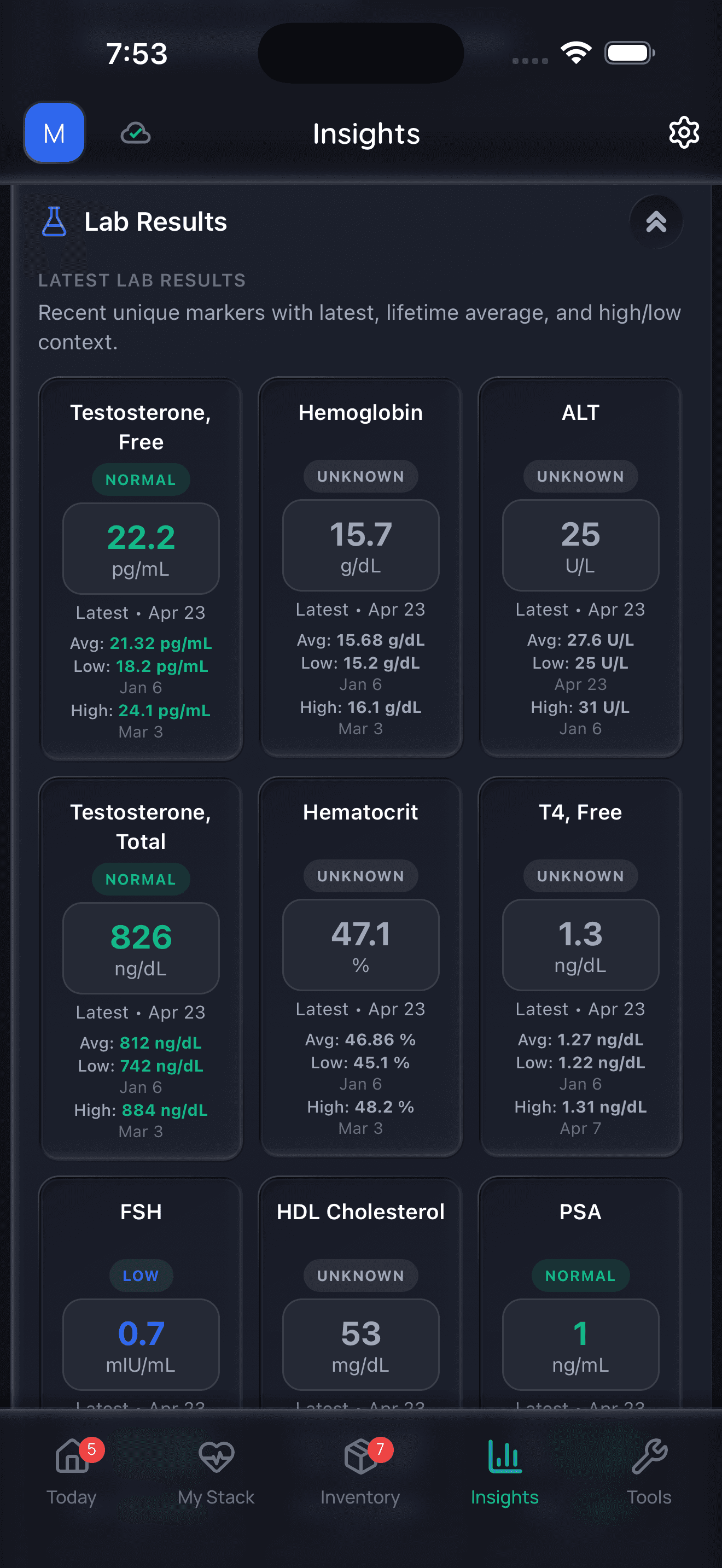
Doserly organizes data; it does not diagnose or interpret labs for you.
Side Effects & Safety
The Basics
Garlic supplements are generally well tolerated, and clinical studies lasting up to 7 years have found no serious safety concerns at standard supplemental doses [6]. The most common side effects are exactly what you would expect from a strong-smelling food: breath and body odor, and gastrointestinal discomfort including gas, bloating, and nausea.
The side effect that deserves the most attention is garlic's effect on blood clotting. Garlic reduces platelet aggregation (how readily blood cells clump together to form clots), which means it can increase bleeding risk. This is particularly important for:
- People taking blood-thinning medications (warfarin, aspirin, clopidogrel)
- Anyone scheduled for surgery (garlic should be discontinued 1-2 weeks before surgical procedures)
- People with existing bleeding disorders
Some important points about form and tolerability: aged garlic extract (AGE) is consistently reported as the best-tolerated form, largely because the aging process eliminates the volatile compounds responsible for odor and much of the GI discomfort. Raw garlic and garlic powder tend to cause more noticeable side effects [6][15].
Topical application of raw garlic should be avoided. Multiple case reports document chemical burns from direct garlic contact with skin, including serious burns requiring medical treatment [23].
The Science
Common adverse effects: Halitosis, body odor, altered platelet function, headache, fatigue, GI upset (nausea, diarrhea, flatulence, abdominal pain), sweating, changes in intestinal flora, and hypoglycemia [13][23].
Bleeding risk: Garlic decreases platelet aggregation and may elevate INR values. Case reports include spinal epidural hematoma, perioperative bleeding, and renal hematoma following lithotripsy associated with excessive garlic consumption [13]. Current guidelines recommend discontinuing garlic supplements at least 7 days prior to surgery [13].
Allergic reactions: Anaphylaxis has been reported in at least two cases following garlic ingestion [13].
Hepatotoxicity: One case report documented liver toxicity in a post-liver-transplant patient started on high-dose garlic supplementation [13].
Topical burns: A systematic review of garlic burn injuries documented multiple cases of chemical burns from topical garlic application for conditions including warts, toothache, acne, and nasal congestion (via "garlic necklace" on infants) [23].
Drug interactions (detailed in Section 13): CYP2C9 and CYP2C19 inhibition, P-glycoprotein induction, and interference with antiretroviral medications (saquinavir, darunavir) are clinically significant [13].
Pregnancy and breastfeeding: Garlic may not be safe during pregnancy or breastfeeding when taken in amounts greater than those found in food. Safety data for supplemental doses during pregnancy are limited [6].
Knowing the possible side effects is the first step. Catching them early in your own experience is what keeps a supplement routine safe. Doserly lets you log any symptoms as they arise, tagging them with severity, timing relative to your dose, and whether they resolve on their own or persist.
The app's interaction checker cross-references everything in your stack, supplements and medications alike, flagging known interactions before they become a problem. It also monitors your total intake against established upper limits, alerting you if your combined sources of a nutrient are approaching thresholds where risk increases. Think of it as a safety net that works quietly in the background while you focus on the benefits.
Capture changes while they are still fresh.
Log symptoms, energy, sleep, mood, and other observations alongside protocol events so patterns do not live only in memory.
Trend view
Symptom timeline
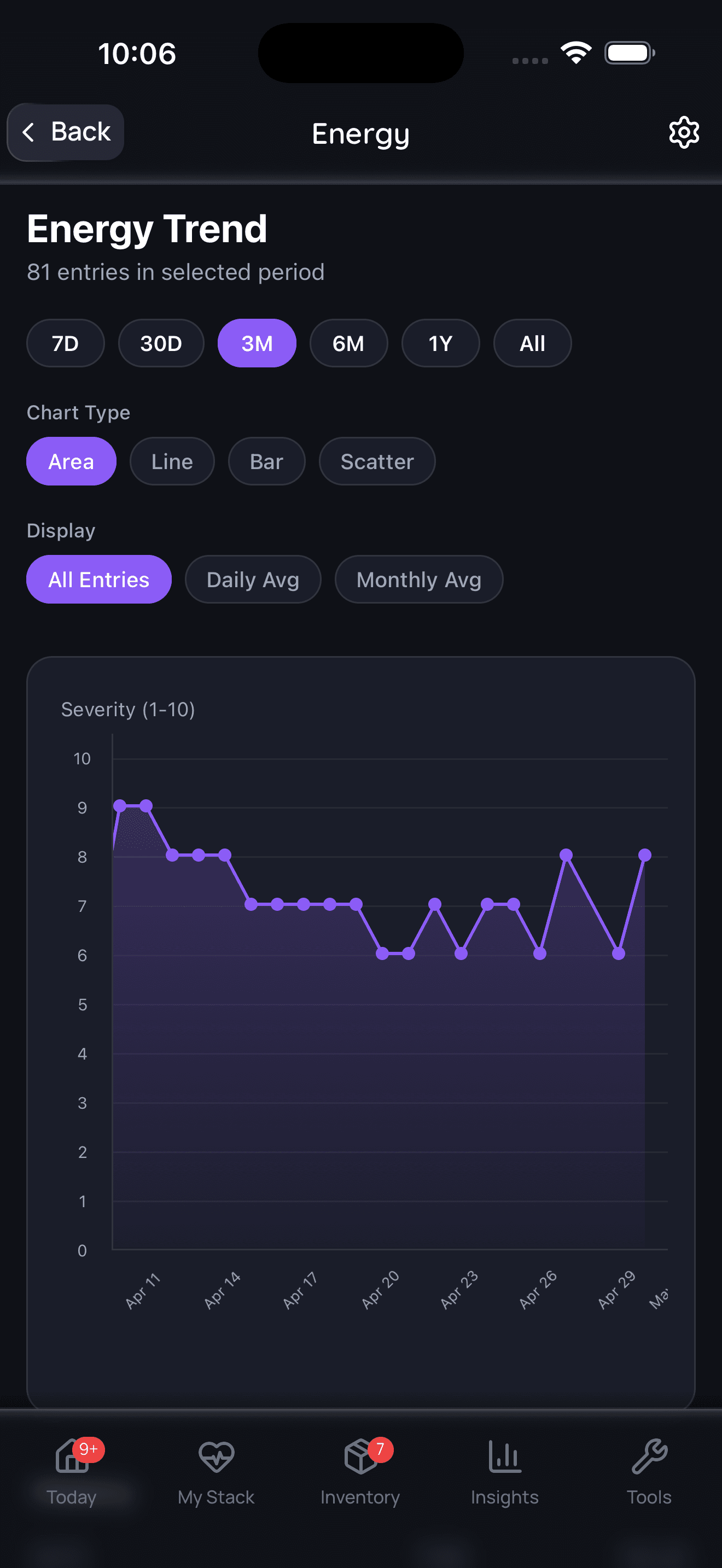
Symptom tracking is informational and should be interpreted with a qualified clinician.
Dosing & Usage Protocols
The Basics
Garlic dosing is more complicated than many supplements because different forms contain fundamentally different bioactive compounds at different concentrations. The "right" dose depends entirely on which form you are using.
For aged garlic extract (AGE), most studies have used doses providing 1.2-2.4 mg of S-allylcysteine per day, which typically corresponds to 600-2,400 mg of extract. Some research suggests that blood pressure effects become significant only above 1,200 mg/day [17].
For garlic powder tablets, 600-1,200 mg/day divided into multiple doses is the most commonly studied range. Enteric-coated formulations are preferred because they protect the alliinase enzyme from stomach acid destruction, allowing allicin to form in the intestine [5].
For raw garlic, one clove (approximately 3-4 grams) eaten with meals two to three times daily is considered a minimum effective dose. The clove should be crushed or finely chopped and allowed to sit for about 10 minutes before eating, as this waiting period allows maximum allicin formation before the enzyme begins to degrade [15].
The duration of supplementation matters. Most studies showing significant effects on cholesterol and blood pressure used treatment periods of 8 weeks or longer, with some trials lasting 6 months or more [3][4].
The Science
Dosing parameters from the clinical evidence base, organized by form:
Aged Garlic Extract (AGE):
- Standard dose: 600-2,400 mg/day (providing 1.2-2.4 mg S-allylcysteine)
- Blood pressure effects significant at doses > 1,200 mg/day in meta-analysis subgroup analyses [17]
- Optimal SAC range identified as 0.5-1.5 mg by meta-regression [17]
- Treatment duration: minimum 8 weeks for measurable effects [17]
Garlic Powder Tablets:
- Standard dose: 600-1,200 mg/day, typically divided 2-3 times daily
- Enteric-coated formulations preferred for allicin delivery
- Allicin yield varies significantly between products (3,600-6,000 mcg per tablet claimed) [5]
Raw/Fresh Garlic:
- Minimum effective dose: 1 clove (3-4 g) eaten with meals 2-3 times daily
- Must be crushed/chopped and rested 10+ minutes for allicin formation
- Maximum safe doses (based on toxicity thresholds): 17-28.4 g depending on body weight [15]
Treatment Duration:
- Lipid effects: minimum 2 months for significant changes [4]
- Blood pressure: significant effects from 8 weeks [17]
- Some trials lasting 6-12 months showed sustained benefits [3]
When your stack includes several supplements, each with its own dose, form, and timing requirements, the logistics alone can derail consistency. Doserly consolidates all of it into one protocol view, so every dose across your entire routine is accounted for without spreadsheets or guesswork.
The app also tracks cumulative intake for nutrients that appear in multiple products. If your multivitamin, standalone supplement, and fortified protein shake all contain the same nutrient, Doserly adds them up and shows you the total alongside recommended and upper limits. Managing a thoughtful supplement protocol shouldn't require a degree in nutrition science. The app handles the complexity so you can focus on staying consistent.
Track injection timing, draw notes, and site rotation.
Doserly helps keep syringe-related notes, injection site history, reminders, and reconstitution context together for easier review.
Injection log
Site rotation
Injection logs support record-keeping; follow clinician instructions for administration.
What to Expect (Timeline)
Weeks 1-2: During the first two weeks, some users report mild GI effects (gas, bloating) as the body adjusts, particularly with raw garlic or non-enteric-coated supplements. Garlic breath and body odor may become noticeable. Users taking aged garlic extract typically experience fewer or no odor-related effects. Blood pressure-sensitive individuals may notice subtle changes in readings during this period. No significant cholesterol changes are expected this early.
Weeks 3-4: GI side effects often diminish as the body adapts. Users checking blood pressure regularly may begin to notice small, consistent reductions in systolic readings. Some users report feeling slightly more energetic, though this is not a widely reported effect. The antiplatelet effects of garlic are active by this point, meaning bleeding risk is already relevant for those on blood thinners.
Weeks 5-8: This is typically when measurable effects begin to appear in clinical markers. Meta-analyses suggest 8 weeks as the minimum timeframe for significant blood pressure reductions [17]. Some lipid panel changes may begin to appear, though the full cholesterol-lowering effect typically requires longer supplementation.
Weeks 8-12: Most clinical trials that demonstrated significant cardiovascular benefits used treatment periods of at least 8-12 weeks. By this point, users who are going to respond to garlic supplementation generally have detectable improvements in blood pressure and lipid profiles. The effects tend to be cumulative and sustained with continued use.
3-6 months and beyond: Long-term studies extending to 6 months and beyond show sustained benefits in cardiovascular markers. Garlic has been used safely in research studies lasting up to 7 years [6]. For cholesterol management specifically, a minimum of 2 months of consistent use is typically needed before meaningful changes appear on lipid panels [4].
Interactions & Compatibility
Synergistic
- Vitamin C: May enhance the cardiovascular benefits of garlic. Both support antioxidant defenses and vascular function through complementary mechanisms.
- CoQ10: Commonly stacked with garlic for comprehensive cardiovascular support. CoQ10 supports mitochondrial energy production in heart tissue while garlic addresses lipid metabolism and vascular function.
- Fish Oil (EPA/DHA): Complementary lipid-modifying and anti-inflammatory effects. Note: both garlic and fish oil have antiplatelet properties, so combined use increases bleeding risk. Users should be aware of this additive effect.
- Selenium: Garlic may enhance selenium absorption, and both compounds support antioxidant defense and immune function [10].
- L-Citrulline: Both promote nitric oxide production and vasodilation. Some users report stacking these for exercise performance and blood pressure support.
- Hawthorn Berry: Traditional cardiovascular pairing. Both support healthy blood pressure through different mechanisms.
Caution / Avoid
- Ginkgo Biloba: Both have antiplatelet effects. Combined use significantly increases bleeding risk.
- Vitamin E: High-dose vitamin E combined with garlic may increase bleeding risk due to additive antiplatelet and anticoagulant effects.
- Iron: No direct negative interaction, but garlic's effect on GI flora and potential for GI discomfort may affect iron tolerance if taken simultaneously. Consider separating doses.
- Warfarin / Anticoagulants: Garlic enhances anticoagulant activity through increased fibrinolytic activity and diminished platelet aggregation. May elevate INR values [13]. Concurrent use requires medical supervision.
- Saquinavir / Darunavir (HIV protease inhibitors): Garlic significantly reduces plasma concentrations of these drugs. In healthy volunteers, garlic supplements decreased saquinavir peak levels by 54% and trough levels by 49%, which can cause therapeutic failure. Two case reports documented HIV viral rebound due to garlic-darunavir interaction [13].
- Cyclosporine (immunosuppressant): Garlic can reduce cyclosporine effectiveness and potentially cause transplant rejection [13].
- Insulin / Antidiabetic drugs: Garlic may have additive hypoglycemic effects. Dose adjustments may be needed [13].
- CYP2C9 and CYP2C19 substrate drugs: Garlic may inhibit these enzymes, potentially increasing levels of drugs metabolized through these pathways. This includes some NSAIDs, warfarin (CYP2C9), and proton pump inhibitors (CYP2C19) [13].
- P-glycoprotein substrate drugs: Garlic induces P-gp, which can reduce the bioavailability of drugs transported by this protein, including digoxin and certain cancer chemotherapy agents [13].
How to Take / Administration Guide
Recommended forms: Aged garlic extract (AGE) is the most extensively studied form and is generally the best tolerated, with minimal odor and GI side effects. For individuals who prefer a whole-food approach, raw garlic crushed and consumed with meals is a traditional and effective option, though with notable odor and GI considerations. Enteric-coated garlic powder tablets offer a middle ground, delivering allicin-yielding compounds while bypassing some of the odor issues.
Timing considerations: Most practitioners recommend taking garlic supplements with meals to improve tolerability and reduce the risk of stomach upset. For raw garlic, the clove should be crushed or finely chopped and allowed to rest for approximately 10 minutes before consumption, as this waiting period allows the full alliin-to-allicin conversion before the enzyme degrades [5][15]. Taking garlic at the same time each day supports consistent tissue levels.
Dose splitting: Dividing the daily dose into 2-3 administrations throughout the day (rather than a single large dose) is common in clinical trials and may improve both tolerability and sustained blood levels of active compounds.
Stacking guidance: Garlic is commonly taken alongside CoQ10, fish oil, and vitamin C as part of a cardiovascular support stack. When stacking multiple supplements with antiplatelet effects (garlic + fish oil + vitamin E, for example), users should be aware of the additive bleeding risk and discuss with a healthcare provider.
Cycling guidance: There is no established need for cycling garlic. It has been used continuously in research studies lasting up to 7 years without evidence of tolerance or diminishing effects [6]. Consistent daily use is the approach used in virtually all clinical trials.
Choosing a Quality Product
Third-party certifications: Look for USP Verified, NSF Certified for Sport, or GMP-certified products. These certifications verify that the product contains what the label claims and is free from contaminants.
Active form matters: The form of garlic supplement chosen is more important for garlic than for many other supplements, because different forms contain fundamentally different bioactive compounds.
- Aged garlic extract (AGE): Standardized to S-allylcysteine (SAC) content. Look for products providing 1.2-2.4 mg SAC per daily dose. AGE is the most clinically studied form.
- Garlic powder tablets: Should be standardized to allicin yield (typically 3,600-6,000 mcg per tablet). Enteric coating is important to protect the alliinase enzyme from gastric acid.
- Garlic oil products: These contain diallyl sulfides but not allicin or alliin. They have less clinical evidence supporting cardiovascular benefits.
Red flags:
- Products with no standardization information on the label (no allicin yield or SAC content stated)
- Proprietary blends that hide individual ingredient amounts
- Claims of "odorless" garlic powder (truly odorless garlic powder may have compromised bioactivity; AGE is the legitimate odorless option)
- Excessive dose claims beyond what clinical evidence supports
- Products sourced from regions with less stringent quality controls without third-party testing verification
Excipient considerations: Enteric coatings typically contain polymer materials that are generally well tolerated. Some products contain common fillers (magnesium stearate, silicon dioxide, cellulose) that are considered safe. Individuals with soy, gluten, or dairy sensitivities should check product labels, as these allergens occasionally appear in supplement formulations.
Storage & Handling
Garlic supplements should be stored in a cool, dry place away from direct sunlight and excessive heat. Moisture can degrade the active compounds, particularly in garlic powder formulations.
Raw garlic bulbs store well at room temperature in a dry, ventilated area (not in the refrigerator, which promotes sprouting). Once individual cloves are separated from the bulb, they should be used within 10 days for maximum bioactivity.
Garlic oil supplements should be refrigerated after opening to prevent rancidity.
AGE products are generally chemically stable due to the nature of S-allylcysteine, but should still be stored per manufacturer instructions.
Keep all garlic supplements out of reach of children. While garlic in food amounts is safe, concentrated supplements in large quantities could pose a risk of GI distress or, in extreme cases, toxicity.
Lifestyle & Supporting Factors
Dietary sources: Garlic is present in cuisines worldwide, and regular dietary consumption provides some of the same organosulfur compounds found in supplements, albeit at lower and less standardized concentrations. Populations with high garlic consumption (Mediterranean, Asian cuisines) show epidemiological associations with lower cardiovascular disease rates, though these associations are confounded by other dietary and lifestyle factors.
Complementary dietary factors: A heart-healthy diet pattern (rich in fruits, vegetables, whole grains, and healthy fats) provides the broader nutritional context in which garlic supplementation is most likely to contribute meaningfully. Garlic's cardiovascular benefits are additive to, not a substitute for, dietary improvements.
Exercise: Regular physical activity independently improves cardiovascular markers (blood pressure, lipid profiles, inflammatory markers) and may have synergistic effects with garlic supplementation. One community report noted improved cardiovascular exercise performance with garlic, though controlled evidence for this specific benefit is limited.
Monitoring: For individuals taking garlic supplements for cardiovascular support, regular monitoring of blood pressure (home monitoring or clinical visits) and periodic lipid panels provide objective feedback on whether supplementation is contributing to measurable improvements. This is particularly important because garlic's effects are modest and may not be subjectively noticeable.
Signs that may indicate benefit from garlic supplementation:
- Mildly elevated blood pressure (prehypertension or stage 1 hypertension, in conjunction with medical care)
- Borderline or mildly elevated cholesterol levels
- Family history of cardiovascular disease
- Interest in complementary approaches alongside lifestyle modifications
Hydration: Adequate water intake supports overall cardiovascular function and may help with the GI tolerability of garlic supplements, particularly raw garlic.
Regulatory Status & Standards
United States (FDA)
Garlic is classified as a dietary supplement under DSHEA and also has GRAS (Generally Recognized as Safe) status as a food ingredient. As a dietary supplement, garlic products are not evaluated by the FDA for efficacy in preventing, treating, or curing any disease. Garlic supplements must comply with FDA Good Manufacturing Practice (GMP) regulations for dietary supplements (21 CFR Part 111).
Canada (Health Canada)
Garlic is recognized as a Natural Health Product (NHP). Monographs exist for garlic supporting claims related to cardiovascular health, including maintenance of cardiovascular health and reduction of elevated blood lipid levels. Products must have an NPN (Natural Product Number) before marketing.
European Union (EFSA)
EFSA has evaluated health claims for garlic. Authorized claims are limited. Garlic is generally permitted for sale as a food supplement across EU member states. The European Pharmacopoeia includes quality standards for garlic preparations.
Australia (TGA)
Garlic preparations are listed in the Australian Register of Therapeutic Goods as complementary medicines. They are available over the counter for traditional use claims.
Athlete & Sports Regulatory Status
WADA: Garlic is not on the WADA Prohibited List and is not a prohibited substance in or out of competition. Athletes can use garlic supplements without risk of a doping violation for the garlic itself.
National Anti-Doping Agencies (USADA, UKAD, Sport Integrity Canada, Sport Integrity Australia): No specific warnings or alerts have been issued for garlic as a substance. General cautions about supplement contamination apply.
Professional Sports Leagues (NFL, NBA, MLB, NHL, NCAA): Garlic is not a banned substance under any major professional or collegiate sports league. However, athletes should still use third-party tested products to avoid contamination risks.
Athlete Certification Programs: NSF Certified for Sport and Informed Sport certified garlic products are available, providing athletes with additional assurance against contamination with prohibited substances.
GlobalDRO: Athletes can check garlic's status at GlobalDRO.com across US, UK, Canada, Australia, Japan, Switzerland, and New Zealand jurisdictions.
Regulatory status and prohibited substance classifications change frequently. Athletes should always verify the current status of any supplement with their sport's governing body, their national anti-doping agency, and a qualified sports medicine professional before use. Third-party certification (Informed Sport, NSF Certified for Sport) reduces but does not eliminate the risk of contamination with prohibited substances.
Frequently Asked Questions
Does garlic really lower cholesterol?
Based on available evidence, garlic supplementation can produce modest reductions in total cholesterol and LDL cholesterol. A 2018 meta-analysis of 39 RCTs estimated approximately a 10% reduction in total cholesterol when garlic is taken consistently for more than 2 months [4]. The effect is statistically significant but substantially smaller than what cholesterol-lowering medications achieve. Individuals considering garlic for cholesterol management should discuss the approach with their healthcare provider, particularly if they have clinically elevated levels.
What is the best form of garlic supplement?
The "best" form depends on individual priorities. Aged garlic extract (AGE) has the most clinical evidence, is well tolerated, and does not cause garlic odor. Enteric-coated garlic powder tablets deliver allicin-yielding compounds and are the most common form in studies. Raw garlic provides the full spectrum of fresh compounds but comes with significant odor and GI considerations. Each form delivers a different set of bioactive compounds, so they are not directly interchangeable.
Can I just eat garlic instead of taking a supplement?
Dietary garlic consumption does provide organosulfur compounds, and epidemiological studies have associated higher garlic intake with cardiovascular benefits. However, the amount of garlic consumed in a typical diet is generally lower than the doses used in clinical trials. To match the supplemental doses studied in research, an individual would need to consume approximately 1-3 cloves of crushed raw garlic per day. Cooking methods also affect bioactivity: microwaving reduces active compounds, while grilling or roasting preserves them if the garlic is crushed first [15].
Does garlic interact with blood thinners?
Yes. Garlic has antiplatelet properties and may enhance the effects of anticoagulant medications such as warfarin. Case reports have documented increased bleeding risk and elevated INR values in patients taking both garlic supplements and anticoagulants [13]. Anyone taking blood-thinning medications should consult their healthcare provider before starting garlic supplementation.
Should I stop garlic before surgery?
Current guidelines recommend discontinuing garlic supplements at least 7 days, and preferably 1-2 weeks, before any surgical procedure due to the risk of increased perioperative bleeding from garlic's antiplatelet effects [13].
Is garlic safe during pregnancy?
Garlic consumed as part of a normal diet is generally considered safe during pregnancy. However, garlic supplements in amounts exceeding typical dietary intake may not be safe during pregnancy or breastfeeding. Limited safety data exist for supplemental doses. Pregnant or breastfeeding individuals should consult their healthcare provider before using garlic supplements [6].
Can garlic supplements cause stomach problems?
GI side effects are among the most commonly reported with garlic supplementation, particularly with raw garlic and garlic powder. Symptoms may include gas, bloating, nausea, and abdominal discomfort. These effects are typically mild and often improve over time. Switching to aged garlic extract (AGE) is the most common solution, as the aging process removes many of the volatile compounds responsible for GI irritation.
How long does it take for garlic supplements to work?
The timeline depends on the health outcome. Blood pressure reductions may begin to appear within 4-8 weeks of consistent supplementation. Cholesterol changes typically require a minimum of 2 months. GI side effects, if they occur, are usually most noticeable in the first 1-2 weeks and tend to diminish with continued use. Cardiovascular benefits appear to be sustained with long-term use.
Is aged garlic extract better than regular garlic supplements?
Aged garlic extract (AGE) and garlic powder supplements contain different bioactive compounds and are not directly comparable. AGE is standardized to S-allylcysteine, which has high and reliable oral bioavailability (70-100%). Garlic powder tablets are standardized to allicin yield, which is less predictable in terms of actual in-vivo delivery. AGE has the largest body of clinical evidence and is better tolerated, but garlic powder tablets also have substantial research support [5][14].
Does garlic help with immune function and colds?
Traditional use of garlic for immune support spans thousands of years, and preclinical research has identified immunomodulatory mechanisms. However, clinical trial evidence specifically for cold and flu prevention is very limited. The NCCIH notes that only a few small studies have examined this question, and the results are inconclusive [6]. Garlic should not be relied upon as a primary immune defense strategy.
Myth vs. Fact
Myth: Garlic supplements will prevent heart disease.
Fact: There is no evidence that garlic supplements prevent heart disease. While meta-analyses consistently show that garlic can modestly improve some cardiovascular risk factors (blood pressure, cholesterol, inflammatory markers), whether these improvements translate to reduced cardiovascular events has not been demonstrated in long-term outcome trials [6]. Garlic may complement other heart-health strategies, but it is not a preventive treatment.
Myth: All garlic supplements are the same.
Fact: Different garlic supplement forms contain fundamentally different bioactive compounds. Aged garlic extract is rich in S-allylcysteine but contains no allicin. Garlic powder tablets can yield allicin in the gut if properly formulated with enteric coating, but actual allicin delivery varies between products. Garlic oil contains diallyl sulfides but neither allicin nor alliin. Fresh garlic produces allicin only when crushed and before cooking deactivates the enzyme. The form chosen directly affects which compounds reach the body [5][7].
Myth: Garlic is a natural antibiotic that can replace prescription antibiotics.
Fact: While allicin demonstrates antimicrobial activity in laboratory settings, the concentrations achievable through oral supplementation are far below those tested in vitro. Garlic should never be used as a substitute for prescribed antibiotics for bacterial infections. Laboratory antimicrobial activity does not translate directly to clinical efficacy in treating human infections [6].
Myth: Odorless garlic supplements work just as well as regular garlic.
Fact: The relationship between odor and efficacy depends on the form. Aged garlic extract is genuinely odorless and has strong clinical evidence supporting cardiovascular benefits, because its active compounds (SAC) are different from the odor-causing allicin. However, garlic products that claim to be "odorless" through simple deodorization of garlic powder may have reduced bioactivity, because the compounds responsible for the odor are closely related to the biologically active compounds [5][14].
Myth: Garlic can cure cancer.
Fact: While preclinical research has identified multiple mechanisms by which garlic compounds may inhibit cancer cell growth, clinical evidence for cancer prevention or treatment in humans is mixed and insufficient. The NCCIH states that garlic consumption does not appear to reduce stomach cancer risk, and its effect on colorectal cancer risk is uncertain [6][12]. Garlic should not be used as a cancer treatment or prevention strategy.
Myth: More garlic is always better.
Fact: Garlic can be toxic at very high doses. Weight-based maximum safe intake estimates range from approximately 17 grams for a 150-pound person to 28 grams for a 250-pound person [15]. Beyond toxicity, higher doses increase the risk of bleeding, GI distress, and drug interactions. The evidence-based dosing range for cardiovascular benefits is 600-2,400 mg/day of standardized extract, and exceeding this range does not necessarily provide additional benefit.
Myth: Cooking garlic destroys all its health benefits.
Fact: Cooking does destroy the alliinase enzyme, preventing allicin formation if the garlic was not crushed before cooking. However, if garlic is crushed or chopped and allowed to rest for 10 minutes before cooking, allicin forms first and then partially converts to other bioactive compounds that are heat-stable. Grilling and roasting preserve more bioactives than microwaving [15]. Additionally, some beneficial compounds in garlic are not dependent on the allicin pathway.
Sources & References
Systematic Reviews & Meta-Analyses
[1] Amagase H. Clarifying the real bioactive constituents of garlic. J Nutr. 2006;136(3 Suppl):716S-725S.
[2] Alam A, Jahan AAA, Bari MS, et al. Allium vegetables: traditional uses, phytoconstituents, and beneficial effects in inflammation and cancer. Crit Rev Food Sci Nutr. 2023;63(23):6580-6614.
[3] PubMed PMID 40580481. Effects of garlic supplementation on cardiovascular risk factors: a comprehensive meta-analysis of 108 randomized controlled trials involving 7,137 participants. 2026.
[4] Sun YE, Wang W, Qin J. Anti-hyperlipidemia of garlic by reducing the level of total cholesterol and low-density lipoprotein: a meta-analysis. Medicine (Baltimore). 2018;97(18):e0255.
Government & Institutional Sources
[5] Amagase H, Petesch BL, Matsuura H, et al. Intake of garlic and its bioactive components. J Nutr. 2001;131(3s):955S-62S.
[6] National Center for Complementary and Integrative Health (NCCIH). Garlic: Usefulness and Safety. Updated February 2025. https://www.nccih.nih.gov/health/garlic
[7] Lawson LD, Hunsaker SM. Allicin bioavailability and bioequivalence from garlic supplements and garlic foods. Nutrients. 2018;10(7):812.
Clinical Trials & Observational Studies
[8] Ackermann RT, Mulrow CD, Ramirez G, et al. Garlic shows promise for improving some cardiovascular risk factors. Arch Intern Med. 2001;161(6):813-824.
[9] Shouk R, Abdou A, Shetty K, et al. Mechanisms underlying the antihypertensive effects of garlic bioactives. Nutr Res. 2014;34(2):106-115.
[10] Memorial Sloan Kettering Cancer Center. Garlic: Purported Benefits, Side Effects & More. https://www.mskcc.org/cancer-care/integrative-medicine/herbs/garlic. Accessed 2026-03-22.
[11] Darooghegi Mofrad M, Milajerdi A, Koohdani F, et al. Garlic supplementation reduces circulating C-reactive protein, tumor necrosis factor, and interleukin-6 in adults: a systematic review and meta-analysis of randomized controlled trials. J Nutr. 2019;149(4):605-618.
[12] Zhou X, Qian H, Zhang D, et al. Garlic intake and the risk of colorectal cancer: a meta-analysis. Medicine (Baltimore). 2020;99(1):e18575.
[13] Memorial Sloan Kettering Cancer Center. Garlic: herb-drug interactions, adverse reactions, and safety data. Comprehensive monograph. Accessed 2026-03-22.
[14] Lawson LD, Wang ZJ. Allicin and allicin-derived garlic compounds increase breath acetone through allyl methyl sulfide: use in measuring allicin bioavailability. J Agric Food Chem. 2005;53(6):1974-1983.
[15] Song K, Milner JA. The influence of heating on the anticancer properties of garlic. J Nutr. 2001;131(3s):1054S-1057S.
[16] Ried K. Garlic lowers blood pressure in hypertensive individuals, regulates serum cholesterol, and stimulates immunity: an updated meta-analysis and review. J Nutr. 2016;146(2):389S-396S.
[17] Tang Y, Lei Y, Xu M, et al. Meta-analysis on the safety and efficacy of long-term garlic consumption as an adjunctive treatment for hypertension. Front Nutr. 2025;12:1656809.
[18] Bashiri S, TaghipourSheshdeh F, et al. The effect of aged garlic supplementation on blood pressure and lipid profile: a dose-response GRADE-assessed systematic review and meta-analysis of randomized controlled trials. Phytother Res. 2025;39(12):5669-5694.
[19] Li WQ, Zhang JY, Ma JL, et al. Effects of Helicobacter pylori treatment and vitamin and garlic supplementation on gastric cancer incidence and mortality: follow-up of a randomized intervention trial. BMJ. 2019;366:l5016.
[20] Lissiman E, Bhasale AL, Cohen M. Garlic for the common cold. Cochrane Database Syst Rev. 2014;(11):CD006206.
[21] Shabani E, Sayemiri K, Mohammadpour M. The effect of garlic on lipid profile and glucose parameters in diabetic patients: a systematic review and meta-analysis. Prim Care Diabetes. 2019;13(1):28-42.
[22] Effects of garlic supplementation on components of metabolic syndrome: a systematic review, meta-analysis, and meta-regression of randomized controlled trials. BMC Complement Med Ther. 2023;23:254.
[23] Hitl M, Kladar N, Gavarić N, et al. Garlic burn injuries: a systematic review of reported cases. Am J Emerg Med. 2021;44:5-10.
Related Supplement Guides
Same Category
Common Stacks / Pairings
Related Health Goal
- Magnesium — cardiovascular support, blood pressure
- Omega-3 / Krill Oil — cardiovascular health, anti-inflammatory
- Red Yeast Rice — cholesterol management
- Niacin (Vitamin B3) — lipid profile support
- Olive Leaf Extract — blood pressure support