
Turmeric/Curcumin: The Complete Supplement Guide
On this page
Quick Reference Card
Attribute
Common Name
- Detail
- Turmeric / Curcumin
Attribute
Other Names / Aliases
- Detail
- Curcuma longa, Diferuloylmethane, Jiang Huang, Indian Saffron, Haldi, E100 (food colorant code)
Attribute
Category
- Detail
- Herbal Anti-Inflammatory (Zingiberaceae family)
Attribute
Primary Forms & Variants
- Detail
- Standard curcumin extract (95% curcuminoids), Meriva (phospholipid complex, ~3.4x absorption), Theracurmin (nanoparticle, ~27x absorption), BCM-95/CurcuGreen (turmeric essential oils, ~7x absorption), Longvida (solid lipid particle, ~65x free curcumin), NovaSol (micellar, ~185x absorption), Curcumin + Piperine (~20x absorption), whole turmeric root powder
Attribute
Typical Dose Range
- Detail
- 500-2,000 mg/day curcuminoids (standard extract); lower doses for enhanced-bioavailability forms (90-500 mg/day depending on formulation)
Attribute
RDA / AI / UL
- Detail
- No established RDA, AI, or UL (botanical supplement, not an essential nutrient). JECFA ADI: 0-3 mg/kg body weight for curcumin as food additive [1]
Attribute
Common Delivery Forms
- Detail
- Capsule, tablet, soft gel, powder, liquid extract, tea, golden milk
Attribute
Best Taken With / Without Food
- Detail
- Most forms are better absorbed with a fat-containing meal. Piperine-containing formulations may be taken with or without food. For GI-targeted effects (e.g., IBS, UC), non-bioenhanced forms taken on an empty stomach may be preferable.
Attribute
Key Cofactors
- Detail
- Piperine (black pepper extract) dramatically enhances absorption; dietary fat improves curcuminoid uptake; ginger may provide synergistic anti-inflammatory effects
Attribute
Storage Notes
- Detail
- Store in a cool, dry place away from direct sunlight. Curcumin is light-sensitive and may degrade with UV exposure. No refrigeration required. Whole turmeric root should be refrigerated or frozen for extended storage.
Overview
The Basics
Turmeric is a bright yellow spice from the ginger family that has been a cornerstone of cooking and traditional medicine in South Asia for thousands of years. You probably know it as the ingredient that gives curry its signature color. The compound that makes turmeric interesting from a health perspective is curcumin, a polyphenol responsible for both the pigment and most of the biological activity researchers have studied [1][2].
In modern wellness, curcumin has become one of the top-selling botanical supplements in the United States, primarily taken for its anti-inflammatory properties [3]. People reach for it to help with joint pain, inflammation, digestive issues, and general health maintenance. The research landscape is vast: hundreds of clinical trials have investigated curcumin for conditions ranging from osteoarthritis to depression to metabolic disorders [3][4].
Here is the catch, though. Curcumin on its own is notoriously difficult for your body to absorb. Eaten straight, the vast majority passes through your digestive system without ever reaching your bloodstream. This bioavailability problem has driven the development of numerous enhanced formulations that use phospholipids, nanoparticles, or black pepper extract to help your body actually use the curcumin you swallow [5]. Which form you choose matters enormously for whether you experience any benefit at all.
The Science
Curcumin (diferuloylmethane, C21H20O6, MW 368.38 g/mol) is the principal curcuminoid in turmeric (Curcuma longa L.), comprising approximately 77% of total curcuminoid content, with demethoxycurcumin (17%), bisdemethoxycurcumin (3%), and cyclocurcumin making up the remainder [5]. Curcuminoids account for roughly 3% of dried turmeric rhizome by weight [3].
A 2023 scoping review of 389 human clinical trial citations found that half focused on obesity-associated metabolic disorders (29%) or musculoskeletal disorders (17%), with beneficial effects on clinical outcomes and/or biomarkers reported in 75% of citations across primarily double-blind, randomized, placebo-controlled trials [3]. A 2025 umbrella review synthesizing meta-analyses confirmed potentially positive effects on lipid profiles, blood pressure, inflammatory markers, musculoskeletal diseases, emotional and cognitive function, ulcerative colitis, and liver and kidney function markers [4].
Despite the breadth of clinical investigation, definitive conclusions remain elusive for many conditions due to heterogeneity in formulations, doses, study populations, and the fundamental bioavailability challenge. The National Center for Complementary and Integrative Health (NCCIH) states that "we don't know enough to definitively conclude if turmeric or curcumin is beneficial for any health purposes," while noting that initial evidence for osteoarthritis is positive [1].
Chemical & Nutritional Identity
Property
Chemical Name
- Value
- Diferuloylmethane; (1E,6E)-1,7-Bis(4-hydroxy-3-methoxyphenyl)hepta-1,6-diene-3,5-dione
Property
Molecular Formula
- Value
- C21H20O6
Property
Molecular Weight
- Value
- 368.38 g/mol
Property
CAS Number
- Value
- 458-37-7
Property
PubChem CID
- Value
- 969516
Property
Category
- Value
- Polyphenol (curcuminoid class), diarylheptanoid
Property
Plant Source
- Value
- Curcuma longa L. (Zingiberaceae family), rhizome
Property
Natural Content
- Value
- 22-40 mg/g in rhizomes; ~3% curcuminoids by weight of dried turmeric
Property
E Number
- Value
- E100 (approved food colorant in EU)
Property
JECFA ADI
- Value
- 0-3 mg/kg body weight (as food additive)
Property
Solubility
- Value
- Lipophilic; practically insoluble in water at acidic and neutral pH; soluble in organic solvents, fats
Curcuminoid Family
Compound
Curcumin (Curcumin I)
- % of Total Curcuminoids
- ~77%
- Notes
- Primary bioactive; most studied
Compound
Demethoxycurcumin (Curcumin II)
- % of Total Curcuminoids
- ~17%
- Notes
- One fewer methoxy group
Compound
Bisdemethoxycurcumin (Curcumin III)
- % of Total Curcuminoids
- ~3%
- Notes
- Two fewer methoxy groups
Compound
Cyclocurcumin
- % of Total Curcuminoids
- ~3%
- Notes
- Cyclized form
Common Supplement Forms and Bioavailability
Form
Standard curcumin extract (95%)
- Bioavailability Enhancement
- Baseline (very low, ~1% oral)
- Mechanism
- Unmodified curcuminoids
Form
Curcumin + Piperine (BioPerine)
- Bioavailability Enhancement
- ~20-fold increase
- Mechanism
- Piperine inhibits hepatic/intestinal glucuronidation
Form
Meriva (Phytosome)
- Bioavailability Enhancement
- ~3.4-fold increase
- Mechanism
- Phospholipid complex improves membrane transit
Form
BCM-95 / CurcuGreen
- Bioavailability Enhancement
- ~7-fold increase
- Mechanism
- Turmeric essential oils (turmerones)
Form
Theracurmin
- Bioavailability Enhancement
- ~27-fold increase (AUC)
- Mechanism
- Nanoparticle colloidal dispersion
Form
Longvida (SLCP)
- Bioavailability Enhancement
- ~65-fold increase (free curcumin)
- Mechanism
- Solid lipid curcumin particle
Form
NovaSol
- Bioavailability Enhancement
- ~185-fold increase (relative)
- Mechanism
- Micellar formulation
Mechanism of Action
The Basics
Curcumin works primarily by dialing down inflammation in your body. Think of inflammation as your immune system's alarm system: it is essential for fighting infections and healing injuries, but when it stays activated too long, it can contribute to joint pain, digestive problems, metabolic issues, and chronic disease.
Curcumin appears to turn down the volume on this alarm at multiple points. It reduces the production of key inflammatory signaling molecules, including TNF-alpha (one of the body's main inflammation messengers) and several interleukins [6][7]. It also has antioxidant properties, helping protect cells from the kind of oxidative damage that can accumulate over time.
Beyond inflammation, curcumin interacts with a surprisingly wide range of biological targets. It has been shown to influence enzymes involved in drug metabolism, affect how your body handles iron, and interact with neurotransmitter systems related to mood. This broad activity profile is both its appeal and its complexity: it is not a single-target molecule like most pharmaceutical drugs [7].
The Science
Curcumin exhibits pleiotropic pharmacological activity through interactions with multiple molecular targets:
Anti-inflammatory Pathways: A meta-analysis of randomized clinical trials confirmed that curcumin is effective in decreasing serum tumor necrosis factor-alpha (TNF-alpha) [6]. It also represses proinflammatory gene expression including IL-6, IL-1beta, IL-8, Hsp70, and STAT-2, while inducing p38/MAPK expression [7]. Cyclooxygenase (COX) inhibition contributes to anti-arthritic effects, with anti-inflammatory activity comparable to hydrocortisone in animal models [7].
NF-kB Modulation: Curcumin inhibits IkappaB kinase (IKKbeta), blocking nuclear translocation of NF-kB, a master regulator of inflammatory gene expression. This mechanism underlies many of its downstream anti-inflammatory effects [7][8].
CRM1/Nuclear Export Inhibition: CRM1 (exportin 1), an important nuclear exportin, has been identified as a direct cellular target of curcumin. Inhibition of CRM1-mediated nuclear traffic may be responsible for many of curcumin's diverse biological effects [7].
Vitamin D Receptor Activation: Curcumin binds and activates the vitamin D receptor (VDR), which may contribute to chemopreventive activity in the colon, where VDRs are abundantly expressed [7].
Cytochrome P450 Interactions: Curcumin inhibits CYP3A4, CYP1A2, and CYP2D6, while enhancing CYP2A6 activity. It also modulates P-glycoprotein expression in the intestine, potentially affecting the absorption of co-administered drugs [7][9]. Short-term use did not result in clinically relevant CYP3A4 interaction in healthy volunteers, though conflicting data exist [7].
Hormonal Effects: Curcumin has weak phytoestrogenic activity (at concentrations not achievable by oral ingestion) and acts as a 5-alpha reductase inhibitor, which may reduce dihydrotestosterone (DHT) levels [7][10].
Absorption & Bioavailability
The Basics
Bioavailability is the single biggest challenge with curcumin supplementation, and understanding it is essential before spending money on any turmeric product. When you swallow plain curcumin, your body absorbs as little as 1% of it. The rest passes straight through your digestive tract without entering your bloodstream [5].
This happens for three reasons. First, curcumin does not dissolve well in water, so it has trouble crossing the watery environment of your intestines. Second, your liver rapidly converts whatever curcumin does get absorbed into inactive metabolites through a process called glucuronidation. Third, your body eliminates it quickly [5].
This is why the form of curcumin you choose matters more than almost any other supplement. Enhanced formulations use different strategies to get around these barriers: some wrap curcumin in fat-like molecules (phospholipid complexes), others shrink it into nanoparticles, and the most common approach pairs it with piperine from black pepper, which temporarily slows your liver's ability to deactivate curcumin [5][11].
One important nuance: emerging research suggests your body may be able to reactivate curcumin from its "inactive" metabolites through enzymatic deconjugation. This could partly explain why clinical effects are observed even when blood levels of free curcumin remain very low [3].
The Science
Curcumin oral bioavailability is fundamentally limited by three pharmacokinetic barriers: poor aqueous solubility (lipophilic compound practically insoluble in water at physiological pH), extensive first-pass hepatic and intestinal metabolism (primarily glucuronidation and sulfation producing curcumin glucuronide and curcumin sulfate), and rapid systemic elimination [5].
Major metabolites identified in plasma include curcumin glucuronide (primary), curcumin sulfate, tetrahydrocurcumin, hexahydrocurcumin, and octahydrocurcumin [5]. These metabolites were historically considered biologically inactive, but emerging evidence suggests that bioactive curcumin can be reformed in vivo from circulating curcumin glucuronides via enzymatic deconjugation, which may partially account for clinical efficacy despite minimal systemic free curcumin levels [3].
The bioavailability enhancement ratios vary dramatically across formulations. Piperine co-administration increases curcumin bioavailability approximately 20-fold by inhibiting UDP-glucuronosyltransferase and intestinal CYP enzymes, reducing first-pass metabolism [11]. Phospholipid complexes (Meriva) achieve approximately 3.4-fold enhancement through improved membrane permeability. Nanoparticle formulations (Theracurmin) achieve approximately 27-fold AUC increases through colloidal dispersion. Micellar formulations (NovaSol) report the highest relative bioavailability enhancement at approximately 185-fold [5].
Dietary fat co-administration improves curcuminoid absorption due to lipophilicity. Turmeric's native essential oil compounds, particularly turmerones, appear to be either additive or synergistic with curcumin for absorption enhancement [5].
Managing absorption timing across multiple supplements gets complicated fast. Some need to be taken with food, others on an empty stomach. Some compete for the same absorption pathways, others enhance each other. Doserly organizes all of this into a single schedule that accounts for the interactions between everything in your stack.
Instead of juggling mental notes about which supplements to separate and which to pair, the app handles the coordination for you. It flags timing conflicts, suggests optimal windows based on the forms you're using, and builds a daily routine that gives each supplement its best chance of being absorbed effectively. One place for all the details that are easy to forget.
Build reminders around the routine, not just the compound.
Doserly can keep timing, skipped doses, and schedule changes organized so the plan you read about becomes easier to follow and review.
Today view
Upcoming reminders

Reminder tracking supports consistency; it does not select a protocol for you.
Research & Clinical Evidence
The Basics
Curcumin is one of the most extensively studied natural compounds in the world, with hundreds of clinical trials investigating its effects across a wide range of conditions. The strongest evidence supports its use for osteoarthritis, where multiple meta-analyses show it can meaningfully reduce knee pain and improve function, performing comparably to some common over-the-counter pain medications in certain studies [1][12][13].
For inflammation more broadly, the data is consistently positive. Curcumin reliably lowers measurable markers of inflammation in the blood, which is encouraging even if the real-world impact varies from person to person [4][6].
The evidence for other conditions is less definitive. There are promising signals for depression, cognitive function in older adults, metabolic health (cholesterol, blood sugar), and inflammatory bowel conditions. But for most of these, researchers still need larger, higher-quality studies before drawing firm conclusions [1][4].
One important caveat: interpreting curcumin research is unusually challenging because studies use wildly different formulations and doses. Comparing a trial using 500 mg of Meriva to one using 2,000 mg of standard curcumin with piperine is genuinely difficult, because the amount of curcumin actually reaching the body differs dramatically [1][3].
The Science
Osteoarthritis: Multiple systematic reviews and meta-analyses support curcumin for knee osteoarthritis. A 2022 Frontiers in Immunology meta-analysis of RCTs found significant benefit for pain and function [12]. A multicenter study found Curcuma domestica extracts comparable to ibuprofen for knee OA [13]. However, a 2020 RCT (Wang et al., n=70) in Annals of Internal Medicine found that curcumin extract reduced pain but did not affect knee effusion-synovitis or cartilage composition, suggesting symptomatic rather than structural benefit [14]. A 2021 non-inferiority trial found a bioavailable turmeric extract as effective as paracetamol for knee OA [15].
Inflammation Biomarkers: A meta-analysis of RCTs confirmed curcumin significantly decreases TNF-alpha concentrations [6]. The 2025 umbrella review reported positive effects on CRP, IL-6, and MDA (malondialdehyde, an oxidative stress marker) [4]. In hemodialysis patients, curcumin was associated with significant reductions in serum CRP, IL-6, and triglyceride levels [7].
Depression and Mood: A 2014 RCT found curcumin efficacy comparable to fluoxetine in major depressive disorder [16]. Subsequent studies have supported antidepressant effects, with proposed mechanisms including serotonin and dopamine modulation, BDNF upregulation, and anti-inflammatory pathways [7][16].
Cognitive Function: A 2025 meta-analysis (9 RCTs, n=501) found curcumin significantly improved global cognitive function (SMD 0.82; 95% CI 0.19-1.45; p=0.010), with optimal dose of 0.8 g/day and significant benefit only with supplementation duration of 24 weeks or longer and in participants aged 60 years or older [17]. Epidemiological data from elderly Asian populations who regularly consume turmeric indicate better cognitive performance compared to non-consumers [7].
Gastrointestinal Health: Clinical evidence suggests benefits for IBS symptom improvement, maintenance of remission in quiescent ulcerative colitis, and treatment of pouchitis after ileal pouch-anal anastomosis [7][18]. Both turmeric and curcumin may benefit patients with non-alcoholic fatty liver disease (NAFLD), though specific measures that are consistently improved remain unclear [1].
Cardiovascular: In postmenopausal women, curcumin combined with aerobic exercise training improved vascular endothelial function [7]. Reduced arterial stiffness has been observed in type 2 diabetes patients [7]. Findings on serum cholesterol levels are mixed [7][19].
Cancer: Data is primarily preclinical with limited human evidence. A phase II trial in advanced pancreatic cancer found clinically relevant biological activity in two patients despite limited absorption [7][20]. Curcumin improved cachexia in colorectal cancer patients and anorexia-cachexia syndrome in head and neck cancer patients [7]. A polyphenol blend including curcumin reduced PSA progression in prostate cancer patients [21]. Curcumin may reduce radiotherapy-induced dermatitis and oral mucositis [7]. However, curcumin may inhibit some chemotherapy drugs' mechanisms of action, particularly in breast cancer models [7].
Evidence & Effectiveness Matrix
Category
Joint Health
- Evidence Strength
- 8/10
- Reported Effectiveness
- 7/10
- Summary
- Multiple meta-analyses support pain and function improvement in OA. Community reports are strongly positive for arthritis.
Category
Inflammation
- Evidence Strength
- 8/10
- Reported Effectiveness
- 7/10
- Summary
- Consistent RCT data showing reduction in TNF-alpha, CRP, IL-6. Community widely reports anti-inflammatory benefits.
Category
Pain Management
- Evidence Strength
- 7/10
- Reported Effectiveness
- 6/10
- Summary
- Comparable to NSAIDs/paracetamol in OA trials. Community mixed for non-arthritic pain.
Category
Gut Health
- Evidence Strength
- 6/10
- Reported Effectiveness
- 6/10
- Summary
- Clinical evidence for IBS, UC remission, NAFLD. Community reports positive for UC.
Category
Mood & Wellbeing
- Evidence Strength
- 6/10
- Reported Effectiveness
- 5/10
- Summary
- RCT data comparable to fluoxetine for depression. Community reports sparse.
Category
Focus & Mental Clarity
- Evidence Strength
- 5/10
- Reported Effectiveness
- 4/10
- Summary
- Meta-analysis positive for cognitive function in elderly (>=24 weeks). Few community reports.
Category
Heart Health
- Evidence Strength
- 5/10
- Reported Effectiveness
- 5/10
- Summary
- Mixed data on lipids; positive for vascular function. Limited community data.
Category
Digestive Comfort
- Evidence Strength
- 4/10
- Reported Effectiveness
- 4/10
- Summary
- May improve IBS but also causes GI side effects in some users.
Category
Skin Health
- Evidence Strength
- 4/10
- Reported Effectiveness
- 3/10
- Summary
- Topical benefits for vitiligo and radiation dermatitis. Minimal community reports.
Category
Libido
- Evidence Strength
- 3/10
- Reported Effectiveness
- 3/10
- Summary
- 5-alpha reductase inhibition may reduce DHT. Community reports libido reduction in males.
Category
Recovery & Healing
- Evidence Strength
- 4/10
- Reported Effectiveness
- 5/10
- Summary
- Some evidence for exercise-induced inflammation. Community reports faster recovery.
Category
Hormonal Symptoms
- Evidence Strength
- 4/10
- Reported Effectiveness
- 5/10
- Summary
- Women report reduced menstrual pain. May affect thyroid and testosterone pathways.
Categories scored: 12
Categories with community data: 12
Categories not scored (insufficient data): Fat Loss, Muscle Growth, Weight Management, Appetite & Satiety, Food Noise, Energy Levels, Sleep Quality, Memory & Cognition, Anxiety, Stress Tolerance, Motivation & Drive, Emotional Aliveness, Emotional Regulation, Sexual Function, Physical Performance, Hair Health, Blood Pressure, Heart Rate & Palpitations, Temperature Regulation, Fluid Retention, Body Image, Immune Function, Bone Health, Longevity & Neuroprotection, Cravings & Impulse Control, Social Connection, Side Effect Burden, Treatment Adherence, Withdrawal Symptoms, Daily Functioning
Benefits & Potential Effects
The Basics
The strongest case for curcumin supplementation is as a natural anti-inflammatory, particularly for joint-related issues. If you have knee osteoarthritis, this is one of the few natural supplements where clinical evidence supports a real, measurable improvement in pain and joint function. Some studies have found it performs comparably to common over-the-counter anti-inflammatory medications for this specific condition [12][13].
Beyond joints, curcumin may support cardiovascular health markers (though the cholesterol data is mixed), digestive health (particularly for inflammatory bowel conditions), mood (some evidence comparable to conventional antidepressants), and cognitive function in older adults over extended supplementation periods [4][17].
It is important to keep expectations realistic. Curcumin is not a cure for any condition, and its effects tend to be modest. The benefits are most apparent in people who have active inflammation to address. If you are generally healthy with low baseline inflammation, you may notice very little difference [1].
The Science
Well-Supported Benefits (multiple RCTs or meta-analyses):
- Reduction in osteoarthritis symptoms (pain VAS scores, WOMAC composite) with effect sizes comparable to NSAIDs in some trials [12][13][14]
- Significant decrease in inflammatory biomarkers: TNF-alpha, CRP, IL-6 [4][6]
- Antioxidant enzyme profile enhancement [5]
- Potential antidepressant effects comparable to fluoxetine in MDD (Sanmukhani et al., 2014) [16]
Emerging Benefits (limited but positive evidence):
- Cognitive function improvement in adults aged 60+ with supplementation >= 24 weeks (SMD 0.82) [17]
- Maintenance of remission in ulcerative colitis as adjunct therapy [18]
- NAFLD biomarker improvement [1]
- Vascular endothelial function improvement (combined with exercise) [7]
- Reduction of exercise-induced muscle soreness and inflammation [4]
- Reduced dysmenorrhea and premenstrual syndrome symptoms [4]
Preliminary Benefits (primarily preclinical or early-phase human data):
- Potential chemopreventive and chemosensitizing properties [7]
- Neuroprotective effects via antioxidant activity and amyloid-beta fibril formation inhibition [7]
- Schizophrenia symptom management as adjunct to antipsychotics [7]
Side Effects & Safety
The Basics
At standard doses taken for a few months, curcumin is generally well tolerated. The most common side effects are digestive: stomach upset, nausea, diarrhea, or acid reflux [1][7]. These tend to be mild and often improve by taking curcumin with food.
There are three safety concerns that deserve particular attention, however:
Liver health. This is an evolving area. Highly bioavailable curcumin formulations, which are designed to enhance absorption, have been increasingly linked to liver damage in case reports. The NCCIH warns that these enhanced formulations "may harm your liver" [1]. The Drug-Induced Liver Injury Network (DILIN) has reported growing numbers of turmeric-associated cases [22]. Symptoms typically include fatigue, nausea, dark urine, and jaundice. If you experience these, stop taking the supplement immediately and consult a healthcare provider. Conventionally formulated (non-enhanced) curcumin appears to have a better safety profile for the liver [1].
Iron absorption. Curcumin can bind iron in the intestines and reduce its absorption significantly. Community reports and case studies describe iron deficiency developing after extended high-dose use [7][23]. If you take curcumin regularly, periodic monitoring of iron status (ferritin levels) may be warranted, particularly if you are already at risk for iron deficiency.
Hormonal effects in men. Curcumin acts as a 5-alpha reductase inhibitor, which can lower dihydrotestosterone (DHT) levels. Some men report reduced libido or sexual drive with ongoing supplementation [10]. This effect may not affect all users, but it is worth being aware of.
The Science
Hepatotoxicity: Case reports of liver injury associated with turmeric/curcumin supplements have increased substantially. A 2023 report from the Drug-Induced Liver Injury Network identified 10 cases of turmeric-associated liver injury, noting it as "a growing problem" [22]. Analysis of supplement-related liver injury cases found that 65% involved turmeric/curcumin products [5]. Enhanced bioavailability formulations appear to pose greater hepatic risk due to higher systemic curcumin exposure. Symptoms typically resolve upon discontinuation [7]. Cases of autoimmune hepatitis have also been reported [7].
Gastrointestinal Effects: Common adverse reactions include nausea, vomiting, acid reflux, stomach upset, diarrhea, and constipation [1][7]. These are dose-dependent and more frequent with higher doses.
Iron Chelation: Curcumin demonstrates iron-chelating properties. Whole turmeric is associated with a 20-90% reduction in iron absorption in human studies [23]. Iron deficiency anemia has been reported in case reports of high-dose supplementation [7].
5-Alpha Reductase Inhibition: Curcumin inhibits 5-alpha reductase, potentially reducing conversion of testosterone to DHT [10]. This mechanism may underlie reports of decreased libido in male users.
Kidney Stone Risk: Turmeric contains approximately 2% oxalate by weight. Chronic supplementation has been associated with oxalate nephropathy in a case report [7]. Individuals predisposed to kidney stone formation should consult a physician before use [7].
Anticoagulant Effects: Preclinical data and a case report suggest turmeric may increase bleeding risk, particularly when co-administered with anticoagulant or antiplatelet medications [7].
Pregnancy and Lactation: Turmeric supplements may be unsafe during pregnancy. Insufficient data exist for breastfeeding safety beyond culinary amounts [1].
Allergic Reactions: Rare cases of contact urticaria and allergic dermatitis have been reported [7].
Managing side effect risks across a multi-supplement stack can feel overwhelming, especially when interactions between supplements, medications, and foods add layers of complexity. Doserly brings all of that into a single safety view so nothing falls through the cracks.
Rather than researching every possible interaction yourself, the app checks your full stack automatically and flags supplement-drug and supplement-supplement interactions that warrant attention. If you do experience something unexpected, logging it takes seconds, and over time the app helps you spot patterns: whether symptoms correlate with specific doses, timing, or combinations. One place for the safety picture that matters most when your stack grows beyond a few bottles.
Connect protocol changes to labs and health markers.
Doserly can keep lab results, biomarkers, symptoms, and dose history close together so follow-up conversations have better context.
Insights
Labs and trends
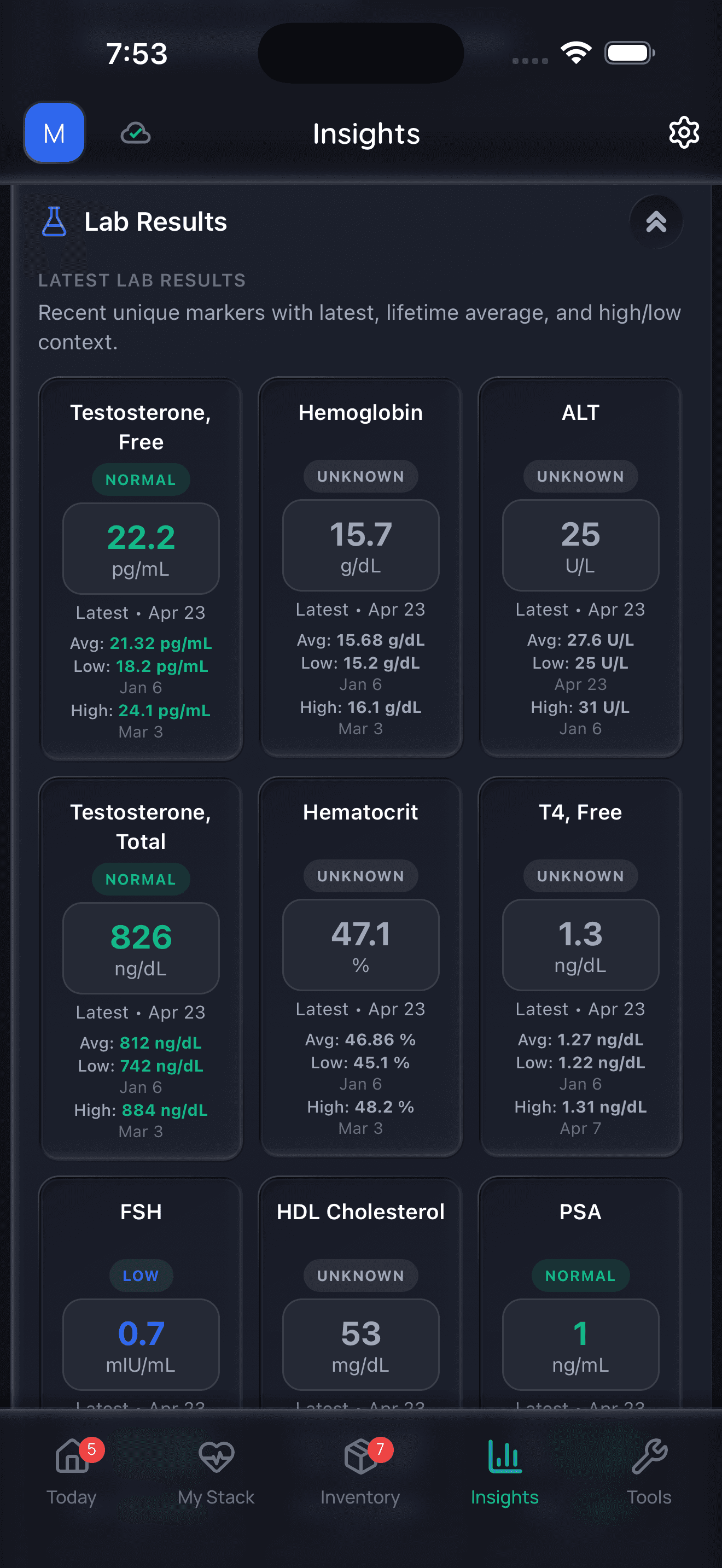
Doserly organizes data; it does not diagnose or interpret labs for you.
Dosing & Usage Protocols
The Basics
Dosing curcumin is more complicated than most supplements because the amount that reaches your body depends almost entirely on which form you take. A dose of 1,000 mg of standard curcumin extract delivers a fundamentally different amount of bioactive compound than 1,000 mg of a phospholipid complex or a nanoparticle formulation [5].
For standard curcumin extracts (95% curcuminoids), commonly reported supplemental doses in clinical trials range from 500 to 2,000 mg per day, often divided into two doses and taken with a fat-containing meal. When combined with piperine (black pepper extract), lower doses may be sufficient due to the approximately 20-fold improvement in absorption [5][11].
For enhanced bioavailability formulations, doses are typically much lower because more curcumin reaches the bloodstream. Most clinical trials using these forms have tested doses in the range of 90-1,000 mg per day, depending on the specific technology [5].
Most clinical trials have run for 4 to 12 weeks, though some evidence, particularly for cognitive benefits, suggests that supplementation periods of 24 weeks or longer may be needed for certain outcomes [17].
The Science
Dosing by Formulation (from clinical trials):
Formulation
Standard curcumin (95%)
- Typical Trial Dose
- 500-2,000 mg/day
- Duration
- 4-12 weeks
- Primary Indication
- Inflammation, OA, general
Formulation
Standard curcumin + piperine
- Typical Trial Dose
- 500-1,000 mg/day + 5-20 mg piperine
- Duration
- 4-12 weeks
- Primary Indication
- Inflammation, OA
Formulation
Meriva (phytosome)
- Typical Trial Dose
- 200-1,000 mg/day
- Duration
- 4-8 weeks
- Primary Indication
- OA, sarcopenia
Formulation
Theracurmin
- Typical Trial Dose
- 90-180 mg/day
- Duration
- 8-24 weeks
- Primary Indication
- Cognitive function, OA
Formulation
BCM-95 / CurcuGreen
- Typical Trial Dose
- 500-1,000 mg/day
- Duration
- 4-8 weeks
- Primary Indication
- Depression, inflammation
Formulation
Longvida (SLCP)
- Typical Trial Dose
- 400-500 mg/day
- Duration
- 4-12 weeks
- Primary Indication
- OA, inflammation
Dosing by Goal:
- Osteoarthritis pain/function: 500-2,000 mg/day curcuminoids or equivalent enhanced form [12][13]
- Anti-inflammatory support: 500-1,500 mg/day [4][6]
- Mood support: 500-1,000 mg/day (BCM-95 used in depression trial) [16]
- Cognitive function: ~800 mg/day for >=24 weeks (meta-analysis optimal dose) [17]
- GI inflammatory conditions: 1,000-2,000 mg/day (non-enhanced, for local gut activity) [18]
When your stack includes several supplements, each with its own dose, form, and timing requirements, the logistics alone can derail consistency. Doserly consolidates all of it into one protocol view, so every dose across your entire routine is accounted for without spreadsheets or guesswork.
The app also tracks cumulative intake for nutrients that appear in multiple products. If your multivitamin, standalone supplement, and fortified protein shake all contain the same nutrient, Doserly adds them up and shows you the total alongside recommended and upper limits. Managing a thoughtful supplement protocol shouldn't require a degree in nutrition science. The app handles the complexity so you can focus on staying consistent.
Turn symptom and safety notes into a clearer timeline.
Doserly helps you log doses, symptoms, and safety observations side by side so patterns are easier to discuss with a qualified clinician.
Pattern view
Logs and observations
Pattern visibility is informational and should be reviewed with a clinician.
What to Expect (Timeline)
Weeks 1-2: Most users do not notice dramatic changes. GI side effects, if they occur, typically appear within the first few days. You may notice subtle improvements in general comfort if you have active inflammation. Some users report improved digestion early on.
Weeks 3-4: Anti-inflammatory effects may begin to become noticeable, particularly for joint pain and stiffness. This is the timeframe where most clinical trial participants start showing measurable changes in inflammatory markers. Morning stiffness may begin to ease.
Weeks 5-8: For osteoarthritis, this is typically when the most meaningful pain and function improvements are reported. Many clinical trials show significant separation from placebo by this point. Digestive benefits for IBS tend to stabilize. Some users report improved mood.
Weeks 8-12: Full effects for most indications are typically apparent by this point. This is the duration of most clinical trials. For users who have not experienced benefit by 12 weeks, the supplement may not be effective for their particular situation, or the formulation/dose may need adjustment.
12-24+ weeks: Extended supplementation may be needed for cognitive benefits, which the meta-analysis data suggests require at least 24 weeks to manifest [17]. Long-term users should consider periodic liver function monitoring, particularly with enhanced bioavailability formulations, and iron status checks.
Interactions & Compatibility
SYNERGISTIC
- Piperine (Black Pepper Extract): The most well-established synergy. Piperine increases curcumin bioavailability approximately 20-fold by inhibiting hepatic and intestinal glucuronidation [11]. Widely co-formulated.
- Fish Oil (EPA/DHA): Curcumin and omega-3 fatty acids may have synergistic anti-inflammatory properties. The fat content also aids curcumin absorption [5][7].
- Ginger: Traditional pairing with potential synergistic anti-inflammatory effects. Both belong to the Zingiberaceae family [5].
- Boswellia: Often combined for joint health; complementary anti-inflammatory mechanisms.
- Vitamin D3: Curcumin may activate the vitamin D receptor (VDR), potentially complementing vitamin D supplementation [7].
- Quercetin: May inhibit sulfotransferase enzymes, potentially enhancing curcumin bioavailability through an alternative mechanism to piperine.
CAUTION / AVOID
- Anticoagulants/Antiplatelets (Warfarin, aspirin, clopidogrel): Curcumin may increase bleeding risk. A case report documents probable interaction with an oral vitamin K antagonist [7]. Consult healthcare provider before combining.
- Iron: Curcumin chelates iron and can reduce intestinal absorption by 20-90%. Separate dosing by at least 2-3 hours. Monitor ferritin with chronic co-use [7][23].
- Chemotherapy drugs (cyclophosphamide, doxorubicin, camptothecin, mechlorethamine): In vitro evidence suggests curcumin may inhibit chemotherapy-induced apoptosis in breast cancer models [7]. Consult oncologist before use during cancer treatment.
- Tacrolimus (Prograf): Turmeric may increase plasma levels of tacrolimus. Acute calcineurin inhibitor nephrotoxicity has been reported [7].
- CYP3A4 substrates: Curcumin inhibits CYP3A4, potentially increasing blood levels of medications metabolized by this enzyme (including many statins, calcium channel blockers, immunosuppressants) [7][9].
- CYP2D6 substrates: Curcumin inhibits CYP2D6, which metabolizes many antidepressants, beta-blockers, and opioids [7].
- Indomethacin, Acetaminophen, Ibuprofen: In vitro data suggest curcumin may alter the effects of these common OTC medications [7].
- Losartan: Curcumin may potentiate blood pressure-lowering effects (observed in animal models) [7].
How to Take / Administration Guide
Recommended forms: Enhanced bioavailability formulations (phospholipid complexes, micellar, or nanoparticle forms) deliver more curcumin to the bloodstream per milligram. For users seeking systemic anti-inflammatory or mood effects, these forms are generally preferred. For users targeting gut-specific effects (IBS, UC), standard non-enhanced curcumin may actually be preferable, as it delivers more curcumin directly to the intestinal lumen without systemic absorption [18].
Timing considerations: Most practitioners recommend taking curcumin with a meal containing dietary fat to improve absorption. Split dosing (morning and evening) may maintain more consistent blood levels throughout the day. If using piperine-containing formulations, be aware that piperine can also affect the absorption of other medications and supplements taken at the same time.
Stacking guidance: Separate curcumin from iron supplements by at least 2-3 hours due to iron chelation [23]. Can be taken alongside omega-3 fatty acids, vitamin D, and magnesium without concern. If taking blood-thinning medications, consult a healthcare provider before adding curcumin.
Cycling guidance: No established cycling protocol exists. Most clinical trials run 4-12 weeks continuously. For long-term use, periodic liver function testing is prudent, particularly with enhanced bioavailability formulations [1][22]. Some users cycle 8-12 weeks on, 2-4 weeks off, though this is not evidence-based.
Choosing a Quality Product
Third-party certifications: Look for USP Verified, NSF Certified for Sport, or GMP certification. These provide assurance of identity, purity, and potency. Given concerns about turmeric adulteration with lead chromate (a yellow dye), third-party testing for heavy metals is particularly important for turmeric products.
Active forms to look for: Products should specify the curcuminoid content (typically standardized to 95% curcuminoids for standard extracts). Enhanced bioavailability formulations should be identifiable by their branded technology name (Meriva, Theracurmin, BCM-95, Longvida, NovaSol). Verify that the stated dose refers to curcuminoids, not total turmeric powder.
Red flags:
- Proprietary blends that do not disclose curcuminoid content
- Claims of "1,000x bioavailability" without specifying the comparison or technology
- Products claiming turmeric/curcumin can cure, treat, or prevent specific diseases
- Extremely low-cost products (turmeric is frequently adulterated)
- Products lacking heavy metal testing, particularly for lead
Excipient considerations: Piperine/BioPerine is the most common addition. While effective for bioavailability, piperine can also affect the absorption and metabolism of other medications. Users on prescription drugs should be aware of this. Some products contain added fats or oils to enhance absorption.
Supplement-specific quality markers: Standardization to curcuminoid percentage is critical. The specific curcuminoid ratio (curcumin I:II:III) can vary between products. Whole turmeric or broad-spectrum extracts contain additional bioactive compounds (turmerones) that may have independent or synergistic value.
Storage & Handling
Curcumin is sensitive to light and may degrade with prolonged UV exposure. Store capsules and tablets in opaque or amber containers in a cool, dry place away from direct sunlight. Room temperature storage is adequate; refrigeration is not required for most formulations.
Whole turmeric root should be refrigerated and used within 2-3 weeks, or frozen for longer storage. Turmeric powder should be stored in an airtight container away from light and moisture.
Be aware that curcumin is an intense yellow-orange dye. It can permanently stain clothing, countertops, and skin. Handle powder forms with care.
Shelf life for most commercial curcumin supplements is 2-3 years from manufacture when stored properly. Check expiration dates, as curcuminoid potency may decline with age.
Lifestyle & Supporting Factors
Dietary sources: Turmeric is a major ingredient in curry powder and features prominently in South Asian cuisine. Culinary use delivers lower doses of curcuminoids than supplements but includes the full spectrum of turmeric compounds including turmerones. Regular dietary intake of turmeric has been epidemiologically associated with better cognitive performance in elderly Asian populations [7].
Anti-inflammatory diet synergy: Curcumin supplementation is most effective when combined with a broader anti-inflammatory dietary pattern rich in omega-3 fatty acids, fruits, vegetables, and whole grains, while limiting processed foods, refined sugars, and excess omega-6 fatty acids.
Exercise: Physical activity itself is anti-inflammatory, and curcumin may complement exercise recovery by reducing exercise-induced inflammation and muscle soreness [4]. In postmenopausal women, curcumin combined with aerobic exercise improved vascular endothelial function beyond either intervention alone [7].
Hydration and kidney health: Given the oxalate content of turmeric, adequate hydration is advisable for regular users, particularly those with a history of kidney stones [7].
Iron monitoring: Regular users, especially those with higher doses, should consider periodic ferritin testing to monitor iron status, given curcumin's iron-chelating properties [23].
Liver monitoring: For users of enhanced bioavailability formulations, periodic liver function tests (ALT, AST, ALP) are prudent, particularly during the first 3-6 months of use [1][22].
Regulatory Status & Standards
United States (FDA): Turmeric is regulated as a dietary supplement under DSHEA. Curcumin is also approved as a food colorant (E100). Turmeric has GRAS (Generally Recognized as Safe) status as a food ingredient. The FDA does not evaluate dietary supplements for efficacy before marketing. Several FDA warning letters have been issued to companies making unauthorized health claims for turmeric products.
Canada (Health Canada): Turmeric is available as a licensed Natural Health Product. Monographed uses include traditionally used in herbal medicine as an anti-inflammatory and as a hepatoprotectant.
European Union (EFSA): Curcumin (E100) is authorized as a food additive with an ADI of 0-3 mg/kg body weight. EFSA's Scientific Committee has recommended restrictions on curcumin as a supplement due to emerging hepatotoxicity concerns. Several EU member states are reviewing regulations for high-bioavailability curcumin formulations.
Australia (TGA): Available as a complementary medicine. Listed on the Australian Register of Therapeutic Goods for traditional use indications.
Active Clinical Trials: Multiple trials are registered on ClinicalTrials.gov investigating curcumin for conditions including cancer (gastric, colorectal, breast), cognitive decline, osteoarthritis, and inflammatory conditions.
Athlete & Sports Regulatory Status
WADA: Curcumin/turmeric is NOT on the current WADA Prohibited List. It is permitted for use by athletes both in and out of competition.
National Anti-Doping Agencies: No major NADOs (USADA, UKAD, Sport Integrity Canada, Sport Integrity Australia) have issued specific warnings about turmeric/curcumin, as it is not a prohibited substance.
NCAA: Turmeric/curcumin is not on the NCAA banned substance list. However, athletes should use third-party certified products (NSF Certified for Sport, Informed Sport) to minimize contamination risk.
Athlete Certification Programs: NSF Certified for Sport and Informed Sport certified turmeric/curcumin products are available. Athletes should verify certification for their specific product.
GlobalDRO: Turmeric/curcumin can be checked on GlobalDRO.com. It is not classified as a prohibited substance in any jurisdiction covered.
Regulatory status and prohibited substance classifications change frequently. Athletes should always verify the current status of any supplement with their sport's governing body, their national anti-doping agency, and a qualified sports medicine professional before use. Third-party certification (Informed Sport, NSF Certified for Sport) reduces but does not eliminate the risk of contamination with prohibited substances.
Frequently Asked Questions
Is turmeric the same as curcumin?
Not exactly. Turmeric is the whole spice derived from the Curcuma longa plant. Curcumin is one specific compound within turmeric, the most studied of the curcuminoids. Turmeric also contains other potentially bioactive compounds like turmerones. Most supplements are standardized extracts of curcuminoids, not whole turmeric. Some researchers suggest that whole turmeric or broad-spectrum extracts may offer benefits beyond isolated curcumin [5].
How much turmeric do I need to eat to get a therapeutic dose of curcumin?
Because curcuminoids make up only about 3% of dried turmeric by weight, you would need to consume roughly 17-67 grams of turmeric powder daily to reach the 500-2,000 mg curcuminoid doses used in clinical trials. This is far beyond culinary amounts. Supplemental extracts are generally necessary to achieve the doses studied in research [3][5].
Does curcumin really need black pepper to work?
Not necessarily, but it helps enormously. Black pepper extract (piperine) increases curcumin absorption approximately 20-fold [11]. However, other bioavailability-enhancing technologies (phospholipid complexes, nanoparticles, micellar formulations) work through different mechanisms and do not require piperine. For users targeting gut-specific effects, non-enhanced curcumin without piperine may actually be preferable [18].
Can curcumin replace anti-inflammatory medications?
Based on available clinical data, curcumin has shown comparable efficacy to ibuprofen for knee osteoarthritis in some trials [13]. However, it should not be considered a direct replacement for prescribed anti-inflammatory medications without consulting a healthcare provider. Curcumin may be considered as a complementary approach, and any changes to medication regimens should be discussed with a qualified professional.
Is curcumin safe for the liver?
This is a nuanced question. Conventionally formulated curcumin appears to have a good safety profile when used as directed for short to medium-term periods. However, highly bioavailable formulations have been increasingly associated with liver injury in case reports [1][22]. The NCCIH recommends watching for symptoms such as fatigue, nausea, dark urine, or jaundice, and stopping use immediately if they occur.
Does curcumin affect testosterone or libido?
Curcumin acts as a 5-alpha reductase inhibitor, which may reduce conversion of testosterone to dihydrotestosterone (DHT) [10]. Some male users report decreased libido with ongoing supplementation. This effect does not appear to affect all users and may be dose-dependent.
Can I take curcumin with blood thinners?
Caution is warranted. Curcumin has demonstrated anticoagulant properties in preclinical studies, and a case report documents probable interaction with an oral vitamin K antagonist [7]. Anyone taking warfarin, aspirin, or other anticoagulant/antiplatelet medications should consult their healthcare provider before adding curcumin supplements.
Does curcumin deplete iron?
Curcumin can chelate iron and may reduce intestinal iron absorption by 20-90% based on available human data [23]. Extended high-dose use has been associated with iron deficiency in case reports [7]. If you take curcumin regularly, separating it from iron-rich meals or supplements by 2-3 hours and monitoring ferritin levels periodically is advisable, especially for individuals at risk of iron deficiency.
How long does curcumin take to work?
Based on clinical trial data, most users can expect anti-inflammatory and pain-related benefits within 4-8 weeks of consistent supplementation. Cognitive benefits may require 24 weeks or longer, particularly in older adults [17]. Some users report noticeable improvements within 1-2 weeks, while others require several months.
Is it better to take curcumin with food or on an empty stomach?
For most forms, taking curcumin with a fat-containing meal improves absorption due to curcumin's lipophilic nature [5]. The exception is when targeting gut-specific effects (IBS, UC), where non-enhanced curcumin on an empty stomach may deliver more active compound directly to the intestinal lumen.
Myth vs. Fact
Myth: Turmeric in food provides the same health benefits as curcumin supplements.
Fact: Culinary turmeric contains only about 3% curcuminoids by weight. You would need to consume 17-67 grams of turmeric powder daily to match typical supplement doses. While regular dietary turmeric has been epidemiologically associated with some benefits (notably cognitive performance in elderly Asian populations), the concentrations used in clinical trials require supplemental forms [3][5][7].
Myth: All curcumin supplements are basically the same.
Fact: The bioavailability of curcumin varies by up to 185-fold between formulations. Standard curcumin extract has approximately 1% oral bioavailability, while advanced formulations using phospholipids, nanoparticles, or micellar technology can dramatically increase the amount that reaches the bloodstream [5]. The form matters more than the dose listed on the label.
Myth: Curcumin is completely safe because it is natural.
Fact: While curcumin has a generally good safety profile at standard doses, highly bioavailable formulations have been linked to liver injury, including cases reported to the Drug-Induced Liver Injury Network [1][22]. Curcumin also chelates iron (potentially leading to deficiency with chronic use), interacts with multiple drug-metabolizing enzymes, and may increase bleeding risk [7][23].
Myth: Curcumin cures cancer.
Fact: While curcumin shows anti-cancer properties in laboratory studies, human evidence is extremely limited and primarily involves adjunctive use alongside conventional treatments. The NCCIH and MSKCC both note that poor oral bioavailability is a major limitation for systemic anticancer effects, and curcumin may actually interfere with certain chemotherapy drugs [1][7]. Curcumin should never be used as a replacement for evidence-based cancer treatment.
Myth: More bioavailability is always better.
Fact: For systemic effects (joint pain, mood, cardiovascular), enhanced bioavailability is generally beneficial. However, for gut-targeted effects (IBS, ulcerative colitis), non-enhanced curcumin that stays in the intestinal tract may actually be more effective. Additionally, the highest-bioavailability formulations carry greater liver injury risk [1][18][22].
Myth: You need to take curcumin with black pepper or it is useless.
Fact: Piperine (black pepper extract) is one effective bioavailability enhancer, increasing absorption approximately 20-fold [11]. However, multiple alternative technologies exist (phospholipid complexes, nanoparticles, micellar formulations) that enhance bioavailability through different mechanisms and do not require piperine [5].
Myth: Curcumin has no side effects.
Fact: Common side effects include GI distress (nausea, diarrhea, stomach upset). Less commonly discussed but documented effects include iron chelation leading to potential deficiency, 5-alpha reductase inhibition potentially reducing DHT and libido in men, kidney stone risk from oxalate content, and liver injury with high-bioavailability formulations [1][7][10][22][23].
Sources & References
Clinical Trials & RCTs
[12] Zeng L, Yang T, Yang K, et al. "Efficacy and safety of curcumin and Curcuma longa extract in the treatment of arthritis: a systematic review and meta-analysis of randomized controlled trial." Frontiers in Immunology. 2022;13:891822.
[13] Kuptniratsaikul V, Dajpratham P, Taechaarpornkul W, et al. "Efficacy and safety of Curcuma domestica extracts compared with ibuprofen in patients with knee osteoarthritis: a multicenter study." Clinical Interventions in Aging. 2014;9:451-458.
[14] Wang Z, Jones G, Winzenberg T, et al. "Effectiveness of Curcuma longa Extract for the Treatment of Symptoms and Effusion-Synovitis of Knee Osteoarthritis: A Randomized Trial." Annals of Internal Medicine. 2020;173(11):861-869.
[15] Singhal S, Hasan N, Nirmal K, et al. "Bioavailable turmeric extract for knee osteoarthritis: a randomized, non-inferiority trial versus paracetamol." Trials. 2021;22(1):105.
[16] Sanmukhani J, Satodia V, Trivedi J, et al. "Efficacy and safety of curcumin in major depressive disorder: a randomized controlled trial." Phytotherapy Research. 2014;28(4):579-585.
[18] Hanai H, Iida T, Takeuchi K, et al. "Curcumin maintenance therapy for ulcerative colitis: randomized, multicenter, double-blind, placebo-controlled trial." Clinical Gastroenterology and Hepatology. 2006;4(12):1502-1506.
[20] Dhillon N, Aggarwal BB, Newman RA, et al. "Phase II trial of curcumin in patients with advanced pancreatic cancer." Clinical Cancer Research. 2008;14(14):4491-4499.
[21] Thomas R, Williams M, Sharma H, Chaudry A, Bellamy P. "A double-blind, placebo-controlled randomised trial evaluating the effect of a polyphenol-rich whole food supplement on PSA progression in men with prostate cancer." Prostate Cancer and Prostatic Diseases. 2014;17(2):180-186.
Systematic Reviews & Meta-Analyses
[3] Panknin TM, Howe CL, Hauer M, et al. "Curcumin Supplementation and Human Disease: A Scoping Review of Clinical Trials." International Journal of Molecular Sciences. 2023;24(5):4476. PMCID: PMC10003109.
[4] Xu Q, et al. "Curcumin and multiple health outcomes: critical umbrella review of intervention meta-analyses." 2025. PMCID: PMC12176752.
[6] Sahebkar A, Cicero AF, Simental-Mendia LE, et al. "Curcumin downregulates human tumor necrosis factor-alpha levels: A systematic review and meta-analysis of randomized controlled trials." Pharmacological Research. 2016;107:234-242.
[17] Wang W, et al. "The effect of curcumin supplementation on cognitive function: an updated systematic review and meta-analysis." Frontiers in Nutrition. 2025. PMID: 40308636.
[22] Halegoua-DeMarzio D, Navarro V, Ahmad J, et al. "Liver injury associated with turmeric: a growing problem: ten cases from the Drug-Induced Liver Injury Network." The American Journal of Medicine. 2023;136(2):200-206.
Government/Institutional Sources
[1] National Center for Complementary and Integrative Health (NCCIH). "Turmeric: Usefulness and Safety." Updated April 2025. https://www.nccih.nih.gov/health/turmeric
[7] Memorial Sloan Kettering Cancer Center (MSKCC). "About Herbs: Turmeric." Last updated November 20, 2025. https://www.mskcc.org/cancer-care/integrative-medicine/herbs/turmeric
Pharmacology & Bioavailability
[2] Akaberi M, Sahebkar A, Emami SA. "Turmeric and curcumin: from traditional to modern medicine." Advances in Experimental Medicine and Biology. 2021;1291:15-39.
[5] Multiple pharmacokinetic studies on curcumin bioavailability. Key references include: Anand P, Kunnumakkara AB, Newman RA, Aggarwal BB. "Bioavailability of curcumin: problems and promises." Molecular Pharmaceutics. 2007;4(6):807-818; Jamwal R. "Bioavailable curcumin formulations: A review of pharmacokinetic studies in healthy volunteers." Journal of Integrative Medicine. 2018;16(6):367-374.
[9] Al-Jenoobi FI, Al-Thukair AA, Alam MA, et al. "Effect of Curcuma longa on CYP2D6- and CYP3A4-mediated metabolism of dextromethorphan in human liver microsomes and healthy human subjects." European Journal of Drug Metabolism and Pharmacokinetics. 2015;40(1):61-66.
[11] Bishnoi M, Chopra K, Rongzhu L, et al. "Protective effect of curcumin and its combination with piperine (bioavailability enhancer) against haloperidol-associated neurotoxicity: cellular and neurochemical evidence." Neurotoxicity Research. 2011;20(3):215-225.
Other Referenced Sources
[8] Siwak DR, Shishodia S, Aggarwal BB, et al. "Curcumin-induced antiproliferative and proapoptotic effects in melanoma cells are associated with suppression of IkappaB kinase and nuclear factor kappaB activity." Cancer. 2005;104(4):879-890.
[10] Community reports corroborated by pharmacological mechanism: curcumin's 5-alpha reductase inhibition activity documented in preclinical literature.
[19] Baum L, Cheung SK, Mok VC, et al. "Curcumin effects on blood lipid profile in a 6-month human study." Pharmacological Research. 2007;56(6):509-514.
[23] Smith TJ, Ashar BH. "Iron Deficiency Anemia Due to High-dose Turmeric." Cureus. 2019;11(1):e3858.
Related Supplement Guides
Same Category (Herbal Anti-Inflammatories & Adaptogens)
Common Stacks / Pairings
- Fish Oil (EPA/DHA) — Synergistic anti-inflammatory pairing
- Vitamin D3 — Curcumin activates VDR; commonly co-supplemented
- Magnesium — Anti-inflammatory and muscle relaxation complement
- Iron — Interaction awareness (separate dosing needed)
- NAC — Complementary antioxidant support
- Zinc — Immune and anti-inflammatory support