
Cinnamon Extract (Ceylon): The Complete Supplement Guide
On this page
Quick Reference Card
Attribute
Common Name
- Detail
- Cinnamon Extract (Ceylon)
Attribute
Other Names / Aliases
- Detail
- True cinnamon, Cinnamomum verum, Cinnamomum zeylanicum, Laurus cinnamomum, Ceylon cinnamon bark
Attribute
Category
- Detail
- Herbal Extract (Bark / Polyphenol / Metabolic Support)
Attribute
Primary Forms & Variants
- Detail
- Ground bark powder, water-soluble extract (e.g., Cinnulin PF), full-spectrum bark extract, essential oil (topical only), standardized polyphenol extract
Attribute
Typical Dose Range
- Detail
- 1 to 6 g/day ground bark; 120 to 500 mg/day standardized extract
Attribute
RDA / AI / UL
- Detail
- No established RDA, AI, or UL. FDA GRAS status as a food spice. No formal upper limit set by IOM or EFSA for supplemental doses.
Attribute
Common Delivery Forms
- Detail
- Capsule, tablet, ground powder, liquid extract, tea, essential oil (topical)
Attribute
Best Taken With / Without Food
- Detail
- Unclear from current research. Some studies administered with meals; efficacy with vs. without food has not been directly compared.
Attribute
Key Cofactors
- Detail
- Chromium (complementary blood sugar support), Berberine (commonly stacked for glycemic control), Alpha-Lipoic Acid (antioxidant synergy)
Attribute
Storage Notes
- Detail
- Store in a cool, dry place away from direct sunlight and moisture. Cinnamaldehyde content may degrade with prolonged heat or light exposure. Sealed containers recommended to preserve volatile oil potency.
Overview
The Basics
Cinnamon is one of the world's oldest and most widely used spices, with records of its trade dating back over 4,000 years to ancient Egypt. What most people do not realize is that "cinnamon" actually refers to several different tree species, and the type matters significantly when it comes to supplementation.
Ceylon cinnamon (Cinnamomum verum) is known as "true" cinnamon and grows primarily in Sri Lanka. It is distinct from cassia cinnamon (Cinnamomum aromaticum or Cinnamomum cassia), which is the cheaper, more common variety found in most grocery stores in North America. The key difference for supplement users is coumarin content: cassia cinnamon contains roughly 0.45% coumarin, a compound that can cause liver damage with prolonged high-dose use, while Ceylon cinnamon contains only trace amounts [1][2].
Cinnamon has attracted research attention primarily for its potential effects on blood sugar management, cholesterol levels, and blood pressure. The idea that a familiar kitchen spice might help with metabolic health is appealing, and there is a genuine scientific basis for the interest. However, the evidence is more nuanced than the marketing often suggests. Large reviews of the clinical data have produced mixed results, and no major medical organization currently recommends cinnamon supplementation as a treatment for diabetes or any other condition [3][4].
That said, the safety profile of Ceylon cinnamon at typical supplement doses appears to be quite good, which makes it an area of ongoing research interest. People considering cinnamon supplementation should understand both what the evidence does and does not support.
The Science
Cinnamon comprises several species within the genus Cinnamomum (family Lauraceae), native to Southeast Asia. The primary species of commercial and clinical interest include C. verum J.S. Presl (syn. C. zeylanicum Nees), C. cassia Blume (syn. C. aromaticum), C. loureirii Nees, and C. burmannii [5].
The bark contains bioactive constituents including cinnamaldehyde (65-80% of essential oil), eugenol, trans-cinnamic acid, hydroxycinnamaldehyde, cinnamyl alcohol, oligomeric procyanidins, tannins, mucilage, and varying concentrations of coumarin [5][6]. A critical compositional distinction is that C. verum differs from C. cassia in eugenol and coumarin content, with coumarin present at approximately 0.45% in cassia varieties but only in trace quantities in Ceylon cinnamon [5][7].
Research interest has centered on cinnamon's potential effects across several metabolic parameters. A 2025 umbrella review of 21 meta-analyses (encompassing 139 comparisons) found that cinnamon supplementation was significantly associated with improvements in fasting blood glucose and lipid profiles, with more pronounced effects observed in patients with diabetes and metabolic syndrome [8]. However, the American Diabetes Association's 2021 guidelines recommend against the use of dietary supplementation with herbs or spices, including cinnamon, for glycemic control based on insufficient evidence of clinical benefit (Level C recommendation) [9].
The clinical literature is complicated by inconsistent identification of cinnamon species in study protocols, blending of different cinnamon types in commercial products, and highly variable extract standardization, all of which limit the interpretability of meta-analytic findings [2][7].
Chemical & Nutritional Identity
Property
Scientific Name
- Value
- Cinnamomum verum J.S. Presl (syn. C. zeylanicum Nees)
Property
Family
- Value
- Lauraceae
Property
Key Active Compounds
- Value
- Cinnamaldehyde (65-80% of essential oil), eugenol, trans-cinnamic acid, hydroxycinnamaldehyde, oligomeric procyanidins
Property
Additional Bioactives
- Value
- Cinnamyl alcohol and its acetate, limonene, alpha-terpineol, tannins, mucilage, o-methoxycinnamaldehyde
Property
Coumarin Content (Ceylon)
- Value
- Trace amounts only
Property
Coumarin Content (Cassia)
- Value
- Approximately 0.45%
Property
CAS Number (Cinnamaldehyde)
- Value
- 104-55-2
Property
Category
- Value
- Herbal extract / bark polyphenol
Property
FDA Classification
- Value
- Generally Recognized as Safe (GRAS) as food spice; dietary supplement under DSHEA
Property
Standardized Extract Example
- Value
- Cinnulin PF (water-soluble extract; 1,000 mg = 40 g cinnamon powder equivalent)
Species Differentiation
The genus Cinnamomum includes over 250 species, but four are primarily relevant to supplementation:
- C. verum (Ceylon): "True" cinnamon. Native to Sri Lanka. Light tan color, thin bark layers, mild sweet flavor. Negligible coumarin. Higher eugenol content.
- C. cassia (Chinese): Dark reddish-brown, thicker bark, stronger flavor. Contains approximately 0.45% coumarin. Most common in North American grocery products.
- C. burmannii (Indonesian): High coumarin content. Widely used in commercial blends.
- C. loureirii (Saigon/Vietnamese): Highest cinnamaldehyde content. Also contains notable coumarin.
Varying sources of material and extraction techniques significantly alter the chemical composition of extracts, which may impact both intended effects and safety profiles [5][6].
Mechanism of Action
The Basics
Cinnamon works through several pathways, most of them connected to its cinnamaldehyde and polyphenol content. Think of these bioactive compounds as multi-functional molecules rather than single-target drugs. They influence blood sugar regulation, inflammation, cholesterol metabolism, and blood vessel function through different but overlapping mechanisms.
The most discussed pathway involves blood sugar. Cinnamon contains a compound called methylhydroxychalcone polymer (MHCP) that can mimic insulin's activity, helping cells absorb glucose from the bloodstream. It also appears to slow down the breakdown of carbohydrates in the digestive tract, which means sugar enters the blood more gradually after meals [10][11].
For cholesterol, cinnamon appears to inhibit an enzyme called HMG-CoA reductase, which is the same enzyme targeted by statin medications (though at a much weaker level). This may partly explain the modest improvements in total cholesterol and triglycerides seen in some clinical studies [12].
On the anti-inflammatory side, cinnamaldehyde (the compound that gives cinnamon its characteristic smell and flavor) blocks a key inflammatory pathway called NF-kappaB. This same pathway is a target for many pharmaceutical anti-inflammatory drugs, giving a biological rationale for cinnamon's traditional use in treating inflammatory conditions [13].
The Science
The pharmacological activity of Ceylon cinnamon is attributed to multiple molecular mechanisms operating across several biological systems:
Insulin-mimetic activity: Methylhydroxychalcone polymer (MHCP) isolated from cinnamon activates insulin receptors and upregulates GLUT4 transporters, increasing glucose uptake independent of insulin signaling [10]. Polyphenols isolated from cinnamon demonstrated a dose-dependent increase in glucose utilization in animal muscle tissue [11][14]. Additionally, cinnamon partially inhibits alpha-amylase activity, reducing the rate of carbohydrate digestion and postprandial glucose excursion [15].
Anti-inflammatory mechanisms: Hydroxycinnamaldehyde inhibits nitric oxide (NO) production via suppression of nuclear factor (NF)-kappaB signaling in RAW 264.7 macrophages [13]. Cinnamaldehyde also inhibits cyclooxygenase-2 (COX-2)-catalyzed prostaglandin E2 biosynthesis [16][17]. In a randomized controlled trial of patients with rheumatoid arthritis (n=36), cinnamon 2 g/day for 8 weeks significantly improved disease activity score, swollen and tender joint counts, pain, and C-reactive protein (P<0.001 for all five measures) [18].
Lipid-modulating effects: Cinnamon inhibits hepatic HMG-CoA reductase activity and reduces blood lipid levels in both animal models and human trials [12]. A meta-analysis of 13 trials (N=750) found significant reductions in total cholesterol (WMD -13.92 mg/dL) and triglycerides (WMD -23.91 mg/dL; P<0.01 each) with cinnamon supplementation [19].
Antioxidant activity: Both ethanol and aqueous extracts demonstrate antioxidant capacity, with the ethanol extract showing greater effectiveness. Cinnamon's antioxidant activity has been evaluated favorably against other herbs, spices, and alpha-tocopherol [20][21].
Additional mechanisms: Cinnamon extract binds estrogen-receptor beta and stimulates osteoblast function in MC3T3-E1 cells, suggesting potential bone-supportive effects [22]. Antiangiogenic effects have been demonstrated via VEGF inhibition, and immunomodulatory and antimicrobial properties have been characterized in vitro [23][24].
Absorption & Bioavailability
The Basics
Understanding how cinnamon is absorbed requires thinking about it differently from a typical pill. Cinnamon is a complex mixture of hundreds of compounds, and each one follows its own absorption pathway. The primary active compound, cinnamaldehyde, is absorbed fairly quickly in the digestive tract, but the polyphenols and procyanidins that also contribute to cinnamon's effects have more variable absorption patterns.
One important practical consideration is that water-soluble cinnamon extracts (like Cinnulin PF) and whole cinnamon bark powder deliver different compound profiles. Extracts are concentrated and standardized, meaning more consistent dosing. Whole bark powder contains the full spectrum of compounds, including fiber and volatile oils, but the actual amount of bioactive compounds reaching your bloodstream can vary significantly between products and even between batches.
The form of cinnamon also matters for safety. Cassia cinnamon's coumarin is absorbed efficiently and can accumulate, which is why prolonged high-dose cassia use raises liver concerns. Ceylon cinnamon's negligible coumarin content makes this a non-issue for the Ceylon variety.
The Science
Pharmacokinetic data specific to Ceylon cinnamon extract are limited. The primary bioactive constituent, cinnamaldehyde, is absorbed in the gastrointestinal tract and undergoes oxidation to cinnamic acid and subsequent conjugation prior to urinary excretion [5].
Water-soluble cinnamon extracts (e.g., Cinnulin PF, standardized to doubly-linked type-A procyanidin polymers) have been developed to concentrate the insulin-potentiating compounds while reducing or eliminating the lipid-soluble components, including cinnamaldehyde and coumarin [25]. A dose of 1,000 mg Cinnulin PF is reported to be equivalent to approximately 40 g of whole cinnamon powder in terms of its polyphenol content [25].
Coumarin pharmacokinetics are clinically relevant for the cassia versus Ceylon distinction. Coumarin is well absorbed orally and metabolized hepatically via CYP2A6 to 7-hydroxycoumarin. Individuals with reduced CYP2A6 activity (polymorphism-dependent) may accumulate coumarin, increasing hepatotoxicity risk [26]. The European Food Safety Authority (EFSA) established a tolerable daily intake (TDI) for coumarin of 0.1 mg/kg body weight. Ceylon cinnamon's trace coumarin content places it well below this threshold at any reasonable supplement dose [7].
Research & Clinical Evidence
The Basics
The research on cinnamon is extensive, but the results are genuinely mixed. This is not a case where the evidence clearly points in one direction. Depending on which studies you look at and how they are analyzed, cinnamon may appear moderately helpful for blood sugar management, or it may appear to do essentially nothing. Understanding why the evidence is contradictory is almost as important as the evidence itself.
The biggest confounding factor is that many studies do not specify which type of cinnamon was used, and commercial products often blend different species. Since the chemical profiles of Ceylon and cassia cinnamon differ meaningfully, pooling results from different species into the same analysis can obscure real effects (or create the illusion of effects that do not exist for a given species). This issue has been noted by the NCCIH, which states that results of cinnamon studies "are difficult to interpret because it's often unclear which species or part of the cinnamon plant was tested" [2].
The Science
Glycemic control: The clinical evidence for cinnamon's effects on blood glucose parameters is equivocal. A Cochrane review pooling data from 10 studies (n=577) concluded that cinnamon was no more effective than placebo for reduction of blood glucose and HbA1c [27]. However, more recent meta-analyses have identified subgroups where benefits appear more consistent. A 2025 systematic review and meta-analysis of 12 RCTs found significant reductions in HbA1c and postprandial blood glucose in patients with type 2 diabetes, with doses of 1-3 g/day for 12 weeks appearing most effective [8]. Khan et al. (2003) demonstrated clinically significant improvements in fasting blood glucose with cassia cinnamon at 1, 3, or 6 g/day over 40 days in type 2 diabetes patients [28].
A 2025 RCT specifically studying C. zeylanicum (Ceylon cinnamon) extract in 150 adults over 12 weeks found a reduction in LDL-C in the treatment group, though this reduction was not statistically significant [29]. A single-dose study using Ceylon cinnamon extract demonstrated alpha-amylase inhibition and reduced postprandial glycemia in healthy volunteers [15].
Blood lipids: A meta-analysis of 13 trials (N=750) found significant reductions in total cholesterol (WMD -13.92 mg/dL) and triglycerides (WMD -23.91 mg/dL; P<0.01 each) but no significant effect on LDL or HDL [19]. A PCOS meta-analysis (5 RCTs, N=448) found significant improvements in fasting blood sugar, fasting insulin, LDL, total cholesterol, triglycerides, and HDL with cinnamon doses of 336-1,500 mg/day for 6-24 weeks [30].
Blood pressure: A dose-response meta-analysis of 9 RCTs (N=641) found significant reductions in both systolic (WMD -6.23 mm Hg; P=0.006) and diastolic blood pressure (WMD -3.93 mm Hg; P=0.001), though heterogeneity was significant. Benefits appeared more pronounced at lower doses (≤2 g/day) for longer durations (≥12 weeks) [31].
Liver disease (NAFLD): A double-blind RCT (N=45) found that 1,500 mg/day cinnamon for 12 weeks significantly improved insulin resistance, liver enzymes, total cholesterol, triglycerides, and CRP in NAFLD patients [32].
Allergic rhinitis: A double-blind RCT (N=60) found that a polyphenol-rich cinnamon bark extract nasal spray used for 7 days improved Rhinoconjunctivitis Quality of Life score by 54% versus 15.6% for placebo (P<0.001) [33].
Migraine: Ceylon cinnamon 600 mg/day for 60 days significantly reduced migraine frequency, severity, and duration in a double-blind RCT (N=50). IL-6 and nitric oxide were also significantly reduced [34].
Rheumatoid arthritis: Cinnamon 2 g/day for 8 weeks improved disease activity score, joint counts, pain, and CRP in a double-blind trial (N=36; P<0.001 for all five measures) [18].
Evidence & Effectiveness Matrix
Category
Heart Health
- Evidence Strength
- 6/10
- Reported Effectiveness
- 5/10
- Summary
- Multiple meta-analyses show modest improvements in total cholesterol and triglycerides (WMD -13.92 and -23.91 mg/dL, respectively). Evidence for LDL/HDL effects is weaker. Community discussion is limited to study citations.
Category
Blood Pressure
- Evidence Strength
- 6/10
- Reported Effectiveness
- 4/10
- Summary
- Meta-analytic evidence supports modest reductions in systolic and diastolic BP, particularly at lower doses over longer durations. Very few personal experience reports in community data.
Category
Inflammation
- Evidence Strength
- 5/10
- Reported Effectiveness
- 4/10
- Summary
- Strong in vitro evidence for NF-kappaB inhibition and COX-2 suppression. One RCT in RA showed significant improvements. Clinical data in healthy populations is limited.
Category
Appetite & Satiety
- Evidence Strength
- 2/10
- Reported Effectiveness
- 5/10
- Summary
- Minimal clinical evidence. One detailed anecdotal report from a PCOS community member describes significant appetite suppression. Insufficient data for confident scoring.
Category
Hormonal Symptoms
- Evidence Strength
- 4/10
- Reported Effectiveness
- 5/10
- Summary
- Preliminary data supports improved menstrual cyclicity in PCOS (1 small RCT). Meta-analysis in PCOS shows improvements in multiple metabolic parameters. Community discussion is limited.
Category
Weight Management
- Evidence Strength
- 4/10
- Reported Effectiveness
- 4/10
- Summary
- A 2025 meta-analysis found significant BMI reduction in T2D patients. Systematic review showed improvements in body composition in metabolic syndrome. Community evidence is minimal.
Category
Nausea & GI Tolerance
- Evidence Strength
- 5/10
- Reported Effectiveness
- 6/10
- Summary
- Clinical trials report few GI adverse events at standard doses. Community reports confirm good tolerability for Ceylon specifically.
Category
Side Effect Burden
- Evidence Strength
- 6/10
- Reported Effectiveness
- 6/10
- Summary
- Strong safety data from clinical trials at doses up to 6 g/day. Ceylon's negligible coumarin content is the primary differentiator. Community consistently highlights Ceylon as the "safe" choice.
Category
Pain Management
- Evidence Strength
- 4/10
- Reported Effectiveness
- N/A
- Summary
- RCT data for dysmenorrhea (significant pain reduction) and episiotomy healing. Preliminary RA data. No community reports available.
Category
Immune Function
- Evidence Strength
- 3/10
- Reported Effectiveness
- N/A
- Summary
- In vitro antimicrobial and immunomodulatory data. No clinical trials in immune function. Community data not yet collected.
Category
Joint Health
- Evidence Strength
- 3/10
- Reported Effectiveness
- N/A
- Summary
- One small RCT in RA showed significant improvements. Traditional use for arthritis. Community data not yet collected.
Category
Gut Health
- Evidence Strength
- 3/10
- Reported Effectiveness
- N/A
- Summary
- In vitro activity against H. pylori, but clinical trial showed no effect at 80 mg/day extract. Community data not yet collected.
Category
Skin Health
- Evidence Strength
- 2/10
- Reported Effectiveness
- N/A
- Summary
- Wound healing data from topical application in episiotomy trial. Ethanol extract showed wound healing activity in animal model. Community data not yet collected.
Category
Bone Health
- Evidence Strength
- 2/10
- Reported Effectiveness
- N/A
- Summary
- In vitro data showing estrogen-receptor beta binding and osteoblast stimulation. No clinical trials. Community data not yet collected.
Category
Cravings & Impulse Control
- Evidence Strength
- 1/10
- Reported Effectiveness
- 5/10
- Summary
- No clinical evidence. One detailed community report from PCOS user described significant craving reduction. Insufficient for confident scoring.
Category
Focus & Mental Clarity
- Evidence Strength
- 2/10
- Reported Effectiveness
- N/A
- Summary
- Single dose of 2 g cinnamon did not improve working memory in elderly prediabetes patients. Dose-dependent neuroprotective effects demonstrated in rats. Community data not yet collected.
Categories scored: 16
Categories with community data: 9
Categories not scored (insufficient data): Fat Loss, Muscle Growth, Energy Levels, Sleep Quality, Memory & Cognition, Mood & Wellbeing, Anxiety, Stress Tolerance, Motivation & Drive, Emotional Aliveness, Emotional Regulation, Libido, Sexual Function, Sexual Function, Recovery & Healing, Physical Performance, Digestive Comfort, Hair Health, Heart Rate & Palpitations, Temperature Regulation, Fluid Retention, Body Image, Longevity & Neuroprotection, Social Connection, Treatment Adherence, Withdrawal Symptoms, Daily Functioning, Food Noise
Benefits & Potential Effects
The Basics
Ceylon cinnamon's potential benefits span several areas of metabolic health, though none of them are guaranteed and most are modest in magnitude. The strongest evidence clusters around blood sugar regulation, cholesterol management, and anti-inflammatory effects.
For blood sugar, cinnamon appears to help the body process glucose more efficiently. Some studies show meaningful reductions in fasting blood glucose and HbA1c (a marker of long-term blood sugar control), particularly in people who already have elevated blood sugar. The effect seems to be more noticeable in people with prediabetes or type 2 diabetes than in people with normal blood sugar levels [28][8].
Cholesterol improvements have also been observed in clinical trials. Total cholesterol and triglycerides tend to show the most consistent reductions, while LDL and HDL changes are less reliable across studies [19].
Beyond metabolic effects, emerging research has explored cinnamon for conditions including allergic rhinitis (hay fever), migraines, menstrual pain, and polycystic ovary syndrome. These areas have much less evidence, but early results have been encouraging enough to warrant further study [30][33][34].
The Science
Glycemic modulation: Meta-analytic data support modest improvements in fasting blood glucose and HbA1c, with effects most pronounced in diabetic and prediabetic populations. The magnitude of HbA1c reduction reported across meta-analyses ranges from -0.09% to clinically meaningful reductions in select subgroups [8][27]. Postprandial glucose peaks are reduced via alpha-amylase inhibition [15].
Lipid profile improvement: Consistent meta-analytic evidence supports reductions in total cholesterol (approximately -14 mg/dL) and triglycerides (approximately -24 mg/dL). Effects on LDL and HDL are less consistent [19]. In the PCOS population, more comprehensive lipid improvements including LDL reduction and HDL elevation have been observed [30].
Blood pressure reduction: Dose-response meta-analysis supports systolic reduction of approximately -6 mm Hg and diastolic reduction of approximately -4 mm Hg, with optimal effects at doses ≤2 g/day over ≥12 weeks [31].
Anti-inflammatory and immunomodulatory effects: CRP reduction has been demonstrated in multiple contexts, including type 2 diabetes (via NF-kappaB and SIRT1 modulation) [35], rheumatoid arthritis [18], and NAFLD [32]. The systemic review of cinnamon supplementation on CRP found significant reduction in pooled analysis [36].
PCOS: A meta-analysis of 5 RCTs (N=448) found significant improvements in fasting blood sugar, fasting insulin, LDL, total cholesterol, triglycerides, and HDL [30]. A separate RCT demonstrated improved menstrual cyclicity over 6 months [37].
Hepatoprotective effects (NAFLD): Significant improvement in liver enzymes, insulin resistance, and inflammatory markers at 1,500 mg/day for 12 weeks [32].
When your supplement stack includes several compounds targeting metabolic health, knowing which one is contributing to which outcome becomes genuinely difficult. Doserly helps you untangle that by keeping everything in one place, with timestamps, doses, and outcomes logged together.
Over time, this builds something more valuable than any product review: your personal evidence record. You can see exactly when you started this supplement, what else was in your routine at the time, and how your tracked health markers responded. That clarity makes the difference between guessing and knowing, whether you're talking to a healthcare provider or simply deciding if it's worth reordering.
Capture changes while they are still fresh.
Log symptoms, energy, sleep, mood, and other observations alongside protocol events so patterns do not live only in memory.
Trend view
Symptom timeline
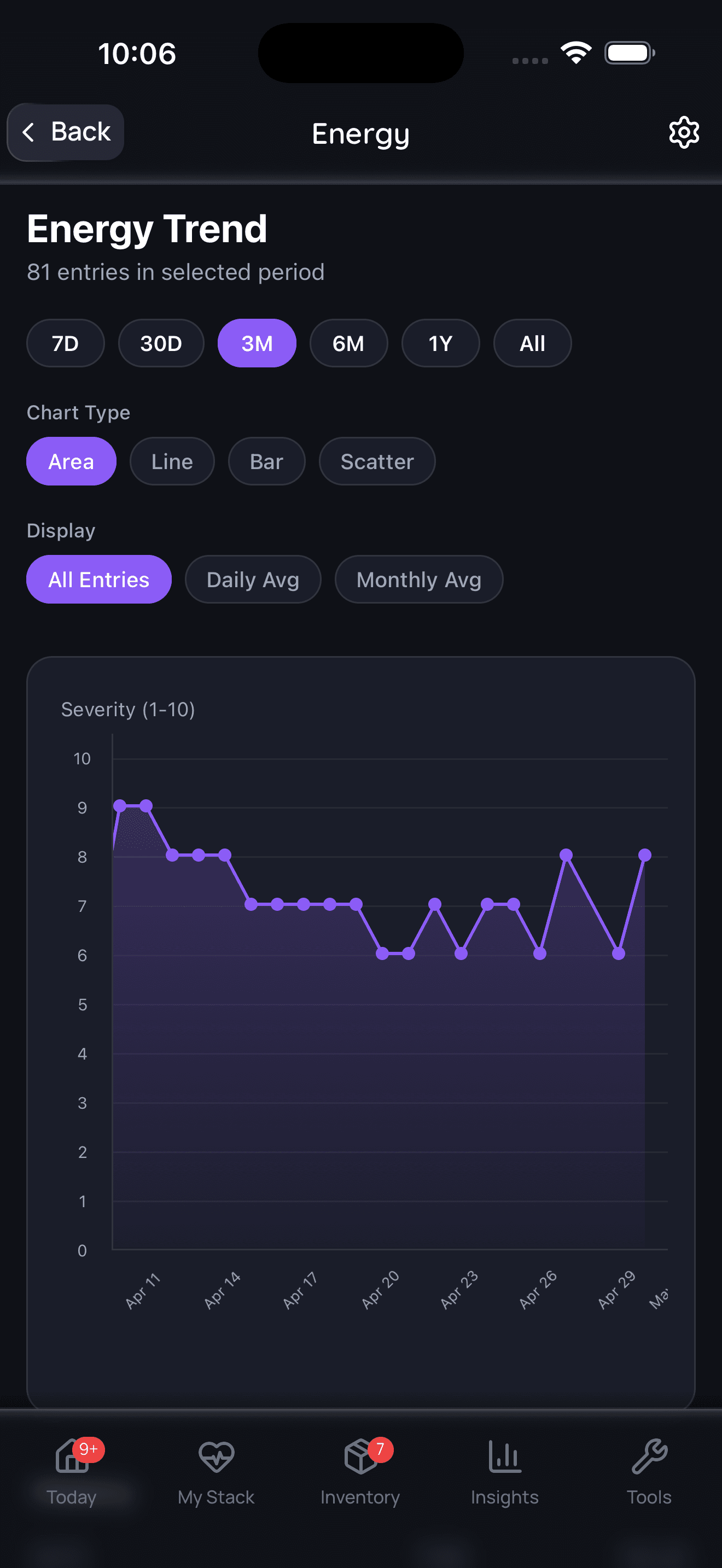
Symptom tracking is informational and should be interpreted with a qualified clinician.
Side Effects & Safety
The Basics
The safety profile of Ceylon cinnamon at typical supplement doses is generally considered favorable. At doses up to 6 g/day in clinical studies, no significant adverse reactions have been reported [28][38]. This is one of the key practical advantages of choosing Ceylon over cassia cinnamon for supplementation.
The most commonly reported side effects are mild gastrointestinal symptoms, including stomachache, heartburn, nausea, and changes in bowel habits. These tend to be self-limiting and are more common at higher doses [39].
The single most important safety distinction between Ceylon and cassia cinnamon is coumarin. Cassia cinnamon contains meaningful amounts of coumarin (approximately 0.45%), which can cause liver damage with prolonged use, especially in people with existing liver conditions or those taking hepatotoxic medications. Ceylon cinnamon contains only trace amounts of coumarin, making liver toxicity from coumarin a non-issue at any reasonable dose [1][7].
Allergic reactions are possible, ranging from contact dermatitis (skin irritation from topical exposure) to oral mucosal reactions from cinnamon-flavored products. These are uncommon but worth noting, particularly for people with known sensitivities to cinnamon or Peru balsam [39][40].
An emerging concern worth noting: recent consumer testing has identified elevated lead levels in some commercial cinnamon products. This is a supply chain issue rather than a property of cinnamon itself, but it underscores the importance of choosing products from manufacturers that conduct heavy metal testing [41].
The Science
GRAS status: Cinnamon has been designated Generally Recognized As Safe (GRAS) by the FDA when used as a food spice [5].
Clinical trial safety data: Across clinical trials at dosages of 1 to 6 g/day, no significant adverse reactions have been reported [28][38][42]. Large quantities of cinnamon bark or moderate quantities of cinnamon oil may increase heart rate, intestinal motility, respiratory rate, and perspiration via chemical stimulation of the vasomotor center, followed by a period of centralized sedation [5]. A cardiac safety study (CINNAMON trial) confirmed that 1,000 mg/day Cinnulin PF did not negatively affect QT/QTc intervals, PR, QRS, or heart rate at 3 or 6 months [25].
Coumarin toxicity (cassia-specific): EFSA established a TDI for coumarin of 0.1 mg/kg body weight. Coumarin is metabolized hepatically via CYP2A6, and individuals with reduced CYP2A6 activity are at increased hepatotoxicity risk [26]. Ceylon cinnamon's trace coumarin content makes this concern negligible for the C. verum species [7].
Case reports of adverse events:
- Acute hepatitis with cholestatic features in a 73-year-old female taking cinnamon concomitantly with rosuvastatin 40 mg/day [43]
- Systemic dermatitis after consuming herbal tea containing large amounts of cinnamon [40]
- Allergic contact dermatitis from cinnamon oil in vaginal suppositories [44]
- Plasma cell gingivitis and stomatitis from oral cinnamon products (toothpaste, chewing gum) [45][46]
- Occupational allergy in a baker from cinnamal exposure [47]
Systematic review of adverse events: Hajimonfarednejad et al. (2019) conducted a systematic review of cinnamon adverse events and confirmed that serious adverse reactions are rare, with GI upset and allergic reactions being the most commonly reported effects [39].
Managing side effect risks across a multi-supplement stack can feel overwhelming, especially when interactions between supplements, medications, and foods add layers of complexity. Doserly brings all of that into a single safety view so nothing falls through the cracks.
Rather than researching every possible interaction yourself, the app checks your full stack automatically and flags supplement-drug and supplement-supplement interactions that warrant attention. If you do experience something unexpected, logging it takes seconds, and over time the app helps you spot patterns: whether symptoms correlate with specific doses, timing, or combinations. One place for the safety picture that matters most when your stack grows beyond a few bottles.
Connect protocol changes to labs and health markers.
Doserly can keep lab results, biomarkers, symptoms, and dose history close together so follow-up conversations have better context.
Insights
Labs and trends
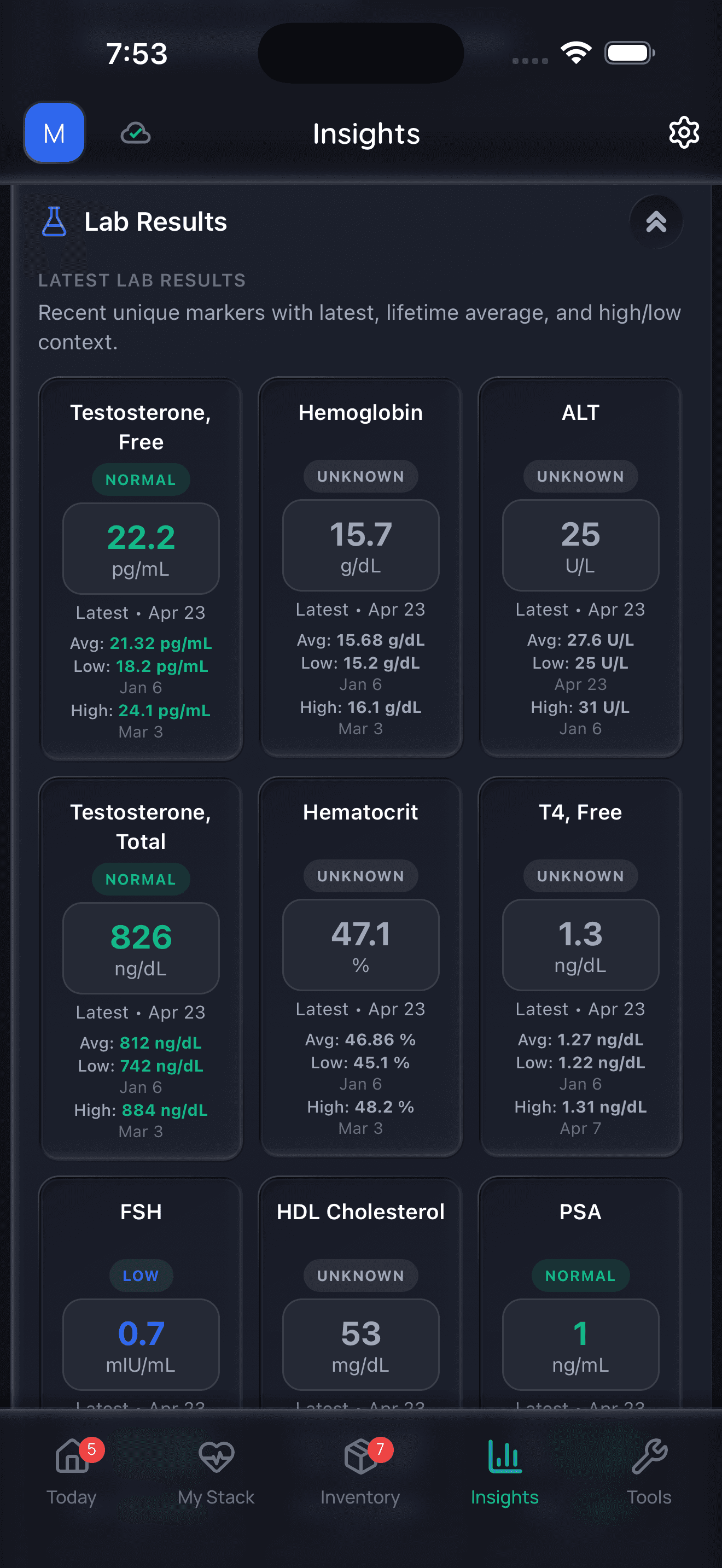
Doserly organizes data; it does not diagnose or interpret labs for you.
Dosing & Usage Protocols
The Basics
Figuring out the right dose of cinnamon is trickier than it sounds, partly because the clinical studies have used a wide range of doses and forms, and partly because the "right" dose depends on what you are hoping to achieve.
For general metabolic support (blood sugar, cholesterol), the most commonly studied range for ground cinnamon bark is 1 to 6 grams per day, with 1 to 3 grams per day being the most frequently cited range. Some studies have used water-soluble standardized extracts at much lower weights (120 to 500 mg/day), which deliver a concentrated polyphenol profile [28][42][48].
There is no established Recommended Daily Allowance (RDA), Adequate Intake (AI), or Upper Tolerable Intake Level (UL) for cinnamon in any form. The dosing guidance below is based on ranges used in published clinical studies and should not be interpreted as a prescriptive recommendation.
The Science
Dosing ranges from clinical literature:
Goal
Glycemic control
- Form
- Ground bark
- Commonly Studied Range
- 1-6 g/day
- Duration
- 8-16 weeks
- Key Citations
- [28][42][48]
Goal
Glycemic control
- Form
- Standardized extract
- Commonly Studied Range
- 120-500 mg/day
- Duration
- 12-24 weeks
- Key Citations
- [48][29]
Goal
Blood lipid improvement
- Form
- Ground bark
- Commonly Studied Range
- 1-6 g/day
- Duration
- 8-16 weeks
- Key Citations
- [19]
Goal
Blood pressure
- Form
- Ground bark / extract
- Commonly Studied Range
- 500 mg - 2.4 g/day
- Duration
- 12+ weeks
- Key Citations
- [31]
Goal
Metabolic syndrome
- Form
- Ground bark
- Commonly Studied Range
- 3 g/day
- Duration
- 16 weeks
- Key Citations
- [49]
Goal
PCOS
- Form
- Capsule
- Commonly Studied Range
- 336-1,500 mg/day
- Duration
- 6-24 weeks
- Key Citations
- [30][37]
Goal
Migraine prevention
- Form
- Ceylon extract
- Commonly Studied Range
- 600 mg/day
- Duration
- 60 days
- Key Citations
- [34]
Goal
Allergic rhinitis
- Form
- Nasal spray extract
- Commonly Studied Range
- Per product protocol
- Duration
- 7 days
- Key Citations
- [33]
Goal
Rheumatoid arthritis
- Form
- Ground bark
- Commonly Studied Range
- 2 g/day
- Duration
- 8 weeks
- Key Citations
- [18]
Goal
NAFLD
- Form
- Capsule
- Commonly Studied Range
- 1,500 mg/day
- Duration
- 12 weeks
- Key Citations
- [32]
Standardized extract equivalency: Cinnulin PF 1,000 mg/day is reported as equivalent to approximately 40 g/day of whole cinnamon powder. Other water-soluble extracts (e.g., CinSulin) use different standardization parameters. Direct cross-product dose comparisons should be made cautiously [25].
Special populations:
- Prediabetes and type 2 diabetes: Most studied population. Doses of 1-3 g/day for 12+ weeks appear most consistently associated with benefit in subgroup analyses [8][31].
- PCOS: Limited but positive data at 336-1,500 mg/day for 6-24 weeks [30].
- Pregnancy/Lactation: GRAS as food; supplemental doses not recommended due to insufficient safety data [50].
When your stack includes several supplements, each with its own dose, form, and timing requirements, the logistics alone can derail consistency. Doserly consolidates all of it into one protocol view, so every dose across your entire routine is accounted for without spreadsheets or guesswork.
The app also tracks cumulative intake for nutrients that appear in multiple products. If your multivitamin, standalone supplement, and fortified protein shake all contain the same nutrient, Doserly adds them up and shows you the total alongside recommended and upper limits. Managing a thoughtful supplement protocol shouldn't require a degree in nutrition science. The app handles the complexity so you can focus on staying consistent.
Turn symptom and safety notes into a clearer timeline.
Doserly helps you log doses, symptoms, and safety observations side by side so patterns are easier to discuss with a qualified clinician.
Pattern view
Logs and observations

Pattern visibility is informational and should be reviewed with a clinician.
What to Expect (Timeline)
For individuals beginning Ceylon cinnamon supplementation, the timeline for potential effects varies considerably based on the health parameter being tracked, the dose used, and individual metabolic status.
Weeks 1-2:
Most people notice no dramatic changes in the first two weeks. Some individuals report mild GI adjustment symptoms (slight stomach warmth or increased bowel regularity), which typically resolve. Those using cinnamon with meals may notice slightly less pronounced blood sugar spikes after carbohydrate-heavy meals, though this is subtle and difficult to perceive without continuous glucose monitoring.
Weeks 3-4:
If blood glucose monitoring is being used, some individuals with elevated baseline levels may begin to see modest improvements in fasting glucose readings. Postprandial glucose peaks may be slightly blunted. These effects are more likely in people with prediabetes or type 2 diabetes than in those with normal blood sugar.
Weeks 5-8:
Blood lipid parameters (total cholesterol, triglycerides) may begin to show measurable changes at this point. Blood pressure effects, if they occur, tend to become apparent during this window, particularly at doses ≤2 g/day. Anti-inflammatory marker improvements (CRP) have been documented in several studies with 8-week durations.
Weeks 8-12+:
The most consistent clinical improvements across meta-analyses appear at 12 weeks and beyond. HbA1c changes, which reflect long-term glucose control, require at minimum 8-12 weeks to manifest due to the 90-day red blood cell lifecycle. Longer-term benefits for metabolic syndrome parameters, PCOS symptoms, and body composition changes also typically require 12-16+ weeks of consistent supplementation.
Important context: Many individuals may not perceive any noticeable subjective changes, even if measurable laboratory values are improving. Cinnamon's effects tend to be metabolic rather than experiential, meaning blood work and tracking tools are more reliable indicators of benefit than how you feel day to day.
Interactions & Compatibility
Synergistic
- Berberine: Commonly stacked in community protocols for blood sugar management. Both target glucose metabolism through different pathways. Some community users report additive fasting glucose improvements.
- Chromium: Complementary mechanism for insulin sensitivity. Chromium enhances insulin signaling at the receptor level; cinnamon provides insulin-mimetic activity through MHCP.
- Alpha-Lipoic Acid: Antioxidant synergy. Both demonstrate glucose-lowering and antioxidant properties through different mechanisms.
- Magnesium: Magnesium deficiency impairs insulin sensitivity. Correcting magnesium status may complement cinnamon's glycemic effects.
- Vitamin D3: Vitamin D status is associated with insulin sensitivity and metabolic health. May complement metabolic support goals.
Caution / Avoid
- Antidiabetic medications (metformin, sulfonylureas, insulin): Theoretical potentiation of hypoglycemic effects. Blood glucose should be monitored closely if combining cinnamon supplementation with antidiabetic drugs. Consult a healthcare provider before combining.
- Pioglitazone: Preclinical studies demonstrate that cinnamon enhanced the bioavailability of pioglitazone upon concomitant use [51].
- Statins (especially high-dose rosuvastatin): A case report described acute hepatitis when cinnamon was taken with rosuvastatin 40 mg/day. Caution warranted, particularly with high-dose statin therapy [43].
- CYP450 substrate drugs (2A6, 2C9, 2D, 3A4): Preclinical studies suggest cinnamon inhibits these CYP450 enzymes, potentially increasing blood levels and side effects of drugs metabolized through these pathways. Clinical relevance has not been established [52][53][54].
- Anticoagulant/antiplatelet medications (warfarin, aspirin): Coumarin in cassia cinnamon may potentiate anticoagulant effects. While Ceylon cinnamon has negligible coumarin, the theoretical risk of increased prothrombin time warrants caution [55].
- Hepatotoxic drugs: Additive liver stress possible, particularly with cassia cinnamon. Ceylon's low coumarin mitigates but does not eliminate this consideration.
- Turmeric (high dose): Both have antiplatelet activity. Combined high-dose use may theoretically increase bleeding risk.
How to Take / Administration Guide
Recommended forms for supplementation:
Ceylon cinnamon is available as ground bark powder, capsules containing ground bark, water-soluble standardized extracts, and liquid extracts. For supplementation purposes, capsules or standardized extracts provide the most consistent dosing. Ground bark powder can be added to food or beverages but delivers variable bioactive concentrations.
Timing considerations:
Current research does not definitively establish whether cinnamon should be taken with or without food. Some studies administered cinnamon with meals, and the alpha-amylase inhibition mechanism suggests potential benefit when taken before or with carbohydrate-containing meals to blunt postprandial glucose spikes. Splitting the daily dose across meals (e.g., 500 mg with breakfast and 500 mg with dinner) is a common approach used in clinical trials.
Stacking guidance:
Cinnamon is commonly combined with berberine and/or chromium in metabolic support stacks. When stacking with berberine, many practitioners suggest taking them at the same meal since both target postprandial glucose management. Space cinnamon apart from iron supplements, as polyphenols may inhibit non-heme iron absorption.
Powder reconstitution:
Ground Ceylon cinnamon powder can be stirred into coffee, oatmeal, smoothies, yogurt, or warm water. The powder does not dissolve fully and may leave sediment. Taste is mild and sweet compared to cassia cinnamon. Starting with 0.5 to 1 teaspoon (approximately 1.3-2.6 g) is a common approach.
Cycling guidance:
No evidence-based cycling protocol has been established for cinnamon. Clinical trials have administered cinnamon continuously for up to 6 months without reported issues. However, as with any supplement, periodic reassessment of need and response with a healthcare provider is prudent.
Choosing a Quality Product
Third-party certifications: Look for products tested by USP, NSF International, or ConsumerLab. These organizations verify identity, purity, potency, and the absence of contaminants. For athletes, Informed Sport or NSF Certified for Sport certification confirms the absence of banned substances.
Species identification: The most critical quality marker for cinnamon supplements is accurate species labeling. The product should explicitly state Cinnamomum verum or Cinnamomum zeylanicum (Ceylon cinnamon). Products labeled simply as "cinnamon" without species identification may contain cassia or a blend, which carries higher coumarin content. Many products marketed as "true cinnamon" or "Ceylon cinnamon" have been found upon testing to contain cassia or mixed species [7].
Heavy metal testing: Recent consumer testing has identified elevated lead levels in some commercial cinnamon products. Look for manufacturers that conduct and publish Certificate of Analysis (COA) results for heavy metals, including lead, cadmium, arsenic, and mercury [41].
Extract standardization: For standardized extract products, look for defined polyphenol content or specific extract names (e.g., Cinnulin PF, CinSulin). These products provide more consistent dosing than unstandardized ground bark.
Red flags:
- Products labeled "cinnamon" without species identification
- No third-party testing or COA available
- Proprietary blends that do not disclose cinnamon dose
- Claims of "curing" diabetes or other diseases
- Unusually low pricing (may indicate cassia substitution)
Form quality markers:
- Capsules should specify elemental or extract weight, not just capsule weight
- Ground bark should be light tan (Ceylon) rather than dark reddish-brown (cassia)
- Ceylon cinnamon quills are thin, papery, and multi-layered; cassia quills are thick and single-rolled
Storage & Handling
Ceylon cinnamon supplements should be stored in a cool, dry place, away from direct sunlight and moisture. The volatile oil content (primarily cinnamaldehyde) can degrade with prolonged heat or light exposure, reducing potency over time.
Ground cinnamon powder has a shorter effective shelf life than whole quills or encapsulated products due to greater surface area exposure to air. An unopened container of ground cinnamon typically maintains potency for 2-3 years; once opened, use within 6-12 months for best results. Whole cinnamon sticks retain their volatile oils longer.
Capsules should be kept in sealed containers with desiccant packets to prevent moisture absorption. Liquid extracts and essential oils should be stored in dark glass bottles, ideally refrigerated after opening.
Do not store cinnamon products near strongly scented spices or supplements, as the volatile oils can absorb and transfer flavors.
Lifestyle & Supporting Factors
Dietary considerations: Individuals interested in blood sugar management should combine any cinnamon supplementation with a balanced dietary pattern that moderates refined carbohydrate intake. Dietary sources of cinnamon (adding the spice to meals) provide small amounts of the same bioactive compounds and may complement supplementation.
Exercise: Regular physical activity independently improves insulin sensitivity and glycemic control. The combination of exercise and cinnamon supplementation has not been directly studied, but both target overlapping metabolic pathways.
Blood sugar monitoring: For individuals using cinnamon to support glycemic control, regular blood glucose monitoring (fasting glucose, HbA1c) provides objective feedback on whether supplementation is having a measurable effect. Continuous glucose monitors (CGMs) can detect meal-specific responses.
Hydration: No specific hydration requirements for cinnamon supplementation. Adequate daily water intake supports overall metabolic function.
Signs of deficiency: Cinnamon is not an essential nutrient and there is no deficiency state. Its use is entirely optional and targeted at specific health goals.
Factors that increase potential benefit: Prediabetic or diabetic status, metabolic syndrome, elevated baseline cholesterol or triglycerides, PCOS, and existing inflammatory conditions appear to be associated with greater likelihood of measurable benefit from cinnamon supplementation based on subgroup analyses in clinical trials [8][31][49].
Regulatory Status & Standards
United States (FDA)
Cinnamon is classified as Generally Recognized As Safe (GRAS) by the FDA when used as a food spice. As a dietary supplement, it falls under DSHEA regulation. No New Dietary Ingredient (NDI) notification is required for cinnamon products. The FDA does not evaluate cinnamon supplements for efficacy in treating, curing, or preventing any disease.
Canada (Health Canada)
Cinnamon bark is listed as an ingredient in Licensed Natural Health Products. Products containing cinnamon require a Natural Product Number (NPN) for legal sale. Health Canada monographs acknowledge traditional use for digestive support.
European Union (EFSA)
EFSA has established a Tolerable Daily Intake (TDI) for coumarin of 0.1 mg/kg body weight, which is primarily relevant to cassia cinnamon consumption. The German Federal Institute for Risk Assessment (BfR) has issued guidance on coumarin in cinnamon-containing foods. Ceylon cinnamon's negligible coumarin content places it well within safety thresholds [7][26].
Australia (TGA)
Cinnamon bark is listed as an ingredient in complementary medicines under the TGA regulatory framework.
Active Clinical Trials
Multiple clinical trials evaluating cinnamon for diabetes, metabolic syndrome, and other conditions are registered on ClinicalTrials.gov. Searches for "Cinnamomum verum" or "Ceylon cinnamon" on clinicaltrials.gov will return current listings.
Athlete & Sports Regulatory Status
WADA: Cinnamon is not listed on the World Anti-Doping Agency (WADA) Prohibited List. It is not classified as a prohibited substance in or out of competition.
National Anti-Doping Agencies: No major national anti-doping organization (USADA, UKAD, Sport Integrity Canada, Sport Integrity Australia, NADA Germany) has issued specific guidance or alerts regarding cinnamon supplements.
Professional Sports Leagues: Cinnamon is not prohibited by any major professional sports league (NFL, NBA, MLB, NHL, MLS, NCAA).
NCAA: Cinnamon is not on the NCAA banned substance list. Athletes using cinnamon supplements should still verify third-party certification (NSF Certified for Sport or Informed Sport) to reduce contamination risk.
Athlete Certification Programs: NSF Certified for Sport and Informed Sport-certified cinnamon products are available. Athletes should select certified products to minimize the risk of inadvertent contamination with prohibited substances.
GlobalDRO: Athletes can check cinnamon's status at GlobalDRO.com for US, UK, Canada, Australia, Japan, Switzerland, and New Zealand.
Regulatory status and prohibited substance classifications change frequently. Athletes should always verify the current status of any supplement with their sport's governing body, their national anti-doping agency, and a qualified sports medicine professional before use. Third-party certification (Informed Sport, NSF Certified for Sport) reduces but does not eliminate the risk of contamination with prohibited substances.
Frequently Asked Questions
Is Ceylon cinnamon better than cassia cinnamon?
Based on available research, the two types have not been directly compared in head-to-head clinical trials. Meta-analyses suggest potential differences in effects on glycemic control and cholesterol levels, but more high-quality studies are needed. The primary established advantage of Ceylon over cassia is its negligible coumarin content, which makes it a safer choice for long-term supplementation at higher doses [1][7].
Can cinnamon replace diabetes medication?
No. Current evidence does not support using cinnamon as a replacement for prescribed diabetes medications. The American Diabetes Association (2021) recommends against the use of dietary supplementation with herbs or spices for glycemic control based on insufficient evidence. Any changes to diabetes medication should be discussed with a qualified healthcare provider [9].
How much cinnamon should I take?
Based on available clinical data, commonly studied ranges for ground cinnamon bark are 1 to 6 g/day, with 1 to 3 g/day being the most frequently cited range for general metabolic support. Standardized extracts are typically dosed at 120 to 500 mg/day. There is no officially established dose, and individual responses vary. A healthcare provider can help determine an appropriate amount based on individual health goals and existing medications.
Is cinnamon safe during pregnancy?
Cinnamon consumed in normal food amounts is generally considered safe during pregnancy. However, supplemental doses of Ceylon cinnamon during pregnancy are considered potentially unsafe due to insufficient safety data. Anyone who is pregnant or breastfeeding should consult a healthcare provider before taking cinnamon supplements [50].
Does cinnamon interact with medications?
Cinnamon may interact with certain medications, including antidiabetic drugs (theoretical potentiation of glucose-lowering effects), pioglitazone (enhanced bioavailability in animal studies), statins (case report of hepatitis), and drugs metabolized by CYP450 enzymes 2A6, 2C9, 2D, and 3A4. Anyone taking prescription medications should discuss cinnamon supplementation with their healthcare provider [51][52][53][54].
How do I know if my cinnamon supplement is really Ceylon?
Look for products that explicitly state Cinnamomum verum or Cinnamomum zeylanicum on the label. Products labeled simply "cinnamon" without species identification may contain cassia. Third-party testing (USP, NSF, ConsumerLab) helps verify product identity. Visually, Ceylon cinnamon bark is lighter in color, thinner, and more multi-layered than cassia.
Should I be concerned about lead in cinnamon?
Recent consumer testing has identified elevated lead levels in some commercial cinnamon products. This is a manufacturing and supply chain issue. Choosing products from manufacturers that conduct and publish heavy metal testing results (via Certificate of Analysis) helps mitigate this risk [41].
How long does it take for cinnamon to work?
Based on clinical trial timelines, postprandial glucose effects may be noticeable within days (with monitoring), but meaningful changes in fasting glucose, HbA1c, and blood lipid parameters typically require 8 to 12+ weeks of consistent supplementation. Many individuals may not perceive subjective changes even when measurable improvements are occurring.
Can I just add cinnamon spice to my food instead of taking supplements?
Dietary cinnamon provides the same bioactive compounds but in lower and less consistent concentrations than standardized supplements. A teaspoon of ground cinnamon contains approximately 2.6 g, which falls within the commonly studied range. The key considerations are consistency of intake and species verification (most grocery store cinnamon is cassia, not Ceylon).
Is cinnamon helpful for PCOS?
Preliminary evidence suggests cinnamon may improve several metabolic parameters in women with PCOS, including fasting blood sugar, fasting insulin, lipid levels, and menstrual cyclicity. A meta-analysis of 5 RCTs found significant improvements across multiple markers. However, these results are based on small studies and should be considered preliminary [30][37].
Myth vs. Fact
Myth: Cinnamon can cure type 2 diabetes.
Fact: No credible evidence supports cinnamon as a cure for diabetes. A Cochrane review of 10 studies concluded that cinnamon was no more effective than placebo for blood glucose and HbA1c reduction. While some meta-analyses show modest improvements in certain subgroups, no major medical organization recommends cinnamon as a diabetes treatment. It may serve as a complementary addition to, not a replacement for, evidence-based diabetes management [9][27].
Myth: All cinnamon is the same.
Fact: There are several species of cinnamon with meaningfully different chemical profiles. Ceylon cinnamon (C. verum) contains negligible coumarin, while cassia cinnamon (C. cassia, C. burmannii) contains approximately 0.45% coumarin. Most grocery store cinnamon in North America is cassia. The species distinction matters for both safety (coumarin-related liver risk) and potentially for efficacy (different active compound concentrations) [1][5][7].
Myth: More cinnamon means better results.
Fact: Clinical data does not support a straightforward dose-response relationship. For blood pressure, lower doses (≤2 g/day) given for longer durations (≥12 weeks) actually showed more consistent benefits than higher doses [31]. The 2025 umbrella review similarly found that higher doses (>1.5 g/day) and shorter durations appeared more effective for blood glucose, but this apparent pattern is complicated by study heterogeneity [8]. Higher doses also increase the risk of GI side effects.
Myth: Ceylon cinnamon has no side effects.
Fact: While Ceylon cinnamon has an excellent safety profile and lacks the coumarin concern of cassia, it is not entirely without risks. Allergic reactions (contact dermatitis, oral mucosal irritation), GI upset, and theoretical drug interactions exist. One case report described hepatitis when cinnamon was taken with high-dose rosuvastatin. Additionally, lead contamination in commercial products is an emerging concern [39][41][43].
Myth: Cinnamon supplements all contain what the label says.
Fact: Testing by consumer organizations has found that some products labeled as "Ceylon cinnamon" actually contain cassia or mixed species. Species identification is not always accurate on supplement labels. Third-party testing is the most reliable way to verify product contents [7].
Myth: Taking cinnamon before a meal will prevent blood sugar spikes.
Fact: Cinnamon has been shown to inhibit alpha-amylase (a carbohydrate-digesting enzyme), which may modestly blunt postprandial glucose peaks. However, the effect is not dramatic enough to "prevent" blood sugar spikes from high-carbohydrate meals. One study showed reduced glucose peaks measured by continuous glucose monitoring, but the same study failed to show benefits on oral glucose tolerance test results [15].
Myth: Cinnamon is a proven anti-inflammatory on par with NSAIDs.
Fact: While cinnamaldehyde demonstrates COX-2 inhibition and NF-kappaB suppression in laboratory studies, the clinical anti-inflammatory effects in humans are far more modest than pharmaceutical anti-inflammatory drugs. One small trial showed significant improvements in rheumatoid arthritis markers, but this is preliminary data from a single study and should not be extrapolated to general anti-inflammatory claims [13][18].
Sources & References
Clinical Trials & RCTs
[1] Abraham K, Wohrlin F, Lindtner O, et al. Toxicology and risk assessment of coumarin: focus on human data. Mol Nutr Food Res. 2010;54(2):228-239.
[15] Beejmohun V, Peytavy-Izard M, Mignon C, et al. Acute effect of Ceylon cinnamon extract on postprandial glycemia: alpha-amylase inhibition starch tolerance test in rats, and randomized crossover clinical trial in healthy volunteers. BMC Complement Altern Med. 2014;14:351.
[18] Letarouilly JG, Sanchez P, Nguyen Y, et al. Efficacy of spice supplementation in rheumatoid arthritis: a systematic literature review. Nutrients. 2020;12(12):3800.
[25] Pender DN, Crawford PF, Clark JM, et al. Effect of water-soluble cinnamon extract on electrocardiographic parameters: an analysis of the CiNNaMON trial. Complement Ther Med. 2018;41:302-305.
[28] Khan A, Safdar M, Ali Khan MM, et al. Cinnamon improves glucose and lipids of people with type 2 diabetes. Diabetes Care. 2003;26(12):3215-3218.
[29] Muthukuda D, Kanatiwela de Silva C, Ajanthan S, et al. Effects of Cinnamomum zeylanicum (Ceylon cinnamon) extract on lipid profile, glucose levels and its safety in adults: a randomized, double-blind, controlled trial. PLoS One. 2025;20(1):e0317904.
[32] Askari F, Rashidkhani B, Hekmatdoost A. Cinnamon may have therapeutic benefits on lipid profile, liver enzymes, insulin resistance, and high-sensitivity C-reactive protein in nonalcoholic fatty liver disease. Nutr Res. 2014;34(2):143-148.
[33] Steels E, Steels E, Deshpande P, et al. A randomized, double-blind placebo-controlled study of intranasal standardized cinnamon bark extract for seasonal allergic rhinitis. Complement Ther Med. 2019;47:102198.
[34] Zareie A, Sahebkar A, Khorvash F, et al. Effect of cinnamon on migraine attacks and inflammatory markers: a randomized double-blind placebo-controlled trial. Phytother Res. 2020;34(11):2945-2952.
[35] Davari M, Hashemi R, Mirmiran P, et al. Effects of cinnamon supplementation on expression of systemic inflammation factors, NF-kB and Sirtuin-1 (SIRT1) in type 2 diabetes: a randomized, double blind, and controlled clinical trial. Nutr J. 2020;19(1):1.
[37] Kort DH, Lobo RA. Preliminary evidence that cinnamon improves menstrual cyclicity in women with polycystic ovary syndrome: a randomized controlled trial. Am J Obstet Gynecol. 2014;211:487.e1-6.
[42] Mang B, Wolters M, Schmitt B, et al. Effects of a cinnamon extract on plasma glucose, HbA, and serum lipids in diabetes mellitus type 2. Eur J Clin Invest. 2006;36(5):340-344.
[48] Lu T, Sheng H, Wu J, et al. Cinnamon extract improves fasting blood glucose and glycosylated hemoglobin level in Chinese patients with type 2 diabetes. Nutr Res. 2012;32(6):408-412.
[49] Jain SG, Puri S, Misra A, et al. Effect of oral cinnamon intervention on metabolic profile and body composition of Asian Indians with metabolic syndrome: a randomized double-blind control trial. Lipids Health Dis. 2017;16(1):113.
Systematic Reviews & Meta-Analyses
[8] Gou H, Zhong L, Wei Q, Fan Y. The effects of cinnamon on patients with metabolic diseases: an umbrella review of meta-analyses of randomized controlled trials. Front Nutr. 2025;12:1683477.
[19] Maierean SM, Serban MC, Sahebkar A, et al. The effects of cinnamon supplementation on blood lipid concentrations: a systematic review and meta-analysis. J Clin Lipidol. 2017;11(6):1393-1406.
[27] Leach MJ, Kumar S. Cinnamon for diabetes mellitus. Cochrane Database Syst Rev. 2012;(9):CD007170.
[30] Heydarpour F, Hemati N, Hadi A, et al. Effects of cinnamon on controlling metabolic parameters of polycystic ovary syndrome: a systematic review and meta-analysis. J Ethnopharmacol. 2020;254:112741.
[31] Mousavi SM, Karimi E, Hajishafiee M, et al. Anti-hypertensive effects of cinnamon supplementation in adults: a systematic review and dose-response meta-analysis of randomized controlled trials. Crit Rev Food Sci Nutr. 2020;60(18):3144-3154.
[36] Vallianou N, Tsang C, Taghizadeh M, et al. Effect of cinnamon (Cinnamomum zeylanicum) supplementation on serum C-reactive protein concentrations: a meta-analysis and systematic review. Complement Ther Med. 2019;42:271-278.
[39] Hajimonfarednejad M, Ostovar M, Raee MJ, et al. Cinnamon: a systematic review of adverse events. Clin Nutr. 2019;38(2):594-602.
Government / Institutional Sources
[2] National Center for Complementary and Integrative Health (NCCIH). Cinnamon: Usefulness and Safety. Updated November 2024. https://www.nccih.nih.gov/health/cinnamon
[7] Woehrlin F, Fry H, Abraham K, et al. Quantification of flavoring constituents in cinnamon: high variation of coumarin in cassia bark from the German retail market and in authentic samples from Indonesia. J Agric Food Chem. 2010;58(19):10568-10575.
[9] American Diabetes Association. 5. Facilitating behavior change and well-being to improve health outcomes: Standards of medical care in diabetes-2021. Diabetes Care. 2021;44(suppl 1):S53-S72.
[26] Federal Institute for Risk Assessment (BfR). Selected questions about coumarin in cinnamon and other foods. http://www.bfr.bund.de/cd/8487
[50] Ernst E. Herbal medicinal products during pregnancy: are they safe? BJOG. 2002;109(3):227-235.
Pharmacological & Mechanistic Studies
[5] Dugoua JJ, Seely D, Perri D, et al. From type 2 diabetes to antioxidant activity: a systematic review of the safety and efficacy of common and cassia cinnamon bark. Can J Physiol Pharmacol. 2007;85(9):837-847.
[6] He ZD, Qiao CF, Han QB, et al. Authentication and quantitative analysis on the chemical profile of cassia bark (cortex cinnamomi) by high-pressure liquid chromatography. J Agric Food Chem. 2005;53(7):2424-2428.
[10] Jarvill-Taylor KJ, Anderson RA, Graves DJ. A hydroxychalcone derived from cinnamon functions as a mimetic for insulin in 3T3-L1 adipocytes. J Am Coll Nutr. 2001;20(4):327-336.
[11] Anderson RA, Broadhurst CL, Polansky MM, et al. Isolation and characterization of polyphenol type-A polymers from cinnamon with insulin-like biological activity. J Agric Food Chem. 2004;52(1):65-70.
[12] Lee JS, Jeon SM, Park EM, et al. Cinnamate supplementation enhances hepatic lipid metabolism and antioxidant defense systems in high cholesterol-fed rats. J Med Food. 2003;6(3):183-191.
[13] Lee SH, Lee SY, Son DJ, et al. Inhibitory effect of 2'-hydroxycinnamaldehyde on nitric oxide production through inhibition of NF-kappa B activation in RAW 264.7 cells. Biochem Pharmacol. 2005;69(5):791-799.
[14] Qin B, Nagasaki M, Ren M, et al. Cinnamon extract (traditional herb) potentiates in vivo insulin-regulated glucose utilization via enhancing insulin signaling in rats. Diabetes Res Clin Pract. 2003;62(3):139-148.
[16] Lee HS, Kim BS, Kim MK. Suppression effect of Cinnamomum cassia bark-derived component on nitric oxide synthase. J Agric Food Chem. 2002;50(26):7700-7703.
[17] Huss U, Ringbom T, Perera P, et al. Screening of ubiquitous plant constituents for COX-2 inhibition with a scintillation proximity based assay. J Nat Prod. 2002;65(11):1517-1521.
[20] Lin CC, Wu SJ, Chang CH, et al. Antioxidant activity of Cinnamomum cassia. Phytother Res. 2003;17(7):726-730.
[21] Murcia MA, Egea I, Romojaro F, et al. Antioxidant evaluation in dessert spices compared with common food additives. J Agric Food Chem. 2004;52(7):1872-1881.
[22] Lee KH, Choi EM. Stimulatory effects of extract prepared from the bark of Cinnamomum cassia blume on the function of osteoblastic MC3T3-E1 cells. Phytother Res. 2006;20(11):952-960.
[23] Lu J, Zhang K, Nam S, et al. Novel angiogenesis inhibitory activity in cinnamon extract blocks VEGFR2 kinase and downstream signaling. Carcinogenesis. 2010;31(3):481-488.
[24] Shahverdi AR, Monsef-Esfahani HR, Tavasoli F, et al. Trans-cinnamaldehyde from Cinnamomum zeylanicum bark essential oil reduces the clindamycin resistance of Clostridium difficile in vitro. J Food Sci. 2007;72(1):S055-058.
[51] Mamindla S, Koganti VSRGP, Ravouru N, Koganti B. Effect of Cinnamomum cassia on the pharmacokinetics and pharmacodynamics of pioglitazone. Curr Clin Pharmacol. 2017;12(1):41-49.
[52] Chan J, Oshiro T, Thomas S, et al. Inactivation of CYP2A6 by the dietary phenylpropanoid trans-cinnamic aldehyde (cinnamaldehyde) and estimation of interactions with nicotine and letrozole. Drug Metab Dispos. 2016;44(4):534-543.
[53] Taheri A, Lavasani H, Kasirzadeh S, et al. Changes in CYP2D enzyme activity following induction of type 2 diabetes, and administration of cinnamon and metformin: an experimental animal study. Xenobiotica. 2018;48(10):984-989.
[54] Kimura Y, Ito H, Hatano T. Effects of mace and nutmeg on human cytochrome P450 3A4 and 2C9 activity. Biol Pharm Bull. 2010;33(12):1977-1982.
[55] Dugoua JJ, Seely D, Perri D, et al. From type 2 diabetes to antioxidant activity: a systematic review of the safety and efficacy of common and cassia cinnamon bark. Can J Physiol Pharmacol. 2007;85(9):837-847.
Case Reports
[3] Oketch-Rabah HA, Marles RJ, Brinckmann JA. Cinnamon and cassia nomenclature confusion: a challenge to the applicability of clinical data. Clin Pharmacol Ther. 2018;104(3):435-445.
[4] Costello RB, Dwyer JT, Saldanha L, et al. Do cinnamon supplements have a role in glycemic control in type 2 diabetes? A narrative review. J Acad Nutr Diet. 2016;116(11):1794-1802.
[40] Mertens M, Gilissen L, Goossens A, et al. Generalized systemic allergic dermatitis caused by Cinnamomum zeylanicum in a herbal tea. Contact Dermatitis. 2017;77(4):259-261.
[41] Consumer Reports. High lead levels in cinnamon powders and spice mixtures. 2024.
[43] Brancheau D, Patel B, Zughaib M. Do cinnamon supplements cause acute hepatitis? Am J Case Rep. 2015;16:250-254.
[44] Lauriola MM, De Bitonto A, Sena P. Allergic contact dermatitis due to cinnamon oil in galenic vaginal suppositories. Acta Derm Venereol. 2010;90(2):187-188.
[45] Siqueira AS, Santos CC, Cristino MR, et al. Intraoral contact mucositis induced by cinnamon-flavored chewing gum: a case report. Quintessence Int. 2009;40(9):719-721.
[46] Calapai G, Miroddi M, Mannucci C, et al. Oral adverse reactions due to cinnamon-flavoured chewing gums consumption. Oral Dis. 2014;20(7):637-643.
[47] Guarneri F. Occupational allergy to cinnamal in a baker. Contact Dermatitis. 2010;63(5):294.