
Banaba Leaf: The Complete Supplement Guide
On this page
Quick Reference Card
Attribute
Common Name
- Detail
- Banaba Leaf
Attribute
Other Names / Aliases
- Detail
- Lagerstroemia speciosa, Queen's Crepe Myrtle, Pride of India, Giant Crepe Myrtle, Banaba (Filipino)
Attribute
Category
- Detail
- Herbal Extract (Blood Sugar Support)
Attribute
Primary Forms & Variants
- Detail
- Standardized leaf extract (1% corosolic acid, most common in studies), high-potency extract (18% corosolic acid), crude leaf powder, aqueous (water) extract (ellagitannin-rich), soft gel formulations (enhanced bioavailability over hard gel capsules)
Attribute
Typical Dose Range
- Detail
- 32-500 mg standardized extract per day; 0.32-10 mg corosolic acid per day; 3,000 mg crude leaf extract
Attribute
RDA / AI / UL
- Detail
- No established RDA, AI, or UL. Not classified as an essential nutrient.
Attribute
Common Delivery Forms
- Detail
- Capsule, soft gel, tablet, powder, traditional tea (leaf decoction)
Attribute
Best Taken With / Without Food
- Detail
- Recommended with meals for glycemic support, though not strictly required
Attribute
Key Cofactors
- Detail
- Chromium (complementary insulin sensitizer), Berberine (complementary glucose-lowering), Alpha-Lipoic Acid (complementary antioxidant and insulin sensitizer)
Attribute
Storage Notes
- Detail
- Store in a cool, dry place away from direct sunlight. Keep container tightly sealed.
Overview
The Basics
Banaba Leaf comes from a large tropical tree (Lagerstroemia speciosa) native to Southeast Asia, the Philippines, and India. For centuries, people in these regions have brewed its leaves into tea as a traditional remedy for what we now recognize as diabetes symptoms, including excessive thirst, frequent urination, and elevated blood sugar.
The primary reason people take Banaba Leaf today is blood sugar management. The leaves contain a compound called corosolic acid, which appears to help cells absorb glucose from the bloodstream more efficiently. Think of it as helping your cells open their doors wider to let sugar in, rather than leaving it circulating in your blood. Banaba also contains a group of compounds called ellagitannins that may slow down how quickly your body breaks down and absorbs carbohydrates from food.
Unlike many traditional remedies that lack modern scientific backing, Banaba Leaf has a growing body of clinical research supporting its glucose-lowering effects. Several human studies have documented blood sugar reductions ranging from 10% to 30%, depending on the formulation and dose used. It is not a replacement for diabetes medication, but it has attracted interest as a complementary tool for people with prediabetes, metabolic syndrome, or mild glucose management concerns [1][2].
The Science
Lagerstroemia speciosa L. (family Lythraceae) is a deciduous tree indigenous to tropical and subtropical regions of Southeast Asia, the Indian subcontinent, and northern Australia. The earliest published research on its hypoglycemic properties dates to 1940, when Garcia demonstrated that an aqueous leaf decoction reduced blood sugar in rabbits [1].
The phytochemical profile of Banaba leaves includes two pharmacologically distinct classes of bioactive compounds. The lipophilic fraction contains pentacyclic triterpenoids, most notably corosolic acid (2alpha-hydroxy-ursolic acid, C30H48O4, MW 472.71 g/mol), along with oleanolic acid, arjunolic acid, asiatic acid, maslinic acid, and 23-hydroxyursolic acid [1][3]. The hydrophilic fraction is rich in ellagitannins (lagerstroemin, flosin B, reginin, lagerstannins A/B/C), gallic acid derivatives, valoneic acid lactone, and other polyphenols [1].
Corosolic acid content in dried Banaba leaves ranges from 0.31-0.38 mg per 100 mg of leaf material, while methanol extracts can concentrate corosolic acid to approximately 11.3 mg per 100 mg [1]. Commercial supplements are typically standardized to 1-18% corosolic acid content, with the 1% standardization being the most common in clinical trials and the 18% standardization used in specific branded formulations such as GlucoHelp [1][2].
The pharmacological activity of Banaba appears to involve synergistic interactions between corosolic acid and ellagitannins, with evidence suggesting that both compound classes contribute independently to the observed glucose-lowering effects through distinct mechanisms [1][2].
Chemical & Nutritional Identity
Property
Plant Species
- Value
- Lagerstroemia speciosa L. (Lythraceae)
Property
Primary Active Compound
- Value
- Corosolic acid (2alpha-hydroxy-ursolic acid)
Property
Corosolic Acid Molecular Formula
- Value
- C30H48O4
Property
Corosolic Acid Molecular Weight
- Value
- 472.71 g/mol
Property
CAS Number (Corosolic Acid)
- Value
- 4547-24-4
Property
PubChem CID (Corosolic Acid)
- Value
- 6918774
Property
Category
- Value
- Pentacyclic triterpenoid (corosolic acid); Herbal botanical extract
Property
Other Bioactive Compounds
- Value
- Ellagitannins (lagerstroemin, flosin B, reginin), oleanolic acid, valoneic acid lactone, gallic acid derivatives, quercetin
Property
Corosolic Acid Content in Leaves
- Value
- 0.31-0.38% by dry weight
Property
Tannin Content of Aqueous Extract
- Value
- ~37% of dry weight
Property
Native Region
- Value
- Southeast Asia, Philippines, India, Northern Australia
Regulatory Daily Values
No Recommended Dietary Allowance (RDA), Adequate Intake (AI), or Tolerable Upper Intake Level (UL) has been established for Banaba Leaf or corosolic acid by the Institute of Medicine or EFSA. Banaba Leaf is classified as a botanical dietary supplement, not an essential nutrient.
Common Supplement Forms
Form
Standardized leaf extract (1% CA)
- Standardization
- 1% corosolic acid
- Notes
- Most common in clinical trials (Glucosol formulation)
Form
High-potency extract (18% CA)
- Standardization
- 18% corosolic acid
- Notes
- Used in GlucoHelp/GlucoFit branded products
Form
Soft gel capsule
- Standardization
- Varies
- Notes
- Enhanced bioavailability compared to hard gel capsules for lipophilic corosolic acid
Form
Hard gel capsule
- Standardization
- Varies
- Notes
- Standard delivery; slightly lower bioavailability than soft gel
Form
Crude leaf powder
- Standardization
- Not standardized
- Notes
- Variable corosolic acid content; traditional form
Form
Aqueous extract
- Standardization
- Ellagitannin-rich
- Notes
- Water-soluble fraction; low corosolic acid but high ellagitannin content
Form
Traditional tea/decoction
- Standardization
- Not standardized
- Notes
- Centuries-old preparation; primarily ellagitannin-mediated effects
Mechanism of Action
The Basics
Banaba Leaf works through several complementary pathways, all converging on the same goal: helping your body manage blood sugar more effectively.
First, it helps your cells absorb glucose better. Corosolic acid, the primary active compound, appears to mimic some of insulin's signaling effects. It essentially nudges your cells to move their glucose transporters (the doors that let sugar in) to the cell surface, so more glucose can be pulled out of your bloodstream and into your cells where it can be used for energy [1][2].
Second, Banaba slows down carbohydrate digestion. The ellagitannins and other compounds in the leaf inhibit enzymes in your gut that break complex carbohydrates into simple sugars. This means that after a meal, sugar enters your bloodstream more gradually rather than in a sudden spike. For anyone who has experienced the "crash" after a carb-heavy meal, this slower absorption is the mechanism behind the smoother energy curve [1].
Third, Banaba reduces your liver's production of new glucose. Your liver constantly manufactures glucose (a process called gluconeogenesis), and in people with insulin resistance, this process can run too high. Corosolic acid appears to dial this back [1][4].
Finally, Banaba has anti-inflammatory and antioxidant effects. Chronic low-grade inflammation and oxidative stress are closely linked to insulin resistance, and addressing these underlying factors may contribute to Banaba's metabolic benefits [1][2].
The Science
The pharmacological activity of Banaba Leaf involves multiple interconnected mechanisms [1][2][3][4]:
Glucose Uptake Enhancement: Corosolic acid enhances cellular glucose uptake through potentiation of insulin receptor phosphorylation and downstream PI3K/Akt signaling, resulting in increased GLUT4 translocation to the plasma membrane. In genetically diabetic (KK-AY) mice, a single dose of 10 mg/kg corosolic acid significantly increased muscle GLUT4 content [1]. Additionally, corosolic acid inhibits protein tyrosine phosphatase 1B (PTP1B), which normally dephosphorylates the insulin receptor, thereby prolonging insulin signaling duration [3][4].
Carbohydrate Hydrolysis Inhibition: Corosolic acid inhibits intestinal alpha-glucosidase with an IC50 of 3.53 mcg/mL, the most potent inhibitory activity among six pentacyclic triterpene acids isolated from Banaba leaves [1]. Valoneic acid lactone, an ellagitannin-derived compound, inhibits alpha-amylase with an IC50 of approximately 108 mcg/mL [1]. These dual enzyme inhibitions reduce the rate of carbohydrate digestion and postprandial glucose absorption.
Gluconeogenesis Suppression: In perfused rat liver and isolated hepatocytes, corosolic acid (20-100 mcM) dose-dependently decreased gluconeogenesis by increasing fructose-2,6-diphosphate production through lowering cyclic AMP levels and inhibiting protein kinase A activity. Corosolic acid also increased glucokinase activity without affecting glucose-6-phosphatase activity, suggesting enhanced glycolysis [1][4].
Lipid Metabolism Regulation: In mice fed a high-fat diet with 0.023% corosolic acid for 9 weeks, increased expression of PPAR-alpha in liver and PPAR-gamma in white adipose tissue was observed. This was associated with 23% reduction in fasting glucose, 41% reduction in insulin, 22% reduction in triglycerides, 10% reduction in body weight, and 15% reduction in fat mass [1].
Anti-Inflammatory Activity: Aqueous Banaba extract blocks TNF-induced NF-kB activation in cardiomyocyte H9c2 cells in a dose- and time-dependent manner [1]. Corosolic acid demonstrates anti-inflammatory activity in mouse ear assays against both arachidonic acid and 12-O-tetradecanoylphorbol-13-acetate [1]. The 2023 narrative review by Cannarella et al. additionally describes COX-2 suppression, iNOS inhibition, and NLRP3 inflammasome modulation [3].
Antioxidant Properties: Aqueous Banaba extract demonstrates potent DPPH radical and superoxide radical scavenging activity. In streptozotocin-induced diabetic mice, Banaba extract reduced reactive oxygen species by upregulating superoxide dismutase (SOD), catalase, and glutathione-S-transferase activities, as well as reduced glutathione (GSH) levels [1].
Absorption & Bioavailability
The Basics
One of the most important practical considerations with Banaba Leaf is that the form you choose significantly affects how much your body actually uses. Corosolic acid, the primary active compound, is fat-soluble, which means it does not dissolve easily in water. This matters because soft gel capsules, which contain oil-based formulations, appear to deliver significantly more corosolic acid to your system than standard hard capsules or tablets.
In one clinical study, the same Banaba extract in a soft gel capsule produced a 30% reduction in blood glucose, while the identical extract in a hard gel capsule produced only a 20% reduction. That is a meaningful difference from the delivery format alone [1][5].
The water-soluble compounds in Banaba (the ellagitannins) follow a different absorption path. Traditional Banaba tea, which is an aqueous extract, primarily delivers these tannin compounds rather than corosolic acid. This is why both the traditional tea and modern standardized extracts can lower blood sugar, but they likely work through somewhat different mechanisms [1].
Corosolic acid appears to act quickly once absorbed. Human studies have documented blood sugar lowering effects within 60-90 minutes of a single dose [1][6]. Taking Banaba with meals is commonly recommended, partly because the carbohydrate-blocking effects are most relevant when carbohydrates are present, and partly because the fat in a meal may enhance corosolic acid absorption.
The Science
Corosolic Acid Bioavailability: Corosolic acid is a lipophilic pentacyclic triterpenoid with limited aqueous solubility. Pharmacokinetic data in humans is sparse, but the comparative clinical data from Judy et al. (2003) provides indirect evidence of formulation-dependent bioavailability: soft gel capsule formulation of Glucosol (1% corosolic acid) produced a 30% blood glucose reduction compared to 20% for hard gel capsules at equivalent corosolic acid doses, suggesting significantly enhanced absorption in the oil-based soft gel matrix [5].
Onset of Action: Fukushima et al. (2006) demonstrated that a single oral dose of 10 mg purified corosolic acid (99% pure) significantly lowered blood glucose levels at the 90-minute time point following a 75 g oral glucose tolerance test (P < 0.05), with measurable effects from 60-120 minutes [6]. This rapid onset suggests efficient absorption and relatively fast distribution to target tissues.
Ellagitannin Absorption: The water-soluble ellagitannin fraction of Banaba follows a distinct absorption pathway from corosolic acid. Ellagitannins are hydrolyzed in the gastrointestinal tract and can exert local effects on intestinal enzymes (alpha-glucosidase, alpha-amylase) prior to systemic absorption. The insulin-like glucose transport activity of lagerstroemin has an EC50 of 80 mcM in isolated rat adipocytes [1], though achieving this concentration in vivo from standard oral doses is uncertain.
Tissue Distribution: No formal human tissue distribution studies have been conducted for Banaba Leaf constituents. Animal data from related pentacyclic triterpenes suggests broad distribution, but specific pharmacokinetic parameters (Cmax, Tmax, half-life, AUC) for corosolic acid in humans remain to be established.
Understanding how your body absorbs a supplement is only useful if you can act on it. Doserly lets you log exactly when you take each form, whether it's a capsule with a meal, a sublingual tablet on an empty stomach, or a liquid taken with a cofactor, so you can see how timing and form choices affect your results over time.
The app also tracks cofactor pairings that influence absorption. If a supplement works better alongside vitamin C, fat, or black pepper extract, Doserly reminds you to take them together and logs both. Over weeks, your personal data reveals whether those pairing strategies are translating into measurable differences in the biomarkers you're tracking.
Build reminders around the routine, not just the compound.
Doserly can keep timing, skipped doses, and schedule changes organized so the plan you read about becomes easier to follow and review.
Today view
Upcoming reminders

Reminder tracking supports consistency; it does not select a protocol for you.
Research & Clinical Evidence
The Basics
Banaba Leaf has a surprisingly strong clinical evidence base for a traditional botanical supplement. Multiple human studies, including randomized controlled trials, have documented its blood-sugar-lowering effects. The research story begins in 1940 with the first published study and continues to the present day, with a 2022 randomized controlled trial representing the most rigorous evidence to date.
The consistent finding across studies is that Banaba extract reduces blood sugar levels by roughly 10-30%, depending on the formulation and population studied. The effects appear to work in people with type 2 diabetes, prediabetes, and metabolic syndrome. In the most rigorous study (a 2022 RCT), over half the patients with metabolic syndrome showed complete remission of their condition after 12 weeks of Banaba supplementation [7].
What makes Banaba's evidence base particularly interesting is its safety record. Across all controlled human studies, including one lasting a full year, no adverse effects have been reported [1][2]. This clean safety profile is unusual for a supplement with such consistent metabolic effects.
The Science
Human Clinical Trials:
Judy et al. (2003) conducted a dose-dependent study in 10 type 2 diabetic subjects receiving Glucosol (Banaba extract standardized to 1% corosolic acid) at 32 or 48 mg/day for 2 weeks. Soft gel formulation produced a 30% decrease in blood glucose levels [5].
Tsuchibe et al. (2006) administered 10 mg corosolic acid (18% standardized extract) in soft gel capsules to 12 nondiabetic subjects (baseline FBG 104 mg/dL) for 2 weeks. A 12% decrease in fasting and 60-minute postprandial blood glucose was observed, along with an average 3 lb weight loss. No adverse effects were reported [1][2].
Fukushima et al. (2006) employed a double-blind crossover design with 31 subjects receiving 10 mg purified corosolic acid (99% pure) or placebo 5 minutes before a 75 g OGTT. Corosolic acid treatment resulted in significantly lower blood glucose at 90 minutes (P < 0.05), specifically attributing the effect to corosolic acid rather than other Banaba constituents [6].
Ikeda et al. (2002) conducted a 1-year open-label safety and efficacy study in 15 subjects with a water-soluble Banaba extract (100 mg tablets daily). A 16.6% decrease in FBG was observed in individuals with FBG >110 mg/dL, with significant improvements in glucose tolerance and glycated albumin at 6 and 12 months. No adverse effects or hematological/biochemical changes were observed over the entire year [1].
The 2022 metabolic syndrome RCT (NCT02767869) randomized 24 patients with metabolic syndrome to Banaba extract (500 mg, 1.13% corosolic acid) or placebo for 12 weeks. The Banaba group showed significant decreases in systolic blood pressure, fasting plasma glucose, triglycerides, VLDL, insulin AUC, and total insulin secretion. 58.3% of patients in the Banaba group achieved remission of metabolic syndrome [7].
Xu (2008, unpublished) tested the same 10 mg corosolic acid soft gel product in 100 subjects with prediabetes or type 2 diabetes over 30 days in a placebo-controlled design. Both fasting and 2-hour postprandial blood glucose decreased by 10% relative to placebo, with improvements in diabetic symptoms and no adverse effects [1].
Preclinical Evidence:
Animal studies provide substantial mechanistic support. Corosolic acid at 0.023% in diet reduced fasting glucose (-23%), insulin (-41%), triglycerides (-22%), body weight (-10%), and fat mass (-15%) in mice on high-fat diet, with increased PPAR-alpha and PPAR-gamma expression [1]. In KK-AY diabetic mice, a single 2 mg/kg dose reduced blood sugar for up to 2 weeks [1]. In spontaneously hypertensive rats, corosolic acid decreased blood pressure, serum free fatty acids, and oxidative stress markers over 14 weeks [1].
Evidence & Effectiveness Matrix
Category
Weight Management
- Evidence Strength
- 4/10
- Reported Effectiveness
- 4/10
- Summary
- Modest weight loss (1-3 lbs over 2-12 weeks) observed in some studies, but not consistently reported and often confounded by multi-ingredient formulas. Animal data is stronger (10% body weight reduction, 15% fat mass loss).
Category
Energy Levels
- Evidence Strength
- 3/10
- Reported Effectiveness
- 4/10
- Summary
- Limited direct evidence. Improvements in diabetic symptoms (decreased drowsiness) reported in one study. Mechanism: more efficient glucose utilization could theoretically improve cellular energy production.
Category
Heart Health
- Evidence Strength
- 5/10
- Reported Effectiveness
- N/A
- Summary
- The 2022 MetS RCT showed decreased triglycerides, VLDL, and SBP. Animal studies show decreased cholesterol (-32-46% in liver/serum) and decreased blood pressure. No community data for this outcome.
Category
Blood Pressure
- Evidence Strength
- 5/10
- Reported Effectiveness
- 5/10
- Summary
- MetS RCT demonstrated significant SBP reduction. Animal model (SHR rats) showed blood pressure reduction over 14 weeks. Limited but directionally positive community data.
Category
Inflammation
- Evidence Strength
- 4/10
- Reported Effectiveness
- N/A
- Summary
- Preclinical evidence for NF-kB inhibition, COX-2 suppression, and antioxidant activity is robust. No human clinical data specifically targeting inflammation as a primary endpoint. Community data not collected.
Category
Bone Health
- Evidence Strength
- 2/10
- Reported Effectiveness
- N/A
- Summary
- Single in vitro study showing corosolic acid stimulates osteoblast differentiation via MAPK/NF-kB/AP-1 activation. No animal or human follow-up. Community data not collected.
Category
Nausea & GI Tolerance
- Evidence Strength
- 3/10
- Reported Effectiveness
- 4/10
- Summary
- Remarkably clean safety profile across all controlled studies. Occasional mild GI discomfort reported anecdotally in community discussions of Banaba-containing products.
Categories not scored (insufficient data): Fat Loss, Muscle Growth, Appetite & Satiety, Food Noise, Sleep Quality, Focus & Mental Clarity, Memory & Cognition, Mood & Wellbeing, Anxiety, Stress Tolerance, Motivation & Drive, Emotional Aliveness, Emotional Regulation, Libido, Sexual Function, Joint Health, Pain Management, Recovery & Healing, Physical Performance, Gut Health, Digestive Comfort, Skin Health, Hair Health, Heart Rate & Palpitations, Hormonal Symptoms, Temperature Regulation, Fluid Retention, Body Image, Immune Function, Longevity & Neuroprotection, Cravings & Impulse Control, Social Connection, Side Effect Burden, Treatment Adherence, Withdrawal Symptoms, Daily Functioning
Benefits & Potential Effects
The Basics
The most well-documented benefit of Banaba Leaf is its ability to help lower blood sugar levels. This is not a subtle effect that requires squinting at data; multiple studies have shown meaningful reductions, typically in the range of 10-30% for both fasting and post-meal blood sugar. For context, that is a significant effect for a botanical supplement.
Beyond blood sugar, emerging evidence points to broader metabolic benefits. The 2022 clinical trial showed that Banaba improved triglycerides, blood pressure, and insulin levels in patients with metabolic syndrome, with over half of patients no longer meeting the criteria for metabolic syndrome after 12 weeks of treatment. This suggests Banaba may address the root metabolic dysfunction rather than just one symptom [7].
Animal research has also shown potential benefits for cholesterol management, body weight, fat mass, and oxidative stress, though these effects have not been as thoroughly confirmed in human trials. There is also preliminary evidence that corosolic acid may support bone health by stimulating bone-building cells, but this has only been demonstrated in laboratory studies [1].
It is worth noting what Banaba is not. It is not a substitute for diabetes medication, it is not a weight loss supplement, and it should not be viewed as a standalone solution for metabolic disease. Its value appears to be as a complementary support tool, particularly for people in the prediabetic range or those looking to optimize their metabolic health alongside diet and lifestyle changes.
The Science
Blood Glucose Regulation: The most robust evidence supports Banaba's hypoglycemic activity. Meta-analysis of human studies shows consistent fasting and postprandial blood glucose reductions across multiple study designs, populations, and formulations. The dose-response relationship and the confirmation with 99% pure corosolic acid [6] establish a clear causal link beyond the traditional whole-extract data [1][2].
Metabolic Syndrome: The 2022 RCT demonstrated that Banaba addresses multiple metabolic syndrome criteria simultaneously: fasting plasma glucose, systolic blood pressure, triglycerides, VLDL, and insulin levels all improved significantly. The 58.3% MetS remission rate represents a clinically meaningful outcome [7].
Lipid Profile Improvement: Animal data shows decreased total cholesterol (-32% serum, -46% liver) and triglycerides (-22%) with corosolic acid supplementation. The mechanism involves inhibition of cholesterol acyltransferase (reducing cholesterol absorption) and PPAR-mediated lipid metabolism regulation [1]. Human lipid data from the MetS RCT supports triglyceride and VLDL reductions [7].
Antioxidant Protection: Demonstrated in multiple systems including DPPH radical scavenging, superoxide radical scavenging, and lipid peroxidation inhibition. In diabetic animal models, Banaba extract restored SOD, catalase, GSH-S-transferase, and GSH levels while reducing streptozotocin-generated ROS [1].
Osteoblastic Activity: Corosolic acid (up to 5 mcM) significantly stimulated mouse osteoblast differentiation via activation of MAPK, NF-kB, and AP-1 transcription factors, suggesting potential relevance for bone diseases such as osteoporosis. No in vivo confirmation exists [1].
Side Effects & Safety
The Basics
Banaba Leaf has one of the cleanest safety profiles in the supplement world. Across all controlled human clinical trials, including one that lasted a full year, no adverse effects have been reported. No changes in blood cell counts, liver function, kidney function, or blood pressure have been observed in subjects taking Banaba extracts or corosolic acid [1][2].
The main theoretical risk is hypoglycemia, particularly when Banaba is combined with diabetes medications or other blood-sugar-lowering supplements. Because Banaba genuinely lowers blood sugar, stacking it with metformin, insulin, or sulfonylureas without medical supervision could potentially push blood sugar too low. This is the most important safety consideration and the primary reason to involve a healthcare provider.
One case report described kidney damage and lactic acidosis in a diabetic patient who was also taking diclofenac (an NSAID known to cause kidney problems) and had pre-existing kidney impairment. The role of Banaba in that case is unclear, and the known kidney toxicity of diclofenac combined with existing kidney disease provides a more straightforward explanation [1].
Some people may experience mild gastrointestinal discomfort, particularly at higher doses or when first starting supplementation. This is consistent with the tannin content of Banaba extracts, as tannins can cause stomach upset in sensitive individuals.
The Science
Clinical Safety Data: Across the complete body of controlled human studies, no adverse effects have been observed or reported [1][2]. Ikeda et al. (2002) demonstrated safety over a 1-year open-label study in 15 subjects with no changes in hematological or biochemical characteristics [1]. The MetS RCT (2022) using 500 mg Banaba extract (1.13% CA) twice daily for 12 weeks reported no adverse events [7].
Case Report: A single case of nephrotoxicity and lactic acidosis was reported in a diabetic patient with impaired kidney function who was concurrently taking diclofenac. Diclofenac is an NSAID with well-established nephrotoxic potential. The contribution of corosolic acid to the clinical presentation was not established, and the authors noted that the corosolic acid's ability to inhibit gluconeogenesis could theoretically favor lactic acid production. However, no controlled clinical studies have reported nephrotoxicity [1].
Drug Interaction Potential: Pharmacodynamic interactions are expected with all glucose-lowering medications (metformin, sulfonylureas, insulin, SGLT2 inhibitors, GLP-1 agonists, thiazolidinediones) due to additive hypoglycemic effects. No formal drug interaction studies have been conducted. The theoretical interaction with NSAIDs (based on the single case report) warrants caution in patients with renal impairment [1].
Animal Safety: No animal studies have been specifically designed to assess toxicity or determine LD50 values for corosolic acid or standardized Banaba extracts [1]. However, chronic dietary supplementation studies in mice (up to 12 weeks) have shown no toxic effects.
Populations of Special Concern: Pregnant and breastfeeding women should avoid Banaba due to insufficient safety data. Individuals with hypoglycemia or those prone to low blood sugar should exercise caution. People with kidney disease should consult a healthcare provider given the theoretical (but unproven) concern from the single case report.
Managing side effect risks across a multi-supplement stack can feel overwhelming, especially when interactions between supplements, medications, and foods add layers of complexity. Doserly brings all of that into a single safety view so nothing falls through the cracks.
Rather than researching every possible interaction yourself, the app checks your full stack automatically and flags supplement-drug and supplement-supplement interactions that warrant attention. If you do experience something unexpected, logging it takes seconds, and over time the app helps you spot patterns: whether symptoms correlate with specific doses, timing, or combinations. One place for the safety picture that matters most when your stack grows beyond a few bottles.
Connect protocol changes to labs and health markers.
Doserly can keep lab results, biomarkers, symptoms, and dose history close together so follow-up conversations have better context.
Insights
Labs and trends
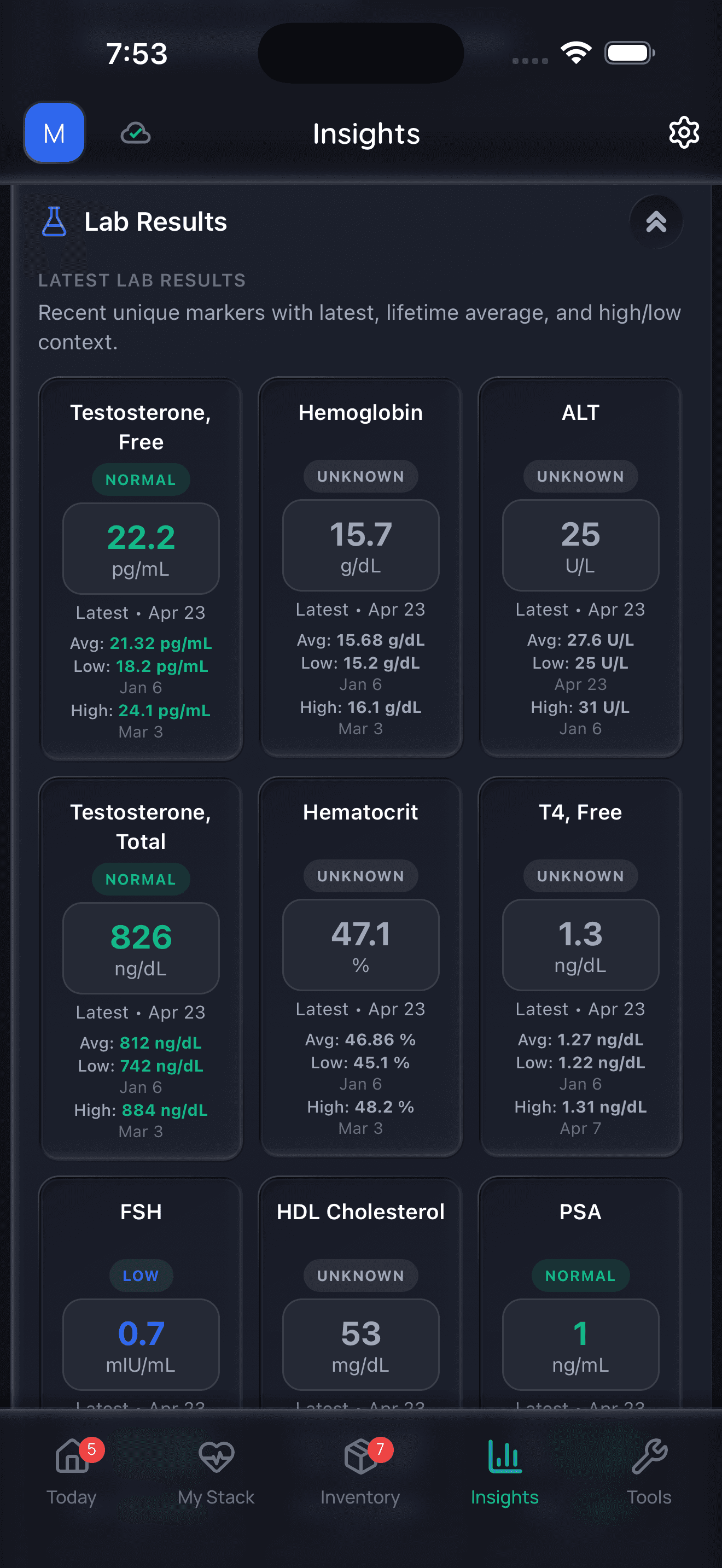
Doserly organizes data; it does not diagnose or interpret labs for you.
Dosing & Usage Protocols
The Basics
Dosing Banaba Leaf can be confusing because supplements come in very different formulations, and what matters most is the amount of corosolic acid you are actually getting, not the total milligrams of extract on the label. A 500 mg capsule of standardized extract at 1% corosolic acid delivers only 5 mg of corosolic acid, while a tiny 56 mg soft gel at 18% delivers about 10 mg.
Based on the available clinical research, corosolic acid doses in the range of 0.32-10 mg per day have shown blood-sugar-lowering effects. The most commonly studied range is around 5-10 mg of corosolic acid daily. If you are using a crude (non-standardized) leaf extract, the studied dose is 3,000 mg per day [1][2].
Most sources recommend taking Banaba with meals, especially meals containing carbohydrates. This makes pharmacological sense because one of its mechanisms is slowing carbohydrate digestion, and because the fat in a meal may improve absorption of the lipophilic corosolic acid [1][2].
There is no established loading or cycling protocol for Banaba. The available evidence suggests consistent daily use produces sustained benefits, with one study showing continued improvement over a full year [1].
The Science
Dosing by Formulation:
Formulation
Glucosol (1% CA, soft gel)
- Clinical Dose
- 32-48 mg/day
- Corosolic Acid Content
- 0.32-0.48 mg CA
- Study Duration
- 2 weeks
Formulation
Glucosol (1% CA, hard gel)
- Clinical Dose
- 32-48 mg/day
- Corosolic Acid Content
- 0.32-0.48 mg CA
- Study Duration
- 2 weeks
Formulation
18% CA extract (soft gel)
- Clinical Dose
- ~56 mg/day
- Corosolic Acid Content
- 10 mg CA
- Study Duration
- 2 weeks
Formulation
Purified corosolic acid (99%)
- Clinical Dose
- Single dose
- Corosolic Acid Content
- 10 mg CA
- Study Duration
- Acute OGTT
Formulation
Standardized extract (1.13% CA)
- Clinical Dose
- 500 mg twice daily
- Corosolic Acid Content
- ~11.3 mg CA/day
- Study Duration
- 12 weeks
Formulation
Water-soluble extract (aqueous)
- Clinical Dose
- 100 mg/day
- Corosolic Acid Content
- Low (ellagitannin-rich)
- Study Duration
- 1 year
Formulation
Crude leaf extract
- Clinical Dose
- 3,000 mg/day
- Corosolic Acid Content
- ~9-11 mg CA
- Study Duration
- Not specified
Timing Considerations: Taking Banaba with meals is supported by pharmacological rationale: (1) carbohydrate hydrolysis inhibition is most relevant when carbohydrates are present; (2) dietary fat may enhance absorption of lipophilic corosolic acid. The MetS RCT administered 500 mg before breakfast and dinner [7].
Duration of Effect: Fukushima et al. demonstrated acute effects lasting 60-120 minutes from a single dose of purified corosolic acid [6]. For chronic supplementation, the 1-year Ikeda study showed sustained benefit without tachyphylaxis [1]. The MetS RCT showed effects at 12 weeks [7].
Getting the dose right matters more than most people realize. Too little may be ineffective, too much wastes money or introduces risk, and inconsistency undermines both. Doserly tracks every dose you take, across every form, giving you a clear record of what you're actually consuming versus what you planned.
The app helps you compare RDA recommendations against therapeutic ranges discussed in the research, so you can see exactly where your intake falls. If you switch forms, say from a standard capsule to a liposomal liquid, Doserly adjusts your tracking to account for different bioavailabilities. Pair that with smart reminders that keep your timing consistent, and the precision that makes a real difference in outcomes becomes effortless.
Turn symptom and safety notes into a clearer timeline.
Doserly helps you log doses, symptoms, and safety observations side by side so patterns are easier to discuss with a qualified clinician.
Pattern view
Logs and observations
Pattern visibility is informational and should be reviewed with a clinician.
What to Expect (Timeline)
Weeks 1-2: Based on clinical data, blood-sugar-lowering effects can begin within the first dose (measurable within 60-90 minutes of acute administration). With daily supplementation, most studies document measurable fasting and postprandial blood glucose reductions within the first 2 weeks. Some individuals may notice feeling less sluggish after meals as postprandial glucose spikes are blunted. The Tsuchibe et al. study documented a 12% decrease in fasting blood glucose and a 3 lb average weight loss after just 2 weeks [1][2].
Weeks 3-4: Continued improvement in blood glucose regulation. If monitoring with a glucometer, fasting blood sugar readings may stabilize at a lower baseline. Energy levels throughout the day may feel more even, with fewer post-meal crashes. Metabolic parameters beyond glucose (triglycerides, blood pressure) may begin to shift, based on the mechanisms observed in longer-term studies.
Weeks 5-8: Glucose tolerance improvements may continue to develop. The 1-year Ikeda study showed continued improvements in glucose tolerance and glycated albumin between the initial measurement and the 6-month mark [1]. Individuals with metabolic syndrome may begin to see improvements across multiple cardiometabolic markers.
Weeks 8-12+: The MetS RCT demonstrated significant improvements in fasting glucose, systolic blood pressure, triglycerides, VLDL, and insulin levels at the 12-week endpoint. 58.3% of patients achieved metabolic syndrome remission at this timepoint [7]. The 1-year Ikeda study showed that benefits were maintained through 12 months without loss of effect [1].
Important caveat: These timelines are based on averages from clinical studies. Individual responses depend on baseline glucose levels, degree of insulin resistance, formulation used, concomitant diet and lifestyle factors, and genetic variability. People with normal blood sugar may notice minimal effects, as Banaba does not appear to cause hypoglycemia in nondiabetic individuals [1].
Interactions & Compatibility
SYNERGISTIC
- Chromium: Complementary insulin sensitizer. Chromium enhances insulin receptor activity through a different mechanism (chromodulin/LMWCr). Frequently combined in blood sugar support formulations. The Lieberman et al. (2005) lifestyle intervention study included both Banaba and chromium [1].
- Berberine: Complementary glucose-lowering through AMPK activation, distinct from Banaba's primary mechanisms. Both address insulin resistance but via different pathways, suggesting additive benefit.
- Alpha-Lipoic Acid: Complementary antioxidant with independent insulin-sensitizing effects. ALA's metal-chelating and mitochondrial support activities complement Banaba's PPAR-mediated and NF-kB effects.
- Bitter Melon: Contains compounds that mimic insulin's effects. Complementary mechanism to Banaba's receptor-level activity. Both are traditional anti-diabetic botanicals with overlapping but not identical mechanisms.
- Gymnema Sylvestre: Reduces intestinal sugar absorption and may support pancreatic beta-cell function. Complementary to Banaba's alpha-glucosidase inhibition through different bioactive compounds.
- Cinnamon Extract (Ceylon): May improve insulin sensitivity through distinct mechanisms. Commonly combined with Banaba in glucose support formulations.
- Magnesium: Magnesium deficiency impairs insulin signaling. Adequate magnesium supports the insulin receptor activity that Banaba's corosolic acid potentiates.
- Fenugreek: Contains galactomannan fiber that slows carbohydrate absorption, complementing Banaba's alpha-glucosidase inhibition through a physical (fiber) rather than enzymatic mechanism.
CAUTION / AVOID
- Metformin and other diabetes medications: Additive hypoglycemic effect. Combining Banaba with prescription glucose-lowering drugs (metformin, sulfonylureas, insulin, SGLT2 inhibitors, GLP-1 agonists) increases the risk of hypoglycemia. Always consult a healthcare provider before combining.
- Diclofenac and other NSAIDs: One case report described nephrotoxicity in a patient taking corosolic acid with diclofenac and pre-existing kidney impairment. While the causal role of corosolic acid was not established, caution is warranted, especially in individuals with compromised renal function [1].
- Other blood-sugar-lowering supplements (high doses): Stacking multiple glucose-lowering supplements (Berberine, Gymnema Sylvestre, Bitter Melon, Vanadium, Banaba) at full doses increases cumulative hypoglycemia risk. If combining, lower individual doses and monitor blood glucose closely.
How to Take / Administration Guide
Recommended forms: Soft gel capsules standardized to corosolic acid content are the most research-supported delivery form. The clinical data showing enhanced bioavailability of soft gels over hard capsules makes this an evidence-based preference for the corosolic acid component. For those interested in the ellagitannin pathway, traditional hot water decoction (Banaba tea) is a reasonable alternative.
Timing considerations: Most practitioners recommend taking Banaba with the two largest meals of the day, particularly meals containing carbohydrates. The carbohydrate-blocking mechanism is most relevant when carbohydrates are being digested, and the fat content of a meal may improve corosolic acid absorption. The MetS RCT used a before-breakfast-and-dinner protocol [7].
Stacking guidance: Banaba pairs well with other blood sugar support nutrients such as chromium, alpha-lipoic acid, and magnesium. When stacking with other glucose-lowering supplements, start with lower doses and monitor blood glucose responses. Separate Banaba from iron supplements by at least 2 hours, as tannin compounds may reduce iron absorption.
Powder reconstitution: For crude Banaba leaf powder, the traditional approach is to steep 1-2 teaspoons (1-2 grams) of dried leaves in hot water for 5-10 minutes. This produces a tannin-rich tea with different (primarily ellagitannin-mediated) effects compared to standardized extracts.
Cycling guidance: No cycling protocol is supported by current evidence. The 1-year Ikeda study demonstrated sustained benefit without tachyphylaxis or diminishing returns, suggesting continuous use is appropriate [1].
Choosing a Quality Product
Third-party certifications: Look for products bearing USP Verified, NSF Certified for Sport, or GMP certification. Banaba is a niche botanical, so ConsumerLab-tested options may be limited. Informed Sport and Cologne List certifications are available for some products containing Banaba as part of multi-ingredient formulas.
Standardization matters: The most important quality marker for Banaba supplements is standardization to a specific corosolic acid percentage. Products standardized to 1% corosolic acid (matching the Glucosol clinical formulation) or 18% corosolic acid (matching the GlucoHelp formulation) have the most direct research support. Products that do not declare corosolic acid content or use unstandardized crude powder are less predictable in their effects.
Soft gel vs. hard capsule: Clinical evidence supports superior bioavailability of corosolic acid in soft gel (oil-based) formulations compared to standard hard capsules. When choosing between equivalent products, soft gels are the evidence-based preference for corosolic acid delivery [5].
Red flags: Be cautious of products making aggressive blood sugar claims without disclosing corosolic acid content or standardization percentage. Proprietary blends that hide the actual amount of Banaba in a multi-ingredient formula prevent you from knowing whether you are getting a clinically relevant dose. Products claiming to "cure" or "reverse" diabetes are making claims that no dietary supplement can legally make.
Excipient considerations: Standard excipients in Banaba soft gels typically include soybean oil or other carrier oils. Individuals with soy allergies should check for soy-free formulations. Crude leaf powder products may contain minimal excipients.
Certificate of Analysis: Quality manufacturers provide lot-specific Certificates of Analysis (COA) showing corosolic acid assay results, heavy metal screening (arsenic, cadmium, lead, mercury), and microbial testing. Request a COA when available.
Storage & Handling
Store Banaba Leaf supplements in a cool, dry place away from direct sunlight and moisture. Keep containers tightly sealed between uses. Most formulations are stable at room temperature and do not require refrigeration.
For crude leaf material or powder, moisture is the primary concern. Tannin-containing plant materials can degrade when exposed to humidity. Use desiccant packets if storing in humid environments and consume within the labeled shelf life.
Soft gel capsules are generally more stable than crude powders due to the oil-based encapsulation protecting the corosolic acid from oxidation. However, excessive heat can cause soft gels to stick together or leak. Avoid storing in locations that experience temperature extremes (car glove compartment, bathroom).
Dried Banaba leaves intended for tea preparation should be stored in an airtight container away from light. As with all dried herbs, freshness degrades over time, and older material may have lower active compound concentrations.
Lifestyle & Supporting Factors
Diet: A diet that manages carbohydrate quality and quantity amplifies Banaba's effects. Since one of Banaba's mechanisms is slowing carbohydrate breakdown, the supplement is most relevant when carbohydrates are being consumed. Pairing Banaba with lower glycemic index foods creates a complementary double-brake on blood sugar spikes. Whole grains, vegetables, legumes, and fiber-rich foods naturally slow glucose absorption, working alongside Banaba's enzymatic inhibition.
Exercise: Physical activity independently improves insulin sensitivity through GLUT4 translocation, the same pathway that corosolic acid supports. Regular exercise, particularly resistance training and moderate-intensity aerobic activity, may work synergistically with Banaba to improve glucose uptake. Post-exercise is a time of enhanced insulin sensitivity, which could theoretically amplify Banaba's effects if taken around workout meals.
Sleep: Poor sleep quality is strongly associated with impaired insulin sensitivity and glucose regulation. Addressing sleep issues may enhance the metabolic benefits observed with Banaba supplementation. Sleep deprivation increases cortisol, which raises blood sugar, potentially counteracting Banaba's glucose-lowering effects.
Monitoring: Blood glucose monitoring (fasting blood sugar, post-meal glucose) provides the most direct feedback on whether Banaba is producing measurable effects. Periodic HbA1c testing (every 3-6 months) offers a broader picture of glucose management trends. Tracking these markers alongside Banaba supplementation helps determine whether the supplement is contributing meaningfully to metabolic health.
Signs of deficiency context: Banaba does not address a nutritional deficiency, as it is not an essential nutrient. Its relevance increases in the context of elevated blood sugar, insulin resistance, or metabolic syndrome features such as high triglycerides, elevated blood pressure, and central obesity.
Regulatory Status & Standards
United States (FDA): Banaba Leaf extract and corosolic acid are classified as dietary supplement ingredients under DSHEA. Corosolic acid does not have GRAS (Generally Recognized As Safe) status as a standalone ingredient, though Banaba leaf preparations are commercially available as dietary supplements. No NDI (New Dietary Ingredient) notifications are required for Banaba leaf, which has a history of traditional use predating DSHEA.
Canada (Health Canada): Banaba is listed in the Natural Health Products Ingredients Database. Products containing Banaba leaf or corosolic acid may qualify for NPN (Natural Product Number) registration under the Natural Health Products Regulations.
European Union (EFSA): Banaba Leaf has not received specific health claim authorization from EFSA. Under the Novel Food Regulation, Banaba leaf preparations with a documented history of consumption prior to 1997 may not require novel food authorization, though concentrated extracts with elevated corosolic acid levels could potentially trigger novel food assessment.
Australia (TGA): Lagerstroemia speciosa is listed in the Australian Register of Therapeutic Goods as a permitted ingredient for Listed Medicines.
Active Clinical Trials: As of the analysis date, at least one active registered clinical trial (NCT02767869, completed) has evaluated Banaba specifically for metabolic syndrome. Additional trials evaluating Banaba as a component of multi-ingredient metabolic support formulas are ongoing.
Athlete & Sports Regulatory Status:
- WADA: Banaba Leaf and corosolic acid do not appear on the current WADA Prohibited List. They are not classified under any prohibited substance category (S0-S9, M1-M3, P1).
- National Anti-Doping Agencies: No specific guidance or alerts have been issued by USADA, UKAD, Sport Integrity Canada, Sport Integrity Australia, or NADA Germany regarding Banaba Leaf.
- Professional Sports Leagues: No league-specific restrictions on Banaba Leaf are known for NFL, NBA, MLB, NHL, MLS, or NCAA.
- NCAA: Banaba Leaf is not on the NCAA banned substance list. However, athletes using supplements should verify that their specific product carries third-party certification (NSF Certified for Sport or Informed Sport) to minimize contamination risk.
- Athlete Certification Programs: Some products containing Banaba Leaf may carry Informed Sport or NSF Certified for Sport certification. Athletes should verify certification for their specific product batch.
- GlobalDRO: Athletes can check the status of Banaba-containing supplements at GlobalDRO.com.
Regulatory status and prohibited substance classifications change frequently. Athletes should always verify the current status of any supplement with their sport's governing body, their national anti-doping agency, and a qualified sports medicine professional before use. Third-party certification (Informed Sport, NSF Certified for Sport) reduces but does not eliminate the risk of contamination with prohibited substances.
Frequently Asked Questions
Does Banaba Leaf actually lower blood sugar?
Based on available clinical evidence, multiple human studies have demonstrated blood sugar reductions in the range of 10-30% with Banaba leaf extracts and corosolic acid. The most rigorous evidence comes from randomized controlled trials using standardized extracts. Effects have been observed in people with type 2 diabetes, prediabetes, and metabolic syndrome. However, individual responses vary, and Banaba should not be considered a replacement for prescribed diabetes medications.
How much Banaba Leaf should I take for blood sugar support?
Commonly reported ranges in clinical studies include 32-500 mg of standardized extract daily (delivering approximately 0.32-11 mg of corosolic acid) or 3,000 mg of crude leaf extract. The most frequently studied corosolic acid range is 5-10 mg per day. Because formulations vary widely in standardization, checking the corosolic acid content on the label is more informative than the total milligrams of extract. Consult a healthcare professional for guidance appropriate to your specific situation.
Can I take Banaba Leaf with metformin?
This question should be discussed with a healthcare provider. Banaba and metformin both lower blood sugar through overlapping but distinct mechanisms, and combining them could increase the risk of hypoglycemia (blood sugar dropping too low). If a healthcare provider approves the combination, blood sugar monitoring becomes especially important.
Is Banaba Leaf safe for long-term use?
The longest controlled human study lasted 1 year with no adverse effects observed. No hematological, liver, kidney, or biochemical changes were detected over that period. However, long-term safety data beyond 1 year is not available, and formal toxicology studies (LD50 determination) have not been conducted for Banaba or corosolic acid.
What is the difference between Banaba leaf extract and corosolic acid?
Banaba leaf extract is a whole-plant preparation containing multiple bioactive compounds, including corosolic acid, ellagitannins, oleanolic acid, and other polyphenols. Corosolic acid is a single isolated compound from that mixture. Both have demonstrated glucose-lowering effects, but through partially different mechanisms. Whole-leaf extracts provide the ellagitannin fraction (which has its own glucose-lowering activity), while isolated corosolic acid preparations deliver a more targeted pharmacological effect.
Should I take Banaba Leaf with food?
Most practitioners recommend taking Banaba with meals, especially meals containing carbohydrates. This timing aligns with its dual mechanism: (1) the carbohydrate-blocking effects are most relevant when carbohydrates are being digested, and (2) dietary fat may improve absorption of the fat-soluble corosolic acid. The MetS clinical trial administered Banaba before breakfast and dinner.
Does Banaba Leaf help with weight loss?
Some clinical studies have reported modest weight loss (1-3 lbs over 2 weeks) alongside blood sugar improvements, but Banaba has not been studied primarily as a weight loss supplement. Animal studies show more pronounced effects (10% body weight reduction, 15% fat mass loss), but these doses and conditions do not directly translate to human supplementation. Any weight effects are likely secondary to improved glucose and lipid metabolism rather than direct fat-burning.
Can Banaba Leaf cause hypoglycemia?
In studies involving nondiabetic individuals, Banaba did not cause hypoglycemia. The risk is primarily relevant when combining Banaba with diabetes medications (metformin, insulin, sulfonylureas) or multiple glucose-lowering supplements. Monitoring blood sugar is recommended when initiating supplementation, particularly for individuals on glucose-lowering medications.
Is soft gel better than capsule for Banaba?
Available clinical data suggests that soft gel formulations produce stronger blood-sugar-lowering effects than hard capsules containing the same extract. This is attributed to improved bioavailability of the lipophilic corosolic acid when dissolved in an oil-based carrier. The Judy et al. (2003) study showed 30% glucose reduction with soft gel versus 20% with hard gel at equivalent corosolic acid doses.
Is Banaba Leaf the same as DMSO?
No. Banaba Leaf (Lagerstroemia speciosa) is a botanical supplement entirely unrelated to DMSO (dimethyl sulfoxide), which is a chemical solvent. They share no chemical, pharmacological, or botanical relationship.
Myth vs. Fact
Myth: Banaba Leaf can cure diabetes.
Fact: No dietary supplement can cure diabetes. Banaba Leaf has demonstrated blood-sugar-lowering effects in clinical studies, but it addresses glucose regulation, not the underlying autoimmune (type 1) or progressive metabolic dysfunction (type 2) that defines diabetes as a disease. It may be a useful complementary tool, but it is not a substitute for medical treatment, lifestyle changes, or prescribed medications [1][2][7].
Myth: All Banaba supplements are the same.
Fact: Banaba supplements vary enormously in formulation, standardization, and delivery format. A crude leaf powder, a 1% corosolic acid extract, and an 18% corosolic acid extract deliver very different amounts of the active compounds. Furthermore, the delivery format matters: soft gel capsules have demonstrated superior bioavailability compared to hard capsules in clinical testing [5]. Checking the corosolic acid content and formulation type is essential for comparing products.
Myth: Banaba Leaf only works for blood sugar.
Fact: While blood sugar management is the most researched application, preclinical and clinical evidence supports broader metabolic effects. The 2022 MetS RCT demonstrated improvements in blood pressure, triglycerides, VLDL, and insulin levels. Animal studies additionally show antioxidant, anti-inflammatory, and potential bone-building effects [1][3][7].
Myth: Higher corosolic acid percentage always means a better product.
Fact: Higher standardization delivers more corosolic acid per milligram of extract, but this does not automatically make it "better." The whole leaf extract contains ellagitannins and other bioactive compounds that contribute to the overall effect through mechanisms distinct from corosolic acid alone. The Ikeda 1-year study used a water-soluble extract low in corosolic acid but rich in ellagitannins and still showed significant glucose-lowering effects [1].
Myth: Banaba Leaf is unsafe for the kidneys.
Fact: A single case report described kidney problems in a patient taking corosolic acid alongside diclofenac (an NSAID known to cause kidney damage) with pre-existing kidney impairment. No controlled clinical study has ever reported kidney damage from Banaba or corosolic acid. The clean safety record across multiple trials, including a 1-year study monitoring kidney function, does not support kidney toxicity as a general concern [1][2].
Myth: Banaba Leaf tea and Banaba extract capsules have identical effects.
Fact: They likely work through partially different mechanisms. Traditional Banaba tea is an aqueous preparation that primarily extracts the water-soluble ellagitannins while leaving most of the lipophilic corosolic acid behind. Standardized capsule extracts (especially soft gels) emphasize the corosolic acid fraction. Both can lower blood sugar, but through somewhat different biochemical pathways and with different onset profiles [1].
Myth: You need to cycle Banaba Leaf to avoid tolerance.
Fact: The 1-year Ikeda study showed sustained benefit without any evidence of tolerance or diminishing returns [1]. While cycling protocols exist for some supplements, no evidence supports the need to cycle Banaba Leaf. Continuous daily use appears to be both safe and effective based on available data.
Sources & References
Clinical Trials & Human Studies
[1] Miura T, Takagi S, Ishida T. Management of Diabetes and Its Complications with Banaba (Lagerstroemia speciosa L.) and Corosolic Acid. Evid Based Complement Alternat Med. 2012;2012:871495. doi:10.1155/2012/871495. PMCID: PMC3468018.
[2] Stohs SJ, Miller H, Kaats GR. A review of the efficacy and safety of banaba (Lagerstroemia speciosa L.) and corosolic acid. Phytother Res. 2012;26(3):317-324. doi:10.1002/ptr.3664. PMID: 22095937.
[3] Cannarella R, Garofalo V, Calogero AE. Anti-Dyslipidemic and Anti-Diabetic Properties of Corosolic Acid: A Narrative Review. Endocrines. 2023;4(3):616-629. doi:10.3390/endocrines4030044.
[4] Yamada K, Hosokawa M, Fujimoto S. Effect of corosolic acid on gluconeogenesis in rat liver. Diabetes Res Clin Pract. 2008;80:48-55. doi:10.1016/j.diabres.2007.11.011.
[5] Judy WV, Hari SP, Stogsdill WW, Judy JS, Naguib YMA, Passwater R. Antidiabetic activity of a standardized extract (Glucosol) from Lagerstroemia speciosa leaves in Type II diabetics: a dose-dependence study. J Ethnopharmacol. 2003;87(1):115-117. doi:10.1016/S0378-8741(03)00122-3.
[6] Fukushima M, Matsuyama F, Ueda N, et al. Effects of corosolic acid on post-challenge plasma glucose levels. Diabetes Res Clin Pract. 2006;73:174-177. doi:10.1016/j.diabres.2006.01.010.
[7] Effect of Banaba (Lagerstroemia speciosa) on Metabolic Syndrome, Insulin Sensitivity, and Insulin Secretion. J Med Food. 2022. Clinical Trial Registration: NCT02767869.
Preclinical Studies
[8] Shi L, Zhang W, Zhou YY, et al. Corosolic acid stimulates glucose uptake via enhancing insulin receptor phosphorylation. Eur J Pharmacol. 2008;584(1):21-29. doi:10.1016/j.ejphar.2008.01.020.
[9] Miura T, Itoh Y, Kaneko T, et al. Corosolic acid induces GLUT4 translocation in genetically type 2 diabetic mice. Biol Pharm Bull. 2004;27(7):1103-1105. doi:10.1248/bpb.27.1103.
[10] Yamada K, Hosokawa M, Yamada C, et al. Dietary corosolic acid ameliorates obesity and hepatic steatosis in KK-Ay mice. Biol Pharm Bull. 2008;31(4):651-655. doi:10.1248/bpb.31.651.
[11] Takagi S, Miura T, Ishihara E, Ishida T, Chinzei Y. Effect of corosolic acid on dietary hypercholesterolemia and hepatic steatosis in KK-Ay diabetic mice. Biomed Res. 2010;31(4):213-218. doi:10.2220/biomedres.31.213.
[12] Hou W, Li Y, Zhang Q, et al. Triterpene acids isolated from Lagerstroemia speciosa leaves as alpha-glucosidase inhibitors. Phytother Res. 2009;23(5):614-618. doi:10.1002/ptr.2661.
[13] Hayashi T, Maruyama H, Kasai R, et al. Ellagitannins from Lagerstroemia speciosa as activators of glucose transport in fat cells. Planta Med. 2002;68(2):173-175. doi:10.1055/s-2002-20251.
[14] Shim KS, Lee SU, Ryu SY, Min YK, Kim SH. Corosolic acid stimulates osteoblast differentiation by activating transcription factors and MAP kinases. Phytother Res. 2009;23(12):1754-1758. doi:10.1002/ptr.2843.
[15] Yamaguchi Y, Yamada K, Yoshikawa N, et al. Corosolic acid prevents oxidative stress, inflammation and hypertension in SHR/NDmcr-cp rats, a model of metabolic syndrome. Life Sci. 2006;79(26):2474-2479. doi:10.1016/j.lfs.2006.08.007.
Foundational & Historical
[16] Garcia F. On the hypoglycemic effect of a decoction of Lagerstroemia speciosa leaves (banaba) administered orally. Philippine Med Assoc. 1940;20:193-201.
[17] Klein G, Kim J, Himmeldirk K, Cao Y, Chen X. Antidiabetes and anti-obesity activity of Lagerstroemia speciosa. Evid Based Complement Alternat Med. 2007;4(4):401-407. doi:10.1093/ecam/nem013.
[18] Ulbricht C, Dam C, Milkin T, et al. Banaba (Lagerstroemia speciosa L.): an evidence-based systematic review by the natural standard research collaboration. J Herb Pharmacother. 2007;7(1):99-113.