
Bitter Melon: The Complete Supplement Guide
On this page
Quick Reference Card
Attribute
Common Name
- Detail
- Bitter Melon
Attribute
Other Names / Aliases
- Detail
- Bitter gourd, karela, balsam pear, bitter apple, bitter cucumber, leprosy gourd, goya (Japanese), ku gua (Chinese), ampalaya (Filipino), Momordica charantia
Attribute
Category
- Detail
- Herbal Extract (Cucurbitaceae family)
Attribute
Primary Forms & Variants
- Detail
- Dried fruit powder, fruit/seed extract (capsule), fresh fruit (culinary), fruit juice, tea (dried slices), peptide isolates. Standardization varies widely; no universal standard established.
Attribute
Typical Dose Range
- Detail
- 500 mg to 6 g per day in divided doses (most clinical trials used 1-3 g/day)
Attribute
RDA / AI / UL
- Detail
- No established RDA, AI, or UL. Not classified as an essential nutrient.
Attribute
Common Delivery Forms
- Detail
- Capsule, tablet, powder, juice, tea, whole food (cooked)
Attribute
Best Taken With / Without Food
- Detail
- Generally taken with or before meals. Some clinical protocols specify 30 minutes before a meal.
Attribute
Key Cofactors
- Detail
- Chromium (complementary glucose metabolism support), Cinnamon (synergistic blood sugar support in some traditional formulations)
Attribute
Storage Notes
- Detail
- Store in a cool, dry place away from direct sunlight. Fresh fruit should be refrigerated and used within a week. Dried preparations are more shelf-stable.
Overview
The Basics
Bitter melon is exactly what it sounds like: a deeply bitter, warty, cucumber-shaped fruit that grows on a tropical vine throughout Asia, South America, East Africa, and the Caribbean. If you have never encountered it, imagine a vegetable so bitter that even people who grew up eating it admit they find it hard to swallow.
Despite that taste, bitter melon has been a staple in traditional medicine systems for centuries. In Ayurvedic, Chinese, and Filipino folk medicine, the fruit has long been prepared as a food, tea, or juice to help manage blood sugar levels. Generations of families across South and Southeast Asia have passed down the practice of eating bitter melon as a natural way to support glucose control, and that cultural knowledge is now the subject of modern scientific investigation [1][2].
The primary reason bitter melon supplements exist today is their potential to lower blood sugar in people with type 2 diabetes or prediabetes. Several bioactive compounds in the fruit appear to mimic or support insulin's effects. That said, the clinical evidence is genuinely mixed. Some meta-analyses report modest improvements in fasting glucose and HbA1c, while others find no significant effect compared to placebo. The inconsistency likely reflects differences in the preparations tested, the populations studied, and the relatively small, short-term nature of most trials [3][4][5].
Beyond blood sugar, researchers have explored bitter melon for its potential anti-inflammatory, lipid-lowering, and even anticancer properties, though human evidence for these uses remains preliminary at best [6].
The Science
Momordica charantia L. (Cucurbitaceae) is a monoecious, annual climbing vine cultivated across tropical and subtropical regions globally. The edible fruit is characterized by its oblong shape, warty exterior, and intensely bitter flavor attributable to the presence of alkaloids, momordicosides, and momordicines [6].
The plant produces a complex phytochemical profile including charantin (a steroidal saponin mixture), polypeptide-p (an insulin-mimetic protein sometimes called "plant insulin"), vicine (a pyrimidine nucleoside), cucurbitane-type triterpenoids, flavonoids, phenolic acids, polysaccharides, and various proteins [7][8]. Different parts of the plant (fruit, seeds, leaves) contain varying concentrations of these compounds, which partially explains the inconsistent results across clinical trials using different preparations.
The fruit has been subject to extensive investigation in preclinical models demonstrating hypoglycemic, hypolipidemic, anti-inflammatory, antioxidant, and cytotoxic activities. However, translation to robust human clinical evidence has been limited. The Cochrane Collaboration's 2012 systematic review concluded that there was "insufficient evidence on the effects of Momordica charantia for type 2 diabetes mellitus" based on four RCTs with 479 participants, noting high risk of bias and variability in preparations [3]. More recent meta-analyses have yielded conflicting conclusions, with one 2024 analysis of 8 RCTs finding significant reductions in fasting blood glucose, postprandial glucose, and HbA1c [4], while another 2024 analysis of 9 RCTs using change-score methodology found no significant metabolic effects [5].
Chemical & Nutritional Identity
Property
Scientific Name
- Value
- Momordica charantia L.
Property
Family
- Value
- Cucurbitaceae
Property
Key Active Compounds
- Value
- Charantin (steroidal saponin), polypeptide-p (insulin-mimetic protein), vicine (pyrimidine nucleoside), momordicosides, momordicines
Property
Additional Bioactives
- Value
- Cucurbitane-type triterpenoids, flavonoids, phenolic acids, polysaccharides, alkaloids, proteins, oils, sterols
Property
CAS Number
- Value
- 128529-78-2 (herbal complex)
Property
Category
- Value
- Herbal extract / traditional botanical
Property
FDA Classification
- Value
- Dietary supplement under DSHEA (not approved for any medical condition)
Property
Nutritional Profile (fresh fruit)
- Value
- Low calorie; contains vitamin C, iron, potassium, folate, and fiber
Active Compound Notes
Charantin is the main active constituent, a mixture of steroidal saponins with demonstrated insulin-like activity. It has been shown to augment glucose uptake and reduce blood glucose in both type 1 and type 2 diabetic animal models [7][8].
Polypeptide-p is a protein with structural similarity to human insulin that has shown hypoglycemic effects when injected subcutaneously in animal models. Its oral bioavailability and efficacy in humans remain uncertain [9].
Vicine is found primarily in the seeds and has hypoglycemic properties, but it can also cause a favism-like hemolytic reaction in individuals with glucose-6-phosphate dehydrogenase (G6PD) deficiency [10].
Mechanism of Action
The Basics
Bitter melon works through several pathways that all converge on the same basic goal: helping your body handle sugar more effectively. Think of it as working on multiple fronts rather than through a single mechanism.
The most straightforward explanation is that certain compounds in bitter melon act like a less potent version of insulin. Charantin and polypeptide-p appear to help cells take up glucose from the bloodstream, similar to what insulin does after a meal. Other compounds may slow down the enzymes that release stored sugar from your liver, reducing the amount of glucose that enters your blood between meals.
There is also evidence from animal studies that bitter melon may help your cells respond better to the insulin your body already produces, addressing the root problem in type 2 diabetes (insulin resistance) rather than just adding more insulin signaling. However, most of these mechanisms have been demonstrated primarily in animal and cell culture studies, and the degree to which they translate to meaningful effects in humans at typical supplement doses remains an open question [6][11].
The Science
The hypoglycemic mechanisms of M. charantia are multifactorial and not fully elucidated. The following pathways have been characterized primarily through in vitro and animal model research:
Hepatic glucose output suppression: Bitter melon extract suppresses glucose-6-phosphatase and fructose-1,6-bisphosphatase activity in the liver, reducing hepatic gluconeogenesis [11].
Insulin sensitization: The extract improves insulin sensitivity, glucose tolerance, and insulin signaling by modulating phosphorylation of insulin receptors and downstream signaling molecules. It reduces insulin resistance through PPAR-alpha and PPAR-gamma expression modulation [12][13].
AMPK activation: Bitter melon activates AMP-activated protein kinase (AMPK), a master metabolic regulator that enhances glucose uptake and fatty acid oxidation [14].
NF-kB and JNK pathway modulation: Preventive effects against insulin resistance may occur via inhibition of NF-kappa B and JNK inflammatory signaling pathways, which are implicated in obesity-related insulin resistance [15].
Enzyme inhibition: Cucurbitane triterpenoids from M. charantia inhibit protein tyrosine phosphatase 1B (PTP1B) and alpha-amylase, reducing carbohydrate digestion and improving insulin receptor signaling [16].
11-beta-HSD1 inhibition: A specific inhibitor of 11-beta-hydroxysteroid dehydrogenase type 1 (11beta-HSD1) has been identified in bitter melon extract, which may reduce cortisol-mediated glucose production [17].
Lipid metabolism: In animal models, bitter melon reduced fatty acid synthase activity, stimulated adiponectin production, and inhibited lipid accumulation during fatty liver development [12][18].
It should be noted that the vast majority of these mechanistic findings derive from animal and cell culture models. The clinical trials conducted in humans have generally failed to demonstrate the magnitude of effects predicted by preclinical research, suggesting that either the bioavailability of active compounds is limited in humans, or that dose-response relationships identified in animals do not scale predictably [3][4][5].
Absorption & Bioavailability
The Basics
One of the biggest challenges with bitter melon as a supplement is that we do not have clear data on how well its active compounds are absorbed when you swallow a capsule. Unlike well-studied nutrients like vitamin D or magnesium, the absorption profiles of charantin, polypeptide-p, and the various triterpenoids in bitter melon have not been thoroughly characterized in humans.
What we do know from community reports and at least one observational account is that the form may matter considerably. Some users who track their blood sugar with continuous glucose monitors report that eating cooked bitter melon produces noticeable glucose-lowering effects, while the same users sometimes find that capsule supplements do not. This observation has not been formally studied, but it aligns with the broader concern in the clinical literature that preparation standardization is a major problem for bitter melon research [3][4].
The lack of a universally adopted standardization protocol means that two products labeled "bitter melon extract" may contain very different concentrations of active compounds. Unlike standardized herbal extracts (such as bilberry at 25% anthocyanosides), there is no industry consensus on what percentage of which compounds a bitter melon extract should contain.
The Science
Pharmacokinetic data for the individual bioactive constituents of M. charantia in humans are sparse. Charantin, as a steroidal saponin mixture, likely undergoes hydrolysis in the GI tract, though the rate and extent of absorption of its aglycones have not been quantified in human pharmacokinetic studies [7].
Polypeptide-p demonstrates hypoglycemic activity when administered subcutaneously in animal models, but as a protein, it would be expected to undergo significant degradation by gastric acid and proteolytic enzymes during oral administration. Its oral bioavailability in humans is unknown and likely very low [9].
The cucurbitane-type triterpenoids (momordicosides) are lipophilic compounds that may benefit from co-administration with dietary fat, though this has not been formally evaluated. CYP2C9 inhibition by bitter melon extract suggests that at least some components reach systemic circulation at pharmacologically relevant concentrations [19].
The Cochrane review and subsequent meta-analyses have consistently identified preparation variability as a major confounding factor. Trials have used dried whole fruit powder, fruit pulp extract, seed extract, fruit juice, and peptide isolates at doses ranging from 0.6 g to 6 g daily, making cross-study comparison difficult [3][4][5]. This lack of standardization remains the single largest obstacle to establishing the clinical efficacy of bitter melon supplementation.
Research & Clinical Evidence
The Basics
The research picture for bitter melon is genuinely complicated, and honest reporting requires acknowledging that experts disagree about what the data show. Multiple systematic reviews and meta-analyses have been conducted, and they reach different conclusions depending on which studies they include and how they analyze the data.
The bottom line is that bitter melon shows some promise for modestly lowering blood sugar in people with type 2 diabetes, but the evidence is not strong enough or consistent enough for any major medical organization to recommend it as a treatment. The studies have generally been small, short-term, and have used very different preparations, making it difficult to draw firm conclusions.
For other proposed benefits (cancer prevention, antiviral activity, cholesterol lowering), the evidence is almost entirely from laboratory and animal studies. No human clinical trials have demonstrated meaningful anticancer or antiviral effects [6].
The Science
Blood Sugar / Glycemic Control (Conflicting evidence)
The most favorable meta-analysis (Zhang et al. 2024) included 8 RCTs with 423 type 2 diabetes patients receiving doses of 0.6 to 6 g daily for 4 to 16 weeks. It found statistically significant reductions in fasting blood glucose (WMD: -0.85 mmol/L), postprandial glucose (WMD: -2.28 mmol/L), and HbA1c (WMD: -0.38%). These results survived Hartung-Knapp adjustment for small study effects. Subgroup analysis suggested effects were more consistent with intervention duration of 12 weeks or longer [4].
However, a concurrent 2024 meta-analysis (Laczkó-Zöld et al.) of 9 RCTs with 414 patients, using change-score methodology, found no significant effects on fasting blood glucose, HbA1c, BMI, blood pressure, HDL, or LDL [5]. The Cochrane review (2012) similarly found no significant glycemic improvements across 4 RCTs [3]. An earlier meta-analysis (Yin et al. 2014) of 208 participants also found no significant associations [20].
Lipid Profile
Zhang et al. (2024) reported a significant reduction in total cholesterol (WMD: -0.38 mmol/L, p=0.017) but no significant effects on triglycerides, HDL, or LDL [4]. Laczkó-Zöld et al. (2024) found no significant lipid effects using their methodology [5].
Osteoarthritis
One single-blind RCT found that bitter melon supplementation improved symptoms in patients with primary knee osteoarthritis, though this requires replication [21].
Cancer (Preclinical Only)
In vitro and animal studies have demonstrated anticancer activity through multiple mechanisms including HDAC-1 inhibition, PPAR-gamma activation, caspase-3 mediated apoptosis, and MMP-2/MMP-9 suppression. However, a study in cervical cancer patients found no effect on natural killer cell activity. No human clinical trials have demonstrated anticancer efficacy [6][22].
Antiviral (Preclinical Only)
MAP30 and GAP31, proteins isolated from bitter melon, demonstrated anti-HIV activity in vitro by inhibiting HIV-1 integrase. No human clinical data exist [6].
Evidence & Effectiveness Matrix
Category
Weight Management
- Evidence Strength
- 3/10
- Community-Reported Effectiveness
- 3/10
- Summary
- Animal data suggests anti-obesity effects (AMPK activation, lipid accumulation inhibition). Human meta-analyses show no significant BMI reduction. Minimal community discussion of weight effects.
Category
Energy Levels
- Evidence Strength
- 2/10
- Community-Reported Effectiveness
- 5/10
- Summary
- No clinical trials have measured energy as an endpoint. One community user reported energy improvement. Insufficient evidence.
Category
Heart Health
- Evidence Strength
- 4/10
- Community-Reported Effectiveness
- 4/10
- Summary
- One meta-analysis found significant total cholesterol reduction. No effects on triglycerides, HDL, LDL, or blood pressure. Modest mechanistic plausibility through lipid metabolism pathways.
Category
Inflammation
- Evidence Strength
- 4/10
- Community-Reported Effectiveness
- Community data not yet collected
- Summary
- Animal studies demonstrate anti-inflammatory activity through NF-kB modulation. No human inflammatory marker data from RCTs.
Category
Joint Health
- Evidence Strength
- 3/10
- Community-Reported Effectiveness
- Community data not yet collected
- Summary
- Single RCT showed improvement in knee osteoarthritis symptoms. Requires replication.
Category
Nausea & GI Tolerance
- Evidence Strength
- 5/10
- Community-Reported Effectiveness
- 4/10
- Summary
- GI side effects (diarrhea, nausea, abdominal discomfort) are the most commonly reported adverse effects in clinical trials, though rates were generally similar to placebo. Community reports align.
Category
Side Effect Burden
- Evidence Strength
- 6/10
- Community-Reported Effectiveness
- 6/10
- Summary
- Generally well-tolerated in clinical trials at doses up to 6 g/day for up to 16 weeks. No hepatotoxicity reported (LiverTox score E). Rare case reports of severe events with concentrated preparations.
Category
Treatment Adherence
- Evidence Strength
- 4/10
- Community-Reported Effectiveness
- 4/10
- Summary
- Extreme bitterness is a major barrier. Community reports confirm capsule preference due to taste. Form-dependent efficacy concerns complicate adherence.
Categories scored: 8
Categories with community data: 6
Categories not scored (insufficient data): Fat Loss, Muscle Growth, Appetite & Satiety, Food Noise, Sleep Quality, Focus & Mental Clarity, Memory & Cognition, Mood & Wellbeing, Anxiety, Stress Tolerance, Motivation & Drive, Emotional Aliveness, Emotional Regulation, Libido, Sexual Function, Pain Management, Recovery & Healing, Physical Performance, Gut Health, Digestive Comfort, Skin Health, Hair Health, Blood Pressure, Heart Rate & Palpitations, Hormonal Symptoms, Temperature Regulation, Fluid Retention, Body Image, Immune Function, Bone Health, Longevity & Neuroprotection, Cravings & Impulse Control, Social Connection, Withdrawal Symptoms, Daily Functioning
Benefits & Potential Effects
The Basics
Bitter melon's primary claim to fame is blood sugar management. People with type 2 diabetes or prediabetes are the main audience for bitter melon supplements, and this is where the most research has been directed. The results, as covered in the Research section, are mixed: some studies show modest reductions in fasting glucose and HbA1c, while others find no significant effect.
Beyond blood sugar, there are a few other areas where bitter melon shows preliminary promise. Some evidence suggests it may modestly lower total cholesterol, though it does not appear to affect triglycerides, HDL, or LDL. In traditional medicine, it has been used for digestive complaints, skin conditions, and as a general tonic, but these uses have not been validated in clinical trials.
One preliminary study found benefits for knee osteoarthritis symptoms, which is an unexpected finding that would need replication before drawing conclusions.
It is important to set realistic expectations: even in the most favorable meta-analysis, the blood sugar reductions were modest in magnitude and the evidence quality was rated low. Bitter melon is not a substitute for diabetes medication, and anyone considering it should discuss it with a healthcare provider, especially if they are already taking blood sugar-lowering drugs.
The Science
The evidence-supported benefits of M. charantia supplementation, ranked by evidence quality:
Modest glycemic improvement (Low-quality evidence): The most favorable meta-analysis (Zhang 2024) found reductions of 0.85 mmol/L in fasting blood glucose, 2.28 mmol/L in postprandial glucose, and 0.38% in HbA1c across 8 RCTs. While statistically significant, the GRADE quality was assessed as very low to low, and other meta-analyses using different analytical approaches did not confirm these findings [4][5].
Total cholesterol reduction (Very low-quality evidence): A reduction of 0.38 mmol/L in total cholesterol was observed in one meta-analysis, primarily driven by studies of shorter duration and lower doses [4].
Liver safety (Moderate evidence): Multiple clinical trials and the NIH LiverTox database confirm that bitter melon is not associated with hepatotoxicity. The LiverTox likelihood score is E (unlikely cause of liver injury) [23].
Knee osteoarthritis symptom improvement (Very low-quality evidence): A single RCT reported improvement in osteoarthritis symptoms, but this has not been replicated [21].
Reading about potential benefits gives you a framework. Seeing whether those benefits are showing up in your own body turns knowledge into confidence. Doserly lets you track the specific health markers relevant to this supplement, building a personal dataset that captures what's actually changing week over week.
The app's AI analytics go further than simple logging. By correlating your supplement intake with the biomarkers and health outcomes you're tracking, Doserly surfaces patterns you might miss on your own, like whether a dose adjustment three weeks ago corresponds to the improvement you're noticing now. When it's time to evaluate whether a supplement is earning its place in your stack, you have your own data to guide the decision.
Capture changes while they are still fresh.
Log symptoms, energy, sleep, mood, and other observations alongside protocol events so patterns do not live only in memory.
Trend view
Symptom timeline
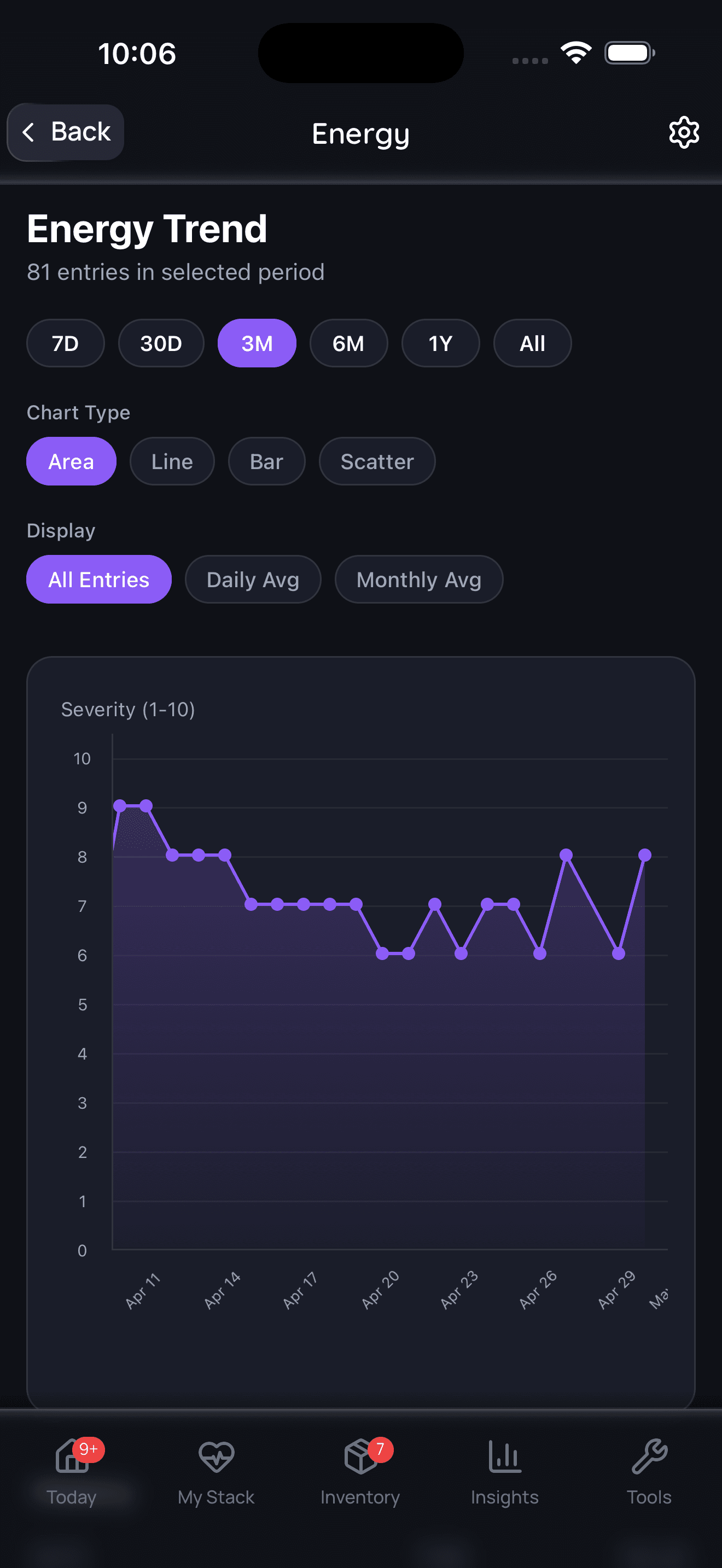
Symptom tracking is informational and should be interpreted with a qualified clinician.
Side Effects & Safety
The Basics
Bitter melon is generally considered safe when consumed as a food or supplement at commonly used doses, but there are several important safety considerations that warrant attention.
The most common side effects are gastrointestinal: diarrhea, nausea, abdominal discomfort, flatulence, and heartburn. In clinical trials, these occurred at rates similar to placebo groups, suggesting they may not be significantly more common with bitter melon than with any capsule supplement. Other reported side effects include headache, dizziness, and skin rash [4][23].
The more serious concerns involve specific populations and drug interactions. Bitter melon should not be used during pregnancy, as animal studies suggest it may cause developmental abnormalities and has been historically used as an abortifacient. The seeds contain vicine, which can cause a favism-like hemolytic reaction in people with G6PD deficiency. There are also rare case reports of more severe events, including atrial fibrillation, gastric ulceration (from concentrated juice), and acute kidney injury, though these involved atypical preparations or large doses [6][23].
Perhaps the most practically important safety concern is the interaction with diabetes medications. Bitter melon may have additive blood sugar-lowering effects when combined with insulin, metformin, or other hypoglycemic agents, potentially leading to dangerously low blood sugar.
The Science
Common adverse effects (from RCT data): Gastrointestinal complaints (diarrhea, flatulence, nausea, constipation, abdominal discomfort) were the most frequently reported adverse events across clinical trials, though rates were generally comparable to placebo groups [4][23]. Headache, dizziness, and palpitations were noted in one trial comparing bitter melon to metformin [24].
Hepatotoxicity: Absent. The NIH LiverTox database assigns bitter melon a likelihood score of E (unlikely cause of clinically apparent liver injury). No cases of hepatotoxicity have been reported in the published literature despite widespread use. Multiple clinical trials reported no change or slight improvement in serum aminotransferase levels [23].
Severe adverse events (case reports):
- Atrial fibrillation in a 22-year-old male following several days of bitter melon juice consumption [25]
- Acute gastric ulceration in a 40-year-old male after ingesting approximately 500 mL of homemade extract, requiring IV fluids and blood transfusion [26]
- Acute interstitial nephritis in two patients (ages 60) who ingested bitter melon preparations [6][27]
- Favism-like toxicity from seed-derived vicine: headache, fever, abdominal pain, and potentially coma [10]
Contraindications:
- Pregnancy (potential abortifacient; developmental toxicity in animal models) [28][29]
- G6PD deficiency (risk of hemolytic reaction from vicine in seeds) [10]
- Hypoglycemia-prone individuals or those on tight glycemic control [6]
Safety in clinical trials (systematic review): Demmers et al. (2023) conducted a systematic review of harms from RCTs and concluded that under a daily dosage of 6 g of bitter melon-derived products, no evidence of harm was seen in humans. Case reports showing serious harm involved liquid preparations (concentrated juice or extract) rather than standardized capsule supplements [30].
Knowing the possible side effects is the first step. Catching them early in your own experience is what keeps a supplement routine safe. Doserly lets you log any symptoms as they arise, tagging them with severity, timing relative to your dose, and whether they resolve on their own or persist.
The app's interaction checker cross-references everything in your stack, supplements and medications alike, flagging known interactions before they become a problem. It also monitors your total intake against established upper limits, alerting you if your combined sources of a nutrient are approaching thresholds where risk increases. Think of it as a safety net that works quietly in the background while you focus on the benefits.
Connect protocol changes to labs and health markers.
Doserly can keep lab results, biomarkers, symptoms, and dose history close together so follow-up conversations have better context.
Insights
Labs and trends
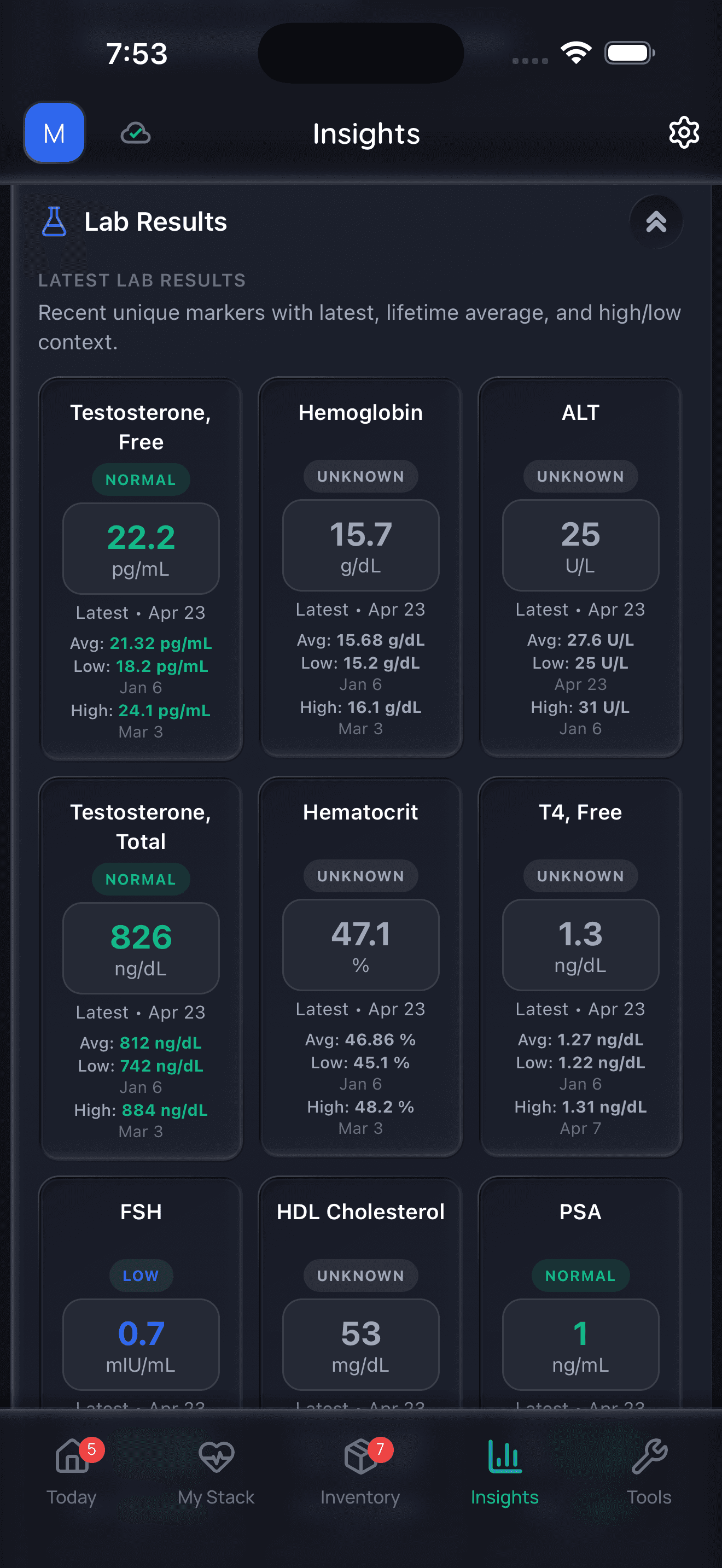
Doserly organizes data; it does not diagnose or interpret labs for you.
Dosing & Usage Protocols
The Basics
Dosing bitter melon is complicated by the fact that clinical trials have used wildly different preparations, forms, and amounts. There is no official recommended dose, no RDA, and no established upper limit. What follows is a summary of what has been used in research and what is commonly available.
Most supplement products provide 500 to 1,000 mg per capsule, with label directions typically suggesting 1 to 3 capsules daily taken before meals. Clinical trials have used doses ranging from as low as 600 mg to as high as 6,000 mg per day, with most falling in the 1 to 3 g daily range over periods of 4 to 16 weeks.
A few patterns emerge from the research. Studies lasting 12 weeks or longer tended to show more consistent results than shorter trials. There is no clear dose-response relationship; some studies using lower doses (under 2 g/day) showed effects while some using higher doses did not. This inconsistency likely reflects the different preparations and extract types rather than a genuine lack of dose-response.
For people who consume bitter melon as a food, the amounts are harder to standardize. Traditional culinary use involves eating the fresh fruit several times per week as part of a meal.
The Science
Doses used in clinical trials:
Study
John 2003
- Dose
- 6 g/d
- Duration
- 4 weeks
- Form
- Tablet, whole fruit powder
- Outcome
- No significant glycemic change
Study
Dans 2007
- Dose
- 1 g/d
- Duration
- 12 weeks
- Form
- Capsule, fruit/seed extract
- Outcome
- No significant glycemic change
Study
Trakoon-osot 2013
- Dose
- 6 g/d
- Duration
- 16 weeks
- Form
- Capsule, fruit pulp powder
- Outcome
- Improved glycation markers
Study
Suthar 2016
- Dose
- 1.2 g/d
- Duration
- 12 weeks
- Form
- Capsule, fruit juice powder
- Outcome
- Improved FBG, PPG
Study
Kumari 2018
- Dose
- 1-1.5 g/d
- Duration
- 8 weeks
- Form
- Tablet
- Outcome
- Improved FBG, PPG, HbA1c, lipids
Study
Cortez-Navarrete 2018
- Dose
- 2 g/d
- Duration
- 12 weeks
- Form
- Capsule, fruit pulp
- Outcome
- Improved insulin secretion
Study
Kim 2020
- Dose
- 2.38 g/d
- Duration
- 12 weeks
- Form
- Capsule
- Outcome
- No significant HbA1c change
Study
Yang 2022
- Dose
- 0.6 g/d
- Duration
- 12 weeks
- Form
- Capsule, peptide extract
- Outcome
- Improved HbA1c
Commonly reported supplement ranges:
- General supplementation: 500-1,000 mg, two to three times daily [23]
- Clinical trial range: 0.6-6 g per day in divided doses
- Most commonly tested: 1-3 g per day for 8-16 weeks [4]
Timing: Most clinical protocols administered doses before meals, typically 30 minutes prior, which aligns with the theoretical goal of blunting postprandial glucose spikes.
Duration: Subgroup analysis suggests that intervention periods of 12 weeks or longer yielded more consistent results than shorter durations [4].
Getting the dose right matters more than most people realize. Too little may be ineffective, too much wastes money or introduces risk, and inconsistency undermines both. Doserly tracks every dose you take, across every form, giving you a clear record of what you're actually consuming versus what you planned.
The app helps you compare RDA recommendations against therapeutic ranges discussed in the research, so you can see exactly where your intake falls. If you switch forms, say from a standard capsule to a liposomal liquid, Doserly adjusts your tracking to account for different bioavailabilities. Pair that with smart reminders that keep your timing consistent, and the precision that makes a real difference in outcomes becomes effortless.
Turn symptom and safety notes into a clearer timeline.
Doserly helps you log doses, symptoms, and safety observations side by side so patterns are easier to discuss with a qualified clinician.
Pattern view
Logs and observations

Pattern visibility is informational and should be reviewed with a clinician.
What to Expect (Timeline)
Bitter melon is not a supplement that produces dramatic, immediate effects for most users. Based on clinical trial data and community reports, here is a general timeline of what users may experience:
Week 1-2: Most users notice very little. The bitter taste (if consuming food or tea form) is the primary experience. Some users report mild GI effects (loose stools, stomach discomfort) that typically resolve. Blood sugar effects, if present, are likely subtle at this stage.
Weeks 3-4: In clinical trials that showed positive results, modest changes in fasting blood glucose began to emerge around this period. Users with continuous glucose monitors may notice slightly lower postprandial spikes, particularly when bitter melon is taken before meals. Community reports align with this timeline.
Weeks 5-8: Studies of 8 weeks duration showed the most variability. Some reported significant reductions in HbA1c and fasting glucose, while others showed no change. This is the period where individual variation becomes most apparent.
Weeks 9-16: The most consistent positive findings in meta-analyses came from studies of 12 weeks or longer. If bitter melon is going to produce meaningful glycemic effects for an individual, this is the timeframe when they would most likely become apparent. Changes in total cholesterol were also observed in this window.
Important context: Many users may complete a full 12-16 week trial and observe no measurable changes, which is consistent with the mixed clinical evidence. The absence of effect does not mean the supplement is "not working" in everyone; rather, it reflects genuine variability in individual response and preparation quality.
Interactions & Compatibility
Synergistic
- Chromium: Complementary glucose metabolism support through different mechanisms. Some community members report combining bitter melon with chromium picolinate for blood sugar management.
- Cinnamon: Both have been independently studied for glycemic effects. Used together in some traditional formulations. Additive hypoglycemic potential should be monitored.
- Berberine: Both target blood sugar through partially overlapping mechanisms (AMPK activation). Combined use may increase hypoglycemia risk.
Caution / Avoid
- Insulin: Bitter melon may have additive hypoglycemic effects. Concurrent use requires medical supervision and blood sugar monitoring [6].
- Metformin and other oral hypoglycemics: Additive blood sugar-lowering effects may increase hypoglycemia risk. Community reports specifically warn about this combination [6].
- CYP2C9 substrate drugs: Bitter melon extract inhibits CYP2C9, potentially affecting metabolism of drugs including warfarin, phenytoin, celecoxib, and losartan. Clinical significance not yet fully determined [19].
- P-glycoprotein substrate drugs: Bitter melon inhibits P-gp, potentially increasing intracellular concentration and toxicity of substrate drugs including vinblastine, paclitaxel, digoxin, and cyclosporine [31][32].
- Alpha-Lipoic Acid: Both have blood sugar-lowering potential. Stacking multiple glucose-lowering supplements increases hypoglycemia risk.
- Gymnema Sylvestre: Another traditional blood sugar-lowering herb. Combined use amplifies hypoglycemia risk without established safety data for the combination.
How to Take / Administration Guide
Bitter melon supplements come in several forms, and the choice of form may influence outcomes based on both clinical data and community observation.
Capsule/tablet (most common supplement form): Typically 500-1,000 mg per capsule. Most products suggest 1-3 capsules daily, taken 30 minutes before meals. This is the easiest form for adherence due to bypassing the bitter taste. However, at least one user monitoring with a CGM reported that capsule supplements did not produce the glucose-lowering effects they observed when eating whole bitter melon as food.
Dried fruit powder: Available as bulk powder or in capsules. Contains the full spectrum of fruit compounds but standardization varies. Typical dose: 1-6 g daily in divided doses.
Fresh fruit (culinary use): Traditionally stir-fried with eggs, cooked in curries, or added to soups. The bitterness can be partially reduced by salting sliced fruit and allowing it to sit before cooking. Traditional use frequency is 2-3 servings per week.
Tea (dried slices): Sun-dried or dehydrated slices steeped in hot water. Some users sip throughout the day. This form delivers water-soluble compounds but may exclude lipophilic triterpenoids.
Juice: Fresh-squeezed bitter melon juice is used in some traditional practices. Caution is warranted with juice: the most severe case reports of adverse events (gastric ulceration, cardiac arrhythmia) involved concentrated juice preparation. Small amounts diluted with water are traditionally recommended.
Cycling: There is no established evidence for or against cycling bitter melon supplements. Most clinical trials involved continuous daily use for 4-16 weeks.
With food: Taking bitter melon supplements with or shortly before meals aligns with the proposed mechanism of blunting postprandial glucose spikes. The lipophilic triterpenoid compounds may also benefit from co-administration with dietary fat.
Choosing a Quality Product
Selecting a quality bitter melon supplement requires extra vigilance because the lack of standardization in this category means product quality varies enormously.
Key considerations:
Standardization (or lack thereof): Unlike many herbal supplements, there is no widely adopted standardization target for bitter melon. Some products standardize to a percentage of "bitter principles" or charantin content, but analytical methods vary. Products that specify the plant part used (fruit vs. seed vs. whole plant) and the extraction method provide more transparency.
Plant part matters: The fruit is the most commonly used and studied part. Seeds contain vicine, which poses a risk for individuals with G6PD deficiency. Products that use seed extracts should disclose this.
Third-party testing: Look for USP, NSF, or ConsumerLab verification to ensure that the product actually contains what the label claims and is free from contaminants. This is particularly important for imported herbal supplements where adulteration risk is higher.
Avoid proprietary blends: Products that list "bitter melon" as part of a proprietary blend make it impossible to determine the actual dose of bitter melon you are consuming.
Organic certification: For a botanical product, organic certification provides some assurance regarding pesticide residue levels.
Red flags:
- Products claiming to "cure" or "treat" diabetes
- Extremely high doses without supporting rationale
- Products that do not specify the plant part used
- Missing or vague origin/sourcing information
- Products combining bitter melon with many other blood sugar-lowering herbs without disclosing individual doses
Storage & Handling
Capsules and tablets: Store in a cool, dry place away from direct sunlight and moisture. Typical shelf life is 2-3 years from manufacture if properly sealed. Keep the container tightly closed after each use.
Dried fruit/powder: More susceptible to moisture absorption than capsules. Store in an airtight container in a cool, dry location. Refrigeration can extend shelf life but is not required if storage conditions are appropriate.
Fresh fruit: Refrigerate and use within 5-7 days. Bitter melon deteriorates more quickly than most cucurbits due to its thin skin. The fruit can be blanched and frozen for longer storage.
Juice: Fresh bitter melon juice should be consumed immediately or refrigerated and used within 24-48 hours. The bioactive compounds may degrade with prolonged storage.
Tea preparations: Dried slices can be stored in an airtight container at room temperature for several months. Avoid exposure to humidity, which promotes mold growth.
Lifestyle & Supporting Factors
Bitter melon supplementation does not exist in a vacuum, and several lifestyle factors may influence whether it produces meaningful effects.
Diet: For individuals using bitter melon to support blood sugar management, dietary context is critical. A diet high in refined carbohydrates and sugar will overwhelm any modest glucose-lowering effect a supplement might provide. Bitter melon is best understood as a potential complement to a balanced diet, not a counterweight to poor dietary habits.
Physical activity: Regular exercise is one of the most effective strategies for improving insulin sensitivity, the same pathway bitter melon is proposed to work through. The combination of physical activity and bitter melon supplementation has not been specifically studied, but both target overlapping metabolic pathways.
Blood sugar monitoring: Individuals interested in tracking bitter melon's effects on their glucose levels should consider using a continuous glucose monitor (CGM) or regular finger-stick testing. This provides personalized data rather than relying on population-level averages from clinical trials.
Medication coordination: Anyone taking diabetes medications should coordinate bitter melon use with their prescribing physician. The potential for additive hypoglycemic effects makes medical supervision essential.
Lab work: Fasting glucose, HbA1c, and lipid panel measurements at baseline and after 8-12 weeks of supplementation provide the most objective assessment of whether bitter melon is producing measurable metabolic changes.
Regulatory Status & Standards
United States (FDA): Bitter melon is marketed as a dietary supplement under DSHEA. It has not been approved by the FDA for the treatment of diabetes or any other medical condition. Bitter melon fruit is consumed as food and is Generally Recognized as Safe (GRAS) in that context, but concentrated extracts and supplements are subject to dietary supplement regulations rather than food safety standards.
Canada (Health Canada): Bitter melon is available as a licensed Natural Health Product (NHP). Some products have received Natural Product Numbers (NPNs) for claims related to traditional use in Ayurvedic or Chinese medicine for blood sugar support.
European Union (EFSA): Bitter melon is not classified as a Novel Food in the EU, as it has a history of consumption as a traditional food. Health claims specific to bitter melon have not been authorized by EFSA. It is available as a food supplement in EU member states.
Australia (TGA): Bitter melon is available as a complementary medicine. Some products are listed on the Australian Register of Therapeutic Goods for traditional use claims.
Athlete & Sports Regulatory Status
Bitter melon is not listed on the WADA Prohibited List and is not banned by any major national anti-doping organization (USADA, UKAD, Sport Integrity Canada, Sport Integrity Australia). It is not restricted by any major professional sports league (NFL, NBA, MLB, NHL, NCAA).
However, athletes should exercise standard caution with any herbal supplement due to contamination risk. Products certified by Informed Sport, NSF Certified for Sport, or the Cologne List provide greater assurance against banned substance contamination. Athletes can verify supplement status through GlobalDRO.com.
Regulatory status and prohibited substance classifications change frequently. Athletes should always verify the current status of any supplement with their sport's governing body, their national anti-doping agency, and a qualified sports medicine professional before use. Third-party certification (Informed Sport, NSF Certified for Sport) reduces but does not eliminate the risk of contamination with prohibited substances.
Frequently Asked Questions
Does bitter melon actually lower blood sugar?
Based on the available data, bitter melon may produce modest reductions in blood sugar markers in some individuals, but the evidence is inconsistent. The most favorable meta-analysis found statistically significant reductions in fasting glucose, postprandial glucose, and HbA1c, while other analyses found no significant effects. The degree of benefit, if any, likely depends on the individual, the preparation used, and the baseline metabolic status. It is not a substitute for prescribed diabetes medications.
Can I take bitter melon instead of metformin?
No. Bitter melon has not been shown to be equivalent to metformin in any well-designed clinical trial. One head-to-head trial found that metformin reduced fasting and postprandial blood glucose while bitter melon did not over a 4-week period. Anyone considering bitter melon should discuss it with their healthcare provider as a potential complement to, not replacement for, established treatments.
Is bitter melon safe with diabetes medications?
Bitter melon may have additive blood sugar-lowering effects when combined with insulin, metformin, or other hypoglycemic agents. This could theoretically increase the risk of hypoglycemia. Medical supervision and blood sugar monitoring are essential for anyone combining bitter melon with diabetes medications.
Does the supplement form work as well as eating the whole fruit?
This is an open question. At least one community member using a continuous glucose monitor reported that supplement capsules did not produce the glucose effects observed with whole food consumption. Clinical trials have used various preparations with inconsistent results, and no head-to-head comparison of supplement vs. whole food has been conducted.
What is the best dose?
There is no established optimal dose. Clinical trials have used 0.6 to 6 g per day. Most supplement products provide 500 to 1,000 mg per capsule with directions for 2-3 capsules daily. The most consistent positive results in meta-analyses came from studies lasting 12 weeks or longer.
Can bitter melon help with weight loss?
Animal studies suggest anti-obesity effects through AMPK activation and lipid metabolism modulation, but human meta-analyses have not found significant effects on BMI or body weight. It should not be relied upon as a weight loss supplement.
Is bitter melon safe during pregnancy?
No. Animal studies have demonstrated developmental toxicity, and bitter melon has been historically used as an abortifacient in traditional medicine. It should be avoided during pregnancy and by women of childbearing age not using effective contraception.
Can bitter melon cause liver damage?
Based on available evidence, bitter melon is unlikely to cause liver injury. The NIH LiverTox database assigns it a likelihood score of E (unlikely cause of clinically apparent liver injury). No published case reports of hepatotoxicity have been attributed to bitter melon despite widespread use.
What about the seeds? Are they safe?
Bitter melon seeds contain vicine, which can cause a favism-like hemolytic reaction (headache, fever, abdominal pain, potentially coma) in individuals with G6PD deficiency. Most standardized supplements use fruit extracts rather than seed preparations, but label checking is important.
How long should I take it before deciding if it works?
Based on clinical trial data, a minimum of 12 weeks appears necessary to observe consistent effects. Shorter trials (4-8 weeks) showed more variable results. Monitoring with blood glucose measurements before and during supplementation provides objective data for personal evaluation.
Myth vs. Fact
Myth: Bitter melon is a natural cure for diabetes.
Fact: No supplement, including bitter melon, can cure diabetes. While some clinical trials have shown modest blood sugar reductions, the evidence quality is low, multiple meta-analyses have reached conflicting conclusions, and no major medical organization recommends bitter melon as a diabetes treatment. It may offer modest complementary support but should never replace medical treatment or lifestyle management [3][4][5].
Myth: Bitter melon works just like insulin.
Fact: While polypeptide-p (sometimes called "plant insulin") has structural similarities to human insulin and shows hypoglycemic effects when injected in animals, its oral bioavailability in humans is unknown and likely very low due to protein digestion. The glucose-lowering mechanisms of whole bitter melon extract are multifactorial and do not replicate insulin's specific mechanism of action [9].
Myth: More bitter melon equals better blood sugar control.
Fact: Surprisingly, meta-analysis subgroup data did not show a clear dose-response relationship. Doses under 2 g/day actually showed more consistent effects than higher doses in one analysis. This likely reflects the heterogeneity of preparations used rather than a genuine inverse dose-response, but it undermines the assumption that more is necessarily better [4].
Myth: Bitter melon is completely safe because it's a natural food.
Fact: While generally well-tolerated, concentrated preparations (especially juice and seed extracts) have been associated with serious adverse events including cardiac arrhythmia, gastric ulceration, and kidney injury in case reports. The seeds contain vicine, which can cause hemolytic reactions in susceptible individuals. Drug interactions with insulin, oral hypoglycemics, CYP2C9 substrates, and P-gp substrates are documented. Pregnancy is an absolute contraindication [6][23][25][26].
Myth: All bitter melon supplements are the same.
Fact: There is no universally adopted standardization for bitter melon supplements. Products may contain dried whole fruit powder, fruit extract, seed extract, fruit juice concentrate, or isolated peptides, each with different bioactive profiles. The Cochrane review specifically identified preparation variability as a major limitation in the evidence base [3].
Myth: If you can taste the bitterness, it means it's working.
Fact: While there is a theoretical argument that bitter taste receptors may trigger beneficial metabolic responses (cephalic phase), there is no clinical evidence that the perceived bitterness of a preparation correlates with its efficacy. Capsule supplements that bypass taste buds have shown effects in some clinical trials.
Myth: Bitter melon can prevent cancer.
Fact: While in vitro and animal studies have identified multiple anticancer mechanisms (apoptosis induction, metastasis suppression, HDAC inhibition), no human clinical trials have demonstrated cancer prevention or treatment efficacy. A study in cervical cancer patients found no effect on natural killer cell activity [6][22].
Sources & References
Systematic Reviews & Meta-Analyses
- Ooi CP, Yassin Z, Hamid TA. Momordica charantia for type 2 diabetes mellitus. Cochrane Database Syst Rev. 2012;8:CD007845.
- Peter EL, Kasali FM, Deyno S, et al. Momordica charantia L. lowers elevated glycaemia in type 2 diabetes mellitus patients: Systematic review and meta-analysis. J Ethnopharmacol. 2019;231:311-324.
- Yin RV, Lee NC, Hirpara H, Phung OJ. The effect of bitter melon (Mormordica charantia) in patients with diabetes mellitus: a systematic review and meta-analysis. Nutr Diabetes. 2014;4:e145.
- Zhang X, Zhao Y, Song Y, Miao M. Effects of Momordica charantia L. supplementation on glycemic control and lipid profile in type 2 diabetes mellitus patients: A systematic review and meta-analysis of randomized controlled trials. Heliyon. 2024;10(10):e31126.
- Laczkó-Zöld E, Csupor-Löffler B, Kolcsár EB, et al. The metabolic effect of Momordica charantia cannot be determined based on the available clinical evidence: a systematic review and meta-analysis of randomized clinical trials. Front Nutr. 2024;10:1200801.
- Demmers A, Mes JJ, Elbers RG, Pieters RHH. Harms of Momordica charantia L. in Humans; a Systematic Review. Fortune J Health Sci. 2023;6:222-236.
Clinical Trials & RCTs
- Fuangchan A, Sonthisombat P, Seubnukarn T, et al. Hypoglycemic effect of bitter melon compared with metformin in newly diagnosed type 2 diabetes patients. J Ethnopharmacol. 2011;134(2):422-428.
- Kim SK, Jung J, Jung JH, et al. Hypoglycemic efficacy and safety of Momordica charantia (bitter melon) in patients with type 2 diabetes mellitus. Complement Ther Med. 2020;52:102524.
- Dans AML, Villarruz MVC, Jimeno CA, et al. The effect of Momordica charantia capsule preparation on glycemic control in type 2 diabetes mellitus needs further studies. J Clin Epidemiol. 2007;60:554-559.
- Soo May L, Sanip Z, Ahmed Shokri A, Abdul Kadir A, Md Lazin MR. The effects of Momordica charantia (bitter melon) supplementation in patients with primary knee osteoarthritis. Complement Ther Clin Pract. 2018;32:181-186.
- Yang YS, Wu NY, Kornelius E, et al. A randomized, double-blind, placebo-controlled trial to evaluate the hypoglycemic efficacy of the mcIRBP-19-containing Momordica charantia L. fruit extracts. Food Nutr Res. 2022;66:3685.
- Cortez-Navarrete M, Martinez-Abundis E, Perez-Rubio KG, et al. Momordica charantia administration improves insulin secretion in type 2 diabetes mellitus. J Med Food. 2018;21:672-677.
Mechanistic & Preclinical Studies
- Shibib BA, Khan LA, Rahman R. Hypoglycaemic activity of Coccinia indica and Momordica charantia in diabetic rats: depression of the hepatic gluconeogenic enzymes. Biochem J. 1993;292(Pt 1):267-270.
- Shih CC, Lin CH, Lin WL. Effects of Momordica charantia on insulin resistance and visceral obesity in mice on high-fat diet. Diabetes Res Clin Pract. 2008;81(1):9-16.
- Kaur M, Deep G, Jain AK, et al. Bitter melon juice activates cellular energy sensor AMP-activated protein kinase causing apoptotic death of human pancreatic carcinoma cells. Carcinogenesis. 2013;34(7):1585-1592.
- Yang SJ, Choi JM, Park SE, et al. Preventive effects of bitter melon against insulin resistance and diabetes are associated with the inhibition of NF-κB and JNK pathways. J Nutr Biochem. 2015;26(3):234-240.
- Yue J, Xu J, Cao J, et al. Cucurbitane triterpenoids from Momordica charantia L. and their inhibitory activity against α-glucosidase, α-amylase and protein tyrosine phosphatase 1B. J Funct Foods. 2017;37:624-631.
- Blum A, Loerz C, Martin HJ, et al. Momordica charantia extract, a herbal remedy for type 2 diabetes, contains a specific 11β-hydroxysteroid dehydrogenase type 1 inhibitor. J Steroid Biochem Mol Biol. 2012;128:51-55.
- Xu J, Cao K, Li Y, et al. Bitter gourd inhibits the development of obesity-associated fatty liver in C57BL/6 mice fed a high-fat diet. J Nutr. 2014;144(4):475-483.
- Appiah-Opong R, Commandeur JN, Axson C, et al. Interactions between cytochromes P450, glutathione S-transferases and Ghanaian medicinal plants. Food Chem Toxicol. 2008;46(12):3598-3603.
Government / Institutional Sources
- LiverTox: Clinical and Research Information on Drug-Induced Liver Injury. Bethesda (MD): National Institute of Diabetes and Digestive and Kidney Diseases; 2012-. Bitter Melon. Updated 2023 Mar 20.
- Basch E, Gabardi S, Ulbricht C. Bitter melon (Momordica charantia): a review of efficacy and safety. Am J Health Syst Pharm. 2003;60:356-359.
Case Reports
- Erden I, Ordu S, Erden EC, et al. A case of atrial fibrillation due to Momordica charantia (bitter melon). Ann Saudi Med. 2010;30(1):86-87.
- Nadkarni N, D'Cruz S, Sachdev A. Hematemesis due to bitter melon (Momordica charantia) extract-induced gastric ulcerations. Indian J Gastroenterol. 2010;29(1):37-38.
- Bae W, Kim S, Choi J, et al. Acute interstitial nephritis associated with ingesting a Momordica charantia extract. Medicine (Baltimore). 2021;100(27):e26606.
- Uche-Nwachi EO, McEwen C. Teratogenic effect of the water extract of bitter gourd on the Sprague Dawley rats. Afr J Tradit Complement Altern Med. 2009;7(1):24-33.
- Khan MF, Abutaha N, Nasr FA, et al. Bitter gourd possess developmental toxicity as revealed by screening the seeds and fruit extracts in zebrafish embryos. BMC Complement Altern Med. 2019;19(1):184.
- Dutta PK, Chakravarty AK, Chowdhury US, Pakrashi SC. Vicine, a favism-inducing toxin from Momordica charantia Linn. seeds. Indian J Chem. 1981;20B:669-671.
- Pitchakarn P, Ohnuma S, Pintha K, et al. Kuguacin J isolated from Momordica charantia leaves inhibits P-glycoprotein (ABCB1)-mediated multidrug resistance. J Nutr Biochem. 2012;23(1):76-84.
- Konishi T, Satsu H, Hatsugai Y, et al. Inhibitory effect of a bitter melon extract on the P-glycoprotein activity in intestinal Caco-2 cells. Br J Pharmacol. 2004;143(3):379-387.
Reviews
- Wang S, Li Z, Yang G, et al. Momordica charantia: a popular health-promoting vegetable with multifunctionality. Food Funct. 2017;8:1749-1762.
- Grover JK, Yadav SP. Pharmacological actions and potential uses of Momordica charantia: a review. J Ethnopharmacol. 2004;93:123-132.
- Pahlavani N, Roudi F, Zakerian M, et al. Possible molecular mechanisms of glucose-lowering activities of Momordica charantia (karela) in diabetes. J Cell Biochem. 2019.
- Tan MJ, Ye JM, Turner N, et al. Antidiabetic activities of triterpenoids isolated from bitter melon associated with activation of the AMPK pathway. Chem Biol. 2008;15:263-273.