
Gymnema Sylvestre: The Complete Supplement Guide
On this page
Quick Reference Card
Attribute
Common Name
- Detail
- Gymnema Sylvestre
Attribute
Other Names / Aliases
- Detail
- Gurmar, sugar destroyer, meshashringi, madhunashini, Gymnema sylvestre
Attribute
Category
- Detail
- Herbal extract
Attribute
Primary Forms & Variants
- Detail
- Leaf powder, leaf extract capsules, standardized extract (often by gymnemic acids), tincture, tea, lozenge or mint for sweet-taste suppression
Attribute
Typical Dose Range
- Detail
- 200 to 600 mg/day of standardized extract in modern studies; some proprietary extracts used 1 g/day; traditional powders and tinctures vary widely
Attribute
RDA / AI / UL
- Detail
- No established RDA, AI, or UL
Attribute
Common Delivery Forms
- Detail
- Capsule, tablet, powder, tea, tincture, lozenge, dissolving mint
Attribute
Best Taken With / Without Food
- Detail
- Often taken before meals for glucose support; sweet-blocking products are used shortly before sweet foods
Attribute
Key Cofactors
- Detail
- Chromium, Berberine, Magnesium, high-fiber meals
Attribute
Storage Notes
- Detail
- Store sealed in a cool, dry place away from heat, humidity, and direct light
Overview
The Basics
Gymnema Sylvestre is a woody climbing plant used in Ayurvedic medicine for centuries, mostly for conditions related to blood sugar. Its Hindi nickname, "gurmar," translates roughly to "sugar destroyer," which captures its most distinctive short-term effect: when some Gymnema products touch the tongue, sweet foods can taste blunted or oddly flat for a while [6][8].
That unusual taste effect is only part of the story. Modern supplement interest focuses on two main use cases. The first is metabolic: supporting blood sugar control, insulin sensitivity, or related lipid markers. The second is behavioral: making sugary foods less rewarding so cravings are easier to interrupt. Both ideas have some evidence behind them, but neither is a settled clinical slam dunk [1][2][3][6].
The most honest summary is that Gymnema is more interesting than proven. It has better human data than many obscure herbs, but the studies are still small and the preparations vary enough that "Gymnema works" is too broad a conclusion.
The Science
Gymnema sylvestre is an Ayurvedic botanical traditionally used for hyperglycemia and related metabolic complaints. Modern studies focus on leaf-derived extracts rich in gymnemic acids, a family of triterpenoid saponins that likely drive much of the plant's taste-modulating and metabolic activity [7][8]. Other compounds of interest include gurmarin, gymnemasaponins, and less well-characterized phytochemical mixtures [7].
Human evidence is strongest in small randomized trials and subsequent meta-analyses. A 2021 meta-analysis found improvements in fasting glucose, postprandial glucose, HbA1c, triglycerides, and total cholesterol across pooled type 2 diabetes studies, but heterogeneity was high and methods were weak [1]. A 2023 meta-analysis also found improvements in fasting glucose and several cardiometabolic markers, while emphasizing low study quality and the need for better trials [2]. More controlled evidence exists in prediabetes and metabolic syndrome, but the studies remain small [3][4].
Chemical & Nutritional Identity
Property
Scientific Name
- Value
- Gymnema sylvestre (Retz.) R. Br. ex Schult.
Property
Family
- Value
- Apocynaceae (historically also placed in Asclepiadaceae)
Property
Plant Part Most Used
- Value
- Leaves
Property
Main Active Constituents
- Value
- Gymnemic acids, gurmarin, gymnemasaponins, related triterpenoid saponins
Property
Traditional Role
- Value
- Ayurvedic botanical for altered blood sugar and sweet-taste suppression
Property
Category
- Value
- Botanical dietary supplement, not an essential nutrient
Property
RDA / AI / UL
- Value
- None established
Property
Common Standardization
- Value
- Often standardized by percent gymnemic acids, but label standards vary substantially
Identity Notes
Gymnema is not a vitamin, mineral, or single-molecule nutrient. It is a botanical preparation, and that matters. Different products may use different extraction solvents, different leaf-to-extract ratios, and different marker-compound percentages. Even the label phrase "25% gymnemic acids" does not guarantee interchangeability across brands because gymnemic acids themselves are a mixture rather than one clean active compound [7].
For practical purposes, the most useful identity markers are:
- leaf-based extract rather than vague whole-herb blend
- declared standardization to gymnemic acids
- transparent extract ratio and manufacturing details
Mechanism of Action
The Basics
Gymnema seems to work through two very different pathways.
The first is sensory. Gymnemic acids can temporarily interfere with sweet taste perception, which makes sugary foods seem less pleasant right after use. That is why lozenges and mints containing Gymnema are marketed for cravings or "resetting" the sweet tooth [6].
The second is metabolic. Some Gymnema extracts appear to support insulin secretion, improve insulin sensitivity, and reduce post-meal glucose exposure. Think of it less like one magic switch and more like a cluster of modest effects that may add up in the right person and the right formulation [3][5].
The Science
Mechanistic work suggests several non-mutually-exclusive pathways:
- Sweet receptor interference: gymnemic acids suppress sweet taste signaling without broadly suppressing other taste modalities, likely through interaction with sweet-taste receptor pathways [6].
- Insulin secretion support: a human-islet study found direct stimulation of insulin secretion by a Gymnema extract, paired with increased insulin and C-peptide in a small human study [5].
- Insulin sensitivity effects: the 2020 impaired-glucose-tolerance trial showed improvement in the Matsuda index, suggesting at least some preparations may improve insulin sensitivity [3].
- Carbohydrate handling effects: Gymnema is often described as reducing intestinal glucose absorption or inhibiting carbohydrate-related enzymes, though the human pharmacology here is less clearly mapped than the taste effect [7][9].
The main mechanistic limitation is the same one seen everywhere else in the literature: studies often use different extracts. A mechanistic claim observed with one proprietary or laboratory preparation should not be assumed to apply equally to every commercial capsule.
Absorption & Bioavailability
The Basics
Gymnema has a strange bioavailability story because part of its effect does not depend on normal absorption at all. If a mint, lozenge, tea, or tincture contacts the tongue, the sweet-blocking effect can happen locally in the mouth and can show up quickly. That is very different from the slower systemic effects people hope for when taking capsules for glucose control.
For metabolic outcomes, bioavailability is much less clear. We do not have the same kind of clean human pharmacokinetic data available for well-studied nutrients or drugs. What we do have is indirect evidence that formulation matters, timing before meals matters, and standardized extracts are probably more reliable than generic powders [3][7].
The Science
Human pharmacokinetic data for Gymnema constituents are sparse. The EFSA-oriented risk assessment specifically highlights uncertainty around extract comparability, active-compound characterization, and dose-response interpretation across preparations [7]. That means absorption, tissue exposure, and half-life cannot be described with much confidence at the product level.
What is better established:
- oral-contact preparations can acutely suppress sweet taste, often for roughly 30 to 60 minutes in product-guided use cases and acute studies [6]
- systemic metabolic effects in clinical trials are measured over weeks, not hours [3][4]
- extract stability can remain acceptable under standard storage conditions, but that does not solve formulation-equivalence problems [9]
The practical implication is simple: do not treat a sweet-blocking lozenge, a 25% gymnemic-acid capsule, and a raw leaf powder as interchangeable.
Research & Clinical Evidence
Prediabetes and Impaired Glucose Tolerance
The Basics
This is one of Gymnema's stronger human-use cases. In a small placebo-controlled trial in people with impaired glucose tolerance, Gymnema improved 2-hour glucose after an oral glucose test, lowered HbA1c, and improved an insulin-sensitivity index over 12 weeks [3]. That does not prove it prevents diabetes, but it is a more encouraging signal than many herbs ever achieve.
The Science
In the 2020 randomized double-blind placebo-controlled trial, 30 adults with impaired glucose tolerance received either placebo or Gymnema 300 mg twice daily for 12 weeks. The Gymnema group showed significant improvements in 2-hour OGTT values, HbA1c, LDL cholesterol, body weight, BMI, and the Matsuda index, with nearly half of treated participants reaching normal HbA1c values by study end [3].
Type 2 Diabetes and Glycemic Control
The Basics
This is where the evidence gets messier. Several studies and meta-analyses suggest Gymnema may improve fasting glucose and sometimes HbA1c, but the studies are small and the products are inconsistent. So the right conclusion is "possible adjunct," not "established therapy" [1][2][10].
The Science
The 2010 small clinical study also supports an insulin-secretory mechanism, with increased insulin and C-peptide plus reductions in fasting and postprandial glucose after 60 days of a proprietary extract [5]. That helps mechanistically, but it does not erase the general problem of small samples and extract-specific results.
Lipids, Blood Pressure, and Metabolic Syndrome
The Basics
Gymnema may modestly help some lipid markers, and there is weaker evidence for blood pressure and weight-related effects. The clearest signals are not dramatic, but they are not zero either.
The Science
The 2023 meta-analysis found significant improvements in triglycerides, total cholesterol, LDL cholesterol, fasting blood sugar, and diastolic blood pressure [2]. The 2017 metabolic-syndrome RCT found reductions in body weight, BMI, and VLDL, but no significant change in insulin secretion, insulin sensitivity, or the syndrome's main diagnostic components [4]. That mixed picture suggests Gymnema may affect selected markers without producing a full cardiometabolic reset.
Sweet Cravings and Sugar Intake
The Basics
This is the most distinctive and easiest-to-feel Gymnema effect. Some people notice it almost immediately: sweet foods lose their punch and feel less rewarding. That does not mean cravings disappear forever, but it can make sugary foods easier to resist for a while.
The Science
In the 2020 crossover trial of 56 healthy adults, a mint containing 4 mg gymnemic acids reduced chocolate intake by 21.3% within 15 minutes and lowered desire for more sweet food along with pleasantness ratings. Effects were stronger in participants who described themselves as having a sweet tooth [6]. This is acute behavioral evidence, not long-term obesity treatment evidence, but it is one of the clearest user-facing findings in the Gymnema literature.
Evidence & Effectiveness Matrix
Category
Cravings & Impulse Control
- Evidence Strength
- 6/10
- Community-Reported Effectiveness
- 7/10
- Summary
- Acute human data supports reduced desire for sweet foods after gymnemic-acid exposure, and community reports align around craving interruption rather than total elimination [6].
Category
Food Noise
- Evidence Strength
- 4/10
- Community-Reported Effectiveness
- 6/10
- Summary
- Clinical evidence is indirect, but the sweet-reward blunting mechanism is plausible. Community discussion suggests less mental pull toward sweets in some users.
Category
Appetite & Satiety
- Evidence Strength
- 4/10
- Community-Reported Effectiveness
- 5/10
- Summary
- Gymnema does not look like a broad satiety supplement. Effects appear more selective to sweet appetite than total hunger control [6].
Category
Weight Management
- Evidence Strength
- 4/10
- Community-Reported Effectiveness
- 3/10
- Summary
- One metabolic-syndrome RCT showed weight and BMI improvement, but community reports do not show consistent standalone weight loss [4].
Category
Heart Health
- Evidence Strength
- 6/10
- Community-Reported Effectiveness
- Community data not yet collected
- Summary
- Meta-analytic evidence suggests improvements in triglycerides, total cholesterol, LDL, and possibly diastolic blood pressure, but trial quality is limited [2].
Category
Blood Pressure
- Evidence Strength
- 5/10
- Community-Reported Effectiveness
- Community data not yet collected
- Summary
- The 2023 meta-analysis found improved diastolic blood pressure, but evidence volume is modest [2].
Category
Side Effect Burden
- Evidence Strength
- 5/10
- Community-Reported Effectiveness
- 6/10
- Summary
- Human trials and EFSA-style assessment do not suggest frequent major adverse effects, but rare hepatotoxicity and hypoglycemia risk keep safety from scoring higher [7].
Category
Nausea & GI Tolerance
- Evidence Strength
- 4/10
- Community-Reported Effectiveness
- 6/10
- Summary
- GI complaints are not a dominant Gymnema theme in the literature or community, but reporting is sparse.
Category
Treatment Adherence
- Evidence Strength
- 4/10
- Community-Reported Effectiveness
- 5/10
- Summary
- Timing before meals and sweet-exposure use cases can complicate adherence, but users who notice the taste effect may find it reinforcing.
Category
Daily Functioning
- Evidence Strength
- 4/10
- Community-Reported Effectiveness
- 5/10
- Summary
- Small human trials and anecdotal reports suggest better glycemic symptom control may improve day-to-day functioning for some users [3][5].
Categories scored: 10Categories with community data: 8Categories not scored (insufficient data): Fat Loss, Muscle Growth, Energy Levels, Sleep Quality, Focus & Mental Clarity, Memory & Cognition, Mood & Wellbeing, Anxiety, Stress Tolerance, Motivation & Drive, Emotional Aliveness, Emotional Regulation, Libido, Sexual Function, Joint Health, Inflammation, Pain Management, Recovery & Healing, Physical Performance, Gut Health, Digestive Comfort, Skin Health, Hair Health, Heart Rate & Palpitations, Hormonal Symptoms, Temperature Regulation, Fluid Retention, Body Image, Immune Function, Bone Health, Longevity & Neuroprotection, Social Connection, Withdrawal Symptoms, Other
Benefits & Potential Effects
The Basics
Gymnema's most believable benefits fall into three buckets.
First, it may modestly improve glucose handling in people with prediabetes or type 2 diabetes, especially when used as an adjunct rather than a replacement. Second, it may improve some lipid markers and possibly body-weight-related measures in certain populations. Third, and most uniquely, it can make sweet foods feel less rewarding in the short term [1][2][3][4][6].
That last effect matters because it is both noticeable and behaviorally relevant. A supplement that makes candy, soda, or dessert less appealing can be useful even if it does not directly cause fat loss.
When you're taking multiple supplements, it's hard to know which one is doing the heavy lifting. The benefits described above may overlap with effects from other items in your stack, lifestyle changes, or seasonal variation. Doserly helps you untangle that by keeping everything in one place, with timestamps, doses, and outcomes logged together.
Over time, this builds something more valuable than any product review: your personal evidence record. You can see exactly when you started this supplement, what else was in your routine at the time, and how your tracked health markers responded. That clarity makes the difference between guessing and knowing, whether you're talking to a healthcare provider or simply deciding if it's worth reordering.
Keep sensitive protocol records in a purpose-built app.
Doserly is designed for private health tracking with structured records, offline-ready workflows, and exportable history when you need it.
Privacy
Health records
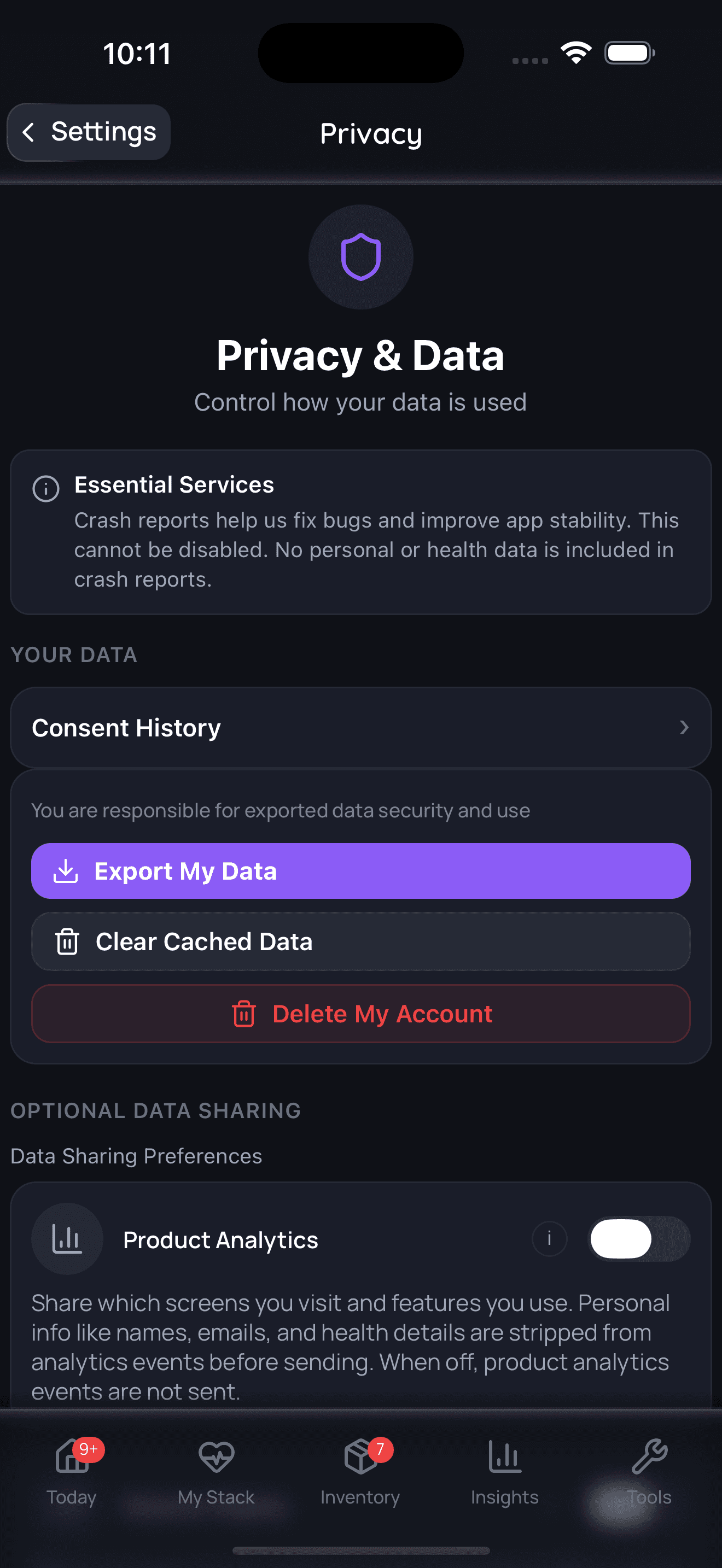
Privacy controls help you manage records; keep clinical records where required.
The Science
More established or better-supported potential benefits:
- improved 2-hour glucose handling and HbA1c in impaired glucose tolerance [3]
- modest improvement in fasting glucose in pooled type 2 diabetes studies [1][2]
- selected lipid improvements, especially triglycerides, total cholesterol, LDL, and VLDL depending on the study [1][2][4]
- acute reduction in sweet-food desire and reward [6]
More emerging or lower-confidence effects:
- body-weight and BMI improvement in some populations [3][4]
- diastolic blood pressure improvement [2]
- improved insulin secretion with some proprietary extracts [5]
The main caution is that Gymnema has no single universally validated clinical outcome profile across all extracts. Benefits should be framed as formulation-dependent and modest.
Side Effects & Safety
The Basics
Gymnema is often marketed as gentle, but that can mislead people into underestimating the real safety questions. The average user is more likely to run into interaction problems or low blood sugar issues than dramatic standalone toxicity. If you already use diabetes medication, that matters a lot more than generic "natural" branding [7][10].
Most studies do not report a heavy side-effect burden. But there is at least one published case of suspected toxic hepatitis, and regulatory reviewers have repeatedly highlighted herb-drug interaction risk and the lack of standardized long-term safety data [7].
The Science
Key safety points supported by the current evidence base:
- Hypoglycemia risk: Gymnema may enhance glucose-lowering effects of antidiabetic medications. This is the most important safety issue for real-world users [7].
- Rare liver injury signal: a published case report links Gymnema use to toxic hepatitis, though causality remains difficult to prove in supplement cases [7].
- Pregnancy and breastfeeding: safety data are inadequate. Conservative avoidance is reasonable because there is no solid human safety dataset.
- Kidney and complex chronic disease settings: NCCIH advises extra caution with supplements used for diabetes, especially in people with kidney disease or complicated medical regimens [10].
- Product variability: an adverse-event profile from one extract cannot be assumed for all extracts [7].
Balanced takeaway: routine minor side effects do not dominate the literature, but the uncertainty is too large to call Gymnema broadly risk-free.
Dosing & Usage Protocols
The Basics
The best-supported modern Gymnema dosing pattern is 300 mg twice daily before meals, used for around 12 weeks in both impaired glucose tolerance and metabolic syndrome trials [3][4]. That gives you a useful anchor, but it does not settle the whole dosing question because other studies used 200 to 400 mg/day standardized extract or even 1 g/day of a proprietary extract [5].
If your goal is sweet-craving interruption, the timing can matter more than the daily milligram total. Lozenges and mints are used shortly before exposure to sweet foods, which is a different strategy from taking capsules consistently for metabolic outcomes.
The Science
Practical Dosing Framework
Goal
Prediabetes / glucose support
- Typical Pattern
- 300 mg twice daily before meals
- Notes
- Best-supported modern RCT pattern [3]
Goal
Metabolic-syndrome support
- Typical Pattern
- 300 mg twice daily before breakfast and dinner
- Notes
- Used for 12 weeks in placebo-controlled trial [4]
Goal
Standardized extract general use
- Typical Pattern
- 200 to 400 mg/day
- Notes
- Common monograph-style range, often tied to 25% gymnemic acids
Goal
Sweet-craving suppression
- Typical Pattern
- Product-specific lozenge or mint shortly before sweet exposure
- Notes
- Do not assume equivalence to capsule dosing [6]
Usage Notes
- Start low if you also use glucose-lowering medication.
- Use meal-consistent timing if your goal is metabolic tracking.
- Do not mix multiple glucose-lowering botanicals at full doses without a reason and a monitoring plan.
When your stack includes several supplements, each with its own dose, form, and timing requirements, the logistics alone can derail consistency. Doserly consolidates all of it into one protocol view, so every dose across your entire routine is accounted for without spreadsheets or guesswork.
The app also tracks cumulative intake for nutrients that appear in multiple products. If your multivitamin, standalone supplement, and fortified protein shake all contain the same nutrient, Doserly adds them up and shows you the total alongside recommended and upper limits. Managing a thoughtful supplement protocol shouldn't require a degree in nutrition science. The app handles the complexity so you can focus on staying consistent.
Turn symptom and safety notes into a clearer timeline.
Doserly helps you log doses, symptoms, and safety observations side by side so patterns are easier to discuss with a qualified clinician.
Pattern view
Logs and observations

Pattern visibility is informational and should be reviewed with a clinician.
What to Expect
Immediate to Same-Day Effects
- If you use a mint, lozenge, tincture, or tea that directly contacts the tongue, sweet tastes may become dull or strange fairly quickly [6].
- This can make sugary drinks, candy, or dessert feel less rewarding for a short window.
Weeks 1-2
- Many users notice no dramatic biomarker change yet.
- If Gymnema is helping, the first noticeable changes may be behavioral rather than metabolic, such as less pull toward sweets or easier meal discipline.
Weeks 3-6
- This is a more realistic window for early blood-sugar or appetite-pattern changes to become noticeable if they are going to show up.
- Community anecdotes often frame Gymnema as a support tool rather than a dramatic body-composition trigger.
Weeks 8-12
- This is where the better clinical data were measured.
- Trials in impaired glucose tolerance and metabolic syndrome ran for 12 weeks and captured HbA1c, OGTT, lipid, and body-weight-related changes in that range [3][4].
One of the hardest parts of any supplement routine is knowing whether it's working when results unfold gradually over weeks or months. Without a record, it's easy to abandon something too early or keep taking something that isn't delivering. Doserly solves that by giving you a visual timeline of your entire supplementation history mapped against the outcomes you care about.
When everything is in one view, you can compare how different supplements in your stack are performing over the same period. You can see whether adding this supplement coincided with the improvement you've noticed, or whether the timing points to something else entirely. That kind of clarity turns patience into a strategy rather than a gamble.
Capture changes while they are still fresh.
Log symptoms, energy, sleep, mood, and other observations alongside protocol events so patterns do not live only in memory.
Trend view
Symptom timeline
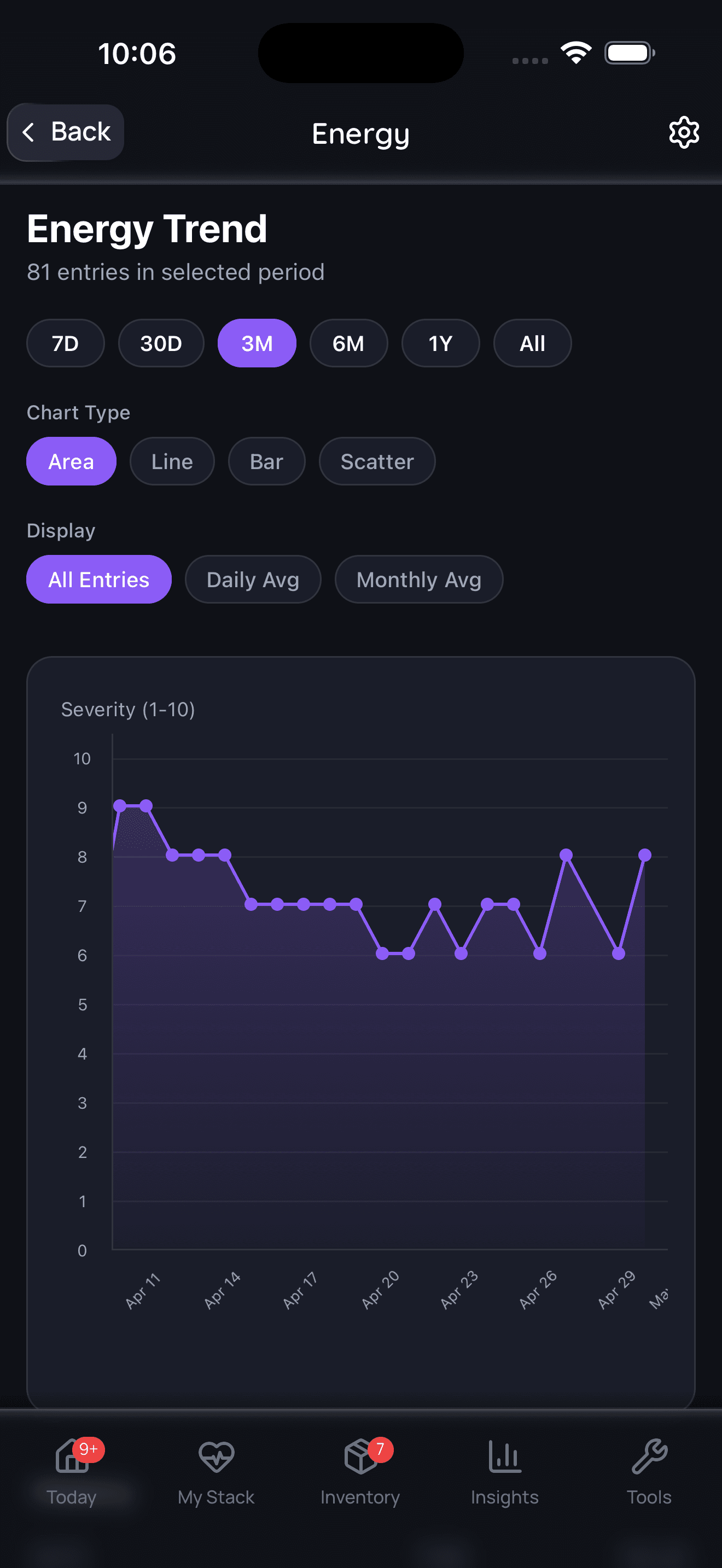
Symptom tracking is informational and should be interpreted with a qualified clinician.
Interactions & Compatibility
Synergistic
- Chromium: complementary glucose-metabolism support, but additive effects mean results should be monitored rather than assumed.
- Berberine: sometimes paired for glucose support, though stacking increases the need for monitoring.
- Ceylon Cinnamon: often used in the same metabolic-support category, with different evidence strengths and safety tradeoffs.
- Fenugreek: another traditional glucose-support herb that may fit the same meal-timing use case.
- Glucomannan: may support satiety and post-meal control in structured nutrition plans.
Caution / Avoid
- Diabetes medications and insulin: highest-priority caution because additive glucose lowering can create real hypoglycemia risk [7][10].
- Bitter Melon, Banaba Leaf, Berberine: stacking several glucose-lowering supplements at full doses increases the chance of overshooting.
- Surgery, prolonged fasting, or erratic food intake: any supplement that changes glucose handling deserves extra caution when meal patterns are unstable.
- Unlabeled multi-ingredient blood sugar products: hard to attribute effects and harder to manage interactions.
- Pregnancy and breastfeeding: insufficient safety data, so routine use is hard to justify.
How to Take
For metabolic support, Gymnema is usually taken before meals, often before breakfast and dinner in clinical trials [3][4]. That timing makes sense because the intended use is largely post-meal glucose control rather than all-day stimulation.
For sweet-craving suppression, the strategy changes. A mint, lozenge, or tincture works best when it reaches the tongue shortly before eating something sweet, because the local taste effect is part of the mechanism [6].
Practical administration tips:
- keep the form matched to the goal
- use capsules or standardized extract for consistent daily tracking
- use lozenges or mints when the aim is short-term sweet-taste blunting
- avoid taking it on a totally empty stomach if you are prone to low blood sugar or use glucose-lowering medication
- if you self-monitor glucose, use the same timing pattern long enough to make the data interpretable
Choosing a Quality Product
Gymnema is a product-quality-sensitive herb. A good label should tell you:
- the plant part used, ideally leaf
- whether it is a plain powder or an extract
- the extract ratio if available
- the percent gymnemic acids if standardized
- serving size and timing instructions that make physiological sense
Green flags:
- standardized extract with declared gymnemic-acid content
- batch testing or certificate-of-analysis availability
- transparent ingredient list without vague proprietary blends
- heavy-metal and contaminant testing, especially for imported botanicals
Red flags:
- no standardization at all
- huge promises about curing diabetes
- multi-ingredient formulas that hide the actual Gymnema dose
- athlete-facing products without third-party sport certification when contamination risk matters
Storage
Gymnema does not appear to require unusual storage, but it should still be treated like a quality-sensitive botanical extract. Keep it:
- sealed tightly
- in a cool, dry location
- away from humidity, direct sunlight, and bathroom heat
The available stability study suggests a standardized extract can remain stable over long-term storage when handled under appropriate conditions, which supports ordinary supplement best practices rather than refrigeration or special treatment [9].
Lifestyle & Supporting Factors
Gymnema works best as part of a coherent routine, not as a substitute for one.
Useful supporting factors include:
- high-fiber meals and more predictable carbohydrate intake
- exercise that improves insulin sensitivity
- adequate protein and sleep, which both affect appetite and cravings
- CGM or fingerstick tracking if you are using it in a glucose-support context
- periodic labs such as fasting glucose, HbA1c, lipids, and liver enzymes when clinically relevant
If the main goal is reducing sugar-seeking behavior, behavior design matters too:
- avoid testing Gymnema by pairing it with binge-trigger foods on purpose
- use it alongside meal planning rather than as a willpower patch
- judge it by actual behavior and markers over time, not one unusually good or bad day
Regulatory Status
United States
Gymnema is sold as a dietary supplement under DSHEA, not as an approved drug. That means manufacturers are responsible for product marketing and quality compliance, but the FDA does not pre-approve Gymnema for efficacy before sale. NCCIH's current diabetes-supplement guidance remains broadly cautious and warns against replacing proven diabetes treatment with unproven supplements [10].
Canada
Gymnema may appear in natural-health-product commerce, but a dedicated, Gymnema-specific monograph was not confirmed during this run. Product-level review through Health Canada databases remains more reliable than assuming category-wide acceptance.
European Union
The EFSA-oriented risk assessment notes that Gymnema preparations are marketed in food supplements but are not approved as drugs in Europe. The same assessment concluded the evidence base was insufficient for health-based guidance values because products are too heterogeneous and interaction risks remain uncertain [7].
Australia
Gymnema may appear in complementary-medicine products, but product-level ARTG verification remains necessary. Broad herb-level approval language would be too strong based on the sources confirmed here.
Clinical Trials
Historical clinical-trial registration exists for Gymnema in impaired glucose tolerance, including the protocol underlying NCT02708966. No clearly active Gymnema monotherapy trial was confirmed during this run.
Athlete and Sports Status
- As of March 25, 2026, Gymnema or gymnemic acids were not specifically named on the current WADA Prohibited List page [11].
- That does not make all Gymnema supplements sport-safe, because Global DRO does not evaluate dietary supplements, and anti-doping agencies explicitly warn that supplement labels may omit prohibited contaminants [12][13].
- Athletes should favor certified-for-sport products when available and verify ingredient-level status with current anti-doping resources.
Regulatory status and prohibited substance classifications change frequently. Athletes should always verify the current status of any supplement with their sport's governing body, their national anti-doping agency, and a qualified sports medicine professional before use. Third-party certification reduces but does not eliminate contamination risk.
FAQ
Is Gymnema Sylvestre the same as a blood-sugar medication?
No. Gymnema is a botanical supplement with some promising but low-certainty evidence. It is not an approved substitute for insulin, metformin, or other evidence-based diabetes treatment [10].
Why is it called "sugar destroyer"?
Because gymnemic acids can temporarily blunt sweet taste perception, making sugary foods feel less pleasant for a while after use [6].
Does Gymnema help with cravings?
Possibly. The best evidence is for short-term reduction in desire for sweet foods, not for universal appetite suppression or effortless weight loss [6].
Will Gymnema make me lose weight?
Not reliably. Some studies show small improvements in weight-related measures, but community reports and clinical data do not support treating Gymnema as a dependable fat-loss supplement [4].
How quickly does Gymnema work?
Sweet-taste effects can happen quickly if the product touches the tongue. Metabolic effects, if they occur, are measured over weeks rather than hours [3][6].
Can I take Gymnema with berberine or cinnamon?
Some people do, but stacking multiple glucose-lowering supplements increases the need for caution and monitoring. More is not automatically better.
Is Gymnema safe for pregnancy?
There is not enough reliable safety data to recommend routine use during pregnancy or breastfeeding.
Does every Gymnema product work the same way?
No. Powder, extract, tincture, and mint formulations should not be treated as equivalent. Standardization and intended use matter [7].
Can athletes use Gymnema?
The ingredient itself is not specifically named on the current WADA list page, but supplement contamination remains a real anti-doping risk, and Global DRO does not clear supplements as sport-safe [11][12][13].
Myth vs. Fact
Myth: Gymnema cures diabetes naturally.
Fact: The evidence supports, at most, an adjunct role with low-certainty benefit. It should not replace proven care [1][2][10].
Myth: If a Gymnema mint blocks sweetness, it must also burn fat.
Fact: Sweet-taste suppression is real, but that does not automatically translate into clinically meaningful fat loss [4][6].
Myth: All Gymnema extracts are interchangeable.
Fact: Different extracts use different standardizations, solvents, and plant-processing methods. That is one of the biggest reasons the literature is hard to interpret [7].
Myth: Because it is an herb, side effects are minimal or impossible.
Fact: Gymnema may be well tolerated for many users, but hypoglycemia risk with diabetes drugs and rare hepatotoxicity reports mean safety cannot be trivialized [7].
Myth: Gymnema only works by blocking sugar on the tongue.
Fact: The taste effect is only one part of the picture. Some studies also suggest effects on insulin secretion or insulin sensitivity [3][5].
Myth: If a product lists gymnemic acids, the higher the percentage the better.
Fact: Higher marker percentages do not guarantee better real-world outcomes. Product quality, extract profile, dosing pattern, and user context all matter.
Sources & References
- Devangan S, Varghese B, Johny E, Gurram S, Adela R. The effect of Gymnema sylvestre supplementation on glycemic control in type 2 diabetes patients: a systematic review and meta-analysis. Phytother Res. 2021. PMID: 34467577.
- The effects of Gymnema Sylvestre supplementation on lipid profile, glycemic control, blood pressure, and anthropometric indices in adults: a systematic review and meta-analysis. J Am Nutr Assoc. 2023. PMID: 36580574.
- Gaytan Martinez LA, Sanchez-Ruiz LA, Zuniga LY, Gonzalez-Ortiz M, Martinez-Abundis E. Effect of Gymnema sylvestre Administration on Glycemic Control, Insulin Secretion, and Insulin Sensitivity in Patients with Impaired Glucose Tolerance. J Med Food. 2020. PMID: 32460589.
- Zuniga LY, Gonzalez-Ortiz M, Martinez-Abundis E. Effect of Gymnema sylvestre Administration on Metabolic Syndrome, Insulin Sensitivity, and Insulin Secretion. J Med Food. 2017. PMID: 28459647.
- Al-Romaiyan A, Liu B, Asare-Anane H, et al. A novel Gymnema sylvestre extract stimulates insulin secretion from human islets in vivo and in vitro. Phytother Res. 2010. PMID: 20812281.
- Turner S, Diako C, Kruger R, et al. Consuming Gymnema sylvestre Reduces the Desire for High-Sugar Sweet Foods. Nutrients. 2020;12(4):1046. PMCID: PMC7230589.
- Marakis G, Ziegenhagen R, Lampen A, Hirsch-Ernst KI. Risk assessment of substances used in food supplements: the example of the botanical Gymnema sylvestre. EFSA Journal. 2018;16(Suppl 1):e16083. PMCID: PMC7015520.
- Shiyovich A, Sztarkier I, Nesher L. Toxic hepatitis induced by Gymnema sylvestre, a natural remedy for type 2 diabetes mellitus. Am J Med Sci. 2010;340(6):514-517. PMID: 20856101.
- Kaur J, et al. Assessment of shelf-life of Gymnema sylvestre extract through WHO recommended stability study involving chromatographic and biological activity analyses. Nat Prod Res. 2021. PMID: 31661319.
- National Center for Complementary and Integrative Health. Diabetes and Dietary Supplements: What You Need To Know. Updated June 18, 2024. Accessed March 25, 2026.
- World Anti-Doping Agency. The Prohibited List. Current page accessed March 25, 2026.
- Global DRO. FAQ and supplement limitations. Accessed March 25, 2026.
- Sport Integrity Australia. Check substances on Global DRO. Accessed March 25, 2026.
- ClinicalTrials.gov protocol PDF for NCT02708966, Effect of Administration of Gymnema Sylvestre on Glycemic Control, Insulin Secretion and Insulin Sensitivity in Patients with Impaired Glucose Tolerance. Accessed March 25, 2026.