
Apigenin: The Complete Supplement Guide
On this page
Quick Reference Card
Attribute
Common Name
- Detail
- Apigenin
Attribute
Other Names / Aliases
- Detail
- 4',5,7-Trihydroxyflavone, Apigenol, Chamomile Extract (when standardized for apigenin content)
Attribute
Category
- Detail
- Flavonoid (Flavone subclass)
Attribute
Primary Forms & Variants
- Detail
- Apigenin aglycone (free form, poor water solubility); Apigenin glycosides (C- and O-glycosides, better stability and bioavailability); Chamomile extract standardized to 1-1.2% apigenin (most studied in human trials); Nanoformulated apigenin (NLCs, liposomes; approximately 5x improved oral bioavailability over free form)
Attribute
Typical Dose Range
- Detail
- Dietary: 0.45-4.23 mg/day from food; Supplemental: 50-200 mg/day (isolated apigenin); Chamomile extract: 220-1,500 mg/day (providing approximately 2.5-18 mg apigenin)
Attribute
RDA / AI / UL
- Detail
- No established RDA, AI, or UL. Not classified as an essential nutrient. Suggested maximum daily supplement intake of approximately 50 mg (based on safety reviews)
Attribute
Common Delivery Forms
- Detail
- Capsule, chamomile tea, chamomile extract capsule, powder, topical formulations
Attribute
Best Taken With / Without Food
- Detail
- Can be taken with or without food. Taking with a light snack may reduce occasional stomach discomfort. Fat co-ingestion may enhance absorption of the lipophilic aglycone form.
Attribute
Key Cofactors
- Detail
- Quercetin (complementary CD38 inhibition and flavonoid synergy), Vitamin C (antioxidant regeneration), Magnesium (synergistic sleep and relaxation support), L-Theanine (complementary GABA-related calming effects)
Attribute
Storage Notes
- Detail
- Pure apigenin requires storage in a cool, dry place away from light. Optimal long-term stability at -20C for pure compound. Glycoside forms are more shelf-stable. Keep tightly sealed.
Overview
The Basics
Apigenin is a natural plant compound belonging to a family of molecules called flavonoids, the same broad group that gives many fruits, vegetables, and herbs their color and some of their health benefits. You have almost certainly consumed apigenin if you have ever had chamomile tea, eaten parsley or celery, or seasoned food with oregano or thyme [1][2].
What sets apigenin apart from many other plant compounds is the diversity of its biological effects. It interacts with receptors in the brain that promote calmness and sleep, it inhibits an enzyme that breaks down a molecule critical to cellular energy and aging, and it demonstrates anti-inflammatory and antioxidant activity in laboratory studies [1][3]. This combination of sleep support, potential longevity relevance through NAD+ preservation, and broad anti-inflammatory properties has made apigenin one of the more closely watched flavonoids in both the research and biohacking communities.
There is an important caveat, however. Most human clinical trials have studied apigenin as a component of chamomile extract rather than as an isolated compound. Isolated apigenin has very poor water solubility and significant stability challenges, meaning that what you buy as a standalone supplement may not behave the same way as the apigenin your body encounters in chamomile tea or a plate of parsley [2][4]. Understanding these nuances is essential to setting realistic expectations.
The Science
Apigenin (4',5,7-trihydroxyflavone) is a flavone, one of the major subclasses of flavonoids, characterized by a flavane nucleus of 15 carbon atoms arranged in a C6-C3-C6 diphenylpropanoid structure with hydroxyl groups at the C-5, C-7, and C-4' positions [1][2]. It occurs naturally as glycosides (both O- and C-glycosides), glucuronides, and methyl ether derivatives in over 45 plant families, with the highest concentrations found in dried parsley (approximately 1,850 mg/kg), chamomile (Matricaria chamomilla), celery, onions, oranges, and various culinary herbs including thyme, oregano, and basil [2][5].
Dietary intake estimates vary substantially by region and methodology: European populations average approximately 3 mg/day, Chinese populations approximately 4.23 mg/day, and U.S. women 0.13-1.35 mg/day [6]. A population-based cohort study demonstrated that dietary apigenin intake positively correlates with sleep quality, with low apigenin intake associated with poorer sleep outcomes [3].
Apigenin operates through multiple pharmacological mechanisms, most notably GABAA receptor modulation (producing anxiolytic and sedative effects), CD38 inhibition (elevating cellular NAD+ levels), NF-kB pathway suppression (anti-inflammatory effects), Nrf2 upregulation (antioxidant defense), and monoamine oxidase inhibition (MAO-A IC50: 1.7 microM; MAO-B IC50: 12.8 microM) [1][3][7]. Its classification under the Biopharmaceutics Classification System as a Class II compound (low solubility, high permeability) underscores the central pharmacokinetic challenge: the compound readily crosses biological membranes but struggles to dissolve in aqueous environments, limiting oral bioavailability to an estimated 5-10% of ingested dose [6][8].
Chemical & Nutritional Identity
Property
Chemical Name
- Value
- 4',5,7-Trihydroxyflavone
Property
IUPAC Name
- Value
- 5,7-Dihydroxy-2-(4-hydroxyphenyl)-4H-chromen-4-one
Property
Molecular Formula
- Value
- C15H10O5
Property
Molecular Weight
- Value
- 270.24 g/mol
Property
Melting Point
- Value
- 347.5C
Property
CAS Number
- Value
- 520-36-5
Property
PubChem CID
- Value
- 5280443
Property
Category
- Value
- Flavonoid (Flavone subclass); Polyphenol
Property
Water Solubility
- Value
- 0.00135 mg/mL (very poorly soluble)
Property
DMSO Solubility
- Value
- 15 mg/mL (highly soluble)
Property
BCS Classification
- Value
- Class II (low solubility, high permeability)
Property
RDA/AI/UL
- Value
- None established (not an essential nutrient)
Property
Appearance
- Value
- Yellow crystalline powder
Apigenin exists naturally in multiple chemical forms. The aglycone (free) form has the poorest water solubility and stability. Glycosidic forms, where apigenin is bound to sugar molecules, demonstrate improved chemical stability and bioavailability, with beta-glycosides showing the best bioavailability profile [6]. The primary natural glycoside is apigenin-7-O-glucoside, which is converted to free apigenin by gut bacteria (particularly Bacteroides distasonis) within approximately 5 hours of ingestion [6].
Apigenin's three hydroxyl groups are essential to its biological activity, including antioxidant radical scavenging and enzyme binding. The C-5 and C-7 hydroxyl groups on ring A and the C-4' hydroxyl on ring B contribute to its interactions with GABA receptors, CD38, and various inflammatory signaling proteins [1][2].
Mechanism of Action
The Basics
Apigenin works in your body through several distinct pathways, which is part of why it has attracted interest from both the sleep and longevity research communities.
The most immediate effect most people notice relates to its calming properties. Apigenin interacts with the same receptor system that anti-anxiety medications target: the GABA-A receptors in your brain. GABA is your nervous system's primary "slow down" signal, and when apigenin binds to these receptors, it gently enhances GABA's calming effects. This is why chamomile tea has been used as a relaxation aid for centuries, and why many people report that supplemental apigenin helps quiet a busy mind before sleep [1][3]. Importantly, apigenin's interaction with GABA receptors appears to work differently from prescription benzodiazepines, which may help explain why it produces relaxation without the same intensity of sedation or risk of dependence [3].
The second major mechanism involves an enzyme called CD38. This enzyme normally consumes NAD+, a molecule your cells need for energy production, DNA repair, and numerous other vital functions. As you age, CD38 activity increases and NAD+ levels decline. Apigenin inhibits CD38, which helps preserve more NAD+ for your cells to use. In mouse studies, this mechanism nearly doubled liver NAD+ levels [3]. This is the same pathway that NMN and NR supplements target, though apigenin approaches it from a different angle by reducing NAD+ consumption rather than increasing NAD+ production.
Beyond these two headline mechanisms, apigenin also reduces inflammation by blocking the NF-kB pathway (a central inflammation switch), enhances your body's own antioxidant defenses through the Nrf2 pathway, and inhibits enzymes called monoamine oxidases that break down mood-regulating neurotransmitters like serotonin and dopamine [1][7].
The Science
Apigenin exhibits polypharmacology, acting on multiple molecular targets simultaneously. Its principal mechanisms of action include:
GABAA Receptor Modulation: Apigenin binds to GABAA receptors, reducing GABA-activated chloride currents in a dose-dependent fashion [1]. This mechanism operates independently of the benzodiazepine binding site, as demonstrated by studies showing sedative effects in rats at 25 mg/kg (i.p.) without involvement of benzodiazepine receptors [3]. The compound also upregulates glutamate decarboxylase (GAD67), the enzyme responsible for GABA synthesis, and allosterically potentiates alpha-7 nicotinic acetylcholine receptors (alpha-7 nAChR), contributing to both anxiolytic and pro-cognitive effects [9].
CD38 Inhibition and NAD+ Preservation: Apigenin inhibits CD38, a glycoprotein ectoenzyme that is a major consumer of cellular NAD+. CD38 catalyzes the hydrolysis of NAD+ to ADP-ribose (ADPR) and cyclic ADP-ribose (cADPR), with approximately 97% of its output being ADPR [3]. In murine models, apigenin treatment nearly doubled hepatic NAD+ levels. Obese mice receiving 100 mg/kg (i.p.) for seven days demonstrated elevated NAD+ with improvements in glucose and lipid metabolism [3].
NF-kB Pathway Suppression: Apigenin prevents IkB degradation and nuclear translocation of NF-kB, thereby suppressing transcription of pro-inflammatory cytokines including TNF-alpha, IL-1beta, IL-6, and IL-8 [1][7]. It also reduces COX-2 expression and activity, and suppresses CD40 signaling in macrophages and dendritic cells [1].
Nrf2-Mediated Antioxidant Defense: Apigenin upregulates nuclear translocation of Nrf2 (nuclear factor erythroid 2-related factor 2), enhancing expression of downstream antioxidant enzymes including SOD, catalase, and glutathione peroxidase (GSH-Px). It also activates AMPK signaling [5][7].
Monoamine Oxidase Inhibition: Apigenin inhibits both MAO-A (IC50: 1.7 microM) and MAO-B (IC50: 12.8 microM), which may contribute to antidepressant and neuroprotective effects by preserving serotonin and dopamine concentrations in the synaptic cleft [1].
mRNA Splicing Modulation: Apigenin inhibits hnRNPA2 dimerization, affecting alternative mRNA splicing, a factor associated with cellular malignancies [10].
Neurobiological Sleep Promotion: In rodent models, apigenin treatment increased brain-derived neurotrophic factor (BDNF), phosphorylated CREB (cAMP response element binding protein), and hippocampal serotonin levels while decreasing corticosterone (stress hormone). BDNF, phospho-CREB, and serotonin are established sleep-promoting factors [3].
Absorption & Bioavailability
The Basics
One of the most important things to understand about apigenin is that getting it into your body effectively is not straightforward. The compound dissolves very poorly in water (less than 2 micrograms per milliliter), and only about 5-10% of what you swallow is actually absorbed through your small intestine [6][8]. This is a fundamental limitation that affects how much benefit you can realistically expect from a supplement.
The good news is that apigenin has high permeability, meaning that the small amount that does dissolve can cross cell membranes and intestinal walls relatively easily. It is absorbed in the upper small intestine (duodenum and jejunum) through both passive diffusion and active carrier-mediated transport [6].
The roughly 90-95% of apigenin that is not absorbed in the small intestine continues to the colon, where gut bacteria play a surprisingly important role. Specific bacterial species break down apigenin glycosides into the active free form, and then further metabolize unabsorbed apigenin into smaller phenolic compounds. Research shows that less than 30% of ingested apigenin ultimately appears in feces, suggesting significant microbial conversion occurs in the colon, and these microbial metabolites may themselves contribute health benefits [3][6].
When apigenin is consumed as part of whole foods like parsley or chamomile tea, the natural glycoside forms appear to be more stable and better absorbed than the pure isolated compound. This is one reason why some researchers suggest that chamomile extract may deliver apigenin more effectively than pure apigenin capsules [2][4]. Newer delivery technologies such as nanostructured lipid carriers (NLCs) have shown approximately five-fold improvement in oral bioavailability compared to free apigenin in animal studies [8].
The Science
Apigenin absorption follows a mixed-mechanism model in the small intestine: passive diffusion predominates at higher luminal concentrations, while an active carrier-mediated saturable mechanism operates in the duodenum and jejunum [6]. In rats, peak plasma concentration (Cmax) reaches 1.33 +/- 0.24 microg/mL. In mice fed apigenin for 5 or more days, steady-state plasma concentrations are 0.09 +/- 0.08 nmol/mL, with substantially higher tissue accumulation in the small intestinal mucosa (86 +/- 47 nmol/g) compared to liver (1.5 +/- 1.0 nmol/g) [6].
Following absorption, apigenin undergoes extensive first-pass metabolism through two phases. Phase I metabolism via cytochrome P450 enzymes and flavin-containing monooxygenase (FMO) generates monohydroxy derivatives. Phase II conjugation by UDP-glucuronosyltransferases (UGTs) produces glucuronide and sulfate conjugates, with luteolin identified as a major hepatic metabolite [6][8]. Conjugated apigenin undergoes efflux via P-glycoprotein (ABCB1) and multidrug resistance-associated protein 2 (ABCC2) back into the intestinal lumen, further limiting net absorption [8].
The urinary excretion half-life is approximately 12 hours, with approximately 51% excreted in urine and 12% in feces within 10 days [6]. Post-absorption distribution extends to serum, lung, kidney, brain, thyroid, ovary, uterus, intestine, and liver, with blood and liver showing the highest concentrations [8]. The ability of apigenin to cross the blood-brain barrier has been confirmed in preclinical models, which is relevant to its neurological effects [1][3].
Colonic microbial metabolism represents a quantitatively significant pathway. Bacteroides distasonis converts apigenin-7-O-glucoside to free apigenin. Eubacterium ramulus further metabolizes apigenin to smaller molecules. Clostridium orbiscindens degrades apigenin to 3-(4-hydroxyphenyl)propionic acid, a metabolite that has demonstrated beneficial effects during influenza by triggering type I interferon signaling [6].
Stability is a critical pharmacokinetic variable. Apigenin demonstrates highest stability at pH 3, with progressive degradation at pH 5-7. Exposure to transition metals (Fe, Cu) accelerates degradation, particularly at physiological temperature (37C). High-temperature processing (above 100C) causes the greatest reduction in bioactivity [8]. These stability challenges have driven research into advanced delivery systems: nanostructured lipid carriers (NLCs) achieve approximately 5-fold improvement in oral bioavailability, nanoemulsions enhance chemical stability, and liposomal formulations (103 nm particles) improve tissue distribution [8].
Research & Clinical Evidence
The Basics
Apigenin has been the subject of hundreds of laboratory studies and a smaller number of human trials, primarily using chamomile extract rather than isolated apigenin. The research spans several health areas, with the strongest human evidence supporting anxiety reduction and modest sleep benefits, while preclinical data suggests broader potential in areas like neuroprotection and cancer prevention.
For anxiety, a well-designed randomized clinical trial gave people with generalized anxiety disorder chamomile extract (1,500 mg/day, standardized to 1.2% apigenin) for up to 26 weeks. Those who responded to chamomile treatment maintained significantly lower anxiety symptoms compared to placebo, and also showed improvements in biological markers of stress including reductions in body weight and blood pressure [1][3].
For sleep, the evidence is more modest. Studies with chamomile extract have shown trends toward improved daytime functioning and subjective sleep quality, but the improvements have not always reached statistical significance in sleep diary measures [1][3]. A large cohort study did find that people who consume more dietary apigenin tend to report better sleep quality, though this type of observational data cannot prove cause and effect [3].
For cognitive protection, animal studies are promising. Mice engineered to develop Alzheimer's-like disease showed improvements in memory and learning after three months of apigenin treatment (40 mg/kg), along with reduced amyloid plaque deposits in the brain [1]. However, these doses are substantially higher than what most people take as a supplement, and no comparable human trials have been completed.
The cancer research, while extensive in the laboratory, remains almost entirely preclinical. Apigenin has shown ability to slow tumor growth across multiple cancer types in cell cultures and animal models, but there are no completed human clinical trials demonstrating cancer prevention or treatment benefits from apigenin supplementation [1][5][7].
The Science
Anxiety and Stress (Human RCT Data):
A randomized, double-blind, placebo-controlled trial enrolled patients with moderate-to-severe generalized anxiety disorder and administered chamomile extract (standardized to 1.2% apigenin, dose equivalent to approximately 18 mg apigenin/day at 1,500 mg chamomile) for 26 weeks. Chamomile-treated responders maintained significantly lower Hamilton Anxiety Rating Scale (HAM-A) scores versus placebo, with concurrent reductions in mean arterial blood pressure and body weight [1][3]. A shorter 8-week trial using 220-1,100 mg chamomile extract (gradually titrated) demonstrated significant reductions in Hamilton Depression Rating Scale (HAM-D) scores in patients with comorbid anxiety and depression [1].
Sleep (Human Data):
A study administering 540 mg chamomile extract to elderly subjects with primary insomnia found a trend toward improved daytime functioning without statistically significant changes in objective sleep diary measures [1]. A cohort study using NHANES data reported a statistically significant positive correlation between dietary apigenin intake and sleep quality indices [3]. In animal models, oral apigenin at 1.5 mg/kg in mice produced significant locomotor reduction between 90-120 minutes post-administration, and 25 mg/kg (i.p.) in rats induced sedative effects characterized by reduced locomotor activity [3].
Neuroprotection (Preclinical):
In APP/PS1 transgenic mice (Alzheimer's model), 40 mg/kg apigenin for 3 months improved spatial memory and learning, reduced fibrillar amyloid deposits, and restored ERK/CREB/BDNF pathway signaling [1]. In Parkinson's disease models, apigenin reversed characteristic biochemical changes including alterations in glutathione-S-transferase activity and lipid peroxidation [3]. Doses of 20-40 mg/kg reduced brain infarct volume following hypoxic-ischemic injury [7].
NAD+ and Metabolic Effects (Preclinical):
In obese mice, apigenin at 100 mg/kg (i.p.) for seven days elevated hepatic NAD+ levels (nearly 2-fold increase), enhanced glucose and lipid metabolism parameters [3]. In atherosclerosis models, 5-50 mg/kg for 56 days ameliorated atherosclerotic lesions and improved metabolic markers [3]. In cardiomyopathy models, 25 mg/kg oral for 28 days restored heart function and reduced cardiac inflammation [3].
Cancer (Preclinical):
Apigenin demonstrates antiproliferative activity across multiple cancer cell lines through several mechanisms: G2/M phase cell cycle arrest (16.85%-46.77% at 5-20 microM), caspase-3/9 activation and PARP cleavage (apoptosis), PI3K/Akt/mTOR pathway suppression (autophagy), and ferroptosis induction through GPX4 downregulation [5][7][8]. In vivo, melanoma models showed delayed tumor growth and reduced lung metastases at 25-50 mg/kg [1]. TRAMP prostate cancer models showed significant tumor volume reduction and abolished distant metastasis at 20-50 microg/day for 20 weeks [1].
Anti-Diabetes (Preclinical):
At 20 mg/kg in diabetic rats, apigenin significantly attenuated renal dysfunction, oxidative stress, and fibrosis while reducing TNF-alpha and other inflammatory markers [7].
Antimicrobial Activity (In Vitro):
Apigenin demonstrates variable antibacterial activity (Acinetobacter baumannii MIC 2-64 microg/mL; Bacillus subtilis MIC 8-16 microg/mL), antiviral activity against enterovirus 71 (EC50: 11.0 microM), HSV-2 (EC50: 9.7 mg/L), and influenza (IC50: 1.34 microg/mL), and antifungal activity against Candida albicans (MIC: 8 microg/mL) [6].
Evidence & Effectiveness Matrix
Category
Anxiety
- Evidence Strength
- 7/10
- Community-Reported Effectiveness
- 6/10
- Summary
- Human RCTs with chamomile extract (1,500 mg/day for 26 weeks) show significant anxiety reduction. Community reports describe a "calmer, quieter mind" rather than strong anxiolytic effects.
Category
Sleep Quality
- Evidence Strength
- 5/10
- Community-Reported Effectiveness
- 7/10
- Summary
- Human studies with chamomile show modest trends; large cohort data supports dietary apigenin-sleep quality correlation. Community consistently reports improved sleep onset and reduced awakenings.
Category
Mood & Wellbeing
- Evidence Strength
- 5/10
- Community-Reported Effectiveness
- 5/10
- Summary
- Chamomile RCT showed significant HAM-D score reduction. Community reports are limited and likely secondary to sleep improvements.
Category
Stress Tolerance
- Evidence Strength
- 5/10
- Community-Reported Effectiveness
- 5/10
- Summary
- One RCT demonstrated improved biological stress markers (blood pressure, body weight) over 26 weeks. Limited direct community reports.
Category
Focus & Mental Clarity
- Evidence Strength
- 4/10
- Community-Reported Effectiveness
- 5/10
- Summary
- Alpha-7 nAChR potentiation mechanism supports pro-cognitive effects. Limited human evidence; community reports largely secondary to sleep improvement.
Category
Longevity & Neuroprotection
- Evidence Strength
- 6/10
- Community-Reported Effectiveness
- 4/10
- Summary
- Strong preclinical evidence for NAD+ elevation via CD38 inhibition, Alzheimer's model improvements, and lifespan extension in invertebrates. No human longevity data; community reports of "felt nothing."
Category
Inflammation
- Evidence Strength
- 6/10
- Community-Reported Effectiveness
- 4/10
- Summary
- Robust preclinical evidence for NF-kB suppression, COX-2 inhibition, and cytokine reduction. Minimal experiential community data on inflammation outcomes.
Category
Energy Levels
- Evidence Strength
- 3/10
- Community-Reported Effectiveness
- 4/10
- Summary
- NAD+ mechanism suggests potential energy benefits. Mixed community reports; some report improved daytime energy from better sleep, others report drowsiness.
Category
Heart Health
- Evidence Strength
- 5/10
- Community-Reported Effectiveness
- N/A
- Summary
- Animal data supports cardiovascular protection (5-100 mg/kg in ischemia-reperfusion models). ACE2 upregulation for blood pressure noted. No community data.
Category
Skin Health
- Evidence Strength
- 4/10
- Community-Reported Effectiveness
- 3/10
- Summary
- Topical studies show UV-B protection and improved dermal thickness and moisture. Apigenin absorbs UVB rays (280-320 nm). No community supplement reports for skin.
Category
Side Effect Burden
- Evidence Strength
- 7/10
- Community-Reported Effectiveness
- 8/10
- Summary
- No significant toxicity reported in animal studies up to 5,000 mg/kg. Well-tolerated in human chamomile trials. Community consistently reports gentle effects with minimal side effects.
Category
Immune Function
- Evidence Strength
- 4/10
- Community-Reported Effectiveness
- N/A
- Summary
- In vitro antiviral and antimicrobial activity demonstrated. Immunomodulatory effects on dendritic cells noted. No human immune outcome data.
Category
Gut Health
- Evidence Strength
- 3/10
- Community-Reported Effectiveness
- 3/10
- Summary
- Significant colonic metabolism by gut bacteria. Inconclusive effects on microbiome composition. Some community reports of stomach discomfort.
Categories with insufficient data for scoring: Fat Loss, Muscle Growth, Weight Management, Appetite & Satiety, Food Noise, Memory & Cognition, Motivation & Drive, Emotional Aliveness, Emotional Regulation, Libido, Sexual Function, Joint Health, Pain Management, Recovery & Healing, Physical Performance, Digestive Comfort, Nausea & GI Tolerance, Hair Health, Blood Pressure, Heart Rate & Palpitations, Hormonal Symptoms, Temperature Regulation, Fluid Retention, Body Image, Bone Health, Cravings & Impulse Control, Social Connection, Treatment Adherence, Withdrawal Symptoms, Daily Functioning.
Benefits & Potential Effects
The Basics
Apigenin's benefit profile spans several areas, though it is important to distinguish between what has been demonstrated in human studies versus what remains promising but unproven in humans.
The best-supported benefit is anxiety reduction. Clinical trials using chamomile extract (which delivers apigenin as one of its active components) have shown meaningful reductions in anxiety symptoms for people with generalized anxiety disorder. The effect is described by researchers and users alike as a calming of the mind rather than heavy sedation, which makes it appealing for people who want to take the edge off without feeling drugged [1][3].
Sleep improvement is the most commonly cited reason for taking apigenin supplements. While the clinical trial data for sleep specifically is more modest than many people expect, the combination of GABA receptor activity, stress hormone reduction, and increased serotonin and BDNF in the brain creates a plausible biological basis for sleep support [3]. Community reports are more enthusiastic than the clinical data, with many users describing improved sleep onset and fewer nighttime awakenings.
The longevity and anti-aging angle centers on CD38 inhibition and NAD+ preservation. This is one of apigenin's most distinctive mechanisms and has generated significant interest in the longevity community. In mice, apigenin nearly doubled liver NAD+ levels [3]. However, there are no published human studies confirming that oral apigenin supplements meaningfully raise NAD+ levels in people, so this remains a theoretical benefit for now.
Apigenin's anti-inflammatory properties are well documented in laboratory settings. The compound suppresses key inflammatory pathways and reduces production of inflammatory molecules like TNF-alpha, IL-6, and IL-1beta [1][7]. Whether these effects translate to meaningful anti-inflammatory benefits at the doses people typically supplement with is not yet established in human trials.
The Science
Established in Human Trials (via chamomile extract):
- Reduction in generalized anxiety disorder symptoms (HAM-A scores) over 26 weeks at 1,500 mg/day chamomile [1][3]
- Reduction in depressive symptoms (HAM-D scores) at 220-1,100 mg/day chamomile over 8 weeks [1]
- Improved biological stress markers (mean arterial blood pressure, body weight) [3]
- Reduced analgesic demand in osteoarthritis with topical chamomile oil [1]
Strong Preclinical Evidence (animal models):
- NAD+ elevation via CD38 inhibition (nearly 2-fold increase in mouse liver) [3]
- Neuroprotection in Alzheimer's models (40 mg/kg for 3 months: reduced amyloid deposits, restored BDNF/CREB signaling) [1]
- Cardiovascular protection (5-100 mg/kg: reduced infarct size, improved metabolic parameters) [3][7]
- Renal protection in diabetic models (20 mg/kg: attenuated fibrosis and oxidative stress) [7]
- Hepatoprotection (50-200 mg/kg: reversed CCl4-induced liver damage) [7]
- Anti-tumor activity across multiple cancer types (melanoma, prostate, breast, colon) [1][5][7]
- Lifespan extension in C. elegans and Drosophila models [3]
- Pulmonary fibrosis prevention (10-20 mg/kg) [7]
Emerging/Preliminary Evidence:
- Cognitive enhancement via alpha-7 nAChR potentiation [9]
- Antimicrobial effects (antibacterial, antiviral, antifungal activity in vitro) [6]
- Skin health improvement (UV-B protection, increased dermal thickness and moisture) [8]
- Immunomodulatory effects (reduced dendritic cell maturation, decreased Th1 polarization) [7]
- MAO-A/MAO-B inhibition with antidepressant potential (IC50: 1.7/12.8 microM) [1]
Side Effects & Safety
The Basics
Apigenin has one of the more favorable safety profiles among popular supplements. In animal studies, no significant toxicity has been observed even at very high doses (up to 5,000 mg/kg), and human clinical trials using chamomile extract containing apigenin have generally reported good tolerability [1][7].
That said, every compound has considerations worth understanding. At higher doses, apigenin can cause mild drowsiness and muscle relaxation, which is a feature if you are taking it for sleep but can be an inconvenience during the day [1]. A small percentage of supplement users have reported occasional stomach discomfort, which typically resolves by reducing the dose or taking it with a small amount of food.
The most important safety consideration involves drug interactions. Chamomile (the primary dietary source of apigenin) has been shown to inhibit several liver enzymes that metabolize medications, including CYP1A2, CYP2C9, CYP2D6, and CYP3A4 [10]. In practical terms, this means apigenin could theoretically slow the breakdown of certain medications, increasing their blood levels and potentially their side effects. This is particularly relevant for people taking blood thinners (a case report documented internal hemorrhages in a patient using warfarin with chamomile), sedative medications, venlafaxine (a mouse study showed increased blood levels), or cyclosporine [10].
People with allergies to plants in the Asteraceae/Compositae family (which includes ragweed, chrysanthemums, marigolds, and daisies) should exercise caution, as cross-reactive allergic responses to chamomile have been documented, ranging from contact dermatitis to rare cases of anaphylaxis [10].
Apigenin should be avoided during pregnancy and lactation due to insufficient safety data. One case report noted premature constriction of the fetal ductus arteriosus associated with maternal chamomile consumption [10].
The Science
Acute Toxicity: No acute toxicity observed at doses up to 5,000 mg/kg in animal models [7]. Ames test results confirmed apigenin is not mutagenic and demonstrated protective effects against genotoxic agents (hindrance rate of 98.17% against sodium azide) [6]. Hemolytic activity was below the permissible limit of 5%, confirming non-toxicity in mammalian systems [6].
Reported Side Effects (Dose-Dependent):
- Sedation and muscle relaxation at high doses [1]
- Occasional gastrointestinal discomfort (community reports; dose-dependent, ameliorated by food co-ingestion)
- Mild dizziness (rare, community reports at higher doses)
Drug Interactions:
- CYP450 inhibition: In vitro inhibition of CYP1A2, CYP2C9, CYP2D6, and CYP3A4 documented for chamomile; clinical relevance for isolated apigenin undetermined [10]
- Anticoagulants/antiplatelets: Case report of multiple internal hemorrhages with concurrent warfarin use [10]
- Venlafaxine: Mouse study demonstrated increased venlafaxine blood levels via reduced hepatic metabolism; theoretical severity [2]
- Cyclosporine: Increased serum levels reported [10]
- Chemotherapy agents: In vitro synergistic effects with paclitaxel and gemcitabine; may enhance effects and side effects [2]
Allergic Reactions:
- Cross-reactivity with Asteraceae/Compositae family plants (ragweed, chrysanthemums, marigolds, daisies, mugwort) [10]
- Documented cases include contact dermatitis, asthma, occupational allergic rhinoconjunctivitis, and severe anaphylaxis with generalized urticaria, angioedema, and dyspnea [10]
Pregnancy and Lactation:
- Insufficient safety data; avoidance recommended [2]
- Case report of premature fetal ductus arteriosus constriction from maternal chamomile consumption [10]
Contraindications:
- Known allergy to Asteraceae/Compositae family plants
- Concurrent use of warfarin or other anticoagulants without physician approval
- Pregnancy and lactation
Managing side effect risks across a multi-supplement stack can feel overwhelming, especially when interactions between supplements, medications, and foods add layers of complexity. Doserly brings all of that into a single safety view so nothing falls through the cracks.
Rather than researching every possible interaction yourself, the app checks your full stack automatically and flags supplement-drug and supplement-supplement interactions that warrant attention. If you do experience something unexpected, logging it takes seconds, and over time the app helps you spot patterns: whether symptoms correlate with specific doses, timing, or combinations. One place for the safety picture that matters most when your stack grows beyond a few bottles.
Connect protocol changes to labs and health markers.
Doserly can keep lab results, biomarkers, symptoms, and dose history close together so follow-up conversations have better context.
Insights
Labs and trends
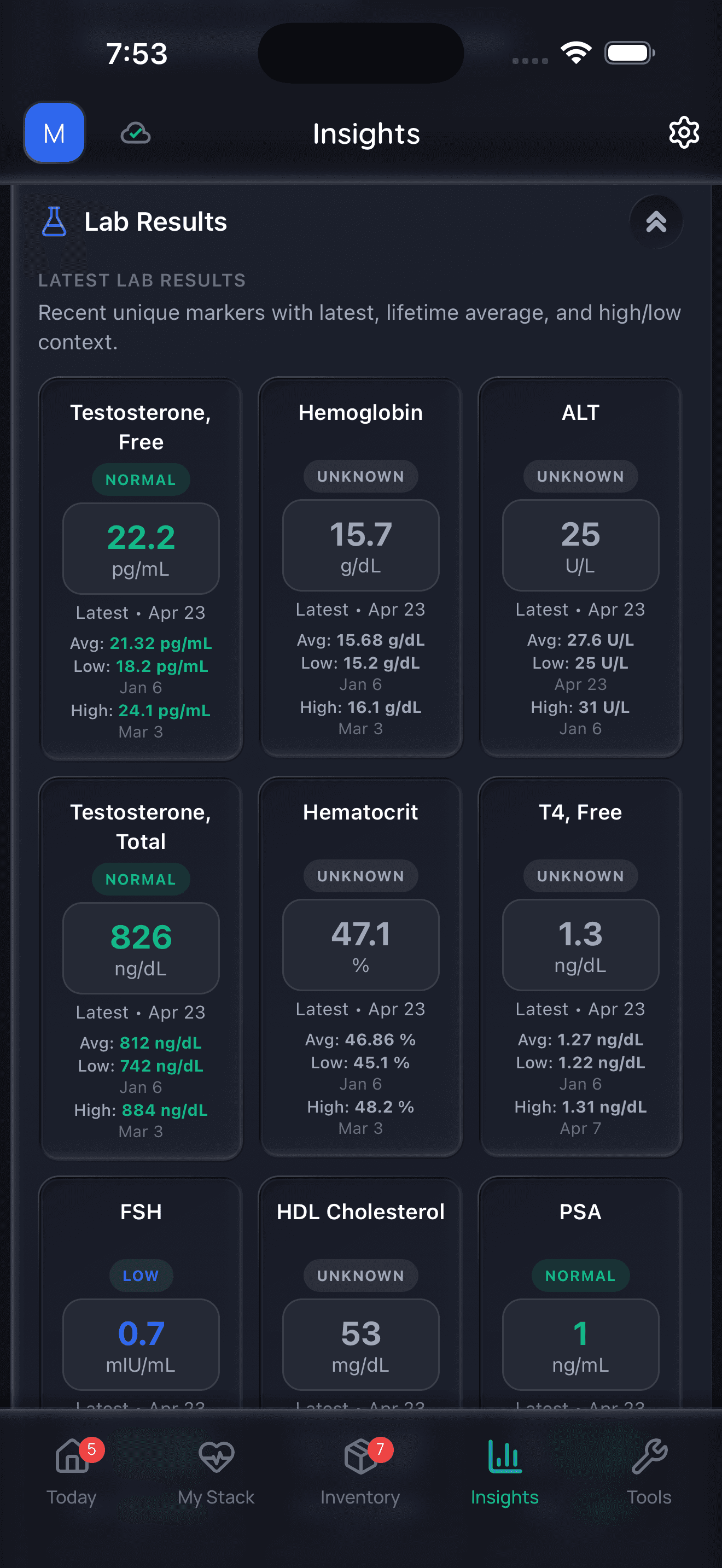
Doserly organizes data; it does not diagnose or interpret labs for you.
Dosing & Usage Protocols
The Basics
Apigenin dosing is complicated by the significant difference between dietary intake, chamomile extract dosing (which is what most human clinical trials used), and isolated apigenin supplement dosing.
From food alone, most people consume between 0.45 and 4.23 mg of apigenin per day, depending on their diet [6]. This amount appears to be adequate for general health based on population studies linking higher dietary apigenin intake to better sleep quality [3].
For sleep support, the most commonly reported effective doses in community settings are 50-100 mg taken 30-60 minutes before bed, often as part of a broader sleep stack that includes magnesium and L-theanine.
For those interested in the NAD+/longevity angle, there is no established human dose. Animal studies used doses equivalent to 100 mg/kg (i.p.), which would translate to impractically large oral doses in humans given the 5-10% absorption rate [3].
Chamomile tea provides a more traditional approach: a standard cup of chamomile tea contains approximately 2.5 mg or more of apigenin in a naturally stable, bioavailable matrix [1].
The Science
Human Clinical Trial Dosing (Chamomile Extract):
Indication
GAD
- Extract Dose
- 1,500 mg/day
- Estimated Apigenin Content
- ~18 mg (1.2% standardization)
- Duration
- 26 weeks
- Reference
- [1][3]
Indication
Anxiety/Depression
- Extract Dose
- 220-1,100 mg/day (titrated)
- Estimated Apigenin Content
- ~2.6-13.2 mg
- Duration
- 8 weeks
- Reference
- [1]
Indication
Primary insomnia
- Extract Dose
- 540 mg (single dose)
- Estimated Apigenin Content
- ~6.5 mg
- Duration
- Single dose
- Reference
- [1]
Indication
Older adult sleep
- Extract Dose
- 200 mg twice daily
- Estimated Apigenin Content
- ~4.8 mg
- Duration
- 28 days
- Reference
- [3]
Animal Study Dosing (Reference, Not Direct Human Recommendations):
Indication
NAD+ elevation
- Dose
- 100 mg/kg
- Route
- i.p.
- Duration
- 7 days
- Model
- Obese mice [3]
Indication
Alzheimer's protection
- Dose
- 40 mg/kg
- Route
- Oral
- Duration
- 3 months
- Model
- APP/PS1 mice [1]
Indication
Antidepressant
- Dose
- 20-40 mg/kg
- Route
- Oral
- Duration
- 7+ days
- Model
- Stressed mice [1]
Indication
Sedation
- Dose
- 1.5 mg/kg
- Route
- Oral
- Duration
- Single dose
- Model
- Mice [3]
Indication
Cardioprotection
- Dose
- 25 mg/kg
- Route
- Oral
- Duration
- 28 days
- Model
- Mice [3]
Indication
Anti-tumor
- Dose
- 25-50 mg/kg
- Route
- Oral/i.p.
- Duration
- 10-20 weeks
- Model
- Various [1]
Supplemental Dosing (Community/Manufacturer Guidance):
Purpose
General health
- Dose
- 50 mg/day
- Timing
- Any time
- Notes
- Well within safety margins
Purpose
Sleep support
- Dose
- 50-100 mg
- Timing
- 30-60 min before bed
- Notes
- Part of common sleep stacks
Purpose
Longevity/NAD+
- Dose
- 100-200 mg/day
- Timing
- Any time
- Notes
- No human efficacy data at any dose
Bioavailability Considerations for Dosing:
Given 5-10% oral bioavailability of free apigenin, a 50 mg oral dose delivers approximately 2.5-5 mg of systemically available apigenin. NLC-formulated apigenin at the same dose would theoretically deliver approximately 12.5-25 mg (5x improvement) [8]. Glycoside forms bound to beta-glycosides show the best bioavailability among non-formulated options [6].
When your stack includes several supplements, each with its own dose, form, and timing requirements, the logistics alone can derail consistency. Doserly consolidates all of it into one protocol view, so every dose across your entire routine is accounted for without spreadsheets or guesswork.
The app also tracks cumulative intake for nutrients that appear in multiple products. If your multivitamin, standalone supplement, and fortified protein shake all contain the same nutrient, Doserly adds them up and shows you the total alongside recommended and upper limits. Managing a thoughtful supplement protocol shouldn't require a degree in nutrition science. The app handles the complexity so you can focus on staying consistent.
Turn symptom and safety notes into a clearer timeline.
Doserly helps you log doses, symptoms, and safety observations side by side so patterns are easier to discuss with a qualified clinician.
Pattern view
Logs and observations

Pattern visibility is informational and should be reviewed with a clinician.
What to Expect (Timeline)
Apigenin's timeline of effects varies depending on the form used, the dose, and the health goal. Here is what the available evidence and user reports suggest:
Days 1-3: Immediate Calming Effects
Some users notice a mild calming or relaxation effect from the first dose, particularly when taken in the evening. This aligns with apigenin's GABA receptor activity, which operates on an acute timescale. Sleep onset may improve within the first few nights for some individuals, while others may not notice changes this early. One user in a Parkinson's disease community reported that apigenin "worked from the 1st night" for sleep [community data].
Weeks 1-2: Sleep Pattern Stabilization
Users who respond to apigenin for sleep typically report more consistent results by the end of the first two weeks. Reduced nighttime awakenings and improved ability to fall back asleep become more noticeable. Manufacturer guidance suggests some partial effects are immediate, but the full sleep benefits may take longer to establish.
Weeks 3-4: Full Sleep and Relaxation Benefits
Nootropics Depot suggests 3-4 weeks for full effects to manifest [9]. By this point, most users who will respond to apigenin have a clear sense of whether it is helping their sleep. Anxiety-related benefits from chamomile extract in clinical trials showed progressive improvement over this timeframe.
Weeks 5-8+: Sustained Benefits and Anxiety Reduction
Clinical trials using chamomile extract showed significant anxiety reduction emerging over 8 weeks of consistent use at 220-1,100 mg/day [1]. The 26-week GAD trial demonstrated continued benefit maintenance in responders [1][3].
Months 3+: Potential Long-Term Effects
Animal studies suggest neuroprotective benefits (amyloid plaque reduction, BDNF restoration) required 3 months of consistent dosing [1]. NAD+ elevation effects in animal models appeared within 7 days but long-term metabolic benefits developed over weeks [3]. No human data exists for long-term isolated apigenin supplementation.
What Not to Expect:
Apigenin is not a strong sedative. Users consistently describe the effect as "gentle" rather than forceful. If you are looking for a supplement that will knock you out the way a prescription sleep medication does, apigenin is unlikely to meet that expectation. Its strength lies in reducing the mental chatter and tension that prevent natural sleep onset, not in inducing unconsciousness.
One of the hardest parts of any supplement routine is knowing whether it's working when results unfold gradually over weeks or months. Without a record, it's easy to abandon something too early or keep taking something that isn't delivering. Doserly solves that by giving you a visual timeline of your entire supplementation history mapped against the outcomes you care about.
When everything is in one view, you can compare how different supplements in your stack are performing over the same period. You can see whether adding this supplement coincided with the improvement you've noticed, or whether the timing points to something else entirely. That kind of clarity turns patience into a strategy rather than a gamble.
Capture changes while they are still fresh.
Log symptoms, energy, sleep, mood, and other observations alongside protocol events so patterns do not live only in memory.
Trend view
Symptom timeline
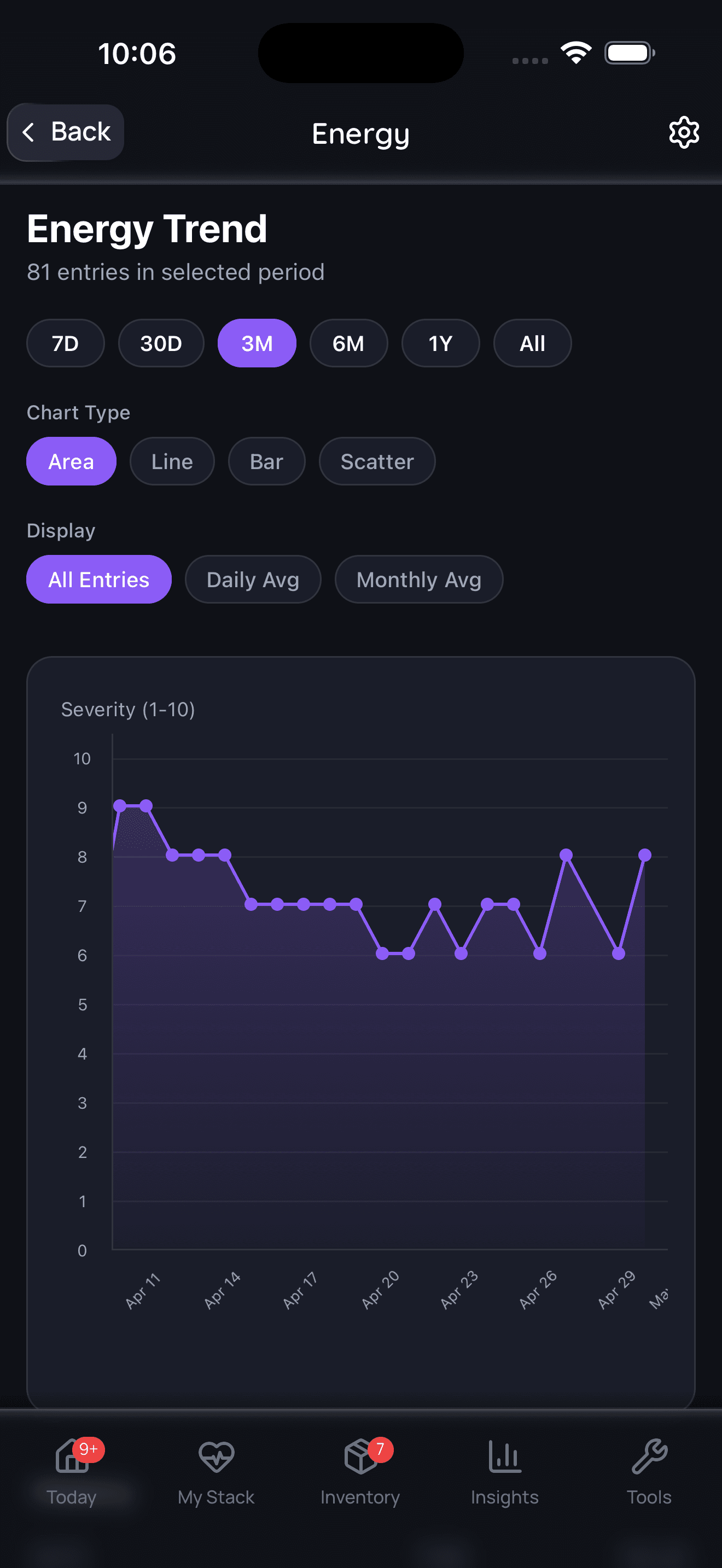
Symptom tracking is informational and should be interpreted with a qualified clinician.
Interactions & Compatibility
Synergistic
- Magnesium — Complementary sleep and relaxation support through different mechanisms (magnesium via NMDA receptor antagonism and GABA agonism; apigenin via GABAA modulation and serotonin/BDNF upregulation). Commonly combined in evening sleep stacks.
- L-Theanine — Both promote relaxation without sedation. L-theanine increases alpha brain wave activity while apigenin modulates GABA signaling. Popular combination for evening calm.
- Quercetin — Fellow flavonoid with complementary CD38 inhibition for NAD+ preservation. Commonly discussed together in longevity circles. Additive antioxidant and anti-inflammatory effects.
- NMN and NR (Nicotinamide Riboside) — Apigenin inhibits NAD+ consumption (via CD38) while NMN/NR increase NAD+ production. Theoretically complementary approach to maintaining NAD+ levels.
- Melatonin — Some users report apigenin extends the sleep duration that melatonin alone cannot sustain. Complementary sleep onset (melatonin) and sleep maintenance (apigenin) effects.
- Zinc — Community reports suggest zinc, magnesium, and apigenin form an effective sleep stack (the "Huberman sleep cocktail").
- Vitamin C — Synergistic antioxidant support. Vitamin C helps regenerate oxidized flavonoids.
- NAC — Complementary antioxidant through glutathione support, which apigenin also enhances via Nrf2 upregulation.
Caution / Avoid
- Warfarin and anticoagulants — Case report of multiple internal hemorrhages with concurrent chamomile-warfarin use. Apigenin may potentiate bleeding risk. Physician approval required before combining [10].
- Venlafaxine — Mouse study showed apigenin increased venlafaxine blood levels by inhibiting its metabolism. May increase side effects of this antidepressant [2].
- Sedative medications (benzodiazepines, barbiturates, sleep medications) — Apigenin's GABA receptor activity may potentiate sedative effects, increasing risk of excessive drowsiness [10].
- Cyclosporine — Increased serum cyclosporine levels reported with chamomile [10].
- CYP1A2 substrates — Chamomile/apigenin inhibits CYP1A2. Medications metabolized by this enzyme (e.g., caffeine, theophylline, certain antipsychotics) may have altered clearance [10].
- CYP3A4 substrates — Many common medications are metabolized by CYP3A4. Clinical significance of apigenin's inhibition at supplement doses is undetermined but warrants awareness [10].
- Aspirin — Apigenin can synergize with aspirin's antiplatelet effects. Use caution if taking regular aspirin therapy.
How to Take / Administration Guide
Oral Capsules (Most Common Supplement Form):
Take 50-200 mg once daily. For sleep support, take 30-60 minutes before bed. Can be taken with or without food, though a small snack may reduce occasional stomach discomfort. No loading phase or cycling is typically recommended.
Chamomile Tea:
Steep 1-2 teaspoons of dried chamomile flowers or one chamomile tea bag in hot water for 5-10 minutes. This provides approximately 2.5+ mg of apigenin in a naturally stable, bioavailable form. Drinking 1-3 cups in the evening is the most traditional approach.
Chamomile Extract Capsules:
Look for extracts standardized to apigenin content (typically 1-1.2%). Clinical trial doses ranged from 220-1,500 mg of chamomile extract per day. This may be preferable to isolated apigenin due to the stability advantage of the natural matrix.
Powder Form:
Mix into water, juice, or smoothies. Note that apigenin dissolves very poorly in water, so thorough mixing or blending is necessary. Taking with a fat-containing beverage or food may improve absorption of the lipophilic compound.
Stacking Guidance:
The most commonly reported sleep stack combining apigenin includes:
- Apigenin: 50 mg
- Magnesium (glycinate or threonate): 200-400 mg
- L-Theanine: 100-200 mg
Taken together 30-60 minutes before bed.
For NAD+ support, some longevity-focused users combine apigenin (100-200 mg) with quercetin and NMN/NR, though this protocol lacks human clinical validation.
Cycling:
No established need for cycling. The compound is not known to cause tolerance, dependence, or withdrawal effects. Long-term chamomile extract use for 26 weeks showed maintained benefits without evidence of tolerance [1][3].
Choosing a Quality Product
Apigenin presents unique quality challenges that make product selection more important than with many other supplements.
The Central Issue: Stability of Isolated Apigenin
Isolated apigenin is inherently unstable. When extracted from its natural plant matrix, the compound is prone to degradation, particularly at physiological pH (5-7) and body temperature (37C) [8]. This means that what you buy as a capsule of pure apigenin may degrade significantly before reaching your intestines. Look for manufacturers that specifically address this stability challenge.
What to Look For:
- Purity testing: Third-party HPLC analysis confirming purity of 95% or higher
- Stability-enhanced formulations: Nanostructured lipid carriers (NLCs), liposomal delivery, or cyclodextrin complexes that address the bioavailability limitation
- Certificate of Analysis (COA): Available for each batch, ideally from an independent laboratory
- cGMP certification: Manufactured in FDA-registered, cGMP-compliant facilities
- Clear dosage labeling: Specifying milligrams of apigenin per capsule (not just "chamomile extract" without standardization)
Active Forms vs. Cheap Forms:
- Preferred: Apigenin glycosides (better stability and bioavailability than aglycone), chamomile extract standardized to apigenin content, or lipid-based nanoformulations
- Adequate: Pure apigenin aglycone at 95%+ purity (widely available but bioavailability limited)
- Avoid: Unstandardized chamomile powder without declared apigenin content
Third-Party Certifications to Seek:
- NSF International
- USP Verified
- NSF Certified for Sport (for athletes)
- Informed Sport
- ISO/IEC certified testing laboratories
Red Flags:
- No COA available or COA not batch-specific
- Claims of "100% bioavailable apigenin" (this contradicts the established pharmacokinetics)
- Proprietary blends that hide the actual apigenin dose
- Products claiming to cure or treat specific diseases
- Very low prices may indicate fillers or sub-standard purity
Chamomile Extract as an Alternative:
For those primarily interested in sleep and anxiety benefits, chamomile extract standardized to 1-1.2% apigenin may be a more practical choice than isolated apigenin. Chamomile extract was the form used in the successful human clinical trials, and the natural plant matrix provides better stability for the apigenin it contains [1][2].
Storage & Handling
Pure apigenin is sensitive to several environmental factors that can degrade its potency:
Temperature: Store at room temperature in a cool, dry location. For pure compound or bulk powder, storage at -20C provides optimal long-term stability. Standard capsule products at room temperature have adequate stability for typical use periods (6-12 months) [8].
Light: Protect from direct sunlight and strong artificial light. UV radiation can degrade flavonoid structures. Opaque or amber bottles are preferable.
Moisture: Keep containers tightly sealed. Apigenin's poor water solubility means moisture exposure primarily affects capsule integrity rather than the compound itself, but humidity can accelerate degradation of excipients.
pH Sensitivity: Apigenin shows highest stability at pH 3 and progressive degradation at pH 5-7 [8]. This is primarily relevant to manufacturers formulating liquid products.
Metal Exposure: Avoid contact with iron and copper-containing materials, which accelerate degradation, particularly at body temperature [8].
Shelf Life: Follow manufacturer's expiration date. Glycoside forms are inherently more shelf-stable than the free aglycone. Discard if powder changes color significantly or develops unusual odor.
Travel: Standard capsule products travel well. No special temperature requirements for short-term transport. Avoid leaving in hot vehicles for extended periods.
Lifestyle & Supporting Factors
Diet and Nutrition:
Increase dietary apigenin intake through foods rich in the compound. Parsley is the standout source at approximately 1,850 mg/kg, followed by chamomile tea, celery, onions, oranges, and culinary herbs (thyme, oregano, basil) [5][8]. Consuming apigenin with dietary fat may enhance absorption of the lipophilic compound. A diet rich in diverse fruits and vegetables provides both apigenin and complementary polyphenols that may have synergistic effects.
Exercise:
Regular physical activity supports many of the same pathways that apigenin targets, including NAD+ metabolism, antioxidant defense, and inflammation reduction. Exercise is also a powerful independent contributor to sleep quality. Avoid intense exercise close to bedtime if using apigenin for sleep support.
Sleep Hygiene:
Apigenin is not a replacement for good sleep practices. Its calming effects are most beneficial when combined with consistent sleep and wake times, reduced screen exposure in the evening, a cool and dark sleeping environment, and avoidance of caffeine in the afternoon and evening.
Stress Management:
Apigenin's anxiolytic effects complement, but do not replace, stress management strategies. Meditation, breath work, regular exercise, and social connection all support the same stress-response pathways that apigenin modulates.
Hydration:
Standard hydration practices apply. No special hydration requirements for apigenin supplementation.
Lab Work and Biomarkers to Monitor:
For those using apigenin as part of a longevity-focused protocol targeting NAD+ levels, relevant biomarkers include NAD+ levels (specialized testing), inflammatory markers (CRP, IL-6), and general metabolic panels (glucose, lipid panel). However, no established monitoring protocols exist specifically for apigenin supplementation. For anyone on anticoagulant therapy, regular monitoring of coagulation parameters is advisable if combining with apigenin.
Regulatory Status & Standards
United States (FDA):
Apigenin is classified as a dietary supplement ingredient under DSHEA. It is available without prescription in capsule, powder, and extract forms. Chamomile has GRAS (Generally Recognized As Safe) status for use in food. Apigenin has been assessed as safe and effective for use as a food ingredient [8]. No New Dietary Ingredient (NDI) notification appears to be required, as apigenin has been present in the food supply prior to DSHEA's 1994 enactment.
Canada (Health Canada):
Chamomile is recognized as a Natural Health Product (NHP). Licensed chamomile products carry a Natural Product Number (NPN). Pure apigenin supplement status may vary.
European Union (EFSA):
Apigenin is a naturally occurring food component. Chamomile is listed in the EU's Herbal Medicinal Products Directive. EFSA has not established specific health claims for isolated apigenin supplements.
Australia (TGA):
Chamomile is available as a Listed Medicine. The regulatory status of isolated apigenin supplements may differ from whole chamomile products.
Athlete & Sports Regulatory Status:
WADA: Apigenin is not prohibited according to the 2026 WADA List of Prohibited Substances [2]. It does not appear in any prohibited categories (S0-S9, M1-M3, P1).
National Anti-Doping Agencies: No specific guidance or alerts have been issued by USADA, UKAD, Sport Integrity Canada, Sport Integrity Australia, or NADA Germany regarding apigenin supplementation.
Professional Sports Leagues: No known restrictions on apigenin in NFL, NBA, MLB, NHL, MLS, or NCAA substance policies. Apigenin is a naturally occurring food compound, which reduces contamination risk compared to synthetic supplements.
NCAA: Apigenin is not on the NCAA banned substance list. However, NCAA athlete departments should still source supplements from NSF Certified for Sport or Informed Sport certified manufacturers to minimize contamination risk from manufacturing processes.
Athlete Certification Programs: Athletes seeking verified apigenin products should look for:
- Informed Sport (sport.wetestyoutrust.com) certification
- NSF Certified for Sport (nsfsport.com) certification
- Cologne List (koelnerliste.com) testing
- BSCG (bscg.org) drug-free certification
Availability of certified apigenin-specific products may be limited given the compound's relative novelty in the supplement market.
GlobalDRO: Athletes can verify apigenin's status across multiple jurisdictions (US, UK, Canada, Australia, Japan, Switzerland, New Zealand) at GlobalDRO.com.
Regulatory status and prohibited substance classifications change frequently. Athletes should always verify the current status of any supplement with their sport's governing body, their national anti-doping agency, and a qualified sports medicine professional before use. Third-party certification (Informed Sport, NSF Certified for Sport) reduces but does not eliminate the risk of contamination with prohibited substances.
Frequently Asked Questions
Is apigenin the same as chamomile?
No. Apigenin is one of many bioactive compounds found in chamomile, typically comprising about 1-1.2% of chamomile extract by weight. Chamomile contains dozens of other active compounds, including other flavonoids, terpenoids, and essential oils. When you drink chamomile tea, you are getting apigenin along with these other compounds, which may work together synergistically. Isolated apigenin supplements provide the compound without these complementary components.
Does apigenin really help with sleep?
Community reports are generally positive for sleep support, with many users describing improved sleep onset and reduced nighttime awakenings. However, the clinical trial evidence is more modest than the community enthusiasm suggests. Human studies using chamomile extract showed trends toward improved sleep but did not always reach statistical significance on objective sleep measures [1][3]. A large population study did find that higher dietary apigenin intake correlates with better sleep quality [3]. The mechanism is plausible through GABA receptor modulation and serotonin upregulation.
How does apigenin compare to melatonin for sleep?
They work through completely different mechanisms. Melatonin primarily helps regulate the timing of sleep onset by signaling to your body that it is nighttime. Apigenin promotes relaxation and reduces mental activity through GABA receptor modulation. Some users find them complementary, with melatonin helping initiate sleep and apigenin helping maintain it by reducing nighttime awakenings. Neither is a strong sedative.
Can apigenin actually boost NAD+ levels in humans?
In mice, apigenin nearly doubled liver NAD+ levels through CD38 inhibition [3]. However, no published human clinical trial has confirmed that oral apigenin supplementation meaningfully raises NAD+ levels in people. Given apigenin's poor oral bioavailability (5-10%) and the high animal study doses used (100 mg/kg via injection), it remains uncertain whether typical supplement doses achieve sufficient tissue concentrations to meaningfully inhibit CD38 in humans.
Is isolated apigenin unstable in supplement form?
This is a legitimate concern. Isolated apigenin degrades at physiological pH (5-7) and body temperature, and its water solubility is extremely low (0.00135 mg/mL) [8]. Newer delivery technologies like nanostructured lipid carriers (NLCs) and liposomes can improve bioavailability approximately 5-fold [8]. When choosing a supplement, look for formulations that specifically address this stability challenge rather than simple capsules of raw apigenin powder.
What is the best dose of apigenin?
Based on available data, commonly reported ranges are 50-200 mg/day for supplemental apigenin. For sleep support, 50-100 mg taken before bed is the most commonly discussed dose. For anxiety, the human clinical trial data used chamomile extract at 1,500 mg/day (delivering approximately 18 mg of actual apigenin) [1][3]. There is no established optimal dose for any indication. Consult with a healthcare professional to determine what might be appropriate for your individual situation.
Can I get enough apigenin from food?
For general health benefits, dietary sources may provide adequate amounts. Parsley is exceptionally rich in apigenin (1,850 mg/kg), and a diet including regular chamomile tea, celery, onions, and herbs provides a meaningful baseline [5][8]. However, typical dietary intake (0.45-4.23 mg/day) is far below the 50-200 mg range used in supplements [6]. Whether higher doses offer proportionally greater benefits in humans has not been established.
Does apigenin interact with medications?
Potentially, yes. Chamomile and apigenin have been shown to inhibit several CYP450 liver enzymes (CYP1A2, CYP2C9, CYP2D6, CYP3A4) that metabolize many common medications [10]. The most serious documented interaction is with blood thinners (warfarin), where internal hemorrhages have been reported [10]. Anyone taking prescription medications should consult their healthcare provider before adding apigenin supplements.
Is apigenin safe for athletes?
Apigenin is not prohibited by WADA (2026 list) [2] and is not on the NCAA banned substance list. As a naturally occurring food compound, it carries lower contamination risk than some synthetic supplements. Athletes should still source from certified manufacturers (Informed Sport, NSF Certified for Sport) to minimize risk.
What is the difference between apigenin forms?
Free apigenin (aglycone) has the poorest solubility and stability but is the most common supplement form. Glycoside forms (apigenin bound to sugar molecules) are more stable and may be better absorbed. Chamomile extract provides apigenin in a natural matrix with better stability. Nanoformulated products (NLCs, liposomes) offer approximately 5x improved bioavailability over free apigenin [8].
Myth vs. Fact
Myth: Apigenin is a powerful sedative that will put you to sleep.
Fact: Apigenin is not a sedative in the traditional sense. It modulates GABA receptors to promote relaxation and reduce mental activity, but it does not force sleep the way prescription sleep medications or high-dose melatonin might. Community users consistently describe its effect as "gentle" and "non-overpowering." Clinical trials with chamomile extract showed trends toward improved sleep but did not demonstrate strong hypnotic effects [1][3]. Its value lies in reducing the anxiety and racing thoughts that prevent natural sleep onset.
Myth: Taking apigenin supplements will dramatically increase your NAD+ levels.
Fact: While apigenin nearly doubled NAD+ levels in mouse livers through CD38 inhibition, this was achieved with high doses (100 mg/kg) administered by injection [3]. No human study has confirmed that oral apigenin supplements at typical doses (50-200 mg) meaningfully raise NAD+ levels in people. Given the compound's 5-10% oral bioavailability, the actual tissue concentrations achieved may be far below what is needed for significant CD38 inhibition.
Myth: More apigenin is always better.
Fact: There is no established dose-response curve for apigenin in humans. Interestingly, the human clinical trials that showed the clearest benefits used chamomile extract delivering only about 18 mg of actual apigenin per day, far less than the 50-200 mg in most standalone supplements [1][3]. Higher doses increase the risk of sedation and gastrointestinal discomfort. The suggested maximum daily supplement intake is approximately 50 mg based on safety reviews [8].
Myth: Apigenin from supplements is equivalent to apigenin from food.
Fact: Isolated apigenin has very poor water solubility (0.00135 mg/mL) and significant stability challenges at physiological pH, meaning it degrades in your digestive system before it can be absorbed [2][8]. Apigenin consumed as part of whole foods or chamomile tea exists in glycoside forms that are more chemically stable and may be better absorbed. This is why some researchers argue that dietary apigenin and supplemental apigenin are not pharmacologically equivalent [2].
Myth: Apigenin has been proven to prevent cancer in humans.
Fact: Apigenin demonstrates impressive anti-cancer activity in cell cultures and animal models, including cell cycle arrest, apoptosis induction, and tumor growth inhibition across multiple cancer types [1][5][7]. However, there are no completed human clinical trials demonstrating that apigenin supplementation prevents or treats cancer. The doses used in animal cancer studies (25-50 mg/kg) are far higher than typical supplement doses when adjusted for body weight and absorption differences.
Myth: Chamomile tea and apigenin supplements are equally effective.
Fact: These are different products with different pharmacokinetic profiles. A cup of chamomile tea provides approximately 2.5+ mg of apigenin in a naturally stable form, along with other bioactive compounds that may work synergistically. A 50 mg apigenin capsule provides 20 times more apigenin by weight, but much of it may degrade before absorption. The human clinical trials supporting anxiety and sleep benefits used chamomile extract, not isolated apigenin [1][3]. Neither is definitively "better" as they serve different purposes.
Myth: Apigenin has no side effects because it is natural.
Fact: While apigenin has a favorable safety profile with no toxicity reported at very high animal doses (5,000 mg/kg), it is not without risks [7]. It inhibits CYP450 enzymes that metabolize many medications, can potentiate bleeding risk with anticoagulants (documented case of internal hemorrhages with warfarin) [10], may cause drowsiness and muscle relaxation at higher doses, and can trigger allergic reactions in people sensitive to plants in the Asteraceae family [10]. "Natural" does not mean "risk-free."
Sources & References
Clinical Trials & RCTs
- Amsterdam JD, et al. "Chamomile (Matricaria recutita) may provide antidepressant activity in anxious, depressed humans: an exploratory study." Alternative Therapies in Health and Medicine. 2012;18(5):44-49. / Mao JJ, et al. "Long-term chamomile (Matricaria chamomilla L.) treatment for generalized anxiety disorder: A randomized clinical trial." Phytomedicine. 2016;23(14):1735-1742.
Systematic Reviews & Meta-Analyses
- Salehi B, et al. "Apigenin: a natural molecule at the intersection of sleep and aging." Frontiers in Nutrition. 2024;11:1359176. PMC10929570.
Preclinical Studies & Reviews
- Salehi B, et al. "The Therapeutic Potential of Apigenin." International Journal of Molecular Sciences. 2019;20(6):1305. PMC6472148.
- Nault D, McKee S. "Apigenin: Safety Information, Dosage, and Drug Interactions." Reviewed by Milazzo N, Jantz K. September 2025. [Safety and interaction data referenced from independent evidence-based review.]
- Tang D, et al. "Recent advancement in bioeffect, metabolism, stability, and delivery systems of apigenin, a natural flavonoid compound." Frontiers in Nutrition. 2023;10:1221378. PMC10410563.
- Shukla S, Gupta S. "A Review on Flavonoid Apigenin: Dietary Intake, ADME, Antimicrobial Effects, and Interactions with Human Gut Microbiota." Comprehensive Reviews in Food Science and Food Safety. 2019;18(6):1727-1740. PMC6817918.
- Ali F, et al. "Apigenin: A Bioflavonoid with a Promising Role in Disease Prevention and Treatment." Molecules. 2024;29(11):2609. PMC11202028.
- Tang D, et al. "Recent advancement in bioeffect, metabolism, stability, and delivery systems of apigenin." Frontiers in Nutrition. 2023;10:1221378. PMC10410563.
Government/Institutional Sources
- Memorial Sloan Kettering Cancer Center. "Chamomile (German)." About Herbs database. https://www.mskcc.org/cancer-care/integrative-medicine/herbs/chamomile-german
Industry/Product Sources
- Nootropics Depot. "Apigenin Capsules." Product information and mechanism of action description. https://nootropicsdepot.com/apigenin-capsules/
Related Supplement Guides
Same Category (Flavonoids & Polyphenols)
- Quercetin — Fellow flavonoid with complementary CD38 inhibition and anti-inflammatory properties
- Resveratrol — Polyphenol stilbene with overlapping longevity and NAD+ pathway relevance
- Curcumin — Anti-inflammatory polyphenol with complementary NF-kB suppression
Common Stacks / Pairings
- Magnesium — Core sleep stack partner via NMDA antagonism and GABA agonism
- L-Theanine — Relaxation synergy without sedation
- Melatonin — Complementary sleep onset support
- NMN — NAD+ production partner (apigenin preserves, NMN produces)
- Nicotinamide Riboside — Alternative NAD+ precursor for combined NAD+ strategy
- Zinc — Part of the widely discussed Huberman sleep protocol alongside magnesium and apigenin
Related Health Goal
- Ashwagandha — Adaptogen for anxiety and stress with different mechanisms
- GABA — Direct GABA supplementation for relaxation
- Glycine — Amino acid with sleep-promoting and neuroprotective effects
- Taurine — Amino acid with GABA-mimetic calming effects
- Chamomile — Whole-plant source providing apigenin in natural matrix