
L-Theanine: The Complete Supplement Guide
On this page
Quick Reference Card
Attribute
Common Name
- Detail
- L-Theanine
Attribute
Other Names / Aliases
- Detail
- Theanine, N-ethyl-L-glutamine, Gamma-glutamylethylamide, Gamma-ethylamino-L-glutamic acid, Suntheanine (synthetic brand), 5-N-Ethylglutamine
Attribute
Category
- Detail
- Non-Protein Amino Acid (found in tea)
Attribute
Primary Forms & Variants
- Detail
- L-Theanine (natural, from Camellia sinensis); Suntheanine (enzymatically synthesized pure L-isomer; higher purity than chemical synthesis which produces D/L racemic mixture)
Attribute
Typical Dose Range
- Detail
- 100-400 mg per day (clinical range); 50-200 mg for mild calming; 200-400 mg for sleep and anxiety; up to 600 mg reported in community use
Attribute
RDA / AI / UL
- Detail
- No formal RDA, AI, or UL established. FDA GRAS status at doses up to 250 mg per serving. LD50 estimated at 5 g/kg in animal studies.
Attribute
Common Delivery Forms
- Detail
- Capsules, tablets, chewable tablets, gummies, powder, liquid
Attribute
Best Taken With / Without Food
- Detail
- Can be taken with or without food. Absorption is rapid regardless of food status. Some users prefer empty stomach for faster onset.
Attribute
Key Cofactors
- Detail
- Caffeine (synergistic for attention and focus; 2:1 theanine-to-caffeine ratio commonly used); Magnesium (complementary for sleep and relaxation); Melatonin (complementary for sleep)
Attribute
Storage Notes
- Detail
- Store in a cool, dry place away from direct sunlight. No refrigeration required. Powder form should be kept in sealed container.
Overview
The Basics
L-Theanine is a unique amino acid found almost exclusively in the tea plant (Camellia sinensis). Unlike most amino acids your body uses to build proteins, L-theanine is a non-protein amino acid, meaning your body does not incorporate it into muscle, enzymes, or other protein structures. Instead, it crosses into the brain and influences how you feel, think, and sleep [1][2].
If you have ever noticed that tea produces a calmer, more focused kind of alertness compared to coffee, L-theanine is a key reason why. Tea contains both caffeine and L-theanine, and these two compounds appear to balance each other. Caffeine raises your energy and alertness, while L-theanine smooths out the jittery edges. This natural pairing is one reason why L-theanine has become one of the most popular calming supplements available [1][3].
People take L-theanine supplements for a range of reasons, with anxiety reduction, sleep improvement, and enhanced focus being the most common. Research supports its use for promoting a state of relaxed alertness without drowsiness. It is generally well tolerated, has been granted Generally Recognized as Safe (GRAS) status by the FDA, and has been approved for unlimited use in foods in Japan since 1964 [2][4]. That said, the clinical evidence base, while promising, still consists largely of small studies, and robust data supporting its use for any single clinical indication remain limited [4].
The Science
L-Theanine (L-gamma-glutamylethylamide, also known as N-ethyl-L-glutamine) is a water-soluble, non-proteinogenic amino acid first isolated from green tea leaves in 1949. It constitutes approximately 1% to 2% of the dry weight of tea leaves and comprises roughly 50% of the total free amino acids in green tea. It exists only in the free (non-protein-bound) form and contributes to the characteristic umami flavor of green tea [2][4].
Structurally, L-theanine is an analogue of both glutamate and gamma-aminobutyric acid (GABA), the brain's primary excitatory and inhibitory neurotransmitters respectively. This structural similarity underlies its ability to cross the blood-brain barrier and modulate neurotransmission [2][4][5]. L-theanine has also been isolated from the edible mushroom Boletus badius, though this remains an uncommon source [4].
The compound is commercially available in two forms: naturally extracted from tea leaves, and synthetically produced via enzymatic methods (marketed as Suntheanine). Naturally occurring theanine exists exclusively as the L-isomer, which has substantially higher biological activity than the D-isomer. Enzymatic synthesis produces pure L-theanine, while chemical synthesis methods produce a racemic D/L mixture with lower bioactivity [5].
L-theanine has been granted FDA GRAS status, and toxicity studies indicate a favorable safety profile. The acute oral maximum tolerance dose in mice exceeds 20 g/kg (classified as non-toxic), and 13-week subchronic studies in rats at doses up to 4 g/kg showed no adverse effects on organ weight or histopathology [5].
Chemical & Nutritional Identity
Property
Chemical Name
- Value
- N-ethyl-L-glutamine (L-gamma-glutamylethylamide)
Property
Synonyms
- Value
- L-Theanine, Theanine, Gamma-glutamylethylamide, 5-N-Ethylglutamine
Property
Molecular Formula
- Value
- C₇H₁₄N₂O₃
Property
Molecular Weight
- Value
- 174.20 g/mol
Property
CAS Number
- Value
- 3081-61-6
Property
PubChem CID
- Value
- 439378
Property
Category
- Value
- Non-protein amino acid
Property
Solubility
- Value
- Water soluble
Property
Natural Source
- Value
- Camellia sinensis (green/black tea), Boletus badius (mushroom)
Property
Content in Tea
- Value
- 1-5% of dry weight; approximately 25-60 mg per cup of green tea
Property
RDA / AI / UL
- Value
- Not established (non-essential nutrient)
L-Theanine is structurally analogous to both glutamate (the brain's primary excitatory neurotransmitter) and GABA (the primary inhibitory neurotransmitter). This dual structural resemblance is central to its neurological activity. The ethyl group attached to the glutamine backbone distinguishes it from other glutamine derivatives and enables its unique receptor-binding properties [2][4][5].
Common supplement forms include:
- L-Theanine (generic): Available from various manufacturers. Quality varies depending on whether the product contains pure L-isomer or a D/L racemic mixture.
- Suntheanine: Enzymatically produced pure L-theanine. Patented process (Taiyo International) ensures exclusively L-isomer content. Most commonly used form in clinical research.
- Mg-L-Theanine: A novel compound combining magnesium ions with L-theanine molecules. Preclinical research suggests enhanced effects on sleep and brain electrical activity compared to L-theanine alone [6].
Approximately 200 mg of supplemental L-theanine is equivalent to the amount found in roughly 8 cups of green tea [4].
Mechanism of Action
The Basics
L-Theanine works primarily by influencing the balance of chemical messengers in your brain. Think of your brain as having an accelerator (glutamate, which excites neurons) and a brake (GABA, which calms neurons). L-theanine looks enough like both of these chemicals to interact with their systems, but its net effect is to gently press the brake while easing off the accelerator [2][3][5].
When you take L-theanine, it crosses from your bloodstream into your brain within about 30 minutes. Once there, it binds to glutamate receptors, which can reduce the overexcitation that contributes to anxiety and racing thoughts. Simultaneously, it appears to increase levels of GABA, the calming neurotransmitter, along with serotonin and dopamine in specific brain regions. This combination produces the characteristic state of "alert relaxation" that distinguishes L-theanine from sedatives [2][3][5].
One of the most measurable effects of L-theanine is its promotion of alpha brain waves, the same pattern of brain activity associated with calm, meditative focus. This alpha-wave enhancement has been documented in EEG studies and likely explains why users often describe feeling both relaxed and mentally clear, rather than drowsy [3][7].
L-theanine also appears to influence the stress response directly. In some studies, it has reduced salivary cortisol levels (a stress hormone) and blunted the increase in heart rate and blood pressure that normally accompanies mental stress [4][8].
The Science
L-theanine exerts its central nervous system effects through several interconnected mechanisms:
Glutamate receptor modulation: As a structural analogue of glutamate, L-theanine binds to ionotropic glutamate receptors, including AMPA, kainate, and NMDA receptor subtypes. This binding is generally inhibitory, reducing glutamate-mediated excitatory neurotransmission. In the hippocampus, L-theanine decreases NMDA-dependent CA1 long-term potentiation (LTP) while increasing NMDA-independent CA1-LTP, suggesting complex modulatory effects on synaptic plasticity and memory [3].
GABAergic enhancement: L-theanine increases brain GABA concentrations, contributing to its anxiolytic and sedative properties. Preclinical studies demonstrate upregulation of GABA receptor expression [5][6].
Monoamine modulation: L-theanine selectively increases dopamine and serotonin levels in specific brain regions. In conscious rats, theanine administration increased striatal dopamine release. Separate studies showed dose-dependent effects on brain serotonin concentrations [3][4].
Alpha-wave enhancement: Electroencephalographic (EEG) studies consistently demonstrate increased alpha-band oscillatory activity (8-13 Hz) following L-theanine administration. Alpha waves are associated with a state of wakeful relaxation and improved selective attention. Enhanced resting alpha oscillatory activity has been reported specifically in participants with high-anxiety traits [4][7].
Neuroprotection: L-theanine protects against glutamate-induced excitotoxicity through selective binding to glutamate receptors. In APP (Swedish mutation) transgenic models, L-theanine protected against beta-amyloid-induced cognitive dysfunction via reduction of oxidative damage and inactivation of ERK/p38 kinase and NF-kappaB pathways. L-theanine has been shown to extend lifespan in Caenorhabditis elegans models [3][9].
Cardiovascular modulation: L-theanine's effects on cardiovascular parameters include attenuation of stress-induced blood pressure increases, modulation of oxidative stress, inflammation, and apoptosis in cardiac tissue, and regulatory effects on key molecular targets including Nrf2, PPARalpha, PPARgamma, NF-kappaB, AMPK, SREBP-1c, and eNOS [10].
CYP450 neutrality: L-theanine does not induce or inhibit CYP450 enzymes, suggesting a low potential for pharmacokinetic drug interactions [3].
Absorption & Bioavailability
The Basics
L-Theanine is absorbed quickly and efficiently after you swallow it. The compound reaches your bloodstream within about 10 minutes, with blood levels peaking around 30 to 50 minutes after ingestion. Its effects on brain activity can be detected within 30 minutes and remain measurable for up to 5 hours [4][5][11].
Your body handles L-theanine the same way whether you take it in a capsule or drink it as tea. A pharmacokinetic study comparing capsule and green tea delivery found equivalent absorption profiles [4][12]. The bioavailability has been estimated at approximately 70% in animal studies, which is relatively high for an amino acid supplement [11].
L-theanine is absorbed through the intestinal lining primarily via sodium-coupled co-transporters in the intestinal brush border mucosa. Once absorbed, it travels through the bloodstream and crosses the blood-brain barrier to reach the brain, where it exerts its primary effects. It is eventually eliminated through the kidneys, with an elimination half-life of roughly 58 to 74 minutes [4][5].
The Science
Pharmacokinetic parameters for oral L-theanine in humans:
Parameter
Absorption lag time
- Value
- Approximately 10 minutes
Parameter
Time to peak concentration (Tmax)
- Value
- 32-50 minutes
Parameter
Elimination half-life
- Value
- 58-74 minutes
Parameter
Absorption half-life
- Value
- Approximately 15 minutes
Parameter
Duration of brain effects
- Value
- Up to 5 hours
Parameter
Bioavailability (animal data)
- Value
- Approximately 70%
L-theanine is absorbed in the small intestine primarily through the sodium-coupled co-transporter in the intestinal brush border mucosa. It is then distributed to various tissues and organs via systemic circulation. The compound readily crosses the blood-brain barrier, with peak brain concentrations reaching approximately 1 hour post-administration in animal models (at higher doses, 4 g/kg). Brain concentrations then gradually decline over the following 5 hours [5][11].
L-theanine is metabolized to ethylamine and glutamic acid. Its plasma and urinary pharmacokinetics are comparable whether delivered via oral capsules or consumed as green tea [4][12]. The rapid absorption and relatively short half-life suggest that dosing timing is an important practical consideration, particularly for sleep applications where the effect window needs to align with desired sleep onset.
In mice, L-theanine administration did not significantly affect serum levels of other amino acids, with the exception of a possible increase in a peak overlapping with glycine approximately 30 minutes post-dose. This observation is noteworthy because glycine itself is used as a supplement for anxiolytic effects and sleep improvement [11].
Research & Clinical Evidence
The Basics
The research on L-theanine is promising but still developing. Most studies are small in scale and short in duration, which limits the confidence researchers can place in any single finding. That said, several areas of benefit have emerged with reasonable consistency [4].
For stress and anxiety, the evidence is most encouraging. Multiple studies show that L-theanine can reduce the body's stress response during challenging mental tasks, lowering both subjective anxiety scores and physiological markers like blood pressure increases. A systematic review of randomized controlled trials concluded that 200-400 mg daily for up to 8 weeks appears safe and produces meaningful anxiolytic and anti-stress effects [4][13].
For sleep, a 2025 systematic review of 13 trials (550 participants) found that 200-450 mg/day appears to be a safe and effective way to support healthy sleep in adults, with improvements in sleep latency, maintenance, efficiency, and subjective satisfaction [14]. These findings are supported by individual studies showing benefits in populations with ADHD, depression, schizophrenia, and generalized anxiety disorder [4].
For cognitive function, results are more mixed. A 2025 meta-analysis of 5 randomized controlled trials found dose-dependent improvements in certain cognitive measures (visual information processing, reaction time) but not others (simple reaction time, Stroop test). The researchers concluded that L-theanine may benefit specific cognitive domains rather than broadly enhancing cognition [15].
The Science
Anxiety and Stress (Moderate Evidence)
A systematic review by Williams et al. (2020) of randomized controlled trials evaluating L-theanine on anxiety and stress outcomes found promising results, including improved blood pressure in high-anxiety students with L-theanine 200 mg (P=0.0016 vs placebo) [13]. Hidese et al. (2019) reported significant improvements in stress-related depression (P=0.019), anxiety (P=0.006), and sleep scores (P=0.013) with L-theanine 200 mg/day for 4 weeks in 30 healthy adults with stress-related symptoms [16].
A phase 2 pilot study by Sarris et al. (2019) in 46 patients with GAD found that adjunctive L-theanine 450 mg/day for 8 weeks improved insomnia scores (P=0.007 vs placebo) but did not significantly improve anxiety scores [17]. The dissociation between insomnia and anxiety improvement is noteworthy and may indicate L-theanine's primary therapeutic mechanism operates through sleep and relaxation pathways rather than direct anxiolysis.
Sleep (Moderate Evidence)
A 2025 systematic review of 13 trials (n=550) examining L-theanine as a standalone intervention concluded that 200-450 mg/day is safe and effective for supporting healthy sleep [14]. Lyon et al. (2011) conducted a 6-week RCT in 93 boys with ADHD (ages 8-12) and found L-theanine 400 mg/day improved sleep efficiency and reduced nocturnal activity [18]. Adjunctive L-theanine also improved sleep scores in adults with major depressive disorder (250 mg/day, P=0.03) and schizophrenia (250 mg/day, P=0.008) [19][20].
Cognition and Attention (Mixed Evidence)
A 2025 meta-analysis of 5 RCTs (148 healthy adults) found a dose-dependent effect on visual information processing and recognition visual reaction time (MD: -15.20 ms; 95%-CI [-28.99; -1.41]), but non-significant effects on simple reaction time and Stroop test performance [15].
Schizophrenia (Limited Evidence)
Ritsner et al. (2011) demonstrated in an 8-week RCT (N=40) that adjunctive L-theanine 400 mg/day reduced PANSS positive and general psychopathology scores and improved anxiety ratings in patients with schizophrenia [20]. Ota et al. (2015) showed L-theanine 250 mg/day improved PANSS scores and sleep quality while modulating glutamate/glutamine concentrations in the frontal cortex [21].
Depression (Preliminary Evidence)
Hidese et al. (2017) reported in an open-label study of 20 adults with MDD that L-theanine 250 mg/day for 8 weeks improved depression scores, cognitive function, and sleep in the unremitted subgroup. A significant decrease in HDL cholesterol (4.4 mg/dL, P=0.011) was observed [19].
Cardiovascular (Preliminary Evidence)
Multiple small studies demonstrate L-theanine attenuates stress-induced blood pressure and heart rate increases. A 2026 comprehensive review identified cardioprotective mechanisms including modulation of oxidative stress, inflammation, and key molecular targets (Nrf2, NF-kappaB, AMPK, eNOS) [10].
Immune Function (Preliminary Evidence)
Limited clinical data suggest L-theanine may enhance gamma-delta T lymphocyte function and reduce cold and influenza symptoms when combined with cystine supplementation [5][22].
Evidence & Effectiveness Matrix
Category
Anxiety
- Evidence Strength
- 7/10
- Community-Reported Effectiveness
- 8/10
- Direction
- Positive
Category
Stress Tolerance
- Evidence Strength
- 6/10
- Community-Reported Effectiveness
- 7/10
- Direction
- Positive
Category
Sleep Quality
- Evidence Strength
- 7/10
- Community-Reported Effectiveness
- 7/10
- Direction
- Positive
Category
Focus & Mental Clarity
- Evidence Strength
- 5/10
- Community-Reported Effectiveness
- 7/10
- Direction
- Positive
Category
Mood & Wellbeing
- Evidence Strength
- 4/10
- Community-Reported Effectiveness
- 6/10
- Direction
- Positive
Category
Emotional Regulation
- Evidence Strength
- 4/10
- Community-Reported Effectiveness
- 7/10
- Direction
- Positive
Category
Memory & Cognition
- Evidence Strength
- 4/10
- Community-Reported Effectiveness
- 5/10
- Direction
- Positive
Category
Blood Pressure
- Evidence Strength
- 5/10
- Community-Reported Effectiveness
- Not Scored
- Direction
- Positive
Category
Energy Levels
- Evidence Strength
- 3/10
- Community-Reported Effectiveness
- 4/10
- Direction
- Mixed
Category
Motivation & Drive
- Evidence Strength
- 2/10
- Community-Reported Effectiveness
- 5/10
- Direction
- Mixed
Category
Immune Function
- Evidence Strength
- 3/10
- Community-Reported Effectiveness
- Not Scored
- Direction
- Positive
Category
Neuroprotection
- Evidence Strength
- 4/10
- Community-Reported Effectiveness
- Not Scored
- Direction
- Positive (preclinical)
Scoring Notes:
- Evidence Strength reflects the quality and volume of clinical trial data from KB sources
- Community-Reported Effectiveness reflects scored sentiment from community data
- Categories with "Not Scored" community data lack sufficient community discussion
- L-theanine's strongest convergence between research and community experience is in anxiety reduction and sleep improvement
Benefits
The Basics
L-Theanine offers a distinctive combination of calming and focusing effects that set it apart from most other supplements in either category. Rather than sedating you or simply numbing anxiety, it appears to promote a state where you feel both relaxed and mentally present. This is why it has become popular among people looking for a gentler alternative to prescription anxiety medications, a complement to their morning coffee, or a natural sleep support that does not leave them groggy the next day [1][2][4].
The most consistently supported benefit is stress and anxiety reduction. When you take L-theanine before a stressful situation, research suggests it can blunt the spike in blood pressure and heart rate that normally accompanies mental stress. Over longer periods (2-8 weeks of daily use), studies have found meaningful reductions in anxiety scores and stress-related symptoms [4][13][16].
Sleep improvement is the second most supported benefit. L-theanine does not knock you out like a sedative. Instead, it appears to help by calming the mental chatter that keeps you awake. Research and community experience both suggest it can help you fall asleep faster, sleep more efficiently, and wake feeling more refreshed. Doses in the 200-450 mg range taken before bed are most commonly studied for this purpose [14].
The cognitive benefits are more nuanced. L-theanine may sharpen certain types of attention, particularly the ability to notice and respond to stimuli quickly. However, it may actually reduce top-down executive control, the kind of focused, effortful thinking required for complex problem-solving. For many users, the practical result is a "calm focus" that works well for routine tasks but may not suit high-stakes cognitive demands [4][15].
The Science
Primary Benefits (Supported by Multiple Clinical Trials)
- Anxiolytic effects via glutamate receptor antagonism, GABAergic enhancement, and alpha-wave promotion [3][4][13]
- Stress attenuation: reduced physiological stress markers (blood pressure, heart rate, salivary cortisol) during acute stress challenges [4][8]
- Sleep quality improvement: enhanced sleep efficiency, reduced nocturnal awakening, improved subjective sleep satisfaction, reduced sleep latency in multiple populations [14][18][19]
Secondary Benefits (Supported by Limited Clinical Data)
- Selective attention enhancement: improved recognition visual reaction time and auditory event-related potentials, particularly in combination with caffeine [4][15]
- Adjunctive psychiatric support: reduced positive symptoms in schizophrenia, improved sleep in MDD and GAD [17][19][20]
- Cardiovascular stress protection: attenuation of caffeine-induced hemodynamic changes and stress-induced blood pressure increases [4][10]
Emerging Benefits (Preclinical or Very Limited Human Data)
- Neuroprotection against glutamate excitotoxicity and beta-amyloid-induced damage [3][9]
- Immune modulation: enhanced gamma-delta T lymphocyte function [5][22]
- Anti-inflammatory effects via NF-kappaB modulation [5]
- Potential cardioprotective effects through multiple molecular pathways [10]
- Antioxidant capacity enhancement in athletes [4]
- Lifespan extension in C. elegans models [9]
Side Effects & Safety
The Basics
L-Theanine has an excellent safety profile overall. The FDA has granted it GRAS status, and clinical trials consistently report few adverse effects. Most people tolerate it well even at doses several times higher than typical supplemental amounts [2][4].
The side effects that do occur tend to be mild: occasional headaches (particularly at higher doses or in older adults), mild dizziness, and gastrointestinal discomfort. These are infrequent and generally resolve on their own [4].
However, community experience reveals some important nuances that the clinical literature has not fully captured. A small but notable proportion of users report paradoxical reactions including increased anxiety, heart palpitations, and tachycardia, sometimes at doses as low as 50 mg. These reactions appear to be idiosyncratic (related to individual biology rather than dose), and affected individuals should discontinue use [23].
Tolerance development is another consideration that clinical trials, typically lasting only 4-8 weeks, have not fully addressed. Long-term users in community forums consistently recommend cycling L-theanine (for example, taking it for 2-3 weeks and then pausing for a week) to maintain its effectiveness. Some users also report mild rebound anxiety upon discontinuation, though this appears to be uncommon and far less severe than withdrawal from prescription anxiolytics [23].
One unexpected finding: a small study in adults with major depressive disorder reported a significant decrease in HDL cholesterol (the "good" cholesterol) of 4.4 mg/dL during 8 weeks of L-theanine supplementation at 250 mg/day. This was the only concerning laboratory finding across the clinical literature, and it has not been replicated in other populations [19].
The Science
Toxicology:
- LD50: estimated at 5 g/kg (animal data) [4]
- Acute oral MTD: >20 g/kg in both male and female mice (classified as non-toxic) [5]
- 13-week subchronic toxicity: no adverse effects at 0, 1.5, 3, or 4 g/kg/day in rats [5]
- 78-week chronic toxicity: no chronic toxicity or tumorigenicity in B6C3F1 mice at oral MTD [5]
- Mutagenicity: negative in standard mutagenicity assays [4]
- One finding: increased incidence of renal tubule adenomas in female rats at 400 mg/kg/day, attributed to genetic predisposition in the rat strain rather than L-theanine toxicity [4]
CYP450 interactions: L-theanine does not induce or inhibit CYP450 enzymes, indicating low pharmacokinetic interaction potential [3]
Reported adverse effects in clinical trials:
- Headache (noted particularly in elderly participants receiving 4 x 250 mg doses) [4]
- Dizziness and GI symptoms (reported in pharmacokinetic studies with tea extracts) [4]
- Decreased HDL-C (4.4 mg/dL, P=0.011) in adults with MDD taking 250 mg/day for 8 weeks [19]
Contraindications:
- Sedative medications (potential additive effects with benzodiazepines, zolpidem, and other CNS depressants) [2][3]
- Pregnancy and lactation (safety data lacking) [3][4]
- Hypersensitivity to green tea [3]
Community-reported adverse effects (not captured in clinical trials):
- Paradoxical anxiety and heart palpitations in a small minority of users [23]
- Tolerance with daily use over weeks to months [23]
- Mild rebound anxiety upon discontinuation (uncommon) [23]
- Anhedonia at higher doses (400+ mg during daytime) [23]
- Visual migraines (one isolated report with extended daily use) [23]
Knowing the possible side effects is the first step. Catching them early in your own experience is what keeps a supplement routine safe. Doserly lets you log any symptoms as they arise, tagging them with severity, timing relative to your dose, and whether they resolve on their own or persist.
The app's interaction checker cross-references everything in your stack, supplements and medications alike, flagging known interactions before they become a problem. It also monitors your total intake against established upper limits, alerting you if your combined sources of a nutrient are approaching thresholds where risk increases. Think of it as a safety net that works quietly in the background while you focus on the benefits.
Connect protocol changes to labs and health markers.
Doserly can keep lab results, biomarkers, symptoms, and dose history close together so follow-up conversations have better context.
Insights
Labs and trends
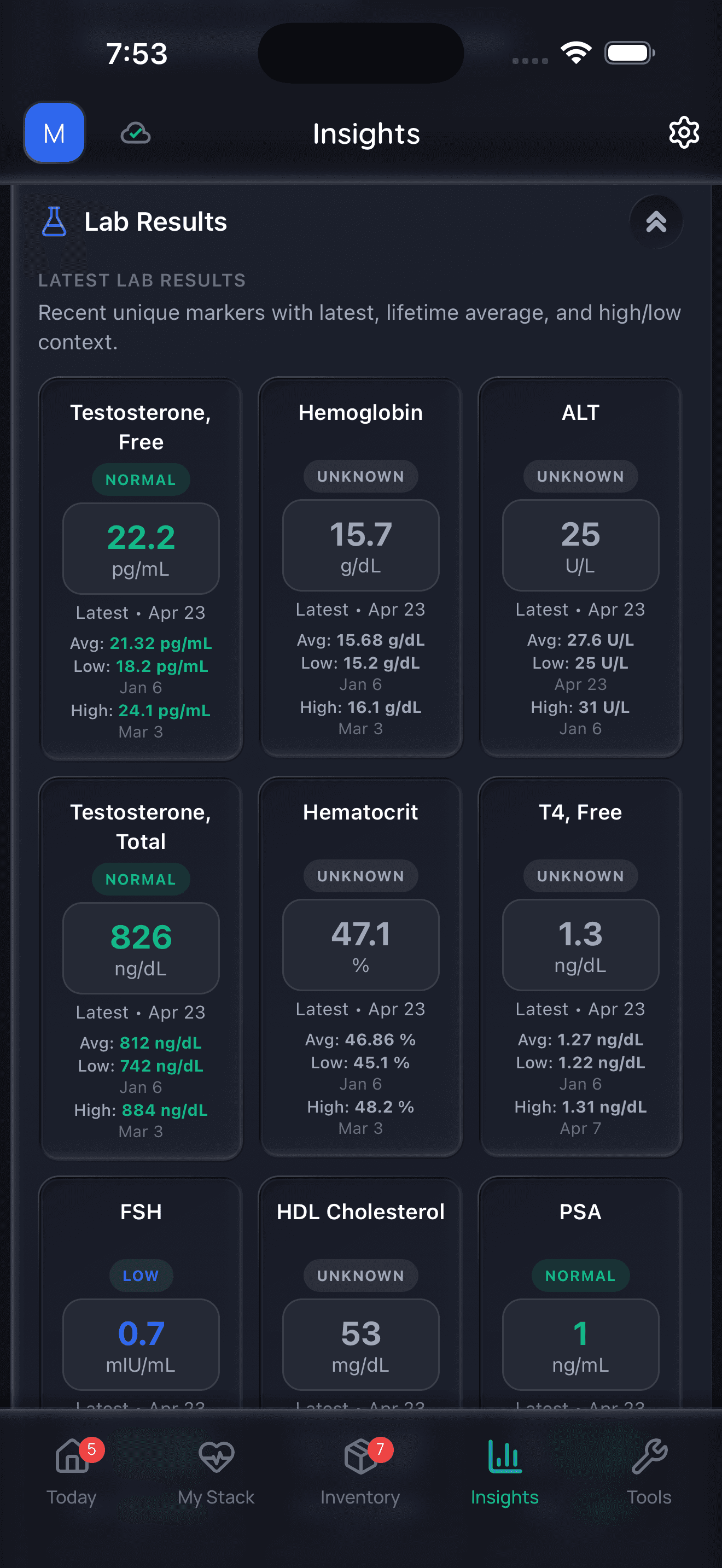
Doserly organizes data; it does not diagnose or interpret labs for you.
Dosing & Usage
The Basics
L-Theanine dosing is relatively straightforward compared to many supplements, but the right dose depends on what you are trying to achieve. Clinical studies have used doses ranging from 50 mg to 900 mg per day, with the 100-400 mg range being most common [4].
For general calming and stress reduction, 100-200 mg taken once or twice daily is a reasonable starting point. For sleep support, 200-450 mg taken 30-60 minutes before bed is the range most supported by research. For cognitive enhancement (typically paired with caffeine), 100-200 mg alongside 50-100 mg of caffeine is widely used [4][14].
One practical consideration: since L-theanine has a relatively short half-life (about 1 hour), its calming effects are not all-day from a single dose. If you want sustained effects throughout the day, splitting your dose into 2-3 administrations is more effective than taking everything at once [4].
Starting with a lower dose (100 mg) and assessing your response over a few days before increasing is prudent, particularly given the small subset of people who experience paradoxical reactions. The compound reaches peak blood levels within 30-50 minutes, so you should know within an hour whether a given dose agrees with you [4][11].
The Science
Dose ranges from clinical trials:
Purpose
Acute stress attenuation
- Dose
- 200 mg single dose
- Duration
- Single dose
- Evidence
- Multiple crossover studies [4][8]
Purpose
Stress/anxiety (chronic)
- Dose
- 200-400 mg/day
- Duration
- 4-8 weeks
- Evidence
- RCTs [13][16][17]
Purpose
Sleep (adults)
- Dose
- 200-450 mg/day
- Duration
- 4-8 weeks
- Evidence
- Systematic review of 13 trials [14]
Purpose
Sleep (pediatric ADHD)
- Dose
- 400 mg/day
- Duration
- 6 weeks
- Evidence
- Single RCT [18]
Purpose
Schizophrenia (adjunctive)
- Dose
- 250-400 mg/day
- Duration
- 8 weeks
- Evidence
- RCTs [20][21]
Purpose
Depression (adjunctive)
- Dose
- 250 mg/day
- Duration
- 8 weeks
- Evidence
- Open-label [19]
Purpose
Caffeine synergy
- Dose
- 50-200 mg with 75-200 mg caffeine
- Duration
- Single dose
- Evidence
- Multiple crossover studies [4]
Purpose
Cognitive enhancement
- Dose
- 100-400 mg single dose
- Duration
- Single dose
- Evidence
- Meta-analysis of 5 RCTs [15]
Dose equivalence: 200 mg of supplemental L-theanine is approximately equivalent to the L-theanine content of 8 cups of green tea [4].
Dose-response considerations:
- A nonlinear dose-response relationship has been observed for startle response inhibition, with effects at 200 mg and 400 mg but not at 50 mg [4]
- Cognitive effects appear dose-dependent, with some measures improving only at 400 mg [4]
- Community experience suggests 400+ mg during daytime hours may produce unwanted sedation or anhedonia in some individuals [23]
- No formal upper limit has been established, but FDA GRAS status applies to doses up to 250 mg per serving [4]
Getting the dose right matters more than most people realize. Too little may be ineffective, too much wastes money or introduces risk, and inconsistency undermines both. Doserly tracks every dose you take, across every form, giving you a clear record of what you're actually consuming versus what you planned.
The app helps you compare RDA recommendations against therapeutic ranges discussed in the research, so you can see exactly where your intake falls. If you switch forms, say from a standard capsule to a liposomal liquid, Doserly adjusts your tracking to account for different bioavailabilities. Pair that with smart reminders that keep your timing consistent, and the precision that makes a real difference in outcomes becomes effortless.
Turn symptom and safety notes into a clearer timeline.
Doserly helps you log doses, symptoms, and safety observations side by side so patterns are easier to discuss with a qualified clinician.
Pattern view
Logs and observations

Pattern visibility is informational and should be reviewed with a clinician.
What to Expect: Timeline
Week 1 (Days 1-7): Immediate Effects
L-theanine is one of the faster-acting supplements. Most users report noticing calming effects within 30-60 minutes of their first dose. This rapid onset is supported by pharmacokinetic data showing peak blood levels at 32-50 minutes and brain effects detectable within 30 minutes [4]. During this first week, you are primarily assessing your individual response and finding the right dose. Some people feel strong effects immediately, while others notice only subtle relaxation.
Weeks 2-4: Pattern Establishment
With consistent daily use, the calming and sleep-related benefits tend to become more reliable. Research shows significant improvements in stress-related anxiety (P=0.006), depression (P=0.019), and sleep symptom scores (P=0.013) emerging over 4 weeks of daily L-theanine 200 mg [16]. If you are using L-theanine for sleep, improvements in sleep latency and sleep disturbance scores have been documented in this timeframe [16].
Weeks 4-8: Full Effect Window
Most clinical trials evaluating L-theanine for psychiatric indications (schizophrenia, depression, GAD) use 8-week protocols. Benefits for PANSS scores in schizophrenia, depression ratings in MDD, and insomnia scores in GAD have all been demonstrated at this timepoint [17][19][20]. The 28-day study using 400 mg/day showed Perceived Stress Scale reductions of 17.98% (P=0.04) at 4 weeks, with continued improvement through the full study period [24].
Long-term Considerations (Beyond 8 Weeks)
Clinical trial data beyond 8 weeks is limited. Community experience suggests some users maintain benefits indefinitely, while others develop tolerance with daily use and benefit from cycling protocols (2-3 weeks on, 1 week off). Long-term safety data from human studies is sparse, though the compound's natural presence in tea (consumed daily by billions) provides some reassurance [4][23].
Timelines in the research give you a general idea of when to expect results, but your body has its own schedule. Doserly tracks your progress against those benchmarks, letting you see whether your experience aligns with typical response curves or whether something in your protocol might need adjusting.
By logging biomarkers and subjective outcomes alongside your supplement intake, you build a personal timeline that shows exactly when changes started appearing and how they've progressed. The app's trend analysis highlights inflection points, weeks where things shifted for better or worse, so you have concrete data when deciding whether to continue, adjust your dose, or try a different form.
Capture changes while they are still fresh.
Log symptoms, energy, sleep, mood, and other observations alongside protocol events so patterns do not live only in memory.
Trend view
Symptom timeline
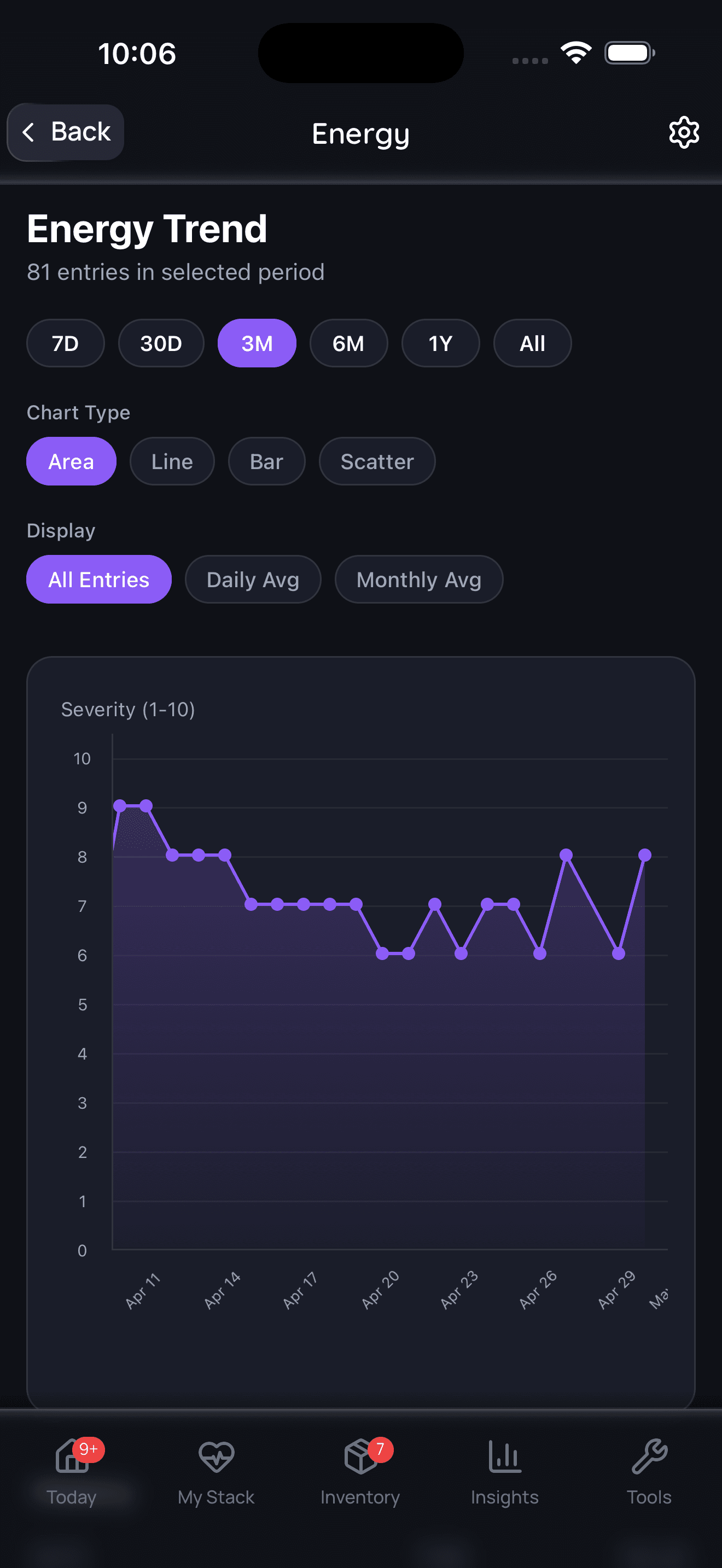
Symptom tracking is informational and should be interpreted with a qualified clinician.
Interactions & Compatibility
Synergistic
- Caffeine: The most studied and most popular combination. L-theanine attenuates caffeine's jittery, anxiety-inducing effects while preserving its alertness and attention benefits. Multiple studies confirm additive improvements in attention measures when combined. Common ratio: 2:1 theanine-to-caffeine. This pairing mirrors the natural composition of tea [4][7].
- Magnesium: Complementary mechanisms for sleep and relaxation. Magnesium is a natural NMDA antagonist and GABA agonist, while L-theanine modulates the same neurotransmitter systems through different pathways. A novel Mg-L-theanine compound showed enhanced effects on sleep latency and duration in preclinical research [6]. Widely combined by community users for sleep protocols.
- Melatonin: Complementary for sleep: melatonin addresses circadian timing while L-theanine promotes relaxation and reduces sleep-onset anxiety. Multiple commercial sleep supplements combine these two ingredients. Community reports are consistently positive for this pairing [23].
- L-Cystine/NAC: Preliminary data suggest L-theanine combined with cystine may reduce neuropathy in patients receiving oxaliplatin chemotherapy and may reduce incidence of cold and fever symptoms through immune modulation [3][5].
- 5-HTP: Both influence serotonin pathways but through different mechanisms. L-theanine modulates serotonin indirectly while 5-HTP is a direct serotonin precursor. Some community users combine them, though caution is warranted regarding serotonin accumulation [23].
Caution/Avoid
- Sedative medications (benzodiazepines, zolpidem, other CNS depressants): L-theanine may have additive sedative effects. In animal models, synergistic or additive effects were observed with midazolam. Taking L-theanine alongside lorazepam (Ativan), diazepam (Valium), or zolpidem (Ambien) may increase drowsiness. Consult a healthcare provider before combining [2][3].
- Blood pressure medications: L-theanine may attenuate blood pressure in some contexts. Combined use with antihypertensives could potentially cause excessive blood pressure reduction. Monitoring is advisable [4].
- Chemotherapy (bortezomib): While L-theanine itself does not appear to interfere with chemotherapy, EGCG in green tea reduces bortezomib activity. Patients should distinguish between isolated L-theanine supplements and green tea extract products [3].
How to Take / Administration Guide
Timing and Protocols:
- For anxiety/stress relief: Take 100-200 mg as needed, or 200 mg 1-2 times daily for sustained baseline reduction. Effects begin within 30 minutes and last approximately 3-5 hours [4].
- For sleep: Take 200-450 mg approximately 30-60 minutes before bed. The calming effects facilitate sleep onset without next-day grogginess [14].
- For cognitive enhancement with caffeine: Take 100-200 mg with 50-100 mg caffeine (equivalent to roughly 1/2 to 1 cup of coffee). Many users simply take L-theanine with their morning coffee or tea [4].
- For ongoing stress management: Take 200 mg 2-3 times daily, splitting doses to match the compound's relatively short half-life (58-74 minutes) [4].
Food considerations: L-theanine can be taken with or without food. Absorption kinetics are similar in both states. Some users prefer empty stomach for faster onset.
Cycling: No clinical guidelines exist for cycling, but community experience strongly suggests cycling can prevent tolerance development. A common approach: 2-3 weeks on, 1 week off, or 5 days on, 2 days off [23].
Form considerations: Pure L-isomer products (such as enzymatically produced Suntheanine) have higher biological activity than racemic D/L mixtures produced by chemical synthesis [5]. Delivery forms include capsules, chewable tablets, gummies, powder, and liquid concentrates. Some users report that liquid/sublingual forms produce faster onset.
Stacking protocols:
- Morning: L-theanine 100-200 mg + caffeine 50-100 mg (focus stack)
- Evening: L-theanine 200-400 mg + magnesium glycinate 200-400 mg (sleep stack)
- As needed: L-theanine 100-200 mg (acute anxiety relief)
Choosing a Quality Product
When selecting an L-theanine supplement, the distinction between the L-isomer and a D/L racemic mixture is the most important quality consideration. The L-isomer has substantially higher biological activity than the D-isomer [5].
Third-party certifications to look for:
- USP Verified Mark: Tests identity, strength, purity, and performance
- NSF International (NSF/ANSI 173): Quality and purity standard
- NSF Certified for Sport: Tests for 280+ banned substances (relevant for athletes)
- Informed Sport: Batch testing for WADA-banned substances
- ConsumerLab Seal of Approval: Independent testing and review
Quality indicators:
- Products specifying "Suntheanine" use a patented enzymatic process that produces pure L-theanine. This is the form used in most clinical research.
- Look for products that specify "L-Theanine" rather than simply "Theanine," as the latter may contain D-theanine with lower bioactivity.
- Third-party tested products provide independent verification of contents and purity.
- Avoid products containing proprietary blends that do not disclose individual ingredient amounts.
Red flags:
- Products listing only "Theanine" without the L- prefix may contain racemic mixtures
- Extremely low prices may indicate lower-purity chemical synthesis rather than enzymatic production
- Products making drug-like claims (e.g., "treats anxiety," "cures insomnia") violate FDA regulations
- Lack of any third-party testing certification
Common excipients: L-theanine capsules typically contain minimal fillers. Common excipients include rice powder, microcrystalline cellulose, vegetable stearate, and hydroxypropyl methylcellulose (capsule shell). These are generally well tolerated.
Food Sources
L-Theanine is found almost exclusively in the tea plant (Camellia sinensis). The following provides approximate L-theanine content by tea type:
Source
Green tea (standard brew)
- Approximate L-Theanine per Cup
- 25-60 mg
Source
Matcha (ceremonial grade)
- Approximate L-Theanine per Cup
- 30-50 mg per serving
Source
Black tea
- Approximate L-Theanine per Cup
- 15-30 mg
Source
White tea
- Approximate L-Theanine per Cup
- 5-20 mg
Source
Oolong tea
- Approximate L-Theanine per Cup
- 10-25 mg
Source
Gyokuro (shade-grown green tea)
- Approximate L-Theanine per Cup
- 40-80 mg
L-theanine content varies significantly based on tea cultivar, growing conditions (shade-grown teas like gyokuro and matcha contain more), harvest season, and preparation method. Shade-growing increases L-theanine content because the amino acid is converted to catechins upon exposure to sunlight [1][2].
The edible mushroom Boletus badius (bay bolete) also contains L-theanine, though quantitative data on mushroom sources is limited to a single 1960 publication [4].
To obtain the 200 mg dose used in most clinical studies, you would need to drink approximately 8 cups of green tea, which would also deliver significant caffeine (approximately 200-400 mg). This is why supplemental L-theanine is preferred when specific dosing is desired without the caffeine load [4].
Lifestyle Factors
Caffeine intake: L-theanine and caffeine have well-documented interactive effects. If you consume caffeine regularly, L-theanine may help moderate caffeine's anxiogenic and cardiovascular stimulatory effects while preserving its attention-enhancing benefits. The natural co-occurrence of these compounds in tea likely reflects an evolved synergy [4].
Stress levels: L-theanine's benefits appear most pronounced in individuals experiencing moderate to high stress. Studies specifically recruiting participants with stress-related symptoms showed stronger effects than those in unstressed populations [16]. If you are managing chronic stress, L-theanine may be more beneficial than if your baseline stress is already low.
Sleep hygiene: L-theanine supports but does not replace good sleep hygiene practices. Its sleep benefits are complementary to consistent sleep-wake schedules, appropriate sleep environment, and limiting screen time before bed [14].
Exercise: Limited data from a pilot study in competitive athletes suggests L-theanine (300 mg/day) may enhance post-exercise antioxidant recovery and modulate certain immune markers [4]. Exercise-induced stress may be one context where L-theanine's stress-moderating effects are relevant.
Diet: Since L-theanine is naturally consumed through tea, individuals who already drink several cups of green tea daily are getting baseline L-theanine exposure. This should be considered when determining supplemental dosing. A diet rich in protein does not affect L-theanine absorption or metabolism, as it uses distinct transport mechanisms from protein-derived amino acids [5][11].
Regulatory Status & Standards
United States:
- Classified as a dietary supplement under DSHEA
- Granted Generally Recognized as Safe (GRAS) status by the FDA at doses up to 250 mg per serving [4]
- Available over the counter without prescription
- Not subject to pre-market FDA approval for efficacy
Japan:
- Approved since 1964 for unlimited use in all foods except infant foods [4]
- Longest regulatory history of any jurisdiction
European Union:
- Available as a food supplement
- No specific EFSA health claim authorizations for L-theanine as of current data
Athlete/Sports Regulatory Status:
- WADA Prohibited List: L-theanine is NOT on the WADA prohibited list and is not classified as a prohibited substance
- NCAA: Not a banned substance
- NFL/NBA/MLB/NHL: Not prohibited
- Certification programs: Athletes concerned about contamination should look for products certified by NSF Certified for Sport, Informed Sport, Cologne List, or BSCG to verify absence of prohibited substance contamination
- GlobalDRO: Can be checked at globaldro.com for multi-country status verification
Quality standards:
- USP does not currently publish a specific monograph for L-theanine as an individual supplement ingredient
- Suntheanine is a trademarked form produced by Taiyo International with its own quality specifications
FAQ
How much L-theanine is in a cup of green tea?
A standard cup of green tea contains approximately 25-60 mg of L-theanine. Shade-grown varieties like gyokuro and matcha contain higher amounts (40-80 mg per serving). To get the 200 mg used in most clinical studies, you would need roughly 4-8 cups of green tea [4].
Can I take L-theanine with coffee?
Yes. The combination of L-theanine and caffeine is one of the most studied supplement pairings. Research suggests L-theanine attenuates caffeine's anxiety-inducing effects and blood pressure increases while preserving alertness benefits. A common ratio is 100-200 mg L-theanine with one cup of coffee. This combination has shown additive improvements in attention measures in clinical trials [4][7].
Is L-theanine safe for daily use?
Clinical trials of up to 8 weeks at doses of 200-400 mg/day report excellent safety profiles, and L-theanine holds FDA GRAS status. However, some long-term users report tolerance development with continuous daily use. Cycling (e.g., 2-3 weeks on, 1 week off) is a common community strategy for maintaining effectiveness [4][23].
Will L-theanine make me drowsy?
L-theanine promotes relaxation without sedation in most people. It does not produce drowsiness in the way sleep medications do. Instead, it facilitates a calm mental state that can aid sleep onset when taken at bedtime but does not impair alertness when taken during the day [1][4].
Can I take L-theanine with prescription anxiety medication?
L-theanine may have additive effects with sedative medications including benzodiazepines. Consult your healthcare provider before combining L-theanine with any prescription medications, particularly CNS depressants [2][3].
What is Suntheanine?
Suntheanine is a brand name for L-theanine produced through a patented enzymatic process (by Taiyo International). It contains only the biologically active L-isomer, unlike chemically synthesized theanine which may contain both D- and L-isomers. Suntheanine is the form used in most clinical research [4][5].
Does L-theanine affect blood pressure?
Small studies suggest L-theanine can attenuate stress-induced blood pressure increases, but does not significantly lower blood pressure under resting conditions in normotensive individuals. If you take blood pressure medications, discuss L-theanine use with your healthcare provider [4].
Can children take L-theanine?
One well-designed RCT studied L-theanine 400 mg/day in boys aged 8-12 with ADHD and found improvements in sleep quality with no notable safety concerns over 6 weeks. However, limited pediatric data exists. Consult a pediatrician before giving L-theanine to children [18].
How quickly does L-theanine work?
L-theanine is absorbed rapidly, with effects on brain activity detectable within 30 minutes of ingestion. Most users report noticing calming effects within 30-60 minutes of their first dose. Peak blood levels occur at 32-50 minutes [4][11].
Is L-theanine the same as green tea extract?
No. Green tea extract is a complex mixture containing catechins (especially EGCG), caffeine, L-theanine, and other compounds. L-theanine supplements contain only the isolated amino acid. The effects and safety profiles differ. Notably, EGCG in green tea extract may interfere with certain chemotherapy drugs, while isolated L-theanine does not appear to have this interaction [3].
Myth vs. Fact
Myth: L-theanine is a sedative that makes you drowsy.
Fact: L-theanine promotes relaxation without sedation. Clinical and EEG studies show it increases alpha brain wave activity, which is associated with calm wakefulness, not sleepiness. Most users report feeling relaxed and mentally clear rather than drowsy [4][7].
Myth: L-theanine and caffeine cancel each other out.
Fact: While L-theanine moderates some of caffeine's stimulatory effects (particularly on blood pressure and anxiety), the two compounds actually work synergistically for attention and cognitive performance. Multiple clinical trials demonstrate additive improvements when combined [4][7].
Myth: You can get enough L-theanine from drinking tea.
Fact: A standard cup of green tea contains 25-60 mg of L-theanine, while clinical studies typically use 200-400 mg. Matching clinical doses through tea alone would require drinking 4-8 cups daily, which would also deliver substantial caffeine. Supplements allow precise dosing without the caffeine [4].
Myth: L-theanine works immediately and consistently for everyone.
Fact: While onset is rapid (30-60 minutes), response varies significantly between individuals. Some people feel strong effects from their first dose, while others notice nothing. Community reports suggest a notable responder/non-responder pattern. Additionally, tolerance can develop with continuous daily use, and cycling may be needed [23].
Myth: All L-theanine supplements are the same.
Fact: Naturally occurring and enzymatically produced L-theanine (such as Suntheanine) contains only the biologically active L-isomer. Chemically synthesized theanine produces a D/L racemic mixture with lower bioactivity. The manufacturing process and isomer composition matter for efficacy [5].
Myth: L-theanine has no side effects.
Fact: While generally very well tolerated, L-theanine is not side-effect-free for everyone. Clinical trials have reported headaches and dizziness. A small subset of users report paradoxical anxiety, heart palpitations, and tolerance development with extended use. One study noted decreased HDL cholesterol [4][19][23].
Myth: L-theanine can replace prescription anxiety medications.
Fact: L-theanine's anxiolytic effect is described in research as "weak in comparison with benzodiazepines." While it may be helpful as a complementary tool or for mild anxiety, it is not equivalent to prescription anxiolytics. Anyone considering replacing a prescription medication should consult their healthcare provider [4].
Sources & References
Clinical Trials & RCTs
- Hidese S, Ogawa S, Ota M, et al. Effects of L-theanine administration on stress-related symptoms and cognitive functions in healthy adults: a randomized controlled trial. Nutrients. 2019;11(10):2362.
- Sarris J, Byrne GJ, Cribb L, et al. L-theanine in the adjunctive treatment of generalized anxiety disorder: A double-blind, randomised, placebo-controlled trial. J Psychiatr Res. 2019;110:31-37.
- Ritsner MS, Miodownik C, Ratner Y, et al. L-theanine relieves positive, activation, and anxiety symptoms in patients with schizophrenia and schizoaffective disorder: an 8-week, randomized, double-blind, placebo-controlled, 2-center study. J Clin Psychiatry. 2011;72(1):34-42.
- Lyon MR, Kapoor MP, Juneja LR. The effects of L-theanine (Suntheanine) on objective sleep quality in boys with ADHD: a randomized, double-blind, placebo-controlled clinical trial. Altern Med Rev. 2011;16(4):348-54.
- Dassanayake TL, Kahathuduwa CN, Weerasinghe VS. L-theanine improves neurophysiological measures of attention in a dose-dependent manner: a double-blind, placebo-controlled, crossover study. Nutr Neurosci. 2020;1-11.
- Kimura K, Ozeki M, Juneja LR, Ohira H. L-Theanine reduces psychological and physiological stress responses. Biol Psychol. 2007;74(1):39-45.
- Dodd FL, Kennedy DO, Riby LM, Haskell-Ramsay CF. A double-blind, placebo-controlled study evaluating the effects of caffeine and L-theanine both alone and in combination on cerebral blood flow, cognition and mood. Psychopharmacology (Berl). 2015;232(14):2563-2576.
- Nawarathna GS, et al. High-dose L-theanine-caffeine combination improves neurobehavioural and neurophysiological measures of selective attention in acutely sleep-deprived young adults. Br J Nutr. 2025.
- Xiong L, et al. Safety and Efficacy of AlphaWave L-Theanine Supplementation for 28 Days in Healthy Adults with Moderate Stress. J Int Soc Sports Nutr. 2024.
- Juszkiewicz A, Glapa A, Basta P, et al. The effect of L-theanine supplementation on the immune system of athletes exposed to strenuous physical exercise. J Int Soc Sports Nutr. 2019;16(1):7.
Systematic Reviews & Meta-Analyses
- Examining the effect of L-theanine on sleep: a systematic review. 2025. PMID: 41176609.
- Promising, but Not Completely Conclusive: The Effect of L-Theanine on Cognition (Meta-analysis of 5 RCTs). Nutrients. 2025. PMID: 41227106.
- Williams JL, Everett JM, D'Cunha NM, et al. The effects of green tea amino acid L-theanine consumption on the ability to manage stress and anxiety levels: a systematic review. Plant Foods Hum Nutr. 2020;75(1):12-23.
- Camfield DA, Stough C, Farrimond J, Scholey AB. Acute effects of tea constituents L-theanine, caffeine, and epigallocatechin gallate on cognitive function and mood: a systematic review and meta-analysis. Nutr Review. 2014;72(8):507-522.
- The effects of L-theanine supplementation on the outcomes of patients with mental disorders: a systematic review. 2024. PMID: 39633316.
Pharmacology & Mechanism Reviews
- Psychotropic effects of L-theanine and its clinical properties. Pharmacol Res. 2019. PMID: 31412272.
- Pharmacological effects and molecular targets of L-theanine in cardiovascular diseases. 2026. PMID: 41796839.
- Chen S, Kang J, et al. L-Theanine and Immunity: A Review. PMC. 2023. PMID: 37175254.
- Lardner AL. Neurobiological effects of the green tea constituent theanine and its potential role in psychiatric and neurodegenerative disorders. Nutr Neurosci. 2014;17(4):145-155.
Pharmacokinetic Studies
- Scheid L, Ellinger S, Alteheld B, et al. Kinetics of L-theanine uptake and metabolism in healthy participants are comparable after ingestion via capsules and green tea. J Nutr. 2012;142(12):2091-2096.
- Yamaura S, et al. Pharmacokinetics of L-theanine and effect on amino acid composition in mice. 2024. PMID: 38583116.
Preclinical Studies
- Zarse K, Jabin S, Ristow M. L-Theanine extends lifespan of adult Caenorhabditis elegans. Eur J Nutr. 2012;51(6):765-8.
- Di X, Yan J, Zhao Y, et al. L-theanine protects APP transgenic cells against glutamate-induced excitotoxicity via inhibition of the NMDA receptor pathway. Neuroscience. 2010;168(3):778-86.
- Nagai K, Oda A, Konishi H. Theanine prevents doxorubicin-induced acute hepatotoxicity. Food Chem Toxicol. 2015;78:147-152.
- Kim TI, Lee YK, Park SG, et al. L-Theanine attenuates beta-amyloid-induced cognitive dysfunction and neurotoxicity. Free Radic Biol Med. 2009;47(11):1601-10.
Toxicology
- Borzelleca JF, Peters D, Hall W. A 13-week dietary toxicity and toxicokinetic study with l-theanine in rats. Food Chem Toxicol. 2006;44(7):1158-1166.
- Juneja LR, Chu D-C, Okubo T, Nagato Y, Yokogoshi H. L-theanine: a unique amino acid of green tea and its relaxation effect in humans. Trends Food Sci Technol. 1999;10:199-204.
Government/Institutional Sources
- Kraska RC, McQuate RS, Soni MG. GRAS assessment of L-theanine. US Food and Drug Administration. 2010.
Open-Label & Pilot Studies
- Hidese S, Ota M, Wakabayashi C, et al. Effects of chronic l-theanine administration in patients with major depressive disorder: an open-label study. Acta Neuropsychiatr. 2017;29(2):72-79.
- Ota M, Wakabayashi C, Sato N, et al. Effect of L-theanine on glutamatergic function in patients with schizophrenia. Acta Neuropsychiatr. 2015;27(5):291-296.
Related Supplement Guides
Same Category
- 5-HTP (serotonin precursor; related sleep/mood pathway)
- L-Tryptophan (serotonin precursor; related sleep/mood pathway)
Common Stacks/Pairings
- Magnesium (complementary for sleep and relaxation)
- Vitamin B6 (cofactor for neurotransmitter synthesis)