
GABA: The Complete Supplement Guide
On this page
Quick Reference Card
Attribute
Common Name
- Detail
- GABA (Gamma-Aminobutyric Acid)
Attribute
Other Names / Aliases
- Detail
- Gamma-aminobutyric acid, 4-aminobutyric acid, gamma-amino-beta-hydroxybutyric acid, PharmaGABA (fermented form)
Attribute
Category
- Detail
- Non-proteinogenic amino acid / Inhibitory neurotransmitter
Attribute
Primary Forms & Variants
- Detail
- Synthetic GABA (chemically produced); PharmaGABA (naturally produced via Lactobacillus hilgardii K-3 fermentation; may have different absorption characteristics)
Attribute
Typical Dose Range
- Detail
- 100-800 mg/day for stress and sleep; 3,000-5,000 mg for growth hormone elevation (research context only)
Attribute
RDA / AI / UL
- Detail
- No RDA, AI, or UL established. GABA is not classified as an essential nutrient. FDA GRAS status.
Attribute
Common Delivery Forms
- Detail
- Capsules, tablets, chewable tablets, powder, sublingual tablets
Attribute
Best Taken With / Without Food
- Detail
- Can be taken with or without food. Some users prefer empty stomach for faster onset.
Attribute
Key Cofactors
- Detail
- Vitamin B6 (pyridoxal phosphate, required cofactor for GABA synthesis via glutamate decarboxylase); Magnesium (supports GABAergic function); L-Theanine (complementary calming effects)
Attribute
Storage Notes
- Detail
- Store in a cool, dry place away from direct sunlight. No refrigeration required.
Overview
The Basics
GABA, short for gamma-aminobutyric acid, is the brain's primary "calm down" signal. It is a naturally occurring amino acid that acts as the main inhibitory neurotransmitter in the central nervous system, meaning its job is to reduce the activity of neurons when they are firing too intensely. Think of GABA as the braking system for your brain: while other neurotransmitters rev things up, GABA pumps the brakes and helps keep everything from running too hot [1][2].
Your body produces GABA naturally from glutamate (an excitatory neurotransmitter) with the help of an enzyme called glutamate decarboxylase and vitamin B6 as a cofactor. When GABA levels are healthy, you tend to feel calm, relaxed, and able to sleep well. When GABA activity is low, the result can be anxiety, restlessness, racing thoughts, and difficulty sleeping [2][3].
GABA is also found naturally in certain foods, including fermented items like kimchi, miso, and tempeh, as well as germinated brown rice, tea, and some vegetables. As a supplement, GABA has gained popularity in Eastern Asian markets and is increasingly used in Western countries, primarily for stress relief and sleep support [1][4].
The big question surrounding GABA supplements is whether they actually reach the brain when taken orally. GABA has historically been considered unable to cross the blood-brain barrier (BBB) in meaningful amounts, which has led to significant debate about how (or whether) oral GABA supplements produce their reported effects. Recent research suggests that GABA may influence the brain indirectly through the gut-brain axis and vagus nerve signaling, even if it does not cross the BBB efficiently [3][5].
The Science
Gamma-aminobutyric acid (4-aminobutyric acid; C₄H₉NO₂) is a non-proteinogenic amino acid that functions as the principal inhibitory neurotransmitter in the mammalian central nervous system. It is synthesized in the cytoplasm of presynaptic neurons from L-glutamate by the enzyme glutamate decarboxylase (GAD), which requires pyridoxal phosphate (vitamin B6) as a cofactor [1][2].
GABA exerts its inhibitory effects through two main receptor classes: GABA_A receptors (ligand-gated chloride ion channels that mediate fast inhibitory neurotransmission) and GABA_B receptors (G-protein-coupled receptors that mediate slow, sustained inhibitory effects through potassium channel activation and calcium channel inhibition) [2][5]. GABAergic signaling is implicated in the regulation of neuronal excitability, sensory processing, motor control, cognitive function, and emotional regulation. Dysregulation of GABAergic neurotransmission is associated with anxiety disorders, epilepsy, insomnia, depression, and schizophrenia [2][3].
As a dietary supplement, GABA is available in two primary forms: synthetic GABA (produced by chemical synthesis) and biosynthetic GABA (produced via microbial fermentation, most notably by Lactobacillus hilgardii K-3, marketed as PharmaGABA). GABA is also produced endogenously by gut microbiota, particularly Bifidobacterium and Lactobacillus species, which has prompted interest in the gut-brain axis as a mechanism for oral GABA's observed effects [3][4][5].
A systematic review by Hepsomali et al. (2020) evaluating 14 placebo-controlled human trials found limited evidence for stress-reducing effects and very limited evidence for sleep benefits of oral GABA intake, though the authors noted high methodological variability across studies [1]. Despite these cautious conclusions, GABA has received FDA Generally Recognized as Safe (GRAS) status and is approved as a food additive in Japan and several other countries [4].
Chemical & Nutritional Identity
Property
Chemical Name
- Value
- 4-aminobutyric acid (gamma-aminobutyric acid)
Property
Synonyms
- Value
- GABA, gamma-aminobutyric acid, 4-aminobutanoic acid, piperidic acid
Property
Molecular Formula
- Value
- C₄H₉NO₂
Property
Molecular Weight
- Value
- 103.12 g/mol
Property
CAS Number
- Value
- 56-12-2
Property
PubChem CID
- Value
- 119
Property
Category
- Value
- Non-proteinogenic amino acid / Neurotransmitter
Property
Solubility
- Value
- Freely soluble in water
Property
Natural Sources
- Value
- Fermented foods (kimchi, miso, tempeh), germinated brown rice, tea, soybeans, adzuki beans, certain vegetables
Property
Biosynthesis
- Value
- Decarboxylation of L-glutamate by glutamate decarboxylase (GAD); requires pyridoxal phosphate (B6)
Property
RDA / AI / UL
- Value
- Not established (non-essential nutrient; endogenously produced)
GABA exists as a zwitterionic amino acid at physiological pH. Unlike the 20 standard proteinogenic amino acids, GABA is not incorporated into proteins and instead functions primarily as a neurotransmitter. It is the most abundant inhibitory neurotransmitter in the mammalian CNS, with estimated brain concentrations of approximately 1 mmol/L [2].
Common supplement forms include:
- Synthetic GABA: Chemically synthesized gamma-aminobutyric acid. Widely available and typically less expensive. Quality can vary between manufacturers.
- PharmaGABA: Produced through fermentation by Lactobacillus hilgardii K-3. Marketed as a naturally derived form. Some preliminary research suggests different EEG response patterns compared to synthetic GABA, though head-to-head comparisons are limited [1][6].
- GABA in combination products: Often combined with L-theanine, magnesium, melatonin, or other calming compounds in sleep and stress formulations.
Mechanism of Action
The Basics
To understand how GABA works, picture your brain as a massive network of electrical signals. Neurons communicate by firing electrochemical messages to each other. Some signals tell neurons to fire more (excitation), while others tell them to calm down (inhibition). GABA is the brain's primary "calm down" molecule [2].
When GABA binds to its receptors on neurons, it essentially opens small channels that allow negatively charged chloride ions to flow into the cell. This makes the neuron less likely to fire, reducing overall brain activity in that area. The result is a calming, relaxing effect. This is why medications that enhance GABA activity (like benzodiazepines) are used for anxiety, seizures, and insomnia [2][5].
The interesting wrinkle with GABA supplements is the question of how swallowed GABA reaches the brain. Your blood-brain barrier (BBB) is a highly selective filter that protects your brain from substances in your bloodstream, and GABA does not appear to cross this barrier easily. However, researchers have identified several alternative pathways. GABA in the gut can interact with the enteric nervous system (sometimes called the "second brain"), signal through the vagus nerve, and influence gut microbiota, all of which can indirectly affect brain function [3][5].
GABA is also involved in peripheral functions outside the brain, including effects on the cardiovascular system, immune cells, and the pancreas, which may explain some of the observed effects of supplementation even without significant BBB crossing [5][7].
The Science
GABA exerts its central and peripheral effects through two primary receptor systems:
GABA_A Receptors: These are pentameric ligand-gated chloride ion channels composed of various combinations of alpha, beta, gamma, delta, epsilon, pi, theta, and rho subunits. Upon GABA binding, the channel opens, permitting chloride ion influx (in mature neurons) and producing fast inhibitory postsynaptic potentials (IPSPs). GABA_A receptors are the primary targets of benzodiazepines, barbiturates, and neurosteroids [2][5].
GABA_B Receptors: These are G-protein-coupled receptors that mediate slow, sustained inhibitory effects. Activation leads to potassium channel opening (hyperpolarization), calcium channel closure (reduced neurotransmitter release), and adenylyl cyclase inhibition. GABA_B receptor activation modulates presynaptic neurotransmitter release and postsynaptic membrane excitability [2][5].
Gut-Brain Axis Mechanisms: Emerging research has identified multiple pathways by which oral GABA may influence CNS function without requiring significant BBB penetration:
- Enteric nervous system signaling: GABA binds to GABA receptors expressed on enteric neurons, modulating gut-brain communication [3][5]
- Vagus nerve transmission: GABA signals from the gut may be transmitted to the brain via vagal afferents. Studies in rodents have shown that vagal integrity is required for certain gut-derived GABA effects on brain function [5][8]
- Immune modulation: GABA receptors are expressed on immune cells. Oral GABA has been shown to modulate complement activation (C3, C4b, Cfh, Cfi) and elevate anti-inflammatory cytokines (IL-10, TGF-beta1) in animal models [7]
- Intestinal absorption and limited BBB transport: GABA is absorbed via PAT protein transporters on the intestinal basolateral membrane. Small amounts may cross the BBB via GABA transporter systems, though the influx rate is estimated to be 17 times lower than the efflux rate [3][5]
Growth hormone modulation: GABA stimulates growth hormone (GH) release through a centrally mediated GABA-ergic pathway. This is supported by the observation that the centrally acting GABA antagonist pimozide inhibits the GH response to oral GABA, whereas the peripheral antagonist domperidone does not [9][10].
Autonomic nervous system effects: GABA supplementation has been associated with increased heart rate variability (HRV) and heightened parasympathetic nervous system activity, suggesting direct autonomic effects that may not require BBB penetration [11].
Absorption & Bioavailability
The Basics
When you take GABA as a supplement, it is absorbed through the lining of your small intestine relatively quickly. Blood levels of GABA rise within about 30 minutes after ingestion, suggesting that the compound enters the bloodstream efficiently [12].
The challenge is what happens next. Your brain is protected by the blood-brain barrier, a highly selective filter that prevents many substances from entering brain tissue. GABA, as a small water-soluble amino acid, has difficulty crossing this barrier in large quantities. This has led to a long-standing debate about whether GABA supplements can actually affect brain function, since the brain is where GABA does most of its well-known calming work [1][3].
Recent research suggests the answer may be more nuanced than a simple yes or no. While GABA may not flood the brain when you swallow a capsule, it appears to influence brain activity through several indirect routes, including signaling through the vagus nerve and interacting with the gut's own nervous system. EEG studies have detected changes in brain wave patterns after oral GABA intake, which suggests that something is reaching or influencing the brain, even if the exact pathway remains unclear [1][5][6].
The bioavailability of GABA may also differ between forms. Some preliminary evidence suggests that PharmaGABA (the fermented form) may produce different physiological responses than synthetic GABA, though direct human bioavailability comparisons are limited [1].
The Science
Pharmacokinetic data for oral GABA in humans remains limited. Key parameters from available studies:
Parameter
Absorption site
- Value
- Small intestine
Parameter
Transport mechanism
- Value
- PAT (proton-coupled amino acid transporter) on basolateral membrane; probable SLC family protein on apical side
Parameter
Time to peak blood levels
- Value
- Approximately 30 minutes
Parameter
BBB permeability
- Value
- Very limited; influx rate approximately 17x lower than efflux rate
Parameter
Elimination
- Value
- Renal; rapidly cleared from blood
GABA is absorbed in the small intestine primarily through the proton-coupled amino acid transporter (PAT) located on the basolateral membrane of intestinal epithelial cells. Once absorbed, GABA enters the portal circulation and is distributed systemically [3][5].
Yamatsu et al. (2016) demonstrated that oral GABA intake elevates blood GABA levels within 30 minutes in humans, confirming intestinal absorption. However, elevated blood GABA does not necessarily translate to elevated brain GABA, given the BBB limitation [12].
Three alternative pathways for gut-to-brain GABA signaling have been proposed: (1) vagus nerve afferent transmission, supported by studies showing vagal integrity is required for certain microbiota-derived GABA effects [5][8]; (2) enteric nervous system modulation via GABA receptors expressed on intestinal neurons [3]; and (3) limited transporter-mediated BBB crossing via GAT-1 and GAT-3 transporters, though human data supporting this mechanism are lacking [3][5].
Research & Clinical Evidence
The Basics
The research on GABA supplements is still developing, and the honest summary is that evidence is mixed. Some studies show promising results for stress and sleep, while others find minimal effects. The overall picture is one of a supplement with potential but without the robust clinical backing that would allow confident recommendations [1].
For stress and anxiety, several small studies have found that GABA supplements can reduce markers of stress during challenging mental tasks. Doses as low as 20-100 mg have shown effects on autonomic stress markers like heart rate variability and salivary markers. However, a 2020 systematic review concluded that the evidence for stress benefits is "limited" [1].
For sleep, the evidence is described as "very limited" by the same systematic review. Individual studies have found modest improvements in sleep onset time and sleep quality at doses of 100-800 mg, and a combination of GABA (700 mg) with L-theanine (200 mg) produced significant sleep quality improvements in one trial. However, many studies are small, short in duration, and some have been funded by GABA supplement manufacturers [1][13].
For growth hormone, the evidence is more consistent but clinically ambiguous. High doses (3,000-5,000 mg) reliably increase growth hormone levels in the short term, but these elevations are transient, and it is unclear whether they translate into any meaningful body composition or performance changes over time [9][10].
The Science
Stress and Anxiety (Limited Evidence)
A systematic review by Hepsomali et al. (2020) identified 14 placebo-controlled human trials examining oral GABA's effects on stress and sleep. For stress outcomes, the review found efficacious doses ranging from 2.01 to 100 mg, with lower doses (up to 30 mg) affecting autonomic stress markers (heart rate, HRV, salivary biomarkers) and 100 mg affecting central markers (EEG patterns) [1].
Yoto et al. (2012) demonstrated that oral GABA (100 mg) reduced subjective stress and improved task performance during mental arithmetic challenges, with corresponding changes in EEG alpha and beta wave patterns [6]. Abdou et al. (2006) reported that GABA (100 mg) produced relaxation effects detectable by EEG within 60 minutes and enhanced immunity under stress conditions [14].
A 2025 animal study by Wang et al. found that oral GABA (10-20 mg/kg for 14 days) significantly reduced anxiety-like behaviors in chronic restraint stress mice, increased prefrontal cortex GABA levels, and modulated complement and neuroinflammatory pathways (C3, C4b, IL-10, TGF-beta1) [7].
Sleep (Very Limited Evidence)
Yamatsu et al. (2015) reported that GABA 100 mg reduced sleep latency by approximately 5 minutes and increased non-REM sleep time in a small controlled study [12][15]. A 2024 RCT by Pires et al. found that GABA 200 mg/day for 90 days, combined with physical exercise, improved habitual sleep efficiency (PSQI scores) and increased parasympathetic HRV in sedentary women with overweight or obesity [11].
A 2025 single-arm trial found that combined GABA (700 mg/day) and L-theanine (200 mg/day) for 4 weeks significantly improved total PSQI scores (9.42 to 6.26, p < 0.001) and decreased heart rate during sleep by 1.3 bpm in the first week. Limitations include the lack of a control group and the inability to isolate GABA's contribution from L-theanine's [13].
Growth Hormone (Moderate Evidence for Acute Effect)
Cavagnini et al. (1980) demonstrated that oral GABA (5 g) increased serum growth hormone approximately 5.5-fold, an effect blocked by the centrally acting dopamine antagonist pimozide but not by the peripheral antagonist domperidone, suggesting a centrally mediated mechanism [9]. Powers et al. (2008) confirmed that 3 g oral GABA elevated both immunoreactive (irGH, ~400% increase at rest) and immunofunctional (ifGH) growth hormone at rest and after resistance exercise [10].
Body Composition (Preliminary Evidence)
Pires et al. (2025) found that GABA 200 mg/day for 90 days combined with exercise training led to decreased BMI and waist circumference in the GABA group, while the placebo group experienced decreased fat-free mass and increased body fat. Hand grip improved in both groups, but sit-up performance increased only in the GABA group [16].
Mood and Depression (Emerging Evidence)
A 2023 review by Okada et al. highlighted that major depressive disorders coincide with diminished brain GABA levels and modifications in GABA_A receptor subunit composition. While this establishes a biological rationale for GABA supplementation in mood disorders, the review noted that rigorous independent clinical research is still largely lacking [4]. Pires et al. (2024) found improvements in depression scores (DASS-21) after 90 days of GABA 200 mg/day combined with exercise [11].
Evidence & Effectiveness Matrix
Category
Sleep Quality
- Evidence Strength
- 4/10
- Reported Effectiveness
- 7/10
- Summary
- Systematic review rates evidence as "very limited." Individual studies show modest benefits at 100-800 mg. Community reports are consistently positive for sleep onset and maintenance.
Category
Anxiety
- Evidence Strength
- 4/10
- Reported Effectiveness
- 7/10
- Summary
- Limited clinical evidence from small studies. Strong community signal, though highly polarized. Multiple physiological markers (EEG, HRV) show stress-related changes.
Category
Stress Tolerance
- Evidence Strength
- 4/10
- Reported Effectiveness
- 6/10
- Summary
- Systematic review rates evidence as "limited." Doses of 20-100 mg affect autonomic stress markers. Community reports support modest stress relief.
Category
Mood & Wellbeing
- Evidence Strength
- 3/10
- Reported Effectiveness
- 6/10
- Summary
- Emerging evidence from depression research. Brain GABA deficits linked to depression. One RCT showed DASS-21 improvements. Community reports positive but confounded.
Category
Cravings & Impulse Control
- Evidence Strength
- 2/10
- Reported Effectiveness
- 6/10
- Summary
- Minimal clinical evidence. Intriguing community reports of binge eating reduction and impulse control improvement. GABAergic involvement in eating behavior is biologically plausible.
Category
Energy Levels
- Evidence Strength
- 2/10
- Reported Effectiveness
- 4/10
- Summary
- No direct evidence for energy effects. Community reports mixed, with energy improvements likely secondary to better sleep.
Category
Emotional Regulation
- Evidence Strength
- 2/10
- Reported Effectiveness
- 5/10
- Summary
- Limited evidence. Some PMDD-related community reports. GABA's role in emotional processing is well-established neuroscientifically.
Category
Focus & Mental Clarity
- Evidence Strength
- 3/10
- Reported Effectiveness
- 4/10
- Summary
- One study found GABA affects temporal but not spatial visual attention. Community reports mixed, with some noting sedation rather than clarity.
Category
Side Effect Burden
- Evidence Strength
- 5/10
- Reported Effectiveness
- 5/10
- Summary
- Generally well-tolerated. Tingling/flushing at higher doses is the most common report. Vivid dreams reported occasionally. Clinical studies confirm safety up to 120 mg/day for 12 weeks.
Category
Hormonal Symptoms
- Evidence Strength
- 3/10
- Reported Effectiveness
- 5/10
- Summary
- One RCT showed benefits for menopausal symptoms (combined with EstroG-100). Community reports from menopausal women are positive but limited.
Category
Treatment Adherence
- Evidence Strength
- N/A
- Reported Effectiveness
- 6/10
- Summary
- Easy to take in multiple forms. Some users note diminishing returns. Long-term users exist.
Categories scored: 11
Categories with community data: 11
Categories not scored (insufficient data): Fat Loss, Muscle Growth, Weight Management, Appetite & Satiety, Food Noise, Memory & Cognition, Motivation & Drive, Emotional Aliveness, Libido, Sexual Function, Joint Health, Inflammation, Pain Management, Recovery & Healing, Physical Performance, Gut Health, Digestive Comfort, Nausea & GI Tolerance, Skin Health, Hair Health, Heart Health, Blood Pressure, Heart Rate & Palpitations, Temperature Regulation, Fluid Retention, Body Image, Immune Function, Bone Health, Longevity & Neuroprotection, Social Connection, Withdrawal Symptoms, Daily Functioning
Benefits & Potential Effects
The Basics
GABA is most commonly taken for its calming properties and potential to improve sleep. For people who feel mentally "wired" at night or struggle with racing thoughts, GABA supplementation is one approach that some find helpful. The effects are subtle for most people, more like turning the volume down on mental noise rather than flipping a switch to "off" [1][4].
The most frequently reported benefit is improved sleep quality, particularly faster sleep onset and fewer nighttime awakenings. Some users notice this within the first few nights, while others find that benefits build over days or weeks of consistent use [1][11].
Stress and anxiety reduction is the second most commonly cited benefit. Some research suggests that GABA can modulate the body's stress response by shifting the balance of the autonomic nervous system toward its "rest and digest" branch (parasympathetic), as measured by heart rate variability [6][11].
Growth hormone elevation is a well-documented acute effect at high doses (3 grams or more), which has attracted interest from the fitness community. However, whether these brief spikes in growth hormone translate into actual muscle growth or fat loss with chronic supplementation remains unproven [9][10].
Emerging areas of interest include mood support (GABA deficits are observed in depression), impulse control (GABA's inhibitory role extends to behavioral regulation), and body composition (one study found GABA plus exercise reduced BMI and waist circumference) [4][7][16].
The Science
Stress and Autonomic Function: Oral GABA at doses of 20-100 mg has demonstrated effects on autonomic markers of stress, including reduced salivary cortisol, reduced chromogranin A (a marker of sympatho-adrenal activity), increased salivary IgA (a marker of mucosal immunity), and increased alpha wave activity on EEG [1][6][14]. Pires et al. (2024) demonstrated that 200 mg/day for 90 days increased heart rate variability (HRV) with heightened parasympathetic predominance, suggesting sustained autonomic benefits [11].
Sleep Architecture: Yamatsu et al. (2015, 2016) reported that GABA 100 mg decreased sleep latency by approximately 5.3 minutes and increased total non-REM sleep time by approximately 6.7% compared to placebo, as measured by EEG. The effect appeared within the first week of supplementation [12][15].
Growth Hormone Secretion: GABA stimulates GH release through a centrally mediated GABA-ergic pathway, as demonstrated by the selective inhibition of this response by the central dopamine antagonist pimozide [9]. Powers et al. (2008) reported that 3 g GABA increased resting irGH approximately 400% and augmented the exercise-induced GH response by approximately 200% compared to exercise plus placebo [10]. A 2026 mechanistic study identified the GABA_A receptor/CaMKK2/CaMKIV/AKT signaling cascade as the pathway through which GABA enhances pituitary Pit-1 transcription factor expression and subsequent GH gene transcription [17].
Neuroinflammation and Immune Modulation: Wang et al. (2025) demonstrated that 14 days of oral GABA (20 mg/kg) in mice reversed chronic stress-induced complement dysregulation, increased anti-inflammatory cytokines (IL-10, TGF-beta1), and restored immune homeostasis in the hippocampus via proteomic analysis [7].
Side Effects & Safety
The Basics
GABA is generally considered safe and well-tolerated at the doses used in most supplements (100-800 mg). The FDA has granted it Generally Recognized as Safe (GRAS) status, and clinical studies have not identified serious safety concerns at standard doses [1][4].
The most commonly reported side effect is a tingling or flushing sensation (paresthesia), which some people experience at doses above 500 mg and especially at the 3-gram doses used in growth hormone research. This sensation is usually felt in the face, neck, and extremities and typically resolves within 30-60 minutes. Some people describe it as similar to a niacin flush [10].
A smaller number of users report vivid or unusual dreams, which can occasionally be disturbing. This appears to be more common at higher doses and in the first few days of use. Mild drowsiness is expected given GABA's calming mechanism, though this is generally considered a feature rather than a bug for those taking it for sleep [1].
At very high doses (3-5 grams, as used in growth hormone research), some participants have experienced a slight increase in heart rate and minor changes to breathing patterns. These effects are transient and generally resolve on their own [10].
There is limited data on the safety of long-term, high-dose GABA supplementation. Most clinical studies have been short in duration (1-12 weeks) and used moderate doses. Clinical studies suggest that up to 120 mg/day for 12 weeks is unlikely to cause adverse effects. People taking medications for blood pressure, epilepsy, or other neurological conditions should exercise particular caution, as GABA could theoretically potentiate the effects of these medications [1][4].
The Science
Toxicology: GABA demonstrates a favorable toxicological profile. Animal toxicity studies indicate an LD50 exceeding 10 g/kg orally in mice, classified as non-toxic [4]. No serious adverse events have been reported in human clinical trials at doses up to 5 g (acute) or 800 mg/day (chronic for up to 12 weeks) [1][10].
Known adverse effects:
- Paresthesia (tingling/flushing): Most commonly reported at doses of 1-5 g. Believed to be related to GABA's effects on peripheral nervous system receptors. Onset typically within 15-30 minutes, resolution within 60 minutes [10]
- Vivid dreams/nightmares: Reported anecdotally at various doses. Mechanism unclear; may relate to altered sleep architecture (increased REM/non-REM transitions) or peripheral autonomic effects during sleep
- Drowsiness: Expected pharmacological effect at therapeutic doses. May impair driving or operating machinery
- Transient cardiovascular effects: At high doses (3-5 g), minor increases in heart rate and changes to breathing rhythm have been observed. No clinically significant cardiovascular events reported [10]
Drug interaction potential: GABA may interact with:
- Antihypertensive medications: Theoretical additive blood pressure-lowering effect
- Antiepileptic drugs: GABA may potentiate GABAergic medications (gabapentin, pregabalin, benzodiazepines, barbiturates)
- CNS depressants: Additive sedative effects with alcohol, benzodiazepines, opioids, or sleep medications
- No CYP450 enzyme induction or inhibition has been reported for GABA
Populations requiring caution: Pregnant or lactating women (insufficient safety data), individuals with renal impairment (GABA is renally eliminated), individuals with hepatic encephalopathy (GABA may exacerbate CNS depression), and children (limited pediatric safety data) [1][4].
Managing side effect risks across a multi-supplement stack can feel overwhelming, especially when interactions between supplements, medications, and foods add layers of complexity. Doserly brings all of that into a single safety view so nothing falls through the cracks.
Rather than researching every possible interaction yourself, the app checks your full stack automatically and flags supplement-drug and supplement-supplement interactions that warrant attention. If you do experience something unexpected, logging it takes seconds, and over time the app helps you spot patterns: whether symptoms correlate with specific doses, timing, or combinations. One place for the safety picture that matters most when your stack grows beyond a few bottles.
Connect protocol changes to labs and health markers.
Doserly can keep lab results, biomarkers, symptoms, and dose history close together so follow-up conversations have better context.
Insights
Labs and trends
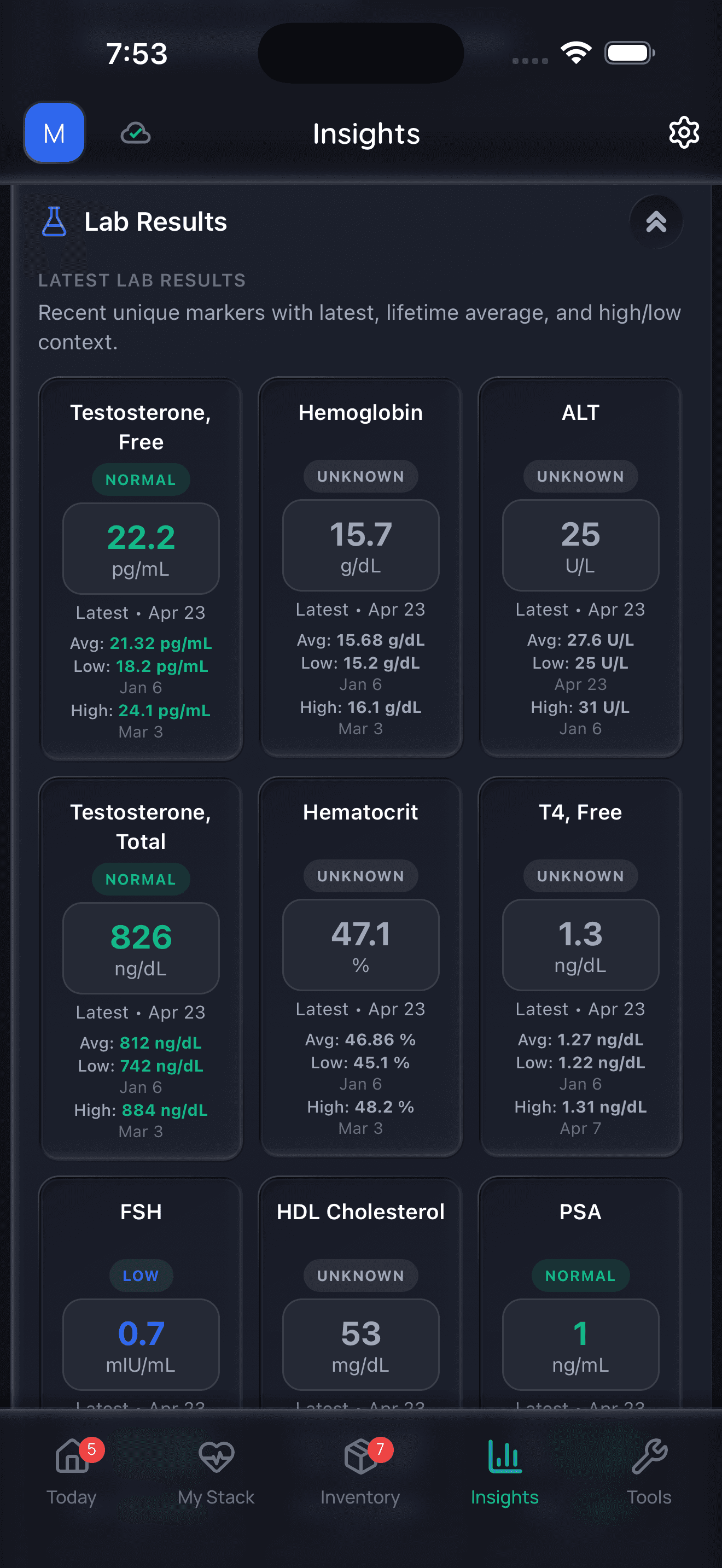
Doserly organizes data; it does not diagnose or interpret labs for you.
Dosing & Usage Protocols
The Basics
GABA dosing varies significantly depending on the intended purpose. There is no universally agreed-upon "best" dose, and research has used a wide range from as low as 20 mg to as high as 5,000 mg. The most common approach reported in the research literature and community is to start low and adjust based on individual response [1].
For stress and mood support, most studies have used doses in the range of 100-300 mg per day, with some finding effects at doses as low as 20 mg when GABA is present in natural food sources like GABA-enriched tea [1][6].
For sleep support, commonly reported doses range from 100-800 mg, typically taken 30-60 minutes before bedtime. Some people find that sublingual administration (dissolving under the tongue) produces a faster onset than swallowing a capsule [1][11][15].
For growth hormone elevation (a research context, not a standard supplementation goal), studies have used single doses of 3,000-5,000 mg. These doses are associated with paresthesia (tingling) in many users and are not recommended for casual supplementation [9][10].
One important consideration is that GABA does not have established Recommended Dietary Allowance (RDA), Adequate Intake (AI), or Tolerable Upper Intake Level (UL) values. This means there are no official "safe upper limits" set by regulatory bodies, and individuals should work with healthcare professionals to determine appropriate doses [1].
The Science
Dose-response relationships for oral GABA remain poorly characterized due to limited clinical data. Available evidence suggests the following general ranges:
Purpose
Autonomic stress markers
- Dose Range
- 20-100 mg
- Duration Studied
- Single dose to 4 weeks
- Evidence Level
- Limited
Purpose
Central stress markers (EEG)
- Dose Range
- 100 mg
- Duration Studied
- Single dose
- Evidence Level
- Limited
Purpose
Sleep quality
- Dose Range
- 100-800 mg/day
- Duration Studied
- 1-12 weeks
- Evidence Level
- Very limited
Purpose
Mood and HRV
- Dose Range
- 200 mg/day
- Duration Studied
- 90 days
- Evidence Level
- Single RCT
Purpose
Growth hormone (acute)
- Dose Range
- 3,000-5,000 mg
- Duration Studied
- Single dose
- Evidence Level
- Moderate
Purpose
Body composition (with exercise)
- Dose Range
- 200 mg/day
- Duration Studied
- 90 days
- Evidence Level
- Single RCT
The systematic review by Hepsomali et al. (2020) noted that efficacious doses for natural GABA (from food sources) appeared lower than for biosynthetic GABA, potentially due to additive effects from co-occurring bioactive compounds such as epigallocatechin gallate (EGCG) in tea [1].
A key unresolved question is whether chronic dosing maintains efficacy. The majority of positive studies have used acute (single-dose) or short-term (1-4 week) protocols. The longest controlled study to date used 200 mg/day for 90 days with positive results for sleep, mood, and HRV, but this study also included an exercise intervention that confounds interpretation [11].
When your stack includes several supplements, each with its own dose, form, and timing requirements, the logistics alone can derail consistency. Doserly consolidates all of it into one protocol view, so every dose across your entire routine is accounted for without spreadsheets or guesswork.
The app also tracks cumulative intake for nutrients that appear in multiple products. If your multivitamin, standalone supplement, and fortified protein shake all contain the same nutrient, Doserly adds them up and shows you the total alongside recommended and upper limits. Managing a thoughtful supplement protocol shouldn't require a degree in nutrition science. The app handles the complexity so you can focus on staying consistent.
Turn symptom and safety notes into a clearer timeline.
Doserly helps you log doses, symptoms, and safety observations side by side so patterns are easier to discuss with a qualified clinician.
Pattern view
Logs and observations

Pattern visibility is informational and should be reviewed with a clinician.
What to Expect (Timeline)
Weeks 1-2: Some users report noticing calming effects within 30-60 minutes of the first dose, particularly when taken on an empty stomach or sublingually. For sleep, faster sleep onset and reduced nighttime waking are among the earliest reported changes. At higher doses (500 mg+), tingling or flushing sensations may occur within 15-30 minutes and resolve within an hour. EEG studies confirm measurable alpha-wave changes within 60 minutes of a single 100 mg dose [6][14].
Weeks 2-4: If GABA is going to produce noticeable sleep or stress benefits, most users report seeing consistent effects within this window. Sleep quality improvements tend to stabilize, with some users developing a preferred dose and timing routine. Some users report vivid dreams during the initial adjustment period, which typically diminishes after the first week or two.
Weeks 4-8: For mood-related benefits, this timeframe is when changes are more commonly noticed. The 90-day RCT by Pires et al. showed progressive improvements in depression scores and HRV over the study period, suggesting that some benefits may be cumulative rather than immediate [11]. Users who do not notice any effect by week 4 may be non-responders, which appears to be a significant portion of the population based on community reports.
8-12+ Weeks: Long-term data is limited. Some community members report sustained benefits over months to years of use, while others note diminishing returns. The longest controlled study ran 90 days and continued to show improvement through the final assessment point [11][16]. There is no established evidence for tolerance development to GABA's sleep or stress effects, though community reports are mixed on this point.
Important: Individual response to GABA is notably variable. Some people feel dramatic effects from their first dose, while others notice nothing at all even after weeks of consistent use. The BBB permeability question may partially explain this variability; individual differences in BBB structure, gut microbiome composition, and vagus nerve function could all influence responsiveness [3][5].
One of the hardest parts of any supplement routine is knowing whether it's working when results unfold gradually over weeks or months. Without a record, it's easy to abandon something too early or keep taking something that isn't delivering. Doserly solves that by giving you a visual timeline of your entire supplementation history mapped against the outcomes you care about.
When everything is in one view, you can compare how different supplements in your stack are performing over the same period. You can see whether adding this supplement coincided with the improvement you've noticed, or whether the timing points to something else entirely. That kind of clarity turns patience into a strategy rather than a gamble.
Capture changes while they are still fresh.
Log symptoms, energy, sleep, mood, and other observations alongside protocol events so patterns do not live only in memory.
Trend view
Symptom timeline
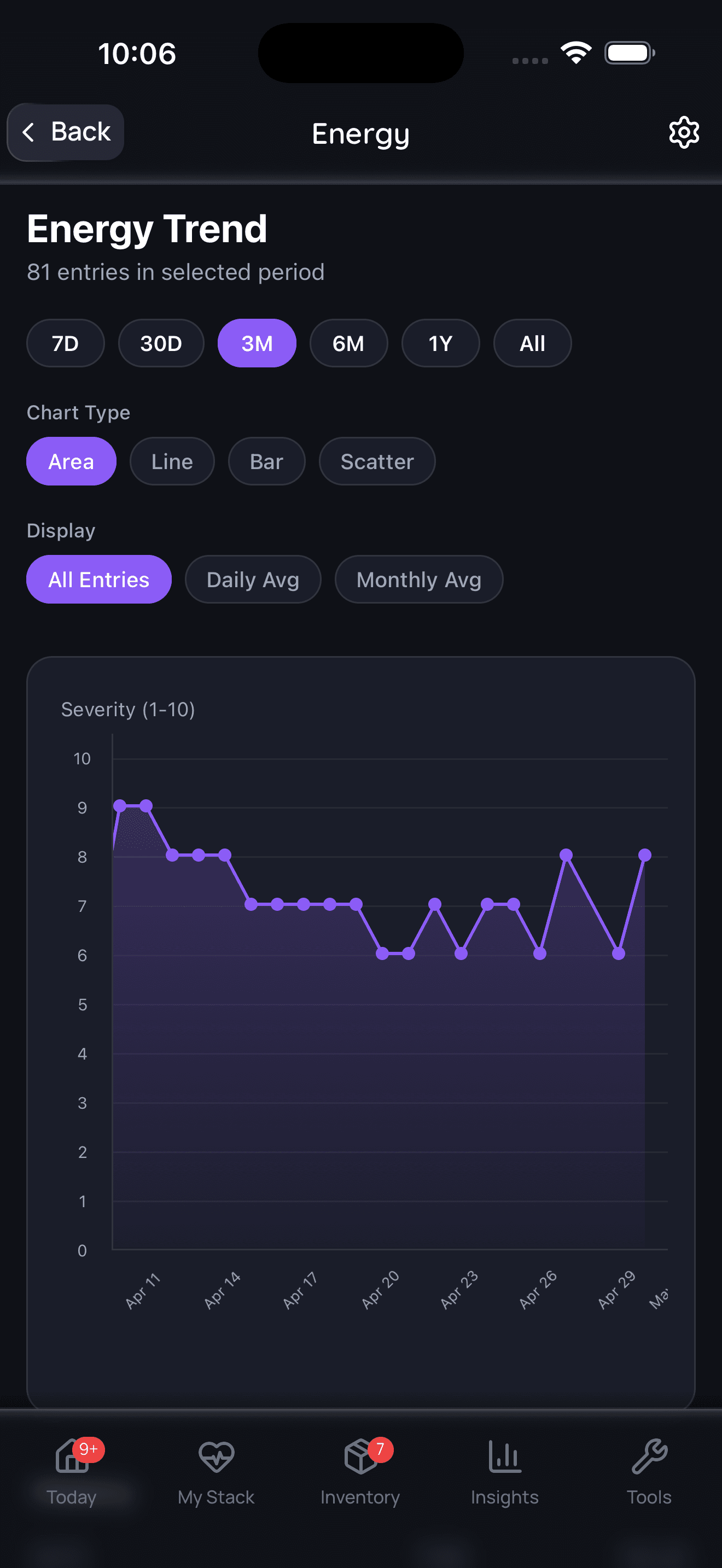
Symptom tracking is informational and should be interpreted with a qualified clinician.
Interactions & Compatibility
Synergistic
- L-Theanine: Complementary calming mechanisms. A 2025 study combining GABA (700 mg) with L-theanine (200 mg) found significant sleep quality improvements. L-theanine enhances alpha brain waves and modulates neurotransmitter balance through different pathways than GABA, potentially creating additive relaxation effects [13].
- Magnesium: Magnesium is involved in GABAergic neurotransmission and acts as a natural NMDA receptor blocker. Supplementing magnesium alongside GABA is a commonly reported combination for sleep and relaxation. Magnesium deficiency can impair GABA function [18].
- Glycine: Both are inhibitory neurotransmitters. Glycine acts at its own receptors and as a co-agonist at NMDA receptors. Complementary sleep-promoting mechanisms without competing for the same receptor sites.
- Taurine: Taurine is a GABA_A receptor agonist and may support GABAergic function. Complementary calming effects through overlapping but distinct mechanisms.
- Melatonin: GABA for calming and sleep onset, melatonin for circadian rhythm regulation. Different mechanisms that may complement each other for comprehensive sleep support.
- Vitamin B6: Required cofactor for GABA synthesis via glutamate decarboxylase. Adequate B6 status supports endogenous GABA production. Supplementing B6 alongside GABA may be relevant for individuals with suboptimal B6 intake.
Caution / Avoid
- Benzodiazepines (alprazolam, diazepam, lorazepam): GABA supplements may potentiate the sedative and CNS-depressant effects of benzodiazepines, which act by enhancing GABA_A receptor function. Concurrent use could increase sedation, drowsiness, and respiratory depression risk.
- Gabapentin / Pregabalin: These medications modulate GABAergic neurotransmission. Concurrent GABA supplementation could theoretically potentiate their effects. Consult a healthcare provider before combining.
- Barbiturates: These directly activate GABA_A receptors. Additive sedation risk with concurrent GABA supplementation.
- Antihypertensive medications: GABA may have mild blood pressure-lowering effects. Combining with antihypertensive drugs could theoretically cause excessive blood pressure reduction.
- Alcohol: Alcohol enhances GABA_A receptor function. Concurrent GABA supplementation may increase sedation and impairment.
- Phenibut: Phenibut is a synthetic GABA analogue that readily crosses the BBB. Combining with GABA could increase sedation risk. Phenibut also carries significant dependence and withdrawal risks that GABA does not share.
- 5-HTP: Some users combine these for anxiety and sleep. While not contraindicated, the combination acts on multiple neurotransmitter systems simultaneously and should be approached with caution and professional guidance.
- Valerian Root: Valerian may modulate GABA_A receptors. Additive sedation possible when combined with GABA supplementation.
How to Take / Administration Guide
Recommended forms: Capsules and tablets are the most common delivery forms. Sublingual tablets are preferred by some users who report faster onset (15-20 minutes vs. 30-45 minutes for swallowed capsules). Powder form allows for flexible dosing and can be mixed into beverages. PharmaGABA (fermented form) is available from select manufacturers and is perceived by some users as more effective, though rigorous comparative studies are limited.
Timing considerations: For sleep support, most practitioners recommend taking GABA 30-60 minutes before the desired sleep time. For stress management during the day, splitting the dose into two smaller doses (morning and afternoon) is sometimes suggested. For growth hormone research protocols, timing relative to exercise or sleep has been studied, with both showing effects.
Stacking guidance: GABA is commonly stacked with magnesium (taken together, typically in the evening) and L-theanine (taken together for complementary calming effects). When combining with melatonin, GABA is typically taken 30-60 minutes before bed, with melatonin taken at the same time or slightly later. GABA should be separated from stimulants like caffeine, which may counteract its calming effects.
Starting dose approach: Based on available research, a common starting approach is 100-200 mg taken in the evening. Dose can be adjusted based on individual response. Some sources suggest that response to GABA may become apparent quickly (within the first few doses), allowing for relatively rapid dose finding.
Cycling guidance: There is no established evidence for or against cycling GABA supplementation. Some community members report cycling (e.g., 5 days on, 2 days off) to maintain efficacy, while others use it daily for extended periods without reported tolerance. Insufficient data exists to make definitive recommendations.
Choosing a Quality Product
Third-party certifications: Look for products that carry USP Verified, NSF International, or other third-party certification marks. These certifications verify identity, purity, potency, and the absence of harmful contaminants. NSF Certified for Sport or Informed Sport certifications are relevant for athletes concerned about prohibited substance contamination.
PharmaGABA vs. synthetic GABA: PharmaGABA is a trademarked naturally produced form made through Lactobacillus hilgardii K-3 fermentation. Some research has used PharmaGABA specifically, and some users report preferring it. Synthetic GABA is chemically identical but produced through chemical synthesis. Both forms are commercially available. Independent comparative studies are limited.
Red flags: Avoid products that make drug-like claims (e.g., "treats anxiety" or "cures insomnia"), contain proprietary blends that hide the actual GABA dose, or include very high doses without clear justification. Products that combine GABA with many other active ingredients at undisclosed doses make it impossible to know how much GABA you are actually taking.
Excipient/filler considerations: GABA supplements may contain common fillers including rice flour, magnesium stearate, and gelatin (in capsules). Vegetarian capsules (HPMC) are available. Some products contain allergens including wheat, soy, or corn as processing aids. Check labels carefully if you have allergies.
Supplement-specific quality markers: For GABA, purity is the primary quality concern. Look for products that specify the form (synthetic vs. PharmaGABA) and provide a Certificate of Analysis (COA). GABA is a simple molecule, so adulteration is relatively uncommon compared to herbal supplements, but heavy metal testing and microbial contamination testing are still relevant quality indicators.
Storage & Handling
GABA supplements should be stored in a cool, dry place away from direct sunlight. Room temperature is suitable for all forms (capsules, tablets, powder). No refrigeration is required. Powder forms should be kept in sealed containers to prevent moisture absorption, as GABA is hygroscopic (absorbs moisture from the air). Check expiration dates and discard any product that has changed color, texture, or smell.
Lifestyle & Supporting Factors
Dietary sources: GABA is found naturally in fermented foods (kimchi, miso, tempeh, sauerkraut), germinated/sprouted brown rice, tea (particularly green tea, which also contains L-theanine), soybeans, adzuki beans, chestnuts, mushrooms, tomatoes, and spinach. GABA-enriched foods, produced through fermentation techniques, are commercially available in Japan and other Asian markets [4].
Supporting endogenous GABA production: Since GABA is synthesized from glutamate by the enzyme glutamate decarboxylase, which requires vitamin B6 as a cofactor, adequate vitamin B6 status is essential for healthy GABA production. Foods rich in B6 include poultry, fish, potatoes, chickpeas, and bananas. Magnesium supports GABAergic function and may enhance the effects of both endogenous and supplemental GABA.
Exercise: Physical exercise has been shown to increase brain GABA levels. A study by Streeter et al. (2007) found that a single yoga session increased brain GABA levels by 27% as measured by magnetic resonance spectroscopy. Regular aerobic exercise has also been associated with enhanced GABAergic neurotransmission [19]. The Pires et al. (2024) RCT combined GABA supplementation with exercise training, making it difficult to attribute benefits to either intervention alone, but suggesting they may work synergistically [11].
Sleep hygiene: For those using GABA for sleep support, optimizing sleep hygiene practices (consistent sleep-wake schedule, dark and cool sleeping environment, limiting screen time before bed) may enhance the supplement's effects. GABA addresses only one aspect of sleep physiology, and good sleep practices address others.
Stress management: GABA's stress-modulating effects may be complemented by stress management practices such as meditation, deep breathing exercises, and regular physical activity, all of which have been shown to enhance GABAergic neurotransmission independently.
Gut health: Given the emerging understanding of GABA's gut-brain axis effects, supporting gut health through a fiber-rich diet, fermented foods, and probiotics (particularly Lactobacillus and Bifidobacterium species that produce GABA) may enhance the overall GABAergic milieu.
Regulatory Status & Standards
United States (FDA): GABA has been granted Generally Recognized as Safe (GRAS) status by the FDA for use as a food ingredient. It is sold as a dietary supplement under DSHEA regulations. No New Dietary Ingredient (NDI) notification is required as GABA has a well-established history of use. GABA is not classified as a drug, and supplement manufacturers cannot make disease treatment claims.
Canada (Health Canada): GABA is available as a Natural Health Product (NHP). Products containing GABA may require a Natural Product Number (NPN) for legal sale.
European Union (EFSA): GABA is available as a food supplement in the EU. EFSA has not issued specific authorized health claims for GABA. Novel Food classification does not apply as GABA has a history of consumption in the EU.
Japan: GABA has been widely used as a functional food ingredient in Japan since 2001, with GABA-enriched products available in mainstream grocery stores. Japan's Foods with Function Claims (FFC) system includes several GABA products with approved health function claims related to stress and blood pressure.
Australia (TGA): GABA is available as a complementary medicine and is listed in the Australian Register of Therapeutic Goods (ARTG) for certain product formats.
Athlete & Sports Regulatory Status:
- WADA: GABA is not on the World Anti-Doping Agency Prohibited List. It is not classified as a prohibited substance in any category (S0-S9, M1-M3, P1).
- National Anti-Doping Agencies: No major national anti-doping organizations (USADA, UKAD, Sport Integrity Canada, Sport Integrity Australia, NADA Germany) have issued specific warnings or alerts about GABA supplementation.
- Professional Sports Leagues: GABA is not banned by major professional sports leagues (NFL, NBA, MLB, NHL, MLS, NCAA). However, athletes should note that the growth hormone-stimulating properties of high-dose GABA could theoretically draw scrutiny under anti-doping frameworks that test for elevated GH levels, even though GABA itself is not prohibited.
- NCAA: GABA is not on the NCAA banned substance list. However, NCAA recommends athletes use products with NSF Certified for Sport or Informed Sport certification.
- Athlete Certification Programs: GABA products with Informed Sport, NSF Certified for Sport, Cologne List, or BSCG certification are available. Athletes should select certified products to minimize contamination risk.
- GlobalDRO: Athletes can verify GABA's current status across multiple jurisdictions at GlobalDRO.com.
Regulatory status and prohibited substance classifications change frequently. Athletes should always verify the current status of any supplement with their sport's governing body, their national anti-doping agency, and a qualified sports medicine professional before use. Third-party certification (Informed Sport, NSF Certified for Sport) reduces but does not eliminate the risk of contamination with prohibited substances.
Frequently Asked Questions
Does GABA cross the blood-brain barrier?
This is the most debated question in GABA supplementation. Historically, GABA was considered unable to cross the BBB in meaningful amounts. Recent research has complicated this picture. While GABA does not readily cross the BBB, studies have shown that oral GABA can alter EEG brain wave patterns and increase prefrontal cortex GABA levels in animal models. Multiple indirect pathways (vagus nerve, enteric nervous system, limited transporter-mediated BBB crossing) have been proposed. The practical takeaway is that many users report subjective effects despite the theoretical limitation, and several physiological markers confirm that something is occurring, even if the exact mechanism remains unresolved.
How much GABA should I take for sleep?
Based on available research, commonly reported ranges for sleep support are 100-800 mg taken 30-60 minutes before bed. Some studies have used doses as low as 100 mg with positive effects on sleep latency. Starting with 100-200 mg and adjusting based on response is a frequently cited approach. Always consult a healthcare professional before starting supplementation.
Is PharmaGABA better than regular GABA?
PharmaGABA is a naturally produced form of GABA created through bacterial fermentation. Some users and practitioners perceive it as more effective, and some research has specifically used PharmaGABA. However, rigorous head-to-head comparisons of PharmaGABA vs. synthetic GABA are extremely limited. Both are chemically the same molecule (gamma-aminobutyric acid).
Can I take GABA with other supplements?
GABA is commonly combined with magnesium, L-theanine, and melatonin. These combinations are generally considered safe and may have complementary effects. However, caution is warranted when combining GABA with other sedating supplements (valerian, phenibut, kava) or medications that affect GABA receptors (benzodiazepines, gabapentin, barbiturates).
Will GABA make me drowsy during the day?
Drowsiness is possible, particularly at higher doses. For daytime use at lower doses (50-100 mg), most users report calming without significant sedation. If drowsiness is a concern, starting with a lower dose and taking it in the evening first to assess individual response is commonly recommended.
Does GABA actually increase growth hormone?
Studies have consistently shown that high doses of GABA (3,000-5,000 mg) acutely increase growth hormone levels. The effect is well-documented but transient. Whether these brief GH spikes translate into meaningful changes in body composition, muscle growth, or recovery with chronic supplementation has not been established.
How long does it take for GABA to work?
Acute effects (calming, reduced stress markers) have been detected within 30-60 minutes of a single dose in EEG and physiological studies. For sleep benefits, some users report effects from the first night. For mood-related benefits, 4-8 weeks of consistent use may be needed based on the limited available evidence.
Is GABA safe to take long-term?
Clinical data on long-term GABA use is limited. The longest controlled study ran 90 days. GABA has FDA GRAS status and no serious adverse effects have been reported in the available research. Anecdotally, some community members report using GABA for years without issues, though formal long-term safety studies are needed.
Can GABA cause vivid dreams?
Some users report vivid, sometimes disturbing dreams when taking GABA, particularly at higher doses and during the first few days of use. The mechanism is not well understood. If vivid dreams are distressing, reducing the dose or discontinuing use typically resolves the issue.
Is GABA the same as gabapentin?
No. GABA (gamma-aminobutyric acid) is a naturally occurring amino acid and dietary supplement. Gabapentin is a prescription medication that was designed to mimic GABA but has a different chemical structure, different mechanism of action, and crosses the BBB more effectively. They should not be confused or used interchangeably.
Myth vs. Fact
Myth: GABA supplements are completely useless because GABA cannot cross the blood-brain barrier.
Fact: While GABA's ability to cross the BBB in large quantities is indeed limited, this does not mean oral GABA has zero effects. EEG studies confirm measurable brain wave changes after oral GABA intake [1][6][14]. Multiple indirect pathways (vagus nerve, enteric nervous system, limited transporter-mediated crossing) have been identified that may explain how oral GABA influences brain function [3][5]. The reality is more nuanced than either "it doesn't work at all" or "it floods the brain."
Myth: GABA supplements will dramatically boost your growth hormone and build muscle.
Fact: While high-dose GABA (3-5 grams) does acutely elevate growth hormone levels by several hundred percent, these spikes are transient and return to baseline relatively quickly [9][10]. No controlled study has demonstrated that chronic GABA supplementation leads to meaningful muscle growth, fat loss, or performance improvements through the GH mechanism. The body's GH response is complex, and brief spikes from a supplement are fundamentally different from the sustained GH elevation seen in therapeutic contexts.
Myth: Natural/fermented GABA (PharmaGABA) is proven to be superior to synthetic GABA.
Fact: PharmaGABA and synthetic GABA are chemically identical molecules. While some studies have used PharmaGABA specifically and some users report a preference for it, direct comparison studies are extremely limited [1]. The systematic review by Hepsomali et al. (2020) noted that natural GABA (from food sources like tea) appeared effective at lower doses than biosynthetic GABA, but this may be due to co-occurring bioactive compounds rather than the GABA form itself.
Myth: GABA works like a benzodiazepine (Xanax, Valium) and carries similar risks.
Fact: Benzodiazepines enhance GABA receptor function at the GABA_A receptor allosteric binding site and readily cross the BBB, producing potent sedative, anxiolytic, and muscle relaxant effects with significant dependence and withdrawal potential. Oral GABA supplementation does not carry the same risks of dependence, tolerance, or withdrawal that characterize benzodiazepine use [1][4]. The mechanisms and magnitude of effect are fundamentally different.
Myth: If GABA makes you very sleepy, you have a "leaky" blood-brain barrier.
Fact: This claim circulates in online communities but has no scientific basis. Individual variation in response to GABA supplementation likely reflects differences in gut microbiome composition, vagus nerve function, endogenous GABA levels, receptor sensitivity, and other factors, not BBB integrity. The BBB is a complex physiological structure, and "leaky BBB" is a serious neurological concern that cannot be diagnosed by response to a dietary supplement.
Myth: You need to take 3-5 grams of GABA for it to do anything.
Fact: The 3-5 gram doses used in growth hormone research are not necessary for stress or sleep effects. Multiple studies have found effects on stress markers, EEG patterns, and sleep parameters at doses of 100-300 mg [1][6][14][15]. Starting with lower doses and adjusting based on response is a more common and practical approach.
Myth: GABA supplements are just a placebo.
Fact: While placebo effects may contribute to some user experiences, physiological changes from GABA supplementation have been objectively measured. These include altered EEG patterns (increased alpha-wave activity), changes in salivary biomarkers (reduced cortisol, increased IgA), increased heart rate variability, and elevated serum growth hormone levels [1][6][10][11][14]. Whether these measurable changes translate to clinically meaningful benefits for all users is a separate and legitimate question.
Sources & References
Systematic Reviews & Meta-Analyses
[1] Hepsomali P, Groeger JA, Nishihira J, Scholey A. Effects of Oral Gamma-Aminobutyric Acid (GABA) Administration on Stress and Sleep in Humans: A Systematic Review. Front Neurosci. 2020;14:923. doi:10.3389/fnins.2020.00923. PMID: 33041752.
Reviews
[2] Boonstra E, de Kleijn R, Colzato LS, Alkemade A, Forstmann BU, Nieuwenhuis S. Neurotransmitters as food supplements: the effects of GABA on brain and behavior. Front Psychol. 2015;6:1520. doi:10.3389/fpsyg.2015.01520.
[3] Chen Y, et al. From the gut to the brain, mechanisms and clinical applications of gamma-aminobutyric acid (GABA) on the treatment of anxiety and insomnia. Front Neurosci. 2025. doi:10.3389/fnins.2025.1570173. PMID: 40400620.
[4] Okada T, et al. Exploring the Therapeutic Potential of Gamma-Aminobutyric Acid in Stress and Depressive Disorders through the Gut-Brain Axis. Biomedicines. 2023;11(12):3128. doi:10.3390/biomedicines11123128. PMID: 38137351.
[5] Almutairi S, et al. The Effect of Oral GABA on the Nervous System: Potential for Therapeutic Intervention. Psychiatry International. 2024;4(2):15. doi:10.3390/psychiatryint4020015.
Clinical Trials & RCTs
[6] Yoto A, Murao S, Motoki M, et al. Oral intake of gamma-aminobutyric acid affects mood and activities of central nervous system during stressed condition induced by mental tasks. Amino Acids. 2012;43(3):1331-1337. doi:10.1007/s00726-011-1206-6.
[7] Wang Y, et al. Long-term GABA supplementation mitigates anxiety by modulating complement and neuroinflammatory pathways. NPJ Sci Food. 2025;9(1):31. PMID: 40274802.
[8] Bravo JA, Forsythe P, Chew MV, et al. Ingestion of Lactobacillus strain regulates emotional behavior and central GABA receptor expression in a mouse via the vagus nerve. Proc Natl Acad Sci USA. 2011;108(38):16050-16055.
[9] Cavagnini F, Benetti G, Invitti C, et al. Effect of gamma-aminobutyric acid on growth hormone and prolactin secretion in man: influence of pimozide and domperidone. J Clin Endocrinol Metab. 1980;51(4):789-792.
[10] Powers ME, Yarrow JF, McCoy SC, Borst SE. Growth hormone isoform responses to GABA ingestion at rest and after exercise. Med Sci Sports Exerc. 2008;40(1):104-110.
[11] Pires LVM, et al. GABA Supplementation, Increased Heart-Rate Variability, Emotional and Physical Outcomes in Sedentary Women with Obesity. J Clin Med. 2024;13(3):883. PMID: 38321713.
[12] Yamatsu A, Yamashita Y, Pandharipande T, Maru I, Kim M. Effect of oral gamma-aminobutyric acid (GABA) administration on sleep and its absorption in humans. Food Sci Biotechnol. 2016;25(2):547-551.
[13] Combined GABA and L-theanine supplementation for sleep quality. Eur Rev Med Pharmacol Sci. 2025. PMID: 41636292.
[14] Abdou AM, Higashiguchi S, Horie K, Kim M, Hatta H, Yokogoshi H. Relaxation and immunity enhancement effects of gamma-aminobutyric acid (GABA) administration in humans. Biofactors. 2006;26(3):201-208.
[15] Yamatsu A, Yamashita Y, Maru I, Yang J, Tatsuzaki J, Kim M. The improvement of sleep by oral intake of GABA and Apocynum venetum leaf extract. J Nutr Sci Vitaminol (Tokyo). 2015;61(2):182-187.
Observational Studies & Mechanistic Research
[16] Pires LVM, et al. Effects of combined gamma aminobutyric acid supplementation and exercise training on the body composition of women: A randomized double-blind trial. Nutrition. 2025;131:112630. PMID: 40345658.
[17] Lu WY, et al. GABA Enhances Growth Hormone Expression by Modulating Somatotroph Pit-1 Transcription via Activation of Calmodulin-Dependent Kinases. Nutrients. 2026;18(5):787.
[18] Moykkynen T, Bhatt DK, Bhatt S, et al. Effects of magnesium on properties of GABA_A receptors. J Pharmacol Exp Ther. 2001;297(2):526-533.
Government/Institutional Sources
[19] Streeter CC, Jensen JE, Perlmutter RM, et al. Yoga Asana Sessions Increase Brain GABA Levels: A Pilot Study. J Altern Complement Med. 2007;13(4):419-426.
Related Supplement Guides
Same Category
- L-Theanine — Non-proteinogenic amino acid with complementary calming effects
- Glycine — Inhibitory amino acid with sleep-promoting properties
- Taurine — Amino acid with GABA_A receptor agonist activity
- 5-HTP — Serotonin precursor sometimes combined with GABA for mood support
Common Stacks / Pairings
- Magnesium — Frequently paired with GABA for sleep and relaxation; supports GABAergic function
- Melatonin — Often combined with GABA in sleep supplement formulations
- Ashwagandha — Adaptogen commonly stacked with GABA for stress and anxiety support
- Valerian Root — Herbal sedative with GABA-modulating properties
Related Health Goal
- L-Theanine — Alpha-wave enhancement for relaxed focus
- Phenibut — Synthetic GABA analogue (research context; carries dependence risk)