
NAC (N-Acetyl Cysteine): The Complete Supplement Guide
On this page
Quick Reference Card
Attribute
Common Name
- Detail
- NAC (N-Acetyl Cysteine)
Attribute
Other Names / Aliases
- Detail
- N-Acetylcysteine, Acetylcysteine, N-Acetyl-L-Cysteine, NAC
Attribute
Category
- Detail
- Amino Acid Derivative (modified form of L-Cysteine)
Attribute
Primary Forms & Variants
- Detail
- NAC (standard oral capsule/tablet/powder); NAC Amide (NACA, experimental, potentially higher bioavailability); Sustained-release NAC (limited availability)
Attribute
Typical Dose Range
- Detail
- 600-1,800 mg per day (general supplementation); up to 3,000-8,000 mg/day in clinical research
Attribute
RDA / AI / UL
- Detail
- No RDA, AI, or UL established for NAC. It is not classified as an essential nutrient.
Attribute
Common Delivery Forms
- Detail
- Capsules, tablets, powder, effervescent tablets
Attribute
Best Taken With / Without Food
- Detail
- Commonly taken on an empty stomach for better absorption; some sources suggest taking with food to reduce GI side effects
Attribute
Key Cofactors
- Detail
- Glycine and Glutamate (glutathione synthesis co-substrates); Selenium (glutathione peroxidase function); Molybdenum (sulfite oxidase cofactor for sulfur metabolism); Vitamin C (antioxidant synergy); Zinc (immune and antioxidant support)
Attribute
Storage Notes
- Detail
- Store in a cool, dry place away from direct sunlight. NAC is sensitive to oxidation; keep container tightly sealed. Sulfurous smell is normal and does not indicate degradation.
Overview
The Basics
NAC, or N-Acetyl Cysteine, is a modified form of the amino acid cysteine that has been used in clinical medicine for over 60 years. If glutathione is your body's master antioxidant (and it is), then NAC is the raw material your cells need most to produce it. Think of NAC as the delivery truck that brings the scarcest ingredient to your body's antioxidant factory.
Your body makes glutathione from three amino acids: glutamate, glycine, and cysteine. Of these three, cysteine is the one your cells run low on most easily, which makes it the bottleneck. NAC solves this by providing a readily absorbable form of cysteine that your cells can immediately put to work [1][2].
NAC first gained medical recognition as a treatment for acetaminophen (Tylenol) overdose, where it prevents potentially fatal liver damage by rapidly replenishing glutathione stores. It has also been used as a mucolytic, meaning it breaks down thick mucus in the airways, helping people with conditions like cystic fibrosis, COPD, and bronchitis breathe more easily [1][2].
In recent years, NAC has attracted considerable attention as a general-purpose supplement. Research has explored its potential in areas ranging from mental health conditions (depression, OCD, schizophrenia) to respiratory infections, fertility, and detoxification. The breadth of conditions studied reflects NAC's fundamental role: when your cells are under stress, they burn through glutathione faster than they can replace it, and NAC helps close that gap [3].
The Science
N-Acetyl-L-Cysteine is a synthetic N-acetyl derivative of the naturally occurring amino acid L-cysteine. It was first patented in 1960 and introduced clinically as a mucolytic agent in 1963. By the 1970s, it was established as the standard antidote for acetaminophen-induced hepatotoxicity, a role it continues to serve worldwide [1][2].
NAC exerts its biological effects through three principal mechanisms. First, it functions as a disulfide reductant, cleaving disulfide bonds in extracellular proteins and modulating redox states directly. This underlies its mucolytic activity, as the viscosity of respiratory mucus depends on disulfide cross-links between mucin glycoproteins [4]. Second, NAC can directly scavenge certain reactive oxygen species, including hydrogen peroxide (H2O2), hypochlorous acid (HOCl), and hydroxyl radicals, though this direct scavenging is considered a minor contributor to its overall antioxidant effects [4]. Third, and most importantly, NAC serves as a cysteine donor, providing the rate-limiting substrate for intracellular glutathione (GSH) biosynthesis via the gamma-glutamylcysteine synthetase pathway [1][4].
Beyond its antioxidant and mucolytic roles, NAC has been shown to modulate inflammation through inhibition of NF-kB signaling and pro-inflammatory cytokine production (IL-6, IL-8, TNF-alpha). A 2020 meta-analysis of 12 randomized controlled trials demonstrated significant reductions in malondialdehyde, a biomarker of oxidative stress, across dosages ranging from 400 to 2,000 mg per day [5]. NAC also crosses the blood-brain barrier, where it increases central GSH levels and modulates glutamatergic neurotransmission via the cystine-glutamate antiporter (system Xc-), providing the mechanistic basis for its investigation in psychiatric and neurological conditions [6].
Chemical & Nutritional Identity
Property
Chemical Name
- Value
- (R)-2-acetamido-3-sulfanylpropanoic acid
Property
Synonyms
- Value
- N-Acetyl-L-Cysteine, Acetylcysteine, NAC
Property
Molecular Formula
- Value
- C5H9NO3S
Property
Molecular Weight
- Value
- 163.19 g/mol
Property
CAS Number
- Value
- 616-91-1
Property
PubChem CID
- Value
- 12035
Property
Category
- Value
- Amino acid derivative
Property
pKa (thiol group)
- Value
- ~9.5
Property
RDA / AI / UL
- Value
- Not established
NAC is the N-acetylated form of L-cysteine, where the acetyl group protects the amino group during oral transit and enhances stability compared to free-form cysteine. The free thiol (-SH) group on the cysteine moiety is responsible for its reactivity as a reducing agent and its ability to replenish intracellular cysteine pools [1][4].
There is essentially one standard oral supplement form of NAC. Unlike many minerals and vitamins, NAC does not come in multiple bioavailability-varying salt forms. NAC Amide (NACA) is a research-stage derivative with higher cell membrane permeability, but it is not widely available as a consumer supplement. Effervescent tablets and sustained-release formulations exist but do not appear to offer significant pharmacokinetic advantages based on current evidence.
Mechanism of Action
The Basics
NAC works in your body through several complementary pathways, all centered around one core function: protecting your cells from damage.
The most important thing NAC does is supply your cells with cysteine so they can build glutathione. Glutathione is like a security system that patrols every cell in your body, neutralizing harmful molecules (called free radicals) before they can damage your DNA, proteins, and cell membranes. When glutathione levels drop, whether from illness, pollution, alcohol, medications, or simply aging, your cells become vulnerable. NAC refills the supply [1][4].
NAC also has a direct effect on mucus. The thick, sticky mucus that builds up in respiratory conditions is held together by chemical bonds called disulfide bridges. NAC breaks those bridges, thinning the mucus so your body can clear it more easily. This is why it has been used for decades in hospitals to treat respiratory conditions [4].
Perhaps most intriguing is what NAC does in the brain. It helps regulate glutamate, one of the brain's primary signaling chemicals. Too much glutamate activity is linked to conditions like OCD, addiction, and anxiety. NAC appears to help restore a healthier balance, which may explain why clinical trials have explored it for such a wide range of mental health conditions [6].
The Science
NAC's pharmacological activity involves several interconnected biochemical mechanisms [1][4][6]:
Glutathione Biosynthesis: NAC is deacetylated intracellularly to L-cysteine, which is then incorporated into glutathione via the two-step enzymatic pathway catalyzed by glutamate-cysteine ligase (gamma-glutamylcysteine synthetase) and glutathione synthetase. Since intracellular cysteine concentrations (approximately 10-30 micromol/L) are typically well below the Km of glutamate-cysteine ligase, cysteine availability is rate-limiting for GSH synthesis. NAC supplementation increases cysteine availability and thereby enhances GSH production [1][4].
Redox Modulation: NAC directly reduces disulfide bonds via its free thiol group, modulating the extracellular and intracellular redox environment. It reduces oxidized cysteine residues on proteins (protein-S-thiolation) and contributes to the maintenance of the thiol/disulfide balance in the extracellular space [4].
NF-kB Inhibition: NAC inhibits the activation of nuclear factor kappa-light-chain-enhancer of activated B cells (NF-kB), a master transcription factor for pro-inflammatory genes. This occurs both through direct redox modulation and through GSH-dependent mechanisms, resulting in decreased production of pro-inflammatory cytokines including IL-6, IL-8, and TNF-alpha [5][7].
Glutamatergic Modulation: In the central nervous system, NAC (via cysteine and subsequently cystine) activates the cystine-glutamate antiporter (system Xc-) on glial cells. This transporter exchanges extracellular cystine for intracellular glutamate, increasing extrasynaptic glutamate levels that activate presynaptic metabotropic glutamate receptors (mGluR2/3). Activation of these autoreceptors reduces synaptic glutamate release, providing a normalizing effect on glutamatergic hyperactivity observed in conditions including addiction, OCD, and schizophrenia [6][8].
Mucolytic Activity: NAC reduces the viscosity of airway mucus by cleaving the disulfide bonds between mucin glycoprotein oligomers. The free thiol group of NAC substitutes for one of the bonded sulfur atoms, breaking the cross-link and reducing mucus gel viscosity [4].
Absorption & Bioavailability
The Basics
One of NAC's well-known limitations is that your body does not absorb it very efficiently when taken by mouth. Only about 4 to 10 percent of an oral dose makes it into your bloodstream. This is considerably lower than many other supplements, and it is one reason why clinical studies tend to use doses of 1,200 mg per day or higher to see meaningful effects [2][9].
Despite this low absorption rate, NAC has demonstrated clear clinical benefits across numerous conditions, which suggests that even the fraction that is absorbed is biologically significant. Taking NAC on an empty stomach may improve absorption somewhat, though it also increases the chance of stomach discomfort. Some people find that splitting their daily dose into two or three smaller portions throughout the day works better than taking it all at once [9].
NAC has a half-life of about 6.25 hours, meaning your body processes and eliminates half of the absorbed dose in that time. This relatively short half-life supports the common practice of dividing doses throughout the day for more consistent levels [9].
The Science
Oral NAC undergoes extensive first-pass metabolism. Pharmacokinetic studies in humans report oral bioavailability ranging from 4 to 9.1% in one study and 6 to 10% in another, with peak plasma concentrations reached approximately 1-2 hours post-ingestion [9][10]. The terminal elimination half-life is approximately 6.25 hours [9].
Following absorption, NAC is rapidly deacetylated to cysteine in the intestinal mucosa and liver. The cysteine is then available for incorporation into glutathione or further metabolized. NAC and its metabolites are eliminated renally [9][10].
The low oral bioavailability has significant implications for dosing. Clinical studies using doses below 1,200 mg per day have frequently failed to demonstrate significant benefits, likely because the absolute amount of cysteine reaching target tissues is insufficient at lower doses [2][9]. This pharmacokinetic reality explains the wide dosing range observed in clinical research: conditions requiring substantial glutathione repletion or anti-inflammatory effects generally require 1,200 mg per day or more.
There is some debate about whether intact NAC crosses cell membranes and the blood-brain barrier directly, or whether it must first be deacetylated to cysteine outside the cell. Evidence supports both pathways depending on the tissue and context [4][6].
Research & Clinical Evidence
Acetaminophen Overdose and Liver Protection
The Basics
NAC's best-established medical use is as an antidote for acetaminophen (paracetamol/Tylenol) overdose, which can cause life-threatening liver damage. When given within 8 hours of an overdose, NAC rapidly replenishes the glutathione that the liver needs to neutralize the toxic metabolite of acetaminophen. This application is backed by decades of clinical use and is not controversial [11].
Beyond emergency overdose treatment, research has also explored NAC for other forms of liver injury. Studies suggest benefits for non-acetaminophen acute liver failure, drug-induced liver toxicity from tuberculosis medications, and non-alcoholic fatty liver disease, though the evidence for these applications is less robust [11][12].
The Science
NAC has been the standard of care for acetaminophen overdose since the late 1970s. Acetaminophen is metabolized by cytochrome P450 enzymes to N-acetyl-p-benzoquinone imine (NAPQI), a reactive metabolite that is normally conjugated with glutathione and safely excreted. In overdose situations, glutathione stores are depleted, and NAPQI accumulates, causing hepatocellular necrosis. NAC replenishes hepatic glutathione stores and also serves as an alternative substrate for NAPQI conjugation [11].
A meta-analysis of prospective clinical studies comparing NAC-treated and placebo-treated groups in non-acetaminophen-induced acute liver failure found that NAC was safe and extended native liver survival in patients who did not require transplantation, though it did not increase overall survival [12]. Four open-label clinical trials investigating NAC in non-alcoholic steatohepatitis (NASH) at doses of 500-600 mg per day showed improvements in liver function parameters [13].
Respiratory Conditions
The Basics
NAC has been used for respiratory conditions since the 1960s. Its ability to thin mucus makes it particularly relevant for conditions where thick secretions are a problem, such as COPD, cystic fibrosis, and chronic bronchitis. Beyond mucus thinning, its anti-inflammatory and antioxidant properties may provide additional benefits for lung health [14][15].
For people with COPD, the research overall suggests that regular NAC use may reduce the frequency of flare-ups (exacerbations), though not all studies agree. Higher doses (1,200 mg per day or more) appear to be more consistently beneficial than lower doses [14][15].
The Science
A meta-analysis of 11 double-blind, placebo-controlled trials demonstrated a statistically significant reduction in the number of COPD exacerbations in patients treated with oral NAC compared to placebo [14]. Open-label research involving 1,392 patients reported that NAC reduced the viscosity of expectorated phlegm (80% of patients), cough intensity (74%), and increased ease of expectoration (71%) after one to two months of treatment [14].
In cystic fibrosis, a phase I study administering high-dose NAC (600-1,000 mg three times daily) for four weeks demonstrated significant reductions in elastase activity, neutrophil load, and IL-8 levels in airway fluid [15]. However, a subsequent phase II randomized placebo-controlled trial using low (700 mg) or high (2,800 mg) doses for 12 weeks found that only the high-dose group showed increased extracellular glutathione levels, with no significant changes in clinical or inflammatory parameters [15].
The IFIGENIA trial, a randomized placebo-controlled study, demonstrated that the addition of NAC 1,800 mg per day to standard azathioprine and prednisone therapy in idiopathic pulmonary fibrosis patients significantly preserved vital capacity and diffusing capacity over one year [16]. However, other studies have produced conflicting results for pulmonary fibrosis [16].
Psychiatric and Neurological Conditions
The Basics
NAC's effects on brain chemistry have made it one of the more researched supplements in psychiatry. By modulating glutamate signaling and reducing oxidative stress in the brain, NAC has been studied for conditions including depression, schizophrenia, OCD and related compulsive disorders, bipolar disorder, and addiction. The results are promising but mixed, and NAC is generally studied as an add-on therapy rather than a standalone treatment [6][8].
For compulsive behaviors specifically, including skin picking, hair pulling (trichotillomania), and nail biting, NAC has shown some of the most consistent results, with several randomized controlled trials demonstrating meaningful improvements at doses of 1,200 to 2,400 mg per day [8][17].
The Science
A meta-analysis of data from 574 participants (NAC: 291, placebo: 283) across multiple double-blind placebo-controlled trials demonstrated that NAC significantly alleviated depression symptoms and improved functioning compared to placebo [18]. However, individual trials have produced mixed results, and the effect size remains modest.
In schizophrenia, three RCTs involving 307 subjects found that supplementary NAC (1,200-2,700 mg per day for 12-24 weeks) significantly reduced total and negative symptom ratings [8][19]. Notably, one trial demonstrated improved EEG synchronization in NAC-treated patients, suggesting measurable changes in neural connectivity even before clinically observable improvement [19].
For obsessive-compulsive and related disorders, the evidence is most consistent for body-focused repetitive behaviors. A double-blind placebo-controlled trial of NAC (1,200-2,400 mg per day) for trichotillomania showed significant improvement compared to placebo [17]. For OCD itself, a recent meta-analysis found potential benefits of NAC augmentation with SSRIs when used for five to eight weeks, though not for shorter or longer durations [20].
In addiction research, NAC has shown potential for reducing cravings and drug-seeking behavior, particularly for cocaine and cannabis. Preclinical studies demonstrate that NAC restores the cystine-glutamate exchange imbalance in the nucleus accumbens associated with addiction. Clinical trials show reduced cocaine craving and desire to use, though a large double-blind trial did not show improved abstinence rates, suggesting NAC may be better suited for relapse prevention in those already abstinent [21].
For Parkinson's disease, a clinical study employing NAC as a weekly IV infusion combined with 500 mg orally twice daily over three months showed reduced symptoms and enhanced dopamine transporter binding in the brain [22].
Fertility
The Basics
For men experiencing fertility challenges, NAC may help improve sperm quality through its antioxidant effects. Oxidative stress is known to damage sperm, and research suggests that replenishing glutathione levels with NAC can improve several measures of sperm health [23].
For women, NAC has been studied primarily in the context of polycystic ovary syndrome (PCOS), where it may improve insulin sensitivity and support ovulation, particularly when used alongside other fertility treatments [24].
The Science
Three clinical trials demonstrated significant improvements in semen parameters with NAC 600 mg per day for 3-6 months. A double-blind placebo-controlled trial comparing NAC versus selenium versus both versus placebo found significant improvements in all semen parameters with both NAC and selenium individually, with additive effects when combined. Improvements included sperm motility, count, morphology, DNA fragmentation, and total antioxidant capacity. Increases in testosterone with concurrent decreases in LH and FSH were also observed [23].
In PCOS, NAC (1,200-1,800 mg per day) improved insulin sensitivity and restored gonadal function in hyperinsulinemic women. When used as an adjunct to clomiphene citrate in clomiphene-resistant PCOS patients, NAC significantly increased ovulation and conception rates, though metformin treatment appeared to produce somewhat stronger results [24].
Evidence & Effectiveness Matrix
Category
Cravings & Impulse Control
- Evidence Strength
- 7/10
- Community-Reported Effectiveness
- 8/10
- Summary
- Strong clinical trial evidence for reducing compulsive behaviors (trichotillomania, skin picking) and substance cravings (cocaine, cannabis). Community reports strongly align with trial data.
Category
Mood & Wellbeing
- Evidence Strength
- 6/10
- Community-Reported Effectiveness
- 7/10
- Summary
- Meta-analysis shows significant depression symptom relief as adjunct therapy. Community reports enthusiastic but some users report anhedonia at higher doses.
Category
Anxiety
- Evidence Strength
- 5/10
- Community-Reported Effectiveness
- 7/10
- Summary
- Limited standalone anxiety trials, but OCD-specific evidence is moderate. Community reports positive for anxiety reduction, particularly OCD-spectrum conditions.
Category
Focus & Mental Clarity
- Evidence Strength
- 4/10
- Community-Reported Effectiveness
- 7/10
- Summary
- Limited formal study of cognitive clarity per se, but schizophrenia trials show working memory improvement. Strong community reports of brain fog reduction.
Category
Immune Function
- Evidence Strength
- 6/10
- Community-Reported Effectiveness
- 6/10
- Summary
- Mucolytic and anti-inflammatory properties well-established. One trial showed reduced flu-like episodes with 600 mg/day for 6 months. Limited community discussion.
Category
Stress Tolerance
- Evidence Strength
- 4/10
- Community-Reported Effectiveness
- 6/10
- Summary
- Indirect evidence through cortisol and inflammatory pathway modulation. Community reports of improved stress resilience.
Category
Gut Health
- Evidence Strength
- 5/10
- Community-Reported Effectiveness
- N/A
- Summary
- RCTs show benefits for ulcerative colitis (400 mg BID) and Crohn's disease remission maintenance. Community data not yet collected for this category.
Category
Hormonal Symptoms
- Evidence Strength
- 5/10
- Community-Reported Effectiveness
- 6/10
- Summary
- PCOS trials show insulin sensitivity improvement and gonadal function restoration at 1,200-1,800 mg/day. Community reports limited but positive for PMDD.
Category
Energy Levels
- Evidence Strength
- 3/10
- Community-Reported Effectiveness
- 5/10
- Summary
- No dedicated energy trials. Mixed community reports; some report energy boost, others fatigue. Appears condition-dependent.
Category
Sleep Quality
- Evidence Strength
- 3/10
- Community-Reported Effectiveness
- 5/10
- Summary
- No dedicated sleep trials. Mixed community reports with limited volume.
Category
Inflammation
- Evidence Strength
- 7/10
- Community-Reported Effectiveness
- N/A
- Summary
- Meta-analysis of 24 RCTs demonstrates reduced CRP and IL-6. Another meta-analysis (28 studies) confirms decreased IL-8. Strong mechanistic evidence. Community data not yet collected.
Category
Skin Health
- Evidence Strength
- 4/10
- Community-Reported Effectiveness
- 6/10
- Summary
- Indirect evidence through excoriation disorder trials. Community reports primarily relate to skin picking cessation rather than direct dermatological effects.
Category
Libido
- Evidence Strength
- 2/10
- Community-Reported Effectiveness
- 3/10
- Summary
- No libido-specific trials. Community reports consistently note decreased libido at higher doses (1,200 mg+), possibly via glutamate/dopamine modulation.
Category
Emotional Aliveness
- Evidence Strength
- 2/10
- Community-Reported Effectiveness
- 4/10
- Summary
- No formal study. Community consistently reports anhedonia/emotional flatness as a dose-dependent side effect.
Category
Nausea & GI Tolerance
- Evidence Strength
- 6/10
- Community-Reported Effectiveness
- 4/10
- Summary
- Well-documented GI side effects in clinical trials. Community confirms nausea, especially at higher doses and initiation.
Categories scored: 15
Categories with community data: 13
Categories not scored (insufficient data): Fat Loss, Muscle Growth, Weight Management, Appetite & Satiety, Food Noise, Memory & Cognition, Motivation & Drive, Sexual Function, Joint Health, Pain Management, Recovery & Healing, Physical Performance, Digestive Comfort, Hair Health, Heart Health, Blood Pressure, Heart Rate & Palpitations, Temperature Regulation, Fluid Retention, Body Image, Bone Health, Longevity & Neuroprotection, Social Connection, Treatment Adherence, Withdrawal Symptoms, Daily Functioning
Benefits & Potential Effects
The Basics
NAC's benefits stem from its role as the body's primary glutathione building block, and they cover a surprisingly wide range of health areas. The most well-established benefit is liver protection during acetaminophen overdose, which is undisputed medical fact rather than supplement speculation.
For everyday supplementation, the areas with the strongest research support include respiratory health (thinning mucus and reducing COPD flare-ups), mental health support (particularly for compulsive behaviors, depression, and schizophrenia symptoms when used alongside conventional treatments), male fertility (improving sperm quality), and general antioxidant and anti-inflammatory support [1][2][3].
A distinctive aspect of NAC is its potential for conditions involving compulsive or addictive behaviors. People dealing with skin picking, hair pulling, substance cravings, and similar compulsions have reported meaningful relief, and this is backed by clinical trial data showing improvements at doses of 1,200 to 2,400 mg per day [8][17][21].
It is worth noting that many of NAC's investigated benefits are in the "promising but needs more research" category. The breadth of conditions studied reflects NAC's fundamental mechanism (glutathione repletion and glutamate modulation) rather than a single targeted therapeutic effect. Not every application has the same level of evidence, and individual responses vary considerably.
The Science
NAC's therapeutic potential spans multiple organ systems and conditions, reflecting the ubiquitous role of glutathione and redox balance in human physiology. The following evidence hierarchy emerges from available clinical data:
Well-established (strong RCT evidence):
- Acetaminophen-induced hepatotoxicity (standard of care since 1970s) [11]
- Mucolytic effect in respiratory conditions (60+ years of clinical use) [14][15]
Moderate evidence (multiple RCTs, some meta-analyses):
- COPD exacerbation reduction (meta-analysis of 11 RCTs) [14]
- Depression symptom reduction as adjunctive therapy (meta-analysis, n=574) [18]
- Schizophrenia total and negative symptoms (3 RCTs, n=307) [8][19]
- Trichotillomania and excoriation disorder (2+ RCTs) [17]
- Male fertility improvement (3 clinical trials, NAC 600 mg/day) [23]
- Oxidative stress reduction (meta-analysis of 12 RCTs) [5]
- Inflammatory marker reduction (meta-analysis of 24-28 RCTs) [5][7]
- Homocysteine reduction (multiple RCTs, dose-dependent) [25]
Preliminary evidence (limited RCTs or mixed results):
- PCOS insulin sensitivity and ovulation (limited RCTs, variable results vs. metformin) [24]
- OCD augmentation (meta-analysis shows benefit at 5-8 weeks only) [20]
- Addiction and craving reduction (positive for craving, not for abstinence) [21]
- Non-acetaminophen acute liver failure (meta-analysis, improved native liver survival) [12]
- Parkinson's disease (single clinical study) [22]
- H. pylori eradication adjunct (Cochrane review, 29% improvement when added to triple therapy) [25]
- IBD remission maintenance (limited RCTs for UC and Crohn's) [26]
Reading about potential benefits gives you a framework. Seeing whether those benefits are showing up in your own body turns knowledge into confidence. Doserly lets you track the specific health markers relevant to this supplement, building a personal dataset that captures what's actually changing week over week.
The app's AI analytics go further than simple logging. By correlating your supplement intake with the biomarkers and health outcomes you're tracking, Doserly surfaces patterns you might miss on your own, like whether a dose adjustment three weeks ago corresponds to the improvement you're noticing now. When it's time to evaluate whether a supplement is earning its place in your stack, you have your own data to guide the decision.
Keep sensitive protocol records in a purpose-built app.
Doserly is designed for private health tracking with structured records, offline-ready workflows, and exportable history when you need it.
Privacy
Health records
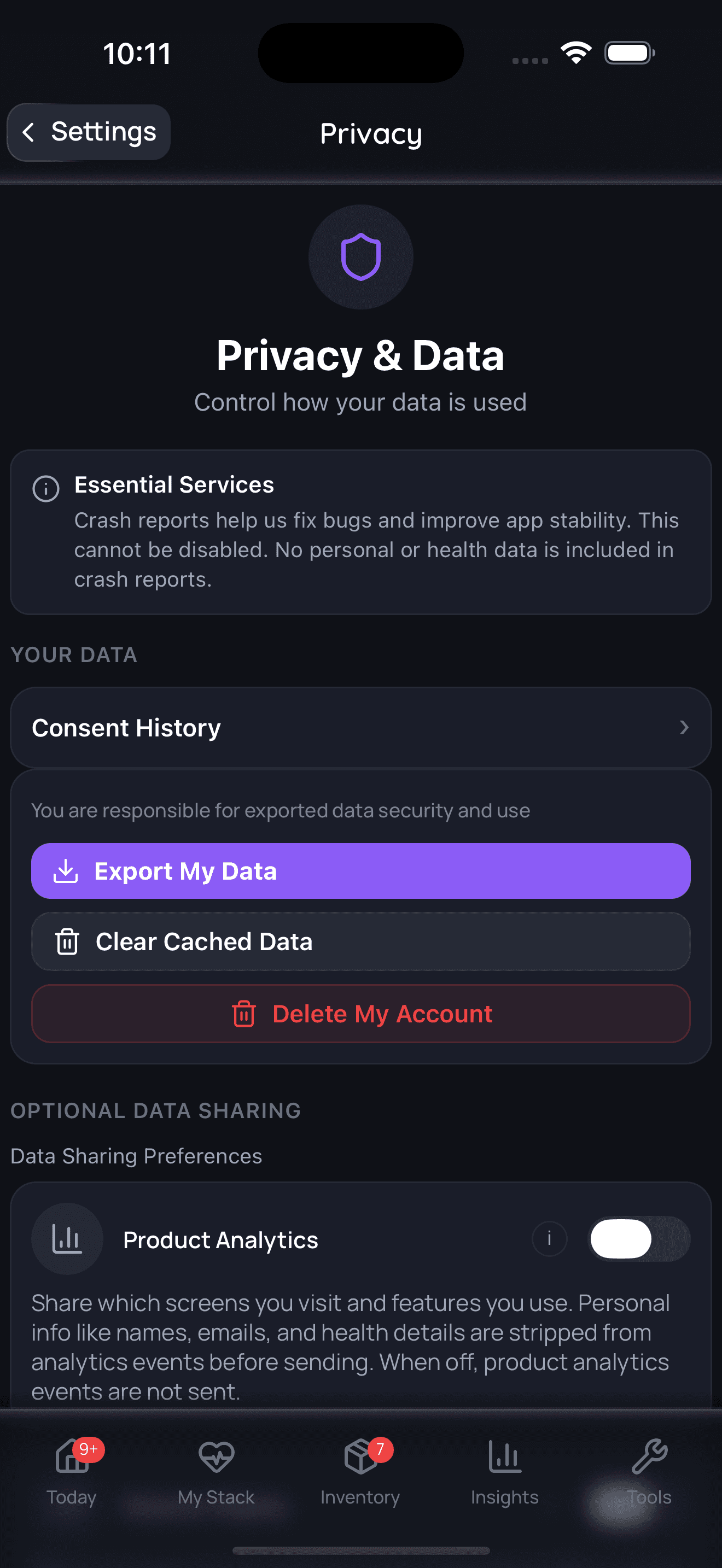
Privacy controls help you manage records; keep clinical records where required.
Side Effects & Safety
The Basics
NAC is generally considered safe and well tolerated, particularly at doses below 1,200 mg per day. The most common side effects involve the digestive system: nausea, diarrhea, vomiting, and stomach discomfort. These are more likely when starting NAC or when taking higher doses, and they often improve after the first few days [2][9].
The sulfurous taste and smell of NAC is one of its most distinctive features. Many users describe it as unpleasant, and it is a normal property of the compound rather than a sign of a bad product [2].
At higher doses (1,200 mg per day and above), some people report a psychological side effect that deserves attention: emotional flatness or anhedonia (reduced ability to feel pleasure). This appears to be related to NAC's effects on glutamate and dopamine signaling in the brain, and it is dose-dependent. Some users find that reducing the dose or cycling NAC (taking periodic breaks) helps manage this effect. Not everyone experiences it, and for some people, the opposite occurs, with improved mood and emotional stability.
Serious adverse reactions to oral NAC are rare. They include hypotension (low blood pressure), bronchospasm (mainly with inhaled forms), and in very rare cases, anaphylactic-type reactions. The most critical safety consideration involves the use of NAC during cancer treatment, which remains controversial [2][27].
The Science
Clinical trials and post-marketing surveillance data identify the following adverse effect profile for oral NAC [2][9][27]:
Common (gastrointestinal): Nausea, vomiting, diarrhea, abdominal discomfort. These occur more frequently at doses above 1,200 mg per day and typically resolve with continued use or dose reduction.
Less common: Headache, drowsiness, stomatitis, rhinorrhea, skin rash, eye irritation, fatigue.
Rare/serious: Hypotension (particularly in combination with nitroglycerin), anaphylactoid reactions (primarily with IV administration; approximately 11% vomiting rate at IV doses of 150 mg/kg), bronchospasm (primarily with inhaled forms in asthmatics).
Cancer treatment interaction (controversial): An animal study by Sayin et al. (2014) published in Science Translational Medicine demonstrated that NAC increased lung cancer cell proliferation by reducing ROS levels, DNA damage, and p53 expression in mice. This finding has raised concern about antioxidant supplementation during cancer treatment, as oxidative stress-based therapies (certain chemotherapy and radiation protocols) may be attenuated by concurrent antioxidant use [27]. Patients receiving cancer treatment should discuss NAC use with their oncologist.
Photosensitivity: Case reports document photosensitivity in pulmonary fibrosis patients taking NAC in combination with pirfenidone, though the interaction mechanism is unclear [28].
Histamine and sulfur metabolism concerns: Anecdotal reports suggest that NAC may exacerbate symptoms in individuals with histamine intolerance or impaired sulfur metabolism (e.g., CBS gene variants). These reports lack formal clinical validation but appear consistently in patient communities.
Doses used safely in clinical research: Oral doses up to 8,000 mg per day have been administered without clinically significant reactions in HIV patients [2]. However, doses above 7,000 mg may cause cellular oxidative damage, representing a theoretical upper boundary for safety [2].
Knowing the possible side effects is the first step. Catching them early in your own experience is what keeps a supplement routine safe. Doserly lets you log any symptoms as they arise, tagging them with severity, timing relative to your dose, and whether they resolve on their own or persist.
The app's interaction checker cross-references everything in your stack, supplements and medications alike, flagging known interactions before they become a problem. It also monitors your total intake against established upper limits, alerting you if your combined sources of a nutrient are approaching thresholds where risk increases. Think of it as a safety net that works quietly in the background while you focus on the benefits.
Keep side effects, flags, and follow-up notes visible.
Doserly helps you document safety observations, side effects, medication changes, and follow-up questions so important context is not scattered.
Safety log
Flags and notes
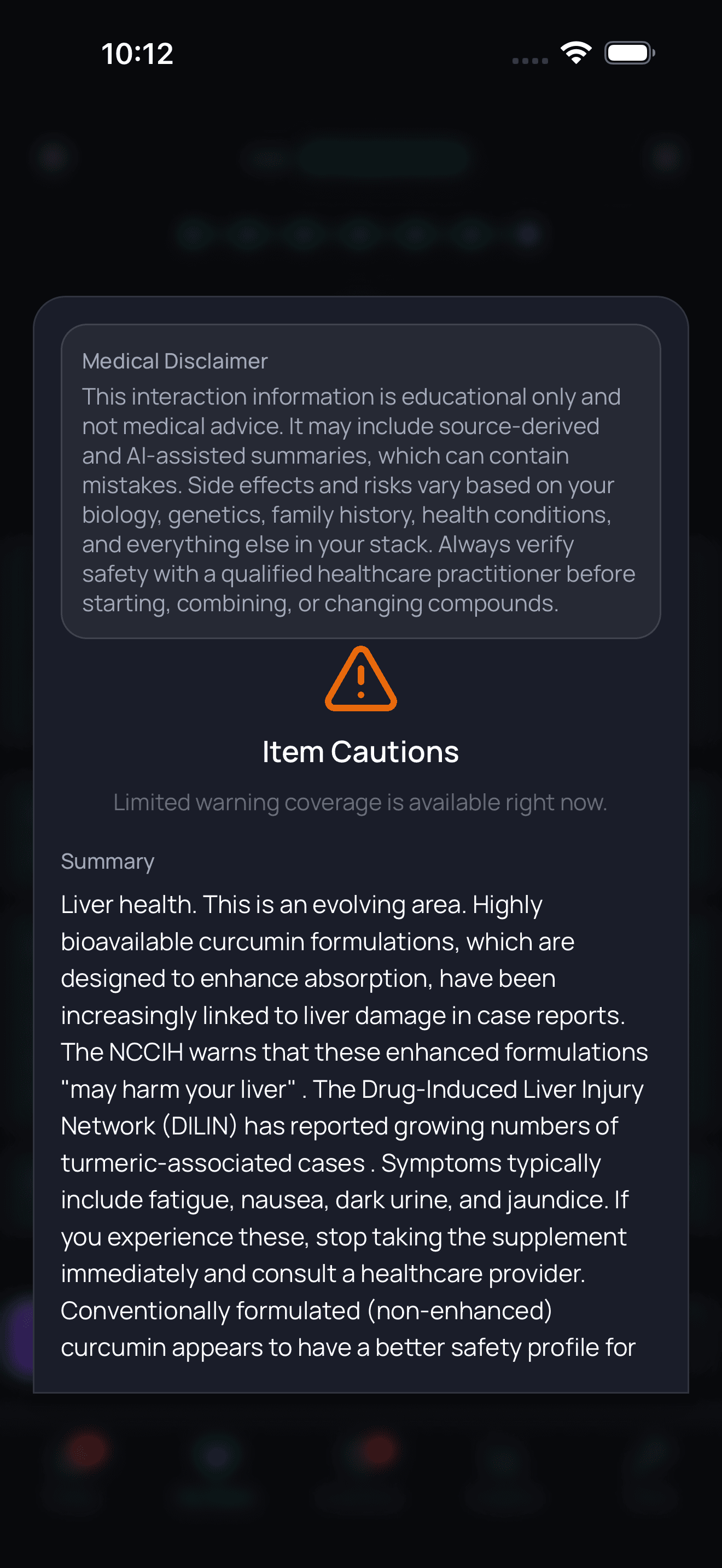
Safety notes are not emergency guidance; seek medical help when appropriate.
Dosing & Usage Protocols
The Basics
NAC dosing varies widely depending on the intended use, and this is one area where the research landscape can be confusing. The most commonly cited general supplementation range is 600 to 1,800 mg per day, typically divided into two or three doses. However, clinical studies have used doses ranging from as low as 200 mg to as high as 8,000 mg per day [2][9].
A key factor in NAC dosing is its low oral bioavailability (4-10%). This means that a substantial portion of what you swallow never reaches your bloodstream. Multiple reviews note that doses below 1,200 mg per day may not produce clinically meaningful effects for many applications, simply because too little active compound reaches target tissues [2][9].
For context, here are the dose ranges most commonly cited in clinical research for specific applications:
Application
General antioxidant support
- Commonly Cited Range
- 600-1,200 mg/day
- Study Duration
- Ongoing
Application
Respiratory health (COPD, bronchitis)
- Commonly Cited Range
- 600-1,800 mg/day
- Study Duration
- Long-term
Application
Mental health conditions
- Commonly Cited Range
- 1,200-2,700 mg/day
- Study Duration
- 8-24 weeks
Application
Compulsive behaviors (OCD, trich)
- Commonly Cited Range
- 1,200-2,400 mg/day
- Study Duration
- 8-16 weeks
Application
Male fertility
- Commonly Cited Range
- 600 mg/day
- Study Duration
- 3-6 months
Application
Heavy metal detox support
- Commonly Cited Range
- 200-800 mg/day
- Study Duration
- 12 weeks
Application
Homocysteine reduction
- Commonly Cited Range
- 800-2,000 mg/day
- Study Duration
- 2-12 weeks
Application
PCOS support
- Commonly Cited Range
- 1,200-1,800 mg/day
- Study Duration
- Variable
These ranges reflect what has been used in clinical research and should not be interpreted as recommended doses. Individual needs vary, and a healthcare professional should guide dosing decisions.
The Science
The pharmacokinetic profile of NAC imposes important constraints on dosing strategy. With oral bioavailability of approximately 4-10% and a terminal half-life of 6.25 hours, divided dosing (BID or TID) is pharmacokinetically preferable to single daily dosing for maintaining tissue levels [9][10].
The dose-response relationship is non-linear for some outcomes. Homocysteine reduction shows clear dose-dependency across the 800-2,000 mg per day range, with higher doses producing greater reductions [25]. For COPD exacerbation prevention, multiple analyses suggest that 1,200 mg per day or higher is more consistently effective than the older standard of 600 mg per day [14].
For psychiatric applications, the therapeutic window appears to be 1,200-2,700 mg per day. The OCD meta-analysis by Eghdami et al. (2024) found significant improvement at 5-8 weeks of treatment but not at durations shorter than 4 weeks or longer than 12 weeks, suggesting both a minimum effective duration and possible tolerance development [20].
Clinical studies in male fertility used the lowest effective dose in the reviewed evidence (600 mg per day), suggesting that NAC's antioxidant effects on spermatogenesis may require lower systemic concentrations than its psychiatric or respiratory applications [23].
Getting the dose right matters more than most people realize. Too little may be ineffective, too much wastes money or introduces risk, and inconsistency undermines both. Doserly tracks every dose you take, across every form, giving you a clear record of what you're actually consuming versus what you planned.
The app helps you compare RDA recommendations against therapeutic ranges discussed in the research, so you can see exactly where your intake falls. If you switch forms, say from a standard capsule to a liposomal liquid, Doserly adjusts your tracking to account for different bioavailabilities. Pair that with smart reminders that keep your timing consistent, and the precision that makes a real difference in outcomes becomes effortless.
Build reminders around the routine, not just the compound.
Doserly can keep timing, skipped doses, and schedule changes organized so the plan you read about becomes easier to follow and review.
Today view
Upcoming reminders

Reminder tracking supports consistency; it does not select a protocol for you.
What to Expect (Timeline)
Weeks 1-2: Some users report noticeable effects within the first few days, particularly for mental clarity, mood, and mucus reduction. These early responses may partly reflect placebo effects, though the mucolytic action of NAC can genuinely produce rapid respiratory improvement. GI side effects (nausea, stomach discomfort) are most likely during this initial period and typically diminish. Some users report a "detox-like" reaction in the first few days, including fatigue, flu-like symptoms, or changes in body odor. Community reports suggest this is most common in people with high baseline toxic burdens, though this mechanism is not well-established in clinical literature.
Weeks 3-4: For psychiatric and behavioral applications, clinical trials suggest this is the window where meaningful changes begin to emerge. OCD-related improvements tend to appear at the 2-4 week mark. Craving reduction in addiction applications typically stabilizes by week 4. Users supplementing for general antioxidant support may notice improved recovery from illness or exercise, though these effects are subtle.
Weeks 5-8: Most clinical trials measuring psychiatric outcomes show peak effects during this period. The OCD meta-analysis found the strongest benefit at the 5-8 week mark. Fertility improvements require longer, with most studies using 3-6 month protocols. COPD exacerbation reduction typically requires consistent use over several months before the pattern becomes clear.
Beyond 8 weeks: Long-term supplementation patterns are common in community reports, with some users taking NAC continuously for years. A minority of users report diminishing benefits after several months, though this is not well-documented in clinical literature. Some community members recommend periodic cycling (e.g., 5 days on, 2 days off, or 3 months on, 1 month off) to maintain responsiveness, though no clinical data directly support or refute this approach.
Interactions & Compatibility
Synergistic
- Glycine: Co-substrate for glutathione synthesis. Taking glycine alongside NAC (the "GlyNAC" combination) may enhance glutathione production more effectively than NAC alone. Preliminary research shows promising results for aging-related oxidative stress and metabolic function [29].
- Selenium: Required for glutathione peroxidase function. An RCT demonstrated additive improvements in male fertility when NAC and selenium were combined versus either alone [23].
- Vitamin C: Complementary antioxidant that works through different mechanisms. Vitamin C regenerates oxidized glutathione, potentially enhancing NAC's antioxidant effects [1].
- Zinc: Supports immune function and acts as a cofactor for antioxidant enzymes. Commonly recommended alongside NAC for respiratory health applications.
- Molybdenum: Cofactor for sulfite oxidase, which processes sulfite (a byproduct of cysteine/NAC metabolism). Some practitioners recommend molybdenum supplementation when using high-dose NAC to support sulfur metabolism.
Caution/Avoid
- Nitroglycerin: NAC potentiates the vasodilatory effects of nitroglycerin, which may cause severe headaches and significant hypotension. This interaction is well-documented in human studies and is clinically significant [30].
- Activated charcoal: May reduce NAC absorption if taken concurrently. Separate dosing by at least 2 hours.
- Antidepressants (SSRIs, imipramine, escitalopram): Animal studies suggest NAC may potentiate the effects of certain antidepressants. While clinical relevance in humans has not been established, individuals on antidepressants should inform their healthcare provider if starting NAC [30].
- Cancer treatment (chemotherapy/radiation): The interaction between NAC and cancer treatment is theoretically concerning. As an antioxidant, NAC may reduce the efficacy of oxidative stress-dependent cancer therapies. One animal study showed NAC accelerated lung cancer progression. Patients undergoing cancer treatment should consult their oncologist before using NAC [27].
- Anticoagulants/Antiplatelets: NAC's thiol group may theoretically affect clotting factor function. Individuals on blood-thinning medications should exercise caution and consult their healthcare provider.
How to Take / Administration Guide
NAC is most commonly available as oral capsules or tablets in 500 mg or 600 mg doses. Powder form is also available and is sometimes preferred for those who want more precise dose control or have difficulty swallowing capsules.
Timing: Many practitioners and experienced users suggest taking NAC on an empty stomach (30 minutes before or 2 hours after meals) for optimal absorption. However, individuals who experience GI discomfort may find better tolerance when taking NAC with a light meal or snack.
Splitting doses: Given NAC's relatively short half-life (approximately 6.25 hours), splitting the daily dose into two or three portions is a common approach. For example, a 1,200 mg daily dose might be taken as 600 mg in the morning and 600 mg in the evening.
Taste and smell management: NAC has a pronounced sulfurous smell and taste. This is a normal characteristic of the compound. For those using powder form, mixing with a flavored beverage or citrus juice may mask the taste. Capsules avoid this issue entirely.
Cofactor support: Many experienced users recommend supplementing with cofactors that support NAC's metabolic pathways, particularly glycine (glutathione co-substrate), selenium (glutathione peroxidase function), molybdenum (sulfite oxidase cofactor), and zinc (antioxidant enzyme support). This approach is commonly recommended in supplement communities but has not been validated in controlled studies specifically examining cofactor combinations with NAC.
Cycling: Some users practice periodic cycling (taking breaks from NAC), though there is no clinical evidence directly supporting this approach. The rationale offered by community members relates to preventing potential tolerance or managing the anhedonia reported by some users at sustained higher doses.
Choosing a Quality Product
NAC supplements are relatively straightforward from a formulation perspective, as there is essentially one standard oral form. However, quality considerations still apply:
Third-party certification: Look for products tested by independent laboratories such as USP (U.S. Pharmacopeia), NSF International, or that carry the Informed Sport certification for athletes. These certifications verify that the product contains what the label claims and is free from contaminants.
GMP (Good Manufacturing Practice) compliance: GMP certification is considered essential by industry professionals. Studies have found that a significant percentage of supplements fail label claim testing, and GMP-certified facilities are more likely to produce consistent, accurately dosed products.
Form considerations: Standard NAC capsules and tablets are the most widely tested and reliable form. Effervescent tablets and powder forms are alternatives but have not been shown to offer pharmacokinetic advantages. Sustained-release formulations exist but lack robust comparative bioavailability data.
Sulfur smell: A noticeable sulfurous odor when opening the bottle is normal for NAC and does not indicate degradation. However, if the smell is extremely intense or the powder has turned noticeably yellow or brown, this may indicate excessive oxidation, and the product should be replaced.
Dosage per capsule: Most NAC supplements provide 500 mg or 600 mg per capsule. Since clinical research most often uses 600 mg as the base unit (with total daily doses of 600-1,800 mg), 600 mg capsules offer the most convenient dosing alignment with study protocols.
Avoid proprietary blends: NAC's effective dose range is well-established. Products that include NAC in a proprietary blend without disclosing the exact amount per serving should be avoided, as the dose is likely insufficient to match clinically studied amounts.
Storage & Handling
NAC is sensitive to oxidation and should be stored in a cool, dry place away from direct sunlight. Heat and moisture can accelerate degradation. Keep the container tightly sealed after each use to minimize air exposure.
The sulfurous smell of NAC is normal and does not indicate a problem with the product. However, a marked change in color (darkening to brown or yellow) may suggest oxidation, and the product may have reduced potency.
Powder form NAC is more susceptible to moisture absorption than capsules. If using powder, consider transferring to an airtight container with a desiccant packet.
No refrigeration is typically required, but storing NAC in a cool environment (below 25C/77F) is preferable, particularly in warm climates. Once opened, most manufacturers recommend using the product within the labeled shelf life, typically 1-2 years.
Lifestyle & Supporting Factors
Diet: Cysteine-rich foods (poultry, eggs, dairy, garlic, onions, cruciferous vegetables) provide the natural dietary form of the amino acid that NAC delivers. Adequate protein intake supports the availability of all three glutathione precursors (cysteine, glycine, glutamate). Individuals with consistently high dietary cysteine intake may derive less incremental benefit from NAC supplementation.
Alcohol consumption: NAC is commonly discussed in the context of liver support for alcohol use. Some evidence suggests that taking NAC before alcohol consumption may support glutathione levels and reduce next-day oxidative stress. However, NAC should not be viewed as a tool that makes heavy drinking safe. It does not prevent alcohol-related liver damage from chronic excessive consumption.
Exercise: Intensive or prolonged exercise increases reactive oxygen species production. While NAC has been studied as an exercise recovery aid, the evidence for performance benefits is limited. A meta-analysis of 7 RCTs found no benefits for exercise performance, though individuals with low baseline glutathione status may benefit [13].
Smoking and pollution exposure: Both cigarette smoke and environmental pollutants deplete glutathione stores. NAC supplementation may be particularly relevant for individuals with high oxidative stress burden from these sources. A multi-biomarker study in smokers showed measurable effects of oral NAC on oxidative stress markers [4].
Lab work: There are no standard clinical biomarkers specifically for NAC status. However, glutathione levels (red blood cell or whole blood), malondialdehyde, homocysteine, C-reactive protein, and liver function markers (ALT, AST) may provide indirect indicators of NAC's effects. These tests should be discussed with a healthcare professional.
Regulatory Status & Standards
United States (FDA): NAC's regulatory status in the U.S. has been contentious. In 2020, the FDA issued warning letters to companies marketing NAC as a dietary supplement, arguing that because NAC was first approved as a drug (mucolytic and acetaminophen overdose antidote), it could not be sold as a dietary supplement under DSHEA. In 2022, the FDA issued enforcement discretion guidance indicating it would not take action against NAC supplements, effectively allowing continued sale despite the technical exclusion. NAC is not GRAS-designated and has no formal NDI status, but it remains widely available as a dietary supplement in the U.S. market.
Canada (Health Canada): NAC is available as a licensed Natural Health Product (NHP) with an assigned Natural Product Number (NPN). Health Canada monographs recognize NAC as an antioxidant and mucolytic.
European Union (EFSA): NAC is available as a dietary supplement in most EU member states. It is also used as an approved drug (mucolytic) in several European countries, including as an over-the-counter product in the UK, Germany, and Italy.
Australia (TGA): NAC is available as a complementary medicine and is listed on the Australian Register of Therapeutic Goods.
Athlete & Sports Regulatory Status:
NAC is not on the World Anti-Doping Agency (WADA) Prohibited List. It is not prohibited by any major national anti-doping agency (USADA, UKAD, Sport Integrity Canada, Sport Integrity Australia, NADA Germany) or professional sports league (NFL, NBA, MLB, NHL, NCAA).
Athletes can verify NAC's status through GlobalDRO (globaldro.com). Products bearing Informed Sport or NSF Certified for Sport certification provide additional assurance against contamination with prohibited substances, though NAC itself is not a concern.
Regulatory status and prohibited substance classifications change frequently. Athletes should always verify the current status of any supplement with their sport's governing body, their national anti-doping agency, and a qualified sports medicine professional before use. Third-party certification (Informed Sport, NSF Certified for Sport) reduces but does not eliminate the risk of contamination with prohibited substances.
Frequently Asked Questions
Is NAC the same as cysteine or glutathione?
NAC is neither cysteine nor glutathione, but it is closely related to both. NAC is the acetylated form of L-cysteine, meaning it has an acetyl group attached that improves its stability and absorption compared to free-form cysteine. Once inside your cells, NAC is converted to cysteine, which is then used as a building block for glutathione. Taking glutathione directly as a supplement has bioavailability challenges, which is why many practitioners suggest NAC as a more effective way to raise glutathione levels.
Can NAC help with hangovers?
Community reports frequently mention taking NAC before alcohol consumption to support liver function. The theoretical basis is that NAC replenishes glutathione, which the liver uses to process acetaldehyde (a toxic alcohol metabolite). Some anecdotal reports are positive, but rigorous clinical trials specifically testing NAC for hangover prevention are lacking. Importantly, NAC should be taken before drinking, not after, as some evidence suggests post-alcohol NAC may be less effective or potentially counterproductive.
Does NAC cause anhedonia (emotional flatness)?
Some users report emotional blunting or reduced ability to feel pleasure when taking NAC, particularly at doses of 1,200 mg per day or higher. This effect is discussed frequently in supplement communities and may be related to NAC's modulation of glutamate and dopamine signaling. Not everyone experiences this, and reducing the dose or taking periodic breaks appears to help in some cases. The formal clinical literature has not specifically studied NAC-induced anhedonia as a primary endpoint.
Is NAC safe for long-term use?
Based on available clinical data, oral NAC appears to be generally well tolerated for extended periods. Some clinical trials have administered NAC for 6-12 months without significant safety concerns. Doses up to 8,000 mg per day have been used safely in certain clinical populations. However, long-term supplementation studies spanning multiple years are limited, and consulting a healthcare provider for ongoing monitoring is advisable.
Why does NAC smell so bad?
NAC contains a sulfhydryl (thiol) group, which is a sulfur-containing chemical group. Sulfur compounds are inherently volatile and produce characteristic odors. This is a normal chemical property of NAC, not a sign of contamination or degradation. Capsule forms largely contain the smell, while powder forms require mixing with flavored beverages to mask it.
Can I take NAC during cancer treatment?
This is a question that requires direct consultation with an oncologist. The concern is that NAC, as an antioxidant, could theoretically protect cancer cells from oxidative stress-based treatments (certain chemotherapies and radiation). An animal study showed NAC accelerated lung cancer progression in mice. However, other preliminary studies suggest NAC may reduce certain cancer treatment side effects. The evidence is mixed and the clinical stakes are high, so professional medical guidance is essential.
Should I take NAC with food or on an empty stomach?
There is no definitive answer. Taking NAC on an empty stomach may slightly improve absorption, but it also increases the risk of nausea and stomach discomfort. Taking it with a light meal reduces GI side effects at a potential modest cost to absorption. Most clinical trials did not strictly control for food timing.
How long does NAC take to work?
This depends entirely on the intended application. Mucolytic effects can be noticeable within hours to days. Mental health benefits (mood, anxiety, compulsive behaviors) typically require 2-8 weeks of consistent use based on clinical trial timelines. Fertility improvements generally require 3-6 months. Antioxidant and inflammatory marker improvements have been documented at 2-12 weeks in clinical studies.
Is NAC legal to buy in the U.S.?
Yes. Although the FDA technically excluded NAC from the dietary supplement definition in 2020, the agency issued enforcement discretion guidance in 2022 allowing continued sale. NAC supplements remain widely available from major retailers and supplement companies in the United States.
Can NAC replace glutathione supplements?
For many people, NAC may be a more practical way to raise glutathione levels than taking glutathione directly. Oral glutathione has well-documented bioavailability challenges, as it is broken down in the GI tract before reaching cells. NAC provides the rate-limiting amino acid (cysteine) that cells need to produce their own glutathione. Some practitioners recommend liposomal glutathione as an alternative that bypasses some absorption issues, but NAC remains the more extensively studied and cost-effective approach.
Myth vs. Fact
Myth: NAC is a "detox" supplement that flushes toxins from your body.
NAC does support the body's detoxification pathways by replenishing glutathione, which plays a genuine role in Phase II liver conjugation reactions and the neutralization of reactive metabolites. However, the popular concept of "detoxing" oversimplifies this biochemistry. NAC does not flush accumulated toxins from fat tissue, reverse years of dietary damage, or serve as a substitute for healthy liver function. Its clinical value is in supporting the glutathione system, not in dramatic toxin elimination [1][4].
Myth: NAC cures OCD and addiction.
NAC has shown promising results as an adjunctive therapy for OCD-spectrum conditions and substance cravings, but "cure" significantly overstates the evidence. Clinical trials demonstrate modest improvements in symptom scores, typically when NAC is used alongside conventional treatments. A meta-analysis of NAC for OCD found benefits only within a specific 5-8 week treatment window, and the largest addiction trial did not improve abstinence rates [20][21].
Myth: NAC is dangerous because the FDA banned it.
The FDA's 2020 action was a regulatory classification issue, not a safety determination. The FDA argued that because NAC was first approved as a drug, it did not qualify as a dietary supplement under existing law. This was not based on safety concerns, and the FDA subsequently issued enforcement discretion guidance allowing continued sale. NAC has an extensive safety record spanning decades of clinical use [2].
Myth: Higher doses of NAC are always better.
NAC's dose-response relationship is not linear, and more is not necessarily better. While doses below 1,200 mg per day may be insufficient for some applications due to low bioavailability, increasing beyond 2,000-3,000 mg per day introduces additional GI side effects and may contribute to anhedonia in susceptible individuals. Some evidence suggests that very high doses (above 7,000 mg) may cause cellular oxidative damage, paradoxically undermining the supplement's antioxidant purpose [2][9].
Myth: NAC works the same for everyone.
Individual response to NAC varies considerably. Factors including baseline glutathione status, genetic polymorphisms affecting sulfur metabolism (such as CBS variants), histamine sensitivity, and concurrent medications all influence how a person responds to NAC. Some people experience dramatic benefits, while others notice nothing at all. This variability is consistent with clinical trial data, which shows statistically significant group-level effects that do not apply uniformly to every participant [1][2].
Myth: NAC should be taken with every supplement stack.
While NAC is a versatile supplement with broad applications, it is not universally beneficial or appropriate. Individuals with certain sulfur metabolism issues, histamine intolerance, or those undergoing cancer treatment may need to avoid it. The decision to supplement with NAC should be based on individual health goals and circumstances, not on the assumption that everyone benefits from glutathione support.
Myth: You can get enough NAC from food.
NAC itself is not naturally present in significant amounts in food. It is a synthetic acetylated derivative of L-cysteine. While cysteine is found in protein-rich foods (poultry, eggs, dairy, garlic, onions, legumes), NAC as a specific compound must be obtained through supplementation. Eating cysteine-rich foods supports glutathione production but does not provide the same pharmacological effects as supplemental NAC [2][7].
Sources & References
Clinical Trials & RCTs
- Dos Santos Tenorio MC, et al. N-Acetylcysteine (NAC): Impacts on Human Health. Antioxidants (Basel). 2021;10(6):967. doi:10.3390/antiox10060967
- Schwalfenberg GK. N-Acetylcysteine: A Review of Clinical Usefulness (an Old Drug with New Tricks). J Biomed Sci. 2021;2021:9949453. doi:10.1155/2021/9949453
- Yahia Z, Yahia A, Abdelaziz T. N-acetylcysteine Clinical Applications. Cureus. 2024;16(10):e72252. doi:10.7759/cureus.72252
- Pedre B, Barayeu U, Ezerina D, Dick TP. The mechanism of action of N-acetylcysteine (NAC): The emerging role of H2S and sulfane sulfur species. Pharmacol Ther. 2021;228:107916. doi:10.1016/j.pharmthera.2021.107916
- Tenorio MCDS, et al. Effects of N-acetylcysteine on oxidative stress biomarkers: a meta-analysis of randomized controlled trials. Antioxidants. 2021.
- Dean O, Giorlando F, Berk M. N-acetylcysteine in psychiatry: current therapeutic evidence and potential mechanisms of action. J Psychiatry Neurosci. 2011;36(2):78-86. doi:10.1503/jpn.100057
- Elgar K. N-acetylcysteine: A review of clinical use and efficacy. Nutr Med J. 2022;1(3):26-45.
- Zheng W, et al. N-acetylcysteine for major mental disorders: a systematic review and meta-analysis of randomized controlled trials. Acta Psychiatr Scand. 2018;137(5):391-400. doi:10.1111/acps.12862
- Olsson B, et al. Pharmacokinetics and bioavailability of reduced and oxidized N-acetylcysteine. Eur J Clin Pharmacol. 1988;34(1):77-82.
- Holdiness MR. Clinical pharmacokinetics of N-acetylcysteine. Clin Pharmacokinet. 1991;20(2):123-134.
Systematic Reviews & Meta-Analyses
- Smilkstein MJ, et al. Efficacy of oral N-acetylcysteine in the treatment of acetaminophen overdose. N Engl J Med. 1988;319(24):1557-1562.
- Hu J, et al. Efficacy and safety of acetylcysteine in non-acetaminophen acute liver failure: a meta-analysis of prospective clinical trials. Clin Res Hepatol Gastroenterol. 2015;39(5):594-599.
- Rhodes K, Braakhuis A. Performance and Side Effects of Supplementation with N-Acetylcysteine: A Systematic Review and Meta-Analysis. Sports Med. 2017;47(8):1619-1636.
- Stey C, et al. The effect of oral N-acetylcysteine in chronic bronchitis: a quantitative systematic review. Eur Respir J. 2000;16(2):253-262.
- Tirouvanziam R, et al. High-dose oral N-acetylcysteine, a glutathione prodrug, modulates inflammation in cystic fibrosis. Proc Natl Acad Sci USA. 2006;103(12):4628-4633.
- Demedts M, et al. High-dose acetylcysteine in idiopathic pulmonary fibrosis. N Engl J Med. 2005;353(21):2229-2242.
- Grant JE, Odlaug BL, Kim SW. N-acetylcysteine, a glutamate modulator, in the treatment of trichotillomania. Arch Gen Psychiatry. 2009;66(7):756-763.
Observational Studies
- Fernandes BS, et al. N-Acetylcysteine in depressive symptoms and functionality: a systematic review and meta-analysis. J Clin Psychiatry. 2016;77(4):e457-466.
- Carmeli C, et al. Glutathione precursor N-acetyl-cysteine modulates EEG synchronization in schizophrenia patients. PLoS One. 2012;7(1):e29341.
- Eghdami S, et al. The safety and efficacy of N-acetylcysteine as an augmentation in the treatment of OCD: a systematic review and meta-analysis. Front Psychiatry. 2024;15. doi:10.3389/fpsyt.2024.1323570
- Nocito Echevarria MA, et al. N-acetylcysteine for treating cocaine addiction: a systematic review. Psychiatry Res. 2017;251:197-203.
- Monti DA, et al. N-acetyl cysteine is associated with dopaminergic improvement in Parkinson's disease. Clin Pharmacol Ther. 2019;106(4):884-890.
- Safarinejad MR, Safarinejad S. Efficacy of selenium and/or N-acetyl-cysteine for improving semen parameters in infertile men. J Urol. 2009;181(2):741-751.
- Rizk AY, et al. N-acetyl-cysteine is a novel adjuvant to clomiphene citrate in clomiphene citrate-resistant patients with PCOS. Fertil Steril. 2005;83(2):367-370.
Government/Institutional Sources
- Rogliani P, et al. Efficacy and safety profile of mucolytic/antioxidant agents in COPD: a comparative analysis. Respir Res. 2019;20(1):104.
- Masnadi Shirazi K, et al. Effect of N-acetylcysteine on remission maintenance in ulcerative colitis. Clin Res Hepatol Gastroenterol. 2021;45(6):101532.
- Sayin VI, et al. Antioxidants accelerate lung cancer progression in mice. Sci Transl Med. 2014;6(221):221ra15.
- Behr J, et al. Safety and tolerability of acetylcysteine and pirfenidone combination therapy in IPF. Lancet Respir Med. 2016;4(6):445-453.
- Kumar P, et al. Glycine and N-acetylcysteine (GlyNAC) supplementation in older adults improves glutathione deficiency, oxidative stress, mitochondrial dysfunction, inflammation, insulin resistance, endothelial dysfunction, genotoxicity, muscle strength, and cognition: Results of a pilot clinical trial. Clin Transl Med. 2021;11(3):e372.
- Ardissino D, et al. Effect of transdermal nitroglycerin or N-acetylcysteine, or both, in unstable angina pectoris. J Am Coll Cardiol. 1997;29(5):941-947.
Related Supplement Guides
Same Category
- L-Glutamine (amino acid with glutathione co-substrate role)
- L-Tryptophan (amino acid with serotonin pathway relevance)
- L-Methionine (sulfur-containing amino acid, methylation pathway)
Common Stacks/Pairings
- Glycine (GlyNAC combination for glutathione optimization)
- Selenium (glutathione peroxidase cofactor, fertility synergy)
- Zinc (immune and antioxidant support)
- Molybdenum (sulfite oxidase cofactor for NAC metabolism)
- Vitamin C (complementary antioxidant, glutathione recycling)
- Vitamin E (lipid-soluble antioxidant synergy)
Related Health Goal
- Magnesium (stress, sleep, and muscle relaxation support)
- Alpha-GPC (cognitive function and neuroprotection)
- Inositol (OCD and anxiety support, frequently stacked with NAC)
- B-Complex (methylation support, relevant to NAC's sulfur metabolism)