
Taurine: The Complete Supplement Guide
On this page
Quick Reference Card
Attribute
Common Name
- Detail
- Taurine
Attribute
Other Names / Aliases
- Detail
- 2-Aminoethanesulfonic acid, L-Taurine, Tauric acid
Attribute
Category
- Detail
- Conditionally Essential Amino Acid (Amino Sulfonic Acid)
Attribute
Primary Forms & Variants
- Detail
- Taurine (free form, most common); Magnesium Taurate (chelated with magnesium); Acamprosate (synthetic taurine derivative, prescription)
Attribute
Typical Dose Range
- Detail
- 500 mg to 6,000 mg per day; most common range 1,000-3,000 mg per day
Attribute
RDA / AI / UL
- Detail
- No formal RDA, AI, or UL established. EFSA considers up to 6 g/day safe for lifetime consumption. Observed Safe Level (OSL): 3 g/day.
Attribute
Common Delivery Forms
- Detail
- Capsules, powder, tablets, softgels; also present in energy drinks (750-2,000 mg per serving)
Attribute
Best Taken With / Without Food
- Detail
- Can be taken with or without food. For exercise performance, take 60-120 minutes before exercise on an empty or light stomach.
Attribute
Key Cofactors
- Detail
- Vitamin B6 (required for endogenous taurine synthesis from cysteine); Magnesium (complementary cardiovascular and calming effects); Zinc (supports taurine transport)
Attribute
Storage Notes
- Detail
- Store in a cool, dry place away from direct sunlight and moisture. No refrigeration required. Powder form is stable and not particularly hygroscopic.
Overview
The Basics
Taurine is one of the most abundant amino acids in the human body, found in high concentrations in the brain, heart, retina, and skeletal muscles. Unlike most amino acids, taurine is not used to build proteins. Instead, it floats freely throughout your tissues, performing a wide range of supportive functions. Think of taurine as a cellular caretaker: it helps regulate the water balance inside your cells, supports the electrical signals in your heart and nervous system, and acts as a protective buffer against oxidative stress.
Your body can make taurine on its own from two other amino acids, cysteine and methionine, with the help of vitamin B6. You also get taurine from eating meat, seafood, and dairy products. Shellfish like scallops and mussels are particularly rich sources, while plant foods contain virtually none. This is why vegetarians and vegans tend to have lower circulating taurine levels [1][2].
Taurine first gained public attention as an ingredient in energy drinks, which led to misconceptions that it is a stimulant. In reality, taurine has calming properties and may actually buffer some of the jittery effects of caffeine. More recently, a landmark 2023 study published in the journal Science found that taurine levels decline with aging across multiple species and that supplementation extended lifespan in mice and improved health markers in monkeys [3]. This finding generated enormous scientific and public interest, repositioning taurine from a "boring" energy drink ingredient to a potentially significant longevity compound.
The strongest clinical evidence for taurine supplementation centers on cardiovascular health, particularly modest blood pressure reduction and improved cardiac function in heart failure patients. Emerging evidence also supports benefits for metabolic health (blood sugar and cholesterol management) and exercise endurance, though the research is still maturing [4][5].
The Science
Taurine (2-aminoethanesulfonic acid, C2H7NO3S, MW 125.15) is a sulfur-containing amino sulfonic acid that differs from standard amino acids in possessing a sulfonic acid group rather than a carboxyl group. It is not incorporated into proteins and circulates in free form throughout all tissues. Intracellular taurine concentrations are maintained at millimolar levels, making it one of the most abundant low-molecular-weight organic compounds in mammalian cells [1][6].
Endogenous synthesis occurs primarily via the cysteine sulfinic acid pathway: cysteine is oxidized to cysteine sulfinic acid by cysteine dioxygenase (CDO), decarboxylated to hypotaurine by cysteine sulfinic acid decarboxylase (CSAD), and finally oxidized to taurine. This pathway requires pyridoxal phosphate (vitamin B6) as a cofactor. Human CSAD activity is relatively limited compared to many other mammals, which is why dietary intake remains important and taurine is classified as "conditionally essential" [1][2].
Taurine concentrations decline with age across species. Singh et al. (2023) demonstrated in a comprehensive cross-species study that circulating taurine levels decrease with aging in mice, monkeys, and humans. Supplementation in mice increased median lifespan by 10-12%, reduced cellular senescence, protected against telomerase deficiency, suppressed mitochondrial dysfunction, decreased DNA damage, and attenuated inflammaging. In monkeys, taurine supplementation improved metabolic, immune, bone, and neural health markers [3]. These findings suggest taurine deficiency may be a driver of biological aging, though confirmatory human clinical trials are pending.
Epidemiological data from the WHO CARDIAC Study across 41 populations worldwide found that 24-hour urinary taurine excretion (a marker of dietary taurine intake) was inversely associated with cardiovascular mortality rates [7].
Chemical & Nutritional Identity
Property
Chemical Name
- Value
- 2-aminoethanesulfonic acid
Property
Synonyms
- Value
- Taurine, L-Taurine, Tauric acid
Property
Molecular Formula
- Value
- C₂H₇NO₃S
Property
Molecular Weight
- Value
- 125.15 g/mol
Property
CAS Number
- Value
- 107-35-7
Property
PubChem CID
- Value
- 1123
Property
Category
- Value
- Amino sulfonic acid (conditionally essential)
Property
Solubility
- Value
- Freely soluble in water; insoluble in ethanol
Property
RDA / AI / UL
- Value
- Not formally established
Taurine is unique among amino acids in possessing a sulfonic acid group (-SO₃H) instead of the carboxyl group (-COOH) found in the 20 standard proteinogenic amino acids. It is not incorporated into proteins, does not participate in peptide bond formation, and exists exclusively in free form [1].
The compound was first isolated from ox bile in 1827 by Friedrich Tiedemann and Leopold Gmelin and named for the Latin "taurus" (bull). It is zwitterionic at physiological pH and is one of the most abundant free amino acids in human tissues, with total body content estimated at approximately 70 grams in a 70 kg adult [6].
Common supplement forms include:
- Taurine (free form): The most widely available and well-studied form. Synthetic taurine used in supplements is chemically identical to the naturally occurring compound.
- Magnesium Taurate: A chelated form combining taurine with magnesium. Delivers both compounds simultaneously; popular for cardiovascular and calming applications.
- Acamprosate (calcium acetyl homotaurinate): A synthetic taurine derivative available only by prescription for alcohol use disorder treatment. Not a dietary supplement.
No formal Dietary Reference Intakes (DRIs) have been established for taurine. Typical dietary intake from an omnivorous diet ranges from 40 to 400 mg per day. Vegetarian and vegan diets provide negligible taurine, relying entirely on endogenous synthesis [2].
Mechanism of Action
The Basics
Taurine works in your body through several distinct pathways, which is why its benefits span so many different areas of health.
Its most prominent role is as a cellular volume regulator. Taurine acts as an osmolyte, helping cells maintain their proper size and shape by managing the flow of water and minerals in and out. When cells swell or shrink due to changes in hydration or electrolyte balance, taurine is one of the first molecules released or absorbed to restore equilibrium.
In the heart, taurine helps regulate calcium flow, the electrical signals that keep your heartbeat steady and strong. It modulates how calcium enters and exits heart muscle cells, supporting consistent contractions and protecting against irregular rhythms. This calcium-regulating activity also extends to skeletal muscle, where taurine facilitates the excitation-contraction process that powers movement [8][9].
In the brain and nervous system, taurine acts as a neuromodulator. It interacts with GABA receptors, the same calming receptors targeted by anti-anxiety medications, and helps protect neurons from excessive stimulation by glutamate. This dual action (calming overactive signaling while protecting cells from damage) may explain why many people report feeling calmer and more focused when supplementing with taurine [10][11].
Taurine also conjugates with cholesterol to form bile acids in the liver, which helps your body process and excrete fats. This bile acid conjugation is one of the oldest known functions of taurine and contributes to its effects on cholesterol and lipid metabolism [12].
The Science
Taurine's biological activities are mediated through multiple, partially overlapping mechanisms:
Osmoregulation: Taurine is one of the principal organic osmolytes in mammalian cells. During hypo-osmotic stress, taurine efflux through volume-sensitive chloride channels reduces intracellular osmolarity and restores cell volume. During hyperosmotic conditions, taurine uptake via the Na+/Cl--dependent taurine transporter (TauT, SLC6A6) increases intracellular osmolarity. This osmotic buffering is critical in tissues subject to significant osmotic fluctuations, including the brain, kidney medulla, and lens [1][6].
Calcium modulation: Taurine modulates intracellular calcium handling by regulating sarcoplasmic reticulum Ca²+ release and uptake, L-type calcium channel activity, and the Na+/Ca²+ exchanger. In cardiomyocytes, this translates to stabilization of contractile function, protection against calcium overload-induced arrhythmias, and positive inotropic effects at physiological concentrations [8][9].
Neurotransmission and neuroprotection: Taurine activates GABA_A and glycine receptors, producing inhibitory neurotransmission. It reduces glutamate excitotoxicity through regulation of calcium homeostasis and mitochondrial energy metabolism. Its anti-apoptotic function involves inhibition of glutamate-induced membrane depolarization and prevention of mitochondrial permeability transition pore opening [10][11]. Taurine crosses the blood-brain barrier via TauT transporters and is present at millimolar concentrations in brain tissue [11].
Bile acid conjugation: Taurine conjugates with cholesterol-derived bile acids (forming taurocholic acid, taurochenodeoxycholic acid) in the liver. This conjugation improves bile acid solubility and promotes cholesterol excretion. Taurine also protects hepatocytes from alcohol-induced steatosis and lipid peroxidation through both direct antioxidant activity and bile acid-mediated lipid clearance [12].
Antioxidant and anti-inflammatory activity: Taurine scavenges hypochlorous acid (HOCl) to form taurine chloramine (TauCl), an anti-inflammatory mediator that inhibits NF-kB activation and reduces the production of proinflammatory cytokines including TNF-alpha, IL-6, and IL-1beta. Taurine also stabilizes mitochondrial electron transport chain function, reducing superoxide generation at Complex I and Complex III [6][13].
Endothelial function: In humans, taurine has been shown to reverse endothelial dysfunction in young patients with type 1 diabetes, an effect attributed to enhanced hydrogen sulfide (H₂S) synthesizing enzyme expression, reduced vascular reactivity via inhibition of TRPC3-mediated calcium influx, and decreased plasma epinephrine levels [14][15].
Absorption & Bioavailability
The Basics
Taurine is well absorbed from the gut after oral supplementation. When you take taurine by mouth, it appears in your blood within 1 to 2.5 hours and reaches peak levels relatively quickly. The compound has a short half-life in plasma (roughly 1 hour), meaning it is rapidly distributed from the blood into tissues or excreted by the kidneys [16].
An important practical detail: while oral taurine supplementation reliably raises blood taurine levels, it does not appear to increase taurine concentrations in skeletal muscle in humans, even though it does in rodents. This is a meaningful distinction for those considering taurine specifically for exercise performance, since the proposed benefits for muscle function would require taurine to actually reach the muscle tissue [17][18].
Your kidneys are the main regulators of total body taurine. When you consume more taurine than your body needs, the excess is excreted in urine. Daily urinary taurine losses typically range from 65 to 250 mg, depending on dietary intake [16].
The Science
Oral taurine is absorbed in the small intestine primarily via the Na+/Cl--dependent TauT transporter (SLC6A6), with some contribution from passive diffusion at higher luminal concentrations [1].
Pharmacokinetic data from a study of 4 g oral taurine in healthy male volunteers (n=8, fasting state) demonstrated:
- Time to peak plasma concentration (Tmax): 1.0-2.5 hours
- Elimination half-life: 1.0 +/- 0.3 hours
- Apparent clearance (Cl/F): 21.1 +/- 7.8 L/hr
- Plasma levels returned to baseline approximately 8 hours post-dose
- No significant changes in blood pressure or pulse rate were observed [16]
The short plasma half-life suggests that split dosing (2-3 times daily) may be preferable to a single daily dose for maintaining elevated circulating levels. However, tissue taurine pools turn over much more slowly than plasma levels, and the relationship between acute plasma pharmacokinetics and chronic tissue accumulation is not fully characterized.
Taurine is not significantly metabolized in humans. The primary route of elimination is renal excretion of unchanged taurine. The kidney's capacity for taurine reabsorption is relatively low compared to other amino acids, making urinary excretion the dominant regulatory mechanism for whole-body taurine homeostasis [16].
Research & Clinical Evidence
The Basics
The clinical evidence for taurine has grown substantially in recent years, with multiple meta-analyses (studies that combine results from many individual trials) now available across several health areas.
Blood pressure: This is taurine's strongest and most consistently supported benefit. Combining data from 20 randomized controlled trials with over 800 participants, researchers found that taurine supplementation lowered systolic blood pressure by approximately 4 mmHg and diastolic pressure by about 1.4 mmHg. These effects were most pronounced in people who already had elevated blood pressure [4][5].
Heart health: Taurine shows promise for patients with heart failure. It has been shown to improve cardiac ejection fraction (how efficiently the heart pumps blood) by approximately 5 percentage points and improve functional capacity as measured by the NYHA classification system. Early studies from the 1980s and 1990s demonstrated symptom improvement in congestive heart failure patients [4][19][20].
Metabolic health: A 2025 meta-analysis of 34 randomized trials found that taurine supplementation significantly reduced fasting blood glucose, HbA1c, insulin resistance (HOMA-IR), triglycerides, total cholesterol, and LDL cholesterol. The optimal dose range was 1.5-3.0 g/day, with interventions lasting 8 weeks or more showing the greatest metabolic improvements [5].
Exercise performance: A 2025 meta-analysis of 23 trials found that a single dose of taurine before exercise produced small-to-moderate improvements in overall exercise performance. Benefits were most apparent for aerobic endurance, strength/power, and agility tasks. Ingestion approximately 1 hour before exercise appeared optimal, and no significant dose-response relationship was found within the commonly used 1-6 g range [21].
Aging and longevity: The 2023 Science publication by Singh et al. demonstrated that taurine supplementation extended lifespan in mice (10-12%) and improved health span markers in monkeys. While human longevity trials have not been conducted, lower taurine levels in humans were associated with aging-related diseases, and taurine levels increased in response to exercise [3].
The Science
Cardiovascular outcomes (Meta-analytic evidence):
A 2024 systematic review and meta-analysis (20 RCTs, n=808) reported the following pooled effects of taurine supplementation:
- Heart rate: WMD = -3.579 bpm (95% CI: -6.044 to -1.114, p=0.004)
- Systolic blood pressure: WMD = -3.999 mmHg (95% CI: -7.293 to -0.706, p=0.017)
- Diastolic blood pressure: WMD = -1.435 mmHg (95% CI: -2.484 to -0.386, p=0.007)
- LVEF: WMD = +4.981% (95% CI: 1.556 to 8.407, p=0.004)
- NYHA functional class: WMD = -0.403 (95% CI: -0.522 to -0.283, p<0.001) [4]
Subgroup analyses demonstrated significant SBP reduction in healthy individuals, heart failure patients, and those with other diseases, while DBP reduction was significant specifically in hypertensive patients. Meta-regression indicated dose-dependent trends for all hemodynamic parameters, though none reached statistical significance [4].
A key RCT by Sun et al. (2016) randomized 120 patients with prehypertension to 1.6 g/day taurine or placebo for 12 weeks. Taurine significantly reduced SBP (-7.2 mmHg vs. -2.6 mmHg) and DBP (-4.7 mmHg vs. -1.3 mmHg), improved flow-mediated dilation, and increased plasma H₂S levels, suggesting a vascular mechanism [15].
Cardiometabolic outcomes:
A 2025 meta-analysis (34 RCTs) reported:
- Fasting blood glucose: MD = -5.90 mg/dL (95% CI: -9.65 to -2.15)
- HbA1c: MD = -0.21% (95% CI: -0.37 to -0.05)
- Fasting insulin: SMD = -0.55 (95% CI: -0.78 to -0.32)
- HOMA-IR: MD = -0.57 (95% CI: -0.74 to -0.40)
- Triglycerides: MD = -14.42 mg/dL (95% CI: -23.60 to -5.25)
- Total cholesterol: MD = -12.41 mg/dL (95% CI: -19.10 to -5.71)
- LDL-C: MD = -5.08 mg/dL (95% CI: -8.35 to -1.81)
- TNF-alpha: MD = -0.35 pg/mL (95% CI: -0.56 to -0.14)
- MDA: SMD = -1.16 (95% CI: -1.81 to -0.52) [5]
Dose-response analysis indicated a daily dose of 1.5-3.0 g was most effective. Duration analysis showed glucose and lipid improvements were greater at 8+ weeks, while blood pressure and inflammation effects emerged earlier (<8 weeks) [5].
Exercise performance (Meta-analytic evidence):
A 2025 three-level meta-analysis (23 RCTs, k=69, N=308) of acute single-dose taurine supplementation found:
- Overall exercise performance: g = 0.25 (95% CI: 0.10 to 0.39, I²=61%)
- Benefits more apparent in males
- Effective across aerobic endurance, strength/power, and agility/coordination tasks
- No significant dose-response within 1-6 g range (threshold effect suggested)
- Optimal timing: approximately 1 hour pre-exercise
- GRADE certainty: low to very low due to heterogeneity and risk of bias [21]
An earlier meta-analysis by Waldron et al. (2018) focused specifically on endurance found a positive effect on time to exhaustion but not on time trial performance, suggesting taurine may improve tolerance of prolonged effort rather than peak power output [23].
Evidence & Effectiveness Matrix
Category
Blood Pressure
- Evidence Strength
- 8/10
- Community-Reported Effectiveness
- 7/10
- Summary
- Meta-analytic data from 20+ RCTs demonstrates significant SBP reduction of ~4 mmHg. Community reports confirm noticeable BP reductions with specific before/after numbers.
Category
Heart Health
- Evidence Strength
- 7/10
- Community-Reported Effectiveness
- 8/10
- Summary
- Meta-analysis shows improved LVEF (+5%), NYHA class, and heart rate in HF patients. Community reports of arrhythmia management are particularly strong.
Category
Heart Rate & Palpitations
- Evidence Strength
- 7/10
- Community-Reported Effectiveness
- 7/10
- Summary
- Significant HR reduction in meta-analysis (-3.6 bpm). Community members report improved resting HR and reduced arrhythmias.
Category
Energy Levels
- Evidence Strength
- 4/10
- Community-Reported Effectiveness
- 6/10
- Summary
- Limited clinical evidence for subjective energy. Community reports moderate energy improvement, confounded by energy drink association.
Category
Physical Performance
- Evidence Strength
- 6/10
- Community-Reported Effectiveness
- 7/10
- Summary
- Meta-analysis shows small-to-moderate performance benefit (g=0.25). Community users report improved endurance and VO2 Max.
Category
Weight Management
- Evidence Strength
- 4/10
- Community-Reported Effectiveness
- 5/10
- Summary
- Limited small studies in overweight populations. Community reports occasional weight loss, typically alongside exercise changes.
Category
Anxiety
- Evidence Strength
- 3/10
- Community-Reported Effectiveness
- 7/10
- Summary
- Mechanistic basis (GABAergic activity) but limited human RCTs specifically for anxiety. Community reports strong anxiolytic effects.
Category
Mood & Wellbeing
- Evidence Strength
- 3/10
- Community-Reported Effectiveness
- 6/10
- Summary
- Limited clinical evidence for mood improvement per se. Community reports improved contentment and reduced irritability.
Category
Sleep Quality
- Evidence Strength
- 3/10
- Community-Reported Effectiveness
- 6/10
- Summary
- Not extensively studied for sleep. Community reports are mixed: some report improved sleep, others report disruption. Timing-dependent.
Category
Focus & Mental Clarity
- Evidence Strength
- 3/10
- Community-Reported Effectiveness
- 6/10
- Summary
- Neuroprotective mechanisms established. Community ADHD reports are compelling but limited in volume.
Category
Stress Tolerance
- Evidence Strength
- 3/10
- Community-Reported Effectiveness
- 6/10
- Summary
- Limited direct clinical evidence. Community reports align with GABAergic calming mechanism.
Category
Inflammation
- Evidence Strength
- 6/10
- Community-Reported Effectiveness
- 5/10
- Summary
- Meta-analytic data shows significant TNF-alpha and MDA reductions. Limited first-person community reports.
Category
Longevity & Neuroprotection
- Evidence Strength
- 7/10
- Community-Reported Effectiveness
- 5/10
- Summary
- Landmark Singh et al. (2023) Science paper in animal models. No human longevity data yet. Community supplements for this purpose based on research.
Category
Libido
- Evidence Strength
- 2/10
- Community-Reported Effectiveness
- 4/10
- Summary
- No clinical evidence for direct libido effects. Rare community reports of increased sex drive.
Category
Hormonal Symptoms
- Evidence Strength
- 2/10
- Community-Reported Effectiveness
- 5/10
- Summary
- Very limited evidence. One high-engagement community report of menstrual cramp relief.
Category
Side Effect Burden
- Evidence Strength
- 8/10
- Community-Reported Effectiveness
- 7/10
- Summary
- GRAS status, EFSA 6 g/day safety ceiling. No serious adverse effects in meta-analyses. Community confirms excellent tolerability.
Benefits & Potential Effects
The Basics
Taurine's benefit profile spans cardiovascular health, metabolic function, exercise performance, and neuroprotection. The strongest evidence supports its role in heart health and blood pressure management, with emerging support for metabolic and exercise benefits.
Well-established benefits (strong evidence):
- Modest blood pressure reduction, particularly in those with prehypertension or hypertension
- Improved cardiac function in heart failure patients (improved ejection fraction, functional class)
- Reduction in total cholesterol, LDL cholesterol, and triglycerides
- Improvement in fasting blood glucose and insulin sensitivity markers
- Reduction in inflammatory markers (TNF-alpha) and oxidative stress (MDA)
Emerging benefits (moderate evidence):
- Small-to-moderate improvement in exercise performance, particularly aerobic endurance
- Reduced muscle damage markers after high-intensity eccentric exercise
- Reversal of endothelial dysfunction in type 1 diabetes
- Muscle cramp management in chronic liver disease patients
Preliminary benefits (limited evidence):
- Anti-aging effects (animal models only; human trials pending)
- Neuroprotective effects (preclinical; human trials not yet conducted)
- Cognitive function improvement in dementia patients (small study)
- Reduction of chemotherapy-induced nausea and vomiting
- Reduction of stroke-like episodes in MELAS syndrome
People who may benefit most from taurine supplementation include those with borderline hypertension, heart failure patients (under medical supervision), vegetarians and vegans (who have lower dietary intake), older adults (whose endogenous levels decline with age), and athletes seeking modest endurance improvements [3][4][5][21].
The Science
The cardiovascular benefits of taurine are mediated through multiple pathways: calcium modulation in cardiomyocytes improves contractile function and reduces arrhythmia susceptibility; antioxidant activity (particularly via taurine chloramine formation) reduces vascular oxidative stress; anti-inflammatory effects reduce atherogenic signaling; bile acid conjugation improves lipid metabolism; and direct vascular effects through H₂S pathway modulation and TRPC3 channel inhibition reduce blood pressure [4][14][15].
The dose-response pattern from meta-analytic data suggests that 1.5-3.0 g/day represents the optimal range for cardiometabolic benefits. This corresponds to approximately 5-10 times the typical dietary intake from an omnivorous diet, supporting the rationale for supplementation to achieve therapeutic levels [5].
The exercise performance data, while showing a positive overall effect, should be interpreted with caution given the low GRADE certainty rating and substantial heterogeneity. The mechanism remains unclear, particularly given that oral supplementation does not increase human skeletal muscle taurine content. Proposed alternative mechanisms include systemic antioxidant effects, improved calcium handling in cardiac (rather than skeletal) muscle, or central nervous system modulation of perceived exertion [18][21].
Reading about potential benefits gives you a framework. Seeing whether those benefits are showing up in your own body turns knowledge into confidence. Doserly lets you track the specific health markers relevant to this supplement, building a personal dataset that captures what's actually changing week over week.
The app's AI analytics go further than simple logging. By correlating your supplement intake with the biomarkers and health outcomes you're tracking, Doserly surfaces patterns you might miss on your own, like whether a dose adjustment three weeks ago corresponds to the improvement you're noticing now. When it's time to evaluate whether a supplement is earning its place in your stack, you have your own data to guide the decision.
Keep sensitive protocol records in a purpose-built app.
Doserly is designed for private health tracking with structured records, offline-ready workflows, and exportable history when you need it.
Privacy
Health records
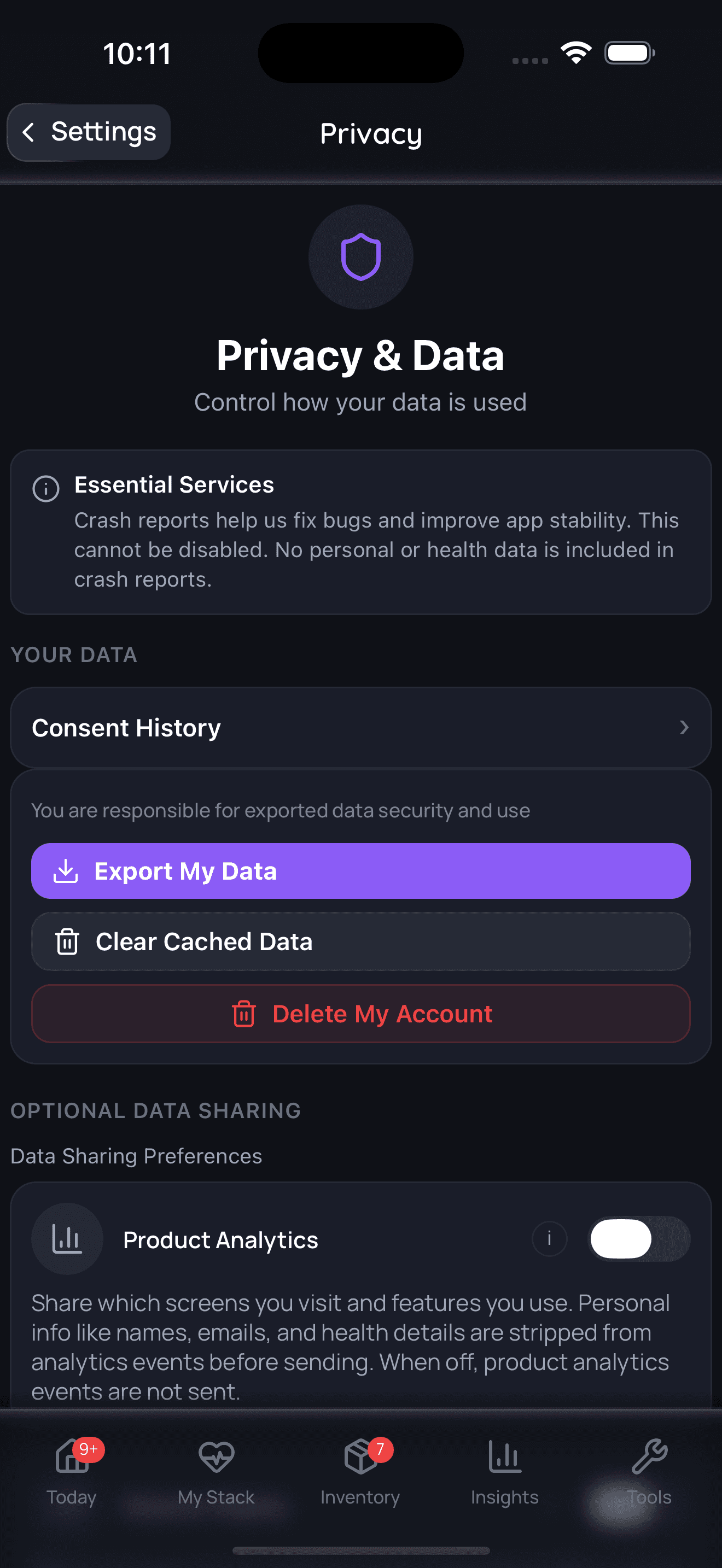
Privacy controls help you manage records; keep clinical records where required.
Side Effects & Safety
The Basics
Taurine is considered one of the safest amino acid supplements available. The FDA has granted it GRAS (Generally Recognized as Safe) status, and the European Food Safety Authority (EFSA) considers daily intake of up to 6 grams safe for lifetime consumption. Multiple meta-analyses involving hundreds of participants have reported no significant adverse effects compared to placebo [4][5].
The most commonly discussed safety concerns actually relate to energy drinks rather than taurine itself. Energy drinks contain taurine alongside caffeine, sugar, and other stimulants, and adverse events (including rare deaths) associated with energy drink consumption cannot be reliably attributed to the taurine component [24].
Common side effects (generally mild):
- No consistently reported side effects at standard doses (1-3 g/day)
- Some individuals report sleep disruption when taurine is taken too close to bedtime, possibly due to glutamate rebound effects after taurine's short half-life
- Gastrointestinal discomfort at very high doses (rarely reported)
Rare/serious concerns:
- In animal models, taurine has provoked ventricular arrhythmias and when co-administered with ethanol, caused drastic blood glucose reductions resulting in death [25][26]
- Case reports of acute renal failure, myocardial infarction, and cardiac death have been associated with energy drinks containing taurine, but these involved concurrent caffeine and/or alcohol consumption and cannot be attributed to taurine alone [24][27]
- One preclinical study found taurine may increase susceptibility to urinary tract infection and delay learning/memory when administered intracerebroventricularly (directly into the brain, not via oral supplementation) [28][29]
Contraindications and cautions:
- Those on antihypertensive medications should use taurine with caution, as it may potentiate blood pressure-lowering effects [14]
- Excessive taurine intake combined with alcohol and/or caffeine has been associated with severe adverse effects
Pregnancy and breastfeeding: Taurine is present in breast milk and is added to infant formulas. Preclinical evidence suggests maternal taurine supplementation may be protective (preventing offspring hypertension). However, dedicated safety trials in pregnant women are limited, and supplementation during pregnancy should only be considered under medical guidance.
The Science
Toxicological evaluation supports a favorable safety profile. The FDA GRAS determination (Notice 586) reviewed available genotoxicity, reproductive toxicity, and repeated-dose toxicity data and found no significant concerns. The European Scientific Committee on Food (SCF) and EFSA have both concluded that taurine consumption at levels found in energy drinks (up to 6 g/day) is unlikely to pose safety concerns [30][31].
Risk assessment by Shao and Hathcock (2008) established an Observed Safe Level (OSL) of 3 g/day based on the available clinical trial data at that time. This represents the highest daily intake demonstrated to be safe in published clinical trials, not a toxicity threshold. Studies have used doses up to 6 g/day orally and 5 g intravenously without significant adverse effects [30].
Pharmacokinetic data confirm rapid renal clearance of excess taurine, providing an inherent safety mechanism against accumulation. The kidney's relatively low reabsorptive capacity for taurine means that overconsumption results primarily in increased urinary excretion rather than tissue accumulation [16].
Knowing the possible side effects is the first step. Catching them early in your own experience is what keeps a supplement routine safe. Doserly lets you log any symptoms as they arise, tagging them with severity, timing relative to your dose, and whether they resolve on their own or persist.
The app's interaction checker cross-references everything in your stack, supplements and medications alike, flagging known interactions before they become a problem. It also monitors your total intake against established upper limits, alerting you if your combined sources of a nutrient are approaching thresholds where risk increases. Think of it as a safety net that works quietly in the background while you focus on the benefits.
Keep side effects, flags, and follow-up notes visible.
Doserly helps you document safety observations, side effects, medication changes, and follow-up questions so important context is not scattered.
Safety log
Flags and notes
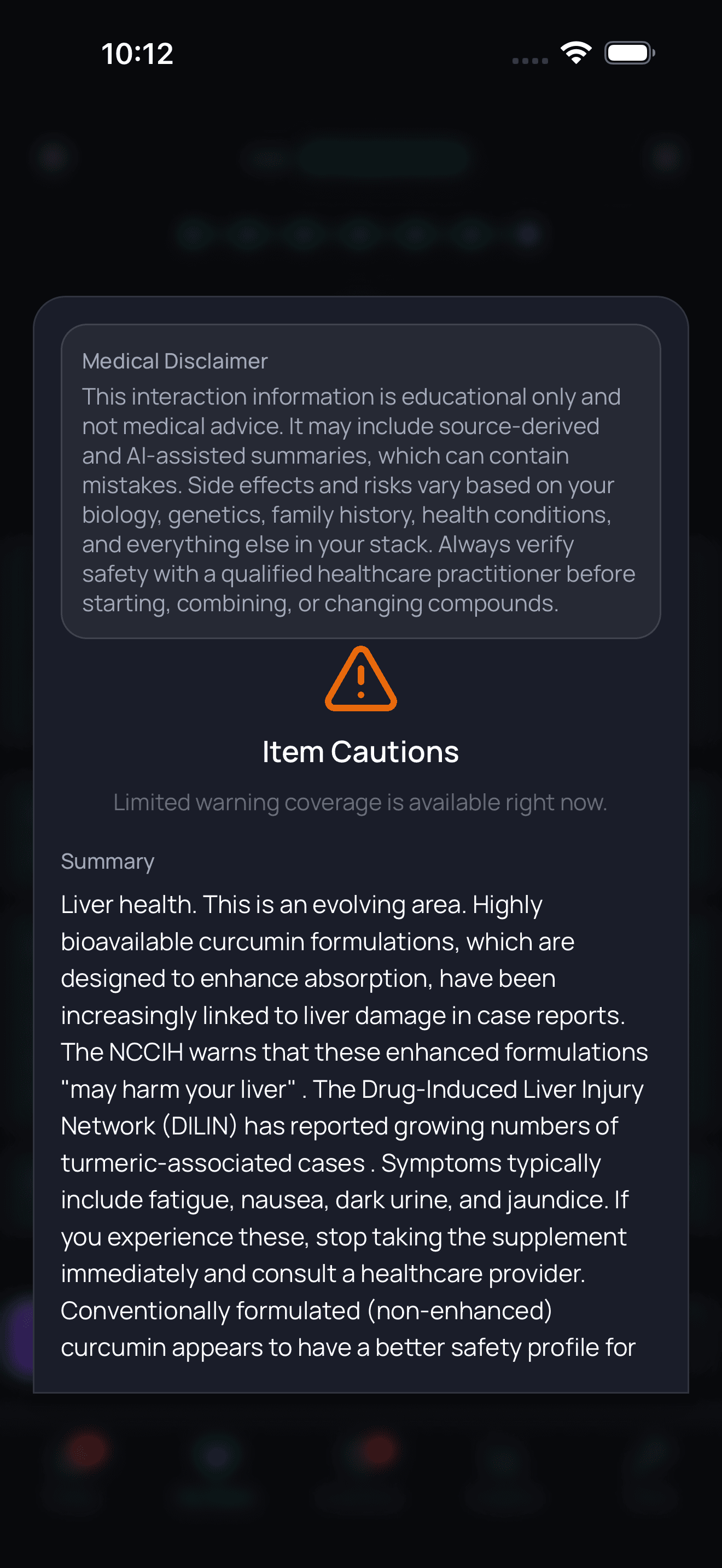
Safety notes are not emergency guidance; seek medical help when appropriate.
Dosing & Usage Protocols
The Basics
Taurine dosing is relatively straightforward compared to many supplements. Clinical trials have used a wide range of doses (500 mg to 6 g per day), and the evidence suggests that you do not need large amounts to see benefits.
General supplementation: 1-3 g per day, taken in 1-3 divided doses
Blood pressure support: 1.5 g per day (the most commonly studied protocol), divided into three 500 mg doses
Cardiometabolic health: 1.5-3.0 g per day for at least 8 weeks (the dose range and duration shown to be most effective in meta-analyses)
Exercise performance: 1-6 g as a single dose, taken 60-120 minutes before exercise. Chronic daily supplementation is not required for exercise benefits.
Heart failure (under medical supervision): 2-6 g per day in divided doses, based on the clinical trials in this population
An important practical note: taurine's benefits may follow a threshold pattern rather than a linear dose-response. The 2025 exercise meta-analysis found no significant difference in performance benefits across the 1-6 g dose range, suggesting that a modest dose may be sufficient [21]. Similarly, the cardiometabolic meta-analysis identified 1.5-3.0 g/day as optimal, with limited additional benefit at higher doses [5].
The Science
Dose-response relationships from meta-regression analyses:
- Blood pressure: Dose-dependent trend for SBP (coefficient = -0.0239 per g, p=0.113) and DBP (coefficient = -0.0089 per g, p=0.110), though not reaching statistical significance in meta-regression [4]
- Fasting blood glucose: Dose-dependent reduction (coefficient = -0.0445 mg/dL per g, p=0.0273) [5]
- DBP: Dose-dependent reduction (coefficient = -0.0108 mmHg per g, p=0.0297) [5]
Duration analysis suggests different optimal timeframes for different outcomes:
- Blood pressure and inflammation: Benefits emerge within <8 weeks
- Glucose metabolism and lipid profiles: Greater improvements observed at >=8 weeks [5]
For exercise performance, the lack of a significant dose-response relationship within the 1-6 g range, combined with the suggestion from nonlinear meta-regression that ingestion approximately 1 hour pre-exercise is optimal, supports a practical recommendation of 1-3 g taken 60 minutes before training [21].
Getting the dose right matters more than most people realize. Too little may be ineffective, too much wastes money or introduces risk, and inconsistency undermines both. Doserly tracks every dose you take, across every form, giving you a clear record of what you're actually consuming versus what you planned.
The app helps you compare RDA recommendations against therapeutic ranges discussed in the research, so you can see exactly where your intake falls. If you switch forms, say from a standard capsule to a liposomal liquid, Doserly adjusts your tracking to account for different bioavailabilities. Pair that with smart reminders that keep your timing consistent, and the precision that makes a real difference in outcomes becomes effortless.
Build reminders around the routine, not just the compound.
Doserly can keep timing, skipped doses, and schedule changes organized so the plan you read about becomes easier to follow and review.
Today view
Upcoming reminders

Reminder tracking supports consistency; it does not select a protocol for you.
What to Expect (Timeline)
Days 1-3 (Acute effects): If taking taurine before exercise, performance effects may be apparent within the first session. Some individuals report an immediate sense of calm or reduced anxiety, particularly at doses of 1 g or higher. Others notice no subjective change initially. Sleep disruption is possible if taken too close to bedtime.
Weeks 1-2: Most people will not notice dramatic subjective changes during this period unless they were significantly deficient (e.g., strict vegans or those with very low dietary taurine intake). Blood pressure effects may begin to emerge, though the clinical data suggest this window is early for measurable changes in most people.
Weeks 3-4: This is when blood pressure and anti-inflammatory effects are most likely to become apparent based on the meta-analytic duration data showing benefits with <8 weeks of supplementation. Exercise performance benefits, if present, should be consistently noticeable by this point.
Weeks 5-8: Glucose metabolism and lipid profile improvements become more pronounced after this duration. Users supplementing for cardiovascular or metabolic health should plan on at least 8 weeks to evaluate effectiveness. Community reports suggest anxiety and mood benefits often consolidate during this period rather than appearing immediately.
Months 3+: Long-term supplementation is where the aging and longevity-oriented benefits would theoretically accumulate, based on the Singh et al. animal data. Cardiovascular benefits observed in heart failure trials used durations of 2-48 weeks, with longer durations generally showing more pronounced effects [3][4][19][20].
Interactions & Compatibility
SYNERGISTIC
- Magnesium: Complementary cardiovascular and calming effects. Magnesium taurate combines both compounds. Community reports frequently describe taurine and magnesium as a "one-two punch" for anxiety, sleep, and heart health.
- Glycine: Community reports describe the taurine + glycine combination as particularly effective for sleep quality. Both act on inhibitory neurotransmitter systems (taurine on GABA receptors, glycine on glycine receptors). A commonly reported protocol is 1 g taurine + 6 g glycine before bed.
- L-Arginine: Community and preliminary clinical reports suggest synergistic cardiovascular benefits, particularly for heart rhythm support. Multiple community members report improved arrhythmia management when combining these amino acids.
- L-Theanine: Commonly stacked for calming effects and to buffer caffeine jitteriness. Both modulate glutamatergic signaling, though through different mechanisms.
- Caffeine: Taurine may buffer some of the overstimulatory effects of caffeine while preserving alertness benefits. This is the rationale behind taurine's inclusion in energy drinks. Community users frequently report that taurine "takes the edge off" caffeine.
- Vitamin B6: Required cofactor for endogenous taurine synthesis via the cysteine sulfinic acid pathway. Adequate B6 status supports your body's own taurine production.
- Zinc: Supports taurine transporter (TauT) function. May enhance taurine distribution to target tissues.
CAUTION / AVOID
- Antihypertensive medications: Taurine has been shown to reduce blood pressure. Combining with antihypertensive drugs may cause excessive blood pressure reduction. Blood pressure monitoring is recommended, and dose adjustments may be necessary [14].
- Alcohol: Animal studies have demonstrated that co-administration of taurine and ethanol can cause drastic blood glucose reductions resulting in death. In humans, combining large amounts of taurine (via energy drinks) with alcohol has been associated with severe adverse events including acute renal failure. This combination should be avoided [26][27].
- Diabetes medications: Taurine may reduce fasting blood glucose and improve insulin sensitivity. Combining with diabetes drugs may require dosage adjustments to prevent hypoglycemia [5].
- Lithium: Theoretical interaction. Taurine may affect renal function and electrolyte balance, potentially altering lithium clearance. Monitor lithium levels if combining.
How to Take / Administration Guide
Recommended forms: Free-form taurine (powder or capsules) is the most widely available, well-studied, and cost-effective form. Magnesium taurate is a good option for those who want to combine taurine with magnesium supplementation. Taurine is chemically stable and does not require special formulation for absorption.
Timing considerations:
- For cardiovascular/metabolic health: Take with meals, divided into 2-3 doses throughout the day for consistent plasma levels
- For exercise performance: Take a single dose of 1-3 g approximately 60-120 minutes before training
- For calming/anxiety effects: Daytime use is generally preferred. Many community users report better results when taken in the morning or early afternoon
- For sleep: Reports are mixed. If using for sleep, take 1-2 hours before bed and monitor whether it helps or disrupts your sleep. Some individuals experience a glutamate rebound effect that can fragment sleep
Food pairing: Taurine can be taken with or without food. Unlike fat-soluble supplements, taurine does not require fat for absorption. Taking it with food may slow absorption slightly but does not meaningfully reduce total absorption.
Powder form: Taurine powder is odorless and has a mildly sweet taste, making it one of the more palatable amino acid powders. It dissolves readily in water. Many users simply stir it into water, juice, or a protein shake.
Stacking guidance: Taurine stacks well with most supplements. The most popular evidence-informed stacks from community and clinical data include:
- Taurine + Magnesium (cardiovascular health, calming)
- Taurine + Glycine (sleep quality)
- Taurine + L-Theanine + Caffeine (focus with reduced jitteriness)
- Taurine + L-Arginine (heart rhythm support)
Cycling: There is no established need to cycle taurine supplementation. Given its GRAS status and favorable long-term safety data, continuous daily use appears safe. Some community users cycle based on personal preference, but this is not supported by clinical evidence as necessary.
Choosing a Quality Product
Third-party certifications: Look for products certified by USP (United States Pharmacopeia), NSF International, or independently tested by ConsumerLab. For athletes, Informed Sport or NSF Certified for Sport certifications provide additional assurance against contamination with banned substances.
Form considerations: Taurine is a simple, small molecule that is not subject to the form-dependent bioavailability issues seen with some minerals and vitamins. Free-form taurine is the standard and does not require chelation or special delivery systems for effective absorption. Be cautious of products that add unnecessary complexity or premium pricing for the basic compound.
Red flags:
- Products claiming taurine will produce dramatic energy boosts (taurine is not a stimulant)
- Proprietary blends that do not disclose the actual taurine content
- Products marketed primarily through energy drink associations without disclosing other active ingredients
- Extremely cheap products with no Certificate of Analysis (COA) or third-party testing
Excipient/filler considerations: Capsule forms should contain minimal fillers. For powder, look for products listing only taurine with no artificial flavors, sweeteners, or flow agents. Check for common allergens if relevant, though taurine supplements are typically allergen-free.
Supplement-specific quality markers: Synthetic taurine used in supplements is chemically identical to the naturally occurring form. There is no meaningful distinction between "natural" and "synthetic" taurine. Look for USP-grade or pharmaceutical-grade designations as indicators of purity and manufacturing quality.
Storage & Handling
Taurine supplements should be stored in a cool, dry place at room temperature, away from direct sunlight and excessive heat. No refrigeration is required for any form (capsules, tablets, or powder).
Taurine powder is chemically stable and not particularly prone to moisture absorption, though containers should still be sealed after use to maintain freshness. Shelf life is typically 2-3 years from the date of manufacture for properly stored products.
Taurine does not require special handling beyond standard supplement storage practices. It is stable across a wide pH range and is not degraded by normal cooking temperatures, which is why food sources retain their taurine content regardless of preparation method.
Lifestyle & Supporting Factors
Dietary sources: Seafood and dark meat poultry are the richest dietary sources of taurine. Scallops (800+ mg/100g), mussels (530-780 mg/100g), and dark meat turkey (160-437 mg/100g) provide the highest concentrations. Beef provides 8-68 mg/100g, while dairy products contain very small amounts (1-3 mg/100g). Nori seaweed contains up to 1,300 mg/100g and is a notable plant source. Average omnivorous dietary intake is 40-400 mg/day [32].
Vegetarian and vegan considerations: Vegetarians and vegans have significantly lower plasma taurine levels due to the near-absence of taurine in plant foods (with the exception of certain seaweeds). This population may benefit most from taurine supplementation, as they rely entirely on endogenous synthesis, which may not produce optimal levels, particularly in older adults or those with limited B6 intake [2].
Exercise: Taurine concentrations and metabolites increased in response to exercise in the Singh et al. study, suggesting exercise may stimulate taurine metabolism. Pre-exercise taurine supplementation (60-120 minutes before training) is the most studied performance protocol [3][21].
Age-related decline: Taurine levels decline with age across species. Older adults may have greater benefit from supplementation, as their endogenous synthesis capacity decreases while physiological demand for taurine's cytoprotective functions may increase [3].
Monitoring: For individuals using taurine for blood pressure management, regular blood pressure monitoring is advisable. Those combining taurine with antihypertensive medications should work with their healthcare provider to monitor for excessive blood pressure reduction. Blood glucose monitoring is relevant for those with diabetes using taurine alongside glucose-lowering medications.
Cofactor support: Ensure adequate vitamin B6 intake to support endogenous taurine synthesis. Adequate zinc supports taurine transporter function.
Regulatory Status & Standards
United States (FDA): Taurine is regulated as a dietary supplement under DSHEA. It has received GRAS (Generally Recognized as Safe) status (FDA GRAS Notice 586) for use as a food ingredient in enhanced water beverages. It is a common ingredient in energy drinks, which are typically marketed as dietary supplements or conventional foods.
Canada (Health Canada): Taurine is available as a Natural Health Product (NHP). Licensed products carry a Natural Product Number (NPN).
European Union (EFSA): EFSA has evaluated taurine's safety as a constituent of energy drinks and considers daily intake up to 6 g/day safe for lifetime consumption. No specific maximum permitted levels have been established for taurine as a standalone supplement ingredient.
Australia (TGA): Taurine is available as a Listed Medicine under TGA regulations.
Active clinical trials: Following the 2023 Science paper on taurine and aging, several clinical trials investigating taurine supplementation for aging-related outcomes have been registered on ClinicalTrials.gov.
Athlete & Sports Regulatory Status:
- WADA: Taurine is NOT on the WADA Prohibited List. It is a permitted nutritional supplement for athletes at all times, both in-competition and out-of-competition.
- National Anti-Doping Agencies: No major NADOs (USADA, UKAD, Sport Integrity Canada, Sport Integrity Australia, NADA Germany) have issued specific warnings or restrictions regarding taurine itself. However, energy drinks and pre-workout supplements containing taurine may also contain banned stimulants as contaminants.
- NCAA: Taurine is not on the NCAA banned substance list. Athletic departments providing taurine-containing supplements should ensure products carry NSF Certified for Sport or Informed Sport certification.
- Professional Sports Leagues: Taurine is permitted across NFL, NBA, MLB, NHL, and MLS. No league-specific restrictions exist for taurine as a standalone amino acid.
- GlobalDRO: Athletes can verify taurine's permitted status across US, UK, Canada, Australia, Japan, Switzerland, and New Zealand via GlobalDRO.com.
- Third-party certification programs: Informed Sport, NSF Certified for Sport, Cologne List, and BSCG-certified taurine products are available for athletes seeking additional contamination assurance.
Regulatory status and prohibited substance classifications change frequently. Athletes should always verify the current status of any supplement with their sport's governing body, their national anti-doping agency, and a qualified sports medicine professional before use. Third-party certification (Informed Sport, NSF Certified for Sport) reduces but does not eliminate the risk of contamination with prohibited substances.
Frequently Asked Questions
Is taurine a stimulant?
No. Despite its prominent association with energy drinks, taurine is not a stimulant. It actually has calming, inhibitory properties through its interaction with GABA receptors. The energy boost people experience from energy drinks comes primarily from caffeine and sugar, not taurine. Taurine may in fact buffer some of the overstimulatory effects of caffeine.
Is taurine the same as "bull extract"?
No. While the name "taurine" derives from the Latin "taurus" (bull) because it was first isolated from ox bile in 1827, the taurine used in supplements and energy drinks is synthetically produced and is chemically identical to the taurine found naturally in all mammalian tissues. It does not come from bulls.
Can vegans take taurine supplements?
Yes. Synthetic taurine is not derived from animal sources, making it suitable for vegans. Vegans and vegetarians may benefit particularly from taurine supplementation, as plant-based diets provide negligible dietary taurine and reliance on endogenous synthesis may result in suboptimal levels.
Does taurine help with sleep?
Community reports are notably mixed. Some individuals report improved sleep quality, especially when combined with glycine (6 g) before bed. Others report that taurine disrupts their sleep, possibly due to a glutamate rebound effect after taurine's short half-life (~1 hour). If you want to try taurine for sleep, start with a small dose (500 mg-1 g) taken 1-2 hours before bed and monitor your response carefully.
How long does it take for taurine to work?
This depends on the intended benefit. Exercise performance effects can be acute (single dose, 60-120 minutes before exercise). Blood pressure and anti-inflammatory effects may emerge within 4-8 weeks. Metabolic improvements (blood sugar, lipids) typically require 8+ weeks of consistent supplementation. Subjective calming effects, when they occur, are often noticed within the first few days.
Can taurine help with heart arrhythmias?
Anecdotal community reports describe significant improvement in AFib, PVCs, and SVT when supplementing with taurine, often in combination with L-arginine and magnesium. Clinical evidence shows taurine improves cardiac function in heart failure patients. However, cardiac arrhythmias are serious medical conditions that should be managed under professional medical supervision. Based on available data, individuals interested in taurine for heart rhythm support should discuss this with their cardiologist.
Is taurine safe for long-term use?
Based on available evidence, taurine appears safe for long-term daily use. The FDA has granted it GRAS status, EFSA considers up to 6 g/day safe for lifetime consumption, and no serious adverse effects have been observed in clinical trials. The 2023 Singh et al. study used long-term supplementation in animal models without safety concerns.
Does taurine interact with medications?
Taurine may potentiate the effects of antihypertensive medications (causing excessive blood pressure reduction) and diabetes medications (causing excessive blood sugar reduction). Those on these medications should consult their healthcare provider before supplementing with taurine and monitor blood pressure and blood glucose accordingly.
Should I take taurine with caffeine?
Taurine and caffeine are commonly combined in energy drinks and by individual supplement users. Community reports suggest taurine may reduce caffeine's jittery side effects while preserving alertness. This is generally considered a safe combination at moderate doses, though excessive intake of both (as in multiple energy drinks) should be avoided.
How much taurine do energy drinks contain?
A typical energy drink serving contains 750-2,000 mg of taurine. A standard 250 mL (8.4 oz) can of Red Bull contains 1,000 mg of taurine. This falls within the commonly studied supplemental dose range of 1-3 g/day.
Myth vs. Fact
Myth: Taurine is extracted from bull testicles or urine.
Fact: Taurine was first isolated from ox bile in 1827 and named after the Latin word for bull (taurus). The taurine in modern supplements and energy drinks is synthetically manufactured through a chemical reaction between ethylene oxide and sodium bisulfite followed by ammonolysis. It is chemically identical to the taurine found naturally in all mammalian tissues but is not derived from animals.
Myth: Taurine is a stimulant that gives you energy.
Fact: Taurine is not a stimulant. It interacts with inhibitory GABA receptors and has calming, neuromodulatory properties. The energy boost from energy drinks is primarily attributable to caffeine (typically 80-300 mg per serving) and sugar. Taurine may actually dampen some of caffeine's overstimulatory effects.
Myth: Energy drinks are dangerous because of their taurine content.
Fact: Adverse events associated with energy drinks (cardiac events, seizures, deaths) have not been reliably attributed to taurine. These incidents typically involve excessive caffeine consumption, alcohol co-ingestion, or pre-existing health conditions. Taurine at levels found in energy drinks (750-2,000 mg per serving) has been extensively evaluated by EFSA and the FDA and found to be safe [30][31].
Myth: You cannot get enough taurine from food and must supplement.
Fact: A varied omnivorous diet provides 40-400 mg of taurine per day, and the human body can synthesize additional taurine from cysteine and methionine. Most healthy omnivores do not need taurine supplementation for basic physiological function. However, vegetarians, vegans, and older adults (whose endogenous synthesis declines) may benefit from supplementation, and therapeutic doses (1-6 g/day) far exceed what can be obtained from food alone.
Myth: More taurine is always better.
Fact: Meta-analytic evidence suggests a plateau effect at moderate doses. The optimal range for cardiometabolic benefits appears to be 1.5-3.0 g/day, and exercise performance studies show no significant dose-response improvement within the 1-6 g range. Taking very high doses (above 6 g/day) has not been shown to provide additional benefits and exceeds the well-characterized safety envelope [5][21].
Myth: Taurine supplements will make you live longer (based on the 2023 Science paper).
Fact: The Singh et al. (2023) study demonstrated that taurine supplementation extended lifespan in mice and worms and improved health markers in monkeys. These are important and well-conducted findings, but animal longevity data do not automatically translate to humans. Human clinical trials specifically measuring lifespan and healthspan outcomes have not yet been conducted. Taurine may support healthy aging, but longevity claims remain premature [3].
Myth: Taurine will improve your exercise performance dramatically.
Fact: The meta-analytic evidence shows a small-to-moderate effect (g = 0.25) on overall exercise performance, with the GRADE certainty rated as low to very low. Benefits appear most consistent for aerobic endurance and time to exhaustion. Taurine is not a substitute for training, nutrition, and recovery fundamentals [21].
Sources & References
Systematic Reviews & Meta-Analyses
- Ripps H, Shen W. Review: taurine: a "very essential" amino acid. Mol Vis. 2012;18:2673-2686. PMID: 23170060.
- Laidlaw SA, Shultz TD, Cecchino JT, et al. Plasma and urine taurine levels in vegans. Am J Clin Nutr. 1988;47(4):660-663.
- Singh P, et al. Taurine deficiency as a driver of aging. Science. 2023;380(6649):eabn9257. DOI: 10.1126/science.abn9257.
- Wang R, et al. Insights into the cardiovascular benefits of taurine: a systematic review and meta-analysis. Nutr J. 2024. PMID: 39148075.
- Chen Y, et al. Effects of oral taurine supplementation on cardiometabolic risk factors: a meta-analysis and systematic review. J Nutr. 2025. PMID: 41275513.
- Santulli G, et al. Functional role of taurine in aging and cardiovascular health: an updated overview. Nutrients. 2023;15(19):4236. PMID: 37836520.
Clinical Trials & RCTs
- Yamori Y, et al. Low cardiovascular risks in the middle aged males and females excreting greater 24-hour urinary taurine and magnesium in 41 WHO-CARDIAC study populations in the world. J Biomed Sci. 2010;17(Suppl 1):S21.
- Schaffer SW, Jong CJ, Ramila KC, Azuma J. Physiological roles of taurine in heart and muscle. J Biomed Sci. 2010;17(Suppl 1):S2.
- Pierno S, et al. Potential benefits of taurine in the prevention of skeletal muscle impairment induced by disuse. Amino Acids. 2012;43(1):431-445.
- Kumari N, Prentice H, Wu JY. Taurine and its neuroprotective role. Adv Exp Med Biol. 2013;775:19-27.
- Leon R, et al. Protective function of taurine in glutamate-induced apoptosis in cultured neurons. J Neurosci Res. 2009;87(5):1185-1194.
- Kerai MD, et al. Taurine: protective properties against ethanol-induced hepatic steatosis and lipid peroxidation during chronic ethanol consumption in rats. Amino Acids. 1998;15(1-2):53-76.
- Baliou S, et al. Protective role of taurine against oxidative stress (Review). Mol Med Rep. 2021;24:605.
- Fujita T, et al. Effects of increased adrenomedullary activity and taurine in young patients with borderline hypertension. Circulation. 1987;75(3):525-532.
- Sun Q, et al. Taurine supplementation lowers blood pressure and improves vascular function in prehypertension. Hypertension. 2016;67(3):541-549.
- Ghandforoush-Sattari M, et al. Pharmacokinetics of oral taurine in healthy volunteers. J Amino Acids. 2010;2010:346237.
- Spriet LL, Whitfield J. Taurine and skeletal muscle function. Curr Opin Clin Nutr Metab Care. 2015;18(1):96-101.
- Galloway SD, et al. Seven days of oral taurine supplementation does not increase muscle taurine content or alter substrate metabolism during prolonged exercise in humans. J Appl Physiol. 2008;105(2):643-651.
- Azuma J, et al. Therapeutic effect of taurine in congestive heart failure: a double-blind crossover trial. Clin Cardiol. 1985;8(5):276-282.
- Azuma J, et al. Usefulness of taurine in chronic congestive heart failure and its prospective application. Jpn Circ J. 1992;56(1):95-99.
- Deng H, et al. Does one shot work? The acute impact of a single taurine dose on exercise performance: a meta-analytic review. J Int Soc Sports Nutr. 2025. PMID: 40852891.
- Brons C, et al. Effect of taurine treatment on insulin secretion and action, and on serum lipid levels in overweight men. Eur J Clin Nutr. 2004;58(9):1239-1247.
- Waldron M, et al. The effects of an oral taurine dose and supplementation period on endurance exercise performance in humans: a meta-analysis. Sports Med. 2018;48(5):1247-1253.
Government/Institutional Sources
- Avci S, et al. Death of a young man after overuse of energy drink. Am J Emerg Med. 2013;31(11):1624.e3-1624.
- Ellermann C, et al. Cardiovascular risk of energy drinks: caffeine and taurine facilitate ventricular arrhythmias. J Cardiovasc Electrophysiol. 2022;33(6):1290-1297.
- Taranukhin AG, et al. Lethality of taurine and alcohol coadministration in mice. Adv Exp Med Biol. 2013;776:29-38.
- Schoffl I, et al. "Vodka energy": too much for the adolescent nephron? Pediatrics. 2011;128(1):e227-231.
- Condron C, et al. Taurine modulates neutrophil function but potentiates uropathogenic E. coli infection. Urol Res. 2010;38(4):215-222.
- Ito K, et al. Intracerebroventricular administration of taurine impairs learning and memory in rats. Nutr Neurosci. 2012;15(2):70-77.
- Shao A, Hathcock JN. Risk assessment for the amino acids taurine, L-glutamine and L-arginine. Regul Toxicol Pharmacol. 2008;50(3):376-399.
- EFSA. The use of taurine and D-glucurono-gamma-lactone as constituents of the so-called "energy" drinks. EFSA Journal. 2009;7(2):935.
Observational Studies & Food Source Data
- Laidlaw SA, et al. Plasma and urine taurine levels in vegans. Am J Clin Nutr. 1988;47(4):660-663; Spitze AR, et al. Taurine concentrations in animal feed ingredients; cooking influences taurine content. J Anim Physiol Anim Nutr. 2003;87(7-8):251-262.
Related Supplement Guides
Same Category (Amino Acids)
Common Stacks / Pairings
- Magnesium (cardiovascular support, calming)
- Glycine (sleep quality stack)
- L-Theanine (focus + calm stack with caffeine)
- L-Arginine (heart rhythm support)
Related Health Goals
- Vitamin B6 (cofactor for taurine synthesis)
- Zinc (supports taurine transport)
- Potassium (electrolyte balance)
- Calcium (cardiovascular function)
- Magnesium (complementary mineral for cardiovascular and nervous system support)