
Tri-Est Hormone Therapy: Ingredients, Evidence and Risks
On this page
Quick Reference Card
Attribute
Formulation Name
- Value
- Triest (Tri-Estrogen, TriEst, Tri-Est)
Attribute
Components
- Value
- Estrone (E1) + Estradiol (E2) + Estriol (E3)
Attribute
Drug Class / Type
- Value
- Compounded bioidentical estrogen combination
Attribute
Standard Ratio
- Value
- 80% estriol / 10% estradiol / 10% estrone
Attribute
FDA Approval Status
- Value
- Not FDA-approved. Compounded under Section 503A of the Federal Food, Drug, and Cosmetic Act
Attribute
Common Doses
- Value
- 1.25 mg to 5 mg total estrogen daily (ratio-adjusted); most common: 2.5 mg total (2 mg E3 / 0.25 mg E2 / 0.25 mg E1)
Attribute
Route(s) of Administration
- Value
- Topical cream, sublingual tablet, troche, oral capsule, vaginal suppository, gel
Attribute
Dosing Schedule
- Value
- Typically once or twice daily; continuous or cyclic depending on prescriber protocol
Attribute
Progestogen Required
- Value
- Yes, for women with an intact uterus (endometrial protection). Adequacy of compounded progesterone delivery is a documented concern
Attribute
Key Monitoring Requirements
- Value
- Symptom assessment, serum estradiol (target 40-100 pg/mL), endometrial monitoring for abnormal bleeding, mammography per national guidelines, blood pressure
Attribute
Key Differentiator
- Value
- Contains all three endogenous estrogens; declining in popularity relative to biest (E2+E3) as the estrone component is increasingly viewed as unnecessary
Overview / What Is Triest?
The Basics
Triest is a compounded hormone therapy that combines all three of the estrogens your body naturally produces: estrone (E1), estradiol (E2), and estriol (E3). The name comes from "tri-estrogen," and the standard formulation uses a ratio of 80% estriol, 10% estradiol, and 10% estrone.
The idea behind triest is straightforward: rather than replacing just one form of estrogen, it aims to restore all three in proportions that are thought to mirror what a premenopausal body produces. Estriol, the weakest of the three, makes up the majority of the blend. The thinking is that estriol may provide benefits for vaginal health, skin, and possibly breast tissue protection, while the smaller amounts of estradiol and estrone handle the heavier lifting for vasomotor symptoms, bone density, and cardiovascular health.
Triest is not available at a regular pharmacy. It requires a prescription from a healthcare provider and must be prepared by a compounding pharmacy, which mixes the three hormones to the specified ratio and strength. This means triest has not been through the FDA approval process that evaluates safety, effectiveness, and quality before a product can be sold. This is a meaningful distinction, not because compounded products cannot work, but because there is limited clinical trial data specifically studying the triest formulation.
In recent years, triest has become less commonly prescribed. Many compounding pharmacies and practitioners now prefer biest (which contains only estradiol and estriol, dropping the estrone), reasoning that your body naturally converts estradiol to estrone anyway, making the added estrone in triest unnecessary. Understanding this context is important when discussing treatment options with a healthcare provider.
As of September 13, 2026, Triest remains a compounded estrogen mixture, not an FDA-approved product, and adding estrone or estriol has not been shown to make systemic estrogen therapy safer or self-balancing. [16][17]
The Science
Triest is a compounded bioidentical hormone therapy (cBHT) preparation combining the three principal endogenous estrogens: estrone (E1, molecular weight 270.37, CAS 53-16-7), 17-beta-estradiol (E2, MW 272.38, CAS 50-28-2), and estriol (E3, MW 288.38, CAS 50-27-1) in a customary ratio of 10:10:80 (E1:E2:E3 by mass) [1][2].
Triest appears to have developed from empiric compounded-hormone practice rather than a regulator-reviewed drug-development program. The common rationale is that an estriol-dominant mixture might feel gentler while still including estradiol for symptom relief, but that rationale has not been confirmed in randomized trials or FDA review [1][2][5].
No large prospective randomized controlled trial has specifically evaluated the triest formulation for efficacy or safety. The clinical evidence base consists of observational data from mixed compounded BHRT regimens, pharmacologic data for the individual component estrogens, and position statements from major medical organizations. ACOG Clinical Consensus No. 6 (2023) specifically notes that "no large prospective, well-controlled clinical trial has investigated the compounded ratios of these mixtures of estrogens" and that promotional claims of reduced cancer risk are unsupported by research [1].
Medical / Chemical Identity
Property
Formulation Name
- Value
- Triest (Tri-Estrogen, TriEst)
Property
Components
- Value
- Estrone (E1) + Estradiol (E2) + Estriol (E3)
Property
Standard Ratio
- Value
- 80% E3 / 10% E2 / 10% E1 (by mass)
Property
Originated By
- Value
- Dr. Jonathan Wright (clinical practice, 1980s)
Property
Chemical Class
- Value
- Bioidentical estrogen combination (plant-derived, structurally identical to human hormones)
Property
FDA Approval
- Value
- None. Not an FDA-approved product.
Property
NDA/ANDA Number
- Value
- None
Property
USP Monographs
- Value
- Individual components: Estradiol (USP), Estriol (USP), Estrone (USP)
Property
Source Material
- Value
- Typically derived from plant precursors (soy or wild yam) via pharmaceutical synthesis
Component Details:
Component
Estriol (E3)
- CAS Number
- 50-27-1
- Molecular Formula
- C18H24O3
- MW (g/mol)
- 288.38
- Relative Potency
- Weakest (~1/80 of E2 at ER-alpha)
- Role in Formulation
- Bulk component; vaginal/urinary health; theorized breast protection
Component
Estradiol (E2)
- CAS Number
- 50-28-2
- Molecular Formula
- C18H24O2
- MW (g/mol)
- 272.38
- Relative Potency
- Most potent
- Role in Formulation
- Primary active for vasomotor, bone, cardiovascular effects
Component
Estrone (E1)
- CAS Number
- 53-16-7
- Molecular Formula
- C18H22O2
- MW (g/mol)
- 270.37
- Relative Potency
- ~1/10 of E2
- Role in Formulation
- Interconvertible with E2; primary postmenopausal estrogen
Available Compounded Forms:
- Topical cream (most common)
- Sublingual tablet / fast-burst sublingual tablet
- Troche (buccal lozenge)
- Oral capsule
- Vaginal suppository
- Vaginal tablet
- Gel
Mechanism of Action
The Basics
To understand how triest works, it helps to know what each of its three estrogen components does in the body.
Estradiol (E2) is the most powerful of the three. Before menopause, your ovaries produce it abundantly, and it is responsible for regulating your body temperature, supporting bone strength, protecting cardiovascular health, and influencing mood and cognitive function. When estradiol levels drop during menopause, the effects can cascade across multiple body systems.
Estrone (E1) is weaker than estradiol but plays a role as a circulating reservoir. After menopause, it becomes the primary estrogen in your body, produced mainly by fat tissue converting other hormones through an enzyme called aromatase. Your body can convert estrone to estradiol and vice versa, which is one reason some practitioners consider the added estrone in triest redundant.
Estriol (E3) is the gentlest of the three. It is produced in very large quantities during pregnancy but is present in much smaller amounts outside of pregnancy. Estriol has a particular affinity for the tissues of the vagina, vulva, and urinary tract, making it especially useful for genitourinary symptoms. It binds to the same estrogen receptors as estradiol but with lower potency and shorter receptor occupancy time.
The marketing appeal of triest is that it combines all three endogenous estrogens while using mostly the weakest one. Lower receptor potency does not prove a safer clinical outcome, and the practical systemic effect is likely driven mainly by the estradiol content [1][2][5].
The Science
All three component estrogens in triest exert their effects through binding to estrogen receptor alpha (ER-alpha) and estrogen receptor beta (ER-beta), though with markedly different binding affinities and receptor occupancy kinetics [5].
Estradiol binds ER-alpha and ER-beta with approximately 10-fold greater affinity than estrone and 80-fold greater affinity than estriol. Through the classical genomic pathway, estrogen-receptor complexes dimerize and bind estrogen response elements (EREs) in target gene promoters, modulating transcription. Rapid non-genomic signaling occurs through membrane-associated ERs and GPER/GPR30, activating MAPK/ERK, PI3K/Akt, and eNOS pathways [5].
Estriol functions as a competitive partial agonist at estrogen receptors. Its shorter receptor occupancy time (rapid dissociation) means it can paradoxically antagonize the effects of estradiol when both are present, as E3 occupies the receptor without producing the full duration of transcriptional activity that E2 would achieve. The BMS Consensus Statement (2024) specifically notes that "E1 and E3 function as competitive inhibitors of E2 because they use the same receptor," questioning the pharmacologic rationale for combining them [6].
Clinical context — Mechanism rationale for triest.
Some compounding sources claim E1 and E3 balance E2, but regulator-reviewed evidence has not shown that this creates safer systemic estrogen therapy.
BMS (2024): E1 and E3 function as competitive inhibitors of E2; no evidence supports combining them
ACOG (2023): Effects of triest may be solely mediated by estradiol component due to low estriol potency
Context: Fundamental disagreement about whether the multi-estrogen approach provides additive benefit or merely dilutes the active component (estradiol)
Estrone undergoes bidirectional interconversion with estradiol via 17-beta-hydroxysteroid dehydrogenase (17-beta-HSD). Exogenously administered estradiol is readily converted to estrone in vivo, meaning the body already produces estrone from estradiol without exogenous supplementation. Estriol, by contrast, is a terminal metabolite: it cannot be converted back to estrone or estradiol [5].
Visual guide
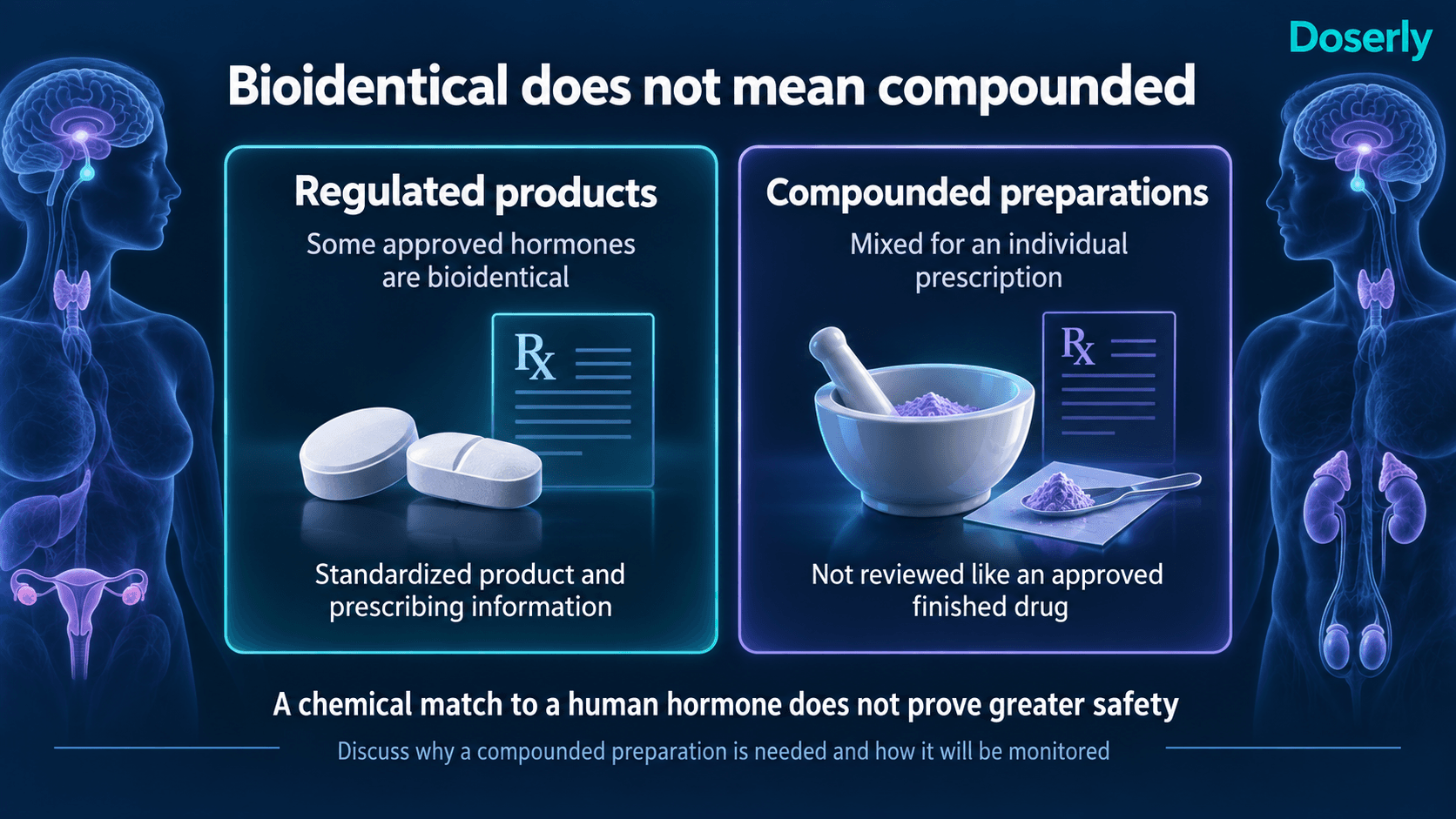
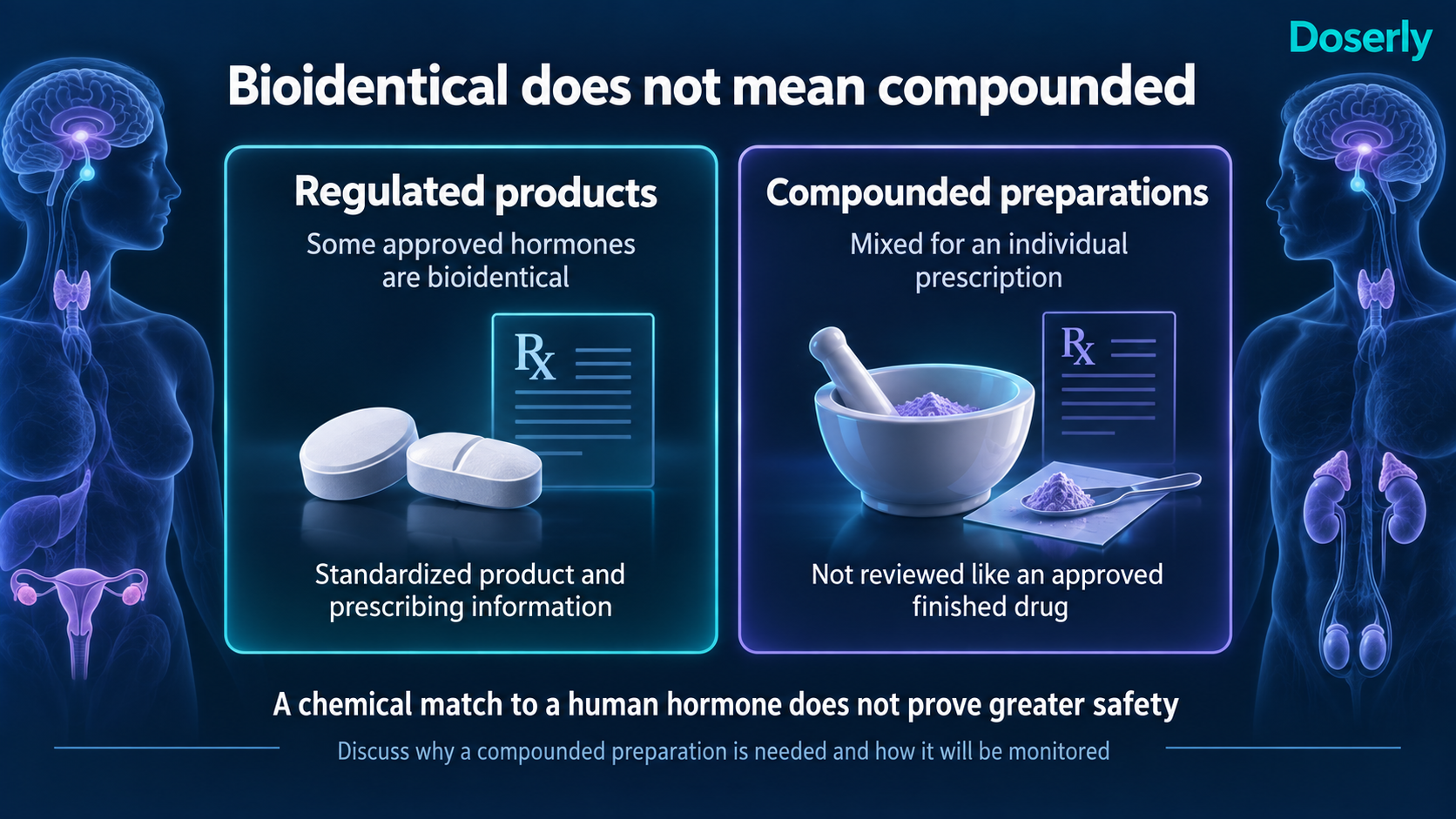
Bioidentical describes a molecule’s structure, not its approval status or safety. Approved finished medicines and compounded preparations follow different review processes. Compounding can address a specific clinical need, but does not establish superior safety or efficacy.
ACOG compounded menopausal hormone therapy consensus.
Pharmacokinetics / Hormone Physiology
The Basics
How your body handles triest depends heavily on how you take it. Each delivery method has different absorption characteristics, and the three estrogen components each behave differently once they enter your system.
When triest is applied as a cream through the skin, it bypasses the liver initially (avoiding what is called "first-pass metabolism"). This matters because when estrogens pass through the liver first (as with oral tablets), they stimulate the production of clotting factors and other proteins that can increase certain health risks. Transdermal delivery is generally considered to have a more favorable safety profile for this reason.
When taken as an oral capsule or sublingual tablet, the estrogen components undergo liver metabolism. Estradiol is extensively converted to estrone during this first pass, and estrone sulfate (a storage form) accumulates in the blood. Estriol, because it is already a terminal metabolite, passes through the liver but cannot be converted to the more potent estrogens.
An important practical consideration is absorption consistency. A study published in Menopause (2023) found that compounded transdermal estradiol creams deliver significantly less estrogen exposure than FDA-approved patches and gels, even at comparable labeled doses [7]. This means the actual amount of hormone reaching your bloodstream from a compounded cream may be less predictable than from a standardized product.
The Science
Pharmacokinetic data specific to the triest combination are extremely limited. A randomized clinical trial of compounded biest (80:20 E3:E2) cream at three dose levels (2.0, 2.5, 3.0 mg) compared with an FDA-approved estradiol patch (Vivelle-Dot 0.05 mg) found that all biest doses produced consistently lower AUC values for estradiol than the patch. Estriol levels remained low in all study arms, and the difference was statistically significant for the two lower biest doses [8].
Component pharmacokinetics (from individual estrogen data):
Parameter
Oral bioavailability
- Estradiol (E2)
- ~5% (extensive first-pass)
- Estrone (E1)
- Similar to E2
- Estriol (E3)
- Higher than E2 (less protein-bound)
Parameter
Primary metabolism
- Estradiol (E2)
- CYP3A4 → estrone, estrone sulfate
- Estrone (E1)
- 17-beta-HSD ↔ E2
- Estriol (E3)
- Glucuronidation, sulfation (terminal)
Parameter
Protein binding
- Estradiol (E2)
- ~97-98% (SHBG, albumin)
- Estrone (E1)
- ~97% (albumin > SHBG)
- Estriol (E3)
- ~91% (albumin; minimal SHBG binding)
Parameter
Half-life (oral)
- Estradiol (E2)
- ~13-20 hours (as estrone sulfate reservoir)
- Estrone (E1)
- ~10-20 hours
- Estriol (E3)
- ~6-9 hours
Parameter
Interconversion
- Estradiol (E2)
- ↔ E1 (bidirectional)
- Estrone (E1)
- ↔ E2 (bidirectional)
- Estriol (E3)
- Terminal metabolite (no back-conversion)
Route comparison (general estrogen PK principles):
Parameter
First-pass metabolism
- Oral
- Yes (extensive)
- Transdermal (cream/gel)
- Minimal
- Sublingual
- Partial (some swallowed)
Parameter
E2:E1 ratio
- Oral
- ~1:4-5 (estrone-dominant)
- Transdermal (cream/gel)
- ~1:1 (physiologic)
- Sublingual
- Variable
Parameter
Hepatic protein effects
- Oral
- Increased SHBG, clotting factors, CRP, TBG
- Transdermal (cream/gel)
- Minimal
- Sublingual
- Intermediate
Parameter
VTE risk modification
- Oral
- Higher (oral-specific)
- Transdermal (cream/gel)
- Lower
- Sublingual
- Unknown
Parameter
Absorption consistency
- Oral
- Moderate
- Transdermal (cream/gel)
- Variable (compounded creams less consistent than FDA products)
- Sublingual
- Variable
Understanding how your body absorbs and metabolizes hormones is one thing. Tracking your actual protocol — doses, timing, and route — gives you the data to have more productive conversations with your prescriber. Doserly lets you log every dose with route-specific detail, building a clear record of your hormone protocol over time.
Whether you're on patches, gels, oral tablets, or a combination, the app tracks your schedule and flags when doses are due. When your provider asks how your protocol has been going, you'll have a precise answer instead of a best guess.
Research & Clinical Evidence
The Basics
The most important thing to understand about triest is that it has not been studied in the way that FDA-approved hormone therapies have. There are no large randomized controlled trials specifically evaluating triest for symptom relief, safety, or long-term health outcomes. This does not necessarily mean it does not work, but it does mean that much of what is claimed about triest is extrapolated from data on its individual components or from studies of compounded BHRT broadly.
The evidence base separates into regulated estradiol evidence, local or international estriol evidence, and lower-quality studies of compounded BHRT mixtures. It does not show that triest's 80:10:10 mixture is superior to regulated estradiol or safer for breast, endometrial, clotting, or cardiovascular outcomes [1][2][5][6].
What is notably absent is evidence that the specific 80:10:10 ratio used in triest is superior to estradiol alone, or that adding estrone and estriol to estradiol produces better outcomes than estradiol by itself.
The Science
Available clinical evidence for compounded BHRT (including triest):
A retrospective observational cohort of 296 women initiated on compounded BHRT at 6 community pharmacies (Ruiz et al., 2011) found statistically significant reductions in emotional lability (25%, p < 0.01) and irritability. Non-significant trends were observed for vasomotor symptom reduction. Formulations included biest, triest, progesterone, testosterone, and DHEA in varying combinations, making it impossible to attribute effects to triest specifically [9].
A 2022 systematic review and meta-analysis of RCTs on compounded BHRT (Liu et al., Menopause 2022) found no adverse changes in lipid profile or glucose metabolism, no significant endometrial thickness changes in studies up to 1 year, but concluded that data were inadequate to assess breast cancer, endometrial cancer, or cardiovascular disease risk [10].
Estriol-specific evidence:
Older estriol studies and non-U.S. clinical use suggest that estriol can improve genitourinary or climacteric symptoms in some regulated settings, but those data do not validate compounded triest as a systemic menopausal regimen. Estriol is not an FDA-approved drug ingredient in the United States, and FDA/ACOG/NASEM sources caution against claiming compounded estrogen blends are safer or more effective than approved therapies [1][5].
Key landmark studies relevant to estrogen therapy generally:
The WHI estrogen-plus-progestin arm (n=16,608, mean age 63) used conjugated equine estrogens + MPA, not triest. The WHI estrogen-alone arm (n=10,739) showed a non-significant reduction in breast cancer. Post-WHI reanalyses, KEEPS, ELITE, and the Danish Osteoporosis Prevention Study have refined understanding of timing, route, and formulation type, but none studied triest [11][12].
Benefits & Therapeutic Effects
The Basics
The potential benefits of triest come primarily from the estradiol component, with the estriol contributing mainly to genitourinary health and possibly skin improvements.
For vasomotor symptoms like hot flashes and night sweats, estradiol is the active ingredient doing the work. The small amount of estradiol in triest (typically 0.25 mg in a standard 2.5 mg dose) may be sufficient for some women, particularly those with milder symptoms. Women with moderate to severe vasomotor symptoms may find that the estradiol dose in triest is too low for adequate relief, as the majority of the formulation is the much weaker estriol.
For vaginal and urinary tract health, estriol has regulated local uses in some countries, but systemic compounded triest should not be assumed to provide the same benefit or safety profile. If GSM symptoms are the main concern, an approved local vaginal product is usually easier to evaluate and dose reliably [1][2][5].
For bone health, FDA-approved estradiol products have osteoporosis-prevention evidence and labels. Triest does not have product-specific fracture or bone-density outcome data, so it should not be promoted as a bone-protection substitute for regulated options [1][5].
The proposed unique benefit of triest — that an estriol-dominant blend is safer while still relieving symptoms — has not been confirmed in randomized trials, and major medical organizations do not endorse reduced cancer-risk claims for compounded estrogen blends [1][2][5][6].
The Science
Estradiol remains the pharmacologically dominant component of triest despite comprising only 10% of the formulation by mass. At a standard total dose of 2.5 mg, the estradiol content (0.25 mg) provides the primary estrogenic activity for hypothalamic thermoregulation, osteoclast suppression, and cardiovascular endothelial function [5].
proposed estrogen-ratio
Claims that estriol or an 80:10:10 blend protects breast tissue are not supported by clinical outcome data. For systemic menopausal estrogen, breast and endometrial risk discussions should follow product-specific evidence and standard HRT guidance rather than compounded-ratio theory [1][5][6].
Risks, Side Effects & Safety
The Basics
Like all estrogen-containing hormone therapies, triest carries potential risks. Understanding these risks in context is essential for making an informed decision with your healthcare provider.
Common side effects are similar to those of any estrogen therapy: breast tenderness, bloating, headache, mood changes, nausea, and breakthrough bleeding or spotting. These often settle within the first few months as the body adjusts. If side effects persist, a dose adjustment (which is straightforward with compounded formulations) may help.
The more serious risks require careful consideration. Because triest is a compounded product without FDA oversight, it carries some risks that FDA-approved products do not.
Quality and potency variability is a documented concern. Studies have found that compounded hormone preparations can vary significantly from their labeled dose. One analysis found estradiol content could be as much as 26% below label, and progesterone content up to 31% above label [1]. This means you may receive more or less hormone than intended, which complicates both symptom management and safety monitoring.
The adequacy of endometrial protection is a specific safety concern with compounded HRT. Women with an intact uterus who take any systemic estrogen need progesterone to protect the uterine lining from hyperplasia and cancer. The BMS (2024) specifically flags that many compounded progesterone preparations delivered transdermally "may not provide sufficient endometrial protection" due to variable absorption [6]. Three cases of endometrial cancer have been reported in Australia among women using compounded progesterone as troches or skin cream alongside estrogen [13].
The Science
Common side effects (class effects of estrogen therapy):
- Breast tenderness (10-30% of users initially, typically resolves)
- Bloating and fluid retention
- Headache
- Nausea (primarily with oral route)
- Mood changes
- Breakthrough bleeding or spotting
- Weight changes
Serious risks — absolute risk context:
Venous thromboembolism (VTE):
No triest-specific VTE data exist. For oral estrogen generally, the WHI reported an HR of 2.06 (95% CI: 1.57-2.70) for oral conjugated equine estrogens, corresponding to approximately 18 additional VTE events per 10,000 women per year [11]. Transdermal estrogen consistently shows no significant VTE risk increase. The ESTHER study reported an adjusted OR of 0.9 (95% CI: 0.4-2.1) for transdermal estrogen [14]. If triest is used as a transdermal cream (the most common route), VTE risk may be lower than oral routes. However, compounded cream absorption variability introduces uncertainty about actual estrogen exposure levels.
Clinical context — VTE risk applicability to triest.
General HRT literature: Transdermal estrogen does not significantly increase VTE risk
Compounding literature: Compounded transdermal creams deliver significantly lower estrogen exposure than FDA-approved products (Newman et al., 2023)
Concern: If absorption is inconsistent, some applications may deliver more or less estrogen than intended, making individual risk assessment difficult
Context: The VTE risk differential between oral and transdermal routes is well-established for FDA-approved products but has not been specifically studied for compounded formulations
Breast cancer:
For combined estrogen-progestin therapy generally, WHI risk estimates should not be copied directly onto triest because WHI did not study triest. They do show why systemic estrogen regimens need product-specific evidence, uterine protection when the uterus is present, and periodic reassessment [11][12].
Endometrial cancer:
Unopposed systemic estrogen increases endometrial cancer risk. All women with an intact uterus using triest must take a progestogen. The adequacy of progesterone protection when delivered via compounded transdermal preparations is a documented concern, with variable absorption potentially leaving the endometrium inadequately protected [6][13].
Stroke: Dose-dependent and route-dependent. Lower doses and transdermal routes appear to carry lower risk. No triest-specific data.
Gallbladder disease: Primarily associated with oral estrogen route due to hepatic first-pass effects.
Risk modifiers:
- Obesity increases baseline VTE risk
- Smoking dramatically amplifies VTE and cardiovascular risk with any estrogen therapy
- Family history of VTE, breast cancer, or cardiovascular disease affects individual risk assessment
- Route of administration: transdermal generally safer for VTE and metabolic parameters than oral
Contraindications (same as for all estrogen therapy):
- Undiagnosed abnormal vaginal bleeding
- Known or suspected breast cancer
- Active deep vein thrombosis, pulmonary embolism, or arterial thromboembolic disease
- Active liver disease or dysfunction
- Known thrombophilic disorders
Compounding-specific risks:
- No FDA quality assurance for purity, potency, or sterility
- No adverse event reporting requirements
- Potential for batch-to-batch variability
- No standardized labeling with safety information
- Potential for bacterial contamination [1]
Being informed about potential risks is important. Being able to track and document any side effects you actually experience is what turns awareness into safety. Doserly lets you log side effects as they happen, with timestamps and severity ratings, so nothing falls through the cracks between appointments.
If you're experiencing breakthrough bleeding, headaches, breast tenderness, or any other change, having a documented timeline helps your provider distinguish between expected adjustment effects and signals that warrant a protocol change. The app also checks for interactions between your HRT and any other medications or supplements you're taking.
Dosing & Treatment Protocols
The Basics
Triest dosing is individualized by the prescribing provider and prepared by a compounding pharmacy. Because this is not an FDA-approved product with standardized dosing, there is considerable variation in how triest is prescribed across different practitioners.
The most common total daily dose ranges from 1.25 mg to 5 mg, with the 80:10:10 ratio maintained. A standard 2.5 mg total dose translates to 2.0 mg estriol, 0.25 mg estradiol, and 0.25 mg estrone. However, ratios can be adjusted based on individual needs, and some practitioners modify the ratio to 90:5:5 or other variations.
Most commonly, triest is prescribed as a topical cream applied once or twice daily. Some practitioners prescribe sublingual tablets or troches, which dissolve in the mouth and provide a different absorption profile than creams or oral capsules.
Women with an intact uterus must also take a progestogen. This is typically compounded micronized progesterone, which may be prescribed orally (most common for endometrial protection) or transdermally (which has documented concerns about adequacy).
Dose adjustments are typically guided by symptom response rather than laboratory values. While some practitioners use serum or salivary hormone testing to guide dosing, ACOG and other major organizations note that these tests are not well-validated for this purpose and that symptom-based titration is the standard approach [1].
The Science
Clinical context — Dosing approach.
Some compounding practitioners: Dose based on salivary or serum hormone levels, aiming for "physiologic" premenopausal ranges
ACOG (2023): "Data on the interpretation of adjunct hormone tests for prescribing and dosing compounded bioidentical menopausal hormone therapy are limited; thus, these tests are not recommended for these indications"
NAMS/Endocrine Society: Dose should be titrated based on symptom relief, using the lowest effective dose
Context: The question of laboratory-guided vs symptom-guided dosing is a fundamental clinical disagreement between compounding-oriented practitioners and mainstream medical organizations
Commonly prescribed triest dose ranges:
Total Daily Dose
1.25 mg
- E3 (80%)
- 1.0 mg
- E2 (10%)
- 0.125 mg
- E1 (10%)
- 0.125 mg
- Typical Use
- Mild symptoms, starting dose
Total Daily Dose
2.5 mg
- E3 (80%)
- 2.0 mg
- E2 (10%)
- 0.25 mg
- E1 (10%)
- 0.25 mg
- Typical Use
- Standard dose, moderate symptoms
Total Daily Dose
5.0 mg
- E3 (80%)
- 4.0 mg
- E2 (10%)
- 0.5 mg
- E1 (10%)
- 0.5 mg
- Typical Use
- Severe symptoms, titrated up
For context, the E2 component in a standard 2.5 mg triest dose (0.25 mg) is approximately half the minimum dose in an FDA-approved oral estradiol tablet (0.5 mg) and roughly equivalent to a low-dose estradiol patch (0.025 mg/day transdermal). A PK study of compounded biest cream found that all tested doses produced consistently lower estradiol AUC values than a standard-dose estradiol patch [8].
Progestogen pairing (mandatory for intact uterus):
Route
Oral micronized progesterone
- Typical Dose
- 100-200 mg daily (continuous) or 200 mg for 12-14 days/month (cyclic)
- Notes
- Best-documented route for endometrial protection
Route
Compounded progesterone cream
- Typical Dose
- 20-100 mg daily
- Notes
- Variable absorption; BMS and AMS flag inadequate endometrial protection as concern
Route
Compounded progesterone troche
- Typical Dose
- Variable
- Notes
- Variable tissue availability
Getting the dosing right often takes time and fine-tuning with your provider. Keeping an accurate record of what you're actually taking — doses, timing, and any adjustments — makes that process smoother. Doserly tracks your HRT doses alongside everything else in your health stack, so your full protocol is always in one place.
Never wonder whether you took your morning dose or when you last changed your patch. The app logs every dose with a timestamp and sends reminders when your next one is due, helping you maintain the consistency that makes hormone therapy most effective.
What to Expect (Timeline)
- Days 1-7: Initial adjustment period. Possible breast tenderness, bloating, or mild nausea (especially with oral forms). Some women notice subtle mood changes. These are common estrogen-initiation effects.
- Weeks 2-4: Early vasomotor improvement may begin for some women, though the lower estradiol content in triest (relative to FDA-approved products) may mean slower onset. Side effects often begin to settle. Vaginal dryness may show early improvement from the estriol component.
- Months 1-3: Vasomotor symptoms typically improve if the estradiol dose is sufficient. Mood stabilization, sleep improvement, and vaginal health should continue to improve. If symptoms are not adequately controlled, a dose increase or formulation change may be discussed with the prescriber.
- Months 3-6: Full therapeutic effect for most symptoms. Bone density stabilization begins. GSM improvement from the estriol component continues. This is a good time for the first follow-up assessment.
- Ongoing maintenance: Annual review with provider. Dose reassessment based on symptom status. Continued monitoring as outlined in Section 17.
Timing Hypothesis & Window of Opportunity
The timing hypothesis applies to all systemic estrogen therapy, including triest. Evidence from WHI age subgroup analyses, the KEEPS trial, the ELITE trial, and the Danish Osteoporosis Prevention Study suggests that HRT initiated within 10 years of menopause onset or before age 60 has a more favorable risk-benefit profile than late initiation [11][12].
For cardiovascular outcomes specifically, early initiation may be cardioprotective, while late initiation (more than 10 years post-menopause or after age 60) may increase cardiovascular risk. This is thought to relate to the state of the arterial endothelium at the time of estrogen exposure: healthy endothelium responds favorably, while atherosclerotic endothelium may be destabilized.
No study has specifically tested the timing hypothesis for triest. The principle is extrapolated from studies of FDA-approved estrogen formulations, primarily oral conjugated equine estrogens (WHI) and transdermal estradiol (KEEPS, ELITE).
It is important to frame this as evolving evidence, not settled science. No RCT has been specifically designed and powered to definitively test the timing hypothesis. The clinical relevance is that timing affects the shared decision-making conversation between patient and provider about when to initiate, and potentially when to discontinue, hormone therapy.
Interactions & Compatibility
Drug-drug interactions (apply to all estrogen-containing therapies):
- Thyroid medications: Oral estrogen increases thyroxine-binding globulin (TBG), potentially requiring levothyroxine dose adjustment. Transdermal estrogen has minimal effect on TBG [15]. This is relevant for triest users on thyroid replacement.
- Anticoagulants: Warfarin monitoring may be needed, as estrogen can affect coagulation parameters.
- SSRIs/SNRIs: Potential interactions exist, though some (paroxetine, venlafaxine) are used as non-hormonal alternatives for vasomotor symptoms.
- Diabetes medications: Estrogen may affect insulin sensitivity; glucose monitoring may be advisable.
- CYP3A4 inducers (rifampin, carbamazepine, phenytoin, St. John's Wort): May reduce estrogen levels by accelerating metabolism.
- CYP3A4 inhibitors (ketoconazole, erythromycin, grapefruit juice): May increase estrogen levels.
- Lamotrigine: Estrogen significantly reduces lamotrigine levels; dose adjustment may be required.
Supplement interactions:
- Calcium and Vitamin D: No adverse interaction; generally recommended alongside HRT for bone health
- Black cohosh: May have additive estrogenic effects; discuss with provider
- St. John's Wort: CYP3A4 inducer that can reduce estrogen levels significantly
- Phytoestrogen supplements (soy isoflavones, red clover): Theoretical additive estrogenic effects
Lifestyle factors:
- Smoking: Dramatically increases VTE and cardiovascular risk with oral estrogen; absolute contraindication for oral route; caution with all routes
- Alcohol: Modest interaction with liver metabolism of oral estrogens
- Grapefruit: CYP3A4 inhibition may increase estrogen levels with oral formulations
Cross-links to related Doserly guides:
- Estradiol (E2) — the primary active component of triest
- Estriol — the bulk component of triest
- Micronized Progesterone — commonly paired with triest
- Biest (E2 + E3) — the more popular two-estrogen compounded alternative
- Compounded & Bioidentical HRT — overview of compounded vs regulated bioidentical
Decision-Making Framework
Deciding whether triest is appropriate involves a shared decision-making conversation with a qualified healthcare provider. Key factors to consider include:
When triest may be considered:
- Documented allergy to an ingredient in FDA-approved estrogen products
- Clinical need for a dose or formulation not available in FDA-approved products
- Individual preference after thorough counseling about the differences between compounded and FDA-approved products
- Genitourinary symptoms where the estriol component may offer specific benefit
- Cost or access barriers to FDA-approved alternatives (though compounded products are often more expensive)
When FDA-approved alternatives should be preferred:
- As a first-line approach for menopausal symptom management (per ACOG, NAMS, BMS, Endocrine Society, IMS)
- When consistent, standardized dosing is a priority
- When safety data and adverse event monitoring are important considerations
- When insurance coverage is a factor (FDA-approved products are more commonly covered)
Questions to discuss with your provider:
- "Why are you recommending a compounded product rather than an FDA-approved estrogen?"
- "What specific benefit does adding estrone and estriol provide over estradiol alone?"
- "How will we ensure the progesterone I'm taking adequately protects my endometrium?"
- "How does the cost compare with FDA-approved options?"
- "What monitoring plan do you recommend?"
Finding a menopause specialist:
- NAMS Certified Menopause Practitioners: menopause.org
- ISSWSH members for sexual health concerns: isswsh.org
- If a provider dismisses your symptoms or declines to discuss hormone therapy, seeking a second opinion is reasonable
Administration & Practical Guide
Topical cream (most common route):
- Apply to thin-skinned areas: inner arm, upper thigh, behind the knee, tops of feet, inner wrists
- Rotate application sites to ensure consistent absorption
- Allow cream to dry before dressing; avoid washing the area for at least 1-2 hours
- Cover treated skin with clothing to prevent transfer to partners, children, or pets
- Store as directed by the compounding pharmacy (some require refrigeration)
Sublingual tablets / fast-burst sublingual tablets:
- Place under the tongue or between cheek and gums
- Hold in place until fully dissolved
- Avoid eating or drinking for 15 minutes before and after
- Avoid swallowing saliva during dissolution to maximize absorption into the bloodstream
Troches (buccal lozenges):
- Place in the cheek pouch and allow to dissolve slowly
- Avoid chewing or swallowing
- Absorption may take 15-30 minutes
Oral capsules:
- Take with or without food (take with a small meal if stomach upset occurs)
- Take at a consistent time daily
Vaginal suppositories:
- Insert using finger or applicator as directed
- May leak; use a panty liner
Important reminders:
- Follow the dosing schedule provided by your prescriber precisely
- If you miss a dose, take it as soon as possible; if it is almost time for the next dose, skip the missed one (do not double dose)
- This guidance is general and educational. Always follow the specific instructions from your compounding pharmacy and prescriber.
Monitoring & Lab Work
Pre-treatment baseline:
- Hormone levels (FSH, estradiol) to confirm menopausal status
- Mammogram (current per national guidelines)
- Pelvic exam
- Lipid panel
- Liver function tests (especially if considering oral route)
- Bone density (DEXA) if indicated by age or risk factors
- Thyroid function (especially if on thyroid replacement)
- Blood pressure
Initial follow-up (4-12 weeks):
- Symptom assessment (vasomotor, mood, sleep, GSM)
- Side effect evaluation
- Blood pressure check
- Serum estradiol level may be considered to verify adequate absorption (target: 40-100 pg/mL) [1]
- Dose adjustment based primarily on symptom response
Ongoing monitoring:
- Mammography per national screening guidelines
- Annual pelvic exam and clinical breast exam
- DEXA scan per bone density screening guidelines
- Lipid panel annually or per risk profile
- Liver function testing periodically for oral route users
- Endometrial monitoring: transvaginal ultrasound if abnormal bleeding occurs
- Thyroid function reassessment if on thyroid replacement (oral estrogen can increase TBG)
- Blood pressure: regular monitoring
Annual review checklist:
- Are symptoms adequately controlled?
- Are there any new side effects or concerns?
- Should the dose or formulation be adjusted?
- Is the progestogen regimen adequate for endometrial protection?
- Are monitoring labs up to date?
- Is there reason to consider transitioning to an FDA-approved product?
- Review of risk factors that may have changed (BMI, smoking, family history)
Complementary Approaches & Lifestyle
Supplements:
- Vitamin D: Essential for bone health and immune function; many menopausal women are deficient (see Vitamin D guide)
- Calcium: 1000-1200 mg daily from diet and supplements for bone health (see Calcium guide)
- Omega-3 fatty acids: May support cardiovascular health and reduce inflammation
- Magnesium: May support sleep quality and muscle relaxation (see Magnesium guide)
Exercise:
- Weight-bearing exercise for bone health
- Resistance training for body composition and metabolic health
- Cardiovascular exercise for heart health
- Balance training for fall prevention (important for osteoporosis risk reduction)
Diet:
- Mediterranean diet pattern: associated with better cardiovascular and metabolic outcomes
- Phytoestrogen-rich foods (soy, flaxseed): may provide mild additional estrogenic support
- Calcium-rich foods: dairy, leafy greens, fortified foods
- Limiting alcohol and caffeine (may worsen hot flashes and sleep disruption)
Sleep hygiene:
- Cool bedroom temperature (particularly important for vasomotor symptoms)
- Consistent sleep schedule
- CBT-I (cognitive behavioral therapy for insomnia) has evidence for menopausal sleep disturbance
Non-hormonal alternatives (for those who cannot or choose not to continue HRT):
- Fezolinetant (Veozah) or elinzanetant (Lynkuet) for vasomotor symptoms (see Fezolinetant guide)
- Low-dose paroxetine (Brisdelle) for hot flashes
- Gabapentin for vasomotor symptoms
- CBT for vasomotor symptoms (evidence-based)
- Pelvic floor therapy for GSM and urinary symptoms
Stopping HRT / Discontinuation
If discontinuation of triest is considered, the same principles apply as for any estrogen therapy:
- When to consider stopping: Typical reassessment at 2-5 years, though some women continue longer based on individualized risk-benefit assessment. The decision should be made collaboratively with a healthcare provider.
- Tapering strategies: Gradual dose reduction over weeks to months is generally preferred over abrupt cessation. A compounding pharmacy can prepare progressively lower doses to facilitate tapering.
- Symptom recurrence: Approximately 50% of women experience some symptom return after stopping HRT. The severity is typically similar to pre-treatment levels, not worse.
- Transition options: Low-dose vaginal estriol or estradiol may continue for persistent GSM even after systemic HRT is discontinued. Non-hormonal options (fezolinetant, CBT, SSRIs) can be considered for persistent vasomotor symptoms.
- What to monitor during discontinuation: Symptom diary, bone density follow-up, cardiovascular risk reassessment.
Special Populations & Situations
Breast Cancer Survivors
The claim that estriol lowers breast risk
Premature Ovarian Insufficiency (POI)
Women with POI require hormone replacement (not just supplementation) until the typical age of menopause. FDA-approved estradiol products are the standard of care for POI. Compounded triest has no specific evidence base in this population.
Surgical Menopause / Oophorectomy
The abrupt loss of ovarian function after oophorectomy typically requires higher initial estrogen doses than natural menopause. FDA-approved estradiol is preferred for dose standardization. Women without a uterus after hysterectomy do not need progesterone.
Hypothyroidism
Oral estrogen (including oral triest) increases thyroxine-binding globulin, potentially requiring levothyroxine dose adjustment. Transdermal triest cream avoids this interaction [15].
History of VTE
Transdermal route is strongly preferred to avoid the hepatic first-pass effect that increases clotting factors. If triest is used, topical cream is the preferred delivery method, though the inconsistent absorption of compounded creams is a consideration.
Autoimmune Conditions
Estriol has shown promise in autoimmune conditions (particularly MS) in preliminary studies, though at much higher doses (8 mg/day) than found in standard triest formulations. This application remains investigational and should be discussed with a neurologist or rheumatologist.
Regulatory, Insurance & International
United States (FDA):
- Triest is NOT FDA-approved. No NDA or ANDA exists for this formulation.
- Compounded under Section 503A pharmacies (patient-specific prescriptions) or 503B outsourcing facilities.
- Not subject to FDA requirements for safety, efficacy, or quality testing before use.
- The FDA has stated it "respects a healthcare provider's decision that his or her patient should receive estriol" (2009 clarification) but does not endorse compounded estrogen combinations.
- Insurance coverage is uncommon; most compounded products are paid out of pocket ($50-150+/month depending on formulation and pharmacy).
- ACOG, NAMS, Endocrine Society, and AMA all recommend FDA-approved alternatives when available.
United Kingdom (MHRA):
- Compounded bioidentical HRT is available through specialist pharmacies but is not recommended by the BMS or NICE.
- NICE NG23: "Explain to women that the efficacy and safety of unregulated compounded bioidentical hormones are unknown."
- Regulated bioidentical alternatives (estradiol patches, gels) are available on NHS.
Canada (Health Canada):
- Compounded hormones available through compounding pharmacies.
- Not subject to Health Canada drug product database listing.
- Canadian medical organizations generally align with ACOG/NAMS positions.
Australia (TGA):
- Compounded bioidentical HRT is widely used but not TGA-approved.
- The Australasian Menopause Society (AMS) does not recommend compounded bioidentical hormone therapy.
- Three cases of endometrial cancer have been reported in women using compounded progesterone with estrogen [13].
- Regulated bioidentical alternatives (estradiol patches, gels, oral) are PBS-listed.
European Union:
- Estriol is available as an approved product in multiple EU countries (39 approved estriol-containing products in Europe and Asia).
- Compounded multi-estrogen combinations like triest are not standard practice in most EU countries.
Frequently Asked Questions
Q: Is triest safer than regular HRT?
A: There is no evidence that triest is safer than FDA-approved estrogen products. Major medical organizations including ACOG, NAMS, the Endocrine Society, and the BMS all note that safety claims for compounded bioidentical hormone therapy are unsupported by clinical trial data. The ingredients in triest are bioidentical to human hormones, but so are FDA-approved estradiol products, which have the additional assurance of standardized manufacturing and quality testing.
Q: What is the difference between triest and biest?
A: Triest contains three estrogens (estrone, estradiol, and estriol in an 80:10:10 ratio), while biest contains two (estradiol and estriol, typically 80:20). Biest has become more popular because the body naturally converts estradiol to estrone, making the added estrone in triest largely redundant. Some compounding pharmacies have noted that triest is "no longer a popular formulation."
Q: Why does my provider recommend compounded hormones instead of regular prescriptions?
A: Providers who recommend compounded hormones may have different clinical philosophies, specialized training in integrative or functional medicine, or may believe that customized dosing offers advantages. It is worth asking your provider specifically why they recommend a compounded product and whether an FDA-approved alternative might achieve the same goals. Some providers have financial relationships with compounding pharmacies, which is worth understanding.
Q: Is estriol really protective against breast cancer?
A: Older estrogen-ratio observations led to claims that estriol might reduce breast risk. Those claims have not been confirmed by randomized trials or long-term clinical cancer outcomes, and ACOG notes that estriol may have stimulatory effects on estrogen-sensitive tissues. Triest should not be treated as a breast-risk-reducing therapy.
Q: Can I use triest without progesterone?
A: If you have a uterus, you must take a progestogen with any systemic estrogen therapy to protect against endometrial hyperplasia and cancer. If you have had a hysterectomy, progesterone opposition is not required. This applies to all estrogen therapy, including triest.
Q: How do I know if my compounded triest is the right dose?
A: Dosing should primarily be guided by symptom relief. If your symptoms are well-controlled and you are not experiencing significant side effects, the dose is likely appropriate. Some providers check serum estradiol levels (target 40-100 pg/mL) to verify absorption, but this is not universally recommended. ACOG notes that salivary testing is not a reliable method for guiding hormone therapy dosing.
Q: Can I switch from triest to an FDA-approved estrogen?
A: Yes. Many women successfully transition from compounded triest to FDA-approved estradiol (patches, gels, oral tablets). Your healthcare provider can guide the transition, adjusting the dose based on your previous regimen and symptom response.
Q: Is triest "more natural" than pharmaceutical estrogen?
A: Both compounded triest and FDA-approved estradiol are derived from plant sources (typically soy or yams) and are structurally identical to human hormones. The term "bioidentical" applies equally to both. The difference is in manufacturing standards, quality testing, and regulatory oversight, not in the chemical identity of the hormones.
Q: Why is triest not FDA-approved?
A: Because triest is a compounded product, no pharmaceutical company has submitted it to the FDA for approval. The FDA approval process requires extensive clinical trials demonstrating safety and efficacy, which cost hundreds of millions of dollars. Since individual compounding pharmacies cannot recoup these costs, there is no financial incentive to pursue FDA approval for triest.
Q: What if my provider refuses to prescribe triest?
A: Many providers follow the consensus guidelines from ACOG, NAMS, and the Endocrine Society recommending FDA-approved products as first-line therapy. If you have a specific clinical reason for wanting compounded hormones (allergy, dose requirement), discussing this with your provider may be productive. Seeking a second opinion from a NAMS-certified menopause practitioner can also be helpful.
Myth vs. Fact
Myth: Triest is safer than pharmaceutical estrogen because it contains mostly estriol, a "weak" and "protective" estrogen.
Fact: No clinical trial has demonstrated that triest carries less risk than FDA-approved estrogen products. The claim that estriol is protective against breast cancer is based on unvalidated observational data from the 1960s. ACOG notes that estriol may actually have stimulatory effects on breast and endometrial tissue. The primary active component in triest is estradiol, the same estrogen found in FDA-approved products [1][2].
Myth: Compounded triest is "more natural" than synthetic hormone therapy.
[1] American College of Obstetricians and Gynecologists. Compounded Bioidentical Menopausal Hormone Therapy: ACOG Clinical Consensus No. 6. Obstetrics & Gynecology. 2023;142(5):1266-1273. PubMed: 37856860. DOI: 10.1097/AOG.0000000000005395. https://www.acog.org/clinical/clinical-guidance/clinical-consensus/articles/2023/11/compounded-bioidentical-menopausal-hormone-therapy
Myth: Your body needs all three estrogens replaced to achieve proper hormone balance.
Fact: Your body naturally converts estradiol to estrone via the enzyme 17-beta-hydroxysteroid dehydrogenase, and estradiol is metabolized to estriol through hepatic pathways. Providing estradiol alone allows the body to produce estrone and estriol through normal metabolic processes. The BMS (2024) notes there is "no evidence to support the exogenous provision of all three" estrogens [6].
Myth: Saliva testing is the best way to monitor and adjust triest dosing.
Fact: Major medical organizations including ACOG, NAMS, and the Endocrine Society do not recommend salivary testing for guiding hormone therapy dosing. Salivary levels of estrogens are extremely low and methodologically challenging to measure accurately. Steroid hormones are mostly protein-bound, and free hormone levels in saliva do not necessarily reflect tissue-level activity. Symptom-based titration is the standard approach [1].
Myth: Compounded hormone therapy is custom-made for your unique body, making it more effective.
Fact: While compounded products can be adjusted in dose and delivery form, the claim that customization inherently makes them more effective is unsupported. FDA-approved estrogen products come in a wide range of doses, routes (patches, gels, sprays, oral tablets, vaginal rings), and formulations that allow for significant individualization. The main legitimate use of compounding is when a needed dose or formulation is truly unavailable commercially, or when a patient has a documented allergy to an ingredient in available products [1].
Myth: Triest doesn't need progesterone because estriol is too weak to stimulate the endometrium.
Fact: Triest contains estradiol, which is a potent endometrial stimulant. Any woman with an intact uterus using triest must take a progestogen for endometrial protection. Furthermore, even estriol at higher doses may stimulate endometrial growth. Cases of endometrial cancer have been reported in women using compounded estrogen-progesterone regimens where the progesterone was inadequately delivered [6][13].
Myth: The 80:10:10 ratio in triest is based on the natural ratio of estrogens in the body.
Fact: The 80:10:10 ratio is empiric rather than a measured physiologic replacement ratio. Circulating estrogen patterns vary by menopausal status, body composition, route, and time. Major medical organizations do not recognize estrogen-ratio testing as a dosing or safety tool for systemic HRT [1][2][5].
Clinical context — Triest ratio justification.
Some compounding sources describe 80:10:10 as physiologic or safer for breast tissue; regulator-reviewed sources do not validate that claim.
Academic/regulatory sources: The ratio is empirically selected, not physiologically derived; actual premenopausal estrogen ratios are E2-dominant, not E3-dominant
Context: The claim that triest restores natural estrogen ratios has not been validated as a clinical safety or efficacy tool.
Sources & References
Clinical Guidelines
[1] American College of Obstetricians and Gynecologists. Compounded Bioidentical Menopausal Hormone Therapy: ACOG Clinical Consensus No. 6. Obstetrics & Gynecology. 2023;142(5):1266-1273. PubMed: 37856860. DOI: 10.1097/AOG.0000000000005395. https://www.acog.org/clinical/clinical-guidance/clinical-consensus/articles/2023/11/compounded-bioidentical-menopausal-hormone-therapy
[2] Pattimakiel L, Thacker HL. Bioidentical hormone therapy: clarifying the misconceptions. Cleveland Clinic Journal of Medicine. 2011;78(12):829-836. https://www.ccjm.org/content/78/12/829
Institutional Reports & Position Statements
[5] National Academies of Sciences, Engineering, and Medicine. The Clinical Utility of Compounded Bioidentical Hormone Therapy: A Review of Safety, Effectiveness, and Use. Washington, DC: National Academies Press; 2020. doi:10.17226/25791 https://nap.nationalacademies.org/catalog/25791/the-clinical-utility-of-compounded-bioidentical-hormone-therapy-a-review-of-safety-effectiveness-and-use
[6] British Menopause Society. Consensus Statement: Bioidentical HRT. Reviewed April 2026. https://thebms.org.uk/publications/consensus-statements/bioidentical-hrt/; March 2024 PDF: https://thebms.org.uk/wp-content/uploads/2024/04/01-BMS-ConsensusStatement-Bioidentical-HRT-MARCH2024-A.pdf
[7] Newman MS, Saltiel D, Smeaton J, et al. Comparative estrogen exposure from compounded transdermal estradiol creams and Food and Drug Administration-approved transdermal estradiol gels and patches. Menopause. 2023;30(11):1098-1105. PubMed: 37847876. DOI: 10.1097/GME.0000000000002266.
[8] Sood R, Warndahl RA, Schroeder DR, et al. Bioidentical compounded hormones: a pharmacokinetic evaluation in a randomized clinical trial. Maturitas. 2013;74(4):375-82. PubMed: 23384975. DOI: 10.1016/j.maturitas.2013.01.010.
Observational Studies
[9] Ruiz AD, Daniels KR, Barner JC, et al. Effectiveness of compounded bioidentical hormone replacement therapy: an observational cohort study. BMC Womens Health. 2011;11:27. PubMed: 21651797. DOI: 10.1186/1472-6874-11-27.
[10] Liu Y, Yuan Y, Day AJ, et al. Safety and efficacy of compounded bioidentical hormone therapy (cBHT) in perimenopausal and postmenopausal women: a systematic review and meta-analysis of randomized controlled trials. Menopause. 2022;29(4):465-482. PubMed: 35357369. DOI: 10.1097/GME.0000000000001937.
Landmark Trials
[11] Rossouw JE, Anderson GL, Prentice RL, et al. Risks and benefits of estrogen plus progestin in healthy postmenopausal women: principal results From the Women's Health Initiative randomized controlled trial. JAMA. 2002;288(3):321-33. PubMed: 12117397. DOI: 10.1001/jama.288.3.321.
[12] Hodis HN, Mack WJ, Henderson VW, et al. Vascular Effects of Early versus Late Postmenopausal Treatment with Estradiol. N Engl J Med. 2016;374(13):1221-31. PubMed: 27028912. DOI: 10.1056/NEJMoa1505241.
Safety Data
[13] Stanczyk FZ, Matharu H, Winer SA. Bioidentical hormones. Climacteric. 2021;24(1):38-45. PubMed: 33403887. DOI: 10.1080/13697137.2020.1862079.
[14] Canonico M, Oger E, Plu-Bureau G, et al. Hormone therapy and venous thromboembolism among postmenopausal women: impact of the route of estrogen administration and progestogens: the ESTHER study. Circulation. 2007;115(7):840-5. PubMed: 17309934. DOI: 10.1161/CIRCULATIONAHA.106.642280.
Drug Interactions
[15] Kaminski J, Junior CM, Pavesi H, et al. Effects of oral versus transdermal estradiol plus micronized progesterone on thyroid hormones, hepatic proteins, lipids, and quality of life in menopausal women with hypothyroidism: a clinical trial. Menopause. 2021;28(9):1044-1052. PubMed: 34183565. DOI: 10.1097/GME.0000000000001811.
Additional Regulatory and Guideline Sources
[16] ACOG Clinical Consensus: Compounded Bioidentical Menopausal Hormone Therapy. https://www.acog.org/clinical/clinical-guidance/clinical-consensus/articles/2023/11/compounded-bioidentical-menopausal-hormone-therapy. Accessed September 13, 2026.
[17] National Academies: The Clinical Utility of Compounded Bioidentical Hormone Therapy. https://nap.nationalacademies.org/catalog/25791/the-clinical-utility-of-compounded-bioidentical-hormone-therapy-a-review-of-safety-effectiveness-and-use. Accessed September 13, 2026.
[18] “The 2022 Hormone Therapy Position Statement of The North American Menopause Society” Advisory Panel. The 2022 hormone therapy position statement of The North American Menopause Society. Menopause. 2022;29(7):767-794. PubMed: 35797481. DOI: 10.1097/GME.0000000000002028.
[19] FDA menopausal hormone therapy drug-class information. https://www.fda.gov/drugs/information-drug-class/information-menopausal-hormone-therapy. Accessed September 13, 2026.
Related Guides & Cross-Links
Same Category (Compounded Formulations)
- Biest (E2 + E3) — the two-estrogen compounded alternative that has largely replaced triest
Component Estrogens
- 17B-Estradiol (Bioidentical) — the primary active component of triest; available as FDA-approved patches, gels, and oral tablets
- Estriol — the bulk component of triest; available only through compounding in the US
- Esterified Estrogens (Menest) — another estrogen formulation
Related Treatment Options
- Compounded & Bioidentical HRT — overview guide covering compounded vs regulated bioidentical HRT
- Transdermal HRT (Patches, Gels, Sprays) — FDA-approved transdermal alternatives
- Vaginal Estrogen Therapy — for isolated genitourinary symptoms
- Getting Started with HRT — for women beginning the HRT conversation
Commonly Paired Progestogens
- Micronized Progesterone (Prometrium) — most commonly used with triest
- Medroxyprogesterone Acetate (MPA / Provera)