
Estetrol (E4): Fylrevy, Menopause Evidence and Safety
On this page
Quick Reference Card
Attribute
Generic Name
- Value
- Estetrol (E4)
Attribute
Brand Name(s)
- Value
- Nextstellis (U.S./Canada/Australia COC with drospirenone); Drovelis/Lydisilka (EU COCs); Fylrevy (EU menopausal HRT)
Attribute
Drug Class / Type
- Value
- Estrogen (natural/endogenous, fourth natural human estrogen)
Attribute
FDA-Approved Indications
- Value
- U.S.: approved only as a component of Nextstellis contraception; no FDA-approved menopause HRT product. EU: Fylrevy (estetrol) authorized in 2026 for estrogen-deficiency symptoms in postmenopausal women
Attribute
Common Doses (COC)
- Value
- 14.2 mg (anhydrous) in combination with drospirenone 3 mg
Attribute
Common Doses (MHT, investigational)
- Value
- 15 mg and 20 mg once daily (Phase 3 trials)
Attribute
Route(s) of Administration
- Value
- Oral
Attribute
Dosing Schedule
- Value
- Once daily
Attribute
Key Monitoring Requirements
- Value
- Blood pressure, lipid panel, symptom assessment; standard HRT monitoring per provider
Attribute
Regulatory Status
- Value
- Nextstellis contraception approved in the U.S.; Fylrevy authorized in the EU in 2026 for postmenopausal estrogen-deficiency symptoms; no U.S. menopause HRT approval as of September 13, 2026
Attribute
Key Differentiator
- Value
- Only estrogen that activates nuclear ERalpha without activating membrane ERalpha; 70-80% oral bioavailability; not metabolized by CYP450; no interconversion to other estrogens
Overview / What Is Estetrol?
The Basics
Your body makes four types of estrogen, not three. Most people learn about estrone (E1), estradiol (E2), and estriol (E3), but there is a fourth: estetrol (E4). It was discovered in 1965 by researchers in Sweden and was initially studied as a potential marker of fetal health during pregnancy.
What makes estetrol different from other estrogens is where it comes from and how it behaves. During pregnancy, the fetal liver produces estetrol in large quantities. It crosses the placenta and reaches the mother's bloodstream, where levels climb throughout the third trimester. After birth, E4 production stops almost entirely, because only the fetal liver has the specific enzymes needed to make it.
For decades, estetrol was considered a "weak" estrogen and was essentially forgotten by the medical community. That changed in the early 2000s when researchers rediscovered something remarkable: E4 has a high oral bioavailability (meaning it works well when taken as a pill) and has a distinctly different relationship with the liver compared to other estrogens. This combination of properties has made it a serious candidate for both contraception and menopausal hormone therapy.
Estetrol is available in combined oral contraceptives such as Nextstellis, Drovelis, and Lydisilka, depending on the country. For menopause, the key 2026 change is regional: Fylrevy is authorized in the European Union for postmenopausal estrogen-deficiency symptoms, while the United States still has no FDA-approved menopausal HRT product containing estetrol [34][35].
As of September 13, 2026, estetrol is no longer only investigational for menopause in Europe because Fylrevy is EU-authorized for postmenopausal estrogen-deficiency symptoms, while the United States still has no FDA-approved estetrol menopause HRT product. [34][35]
The Science
Estetrol (estra-1,3,5(10)-triene-3,15alpha,16alpha,17alpha-tetrol; C18H24O4; molecular weight 304.4 anhydrous) is the fourth endogenous human estrogen, discovered independently by Diczfalusy at the Karolinska Institute (1965) and Gurpide at Rockefeller University (1966) [1][2]. The designation "estetrol" reflects its four hydroxyl groups, distinguishing it structurally from estrone (one OH), estradiol (two OH), and estriol (three OH).
E4 is synthesized exclusively by the fetoplacental unit during pregnancy, with 15alpha- and 16alpha-hydroxylation by the fetal liver playing the essential biosynthetic role [3]. Maternal plasma E4 levels rise exponentially during the third trimester, reaching approximately 1 ng/mL at term. Fetal plasma concentrations are 10 to 20 times higher than maternal levels [4]. The physiological function of E4 during pregnancy remains undetermined.
Early characterization revealed that E4 exhibits approximately 5% relative receptor binding affinity for the estrogen receptor compared to estradiol, and 2% agonistic potency in MCF-7 breast cancer cell proliferation assays [5][6]. E4 was classified as a "weak estrogen" and research interest waned by the mid-1980s. Renewed investigation beginning in 2001 at Pantarhei Bioscience (Zeist, Netherlands) led to the discovery of E4's uniquely favorable pharmacokinetic properties and its tissue-selective mechanism of action, which have since driven its clinical development [7].
Medical / Chemical Identity
Property
Generic Name
- Value
- Estetrol (E4)
Property
IUPAC Name
- Value
- estra-1,3,5(10)-triene-3,15alpha,16alpha,17alpha-tetrol
Property
Molecular Formula
- Value
- C18H24O4 (anhydrous); C18H24O4-H2O (monohydrate)
Property
Molecular Weight
- Value
- 304.4 g/mol (anhydrous); 322.4 g/mol (monohydrate)
Property
Description
- Value
- White to off-white crystalline solid; very slightly soluble in water; soluble in methanol
Property
Drug Class
- Value
- Estrogen (native/endogenous)
Property
Endogenous Production
- Value
- Fetal liver during pregnancy (fetoplacental unit)
Property
Metabolic Classification
- Value
- Terminal end-product of estrogen metabolism (no interconversion to E1, E2, or E3)
Property
FDA Approval (COC)
- Value
- 2021 (NDA 214154, as component of Nextstellis with drospirenone)
Property
NME Status
- Value
- New Molecular Entity (NME) at time of approval
Property
FDA Approval (MHT)
- Value
- Not approved in the United States as of September 13, 2026; EU Fylrevy authorized in 2026 for postmenopausal estrogen-deficiency symptoms
Property
Manufacturer (COC)
- Value
- Mayne Pharma LLC
Property
Developer (MHT)
- Value
- Estetra SRL (subsidiary of Gedeon Richter PLC, formerly Mithra Pharmaceuticals)
Property
Brand Name — US
- Value
- Nextstellis (COC formulation only)
Property
Brand Name — EU
- Value
- Drovelis, Lydisilka
Property
Brand Name — Australia
- Value
- Nextstellis
Mechanism of Action
The Basics
To understand why estetrol is generating so much interest, it helps to know how estrogen signals work at the cellular level, in simple terms.
Most cells that respond to estrogen contain specialized proteins called estrogen receptors. These receptors come in two locations: inside the cell nucleus and at the cell membrane (the outer boundary). When estradiol (the most common form of estrogen) reaches a cell, it activates receptors in both locations. The nuclear receptors switch on genes that produce long-term changes in the cell. The membrane receptors trigger rapid responses through signaling cascades.
Estetrol does something different. It activates the nuclear receptors effectively but does not activate the membrane receptors in certain tissues, particularly the liver and breast tissue. Researchers have described this as a "Native Estrogen with Selective Action," or NEST. The practical consequence is that estetrol can deliver adequate estrogenic effects where they are needed (the uterus, vagina, bones, brain, and cardiovascular system) while having a reduced impact on tissues where estrogen effects can be problematic (liver protein production, breast cell proliferation).
This selective behavior is why estetrol appears to have a more favorable safety profile compared to other oral estrogens, particularly regarding blood clot risk and breast tissue stimulation. However, it is worth noting that the FDA has cautioned against overstating this selectivity, as all estrogens act through the same receptor system and clinical head-to-head safety comparisons are still limited [8].
The Science
Estetrol acts as a full agonist on nuclear estrogen receptor alpha (ERalpha) while functioning as an antagonist or non-activator of membrane-initiated ERalpha signaling pathways in specific tissues [9]. This differential receptor activation pattern distinguishes E4 from estradiol (E2), which activates both nuclear and membrane ERalpha signaling.
The nuclear ERalpha agonism of E4 mediates classical genomic signaling through receptor dimerization, estrogen response element (ERE) binding, and transcriptional modulation. This pathway is responsible for E4's therapeutic effects on thermoregulation (vasomotor symptoms), bone metabolism, vaginal tissue maintenance, and cardiovascular function [10].
The absence of membrane ERalpha activation in hepatic tissue is hypothesized to underlie E4's limited impact on hepatic protein synthesis, including coagulation factors, sex hormone-binding globulin (SHBG), and angiotensinogen. This contrasts with ethinyl estradiol and, to a lesser degree, oral estradiol, both of which activate membrane ERalpha-mediated signaling cascades (including MAPK/ERK and PI3K/Akt pathways) in hepatocytes [11].
In breast tissue, preclinical data indicate that E4 may function as a mixed agonist/antagonist. When co-incubated with estradiol in vitro, E4 partially antagonized E2-induced proliferation of human breast epithelium [12]. In murine xenograft models, therapeutic doses of E4 for MHT or COC combined with progesterone or drospirenone were neutral on breast cancer growth and dissemination, with minimal transcriptional impact [13]. The clinical significance of these preclinical findings for long-term breast cancer risk in MHT users remains to be established through large-scale post-marketing surveillance.
Clinical context — Breast tissue effect characterization.
Source: PMC10293541 (Gerard & Foidart, 2023): E4 described as having "differential impact on breast proliferation" with antagonistic properties on membrane ERalpha in breast tissue
Source: FDA Warning Letter (2025): FDA cautioned against claims that E4 has "minimal effect" on breast tissue, stating safety profile must be assessed as combined estrogenic and progestin components
Context: Preclinical mechanistic data suggests favorable breast profile, but FDA requires clinical comparative data (not just mechanism-based extrapolation) before safety claims can be made
Visual guide
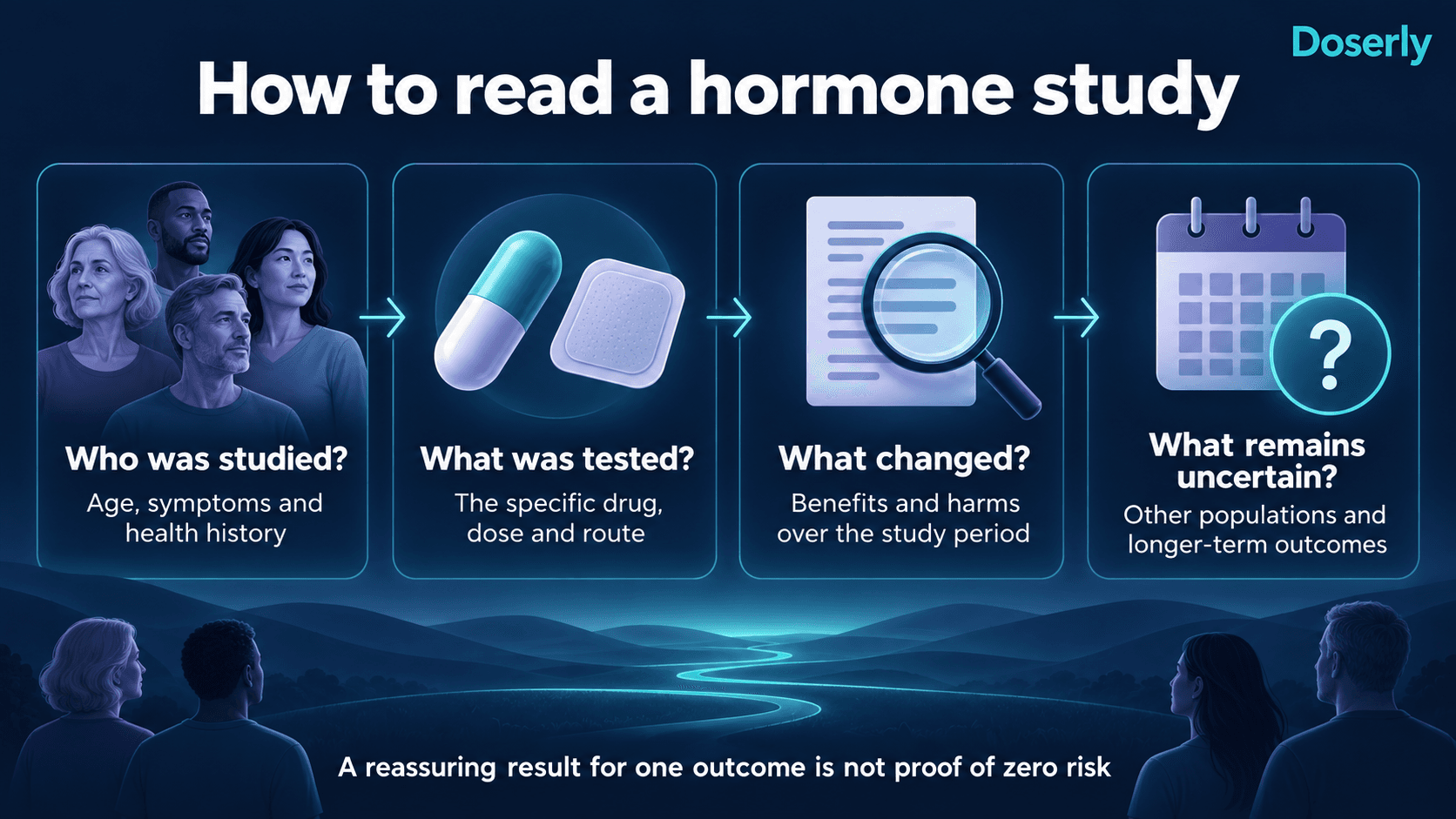
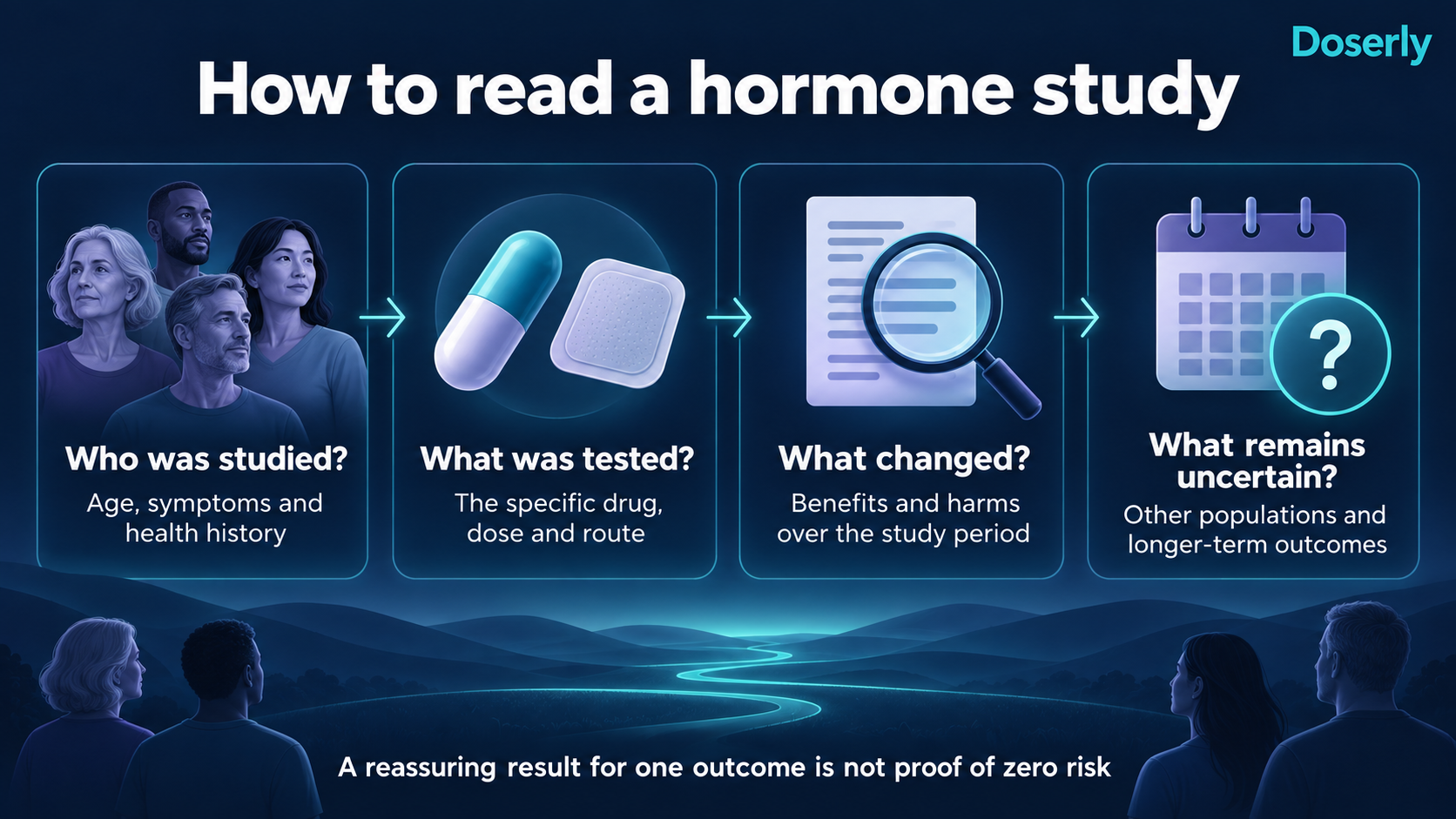
Study results belong to the population, formulation and follow-up period tested. A change in one outcome or a product warning does not establish safety for every person, route or long-term outcome.
NHLBI Women’s Health Initiative.
Pharmacokinetics / Hormone Physiology
The Basics
One of estetrol's most notable features is how well it works as an oral medication. When you take estradiol (E2) as a pill, only about 5% of it actually reaches your bloodstream as estradiol. The liver processes the other 95% during what is called "first-pass metabolism," converting it mainly into estrone and estrone sulfate. This is why many providers recommend patches or gels for estradiol, to bypass the liver entirely.
Estetrol is fundamentally different. Approximately 70 to 80% of an oral E4 dose reaches the bloodstream intact. This is exceptionally high for a natural estrogen and means that oral dosing is both reliable and predictable for E4.
The half-life of estetrol (how long it stays active in your body) is about 20 to 28 hours, which makes once-daily dosing straightforward. By comparison, oral estradiol has a shorter effective window and produces fluctuating blood levels throughout the day.
Another distinctive feature: estetrol is not processed by the CYP450 enzyme system in the liver, which is the same system that metabolizes many common medications. This means estetrol is less likely to interact with other drugs you might be taking. Instead, E4 is metabolized through a different pathway (glucuronidation) and produces only inactive breakdown products. It also cannot convert back into any other form of estrogen (E1, E2, or E3), making it a "dead-end" molecule from a metabolic standpoint.
The Science
Estetrol demonstrates pharmacokinetic properties that are distinct from other natural and synthetic estrogens [14]:
Parameter
Oral Bioavailability
- Estetrol (E4)
- 70-80%
- Estradiol (E2, oral)
- ~5%
- Ethinyl Estradiol (EE)
- ~45%
Parameter
Terminal Half-Life
- Estetrol (E4)
- 20-28 hours
- Estradiol (E2, oral)
- 13-20 hours
- Ethinyl Estradiol (EE)
- 24-28 hours
Parameter
Primary Metabolism
- Estetrol (E4)
- UGT2B7 (glucuronidation)
- Estradiol (E2, oral)
- CYP3A4, CYP1A2
- Ethinyl Estradiol (EE)
- CYP3A4
Parameter
CYP450 Involvement
- Estetrol (E4)
- Negligible
- Estradiol (E2, oral)
- Extensive
- Ethinyl Estradiol (EE)
- Extensive
Parameter
Active Metabolites
- Estetrol (E4)
- None
- Estradiol (E2, oral)
- Estrone, estrone sulfate
- Ethinyl Estradiol (EE)
- Multiple
Parameter
Interconversion
- Estetrol (E4)
- None (terminal metabolite)
- Estradiol (E2, oral)
- Bidirectional E1/E2/E1S
- Ethinyl Estradiol (EE)
- Produces active metabolites
Parameter
SHBG Binding
- Estetrol (E4)
- Minimal
- Estradiol (E2, oral)
- High (~37%)
- Ethinyl Estradiol (EE)
- High (~98%)
Parameter
Hepatic First-Pass Impact
- Estetrol (E4)
- Low
- Estradiol (E2, oral)
- High
- Ethinyl Estradiol (EE)
- High
Absorption and Distribution: Following oral administration, E4 is absorbed with a high bioavailability of 70-80% [15]. E4 shows minimal binding to sex hormone-binding globulin (SHBG), resulting in a high free fraction and predictable pharmacodynamic activity [16].
Metabolism: CYP450 enzymes do not play a major role in E4 metabolism. Instead, E4 undergoes phase II conjugation via UGT2B7, producing inactive metabolites: E4-16-glucuronide, E4-3-glucuronide, and E4-glucuronide-sulfate [17]. This metabolic pathway has two important clinical implications: (1) minimal drug-drug interaction potential with CYP450-metabolized medications, and (2) no generation of potentially genotoxic catechol or quinone metabolites, which are formed during CYP450-mediated estrogen metabolism and have been implicated in estrogen-induced carcinogenesis [18].
Elimination: E4 is excreted renally as conjugated metabolites. The 20-28 hour terminal half-life supports once-daily dosing with stable steady-state concentrations achieved within 5-7 days [19].
Critical distinction from oral E2: Oral estradiol undergoes extensive first-pass hepatic metabolism, with approximately 95% converted to estrone (E1) and estrone sulfate. This hepatic processing stimulates increased synthesis of coagulation factors, SHBG, CRP, and angiotensinogen. The high oral bioavailability of E4 and its alternative metabolic pathway (UGT, not CYP) result in substantially lower hepatic stimulation, which is hypothesized to underlie the favorable hemostatic profile observed in clinical trials [20].
Knowing the pharmacokinetics is the foundation. Seeing how your own body responds to your specific protocol turns that knowledge into actionable insight. Doserly correlates your dosing schedule with how you feel day to day, helping you and your provider identify whether your current route, timing, and dose are working optimally.
The app's analytics can surface patterns you might not notice on your own, like whether symptoms correlate with the end of a patch cycle or whether splitting an oral dose changes how you feel in the afternoon. Data like this makes dose adjustments more precise and less guesswork.
Research & Clinical Evidence
The Basics
Estetrol's journey through clinical research has followed an unusual path. Originally studied in the 1960s through 1980s as a fetal marker, it was essentially forgotten until the early 2000s. It is now used in approved combined oral contraceptives in several markets and, in the European Union, as Fylrevy for postmenopausal estrogen-deficiency symptoms; U.S. menopausal HRT use remains investigational as of September 13, 2026.
The most important clinical evidence for estetrol in menopause comes from two large Phase 3 trials called E4COMFORT I and E4COMFORT II. These trials enrolled over 2,500 postmenopausal women across Europe, Russia, Latin America, the United States, and Canada. Women received either estetrol (15 mg or 20 mg daily) or placebo, and the primary question was whether E4 could reduce the frequency and severity of hot flashes.
Both trials showed that estetrol significantly reduced hot flashes compared to placebo. Beyond hot flash relief, the trials also examined safety markers, including blood clotting factors, cholesterol, blood sugar, bone turnover markers, and blood pressure. The results consistently showed that estetrol had a limited impact on clotting factors (a key safety concern with oral estrogens) and favorable effects on metabolic markers.
The Science
Phase 2 Dose-Finding (Postmenopausal Women)
A multicenter, randomized, double-blind, placebo-controlled phase 2 trial enrolled 257 postmenopausal women (ages 40-65) who received E4 at doses of 2.5 mg, 5 mg, 10 mg, or 15 mg daily, or placebo, for 12 weeks. E4 at 15 mg demonstrated significant reduction in frequency and severity of moderate-to-severe vasomotor symptoms compared to placebo. E4 also improved vaginal health index and maturation index [21]. A parallel pharmacodynamic study in 180 postmenopausal women (ages 43-64) demonstrated minimal hemostatic changes, dose-dependent increases in HDL cholesterol, decreases in insulin resistance (10 mg) and HbA1c (15 mg), and favorable effects on bone turnover markers [22].
Phase 3 Pivotal Trials (E4COMFORT I and II)
E4COMFORT I (NCT04209543) and E4COMFORT II (NCT04090957) were multicenter, randomized, double-blind, placebo-controlled Phase 3 studies of oral estetrol 15 mg and 20 mg daily in postmenopausal women with moderate-to-severe vasomotor symptoms. Non-hysterectomized participants received progesterone for endometrial protection. The published trial-design paper verifies the program structure, endpoints, and progesterone approach [23].
The published E4COMFORT I report found that estetrol reduced moderate-to-severe vasomotor-symptom frequency and severity versus placebo through week 12, with safety follow-up in the active-treatment extension [24]. The European Medicines Agency granted Fylrevy marketing authorization on March 26, 2026 after reviewing the pivotal program; the EMA overview states that Fylrevy is used for hormone replacement therapy to relieve estrogen-deficiency symptoms such as hot flushes and is taken once daily, with a progestogen prescribed for women who still have a uterus [34].
Hemostasis and Blood Pressure
Phase 2 postmenopausal data showed relatively small hemostasis changes versus older oral estrogen comparators, but these surrogate markers do not prove a lower clinical rate of venous thromboembolism or cardiovascular events [22]. Published clinical-outcome data proving lower VTE, stroke, or blood-pressure event rates are not available for menopausal estetrol. Regulatory and prescribing decisions should therefore be based on the product-specific label and the person’s baseline risks [34].
Benefits & Therapeutic Effects
The Basics
Estetrol offers several potential advantages as a menopausal hormone therapy, and its clinical profile is distinct from the estrogens currently available.
The primary benefit demonstrated in Phase 3 trials is hot flash relief. Both doses tested (15 mg and 20 mg daily) significantly reduced the frequency and severity of moderate-to-severe hot flashes compared to placebo. Women also reported improvements in quality of life measures, including menopause-specific symptoms and overall wellbeing.
Beyond hot flash control, the Phase 2 data showed potentially beneficial metabolic effects. HDL cholesterol (often called "good cholesterol") increased across all E4 dose groups. Insulin resistance decreased in the 10 mg group, and HbA1c (a marker of blood sugar control) decreased in the 15 mg group. These findings suggest that estetrol may have a favorable effect on metabolic health, though larger studies specifically designed to evaluate these outcomes are needed.
Bone turnover markers also responded favorably. Markers of bone breakdown (CTX-1) decreased, suggesting that estetrol may help slow the accelerated bone loss that occurs after menopause. Again, bone density measurements and fracture data from long-term studies are not yet available.
Perhaps the most discussed advantage of estetrol is its hemostatic profile. Oral estrogens traditionally increase blood clotting risk because they stimulate the liver to produce more clotting factors. Estetrol, despite being taken orally, has shown minimal impact on these clotting factors in both Phase 2 and Phase 3 studies. If confirmed in post-marketing surveillance, this could make E4 a meaningful advancement for women who need an oral estrogen but have concerns about clotting risk.
The Science
The therapeutic profile of estetrol in postmenopausal women includes vasomotor-symptom relief, Phase 2 metabolic/hemostasis marker data, and regulator-reviewed EU authorization for Fylrevy [21][22][24][34]:
Vasomotor Symptoms: Published E4COMFORT I data showed statistically significant reductions in moderate-to-severe VMS frequency and severity with estetrol versus placebo through week 12 [24]. The EMA authorization for Fylrevy reflects a regulator review of the menopausal program and applies in the European Union, not the United States [34].
Lipid and Carbohydrate Markers: In the Phase 2 postmenopausal pharmacodynamic study, HDL cholesterol increased in E4 dose groups and selected glucose markers improved at some doses, but the trial was not designed to prove cardiovascular-event prevention [22].
Bone Turnover: Phase 2 bone-turnover markers moved in a direction consistent with reduced bone resorption, but fracture-prevention and long-term bone-density outcome data are not established for menopausal estetrol [22].
Hemostasis: Phase 2 hemostasis findings and E4/DRSP contraceptive data suggest a smaller hepatic/coagulation signal than ethinyl estradiol, but surrogate markers should not be read as proof of lower VTE incidence for menopausal estetrol [22][32][33].
Risks, Side Effects & Safety
The Basics
Understanding the safety profile of estetrol requires distinguishing between two contexts: the currently approved contraceptive formulation (Nextstellis, which combines E4 with drospirenone) and the investigational standalone MHT formulation.
Common side effects reported with the Nextstellis contraceptive include breakthrough bleeding and spotting (especially in the first months), mood changes, headache, breast tenderness, acne, weight gain, and decreased libido. Many of these may be influenced or driven by the drospirenone component rather than estetrol itself, particularly libido changes and anti-androgenic effects.
For the MHT formulation (E4 alone, 15-20 mg), the Phase 3 trial data show a side effect profile that is generally favorable. The most notable safety finding is the minimal impact on blood clotting factors. Oral estrogens have traditionally carried a higher risk of venous thromboembolism (VTE) compared to transdermal estrogen because the liver's first-pass processing stimulates production of clotting proteins. Estetrol, despite being taken orally, appears to largely avoid this hepatic stimulation.
However, several important caveats apply. Long-term safety data (beyond 1 year) are not yet available. No head-to-head comparative trials against other oral or transdermal estrogens for MHT have been published. The preclinical suggestion of reduced breast tissue stimulation has not been confirmed by long-term clinical cancer incidence data. The FDA issued a warning letter in 2025 cautioning the manufacturer against promotional claims that estetrol has "low impact" on the liver and breast tissue without adequate clinical evidence to support such comparative safety claims [8].
Like all systemic estrogen therapy, estetrol will require progesterone opposition in women with an intact uterus to prevent endometrial hyperplasia.
The Science
Common Side Effects (COC formulation, E4 + drospirenone):
Adverse reactions reported at >= 2% incidence in Phase 3 COC trials include: bleeding irregularities, mood disturbance, headache, breast symptoms (tenderness, pain, swelling), dysmenorrhea, acne, weight increase, and decreased libido [31].
Hemostatic Safety:
The activated protein C resistance paradigm is central to understanding oral estrogen-related VTE risk. Ethinyl estradiol-containing COCs increase nAPCsr substantially, indicating acquired APC resistance. In contrast, E4 15 mg/DRSP 3 mg in the COC formulation produced low thrombin generation comparable to healthy non-users [32]. Pharmacovigilance data from the Eudravigilance database show lower reporting of VTE events with natural estrogen-based COCs (including E4) compared with ethinyl estradiol-containing pills, but reporting analyses cannot establish comparative clinical safety for menopausal E4 [33].
No VTE outcome events from the MHT Phase 3 trials have been reported in published data. The favorable hemostatic surrogate markers are encouraging but do not yet constitute proof of lower VTE incidence.
Breast Cancer Risk:
Preclinical data suggest that E4 has a differential impact on breast tissue compared to E2. In MCF-7 cells, E4 agonistic potency is approximately 2% of E2 for proliferation [6]. E4 partially antagonized E2-induced proliferation of human breast epithelium when co-incubated [12]. In preclinical murine models, therapeutic MHT doses of E4 combined with progesterone or drospirenone were neutral on breast cancer growth [13]. However, no long-term clinical breast cancer incidence data are available, and the FDA has cautioned against extrapolating preclinical mechanism-of-action data to clinical safety claims [8].
Clinical context — Characterization of E4 breast safety profile.
Source: Gerard et al. (2023, PMC10293541): E4 described as having "differential impact" with antagonistic effects on membrane ERalpha in breast tissue; therapeutic doses neutral on breast cancer in preclinical models
Source: FDA Warning Letter (2025): FDA objected to claims that E4 has "minimal effect on breast tissue," stating clinical comparative data is required
Context: Preclinical/mechanistic data is promising but the FDA standard for safety claims requires clinical outcome data, not mechanism-based extrapolation
Contraindications:
Absolute contraindications include: high risk of arterial or venous thrombotic diseases, active or history of breast cancer, hepatic adenoma or hepatocellular carcinoma, undiagnosed abnormal uterine bleeding, renal impairment, and adrenal insufficiency [31].
Understanding your personal risk profile isn't a one-time calculation; it evolves as your treatment progresses. Doserly helps you see the bigger picture by analyzing side effect patterns over time, showing whether issues are resolving, persisting, or emerging as your body adjusts to therapy.
The app's analytics can reveal connections between side effects and specific aspects of your protocol, like whether symptoms correlate with a particular point in your dosing cycle or a recent dose change. This kind of insight helps you and your provider make informed adjustments based on your actual experience, not just population-level averages.
Dosing & Treatment Protocols
The Basics
Estetrol dosing for menopause differs from its contraceptive dosing. In the Nextstellis contraceptive, each tablet contains 14.2 mg of estetrol combined with 3 mg of drospirenone, taken for 24 days followed by 4 placebo days. For menopausal hormone therapy, the Phase 3 trials tested estetrol at 15 mg and 20 mg daily as a standalone estrogen, without the drospirenone component.
The MHT formulation is designed to be taken once daily. The 20-28 hour half-life of estetrol supports consistent blood levels with daily dosing. For women with an intact uterus, a progestogen (such as micronized progesterone) will be required alongside estetrol to protect the endometrium, just as with any other systemic estrogen therapy.
The specific MHT product, including its exact dose, formulation, and recommended progestogen pairing, will be determined by the regulatory approval process. The information below reflects clinical trial protocols and should not be interpreted as prescribing guidance.
The Science
Investigational MHT Dosing (from Phase 3 clinical trials):
Parameter
Doses Studied
- E4COMFORT I/II Protocol
- 15 mg and 20 mg, once daily, oral
Parameter
Formulation
- E4COMFORT I/II Protocol
- Estetrol monohydrate (anhydrous equivalent of 14.2 mg and 18.9 mg, respectively)
Parameter
Regimen
- E4COMFORT I/II Protocol
- Continuous daily
Parameter
Progestogen Pairing
- E4COMFORT I/II Protocol
- Micronized progesterone for non-hysterectomized participants (both unopposed E4 and E4 + progesterone arms studied)
Parameter
Duration Studied
- E4COMFORT I/II Protocol
- 12-week efficacy evaluation; 52-week safety extension
COC Dosing (approved, for reference):
Parameter
Active Tablets
- Nextstellis
- Estetrol 14.2 mg (anhydrous) + drospirenone 3 mg, once daily for 24 days
Parameter
Inactive Tablets
- Nextstellis
- 4 placebo tablets
Parameter
Cycle Length
- Nextstellis
- 28 days
Parameter
Timing
- Nextstellis
- Same time each day, with or without food
Dose rationale: The therapeutic dose of E4 for MHT (15-20 mg) is approximately 10 times the dose used for estradiol (1-2 mg) in conventional MHT. This reflects E4's lower receptor binding affinity (approximately 5% relative to E2). The high oral bioavailability of E4 (70-80% vs. 5% for oral E2) partially compensates for this lower potency [7].
Dosing protocols often change over the course of treatment: starting doses get adjusted, routes get switched, timing gets refined. Doserly maintains a complete history of every protocol change, giving you and your provider a clear picture of what's been tried and how each adjustment affected your symptoms.
The app's adherence analytics show your consistency patterns and can highlight whether missed doses or timing variations correlate with symptom changes. When your provider is considering a dose adjustment, having this data available makes the conversation more productive and the decision more informed.
What to Expect (Timeline)
Based on Phase 3 trial data and clinical pharmacokinetic parameters, the following timeline reflects expected responses for estetrol at MHT doses (15-20 mg daily). Individual responses vary.
Days 1-7: Estetrol reaches steady-state plasma concentrations within approximately 5-7 days. Initial adjustment may include breast tenderness, mild bloating, or headache. These are typical estrogen-related effects and often resolve.
Weeks 2-4: Phase 3 trial data showed significant VMS reduction measurable at week 4. Hot flash frequency and severity typically begin to improve during this period. Sleep quality may improve as night sweats decrease.
Months 1-3: Vasomotor symptom improvement typically consolidates. The 12-week efficacy evaluation in Phase 3 trials demonstrated sustained, significant reduction in VMS. Breakthrough bleeding (if present) usually decreases. Metabolic markers (HDL, glucose parameters) may begin to shift favorably.
Months 3-6: Bone turnover markers showed favorable changes by 12 weeks in Phase 2 data. Ongoing symptom stabilization. Side effects that were going to resolve have typically done so by this point.
Months 6-12: Phase 3 safety data extends to 52 weeks. Blood pressure remained stable. Hemostatic parameters remained favorable. Continued symptom management.
Beyond 12 months: Long-term data beyond the Phase 3 trial duration is not yet available. As with all HRT, ongoing use should be reviewed periodically with a healthcare provider, weighing continuing benefits against evolving risk profile.
Timing Hypothesis & Window of Opportunity
The timing hypothesis proposes that HRT initiated within 10 years of menopause onset (or before age 60) may confer cardiovascular benefit, while later initiation may increase cardiovascular risk. This hypothesis emerged from reanalysis of WHI age subgroups and has been supported by the KEEPS and ELITE trials.
No estetrol-specific data on the timing hypothesis are available, as the Phase 3 MHT trials enrolled postmenopausal women without specifically analyzing outcomes by years since menopause. However, the favorable hemostatic and blood pressure data suggest that estetrol's cardiovascular safety profile may be compatible with early initiation, pending further research.
Clinicians evaluating estetrol for a specific patient should consider the general principles of the timing hypothesis while recognizing that compound-specific evidence is still accumulating.
Interactions & Compatibility
Drug Interactions:
Estetrol's minimal CYP450 involvement substantially reduces its drug-drug interaction potential compared to ethinyl estradiol or oral estradiol [17]. Key interactions include:
- CYP3A4 Inducers (rifampin, carbamazepine, phenytoin, St. John's Wort): May decrease E4 exposure. The clinical significance for MHT doses is uncertain but caution is warranted [31].
- Bile Acid Sequestrants (cholestyramine, colesevelam): May decrease E4 absorption. Separate administration timing recommended [31].
- Thyroid Hormone Replacement: E4 may increase thyroid-binding globulin (TBG) concentration, potentially necessitating thyroid dose adjustment. Monitor TSH [31].
- Drospirenone (in COC formulation): DRSP is a CYP3A4 substrate. Strong CYP3A4 inhibitors may increase DRSP exposure. This interaction is relevant only to the Nextstellis COC formulation [31].
- HCV Antivirals (ombitasvir/paritaprevir/ritonavir): Contraindicated with E4-containing products [31].
- Fezolinetant (Veozah): Not recommended for co-administration with E4-containing products [31].
Supplement Interactions:
- St. John's Wort (Hypericum perforatum): CYP3A4 inducer. Though E4 itself has minimal CYP3A4 metabolism, avoidance is recommended per product labeling.
- Calcium and Vitamin D: No known interaction. May be recommended alongside E4 for bone health support.
- Black Cohosh: No known interaction with E4 specifically.
Lifestyle Factors:
- Smoking: Cigarette smoking increases the risk of serious cardiovascular events with estrogen-containing products. The Nextstellis COC carries a boxed warning for smokers over 35. The relevance to MHT dosing is not yet established but general HRT guidance advises against smoking.
- Alcohol: No specific interaction data with E4.
- Grapefruit: Unlikely to affect E4 given its non-CYP450 metabolism, though no formal studies have been conducted.
Related guides: Estradiol, Estriol, Conjugated Equine Estrogens, Micronized Progesterone, Drospirenone
Decision-Making Framework
Deciding whether estetrol might be appropriate involves the same shared decision-making principles as any HRT evaluation. The key considerations specific to E4 include:
Candidate factors that may favor E4 (pending approval):
- Postmenopausal women with moderate-to-severe vasomotor symptoms who prefer an oral formulation
- Women who are concerned about thrombotic risk with conventional oral estrogens but prefer oral administration over transdermal
- Women who take multiple CYP450-metabolized medications and want to minimize drug interaction risk
- Women who have had difficulty with estradiol patches (adhesion issues, skin irritation)
Factors that require careful consideration:
- E4 has limited long-term safety data (maximum 1 year from Phase 3 trials)
- No comparative head-to-head trials against estradiol, CEE, or transdermal formulations exist
- Preclinical breast safety data, while promising, are not confirmed by clinical outcome data
- Cost and insurance coverage for the MHT formulation are unknown until approval
Questions to discuss with your provider:
- How does my individual risk profile (VTE history, family history, cardiovascular risk factors) affect the choice between E4 and other estrogens?
- Is E4 available in my country for menopause treatment?
- What progestogen will be paired with E4, and does that combination have its own safety data?
- How does the cost of E4 compare to established alternatives?
Finding a menopause specialist: NAMS-certified menopause practitioners (via menopause.org), ISSWSH-certified providers, and telehealth platforms specializing in menopause care can provide expert guidance.
Administration & Practical Guide
Estetrol for MHT (pending approval) is administered orally as a once-daily tablet. No specific timing relative to food is required. Based on the COC formulation, the tablet may be taken with or without food.
Practical considerations:
- Take at the same time each day for consistent blood levels
- The 20-28 hour half-life provides some flexibility if a dose is taken slightly earlier or later
- If a progestogen is prescribed alongside E4, follow your provider's specific instructions for the combined regimen
- Store at room temperature, away from heat and moisture
Note: Specific administration instructions for the MHT formulation will be provided with the approved product's prescribing information.
Monitoring & Lab Work
Monitoring recommendations for estetrol MHT are not yet established by guidelines, as the product has not received MHT approval. Based on general HRT monitoring principles and the Phase 3 trial protocols, the following may be expected:
Pre-treatment baseline: Blood pressure, lipid panel, fasting glucose/HbA1c, mammogram (per screening guidelines), endometrial assessment (if clinically indicated).
Initial follow-up (4-12 weeks): Symptom assessment, blood pressure check, evaluation of side effects.
Ongoing monitoring (every 6-12 months): Blood pressure, lipid panel, symptom review, mammogram (per age-appropriate guidelines), endometrial monitoring for women on unopposed or inadequately opposed estrogen.
Unique to E4: Given the minimal CYP450 involvement, routine monitoring for drug interactions may be less intensive than with oral estradiol. TSH monitoring may be appropriate if concurrent thyroid hormone therapy.
Complementary Approaches & Lifestyle
Evidence-based strategies that may complement HRT (including estetrol, when available) for menopausal symptom management:
- Exercise: Weight-bearing and resistance exercise supports bone health. Regular aerobic exercise may improve cardiovascular markers and mood. Evidence supports 150 minutes of moderate-intensity activity per week.
- Diet: Mediterranean dietary patterns have been associated with lower vasomotor symptom burden. Adequate calcium (1000-1200 mg/day from food and supplements) and vitamin D (800-1000 IU/day) support bone health.
- Cognitive Behavioral Therapy (CBT): Evidence supports CBT for vasomotor symptom management, sleep improvement, and mood. NICE guidelines recommend CBT as a first-line option for VMS.
- Pelvic Floor Therapy: For genitourinary symptoms, pelvic floor physiotherapy can complement hormonal treatment.
- Sleep Hygiene: Consistent sleep schedule, cool sleeping environment, and limiting caffeine and alcohol may help with sleep disruption.
- Stress Management: Mindfulness-based stress reduction (MBSR) and yoga have shown modest benefits for menopausal symptoms in some studies.
Stopping HRT / Discontinuation
No estetrol-specific discontinuation data are available. General HRT discontinuation principles apply:
- Periodic review (at least annually) of the ongoing benefit-risk balance with a healthcare provider
- Gradual tapering is generally preferred over abrupt cessation, though evidence is mixed on whether tapering reduces symptom recurrence compared to immediate discontinuation
- Vasomotor symptoms recur in approximately 50% of women after stopping HRT, regardless of how long treatment lasted
- Transition to vaginal-only estrogen may be appropriate for women whose primary remaining symptom is genitourinary
Special Populations & Situations
Premature Ovarian Insufficiency (POI) / Early Menopause: Women experiencing menopause before age 40 have different risk-benefit considerations for HRT. Estetrol has not been specifically studied in POI populations. General guidance supports HRT continuation at least until the typical age of menopause (around 51) for these women.
Breast Cancer Survivors: E4's preclinical data suggesting membrane ERalpha antagonism in breast tissue is intriguing but insufficient for clinical recommendations. No clinical trial data support E4 use in breast cancer survivors. Non-hormonal alternatives such as fezolinetant (Veozah) or elinzanetant (Lynkuet) are available options.
Cardiovascular Disease History: The favorable hemostatic and blood pressure data from Phase 3 trials are encouraging but do not constitute evidence of cardiovascular safety in women with existing CVD. Standard HRT initiation precautions apply.
Migraine with Aura: Estrogen-containing products carry additional stroke risk in women with migraine with aura. The Nextstellis COC prescribing information advises discontinuation if migraines develop. MHT-specific guidance for E4 is not yet established.
VTE History: Despite favorable hemostatic data, women with prior VTE should be evaluated individually. The absence of VTE outcome data from Phase 3 trials means E4 cannot yet be recommended as "safer" for this population.
Regulatory, Insurance & International
| Brand Name(s) | Nextstellis (U.S./Canada/Australia COC with drospirenone); Drovelis/Lydisilka (EU COCs); Fylrevy (EU menopausal HRT) |
|-------------|-------------|-------------|---------------|
| United States (FDA) | Approved (2021) | Not approved as menopausal HRT as of September 13, 2026 | Nextstellis |
| European Union (EMA) | Approved for COCs | Fylrevy authorized March 26, 2026 | Drovelis, Lydisilka; Fylrevy |
| United Kingdom (MHRA) | Approved for COC use | No standalone UK menopausal HRT authorization verified in this review | Drovelis |
| Canada (Health Canada) | Approved for COC use | No standalone menopausal HRT approval verified in this review | Nextstellis |
| Australia (TGA) | Approved for COC use | No standalone menopausal HRT approval verified in this review | Nextstellis |
Insurance Coverage: Nextstellis (COC) coverage varies by insurance plan. The MHT formulation's coverage will depend on the approval terms and formulary decisions by individual insurers.
Cost Considerations: As a novel estrogen with patent protection, estetrol MHT is expected to be priced higher than generic estradiol formulations when approved. Cost comparison data will become available after regulatory approval.
Developer: Estetra SRL, a wholly owned subsidiary of Gedeon Richter PLC (Budapest, Hungary). Originally developed by Pantarhei Bioscience (Zeist, Netherlands), subsequently licensed to Mithra Pharmaceuticals (Liege, Belgium), which was later acquired by Gedeon Richter.
FAQ
What is estetrol, and how is it different from estradiol?
Estetrol (E4) is the fourth natural human estrogen, produced by the fetal liver during pregnancy. It differs from estradiol (E2) in its mechanism (selective nuclear ERalpha activation without membrane ERalpha activation in certain tissues), its metabolism (not processed by CYP450 enzymes, no interconversion to other estrogens), and its oral bioavailability (70-80% compared to approximately 5% for oral estradiol). These properties give E4 a distinct pharmacological profile.
Is estetrol approved for menopause treatment?
As of September 13, 2026, estetrol has region-specific menopause status. The European Union has authorized Fylrevy for postmenopausal estrogen-deficiency symptoms, while the United States has no FDA-approved menopausal HRT product containing estetrol. Estetrol remains FDA-approved only as part of the Nextstellis contraceptive in the U.S. [34][35].
Is estetrol natural or synthetic?
Estetrol is produced naturally in the human body during pregnancy by the fetal liver. The estetrol used in pharmaceutical products is synthetically manufactured from plant sources (phytosterols) to match the molecular structure of the natural compound exactly.
Does estetrol cause blood clots like other oral estrogens?
Clinical trial data show that estetrol has minimal impact on blood clotting factors (hemostasis parameters), which is different from the pattern seen with oral estradiol or ethinyl estradiol. However, no actual VTE outcome data from clinical trials have been published, so it is premature to conclude that E4 carries lower blood clot risk. Long-term post-marketing surveillance will provide this answer.
Will I still need progesterone with estetrol?
Yes, if you have an intact uterus. Like all systemic estrogens, estetrol stimulates the endometrium and requires progesterone opposition to prevent endometrial hyperplasia. The Phase 3 MHT trials included both hysterectomized (unopposed E4) and non-hysterectomized (E4 + progesterone) participants.
Why is the estetrol dose so much higher than estradiol?
Estetrol has a lower binding affinity for the estrogen receptor (approximately 5% relative to estradiol). This lower potency per molecule is compensated by the much higher oral bioavailability of E4. The effective MHT dose of 15-20 mg E4 produces comparable therapeutic effects to 1-2 mg oral estradiol.
Can I use Nextstellis (the contraceptive) for perimenopause symptoms?
Some healthcare providers prescribe Nextstellis off-label for perimenopausal symptom management, particularly for women who also need contraception. Nextstellis contains a different dose of E4 and also contains drospirenone, a progestin that may cause side effects not attributable to E4 itself. Discuss the pros and cons with your provider.
What about estetrol and breast cancer risk?
Preclinical studies suggest that E4 may have a different (potentially more favorable) effect on breast tissue compared to estradiol, based on its lack of membrane ERalpha activation in breast cells. However, these findings are from laboratory and animal studies, not from long-term human studies tracking breast cancer rates. Clinical evidence on this question will take years of post-marketing surveillance to establish.
Is estetrol the same as estriol (E3)?
No. Despite the similar names, estetrol (E4, four hydroxyl groups) and estriol (E3, three hydroxyl groups) are distinct compounds with different pharmacological profiles, mechanisms of action, and clinical applications. See the Estriol guide for more information.
Where can I get estetrol for menopause right now?
In the European Union, menopausal estetrol is available as Fylrevy where launched and prescribed under local rules. In the United States, estetrol is available only as part of the Nextstellis contraceptive; there is no FDA-approved standalone menopausal HRT product containing estetrol as of September 13, 2026. Compounded estetrol preparations, if offered, have not been FDA-reviewed for safety, efficacy, potency, or quality [34][35].
Myth vs. Fact
Myth: "Estetrol is just a weaker version of estradiol and won't work as well for menopause symptoms."
Fact: While E4 has lower receptor binding affinity per molecule compared to E2, its much higher oral bioavailability (70-80% vs. 5%) means that appropriate doses produce clinically effective estrogen levels. Phase 3 trials demonstrated significant VMS reduction at 15 mg and 20 mg daily doses. "Weaker" binding affinity does not mean "weaker" clinical effect when dosing accounts for the difference [7][24].
Myth: "Since estetrol is a natural estrogen, it must be safer than synthetic estrogens."
Fact: The "natural" versus "synthetic" distinction does not automatically predict safety. E4's potentially favorable safety profile stems from its specific pharmacological properties (selective receptor activation, non-CYP450 metabolism), not simply from its natural origin. The FDA has cautioned against overstating safety claims based on mechanism rather than clinical outcome data [8].
Myth: "Estetrol doesn't affect the liver at all, so there's zero blood clot risk."
Fact: E4 does have some effect on hepatic parameters (SHBG increased in clinical trials), though the effect is substantially smaller than with oral estradiol or ethinyl estradiol. The statement that E4 has "zero" hepatic impact is inaccurate. What the data show is that E4's effect on clotting factors (specifically nAPCsr) is minimal compared to other oral estrogens. Whether this translates to lower actual VTE rates requires post-marketing data [22][22].
Myth: "Estetrol has been proven safe for breast cancer survivors."
Fact: Preclinical data showing E4's membrane ERalpha antagonism in breast tissue and its ability to partially antagonize E2-induced breast proliferation are mechanistically interesting, but these findings come from laboratory and animal studies. There are no clinical trial data supporting E4 use in breast cancer survivors. This population should discuss non-hormonal alternatives with their oncologist [12][13].
Myth: "You don't need progesterone with estetrol because it's a gentler estrogen."
Fact: Estetrol stimulates the endometrium. Preclinical studies have confirmed uterotrophic effects even at doses below those causing breast proliferation. Progestogen opposition is required for all non-hysterectomized women on systemic E4 to prevent endometrial hyperplasia and cancer, just as with any other systemic estrogen [13].
Myth: "Estetrol is only useful as a birth control pill."
Fact: That is no longer true in Europe. E4 is approved in combined contraceptives and Fylrevy is EU-authorized for postmenopausal estrogen-deficiency symptoms. In the United States, however, E4 remains FDA-approved only as part of the Nextstellis contraceptive and is not an FDA-approved menopausal HRT ingredient as of September 13, 2026 [34][35].
Myth: "All the estetrol research is funded by one company, so the results can't be trusted."
Fact: It is true that MHT clinical trials for E4 were funded by Estetra SRL (affiliated with Mithra Pharmaceuticals/Gedeon Richter), which is standard for pharmaceutical development. The Phase 3 trials were registered, multi-center, randomized, double-blind, and placebo-controlled, meeting regulatory standards for trial design and conduct. Independent replication and post-marketing surveillance will provide additional validation. Readers should note the funding source when evaluating the data.
Myth: "Taking Nextstellis during perimenopause is the same as taking estetrol HRT."
Fact: Nextstellis contains E4 14.2 mg combined with drospirenone 3 mg in a 24/4 regimen designed for contraception. The MHT formulation uses higher E4 doses (15-20 mg) without drospirenone, potentially paired with micronized progesterone. The drospirenone in Nextstellis has anti-androgenic and anti-mineralocorticoid properties that significantly influence the side effect profile. The two products are not interchangeable [31].
Sources & References
Landmark Publications:
[1] HAGEN AA, BARR M, DICZFALUSY E. METABOLISM OF 17-BETA-OESTRADIOL-4-14-C IN EARLY INFANCY. Acta Endocrinol (Copenh). 1965;49:207-20. PubMed: 14303250.
[2] Gurpide E, Schwers J, Welch MT, Vande Wiele RL, Lieberman S. Fetal and maternal metabolism of estradiol during pregnancy. J Clin Endocrinol Metab. 1966;26(12):1355-1365. doi:10.1210/jcem-26-12-1355
[3] SCHWERS J, ERIKSSON G, DICZFALUSY E. 15ALPHA-HYDROXYLATION: A NEW PATHWAY OF ESTROGEN METABOLISM IN THE HUMAN FETUS AND NEWBORN. Biochim Biophys Acta. 1965;100:313-6. PubMed: 14323645. DOI: 10.1016/0304-4165(65)90464-2.
[4] Levitz M, Young BK. Estrogens in pregnancy. Vitam Horm. 1977;35:109-47. PubMed: 343361. DOI: 10.1016/s0083-6729(08)60522-1.
[5] Tseng L, Gurpide E. Competition of estetrol and ethynylestradiol with estradiol for nuclear binding in human endometrium. J Steroid Biochem. 1976;7(10):817-22. PubMed: 1011838. DOI: 10.1016/0022-4731(76)90184-9.
[6] Jozan S, Kreitmann B, Bayard F. Different effects of oestradiol, oestriol, oestetrol and of oestrone on human breast cancer cells (MCF-7) in long term tissue culture. Acta Endocrinol (Copenh). 1981;98(1):73-80. PubMed: 6792848. DOI: 10.1530/acta.0.0980073.
Review Articles:
[7] Coelingh Bennink HJT, Gosden R, Stanczyk FZ, Adashi EY. The rediscovery of estetrol and its implications for estrogen treatment. Menopause. 2025;32(7):648-651. doi:10.1097/GME.0000000000002537
[8] U.S. Food and Drug Administration. Untitled letters: Mayne Pharma LLC, NEXTSTELLIS promotional materials. April 28, 2025. https://www.fda.gov/drugs/warning-letters-and-notice-violation-letters-pharmaceutical-companies/untitled-letters
[9] Gerard C, Foidart JM. Estetrol: From Preclinical to Clinical Pharmacology and Advances in the Understanding of the Molecular Mechanism of Action. Drugs R D. 2023;23(2):77-92. doi:10.1007/s40268-023-00419-5
[10] Gérard C, Arnal JF, Jost M, et al. Profile of estetrol, a promising native estrogen for oral contraception and the relief of climacteric symptoms of menopause. Expert Rev Clin Pharmacol. 2022;15(2):121-137. PubMed: 35306927. DOI: 10.1080/17512433.2022.2054413.
[11] Morimont L, Jost M, Gaspard U, et al. Low Thrombin Generation in Users of a Contraceptive Containing Estetrol and Drospirenone. J Clin Endocrinol Metab. 2022;108(1):135-143. PubMed: 36099501. DOI: 10.1210/clinem/dgac511.
[12] Gérard C, Blacher S, Communal L, et al. Estetrol is a weak estrogen antagonizing estradiol-dependent mammary gland proliferation. J Endocrinol. 2015;224(1):85-95. PubMed: 25359896. DOI: 10.1530/JOE-14-0549.
[13] Gallez A, Blacher S, Maquoi E, et al. Estetrol Combined to Progestogen for Menopause or Contraception Indication Is Neutral on Breast Cancer. Cancers (Basel). 2021;13(10). PubMed: 34065180. DOI: 10.3390/cancers13102486.
Pharmacokinetic & Pharmacodynamic Studies:
[14] Visser M, Holinka CF, Coelingh Bennink HJ. First human exposure to exogenous single-dose oral estetrol in early postmenopausal women. Climacteric. 2008;11 Suppl 1:31-40. PubMed: 18464021. DOI: 10.1080/13697130802056511.
[15] Coelingh Bennink HJ, Heegaard AM, Visser M, et al. Oral bioavailability and bone-sparing effects of estetrol in an osteoporosis model. Climacteric. 2008;11 Suppl 1:2-14. PubMed: 18464016. DOI: 10.1080/13697130701798692.
[16] Coelingh Bennink HJ, Holinka CF, Diczfalusy E. Estetrol review: profile and potential clinical applications. Climacteric. 2008;11 Suppl 1:47-58. PubMed: 18464023. DOI: 10.1080/13697130802073425.
[17] Mawet M, Maillard C, Klipping C, et al. Unique effects on hepatic function, lipid metabolism, bone and growth endocrine parameters of estetrol in combined oral contraceptives. Eur J Contracept Reprod Health Care. 2015;20(6):463-75. PubMed: 26212489. DOI: 10.3109/13625187.2015.1068934.
[18] Gérard C, Foidart JM. Estetrol: From Preclinical to Clinical Pharmacology and Advances in the Understanding of the Molecular Mechanism of Action. Drugs R D. 2023;23(2):77-92. PubMed: 37133685. DOI: 10.1007/s40268-023-00419-5.
[19] Coelingh Bennink HJT, Verhoeven C, Zimmerman Y, et al. Pharmacodynamic effects of the fetal estrogen estetrol in postmenopausal women: results from a multiple-rising-dose study. Menopause. 2017;24(6):677-685. PubMed: 28169916. DOI: 10.1097/GME.0000000000000823.
Clinical Trial Publications:
[20] Coelingh Bennink HJ, Holinka CF, Diczfalusy E. Estetrol review: profile and potential clinical applications. Climacteric. 2008;11 Suppl 1:47-58. PubMed: 18464023. DOI: 10.1080/13697130802073425.
[21] Gaspard U, Taziaux M, Mawet M, et al. A multicenter, randomized study to select the minimum effective dose of estetrol (E4) in postmenopausal women (E4Relief): part 1. Vasomotor symptoms and overall safety. Menopause. 2020;27(8):848-857. PubMed: 32379217. DOI: 10.1097/GME.0000000000001561.
[22] Douxfils J, Gaspard U, Taziaux M, et al. Impact of estetrol (E4) on hemostasis, metabolism and bone turnover in postmenopausal women. Climacteric. 2023;26(1):55-63. PubMed: 36399023. DOI: 10.1080/13697137.2022.2139599.
[23] Panay N, Simoncini T, Taziaux M, et al. Estetrol for the treatment of moderate to severe vasomotor symptoms in postmenopausal women: The design of the E4COMFORT I and II trials. Maturitas. 2026;204:108781. PubMed: 41289787. DOI: 10.1016/j.maturitas.2025.108781.
[24] Simoncini T, Bouchard C, Cloes M, et al. Estetrol (E4) for the treatment of moderate to severe vasomotor symptoms in postmenopausal women - Efficacy and safety results from the phase 3 E4COMFORT I multicenter, placebo-controlled study. Maturitas. 2026;209:108965. PubMed: 42068869. DOI: 10.1016/j.maturitas.2026.108965.
Hemostasis & Safety Data:
COC Prescribing Information:
[29] Battipaglia C, Genazzani AD, Nappi RE, et al. Insights on estetrol, the native estrogen: from contraception to hormone replacement therapy. Minerva Obstet Gynecol. 2024;76(6):590-603. PubMed: 39283289. DOI: 10.23736/S2724-606X.24.05594-5.
[30] Gemzell-Danielsson K, Cagnacci A, Chabbert-Buffet N, et al. A novel estetrol-containing combined oral contraceptive: European expert panel review. Eur J Contracept Reprod Health Care. 2022;27(5):373-383. PubMed: 35862627. DOI: 10.1080/13625187.2022.2093850.
[31] NEXTSTELLIS (drospirenone and estetrol tablets) prescribing information. DailyMed. https://dailymed.nlm.nih.gov/dailymed/search.cfm?query=NEXTSTELLIS
Pharmacovigilance:
[32] Morimont L, Jost M, Gaspard U, et al. Low Thrombin Generation in Users of a Contraceptive Containing Estetrol and Drospirenone. J Clin Endocrinol Metab. 2022;108(1):135-143. PubMed: 36099501. DOI: 10.1210/clinem/dgac511.
[33] Didembourg M, Locquet M, Raskin L, et al. Lower reporting of venous thromboembolisms events with natural estrogen-based combined oral contraceptives compared to ethinylestradiol-containing pills: A disproportionality analysis of the Eudravigilance database. Contraception. 2025;142:110727. PubMed: 39424122. DOI: 10.1016/j.contraception.2024.110727.
Additional Regulatory and Guideline Sources
[34] EMA EPAR: Fylrevy. https://www.ema.europa.eu/en/medicines/human/EPAR/fylrevy. Accessed September 13, 2026.
[35] DailyMed: NEXTSTELLIS prescribing information. https://dailymed.nlm.nih.gov/dailymed/search.cfm?query=NEXTSTELLIS. Accessed September 13, 2026.
[36] “The 2022 Hormone Therapy Position Statement of The North American Menopause Society” Advisory Panel. The 2022 hormone therapy position statement of The North American Menopause Society. Menopause. 2022;29(7):767-794. PubMed: 35797481. DOI: 10.1097/GME.0000000000002028.
Related Guides & Cross-Links
Same Category (Estrogens)
- 17B-Estradiol (Bioidentical)
- Conjugated Equine Estrogens (Premarin)
- Estriol
- Esterified Estrogens (Menest)
- Ethinyl Estradiol