
Ginseng (Panax/Korean, American, Siberian/Eleuthero): The Complete Supplement Guide
On this page
Quick Reference Card
Attribute
Common Name
- Detail
- Ginseng
Attribute
Other Names / Aliases
- Detail
- Panax ginseng (Korean/Asian ginseng, red ginseng, white ginseng, ren shen), Panax quinquefolius (American ginseng, xi yang shen, five-fingers), Eleutherococcus senticosus (Siberian ginseng, eleuthero, ciwujia)
Attribute
Category
- Detail
- Herbal Extract / Adaptogen
Attribute
Primary Forms & Variants
- Detail
- Korean/Asian Ginseng (Panax ginseng): Red ginseng (steamed and dried root; higher ginsenoside concentration), white ginseng (peeled and dried root), standardized extracts (G115, GS15-4, NAGE), leaf extract (40% ginsenosides; more stimulating). American Ginseng (Panax quinquefolius): Root extract, standardized extracts. Siberian Ginseng (Eleutherococcus senticosus): Root and stem extracts containing eleutherosides (structurally unrelated to ginsenosides).
Attribute
Typical Dose Range
- Detail
- Panax ginseng: 200-400 mg standardized extract (4-10% ginsenosides); 1-3 g Korean red ginseng for sexual health. American ginseng: 200-400 mg extract. Eleuthero: 300-1,200 mg extract (2-4 g traditional).
Attribute
RDA / AI / UL
- Detail
- No RDA, AI, or UL established for any ginseng species. Not classified as an essential nutrient.
Attribute
Common Delivery Forms
- Detail
- Capsule, tablet, softgel, liquid extract/tincture, powder, dried root slices, paste, tea
Attribute
Best Taken With / Without Food
- Detail
- Generally taken with food to reduce stomach discomfort. Can be taken without food. Morning or early afternoon preferred due to potential stimulating effects.
Attribute
Key Cofactors
- Detail
- Ginkgo biloba (may enhance cognitive effects when combined with Panax ginseng), vitamin C (may enhance absorption)
Attribute
Storage Notes
- Detail
- Store in a cool, dry place away from direct sunlight. Dried root can be stored for extended periods. Liquid extracts and pastes may require refrigeration after opening. Shelf life varies by form.
Overview
The Basics
Ginseng is one of the most widely used herbal supplements in the world and has been a cornerstone of traditional medicine for thousands of years. The word "ginseng" actually refers to several different plants, and understanding which one you are dealing with matters because they have distinct effects on the body.
The three most commonly supplemented types are Korean (or Asian) ginseng (Panax ginseng), American ginseng (Panax quinquefolius), and Siberian ginseng (Eleutherococcus senticosus). Korean and American ginseng are true ginsengs that belong to the same plant genus and share similar active compounds called ginsenosides. Siberian ginseng is a different plant entirely, with different active compounds called eleutherosides. Despite sharing the "ginseng" name, these are better thought of as three separate supplements that happen to be grouped together by tradition [1][2].
Korean ginseng is the most researched of the three and has been used in traditional Chinese medicine as a "Yang" tonic, meaning it is considered warming and energizing. American ginseng, by contrast, is classified as a "Yin" tonic in the same tradition, meaning it is considered more calming and cooling. This traditional distinction turns out to have some scientific basis: the two species have different ginsenoside profiles, which may explain their different effects [1][2][3].
Most people take ginseng for energy, mental sharpness, or stress resilience. The research paints a more nuanced picture than the marketing. There is reasonable evidence for cognitive benefits in middle-aged and older adults, modest evidence for blood sugar management and immune support, and limited evidence for the athletic performance benefits that are frequently advertised [4][5][6].
The Science
Panax ginseng C.A. Meyer is a perennial herbaceous plant of the family Araliaceae, native to the mountainous regions of East Asia (Korea, northeastern China, far-eastern Russia). The genus name "Panax" derives from the Greek "panakeia" (panacea), reflecting historical claims of broad therapeutic utility. The primary medicinal part is the root, which is harvested after 4 to 6 years of growth [1][2].
Panax quinquefolius L. (American ginseng) is native to eastern North America. While sharing the Panax genus with Asian ginseng, the two species have distinct ginsenoside profiles. American ginseng contains higher ratios of protopanaxadiol-type ginsenosides (particularly Rb1 and Rd) relative to protopanaxatriol-type ginsenosides (Rg1), while Asian ginseng has a more balanced ratio. This biochemical distinction may underlie their different pharmacological profiles [2][3].
Eleutherococcus senticosus (Rupr. & Maxim.) Maxim., commonly known as Siberian ginseng, belongs to the same family (Araliaceae) but a different genus. Its bioactive compounds, eleutherosides B (syringin) and E (syringaresinol diglucoside), are structurally unrelated to ginsenosides. Despite sharing the common name "ginseng," E. senticosus has a fundamentally different pharmacological profile and should be evaluated independently [7].
The major bioactive constituents of Panax species are triterpene saponins called ginsenosides (also known as panaxosides). Over 100 ginsenosides have been identified, classified primarily into protopanaxadiol (PPD; including Rb1, Rb2, Rc, Rd) and protopanaxatriol (PPT; including Re, Rf, Rg1, Rg2) groups. The ratio of these groups varies by species, processing method, and plant part, contributing to the variability in clinical effects across different ginseng preparations [1][2].
Processing method significantly influences ginsenoside composition. Red ginseng is produced by steaming fresh root at 95-100 degrees Celsius for 2-3 hours before drying, which transforms certain ginsenosides through Maillard reactions and deglycosylation. This process generates unique ginsenosides (Rg3, Rg5, Rk1) not present in white (sun-dried or air-dried) ginseng, potentially conferring different biological activities [8].
Chemical & Nutritional Identity
Panax Ginseng (Korean/Asian Ginseng)
Property
Scientific Name
- Detail
- Panax ginseng C.A. Meyer
Property
Family
- Detail
- Araliaceae
Property
Plant Part Used
- Detail
- Root (4-6 year growth)
Property
Major Bioactive Class
- Detail
- Triterpene saponins (ginsenosides/panaxosides)
Property
Key Ginsenosides
- Detail
- Rb1, Rb2, Rc, Rd (protopanaxadiol group); Re, Rf, Rg1, Rg2 (protopanaxatriol group)
Property
Total Ginsenoside Content
- Detail
- 2-10% in standardized extracts; up to 40% in leaf extracts
Property
Other Bioactives
- Detail
- Polysaccharides (ginsenans), polyacetylenes (panaxynol, panaxydol), peptides, fatty acids
Property
Processing Variants
- Detail
- White ginseng (peeled, dried), Red ginseng (steamed, dried; unique ginsenosides Rg3, Rg5, Rk1)
Panax Quinquefolius (American Ginseng)
Property
Scientific Name
- Detail
- Panax quinquefolius L.
Property
Family
- Detail
- Araliaceae
Property
Plant Part Used
- Detail
- Root, berry
Property
Key Ginsenosides
- Detail
- Higher Rb1 and Rd (PPD-type); lower Rg1 (PPT-type) relative to Asian ginseng
Property
Distinguishing Feature
- Detail
- Higher protopanaxadiol-to-protopanaxatriol ratio than Panax ginseng
Eleutherococcus Senticosus (Siberian Ginseng)
Property
Scientific Name
- Detail
- Eleutherococcus senticosus (Rupr. & Maxim.) Maxim.
Property
Synonyms
- Detail
- Acanthopanax senticosus
Property
Family
- Detail
- Araliaceae
Property
Plant Part Used
- Detail
- Root, stem, leaves
Property
Key Bioactives
- Detail
- Eleutheroside B (syringin), Eleutheroside E (syringaresinol diglucoside)
Property
Total Eleutheroside Content
- Detail
- Variable; typically 0.05-0.3%
Property
Other Bioactives
- Detail
- Isofraxidin, ciwujianosides, polysaccharides, flavonoids (quercetin, rutin)
Property
Important Note
- Detail
- Bioactives are structurally unrelated to ginsenosides; this is NOT a true ginseng
Regulatory Reference Values: No RDA, AI, or UL has been established for any ginseng species by the IOM, EFSA, or other regulatory bodies. Ginseng is classified as a dietary supplement (herbal), not an essential nutrient.
Mechanism of Action
The Basics
Ginseng works through multiple pathways in the body, which helps explain why it has such a wide range of reported effects. Think of ginsenosides (the main active compounds in true ginseng) as molecular keys that can fit into many different locks throughout your body.
One of their most important effects involves the stress response system. Ginsenosides interact with the hypothalamic-pituitary-adrenal (HPA) axis, which is your body's central stress management system. In simple terms, ginseng may help calibrate your stress response so that it activates when needed but does not stay stuck in overdrive. This is the basis for calling ginseng an "adaptogen," a substance that helps the body adapt to stress rather than simply suppressing or stimulating it [1][9].
Ginseng also appears to affect neurotransmitter systems in the brain. The ginsenoside Rb1 enhances acetylcholine release, which is a brain chemical involved in memory, learning, and alertness. This mechanism provides a plausible explanation for the cognitive benefits observed in some studies [2].
In the cardiovascular system, ginseng may improve nitric oxide synthesis, which helps blood vessels relax and dilate. This could explain the modest effects on blood pressure and the traditional observation that ginseng improves circulation, as well as some of the interest in ginseng for erectile function [2].
For the immune system, ginsenosides appear to enhance both innate and adaptive immunity, stimulating natural killer cell activity and increasing immunoglobulin production. This dual-action immune modulation may explain why ginseng has shown some promise in reducing susceptibility to infections like the common cold and flu [10].
Siberian ginseng (eleuthero) works through different mechanisms because its active compounds are chemically distinct. Eleutherosides appear to modulate the stress response and may enhance physical endurance, but through pathways that are not fully understood [7].
The Science
HPA axis modulation: Ginsenosides modulate the hypothalamic-pituitary-adrenal axis at multiple levels. In animal models, chronic ginseng administration normalizes elevated corticosterone levels induced by chronic stress and restores ACTH responsiveness. The mechanism involves modulation of glucocorticoid receptor expression in hippocampal neurons and direct effects on adrenal corticosteroid synthesis [1][9].
Cholinergic system: The ginsenoside Rb1 improves acetylcholine (ACh) release from hippocampal and cortical neurons and enhances postsynaptic uptake of choline. Rb1 also inhibits acetylcholinesterase activity, prolonging ACh signaling at synaptic clefts. These cholinergic effects provide a mechanistic rationale for observed cognitive benefits, particularly in populations with cholinergic deficits such as Alzheimer's disease patients [2].
Nitric oxide pathway: Ginseng may improve nitric oxide (NO) synthesis in endothelium of the heart, lung, kidneys, and corpus cavernosum. Ginsenoside Rg1 activates endothelial nitric oxide synthase (eNOS) via the PI3K/Akt signaling pathway, resulting in vasodilation. This mechanism underlies investigations into ginseng's effects on blood pressure, erectile function, and cardiovascular health [2][11].
Immunomodulation: Ginsenosides stimulate multiple arms of the immune system. The Rg1 ginsenoside (prominent in American ginseng) is associated with improvements in humoral and cell-mediated immune response and increases in T helper cells, T lymphocytes, and NK cells in murine models. Ginseng extracts also stimulate TNF-alpha production by alveolar macrophages and enhance vaccine response [3][10].
Anticancer mechanisms (in vitro): Several ginsenosides demonstrate antiproliferative activity in cell culture. Rg3 inhibits the Wnt/beta-catenin signaling pathway in colon cancer cells. Rp1 reduces breast cancer cell proliferation by decreasing IGF-1 receptor stability. Rh2 and Rh3 induce differentiation of HL-60 promyelocytic cells. The clinical significance of these in vitro findings remains to be established [2][12][13].
CNS effects: Ginsenosides have both stimulatory and inhibitory effects on the central nervous system. At the cellular level, certain ginsenosides modulate NMDA receptor activity, GABA-ergic transmission, and serotonergic and dopaminergic pathways. The net effect appears to depend on the specific ginsenoside profile, dose, and individual neurotransmitter status [2].
Eleutherococcus senticosus mechanisms: The primary bioactive eleutherosides (B and E) are lignans that modulate stress response pathways, though the specific molecular targets are less well characterized than for ginsenosides. Proposed mechanisms include NF-kB pathway modulation, antioxidant activity, and direct effects on corticosterone metabolism. In nematode models (C. elegans), Eleutherococcus senticosus has demonstrated life-extension properties [7].
Absorption & Bioavailability
The Basics
How well your body absorbs ginseng depends heavily on which form you take. Ginsenosides in their natural state are large, complex molecules that the body does not absorb very efficiently. When you swallow a ginseng capsule, your gut bacteria play a crucial role by breaking these large molecules into smaller, more absorbable compounds. The most important of these metabolites is called Compound K, which is the form that actually enters your bloodstream and delivers many of ginseng's effects [14].
This bacterial conversion means that individual differences in gut microbiome composition can significantly affect how much benefit someone gets from ginseng. It also means that the benefits may take days to weeks to fully develop as your gut bacteria adjust. This could partly explain why some people report no effect from ginseng while others find it remarkably potent [14].
Processing method affects bioavailability. Red ginseng (steamed) contains deglycosylated ginsenosides that are more readily absorbed than the native ginsenosides in white ginseng. Fermented and enzyme-modified ginseng extracts have been specifically designed to improve bioavailability by partially completing the conversion process before you ingest the supplement [8].
The form of ginseng extract also matters. Standardized extracts with higher ginsenoside concentrations (such as leaf extracts at 40% ginsenosides) deliver more active compound per dose than crude root preparations (typically 2-5% ginsenosides). However, a higher ginsenoside percentage does not necessarily mean a better product, because the ratio of different ginsenosides matters as much as the total amount [1].
The Science
Oral bioavailability of ginsenosides: Native ginsenosides have relatively low oral bioavailability, estimated at 1-5% for major ginsenosides (Rb1, Rg1) in pharmacokinetic studies. This low bioavailability is attributed to their large molecular weight (>800 Da), multiple sugar moieties limiting passive diffusion, and extensive first-pass metabolism by intestinal bacteria and hepatic enzymes [14].
Intestinal bacterial metabolism: Gut microbiota perform sequential deglycosylation of PPD-type ginsenosides: Rb1 to Rd to F2 to Compound K. Compound K (20-O-beta-D-glucopyranosyl-20(S)-protopanaxadiol) is the primary bioactive metabolite, demonstrating superior bioavailability and biological activity compared to parent ginsenosides. Interindividual variability in gut microbiome composition contributes significantly to variability in clinical response [14].
Effects of processing: Steaming (red ginseng production) induces Maillard reactions and acid-catalyzed hydrolysis that remove sugar moieties from native ginsenosides, generating less polar ginsenosides (Rg3, Rg5, Rk1, Rs3) with improved intestinal absorption. Deglycosylated ginsenosides have been demonstrated to be more potent inducers of CYP1A1, CYP1A2, and CYP3A4 expression compared to glycosylated forms [8][15].
Pharmacokinetic parameters: Following oral administration of 3 g Korean Red Ginseng extract in humans, Rb1 Tmax occurs at approximately 7 hours with a terminal half-life of 14-20 hours. Rg1 appears earlier (Tmax 1-2 hours) with a shorter half-life of 1-3 hours. Compound K reaches Tmax at 10-24 hours post-ingestion, reflecting the time required for bacterial metabolism. These long Tmax values support the clinical observation that ginseng's full effects develop over days to weeks of consistent use [16].
Research & Clinical Evidence
The Basics
The research on ginseng spans numerous health areas, reflecting its long history as a general health tonic. However, the overall quality of evidence varies considerably. Most clinical trials have been small (fewer than 200 participants), short (less than 3 months), and many have used different ginseng preparations, making it difficult to draw firm conclusions across the body of research as a whole [4][5][6].
Cognitive function is one of the more promising areas. Several studies have found that Panax ginseng may improve aspects of working memory, reaction time, and mental arithmetic in middle-aged and older adults. In people with Alzheimer's disease, two small trials showed improvement in cognitive scores with Korean red ginseng treatment over 12 to 24 weeks. Notably, the cognitive benefits in healthy populations appear more pronounced in middle-aged adults than in young adults, and any benefit on memory specifically may depend on combining ginseng with ginkgo biloba [4][17][18][19].
Blood sugar management has substantial research attention. A 2022 systematic review of 20 studies (1,295 participants) found that ginseng improved fasting blood glucose, total cholesterol, and inflammatory markers in people with prediabetes and diabetes. However, the evidence for long-term blood sugar control (as measured by HbA1c) remains mixed, and different studies have reached different conclusions [5][20].
Erectile dysfunction has been studied primarily with Korean red ginseng at 3 g daily. A Cochrane systematic review in 2021 concluded that while some studies showed improvement, the overall effect may be trivial and the quality of evidence was low [11][21].
Fatigue shows nuanced results. A 2023 systematic review of 19 studies (2,413 participants) found that ginseng alone may have a small beneficial effect on general fatigue, while ginseng-containing herbal formulas showed stronger effects on chronic fatigue. Ginseng did not reduce cancer-related fatigue when used alone, though American ginseng has been recommended by oncology guidelines for cancer-related fatigue based on one large multisite trial [4][6][22].
Immune function has some supportive evidence. One well-known study found that standardized ginseng extract (G115) enhanced vaccination response and reduced the frequency of the common cold and flu. However, this area needs more research [10].
Athletic performance has been studied repeatedly, and the majority of research concludes that ginseng does not meaningfully improve athletic performance in healthy individuals [6][23].
The Science
Cognitive function: Park et al. (2019) conducted an RCT (n=52) in Korean volunteers with mild cognitive impairment, finding that Panax ginseng improved cognitive scores versus placebo. Reay et al. (2010) reported that the standardized extract G115 (200 mg) improved working memory and subjective ratings of calmness in healthy young adults. Heo et al. (2011) and Lee et al. (2008) demonstrated cognitive improvement in Alzheimer's disease patients with Korean red ginseng treatment over 12-24 weeks, with 4.5 g/day producing significant improvements on ADAS-Cog and MMSE scales. Namgung et al. (2021) used voxel-based morphometry to demonstrate that Korean red ginseng increased gray matter volume in brain regions associated with cognition [17][18][19][24][25].
Cardiometabolic health: Naseri et al. (2022) conducted a systematic review and meta-analysis of 20 studies (n=1,295) examining ginseng in prediabetes and type 2 diabetes. Results showed improvements in fasting blood glucose, total cholesterol, and inflammatory markers. Park et al. (2022) meta-analyzed effects on hyperglycemia, hypertension, and hyperlipidemia, finding modest but statistically significant improvements. However, Kim et al. (2011) in a systematic review of RCTs for red ginseng in type 2 diabetes concluded the evidence was inconclusive [5][20][26].
Erectile dysfunction: Lee et al. (2021) published a Cochrane systematic review of 9 RCTs examining ginseng for erectile dysfunction. The review found that while some individual studies showed benefit, the overall effect "may be trivial" and the quality of evidence was low. The most commonly studied protocol is Korean red ginseng at 900 mg three times daily (3 g/day total) [11][21].
Fatigue: Li et al. (2023) conducted a systematic review of 19 studies (n=2,413) on ginseng for fatigue. Results suggested that ginseng alone may have a small beneficial effect on general fatigue (not disease-specific), while ginseng herbal formulas containing additional ingredients showed stronger effects for chronic fatigue. For cancer-related fatigue, ginseng alone did not show benefit, though a large multisite trial by Barton et al. (2013) demonstrated benefits of American ginseng (Panax quinquefolius) for cancer-related fatigue, leading to its inclusion in ASCO oncology guidelines [4][6][22].
Immune function: Scaglione et al. (1996) reported that the standardized extract G115 enhanced vaccination response against influenza and reduced the frequency and severity of common colds in a placebo-controlled trial [10].
Cancer prevention (epidemiological): Two case-controlled studies by Yun et al. (1995, 2010) found a positive association between ginseng consumption and reduced cancer incidence across multiple cancer types, with a dose-response relationship. However, these are observational data and cannot establish causation [12][27].
Evidence & Effectiveness Matrix
Category
Focus & Mental Clarity
- Evidence Strength
- 6/10
- Reported Effectiveness
- 7/10
- Summary
- Multiple RCTs show improved working memory, reaction time, and calmness. Benefits more pronounced in middle-aged adults. Community reports consistent cognitive enhancement, especially with high-ginsenoside extracts.
Category
Energy Levels
- Evidence Strength
- 5/10
- Reported Effectiveness
- 7/10
- Summary
- Systematic review finds small effect on general fatigue; ginseng formulas stronger than ginseng alone. Community widely reports energy boost, but tolerance develops in days to weeks for some users.
Category
Mood & Wellbeing
- Evidence Strength
- 4/10
- Reported Effectiveness
- 6/10
- Summary
- One study showed dose-dependent calming effect; subsequent studies produced mixed results. Benefits may diminish after 4 weeks. Community reports stable mood improvement alongside energy/cognition gains.
Category
Stress Tolerance
- Evidence Strength
- 4/10
- Reported Effectiveness
- 6/10
- Summary
- Adaptogenic classification supported by preclinical HPA axis modulation data. Limited controlled human trials specifically for stress outcomes. Community consistently describes improved stress handling.
Category
Immune Function
- Evidence Strength
- 5/10
- Reported Effectiveness
- 5/10
- Summary
- One well-known RCT (G115) showed enhanced vaccination response and reduced cold/flu frequency. Limited replication. Sparse community data on immune outcomes.
Category
Libido
- Evidence Strength
- 4/10
- Reported Effectiveness
- 6/10
- Summary
- Korean red ginseng (3 g/day) studied for ED with low-quality evidence showing possible benefit (Cochrane: effect "may be trivial"). Some community reports of noticeable libido enhancement.
Category
Sleep Quality
- Evidence Strength
- 3/10
- Reported Effectiveness
- 4/10
- Summary
- Insomnia is the most commonly reported side effect. One small study found fermented ginseng may improve first-night sleep effect. Community reports mixed, with insomnia a frequent concern at higher doses.
Category
Heart Health
- Evidence Strength
- 5/10
- Reported Effectiveness
- N/A
- Summary
- Meta-analyses show improvements in some cardiometabolic markers (fasting glucose, cholesterol). Ginseng may improve arterial stiffness and NO synthesis. Community data not yet collected for this category.
Category
Blood Pressure
- Evidence Strength
- 4/10
- Reported Effectiveness
- N/A
- Summary
- Small studies suggest possible benefit for prehypertension/hypertension. Evidence is preliminary. Community data not yet collected.
Category
Temperature Regulation
- Evidence Strength
- 2/10
- Reported Effectiveness
- 6/10
- Summary
- No formal clinical evidence. Traditional TCM "Yang" classification as warming herb. One detailed community report of significant body warmth improvement.
Category
Side Effect Burden
- Evidence Strength
- 6/10
- Reported Effectiveness
- 5/10
- Summary
- Common side effects well-documented: insomnia, GI effects, nervousness. Dose- and form-dependent. Community confirms these side effects, especially with leaf extracts.
Category
Treatment Adherence
- Evidence Strength
- 3/10
- Reported Effectiveness
- 5/10
- Summary
- No formal adherence studies. Community widely recommends cycling (4-8 weeks on, 2 weeks off) due to tolerance buildup. Tolerance is a significant practical concern.
Categories scored: 12
Categories with community data: 10
Categories not scored (insufficient data): Memory & Cognition, Anxiety, Motivation & Drive, Emotional Aliveness, Emotional Regulation, Sexual Function, Joint Health, Inflammation, Pain Management, Recovery & Healing, Physical Performance, Gut Health, Digestive Comfort, Nausea & GI Tolerance, Skin Health, Hair Health, Heart Rate & Palpitations, Hormonal Symptoms, Fluid Retention, Body Image, Bone Health, Longevity & Neuroprotection, Cravings & Impulse Control, Social Connection, Withdrawal Symptoms, Daily Functioning, Fat Loss, Muscle Growth, Weight Management, Appetite & Satiety, Food Noise
Benefits & Potential Effects
The Basics
Ginseng's benefit profile spans several areas, though the strength of evidence varies considerably. Setting realistic expectations requires understanding which benefits have solid research support and which remain preliminary.
Mental sharpness and focus is the area where ginseng delivers its most consistent effects based on the available evidence. Multiple studies have shown improvements in working memory, reaction time, and mental clarity, particularly in people over 40. For younger adults, the cognitive effects are less clear and may not be as noticeable. The mechanism likely involves enhanced acetylcholine activity in the brain, which is the same neurotransmitter system targeted by some Alzheimer's medications [17][18][19].
Energy and fatigue reduction is what most people take ginseng for, and the research confirms a modest effect. Ginseng appears to provide a subtle, sustained energy lift rather than the sharp jolt of caffeine. It is important to note that ginseng's energy-boosting effects seem strongest during periods of stress or fatigue; healthy, well-rested individuals may notice less of an effect. Some users describe the energy as "clean" or "calm," which aligns with ginseng's dual nature as both a mild stimulant and an adaptogen [4][6].
Immune support has some evidence, particularly for reducing susceptibility to colds and enhancing vaccine effectiveness. If you tend to get sick frequently, ginseng may offer a modest protective effect, though it is not a replacement for proper sleep, nutrition, and vaccination [10].
Blood sugar support may benefit people with prediabetes or type 2 diabetes, with research showing improvements in fasting blood glucose. However, anyone managing diabetes should work closely with a healthcare provider, as ginseng may interact with diabetes medications [5][20].
Sexual health has been traditionally associated with ginseng for centuries, but modern research suggests the effects are modest at best. Korean red ginseng at 3 g per day has been studied for erectile dysfunction, but a major systematic review concluded the evidence quality is low and the effect size may be trivial [11][21].
The Science
Cognitive enhancement: The evidence for cognitive benefits is most robust for Panax ginseng in middle-aged and older adult populations. Mechanisms include enhanced cholinergic transmission via Rb1-mediated ACh release, NMDA receptor modulation, and direct neuroprotective effects. The G115 standardized extract (200-400 mg) has the most clinical data supporting acute cognitive enhancement. Korean red ginseng at higher doses (4.5 g/day) has shown benefits in Alzheimer's disease through cholinergic and anti-inflammatory mechanisms [2][17][18][19].
Adaptogenic/anti-fatigue effects: The anti-fatigue effect is supported by preclinical evidence of HPA axis modulation, reduced corticosterone levels under chronic stress, and enhanced mitochondrial energy production. In clinical studies, the effect size for fatigue reduction is small to moderate, with more consistent benefits observed in populations experiencing chronic stress or illness than in healthy, well-rested individuals [4][6][9].
Immunomodulation: Ginsenosides enhance both innate immunity (NK cell activity, macrophage phagocytosis) and adaptive immunity (T lymphocyte proliferation, immunoglobulin production). The Rg1 ginsenoside in American ginseng is particularly associated with immune response enhancement. The G115 extract demonstrated reduced flu/cold incidence (relative risk reduction of approximately 30-50%) in one controlled trial [3][10].
Glycemic effects: Ginseng may affect blood glucose through multiple mechanisms: enhancement of insulin secretion, improvement of insulin sensitivity via GLUT4 translocation, and modulation of hepatic gluconeogenesis. American ginseng has demonstrated postprandial blood glucose reduction in both diabetic and non-diabetic populations. The effect is observed within 2 hours of ingestion and appears to be both time- and dose-dependent [5][20].
Reading about potential benefits gives you a framework. Seeing whether those benefits are showing up in your own body turns knowledge into confidence. Doserly lets you track the specific health markers relevant to this supplement, building a personal dataset that captures what's actually changing week over week.
The app's AI analytics go further than simple logging. By correlating your supplement intake with the biomarkers and health outcomes you're tracking, Doserly surfaces patterns you might miss on your own, like whether a dose adjustment three weeks ago corresponds to the improvement you're noticing now. When it's time to evaluate whether a supplement is earning its place in your stack, you have your own data to guide the decision.
Capture changes while they are still fresh.
Log symptoms, energy, sleep, mood, and other observations alongside protocol events so patterns do not live only in memory.
Trend view
Symptom timeline
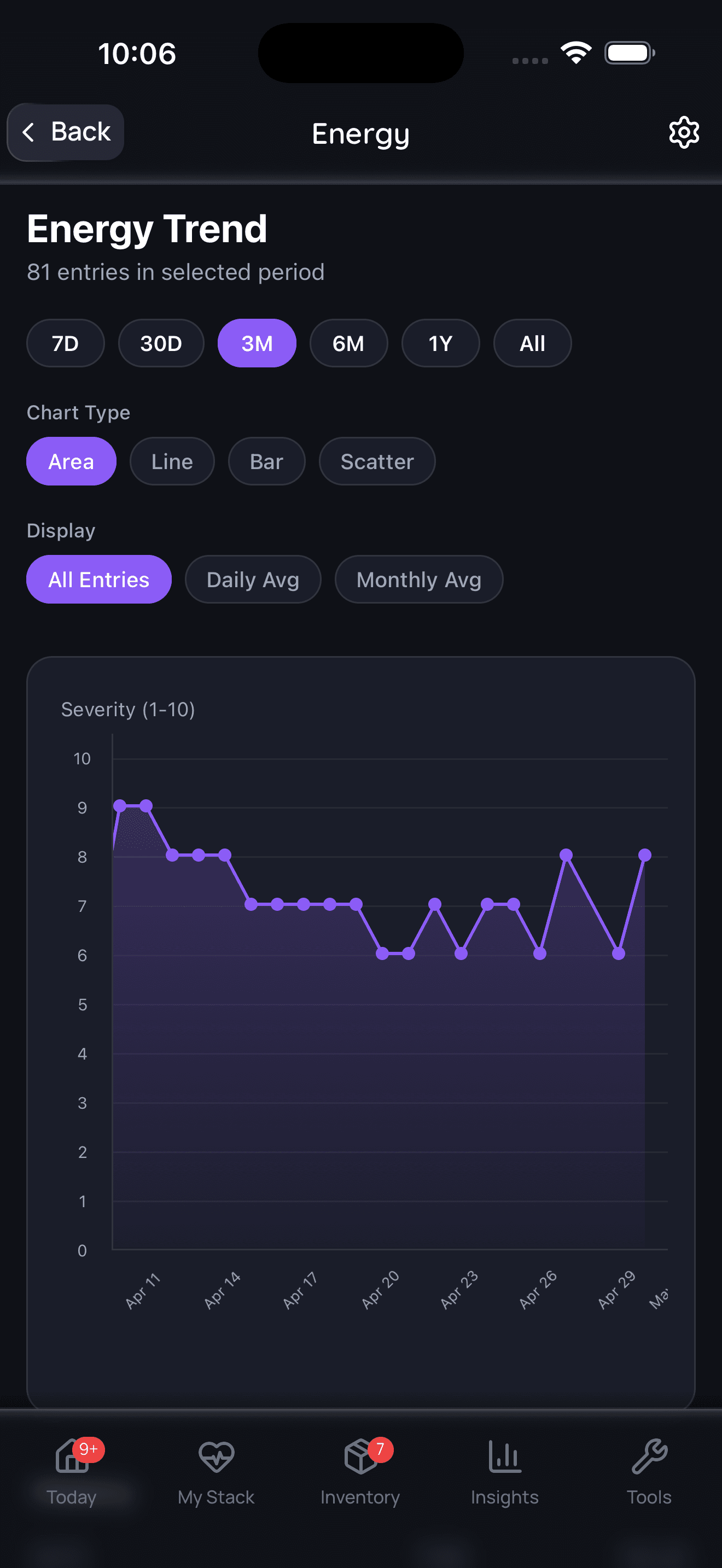
Symptom tracking is informational and should be interpreted with a qualified clinician.
Side Effects & Safety
The Basics
Ginseng is generally considered safe for short-term use (up to 6 months) when taken in recommended amounts. However, it is not without side effects, and understanding the safety profile helps you use it responsibly [6][28].
The most common side effect is insomnia, which makes sense given ginseng's stimulating properties. This is particularly true for high-ginsenoside preparations like leaf extracts. Taking ginseng earlier in the day and starting with a lower dose can help minimize sleep disruption [6][28].
Other reported side effects include dry mouth, digestive discomfort (nausea, diarrhea), nervousness, and rapid heart rate. These tend to be dose-dependent and more common at higher doses. Most people taking standard doses of a quality product experience mild or no side effects [2][28].
There are several populations that should exercise extra caution or avoid ginseng:
- Pregnant women: Some animal studies suggest ginseng may cause birth defects. Until more is known, avoidance during pregnancy is recommended [6].
- Children and infants: Limited safety data exists, and some experts recommend against use in this population [6].
- People with autoimmune disorders: Ginseng's immune-stimulating effects may worsen autoimmune conditions [6][28].
- People scheduled for surgery: Ginseng should be discontinued at least one week before surgery due to potential effects on blood clotting [2].
Rare but serious adverse events have been reported in case reports, including manic psychosis in individuals with no prior psychiatric history, liver toxicity when combined with certain medications (particularly imatinib), and perioperative bleeding related to high-dose ginseng use before surgery. These cases are uncommon but underscore the importance of using ginseng at recommended doses and informing healthcare providers about its use [2][29].
American ginseng appears to have a better safety profile than Asian ginseng, with no reported side effects in clinical literature. However, it can interact with warfarin by reducing the drug's effectiveness [3].
The Science
Adverse reaction profile (Panax ginseng): The most commonly reported adverse effects in clinical trials and pharmacovigilance data include insomnia, dry mouth, tachycardia, nausea, vomiting, diarrhea, and nervousness. The incidence of adverse effects in controlled trials is generally comparable to placebo at standard doses (200-400 mg standardized extract) [2][28].
Case reports of serious adverse events:
- Manic psychosis: Three reported cases, including a 26-year-old male with no psychiatric history who developed irritability, insomnia, flight of ideas, and rapid speech following chronic use of 250 mg capsules three times daily. Symptoms resolved upon discontinuation [29].
- Hepatotoxicity: Reported in a 26-year-old male on imatinib for CML who consumed Panax ginseng via energy drinks for 3 months, developing right upper quadrant pain. The interaction between ginseng's CYP3A4 induction and imatinib metabolism likely contributed [30].
- Perioperative bleeding: A 72-year-old woman experienced severe coagulopathy following cardiac surgery attributed to high oral ginseng intake before surgery [31].
- Gynecomastia: Reported in a 12-year-old boy after ingesting ginseng extract for bodybuilding [32].
Pregnancy safety: Ginsenoside Rg1 has demonstrated teratogenic effects in animal models (rats, whole embryo culture). The clinical relevance to human pregnancy is uncertain, but precautionary avoidance is recommended by NCCIH and most clinical guidelines [6].
Estrogenic activity: P. ginseng (ginsenoside Rh1) has been shown to activate estrogen receptors in human breast carcinoma MCF-7 cells in vitro. However, the concentration required (50 micromolar) substantially exceeds achievable human serum levels, and the clinical relevance of this finding is not established [2].
Long-term safety: Short-term use (up to 6 months) is generally considered safe. Questions remain about long-term safety. Some experts recommend cyclical use (e.g., 2-3 months on, several weeks off) rather than continuous indefinite supplementation. American ginseng has safety data supporting long-term use [3][6].
Dosing & Usage Protocols
The Basics
One of the trickiest aspects of ginseng supplementation is that the "right" dose depends on which type of ginseng you are using, what form it comes in, and what you are hoping to achieve. There is no one-size-fits-all dosing recommendation [1][2][6].
For Panax ginseng (Korean/Asian ginseng), the most commonly studied dose is 200 to 400 mg per day of a standardized extract containing 4-10% total ginsenosides. The 400 mg dose has shown the most notable cognitive benefits in research. These extracts are typically taken once daily [1].
For erectile function and libido, Korean red ginseng has been studied at much higher doses, typically 3 g (3,000 mg) per day, divided into three doses of 1 g each. This is roughly 10 times the dose used for cognitive benefits, reflecting the different dose requirements for different outcomes [1][11].
For American ginseng, the common supplemental dose is 200 to 400 mg per day, though studies on blood sugar management have used a wide range (100 to 3,000 mg) [3].
For Siberian ginseng (eleuthero), the standard dose of extract is 300 to 1,200 mg per day, though traditional usage recommends 2 to 4 g or more of root material [7].
Ginsenoside concentration is the single most important factor in dosing. A 200 mg capsule of a 40% ginsenoside leaf extract delivers roughly 80 mg of ginsenosides, while a 400 mg capsule of a 5% root extract delivers only 20 mg. These are effectively very different doses of active compound, despite the capsule sizes being similar. Understanding the ginsenoside percentage on the label is essential for making dose comparisons [1].
The Science
Panax ginseng standardized extract dosing: The majority of cognitive enhancement trials have used G115 (Ginsana), a standardized extract containing approximately 4% ginsenosides, at 200-400 mg/day. The 400 mg dose consistently outperformed 200 mg for cognitive endpoints in dose-response studies. GS15-4, an enzyme-modified extract with enhanced bioavailability, has been studied at similar doses [1][17][18].
Korean Red Ginseng (KRG) dosing: Trials for erectile dysfunction have used KRG at 900 mg TID (2.7-3 g/day total), typically containing 2-4% ginsenosides. Alzheimer's disease trials used KRG at 4.5 g/day (9 capsules of 500 mg) for 12-24 weeks, showing significant cognitive improvements on ADAS-Cog and MMSE [11][19][24].
Dose-response for glycemic control: Vuksan et al. demonstrated that American ginseng produced postprandial blood glucose reduction in a time-dependent but not strictly dose-dependent manner, with doses ranging from 1 g to 3 g showing similar peak glucose reductions when taken 40 minutes before a glucose challenge [33].
Eleuthero dosing: Clinical studies have used 300-1,200 mg of standardized E. senticosus root/stem extract. One fatigue study used 2 g daily with 0.112% combined eleutherosides B and E. The traditional Chinese medicine dosage recommendation is 9-27 g of dried root daily [7].
Getting the dose right matters more than most people realize. Too little may be ineffective, too much wastes money or introduces risk, and inconsistency undermines both. Doserly tracks every dose you take, across every form, giving you a clear record of what you're actually consuming versus what you planned.
The app helps you compare RDA recommendations against therapeutic ranges discussed in the research, so you can see exactly where your intake falls. If you switch forms, say from a standard capsule to a liposomal liquid, Doserly adjusts your tracking to account for different bioavailabilities. Pair that with smart reminders that keep your timing consistent, and the precision that makes a real difference in outcomes becomes effortless.
Track injection timing, draw notes, and site rotation.
Doserly helps keep syringe-related notes, injection site history, reminders, and reconstitution context together for easier review.
Injection log
Site rotation
Injection logs support record-keeping; follow clinician instructions for administration.
What to Expect (Timeline)
Weeks 1-2: Most users report noticing ginseng's stimulating effects within the first few days, particularly with higher-ginsenoside preparations. Energy, mental clarity, and a sense of alertness are the earliest reported effects. Some people describe a warmth or flushing sensation, consistent with ginseng's vasodilatory properties. Insomnia may occur if taken too late in the day. Initial effects tend to be most pronounced during this window, as tolerance has not yet developed.
Weeks 3-4: Some users begin to notice tolerance to the stimulating effects during this period. The acute "boost" may feel less dramatic, though underlying adaptogenic effects (stress resilience, mood stability) may become more apparent. Blood sugar effects, if present, are typically measurable within this timeframe. Cognitive benefits may continue to build.
Weeks 5-8: For users following a cycling protocol, this is typically when the first "off" period occurs (many users cycle 4-6 weeks on, 2 weeks off). Users who continue without cycling may find stimulant effects plateau. Immune benefits, if they develop, are typically noted in this window as reduced frequency of minor illness. Research on Alzheimer's disease showed cognitive benefits becoming significant at 12 weeks.
Weeks 8-12+: Longer-term use has been studied for up to 6 months in clinical trials. Sustained benefits in blood sugar management, immune function, and cognitive performance are observed in responders. Community users who cycle on and off report that sensitivity to ginseng's effects returns after an off period. Some traditional practitioners recommend seasonal use (e.g., during winter or periods of high stress) rather than year-round supplementation.
Important note: Response to ginseng varies significantly between individuals. Some people report strong effects from the first dose, while others notice nothing after weeks of use. Product quality, ginsenoside content, gut microbiome composition, and individual biochemistry all influence response. If no effects are noticed after 4-6 weeks with a quality product, ginseng may simply not be effective for that individual.
Interactions & Compatibility
SYNERGISTIC
- Ginkgo Biloba: Research suggests combining ginseng with ginkgo may enhance cognitive benefits, particularly for memory, beyond what either herb achieves alone. This is one of the most studied herbal combinations [4][17].
- Vitamin D3: Ginseng may support immune function alongside vitamin D's established immune-modulating effects. No known negative interaction.
- Vitamin C: May enhance ginseng absorption. Both support immune function.
- L-Theanine: Community reports suggest pairing ginseng with L-theanine provides calm, focused energy without the jitteriness sometimes associated with ginseng alone.
- Rhodiola Rosea: Fellow adaptogen; some practitioners recommend alternating or stacking adaptogens for complementary stress-resilience effects.
CAUTION / AVOID
- Warfarin and anticoagulants: Asian ginseng has mixed effects on warfarin (some studies show antagonism, others show no effect). American ginseng has been demonstrated to reduce warfarin's anticoagulant effect. All ginseng types should be used with caution in patients on anticoagulant therapy [2][3][34].
- Insulin and sulfonylureas: Ginseng may increase the hypoglycemic effect of diabetes medications, potentially leading to dangerously low blood sugar. Blood glucose monitoring should be increased if combining [2][5].
- MAOIs (monoamine oxidase inhibitors): Ginseng may cause manic-like symptoms when combined with MAOIs [2].
- Imatinib (Gleevec): Case report of liver toxicity with concurrent use. Ginseng may alter imatinib metabolism via CYP3A4 induction [30].
- Raltegravir (Isentress): Elevated plasma levels of this antiretroviral drug have been reported with concurrent ginseng use [2].
- CYP3A4 substrates: Certain ginsenosides can induce CYP3A4, potentially increasing the clearance of drugs metabolized by this enzyme. Clinical significance in humans may be limited [2][15].
- Caffeine: While many people combine ginseng with caffeine, both have stimulating effects. Excessive stimulation, insomnia, and tachycardia are more likely with the combination.
- Other stimulants: Ginseng should not be combined with prescription stimulants, ephedra, or high doses of other stimulating supplements without medical supervision.
How to Take / Administration Guide
Recommended forms by goal:
- General cognitive support and adaptogenic effects: Standardized Panax ginseng extract (G115, GS15-4, or equivalent) at 200-400 mg, containing 4-10% ginsenosides. Capsule or tablet form.
- Energy and stimulation: Panax ginseng leaf extract (higher ginsenoside content, up to 40%). Start with 100-200 mg and assess tolerance. More stimulating profile; higher insomnia risk.
- Blood sugar support: American ginseng (Panax quinquefolius) extract, 200-400 mg, taken 40 minutes before meals based on glycemic research.
- Sexual health: Korean red ginseng, 900-1,000 mg three times daily (total 2.7-3 g/day).
- Stress resilience / adaptogenic (milder profile): Eleuthero (Siberian ginseng) extract, 300-1,200 mg daily.
Timing considerations:
- Take ginseng in the morning or early afternoon. Avoid evening dosing due to stimulant properties and insomnia risk.
- Ginseng can be taken with or without food. Taking with food may reduce occasional GI discomfort.
- American ginseng for blood sugar purposes is best taken 40 minutes before a carbohydrate-containing meal.
Cycling guidance:
- Many practitioners and experienced users recommend cycling ginseng rather than taking it continuously.
- Common protocols include 4-6 weeks on and 2 weeks off, or 2-3 months on and 1 month off.
- Cycling may help prevent tolerance to the stimulating effects, which multiple community reports describe developing within 1-2 weeks of continuous use.
- Traditional Chinese medicine treats ginseng as a tonic to be used intermittently rather than indefinitely.
Stacking considerations:
- Ginseng and ginkgo biloba have complementary cognitive mechanisms and have been studied in combination.
- Separate ginseng from medications that may interact (warfarin, diabetes drugs, MAOIs) by at least 2-3 hours if concurrent use has been approved by a healthcare provider.
- Avoid combining multiple stimulating herbs or supplements (ginseng + ephedra + high-dose caffeine) to reduce the risk of overstimulation.
The administration details above are only valuable if they become part of your daily routine rather than something you have to look up each time. Doserly's routine builder turns these recommendations into a personalized schedule, with reminders timed to your meals, sleep, and other supplements so you take each one under the right conditions.
Whether you're splitting doses throughout the day, cycling on and off, or coordinating timing around food and other supplements, the app keeps it all organized. You set it up once based on what you've learned, and the daily prompts handle the rest. Building a sustainable routine is the difference between a supplement that collects dust and one that delivers consistent results.
Keep multi-step protocols organized from start to finish.
Use Doserly to map compounds, timing, cycle windows, notes, and review points so complex protocols stay readable in one place.
Plan view
Protocol schedule
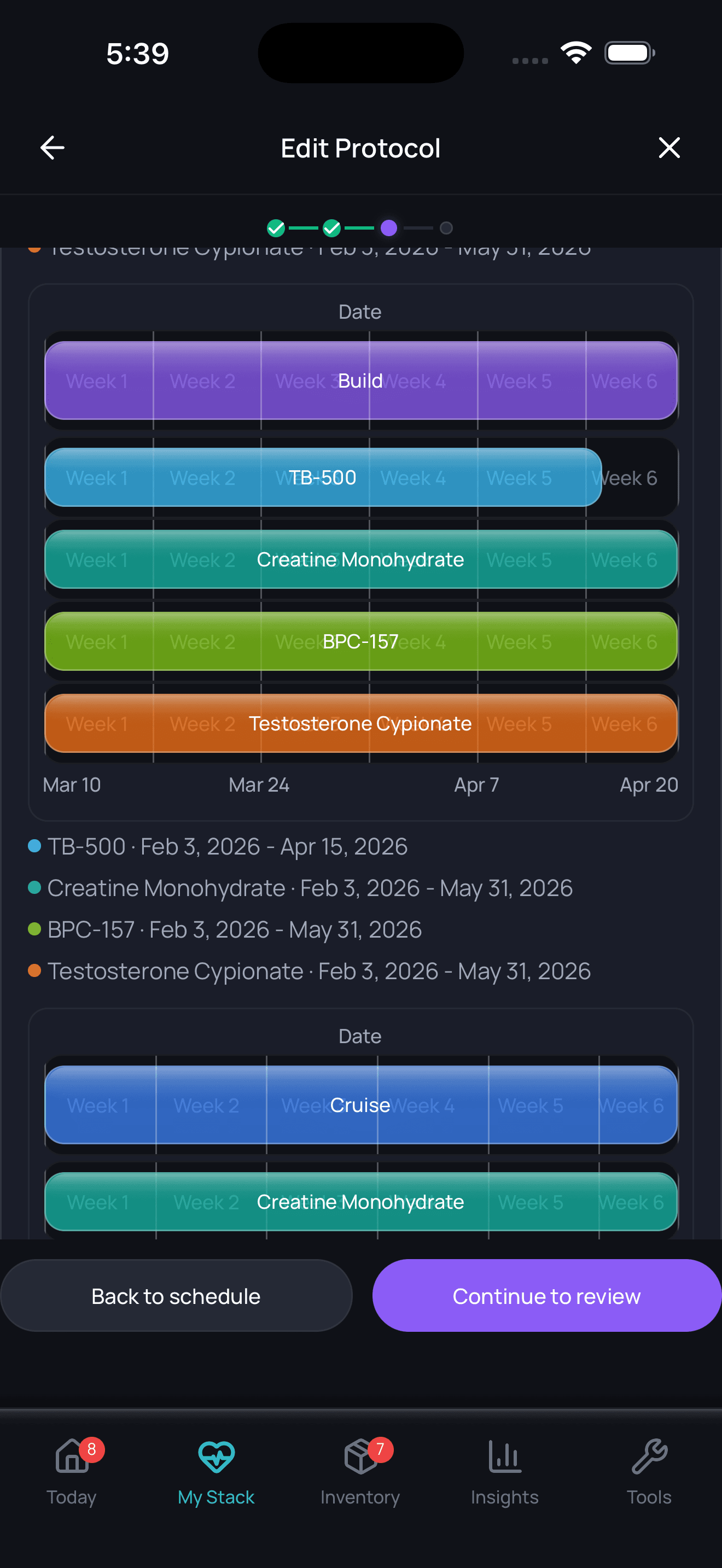
Planning views are organizational and should be aligned with professional guidance.
Choosing a Quality Product
Product quality is arguably more important for ginseng than for most supplements. The community and research literature both emphasize that poorly sourced or poorly manufactured ginseng products may contain little to no active ginsenosides, while high-quality products from reputable manufacturers can be remarkably effective.
Third-party certifications to look for:
- USP Verified Mark
- NSF Certified for Sport (for athletes)
- GMP certification
- ConsumerLab approval
What to check on the label:
- Ginsenoside percentage: The label should specify total ginsenoside content (e.g., "standardized to 4% ginsenosides" or "contains 40% ginsenosides"). Products without standardization may have inconsistent potency.
- Species identification: Confirm whether the product contains Panax ginseng, Panax quinquefolius, or Eleutherococcus senticosus. Products labeled simply "ginseng" without specifying the species are a red flag.
- Root age (for Korean ginseng): Higher-quality products use 4-6 year old roots, which have higher ginsenoside concentrations than younger roots.
- Processing method: Red ginseng (steamed) contains unique ginsenosides not found in white ginseng. The label should indicate if the product uses red or white ginseng.
Red flags:
- Products labeled only as "ginseng" without specifying species or ginsenoside content
- Proprietary blends that hide individual ginsenoside amounts
- Extremely low prices (high-quality 6-year Korean ginseng root is inherently expensive)
- Claims of specific disease treatment or cure
- Products combining many herbs with token amounts of ginseng
Form considerations:
- Standardized extracts (capsules, tablets) offer the most consistent dosing
- Liquid extracts and pastes may offer faster absorption but dosing is less precise
- Root slices and teas provide the traditional experience but with variable ginsenoside delivery
- Fermented and enzyme-modified extracts may have improved bioavailability
Storage & Handling
- Store ginseng supplements in a cool, dry place away from direct sunlight and moisture.
- Dried ginseng root can be stored at room temperature for extended periods (1-2 years) in an airtight container.
- Liquid extracts and pastes should be refrigerated after opening and used within the timeframe specified on the label.
- Capsules and tablets should be kept in their original sealed container with desiccant packets if provided.
- Avoid exposing ginseng products to excessive heat, as elevated temperatures can degrade ginsenosides.
- Check expiration dates; ginsenoside content may decline over time.
Lifestyle & Supporting Factors
Diet: Ginseng is a supplement, not a substitute for a balanced diet. Adequate protein, healthy fats, and micronutrient intake support the body systems that ginseng modulates (nervous system, immune system, cardiovascular system). Korean ginseng is sometimes consumed as part of traditional Korean cuisine (ginseng chicken soup/samgyetang), which provides the root in a whole-food context.
Exercise: Research shows ginseng does not meaningfully improve athletic performance in healthy individuals. However, it may help with recovery from exercise-induced muscle damage (reduced creatine kinase and inflammatory markers post-exercise). Ginseng's energy-supporting effects may be most useful during periods of high training volume or recovery from illness.
Sleep: Since insomnia is ginseng's most common side effect, optimizing sleep hygiene becomes especially important when supplementing. Take ginseng early in the day, avoid evening dosing, and monitor sleep quality closely during the first week.
Stress management: Ginseng's adaptogenic properties complement (but do not replace) foundational stress management practices such as adequate sleep, regular exercise, social connection, and mindfulness practices. Ginseng may be most useful during periods of acute or chronic stress when the body's stress response system is under increased demand.
Hydration: Maintain adequate hydration. Dry mouth is a reported side effect that adequate water intake can help manage.
Blood sugar monitoring: For individuals using ginseng alongside diabetes management, regular blood glucose monitoring is important. Ginseng may affect blood sugar levels and could require adjustment of diabetes medications.
Regulatory Status & Standards
United States (FDA)
Ginseng products are regulated as dietary supplements under DSHEA. They are not required to demonstrate efficacy before marketing. The FDA has issued warning letters to ginseng product manufacturers making unauthorized disease treatment claims. Ginseng is Generally Recognized as Safe (GRAS) as a food ingredient.
Canada (Health Canada)
Ginseng is regulated as a Natural Health Product (NHP). Licensed NHPs carry a Natural Product Number (NPN) on the label. Health Canada maintains monographs for Panax ginseng and Panax quinquefolius with approved health claims including "used in Herbal Medicine as an adaptogen to help increase energy and resistance to stress."
European Union (EFSA)
The European Medicines Agency (EMA) Community herbal monograph recognizes Panax ginseng C.A. Meyer as a "traditional herbal medicinal product" for symptoms of fatigue and weakness. EFSA has evaluated health claims related to ginseng and has authorized certain claims for the EU market.
Australia (TGA)
Ginseng products are regulated as listed or registered medicines under the TGA. They are available as complementary medicines with permitted low-level health claims.
Athlete & Sports Regulatory Status
WADA: Ginseng (all species) is NOT on the WADA Prohibited List. It is permitted both in-competition and out-of-competition. However, ginseng supplements carry contamination risk, as some products have been found to contain undeclared prohibited substances.
National Anti-Doping Agencies: USADA, UKAD, Sport Integrity Canada, Sport Integrity Australia, and NADA Germany have not issued specific warnings against ginseng itself, but all emphasize the risk of supplement contamination.
NCAA: Ginseng is not on the NCAA banned substance list. However, the NCAA requires that supplements provided by athletic departments be NSF Certified for Sport or Informed Sport certified.
Athlete Certification Programs:
- Informed Sport (sport.wetestyoutrust.com): Batch-tested ginseng products are available.
- NSF Certified for Sport (nsfsport.com): Certified ginseng products available.
- Cologne List (koelnerliste.com): Tested ginseng products listed.
- BSCG (bscg.org): Certified ginseng products available.
GlobalDRO: Athletes can verify ginseng product status at GlobalDRO.com for US, UK, Canada, Australia, Japan, Switzerland, and New Zealand.
Disclaimer: Regulatory status and prohibited substance classifications change frequently. Athletes should always verify the current status of any supplement with their sport's governing body, their national anti-doping agency, and a qualified sports medicine professional before use. Third-party certification (Informed Sport, NSF Certified for Sport) reduces but does not eliminate the risk of contamination with prohibited substances.
Frequently Asked Questions
What is the difference between Korean ginseng, American ginseng, and Siberian ginseng?
Korean (Asian) ginseng (Panax ginseng) and American ginseng (Panax quinquefolius) are true ginsengs in the same plant genus, sharing similar active compounds called ginsenosides but in different ratios. Korean ginseng is traditionally considered more stimulating and warming. American ginseng is considered more calming and cooling. Siberian ginseng (Eleutherococcus senticosus) is not actually a ginseng at all. It belongs to the same plant family but a different genus, and its active compounds (eleutherosides) are chemically unrelated to ginsenosides.
How long does it take for ginseng to work?
Some people notice stimulating effects within hours of the first dose, particularly with high-ginsenoside preparations. However, many of ginseng's benefits (immune support, stress resilience, cognitive enhancement) develop gradually over 2 to 8 weeks of consistent use. Individual gut microbiome composition affects how quickly ginsenosides are metabolized to their active forms.
Should ginseng be cycled?
Many experienced users and traditional practitioners recommend cycling ginseng rather than taking it continuously. Common protocols include 4-6 weeks on followed by 2 weeks off. The rationale is that tolerance to the stimulating effects may develop with continuous use, and cycling helps maintain sensitivity. Clinical trials have not specifically studied cycling versus continuous use.
Can ginseng replace caffeine for energy?
Ginseng provides a different quality of energy compared to caffeine. Users often describe ginseng's effect as a clean, calm alertness rather than the sharp stimulation of caffeine. Some people use ginseng as a partial caffeine replacement, while others combine both. If combining, start with lower amounts of each to assess tolerance, as the stimulating effects can be additive.
Is ginseng safe for women?
Ginseng appears safe for most adult women at standard doses. American ginseng has been specifically studied for cancer-related fatigue in women and is included in oncology guidelines. Korean red ginseng has been studied for menopausal symptoms. However, ginseng should be avoided during pregnancy due to potential teratogenic effects observed in animal studies. Women with hormone-sensitive conditions should discuss ginseng use with a healthcare provider due to potential estrogenic activity of certain ginsenosides.
Does ginseng interact with blood thinners?
Yes, this is a well-documented concern. American ginseng has been shown to reduce warfarin's effectiveness in humans. Asian ginseng's interaction with warfarin is less clear, with mixed results across studies. Anyone taking anticoagulants should consult their healthcare provider before using any form of ginseng.
What does "standardized to X% ginsenosides" mean on a label?
This indicates the guaranteed minimum percentage of total ginsenosides (the primary active compounds) in the extract. A product standardized to 4% ginsenosides contains at least 4 mg of ginsenosides per 100 mg of extract. Higher percentages (up to 40% in leaf extracts) deliver more active compound per dose. The ginsenoside percentage is the most important number on a ginseng supplement label.
Can ginseng raise blood pressure?
The evidence is actually mixed. Some studies suggest ginseng may modestly lower blood pressure through nitric oxide-mediated vasodilation, while older literature raised concerns about blood pressure elevation. Overall, ginseng's effect on blood pressure appears to be small and may differ between hypertensive and normotensive individuals. People with uncontrolled high blood pressure should consult a healthcare provider before use.
Why do some ginseng products cost so much more than others?
Price variation in ginseng products is extreme and often reflects genuine quality differences. High-quality 6-year Korean ginseng root costs significantly more to produce than younger or lower-grade root. Standardized extracts that guarantee ginsenoside content require additional processing and quality testing. However, price alone is not a reliable quality indicator. Third-party certification and clearly stated ginsenoside content are better markers of quality.
Is ginseng safe to take long-term?
Short-term use (up to 6 months) is generally considered safe at recommended doses. American ginseng has clinical safety data supporting long-term use. For Asian ginseng, questions remain about the safety of continuous long-term supplementation, and many experts recommend cyclical use. More research on long-term safety is needed.
Myth vs. Fact
Myth: Ginseng is a powerful testosterone booster.
Fact: Despite widespread marketing claims, clinical evidence does not support ginseng as a meaningful testosterone booster. One study found no significant effect on testosterone levels. Any sexual health benefits of Korean red ginseng likely occur through nitric oxide-mediated vasodilation rather than hormonal changes [11][35].
Myth: All ginseng products are basically the same.
Fact: Different ginseng species (Korean, American, Siberian) have fundamentally different active compounds and effects. Even within the same species, product quality varies dramatically based on root age, processing method, ginsenoside concentration, and manufacturing standards. Community experience consistently confirms that switching from a low-quality to a high-quality product can mean the difference between no effect and significant benefit.
Myth: Ginseng will give you an instant energy boost like caffeine.
Fact: While some people do notice stimulating effects within hours (particularly with leaf extracts), ginseng's adaptogenic benefits develop gradually over weeks. The "energy" ginseng provides is generally described as calm alertness rather than the acute stimulation of caffeine. Many of ginseng's benefits, including immune support and cognitive enhancement, require consistent use over 2-8 weeks.
Myth: Siberian ginseng is just a cheaper version of Korean ginseng.
Fact: Siberian ginseng (Eleutherococcus senticosus) is a completely different plant from an entirely different genus. Its active compounds (eleutherosides) are chemically unrelated to the ginsenosides in true ginseng. While it shares some adaptogenic properties, it should be evaluated and dosed as a separate supplement with its own evidence base [7].
Myth: Ginseng is dangerous for people with high blood pressure.
Fact: While this concern persists, current evidence suggests ginseng may actually have a modest blood pressure-lowering effect through nitric oxide-mediated vasodilation. Some small studies have found benefit for prehypertension and hypertension. However, individual responses vary, and anyone with blood pressure concerns should monitor their levels and consult a healthcare provider [36].
Myth: More ginseng means better results.
Fact: Dose-response relationships for ginseng are not linear. For cognitive benefits, 200-400 mg of standardized extract appears optimal, with the 400 mg dose not dramatically outperforming 200 mg. Higher doses (2-3 g/day of red ginseng) are used for different outcomes (erectile function) and carry higher side effect risk. More is not necessarily better, and quality matters more than quantity.
Myth: Ginseng is a proven cure for erectile dysfunction.
Fact: A Cochrane systematic review (2021) examining 9 randomized controlled trials concluded that while some studies showed improvement with Korean red ginseng, the overall effect "may be trivial" and the quality of evidence was low. Ginseng may offer modest support for sexual function but should not be expected to resolve clinical erectile dysfunction [11][21].
Sources & References
Systematic Reviews & Meta-Analyses
[1] Fan S, Zhang Z, Su H, et al. Panax ginseng clinical trials: current status and future perspectives. Biomedicine & Pharmacotherapy. 2020;132:110832.
[4] Li X, Yang M, Zhang YL, et al. Ginseng and ginseng herbal formulas for symptomatic management of fatigue: a systematic review and meta-analysis. Journal of Integrative and Complementary Medicine. 2023;29(8):468-482.
[5] Naseri K, Saadati S, Sadeghi A, et al. The efficacy of ginseng (Panax) on human prediabetes and type 2 diabetes mellitus: a systematic review and meta-analysis. Nutrients. 2022;14(12):2401.
[11] Lee HW, Lee MS, Kim TH, et al. Ginseng for erectile dysfunction. Cochrane Database Syst Rev. 2021;4(4):CD012654.
[20] Park SH, Chung S, Chung MY, et al. Effects of Panax ginseng on hyperglycemia, hypertension, and hyperlipidemia: a systematic review and meta-analysis. J Ginseng Res. 2022;46(2):188-205.
[26] Kim S, Shin BC, Lee MS, et al. Red ginseng for type 2 diabetes mellitus: a systematic review of randomized controlled trials. Chin J Integr Med. 2011;17(12):937-44.
Clinical Trials & RCTs
[6] Zhang L, Chen X, Cheng Y, et al. Safety and antifatigue effect of Korean Red Ginseng: a randomized, double-blind, and placebo-controlled clinical trial. J Ginseng Res. 2019;43(4):676-683.
[10] Scaglione F, Cattaneo G, Alessandria M, et al. Efficacy and safety of the standardised Ginseng extract G115 for potentiating vaccination against the influenza syndrome and protection against the common cold. Drugs Exp Clin Res. 1996;22:65-72.
[17] Park KC, Jin H, Zheng R, et al. Cognition enhancing effect of panax ginseng in Korean volunteers with mild cognitive impairment: a randomized, double-blind, placebo-controlled clinical trial. Transl Clin Pharmacol. 2019;27(3):92-98.
[18] Reay JL, Scholey AB, Kennedy DO. Panax ginseng (G115) improves aspects of working memory performance and subjective ratings of calmness in healthy young adults. Hum Psychopharmacol. 2010;25(6):462-71.
[19] Heo JH, Lee ST, Chu K, et al. Improvement of cognitive deficit in Alzheimer's disease patients by long term treatment with korean red ginseng. J Ginseng Res. 2011;35(4):457-461.
[21] de Andrade E, de Mesquita AA, Claro JA, et al. Study of the efficacy of Korean Red Ginseng in the treatment of erectile dysfunction. Asian J Androl. 2007;9(2):241-244.
[22] Barton DL, Liu H, Dakhil SR, et al. Wisconsin Ginseng (Panax quinquefolius) to improve cancer-related fatigue: a randomized, double-blind trial, N07C2. J Natl Cancer Inst. 2013;105(16):1230-8.
[24] Lee ST, Chu K, Sim JY, et al. Panax ginseng enhances cognitive performance in Alzheimer disease. Alzheimer Dis Assoc Disord. 2008;22(3):222-226.
[25] Namgung E, Kim J, Jeong H, et al. Effects of Korean red ginseng on human gray matter volume and cognitive function: a voxel-based morphometry study. Hum Psychopharmacol. 2021;36(2):e2767.
[33] Vuksan V, et al. American ginseng (Panax quinquefolius L.) attenuates postprandial glycemia in a time-dependent but not dose-dependent manner in healthy individuals. Am J Clin Nutr. 2001;73:753-8.
[35] Salvati G, Genovesi G, Marcellini L, et al. Effects of Panax Ginseng C.A. Meyer saponins on male fertility. Panminerva Med. 1996;38(4):249-54.
Observational Studies & Epidemiological Data
[12] Yun TK, Choi SY. Preventive effect of ginseng intake against various human cancers: a case-control study on 1987 pairs. Cancer Epidemiol Biomarkers Prev. 1995;4(4):401-8.
[27] Yun TK, Zheng S, Choi SY, et al. Non-organ-specific preventive effect of long-term administration of Korean red ginseng extract on incidence of human cancers. J Med Food. 2010;13(3):489-494.
Government/Institutional Sources
[6] National Center for Complementary and Integrative Health (NCCIH). Asian Ginseng. Updated February 2025. https://www.nccih.nih.gov/health/asian-ginseng
Pharmacological & Mechanistic Studies
[2] Liu H, Lu X, Hu Y, et al. Chemical constituents of Panax ginseng and Panax notoginseng explain why they differ in therapeutic efficacy. Pharmacol Res. 2020;161:105263.
[3] Attele AS, Wu JA, Yuan CS. Ginseng pharmacology: multiple constituents and multiple actions. Biochem Pharmacol. 1999;58:1685-93.
[7] Davydov M, Krikorian AD. Eleutherococcus senticosus (Rupr. & Maxim.) Maxim. (Araliaceae) as an adaptogen: a closer look. J Ethnopharmacol. 2000;72(3):345-393.
[8] He M, Huang X, Shuying L, et al. The difference between white and red ginseng: variations in ginsenosides and immunomodulation. Planta Medica. 2018;84(12-13):845-854.
[9] Baranov AI. Medicinal uses of ginseng and related plants in the Soviet Union: recent trends in the Soviet literature. J Ethnopharmacol. 1982;6:339-53.
[13] He BC, Gao JL, Luo X, et al. Ginsenoside Rg3 inhibits colorectal tumor growth through the down-regulation of Wnt/beta-catenin signaling. Int J Oncol. 2011;38(2):437-45.
[14] Jia L, Zhao Y. Current evaluation of the millennium phytomedicine—ginseng (I): etymology, pharmacognosy, phytochemistry, market and regulations. Curr Med Chem. 2009;16(19):2475-84.
[15] Hao M, Ba Q, Yin J, et al. Deglycosylated ginsenosides are more potent inducers of CYP1A1, CYP1A2 and CYP3A4 expression in HepG2 cells than glycosylated ginsenosides. Drug Metab Pharmacokinet. 2011;26(2):201-5.
[16] Lee J, Lee E, Kim D, et al. Studies on absorption, distribution and metabolism of ginseng in humans after oral administration. J Ethnopharmacol. 2009;122(1):143-8.
Drug Interaction Studies
[28] NCCIH. Asian Ginseng safety information. Updated February 2025.
[29] Norelli LJ, Xu C. Manic Psychosis Associated With Ginseng: A Report of Two Cases and Discussion of the Literature. J Diet Suppl. 2015;12(2):119-25.
[30] Bilgi N, Bell K, Ananthakrishnan AN, et al. Imatinib and Panax ginseng: A potential interaction resulting in liver toxicity. Ann Pharmacother. 2010;44(5):926-8.
[31] Viviano A, Steele D, Edsell M, et al. Over-the-counter natural products in cardiac surgery: A case of ginseng-related massive perioperative bleeding. BMJ Case Rep. 2017;2017:bcr2016218068.
[32] Kakisaka Y, Ohara T, Tozawa H, et al. Panax ginseng: A newly identified cause of gynecomastia. Tohoku J Exp Med. 2012;228(2):143-5.
[34] Lin JF, Fan LL, Li BW, et al. A study to evaluate herb-drug interaction underlying mechanisms: An investigation of ginsenosides attenuating the effect of warfarin on cardiovascular diseases. Eur J Pharm Sci. 2020;142:105100.
[36] Lee HW, Lim HJ, Jun JH, et al. Ginseng for Treating Hypertension: A Systematic Review and Meta-Analysis of Double Blind, Randomized, Placebo-Controlled Trials. Curr Vasc Pharmacol. 2017;15(6):549-556.
Related Supplement Guides
Same Category (Herbal Extracts / Adaptogens)
- Ashwagandha
- Rhodiola Rosea
- Maca Root
- Holy Basil (Tulsi)
- Astragalus
- Cordyceps
- Reishi Mushroom
- Lion's Mane Mushroom
Common Stacks / Pairings
- Ginkgo Biloba (cognitive enhancement pairing)
- L-Theanine (calm energy pairing)
- Caffeine (energy pairing, use caution)
- Vitamin D3 (immune support pairing)
- Vitamin C (immune support pairing)
- Zinc (immune support)
Related Health Goal
- Alpha-GPC (cognitive support, cholinergic)
- Bacopa Monnieri (cognitive support, memory)
- Tongkat Ali (male sexual health, adaptogen)
- L-Citrulline (nitric oxide, cardiovascular)
- Magnesium (stress, sleep support)
- Chromium (blood sugar support)