
Holy Basil (Tulsi): The Complete Supplement Guide
On this page
Quick Reference Card
Attribute
Common Name
- Detail
- Holy Basil (Tulsi)
Attribute
Other Names / Aliases
- Detail
- Tulsi, Tulasi, Sacred Basil, Ocimum sanctum, Ocimum tenuiflorum, The Queen of Herbs, The Incomparable One
Attribute
Category
- Detail
- Herbal Extract (Adaptogen)
Attribute
Primary Forms & Variants
- Detail
- Rama/Sri Tulsi (green leaf, O. tenuiflorum); Krishna/Shyama Tulsi (purple leaf, O. tenuiflorum, higher phenolic content); Vana/Wild Tulsi (O. gratissimum, dark green leaf)
Attribute
Typical Dose Range
- Detail
- 300-2,000 mg/day of leaf extract; up to 3,000 mg/day in some studies
Attribute
RDA / AI / UL
- Detail
- No RDA, AI, or UL established. Holy basil is not classified as an essential nutrient.
Attribute
Common Delivery Forms
- Detail
- Capsules, tablets, tinctures, dried leaf tea, fresh leaves, essential oil (topical only)
Attribute
Best Taken With / Without Food
- Detail
- Can be taken with or without food; tea form commonly consumed on its own
Attribute
Key Cofactors
- Detail
- No established cofactors; often combined with other adaptogens (ashwagandha, rhodiola) or calming herbs (lemon balm)
Attribute
Storage Notes
- Detail
- Store dried herb and capsules in a cool, dry place away from light and moisture. Tinctures should be stored at room temperature. Fresh leaves are best used promptly.
Overview
The Basics
Holy basil, known as tulsi in Hindi and tulasi in Sanskrit, is one of the most revered plants in the Indian tradition of medicine. It has been used in Ayurvedic healing for over 3,000 years and holds a unique place among herbal supplements: it is both a practical medicinal herb and a culturally sacred plant, commonly found growing in household courtyards and temple gardens across the Indian subcontinent.
Unlike many supplements that target a single system or concern, holy basil is considered an adaptogen, meaning it helps your body manage stress more effectively. Think of it as a thermostat for your stress response: instead of letting your body overreact to daily pressures, holy basil appears to help calibrate your system back toward balance. This broad stress-modulating action is what makes it interesting for so many different health areas, from anxiety to blood sugar regulation to immune support [1].
There are three main types of tulsi commonly used. Rama tulsi has green leaves, Krishna tulsi has distinctive purple leaves and tends to contain more protective plant compounds, and Vana tulsi is the wild forest variety. All three belong to the basil family and share many active ingredients, but they do have slightly different chemical profiles that may influence their effects [2].
Most modern research on holy basil has focused on its potential for metabolic health (particularly blood sugar), stress and anxiety management, immune modulation, and antimicrobial activity. While the results have been consistently positive, the research base remains relatively small compared to some other herbal supplements, and many studies have had methodological limitations [3].
The Science
Holy basil (Ocimum tenuiflorum L., synonym Ocimum sanctum L.) is an aromatic sub-shrub in the family Lamiaceae, indigenous to the Indian subcontinent and cultivated throughout South and Southeast Asia. The species encompasses multiple cultivars with distinct phytochemical profiles, primarily differentiated by their volatile oil composition and phenolic content [2].
The phytochemical complexity of holy basil is notable, containing classes of bioactive compounds including phenylpropanoids (eugenol, methyl eugenol), terpenoids (ursolic acid, beta-caryophyllene, linalool), flavonoids (apigenin, luteolin, orientin, vicenin), phenolic acids (rosmarinic acid), saponins (ocimumosides A and B), and tannins [4]. The relative concentrations of these compounds vary significantly between cultivars: Krishna tulsi demonstrates higher total phenolic content and antioxidant capacity compared to Rama and Vana varieties [2].
A 2017 systematic review by Jamshidi and Cohen identified 24 human intervention studies meeting inclusion criteria, spanning metabolic disorders, cardiovascular disease, neurocognition, immunity, and infection. All 24 studies reported favorable clinical outcomes with no significant adverse events [3]. However, the review noted heterogeneity in study designs, preparations used, and outcome measures, making definitive dose-response conclusions difficult to establish.
The traditional Ayurvedic classification of tulsi positions it as an herb that "penetrates the deep tissues" and normalizes kapha and vata doshas. Modern pharmacological investigation has largely corroborated the adaptogenic, anti-inflammatory, antioxidant, immunomodulatory, and antimicrobial properties attributed to it in classical texts [1].
Chemical & Nutritional Identity
Property
Chemical Name
- Value
- Not applicable (complex botanical extract)
Property
Botanical Name
- Value
- Ocimum tenuiflorum L. (syn. Ocimum sanctum L.)
Property
Family
- Value
- Lamiaceae
Property
Primary Active Compounds
- Value
- Eugenol, rosmarinic acid, ursolic acid, apigenin, ocimumosides A and B, beta-caryophyllene
Property
CAS Number
- Value
- 8015-73-4 (essential oil)
Property
Category
- Value
- Herbal Extract, Adaptogen, Botanical Supplement
Property
Established Daily Values
- Value
- No RDA, AI, or UL established by IOM or EFSA
Key active compounds and their roles:
- Eugenol (1-hydroxy-2-methoxy-4-allylbenzene): Primary phenylpropanoid in leaf volatile oil. Responsible for significant COX-2 inhibition, antimicrobial activity, and antioxidant effects. Contributes to the distinctive aroma of tulsi [4].
- Rosmarinic acid: Phenolic compound with demonstrated antioxidant and anti-inflammatory activity. Present in both leaf and stem tissues [4].
- Ursolic acid: Pentacyclic triterpene with anti-inflammatory, hepatoprotective, and anti-cancer properties in preclinical models [5].
- Ocimumosides A and B: Saponins identified as key anti-stress compounds, shown to normalize corticosterone and creatine kinase levels in animal stress models [1].
- Apigenin: Flavonoid with anxiolytic and anti-inflammatory properties [4].
- Beta-caryophyllene: Sesquiterpene that acts as a cannabinoid receptor type 2 (CB2) agonist, contributing to anti-inflammatory and analgesic effects [4].
Cultivar differences:
- Rama/Sri tulsi (green): Most widely available; moderate eugenol content
- Krishna/Shyama tulsi (purple): Higher total phenolic content and antioxidant capacity; distinct terpene profile
- Vana tulsi (O. gratissimum): Different species with unique volatile oil composition; traditionally used for different applications
Mechanism of Action
The Basics
Holy basil works through several overlapping pathways, but its most distinctive feature is its broad adaptogenic action. Rather than targeting one specific receptor or enzyme, it appears to help your body's stress management system function more efficiently.
Your body has a built-in stress response system called the HPA axis (hypothalamic-pituitary-adrenal axis). When you encounter stress, this system releases cortisol and other stress hormones to help you cope. The problem is that in modern life, this system often stays activated for too long, leading to chronically elevated cortisol and all the health problems that come with it: poor sleep, anxiety, elevated blood sugar, weakened immunity. Holy basil contains compounds (particularly ocimumosides A and B) that appear to help recalibrate this stress response, keeping cortisol levels from spiking too high or staying elevated too long [1].
Beyond stress, holy basil also works as an anti-inflammatory agent. One of its primary compounds, eugenol, inhibits COX-2, the same enzyme targeted by common anti-inflammatory medications like ibuprofen. This gives holy basil a broad anti-inflammatory effect that may contribute to its reported benefits for joint discomfort, cardiovascular health, and general wellbeing [5].
The antioxidant activity of holy basil is also noteworthy. Its phenolic compounds (rosmarinic acid, apigenin, and others) help neutralize free radicals and protect cells from oxidative damage. This is particularly relevant for metabolic health, as oxidative stress is a key driver of insulin resistance and beta-cell dysfunction in the pancreas [1][4].
The Science
Holy basil exerts its biological effects through multiple, interconnected pharmacological mechanisms:
HPA Axis and Stress Response Modulation:
The adaptogenic properties of tulsi are mediated at least in part by its effects on the hypothalamic-pituitary-adrenal (HPA) axis and sympathoadrenal system. Ocimumosides A and B have been identified as key anti-stress compounds in animal models, demonstrating normalization of corticosterone, creatine kinase, and adrenal hypertrophy markers under stress conditions [1]. The mechanism involves modulation of cortisol release patterns rather than suppression, distinguishing it from direct anxiolytics.
Anti-inflammatory Pathways:
Eugenol and related phenylpropanoids inhibit COX-2 (cyclooxygenase-2) activity, reducing prostaglandin synthesis and downstream inflammatory cascades [5]. Additional anti-inflammatory mechanisms include lipoxygenase inhibition and modulation of pro-inflammatory cytokine production (TNF-alpha, IL-1beta, IL-6). Linolenic acid present in tulsi inhibits both COX and LOX pathways [5]. In preclinical models, the anti-inflammatory activity of holy basil leaf extracts has been compared to that of ibuprofen, naproxen, and aspirin [5].
Antioxidant Defense:
Tulsi enhances both enzymatic and non-enzymatic antioxidant defense systems. Documented effects include increased superoxide dismutase (SOD), catalase, and glutathione peroxidase activity [5]. Direct free radical scavenging is contributed by rosmarinic acid, apigenin, luteolin, and other phenolic constituents [4].
Glycemic Regulation:
Hypoglycemic effects have been documented in multiple human and animal studies. Proposed mechanisms include antioxidant-mediated protection of pancreatic beta-cells, enhanced insulin secretion, improved insulin sensitivity, and inhibition of carbohydrate-digesting enzymes [3][6].
Immunomodulation:
A double-blind RCT (Mondal et al., 2011) demonstrated that 300 mg/day of tulsi leaf extract for 4 weeks significantly increased IFN-gamma, IL-4, T-helper cells, and natural killer cells compared to placebo in healthy volunteers [7]. This suggests modulation of both Th1 and Th2 immune responses without overstimulation.
Antimicrobial Activity:
Broad-spectrum antimicrobial effects have been documented against bacteria (including MRSA), viruses, and fungi. The primary antimicrobial compound is eugenol, though other volatile oil components contribute synergistically [5].
Absorption & Bioavailability
The Basics
As a complex herbal extract rather than a single isolated compound, the absorption of holy basil involves the uptake of dozens of different active molecules, each with its own absorption characteristics. The good news is that tulsi leaf extracts are generally well absorbed when taken orally, and people have been consuming them effectively as teas and food preparations for thousands of years.
The active compounds in holy basil fall into two broad categories: water-soluble compounds (like rosmarinic acid and certain flavonoids) that absorb relatively easily through the digestive tract, and fat-soluble compounds (like eugenol and ursolic acid) that may absorb better when consumed with some dietary fat. This dual nature means that both tea preparations (which extract water-soluble compounds) and capsule extracts (which may contain a broader range of compounds) have valid applications [4].
One important consideration is that the form you choose affects which compounds you actually absorb. Tulsi tea primarily delivers water-soluble phenolics and some volatile aromatic compounds. Standardized extracts in capsule form typically contain a more concentrated and broader spectrum of active compounds. Essential oil preparations deliver primarily volatile compounds like eugenol. Each form has a different pharmacological profile, which may explain why users sometimes report different effects from different preparations.
The Science
Detailed human pharmacokinetic data for holy basil extracts are limited. The compound is a complex polyherbal matrix, and the absorption, distribution, metabolism, and excretion (ADME) profiles of its individual constituents have been studied to varying degrees:
Eugenol: Rapidly absorbed after oral administration, with peak plasma concentrations achieved within 1-2 hours in animal pharmacokinetic models. Undergoes extensive first-pass hepatic metabolism via glucuronidation and sulfation. Bioavailability is moderate. Eugenol is lipophilic and distributes to multiple tissues [4].
Rosmarinic acid: Absorbed from the gastrointestinal tract primarily as intact compound and as methylated, sulfated, and glucuronidated metabolites. Peak plasma levels are typically reached within 0.5-1 hour. Bioavailability is limited by extensive Phase II metabolism [4].
Ursolic acid: Poor oral bioavailability due to low aqueous solubility and extensive first-pass metabolism. Novel delivery systems (nanoparticles, liposomes) have been investigated to improve absorption, but these are not reflected in standard holy basil supplements [5].
Apigenin and other flavonoids: Variable absorption depending on glycosylation status. Aglycone forms are absorbed primarily via passive diffusion; glycosides require hydrolysis by intestinal enzymes or gut microbiota before absorption [4].
The variability in active compound content between cultivars, growing conditions, harvest timing, and extraction methods creates significant batch-to-batch variation in commercial products. Standardization to specific marker compounds (commonly eugenol or total phenolics) partially addresses this, but no universal standardization protocol exists for holy basil supplements.
Research & Clinical Evidence
The Basics
Blood sugar and metabolic health: This is the area with the most consistent body of evidence for holy basil. Multiple studies in people with type 2 diabetes or metabolic syndrome have found that tulsi supplementation reduced fasting blood sugar, post-meal blood sugar, and HbA1c (a marker of long-term blood sugar control). Some studies also showed improvements in cholesterol and triglyceride levels [3][6]. These effects are promising, but the studies have generally been small (20-60 participants) and some lacked placebo controls, so the evidence, while encouraging, is still preliminary.
Stress and anxiety: Holy basil's reputation as an adaptogen is supported by clinical data showing reduced anxiety symptoms and improved stress responses. One controlled trial found that 500 mg of tulsi extract twice daily for 60 days significantly reduced anxiety symptoms compared to placebo [8]. Users and practitioners often describe the effect as creating a sense of calm alertness rather than sedation, which distinguishes it from some other calming herbs.
Immune function: A well-designed double-blind study showed that 300 mg of tulsi daily for four weeks increased natural killer cell activity and T-helper cell counts in healthy volunteers, suggesting genuine immune-enhancing effects [7]. This aligns with the traditional use of tulsi for supporting overall resilience and resistance to infection.
Cognitive function: Limited but intriguing data suggest tulsi may improve attention, reaction time, and working memory. One study found improvements in cognitive flexibility after six weeks of supplementation [3]. More research is needed in this area.
Oral health: Multiple studies have found that tulsi-based mouth rinses and gels (2-4% concentration) can reduce plaque, gum inflammation, and bleeding, likely due to its antimicrobial and anti-inflammatory properties [3].
The Science
Metabolic Effects (Diabetes, Lipids):
Agrawal et al. (1996) conducted a randomized, placebo-controlled, single-blind trial in 40 patients with non-insulin-dependent diabetes mellitus (NIDDM). Administration of 2.5 g of tulsi leaf powder daily for 4 weeks produced statistically significant reductions in fasting blood glucose (p < 0.05) and postprandial blood glucose (p < 0.001) compared to placebo [6].
Rai et al. (1997) performed a crossover study in 27 NIDDM patients, finding that tulsi leaf powder for 30 days reduced fasting blood glucose by 17.6% and postprandial blood glucose by 7.3% [3].
Devra et al. (2012) administered tulsi extract 250 mg twice daily for 3 months in 30 patients with metabolic syndrome. Significant reductions were observed in fasting blood glucose, postprandial glucose, HbA1c, total cholesterol, LDL cholesterol, and triglycerides [3].
Satapathy et al. (2017) evaluated tulsi 250 mg twice daily for 12 weeks in 30 overweight/obese subjects, finding improvements in insulin levels, insulin resistance markers, and lipid profile parameters [3].
Anxiety and Stress:
Bhattacharyya et al. (2008) conducted a controlled programmed trial of O. sanctum leaf extract (500 mg twice daily for 60 days) in patients with generalized anxiety disorder. Results showed significant reduction in anxiety symptoms, associated stress parameters, and improvement in attention and content adjustment compared to baseline and control group [8].
The anti-stress effects of tulsi are attributed to its adaptogenic properties, mediated through HPA axis modulation. Ocimumosides A and B have been specifically identified as the anti-stress compounds responsible for normalizing corticosterone levels and reducing adrenal hypertrophy in stress models [1].
Immunomodulation:
Mondal et al. (2011) performed a double-blind RCT in 24 healthy volunteers. Administration of 300 mg of ethanolic extract of O. sanctum leaves daily for 4 weeks resulted in significant increases in IFN-gamma (p < 0.05), IL-4 (p < 0.05), T-helper cells (p < 0.05), and natural killer cells (p < 0.01) compared to placebo [7]. No adverse events were reported.
Cognitive Function:
Saxena et al. (2012) evaluated 150 mg of tulsi extract twice daily for 6 weeks in healthy volunteers. Improvements were observed in reaction time, error rates on cognitive flexibility tasks, and short-term memory parameters [3]. The sample size was small, and replication is needed.
Oral Health:
Multiple studies have demonstrated that tulsi-based preparations (2-4% in mouth rinses or gels) reduce plaque index, gingival index, and bleeding on probing in periodontal disease. The mechanism involves direct antimicrobial activity against oral pathogens and anti-inflammatory effects on gingival tissue [3].
Evidence & Effectiveness Matrix
Category
Stress Tolerance
- Evidence Strength
- 6/10
- Reported Effectiveness
- 8/10
- Summary
- Multiple clinical studies demonstrate adaptogenic and cortisol-modulating effects. Community reports are strongly positive. Study quality is moderate (small sample sizes, some lacking placebo controls).
Category
Anxiety
- Evidence Strength
- 5/10
- Reported Effectiveness
- 8/10
- Summary
- One controlled trial showed significant anxiety reduction. Community reports are consistently positive, though many users are self-selected. Limited number of rigorous RCTs.
Category
Mood & Wellbeing
- Evidence Strength
- 4/10
- Reported Effectiveness
- 7/10
- Summary
- Some clinical data on general wellbeing improvements. Community reports are positive but hard to separate from anxiety relief.
Category
Immune Function
- Evidence Strength
- 6/10
- Reported Effectiveness
- N/A
- Summary
- One well-designed double-blind RCT showed increased NK cells and T-helper cells. Community data not yet collected for this category.
Category
Focus & Mental Clarity
- Evidence Strength
- 4/10
- Reported Effectiveness
- 6/10
- Summary
- One small study showed cognitive improvements. Community reports are moderately positive, though effects may be secondary to anxiety reduction.
Category
Heart Health
- Evidence Strength
- 4/10
- Reported Effectiveness
- N/A
- Summary
- Multiple studies show lipid profile improvements (reduced cholesterol, LDL, triglycerides). No community data for this category.
Category
Sleep Quality
- Evidence Strength
- 3/10
- Reported Effectiveness
- 5/10
- Summary
- Minimal direct clinical evidence for sleep. Community reports are mixed, with some finding it helpful and others reporting insomnia.
Category
Energy Levels
- Evidence Strength
- 3/10
- Reported Effectiveness
- 5/10
- Summary
- Traditional use suggests vitality enhancement. Limited clinical evidence. Community reports are mixed, with some reporting increased energy and others sluggishness.
Category
Inflammation
- Evidence Strength
- 5/10
- Reported Effectiveness
- N/A
- Summary
- Strong preclinical evidence for COX-2 inhibition and anti-inflammatory activity. Human clinical data on inflammation-specific outcomes is limited.
Category
Side Effect Burden
- Evidence Strength
- 6/10
- Reported Effectiveness
- 6/10
- Summary
- All human studies report no significant adverse events. Community reports confirm good tolerability at standard doses.
Categories scored: 10
Categories with community data: 7
Categories not scored (insufficient data): Fat Loss, Muscle Growth, Weight Management, Appetite & Satiety, Food Noise, Memory & Cognition, Motivation & Drive, Emotional Aliveness, Emotional Regulation, Libido, Sexual Function, Joint Health, Pain Management, Recovery & Healing, Physical Performance, Gut Health, Digestive Comfort, Nausea & GI Tolerance, Skin Health, Hair Health, Blood Pressure, Heart Rate & Palpitations, Hormonal Symptoms, Temperature Regulation, Fluid Retention, Body Image, Bone Health, Longevity & Neuroprotection, Cravings & Impulse Control, Social Connection, Treatment Adherence, Withdrawal Symptoms, Daily Functioning
Benefits & Potential Effects
The Basics
Holy basil has a remarkably broad range of potential benefits, which is consistent with its traditional reputation as a "whole-body" tonic. However, it is important to understand that the strength of evidence varies considerably across these areas.
The most well-supported benefit is stress and anxiety management. Multiple studies and extensive anecdotal reports suggest that holy basil helps create a sense of calm without the sedation associated with many anti-anxiety compounds. Many people describe feeling "level-headed" and "present" rather than drowsy or detached. This makes it appealing for daytime use when you need to stay functional [1][8].
Blood sugar support is another area with consistent (if preliminary) positive data. Several studies have shown reductions in fasting blood sugar, post-meal blood sugar spikes, and HbA1c in people with type 2 diabetes or metabolic concerns. These effects appear to work through antioxidant protection of pancreatic cells and improved insulin function [3][6].
Immune support is backed by a quality clinical study showing enhanced natural killer cell and T-helper cell activity, suggesting that regular use may help your immune system function more efficiently without overstimulating it [7].
Other reported benefits include improved cholesterol and lipid profiles, antimicrobial effects (including activity against drug-resistant bacteria), antioxidant protection, and potential cognitive enhancement. Traditional uses extend even further, encompassing respiratory health, wound healing, and digestive support, though clinical evidence for these applications is limited [1][5].
The Science
Adaptogenic and Anti-Stress Effects:
The adaptogenic activity of tulsi is supported by both human and animal data. Clinical studies demonstrate reductions in perceived stress, anxiety symptoms, and associated physiological markers (cortisol, creatine kinase) [1][3][8]. The mechanism involves modulation of the HPA axis and sympathoadrenal system, with ocimumosides A and B identified as key mediators [1].
Metabolic Benefits:
A consistent body of evidence (8+ studies identified in the 2017 systematic review) demonstrates hypoglycemic effects across multiple preparations and populations. Effect sizes are clinically meaningful, with fasting blood glucose reductions of 10-17% reported in several trials [3][6]. Lipid profile improvements (reduced total cholesterol, LDL, triglycerides; increased HDL) have been observed in both diabetic and non-diabetic populations.
Immunomodulatory Effects:
Enhancement of both innate (NK cell) and adaptive (T-helper cell, cytokine) immune responses has been demonstrated in a double-blind RCT without evidence of immune overstimulation [7]. This bidirectional modulation is consistent with the adaptogenic classification.
Anti-inflammatory and Antioxidant Effects:
COX-2 inhibition by eugenol provides a plausible mechanism for the anti-inflammatory benefits reported in traditional use and observed in preclinical models [5]. Clinical evidence of anti-inflammatory effects in humans specifically through tulsi supplementation remains limited.
Antimicrobial Activity:
Broad-spectrum antimicrobial activity has been documented in vitro against gram-positive and gram-negative bacteria (including MRSA), viruses, and fungi. Clinical relevance has been demonstrated primarily in oral health applications (periodontal disease) [3][5].
When you're taking multiple supplements, it's hard to know which one is doing the heavy lifting. The benefits described above may overlap with effects from other items in your stack, lifestyle changes, or seasonal variation. Doserly helps you untangle that by keeping everything in one place, with timestamps, doses, and outcomes logged together.
Over time, this builds something more valuable than any product review: your personal evidence record. You can see exactly when you started this supplement, what else was in your routine at the time, and how your tracked health markers responded. That clarity makes the difference between guessing and knowing, whether you're talking to a healthcare provider or simply deciding if it's worth reordering.
Connect protocol changes to labs and health markers.
Doserly can keep lab results, biomarkers, symptoms, and dose history close together so follow-up conversations have better context.
Insights
Labs and trends
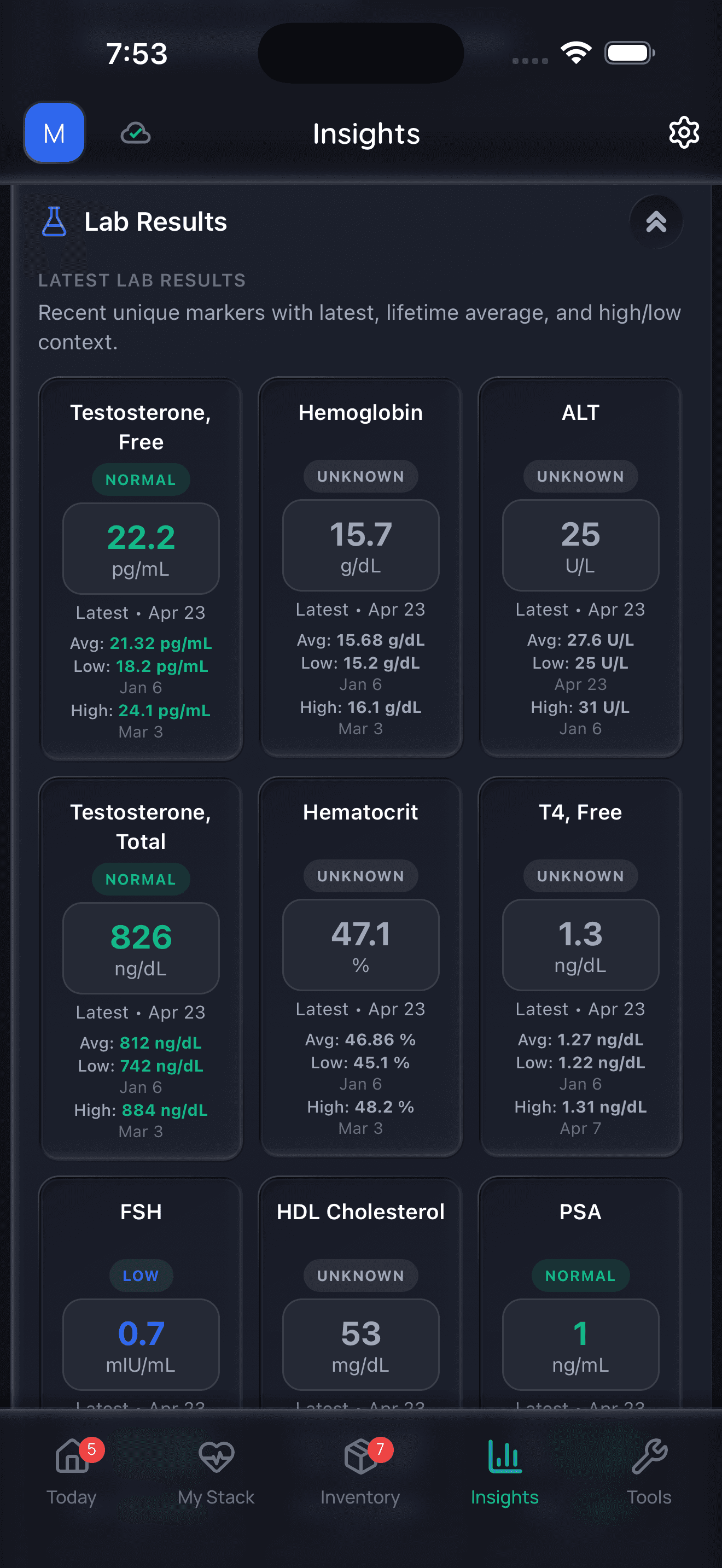
Doserly organizes data; it does not diagnose or interpret labs for you.
Side Effects & Safety
The Basics
Holy basil has an impressive safety profile based on the available evidence. Across all human clinical studies reviewed in the 2017 systematic review (24 studies total), no significant adverse events were reported [3]. This is notable for a supplement that has been tested across a range of doses and populations.
That said, there are a few considerations worth knowing about. At higher doses, some people report excessive calmness or reduced motivation, a side effect consistent with its stress-lowering activity. This appears to be dose-dependent and resolves when the dose is reduced. Some experienced users recommend cycling holy basil (taking periodic breaks) to prevent tolerance or excessive cortisol suppression [3].
Animal studies have raised a concern about potential effects on male fertility at very high doses, including reduced sperm count and motility. However, no fertility-related adverse effects have been reported in human studies at standard supplemental doses, and multiple male users in community discussions report no such issues. Until more data are available, individuals actively trying to conceive may want to discuss holy basil use with their healthcare provider [5].
Other considerations include potential interactions with blood-thinning medications (eugenol has mild antiplatelet effects) and blood sugar-lowering medications (holy basil may enhance their effects). People scheduled for surgery should consider stopping holy basil at least two weeks beforehand due to the theoretical antiplatelet activity [5].
Safety during pregnancy and breastfeeding has not been established in clinical studies. Given the animal data on anti-fertility and anti-implantation effects at high doses, most sources recommend avoiding holy basil supplementation during pregnancy [5].
The Science
Human Safety Data:
The Jamshidi and Cohen (2017) systematic review of 24 human intervention studies (study durations of 2-13 weeks, doses of 300-3,000 mg/day) found no significant adverse events across any study [3]. This represents the most comprehensive safety assessment available for holy basil in humans.
Anti-fertility Effects (Animal Data):
Two animal studies reported negative effects on male reproductive parameters at high doses, including reduced sperm count, sperm motility, and alterations in testicular histology [5]. Anti-implantation and abortifacient activity has been reported in female animal models at high doses [5]. The relevance of these findings to human supplemental doses remains unclear, and no human studies have replicated these effects.
Potential Drug Interactions:
- Anticoagulant/antiplatelet medications: Eugenol demonstrates in vitro COX-2 inhibition and mild antiplatelet activity. Theoretical interaction with warfarin, aspirin, and other blood thinners [5].
- Hypoglycemic medications: Clinical evidence of blood glucose reduction suggests potential additive effects with insulin, metformin, sulfonylureas, and other diabetes medications [3][6].
- CYP450 metabolism: Limited data on cytochrome P450 enzyme interactions. Potential for eugenol to modulate CYP1A2 and CYP2E1 substrates based on in vitro data [4].
- MAOI interaction: Some community sources report MAO inhibitory activity, which would theoretically pose interaction risks with antidepressant medications. However, clinical evidence for clinically significant MAOI activity at standard supplemental doses is not established.
Thyroid Effects:
Some anecdotal reports suggest potential thyroid modulation with prolonged use. Preclinical data are limited on this topic, and no clinical studies have specifically evaluated thyroid effects. Individuals with thyroid disorders should monitor thyroid function if using holy basil regularly.
Acute and Subchronic Toxicity:
Animal toxicology studies demonstrate wide safety margins, with no significant organ toxicity observed at standard therapeutic doses [5]. LD50 values for tulsi leaf extract in rodent models are substantially higher than therapeutic doses.
Dosing & Usage Protocols
The Basics
One of the challenges with holy basil is that there is no single "standard" dose, because studies have used very different preparations and dosages. The form you choose matters significantly because concentrated extracts deliver more active compounds per milligram than dried leaf powder.
As a general framework based on the available clinical literature, commonly reported ranges fall into two categories. For dried leaf powder, study doses have ranged from 1,000 to 2,500 mg per day. For standardized extracts (capsule or tablet form), the range has been 300 to 1,000 mg per day, often split into two doses [3].
Many practitioners recommend starting at the lower end of the range and adjusting based on response. Some people find that even modest doses (200-400 mg of extract) produce noticeable effects, while others may need the higher end of the range. Duration in clinical studies has ranged from 2 to 13 weeks [3].
Experienced community users frequently recommend cycling holy basil rather than taking it continuously. A common approach is one month of daily use followed by a one-to-two-week break, though no clinical studies have specifically validated cycling protocols. The rationale is to prevent potential tolerance or excessive dampening of the cortisol response.
The Science
Clinical Dosing Summary:
Preparation
Tulsi leaf aqueous extract
- Dose Range
- 300-3,000 mg/day
- Duration
- 2-13 weeks
- Primary Outcomes Studied
- Anxiety, stress, immune function
Preparation
Dried tulsi leaf powder
- Dose Range
- 1,000-2,500 mg/day
- Duration
- 4-8 weeks
- Primary Outcomes Studied
- Blood glucose, lipid profile
Preparation
Standardized extract (capsule)
- Dose Range
- 250-500 mg twice daily
- Duration
- 4-12 weeks
- Primary Outcomes Studied
- Metabolic syndrome, cognition
Preparation
Ethanolic extract
- Dose Range
- 300 mg/day
- Duration
- 4 weeks
- Primary Outcomes Studied
- Immune modulation
Preparation
Tulsi gel/mouthwash (topical)
- Dose Range
- 2-4% concentration
- Duration
- 2-4 weeks
- Primary Outcomes Studied
- Periodontal disease
Dose-Response Considerations:
No formal dose-response studies have been conducted for holy basil in humans. The 2017 systematic review noted that study heterogeneity in preparations, doses, and standardization methods precluded determination of an optimal dose [3]. Extract potency varies significantly depending on the extraction solvent (water vs. ethanol), plant part used (leaf vs. whole plant), and cultivar (Rama vs. Krishna vs. Vana).
Standardization:
There is no universally adopted standardization protocol for holy basil supplements. Some products standardize to eugenol content, others to total phenolics or ursolic acid. This lack of standardization contributes to the wide dosing ranges observed across studies and makes direct comparison between products challenging.
When your stack includes several supplements, each with its own dose, form, and timing requirements, the logistics alone can derail consistency. Doserly consolidates all of it into one protocol view, so every dose across your entire routine is accounted for without spreadsheets or guesswork.
The app also tracks cumulative intake for nutrients that appear in multiple products. If your multivitamin, standalone supplement, and fortified protein shake all contain the same nutrient, Doserly adds them up and shows you the total alongside recommended and upper limits. Managing a thoughtful supplement protocol shouldn't require a degree in nutrition science. The app handles the complexity so you can focus on staying consistent.
Build reminders around the routine, not just the compound.
Doserly can keep timing, skipped doses, and schedule changes organized so the plan you read about becomes easier to follow and review.
Today view
Upcoming reminders

Reminder tracking supports consistency; it does not select a protocol for you.
What to Expect (Timeline)
Weeks 1-2:
Many people notice subtle calming effects within the first few days to two weeks. Some users report a noticeable reduction in anxiety or racing thoughts within the first few days, particularly with capsule or tincture forms. Tea drinkers may notice a pleasant sense of calm more gradually. Blood sugar effects are unlikely to be noticeable this early. Some users experience mild gastrointestinal adjustment.
Weeks 3-4:
Stress-modulating effects typically become more established. The sense of calm and improved stress resilience that users describe tends to solidify during this period. One user reported that "after about 2-3 weeks, the difference became clear." For blood sugar support, initial changes in fasting glucose may begin to appear. Immune-enhancing effects (increased NK cells and T-helper cells) were documented after 4 weeks in clinical studies [7].
Weeks 5-8:
Metabolic benefits become more apparent with consistent use. Studies measuring blood sugar reductions typically ran for 4-8 weeks [6]. Lipid profile changes may begin to manifest. Some users report that this is the period where they find their optimal dose, as initial doses may need adjustment up or down.
Weeks 9-12+:
Longer-term use continues to show benefits in the clinical literature, with metabolic syndrome parameters improving over 12-week study periods [3]. However, some community users report diminishing anxiolytic effects with continuous use, which is why cycling is commonly recommended. No long-term safety studies beyond 13 weeks are available, which is a limitation of the current evidence base.
Important note: Individual responses vary widely based on baseline health status, the specific preparation used, dosage, and concurrent factors. People with higher baseline stress or blood sugar levels may notice more pronounced effects than those starting from a relatively healthy baseline.
Interactions & Compatibility
SYNERGISTIC
- Ashwagandha: Fellow adaptogen frequently stacked with holy basil. Both modulate the HPA axis through different mechanisms. Some community users report the combination produces stronger stress-relief effects than either alone. Ashwagandha works primarily through GABAergic pathways, while holy basil acts through cortisol modulation and COX-2 inhibition.
- Lemon Balm: Commonly combined with tulsi for calming effects. Lemon balm acts through GABAergic mechanisms, complementing tulsi's adaptogenic pathways. Multiple community users report daily use of both together.
- Ginger Root: Traditional Ayurvedic pairing. Ginger may enhance absorption of some tulsi compounds and provides complementary anti-inflammatory and digestive benefits.
- Turmeric/Curcumin: Complementary anti-inflammatory and antioxidant mechanisms. Both are staples of Ayurvedic medicine. Turmeric primarily targets NF-kB and COX-2, while holy basil provides broader adaptogenic activity.
- L-Theanine: May complement the calming effects of holy basil without adding sedation. L-theanine promotes alpha-wave brain activity and GABA modulation, while holy basil acts through stress hormone regulation.
CAUTION / AVOID
- Blood-thinning medications (warfarin, aspirin, clopidogrel): Eugenol in holy basil has mild antiplatelet effects. Concurrent use may increase bleeding risk. Consult a healthcare provider before combining [5].
- Diabetes medications (insulin, metformin, sulfonylureas): Holy basil may enhance hypoglycemic effects, potentially causing blood sugar to drop too low. Blood glucose monitoring is advisable if combining [3][6].
- Sedative medications (benzodiazepines, sleep medications): Potential additive calming effects. While not a strong sedative, holy basil's anxiolytic properties could enhance the effects of prescription sedatives.
- Ashwagandha (thyroid consideration): Both holy basil and ashwagandha may influence thyroid function. Individuals with thyroid disorders should use caution with the combination and monitor thyroid levels.
- MAO inhibitor medications: Some sources suggest holy basil may have MAOI-like activity. Until this is better characterized, caution is warranted when combining with MAOI antidepressants (phenelzine, tranylcypromine) or foods high in tyramine.
- Pre-surgical use: Discontinue at least 2 weeks before scheduled surgery due to theoretical antiplatelet and blood sugar-lowering effects.
How to Take / Administration Guide
Holy basil is available in several forms, each delivering a somewhat different profile of active compounds:
Capsules and tablets: The most convenient form for consistent dosing. Look for standardized extracts that specify the active compound content (eugenol, rosmarinic acid, or total phenolics). Most clinical studies have used capsule or tablet forms. Commonly taken in divided doses (e.g., 250-500 mg twice daily with meals). Some practitioners suggest starting with a lower dose and increasing gradually.
Tulsi tea: A traditional and pleasant way to consume holy basil. Steeping dried tulsi leaves in hot water extracts primarily the water-soluble compounds (rosmarinic acid, flavonoids). Many users enjoy 1-3 cups daily. Tea may provide a gentler effect profile compared to concentrated extracts. Can be consumed hot or iced.
Tincture (liquid extract): Alcohol-based or glycerin-based liquid extracts. Allow for flexible dosing and rapid absorption through sublingual (under the tongue) administration. Some users prefer tinctures for acute anxiety relief due to faster onset. Typical doses range from a few drops to a full dropper, depending on concentration.
Fresh leaves: Traditional use involves chewing fresh tulsi leaves or adding them to food. This provides the most natural and unprocessed form but with less consistent dosing. Growing a tulsi plant is common in Indian households.
Essential oil: For topical or aromatherapy use only. Not intended for oral consumption due to the concentrated eugenol content. May be used in diffusers for aromatic benefits.
Timing: Holy basil can be taken morning or afternoon. Some users find it stimulating enough to avoid at bedtime (particularly capsule/extract forms), while others report that tulsi tea at bedtime promotes relaxation. Experimenting with timing is reasonable.
Cycling: Many experienced users recommend cycling holy basil, typically taking it for 4-6 weeks followed by a 1-2 week break. This approach, while not validated in clinical studies, is commonly suggested to prevent potential tolerance or excessive cortisol suppression with long-term continuous use.
Choosing a Quality Product
When selecting a holy basil supplement, several quality indicators are worth considering:
Standardization: Look for products that specify the concentration of key active compounds. Common standardization markers include eugenol content (typically 2-5%), ursolic acid, or total phenolic content. Products without standardization information make consistent dosing difficult.
Extract vs. whole herb: Standardized extracts (often labeled as leaf extract) are generally more potent milligram-for-milligram than whole dried herb powder. If choosing whole herb powder, higher doses are typically needed. Both forms have been used successfully in clinical studies.
Cultivar specification: Products that identify the specific tulsi variety (Rama, Krishna, Vana, or a blend) provide more transparency. Krishna tulsi has been shown to have higher phenolic content and antioxidant capacity [2].
Third-party testing: Look for products that carry third-party certifications:
- USP Verified Mark confirms identity, potency, purity, and dissolution
- NSF International certification verifies label claims and contaminant screening
- ConsumerLab Approved indicates independent testing
- GMP certification ensures manufacturing quality standards
Organic certification: Holy basil is an agricultural crop, and organic certification (USDA Organic or equivalent) provides some assurance that the plant material was grown without synthetic pesticides. Given that tulsi is typically consumed as a whole-plant extract, residue concerns are relevant.
Red flags:
- Products making specific disease treatment claims (violation of DSHEA regulations)
- Proprietary blends that hide the actual tulsi dose
- Products without any standardization or active compound specification
- Extremely low prices that may indicate adulteration or poor-quality source material
Excipient considerations: Some capsule products contain fillers, flow agents, or other excipients. Common ones include rice flour, cellulose, and magnesium stearate. While these are generally safe, individuals with sensitivities may prefer products with minimal additional ingredients.
Storage & Handling
Capsules and tablets: Store at room temperature (15-25C / 59-77F) in the original container with the lid tightly closed. Keep away from direct light, heat, and moisture. Most products have a shelf life of 2-3 years when stored properly.
Dried leaf (for tea): Store in an airtight container away from light, heat, and moisture. Properly stored dried tulsi can maintain potency for 1-2 years. Quality degrades more quickly if exposed to air or humidity.
Tinctures: Store at room temperature away from direct light. Alcohol-based tinctures have a long shelf life (3-5 years). Glycerin-based tinctures may have a shorter shelf life (1-2 years). Do not refrigerate unless the manufacturer recommends it.
Fresh leaves: Use promptly after harvesting. Can be stored in the refrigerator wrapped in a damp paper towel for a few days. Fresh leaves lose potency rapidly after picking.
Essential oil: Store in dark glass bottles (amber or cobalt) at room temperature. Keep tightly sealed to prevent oxidation of volatile compounds. Shelf life varies by quality and storage conditions.
Lifestyle & Supporting Factors
Dietary considerations: Holy basil is traditionally consumed as part of a broader Ayurvedic dietary approach that emphasizes whole foods, spices, and balanced nutrition. A nutrient-dense diet may support the metabolic benefits of tulsi supplementation. Dietary sources of antioxidants (fruits, vegetables, green tea) may complement the antioxidant activity of holy basil. For those taking tulsi for blood sugar support, dietary carbohydrate management remains fundamental [1].
Stress management practices: Holy basil's adaptogenic effects may be enhanced by complementary stress-reduction practices. Meditation, yoga, deep breathing exercises, and adequate sleep all support healthy HPA axis function and cortisol regulation. In the Ayurvedic tradition, tulsi is part of a holistic wellness practice, not an isolated intervention.
Exercise: Moderate regular exercise supports the metabolic, cardiovascular, and stress-management benefits associated with holy basil. Exercise also independently improves insulin sensitivity, which may act synergistically with tulsi's hypoglycemic effects. Heavy exercise increases cortisol in the short term, and some athletes use adaptogens to support recovery from training stress.
Sleep: Adequate sleep (7-9 hours) supports healthy cortisol rhythms and immune function, both areas where holy basil has demonstrated effects. Poor sleep quality can undermine the stress-management benefits of adaptogenic supplements. Some users find tulsi tea at bedtime helps with relaxation, though individual responses vary.
Hydration: Maintaining adequate hydration supports general metabolic function and may enhance the absorption of water-soluble compounds in holy basil extracts.
Monitoring: For individuals taking holy basil for blood sugar management, regular blood glucose monitoring provides objective feedback on the supplement's effects. For those interested in stress reduction, tracking subjective stress levels, sleep quality, and mood over time can help assess whether tulsi is providing meaningful benefit. Thyroid function monitoring is advisable for long-term users, given anecdotal reports of thyroid effects.
Supplements are one piece of a larger health picture, and tracking them in isolation misses the interactions that matter most. Doserly brings your supplements, nutrition, exercise, sleep, and biomarkers into a single dashboard, so you can see how all the pieces fit together rather than managing them in separate apps and spreadsheets.
When everything lives in one place, the connections become clear. You can see whether weeks with better nutrition and exercise correlate with stronger biomarker trends, whether stress undermines the benefits you're supplementing for, or whether a specific combination of lifestyle inputs and supplements produces your best results. One unified view of your health, with the context that makes every data point meaningful.
Keep sensitive protocol records in a purpose-built app.
Doserly is designed for private health tracking with structured records, offline-ready workflows, and exportable history when you need it.
Privacy
Health records
Privacy controls help you manage records; keep clinical records where required.
Regulatory Status & Standards
United States (FDA):
Holy basil is marketed as a dietary supplement under the Dietary Supplement Health and Education Act (DSHEA). It is not evaluated by the FDA for efficacy in treating, curing, or preventing any disease. Holy basil has a history of use predating DSHEA and is generally marketed without New Dietary Ingredient (NDI) notification requirements, though manufacturers are responsible for ensuring product safety. The FDA has not issued any specific safety alerts or warning letters regarding holy basil supplements as of the date of this guide.
Canada (Health Canada):
Holy basil (Ocimum tenuiflorum / Ocimum sanctum) is available as a Natural Health Product (NHP). Products require a Natural Product Number (NPN) or Homeopathic Medicine Number (DIN-HM) before they can be legally sold. Health Canada monographs exist for Ocimum species used in traditional herbal medicine.
European Union (EFSA):
Holy basil is available as a food supplement in the EU. It has not received any authorized health claims from the European Food Safety Authority (EFSA) to date. No Novel Food classification has been applied, as tulsi has a documented history of consumption in the EU prior to 1997 through traditional food and herbal medicine channels.
Australia (TGA):
Available as a complementary medicine. Products may be listed on the Australian Register of Therapeutic Goods (ARTG) as Listed Medicines (AUST L) with low-risk health claims.
Athlete & Sports Regulatory Status:
- WADA: Holy basil (Ocimum tenuiflorum / sanctum) does not appear on the current World Anti-Doping Agency (WADA) Prohibited List. It is not a prohibited substance in or out of competition.
- National Anti-Doping Agencies: No specific guidance or alerts have been issued by USADA, UKAD, Sport Integrity Canada, or other major NADOs regarding holy basil.
- Professional Sports Leagues: Holy basil is not known to be restricted by NFL, NBA, MLB, NHL, MLS, or NCAA substance policies.
- NCAA: Holy basil is not on the NCAA banned substance list. However, as with all supplements, the NCAA recommends that athletic departments only provide products that carry NSF Certified for Sport or Informed Sport certification.
- Athlete Certification Programs: Certified holy basil products are available through Informed Sport and NSF Certified for Sport programs. Athletes should verify the specific product's certification status at informedsport.com or nsfsport.com.
- GlobalDRO: Athletes can check the current status of holy basil supplements at GlobalDRO.com for US, UK, Canada, Australia, Japan, Switzerland, and New Zealand.
Regulatory status and prohibited substance classifications change frequently. Athletes should always verify the current status of any supplement with their sport's governing body, their national anti-doping agency, and a qualified sports medicine professional before use. Third-party certification (Informed Sport, NSF Certified for Sport) reduces but does not eliminate the risk of contamination with prohibited substances.
Frequently Asked Questions
Is holy basil the same as regular basil?
No. Holy basil (Ocimum tenuiflorum / O. sanctum) and culinary sweet basil (Ocimum basilicum) are different species within the same genus. While they share some chemical constituents, holy basil has a distinct phytochemical profile with higher concentrations of compounds like eugenol and rosmarinic acid that are associated with its medicinal properties. They also taste different: holy basil has a spicier, more peppery flavor compared to the sweeter taste of common basil [4].
Can holy basil reduce cortisol levels?
Based on available research, holy basil appears to modulate the HPA axis stress response, which may result in more balanced cortisol production. Studies in animals have shown normalization of corticosterone levels under stress conditions, and human studies report reduced stress and anxiety symptoms consistent with cortisol modulation [1][8]. However, direct cortisol measurements in human supplementation studies are limited.
Is holy basil safe for men to take? Will it reduce fertility?
Animal studies using very high doses of holy basil have raised concerns about male reproductive effects, including reduced sperm count and motility [5]. However, no fertility-related adverse effects have been reported in human clinical trials at standard supplemental doses, and multiple male users in community forums report no negative sexual or fertility effects. Until more human data are available, individuals actively trying to conceive may wish to discuss this with their healthcare provider.
How quickly does holy basil work?
Response times vary by individual and the outcome being measured. Some users report noticeable calming effects within days, particularly for anxiety and stress. Metabolic benefits (blood sugar, lipid changes) typically require 4-8 weeks of consistent use based on clinical study timelines [3][6]. Immune effects were documented after 4 weeks in one study [7].
Should I cycle holy basil or take it continuously?
While no clinical studies have specifically evaluated cycling protocols, many experienced users recommend periodic breaks (commonly 4-6 weeks on, 1-2 weeks off). The rationale is to prevent potential tolerance, maintain natural cortisol rhythms, and avoid excessive stress hormone suppression. Some individuals use it daily for extended periods without reported issues, but long-term safety data beyond 13 weeks are not available [3].
Which form of holy basil is best?
The "best" form depends on your goals and preferences. Standardized extracts in capsule form provide the most consistent dosing and have been used in most clinical studies. Tulsi tea is a pleasant, traditional option that delivers primarily water-soluble compounds. Tinctures offer flexible dosing and potentially faster onset. Fresh leaves provide the most natural form but with less consistent potency. The Krishna (purple) variety has been shown to have higher phenolic content and antioxidant capacity [2].
Can I take holy basil with ashwagandha?
These two adaptogens are commonly combined by users and practitioners. They work through somewhat different mechanisms: ashwagandha primarily through GABAergic pathways and tulsi through HPA axis modulation and COX-2 inhibition. However, both may influence thyroid function, so individuals with thyroid disorders should exercise caution and monitor thyroid levels if combining them.
Does holy basil affect thyroid function?
Some community reports suggest potential thyroid effects with prolonged holy basil use. Preclinical evidence on this topic is limited, and no clinical studies have specifically evaluated thyroid outcomes. Individuals with existing thyroid conditions or those taking thyroid medication should discuss holy basil use with their healthcare provider and consider monitoring thyroid function during supplementation.
Is holy basil safe during pregnancy?
Safety during pregnancy has not been established in clinical studies. Given animal data showing anti-implantation and potential anti-fertility effects at high doses, most sources and practitioners recommend avoiding holy basil supplementation during pregnancy and breastfeeding until more safety data are available [5].
Does holy basil interact with blood sugar medications?
Holy basil has demonstrated blood sugar-lowering effects in multiple clinical studies [3][6]. For individuals taking diabetes medications (insulin, metformin, sulfonylureas), concurrent use of holy basil could potentially result in additive hypoglycemic effects. Blood glucose monitoring is advisable, and healthcare provider consultation is recommended before combining.
Myth vs. Fact
Myth: Holy basil is just another name for the basil you put on pizza.
Fact: Holy basil (Ocimum tenuiflorum) and sweet basil (Ocimum basilicum) are distinct species. While they belong to the same genus and share some chemical properties, they have significantly different phytochemical profiles. Holy basil contains much higher concentrations of eugenol, rosmarinic acid, and other bioactive compounds associated with its medicinal properties. Culinary basil lacks the adaptogenic and stress-modulating compounds found in tulsi [4].
Myth: Holy basil will cure diabetes.
Fact: Multiple studies have shown that holy basil can modestly reduce fasting blood sugar and HbA1c in people with type 2 diabetes [3][6]. However, these effects are supplementary, not curative. Blood glucose reductions of 10-17% were observed in some studies, which is clinically meaningful but does not replace comprehensive diabetes management including diet, exercise, and prescribed medications. Holy basil should be viewed as a potential adjunct, not a treatment.
Myth: Holy basil destroys male fertility.
Fact: This concern originates from animal studies that used very high doses of holy basil and observed reduced sperm count and motility in rats [5]. No human studies have reported fertility-related adverse effects at standard supplemental doses. Multiple male users of holy basil report no negative sexual or reproductive effects. The animal doses were substantially higher relative to body weight than typical human supplemental doses.
Myth: All tulsi supplements are the same.
Fact: There are significant differences between holy basil products based on the cultivar used (Rama, Krishna, Vana), the plant part (leaf, whole herb, seed), the extraction method (water, ethanol, CO2), and standardization approach. Krishna tulsi has higher phenolic content than Rama tulsi [2]. Water extracts and alcohol extracts contain different profiles of active compounds. Products that specify their cultivar, extraction method, and standardization provide more predictable results.
Myth: Holy basil is a sedative that will make you drowsy.
Fact: While holy basil has calming properties, it does not typically produce sedation at standard doses. Community users consistently describe the effect as "calm alertness" or feeling "level-headed and focused" rather than drowsy. At very high doses, some users report excessive calmness or reduced motivation, but this is dose-dependent and not the typical experience at recommended ranges [8].
Myth: You can get the same benefits from cooking with basil leaves.
Fact: While consuming fresh holy basil leaves does provide some bioactive compounds, the concentrations are substantially lower than those achieved with standardized extracts used in clinical studies. Study doses of 300-3,000 mg of extract or dried powder daily [3] would require consuming impractically large quantities of fresh leaves. Additionally, heat from cooking may degrade some volatile active compounds like eugenol.
Myth: Holy basil is completely risk-free because it is natural.
Fact: While holy basil has an excellent safety profile in clinical studies (no significant adverse events across 24 human studies) [3], "natural" does not automatically mean risk-free. Potential considerations include drug interactions (blood thinners, diabetes medications), possible thyroid effects with long-term use, and the pregnancy concern from animal data. All supplements, including herbal ones, should be discussed with a healthcare provider, especially for individuals with existing health conditions or those taking medications.
Sources & References
Clinical Trials & RCTs
[1] Cohen MM. Tulsi - Ocimum sanctum: A herb for all reasons. J Ayurveda Integr Med. 2014;5(4):251-259. doi:10.4103/0975-9476.146554. PMCID: PMC4296439.
[2] Singh N, Hoette Y, Miller R. Tulsi: The Mother Medicine of Nature. International Institute of Herbal Medicine, Lucknow, India. 2002.
[3] Jamshidi N, Cohen MM. The Clinical Efficacy and Safety of Tulsi in Humans: A Systematic Review of the Literature. Evid Based Complement Alternat Med. 2017;2017:9217567. doi:10.1155/2017/9217567. PMCID: PMC5376420.
Observational Studies & Reviews
[4] Pattanayak P, Behera P, Das D, Panda SK. Ocimum sanctum Linn. A reservoir plant for therapeutic applications: An overview. Pharmacogn Rev. 2010;4(7):95-105. doi:10.4103/0973-7847.65323. PMCID: PMC3249909.
[5] Pattanayak P, Behera P, Das D, Panda SK. Ocimum sanctum Linn. A reservoir plant for therapeutic applications: An overview. Pharmacogn Rev. 2010;4(7):95-105. (Safety and pharmacological data sections.)
Government/Institutional Sources
[6] Agrawal P, Rai V, Singh RB. Randomized placebo-controlled, single blind trial of holy basil leaves in patients with noninsulin-dependent diabetes mellitus. Int J Clin Pharmacol Ther. 1996;34(9):406-409. PMID: 8880292.
[7] Mondal S, Varma S, Bamola VD, et al. Double-blinded randomized controlled trial for immunomodulatory effects of Tulsi (Ocimum sanctum Linn.) leaf extract on healthy volunteers. J Ethnopharmacol. 2011;136(3):452-456. doi:10.1016/j.jep.2011.05.012. PMID: 21619928.
[8] Bhattacharyya D, Sur TK, Jana U, Debnath PK. Controlled programmed trial of Ocimum sanctum leaf on generalized anxiety disorders. Nepal Med Coll J. 2008;10(3):176-179. PMID: 19253862.
[9] Saxena RC, et al. Efficacy of an Extract of Ocimum tenuiflorum (OciBest) in the Management of General Stress: A Double-Blind, Placebo-Controlled Study. Evid Based Complement Alternat Med. 2012;2012:894509.
[10] Rai V, Iyer U, Mani UV. Effect of Tulasi (Ocimum sanctum Linn.) leaf powder supplementation on blood sugar levels, serum lipids and tissue lipids in diabetic rats. Plant Foods Hum Nutr. 1997;50(1):9-16.
[11] Devra DK, et al. Effect of tulsi (Ocimum sanctum) on metabolic syndrome: A randomized clinical trial. J Indian Med Assoc. 2012.
[12] Satapathy S, et al. Tulsi extract supplementation improves insulin resistance, body composition parameters and metabolic profile in Asian Indian adults with metabolic syndrome. J Funct Foods. 2017.
Related Supplement Guides
Same Category (Adaptogens & Herbs)
Common Stacks / Pairings
- Ashwagandha (adaptogen stack for stress and anxiety)
- L-Theanine (calming support without sedation)
- Magnesium (complementary mineral for stress and sleep)
- Lemon Balm (traditional calming herb pairing)
Related Health Goal
- Melatonin (sleep support)
- Rhodiola Rosea (stress resilience and fatigue)
- Bacopa Monnieri (cognitive support)
- Magnesium (stress, sleep, and metabolic support)