
Lithium (Low-Dose Lithium Orotate): The Complete Supplement Guide
On this page
Quick Reference Card
Attribute
Common Name
- Detail
- Lithium Orotate
Attribute
Other Names / Aliases
- Detail
- Lithium orotate, LiOr, LiC5H3N2O4, low-dose lithium, nutritional lithium, trace lithium
Attribute
Category
- Detail
- Trace Mineral (not classified as essential)
Attribute
Primary Forms & Variants
- Detail
- Lithium orotate (OTC supplement, highest claimed cellular uptake); Lithium aspartate (OTC); Lithium carbonate (prescription only, 600-1800 mg/day); Lithium citrate (prescription liquid form)
Attribute
Typical Dose Range
- Detail
- Supplemental: 1-20 mg lithium orotate per day (delivering approximately 0.1-4 mg elemental lithium). Prescription lithium carbonate: 600-1800 mg/day (170-340 mg elemental lithium), not covered in this guide
Attribute
RDA / AI / UL
- Detail
- Not established. Lithium is not classified as an essential nutrient by any major regulatory body. No RDA, AI, or UL has been set by the IOM or EFSA
Attribute
Common Delivery Forms
- Detail
- Capsule, tablet
Attribute
Best Taken With / Without Food
- Detail
- Can be taken with or without food. Taking with food may reduce mild GI discomfort. Some users prefer evening dosing for sleep support
Attribute
Key Cofactors
- Detail
- Omega-3 fatty acids (may support lithium's neuroprotective effects); Magnesium (lithium competes with magnesium at enzyme binding sites); B12 and folate (lithium may support BH4 recycling for neurotransmitter synthesis)
Attribute
Storage Notes
- Detail
- Store in a cool, dry place away from light and moisture. Keep out of reach of children
Overview
The Basics
Lithium is an element most people associate with batteries or psychiatric medication. What many do not realize is that lithium also exists naturally in drinking water, certain foods, and soil, and that your body contains trace amounts of it at all times. Lithium orotate is a low-dose supplement form that delivers a tiny fraction of the lithium used in psychiatric medicine, typically providing less than 5 mg of elemental lithium per serving compared to the 170-340 mg found in a prescription dose [1][2].
Interest in low-dose lithium has grown substantially in recent years, driven by two converging lines of evidence. First, population studies spanning multiple countries have found that areas with higher naturally occurring lithium in drinking water tend to have lower rates of suicide, dementia, and violent behavior [3][4]. Second, a landmark 2025 study published in Nature found that lithium levels in the brain decline in people with mild cognitive impairment, the stage that often precedes Alzheimer's disease, and that replacing lithium with orotate salts prevented cognitive decline in animal models [5].
Lithium orotate is sold over the counter as a dietary supplement and occupies an unusual position in the supplement landscape. Its active ingredient is a prescription drug at higher doses, but at supplemental doses (1-5 mg elemental lithium), it is marketed for mood support, cognitive health, and neuroprotection. This guide focuses exclusively on the low-dose supplemental form. Anyone managing bipolar disorder, severe depression, or another psychiatric condition should work with a prescribing physician and not substitute this supplement for prescription lithium therapy [1][6].
The Science
Lithium (Li), atomic number 3, is the lightest alkali metal with an atomic weight of 6.94 g/mol. It is a monovalent cation that, due to its small ionic radius (0.76 angstroms), competes with sodium (Na+), potassium (K+), calcium (Ca2+), and magnesium (Mg2+) for binding sites on enzymes, ion channels, and G-protein-coupled receptors (GPCRs) throughout the body [1][2].
Lithium orotate (LiC5H3N2O4, molecular weight 162.03 g/mol) is a salt of lithium and orotic acid (vitamin B13). The orotate moiety has been proposed to serve as a carrier molecule that facilitates cellular uptake of lithium through mechanisms distinct from simple ionic dissociation. Specifically, lithium orotate may cross biological membranes as an intact, electrically neutral compound, potentially using nucleotide transporters given the structural similarity of orotic acid to non-charged pyrimidines [1][7].
Total body lithium content is estimated at 1-2 mg in adults, with the highest concentrations found in the brain, kidneys, thyroid, and bone. Dietary lithium intake varies substantially by geography, ranging from less than 100 mcg/day in low-lithium regions to over 2 mg/day in areas with lithium-rich groundwater. Primary dietary sources include grains, vegetables (particularly nightshades), and drinking water, though content varies enormously by soil composition [2][3].
The question of whether lithium qualifies as an essential trace element remains unresolved. Some researchers have argued that lithium meets the criteria based on evidence that dietary lithium deprivation in animal models impairs reproductive function, behavioral parameters, and longevity [2][4]. However, no major regulatory body has classified lithium as essential, and no RDA, AI, or UL has been established.
Chemical & Nutritional Identity
Property
Chemical Name
- Value
- Lithium orotate (lithium 2,6-dioxo-1,2,3,6-tetrahydropyrimidine-4-carboxylate)
Property
Molecular Formula
- Value
- LiC5H3N2O4
Property
Molecular Weight
- Value
- 162.03 g/mol
Property
CAS Number
- Value
- 5266-20-6
Property
PubChem CID
- Value
- 3080690
Property
Elemental Lithium Content
- Value
- Approximately 4.3% by weight (varies by manufacturer reporting)
Property
Category
- Value
- Trace mineral supplement (not classified as essential nutrient)
Property
RDA / AI / UL
- Value
- Not established by IOM, EFSA, or any regulatory body
Property
Lithium Atomic Number
- Value
- 3
Property
Lithium Atomic Weight
- Value
- 6.94 g/mol
Property
Orotic Acid (carrier)
- Value
- Vitamin B13, involved in pyrimidine synthesis
Lithium orotate supplements typically contain 5 mg or 10 mg of lithium orotate per capsule, though labeling varies. Some products report elemental lithium content (e.g., "5 mg lithium as lithium orotate," meaning the capsule contains enough lithium orotate to provide 5 mg of elemental lithium). Others report total lithium orotate compound weight. This inconsistency can cause confusion, and consumers should check whether the label refers to elemental lithium or total compound weight [6].
For reference, 5 mg of lithium orotate compound contains approximately 0.2 mg of elemental lithium, while a product labeled "5 mg lithium (as lithium orotate)" contains approximately 116 mg of lithium orotate compound. The elemental lithium in typical OTC supplements (0.2-5 mg) represents roughly 0.1-3% of the elemental lithium in a standard prescription lithium carbonate dose.
Mechanism of Action
The Basics
Lithium works in the brain through several overlapping pathways, but the simplest way to understand it is this: lithium appears to act as a volume dial for neural signaling. When certain brain circuits become overactive (as in anxiety, racing thoughts, or manic states), lithium helps turn them down. When protective and growth-promoting systems are underperforming (as in neurodegeneration), lithium helps turn them up [1][2].
One of lithium's most well-studied actions involves an enzyme called GSK-3 beta (glycogen synthase kinase 3 beta). Think of GSK-3 beta as an accelerator pedal for processes that can damage brain cells when left unchecked: inflammation, protein misfolding, and cell death pathways. Lithium puts the brakes on this enzyme, which has downstream effects on mood, memory, and brain cell survival [1][5].
Lithium also increases the production of brain-derived neurotrophic factor (BDNF), a protein that acts like fertilizer for brain cells. BDNF supports the growth of new neural connections, strengthens existing ones, and helps brain cells survive stress. Higher BDNF levels are generally associated with better mood, sharper cognition, and greater resilience to age-related decline [2][8].
At the cellular level, lithium promotes autophagy, the process by which cells clean up damaged components and recycle them. This cellular housekeeping becomes less efficient with age and is thought to contribute to neurodegenerative diseases when it fails. By enhancing autophagy, lithium may help cells maintain themselves more effectively over time [5][8].
The Science
Lithium exerts its biological effects through multiple convergent mechanisms, the most well-characterized of which involve enzyme inhibition, second messenger modulation, and neuroprotective signaling [1][2][8]:
GSK-3beta Inhibition: Lithium directly inhibits glycogen synthase kinase 3 beta (GSK-3beta) through competition with magnesium at the enzyme's catalytic core (Ki approximately 2 mM for Li+). GSK-3beta is a constitutively active serine/threonine kinase that phosphorylates over 100 substrates, including tau protein, beta-catenin, and glycogen synthase. GSK-3beta inhibition by lithium reduces tau hyperphosphorylation (relevant to Alzheimer's pathology), stabilizes beta-catenin (activating Wnt signaling and promoting neuronal survival), and enhances glycogen synthesis [1][5].
Inositol Monophosphatase (IMPase) Inhibition: Lithium inhibits inositol monophosphatase (Ki approximately 0.8 mM), depleting free inositol and attenuating phosphatidylinositol (PI) cycle signaling. This mechanism is thought to underlie lithium's mood-stabilizing effects by dampening overactive G-protein-coupled receptor signaling in hyperexcitable neural circuits [1][7].
BDNF and Bcl-2 Upregulation: Lithium increases expression of brain-derived neurotrophic factor (BDNF) and the anti-apoptotic protein Bcl-2. These effects are observed at both therapeutic and sub-therapeutic concentrations in cell culture models, suggesting potential benefit at low doses [2][8].
NMDA Receptor Modulation: Lithium modulates glutamatergic neurotransmission, reducing excitotoxic calcium influx through NMDA receptors. This mechanism contributes to neuroprotection against excitotoxicity, a key pathological process in neurodegeneration [1][8].
Autophagy Enhancement: Lithium induces autophagy through an mTOR-independent mechanism (via IMPase inhibition and inositol depletion), promoting clearance of misfolded proteins including amyloid-beta and hyperphosphorylated tau. This pathway has been proposed as a mechanism for lithium's potential benefit in Alzheimer's disease [5][8].
Neurotransmitter Modulation: Lithium modulates serotonergic, dopaminergic, and GABAergic neurotransmission. It enhances serotonin release and receptor sensitivity, stabilizes dopamine signaling (particularly relevant to its antimanic effects), and may potentiate GABAergic inhibitory tone [1][2].
The 2025 Nature study (Aron et al.) demonstrated that endogenous lithium is dynamically regulated in the brain and that its depletion activates GSK-3beta, leading to amyloid-beta accumulation, tau phosphorylation, synaptic loss, and microglial activation. Lithium orotate specifically was shown to have reduced amyloid binding compared to lithium carbonate, resulting in higher effective lithium concentrations in non-plaque brain fractions [5].
Absorption & Bioavailability
The Basics
Lithium orotate is absorbed readily from the gastrointestinal tract. Inorganic lithium salts are almost completely absorbed (>95%) after oral ingestion, with peak blood levels typically reached within 1-2 hours. The orotate form is proposed to have a distinct absorption and distribution profile compared to lithium carbonate, though this remains an area of active research [1][7].
The key claim about lithium orotate is that orotic acid acts as a carrier molecule, helping lithium enter cells more efficiently than other lithium salts. The proposed mechanism involves the structural similarity between orotic acid and pyrimidine bases, which may allow lithium orotate to use nucleotide transporters to cross cell membranes. If true, this would mean that a smaller dose of lithium orotate could deliver more lithium to target tissues (particularly the brain) than the same amount of lithium from lithium carbonate [7][9].
Animal studies have provided support for this idea. In mouse models, lithium orotate achieved similar or greater biological effects at approximately one-tenth the dose of lithium carbonate, and these effects were blocked when organic anion transporters were inhibited, suggesting a genuine difference in uptake mechanism [9]. A small human study using brain MRI demonstrated that 5 mg daily of lithium orotate for 14-28 days produced detectable lithium concentrations in the brain [10].
However, it is important to note that human pharmacokinetic data comparing lithium orotate to lithium carbonate at equivalent doses is extremely limited. The claim that orotate delivers lithium more efficiently remains plausible but not conclusively demonstrated in humans.
The Science
Lithium absorption from the GI tract is rapid and nearly complete for all salt forms. Following oral administration, lithium ions are absorbed primarily in the proximal small intestine, with bioavailability exceeding 95% for lithium carbonate. Peak serum lithium concentrations are typically achieved within 0.5-2 hours post-ingestion for immediate-release formulations [1].
The pharmacokinetic distinction of lithium orotate rests on the hypothesis that the intact lithium-orotate complex uses distinct membrane transport mechanisms. Pacholko and Bekar (2023) demonstrated in mice that lithium orotate elicited near-complete blockade of amphetamine-induced hyperlocomotion at 1.5 mg/kg (both sexes), compared to 15-20 mg/kg for lithium carbonate, representing approximately 10-fold greater potency. Prior application of organic anion transport inhibitors or inhibition of orotate uptake into the pentose phosphate pathway completely blocked the effects of lithium orotate while sparing lithium carbonate effects, confirming mechanistically distinct transport pathways [9].
Neal et al. (2024) used 7Li-MRI to detect brain lithium following supplementation with 5 mg daily lithium orotate (providing 2-7% of a typical therapeutic lithium carbonate dose) in nine healthy males for up to 28 days. Brain lithium concentrations in the range of 10-60 microM were detected, with two subjects showing notably higher signal intensities (2-4x) compared to others, suggesting inter-individual variability in brain lithium uptake [10].
Lithium distributes throughout total body water with a volume of distribution of approximately 0.7-1.0 L/kg. It is not protein bound and is freely filtered by the kidneys. Approximately 95% of a lithium dose is excreted renally, with a half-life of approximately 18-36 hours in adults (longer in the elderly). Lithium is reabsorbed in the proximal tubule via the same pathways as sodium, which explains why sodium depletion, dehydration, and certain medications (NSAIDs, ACE inhibitors, diuretics) can increase lithium retention and risk of toxicity [1].
Research & Clinical Evidence
Neuroprotection and Alzheimer's Disease
The Basics
The most compelling recent research on lithium involves its potential role in protecting the brain from age-related decline. A 2025 study published in Nature found that lithium levels in the brain naturally decrease in people with mild cognitive impairment and Alzheimer's disease. When researchers depleted lithium from the diets of mice, the animals developed many of the hallmarks of Alzheimer's: protein plaques, tangled tau, inflammation, and memory loss. Replacing lithium using lithium orotate specifically reversed or prevented these changes [5].
This is one study, and results in mice do not always translate to humans. But it builds on years of population-level data suggesting that communities with higher levels of naturally occurring lithium in their water supply have lower rates of dementia. A meta-analysis found that lithium reduced dementia risk by approximately half in some analyses, though the studies varied in quality [4][8].
Low-dose lithium has also been tested directly in humans with Alzheimer's disease. A small clinical trial found that patients receiving microdoses of lithium (300 mcg daily) showed stabilized cognitive scores over 15 months, while the placebo group continued to decline [8].
The Science
Aron et al. (2025) analyzed brain tissue from the Religious Orders Study and Rush Memory and Aging Project (ROSMAP) cohort, finding that of all metals measured, lithium was the only one significantly reduced in the prefrontal cortex of individuals with MCI compared to cognitively normal controls. Lithium bioavailability was further reduced in AD brains by sequestration in amyloid plaques. Dietary lithium depletion in 3xTg and J20 AD mouse models markedly increased amyloid-beta deposition, phospho-tau accumulation, pro-inflammatory microglial activation, and loss of synapses, axons, and myelin. These effects were mediated through activation of GSK-3beta and were replicated in wild-type ageing mice [5].
Critically, lithium orotate demonstrated reduced amyloid binding compared to lithium carbonate (lower solution conductivity and lower affinity for Aβ42 fibrils and oligomers), resulting in less sequestration in plaques and higher effective lithium concentrations in non-plaque brain tissue. Treatment with lithium orotate (4.3 microEq/L in drinking water) from ages 5-12 months prevented amyloid deposition, tau phosphorylation, synaptic loss, and cognitive decline in 3xTg mice [5].
Forlenza et al. (2011, 2019) demonstrated in human clinical trials that low-dose lithium (150-300 mcg/day) stabilized cognitive function in patients with amnestic MCI over 12-15 months compared to placebo. The treated group showed decreased phosphorylated tau in cerebrospinal fluid, suggesting engagement of the GSK-3beta pathway [8].
Mood Stabilization and Depression
The Basics
Lithium's mood-stabilizing properties are its best-known medical application, used in prescription form to treat bipolar disorder for over 70 years. At supplemental doses, the evidence is more limited, but some clinical observations suggest that very low doses may provide gentle mood support for individuals who do not have diagnosed psychiatric conditions [1][6].
Population studies have consistently found that communities with higher trace lithium in their drinking water have lower rates of suicide, with a meta-analysis confirming this association across studies from multiple countries. While these are observational studies that cannot prove causation, the consistency of the finding across diverse populations and study designs has drawn attention from researchers [3][4].
Clinical experience from integrative medicine practitioners suggests that elemental lithium at 2-10 mg (as lithium orotate) may help with irritability, mood instability, and mild anxiety, particularly in individuals with family histories of mood disorders or addiction [6]. A survey study of over-the-counter lithium orotate users found consistent self-reported improvements in mood and anxiety at doses around 10 mg elemental lithium per day [6].
The Science
The anti-suicidal and mood-stabilizing effects of lithium at pharmacological doses (0.6-1.2 mM serum concentration) are well-established through decades of randomized controlled trials and meta-analyses. Lithium remains the only psychiatric medication with demonstrated anti-suicidal efficacy independent of its mood-stabilizing effects [1][2].
Ecological studies examining lithium in public water supplies have found inverse associations with suicide rates across multiple countries including Japan, the United States, Austria, Greece, Italy, Lithuania, and the United Kingdom. A 2020 meta-analysis of 15 ecological studies found a statistically significant inverse association between lithium levels in drinking water and suicide mortality rates [3][4].
The concentrations of lithium in drinking water associated with these population-level effects (typically 10-100 mcg/L) translate to daily intakes of approximately 20-200 mcg of elemental lithium, assuming 2L daily water consumption. This range overlaps with the lower end of supplemental lithium orotate dosing [3][4].
Strawbridge et al. (2025) conducted a survey of over-the-counter lithium orotate users and found consistent self-reported improvements in mood and anxiety at doses of approximately 10 mg elemental lithium per day. While survey data cannot establish efficacy and is subject to placebo effect and selection bias, the consistency of reports warrants further investigation in controlled trials [6].
Alcoholism and Addiction
The Basics
One of the earliest clinical studies of lithium orotate examined its use in alcohol rehabilitation. In a 1986 clinical report, 42 patients with chronic alcoholism were treated with 150 mg lithium orotate daily (approximately 5 mg elemental lithium, given 4-5 times per week) alongside dietary modifications and supportive supplements. Of these patients, 36 had previously been hospitalized for severe alcohol use. After treatment, nearly a quarter remained alcohol-free for 3 to 10 years, and an additional third remained sober for 1 to 3 years [11].
While this study had significant methodological limitations (no control group, variable follow-up, concurrent interventions), it remains one of the few clinical reports specifically examining lithium orotate in a human population. The researchers also noted improvements in liver function, cardiovascular health, and reduction of migraine headaches during lithium orotate treatment [11].
The Science
Sartori (1986) treated 42 patients with chronic alcoholism using lithium orotate 150 mg daily combined with dietary modifications (low simple carbohydrates, moderate protein/fat) and supportive supplements (calcium orotate, magnesium orotate, bromelaine, essential phospholipids as needed). Results: 10 patients no relapse for 3-10 years; 13 patients no relapse for 1-3 years; 12 patients relapse at 6-12 months. Adverse effects were minor: 8 patients developed muscle weakness, loss of appetite, or mild apathy that resolved with dose reduction to 4-5 times per week [11].
Additional reported benefits in the same study included improvement in liver and cardiovascular function, reduction or complete disappearance of migraine and cluster headaches, decreased pleural effusion and lymph node swelling, and cessation of manic episodes in three patients with comorbid bipolar disorder [11].
Evidence & Effectiveness Matrix
Category
Mood & Wellbeing
- Evidence Strength
- 6/10
- Reported Effectiveness
- 8/10
- Summary
- Strong community reports of mood improvement. Clinical evidence limited to ecological studies, surveys, and clinical observations. No RCTs specifically testing low-dose lithium orotate for mood in healthy populations
Category
Anxiety
- Evidence Strength
- 5/10
- Reported Effectiveness
- 7/10
- Summary
- Consistent community reports of anxiety reduction. Mechanistic rationale through GABA enhancement and serotonin modulation. Limited clinical data at supplemental doses
Category
Sleep Quality
- Evidence Strength
- 4/10
- Reported Effectiveness
- 7/10
- Summary
- Frequently reported sleep improvement in community data. No clinical trials specifically examining low-dose lithium orotate and sleep. Plausible mechanism through anxiolytic and neurotransmitter effects
Category
Focus & Mental Clarity
- Evidence Strength
- 5/10
- Reported Effectiveness
- 7/10
- Summary
- Consistent "brain fog clearing" reports. Human brain MRI data confirms lithium reaches brain at supplemental doses. Neuroprotective mechanisms well-characterized
Category
Memory & Cognition
- Evidence Strength
- 7/10
- Reported Effectiveness
- 6/10
- Summary
- Strong preclinical evidence (Nature 2025). Small human trials show cognitive stabilization in MCI. Community reports emerging but limited
Category
Emotional Regulation
- Evidence Strength
- 4/10
- Reported Effectiveness
- 7/10
- Summary
- Reduced irritability consistently reported. Aligns with known GSK-3beta and neurotransmitter mechanisms. Limited formal clinical data
Category
Stress Tolerance
- Evidence Strength
- 4/10
- Reported Effectiveness
- 6/10
- Summary
- Community reports of improved stress handling. Mechanistic rationale through cortisol modulation and HPA axis effects
Category
Longevity & Neuroprotection
- Evidence Strength
- 7/10
- Reported Effectiveness
- 6/10
- Summary
- Strong preclinical data. Epidemiological associations with longevity. Animal data on lifespan extension. Human data limited to population studies
Category
Cravings & Impulse Control
- Evidence Strength
- 4/10
- Reported Effectiveness
- 5/10
- Summary
- One clinical report on alcoholism (Sartori 1986). Limited community data on cravings reduction
Category
Energy Levels
- Evidence Strength
- 3/10
- Reported Effectiveness
- 5/10
- Summary
- Mixed community reports. Some report improved energy, others mild sedation at higher doses
Category
Side Effect Burden
- Evidence Strength
- 6/10
- Reported Effectiveness
- 7/10
- Summary
- Toxicological evaluation shows favorable safety profile. Community reports indicate low side effect burden at supplemental doses
Category
Nausea & GI Tolerance
- Evidence Strength
- 5/10
- Reported Effectiveness
- 6/10
- Summary
- Generally well-tolerated. Few GI complaints at supplemental doses
Categories scored: 12
Categories with community data: 12
Categories not scored (insufficient data): Fat Loss, Muscle Growth, Weight Management, Appetite & Satiety, Food Noise, Libido, Sexual Function, Joint Health, Inflammation, Pain Management, Recovery & Healing, Physical Performance, Gut Health, Digestive Comfort, Skin Health, Hair Health, Heart Health, Blood Pressure, Heart Rate & Palpitations, Hormonal Symptoms, Temperature Regulation, Fluid Retention, Body Image, Immune Function, Bone Health, Motivation & Drive, Emotional Aliveness, Social Connection, Treatment Adherence, Withdrawal Symptoms, Daily Functioning
Benefits & Potential Effects
The Basics
The potential benefits of low-dose lithium orotate center on three areas: mood support, brain protection, and cognitive function. It is important to understand that the evidence base for supplemental lithium orotate is considerably smaller than for prescription lithium, and most of the well-established research applies to prescription doses that are 50-100 times higher [1][2].
For mood, many users report a subtle but meaningful calming effect. Descriptions typically include feeling more grounded, less reactive to stress, and better able to be present in daily life. Some users describe it as "turning down the volume" on mental chatter. These effects tend to be gentle rather than dramatic, more like a sense of steadiness than a noticeable mood lift [6].
For brain health, the neuroprotective potential of lithium is among the most actively researched areas in neuroscience. Low-dose lithium may support brain cell survival, promote the growth of new neural connections, and enhance the brain's ability to clear damaged proteins. These effects could theoretically slow age-related cognitive decline, though long-term human data at supplemental doses is still needed [2][5][8].
For general well-being, some practitioners consider lithium a conditionally essential trace mineral, noting that geographic regions with higher lithium in the water supply consistently show better population-level mental health outcomes. This perspective frames low-dose supplementation as correcting a potential nutritional gap rather than treating a disease [3][4][6].
The Science
The primary benefit pathways of low-dose lithium supported by preclinical and clinical evidence include [1][2][5][8]:
- Neuroprotection via GSK-3beta inhibition: Reduces tau hyperphosphorylation, stabilizes beta-catenin/Wnt signaling, and promotes neuronal survival. Demonstrated at both pharmacological and sub-pharmacological concentrations in cell culture [5][8].
- Neurotrophic factor upregulation: Increases BDNF and Bcl-2 expression, promoting synaptic plasticity and anti-apoptotic signaling [2][8].
- Anti-inflammatory effects: Reduces microglial activation, IL-6, and CRP levels. The 2025 Nature study demonstrated that lithium orotate prevented age-related neuroinflammation in wild-type mice and reversed inflammatory microglial activation in AD models [5].
- Autophagy enhancement: Promotes clearance of amyloid-beta and hyperphosphorylated tau through mTOR-independent autophagy induction [5][8].
- Myelin and synaptic preservation: Lithium deficiency in animal models resulted in loss of synapses, axons, and myelin. Lithium orotate treatment reversed these effects [5].
- Neurotransmitter modulation: Enhances serotonergic and GABAergic tone while stabilizing dopaminergic signaling, contributing to mood stabilization and anxiolytic effects [1][2].
Side Effects & Safety
The Basics
At the low doses used in supplements (1-20 mg lithium orotate, providing less than 5 mg elemental lithium), side effects appear to be uncommon and mild when they occur. Community reports and limited clinical data suggest that most people tolerate supplemental lithium orotate without noticeable adverse effects [6][12].
When side effects are reported at supplemental doses, they tend to be minor: mild GI discomfort, vivid dreams, slight drowsiness, and in rare cases, mild headache during the first few days of use. One toxicological study found no adverse effects in rats given very high doses over 28 days, and several decades of over-the-counter sales have not produced a significant postmarket safety signal [12].
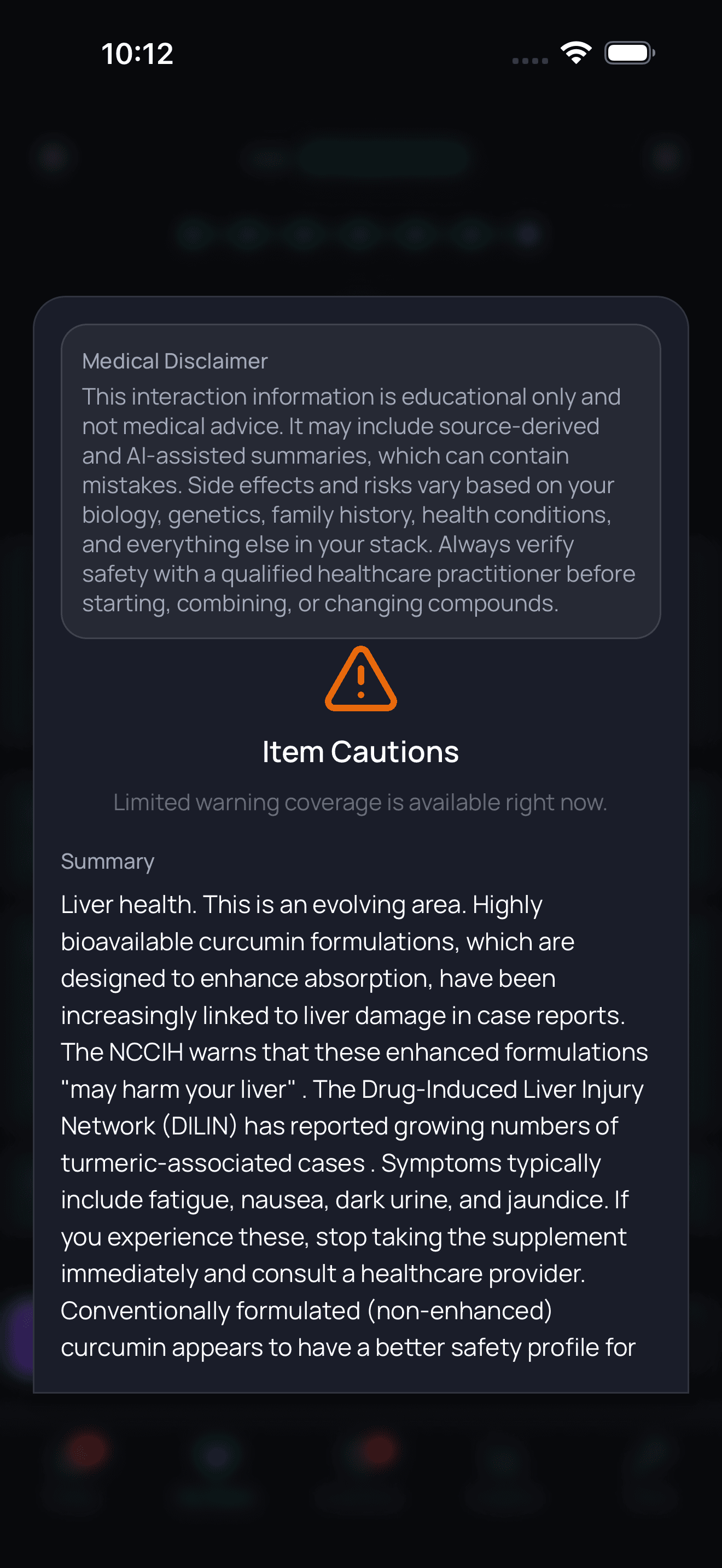
However, lithium is not a substance to take casually. At prescription doses (50-100 times higher than supplements), lithium is well-known for causing thyroid dysfunction, kidney damage, tremors, and potentially serious toxicity if blood levels rise too high. While these risks are associated with much higher doses, the concern is not zero at any dose, particularly with long-term use. People with existing kidney disease, thyroid conditions, or those taking medications that affect lithium clearance (diuretics, NSAIDs, ACE inhibitors) should consult a healthcare provider before using lithium orotate [1][13].
Pregnant and breastfeeding women should avoid lithium supplementation. Lithium crosses the placenta and is excreted in breast milk. At prescription doses, it is associated with an increased risk of cardiac malformations (Ebstein's anomaly), though the absolute risk increase is debated [1][13].
The Science
A toxicological evaluation of lithium orotate (2021) found no mutagenicity (Ames test negative), no clastogenicity (in vitro chromosomal aberration test negative), no in vivo genotoxicity (micronucleus test in mice negative), and no target organ toxicity in a 28-day repeated-dose study in rats at doses up to 400 mg/kg/day. The no-observed-adverse-effect level (NOAEL) was established at 400 mg/kg/day [12].
Pharmaceutical lithium salts have a narrow therapeutic index (therapeutic range 0.6-1.2 mM serum; toxic >1.5 mM). However, supplemental lithium orotate doses (1-5 mg elemental lithium) produce serum lithium concentrations orders of magnitude below the therapeutic range, typically undetectable on standard clinical lithium assays [1][6].
Known dose-dependent adverse effects of lithium at pharmacological doses include [1][13]:
- Renal: Nephrogenic diabetes insipidus (polyuria/polydipsia), chronic interstitial nephritis with long-term use
- Thyroid: Hypothyroidism (occurs in approximately 5-35% of patients on chronic lithium therapy), goiter
- Neurological: Fine tremor, cognitive dulling, sedation
- GI: Nausea, diarrhea, abdominal discomfort
- Cardiac: Sinus node dysfunction, T-wave flattening (rare)
- Metabolic: Weight gain, hyperparathyroidism, hypercalcemia
Pacholko and Bekar (2023) directly compared toxicity between lithium orotate and lithium carbonate in mice over 14 consecutive days. Lithium carbonate, but not lithium orotate, produced polydipsia in both sexes, elevated serum creatinine in males, and increased serum TSH in females, suggesting a more favorable safety profile for the orotate form at comparable efficacy levels [9].
Knowing the possible side effects is the first step. Catching them early in your own experience is what keeps a supplement routine safe. Doserly lets you log any symptoms as they arise, tagging them with severity, timing relative to your dose, and whether they resolve on their own or persist.
The app's interaction checker cross-references everything in your stack, supplements and medications alike, flagging known interactions before they become a problem. It also monitors your total intake against established upper limits, alerting you if your combined sources of a nutrient are approaching thresholds where risk increases. Think of it as a safety net that works quietly in the background while you focus on the benefits.
Keep side effects, flags, and follow-up notes visible.
Doserly helps you document safety observations, side effects, medication changes, and follow-up questions so important context is not scattered.
Safety log
Flags and notes
Safety notes are not emergency guidance; seek medical help when appropriate.
Dosing & Usage Protocols
The Basics
Dosing lithium orotate requires understanding a key distinction that trips up many new users: the difference between total lithium orotate and elemental lithium. A capsule labeled "5 mg lithium orotate" contains roughly 0.2 mg of elemental lithium. A capsule labeled "5 mg lithium (as lithium orotate)" contains 5 mg of elemental lithium, which is a 25-fold difference. Always check which measurement the label uses [6].
Commonly reported supplemental dose ranges, based on available clinical observations and practitioner recommendations, include:
Goal
General wellness / trace mineral repletion
- Commonly Cited Range (Elemental Lithium)
- 0.5-2 mg/day
Goal
Mild mood support
- Commonly Cited Range (Elemental Lithium)
- 2-5 mg/day
Goal
Cognitive support / neuroprotection
- Commonly Cited Range (Elemental Lithium)
- 2-10 mg/day
Goal
Irritability / emotional regulation
- Commonly Cited Range (Elemental Lithium)
- 2-10 mg/day
These are not prescriptive recommendations. Individual responses vary, and anyone considering lithium supplementation should discuss appropriate dosing with a healthcare provider. Starting at the lower end of the range and adjusting based on individual response is the approach most commonly described by practitioners [6].
Most supplemental lithium orotate is taken once daily, though some users split doses between morning and evening. No formal studies have compared different dosing schedules at supplemental levels.
The Science
No randomized controlled trials have established optimal dosing for lithium orotate as a dietary supplement. Current dosing guidance is based on extrapolation from the following data points [1][6][8][11]:
- Ecological data: Lithium in drinking water at concentrations of 10-100 mcg/L (yielding approximately 20-200 mcg elemental lithium/day from water alone) is associated with population-level reductions in suicide, dementia, and all-cause mortality [3][4].
- Sartori (1986) clinical report: 150 mg lithium orotate (approximately 5 mg elemental lithium) given 4-5 times per week for alcohol use disorder [11].
- Forlenza microdose trials: 150-300 mcg elemental lithium daily showed cognitive stabilization in MCI over 12-15 months [8].
- Neal et al. (2024) brain imaging: 5 mg daily lithium orotate (estimated 0.2-0.35 mg elemental lithium from compound weight, or 5 mg elemental if product uses elemental lithium labeling) produced detectable brain lithium in healthy subjects over 14-28 days [10].
- Practitioner consensus: Integrative medicine practitioners commonly recommend 2-10 mg elemental lithium per day (as lithium orotate), with monitoring for thyroid and kidney function with extended use [6].
Getting the dose right matters more than most people realize. Too little may be ineffective, too much wastes money or introduces risk, and inconsistency undermines both. Doserly tracks every dose you take, across every form, giving you a clear record of what you're actually consuming versus what you planned.
The app helps you compare RDA recommendations against therapeutic ranges discussed in the research, so you can see exactly where your intake falls. If you switch forms, say from a standard capsule to a liposomal liquid, Doserly adjusts your tracking to account for different bioavailabilities. Pair that with smart reminders that keep your timing consistent, and the precision that makes a real difference in outcomes becomes effortless.
Build reminders around the routine, not just the compound.
Doserly can keep timing, skipped doses, and schedule changes organized so the plan you read about becomes easier to follow and review.
Today view
Upcoming reminders

Reminder tracking supports consistency; it does not select a protocol for you.
What to Expect (Timeline)
Most available information about the timeline of lithium orotate effects comes from community reports and clinical observations rather than controlled studies. Individual responses vary considerably, and many factors influence how quickly and noticeably someone responds, including baseline lithium status, underlying health conditions, and dose.
Week 1-2: Some users report noticeable mood improvements within the first few days, particularly a calming of racing thoughts and reduced irritability. Others report improved sleep onset within the first week. These rapid responders are well-represented in community discussions, though it is worth noting that early dramatic responses may include a placebo component. Mild initial side effects (slight drowsiness, vivid dreams) may occur during this period.
Week 3-4: For those who did not notice immediate effects, subtle improvements in mood stability and emotional regulation may begin to appear during this period. Sleep quality improvements tend to consolidate. Some users report better focus and reduced brain fog emerging around this time.
Month 2-3: Cognitive benefits, if they occur, tend to become noticeable in this timeframe. The most detailed anecdotal report of memory improvement (from a user taking 5 mg daily for Alzheimer's prevention) described a sudden improvement in short-term memory after approximately 2 months. Brain imaging data suggests that brain lithium concentrations stabilize by day 14-28 at consistent supplemental doses [10].
Month 3-6: Long-term users describe sustained mood stability and continued cognitive benefits. By this point, any persistent side effects should be evaluated, as lithium accumulates with continuous use. Practitioners who recommend long-term supplementation typically suggest periodic thyroid and kidney function testing.
6+ months: Long-term supplementation data at supplemental doses is limited. Some users report taking lithium orotate for years without issues. Others cycle on and off. Given the absence of long-term safety data specific to OTC lithium orotate, periodic assessment with a healthcare provider is prudent.
Timelines in the research give you a general idea of when to expect results, but your body has its own schedule. Doserly tracks your progress against those benchmarks, letting you see whether your experience aligns with typical response curves or whether something in your protocol might need adjusting.
By logging biomarkers and subjective outcomes alongside your supplement intake, you build a personal timeline that shows exactly when changes started appearing and how they've progressed. The app's trend analysis highlights inflection points, weeks where things shifted for better or worse, so you have concrete data when deciding whether to continue, adjust your dose, or try a different form.
Keep sensitive protocol records in a purpose-built app.
Doserly is designed for private health tracking with structured records, offline-ready workflows, and exportable history when you need it.
Privacy
Health records
Privacy controls help you manage records; keep clinical records where required.
Interactions & Compatibility
Synergistic
- Magnesium: Lithium competes with magnesium at enzyme binding sites. Co-supplementation with magnesium may help maintain magnesium status during lithium use and may complement lithium's neuroprotective effects.
- Omega-3 fatty acids (Fish Oil): Early lithium orotate research recommended co-administration with essential fatty acids. Omega-3s share anti-inflammatory and neuroprotective mechanisms that may complement lithium's effects.
- Vitamin B12: Lithium may support BH4 (tetrahydrobiopterin) recycling, which is essential for neurotransmitter synthesis. B12 and folate participate in the same methylation pathways.
- Vitamin B9 (Folate): Similar to B12, folate supports methylation pathways that interact with lithium's effects on neurotransmitter synthesis.
- Vitamin D3: Population studies often examine lithium alongside vitamin D status. Both have been independently associated with mood and cognitive outcomes.
- Selenium: Supports thyroid function. Given lithium's potential effects on thyroid health (primarily at higher doses), ensuring adequate selenium status may be prudent.
- Zinc: Zinc and lithium both modulate GSK-3beta activity. Co-supplementation may have complementary neuroprotective effects.
Caution / Avoid
- Prescription lithium (lithium carbonate, lithium citrate): Do not combine OTC lithium orotate with prescription lithium. Additive lithium exposure increases toxicity risk.
- NSAIDs (ibuprofen, naproxen, aspirin): NSAIDs reduce renal lithium clearance, potentially increasing lithium levels. While the risk at supplemental doses is likely minimal, awareness is important for frequent NSAID users.
- ACE inhibitors (lisinopril, enalapril): Can reduce renal lithium clearance. Relevant primarily at prescription doses, but warrants monitoring.
- Diuretics (hydrochlorothiazide, furosemide): Thiazide and loop diuretics significantly reduce renal lithium clearance, increasing retention. This interaction is clinically significant even at supplemental doses with chronic diuretic use.
- SSRIs (sertraline, fluoxetine, citalopram): Combining lithium with SSRIs carries a theoretical risk of serotonin syndrome, though this risk is primarily documented at pharmacological lithium doses. Low-dose supplemental use with an SSRI should be discussed with the prescribing physician.
- Iodine: Lithium and iodine both affect thyroid function. High-dose iodine combined with lithium may compound thyroid-suppressive effects.
- Caffeine: Caffeine increases renal lithium clearance. Dramatic changes in caffeine intake can alter lithium levels.
- Sodium: Major fluctuations in sodium intake affect lithium retention. Low-sodium diets increase lithium retention; high-sodium diets increase excretion.
How to Take / Administration Guide
Lithium orotate is available primarily as capsules or tablets. Most products are taken orally once daily, though some users split their dose between morning and evening.
Timing considerations: No formal studies compare different timing strategies at supplemental doses. Community practice varies:
- Morning dosing: Preferred by users seeking cognitive and mood effects throughout the day
- Evening dosing: Preferred by users reporting sleep benefits, which is a commonly noted effect
- Split dosing: Some users taking higher supplemental doses (10-20 mg elemental lithium) split between morning and evening for more consistent levels
Food considerations: Lithium orotate can be taken with or without food. Taking with a small meal may reduce mild GI discomfort in sensitive individuals.
Hydration: Adequate hydration is important during lithium use at any dose. Lithium is renally cleared, and dehydration concentrates lithium in the body. This is primarily a concern at prescription doses, but maintaining consistent hydration is good practice.
Salt intake: Lithium and sodium share renal transport pathways. Maintaining consistent salt intake helps maintain consistent lithium levels. Significant dietary changes (starting a low-sodium diet, for example) could increase lithium retention.
Cycling: No established cycling protocols exist for lithium orotate. Some users take it continuously; others take periodic breaks. Given the absence of long-term safety data at supplemental doses, periodic breaks and monitoring thyroid and kidney function with a healthcare provider are reasonable precautions.
What to avoid: Do not take lithium orotate with prescription lithium. Minimize concurrent use of NSAIDs and diuretics unless discussed with a healthcare provider. Avoid extreme swings in hydration, sodium intake, or caffeine consumption, as all of these can affect how the body handles lithium.
Choosing a Quality Product
Lithium orotate is an unregulated dietary supplement. Quality can vary significantly between products, and the labeling inconsistencies around elemental lithium versus total compound weight add an additional layer of complexity.
Third-party certifications to look for:
- USP Verified mark (tests identity, strength, purity, performance)
- NSF International certification
- GMP (Good Manufacturing Practices) compliance
- Certificate of Analysis (COA) availability on manufacturer website
Label clarity: The most important quality indicator for lithium orotate products is clear labeling of elemental lithium content. A quality product will state the amount of elemental lithium per serving (e.g., "Lithium 5 mg (as Lithium Orotate)") rather than ambiguously listing only the compound weight.
Red flags:
- Products that do not clearly specify whether the listed amount is elemental lithium or total compound
- Mega-dose products (>20 mg elemental lithium) marketed without healthcare provider guidance
- Products making therapeutic claims (treating bipolar disorder, curing Alzheimer's, etc.)
- Proprietary blends that hide the lithium dose
Common reputable brands mentioned in community discussions: (Not endorsements) Pure Encapsulations, Vital Nutrients, KAL, DoubleWood Supplements, NCI Advanced Research. Always verify current testing and certification status independently.
Form comparison:
Form
Lithium orotate
- Availability
- OTC supplement
- Notes
- Most widely used supplement form. Proposed enhanced cellular uptake. Typical doses: 1-20 mg elemental lithium
Form
Lithium aspartate
- Availability
- OTC supplement
- Notes
- Alternative supplement form. Less commonly available. Similar dosing range
Form
Lithium carbonate
- Availability
- Prescription only
- Notes
- Standard psychiatric medication. 600-1800 mg/day. Requires blood monitoring
Form
Lithium citrate
- Availability
- Prescription only
- Notes
- Liquid prescription form. Requires blood monitoring
Storage & Handling
Lithium orotate supplements should be stored in a cool, dry place away from direct sunlight and moisture. Room temperature (59-77 degrees F / 15-25 degrees C) is appropriate for most products.
Keep containers tightly sealed to prevent moisture exposure, which can degrade the compound over time. Lithium orotate does not require refrigeration.
Check expiration dates and replace expired products. While lithium orotate is a relatively stable compound, potency may decrease over time.
Keep all lithium supplements, including low-dose OTC products, out of reach of children. Lithium has a narrow therapeutic window at higher doses, and accidental ingestion of multiple doses could pose risks for children.
Lifestyle & Supporting Factors
Diet: Lithium occurs naturally in some foods and drinking water. Grains (particularly those grown in lithium-rich soil), nightshade vegetables, dairy, and certain mineral waters contain trace amounts. Geographic location significantly influences dietary lithium intake, with some regions providing adequate trace lithium through water alone [2][3].
Hydration: Consistent hydration supports stable lithium clearance. Dehydration concentrates lithium; overhydration dilutes it. Aim for consistent daily fluid intake rather than dramatic swings.
Sodium balance: Since lithium and sodium share renal reabsorption pathways, maintain consistent daily sodium intake. Sudden sodium restriction can increase lithium retention; excess sodium can increase excretion [1].
Exercise and sweating: Intense exercise, sauna use, or hot environments that cause significant sweating can affect electrolyte balance and, by extension, lithium clearance. This is primarily a concern at prescription doses but worth awareness for supplement users.
Monitoring: For extended supplemental use (beyond 3-6 months), periodic monitoring of thyroid function (TSH, free T4) and renal function (creatinine, eGFR) provides an additional safety check, even though adverse effects at supplemental doses have not been documented in formal studies.
Complementary practices: Adequate sleep, regular physical activity, stress management, and a nutrient-dense diet support the same neurological pathways that lithium modulates. These lifestyle factors may enhance the potential benefits of low-dose lithium supplementation.
Regulatory Status & Standards
United States (FDA): Lithium orotate is sold as a dietary supplement under the Dietary Supplement Health and Education Act (DSHEA). It is not classified as a drug at supplemental doses and does not require a prescription. However, lithium carbonate and lithium citrate are FDA-approved prescription medications for bipolar disorder. The FDA has not issued specific guidance on lithium orotate supplements. No GRAS designation exists for lithium orotate.
Canada (Health Canada): Lithium orotate is available as a natural health product (NHP) in Canada. Some products carry NPN (Natural Product Number) designations.
European Union (EFSA): Lithium is not on the EU's list of permitted mineral substances for use in dietary supplements. Regulatory status varies by member state. Some European countries restrict or prohibit the sale of lithium supplements.
Australia (TGA): Lithium orotate is available as a listed complementary medicine. Regulatory requirements apply to labeling and quality.
Active clinical trials: An NHS-sponsored proof-of-concept study (mixLI) is examining low-dose lithium orotate for depression with mixed features. Additional studies examining low-dose lithium for Alzheimer's prevention are expected following the 2025 Nature publication.
Athlete & Sports Regulatory Status:
- WADA: Lithium is NOT on the WADA Prohibited List. It is permitted at all times, both in-competition and out-of-competition.
- National Anti-Doping Agencies: No major NADO (USADA, UKAD, Sport Integrity Canada, Sport Integrity Australia) has issued specific guidance or alerts about lithium orotate supplements.
- Professional Sports Leagues: No known league-specific prohibitions on lithium. However, athletes should verify with their sport's governing body.
- NCAA: Lithium is not on the NCAA banned substance list.
- GlobalDRO: Athletes can verify lithium status at GlobalDRO.com.
- Third-party certification: NSF Certified for Sport and Informed Sport certified lithium orotate products may be limited. Athletes should seek batch-tested products when available.
Regulatory status and prohibited substance classifications change frequently. Athletes should always verify the current status of any supplement with their sport's governing body, their national anti-doping agency, and a qualified sports medicine professional before use. Third-party certification (Informed Sport, NSF Certified for Sport) reduces but does not eliminate the risk of contamination with prohibited substances.
Frequently Asked Questions
Is lithium orotate the same as prescription lithium?
No. Prescription lithium (lithium carbonate or lithium citrate) is an FDA-approved medication used at doses of 600-1800 mg/day to treat bipolar disorder, providing 170-340 mg of elemental lithium daily. Lithium orotate supplements typically provide 1-5 mg of elemental lithium, roughly 50-100 times less. They are regulated as dietary supplements, not medications, and are not interchangeable with prescription lithium therapy.
Do I need blood tests while taking lithium orotate?
At typical supplemental doses (1-5 mg elemental lithium), serum lithium levels are generally undetectable on standard clinical assays, and routine lithium blood monitoring is not typically required. However, for extended use (beyond 3-6 months), some healthcare providers recommend periodic thyroid function (TSH) and renal function (creatinine) testing as a precaution, even though adverse effects at supplemental doses have not been formally documented.
Can I take lithium orotate with my antidepressant?
This question should be directed to the prescribing physician. At very low supplemental doses, the risk of interaction is theoretically minimal, but lithium at any dose can interact with SSRIs and other serotonergic medications. A physician familiar with both the patient's medication regimen and the specific supplement dose can provide personalized guidance.
How much elemental lithium is in a "5 mg lithium orotate" capsule?
This depends entirely on the product labeling. If the label reads "5 mg lithium orotate," the capsule contains approximately 0.2 mg of elemental lithium (lithium is about 4.3% of the compound by weight). If the label reads "5 mg lithium (as lithium orotate)," the capsule contains 5 mg of elemental lithium. Always check whether the label refers to compound weight or elemental lithium.
Is lithium orotate safe for long-term use?
There is limited formal safety data on long-term OTC lithium orotate use. A 28-day toxicological study in rats found no adverse effects at very high doses, and decades of OTC sales have not produced a significant safety signal. However, long-term controlled human studies have not been conducted at supplemental doses. Periodic medical monitoring (thyroid and kidney function) is a reasonable precaution for extended use.
Can lithium orotate help prevent Alzheimer's disease?
Research, most notably the 2025 Nature study, suggests that lithium plays a role in brain health and that lithium deficiency may contribute to Alzheimer's pathology. Lithium orotate specifically showed promise in animal models of Alzheimer's disease. However, these findings have not yet been confirmed in large-scale human clinical trials. Supplementation for this purpose remains experimental.
Is low-dose lithium considered a nutrient?
This is debated. Some researchers argue that lithium meets the criteria for a conditionally essential trace element based on animal deprivation studies and population-level health data. However, no major regulatory body (IOM, EFSA, WHO) has classified lithium as essential, and no dietary reference intakes have been established.
Can I take lithium orotate while pregnant or breastfeeding?
Lithium orotate should not be taken during pregnancy or breastfeeding without explicit guidance from a healthcare provider. Lithium crosses the placenta and is excreted in breast milk. At prescription doses, it is associated with cardiac malformations. While the risk at supplemental doses is unknown, the precautionary principle applies.
What foods contain lithium naturally?
Lithium occurs in trace amounts in grains (especially those grown in lithium-rich soil), nightshade vegetables (tomatoes, peppers, potatoes), dairy products, certain mushrooms, and drinking water. Content varies enormously by geographic location and soil composition.
Should I take lithium orotate in the morning or at night?
No formal studies have compared timing. Community practice is split: some prefer morning dosing for daytime mood and cognitive effects, while others prefer evening dosing for sleep support. Some users who take higher doses split between morning and evening.
Myth vs. Fact
Myth: Lithium orotate is just as effective as prescription lithium for bipolar disorder.
Fact: There is no clinical evidence that supplemental lithium orotate (1-5 mg elemental lithium) can replace prescription lithium (170-340 mg elemental lithium) for the treatment of bipolar disorder. The doses differ by approximately 50-100 fold. Prescription lithium achieves specific therapeutic blood levels (0.6-1.2 mM) that supplemental doses do not approach. Anyone managing bipolar disorder should work with a prescribing physician [1][2].
Myth: Lithium orotate is completely safe because it is "natural" and available without a prescription.
Fact: Lithium is a bioactive element that accumulates in the body and interacts with common medications. While toxicological data and decades of market history suggest a favorable safety profile at low supplemental doses, lithium is not risk-free. It interacts with NSAIDs, diuretics, and SSRIs, can affect thyroid and kidney function with chronic use, and should be avoided in pregnancy. "Natural" and "over-the-counter" do not mean "without risk" [1][12][13].
Myth: You need blood tests before taking any form of lithium.
Fact: Blood monitoring is essential for prescription lithium due to its narrow therapeutic window. At typical supplemental doses (1-5 mg elemental lithium), serum levels are generally below the detection limit of standard assays, and routine lithium blood monitoring is not typically required. However, periodic thyroid and kidney function tests are reasonable for extended supplemental use [1][6].
Myth: Lithium orotate is "10 times more potent" than lithium carbonate at the same dose.
Fact: This claim originates from a 2023 mouse study in which lithium orotate achieved similar biological effects at approximately 1/10th the dose of lithium carbonate. However, this was demonstrated in mice, not humans, and the mechanism involves different transport pathways rather than a simple potency multiplier. Human pharmacokinetic data comparing the two forms at equivalent low doses is extremely limited [9].
Myth: Low-dose lithium cures Alzheimer's disease.
Fact: Research suggests that lithium deficiency may contribute to Alzheimer's pathology, and lithium orotate showed preventive effects in animal models. Small human trials have shown cognitive stabilization in mild cognitive impairment. However, no human study has demonstrated that lithium orotate prevents or reverses Alzheimer's disease. These findings are promising but preliminary [5][8].
Myth: All lithium orotate supplements contain the same amount of lithium.
Fact: Labeling varies significantly across products. A "5 mg" dose can mean 5 mg of total lithium orotate compound (approximately 0.2 mg elemental lithium) or 5 mg of elemental lithium (requiring approximately 116 mg of the compound). Always verify whether the label refers to elemental lithium or total compound weight [6].
Myth: Lithium orotate will make you feel "flat" or emotionally blunted.
Fact: Emotional blunting is a recognized side effect of prescription lithium at therapeutic doses. At supplemental doses, community reports consistently describe a calming or grounding effect rather than emotional flattening. Users typically report feeling more present and less reactive, not numb. The dose-response relationship matters: the low doses used in supplements are far below those associated with cognitive dulling [6].
Sources & References
Clinical Trials & Research Studies
[1] Pacholko AG, Bekar LK. "Lithium orotate: A superior option for lithium therapy?" Int J Bipolar Disord. 2021;9(1):33. PMID: 34196467.
[2] Hamstra SI, Roy BD, Tiidus P, et al. "Beyond its Psychiatric Use: The Benefits of Low-dose Lithium Supplementation." Curr Neuropharmacol. 2023;21(4):891-910. PMC: PMC10227915.
[3] Szklarska D, Rzymski P. "Is Lithium a Micronutrient? From Biological Activity and Epidemiological Observation to Food Fortification." Biol Trace Elem Res. 2019;189(1):18-27.
[4] Memon A, Rogers I, Fitzsimmons SMDD, et al. "Association between naturally occurring lithium in drinking water and suicide rates: systematic review and meta-analysis of ecological studies." Br J Psychiatry. 2020;217(6):667-678.
[5] Aron L, Ngian ZK, Qiu C, et al. "Lithium deficiency and the onset of Alzheimer's disease." Nature. 2025. PMID: 40770094.
[6] Greenblatt JM. "Low-Dose Lithium: A New Frontier in Mental Health Treatment." Psychiatric Times. 2024.
[7] Pacholko AG, Bekar LK. "Different pharmacokinetics of lithium orotate inform why it is more potent, effective, and less toxic than lithium carbonate in a mouse model of mania." J Psychopharmacol. 2023. PMID: 37356352.
[8] Forlenza OV, Radanovic M, Talib LL, Gattaz WF. "Clinical and biological effects of long-term lithium treatment in older adults with amnestic mild cognitive impairment: randomised clinical trial." Br J Psychiatry. 2019;215(5):668-674.
[9] Pacholko AG, Bekar LK. "Different pharmacokinetics of lithium orotate inform why it is more potent, effective, and less toxic than lithium carbonate in a mouse model of mania." J Psychopharmacol. 2023. PMID: 37356352.
[10] Neal MA, Lally PJ, Borja MJ, et al. "Human brain 7Li-MRI following low-dose lithium dietary supplementation in healthy participants." J Affect Disord. 2024. PMID: 38810780.
[11] Sartori HE. "Lithium orotate in the treatment of alcoholism and related conditions." Alcohol. 1986;3(2):97-100. PMID: 3718672.
Safety & Toxicology
[12] Kaur G, Krishan P, Garg T, et al. "A toxicological evaluation of lithium orotate." Regul Toxicol Pharmacol. 2021;124:104972. PMID: 34146638.
Government/Institutional Sources
[13] MedlinePlus. "Lithium." U.S. National Library of Medicine. https://medlineplus.gov/druginfo/meds/a681039.html
[14] Strawbridge R, et al. "A Survey Exploring People's Experiences With Over-the-Counter Lithium Orotate." Psychiatry. 2025.
Related Supplement Guides
Same Category (Trace Minerals)
Common Stacks / Pairings
Related Health Goal
- Lion's Mane (neuroprotection, cognitive support)
- Bacopa Monnieri (memory, cognitive enhancement)
- Phosphatidylserine (cognitive function)
- Ashwagandha (stress, mood support)
- L-Theanine (anxiety, calm focus)
- SAMe (mood support)
- NMN (longevity, neuroprotection)