
In this guide
What is manganese?
Manganese is an essential trace element and cofactor for enzymes including manganese superoxide dismutase, arginase and pyruvate carboxylase. These systems participate in metabolism, reactive-oxygen handling, bone formation, reproduction, immune function and clotting. Essentiality supports adequacy; it does not mean that extra intake improves those functions. [1]
The body limits absorption and clears manganese mainly through bile. That control can fail when exposure is high or liver function is impaired, making neurologic toxicity the central excess concern. [1]
Typical Manganese Protocols
| Purpose or population | Form and amount each time | Frequency | Total per day | Duration |
|---|---|---|---|---|
| U.S. AI · adult men | Manganese from all sources | Across the day | 2.3 mg manganese | Ongoing reference intake |
| U.S. AI · adult women | Manganese from all sources | Across the day | 1.8 mg manganese | Ongoing reference intake |
| U.S. UL · healthy adults age 19+ | Manganese from food, beverages and supplements | Across the day | 11 mg manganese | Maximum usual daily intake |
These are intake references, not supplement protocols. Many manganese-only products supply 5–20 mg, meaning one serving can approach or exceed the adult UL before food is counted. [1]
Why this guide does not invent a bone protocol
Manganese participates in bone biology, but NIH ODS identifies no clinical trial that isolates manganese and demonstrates a bone-health benefit. [1]
Combination-product studies cannot assign their result to manganese alone. The table therefore preserves established intake references instead of manufacturing a therapeutic schedule.
Exposure and clearance set the context
An essential nutrient still needs a boundary.
Typical diets provide enough; deficiency is extremely rare.
Bile is the main exit route. Chronic liver disease can impair elimination.
High exposure can affect gait, balance, movement, mood and memory.
Iron deficiency can increase manganese absorption and compound susceptibility.
Should manganese be cycled?
No general cycling schedule is evidence based. Cycling does not turn an unproven bone claim into a benefit or eliminate cumulative neurologic risk in susceptible people.
What happens when it is stopped?
There is no known withdrawal syndrome. Dietary intake usually continues. Suspected excess with gait, tremor or behavioral change needs clinical evaluation rather than a self-directed stop-and-rechallenge experiment.
Which foods provide manganese?
Whole grains, nuts, legumes, leafy vegetables, tea, spices and some shellfish provide manganese. Typical U.S. diets supply enough, and high ordinary food intake has not been shown to cause toxicity in healthy people. Water or occupational inhalation can create very different exposures. [1]
Which manganese forms are used?
Supplements use manganese sulfate, gluconate, aspartate and amino-acid chelates. ODS reports no data establishing that one form is more bioavailable than another. Compare elemental manganese per serving and count multivitamins, mineral blends and electrolyte products.
How should manganese be stored?
Keep it sealed, dry and away from children. Retain the label because a blend may contain manganese even when it is not prominent on the front panel.
What is manganese commonly used for?
Products are marketed for bone, joints, metabolism and antioxidant support. Manganese is biologically involved in these systems, but isolated supplementation has not been shown to prevent fractures, raise bone density or treat diabetes in manganese-replete adults. [1]
What does human research show?
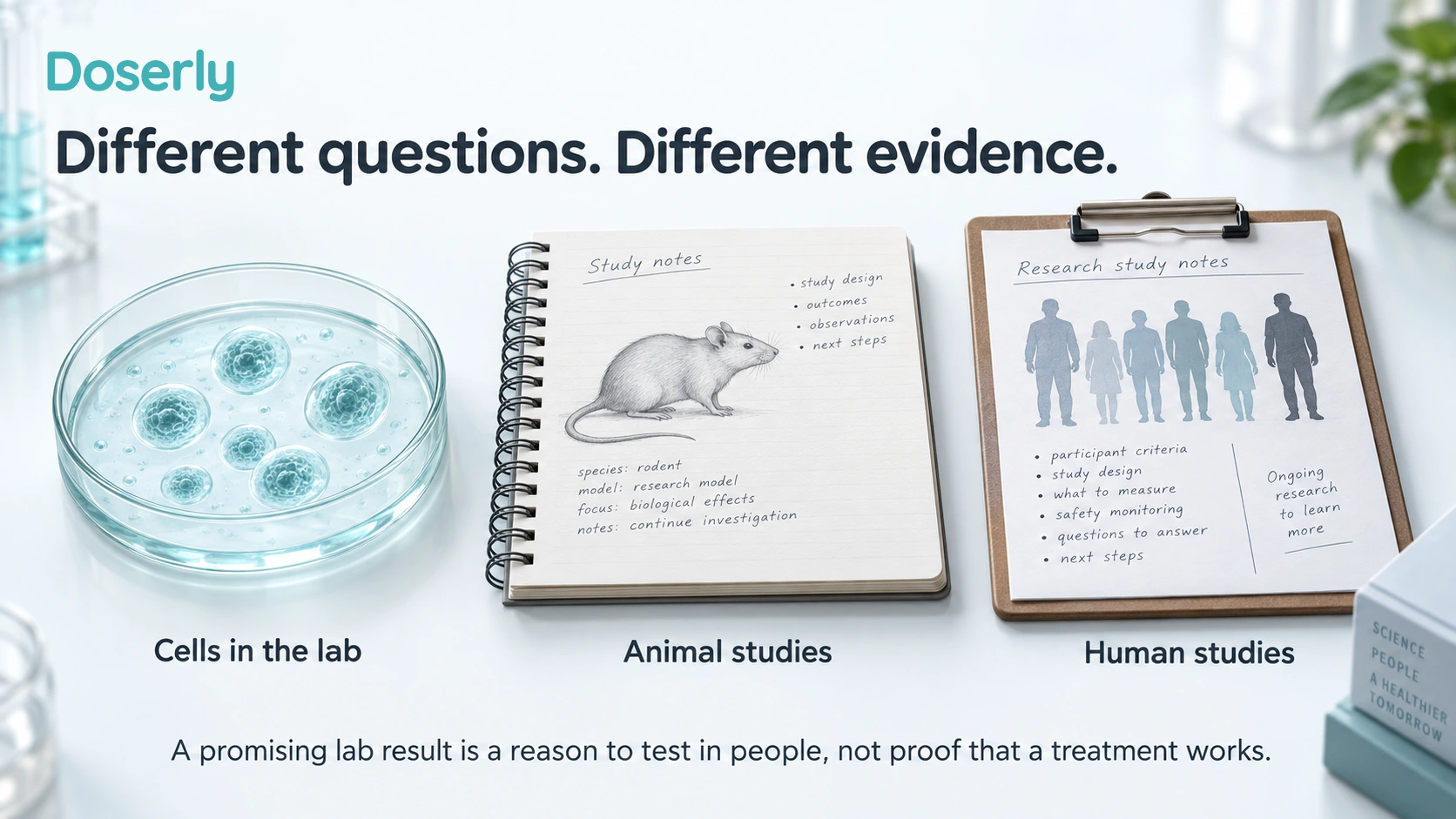
Human evidence is limited. Manganese deficiency is extremely rare and its signs are not firmly established. Bone studies have generally used multinutrient combinations, so any effect cannot be attributed to manganese. The role of manganese in diabetes risk is also unclear. [1]
This evidence gap matters because a plausible enzyme role is not a clinical outcome. It also means that a high-dose product cannot claim superiority merely because the mineral is essential.
How does manganese work?
Manganese acts as a catalytic or structural cofactor. Gastrointestinal absorption adjusts partly to intake, iron status influences uptake, and the liver removes absorbed manganese through bile. Disrupted elimination can allow accumulation in the nervous system. [1]
What are the risks and interactions?
Manganese toxicity mainly affects the central nervous system. Reported features include tremor, muscle spasm, gait and balance changes, rigidity, weakness, mood or memory changes and altered reaction time. High water exposure and occupational inhalation are established contexts; concentrated supplements add another source. [1]
Iron deficiency increases manganese absorption. Chronic liver disease impairs biliary elimination and increases susceptibility to neurotoxicity. ODS identifies no established medication interaction, but that does not remove these physiologic risks. [1]
In the United States, dietary supplements generally lack FDA premarket approval for safety or efficacy. In Canada, natural health products require licensing and authorized labels carry an NPN or DIN-HM. [2], [3]
Which medicines interact with manganese?
No clinically important medicine interaction is established in the ODS monograph. Still review iron treatment, parenteral or enteral nutrition, antacids and medicines associated with liver dysfunction because they can change exposure or interpretation.
What should be monitored?
No single routine blood test diagnoses intake or toxicity by itself. A clinician may review neurologic examination, gait, occupational and water history, supplement totals, iron status and liver function. Whole-blood manganese is used in selected exposure settings and needs specialist interpretation. [1]
What do public communities report?
People discuss hair analysis, mineral balancing and bone blends. These accounts rarely establish exposure, iron status, liver clearance or neurologic examination. This overhaul did not independently recrawl or quantify community posts.
How does manganese compare with nearby guides?
| Guide | Main question | Key difference |
|---|---|---|
| Iron | Deficiency, anemia and replacement | Iron deficiency can increase manganese absorption |
| Copper | Adequacy, zinc balance and liver risk | Different transport and inherited excess disorder |
| Magnesium | Intake, forms and supplement UL | Much larger intake requirement and different toxicity pattern |
| Vitamin K1 | Clotting and food adequacy | Vitamin cofactor with warfarin interaction |
Common questions about manganese
What are the adult Adequate Intakes?
2.3 mg/day for men and 1.8 mg/day for women from all sources. [1]
What is the adult upper limit?
11 mg/day from food, beverages and supplements for healthy adults. It is not a target. [1]
Is deficiency common?
No. It is very rare, and no general population group is known to be at risk. [1]
Does manganese improve bone density?
No isolated manganese trial establishes that benefit. Combination studies cannot identify manganese as the cause. [1]
Does one form absorb better?
ODS reports no evidence showing that one supplement form is more bioavailable than another. [1]
Who is more susceptible to excess?
People with chronic liver disease and those with iron deficiency deserve particular caution because elimination or absorption can change. [1]
Is food the same risk as contaminated water or dust?
No. Route and magnitude differ. Toxicity is established with high water exposure and chronic occupational inhalation, while ordinary food has not been shown to cause toxicity. [1]
Glossary
Plain explanations of manganese terms.
- Enzyme cofactor
- A substance an enzyme needs to carry out a reaction.
- Adequate Intake (AI)
- An intake assumed adequate when evidence is insufficient for an RDA.
- Tolerable Upper Intake Level (UL)
- The highest usual intake expected to pose little risk to healthy people.
- Biliary elimination
- Removal through bile, the main route for manganese clearance.
- Neurotoxicity
- Harm to the nervous system, including movement, mood or cognitive effects.
- Elemental manganese
- The manganese amount itself rather than the mass of its sulfate, gluconate or chelate.
How this guide was researched
This draft uses a current full read of the NIH ODS manganese monograph and current U.S./Canadian regulatory pages. No isolated manganese outcome trial was used because the monograph identifies no such bone-health trial. Relevant text was retrieved and read on October 9, 2026.
How this guide was made
Research and drafting were AI-assisted. This draft awaits Doserly editorial and independent clinical review. Read the editorial policy.
Explore the sources
Official nutrition and regulatory sources define the current evidence boundaries.
Showing 3 sources
- 01
Manganese — Health Professional Fact Sheet ↗
Official nutrient monograph
Current full page reviewed for physiology, AIs, UL, foods, forms, deficiency rarity, health evidence, neurotoxicity, iron and liver context.
Detail: Adult AIs 2.3 mg for men and 1.8 mg for women; UL 11 mg/day; no isolated manganese bone trial.
- 02
Questions and Answers on Dietary Supplements ↗
Regulatory overview
Current official page reviewed.
Detail: General U.S. supplement framework.
- 03
Product Licensing ↗
Regulatory overview
Current official page reviewed.
Detail: Canadian natural-health-product licensing and NPN or DIN-HM.
No matching sources
Try a different term or show the full list.