
Alpha-GPC: The Complete Supplement Guide
On this page
Quick Reference Card
Attribute
Common Name
- Detail
- Alpha-GPC
Attribute
Other Names / Aliases
- Detail
- L-alpha-glycerylphosphorylcholine, choline alphoscerate, glycerophosphocholine, alpha-glycerylphosphorylcholine, GPC, sn-glycero-3-phosphocholine
Attribute
Category
- Detail
- Choline Compound / Nootropic / Phospholipid
Attribute
Primary Forms & Variants
- Detail
- Alpha-GPC (standard, typically 50% Alpha-GPC by weight with silica carrier for capsules; pure powder forms available). 40% choline by weight of pure Alpha-GPC
Attribute
Typical Dose Range
- Detail
- Cognitive support in clinical populations: 1,200 mg/day (400 mg three times daily). Performance/nootropic use: 300-600 mg, 30-60 minutes before exercise or cognitive tasks. Community-preferred range for healthy adults: 100-300 mg/day
Attribute
RDA / AI / UL
- Detail
- No specific RDA/AI/UL established for Alpha-GPC. Parent nutrient choline: AI 550 mg/day (males), 425 mg/day (females). UL for total choline: 3,500 mg/day (adults). Alpha-GPC provides 40% choline by weight
Attribute
Common Delivery Forms
- Detail
- Capsule, softgel, powder
Attribute
Best Taken With / Without Food
- Detail
- Can be taken with or without food. Some users report better tolerance when taken with a meal
Attribute
Key Cofactors
- Detail
- Uridine (may support phospholipid synthesis synergistically), acetyl-L-carnitine (complementary neurotransmitter support), B vitamins (particularly B5/pantothenic acid, a precursor to acetyl-CoA needed for acetylcholine synthesis), omega-3 fatty acids (DHA for membrane phospholipid support)
Attribute
Storage Notes
- Detail
- Store in a cool, dry place away from direct sunlight and moisture. Alpha-GPC is hygroscopic (absorbs moisture readily), so keep containers tightly sealed. Powder forms are especially moisture-sensitive
Overview
The Basics
Alpha-GPC is a naturally occurring choline compound that your body uses as a building block for acetylcholine, the neurotransmitter most closely tied to memory, learning, and muscle control. While your body produces some Alpha-GPC during normal metabolism of cell membrane phospholipids, the amounts are small. Supplemental Alpha-GPC is typically derived from soy or sunflower lecithin through an enzymatic process.
What makes Alpha-GPC stand out from other choline supplements is its efficiency. It delivers more choline to the brain, gram for gram, than choline bitartrate or even CDP-choline (citicoline). This is partly because Alpha-GPC crosses the blood-brain barrier more readily and partly because it is 40% choline by weight, one of the highest ratios among choline supplements [1][2].
Alpha-GPC has attracted interest from two distinct groups. In clinical medicine, it has been studied primarily in older adults with cognitive decline, where doses of 1,200 mg per day have shown measurable improvements in memory and daily functioning across multiple trials [3]. In the performance and nootropic community, younger adults use it at lower doses (typically 300-600 mg) in pursuit of sharper focus, improved memory recall, and enhanced physical power output during exercise [4][5].
The compound also appears to influence neurotransmitter systems beyond acetylcholine. Research suggests it may increase dopamine and serotonin activity in certain brain regions, which could explain the motivation and mood effects that some users report [6][7].
The Science
L-alpha-glycerylphosphorylcholine (Alpha-GPC, CAS 28319-77-9) is a water-soluble phospholipid intermediate generated during the metabolic degradation of phosphatidylcholine (PC) in cell membranes. Structurally, it consists of a choline moiety bound to a glycerol backbone via a phosphodiester linkage, essentially a deacylated phosphatidylcholine lacking both fatty acid chains [1].
Following oral ingestion, Alpha-GPC is hydrolyzed by intestinal mucosal glycerylphosphorylcholine diesterase to release free choline and glycerophosphate [1]. The liberated choline serves as substrate for two metabolic fates: (1) acetylation to acetylcholine (ACh) via choline acetyltransferase (ChAT, EC 2.3.1.6), and (2) incorporation into phosphatidylcholine via the CDP-choline (Kennedy) pathway, supporting membrane phospholipid synthesis [2].
Alpha-GPC demonstrates superior bioavailability compared to other choline sources. Oral administration of 1,000 mg to healthy young men increased plasma choline concentrations by approximately 49% at 60 minutes (from 8.1 +/- 1.4 to 12.1 +/- 1.9 micromol/L) [1]. Radiolabeled studies in rats confirm incorporation into brain phospholipids within 24 hours of ingestion, with peak acetylcholine release from neuronal tissue observed 1-3 hours post-ingestion [1].
Beyond cholinergic pathways, Alpha-GPC (150 mg/kg in rats) increases dopamine concentrations in the frontal cortex and cerebellum, enhances potassium-evoked dopamine release, and upregulates dopamine transporter expression [6]. Serotonin concentrations in the frontal cortex and striatum are similarly elevated [6]. Alpha-GPC also stimulates GABA release via alpha-1 adrenergic receptor activation, with peak efficacy at approximately 150 minutes post-administration [1].
Chemical & Nutritional Identity
Property
Chemical Name
- Value
- (2R)-2,3-dihydroxypropyl 2-(trimethylammonio)ethyl phosphate; sn-glycero-3-phosphocholine
Property
Synonyms
- Value
- L-alpha-glycerylphosphorylcholine, choline alphoscerate, glycerophosphocholine, GPC
Property
Molecular Formula
- Value
- C8H20NO6P
Property
Molecular Weight
- Value
- 257.22 g/mol
Property
CAS Number
- Value
- 28319-77-9
Property
PubChem CID
- Value
- 657272
Property
Category
- Value
- Choline-containing phospholipid; nootropic; acetylcholine precursor
Property
Choline Content
- Value
- 40% by weight (1,000 mg Alpha-GPC provides approximately 400 mg choline)
Property
Solubility
- Value
- Highly water-soluble; hygroscopic
Property
Physical Properties
- Value
- White to off-white hygroscopic powder or viscous liquid
Alpha-GPC exists as a single stereoisomer with the (R)-configuration at the glycerol C-2 position, consistent with the sn-glycero-3-phosphocholine configuration found in biological membranes. It is the most efficient choline donor among common supplement forms: Alpha-GPC provides 40% choline by weight, compared to approximately 41% for choline bitartrate, 18% for CDP-choline (citicoline), and 13% for phosphatidylcholine from lecithin. However, when controlling for choline content delivered to the brain rather than just plasma, Alpha-GPC requires approximately 46% the dose of CDP-choline to achieve equivalent serum choline elevations [1][2].
No RDA, AI, or UL has been established specifically for Alpha-GPC. The Adequate Intake for the parent nutrient choline is 550 mg/day for adult males and 425 mg/day for adult females, with a Tolerable Upper Intake Level of 3,500 mg/day for total choline from all sources [8]. At the standard clinical dose of 1,200 mg/day, Alpha-GPC delivers approximately 480 mg of choline, which falls within the AI for most adults but approaches it when combined with dietary choline intake.
Mechanism of Action
The Basics
Alpha-GPC works primarily as a delivery system for choline, the raw material your brain needs to make acetylcholine. Acetylcholine is sometimes called the "learning neurotransmitter" because it plays a central role in how your brain forms and retrieves memories, maintains attention, and coordinates muscle movements.
When you take Alpha-GPC, your body breaks it down into two useful pieces: free choline and glycerophosphate. The choline gets converted into acetylcholine, while the glycerophosphate contributes to rebuilding cell membrane phospholipids. This dual function is part of what distinguishes Alpha-GPC from simpler choline supplements, which only provide the choline component [1][2].
What has surprised researchers is that Alpha-GPC appears to do more than just boost acetylcholine. Animal studies show it also increases levels of dopamine (the neurotransmitter tied to motivation and reward) and serotonin (linked to mood regulation) in specific brain regions [6]. This may explain why some people report improvements in motivation, mood, and drive that go beyond what you would expect from a purely cholinergic compound.
Alpha-GPC also activates a signaling molecule called Protein Kinase C (PKC) in the brain, which is involved in forming long-term memories [1]. This activation peaks about an hour after oral intake and returns to baseline within five hours, which aligns with the window of enhanced cognitive performance that users and study participants often describe.
The Science
Alpha-GPC serves as a precursor for two biosynthetic pathways: acetylcholine synthesis and phosphatidylcholine synthesis.
In the cholinergic pathway, choline liberated from Alpha-GPC is acetylated by choline acetyltransferase (ChAT, EC 2.3.1.6) in the cytoplasm of cholinergic neurons. The resulting acetylcholine is loaded into synaptic vesicles via the vesicular acetylcholine transporter (VAChT), whose protein expression is upregulated by Alpha-GPC administration in multiple brain regions [1]. Alpha-GPC at 300-600 mg/kg does not consistently increase basal ACh concentrations in rats but does partially reverse scopolamine-induced ACh depletion [1], suggesting it may function more as a reserve supply than a tonic activator of cholinergic tone.
In the phospholipid pathway, glycerophosphate from Alpha-GPC hydrolysis enters the Kennedy pathway for de novo phosphatidylcholine synthesis, supporting membrane integrity. This is particularly relevant in neurodegenerative conditions where accelerated phospholipid catabolism depletes membrane reserves, a process sometimes termed "autocannibalism" [3].
Alpha-GPC modulates monoaminergic neurotransmission: oral administration (150 mg/kg in rats) increases dopamine and its metabolite DOPAC in the frontal cortex, cerebellum, and striatum, while also upregulating dopamine active transporter (DAT) expression [6]. Serotonin (5-HT) concentrations are elevated in the frontal cortex and striatum without alteration of serotonin transporter (SERT) expression [6]. These monoaminergic effects are not replicated by equivalent choline doses from CDP-choline, suggesting the glycerophosphate moiety or a metabolic pathway unique to Alpha-GPC contributes to this activity.
PKC translocation in the hippocampus and cortex is stimulated by Alpha-GPC at 600 mg/kg, peaking at 1 hour post-oral administration [1]. PKC activation is integral to long-term potentiation (LTP) and memory consolidation. Additionally, Alpha-GPC stimulates GABA release via alpha-1 adrenergic receptor activation (not muscarinic or nicotinic receptors), reaching 130% of baseline at 150 minutes post-injection [1].
In Alzheimer's disease, Alpha-GPC potentiates the effects of the acetylcholinesterase inhibitor rivastigmine in a dose-dependent manner, resulting in synergistic neuroprotection, an effect not observed with choline per se [2].
Absorption & Bioavailability
The Basics
Alpha-GPC is absorbed in the small intestine, where enzymes break it apart into choline and glycerophosphate. The choline then enters the bloodstream relatively quickly. Studies show plasma choline levels peak about 60 minutes after taking Alpha-GPC, with a roughly 50% increase from baseline at a 1,000 mg dose [1].
One of Alpha-GPC's advantages is its ability to cross the blood-brain barrier. Unlike some choline supplements that struggle to get choline from the blood into the brain, Alpha-GPC delivers choline effectively to neural tissue. Radiolabeled tracer studies in animals confirm that choline from Alpha-GPC is incorporated into brain phospholipids within 24 hours of a single dose [1].
The peak window for cognitive effects appears to be approximately 1-3 hours after ingestion, based on when excised brain tissue shows maximum acetylcholine synthesis from Alpha-GPC-derived choline. By 8 hours, the acute boost normalizes, though some residual choline incorporation into brain membranes continues for up to 24 hours [1].
Alpha-GPC can be taken with or without food. Because choline absorption from this compound relies on enzymatic hydrolysis rather than fat-dependent transport, it does not require dietary fat for absorption the way fat-soluble nutrients do.
The Science
Following oral administration, Alpha-GPC undergoes hydrolysis by glycerylphosphorylcholine diesterase (GPC-PDE) in intestinal mucosal cells, yielding free choline and sn-glycerol-3-phosphate [1]. Free choline is absorbed into the portal circulation and distributed to tissues.
Pharmacokinetic data in healthy young males (n=not specified) demonstrate that 1,000 mg oral Alpha-GPC elevates plasma choline from 8.1 +/- 1.4 micromol/L to 12.1 +/- 1.9 micromol/L (49% increase) at 60 minutes, declining to 11.4 +/- 1.7 micromol/L (41% increase) at 120 minutes [1]. This represents a clinically meaningful elevation given that fasting plasma choline in healthy adults typically ranges from 7 to 9.3 micromol/L [8].
Brain uptake studies using radiolabeled [14C]-Alpha-GPC in rats demonstrate that orally administered Alpha-GPC is incorporated into brain phospholipids within 24 hours [9]. The functional relevance of brain uptake has been assessed by ex vivo measurement of ACh release from neuronal tissue: ACh synthesis from Alpha-GPC-derived choline peaks 1-3 hours post-ingestion and returns to control levels by 8 hours, though continued incorporation into structural phospholipids persists at 24 hours [1].
Alpha-GPC's blood-brain barrier permeability distinguishes it from choline bitartrate, which has limited CNS penetration. The mechanism of transport across the BBB has not been fully characterized but may involve carrier-mediated transport of the intact molecule or its metabolites.
Understanding how your body absorbs a supplement is only useful if you can act on it. Doserly lets you log exactly when you take each form, whether it's a capsule with a meal, a sublingual tablet on an empty stomach, or a liquid taken with a cofactor, so you can see how timing and form choices affect your results over time.
The app also tracks cofactor pairings that influence absorption. If a supplement works better alongside vitamin C, fat, or black pepper extract, Doserly reminds you to take them together and logs both. Over weeks, your personal data reveals whether those pairing strategies are translating into measurable differences in the biomarkers you're tracking.
Build reminders around the routine, not just the compound.
Doserly can keep timing, skipped doses, and schedule changes organized so the plan you read about becomes easier to follow and review.
Today view
Upcoming reminders

Reminder tracking supports consistency; it does not select a protocol for you.
Research & Clinical Evidence
The Basics
The strongest evidence for Alpha-GPC comes from studies in older adults with cognitive decline. A 2023 meta-analysis pooling seven randomized controlled trials found that people taking Alpha-GPC scored significantly better on standardized cognitive tests compared to those taking placebo, with an average improvement of 3.50 points on the Mini-Mental State Examination [3]. When Alpha-GPC was combined with the Alzheimer's drug donepezil, the benefits were even more pronounced across measures of cognition, daily functioning, and behavioral symptoms.
For physical performance, the evidence is more preliminary but promising. A pilot study found a 14% improvement in bench press power output when 600 mg of Alpha-GPC was taken 45 minutes before exercise [4]. A larger study with 48 college-aged males found that 250 mg daily for one week improved countermovement jump power, and both 250 mg and 500 mg doses significantly elevated serum choline levels [5].
An intriguing finding is Alpha-GPC's effect on motivation. A 2021 trial in 39 healthy volunteers found that 400 mg per day for two weeks significantly increased self-reported motivation at nighttime compared to placebo [7]. This aligns with the compound's known effect on dopamine pathways.
On the safety side, a large observational study from South Korea (over 12 million participants) found that Alpha-GPC use was associated with a 46% higher risk of stroke over 10 years [10]. However, this study has significant limitations: the participants were older adults who were prescribed Alpha-GPC for existing cognitive problems, meaning they already had elevated cerebrovascular risk. The association does not establish that Alpha-GPC causes stroke, and researchers have questioned the study's statistical methodology. Nevertheless, it highlights the importance of discussing Alpha-GPC use with a healthcare provider, particularly for individuals with cardiovascular risk factors.
The Science
Cognitive Decline and Dementia
A systematic review and meta-analysis (Sagaro et al., 2023) evaluated eight studies (seven RCTs, one prospective cohort) totaling 861 participants with adult-onset cognitive impairment. Alpha-GPC monotherapy (1,200 mg/day, 90-180 days) versus placebo or active comparator demonstrated significant cognitive improvement on the MMSE (MD 3.50, 95% CI: 0.36-6.63) [3]. Combination therapy with donepezil (10 mg/day) yielded additional improvements: MMSE (MD 1.72, 95% CI: 0.20-3.25), ADAS-Cog (MD -5.76, 95% CI: -8.07 to -3.46), IADL (MD 0.79, 95% CI: 0.34-1.23), and NPI behavioral scores (MD -7.61, 95% CI: -10.31 to -4.91) over follow-up periods of 360-720 days [3].
The landmark Moreno 2003 multicenter, double-blind RCT (n=261) demonstrated that 1,200 mg/day Alpha-GPC for 180 days significantly improved ADAS-Cog scores (MD -6.10, 95% CI: -7.51 to -4.69) in mild-to-moderate Alzheimer's disease versus placebo, with benefits evident at 90 days and continuing to accrue at 180 days [11].
Physical Performance
Ziegenfuss et al. (2008) reported that 600 mg Alpha-GPC augmented peak bench press power by 14% versus placebo when administered 45 minutes pre-exercise (pilot study) [4]. Marcus et al. (2017) found that 7-day supplementation with 250 mg Alpha-GPC improved maximum velocity and maximum mechanical power during countermovement jumps (p < 0.05) compared to 500 mg Alpha-GPC, caffeine, and placebo [5]. The 500 mg dose significantly depressed serum TSH (2.29 vs. 3.17 microlU/mL for placebo, p < 0.04), suggesting dopaminergic modulation [5].
A more recent RCT (2024, n=20 resistance-trained males) using a crossover design found that both 630 mg and 315 mg of Alpha-GPC significantly improved Stroop test performance (cognitive) compared to placebo, with the 630 mg dose also improving Stroop completion time [12].
Motivation
Tamura et al. (2021) conducted a single-blind, randomized, placebo-controlled trial in 39 healthy volunteers (400 mg/day for 2 weeks). Alpha-GPC treatment showed a tendency to increase motivation, with significantly higher motivation scores at nighttime (p < 0.05) versus placebo. No effect on anxiety was observed [7].
Safety Signal: Stroke Risk
Lee et al. (2021) analyzed South Korean insurance data from matched cohorts of over 12 million individuals aged 50+ years. Alpha-GPC users (n=108,877) had elevated hazard ratios for total stroke (aHR 1.43, 95% CI: 1.41-1.46), ischemic stroke (aHR 1.34, 95% CI: 1.31-1.37), and hemorrhagic stroke (aHR 1.37, 95% CI: 1.29-1.46) in a dose-response manner [10]. The proposed mechanism involves gut microbiota conversion of choline to trimethylamine (TMA), subsequently oxidized to TMAO, which is associated with cardiovascular risk. However, confounding by indication is a major limitation: Alpha-GPC was prescribed to patients already at elevated cerebrovascular risk. No interventional studies have confirmed a causal relationship.
Evidence & Effectiveness Matrix
Category
Memory & Cognition
- Evidence Strength
- 8/10
- Reported Effectiveness
- 7/10
- Summary
- Strong RCT evidence for cognitive improvement in impaired populations (MD 3.50 on MMSE). Community reports positive for memory recall in healthy adults, though clinical trial data in this population is limited.
Category
Focus & Mental Clarity
- Evidence Strength
- 5/10
- Reported Effectiveness
- 7/10
- Summary
- Limited formal clinical data in healthy adults for focus specifically. Strong community signal for brain fog reduction and improved concentration, particularly at lower doses (150-300 mg).
Category
Physical Performance
- Evidence Strength
- 5/10
- Reported Effectiveness
- 6/10
- Summary
- Preliminary RCT evidence for power output enhancement (14% in pilot study). Community reports modest gym performance improvements. Dose-response relationship not fully established.
Category
Motivation & Drive
- Evidence Strength
- 4/10
- Reported Effectiveness
- 7/10
- Summary
- Single small RCT (n=39) showed increased motivation at 400 mg/day. Community reports strongly positive. Mechanism likely dopaminergic.
Category
Mood & Wellbeing
- Evidence Strength
- 3/10
- Reported Effectiveness
- 5/10
- Summary
- Limited clinical data. Community reports sharply divided: some experience euphoria and improved mood, others report depression. Individual variation appears significant.
Category
Energy Levels
- Evidence Strength
- 3/10
- Reported Effectiveness
- 6/10
- Summary
- No clinical trials specifically measuring energy. Community reports positive at appropriate doses but negative at higher doses (choline overload causing fatigue).
Category
Anxiety
- Evidence Strength
- 3/10
- Reported Effectiveness
- 4/10
- Summary
- One RCT found no significant effect on anxiety. Community reports mixed. Not a primary indication.
Category
Longevity & Neuroprotection
- Evidence Strength
- 6/10
- Reported Effectiveness
- N/A
- Summary
- Preclinical evidence for neuroprotection (seizure models, ischemia models). Clinical evidence for slowing cognitive decline in dementia. No community data specific to longevity.
Categories scored: 8
Categories with community data: 7
Categories not scored (insufficient data): Fat Loss, Muscle Growth, Weight Management, Appetite & Satiety, Sleep Quality, Libido, Sexual Function, Joint Health, Inflammation, Pain Management, Recovery & Healing, Gut Health, Skin Health, Hair Health, Heart Health, Blood Pressure, Bone Health, Immune Function, and others.
Benefits & Potential Effects
The Basics
The primary benefit that most people associate with Alpha-GPC is cognitive enhancement. If your brain is not getting enough choline (which is common, since most adults consume less than the recommended intake), Alpha-GPC may help fill that gap more effectively than other choline supplements. People who notice the most pronounced effects tend to be those who were choline-insufficient to begin with, though some individuals with adequate choline intake also report benefits [1][2].
The cognitive improvements that users and researchers have documented include faster memory recall, reduced brain fog, improved reading comprehension, and enhanced ability to maintain attention during complex tasks. These effects tend to appear within 1-3 hours of taking Alpha-GPC and are most noticeable at the beginning of supplementation [1][3].
Beyond cognition, Alpha-GPC has shown potential for enhancing physical performance, specifically explosive power output. This makes sense biologically: acetylcholine is the neurotransmitter responsible for signaling muscles to contract, so increasing its availability could theoretically improve the speed and force of muscle contraction [4][5].
Some users report improvements in motivation and mood that suggest Alpha-GPC's benefits extend beyond its cholinergic effects. These reports align with research showing that Alpha-GPC increases dopamine and serotonin activity in specific brain regions [6][7].
It is worth noting that the strongest clinical evidence for Alpha-GPC benefits comes from studies in older adults with existing cognitive impairment. For healthy young adults, the evidence is more limited, and benefits may be less pronounced if choline status is already adequate.
The Science
Cognitive Function in Clinical Populations
The most robust evidence base supports Alpha-GPC for attenuating cognitive decline in neurodegenerative and cerebrovascular conditions. The Sagaro 2023 meta-analysis demonstrated statistically significant improvements across MMSE (MD 3.50), ADAS-Cog (MD -5.76 in combination therapy), and NPI behavioral scores (MD -7.61) [3]. Effect sizes were consistent across studies spanning 1993-2022, suggesting a reproducible pharmacological effect rather than study-specific artifacts.
The earlier Parnetti 2001 review of 17 studies (encompassing over 4,000 patients) reported MMSE improvements of 10-26% in degenerative disorders and 8-30% in vascular-origin cognitive decline, with Alpha-GPC performing comparably or superiorly to acetyl-L-carnitine and CDP-choline [2].
Physical Performance
Alpha-GPC's ergogenic potential centers on the acetylcholine-neuromuscular junction axis. Supplementation with 600 mg pre-exercise augmented peak power during bench throws by 14% versus placebo [4]. The Marcus 2017 four-arm trial found that 250 mg daily for 7 days improved countermovement jump velocity and mechanical power [5]. The exercise-induced growth hormone response is also augmented: 600 mg pre-exercise increased peak GH from 5.0 +/- 4.8 to 8.4 +/- 2.1 ng/mL [4], and 1,000 mg at rest produced a 221% GH spike at 60 minutes [1].
Neuroprotection
Preclinical evidence supports neuroprotective effects. Alpha-GPC ameliorates seizure-induced cognitive impairment by reducing neuronal cell death and blood-brain barrier disruption in rat models [7]. In models of cerebral ischemia, it preserves hippocampal microanatomy and glial integrity [2]. The compound has shown consistent benefit in clinical studies of ischemic stroke and transitory ischemic attack, with MMSE improvements of 12-15% and GDS improvements of 20% following one month of intramuscular administration (1,000 mg) and five months of oral therapy (1,200 mg) [2].
Reading about potential benefits gives you a framework. Seeing whether those benefits are showing up in your own body turns knowledge into confidence. Doserly lets you track the specific health markers relevant to this supplement, building a personal dataset that captures what's actually changing week over week.
The app's AI analytics go further than simple logging. By correlating your supplement intake with the biomarkers and health outcomes you're tracking, Doserly surfaces patterns you might miss on your own, like whether a dose adjustment three weeks ago corresponds to the improvement you're noticing now. When it's time to evaluate whether a supplement is earning its place in your stack, you have your own data to guide the decision.
Keep sensitive protocol records in a purpose-built app.
Doserly is designed for private health tracking with structured records, offline-ready workflows, and exportable history when you need it.
Privacy
Health records
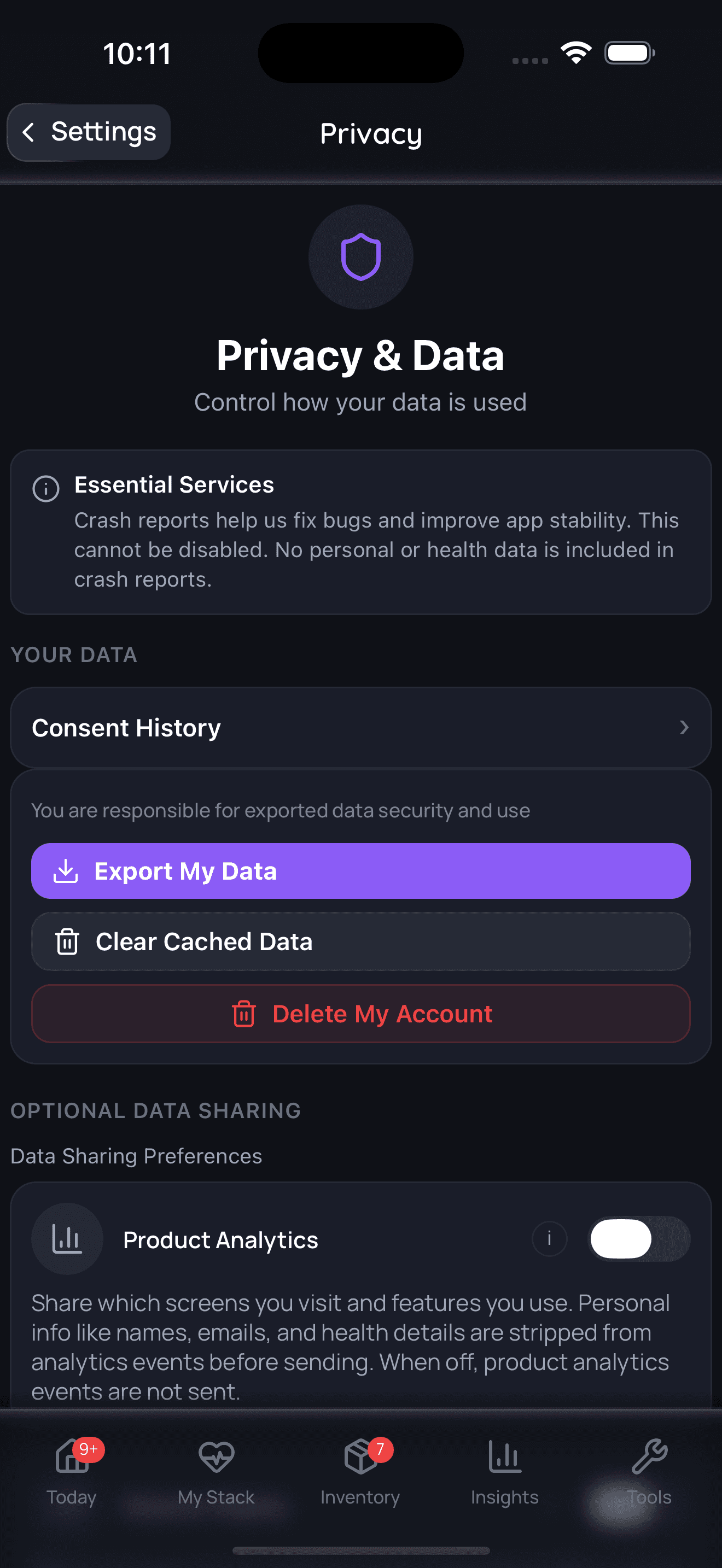
Privacy controls help you manage records; keep clinical records where required.
Side Effects & Safety
The Basics
At commonly used doses (300-600 mg per day), Alpha-GPC is generally well tolerated. The most frequently reported side effects include headache, nausea, heartburn, and gastrointestinal discomfort. These tend to occur more often at higher doses and at the start of supplementation.
A side effect that gets significant attention in online communities is mood disruption. Some individuals report depressive episodes after starting Alpha-GPC, even at moderate doses. This appears to affect a subset of users and may relate to how their brain responds to increased cholinergic tone. If you notice persistent low mood after starting Alpha-GPC, it may not be the right supplement for your neurochemistry.
At higher doses (600 mg or more daily without breaks), some users experience what the nootropic community refers to as "choline overload," characterized by fatigue, brain fog, irritability, and a feeling of emotional flatness. These symptoms are the opposite of what Alpha-GPC typically provides and usually resolve with dose reduction or discontinuation.
One safety concern that warrants careful consideration is the potential cardiovascular risk. A large observational study found an association between long-term Alpha-GPC use and increased stroke risk in adults over 50 [10]. The proposed mechanism involves gut bacteria converting choline to TMAO, a molecule linked to cardiovascular disease. While this study has methodological limitations (the users were already at elevated risk), it underscores the importance of discussing Alpha-GPC supplementation with a healthcare provider, especially for anyone with cardiovascular risk factors.
The overall toxicity profile is low. Animal studies place the oral LD50 above 10,000 mg/kg, and the estimated human No Observed Adverse Effect Level is at least 150 mg/kg based on 26-week dog studies [1].
The Science
Common Adverse Effects
Clinical trials using 1,200 mg/day have reported a favorable safety profile, with adverse events comparable to placebo in most studies [3][11]. The Sagaro 2023 meta-analysis across eight studies did not identify a consistent pattern of serious adverse events attributable to Alpha-GPC [3].
Commonly reported side effects in both clinical and community settings include headache (particularly at initiation or when co-administered with acetylcholinesterase inhibitors), nausea and gastrointestinal discomfort, heartburn, dizziness, and excessive salivation [1][8].
Cholinergic Excess
Excessive cholinergic stimulation from high-dose or prolonged Alpha-GPC supplementation can produce symptoms consistent with parasympathetic overactivation: bradycardia, hypotension, excessive sweating, salivation, and lacrimation. In the nootropic community, the more commonly reported manifestation is cognitive and emotional: fatigue, brain fog, depressed mood, and irritability, consistent with disrupted excitatory/inhibitory neurotransmitter balance [1].
Cardiovascular Safety Signal
Lee et al. (2021) reported elevated stroke risk in Alpha-GPC users in a cohort of over 12 million South Korean adults (aHR 1.43 for total stroke, dose-response relationship) [10]. The hypothesized mechanism involves microbial conversion of choline to TMA, subsequently hepatically oxidized to TMAO, which promotes arterial thrombosis and endothelial dysfunction. Important caveats: (1) Alpha-GPC was prescribed to patients with pre-existing cognitive decline, likely reflecting underlying cerebrovascular disease; (2) the statistical analysis has been criticized for potential imprecision; (3) no interventional study has demonstrated causation [3][10].
Toxicology
Oral LD50 exceeds 10,000 mg/kg in rodents. Subchronic toxicity (1,000 mg/kg in rats for 26 weeks) produced only mild weight loss and reduced food consumption. The NOAEL for humans is estimated at ≥150 mg/kg over 26 weeks (approximately 10,500 mg/day for a 70 kg adult) [1]. Alpha-GPC does not demonstrate mutagenic activity [1].
Knowing the possible side effects is the first step. Catching them early in your own experience is what keeps a supplement routine safe. Doserly lets you log any symptoms as they arise, tagging them with severity, timing relative to your dose, and whether they resolve on their own or persist.
The app's interaction checker cross-references everything in your stack, supplements and medications alike, flagging known interactions before they become a problem. It also monitors your total intake against established upper limits, alerting you if your combined sources of a nutrient are approaching thresholds where risk increases. Think of it as a safety net that works quietly in the background while you focus on the benefits.
Keep side effects, flags, and follow-up notes visible.
Doserly helps you document safety observations, side effects, medication changes, and follow-up questions so important context is not scattered.
Safety log
Flags and notes
Safety notes are not emergency guidance; seek medical help when appropriate.
Dosing & Usage Protocols
The Basics
Alpha-GPC dosing varies significantly depending on the intended use, and this is one of the supplements where the "right" dose can differ dramatically between individuals.
For cognitive support in clinical settings, the most studied dose is 1,200 mg per day, typically divided into three doses of 400 mg. This is the dose used in nearly all Alzheimer's and dementia trials, administered over periods of 3-6 months or longer [3][11].
For physical performance and nootropic purposes, commonly studied doses range from 300 to 600 mg, taken 30-60 minutes before exercise or cognitive tasks [4][5]. However, it is worth noting that the nootropic community has increasingly shifted toward lower doses of 100-300 mg per day, finding that higher doses can cause unwanted side effects such as fatigue, brain fog, and mood disruption in healthy adults.
A dose-dependent pattern of benefits and side effects is well documented. One community pattern that has emerged organically is cycling: taking Alpha-GPC for 3-5 days, then taking 2-3 days off. This appears to help prevent choline buildup and tolerance.
Alpha-GPC is 40% choline by weight, so total choline intake from all sources (diet plus supplements) should be considered. At 1,200 mg Alpha-GPC, you are consuming approximately 480 mg of choline, which is close to the full Adequate Intake for most adults before accounting for dietary choline.
The Science
Clinical Dosing (Cognitive Impairment)
The standard clinical dose across seven RCTs and one prospective cohort study is 1,200 mg/day, administered orally in three divided doses of 400 mg [3]. Study durations range from 90 to 720 days. The Moreno 2003 multicenter trial demonstrated that benefits were evident at 90 days and continued to accrue through 180 days [11], suggesting a minimum trial period of 12 weeks for cognitive endpoints.
Performance Dosing
Published performance studies have used 250-600 mg acutely (30-60 minutes pre-exercise) or 250-500 mg daily for 6-7 days [4][5]. The Marcus 2017 study found that 250 mg produced greater improvements in countermovement jump power than 500 mg [5], suggesting a possible inverted-U dose-response curve for physical performance. The 500 mg dose also significantly depressed serum TSH [5], indicating that higher acute doses may modulate thyroid axis activity through dopaminergic mechanisms.
Serum choline elevations are dose-dependent: 250 mg increases serum free choline by approximately 59%, while 500 mg produces a 132% increase [5].
Choline Load Considerations
Given that Alpha-GPC is 40% choline by weight and the UL for total choline is 3,500 mg/day for adults [8], the theoretical maximum Alpha-GPC dose from a choline perspective alone would be approximately 8,750 mg/day. This is well above any studied dose. More practically, the risk of cholinergic side effects limits dosing in most individuals well before UL thresholds are approached.
Getting the dose right matters more than most people realize. Too little may be ineffective, too much wastes money or introduces risk, and inconsistency undermines both. Doserly tracks every dose you take, across every form, giving you a clear record of what you're actually consuming versus what you planned.
The app helps you compare RDA recommendations against therapeutic ranges discussed in the research, so you can see exactly where your intake falls. If you switch forms, say from a standard capsule to a liposomal liquid, Doserly adjusts your tracking to account for different bioavailabilities. Pair that with smart reminders that keep your timing consistent, and the precision that makes a real difference in outcomes becomes effortless.
Track injection timing, draw notes, and site rotation.
Doserly helps keep syringe-related notes, injection site history, reminders, and reconstitution context together for easier review.
Injection log
Site rotation
Injection logs support record-keeping; follow clinician instructions for administration.
What to Expect (Timeline)
Week 1-2: Most users who respond to Alpha-GPC notice effects relatively quickly, often within the first few days. Commonly reported initial effects include improved mental clarity, faster recall, and a subtle sense of increased alertness. Some users also report initial headaches or mild nausea, which typically resolve within the first week. Those sensitive to cholinergic compounds may notice mood changes (positive or negative) during this period.
Week 2-4: Benefits tend to stabilize. Users who are going to respond positively generally have a clear sense of whether Alpha-GPC is working for them by this point. Tolerance may begin to develop with daily use, particularly at higher doses (600 mg+). Many experienced users begin cycling during this period (3-5 days on, 2-3 days off) to maintain effectiveness.
Month 1-3: For cognitive support in clinical populations, improvements measured by standardized tests continue to accrue over this period. The Moreno 2003 trial showed significant improvements at 90 days that continued to develop through 180 days [11]. For healthy adults using Alpha-GPC for nootropic purposes, the long-term trajectory is less well documented. Some users report sustained benefits with cycling protocols; others find that effects plateau.
Month 3-6+: Long-term clinical data from the ASCOMALVA trials (Alpha-GPC plus donepezil for Alzheimer's) show continued benefits at 12 and 24 months of supplementation [3]. For healthy adults, long-term effects are not well studied. Users who have maintained Alpha-GPC supplementation for extended periods typically emphasize the importance of cycling and dose moderation.
Important note: Individual responses to Alpha-GPC vary considerably. Some people report dramatic cognitive improvements; others notice little difference. Those who are choline-deficient or have higher acetylcholine demands (e.g., individuals with ADHD, heavy cognitive workloads) may be more likely to notice benefits.
Interactions & Compatibility
Synergistic
- Choline — Alpha-GPC is a choline source, so dietary choline from eggs, meat, and other foods complements supplementation. However, monitor total choline intake to avoid excess.
- Vitamin B5 (Pantothenic Acid) — Pantothenic acid is a precursor to acetyl-CoA, which is required for acetylcholine synthesis from choline. Adequate B5 status supports the conversion pathway that Alpha-GPC feeds into.
- Vitamin B12 — B12 supports methylation pathways connected to choline metabolism.
- Vitamin B9 (Folate) — Folate and choline share overlapping methylation functions. When folate is deficient, the body's demand for choline increases.
- Racetams (Piracetam, Aniracetam, etc.) — Alpha-GPC is commonly stacked with racetams in the nootropic community. Racetams increase acetylcholine utilization, and Alpha-GPC helps maintain ACh availability. Many users report headaches from racetams that resolve with Alpha-GPC supplementation.
- Acetylcholinesterase inhibitors (Donepezil, Rivastigmine) — Clinical data supports synergistic benefits. Alpha-GPC potentiates rivastigmine effects dose-dependently. The ASCOMALVA trial series demonstrated improved outcomes when Alpha-GPC (1,200 mg/day) was combined with donepezil (10 mg/day) [3].
- Uridine — May synergistically support phospholipid synthesis, though evidence for increased brain Alpha-GPC concentrations with uridine supplementation is inconsistent [1].
Caution / Avoid
- Other choline sources (CDP-choline, choline bitartrate, lecithin) — Combining multiple choline supplements increases the risk of cholinergic excess (fatigue, brain fog, depression, gastrointestinal distress). If stacking, reduce individual doses.
- Anticholinergic medications — Alpha-GPC may counteract or interact with anticholinergic drugs (diphenhydramine/Benadryl, certain antidepressants, antipsychotics, bladder medications). Consult a healthcare provider.
- Huperzine A — This acetylcholinesterase inhibitor combined with Alpha-GPC can cause excessive acetylcholine buildup. Community consensus strongly advises against this combination without medical supervision.
- High-dose fish oil / omega-3s with TMAO concern — While omega-3s support brain health, high choline intake from Alpha-GPC may increase TMAO production via gut bacteria. Some users take garlic extract or probiotics to mitigate TMAO production, though clinical evidence for this strategy is limited.
- Magnesium — Not a caution per se, but many Alpha-GPC users supplement magnesium concurrently. Magnesium may help mitigate some cholinergic side effects (tension, mood disruption).
How to Take / Administration Guide
Recommended forms: Alpha-GPC is most commonly available as capsules (typically 300 mg or 600 mg). Powder form is available but challenging to work with due to Alpha-GPC's hygroscopic nature; it absorbs moisture rapidly and becomes sticky. Many commercial Alpha-GPC capsules contain 50% Alpha-GPC with silica as a carrier to manage moisture absorption.
Timing considerations: For cognitive effects, most sources report peak acetylcholine synthesis 1-3 hours after ingestion [1]. Taking Alpha-GPC in the morning or early afternoon is commonly preferred. For exercise performance, 30-60 minutes before training is the studied timing [4][5]. Some users report sleep disruption when taking Alpha-GPC late in the day, though clinical data has not formally assessed this.
Stacking guidance: If combining with racetams, the commonly used ratio in the nootropic community is approximately 1:1 to 1:2 (racetam to Alpha-GPC by weight). If using alongside other choline sources in a multivitamin or B-complex, account for total choline load. Alpha-GPC and CDP-choline target overlapping pathways and are generally not stacked together.
Cycling guidance: Daily continuous use at moderate-to-high doses (300-600 mg) commonly leads to tolerance within 5-7 days based on user reports. Cycling protocols that have emerged in the nootropic community include: 5 days on / 2 days off, 3 weeks on / 1 week off, or as-needed use rather than daily supplementation. Clinical trials used continuous daily dosing at 1,200 mg for up to 2 years in cognitively impaired populations, but this dosing pattern has not been evaluated for tolerance in healthy adults.
Starting low: Many experienced users recommend starting at a lower dose than commonly suggested (100-150 mg) and titrating upward gradually. This approach helps identify individual sensitivity to cholinergic compounds before committing to higher doses.
Choosing a Quality Product
Third-party certifications: Look for products tested by USP, NSF International, or independent testing organizations. These certifications verify identity, potency, and purity. For athletes, NSF Certified for Sport or Informed Sport certification provides additional assurance against contamination with banned substances.
Active vs. diluted forms: Many Alpha-GPC capsule products contain 50% Alpha-GPC with 50% silica or other carriers to prevent clumping due to the compound's hygroscopic nature. A "600 mg Alpha-GPC capsule" may contain only 300 mg of actual Alpha-GPC. Check the supplement facts panel to confirm whether the stated dose refers to the total capsule weight or the actual Alpha-GPC content.
Source quality: Alpha-GPC is typically derived from soy or sunflower lecithin. Sunflower-derived Alpha-GPC avoids soy allergen concerns. The enzymatic synthesis process is standardized, so the source of lecithin has minimal impact on the final product's chemical identity, but individuals with soy sensitivities should verify the source.
Red flags: Avoid products with proprietary blends that hide the actual Alpha-GPC dose. Given the importance of precise dosing with this compound, knowing the exact amount per serving is critical. Be wary of products claiming significantly higher than 50% Alpha-GPC content in capsule form, as the hygroscopic nature makes higher concentrations difficult to maintain in dry capsule format without significant carrier material.
Powder considerations: If purchasing Alpha-GPC powder, store in a tightly sealed container with desiccant packets. Exposure to humidity will cause clumping and degradation. Some suppliers offer Alpha-GPC in a 50% powder form that is more stable than the pure compound.
Storage & Handling
Alpha-GPC is notably hygroscopic, meaning it readily absorbs moisture from the air. This is its most important storage consideration and distinguishes it from most other supplement powders.
Storage conditions: Keep in a cool, dry place at room temperature (59-77 degrees F / 15-25 degrees C). Avoid bathrooms and kitchens where humidity levels fluctuate. Store away from direct sunlight.
Moisture management: Always close the container tightly after each use. For powder forms, consider storing with food-grade desiccant packets inside the container. If Alpha-GPC powder has become sticky, clumped, or wet, it may still be usable but dosing accuracy will be compromised.
Shelf life: Properly stored Alpha-GPC capsules typically maintain potency for 2-3 years from manufacture. Powder forms may degrade more quickly if moisture exposure occurs. Follow the manufacturer's expiration date.
Capsules vs. powder: Capsules are generally preferred for storage convenience because the gelatin or HPMC shell provides a barrier against moisture. If using powder, a vacuum-sealed container or amber glass jar with tight seal is recommended.
Lifestyle & Supporting Factors
Dietary choline sources: Eggs (147 mg choline per large egg), beef liver (356 mg per 3 oz), and chicken breast (72 mg per 3 oz) are among the richest dietary sources of choline [8]. Maintaining moderate dietary choline intake alongside supplementation supports overall choline status without risking excess.
B vitamin status: The B vitamins, particularly B5 (pantothenic acid), B12, and folate, participate in pathways connected to choline and acetylcholine metabolism. Adequate B vitamin status supports the metabolic infrastructure that makes Alpha-GPC effective. A B-complex supplement or a diet rich in whole grains, leafy greens, and animal proteins provides a foundation.
Exercise: Physical activity naturally increases acetylcholine demand for neuromuscular function. Regular exercisers may have both greater need for and greater responsiveness to cholinergic supplementation. Alpha-GPC has shown specific benefit for explosive power output when taken before training [4][5].
Sleep: Adequate sleep supports the brain's cholinergic system, as acetylcholine plays a role in REM sleep and memory consolidation. Poor sleep may blunt the cognitive benefits of Alpha-GPC.
Hydration: Choline metabolism produces various metabolites that require adequate hydration for efficient processing and excretion. Maintaining normal hydration supports overall supplement effectiveness.
Gut health: The TMAO concern associated with choline supplementation originates in the gut, where certain bacteria convert choline to trimethylamine [10]. A diverse, fiber-rich diet supports a balanced gut microbiome that may moderate TMAO production. Some users supplement with garlic extract or specific probiotics with the goal of reducing TMAO, though clinical evidence for this strategy specific to Alpha-GPC is limited.
Regulatory Status & Standards
United States (FDA): Alpha-GPC is sold as a dietary supplement under DSHEA. It has GRAS (Generally Recognized As Safe) status based on a 2011 safety assessment that established a NOAEL of at least 150 mg/kg in 26-week dog studies [1]. No specific NDI (New Dietary Ingredient) notification is required as it has an established history of use. The FDA does not evaluate Alpha-GPC for efficacy in treating any disease.
European Union (EFSA): Alpha-GPC (choline alphoscerate) is classified and sold as a prescription pharmaceutical in several EU member states, particularly Italy, where much of the clinical research has been conducted. It is not universally available as an over-the-counter supplement in Europe as it is in the United States.
South Korea: Alpha-GPC is classified as a prescription drug, which is the context for the Lee 2021 stroke risk study [10].
Canada (Health Canada): Alpha-GPC is available as a natural health product. Specific NPN numbers apply to individual products.
Australia (TGA): Status varies; check current Listed Medicines database for specific product approvals.
Athlete & Sports Regulatory Status
WADA: Alpha-GPC is not on the World Anti-Doping Agency Prohibited List. It is not classified as a prohibited substance in or out of competition. However, athletes should be aware that supplement contamination is always a risk, and third-party batch testing is recommended.
National Anti-Doping Agencies: No major national anti-doping organizations (USADA, UKAD, Sport Integrity Canada, Sport Integrity Australia, NADA Germany) have issued specific warnings or restrictions regarding Alpha-GPC.
NCAA: Alpha-GPC is not on the NCAA banned substance list. However, NCAA institutions providing supplements to athletes should ensure products carry NSF Certified for Sport or Informed Sport certification.
Athlete Certification Programs: Alpha-GPC products with Informed Sport (sport.wetestyoutrust.com), NSF Certified for Sport (nsfsport.com), or Cologne List (koelnerliste.com) certification are available and recommended for competitive athletes.
GlobalDRO: Athletes can verify the status of Alpha-GPC-containing supplements at GlobalDRO.com across US, UK, Canada, Australia, Japan, Switzerland, and New Zealand jurisdictions.
Regulatory status and prohibited substance classifications change frequently. Athletes should always verify the current status of any supplement with their sport's governing body, their national anti-doping agency, and a qualified sports medicine professional before use. Third-party certification (Informed Sport, NSF Certified for Sport) reduces but does not eliminate the risk of contamination with prohibited substances.
Frequently Asked Questions
What is the difference between Alpha-GPC and CDP-choline (citicoline)?
Both are choline donors that cross the blood-brain barrier, but they work somewhat differently. Alpha-GPC is 40% choline by weight and provides glycerophosphate, while CDP-choline is approximately 18% choline by weight and provides cytidine (which converts to uridine). Alpha-GPC raises plasma choline more efficiently per gram, while CDP-choline may offer unique benefits through the uridine pathway. Some practitioners consider CDP-choline gentler due to not bypassing a key rate-limiting step in acetylcholine synthesis.
How much choline does Alpha-GPC provide?
Alpha-GPC is 40% choline by weight. A 600 mg dose provides approximately 240 mg of choline, and the standard clinical dose of 1,200 mg provides approximately 480 mg, which is close to the Adequate Intake (AI) for choline for most adults (425-550 mg/day) before accounting for dietary choline intake.
Can Alpha-GPC cause depression?
Some individuals report depressive episodes after starting Alpha-GPC. This appears to affect a subset of users and may relate to excessive cholinergic tone disrupting dopaminergic or serotonergic balance. If persistent low mood develops after beginning supplementation, discontinuing Alpha-GPC and consulting a healthcare provider is advisable.
Should I cycle Alpha-GPC?
Many experienced users report that daily continuous use at moderate-to-high doses leads to tolerance within about a week. Cycling protocols (such as 5 days on / 2 days off) have emerged organically in the community. Clinical trials in dementia populations used continuous daily dosing without reported tolerance, but these studied a different population and outcome.
Is Alpha-GPC safe for long-term use?
Clinical trials have studied continuous use for up to 2 years in cognitively impaired populations with a favorable safety profile. However, a large observational study found an association between long-term Alpha-GPC use and increased stroke risk in adults over 50 in South Korea, though causation has not been established. Long-term safety in healthy younger adults has not been formally studied. Discussing long-term use with a healthcare provider is advisable.
Does Alpha-GPC increase TMAO and cardiovascular risk?
Choline, including choline derived from Alpha-GPC, can be converted by gut bacteria to trimethylamine (TMA), which is then oxidized to TMAO in the liver. Elevated TMAO has been associated with cardiovascular disease risk in observational studies. Whether Alpha-GPC at supplemental doses meaningfully increases TMAO levels compared to dietary choline from food has not been directly studied.
What dose of Alpha-GPC is best for exercise performance?
Published studies have used 300-600 mg taken 30-60 minutes before exercise. One study found that 250 mg daily for 7 days improved jump power, while a pilot study found 600 mg acutely improved bench press power by 14%. The optimal dose for performance is not definitively established.
Can I take Alpha-GPC with ADHD medication?
Some individuals with ADHD report benefits from combining Alpha-GPC with their prescribed stimulant medication, noting improved focus and reduced brain fog. However, no clinical trials have formally studied this combination. Anyone considering adding Alpha-GPC to an existing medication regimen should consult their prescribing healthcare provider.
Why does Alpha-GPC powder get sticky?
Alpha-GPC is highly hygroscopic, meaning it absorbs moisture from the air rapidly. This is a normal property of the compound, not a quality defect. Store powder in airtight containers with desiccant, or use capsule forms which are protected from moisture.
Is Alpha-GPC better than just eating more eggs?
Eggs are one of the richest dietary sources of choline (approximately 147 mg per large egg), but the choline in eggs is primarily in the form of phosphatidylcholine, which has lower bioavailability per gram of choline than Alpha-GPC. For individuals seeking to correct a choline deficit, increasing dietary choline through eggs and other foods is a reasonable first step. Alpha-GPC supplementation may offer additional benefits through its superior blood-brain barrier penetration and direct contribution to both acetylcholine synthesis and phospholipid production.
Myth vs. Fact
Myth: Alpha-GPC is just another form of choline with the same effects as choline bitartrate.
Fact: Alpha-GPC has meaningfully different pharmacokinetics compared to choline bitartrate. It crosses the blood-brain barrier more effectively, delivers choline at a higher percentage by weight, and provides glycerophosphate as a secondary metabolite that supports membrane phospholipid synthesis. Clinical research demonstrates efficacy for Alpha-GPC in cognitive populations where simpler choline salts have not shown equivalent benefits [1][2].
Myth: Higher doses of Alpha-GPC always produce better results.
Fact: The dose-response relationship for Alpha-GPC is not linear. Research and community experience consistently show that moderate doses (150-600 mg) tend to produce the most favorable benefit-to-side-effect ratio. Higher doses can cause fatigue, brain fog, depression, and irritability due to cholinergic excess [5]. One performance study even found that 250 mg outperformed 500 mg for countermovement jump power [5].
Myth: Alpha-GPC causes strokes.
Fact: A single large observational study found an association between Alpha-GPC use and increased stroke risk, but this study cannot establish causation. The study population consisted of older adults in South Korea who were prescribed Alpha-GPC for existing cognitive impairment, meaning they already had elevated cerebrovascular risk factors. No interventional study has demonstrated that Alpha-GPC causes stroke. However, the TMAO mechanism is biologically plausible, and the finding warrants further research and caution, particularly for individuals with cardiovascular risk factors [10].
Myth: Alpha-GPC works immediately, like caffeine.
Fact: While some users report acute effects within 30-60 minutes (particularly at higher doses or with initial use), the peak window for acetylcholine synthesis from Alpha-GPC-derived choline is 1-3 hours post-ingestion [1]. Clinical benefits for cognitive function accrue over weeks to months of consistent use, with trials showing continued improvement from 90 to 180 days [11].
Myth: You need 1,200 mg of Alpha-GPC per day to see any benefit.
Fact: The 1,200 mg/day dose comes from clinical trials in patients with Alzheimer's disease and dementia. For healthy adults, much lower doses (100-600 mg) have shown effects on plasma choline, growth hormone, cognition, and physical performance in published studies [4][5][7][12]. The optimal dose depends on the individual and the desired outcome.
Myth: Alpha-GPC and CDP-choline (citicoline) are interchangeable.
Fact: While both increase brain choline availability, they differ in secondary metabolites and mechanisms. Alpha-GPC provides glycerophosphate and has been shown to increase dopamine and serotonin in animal studies, effects not replicated by CDP-choline at equivalent choline doses [6]. CDP-choline provides uridine, which supports a separate phospholipid synthesis pathway. The compounds are complementary rather than interchangeable, and most users do not stack them together.
Myth: All Alpha-GPC supplements contain the same amount of active ingredient.
Fact: Many Alpha-GPC capsule products contain 50% Alpha-GPC with 50% carrier material (typically silica) to manage the compound's hygroscopic nature. A label stating "600 mg Alpha-GPC" may mean 600 mg of total capsule fill, of which only 300 mg is actual Alpha-GPC. Always check the supplement facts panel for the specific Alpha-GPC content.
Sources & References
Clinical Trials & RCTs
[1] Brownawell AM, Carmines EL, Montesano F. Safety assessment of AGPC as a food ingredient. Food Chem Toxicol. 2011;49(6):1303-1315. doi: 10.1016/j.fct.2011.03.012
[3] Sagaro GG, Traini E, Amenta F. Activity of Choline Alphoscerate on Adult-Onset Cognitive Dysfunctions: A Systematic Review and Meta-Analysis. J Alzheimers Dis. 2023;92(1):59-70. doi: 10.3233/JAD-221189
[4] Ziegenfuss T, Landis J, Hofheins J. Acute supplementation with alpha-glycerylphosphorylcholine augments growth hormone response to, and peak force production during, resistance exercise. J Int Soc Sports Nutr. 2008;5(Suppl 1):P15.
[5] Marcus L, Soileau J, Judge LW, Bellar D. Evaluation of the effects of two doses of alpha glycerylphosphorylcholine on physical and psychomotor performance. J Int Soc Sports Nutr. 2017;14:39. doi: 10.1186/s12970-017-0196-5
[7] Tamura Y, Takata K, Matsubara K, Kataoka Y. Alpha-Glycerylphosphorylcholine Increases Motivation in Healthy Volunteers: A Single-Blind, Randomized, Placebo-Controlled Human Study. Nutrients. 2021;13(6):2091. doi: 10.3390/nu13062091
[11] Moreno MDJ. Cognitive improvement in mild to moderate Alzheimer's dementia after treatment with the acetylcholine precursor choline alfoscerate: A multicenter, double-blind, randomized, placebo-controlled trial. Clin Ther. 2003;25(1):178-193.
[12] Acute Alpha-Glycerylphosphorylcholine Supplementation Enhances Cognitive Performance in Resistance-Trained Males. Nutrients. 2024. PMID: 39683633
Observational Studies
[10] Lee G, Choi S, Chang J, et al. Association of L-alpha Glycerylphosphorylcholine With Subsequent Stroke Risk After 10 Years. JAMA Netw Open. 2021;4(11):e2136008. doi: 10.1001/jamanetworkopen.2021.36008
Government/Institutional Sources
[8] Institute of Medicine. Food and Nutrition Board. Dietary Reference Intakes: Thiamin, Riboflavin, Niacin, Vitamin B6, Folate, Vitamin B12, Pantothenic Acid, Biotin, and Choline. Washington, DC: National Academy Press; 1998.
Review Articles
[2] Parnetti L, Amenta F, Gallai V. Choline alphoscerate in cognitive decline and in acute cerebrovascular disease: An analysis of published clinical data. Mech Ageing Dev. 2001;122(16):2041-2055.
Preclinical Studies
[6] Tayebati SK, Tomassoni D, Nwankwo IE, et al. Modulation of monoaminergic transporters by choline-containing phospholipids in rat brain. CNS Neurol Disord Drug Targets. 2013;12(1):94-103.
[9] Abbiati G, Fossati T, Lachmann G, Bergamaschi M, Castiglioni C. Absorption, tissue distribution and excretion of radiolabelled compounds in rats after administration of [14C]-l-alpha-glycerylphosphorylcholine. Eur J Drug Metab Pharmacokinet. 1993;18(2):173-180.
Related Supplement Guides
Same Category
Common Stacks / Pairings
- Magnesium — commonly paired for mood support and to offset cholinergic side effects
- Vitamin B6 — B vitamin synergy for neurotransmitter synthesis
- B-Complex — comprehensive B vitamin support
- Creatine — frequently co-supplemented by fitness-oriented users
- NMN — stacked by longevity-focused users
Related Health Goal
- Vitamin B1 (Thiamine) — cognitive support
- Vitamin B3 (Niacin) — NAD precursor for brain energy
- Nicotinamide Riboside — neuroprotection and cellular energy
- Biotin — B vitamin family
- Zinc — neurotransmitter cofactor
- Iron — Alpha-GPC may enhance nonheme iron absorption