
Astragalus: The Complete Supplement Guide
On this page
Quick Reference Card
Attribute
Common Name
- Detail
- Astragalus
Attribute
Other Names / Aliases
- Detail
- Huang Qi, Milk Vetch, Bei Qi, Radix Astragali, Membranous Milk-Vetch Root, Ogi (Japanese), Hwanggi (Korean)
Attribute
Category
- Detail
- Herbal Extract (Adaptogen, Traditional Chinese Medicine)
Attribute
Primary Forms & Variants
- Detail
- Whole dried root (for decoctions), root powder capsules (500-2,000 mg), standardized extract (Astragaloside IV content, typically 0.5-50%), Astragaloside IV isolate (50-100 mg capsules), polysaccharide-enriched extract
Attribute
Typical Dose Range
- Detail
- Root powder: 500-4,000 mg/day; Standardized extract: 250-500 mg/day; Astragaloside IV isolate: 50-100 mg/day; Traditional decoction: up to 30-60 g dried root
Attribute
RDA / AI / UL
- Detail
- No established RDA, AI, or UL. Not a vitamin or mineral
Attribute
Common Delivery Forms
- Detail
- Capsule, tablet, powder, liquid extract/tincture, dried root slices (for tea/decoction)
Attribute
Best Taken With / Without Food
- Detail
- Can be taken with or without food. Traditional use involves decoctions (boiled tea) consumed throughout the day
Attribute
Key Cofactors
- Detail
- Often combined with Angelica sinensis (Dong Quai) in traditional formulas. Traditional pairings include Ginseng, Licorice root, and Reishi mushroom
Attribute
Storage Notes
- Detail
- Store in a cool, dry place away from direct sunlight. Dried root slices should be kept sealed to prevent moisture absorption. Liquid extracts may require refrigeration after opening
Overview
The Basics
Astragalus is a flowering plant whose root has been a cornerstone of Traditional Chinese Medicine (TCM) for over two thousand years. Known as Huang Qi in Chinese, it translates roughly to "yellow leader," a name that reflects both the color of the root and its status as one of the most important tonic herbs in the TCM pharmacopoeia [1][2].
In traditional practice, astragalus root is rarely used alone. It is typically combined with other herbs in formulas designed to support what practitioners call "qi," essentially your body's vital energy and defensive function. People have turned to it for centuries to combat fatigue, strengthen immune defenses, and support recovery from illness. It is classified as an adaptogen, meaning it is believed to help the body resist physical, environmental, and emotional stress [3][4].
As a modern dietary supplement, astragalus root is most commonly taken in capsule or extract form. Interest has grown around two main areas: immune system support and longevity. The longevity angle has attracted particular attention since researchers discovered that certain compounds in astragalus may activate telomerase, an enzyme involved in maintaining the protective caps on the ends of chromosomes [5]. Whether this translates to meaningful anti-aging effects in humans remains an open question.
It is worth noting that while there are over 2,000 species in the Astragalus genus, only two are used in supplements: Astragalus membranaceus and Astragalus mongholicus. Some other species of Astragalus are actually toxic and have caused livestock poisonings, but these are not found in dietary supplements [1][6].
The Science
Astragalus membranaceus (Fisch.) Bunge, of the family Fabaceae (Leguminosae), is a perennial herb native to northern China, Mongolia, and Siberia. The medicinal part is the dried root (Astragali Radix, Huangqi), which was first documented in the Shennong Ben Cao Jing, one of the earliest Chinese pharmacological texts [1][2].
Phytochemical analysis has identified over 126 distinct compounds in astragalus root, with three primary classes of bioactive constituents: triterpenoid saponins (astragalosides I-VII, based on the cycloastragenol backbone), polysaccharides (including APS-I and APS-II, complex carbohydrate polymers), and flavonoids (including calycosin, formononetin, and their glycosides) [1][2][7].
Astragaloside IV, a cycloartane-type triterpenoid glycoside present at approximately 1% of dried root weight (1,083 mcg/g), serves as the primary quality marker for commercial preparations. The compound has demonstrated immunomodulatory, cardioprotective, and anti-inflammatory activities in preclinical models, though its clinical translation is limited by poor oral bioavailability (approximately 2.2% in animal studies) [1][8].
The polysaccharide fraction (APS) has attracted independent research interest for its immunomodulating properties, including activation of toll-like receptor 4 (TLR4)-mediated signaling pathways, enhancement of macrophage phagocytic activity, and modulation of T-cell responses [9][10].
Current institutional assessments remain cautious. The National Center for Complementary and Integrative Health (NCCIH) states that "there is not sufficient reliable scientific evidence to know whether astragalus is useful for any health condition," noting that most clinical trials have been small, methodologically limited, and geographically concentrated [3].
Chemical & Nutritional Identity
Property
Botanical Name
- Value
- Astragalus membranaceus (Fisch.) Bunge; A. mongholicus Bunge
Property
Family
- Value
- Fabaceae (Leguminosae)
Property
Part Used
- Value
- Dried root (Astragali Radix)
Property
Primary Active Compounds
- Value
- Astragaloside IV (cycloartane triterpenoid saponin), Astragalus polysaccharides (APS), Calycosin, Formononetin
Property
Astragaloside IV Content
- Value
- ~1,083 mcg/g dried root (0.8-1.7% by weight)
Property
CAS Number
- Value
- 84687-43-4 (Astragaloside IV)
Property
PubChem CID
- Value
- 13943297 (Astragaloside IV)
Property
Molecular Formula (Astragaloside IV)
- Value
- C41H68O14
Property
Molecular Weight (Astragaloside IV)
- Value
- 784.97 g/mol
Property
Category
- Value
- Herbal extract; adaptogen
Property
Standardization Markers
- Value
- Astragaloside IV content (primary); total flavonoids (secondary); polysaccharide content (secondary)
Astragalus root contains a complex mixture of bioactive constituents. The three main classes are:
Saponins: Astragalosides I through VII, all based on the cycloastragenol backbone. Astragaloside IV is the most extensively studied and serves as the primary quality standard. TA-65, a patented extract, is essentially concentrated Astragaloside IV [1][5].
Polysaccharides: APS-I (arabinose and glucose in a 1:3.45 ratio) and APS-II (rhamnose, arabinose, and glucose in a 1:6.25:17.86 ratio). These heteropolysaccharides are responsible for many of the immune-modulating effects attributed to astragalus [1][9].
Flavonoids: Calycosin, formononetin (an isoflavone with estrogen-receptor-modulating activity), isorhamnetin, rhamnocitrin, and their glycosides. Formononetin and calycosin are the most pharmacologically relevant flavonoids and, unlike astragaloside IV, are absorbed and detectable as metabolites in human urine [1][11][12].
The best harvesting period for astragalus root is late October to mid-November, when the concentration of active compounds is highest [2].
Mechanism of Action
The Basics
Astragalus works in the body through several different pathways, which helps explain why it has been associated with such a wide range of effects in traditional medicine.
Its most well-established action is on the immune system. Astragalus polysaccharides appear to wake up certain immune cells, essentially giving your immune system a nudge to be more vigilant. This is why people often reach for it during cold and flu season or when they feel run down. Think of it as a tune-up for your body's defense system rather than a targeted weapon against any specific illness [9][10].
The other major area of interest is longevity. Certain compounds in astragalus, particularly astragaloside IV, have been shown in laboratory studies to activate telomerase, the enzyme that maintains telomeres (the protective caps on the ends of your DNA). As we age, telomeres naturally shorten, and shorter telomeres are associated with aging and age-related diseases. The idea that a supplement could slow or reverse this shortening has generated considerable excitement, though it is important to note that activating telomerase in a lab dish is very different from demonstrating meaningful anti-aging effects in a living person [5][13].
Astragalus also appears to have anti-inflammatory properties, cardiovascular-supportive effects (helping to protect heart cells and blood vessels), and kidney-protective properties. It has been used traditionally for fatigue and low stamina, and some of these effects may relate to its influence on energy metabolism and oxygen utilization at the cellular level [14][15].
The Science
The pharmacological mechanisms of astragalus operate across multiple molecular targets and pathways:
Immunomodulation: Astragalus polysaccharides (APS) activate innate immune responses through TLR4-mediated mitogen-activated protein kinase (MAPK) signaling [9]. This triggers macrophage activation, enhancing phagocytosis and secretion of cytokines including TNF-alpha and nitric oxide [16]. APS also modulate adaptive immunity by increasing CD4+ CD25+ Foxp3+ regulatory T-cell populations and inhibiting NF-kappaB activation, reducing secretion of pro-inflammatory cytokines IL-18 and IL-1beta via NLRP3 inflammasome inhibition [10][17]. In a randomized controlled trial, standardized astragalus extract attenuated exercise-induced immunosuppression in healthy individuals [18].
Telomerase Activation: Astragaloside IV and the related compound cycloastragenol have been shown to increase telomerase activity 2-3 fold in human keratinocytes in vitro, possibly through upregulation of TERT (telomerase reverse transcriptase) signaling. In a murine model, TA-65 (astragaloside IV extract, 25 mg/kg/day) preserved telomere length and attenuated age-related metabolic changes including osteoporosis, insulin resistance, and hepatic steatosis, though lifespan was not significantly extended [5][13]. A 2024 RCT in 40 healthy volunteers (mean age 56.1 years) found that six months of astragalus-based supplementation significantly lengthened median and short telomeres compared to placebo (p = 0.01 and p = 0.004, respectively) [13].
Cardioprotection: Astragaloside IV exerts cardioprotective effects via the Notch1/Hes1 signaling pathway and augments fibrinolytic potential through upregulation of tissue-type plasminogen activator (t-PA) synthesis and downregulation of plasminogen activator inhibitor-1 (PAI-1) [14][19]. APS demonstrates endothelial protective effects attributed to improved ROS/NO balance [20]. A systematic review and meta-analysis found that adjunctive A. membranaceus therapy improved left ventricular remodeling markers in heart failure with reduced ejection fraction (HFrEF) [21].
Nephroprotection: Multiple mechanisms contribute to renal protection, including anti-fibrotic effects via inhibition of tubular epithelial-mesenchymal transition, anti-inflammatory cytokine modulation, and direct effects on IgA glycosylation in IgA nephropathy (decreased Cosmc gene expression and increased IgA1 O-glycosylation) [22][23].
Anti-inflammatory: Astragalus saponins modulate NF-kappaB signaling, downregulate COX-2, and suppress mTOR-mediated angiogenesis [24]. In an RCT involving patients with functional knee pain, 480 mg/day of standardized astragalus extract for 28 days significantly reduced serum TNF-alpha and IL-1beta levels [25].
Estrogenic Activity: Formononetin, an isoflavone constituent, demonstrates estrogen-receptor-modulating effects, which may be relevant for hormone-sensitive conditions [11][12].
Absorption & Bioavailability
The Basics
One of the key challenges with astragalus supplementation is bioavailability, meaning how much of what you swallow actually makes it into your bloodstream in a useful form. Different components of astragalus are absorbed at very different rates, and this significantly influences which effects you might realistically expect from oral supplementation.
The flavonoid compounds in astragalus (calycosin and formononetin) appear to be reasonably well absorbed. They have been detected as metabolites in human urine after oral consumption, confirming that they make it through the gut and into circulation [1].
Astragaloside IV, the compound that has generated the most research interest for longevity and immune support, is a different story. It has a very low oral bioavailability of approximately 2.2%, meaning that about 98% of an oral dose never reaches the bloodstream in its active form. It appears to be absorbed passively through a paracellular route (between cells rather than through them), and its large molecular weight works against efficient absorption [1][8].
Interestingly, the whole astragalus root appears to have better uptake of astragaloside IV than the isolated compound alone, suggesting that other components in the root may enhance its absorption. Taking astragalus alongside Angelica sinensis (Dong Quai), a traditional pairing in Chinese medicine, may also increase the bioavailability of the flavonoid components [1].
The polysaccharide fraction (APS) has its own absorption characteristics. As complex carbohydrate polymers, polysaccharides interact with immune cells in the gut-associated lymphoid tissue (GALT) and may exert immunomodulatory effects without requiring significant systemic absorption.
The Science
Astragaloside IV demonstrates an apparent oral bioavailability of approximately 2.2% in rats measured by HPLC-MS/MS, with one human study unable to detect serum astragalosides following oral administration [1][8]. Intestinal uptake in Caco-2 cell models is maximal at 50 mcg/mL and follows passive paracellular transport, as evidenced by interaction with calcium ions in the intestinal lumen. P-glycoprotein inhibitors do not affect absorption, and apical-to-basolateral transport is linear between 15 and 120 minutes with Papp values in the 5.95-7.82 x 10^-8 range [8].
Unpublished pharmacokinetic data from TA Sciences suggests circulating levels of 1-20 nM at 4-8 hours post-ingestion of 5-100 mg oral TA-65, consistent with approximately 1.5% bioavailability. Given astragaloside IV's molecular weight of 784.97 g/mol, the clinically achievable serum concentration is in the low nanomolar range, raising questions about whether in vitro effects demonstrated at micromolar concentrations can be replicated in vivo [5][8].
The flavonoid constituents demonstrate superior absorption. Calycosin and formononetin, along with their glucuronide and sulfate metabolites, have been detected in human urine following oral astragalus consumption. Dimethoxypterocarpan-3-O-beta-D-glucuronide was also detected, confirming parent compound absorption. Co-administration with Angelicae Sinensis Radix may enhance flavonoid bioavailability through unknown mechanisms [1].
Whole root extracts demonstrate higher astragaloside IV uptake compared to the isolated compound, suggesting matrix effects from co-occurring constituents that may enhance paracellular permeability or reduce luminal degradation [8].
Research & Clinical Evidence
The Basics
The research picture for astragalus is extensive but complicated. There are hundreds of studies, including several systematic reviews and meta-analyses, but most of the underlying clinical trials are small, of low methodological quality, and conducted primarily in China. This does not mean the findings are wrong, but it does mean they should be interpreted with caution until confirmed by larger, more rigorous studies [3].
The areas with the strongest evidence include immune system modulation (where astragalus appears to enhance certain immune responses), kidney disease (where astragalus used alongside conventional treatment showed benefits for several kidney conditions), and as a supportive therapy during cancer treatment (where it may help manage chemotherapy side effects and improve quality of life) [3][14][26].
For the average person considering astragalus as a supplement, the evidence is more modest. There is a recent well-designed trial showing benefits for knee joint pain at 480 mg/day of standardized extract over 28 days [25]. Telomere-lengthening effects have been demonstrated in a small RCT, though the clinical significance of this finding is unclear [13]. For conditions like seasonal allergies, chronic fatigue, and diabetes, evidence exists but remains preliminary [3][27].
The Science
Immune Function: A 2023 systematic review and meta-analysis of 19 studies (1,094 participants) found that astragalus enhanced humoral and cellular immune responses and reduced proinflammatory cytokine levels. Study quality was variable, and significant methodological heterogeneity existed [28]. A single RCT demonstrated that standardized astragalus extract attenuated exercise-induced immunosuppression in healthy individuals (Latour et al., 2021) [18].
Kidney Disease: A 2023 meta-analysis of 50 studies (3,423 participants) evaluating astragalus formulas for idiopathic membranous nephropathy found improvements in proteinuria, serum albumin, and total cholesterol compared to immunosuppressive therapy alone. Study limitations included small sample sizes, low quality, and limited geographic diversity [29]. An updated 2019 systematic review confirmed short-term benefits for albuminuria, proteinuria, and serum creatinine reduction in diabetic kidney disease [22].
Type 2 Diabetes: A 2024 systematic review and meta-analysis of 20 RCTs (953 participants) found that astragalus adjunctive therapy with metformin reduced fasting blood glucose (p < 0.001) and HbA1c (p < 0.001) more than metformin alone. Most included studies were of low quality with notable risk of bias [27].
Cardiovascular: A 2024 meta-analysis evaluating A. membranaceus for left ventricular remodeling in HFrEF found improvements in LVEF, LVEDD, LVESD, BNP, NT-proBNP, and hs-CRP with combination therapy versus conventional treatment alone (all p < 0.05), without increased adverse reactions. Study quality was limited [21].
Joint Pain: A 2025 double-blind, placebo-controlled RCT (n=90) evaluated 480 mg/day of standardized hydroalcoholic AME (Axtragyl) for functional knee pain over 28 days. The treatment group showed a 30% reduction in VAS pain scores (6.7 to 1.2, p < 0.0001), with significant improvements in WOMAC, stair climb test, and range of motion. No serious adverse events were reported [25].
Cancer Supportive Care: Meta-analyses have demonstrated associations between astragalus-based therapies and reductions in chemotherapy-induced nausea and vomiting, gastrointestinal toxicity, and radiation-induced lung injury. However, most of the positive evidence involves injectable formulations used in Chinese hospital settings, and whether orally administered astragalus exerts comparable effects remains unknown [26][30][31].
Telomere Biology: A 2024 randomized, double-blind, placebo-controlled trial (n=40, mean age 56.1 years) found that six months of an astragalus-based supplement significantly increased median telomere length (p = 0.01) and short telomere length (p = 0.004) while reducing the percentage of critically short telomeres. No adverse effects were reported [13]. Earlier mouse studies showed telomere preservation but failed to demonstrate lifespan extension [5].
Evidence & Effectiveness Matrix
Category
Immune Function
- Evidence Strength
- 6/10
- Reported Effectiveness
- 7/10
- Summary
- Multiple systematic reviews show immunomodulatory effects. One RCT in athletes confirmed attenuation of exercise-induced immunosuppression. Community consistently reports immune support as primary use case.
Category
Sleep Quality
- Evidence Strength
- 3/10
- Reported Effectiveness
- 7/10
- Summary
- No formal clinical data on sleep. Community reports of improved sleep quality are consistent, particularly with astragaloside IV isolates, including Oura ring-verified improvements.
Category
Energy Levels
- Evidence Strength
- 4/10
- Reported Effectiveness
- 6/10
- Summary
- Traditional use for fatigue is well-documented. One formula containing astragalus reduced fatigue in athletes via improved oxygen utilization. Community reports of increased energy are moderate.
Category
Joint Health
- Evidence Strength
- 6/10
- Reported Effectiveness
- 5/10
- Summary
- One well-designed RCT showed significant knee pain reduction with 480 mg/day standardized extract. Limited community reports beyond this trial.
Category
Skin Health
- Evidence Strength
- 3/10
- Reported Effectiveness
- 6/10
- Summary
- Preclinical data supports wound healing and skin repair effects. A small number of community users report noticeably improved skin quality and texture.
Category
Mood & Wellbeing
- Evidence Strength
- 2/10
- Reported Effectiveness
- 6/10
- Summary
- No clinical trials on mood outcomes. Community reports of mood improvement exist but are low-volume and often secondary to sleep/energy improvements.
Category
Inflammation
- Evidence Strength
- 5/10
- Reported Effectiveness
- N/A
- Summary
- RCT demonstrated reduced TNF-alpha and IL-1beta. Multiple preclinical studies show anti-inflammatory mechanisms. Community data not yet collected for this specific category.
Category
Heart Health
- Evidence Strength
- 5/10
- Reported Effectiveness
- 4/10
- Summary
- Meta-analysis supports cardioprotective effects in HFrEF. Mixed community reports, with one user reporting exercise-induced tachycardia.
Category
Anxiety
- Evidence Strength
- 2/10
- Reported Effectiveness
- 5/10
- Summary
- No clinical data. Mixed community reports: some users feel calmer, others report increased anxiety and racing heart.
Category
Longevity & Neuroprotection
- Evidence Strength
- 4/10
- Reported Effectiveness
- 5/10
- Summary
- One RCT showed telomere lengthening. Mouse studies showed telomere preservation but no lifespan extension. Community discussion is theoretical rather than experiential.
Category
Libido
- Evidence Strength
- 2/10
- Reported Effectiveness
- 4/10
- Summary
- No clinical data. Multiple independent community reports of slightly lowered libido with astragaloside IV, though volume is low.
Category
Side Effect Burden
- Evidence Strength
- 5/10
- Reported Effectiveness
- 5/10
- Summary
- Clinical studies report good tolerability up to 60 g/day for 4 months. Community reports include allergic reactions, GI issues, and heart rate changes in susceptible individuals.
Categories scored: 12
Categories with community data: 10
Categories not scored (insufficient data): Fat Loss, Muscle Growth, Weight Management, Appetite & Satiety, Food Noise, Focus & Mental Clarity, Memory & Cognition, Stress Tolerance, Motivation & Drive, Emotional Aliveness, Emotional Regulation, Sexual Function, Pain Management, Recovery & Healing, Physical Performance, Gut Health, Digestive Comfort, Nausea & GI Tolerance, Hair Health, Blood Pressure, Heart Rate & Palpitations, Hormonal Symptoms, Temperature Regulation, Fluid Retention, Body Image, Bone Health, Cravings & Impulse Control, Social Connection, Treatment Adherence, Withdrawal Symptoms, Daily Functioning
Benefits & Potential Effects
The Basics
Astragalus has a reputation that spans centuries, and modern research is beginning to validate some of those traditional claims, though often with caveats about study quality.
The most consistently supported benefit is immune system support. Astragalus appears to activate and enhance several branches of the immune system, including the cells that patrol for invaders (macrophages) and the cells that mount targeted responses to specific threats (T-cells). For people who catch colds frequently or feel run down, this is the most common reason to consider astragalus [9][10][18].
Kidney health is another area where research has accumulated. Multiple reviews have found that astragalus, when used alongside conventional treatment, can improve markers of kidney function in people with chronic kidney disease, diabetic kidney disease, and IgA nephropathy. The effects appear to be modest but consistent across studies [22][23][29].
Blood sugar management has shown promise in people with type 2 diabetes. When added to metformin therapy, astragalus has been associated with additional reductions in fasting blood sugar and hemoglobin A1C, though again, study quality is a limiting factor [27].
Joint comfort is supported by a recent well-designed trial showing significant pain reduction in people with functional knee pain after just 28 days of supplementation with a standardized extract [25].
The anti-aging and longevity angle, while fascinating, rests on more preliminary ground. One clinical trial showed that astragalus supplementation lengthened telomeres over six months, but whether longer telomeres translate to better health outcomes or longer life is still unknown [5][13].
The Science
Immunomodulation: APS activates innate immunity via TLR4-MAPK signaling, enhancing macrophage phagocytosis, NK cell activity, and monocyte function [9][10]. Adaptive immune modulation includes increased CD4+CD25+Foxp3+ Treg populations and NLRP3 inflammasome inhibition [17]. A single RCT confirmed in vivo immunoprotective effects against exercise-induced immunosuppression [18].
Renal Protection: Systematic reviews demonstrate benefit as adjunctive therapy in diabetic kidney disease (reduced albuminuria, proteinuria, serum creatinine) and membranous nephropathy (improved proteinuria, serum albumin) [22][29]. Mechanisms include anti-fibrotic effects, modulation of IgA1 O-glycosylation, and enhanced NO production in dialysis patients [23].
Glycemic Control: Meta-analytic evidence (20 RCTs, n=953) supports adjunctive use with metformin for fasting glucose and HbA1c reduction in type 2 diabetes [27]. Preclinical mechanisms include effects on glucose and lipid metabolism via insulin sensitization pathways [15].
Anti-inflammatory/Joint Health: The 2025 knee pain RCT demonstrated clinically significant VAS reduction (6.7 to 1.2), WOMAC improvement, and inflammatory marker reduction (TNF-alpha, IL-1beta) with 480 mg/day standardized extract over 28 days [25].
Cardiovascular Protection: Astragaloside IV demonstrates cardioprotective effects via Notch1/Hes1 signaling, fibrinolytic augmentation (t-PA upregulation, PAI-1 downregulation), and endothelial protection. Meta-analytic evidence supports improved LV remodeling in HFrEF [14][19][20][21].
Cancer Supportive Care: Preclinical evidence shows anticancer effects against multiple cell lines (gastric, colon, hepatic, ovarian), potentiation of chemotherapy agents (platinum compounds, vinblastine), and reversal of chemotherapy-induced immunosuppression. Clinical evidence is primarily from injectable formulations and Chinese herbal formula studies [26][30][31].
Reading about potential benefits gives you a framework. Seeing whether those benefits are showing up in your own body turns knowledge into confidence. Doserly lets you track the specific health markers relevant to this supplement, building a personal dataset that captures what's actually changing week over week.
The app's AI analytics go further than simple logging. By correlating your supplement intake with the biomarkers and health outcomes you're tracking, Doserly surfaces patterns you might miss on your own, like whether a dose adjustment three weeks ago corresponds to the improvement you're noticing now. When it's time to evaluate whether a supplement is earning its place in your stack, you have your own data to guide the decision.
Capture changes while they are still fresh.
Log symptoms, energy, sleep, mood, and other observations alongside protocol events so patterns do not live only in memory.
Trend view
Symptom timeline
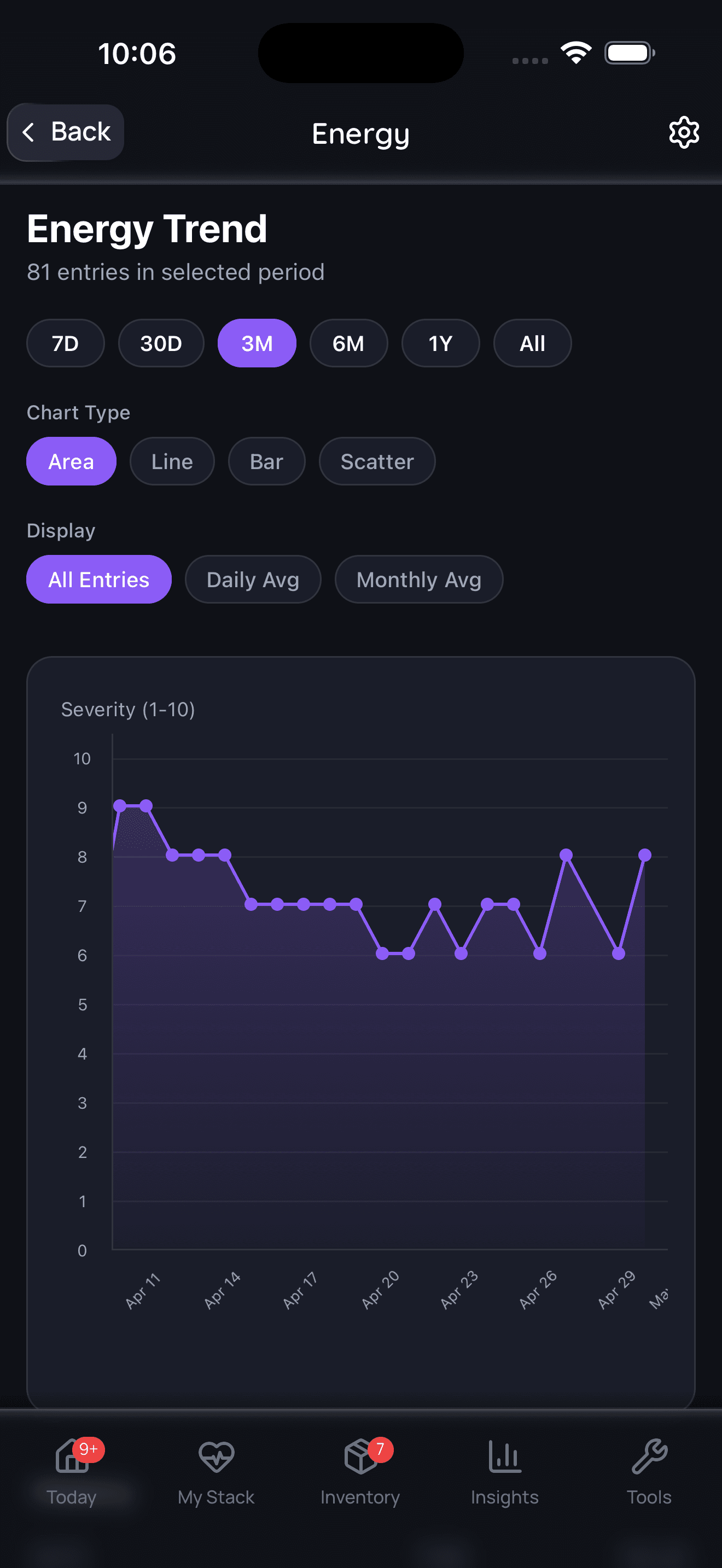
Symptom tracking is informational and should be interpreted with a qualified clinician.
Side Effects & Safety
The Basics
Astragalus is generally considered well-tolerated, and this is one of the more reassuring aspects of the supplement. Oral doses of up to 60 grams per day for up to four months have not been associated with significant adverse effects in clinical studies, and acute toxicity testing in animals found no deaths or toxic reactions at very high doses [3][6].
That said, no supplement is risk-free for everyone, and astragalus has some specific considerations worth knowing about.
The most commonly reported side effects are mild and include digestive discomfort, flatulence, headache, fatigue (paradoxically, usually transient), and minor blood pressure drops. Some community reports describe allergic reactions, including hives, which appear to be uncommon but can be significant. Starting at a lower dose and building up gradually is a sensible approach, particularly for people with known sensitivities to legumes (astragalus is in the legume family) [3][6][32].
There are several important caution flags. Astragalus stimulates the immune system, which means it could potentially worsen autoimmune conditions where the immune system is already overactive. People with conditions like lupus, rheumatoid arthritis, or multiple sclerosis should discuss astragalus with their healthcare provider before using it. For the same reason, astragalus may counteract immunosuppressive medications [3][32].
Astragalus may lower blood pressure, which could be problematic if combined with blood pressure medications. It has natriuretic (sodium-excreting) effects that could potentiate diuretics. And its anticoagulant properties could increase bleeding risk for people on blood thinners [32].
During pregnancy and breastfeeding, there is not enough safety data to recommend astragalus. Some animal research suggests potential toxicity to the fetus [3].
The Science
Acute and Chronic Safety: In acute toxicity studies in rats, single oral doses up to 5,000 mg/kg produced no deaths or toxic reactions. A 13-week subchronic oral toxicity study found no adverse effects based on clinical symptoms, body weight, or autopsy results [6]. Human studies have documented safety at doses up to 60 g/day for 4 months [3].
Reported Adverse Effects (Clinical): Transient fatigue, malaise, headache, and lowering of blood pressure were reported following sublingual/ingested astragalus root extract in healthy individuals, with symptoms resolving within approximately 24 hours. These effects are consistent with immune activation rather than toxicity [32].
Reported Adverse Effects (Community): User reports include allergic reactions (urticaria/hives), GI discomfort (flatulence, stomach upset), exercise-induced tachycardia in one individual, and slightly lowered libido with astragaloside IV isolates. Individual responses appear to vary significantly.
Reproductive Toxicity: Toxicological studies on astragaloside demonstrated toxicity above 1.0 mL/kg to some embryos and mothers in animal models. Human reproductive safety data are lacking [6].
Estrogenic Activity: Formononetin demonstrates estrogen-receptor-modulating effects, raising theoretical concerns for hormone-sensitive conditions including hormone-responsive cancers [11][12].
Drug Interactions: See Interactions & Compatibility section for detailed coverage.
Dosing & Usage Protocols
The Basics
Astragalus comes in several forms, and the "right" dose depends heavily on which form you are taking and what your goals are. This is one of those supplements where the gap between traditional use and modern standardized extracts creates real confusion about dosing.
In traditional Chinese medicine, astragalus root is typically used as a decoction (boiled tea) at doses of 9 to 30 grams of dried root, and sometimes as high as 60 grams. This is a very different preparation than a capsule containing a standardized extract [1][3].
For modern capsule and extract forms, commonly reported ranges include:
- Root powder: 500-4,000 mg per day, typically split into 2-3 doses
- Standardized extract: 250-500 mg per day (standardized to astragaloside IV content)
- Astragaloside IV isolate: 50-100 mg per day (of extract yielding ~50% astragaloside IV)
There is no official consensus on the most effective form or dosage. The clinical trial that showed benefits for knee pain used 480 mg of a standardized hydroalcoholic extract daily for 28 days [25]. Research on immune function has used various preparations and doses, making direct comparisons difficult.
The Science
No regulatory body has established a recommended daily intake for astragalus. Dosing in clinical studies has varied widely depending on the preparation form and indication:
Oral preparations:
- Dried root decoction: 9-60 g/day (traditional TCM)
- Root powder capsules: 500-4,000 mg/day
- Standardized extract (astragaloside IV): 250-500 mg/day
- Astragaloside IV isolate: 50-100 mg/day (50% standardized)
- TA-65 (patented extract): 10-50 mg/day [5]
Clinical trial doses:
- Knee joint pain (RCT): 480 mg standardized AME daily for 28 days [25]
- Exercise immunoprotection (RCT): Standardized extract, dose not specified in available summary [18]
- Telomere study (RCT): Astragalus-based supplement, 6 months, specific dose not disclosed in abstract [13]
Safety ceiling: Up to 60 g/day for up to 4 months appears safe based on available data [3]. No formal tolerable upper intake level (UL) has been established.
Given the 2.2% oral bioavailability of astragaloside IV, achieving nanomolar serum concentrations requires relatively high oral doses of pure compound but lower doses of whole root or extract, which may enhance uptake through matrix effects [1][8].
When your stack includes several supplements, each with its own dose, form, and timing requirements, the logistics alone can derail consistency. Doserly consolidates all of it into one protocol view, so every dose across your entire routine is accounted for without spreadsheets or guesswork.
The app also tracks cumulative intake for nutrients that appear in multiple products. If your multivitamin, standalone supplement, and fortified protein shake all contain the same nutrient, Doserly adds them up and shows you the total alongside recommended and upper limits. Managing a thoughtful supplement protocol shouldn't require a degree in nutrition science. The app handles the complexity so you can focus on staying consistent.
Track injection timing, draw notes, and site rotation.
Doserly helps keep syringe-related notes, injection site history, reminders, and reconstitution context together for easier review.
Injection log
Site rotation
Injection logs support record-keeping; follow clinician instructions for administration.
What to Expect (Timeline)
Most users should approach astragalus with patience. This is a traditional tonic herb, not a fast-acting pharmaceutical, and the timeline of noticeable effects varies by form, dose, and individual.
Weeks 1-2: Some users report subtle effects within the first few days to two weeks, particularly with standardized astragaloside IV extracts. Community reports describe improved sleep quality and a mild increase in energy or sense of wellbeing during this initial period. However, these early effects may include a "honeymoon phase" that modulates over time.
Weeks 3-4: The knee pain RCT showed significant measurable improvements in pain, joint function, and range of motion within 28 days of supplementation at 480 mg/day of standardized extract. Immune-supportive effects may begin to become more apparent around this time. Some users report that skin quality improvements start to become noticeable.
Months 2-3: For immune system and general tonic effects, most practitioners suggest that consistent use over at least two to three months is necessary to evaluate whether astragalus is having a meaningful impact. Energy and fatigue benefits, if they are going to manifest, tend to build gradually rather than appear suddenly.
Months 3-6+: Telomere-related effects, if they occur, operate on a timeline measured in months to years. The clinical trial that demonstrated telomere lengthening evaluated participants at six months. Benefits for chronic conditions like kidney disease or diabetes (when used alongside conventional treatment) are typically assessed over similar extended periods.
Important notes: Not everyone will experience noticeable effects. The NCCIH's assessment that evidence is insufficient for any health condition should temper expectations. Individual responses appear to be quite variable based on community reports, with some people noticing significant changes and others noticing nothing at all.
Interactions & Compatibility
Synergistic
- Dong Quai: Traditional pairing in TCM formulas. May enhance bioavailability of astragalus flavonoids (calycosin, formononetin). The combination is foundational to Angelica blood-tonic formulas [1].
- Ginseng: Frequently combined in TCM energy-building and qi-tonifying formulas. Both are classified as adaptogens and may have complementary immune-modulating mechanisms.
- Reishi Mushroom: Often paired for immune support. Both demonstrate immunomodulatory properties through different pathways (astragalus via TLR4/MAPK; reishi via beta-glucan/dectin-1 pathways).
- Schisandra Berry: Traditional pairing in some TCM formulas. Schisandra may support the adaptogenic and liver-protective properties attributed to astragalus.
- Cordyceps: Both used for energy, stamina, and immune support in traditional and modern practice. May have complementary mechanisms for exercise performance and recovery.
- DGL Licorice: Traditional pairing (Glycyrrhiza uralensis) in TCM formulas. Licorice is often included as a "harmonizing" herb that may enhance the effects and tolerability of other formula components.
Caution / Avoid
- Immunosuppressant medications (cyclosporine, tacrolimus, mycophenolate, azathioprine, etc.): Astragalus can antagonize immunosuppressive effects. One case report documented a nearly 50% reduction in tacrolimus blood concentration associated with concomitant use of herbal medicine containing astragalus [32]. This interaction is potentially dangerous for transplant recipients.
- Anticoagulant/antiplatelet drugs (warfarin, heparin, aspirin, clopidogrel): Astragalus has anticoagulant properties via upregulation of KLF2 and inhibition of NF-kappaB signaling. Concurrent use may increase bleeding risk [32].
- Antihypertensive medications: Astragalus has demonstrated blood pressure-lowering effects and natriuretic properties. Additive effects may cause excessive blood pressure reduction [32].
- Diuretics: Astragalus demonstrated natriuretic effects in healthy men, potentially adding to diuretic effects [32].
- Diabetes medications (metformin, insulin, sulfonylureas): Astragalus may lower blood sugar. Concurrent use with antidiabetic drugs could increase hypoglycemia risk [27].
- Hormone therapies (hormone replacement, hormonal contraceptives): Formononetin constituent has estrogen-receptor-modulating effects that could interfere with hormonal medications [11][12].
- P-glycoprotein substrate drugs (doxorubicin, etoposide, vincristine, cyclosporine, digoxin): APS can inhibit P-glycoprotein efflux pump function, potentially increasing intracellular concentrations and toxicity of P-gp substrate drugs [33].
- Echinacea: While both are used for immune support, combining multiple immunostimulating herbs may theoretically over-activate the immune system, particularly in individuals with autoimmune tendencies. Caution is warranted.
How to Take / Administration Guide
Recommended forms: Standardized extracts with verified astragaloside IV content are generally considered the most reliable option for targeted supplementation. Root powder capsules are suitable for those seeking a broader spectrum of the root's compounds (polysaccharides, flavonoids, and saponins together). Traditional decoctions remain popular and may enhance bioavailability compared to capsules.
Timing considerations: Astragalus does not have strict meal-timing requirements. It can be taken with or without food. Community reports suggest that some users prefer morning dosing for energy support, while others take it before bed for sleep benefits. Splitting the dose across morning and evening is a common approach with root powder capsules.
Stacking guidance: Astragalus is traditionally used as part of multi-herb formulas rather than in isolation. Common traditional stacks include astragalus with Dong Quai (immune/blood support), Ginseng (energy/adaptogenic), and Reishi Mushroom (immune modulation). When stacking, begin with individual supplements to identify any adverse reactions before combining.
Starting dose: Given the variability in individual responses (including the possibility of allergic reactions), a cautious approach involves starting at a lower dose and increasing gradually over 1-2 weeks. This is consistent with traditional practitioner recommendations and community wisdom.
Cycling guidance: There is no established consensus on whether cycling astragalus is necessary. In TCM practice, astragalus is typically used in courses of weeks to months, sometimes with breaks between courses. Some practitioners suggest cycling 8-12 weeks on, 2-4 weeks off, though this is based on tradition rather than clinical evidence.
Preparation of decoctions: For dried root slices, the traditional method involves simmering 9-30 grams of dried root in water for 20-30 minutes, straining, and drinking the liquid. Multiple extractions from the same root material are common in TCM practice.
Choosing a Quality Product
Third-party certifications: Look for products with USP Verified, NSF Certified for Sport, or GMP (Good Manufacturing Practices) certification. Independent third-party testing services may evaluate select astragalus products for astragaloside IV content and purity.
Active form indicators: The standardization percentage for astragaloside IV content is the most important quality marker. Higher-quality products will specify the astragaloside IV content (e.g., "standardized to 0.5% astragaloside IV" or "50% astragaloside IV"). Products that do not specify standardization markers may have widely variable active compound content.
Species verification: Ensure the product contains Astragalus membranaceus or A. mongholicus. Other Astragalus species (A. lentiginosus, A. mollissimus) are toxic and should never be used in supplements. Reputable manufacturers will specify the species on the label [6].
Red flags:
- Products that do not specify the Astragalus species
- Claims about curing diseases or "reversing aging"
- No standardization information for extract products
- Proprietary blends that hide individual ingredient amounts
- Products sold at extremely low prices, which may indicate poor quality sourcing or adulteration
Heavy metal and contaminant testing: Astragalus species may be contaminated with pesticides or heavy metals during cultivation. Look for products that provide a Certificate of Analysis (COA) confirming testing for heavy metals (lead, arsenic, cadmium, mercury) and pesticide residues [6].
Form considerations:
- Root powder capsules provide the broadest spectrum of compounds but with variable bioavailability
- Standardized extracts offer more consistent astragaloside IV delivery
- Astragaloside IV isolates offer the most targeted approach but miss polysaccharides and flavonoids
- Liquid extracts and tinctures may offer faster absorption but variable standardization
Storage & Handling
Store astragalus supplements in a cool, dry place away from direct sunlight and heat. Capsules and tablets should be kept in their original sealed container to protect from moisture.
Dried root slices for decoctions should be stored in an airtight container to prevent moisture absorption and mold growth. The roots can retain potency for up to two years when properly stored.
Liquid extracts and tinctures may require refrigeration after opening, depending on the manufacturer's instructions. Alcohol-based tinctures generally have longer shelf lives than glycerin-based preparations.
Methanolic solutions of astragalosides show some instability. One study found that astragaloside I declined to 30% of original content over 35 days at 5 degrees Celsius in a 20% methanolic solution, while astragaloside IV and astragalin remained near 100%. This is relevant primarily for liquid preparations [1].
Avoid storing astragalus supplements in bathrooms or kitchens where humidity and temperature fluctuations are common.
Lifestyle & Supporting Factors
Diet: Astragalus is not a nutrient found in the typical Western diet, though the root itself is sometimes used in soups and stews in Chinese cuisine. Supporting overall immune function through a nutrient-rich diet including adequate zinc, vitamin C, vitamin D, and selenium may complement the immunomodulatory effects of astragalus.
Exercise: One RCT found that astragalus attenuated exercise-induced immunosuppression, suggesting it may be particularly relevant for people with heavy exercise routines that temporarily suppress immune function [18]. A formula containing astragalus reduced fatigue in athletes by improving oxygen uptake and utilization [34].
Sleep: Community reports suggest astragalus (particularly astragaloside IV) may support sleep quality. Maintaining good sleep hygiene practices alongside supplementation may amplify any sleep-related benefits.
Stress management: As a classified adaptogen, astragalus is theoretically most beneficial when used in conjunction with other stress-reduction practices such as mindfulness, adequate rest, and manageable workload levels.
Signs that may indicate relevance: Frequent illnesses or slow recovery from infections, persistent fatigue not explained by other causes, high physical stress from intense exercise training, or interest in longevity-focused supplementation protocols.
Monitoring: There are no standard biomarkers specifically recommended for monitoring astragalus effects. However, basic immune markers (complete blood count with differential), kidney function markers (eGFR, creatinine), fasting glucose/HbA1c (for diabetics), and blood pressure may be relevant depending on your reasons for supplementation. One community member reported improved eGFR and creatinine values after several months of use.
The lifestyle factors above, nutrition, exercise, sleep, stress, are not just nice-to-haves alongside a supplement routine. They're the foundation that determines whether a supplement can do its job effectively. Doserly lets you track these inputs alongside every supplement in your stack, building a complete picture of what your body is receiving and how it's responding.
With AI-powered health analytics, the app surfaces correlations that are nearly impossible to spot on your own. You might discover that your supplement delivers noticeably better results during weeks when your sleep is consistent, or that exercise timing amplifies the benefits you're tracking. That kind of insight transforms general lifestyle advice into specific, actionable intelligence tailored to your body.
Connect protocol changes to labs and health markers.
Doserly can keep lab results, biomarkers, symptoms, and dose history close together so follow-up conversations have better context.
Insights
Labs and trends
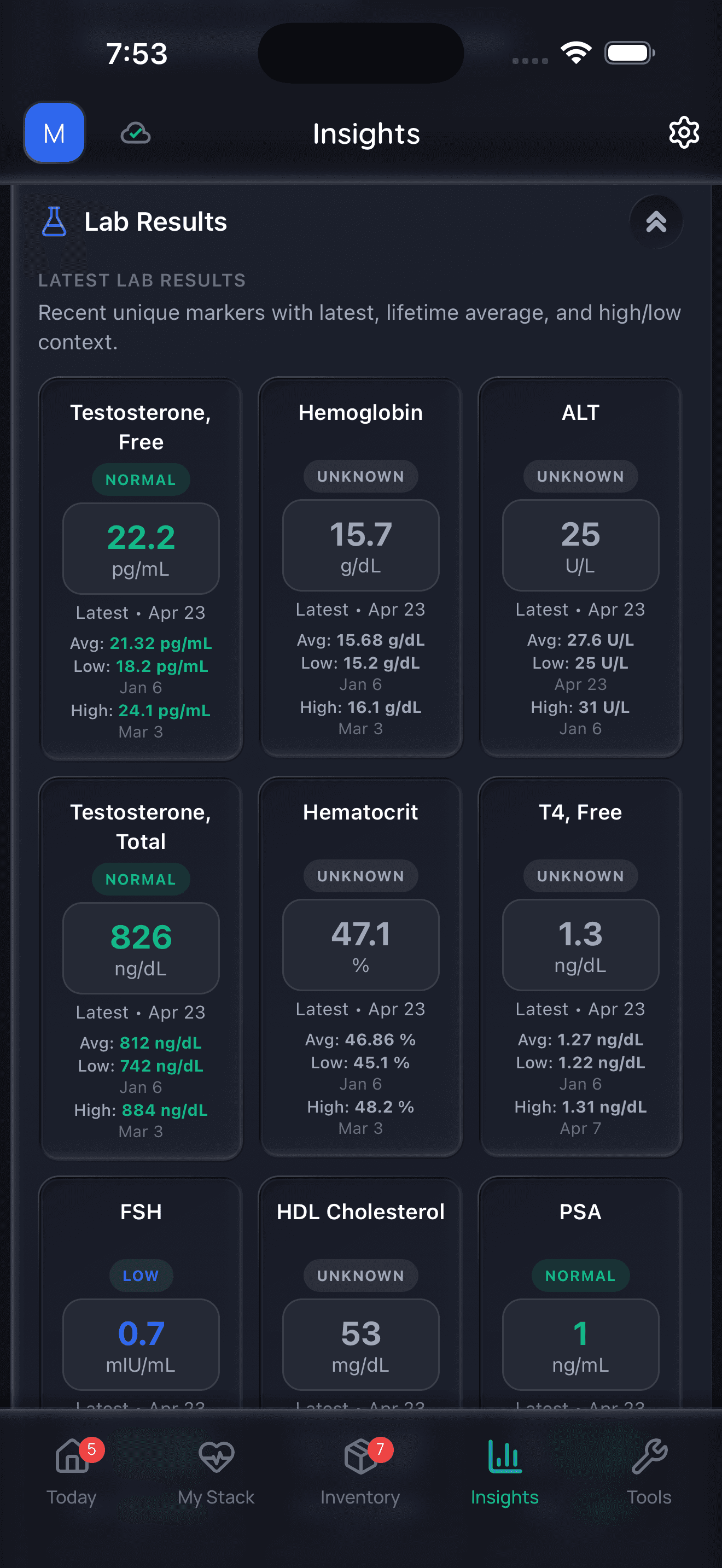
Doserly organizes data; it does not diagnose or interpret labs for you.
Regulatory Status & Standards
United States (FDA): Astragalus is regulated as a dietary supplement under DSHEA. It is not approved as a drug for any medical condition. Some astragalus preparations have GRAS (Generally Recognized As Safe) status when used in food. The FDA has not evaluated health claims for astragalus supplements.
Canada (Health Canada): Astragalus membranaceus is recognized as a Natural Health Product (NHP) ingredient. Products containing astragalus may carry Natural Product Numbers (NPNs) and are subject to Health Canada's NHP regulations for quality, safety, and efficacy.
European Union (EFSA): Astragalus membranaceus root extract has been recently included in the European Pharmacopoeia, establishing quality standards for the raw material. EFSA has not approved specific health claims for astragalus supplements.
Australia (TGA): Astragalus may be available as a Listed Medicine under the TGA's complementary medicine framework. It is subject to quality and safety requirements for listed medicines.
Active Clinical Trials: Studies on astragalus continue to be registered on ClinicalTrials.gov, primarily evaluating its role as adjunctive therapy in kidney disease, cancer supportive care, and cardiovascular conditions.
Athlete & Sports Regulatory Status:
WADA: Astragalus (Astragalus membranaceus) is not listed on the current WADA Prohibited List. It is not prohibited either in-competition or out-of-competition.
National Anti-Doping Agencies: No major NADOs (USADA, UKAD, Sport Integrity Canada, Sport Integrity Australia, NADA Germany) have issued specific alerts or guidance regarding astragalus supplementation.
Professional Sports Leagues: Astragalus is not specifically addressed in NFL, NBA, MLB, NHL, MLS, or NCAA substance policies. It is not considered a banned substance in any major professional sports league.
NCAA: Astragalus is not on the NCAA banned substance list. However, the NCAA recommends that student-athletes only use supplements that carry NSF Certified for Sport or Informed Sport certification to minimize contamination risk.
Athlete Certification Programs: NSF Certified for Sport and Informed Sport-certified astragalus products may be available, though this is a less commonly tested supplement category. Athletes should verify individual product certification status at nsfsport.com or sport.wetestyoutrust.com.
GlobalDRO: Athletes can verify the status of specific astragalus products at GlobalDRO.com for the US, UK, Canada, Australia, Japan, Switzerland, and New Zealand.
Regulatory status and prohibited substance classifications change frequently. Athletes should always verify the current status of any supplement with their sport's governing body, their national anti-doping agency, and a qualified sports medicine professional before use. Third-party certification (Informed Sport, NSF Certified for Sport) reduces but does not eliminate the risk of contamination with prohibited substances.
Frequently Asked Questions
What is astragalus used for?
Astragalus root has been used in traditional Chinese medicine for over two thousand years, primarily for immune support, fatigue, and general vitality. Modern research has investigated its potential in immune system modulation, kidney disease support, blood sugar management, joint pain relief, and anti-aging (telomere maintenance). The evidence base is growing but still considered insufficient by some regulatory bodies for definitive health claims.
Is astragalus safe to take every day?
Based on available clinical data, oral astragalus has been used at doses up to 60 grams per day for as long as four months without reported serious adverse effects. However, a comprehensive long-term safety evaluation has not been conducted. People with autoimmune conditions, those on immunosuppressive medications, and pregnant or breastfeeding women should consult their healthcare provider before use.
What is the best form of astragalus?
The best form depends on your goals. Root powder capsules (500-4,000 mg/day) provide a broad spectrum of the plant's compounds. Standardized extracts offer more consistent astragaloside IV delivery. Astragaloside IV isolates (50-100 mg/day) target the specific compound linked to telomere and immune effects. Traditional decoctions from dried root slices remain popular and may offer enhanced bioavailability. No single form has been definitively shown to be superior.
Does astragalus actually lengthen telomeres?
A 2024 randomized, double-blind, placebo-controlled trial in 40 healthy volunteers found that six months of an astragalus-based supplement significantly increased median and short telomere length compared to placebo. Earlier mouse studies showed telomere preservation but did not extend lifespan. Whether telomere lengthening translates to meaningful health benefits in humans remains an open scientific question.
Can astragalus interact with medications?
Yes. Astragalus can interact with several categories of medications, including immunosuppressants (may reduce their effectiveness), blood thinners (may increase bleeding risk), blood pressure medications (may cause excessive blood pressure lowering), diuretics (additive sodium excretion), and diabetes medications (may increase hypoglycemia risk). Always discuss astragalus use with a healthcare provider if you take any medications.
Can I take astragalus with other supplements?
Astragalus has a long history of use in combination with other herbs, including Dong Quai, Ginseng, and Reishi Mushroom. These traditional pairings may have complementary effects. However, combining multiple immunostimulating supplements should be approached with caution, particularly for individuals with autoimmune tendencies.
Is astragalus the same as TA-65?
TA-65 is a patented, standardized extract of Astragalus membranaceus that is essentially concentrated astragaloside IV. It is one specific commercial preparation of astragalus, dosed at 10-50 mg daily. General astragalus root powder supplements contain the full spectrum of the root's compounds (polysaccharides, flavonoids, and saponins) at much lower concentrations of astragaloside IV per capsule.
Should I take astragalus in the morning or at night?
There is no established consensus on optimal timing. Some community users report better results with morning dosing for energy support, while others prefer evening dosing, noting sleep quality improvements particularly with astragaloside IV extracts. Splitting the dose between morning and evening is a common approach. Astragalus does not have strict food-timing requirements.
Are there people who should not take astragalus?
People with autoimmune diseases (lupus, rheumatoid arthritis, multiple sclerosis) should avoid astragalus, as it may worsen symptoms by stimulating an already overactive immune system. Those on immunosuppressive medications, anticoagulants, or antihypertensive drugs should consult their healthcare provider. Pregnant and breastfeeding women should avoid astragalus due to insufficient safety data and potential embryotoxicity observed in animal studies.
How long does it take for astragalus to work?
This varies by individual and by the effect being sought. Some community users report subtle improvements in sleep and energy within 1-2 weeks. The knee pain RCT showed measurable benefits within 28 days. Immune support effects may take 2-3 months of consistent use. Telomere-related effects were measured at 6 months. Some users report no noticeable effects at all.
Myth vs. Fact
Myth: Astragalus will reverse aging and extend your lifespan.
Fact: While astragalus compounds (particularly astragaloside IV) have been shown to activate telomerase and lengthen telomeres in both lab studies and one small clinical trial, mouse studies that preserved telomere length did not demonstrate lifespan extension [5][13]. The relationship between telomere length and actual aging outcomes in humans is complex and not fully understood. Telomere maintenance is one biomarker of cellular aging, but it is not a proven mechanism for reversing the aging process.
Myth: All astragalus supplements are the same.
Fact: The form of astragalus matters significantly. Root powder capsules, standardized extracts, and astragaloside IV isolates deliver very different levels of active compounds. A 1,000 mg root powder capsule provides roughly 10 mg of astragaloside IV (at 1% content), while a 100 mg standardized extract at 50% provides 50 mg. Polysaccharide and flavonoid content also varies dramatically between preparations [1][2].
Myth: Astragalus is a proven cancer treatment.
Fact: While preclinical studies show anticancer effects, and some meta-analyses suggest benefits for chemotherapy side effects, the vast majority of clinical cancer evidence involves injectable astragalus formulations used in Chinese hospital settings, not oral supplements. The NCCIH does not recognize astragalus as an effective treatment for cancer. It should never be used as a substitute for conventional cancer treatment [3][26][31].
Myth: Astragalus is completely safe because it's natural and has been used for thousands of years.
Fact: While astragalus has a long history of traditional use and appears well-tolerated at standard doses, it has significant drug interactions (particularly with immunosuppressants, where one case showed a nearly 50% drop in tacrolimus levels), may worsen autoimmune conditions, and has demonstrated embryotoxicity in animal studies. "Natural" does not mean "risk-free" [3][6][32].
Myth: Astragalus cures kidney disease.
Fact: Multiple systematic reviews show that astragalus used alongside conventional treatment can improve some kidney function markers (proteinuria, serum creatinine, albumin levels) in conditions like diabetic kidney disease and membranous nephropathy. These are supportive effects, not cures, and the underlying study quality is consistently noted as low [22][29].
Myth: You need TA-65 (the expensive patented extract) to get telomere benefits.
Fact: TA-65 is essentially concentrated astragaloside IV, the same compound present in standard astragalus root. While TA-65 has been used in the published telomere studies, the telomere-activating properties are attributed to astragaloside IV and cycloastragenol, not to anything unique about the TA-65 formulation. Whether standard astragalus root provides sufficient astragaloside IV for telomere effects at achievable serum concentrations remains an open question given the compound's low (2.2%) bioavailability [5][8].
Myth: Astragalus boosts the immune system for everyone, always.
Fact: Astragalus modulates the immune system, which means it can upregulate certain immune responses. For people with autoimmune conditions, this immunostimulation could be harmful rather than helpful, potentially worsening symptoms. The NCCIH specifically warns that people with autoimmune diseases should avoid astragalus [3].
Sources & References
Systematic Reviews & Meta-Analyses
[1] Fu J, Wang Z, Huang L, et al. Review of the Botanical Characteristics, Phytochemistry, and Pharmacology of Astragalus membranaceus (Huangqi). Phytother Res. 2014;28(9):1275-83.
[2] Wang P, Wang Z, Zhang Z, et al. A review of the botany, phytochemistry, traditional uses, pharmacology, toxicology, and quality control of the Astragalus memeranaceus. Front Pharmacol. 2023;14:1242318.
[21] Meta-analysis evaluating A. membranaceus for left ventricular remodeling in HFrEF. Front Pharmacol. 2024.
[22] Zhang, Shergis JL, Yang L, et al. Astragalus membranaceus (Huang Qi) as adjunctive therapy for diabetic kidney disease: An updated systematic review and meta-analysis. J Ethnopharmacol. 2019;239:111921.
[27] Hong K-F, Liu P-Y, Zhang W, et al. The efficacy and safety of astragalus as an adjuvant treatment for type 2 diabetes mellitus: a systematic review and meta-analysis. J Integrative and Complementary Medicine. 2024;30(1):11-24.
[28] Zhang X, Qu X, Zou Y. The effect of astragalus on humoral and cellular immune response: a systematic review and meta-analysis of human studies. Complementary Medicine Research. 2023;30(6):535-543.
[29] Wang D, Wang L, Zhang M, et al. Astragalus membranaceus formula for moderate-high risk idiopathic membranous nephropathy: a meta-analysis. Medicine (Baltimore). 2023;102(9):e32918.
[30] Pang XM, Cai HH, Zhao J, et al. Efficacy of astragalus in the treatment of radiation-induced lung injury based on traditional Chinese medicine: A systematic review and meta-analysis of 25 RCTs. Medicine (Baltimore). 2022;101(36):e30478.
[31] McCulloch M, See C, Shu XJ, et al. Astragalus-based Chinese herbs and platinum-based chemotherapy for advanced non-small-cell lung cancer: meta-analysis of randomized trials. J Clin Oncol. 2006;24(3):419-30.
Clinical Trials & RCTs
[13] Randomized, double-blind, placebo-controlled trial of astragalus-based supplement on telomere length. 2024. 40 healthy volunteers, 6-month intervention.
[18] Latour E, Arlet J, Latour EE, et al. Standardized astragalus extract for attenuation of the immunosuppression induced by strenuous physical exercise: randomized controlled trial. J Int Soc Sports Nutr. 2021;18(1):57.
[25] Rudrappa GH, Moalli S, Lippi L, et al. Astragalus membranaceus extract reduces functional knee joint pain: a randomized, double-blinded, placebo-controlled trial. Front Pain Res. 2025.
[34] Chen KT, Su CH, Hsin LH, et al. Reducing fatigue of athletes following oral administration of huangqi jianzhong tang. Acta Pharmacol Sin. 2002;23(8):757-61.
Government/Institutional Sources
[3] NCCIH. Astragalus: Usefulness and Safety. National Center for Complementary and Integrative Health, National Institutes of Health. Updated May 2025.
[6] Song J, et al. Acute and subchronic oral toxicity study of astragalus extract in rats. 2017. Referenced in Wang et al. (2023).
Preclinical & Mechanistic Studies
[4] Auyeung KK, Han QB, Ko JK. Astragalus membranaceus: A Review of its Protection Against Inflammation and Gastrointestinal Cancers. Am J Chin Med. 2016;44(1):1-22.
[5] TA Sciences/Geron Corporation. TA-65 telomerase activation studies in keratinocytes and murine models.
[7] Li X, Qu L, Dong Y, et al. A review of recent research progress on the astragalus genus. Molecules. 2014;19(11):18850-80.
[8] Pharmacokinetic studies of astragaloside IV absorption in rats and Caco-2 cell models, demonstrating 2.2% oral bioavailability.
[9] Wei W, Xiao HT, Bao WR, et al. TLR-4 may mediate signaling pathways of Astragalus polysaccharide RAP induced cytokine expression of RAW264.7 cells. J Ethnopharmacol. 2016;179:243-252.
[10] Tian Z, Liu Y, Yang B, et al. Astragalus Polysaccharide Attenuates Murine Colitis through Inhibition of the NLRP3 Inflammasome. Planta Med. 2016.
[11] Zhang CZ, Wang SX, Zhang Y, Chen JP, Liang XM. In vitro estrogenic activities of Chinese medicinal plants traditionally used for the management of menopausal symptoms. J Ethnopharmacol. 2005;98(3):295-300.
[12] Chen J, Zhang X, Wang Y, et al. Differential ability of formononetin to stimulate proliferation of endothelial cells and breast cancer cells via a feedback loop involving MicroRNA-375, RASD1, and ERalpha. Mol Carcinog. 2018;57(7):817-830.
[14] Huang H, Lai S, Wan Q, et al. Astragaloside IV protects cardiomyocytes from anoxia/reoxygenation injury by upregulating the expression of Hes1 protein. Can J Physiol Pharmacol. 2016;94(5):542-553.
[15] Dun C, Liu J, Qiu F, et al. Effects of Astragalus polysaccharides on memory impairment in a diabetic rat model. Neuropsychiatr Dis Treat. 2016;12:1617-1621.
[16] Li W, Song K, Wang S, et al. Anti-tumor potential of astragalus polysaccharides on breast cancer cell line mediated by macrophage activation. Mater Sci Eng C Mater Biol Appl. 2019;98:685-695.
[17] Astragalus reduced secretion of inflammatory cytokines via increasing CD4+ CD25+ Foxp3+ T cells and inhibiting NF-kappaB activation.
[19] Zhang WJ, Wojta J, Binder BR. Regulation of the fibrinolytic potential of cultured human umbilical vein endothelial cells: astragaloside IV downregulates PAI-1 and upregulates t-PA expression. J Vasc Res. 1997;34(4):273-80.
[20] Han R, Tang F, Lu M, et al. Protective effects of Astragalus polysaccharides against endothelial dysfunction in hypertrophic rats induced by isoproterenol. Int Immunopharmacol. 2016;38:306-312.
[23] Ji L, Chen X, Zhong X, et al. Astragalus membranaceus up-regulate Cosmc expression and reverse IgA dys-glycosylation in IgA nephropathy. BMC Complement Altern Med. 2014;14:195.
[24] Auyeung KK, Woo PK, Law PC, et al. Astragalus saponins modulate cell invasiveness and angiogenesis in human gastric adenocarcinoma cells. J Ethnopharmacol. 2012;141(2):635-641.
[26] Taixiang W, Munro AJ, Guanjian L. Chinese medical herbs for chemotherapy side effects in colorectal cancer patients. Cochrane Database Syst Rev. 2005;(1):CD004540.
[32] MSKCC. Astragalus: Purported Benefits, Side Effects & More. Memorial Sloan Kettering Cancer Center About Herbs database. Updated July 2023.
[33] Tian QE, De Li H, Yan M, et al. Effects of Astragalus polysaccharides on P-glycoprotein efflux pump function and protein expression in H22 hepatoma cells in vitro. BMC Complement Altern Med. 2012;12:94.
Related Supplement Guides
Same Category (Adaptogens & Traditional Herbs)
- Ginseng (Panax/Korean, American, Siberian/Eleuthero)
- Ashwagandha
- Schisandra Berry
- Rhodiola Rosea
- Dong Quai
Common Stacks / Pairings
Related Health Goal
- Turmeric/Curcumin (anti-inflammatory)
- Vitamin D3 (immune support)
- Zinc (immune support)
- NAC (N-Acetyl Cysteine) (kidney support, antioxidant)
- CoQ10 (cardiovascular, anti-aging)