
Maca Root: The Complete Supplement Guide
On this page
Quick Reference Card
Attribute
Common Name
- Detail
- Maca Root (Maca)
Attribute
Other Names / Aliases
- Detail
- Peruvian Ginseng, Lepidium meyenii, Lepidium peruvianum, Ayak willku, Ayak chichira, Maino, Maca-maca
Attribute
Category
- Detail
- Herbal / Botanical (Brassicaceae family, adaptogen)
Attribute
Primary Forms & Variants
- Detail
- Yellow maca (most common, 47.8% of harvest), Red maca (prostate/hormonal focus), Black maca (fertility/neuroprotection focus); available as raw powder, gelatinized powder (heat-processed for digestibility), and concentrated extracts (4:1, 5:1, 8:1)
Attribute
Typical Dose Range
- Detail
- 1,500-3,000 mg/day (powder or extract); traditional use up to 20 g/day as food
Attribute
RDA / AI / UL
- Detail
- Not established (botanical supplement, not an essential nutrient)
Attribute
Common Delivery Forms
- Detail
- Capsule, tablet, powder (raw or gelatinized), liquid extract
Attribute
Best Taken With / Without Food
- Detail
- Best taken with food; morning or early afternoon dosing recommended to avoid sleep disruption
Attribute
Key Cofactors
- Detail
- None established; sometimes stacked with zinc, vitamin B6, or L-arginine for sexual health goals
Attribute
Storage Notes
- Detail
- Store in a cool, dry place away from heat and direct light. Dried maca powder has a long shelf life (years when properly stored)
Overview
The Basics
Maca root is a cruciferous vegetable native to the high Andes mountains of Peru, where it has been cultivated for over 2,000 years at elevations between 4,000 and 4,500 meters above sea level. The plant belongs to the same family as broccoli, cauliflower, and cabbage, though it looks nothing like its leafy relatives. The edible part is a bulbous root (technically a hypocotyl) that resembles a turnip and has been used as both a food staple and a traditional remedy in Andean culture for centuries [1][2].
Maca is sometimes called "Peruvian Ginseng," though it is not related to ginseng in any way. The nickname reflects its traditional reputation as an energizer and vitality enhancer. Andean communities have historically consumed dried maca root, often boiled into a juice or porridge, to improve energy, endurance, and fertility in both humans and livestock [1][2].
In the modern supplement market, maca is primarily used for sexual health (particularly libido enhancement), energy support, and hormonal balance. It comes in several color varieties, each associated with slightly different properties. Yellow maca is the most common and commercially available. Black maca is favored for male fertility and cognitive support. Red maca has attracted interest for its potential prostate-protective effects [3][4].
What makes maca unusual among herbal supplements is the consistency of its traditional use profile with emerging clinical data: the most commonly reported benefit, increased sexual desire, has been supported by multiple human clinical trials, including randomized controlled studies [5][6][7].
The Science
Lepidium meyenii Walp. (syn. Lepidium peruvianum Chacon) is a biennial herbaceous plant of the Brassicaceae family. The species is grown exclusively in the Junin Plateau of the central Peruvian Andes at altitudes of 4,000 to 4,500 m, where it tolerates extreme cold, intense UV radiation, and high wind exposure. These harsh conditions likely contribute to the plant's phytochemical complexity, as environmental stress is known to upregulate secondary metabolite production [1][2].
The hypocotyls, which constitute the storage organ of the plant, contain a nutritionally dense profile: approximately 59% carbohydrate, 10-16% protein, 8.5% fiber, 2.2% lipid (with a 40:53 saturated-to-unsaturated ratio), and notable mineral content including potassium (2,050 mg/100 g), calcium (150 mg/100 g), copper (5.9 mg/100 g), and zinc (3.8 mg/100 g) [3].
Over 13 phenotypically distinct ecotypes exist, categorized by hypocotyl color (yellow, red, black, purple, and others). The phytochemical profile varies between ecotypes, contributing to differential biological effects observed in comparative studies. Pharmacological differentiation includes: black maca demonstrating superior effects on spermatogenesis and neuroprotection; red maca showing prostatic growth suppression; and yellow maca serving as the general-purpose ecotype with the largest commercial market share [3][4].
Chemical & Nutritional Identity
Property
Scientific Name
- Value
- Lepidium meyenii Walp. (syn. Lepidium peruvianum Chacon)
Property
Family
- Value
- Brassicaceae
Property
Plant Part Used
- Value
- Hypocotyl (root-like storage organ)
Property
CAS Number
- Value
- Not assigned (whole botanical)
Property
Key Bioactive Classes
- Value
- Macamides, macaenes, glucosinolates, alkaloids (lepidilines), sterols
Property
Primary Glucosinolate
- Value
- Benzylglucosinolate (glucotropaeolin), 80-90% of total glucosinolates
Property
Macamide Content
- Value
- 0.0016-0.0123% dry weight
Property
Category
- Value
- Herbal supplement / Botanical / Traditional food
Property
RDA / AI / UL
- Value
- Not applicable (not an essential nutrient)
Maca's bioactive profile centers on several compound classes unique to or enriched in this plant. Macamides are fatty acid amide derivatives of the macaenes (maca-exclusive unsaturated fatty acids) and are considered among the primary bioactive constituents. Notably, macamides are not present in fresh plants but are introduced during traditional sun-drying practices, meaning the post-harvest processing method directly affects bioactive content [8][9].
Glucosinolates, particularly benzylglucosinolate (glucotropaeolin), constitute the dominant non-nutritive compound class, with aromatic glucosinolates comprising up to 99% of total glucosinolates by weight. The content does not differ significantly between ecotypes (approximately 80-90% glucotropaeolin across red, yellow, and black maca), though total glucosinolate concentration may vary [3][10].
Additional bioactive constituents include beta-sitosterol, campesterol, and stigmasterol (phytosterols); lepidiline A and B (imidazole alkaloids); methyltetrahydro-beta-carboline (MTCA); and polysaccharides with demonstrated antioxidant and immunomodulatory activity. Seven distinct alkamides have also been identified [3][8].
Mechanism of Action
The Basics
Maca's effects on the body do not follow the typical pattern of most herbal supplements. Unlike herbs that work by directly changing hormone levels, maca appears to operate through several independent pathways that together produce its characteristic effects on energy, libido, and mood [5][6].
The most distinctive mechanism involves the macamides, which act as inhibitors of an enzyme called FAAH (fatty acid amide hydrolase). This enzyme normally breaks down endocannabinoids, the body's own signaling molecules involved in mood, pain, appetite, and pleasure. By slowing this breakdown, maca may help sustain higher levels of these natural "feel-good" molecules, which could explain the mood and libido effects reported by users [8][11].
Importantly, maca does not raise testosterone, estrogen, or other reproductive hormones in the bloodstream. Multiple clinical studies have confirmed that maca's effects on sexual desire and function occur independently of any change in circulating hormone levels. Instead, it may exert effects at the receptor level in target tissues, or through neurotransmitter systems including the noradrenergic and dopaminergic pathways [5][6][12].
The different ecotypes (colors) appear to work through slightly different mechanisms. Black maca shows the strongest effects on protecting brain cells and supporting sperm production. Red maca stands out for its ability to reduce prostate size through a mechanism that appears to work downstream of DHT conversion, distinct from how pharmaceutical prostate drugs work [4][10].
The Science
Maca's pharmacological activity operates through multiple distinct mechanisms:
FAAH Inhibition: Macamides function as fatty acid amide hydrolase (FAAH) inhibitors, modulating endocannabinoid tone by reducing the degradation of anandamide and other N-acylethanolamines. This mechanism provides a plausible pathway for the observed effects on mood, pain modulation, and sexual function. The N-benzyl-linoleamide macamide has been characterized as a time-dependent FAAH inhibitor [8][11].
Neurotransmitter Modulation: Antidepressant-like effects observed in preclinical models have been attributed to activation of both noradrenergic and dopaminergic systems, coupled with attenuation of oxidative stress in neural tissue. No significant monoamine oxidase (MAO) inhibition has been observed, which is notable given the presence of beta-carboline compounds typically associated with MAO activity [12][13].
Hormone-Independent Sexual Effects: Multiple human trials demonstrate aphrodisiac effects without corresponding changes in serum testosterone, estradiol, FSH, LH, or prolactin in men [5][6]. In postmenopausal women, some studies report increased LH and decreased FSH corresponding with improved sexual function, potentially mediated by a negative feedback loop resulting in increased tissue-level androgen production [14][15]. The mechanism may involve androgenic activity at testosterone receptors on target organs without altering circulating hormone concentrations.
Prostatic Effects (Red Maca): Red maca reduces prostatic growth in testosterone-induced BPH models, with benzylglucosinolate identified as a candidate active compound. The mechanism appears to operate downstream of 5-alpha-reductase (no testosterone elevation is observed, unlike 5-AR inhibitors), possibly through modulation of prostatic zinc levels (r=0.76 correlation with prostate weight). In comparative studies, 0.1 g/kg red maca outperformed 0.6 mg/kg finasteride in suppressing prostate weight gain [4][10].
Neuroprotection (Black Maca): Black maca demonstrates superior neuroprotective effects among ecotypes, reducing scopolamine-induced acetylcholinesterase (AChE) elevation without affecting MAO activity. In ischemia models, a pentane extract at 3 mg/kg reduced infarct size to 58.6% of control (EC50 approximately 2.8 mcg/mL in vitro) [13].
Absorption & Bioavailability
The Basics
Maca is consumed orally, and its nutritional components (carbohydrates, proteins, minerals) are absorbed through normal digestive processes. For the bioactive compounds, the story is more nuanced.
The macamides, considered among maca's primary active compounds, are fat-soluble, which means they are likely better absorbed when taken alongside dietary fat. This aligns with the traditional Peruvian practice of consuming maca as part of a meal rather than on an empty stomach [3].
Gelatinized maca (where the raw powder is heated in water to break down the starch matrix) is commercially marketed as having superior digestibility and bioavailability compared to raw powder. While gelatinization does make the starch fraction more accessible and reduces the hard, fibrous texture of raw maca, no clinical studies have directly compared the bioavailability of active compounds between gelatinized and raw forms [3].
One important consideration is that concentrated extracts (such as 5:1 or 8:1 extracts) deliver substantially different bioactive profiles than whole root powder. These extracts concentrate specific compound classes while discarding others, and the clinical relevance of this difference is not well characterized. The USP has noted that purified extracts prepared using non-traditional methods (such as hydroalcoholic extraction) may contain components not normally present in traditionally prepared maca [9].
The Science
Maca bioactive absorption pharmacokinetics remain poorly characterized in human studies. Available data is primarily inferred from compositional analysis and preclinical models.
The lipid fraction, containing macamides and macaenes, is expected to follow standard lipid absorption pathways: emulsification by bile salts, hydrolysis by pancreatic lipase, absorption into enterocytes, incorporation into chylomicrons, and distribution via lymphatic transport. This pathway bypasses hepatic first-pass metabolism, potentially enhancing systemic bioavailability of intact macamides [3].
Glucosinolates undergo hydrolysis by myrosinase (present endogenously in the plant and in gut microbiota) to produce isothiocyanates, nitriles, and other breakdown products. The biological activity of these hydrolysis products differs from the parent glucosinolates, and gut microbiome composition likely influences the conversion profile [3][10].
Maca polysaccharides, which demonstrate immunomodulatory and antioxidant activity in vitro, likely undergo partial fermentation by colonic microbiota, similar to other bioactive plant polysaccharides. The extent of intact absorption is unknown [8].
Research & Clinical Evidence
The Basics
Maca has a moderate evidence base for a botanical supplement. The strongest human data supports its use for improving sexual desire, with several randomized controlled trials showing consistent results. However, for most other claimed benefits, the evidence remains preliminary or limited to animal studies.
For libido and sexual desire, the picture is relatively clear. Multiple studies in healthy men, postmenopausal women, and individuals with SSRI-induced sexual dysfunction have found that maca at doses of 1,500 to 3,000 mg per day significantly improves self-reported sexual desire compared to placebo. The effect builds over time, typically becoming noticeable after 4 weeks and continuing to improve through 8 to 12 weeks [5][6][7][16].
For erectile function, the data is more limited but encouraging. One randomized trial in men with mild ED found that 2,400 mg of maca daily produced significant improvements in erectile function scores beyond what placebo achieved. A larger trial (80 participants) using 3,000 mg of gelatinized maca for 12 weeks reported improvements in the International Index of Erectile Function and aging male symptom scales [7][17].
For menopausal symptoms, systematic reviews have described the evidence as "limited" despite individual studies reporting benefits for mood, anxiety, and sexual function in postmenopausal women [14][15][18].
For other outcomes like energy, physical performance, neuroprotection, and fertility, the evidence comes primarily from animal studies and very small pilot trials. These areas show promise but require substantially more human research before conclusions can be drawn.
The Science
Sexual Desire (Grade A evidence per Examine.com): A 12-week RCT (n=57) randomized healthy men to 1.5 g, 3 g maca, or placebo. Self-reported aphrodisia increased by 24.4%, 40%, and 42.2% at weeks 4, 8, and 12 respectively in the maca groups, with no placebo response at weeks 8 or 12 (p<0.01). These effects were independent of serum testosterone (no between-group difference) [5][6].
SSRI-Induced Sexual Dysfunction: An RCT in depressed outpatients (n=20) with SSRI-induced sexual dysfunction found significant improvement on the MGH-SFQ and ASEX scales with both 1.5 g and 3 g maca over 12 weeks, with dose-dependent effects (high dose superior) [16]. A separate trial in women confirmed benefits, potentially more related to advancing age than menopausal status [15].
Erectile Function: An RCT (n=50) using 2,400 mg maca for 12 weeks found significant IIEF-5 improvement over placebo in men with mild ED [7]. A larger RCT (n=80) of 3,000 mg gelatinized maca for 12 weeks in late-onset hypogonadism patients demonstrated significant improvements in AMS, IIEF, and IPSS scores versus placebo [17].
Systematic Reviews: A 2010 systematic review of 4 RCTs concluded that "limited evidence" supports maca for sexual dysfunction, citing small sample sizes and methodological limitations [19]. A 2011 systematic review on menopausal symptoms reached a similar conclusion of "limited evidence" [18].
Spermatogenesis: Animal data strongly supports black maca for sperm production (increases from day 1 of supplementation in rats), but human semen quality data is mixed across studies [4][20].
Mood/Depression: A pilot study in postmenopausal women (n=29) found 3.5 g maca daily for 6 weeks significantly reduced depression and anxiety subscales on the Greene Climacteric Scale [14].
Physical Performance: One pilot study (n=8) in experienced cyclists found a 1.84% improvement in 40 km time trial performance after 2 weeks of 2 g 5:1 maca extract, though between-group comparison with placebo was not significant [21].
Neuroprotection: Preclinical only. Black maca reduced ischemic infarct size (58.6% of control) at 3 mg/kg and reversed scopolamine-induced memory impairment at multiple doses [13].
Evidence & Effectiveness Matrix
Category
Libido
- Evidence Strength
- Strong (multiple RCTs, grade A)
- Community-Reported Effectiveness
- 8/10 (High confidence)
- Direction
- Positive
Category
Sexual Function
- Evidence Strength
- Moderate (2 RCTs)
- Community-Reported Effectiveness
- 7/10 (Medium confidence)
- Direction
- Positive
Category
Energy Levels
- Evidence Strength
- Weak (preclinical + anecdotal)
- Community-Reported Effectiveness
- 7/10 (High confidence)
- Direction
- Positive
Category
Mood & Wellbeing
- Evidence Strength
- Moderate (1 RCT in postmenopausal women)
- Community-Reported Effectiveness
- 6/10 (Medium confidence)
- Direction
- Mixed
Category
Hormonal Symptoms
- Evidence Strength
- Moderate (several studies, mixed results)
- Community-Reported Effectiveness
- 6/10 (Medium confidence)
- Direction
- Positive
Category
Focus & Mental Clarity
- Evidence Strength
- Weak (preclinical only)
- Community-Reported Effectiveness
- 6/10 (Medium confidence)
- Direction
- Positive
Category
Motivation & Drive
- Evidence Strength
- Minimal (no direct studies)
- Community-Reported Effectiveness
- 6/10 (Medium confidence)
- Direction
- Positive
Category
Stress Tolerance
- Evidence Strength
- Weak (limited data)
- Community-Reported Effectiveness
- 5/10 (Low confidence)
- Direction
- Mixed
Category
Physical Performance
- Evidence Strength
- Weak (1 pilot study, n=8)
- Community-Reported Effectiveness
- 5/10 (Low confidence)
- Direction
- Positive
Category
Sleep Quality
- Evidence Strength
- Minimal (no direct studies)
- Community-Reported Effectiveness
- 4/10 (Medium confidence)
- Direction
- Mixed
Category
Anxiety
- Evidence Strength
- Weak (1 pilot study as secondary outcome)
- Community-Reported Effectiveness
- 4/10 (Low confidence)
- Direction
- Mixed
Category
Skin Health
- Evidence Strength
- Minimal
- Community-Reported Effectiveness
- 4/10 (Low confidence)
- Direction
- Mixed
Category
Weight Management
- Evidence Strength
- Minimal
- Community-Reported Effectiveness
- 4/10 (Low confidence)
- Direction
- Mixed
Category
Digestive Comfort
- Evidence Strength
- Minimal
- Community-Reported Effectiveness
- 3/10 (Medium confidence)
- Direction
- Negative
Categories Not Scored: Fat Loss, Muscle Growth, Appetite & Satiety, Food Noise, Memory & Cognition, Emotional Aliveness, Emotional Regulation, Joint Health, Inflammation, Pain Management, Recovery & Healing, Gut Health, Nausea & GI Tolerance, Hair Health, Heart Health, Blood Pressure, Heart Rate & Palpitations, Temperature Regulation, Fluid Retention, Body Image, Immune Function, Bone Health, Longevity & Neuroprotection, Cravings & Impulse Control, Social Connection, Side Effect Burden, Treatment Adherence, Withdrawal Symptoms, Daily Functioning
Benefits & Potential Effects
The Basics
Maca's benefit profile centers on sexual health and energy, with secondary effects on mood and hormonal symptoms. Here is what the evidence supports:
Sexual desire and libido are maca's strongest suit. Clinical trials consistently show that regular supplementation at 1,500 to 3,000 mg per day increases self-reported sexual desire in both men and women, typically becoming noticeable within 4 weeks and continuing to improve over 8 to 12 weeks. This effect has been demonstrated in healthy adults, postmenopausal women, and people experiencing SSRI-induced sexual dysfunction [5][6][15][16].
Erectile function may improve with maca supplementation, based on two randomized trials showing benefits in men with mild ED and late-onset hypogonadism symptoms. The improvements were clinically meaningful on standard assessment scales [7][17].
Energy and vitality are among the most commonly reported benefits by users, though clinical trial data is limited. The traditional use of maca as an energizer in Andean culture spans millennia, and community reports consistently describe a "clean energy" effect distinct from caffeine-like stimulation [1][2].
Mood and emotional balance show potential benefits, particularly in postmenopausal women. One study found significant reductions in depression and anxiety after 6 weeks of maca supplementation [14]. Community reports suggest mood-stabilizing effects, though individual responses vary considerably.
Hormonal balance support is commonly claimed, particularly for menopausal symptoms like hot flashes and night sweats. Some studies support modest benefits, but systematic reviews consider the evidence limited [18]. Importantly, maca achieves its effects without changing circulating hormone levels in most studies [5][6].
Prostate health is a unique benefit associated specifically with red maca. Animal studies show that red maca can reduce prostatic growth with an efficacy comparable to pharmaceutical interventions, though this has not been confirmed in human trials [4][10].
Spermatogenesis and male fertility may benefit from black maca specifically. Animal research is strong for sperm production improvements, but human data on semen parameters remains mixed [4][20].
When you're taking multiple supplements, it's hard to know which one is doing the heavy lifting. The benefits described above may overlap with effects from other items in your stack, lifestyle changes, or seasonal variation. Doserly helps you untangle that by keeping everything in one place, with timestamps, doses, and outcomes logged together.
Over time, this builds something more valuable than any product review: your personal evidence record. You can see exactly when you started this supplement, what else was in your routine at the time, and how your tracked health markers responded. That clarity makes the difference between guessing and knowing, whether you're talking to a healthcare provider or simply deciding if it's worth reordering.
Connect protocol changes to labs and health markers.
Doserly can keep lab results, biomarkers, symptoms, and dose history close together so follow-up conversations have better context.
Insights
Labs and trends
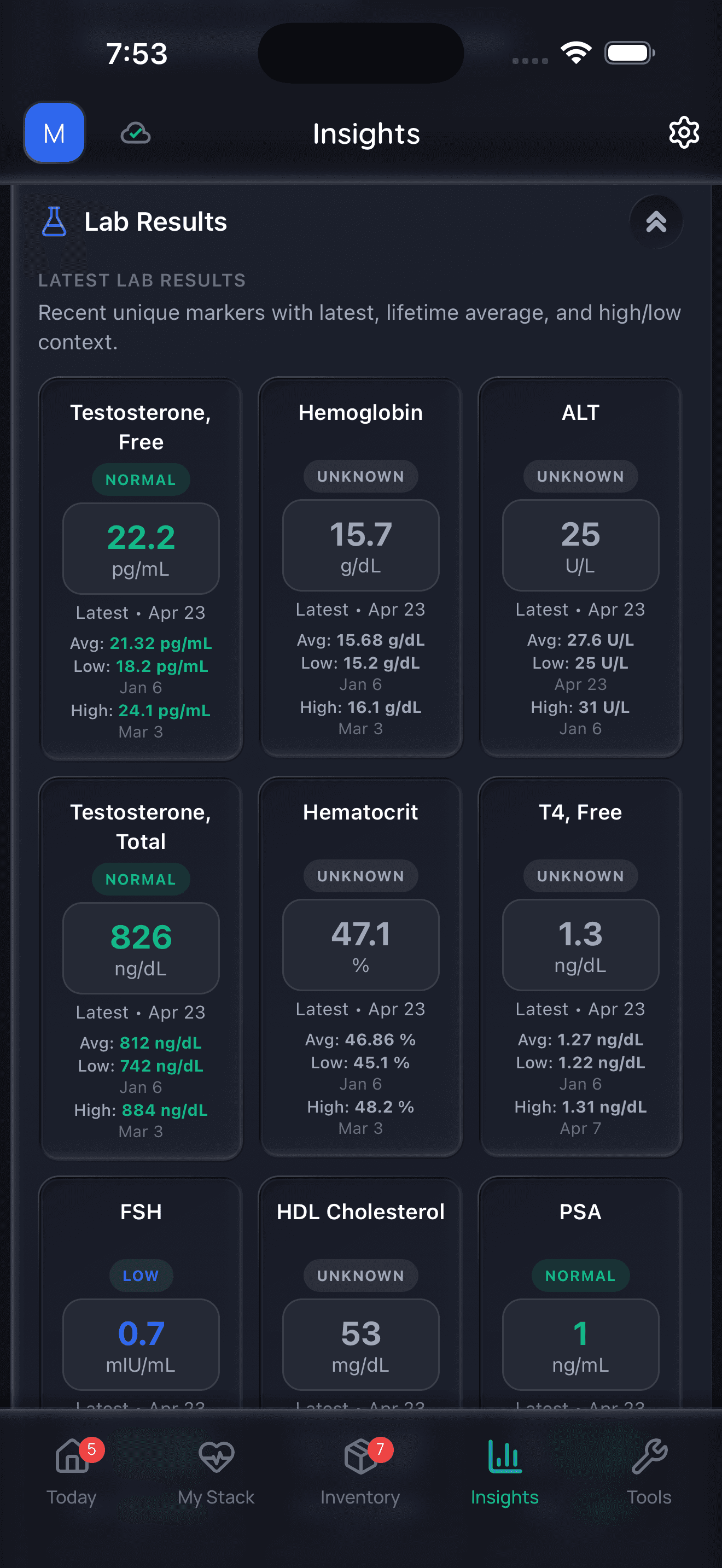
Doserly organizes data; it does not diagnose or interpret labs for you.
Side Effects & Safety
The Basics
Maca has a favorable safety profile compared to many herbal supplements, largely because it has been consumed as a food in Peru for thousands of years at much higher doses than typical supplement use. Traditional consumption of up to 20 g per day of dried root (boiled into juice) has not been associated with adverse effects [1][2].
In clinical trials using supplement doses (1,500 to 3,000 mg per day for up to 12 weeks), no serious adverse effects have been reported. The most commonly noted side effects include:
- Gastrointestinal discomfort: stomach upset, bloating, and loose stools, particularly with raw (non-gelatinized) powder. Gelatinized forms are generally better tolerated [3][9].
- Insomnia and vivid dreams: reported primarily with higher doses, extract forms, or evening dosing. Taking maca in the morning can help mitigate this effect.
- Irritability and mood changes: some individuals report increased irritability or emotional volatility, especially at higher doses. This appears dose-dependent and may be related to the stimulatory properties.
- Altered menstrual cycles: some women have reported changes to their menstrual patterns, though this is not consistently observed across studies [22].
- Headache: occasionally reported in clinical trials as a transient effect [9].
Potential thyroid concerns: Multiple community reports describe thyroid function changes in women taking maca, though clinical evidence for this effect at standard supplement doses is limited. Individuals with thyroid conditions should exercise caution and consult their healthcare provider before using maca [22].
Lab test interference: One case report documented that maca interfered with testosterone immunoassay testing, producing a falsely elevated reading. Higher-precision testing methods showed normal testosterone levels. Individuals should inform their healthcare provider if they are taking maca before hormone testing [22][23].
The Science
Acute Toxicity: Preclinical data demonstrates a favorable toxicity profile. Aqueous extract showed no acute neurological toxicity at 10 g/kg/day in animal models. Ethanolic extract had an LD50 exceeding 2 g/kg/day. Rats tolerated up to 5 g/kg bodyweight without adverse effects [9][24].
Subchronic Exposure: Administration of 1.2 g/kg/day maca powder for 30 days produced significant elevation in serum blood urea nitrogen (BUN) in animal studies, suggesting potential renal load at very high doses [9]. A 90-day human study at 0.6 g/day noted a small but significant increase in serum AST (a liver enzyme) and diastolic blood pressure [3][24].
Pregnancy and Lactation: Limited data. One animal study using lyophilized maca at 1 g/kg (equivalent to 2.16 g/kg dry weight) showed increased litter size without adverse effects on pup morphology, viability, or development. However, insufficient human data exists to establish safety during pregnancy or breastfeeding [24].
Hormone-Sensitive Conditions: Given the in vitro estrogenic activity of maca extracts (demonstrated in MCF-7 breast cancer cells at 100-200 mcg/mL, though less potent than physiological estrogen) and the mixed in vivo data on estrogenic effects, individuals with hormone-sensitive cancers (breast, uterine, ovarian, prostate) should consult their oncologist before using maca [3][22].
Drug Interactions: Maca enhanced the blood pressure-lowering effects of losartan in hypertensive rats. Clinical relevance in humans has not been established, but concurrent use with antihypertensive medications warrants monitoring [22].
Dosing & Usage Protocols
The Basics
The standard supplemental dose of maca is 1,500 to 3,000 mg per day, based on the clinical trial literature. Most studies used this range and found it effective for sexual health outcomes over 4 to 12 weeks of consistent use [5][6][16][17].
By form:
- Raw maca powder: 1,500-3,000 mg/day (approximately 1/2 to 1 teaspoon). Can be mixed into smoothies, coffee, or food. May cause more GI discomfort than gelatinized forms.
- Gelatinized maca powder: 1,500-3,000 mg/day. Heat-processed for improved digestibility. Same dose range as raw.
- Maca extract (concentrated): Lower absolute dose due to concentration ratio. A 5:1 extract at 2 g delivers bioactive equivalent of approximately 10 g of root. Follow manufacturer guidelines, as extract ratios vary widely (4:1, 5:1, 8:1).
By ecotype (color):
- Yellow maca: General-purpose use; most studied in clinical trials
- Black maca: Preferred for male fertility, cognitive support, and neuroprotection
- Red maca: Preferred for prostate health; may also benefit hormonal balance in women
Timing: Take with a meal (morning or early afternoon). Avoid evening dosing, as the stimulatory effects may interfere with sleep in some individuals.
Build-up period: Maca's effects are cumulative, not acute. Most clinical studies show initial benefits emerging at 4 weeks, with continued improvement through 8 to 12 weeks. Taking maca only before sexual activity is unlikely to be effective; daily consistent dosing is key [5][6].
Cycling: There is no established cycling protocol in the clinical literature. Some users cycle 5 days on, 2 days off, or 8 weeks on, 2 weeks off, though these protocols are based on anecdotal practice rather than studied evidence.
When your stack includes several supplements, each with its own dose, form, and timing requirements, the logistics alone can derail consistency. Doserly consolidates all of it into one protocol view, so every dose across your entire routine is accounted for without spreadsheets or guesswork.
The app also tracks cumulative intake for nutrients that appear in multiple products. If your multivitamin, standalone supplement, and fortified protein shake all contain the same nutrient, Doserly adds them up and shows you the total alongside recommended and upper limits. Managing a thoughtful supplement protocol shouldn't require a degree in nutrition science. The app handles the complexity so you can focus on staying consistent.
Build reminders around the routine, not just the compound.
Doserly can keep timing, skipped doses, and schedule changes organized so the plan you read about becomes easier to follow and review.
Today view
Upcoming reminders

Reminder tracking supports consistency; it does not select a protocol for you.
What to Expect (Timeline)
Timeframe
Days 1-7
- What to Expect
- Most users notice little to nothing. Some may experience mild GI adjustment (especially with raw powder) or a subtle energy lift. Do not expect immediate effects.
Timeframe
Weeks 2-4
- What to Expect
- Initial effects begin to emerge. Energy improvements are often the first benefit noticed. Some users report the beginning of libido changes. Clinical trial data shows measurable sexual desire increase by week 4.
Timeframe
Weeks 4-8
- What to Expect
- Primary benefits become more apparent. Aphrodisiac effects continue to build (40% self-reported increase at week 8 in clinical trials). Mood improvements may become noticeable.
Timeframe
Weeks 8-12
- What to Expect
- Full effect plateau. Clinical data shows maximum aphrodisiac effect (42.2% at week 12). Users who will respond to maca have typically seen clear benefits by this point.
Timeframe
12+ weeks
- What to Expect
- Maintenance phase. Some users report sustained benefits with continued use. No long-term diminishing returns have been documented in clinical studies, though the longest controlled trial was 12 weeks.
What if you feel nothing after 8 weeks? Maca is not universally effective. A meaningful subset of people in clinical trials and community reports experience no significant benefit. If 8 weeks of consistent daily supplementation at 3,000 mg/day produces no noticeable effect, maca may not be the right supplement for your goals.
What if side effects appear? GI discomfort is most common in the first 1 to 2 weeks and often resolves with continued use. If insomnia or irritability develops, consider reducing the dose or switching to morning-only dosing. Switching from raw to gelatinized powder may resolve stomach issues.
One of the hardest parts of any supplement routine is knowing whether it's working when results unfold gradually over weeks or months. Without a record, it's easy to abandon something too early or keep taking something that isn't delivering. Doserly solves that by giving you a visual timeline of your entire supplementation history mapped against the outcomes you care about.
When everything is in one view, you can compare how different supplements in your stack are performing over the same period. You can see whether adding this supplement coincided with the improvement you've noticed, or whether the timing points to something else entirely. That kind of clarity turns patience into a strategy rather than a gamble.
Keep sensitive protocol records in a purpose-built app.
Doserly is designed for private health tracking with structured records, offline-ready workflows, and exportable history when you need it.
Privacy
Health records

Privacy controls help you manage records; keep clinical records where required.
Interactions & Compatibility
Synergistic
Supplement
Zinc
- Interaction
- Complementary for male reproductive health
- Notes
- Zinc supports testosterone synthesis and sperm quality; maca supports libido and sperm production through independent mechanisms
Supplement
L-Arginine
- Interaction
- Complementary for sexual function
- Notes
- L-arginine supports nitric oxide production and blood flow; maca supports desire through separate pathways
Supplement
Vitamin B6
- Interaction
- Complementary for hormonal metabolism
- Notes
- B6 supports progesterone production and neurotransmitter synthesis
Supplement
Ashwagandha
- Interaction
- Complementary adaptogen stack
- Notes
- Different mechanisms for stress tolerance; ashwagandha works via cortisol modulation, maca through FAAH inhibition
Supplement
Tribulus Terrestris
- Interaction
- Common stack for libido
- Notes
- Often combined in sexual health stacks; different mechanisms
Supplement
Iron
- Interaction
- Nutritional complement
- Notes
- Maca provides modest iron content; can complement iron supplementation for energy goals
Caution / Avoid
Substance
Antihypertensive medications (esp. losartan)
- Interaction
- Potential enhancement
- Notes
- Maca enhanced losartan's blood pressure-lowering effects in animal studies; monitor blood pressure if combining [22]
Substance
Hormone-sensitive cancer treatments
- Interaction
- Potential interference
- Notes
- Maca exhibits in vitro estrogenic activity; consult oncologist before use alongside hormonal therapies
Substance
Thyroid medications
- Interaction
- Monitor closely
- Notes
- Community reports of thyroid function changes; while not clinically confirmed at standard doses, individuals on thyroid medication should monitor function with their provider
Substance
MAOIs
- Interaction
- Theoretical concern
- Notes
- Maca contains beta-carboline compounds; though no MAO inhibition has been observed in studies, exercise caution with MAO inhibitor medications
Substance
Other stimulatory supplements
- Interaction
- Additive stimulation
- Notes
- Combining maca with high-dose caffeine, yohimbine, or other stimulants may increase risk of insomnia, irritability, or anxiety
How to Take / Administration Guide
Oral Administration (Powder):
Maca powder can be mixed into smoothies, coffee, hot chocolate, oatmeal, or other foods. The flavor is described as earthy and malty, with a slight sweetness. Start with 1/2 teaspoon (approximately 1,500 mg) and increase to 1 teaspoon (approximately 3,000 mg) over 1 to 2 weeks.
Gelatinized powder dissolves more easily in liquids and is gentler on the stomach than raw powder. If you experience GI discomfort with raw powder, switching to gelatinized is recommended.
Oral Administration (Capsules/Tablets):
Follow manufacturer dosing. Most products are formulated for 1,500 to 3,000 mg daily intake. Capsules are convenient for standardized dosing and avoiding the taste.
Timing:
- Take with breakfast or lunch
- Avoid taking in the evening (risk of sleep disruption)
- Take with food containing some dietary fat to support absorption of fat-soluble macamides
Stacking:
Maca can be combined with other supplements in a stack. There are no documented negative interactions with common supplements like multivitamins, omega-3s, or creatine. For sexual health goals, maca is commonly stacked with zinc, L-arginine, and vitamin B6.
Do not:
- Consume raw, unprocessed fresh maca root. Traditional Andean practice recommends boiling before consumption, as fresh maca may cause adverse effects [1][2].
- Exceed 10 g/day of powder or the equivalent in extract form without healthcare provider guidance.
Choosing a Quality Product
When selecting a maca supplement, several quality considerations are worth evaluating:
Third-Party Certifications:
- USP Verified: Look for the USP Verified Mark when available. The USP has developed individual quality monographs for maca root, maca root powder, and maca root dry extract, which include specifications for identity, strength, and purity [9].
- NSF International: NSF/ANSI 173 certification confirms Good Manufacturing Practices and product testing.
- Informed Sport / NSF Certified for Sport: Relevant for athletes who need assurance the product is free from banned substances.
Form Considerations:
- Gelatinized powder is preferred for digestibility and is recommended for those who experience GI discomfort with raw powder
- Concentrated extracts (4:1, 5:1, 8:1) provide higher bioactive density per capsule but may have different compound profiles than whole root. The USP has noted that non-traditional extract methods may warrant additional safety evaluation [9]
- Raw powder retains the full phytochemical spectrum, including heat-sensitive glucosinolates, but is harder to digest
Ecotype Selection:
Products should clearly state whether they contain yellow, red, black, or a blend of maca ecotypes. Different ecotypes have different evidence profiles, so matching the ecotype to your health goal is important.
Red Flags:
- Products that do not specify the ecotype (color) of maca used
- Proprietary blends that include maca alongside many other ingredients without disclosing the maca dose
- Marketing claims that maca "boosts testosterone" (this is not supported by clinical evidence)
- Products using hydroalcoholic extracts without quality certification (the USP has flagged potential safety differences)
- Extremely cheap products, as maca is a specialty crop grown exclusively in the Peruvian Andes
Origin:
Authentic maca is grown in the Junin Plateau of the Peruvian Andes at 4,000 to 4,500 m altitude. Products should ideally be sourced from Peru and state the geographic origin.
Storage & Handling
Dried maca powder is remarkably stable. The dried hypocotyls have been stored for years in the Andean climate without degradation, a practice that reflects the crop's traditional role as a storable food commodity [1][2].
Storage recommendations:
- Store in a cool, dry place away from direct sunlight and heat
- Keep containers tightly sealed to prevent moisture absorption
- Powder and capsules have a long shelf life (typically 2+ years when properly stored)
- Liquid extracts and opened gelatinized powders should be stored per manufacturer instructions, which may include refrigeration
- Discard any product that develops an off odor, unusual color changes, or signs of moisture damage
Lifestyle & Supporting Factors
Diet: A nutrient-dense diet supports the systems maca targets. Adequate dietary zinc (found in oysters, beef, pumpkin seeds, and lentils) and healthy fats are particularly relevant for sexual health and hormone metabolism. Taking maca with a meal containing fat may improve absorption of fat-soluble macamides.
Exercise: Regular physical activity, particularly resistance training, supports the sexual health, energy, and mood outcomes that users typically seek from maca. Exercise independently improves blood flow, neurotransmitter balance, and hormone receptor sensitivity.
Sleep: Prioritizing sleep quality is essential, particularly because maca can interfere with sleep at higher doses or with late dosing. Sleep deprivation impairs libido, mood, and energy, counteracting the benefits maca may provide.
Stress management: Chronic stress elevates cortisol and suppresses libido and energy. Combining maca with stress-reduction practices (mindfulness, adequate rest, social connection) may amplify its benefits.
Alcohol and tobacco: Excessive alcohol consumption impairs sexual function, liver metabolism, and nutrient absorption. Tobacco use reduces blood flow and may diminish maca's potential vascular benefits.
Hydration: Adequate water intake supports overall metabolic function and may help with the GI tolerance of maca powder.
Regulatory Status & Standards
United States:
Maca is classified as a dietary supplement under DSHEA. It is not evaluated by the FDA for efficacy in treating, curing, or preventing any disease. The USP conducted a safety evaluation in 2009 (updated 2017) for maca root, maca root powder, and maca root dry extract and concluded that no serious adverse events were found for single-ingredient maca products. Individual USP-NF quality monographs are under development for maca ingredients [9].
European Union:
Maca is considered a traditional food (not novel) under EU Novel Food Regulation 258/97. However, purified extracts of maca are not classified as traditional foods and may require novel food authorization depending on the extraction method and final product composition [9].
Australia and New Zealand:
Listed as a traditional food, not a novel food. Available as a complementary medicine when making therapeutic claims.
Canada:
Available as a Natural Health Product. Products require a Natural Product Number (NPN) and compliance with Health Canada monograph standards.
Peru:
Maca holds special status as a national heritage crop. Peru has implemented regulations to protect its genetic resources and control exportation of unprocessed maca.
Athlete and Sports Regulatory Status
WADA (World Anti-Doping Agency): Maca is NOT on the WADA Prohibited List. It is not a banned substance in any competitive sport at the international level.
USADA / UKAD / Sport Integrity Canada / Sport Integrity Australia: Maca is not prohibited by any national anti-doping organization. However, athletes should use products certified by third-party testing programs to guard against contamination.
NCAA: Maca is not on the NCAA banned substance list. However, the NCAA recommends that student-athletes only use products certified by NSF Certified for Sport or Informed Sport.
GlobalDRO: Can be used to verify the status of maca-containing products across multiple countries.
Recommended athlete certifications:
- NSF Certified for Sport
- Informed Sport
- Cologne List (Kolner Liste)
- BSCG (Banned Substances Control Group)
Athletes should always choose products with batch-level third-party testing to minimize contamination risk.
Frequently Asked Questions
Does maca increase testosterone?
No. Multiple clinical studies have confirmed that maca does not raise circulating testosterone, estrogen, FSH, LH, or prolactin levels in men or women at standard doses. Maca's effects on libido and sexual function occur through hormone-independent mechanisms. One case report noted that maca can interfere with certain testosterone immunoassay tests, potentially producing falsely elevated readings, so inform your healthcare provider if you are taking maca before hormone testing [5][6][22][23].
What is the difference between raw and gelatinized maca?
Gelatinized maca has been heated in water to break down the starch matrix, making it easier to digest. Raw maca retains the full phytochemical profile, including heat-sensitive glucosinolates, but is harder on the stomach. No clinical studies have directly compared the two for any health endpoint. Gelatinized is generally recommended for those who experience GI discomfort [3].
Does the color of maca matter?
Yes. Yellow, red, and black maca ecotypes have overlapping but distinct evidence profiles. Yellow is the most common and general-purpose. Black maca shows the strongest evidence for male fertility and neuroprotection. Red maca is associated with prostate size reduction. If you have a specific health goal, selecting the appropriate ecotype may be beneficial [4][10].
How long does maca take to work?
Based on clinical trial data, maca's effects build gradually. Initial improvements in energy may be noticed within 2 weeks. Libido enhancement typically becomes measurable at 4 weeks and continues to improve through 8 to 12 weeks. Taking maca as an acute, one-time dose before sexual activity is unlikely to produce noticeable effects [5][6].
Can women take maca?
Yes. Studies have been conducted in both premenopausal and postmenopausal women with positive results for sexual function, mood, and menopausal symptom management. Women with hormone-sensitive conditions (breast cancer, endometriosis, uterine fibroids) should consult their healthcare provider before use [14][15][22].
Is maca safe during pregnancy?
Insufficient human data exists to confirm safety during pregnancy or breastfeeding. One animal study showed no adverse developmental effects, but this does not constitute evidence of human safety. Pregnant or breastfeeding individuals should consult their healthcare provider [24].
Can maca cause acne?
Some community reports describe hormonal acne development, particularly at higher doses. This may relate to individual hormonal sensitivity. Lowering the dose or discontinuing use has resolved the issue for most affected individuals.
Should I cycle maca?
No established cycling protocol exists in the clinical literature. The longest controlled trial administered maca daily for 12 weeks without diminishing returns. Some users cycle 5 on/2 off or take periodic breaks as a precaution, though this practice is not evidence-based.
Can maca interact with blood pressure medications?
Maca enhanced the blood pressure-lowering effects of losartan in an animal study. While clinical relevance in humans is not established, individuals taking antihypertensive medications should monitor blood pressure and inform their healthcare provider [22].
Is maca an adaptogen?
Maca is sometimes classified as an adaptogen due to its traditional reputation for enhancing resilience to stress. However, it does not fit the classical adaptogen definition as precisely as herbs like ashwagandha or rhodiola, as its primary mechanisms (FAAH inhibition, hormone-independent aphrodisia) are distinct from the hypothalamic-pituitary-adrenal axis modulation typically associated with adaptogens.
Myth vs. Fact
Myth: Maca boosts testosterone levels.
Fact: Multiple controlled studies have measured testosterone levels in men taking maca and found no increase compared to placebo. Maca's effects on libido are hormone-independent. One case report documented that maca can interfere with testosterone immunoassay testing, which may have contributed to this misconception [5][6][23].
Myth: Maca works immediately as a natural aphrodisiac.
Fact: Clinical data consistently shows that maca's aphrodisiac effects build over weeks of daily supplementation. Acute dosing before sexual activity does not produce measurable effects. In one animal study, a single dose 30 minutes before activity failed to improve sexual parameters; benefits emerged only with sustained daily use [5][6].
Myth: All maca supplements are the same.
Fact: There are significant differences between maca products based on ecotype (color), preparation method (raw vs. gelatinized vs. extract), and concentration ratio. Black, red, and yellow maca have different evidence profiles for different health outcomes. Gelatinized maca is better tolerated than raw. Concentrated extracts deliver different bioactive profiles than whole root powder [3][4].
Myth: Maca is the same as ginseng.
Fact: Despite the marketing name "Peruvian Ginseng," maca is a cruciferous vegetable (Brassicaceae family) with no botanical, chemical, or pharmacological relationship to any ginseng species (Araliaceae family). The nickname reflects shared traditional use as an energizer, not biological similarity [1][2].
Myth: Gelatinized maca is always better than raw.
Fact: Gelatinized maca is easier to digest, but the heat processing may reduce glucosinolate content (a heat-sensitive bioactive compound class). No clinical studies have directly compared outcomes between the two forms. The choice depends on individual digestive tolerance [3].
Myth: Maca is dangerous because it affects hormones.
Fact: Clinical trials consistently show that maca does NOT alter circulating levels of testosterone, estrogen, FSH, LH, or prolactin at standard doses. While some in vitro estrogenic activity has been observed, and some women report menstrual changes, the overall safety profile at standard doses (1,500 to 3,000 mg/day) is favorable with no serious adverse effects reported in controlled studies [5][6][9].
Myth: Higher doses of maca are always more effective.
Fact: Both 1,500 mg and 3,000 mg produced significant aphrodisiac effects in one clinical trial, with no clear difference between doses for most endpoints. For SSRI-induced sexual dysfunction, the higher dose showed superiority. However, higher doses are associated with more side effects (GI discomfort, irritability, insomnia). Starting at a moderate dose is a reasonable approach [5][16].
Sources & References
Clinical Trials & RCTs
[5] Gonzales GF, Cordova A, Vega K, Chung A, Villena A, Gonez C. Effect of Lepidium meyenii (Maca), a root with aphrodisiac and fertility-enhancing properties, on serum reproductive hormone levels in adult healthy men. J Endocrinol. 2003;176(1):163-8.
[6] Gonzales GF, Cordova A, Vega K, et al. Effect of Lepidium meyenii (MACA) on sexual desire and its absent relationship with serum testosterone levels in adult healthy men. Andrologia. 2002;34(6):367-72.
[7] Zenico T, Cicero AF, Valmorri L, Mercuriali M, Bercovich E. Subjective effects of Lepidium meyenii (Maca) extract on well-being and sexual performances in patients with mild erectile dysfunction: a randomised, double-blind clinical trial. Andrologia. 2009;41(2):95-9.
[14] Stojanovska L, Law C, Lai B, et al. Maca reduces blood pressure and depression, in a pilot study in postmenopausal women. Climacteric. 2015;18(1):69-78.
[15] Brooks NA, Wilcox G, Walker KZ, et al. Beneficial effects of Lepidium meyenii (Maca) on psychological symptoms and measures of sexual dysfunction in postmenopausal women are not related to estrogen or androgen content. Menopause. 2008;15(6):1157-62.
[16] Dording CM, Fisher L, Papakostas G, et al. A double-blind, randomized, pilot dose-finding study of maca root (L. meyenii) for the management of SSRI-induced sexual dysfunction. CNS Neurosci Ther. 2008;14(3):182-91.
[17] Shin JH, et al. Efficacy and safety of maca (Lepidium meyenii) in patients with symptoms of late-onset hypogonadism: a randomized, double-blind, placebo-controlled clinical trial. World J Mens Health. 2023;41(3):692-700.
[20] Gonzales GF, Cordova A, Gonzales C, Chung A, Vega K, Villena A. Lepidium meyenii (Maca) improved semen parameters in adult men. Asian J Androl. 2001;3(4):301-3.
[21] Stone M, Ibarra A, Roller M, et al. A pilot investigation into the effect of maca supplementation on physical activity and sexual desire in sportsmen. J Ethnopharmacol. 2009;126(3):574-6.
Systematic Reviews & Meta-Analyses
[18] Lee MS, Shin BC, Yang EJ, Lim HJ, Ernst E. Maca (Lepidium meyenii) for treatment of menopausal symptoms: A systematic review. Maturitas. 2011;70(3):227-33.
[19] Shin BC, Lee MS, Yang EJ, Lim HS, Ernst E. Maca (L. meyenii) for improving sexual function: a systematic review. BMC Complement Altern Med. 2010;10:44.
Preclinical & Mechanistic Studies
[4] Gonzales GF, Nieto J, Rubio J, Gasco M. Effect of black maca (Lepidium meyenii) on one spermatogenic cycle in rats. Andrologia. 2006;38(5):166-72.
[8] Esparza E, Hadzich A, Kofer W, et al. Bioactive maca (Lepidium meyenii) alkamides are a result of traditional Andean postharvest drying practices. Phytochemistry. 2015;116:138-48.
[10] Gonzales GF, Miranda S, Nieto J, et al. Red maca (Lepidium meyenii) reduced prostate size in rats. Reprod Biol Endocrinol. 2005;3:5.
[11] Almukadi H, Wu H, Bohlke M, et al. The macamide N-3-methoxybenzyl-linoleamide is a time-dependent fatty acid amide hydrolase (FAAH) inhibitor. Mol Neurobiol. 2013;48(2):333-9.
[12] Ai Z, Cheng AF, Yu YT, et al. Antidepressant-like behavioral, anatomical, and biochemical effects of petroleum ether extract from maca in mice exposed to chronic unpredictable mild stress. J Med Food. 2014;17(5):535-42.
[13] Rubio J, Dang H, Gong M, et al. Aqueous and hydroalcoholic extracts of Black Maca (Lepidium meyenii) improve scopolamine-induced memory impairment in mice. Food Chem Toxicol. 2007;45(10):1882-90.
[24] Valerio LG Jr, Gonzales GF. Toxicological aspects of the South American herbs cat's claw (Uncaria tomentosa) and maca (Lepidium meyenii): a critical synopsis. Toxicol Rev. 2005;24(1):11-35.
Review Articles
[1] Gonzales GF. Ethnobiology and Ethnopharmacology of Lepidium meyenii (Maca), a Plant from the Peruvian Highlands. Evid Based Complement Alternat Med. 2012;2012:193496.
[2] National Research Council. Lost Crops of the Incas: Little-Known Plants of the Andes with Promise for Worldwide Cultivation. Washington, DC: National Academies Press; 1989.
[3] Ulloa del Carpio N, Alvarado-Corella D, Quinones-Laveriano DM, et al. Exploring the chemical and pharmacological variability of Lepidium meyenii: a comprehensive review of the effects of maca. Front Pharmacol. 2024;15:1360422.
Government/Institutional Sources
[9] United States Pharmacopeia. USP-NF Admission Evaluation: Maca dietary ingredients. 2009; updated 2017.
[22] Memorial Sloan Kettering Cancer Center. Maca. About Herbs Database. Last updated June 7, 2023.
[23] Srikugan L, Sankaralingam A, McGowan B. First case report of testosterone assay-interference in a female taking maca (Lepidium meyenii). BMJ Case Rep. 2011;2011:bcr0120113781.
Related Supplement Guides
Same Category (Herbals & Botanicals)
Common Stacks / Pairings
- Zinc (male reproductive health support)
- L-Arginine (sexual function, blood flow)
- L-Citrulline (blood flow, performance)
- Vitamin B6 (hormonal metabolism)
Related Health Goals
- L-Theanine (mood, stress)
- Iron (energy support)
- Magnesium (energy, sleep, hormonal balance)
- D-Aspartic Acid (male reproductive health)
- Boron (hormonal support)