
BCAAs: The Complete Supplement Guide
On this page
Quick Reference Card
Attribute
Common Name
- Detail
- BCAAs (Branched-Chain Amino Acids)
Attribute
Other Names / Aliases
- Detail
- Branched-chain amino acids, BCAA complex, leucine-isoleucine-valine, branched-chain aminos
Attribute
Category
- Detail
- Amino Acid (Essential)
Attribute
Primary Forms & Variants
- Detail
- Free-form BCAAs (powder, capsule); typical ratios include 2:1:1 (leucine:isoleucine:valine), 4:1:1, 8:1:1, and 10:1:1. Higher leucine ratios emphasize mTOR activation but may reduce isoleucine and valine benefits. Individual aminos also available (L-leucine, L-isoleucine, L-valine).
Attribute
Typical Dose Range
- Detail
- 5-20 g/day combined BCAAs in divided doses; leucine alone: 2-10 g/day; isoleucine: 48-72 mg/kg bodyweight
Attribute
RDA / AI / UL
- Detail
- No specific RDA/AI/UL established for BCAAs as a supplement. Leucine upper safe limit: approximately 500 mg/kg/day (~38 g/day for a 75 kg adult). General safe upper limit for combined BCAAs: up to 20 g/day in divided doses.
Attribute
Common Delivery Forms
- Detail
- Powder (most common, often flavored), capsules, tablets, ready-to-drink beverages, intra-workout drinks
Attribute
Best Taken With / Without Food
- Detail
- Can be taken with or without food. Most commonly consumed during fasted training or as an intra-workout drink. Taken with a meal containing complete protein, BCAAs contribute to the total amino acid pool for muscle protein synthesis.
Attribute
Key Cofactors
- Detail
- Vitamin B6 (cofactor for BCAA metabolism via BCAT enzyme); all nine essential amino acids (required for complete muscle protein synthesis); adequate caloric intake (supports anabolic signaling)
Attribute
Storage Notes
- Detail
- Store in a cool, dry place away from moisture. Powder forms are hygroscopic and may clump if exposed to humidity. Keep containers sealed. Shelf life is typically 2-3 years when stored properly.
Overview
The Basics
BCAAs, short for branched-chain amino acids, are a group of three essential amino acids: leucine, isoleucine, and valine. They get their name from their molecular structure, which features a branch-like side chain. Your body cannot make these amino acids on its own, so you need to get them from food or supplements [1][2].
These three amino acids are unusually concentrated in muscle tissue, making up about 14-18% of the amino acids in your skeletal muscles [1]. This is part of why they have been heavily marketed to athletes and gym-goers. BCAAs are also special because, unlike most other amino acids, your muscles can break them down directly for energy during exercise rather than relying on your liver to process them first [1][3].
The BCAA supplement market has been one of the most popular categories in sports nutrition for over a decade. You will find them in powders, capsules, and pre-mixed drinks, often in flavored formulas designed to sip during workouts. The typical ratio you will see on labels is 2:1:1 (leucine to isoleucine to valine), though some products push this to 4:1:1 or even 10:1:1 to emphasize leucine, the amino acid most directly tied to muscle protein synthesis [2].
Here is the reality check that shapes the rest of this guide: if you eat enough protein from complete sources (meat, fish, eggs, dairy, or well-combined plant proteins), you are almost certainly getting all the BCAAs you need. Most complete proteins are about 25% BCAAs, so a diet providing adequate protein automatically provides adequate BCAAs [1][2]. The question becomes whether supplementing with isolated BCAAs on top of that offers any additional benefit, and the honest answer is: for most people, probably not.
The Science
Branched-chain amino acids (BCAAs) comprise three of the nine essential amino acids: L-leucine (2-amino-4-methylpentanoic acid), L-isoleucine (2-amino-3-methylpentanoic acid), and L-valine (2-amino-3-methylbutanoic acid). Their designation as "branched-chain" derives from the aliphatic side-chain structure featuring a central carbon atom bound to three or more carbon atoms [1][2].
BCAAs constitute approximately 25% of the amino acid content of dietary proteins containing all essential amino acids (EAAs) and approximately 14-18% of the amino acids in human skeletal muscle protein [1]. Unlike other essential amino acids, BCAAs are uniquely catabolized by mitochondria in skeletal muscle tissue, enabling direct oxidation for energy provision during exercise. This is attributable to the tissue-specific expression of branched-chain aminotransferase (BCAT2) in skeletal muscle [1][3].
Among the three BCAAs, leucine has received the most investigative attention due to its role as a potent activator of the mechanistic target of rapamycin (mTOR) signaling pathway, the primary regulatory kinase governing muscle protein synthesis (MPS) [2][4]. Leucine is exclusively ketogenic (producing ketone bodies upon catabolism), valine is glucogenic (producing glucose), and isoleucine is both ketogenic and glucogenic [2].
Dietary sources rich in BCAAs include animal proteins (meat, poultry, fish, eggs, dairy) and, to a lesser extent, legumes, nuts, and grains. A standard serving of 25 g of complete protein provides approximately 6-7 g of BCAAs [1].
Chemical & Nutritional Identity
Property
Chemical Name
- Leucine
- 2-Amino-4-methylpentanoic acid
- Isoleucine
- 2-Amino-3-methylpentanoic acid
- Valine
- 2-Amino-3-methylbutanoic acid
Property
Molecular Formula
- Leucine
- C6H13NO2
- Isoleucine
- C6H13NO2
- Valine
- C5H11NO2
Property
Molecular Weight
- Leucine
- 131.17 g/mol
- Isoleucine
- 131.17 g/mol
- Valine
- 117.15 g/mol
Property
CAS Number
- Leucine
- 61-90-5
- Isoleucine
- 73-32-5
- Valine
- 72-18-4
Property
PubChem CID
- Leucine
- 6106
- Isoleucine
- 6306
- Valine
- 6287
Property
Classification
- Leucine
- Essential amino acid, ketogenic
- Isoleucine
- Essential amino acid, ketogenic + glucogenic
- Valine
- Essential amino acid, glucogenic
BCAAs are classified as essential amino acids, meaning they cannot be synthesized endogenously and must be obtained through dietary intake. No formal Recommended Dietary Allowance (RDA), Adequate Intake (AI), or Tolerable Upper Intake Level (UL) has been established specifically for supplemental BCAAs by the Institute of Medicine or EFSA [1].
For leucine specifically, studies suggest an upper safe limit of intake of approximately 500 mg/kg body weight per day in healthy adults, equating to roughly 35-40 g/day for an average-weight adult [1][5].
Common supplement forms include free-form crystalline amino acids (most common in powders and capsules), fermented BCAAs (produced via bacterial fermentation of plant-based substrates), and instantized BCAAs (treated with lecithin for improved mixability in water). The 2:1:1 ratio of leucine:isoleucine:valine mirrors the approximate ratio found naturally in muscle tissue and is the most commonly studied ratio in clinical trials.
Mechanism of Action
The Basics
To understand what BCAAs do in your body, think of them as both building blocks and fuel. Most amino acids get processed by your liver before your body can use them. BCAAs are different. Your muscles can grab them directly from your bloodstream and use them right away, either to build new muscle protein or to burn for energy during a tough workout [1][3].
Leucine, the star of the trio, acts like a signal flare for muscle building. When leucine levels rise in your blood after eating protein or taking a supplement, it flips a molecular switch called mTOR that tells your muscle cells to start assembling new proteins. Think of mTOR as a construction foreman who only gives the order to build when the right materials are on-site. Leucine is the signal that says "materials are here, start building" [2][4].
Isoleucine plays a supporting role, helping your muscles take up glucose for energy during exercise and contributing to energy production within muscle cells. Valine is the least studied of the three, but it contributes to the overall amino acid pool and may play a role in preventing mental fatigue during prolonged exercise by competing with tryptophan (a precursor to the calming brain chemical serotonin) for entry into the brain [1][2].
Here is the catch: muscle protein synthesis requires all nine essential amino acids, not just three. BCAAs can kick-start the signaling process, but without the other six essential amino acids present, the actual construction of new protein stalls. This is the fundamental reason why most research finds BCAAs alone are less effective than complete protein sources [2][6].
The Science
The primary mechanism of BCAA action centers on leucine-mediated activation of the mechanistic target of rapamycin complex 1 (mTORC1) signaling pathway. Leucine activates mTORC1 through multiple upstream sensors, including Sestrin2 (a leucine sensor) and the Rag GTPase complex, which recruits mTORC1 to the lysosomal surface for activation [2][4]. Activated mTORC1 phosphorylates downstream effectors p70S6K1 and 4E-BP1, initiating ribosomal biogenesis and cap-dependent translation to increase muscle protein synthesis [4][7].
BCAA catabolism occurs through a two-step process: (1) reversible transamination by branched-chain aminotransferase (BCAT, requiring pyridoxal phosphate/vitamin B6 as a cofactor) to produce the corresponding branched-chain alpha-keto acids (BCKAs): alpha-ketoisocaproate (KIC) from leucine, alpha-keto-beta-methylvalerate (KMV) from isoleucine, and alpha-ketoisovalerate (KIV) from valine; followed by (2) irreversible oxidative decarboxylation by the branched-chain alpha-keto acid dehydrogenase (BCKDH) complex [3][8].
Leucine's metabolite KIC can be further metabolized to beta-hydroxy-beta-methylbutyrate (HMB), which independently activates mTOR signaling and has anti-catabolic properties. Approximately 5% of leucine metabolism produces HMB [4][9].
The "central fatigue hypothesis" proposes that BCAAs compete with tryptophan for transport across the blood-brain barrier via the large neutral amino acid transporter (LAT1). During prolonged exercise, plasma free tryptophan rises while BCAA levels fall, increasing the tryptophan:BCAA ratio and potentially increasing brain serotonin synthesis, contributing to perceived fatigue. BCAA supplementation may attenuate this effect by maintaining the ratio [1][10].
Leucine also stimulates insulin secretion from pancreatic beta cells, particularly in the presence of glucose, through mechanisms involving both mTOR activation and allosteric activation of glutamate dehydrogenase [4][11]. This insulin-potentiating effect is suppressed when isoleucine and valine are co-ingested, suggesting competitive interactions among the three BCAAs [2].
Absorption & Bioavailability
The Basics
BCAAs in supplement form are absorbed quickly, which is one reason they became popular as intra-workout drinks. Free-form BCAA supplements bypass the digestive step needed to break down whole proteins, meaning the individual amino acids can enter your bloodstream faster than they would from a chicken breast or a protein shake [2].
When you take BCAAs on an empty stomach, blood levels of leucine, isoleucine, and valine typically peak within 30-60 minutes. This rapid absorption is part of the appeal for people training in a fasted state, as it provides amino acids to muscles without requiring a full meal [2].
However, there is a subtle downside to this speed. Because free-form BCAAs are absorbed so quickly, they create a sharp spike in blood amino acid levels that drops off relatively fast. Whole food protein sources, by contrast, provide a more sustained release of amino acids over several hours. For muscle protein synthesis, this sustained availability may actually be more beneficial than a quick spike [2][6].
It is worth noting that leucine competes with isoleucine and valine for the same intestinal and cellular transport systems. This means that high-leucine ratios (like 8:1:1 or 10:1:1) may actually reduce the absorption and cellular uptake of isoleucine and valine, potentially undermining the combined benefit of all three BCAAs [2].
The Science
Free-form BCAAs are absorbed in the small intestine via active transport through the L-type amino acid transporter (LAT1/SLC7A5) and the sodium-dependent neutral amino acid transporter B(0)AT1/SLC6A19. Absorption kinetics are rapid, with peak plasma concentrations typically achieved within 30-60 minutes post-ingestion in fasted states [2].
Competition for transport is clinically relevant: leucine, isoleucine, and valine share the LAT1 transporter, both in the intestinal epithelium and at the blood-brain barrier. Excessive leucine supplementation can competitively inhibit isoleucine and valine absorption and cellular uptake, potentially explaining why leucine alone may paradoxically stimulate mTOR more effectively than leucine combined with the other two BCAAs in some experimental contexts [2].
Unlike most amino acids, BCAAs largely bypass hepatic first-pass metabolism due to the low expression of BCAT1 (the mitochondrial isoform) in liver tissue. Instead, they are preferentially catabolized in skeletal muscle, where BCAT2 is highly expressed [3][8]. This results in a more direct delivery of ingested BCAAs to peripheral tissues compared to other amino acids.
Plasma half-life of BCAAs following oral supplementation is relatively short (approximately 1-3 hours), consistent with rapid tissue uptake and catabolism. Chronic supplementation does not appear to significantly alter BCAA pharmacokinetics [2].
Research & Clinical Evidence
The Basics
The research picture for BCAAs is nuanced. There are areas where evidence is reasonably solid and areas where the hype outpaces the data.
Muscle soreness and damage recovery: This is where BCAAs have the strongest evidence. Multiple studies pooled together in large analyses show that BCAA supplementation meaningfully reduces muscle soreness after intense exercise. People taking BCAAs report less DOMS (delayed onset muscle soreness) at 24, 48, and 72 hours after a hard workout, and blood markers of muscle damage (particularly creatine kinase) drop faster [12][13]. If you push your body hard and soreness limits your ability to train consistently, this is the most evidence-backed reason to consider BCAAs.
Muscle growth and strength: Here the story gets less impressive. While BCAAs can trigger the molecular signal for muscle building (via mTOR), research consistently shows that this signal does not translate into actual muscle growth unless all nine essential amino acids are present. Studies comparing BCAA supplements to adequate protein intake show no additional muscle-building benefit from BCAAs [1][2][6]. In simpler terms, if your protein intake is already solid, adding BCAAs on top does not build more muscle.
Liver disease: An unexpected area of BCAA research involves liver cirrhosis. Multiple large analyses find that long-term BCAA supplementation in cirrhotic patients may improve survival outcomes and reduce complications [14][15][16]. This is a distinct clinical application from the sports nutrition context.
Endurance performance: Limited evidence suggests BCAAs may reduce perceived fatigue during prolonged endurance exercise by competing with tryptophan at the blood-brain barrier, potentially delaying the rise in brain serotonin. However, actual performance improvements (faster times, greater endurance) have not been consistently demonstrated [1][10].
The Science
Muscle damage biomarkers and soreness:
A 2024 systematic review and meta-analysis of 18 RCTs found BCAA supplementation significantly reduced creatine kinase (CK) levels immediately post-exercise (Hedges' g = -0.44; p = 0.006) and at 72 hours (g = -0.99; p = 0.002). Delayed onset muscle soreness (DOMS) was significantly attenuated at 24h (g = -1.34; p < 0.001), 48h (g = -1.75; p < 0.001), 72h (g = -1.82; p < 0.001), and 96h (g = -0.82; p = 0.008). Meta-regression revealed that higher daily dosages and longer pre-exercise supplementation periods produced larger effects [12].
An overview of 11 systematic reviews (7 with meta-analyses) confirmed these findings: BCAA ingestion attenuates CK levels with medium effect sizes and muscle soreness with small-to-large effects. Notably, no effect on muscle performance recovery (strength, power output) was observed [13].
Muscle protein synthesis and hypertrophy:
While leucine robustly activates mTORC1 signaling, studies demonstrate that BCAA supplementation alone provides a suboptimal muscle protein synthesis (MPS) response compared to a complete EAA source. This is because MPS requires all nine EAAs as substrates; BCAAs provide the signal but not the full building material [2][6]. A 2017 clinical study (n=46) found that branched-chain amino acid ingestion stimulated a 22% greater MPS response than placebo, but this response was 50% lower than that observed with a dose of whey protein containing the same amount of BCAAs [6].
Sarcopenia in older adults:
A meta-analysis of 35 studies found BCAA-rich supplementation modestly improved muscle strength (SMD 0.35, 95% CI [0.15, 0.55], P = 0.0007) and muscle mass (SMD 0.25, 95% CI [0.10, 0.40], P = 0.0008) in older adults. Essential amino acid supplementation improved handgrip strength more significantly than whey protein supplementation. High heterogeneity limits interpretation [17].
Hepatic encephalopathy and liver cirrhosis:
A systematic review of 54 studies (34 RCTs) found long-term BCAA supplementation (6+ months) in cirrhotic patients significantly improved event-free survival (RR 0.61, 95% CI 0.42-0.88, p = 0.008) [14]. A separate meta-analysis of 9 RCTs (1080 patients) showed BCAAs reduced cirrhosis complication rates (RR 0.70, 95% CI 0.56-0.88, P = 0.002) and improved serum albumin [15]. Notably, glucose levels increased in BCAA-treated cirrhotic patients [15].
Central fatigue hypothesis:
The mechanism by which BCAAs may reduce perceived exertion during prolonged exercise involves competition with free tryptophan for the LAT1 transporter at the blood-brain barrier. Meta-analytical data on this endpoint remains inconclusive, with some trials showing reduced perceived exertion and others showing no benefit [1][10].
Evidence & Effectiveness Matrix
Category
Recovery & Healing
- Evidence Strength
- 8/10
- Reported Effectiveness
- 6/10
- Summary
- Multiple meta-analyses demonstrate significant DOMS reduction and CK attenuation. Community reports align, with reduced soreness being the most consistently reported benefit [12][13].
Category
Muscle Growth
- Evidence Strength
- 5/10
- Reported Effectiveness
- 4/10
- Summary
- mTOR activation is well-documented, but MPS response is suboptimal without complete EAAs. Community overwhelmingly reports no muscle-building benefit beyond adequate protein [1][2][6].
Category
Physical Performance
- Evidence Strength
- 4/10
- Reported Effectiveness
- 4/10
- Summary
- Limited evidence for endurance fatigue reduction via central fatigue hypothesis. No consistent performance improvement in trials. Community reports are mixed [1][10].
Category
Energy Levels
- Evidence Strength
- 3/10
- Reported Effectiveness
- 5/10
- Summary
- Minimal clinical evidence for subjective energy improvement. Some community members report improved workout energy, particularly during fasted training.
Category
Weight Management
- Evidence Strength
- 3/10
- Reported Effectiveness
- 5/10
- Summary
- Limited evidence for muscle preservation during caloric deficit. Community reports modest benefit during cutting phases.
Category
Mood & Wellbeing
- Evidence Strength
- 4/10
- Reported Effectiveness
- 3/10
- Summary
- Tryptophan competition mechanism is biologically plausible. Community reports of depression and mood disturbance when supplementing BCAAs, likely via reduced serotonin precursor delivery to the brain [2][10].
Category
Appetite & Satiety
- Evidence Strength
- 2/10
- Reported Effectiveness
- 5/10
- Summary
- Contradictory evidence and reports. Some community members report appetite suppression during fasting; clinical literature has used BCAAs for appetite stimulation in wasting conditions.
Category
Side Effect Burden
- Evidence Strength
- 8/10
- Reported Effectiveness
- 7/10
- Summary
- Excellent safety profile up to 20 g/day. Few adverse effects reported in clinical trials or community. Well-tolerated [1][5].
Category
Gut Health
- Evidence Strength
- 3/10
- Reported Effectiveness
- 4/10
- Summary
- Minimal clinical data on gut effects. Occasional community reports of GI discomfort at higher doses.
Category
Treatment Adherence
- Evidence Strength
- —
- Reported Effectiveness
- 6/10
- Summary
- Flavored powder format is well-received in community. Easy to incorporate as a workout beverage.
Categories not scored (insufficient data): Fat Loss, Food Noise, Sleep Quality, Focus & Mental Clarity, Memory & Cognition, Anxiety, Stress Tolerance, Motivation & Drive, Emotional Aliveness, Emotional Regulation, Libido, Sexual Function, Joint Health, Inflammation, Pain Management, Digestive Comfort, Nausea & GI Tolerance, Skin Health, Hair Health, Heart Health, Blood Pressure, Heart Rate & Palpitations, Hormonal Symptoms, Temperature Regulation, Fluid Retention, Body Image, Immune Function, Bone Health, Longevity & Neuroprotection, Cravings & Impulse Control, Social Connection, Withdrawal Symptoms, Daily Functioning
Benefits & Potential Effects
The Basics
The benefits of BCAA supplementation are more targeted and conditional than the supplement industry often suggests. Rather than being a universal muscle-builder, BCAAs fill specific niches where they may genuinely help.
The most well-supported benefit is reducing muscle soreness after intense exercise. If you regularly push hard in the gym, during long runs, or through demanding training cycles, BCAAs have been shown to take the edge off post-workout soreness, particularly in the 24-72 hour window after a tough session [12][13]. This is not about eliminating soreness entirely, but about reducing its severity enough that it does not compromise your next training day.
For people who train in a fasted state (early morning workouts before breakfast, intermittent fasting protocols), BCAAs provide a way to deliver amino acids to working muscles without breaking a full fast. The leucine in particular can activate muscle-protective signaling pathways, potentially reducing the muscle breakdown that occurs when exercising without recent food intake [1][2].
In clinical settings, BCAAs play a role in managing liver disease. Patients with cirrhosis often develop muscle wasting because their damaged livers cannot properly process amino acids. BCAA supplementation in these patients has been linked to improved survival outcomes and fewer complications [14][15][16].
For the average person eating a reasonable amount of protein, the additional benefits of BCAA supplementation over whole food protein or a standard protein shake are minimal. The research is clear: adequate dietary protein provides all the BCAAs your body needs for muscle growth, and adding isolated BCAAs on top does not produce measurably more muscle [1][2][6].
The Science
The primary evidence-based benefits of BCAA supplementation, graded by quality of evidence:
Strong evidence:
- Attenuation of exercise-induced muscle damage biomarkers (CK, myoglobin) with effect sizes ranging from small to large across meta-analyses [12][13]
- Reduction of delayed onset muscle soreness (DOMS) with significant effects at 24-96 hours post-exercise [12][13]
- Improvement in event-free survival in cirrhotic patients with long-term supplementation (RR 0.61) [14]
Moderate evidence:
- Modest improvements in muscle mass and strength in sarcopenic elderly populations, though heterogeneity is high [17]
- Reduction of hepatic encephalopathy episodes and cirrhosis complications [15][16]
- Preservation of lean mass during caloric restriction when total protein intake is suboptimal
Weak/Preliminary evidence:
- Reduction in perceived exertion during prolonged endurance exercise via central fatigue hypothesis [1][10]
- Insulin-potentiating effects of leucine in the presence of glucose [4][11]
- Potential anti-catabolic effects during extreme caloric deficit or prolonged fasting
Getting the dose right matters more than most people realize. Too little may be ineffective, too much wastes money or introduces risk, and inconsistency undermines both. Doserly tracks every dose you take, across every form, giving you a clear record of what you're actually consuming versus what you planned.
The app helps you compare RDA recommendations against therapeutic ranges discussed in the research, so you can see exactly where your intake falls. If you switch forms, say from a standard capsule to a liposomal liquid, Doserly adjusts your tracking to account for different bioavailabilities. Pair that with smart reminders that keep your timing consistent, and the precision that makes a real difference in outcomes becomes effortless.
Build reminders around the routine, not just the compound.
Doserly can keep timing, skipped doses, and schedule changes organized so the plan you read about becomes easier to follow and review.
Today view
Upcoming reminders

Reminder tracking supports consistency; it does not select a protocol for you.
Side Effects & Safety
The Basics
BCAAs are among the safer supplements available, which makes sense when you consider that they are simply three amino acids found abundantly in everyday foods like meat, eggs, and dairy. The body is well-equipped to handle them [1][5].
At commonly supplemented doses (5-20 g/day), BCAAs are generally well-tolerated with few reported side effects. Most clinical trials report no significant adverse events compared to placebo [1][12].
That said, there are a few things worth being aware of. Excessive leucine intake over time may interfere with your body's production of vitamins B3 (niacin) and B6 (pyridoxine). This occurs because leucine catabolism competes with the metabolic pathways used to synthesize these vitamins [4][9]. If you take high-dose leucine or BCAAs for extended periods, ensuring adequate B-vitamin intake through diet or a multivitamin is a reasonable precaution.
Some individuals report mood changes when taking BCAAs, including feelings of low mood or irritability. The likely mechanism is that BCAAs compete with the amino acid tryptophan for transport into the brain. Since tryptophan is the precursor to serotonin (a neurotransmitter heavily involved in mood regulation), high BCAA intake can theoretically reduce serotonin synthesis [2][10]. People who are prone to depression or take medications affecting serotonin should be particularly mindful of this potential interaction.
Leucine can also stimulate insulin release, which may lower blood sugar levels. This is generally not a concern for healthy individuals but could be relevant for people taking diabetes medications or those prone to hypoglycemia [4][11].
People with maple syrup urine disease (MSUD), a rare genetic condition affecting BCAA metabolism, must avoid BCAA supplementation entirely. In MSUD, the enzymes that break down BCAAs are impaired, leading to toxic accumulation [8].
The Science
Safety profile:
Systematic reviews encompassing hundreds of subjects consistently report no serious adverse effects at supplemental doses up to 20 g/day in divided doses [1][5]. The NIH ODS characterizes this dose level as "apparently safe" based on available clinical data [1].
For leucine specifically, a determination of the tolerable upper intake level (UL) in healthy adult men established 500 mg/kg/day as the upper safe limit, equivalent to approximately 35-40 g/day for a 75 kg individual [5].
Identified adverse effects:
- Vitamin B3 and B6 depletion: Excessive leucine intake can interfere with the synthesis of nicotinic acid (vitamin B3) and pyridoxal phosphate (vitamin B6) through competitive inhibition of shared metabolic pathways [4][9]
- Hypoglycemia risk: Leucine stimulates insulin secretion from pancreatic beta cells via mTOR activation and glutamate dehydrogenase allosteric activation, potentially producing additive hypoglycemic effects when combined with insulin or oral antidiabetic medications [4][11]
- Serotonin suppression: BCAAs compete with tryptophan for the LAT1 transporter at the blood-brain barrier. Elevated plasma BCAA:tryptophan ratios may reduce central serotonin synthesis, with potential implications for mood regulation [2][10]. Community reports of depression and irritability with BCAA use are consistent with this mechanism.
- Metabolic considerations: Rodent meta-analysis data suggests chronic high BCAA intake in the context of certain dietary backgrounds may adversely affect glucose tolerance and metabolic health, though human applicability remains uncertain [18]
Absolute contraindication:
Maple syrup urine disease (MSUD): Patients with MSUD lack functional branched-chain alpha-keto acid dehydrogenase (BCKDH) complex activity, resulting in toxic accumulation of BCAAs and their keto acid metabolites. BCAA supplementation is absolutely contraindicated [8].
Knowing the possible side effects is the first step. Catching them early in your own experience is what keeps a supplement routine safe. Doserly lets you log any symptoms as they arise, tagging them with severity, timing relative to your dose, and whether they resolve on their own or persist.
The app's interaction checker cross-references everything in your stack, supplements and medications alike, flagging known interactions before they become a problem. It also monitors your total intake against established upper limits, alerting you if your combined sources of a nutrient are approaching thresholds where risk increases. Think of it as a safety net that works quietly in the background while you focus on the benefits.
Connect protocol changes to labs and health markers.
Doserly can keep lab results, biomarkers, symptoms, and dose history close together so follow-up conversations have better context.
Insights
Labs and trends
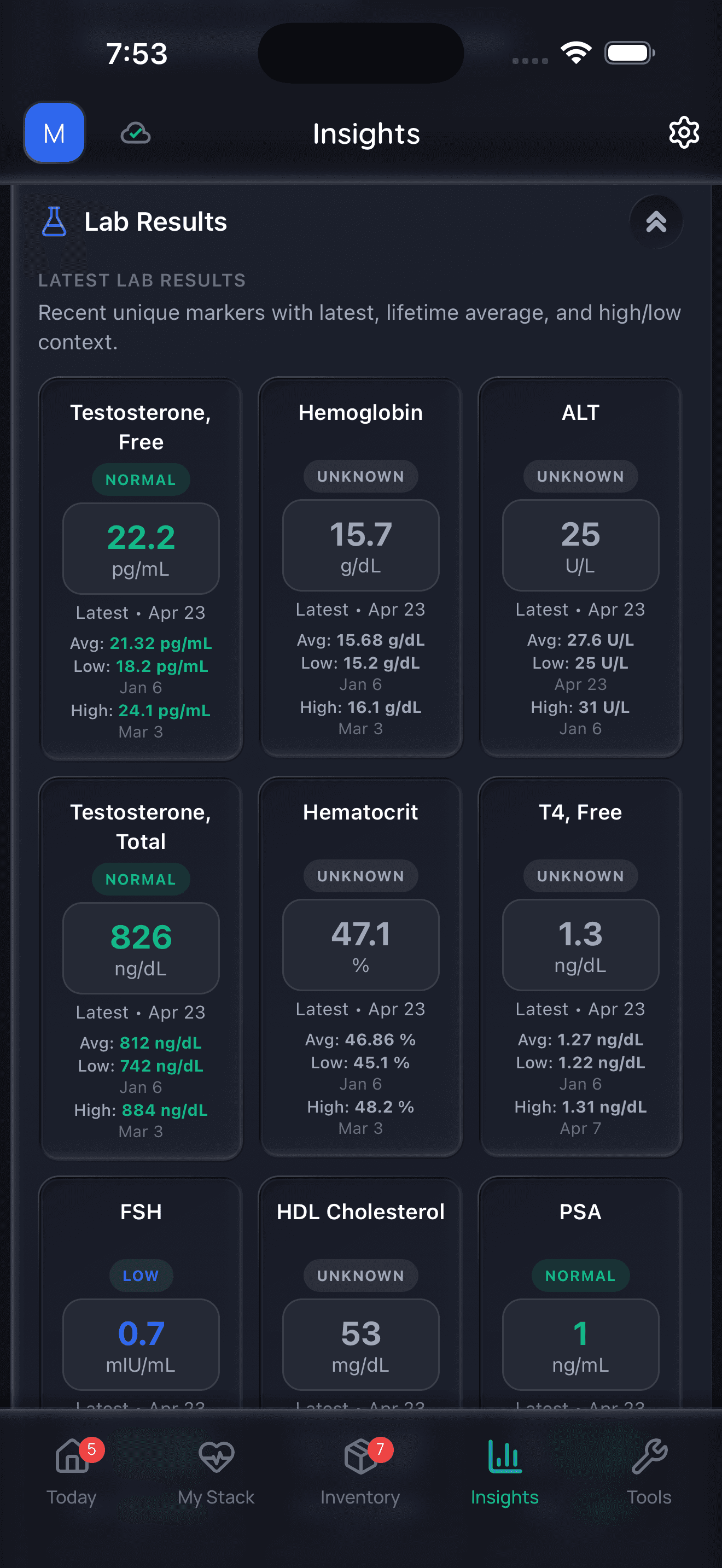
Doserly organizes data; it does not diagnose or interpret labs for you.
Dosing & Usage Protocols
The Basics
BCAA dosing is relatively straightforward, but the "right" dose depends on what you are trying to achieve and whether you are getting enough protein from your diet already.
The most commonly used dose in research and supplement products is 5-10 g of combined BCAAs taken around workouts. Many studies showing benefits for muscle soreness used doses in the 10-20 g/day range, often split into multiple servings throughout the day [1][12].
For leucine specifically, the most frequently cited effective dose is 2-3 g per serving, which is the threshold thought to meaningfully activate mTOR signaling. A standard 2:1:1 BCAA product providing 5 g of total BCAAs delivers about 2.5 g of leucine, which falls in this range [2][4].
The most important context for BCAA dosing: if you already consume 1.6-2.2 g of protein per kilogram of bodyweight per day from complete protein sources, you are already getting approximately 25-35 g of BCAAs through your diet. Additional BCAA supplementation on top of this has not been shown to provide measurable extra benefit for muscle growth or performance [1][2][6].
Scenarios where supplemental BCAAs may be most relevant:
- Training in a fasted state (morning workouts before eating)
- During extended periods without food (intermittent fasting, long endurance events)
- During aggressive caloric restriction (cutting phases) where total protein intake may be suboptimal
- Individuals with poor protein intake or dietary restrictions limiting complete protein sources
The Science
Dosing by goal:
Goal
Muscle soreness reduction
- Suggested Range
- 10-20 g/day in divided doses
- Evidence Level
- Strong (meta-analyses)
- Notes
- Higher daily dosages and longer pre-exercise supplementation periods correlate with greater effect [12]
Goal
mTOR activation / MPS signal
- Suggested Range
- 2-3 g leucine per serving
- Evidence Level
- Moderate
- Notes
- Leucine threshold for mTOR activation; requires co-ingestion with complete EAAs for full MPS response [2][4]
Goal
Fasted training support
- Suggested Range
- 5-10 g pre-workout
- Evidence Level
- Moderate
- Notes
- Provides amino acid substrate during absence of dietary protein
Goal
Liver cirrhosis management
- Suggested Range
- 4-12 g/day (long-term)
- Evidence Level
- Strong (meta-analyses)
- Notes
- Used as nutritional support; prescribed under medical supervision [14][15]
Goal
Sarcopenia prevention (elderly)
- Suggested Range
- BCAA-enriched supplements, typically 2-3 g leucine + EAAs
- Evidence Level
- Moderate
- Notes
- Combined with resistance exercise; heterogeneous study designs [17]
Timing considerations:
Pre-exercise and intra-exercise supplementation are the most common protocols. There is no definitive evidence establishing superiority of pre-exercise versus post-exercise timing for BCAA supplementation in the context of adequate daily protein intake [1].
Ratio considerations:
The 2:1:1 leucine:isoleucine:valine ratio is the most extensively studied. Higher leucine ratios (4:1:1, 8:1:1) have been marketed as superior for mTOR activation, but the potential for competitive inhibition of isoleucine and valine absorption may offset any theoretical advantage of higher leucine content [2].
What to Expect (Timeline)
For those who do start BCAA supplementation, here is a realistic timeline based on available research and community reports:
Week 1-2:
- Reduced muscle soreness after intense workouts may be noticeable within the first few training sessions, as this effect can occur acutely with each BCAA dose [12]
- No changes in muscle size, strength, or body composition should be expected this early
- Some individuals report subjective improvements in workout energy, particularly if training fasted
- A minority of users may notice mood changes (low mood, irritability) due to tryptophan competition
Week 3-4:
- The soreness-reduction benefit should be more consistently noticeable if training intensity is maintained
- Still no meaningful differences in muscle growth or strength compared to adequate protein intake alone
- Any mood-related side effects typically stabilize or prompt discontinuation
Month 2-3:
- If being used for muscle preservation during a caloric deficit, subtle differences in lean mass retention may become apparent, though these are difficult to distinguish from the effects of overall protein intake
- For liver cirrhosis patients, albumin levels and nutritional markers may begin to show improvement [15]
Month 3+:
- Long-term benefits are most relevant in clinical populations (liver disease, sarcopenia)
- For healthy individuals with adequate protein intake, extended BCAA supplementation is unlikely to produce progressively greater effects beyond the acute soreness-reduction benefit
- The cost-benefit calculation becomes relevant: are the modest benefits worth the ongoing expense compared to protein from whole foods?
Interactions & Compatibility
SYNERGISTIC
- Creatine: Commonly stacked with BCAAs in sports nutrition. Creatine enhances ATP availability for high-intensity efforts while BCAAs may support recovery. No negative interaction; complementary mechanisms.
- Whey Protein: Whey contains all EAAs including BCAAs. Adding whey to a BCAA regimen provides the complete amino acid profile needed for full muscle protein synthesis response. However, this also makes separate BCAA supplementation redundant for most users.
- Beta-Alanine: Common pre-workout stack. Beta-alanine buffers intramuscular pH during high-intensity exercise while BCAAs provide amino acid substrate. Independent mechanisms, no interaction.
- L-Citrulline: Often combined in intra-workout formulas. Citrulline supports nitric oxide production and blood flow. No negative interaction.
- HMB: HMB is a metabolite of leucine. Co-supplementation provides both the upstream signal (leucine/mTOR) and the downstream anti-catabolic metabolite. May be redundant if leucine dose is sufficient, as approximately 5% of leucine converts to HMB endogenously.
- L-Glutamine: Frequently co-supplemented for recovery support. Glutamine supports gut barrier integrity and immune function. Independent mechanisms.
- Vitamin B6: Cofactor for the BCAT enzyme that initiates BCAA catabolism. Ensuring adequate B6 status supports efficient BCAA metabolism.
CAUTION / AVOID
- L-Tryptophan / 5-HTP: BCAAs compete with tryptophan for transport across the blood-brain barrier via LAT1. High BCAA intake may reduce tryptophan delivery to the brain, potentially diminishing serotonin synthesis. Individuals taking tryptophan or 5-HTP for mood support should be aware of this competitive relationship.
- Insulin and antidiabetic medications: Leucine stimulates insulin secretion. Co-administration with insulin or sulfonylureas may produce additive hypoglycemic effects. Blood glucose monitoring is advised [4][11].
- PDE5 inhibitors (sildenafil, tadalafil): Animal studies suggest leucine may have synergistic effects with PDE5 inhibitors on lipid metabolism and insulin sensitivity. Clinical significance is not established, but caution is warranted [4].
- Levodopa (Parkinson's medications): BCAAs compete with levodopa for the same amino acid transport system (LAT1). High BCAA intake may reduce levodopa absorption and efficacy. Patients on levodopa therapy should consult their physician before BCAA supplementation.
- Maple syrup urine disease medications: BCAAs are absolutely contraindicated in MSUD patients.
How to Take / Administration Guide
Recommended forms:
Powder is the most popular and practical form for BCAAs. It dissolves in water, allows flexible dosing, and is typically flavored. Capsules work for convenience but require swallowing multiple pills to reach effective doses (a 5 g dose may require 5-10 capsules). Ready-to-drink beverages are available but tend to be more expensive per serving.
Timing considerations:
- Fasted training: Consumed 15-30 minutes before the workout to provide amino acid availability during exercise
- Intra-workout: Sipped throughout the training session, particularly during longer sessions (60+ minutes)
- Between meals: Some users take BCAAs during extended gaps between protein-containing meals
- Pre-sleep: Not commonly recommended; no evidence supports pre-sleep BCAA supplementation for overnight muscle preservation
Stacking guidance:
BCAAs are commonly mixed with other intra-workout ingredients such as beta-alanine, l-citrulline, and electrolytes. They are compatible with pre-workout formulas and protein shakes, though combining BCAAs with a complete protein source largely negates the need for the separate BCAA supplement.
Avoid taking high-dose BCAAs at the same time as L-tryptophan or 5-HTP supplements, as BCAAs may reduce tryptophan's ability to cross the blood-brain barrier.
Cycling guidance:
There is no established need to cycle BCAAs. They are dietary amino acids, and the body processes them continuously. However, given the limited additional benefit for individuals with adequate protein intake, periodic reassessment of whether BCAAs are adding value to your regimen is sensible.
Powder mixing:
BCAAs are somewhat hydrophobic and may not dissolve easily in cold water. Instantized formulations (treated with sunflower lecithin or similar) mix more readily. Shaking vigorously or using a shaker bottle improves dissolution. Unflavored BCAAs have a notably bitter taste; flavored products are significantly more palatable.
Choosing a Quality Product
Third-party certifications:
Look for products tested by USP, NSF International, NSF Certified for Sport, Informed Sport, or ConsumerLab. These certifications verify that the product contains what the label claims and is free from contaminants. For athletes subject to anti-doping testing, NSF Certified for Sport or Informed Sport certification is particularly important for amino acid products.
Active vs. cheap forms:
- Fermented BCAAs: Produced via bacterial fermentation (typically from corn or sugar cane). Generally considered higher quality and vegan-friendly.
- Chemical extraction BCAAs: Derived from animal sources (duck feathers, human hair) using chemical hydrolysis. Less expensive but raises ethical and quality concerns.
- Look for labels that specify "fermented" or "plant-based" BCAAs as a quality indicator.
- All BCAAs should be in the L-form (L-leucine, L-isoleucine, L-valine); the D-forms are not bioactive.
Red flags:
- Proprietary blends that do not disclose individual amounts of leucine, isoleucine, and valine
- Products with excessive fillers, artificial colors, or sweeteners relative to active ingredients
- Claims of dramatic muscle-building results that overstate the evidence
- Products combining BCAAs with long lists of unrelated ingredients at undisclosed doses
- Extremely low prices that may indicate lower-quality chemical extraction sources
Excipient/filler considerations:
Common additives in BCAA powders include citric acid, malic acid, sucralose, acesulfame potassium, natural/artificial flavors, silicon dioxide (anti-caking), and lecithin (instantizing agent). Most are well-tolerated. Individuals sensitive to artificial sweeteners may prefer naturally flavored or unflavored options.
Supplement-specific quality markers:
- The 2:1:1 ratio of leucine:isoleucine:valine is the most researched and generally recommended
- Verify the label lists individual amino acid amounts in grams, not just "BCAA blend"
- Check for heavy metal testing certificates, especially for fermented amino acid products
Storage & Handling
BCAA powders should be stored in a cool, dry place with the container tightly sealed. BCAAs are hygroscopic, meaning they attract moisture from the air, which can cause clumping. Clumped BCAAs are still safe to use but may be less convenient to measure and mix.
Avoid storing BCAA products in humid environments such as bathrooms. Exposure to heat and moisture can accelerate degradation, though BCAAs are relatively stable amino acids.
Once mixed with water, BCAA solutions should be consumed within a few hours. Do not prepare BCAA drinks the night before and leave them at room temperature overnight.
Capsule and tablet forms are more moisture-resistant than powders and do not require special handling beyond standard supplement storage practices.
Shelf life is typically 2-3 years from the date of manufacture when stored properly. Check the expiration date on the label and discard products that have significantly changed in color, odor, or texture.
Lifestyle & Supporting Factors
Dietary protein intake: The single most important factor determining whether you need BCAA supplementation. Most adults aiming for muscle maintenance or growth need 1.2-2.2 g of protein per kilogram of bodyweight per day. Hitting this target from complete protein sources (animal proteins, soy, or complementary plant proteins) automatically provides 25-35 g of BCAAs daily, which exceeds typical supplemental doses [1][2].
Exercise type and intensity: BCAAs are most relevant for individuals engaged in intense resistance training, high-volume endurance training, or training in a fasted state. Casual exercisers or those performing moderate-intensity activity are unlikely to benefit meaningfully from BCAA supplementation.
Caloric status: During caloric deficit (cutting phases), protein requirements increase while food intake decreases. This is the scenario where BCAA supplementation may offer the most benefit for active individuals, potentially helping preserve lean mass during periods of reduced food intake.
Sleep and recovery: Adequate sleep (7-9 hours) is fundamental for recovery and muscle protein synthesis. BCAAs cannot compensate for poor sleep quality, which independently impairs the anabolic response to exercise.
Hydration: Many users consume BCAAs as a flavored drink, which can support hydration during training. Proper hydration supports nutrient delivery to muscles and waste removal.
B-vitamin status: Given that excessive BCAA intake may deplete vitamins B3 and B6, individuals taking high-dose BCAAs should ensure adequate B-vitamin intake through diet or supplementation [4][9].
Reading about potential benefits gives you a framework. Seeing whether those benefits are showing up in your own body turns knowledge into confidence. Doserly lets you track the specific health markers relevant to this supplement, building a personal dataset that captures what's actually changing week over week.
The app's AI analytics go further than simple logging. By correlating your supplement intake with the biomarkers and health outcomes you're tracking, Doserly surfaces patterns you might miss on your own, like whether a dose adjustment three weeks ago corresponds to the improvement you're noticing now. When it's time to evaluate whether a supplement is earning its place in your stack, you have your own data to guide the decision.
Capture changes while they are still fresh.
Log symptoms, energy, sleep, mood, and other observations alongside protocol events so patterns do not live only in memory.
Trend view
Symptom timeline
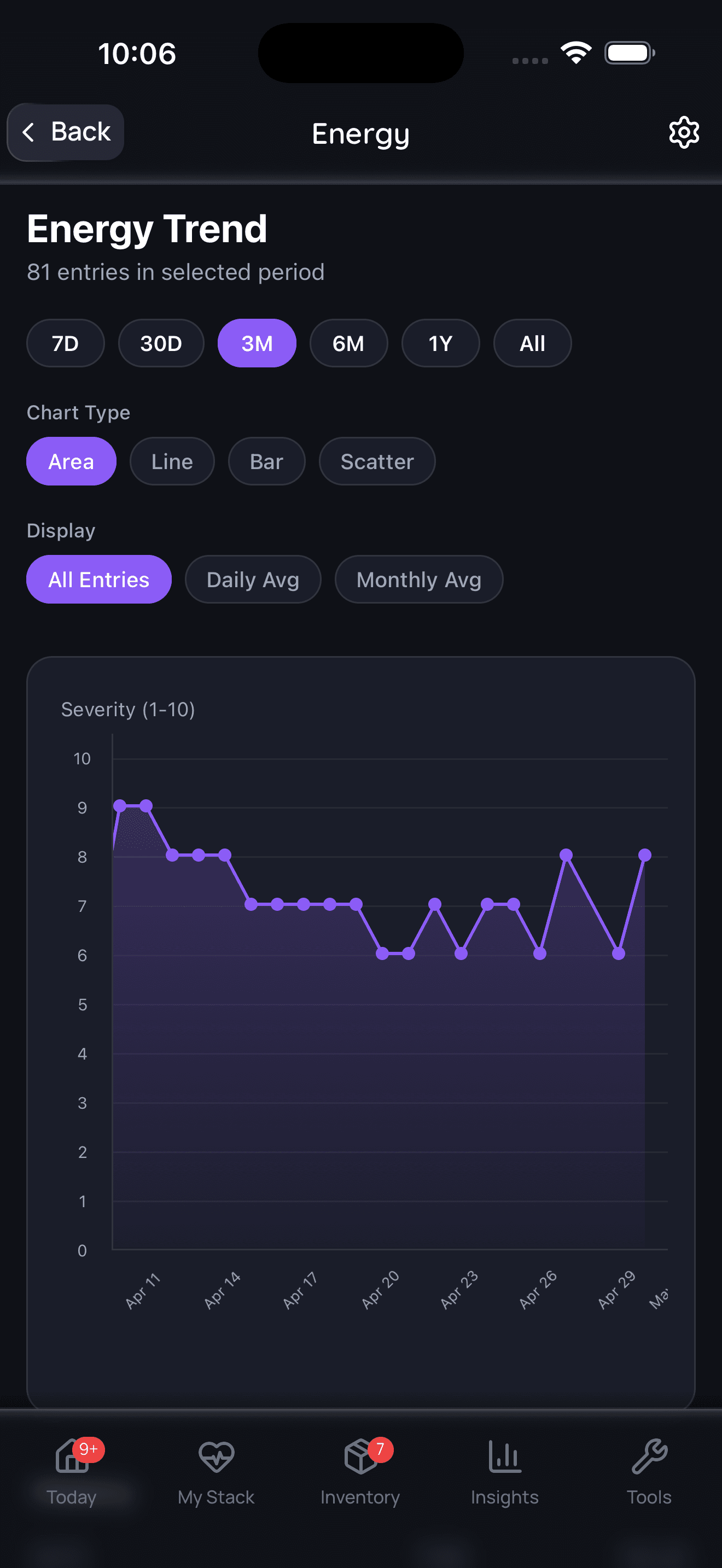
Symptom tracking is informational and should be interpreted with a qualified clinician.
Regulatory Status & Standards
United States (FDA):
BCAAs are classified as dietary supplements under DSHEA and are Generally Recognized as Safe (GRAS) as individual amino acids. They are not subject to pre-market approval by the FDA. Manufacturers are responsible for ensuring product safety and accurate labeling. The FDA monitors post-market safety through the CAERS (Center for Food Safety and Applied Nutrition Adverse Event Reporting System) database.
Canada (Health Canada):
BCAAs are regulated as Natural Health Products (NHPs). Products must have a Natural Product Number (NPN) and comply with Natural Health Products Regulations. Licensed BCAA products are available over the counter.
European Union (EFSA):
Individual amino acids including leucine, isoleucine, and valine are permitted as food supplements in EU member states under Directive 2002/46/EC. EFSA has not established specific maximum permitted levels for BCAAs in supplements, though member states may set national limits. No authorized health claims for BCAAs have been approved under the EU Nutrition and Health Claims Regulation (EC 1924/2006).
Australia (TGA):
BCAAs are available as Listed Medicines (AUST L) and are regulated as complementary medicines. They do not require pre-market evaluation for efficacy but must meet quality and safety standards.
Athlete & Sports Regulatory Status:
WADA: BCAAs (leucine, isoleucine, valine) are NOT on the WADA Prohibited List. They are permitted both in-competition and out-of-competition. However, athletes should be aware that amino acid supplements carry a risk of contamination with prohibited substances if not properly tested.
National Anti-Doping Agencies: No major NADOs (USADA, UKAD, Sport Integrity Canada, Sport Integrity Australia) have issued specific warnings about BCAAs. Standard guidance to use only third-party certified supplements applies.
Professional Sports Leagues: BCAAs are not banned by any major professional sports league (NFL, NBA, MLB, NHL, MLS, NCAA). The NCAA permits BCAA supplementation but requires that supplements provided by athletic departments carry NSF Certified for Sport or Informed Sport certification.
Athlete Certification Programs:
- Informed Sport (sport.wetestyoutrust.com): BCAA products are eligible for batch testing. Multiple certified BCAA products are commercially available.
- NSF Certified for Sport (nsfsport.com): Several BCAA products carry this certification.
- Cologne List (koelnerliste.com): BCAA products are testable under this program.
- BSCG (bscg.org): Certified BCAA products are available.
GlobalDRO: Athletes can verify the status of BCAA supplements at GlobalDRO.com across US, UK, Canada, Australia, Japan, Switzerland, and New Zealand.
Regulatory status and prohibited substance classifications change frequently. Athletes should always verify the current status of any supplement with their sport's governing body, their national anti-doping agency, and a qualified sports medicine professional before use. Third-party certification (Informed Sport, NSF Certified for Sport) reduces but does not eliminate the risk of contamination with prohibited substances.
Frequently Asked Questions
Are BCAAs worth it if I already eat enough protein?
Based on available research, BCAA supplementation does not provide additional muscle-building benefits when dietary protein intake is adequate (generally 1.6-2.2 g/kg/day from complete protein sources). The primary benefit that persists even with adequate protein intake is reduced muscle soreness after intense exercise [1][2][6].
How much BCAAs should I take per day?
Commonly reported ranges in research are 5-20 g/day of combined BCAAs, typically in a 2:1:1 ratio of leucine:isoleucine:valine. Most study protocols showing benefits for soreness reduction used 10-20 g/day in divided doses. For leucine alone, 2-3 g per serving is the threshold commonly associated with mTOR activation [1][2][12].
Should I take BCAAs before or after a workout?
Available data does not clearly establish one timing as superior. Pre-workout and intra-workout consumption are the most common approaches, particularly for fasted training. If consuming BCAAs alongside adequate dietary protein throughout the day, timing is likely less critical [1].
Are BCAAs better than whey protein?
No. Whey protein contains all nine essential amino acids, including BCAAs, and has been shown to produce a more complete muscle protein synthesis response than BCAAs alone. BCAAs provide the signal for muscle building but not the complete substrate. Whey protein provides both [2][6].
Can BCAAs help me lose weight?
BCAAs are not a weight loss supplement. They contain calories (approximately 4 kcal per gram) and do not have thermogenic or fat-burning properties. Their potential role during weight loss is limited to helping preserve lean mass during caloric deficit, and even this benefit is marginal when protein intake is adequate.
Do BCAAs break a fast?
Technically, yes. BCAAs contain calories and stimulate insulin release (particularly leucine). They will trigger a metabolic response that is inconsistent with a strict physiological fast. However, many intermittent fasting practitioners use BCAAs before fasted training as a practical compromise to protect muscles during exercise.
Can BCAAs cause mood changes?
Some individuals report low mood, irritability, or depressive symptoms when supplementing BCAAs. This is biologically plausible due to competition between BCAAs and tryptophan (a serotonin precursor) for transport across the blood-brain barrier. People prone to depression or taking serotonin-related medications should be aware of this potential interaction [2][10].
Are fermented BCAAs better than other types?
Fermented BCAAs are produced from plant-based substrates through bacterial fermentation, while some cheaper BCAAs are extracted from animal sources like duck feathers or hair using chemical processes. Fermented BCAAs are generally considered higher quality and are vegan-friendly, though the amino acids themselves are chemically identical once isolated.
Can I take BCAAs with creatine?
Yes. BCAAs and creatine work through completely different mechanisms and are commonly combined in sports nutrition stacks. There are no known negative interactions between the two.
Who benefits most from BCAAs?
Based on available evidence, the groups most likely to benefit are: (1) people training in a fasted state, (2) individuals during aggressive caloric restriction with suboptimal protein intake, (3) patients with liver cirrhosis under medical supervision, (4) elderly individuals at risk for sarcopenia, and (5) anyone experiencing significant muscle soreness that interferes with training consistency.
Myth vs. Fact
Myth: BCAAs are essential for muscle growth.
Fact: While leucine activates mTOR signaling, muscle protein synthesis requires all nine essential amino acids, not just three. Studies show that BCAAs alone produce a suboptimal MPS response, and supplementation provides no additional muscle growth when adequate protein intake from complete sources is maintained [1][2][6].
Myth: You need a high leucine ratio (8:1:1 or 10:1:1) for the best results.
Fact: Higher leucine ratios may actually reduce the absorption and cellular uptake of isoleucine and valine due to competition for the same transport systems. The 2:1:1 ratio is the most studied, mirrors the natural ratio in muscle tissue, and remains the generally recommended proportion [2].
Myth: BCAAs have zero calories and will not affect a fast.
Fact: BCAAs contain approximately 4 calories per gram and stimulate insulin secretion, particularly leucine. While some supplement labels list zero calories due to labeling technicalities (BCAAs are not a "complete" protein), they do have caloric and metabolic effects that are inconsistent with a strict fast.
Myth: BCAAs are the most important supplement for recovery.
Fact: While meta-analyses support a role for BCAAs in reducing muscle soreness and certain damage biomarkers, they have not been shown to improve the recovery of actual muscle performance (strength, power output) [12][13]. Sleep, adequate nutrition, and overall protein intake are more impactful recovery factors.
Myth: All BCAA supplements are the same.
Fact: BCAA products vary significantly in source material (fermented plant-based vs. chemically extracted from animal sources), ratio formulation, purity, and additional ingredients. Quality, third-party testing, and manufacturing standards differ meaningfully across brands.
Myth: BCAAs will prevent muscle loss during intermittent fasting.
Fact: While BCAAs provide amino acid substrate during fasted periods, the evidence that they meaningfully prevent muscle loss beyond what adequate daily protein intake provides is weak. For most intermittent fasting practitioners eating sufficient protein within their eating window, the muscle-sparing effect of fasted BCAA supplementation is likely minimal [1][2].
Myth: BCAAs have no side effects.
Fact: While generally well-tolerated, BCAAs can compete with tryptophan for brain entry, potentially affecting mood and serotonin levels. Excessive intake may also deplete B vitamins (B3 and B6) over time. People with maple syrup urine disease must avoid them entirely [4][8][9][10].
Sources & References
Clinical Trials & RCTs
[1] NIH Office of Dietary Supplements. Dietary Supplements for Exercise and Athletic Performance: Fact Sheet for Health Professionals. https://ods.od.nih.gov/factsheets/ExerciseAndAthleticPerformance-HealthProfessional/
[5] Pencharz PB, Elango R, Ball RO. Determination of the tolerable upper intake level of leucine in adult men. J Nutr. 2012;142(12):2220S-4S.
[6] Jackman SR, Witard OC, Philp A, Wallis GA, Baar K, Tipton KD. Branched-chain amino acid ingestion stimulates muscle myofibrillar protein synthesis following resistance exercise in humans. Front Physiol. 2017;8:390.
[7] Drummond MJ, Rasmussen BB. Leucine-enriched nutrients and the regulation of mTOR signalling and human skeletal muscle protein synthesis. Curr Opin Clin Nutr Metab Care. 2008;11(3):222-226.
[11] Kalogeropoulou D, Lafave L, Schweim K, et al. Leucine, when ingested with glucose, synergistically stimulates insulin secretion and lowers blood glucose. Metabolism. 2008;57(12):1747-1752.
Systematic Reviews & Meta-Analyses
[12] Attenuating Muscle Damage Biomarkers and Muscle Soreness After Exercise-Induced Muscle Damage with BCAA Supplementation: A Systematic Review and Meta-analysis with Meta-regression. Sports Med Open. 2024. PubMed: 38625669.
[13] Branched-Chain Amino Acids Supplementation and Post-Exercise Recovery of Muscle Damage Biomarkers, Muscle Soreness, and Muscle Performance: An Overview of Systematic Reviews. J Am Nutr Assoc. 2024. PubMed: 38241335.
[14] Systematic review with meta-analysis: Branched-chain amino acid supplementation in liver disease. Aliment Pharmacol Ther. 2022. PubMed: 36394355.
[15] Branched-chain amino acids supplementation has beneficial effects on the progression of liver cirrhosis: A meta-analysis. World J Gastroenterol. 2022. PubMed: 36338230.
[16] Efficacy of branched chain amino acids supplementation in liver cirrhosis: A systematic review and meta-analysis. Clin Nutr ESPEN. 2022. PubMed: 35500317.
[17] Bai GH, Tsai MC, Tsai HW, Chang CC, Hou WH. Effects of branched-chain amino acid-rich supplementation on EWGSOP2 criteria for sarcopenia in older adults: a systematic review and meta-analysis. Eur J Nutr. 2022;61:637-651. PubMed: 34705076.
[18] Solon-Biet SM, et al. Meta-analysis links dietary branched-chain amino acids to metabolic health in rodents. Nat Food. 2022. PubMed: 35031039.
Mechanistic Studies
[2] Examine.com. Branched-Chain Amino Acids. Research Summary. Last Updated: September 4, 2025. [Traced to primary sources within]
[3] Harper AE, Miller RH, Block KP. Branched-chain amino acid metabolism. Annu Rev Nutr. 1984;4:409-454.
[4] MSKCC Integrative Medicine. Leucine: Purported Benefits, Side Effects & More. Memorial Sloan Kettering Cancer Center. https://www.mskcc.org/cancer-care/integrative-medicine/herbs/leucine
[8] Burrage LC, Nagamani SC, Campeau PM, Lee BH. Branched-chain amino acid metabolism: from rare Mendelian diseases to more common disorders. Hum Mol Genet. 2014;23(R1):R1-8.
Government/Institutional Sources
[9] Bender DA. Effects of a dietary excess of leucine on the metabolism of tryptophan in the rat: a mechanism for the pellagragenic action of leucine. Br J Nutr. 1983;50(1):25-32.
[10] Fernstrom JD. Branched-chain amino acids and brain function. J Nutr. 2005;135(6 Suppl):1539S-46S.