
C60 (Fullerene): The Complete Supplement Guide
On this page
Quick Reference Card
Attribute
Common Name
- Detail
- C60 (Carbon 60, Fullerene)
Attribute
Other Names / Aliases
- Detail
- Buckminsterfullerene, Buckyball, [60]Fullerene, C60 Fullerene, Carbon 60, Buckyballs
Attribute
Category
- Detail
- Longevity / Anti-Aging (Experimental Nanomaterial)
Attribute
Primary Forms & Variants
- Detail
- C60 dissolved in extra virgin olive oil (C60-EVOO), C60 in avocado oil, C60 in MCT/coconut oil, C60 in grape seed oil, water-soluble C60 (hydroxylated fullerene, fullerenol)
Attribute
Typical Dose Range
- Detail
- No established human dose. Animal studies used 0.8 mg C60 per mL oil, at approximately 1.7-3.8 mg/kg body weight in rats. Commercial products typically contain 0.8 mg/mL in oil with suggested servings of 1-2 teaspoons (5-10 mL) per day.
Attribute
RDA / AI / UL
- Detail
- No RDA, AI, or UL established. C60 is not recognized as a dietary nutrient by any regulatory body.
Attribute
Common Delivery Forms
- Detail
- Liquid (C60 dissolved in carrier oil), softgel capsule
Attribute
Best Taken With / Without Food
- Detail
- Typically taken with or without food. Fat-containing meals may enhance absorption of oil-based formulations.
Attribute
Key Cofactors
- Detail
- No established cofactors. The carrier oil (olive oil, avocado oil, MCT oil) serves as both solvent and absorption enhancer.
Attribute
Storage Notes
- Detail
- CRITICAL: Must be stored in complete darkness in amber or opaque containers, kept cool. Exposure to ambient light causes degradation and formation of potentially toxic species. Do not refrigerate oil-based formulations as oil may congeal. Shelf life approximately 1-2 years unopened if stored properly; use within 30-60 days once opened.
Overview
The Basics
C60, short for Carbon 60, is a molecule made entirely of 60 carbon atoms arranged in a hollow sphere that looks remarkably like a soccer ball. If that shape looks familiar, it should: it follows the same geometric pattern as a geodesic dome, which is why the molecule was named buckminsterfullerene after architect R. Buckminster Fuller. Most people in the supplement world simply call it C60 or "buckyballs."
Discovered in 1985, C60 attracted attention from chemists and materials scientists for years before it entered the wellness conversation. That changed dramatically in 2012, when a French research team published a study showing that rats given C60 dissolved in olive oil lived nearly twice as long as untreated controls [1]. The study generated enormous excitement in the longevity and biohacking communities, and almost overnight, small companies began selling C60-infused olive oil online as a life-extension supplement.
The reality, however, has become considerably more complicated since that initial burst of enthusiasm. Several subsequent studies have failed to replicate the lifespan extension, and a 2021 study discovered that C60 in olive oil can form toxic compounds when exposed to ordinary ambient light [2]. As of today, there are zero published human clinical trials for C60 supplementation. Everything known about its effects in living organisms comes from animal studies and cell-culture experiments. For anyone considering C60, this is the most important context to keep in mind: it remains a fundamentally experimental compound with unresolved safety questions.
The Science
Buckminsterfullerene (C60) is a spherical allotrope of carbon consisting of 60 carbon atoms arranged in 20 hexagonal and 12 pentagonal rings, forming a truncated icosahedral structure with a diameter of approximately 0.72 nm [3]. The molecule's highly delocalized pi-electron system, comprising 30 conjugated carbon-carbon double bonds, confers distinctive electrochemical properties, including a low-lying lowest unoccupied molecular orbital (LUMO) that enables facile electron acceptance from free radical species [3][4].
C60 was discovered in 1985 by Kroto, Curl, and Smalley, who received the 1996 Nobel Prize in Chemistry for this work. Initial biological interest was driven by the molecule's capacity to react with multiple free radicals simultaneously: a single C60 molecule can react with at least 15 benzyl radicals or 34 methyl radicals, forming stable adducts [4]. The reaction is catalytic, meaning C60 is not consumed in the quenching process and can neutralize multiple reactive oxygen species (ROS) sequentially [4].
The 2012 study by Baati et al. reported that repeated oral administration of C60 dissolved in olive oil (0.8 mg/mL) to Wistar rats resulted in a near-doubling of median lifespan (from approximately 26 months in controls to approximately 42 months in C60-treated animals) with no observed toxicity [1]. This finding was unprecedented and prompted both scientific scrutiny and commercial exploitation. Subsequent replication attempts have produced conflicting results: Grohn et al. (2021) found no significant lifespan or healthspan benefits of C60-EVOO supplementation in C57BL/6J mice [2], while a study in CBA/Ca mice found that C60-treated animals lived similarly to water-treated controls, with the apparent "extension" reflecting C60's protection against a negative effect of olive oil in that particular mouse strain [5].
Chemical & Nutritional Identity
Property
IUPAC Name
- Value
- (C60-Ih)[5,6]fullerene
Property
Common Names
- Value
- Buckminsterfullerene, C60, Fullerene-60, Buckyball
Property
Molecular Formula
- Value
- C60
Property
Molecular Weight
- Value
- 720.66 g/mol
Property
CAS Number
- Value
- 99685-96-8
Property
PubChem CID
- Value
- 123591
Property
Structure
- Value
- Truncated icosahedron (soccer ball geometry), 20 hexagons, 12 pentagons
Property
Diameter
- Value
- ~0.72 nm (7.2 angstroms)
Property
Appearance
- Value
- Dark purple/magenta when dissolved in organic solvents; black crystalline powder when solid
Property
Solubility
- Value
- Insoluble in water; soluble in organic solvents (toluene, benzene) and lipids/oils
Property
Carbon Hybridization
- Value
- Entirely sp2-hybridized
Property
Conjugated Double Bonds
- Value
- 30
Property
Category
- Value
- Nanomaterial / Carbon allotrope
Property
FDA Classification
- Value
- Not classified as a dietary supplement ingredient. Not GRAS designated. Not approved by FDA, EMA, or MHRA for human consumption.
Property
RDA / AI / UL
- Value
- None established by any regulatory body
Supplement Form Notes
Commercial C60 supplements are produced by dissolving purified C60 powder in a carrier oil, most commonly extra virgin olive oil (EVOO). The standard concentration across most commercial products is 0.8 mg C60 per mL of oil, matching the concentration used in the 2012 Baati rat study [1]. Alternative carrier oils include avocado oil, MCT (medium-chain triglyceride) oil, and grape seed oil. Water-soluble derivatives (hydroxylated fullerene, fullerenol) also exist but have a different pharmacological profile and are less commonly sold as consumer supplements. Product purity is a critical concern: a 2021 study found marked discrepancies in appearance, impurity profile, concentration, and activity among C60-OO products obtained from popular online vendors compared to laboratory-formulated pristine C60-OO [2].
Mechanism of Action
The Basics
Think of C60 as a molecular sponge for the harmful molecules your cells produce as byproducts of normal energy generation. Every cell in your body produces waste molecules called free radicals, particularly inside the mitochondria (the cell's power plants). In small amounts these free radicals serve useful signaling functions, but when they accumulate, they can damage proteins, fats, and DNA.
What makes C60 unusual is the sheer number of free radicals a single molecule can neutralize. Most antioxidants (like vitamin C or vitamin E) neutralize one or two free radicals and then they are "used up." C60 appears to work differently: because of its unique cage-like structure with many reactive sites, one C60 molecule can theoretically soak up dozens of free radicals without being destroyed in the process. Researchers have described it as several hundred times more potent as an antioxidant than conventional options in laboratory settings [4], although whether this translates to meaningful benefits inside a living body remains an open question.
There is also a theory that C60 may work by a second mechanism: gently reducing the intensity of energy production inside mitochondria so that fewer free radicals are generated in the first place. Rather than just cleaning up the mess, it may help prevent the mess from being made. This is still a hypothesis based on computer modeling, not confirmed in human studies.
The Science
The antioxidant activity of C60 operates through multiple proposed mechanisms [4][6]:
Direct Free Radical Scavenging: C60's 30 conjugated double bonds and low-lying LUMO provide extensive capacity for radical addition reactions. A single C60 molecule can react with at least 15 benzyl radicals or 34 methyl radicals to form stable adducts [4]. The scavenging process is catalytic, meaning the C60 molecule is regenerated and can sequentially neutralize additional ROS. Four distinct scavenging pathways have been characterized: direct quenching of nitric oxide (NO), neutralization of singlet oxygen, enzyme-like dismutation of superoxide radicals, and trapping/inactivation of hydroxyl radicals [4].
Mitochondrial Proton Absorption and Mild Uncoupling: Chistyakov et al. (2013) proposed, using Density Functional Theory (DFT) computer modeling, that C60 can absorb protons within its hollow cage structure, acquiring a net positive charge [6]. With four or more protons loaded, the positively charged C60 complex can be electrophoretically driven across the inner mitochondrial membrane by the transmembrane potential. This process mildly uncouples oxidative phosphorylation by reducing the proton motive force, which in turn decreases the rate of ROS generation at complexes I and III of the electron transport chain [6]. This mechanism is analogous to the action of Skulachev ions (lipophilic cations targeted to mitochondria) that have shown geroprotective effects in preclinical models.
Lipophilic Membrane Interactions: Molecular dynamics simulations have demonstrated that C60 readily partitions into lipid bilayers due to its lipophilic character [3]. This property enables C60 to accumulate in cellular membranes and, critically, in mitochondrial membranes where ROS production is highest.
Important caveat: These mechanisms have been established primarily through in vitro experiments and computational modeling. Whether oral C60 in olive oil achieves sufficient tissue distribution and mitochondrial localization in humans to produce meaningful antioxidant effects has not been demonstrated in any clinical trial.
Absorption & Bioavailability
The Basics
One of the biggest open questions about C60 as a supplement is whether enough of it actually reaches the cells where it could do its job. C60 does not dissolve in water, which means it cannot dissolve directly in your blood or digestive fluids. The workaround used by supplement manufacturers is to dissolve C60 in oils (most commonly olive oil), which allows it to be absorbed alongside the fats in your diet through the normal fat-digestion process.
When you take C60 dissolved in oil, the idea is that bile salts and digestive enzymes break down the oil into smaller droplets, and the C60 molecules travel along with those fat particles through the intestinal wall and into the bloodstream via the lymphatic system. From there, C60 may distribute to various tissues including the liver, spleen, and possibly the brain. However, quantitative data on how much C60 actually makes it from a teaspoon of oil into your cells is extremely limited.
The type of carrier oil may matter. Some users and manufacturers suggest that MCT oil produces faster absorption than olive oil, though this has not been rigorously tested for C60 specifically. What is clearer is that taking C60 with a fat-containing meal may improve absorption, since the same digestive processes that handle dietary fats would help incorporate C60 into absorbable particles.
The Science
Quantitative human pharmacokinetic data for orally administered C60 are essentially nonexistent. The available absorption data are derived from animal models and physicochemical inference [1][2]:
Gastrointestinal Absorption: C60 is hydrophobic (water-insoluble) and requires dissolution in a lipophilic carrier for oral bioavailability. When administered in olive oil, C60 is presumed to follow the lipid absorption pathway: emulsification by bile salts, enzymatic hydrolysis of the carrier oil by pancreatic lipase, incorporation into mixed micelles, uptake by enterocytes, and transport via chylomicrons through the lymphatic system [1].
Tissue Distribution: In the Baati et al. (2012) rat study, C60 was detected in liver tissue after repeated oral administration, suggesting at least partial systemic absorption and hepatic accumulation [1]. Other animal studies using radiolabeled or fluorescent C60 derivatives have demonstrated distribution to liver, spleen, lungs, and brain tissue, though the relevance of these findings to oral C60 in olive oil is uncertain [3].
Carrier Oil Influence: The choice of carrier oil may affect both the solubility of C60 and its absorption kinetics. Extra virgin olive oil (EVOO) is the most studied carrier based on the Baati protocol. MCT oil has been proposed to offer faster absorption due to its shorter fatty acid chain length and alternative absorption pathway (portal vein rather than lymphatic), though no comparative bioavailability studies have been published for C60 specifically.
Blood-Brain Barrier Penetration: Some fullerene derivatives have been shown to cross the blood-brain barrier in animal models, and the lipophilicity of C60 theoretically supports this possibility [3]. However, whether oral C60 in olive oil achieves sufficient circulating concentrations to produce meaningful CNS delivery in humans is unknown.
Research & Clinical Evidence
C60 and Lifespan Extension
The Basics
The research story behind C60 supplementation is unusual because it essentially begins and ends with a single dramatic animal study. In 2012, a research group at the University of Paris reported that rats given C60 dissolved in olive oil lived nearly 90% longer than untreated rats [1]. The finding generated headlines and launched an entire supplement industry. However, several subsequent attempts to reproduce this result in other animal models have produced far more modest or even null results, and no one has tested whether C60 extends human lifespan.
The picture has grown more complicated over time. A 2021 study not only failed to find lifespan benefits in mice but also discovered that C60 in olive oil becomes potentially toxic when exposed to ordinary light [2]. Another study found that mice given C60 in olive oil lived about the same length of time as mice given plain water, suggesting the apparent "lifespan extension" in that experiment was actually C60 counteracting a negative effect of the olive oil carrier rather than providing a genuine anti-aging benefit [5].
For anyone evaluating C60 based on longevity claims, the honest summary is this: the initial finding was exciting but has not been reliably reproduced, and significant safety concerns have emerged since.
The Science
Baati et al. 2012 (Wistar rats): Repeated oral administration of C60 dissolved in EVOO (0.8 mg/mL) to 10-month-old Wistar rats produced a near-doubling of median lifespan. Dosing was daily for the first week, weekly until month 2, and biweekly until month 7 (total of 24 doses over 9 months). C60-treated rats showed protection against CCl4-induced hepatotoxicity and no signs of toxicity throughout the study [1].
Grohn et al. 2021 (C57BL/6J mice): A comprehensive lifespan and healthspan study comparing oral C60-EVOO vs EVOO alone vs untreated controls in male and female C57BL/6J mice failed to observe significant benefits in either group compared to untreated controls. Treatment was initiated in both adult and old-age cohorts. The study additionally discovered that C60-OO forms toxic species upon exposure to ambient light levels [2].
CBA/Ca mouse study 2021: Long-term oral administration of C60 in olive oil (3.4 mg/kg) to CBA/Ca mice for 7 months showed C60-treated mice had increased lifespan compared to olive-oil-treated animals, but lifespan was similar to water-treated controls. This suggests the observed effect was protection against olive oil's deleterious effect in this strain rather than genuine geroprotection [5].
Quick et al. 2008 (carboxylated C60): A carboxyfullerene SOD mimetic produced an 11% increase in mouse lifespan, a far more modest effect than the Baati result [7].
C60 and Antioxidant Activity
The Basics
C60's antioxidant capacity is one of its most consistently documented properties in laboratory settings. In test tubes and cell cultures, C60 is extraordinarily effective at neutralizing free radicals, far more so than familiar antioxidants like vitamin C or vitamin E. However, being a powerful antioxidant in a petri dish and being a useful antioxidant inside a living human body are very different things. Many potent laboratory antioxidants have failed to produce health benefits in human trials, and C60 has not yet reached the stage of human testing.
The Science
In vitro characterization has established C60 as one of the most potent known free radical scavengers, with antioxidant efficacy described as several hundred-fold higher than conventional antioxidants [4]. The unique structural properties underlying this activity include the 30 conjugated double bonds providing extensive radical addition sites, catalytic (non-consumptive) radical quenching, and lipophilicity enabling membrane localization [3][4][6].
In animal models, C60 has demonstrated protective effects against CCl4-induced hepatotoxicity [1], has shown anti-inflammatory properties in colitis models (C60 in grape seed oil) [8], and has exhibited neuroprotective effects in brain ischemia models [5]. A 2023 study confirmed anti-inflammatory and antioxidant effects of liposoluble C60 at cellular, molecular, and whole-animal levels [9].
C60 and Safety/Toxicity
The Basics
The safety picture for C60 is complicated and depends heavily on product quality and how the product is stored. When C60 is pure and kept in complete darkness, short-term animal studies suggest it is not acutely toxic, even at relatively high doses. However, when C60 dissolved in oil is exposed to light (even normal indoor lighting), it can transform into compounds that caused serious harm in mice, including organ damage and death within two weeks [2].
This is not a theoretical concern. Most people who buy C60 supplements store them in kitchen cabinets or on countertops where they receive some light exposure. The commercial products sold online have also been found to vary widely in purity, concentration, and quality, and impurities in C60 preparations can carry their own toxicity risks.
The bottom line: pure C60 stored in darkness appears to have low acute toxicity in animals, but the real-world conditions under which most people use C60 supplements introduce meaningful safety risks that have not been adequately studied.
The Science
Acute Toxicity (Pure C60, Dark Storage): The first regulatory-compliant short-term oral toxicity study (OECD-guideline, GLP-accredited lab) found that C60 dissolved in EVOO at the highest testable dose of 3.8 mg/kg/day caused no adverse effects in rats after 14 days of daily oral administration [10]. Earlier studies showed no acute or subacute toxicity at doses up to 5.0 g/kg in mice [11]. A 2025 genotoxicity study using the Mammalian Micronucleus Test (GLP-compliant) found no genotoxic activity for C60/C70 fullerene mixture in olive oil at doses up to 3.6 mg/kg in mice [12].
Light-Dependent Toxicity: Grohn et al. (2021) demonstrated that C60-OO produces toxic species when exposed to light levels consistent with ambient indoor conditions. Mice exposed to light-degraded C60-OO experienced significant morbidity and mortality within 2 weeks [2]. C60 degrades under UV irradiation in organic solvents, producing aldehydes and other oxidation products. Fullerene polymerization and aggregation also occur after light exposure [2].
Product Quality Variability: The same 2021 study found marked discrepancies in appearance, impurity profile, concentration, and biochemical activity among commercially available C60-OO products compared to pristine laboratory-formulated preparations [2].
Impurity Risk: Conflicting safety data in the literature has been attributed primarily to impurities in fullerene preparations rather than to pure C60 itself. C60 aggregates can carry toxic elements, making product purity a critical safety determinant [10][12].
Knowing the possible side effects is the first step. Catching them early in your own experience is what keeps a supplement routine safe. Doserly lets you log any symptoms as they arise, tagging them with severity, timing relative to your dose, and whether they resolve on their own or persist.
The app's interaction checker cross-references everything in your stack, supplements and medications alike, flagging known interactions before they become a problem. It also monitors your total intake against established upper limits, alerting you if your combined sources of a nutrient are approaching thresholds where risk increases. Think of it as a safety net that works quietly in the background while you focus on the benefits.
Capture changes while they are still fresh.
Log symptoms, energy, sleep, mood, and other observations alongside protocol events so patterns do not live only in memory.
Trend view
Symptom timeline
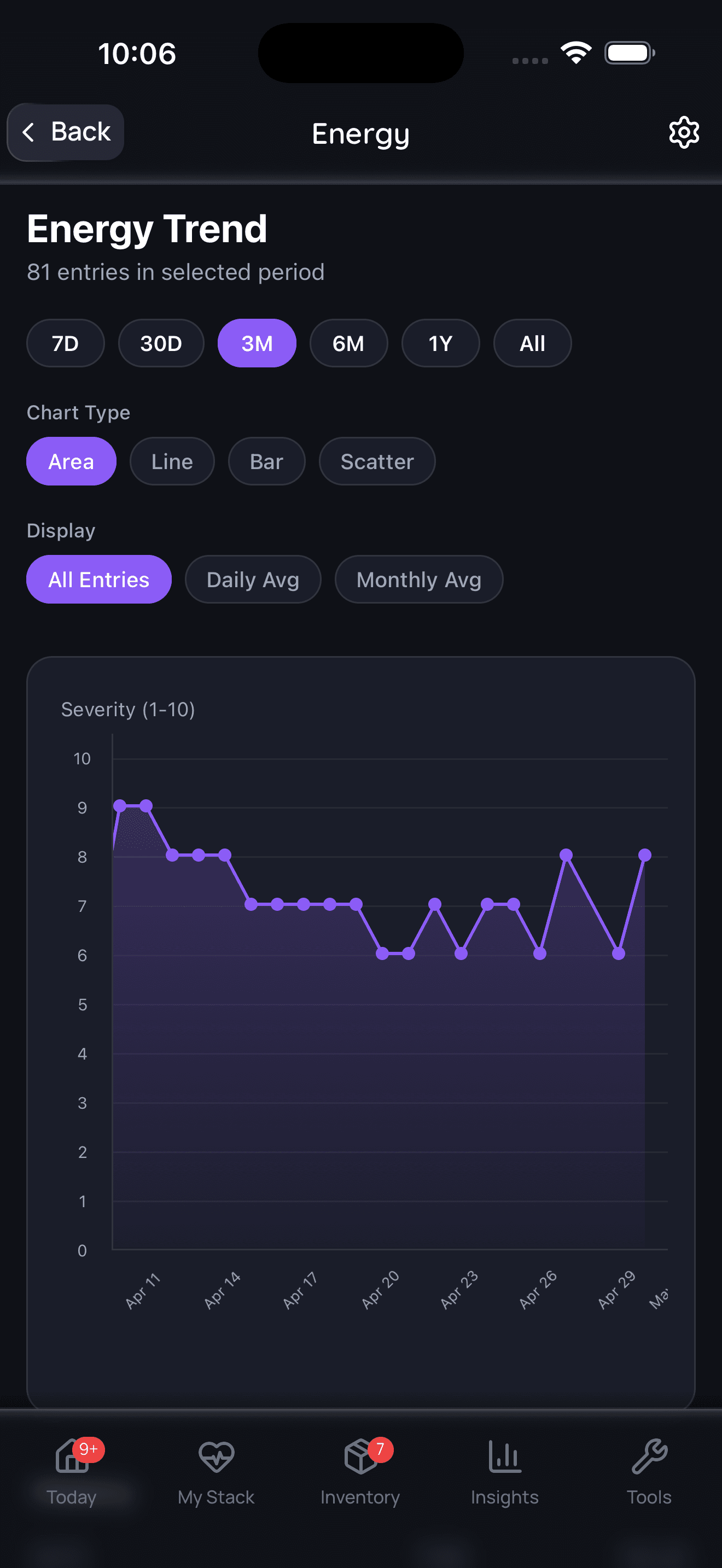
Symptom tracking is informational and should be interpreted with a qualified clinician.
Evidence & Effectiveness Matrix
Category
Longevity & Neuroprotection
- Evidence Strength
- 4/10
- Community-Reported Effectiveness
- 4/10
- Summary
- One dramatic rat study (Baati 2012) reported ~90% lifespan extension, but subsequent mouse studies failed to replicate. Evidence base is conflicting with no human data. Community enthusiasm has largely dissipated following replication failures.
Category
Inflammation
- Evidence Strength
- 5/10
- Community-Reported Effectiveness
- 4/10
- Summary
- Animal studies demonstrate anti-inflammatory effects in colitis and hepatotoxicity models. In vitro antioxidant capacity is exceptionally high. However, translation to human outcomes is completely untested. Sparse community reports.
Category
Energy Levels
- Evidence Strength
- 2/10
- Community-Reported Effectiveness
- 5/10
- Summary
- No controlled studies on energy levels in any species. A small number of community users report subjective energy increases, but reports are inconsistent and likely confounded by placebo expectation.
Category
Focus & Mental Clarity
- Evidence Strength
- 2/10
- Community-Reported Effectiveness
- 5/10
- Summary
- No direct evidence for cognitive effects from oral C60 supplementation. Some fullerene derivatives show neuroprotective effects in animal brain injury models, but this does not translate to cognitive enhancement claims. Mixed community reports.
Category
Immune Function
- Evidence Strength
- 3/10
- Community-Reported Effectiveness
- 4/10
- Summary
- Limited animal data suggesting immunomodulatory potential through antioxidant mechanisms. Insufficient community data for reliable scoring.
Category
Skin Health
- Evidence Strength
- 3/10
- Community-Reported Effectiveness
- 3/10
- Summary
- Topical C60 applications have been explored in cosmetics research. Oral C60 effects on skin are not studied. Insufficient community data.
Category
Side Effect Burden
- Evidence Strength
- 5/10
- Community-Reported Effectiveness
- 5/10
- Summary
- Pure C60 in dark storage shows low acute toxicity in animals. However, light-dependent toxicity, product quality variability, and absence of long-term safety data create meaningful uncertainty. Community reports are mixed on tolerability.
Categories scored: 7
Categories with community data: 7
Categories not scored (insufficient data): Fat Loss, Muscle Growth, Weight Management, Appetite & Satiety, Food Noise, Sleep Quality, Memory & Cognition, Mood & Wellbeing, Anxiety, Stress Tolerance, Motivation & Drive, Emotional Aliveness, Emotional Regulation, Libido, Sexual Function, Joint Health, Pain Management, Recovery & Healing, Physical Performance, Gut Health, Digestive Comfort, Nausea & GI Tolerance, Hair Health, Heart Health, Blood Pressure, Heart Rate & Palpitations, Hormonal Symptoms, Temperature Regulation, Fluid Retention, Body Image, Bone Health, Cravings & Impulse Control, Social Connection, Treatment Adherence, Withdrawal Symptoms, Daily Functioning
Benefits & Potential Effects
The Basics
Being transparent about what C60 can and cannot claim is essential here, because the gap between marketing promises and actual evidence is wider for C60 than for almost any other supplement in common use.
The most consistently supported property of C60 is its powerful antioxidant activity, demonstrated extensively in laboratory settings. In test tube and cell culture experiments, C60 neutralizes free radicals with remarkable efficiency. Some animal studies suggest this antioxidant capacity translates to protective effects against specific types of organ damage, particularly in the liver [1].
Beyond antioxidant activity, preliminary animal research has explored C60 for anti-inflammatory effects, neuroprotection, and lifespan extension. Some of these early findings are genuinely interesting from a research perspective, but they share a common limitation: they have not been tested in humans. The distance between "promising in a rat model" and "beneficial for a person" is vast, and many compounds that showed initial promise in animals have ultimately failed in human trials.
Anecdotally, some users report increased energy, improved mental clarity, and a general sense of wellbeing when taking C60. These reports are difficult to evaluate without controlled studies, and they may reflect placebo effects, properties of the carrier oil itself (olive oil has well-documented health benefits), or genuine but uncharacterized effects of C60.
The Science
Established in vitro / animal evidence:
- Potent free radical scavenging activity several hundred-fold greater than conventional antioxidants [4]
- Hepatoprotective effects: protection against CCl4-induced liver damage in rats [1]
- Anti-inflammatory activity: C60 in grape seed oil inhibited experimental colitis in rats [8]
- Anti-inflammatory and antioxidant effects at cellular, molecular, and whole-animal levels [9]
- Neuroprotective effects in brain ischemia animal models [5]
- Potential anti-obesity effects in diet-induced obese rats [13]
Not established in humans:
- Lifespan extension (conflicting animal data, zero human data)
- Cognitive enhancement (no human studies)
- Cancer prevention or treatment (preclinical only)
- Cardiovascular protection (no human studies)
- Immune enhancement (no human studies)
Reading about potential benefits gives you a framework. Seeing whether those benefits are showing up in your own body turns knowledge into confidence. Doserly lets you track the specific health markers relevant to this supplement, building a personal dataset that captures what's actually changing week over week.
The app's AI analytics go further than simple logging. By correlating your supplement intake with the biomarkers and health outcomes you're tracking, Doserly surfaces patterns you might miss on your own, like whether a dose adjustment three weeks ago corresponds to the improvement you're noticing now. When it's time to evaluate whether a supplement is earning its place in your stack, you have your own data to guide the decision.
Keep sensitive protocol records in a purpose-built app.
Doserly is designed for private health tracking with structured records, offline-ready workflows, and exportable history when you need it.
Privacy
Health records
Privacy controls help you manage records; keep clinical records where required.
Side Effects & Safety
The Basics
C60 occupies an unusual position in the supplement world because its safety profile is genuinely uncertain, not in the way that most supplements have minor unknowns, but in a fundamental way. There are no human safety studies, and the animal data tells a mixed story depending on how the product is prepared and stored.
At commonly used doses, most people who try C60 in olive oil do not report acute side effects. Mild digestive discomfort is the most commonly mentioned issue, which may be attributable to the volume of oil consumed rather than the C60 itself.
The more serious concern is the light-dependent toxicity discovered in 2021. When C60 dissolved in oil is exposed to light, even normal indoor lighting, it can degrade into compounds that caused organ damage and death in mice [2]. This finding is particularly concerning because most consumers store their C60 supplements under typical household conditions where some light exposure is inevitable.
Other safety considerations include the wide variation in quality among commercial products, the potential for impurities to carry their own toxicity, and the complete absence of long-term safety data in any species at supplemental doses.
Populations that should exercise particular caution: Pregnant or breastfeeding individuals (no safety data), children (no safety data), individuals taking photosensitizing medications, individuals with liver conditions, and anyone on anticoagulant therapy (theoretical interaction due to antioxidant mechanisms).
The Science
Reported adverse effects from animal studies:
- Light-dependent toxicity: C60-OO exposed to ambient light caused significant morbidity and mortality in mice within 14 days, with evidence of organ toxicity and DNA damage [2]
- No adverse effects observed with pure C60 in EVOO at 3.8 mg/kg/day for 14 days when stored in complete darkness [10]
- No genotoxic activity detected in GLP-compliant Mammalian Micronucleus Test up to 3.6 mg/kg [12]
- No acute or subacute toxicity at doses up to 5.0 g/kg in mice (pure C60 dispersed in carboxymethylcellulose) [11]
Key safety uncertainties:
- Zero human safety data at any dose or duration
- Long-term chronic exposure effects unknown in any species at supplemental doses
- Interaction with medications unstudied
- Effects during pregnancy/lactation unknown
- Pediatric safety unknown
- Potential for photosensitization (theoretical, based on C60's photochemistry)
- Immunological effects of chronic nanoparticle exposure unknown
Dosing & Usage Protocols
The Basics
There is no established safe or effective dose of C60 for humans. This cannot be overstated: no human clinical trial has ever been conducted, so any dosing information comes from either animal studies or the practices of self-experimenters.
Most commercial C60 supplements contain approximately 0.8 mg of C60 per milliliter of carrier oil, which mirrors the concentration used in the original 2012 rat study. Common suggested servings from manufacturers range from 1 teaspoon (approximately 5 mL, delivering roughly 4 mg of C60) to 2 teaspoons (10 mL, delivering roughly 8 mg). Some manufacturers suggest a "saturation phase" of higher intake for the first month, followed by a lower maintenance dose, though this approach has no basis in controlled research.
Translating the rat doses to human equivalents using FDA guidance for dose conversion (which accounts for differences in body surface area between species) yields a human equivalent dose of approximately 20-62 mg per dose, which is significantly higher than what most commercial products deliver in a single serving. Whether this translational calculation is relevant to C60's effects is unknown.
Anyone choosing to experiment with C60 should understand that they are genuinely experimenting: there are no evidence-based dosing guidelines, and the safety margin is undefined.
The Science
Available dosing reference points (animal data only):
Parameter
Baati rat dose
- Value
- ~1.7 mg/kg body weight
- Source
- Baati et al. 2012
Parameter
Certified toxicity study max dose
- Value
- 3.8 mg/kg/day (14 days, no adverse effects)
- Source
- Burres et al. 2024
Parameter
Genotoxicity study max dose
- Value
- 3.6 mg/kg (single dose, no genotoxicity)
- Source
- Moussa et al. 2025
Parameter
High-dose safety (dispersed, non-oil)
- Value
- Up to 5.0 g/kg with no acute toxicity
- Source
- Gharbi et al. 2005
Parameter
FDA HED calculation from rat dose
- Value
- ~20-62 mg for a 70 kg human
- Source
- FDA guidance calculation
Parameter
Typical commercial serving
- Value
- ~4-8 mg C60 in 5-10 mL oil
- Source
- Commercial products
What to Expect (Timeline)
There are no controlled human studies documenting a timeline of effects for C60 supplementation. The following is based on aggregated anecdotal reports from community forums and self-experimenters. Individual experiences vary enormously, and many users report no perceptible effects at all.
Days 1-7 (Initial Period):
Some users report a subtle increase in energy or alertness within the first few days. Others notice mild digestive effects related to the oil carrier (olive oil, avocado oil). Most users report no noticeable changes during this period. A small number describe brief "detox-like" symptoms (headache, fatigue) that resolve within days.
Weeks 2-4:
Users who report positive effects most commonly describe increased energy, reduced brain fog, and improved sense of wellbeing during this period. These reports are difficult to separate from placebo effects, particularly given C60's strong marketing claims. Users who will ultimately report no effects are typically certain of this by week 4.
Months 1-3:
Longer-term users occasionally report improved exercise recovery, skin improvements, or reduced frequency of minor illnesses. However, these reports are rare, inconsistent, and heavily confounded by concurrent lifestyle changes and stacking with other supplements.
Long-term (3+ months):
Very few documented long-term experience reports exist. The longevity community has largely moved away from C60, so sustained multi-month experience reports are scarce in recent discussions. Those who continue use tend to be committed biohackers who view C60 as part of a broader experimental anti-aging protocol.
Interactions & Compatibility
Synergistic (May Work Well With)
- Vitamin E — complementary lipid-phase antioxidant; may provide synergistic membrane protection
- Vitamin C — water-phase antioxidant that may regenerate C60's radical-scavenging capacity (theoretical)
- CoQ10/Ubiquinol — both target mitochondrial function; CoQ10 is the evidence-based alternative for mitochondrial antioxidant support
- Alpha-Lipoic Acid — another mitochondria-targeted antioxidant; both lipid and water soluble
- NAD+ Precursors — different mechanism (NAD+ replenishment vs. ROS scavenging) for cellular health
- Resveratrol — complementary longevity-focused compound targeting different pathways (SIRT1 activation)
Caution / Avoid
- Photosensitizing medications (tetracyclines, fluoroquinolones, thiazides, NSAIDs, retinoids) — C60 has photochemical properties; concurrent use with photosensitizers is theoretically risky, though unstudied
- Anticoagulant/antiplatelet drugs (warfarin, aspirin, clopidogrel) — C60's antioxidant activity could theoretically modulate coagulation pathways; interaction data are unavailable
- Chemotherapy or radiation therapy — C60 can function as both an antioxidant and, under certain conditions (light exposure), a pro-oxidant generating singlet oxygen. This dual nature makes concurrent use with cancer treatments unpredictable and potentially counterproductive
- Iron supplements — fullerene-iron interactions are theoretically possible given C60's redox chemistry; avoid concurrent dosing
How to Take / Administration Guide
C60 is typically consumed as a liquid solution of C60 dissolved in a carrier oil. The following reflects common practices among self-experimenters, not evidence-based recommendations:
Administration method: Measure the desired amount (commonly 1 teaspoon / 5 mL) using a measured spoon or oral syringe. The liquid can be taken directly by mouth or mixed into a small amount of food. Some users take it sublingually (held under the tongue for 30-60 seconds before swallowing) in an attempt to improve absorption, though no data support this approach for C60.
Timing: Most users take C60 in the morning. Some manufacturers suggest taking it on an empty stomach for faster absorption, while others recommend taking it with a fat-containing meal to enhance lipid-pathway absorption. There is no clinical evidence to favor either approach.
Carrier oil considerations: EVOO is the most studied carrier based on the Baati protocol. MCT oil may offer faster absorption but has less safety data for C60 specifically. The carrier oil itself contributes calories (approximately 40-80 calories per teaspoon serving).
Critical handling precautions:
- Minimize light exposure during administration. Pour the dose in low-light conditions if possible.
- Use an opaque or amber glass container. Never transfer C60 oil to a clear container.
- Close the container immediately after pouring a dose.
- If the product has changed color from dark purple to brown, reddish, or cloudy, discard it. Color change indicates degradation.
- Keep the product away from windows, countertops that receive sunlight, and any UV light sources.
Cycling: There are no evidence-based cycling protocols. Some self-experimenters use C60 daily for extended periods; others cycle with periods on and off. The rationale for cycling is speculative.
Choosing a Quality Product
Product quality is arguably more critical for C60 than for almost any other supplement, because the distinction between pure C60 properly stored and impure or light-degraded C60 could be the difference between a benign substance and a harmful one [2][10].
What to look for:
- Purity of 99.95% or higher — C60 impurities can include toxic elements. Demand a Certificate of Analysis (CoA) showing purity verified by HPLC (High-Performance Liquid Chromatography)
- Third-party lab testing — Independent verification of C60 concentration, purity, and absence of residual solvents (toluene is commonly used in C60 production and is toxic)
- Dark glass packaging — Amber, cobalt blue, or opaque black glass only. Never purchase C60 in clear glass or plastic containers
- Consistent dark purple/magenta color — This is the natural color of C60 dissolved in oil. Brown, reddish, or cloudy coloration indicates degradation or impurity
- Stated concentration — Most products target 0.8 mg/mL (matching the Baati study concentration). Verify this on the label and CoA
- Carrier oil quality — Cold-pressed, organic EVOO is the most studied carrier. Verify the oil quality independently of the C60 claims
Red flags:
- Clear or translucent packaging
- No Certificate of Analysis available
- Claims of "proprietary" concentrations without verifiable data
- Products that have been stored or shipped without light protection
- Extremely low prices (high-purity C60 is expensive to produce)
- Health claims about curing diseases or extending human lifespan (no evidence supports these)
- Products using "fullerene soot" instead of purified C60 (soot contains impurities)
Third-party certifications: Unlike mainstream supplements, C60 products do not carry USP, NSF, or ConsumerLab certification. No major third-party supplement testing organization currently evaluates C60 products. This absence of independent quality verification means consumers must rely on individual manufacturers' CoAs, which underscores the importance of sourcing from manufacturers with verifiable laboratory credentials.
Storage & Handling
Proper storage is not merely a best practice for C60; it is a critical safety requirement. The 2021 Grohn et al. study demonstrated that C60 in olive oil forms toxic species upon exposure to ambient light, causing morbidity and mortality in mice within two weeks [2].
Storage requirements:
- Complete darkness — Store in a light-proof container (amber glass, cobalt glass, or wrapped in foil/opaque material). Light exposure at levels consistent with normal indoor lighting is sufficient to cause degradation.
- Cool temperature — Room temperature or slightly below. A pantry or closet away from heat sources is ideal. Do not refrigerate, as olive oil will congeal and potentially affect the C60 dispersion.
- Sealed container — Minimize oxygen exposure. Close the bottle tightly after each use.
- Shelf life — Unopened, properly stored C60 oil may maintain stability for 1-2 years. Once opened, manufacturers generally recommend use within 30-60 days.
- Travel — Wrap in opaque material and keep in a cool, dark bag. Avoid leaving in vehicles where temperature and light exposure are uncontrolled.
Signs of degradation:
- Color change from dark purple/magenta to brown, red, or amber
- Cloudiness or particulate formation
- Separation of C60 from the oil (settling)
- Off-odor beyond normal olive oil aroma
If degradation is suspected, do not consume the product. Discard it.
Lifestyle & Supporting Factors
For anyone choosing to experiment with C60, the compound does not operate in isolation, and the lifestyle context in which it is used may significantly influence whether any benefit is realized.
Diet and nutrition: A diet rich in natural antioxidants from fruits, vegetables, and healthy fats provides a foundational antioxidant defense that C60 would theoretically complement rather than replace. Adequate intake of vitamins C and E, selenium, and zinc supports endogenous antioxidant systems (glutathione peroxidase, superoxide dismutase, catalase) that work alongside any exogenous antioxidant.
Exercise: Regular physical activity enhances the body's endogenous antioxidant capacity through hormetic adaptation. However, intense exercise transiently increases ROS production, and there is ongoing scientific debate about whether supplemental antioxidants during or immediately after exercise might blunt beneficial training adaptations by interfering with redox signaling.
Sleep: Sleep is when the body performs much of its cellular repair. Poor sleep quality increases systemic oxidative stress, potentially increasing demand on antioxidant systems. Optimizing sleep may be a more effective strategy for reducing oxidative damage than C60 supplementation.
Stress management: Chronic psychological stress elevates cortisol and increases oxidative stress markers. Stress reduction practices may address the same oxidative burden that C60 theoretically targets.
Biomarker monitoring: For self-experimenters, tracking relevant biomarkers before and during C60 use can provide personal data. Relevant markers might include inflammatory markers (hs-CRP), oxidative stress markers (if available), liver function panels (given hepatic accumulation in animal models), and general metabolic panels.
The lifestyle factors above, nutrition, exercise, sleep, stress, are not just nice-to-haves alongside a supplement routine. They're the foundation that determines whether a supplement can do its job effectively. Doserly lets you track these inputs alongside every supplement in your stack, building a complete picture of what your body is receiving and how it's responding.
With AI-powered health analytics, the app surfaces correlations that are nearly impossible to spot on your own. You might discover that your supplement delivers noticeably better results during weeks when your sleep is consistent, or that exercise timing amplifies the benefits you're tracking. That kind of insight transforms general lifestyle advice into specific, actionable intelligence tailored to your body.
Connect protocol changes to labs and health markers.
Doserly can keep lab results, biomarkers, symptoms, and dose history close together so follow-up conversations have better context.
Insights
Labs and trends
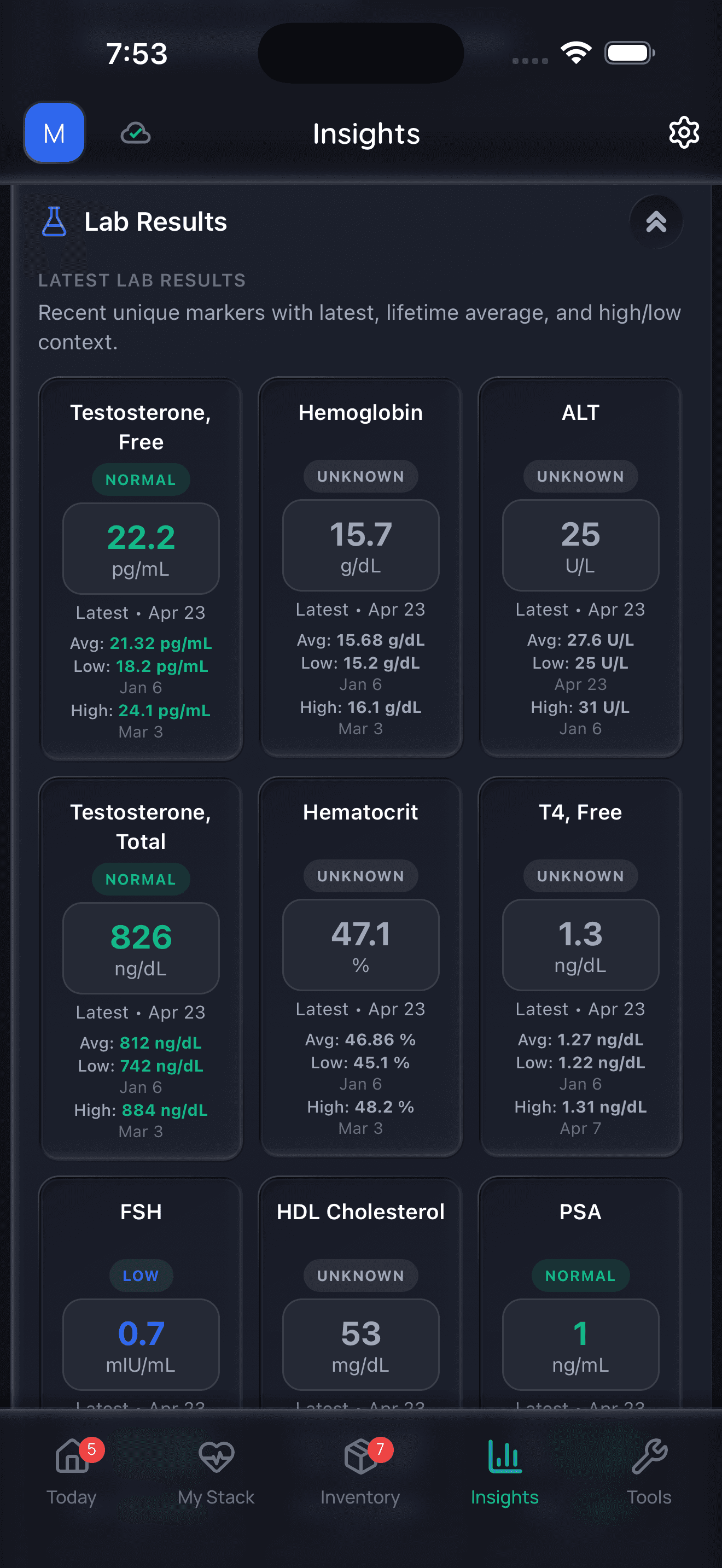
Doserly organizes data; it does not diagnose or interpret labs for you.
Regulatory Status & Standards
United States (FDA)
C60 is not approved by the FDA as a dietary supplement ingredient, a food additive, or a drug. It does not have GRAS (Generally Recognized as Safe) status. It has not been submitted as a New Dietary Ingredient (NDI). Products are sold in a regulatory gray zone, typically marketed as "research materials" or under general DSHEA provisions without specific FDA review. The FDA has not issued specific enforcement actions against C60 supplement sellers as of 2026, but this does not constitute implicit approval.
European Union (EFSA)
C60 is not authorized as a food supplement ingredient in the EU. The European Commission's Scientific Committee on Consumer Safety (SCCS) has stated that it "cannot conclude on the safety of fullerenes and (hydrated) hydroxylated forms of fullerenes due to a number of uncertainties and data gaps in regard to physicochemical, toxicokinetic and toxicological aspects" [12]. C60 would likely require Novel Food authorization for legal sale as a food supplement in the EU.
Canada (Health Canada)
C60 is not licensed as a Natural Health Product (NHP) in Canada. No NPN (Natural Product Number) has been issued for C60-containing products.
Australia (TGA)
C60 is not listed in the Australian Register of Therapeutic Goods as a complementary medicine.
Active Clinical Trials
As of 2026, no registered human clinical trials for oral C60 supplementation appear on ClinicalTrials.gov. The regulatory-compliant animal toxicity and genotoxicity studies published in 2024-2025 [10][12] represent the first steps toward the preclinical data package that would be required before human trials could be initiated.
Athlete & Sports Regulatory Status
WADA: C60 (buckminsterfullerene) does not appear on the current WADA Prohibited List. However, WADA's prohibition categories include "Other substances with a similar chemical structure or similar biological effect(s)" (category S0), which creates theoretical risk for novel compounds.
NCAA / Professional Sports Leagues: No specific guidance has been issued regarding C60 by the NCAA, NFL, NBA, MLB, NHL, or other major sports bodies.
Third-Party Certification: No C60 products carry Informed Sport, NSF Certified for Sport, Cologne List, or BSCG certification. Athletes should exercise extreme caution with any unregulated nanomaterial supplement.
GlobalDRO: C60 is not listed on GlobalDRO.com as it is not a registered medication or supplement ingredient.
Regulatory status and prohibited substance classifications change frequently. Athletes should always verify the current status of any supplement with their sport's governing body, their national anti-doping agency, and a qualified sports medicine professional before use. Third-party certification (Informed Sport, NSF Certified for Sport) reduces but does not eliminate the risk of contamination with prohibited substances.
Frequently Asked Questions
What is C60 and why do people take it?
C60, or Carbon 60, is a molecule made of 60 carbon atoms arranged in a hollow sphere. It gained popularity after a 2012 study showed rats given C60 in olive oil lived significantly longer than controls. People primarily take it for its theoretical antioxidant and anti-aging properties, though no human clinical trials have confirmed these benefits.
Is C60 safe for human consumption?
The honest answer is that safety in humans has not been established. Pure C60 shows low acute toxicity in animal studies when stored in complete darkness. However, C60 in oil can form toxic compounds when exposed to light, and commercial products vary widely in purity and quality. No human safety study has been published, and the European Scientific Committee on Consumer Safety has stated it cannot conclude on the safety of fullerenes.
Does C60 really extend lifespan?
The 2012 rat study by Baati et al. reported a near-doubling of lifespan, but this finding has not been consistently replicated. A 2021 study in mice found no lifespan or healthspan benefits, and another found the apparent "benefit" was actually C60 counteracting a negative effect of the olive oil carrier in that particular mouse strain. No human lifespan data exist.
How should C60 be stored?
Storage in complete darkness is critical. C60 in oil degrades when exposed to light, even normal indoor lighting, forming potentially toxic compounds. Use amber or opaque containers, keep the product in a dark cabinet or wrapped in foil, and never transfer it to a clear container. Use opened products within 30-60 days.
What dose of C60 should I take?
No established safe or effective dose exists for humans. Most commercial products suggest 1-2 teaspoons (5-10 mL) per day of a solution containing 0.8 mg C60 per mL. These recommendations are extrapolated from a single rat study and have not been validated in human dose-response studies. Anyone choosing to experiment should consult a healthcare professional.
Can I take C60 with other supplements or medications?
No formal interaction studies exist. Based on C60's chemical properties, theoretical concerns include interactions with photosensitizing medications, anticoagulants, and chemotherapy agents. Discuss with a healthcare provider before combining C60 with any medication.
Why is C60 so expensive?
High-purity C60 requires specialized manufacturing and purification processes. The carbon must be 99.95%+ pure to minimize toxic impurities, and dissolution in oil followed by light-protected packaging adds to production costs. Extremely low prices may indicate inferior purity or quality.
What is the difference between C60 in olive oil and water-soluble C60?
C60 in olive oil (C60-OO) is the most studied form and matches the Baati et al. protocol. Water-soluble C60 (fullerenol, hydroxylated fullerene) is a chemically modified derivative with different pharmacological properties and a distinct, less studied safety profile. They are not interchangeable.
Are there better alternatives to C60 for antioxidant support?
Many well-studied antioxidant supplements have established human safety data and clinical evidence, including CoQ10/Ubiquinol, Alpha-Lipoic Acid, NAD+ Precursors, Vitamin C, and Vitamin E. These compounds have decades of human safety data that C60 lacks.
Has anyone been harmed by taking C60?
Anecdotal reports exist of individuals developing health problems potentially correlated with C60 intake, though causation has not been established. The 2021 mouse study demonstrated clear harm from light-degraded C60-OO, and the wide quality variability among commercial products means some consumers may be ingesting impure or degraded preparations without knowing it.
Myth vs. Fact
Myth: C60 is the most powerful antioxidant known to science.
Fact: In laboratory settings (test tubes), C60 is indeed an extraordinarily potent free radical scavenger, characterized as several hundred-fold more effective than conventional antioxidants [4]. However, "most powerful antioxidant" in a test tube does not mean "most effective health supplement." Oral bioavailability, tissue distribution, and actual antioxidant activity inside a living human body are completely different questions that have never been studied for C60. Many potent laboratory antioxidants have produced disappointing results in human clinical trials.
Myth: C60 doubles human lifespan.
Fact: A single 2012 study in rats reported approximately doubled lifespan [1]. This has not been reliably replicated in subsequent animal studies, with one study failing to find any lifespan benefit [2] and another suggesting the effect was an artifact of the experimental design [5]. No human lifespan data exist. Extrapolating a single rat study to human longevity claims is scientifically unjustified.
Myth: C60 has no side effects because it's just carbon.
Fact: While pure C60 shows low acute toxicity in animal studies, the form matters enormously. C60 dissolved in oil can form toxic compounds when exposed to light, causing organ damage and death in mice within weeks [2]. The safety of C60 is highly dependent on purity, formulation, and storage conditions. "It's just carbon" oversimplifies the complex photochemistry and nanomaterial properties of this molecule.
Myth: C60 supplements are well-regulated and safe.
Fact: C60 supplements are not approved by any major regulatory body (FDA, EMA, MHRA, TGA, Health Canada). Products are sold without regulatory oversight, and a 2021 study found significant quality variability among commercial C60-OO products [2]. The European Scientific Committee on Consumer Safety has explicitly stated it cannot conclude on fullerene safety.
Myth: Olive oil is the best carrier for C60 because of the original study.
Fact: Olive oil was used in the Baati 2012 study and is the most researched carrier, but "most researched" for C60 is a low bar. Some researchers and users have explored MCT oil, avocado oil, and grape seed oil as alternatives. One study found anti-inflammatory effects using grape seed oil as the carrier [8]. The "best" carrier for human use has not been determined through comparative studies.
Myth: If you store C60 in the dark, it's completely safe.
Fact: Dark storage eliminates the specific light-dependent toxicity concern, and pure C60 in dark storage shows low acute toxicity in 14-day animal studies [10]. However, "low acute toxicity in a 14-day rat study" is a very different statement from "completely safe for long-term human use." Chronic effects, interactions, and long-term safety at supplemental doses remain entirely unknown.
Myth: C60 is a natural substance found in nature.
Fact: C60 does occur naturally in trace amounts (in soot, lightning strikes, and interstellar space), but the quantities found in nature are vanishingly small. Supplement-grade C60 is industrially manufactured, typically through carbon arc discharge or combustion synthesis, followed by purification using organic solvents. It is a manufactured nanomaterial, not a natural food-derived compound.
Sources & References
Clinical Trials & RCTs
Preclinical Animal Studies
- Baati T, Bourasset F, Gharbi N, Njim L, Abderrabba M, Kerkeni A, Szwarc H, Moussa F. The prolongation of the lifespan of rats by repeated oral administration of [60]fullerene. Biomaterials. 2012;33(19):4936-4946. doi:10.1016/j.biomaterials.2012.03.036
- Grohn KJ, Moyer BS, Wortel DC, et al. C60 in olive oil causes light-dependent toxicity and does not extend lifespan in mice. GeroScience. 2021;43(2):579-591. doi:10.1007/s11357-020-00292-z
- Effect of long-term treatment with C60 fullerenes on the lifespan and health status of CBA/Ca mice. Rejuvenation Research. 2021. doi:10.1089/rej.2020.2403
- Quick KL, Ali SS, Arch R, et al. A carboxyfullerene SOD mimetic improves cognition and extends the lifespan of mice. Neurobiol Aging. 2008;29(1):117-128.
- Carbon 60 Dissolved in Grapeseed Oil Inhibits Dextran Sodium Sulfate-Induced Experimental Colitis. J Inflamm Res. 2022.
- Anti-Inflammatory and Antioxidant Effects of Liposoluble C60 at the Cellular, Molecular, and Whole-Animal Levels. J Inflamm Res. 2023.
- Effect of C60 fullerene nanoparticles on the diet-induced obesity in rats. Int J Obes. 2018.
Mechanistic Studies & Reviews
- Bakry R, Vallant RM, Najam-ul-Haq M, et al. Medicinal applications of fullerenes. Int J Nanomedicine. 2007;2(4):639-649. (Review of C60 biomedical applications)
- The applications of buckminsterfullerene C60 and derivatives in orthopaedic research. PMC4124742. (Comprehensive review of C60 free radical scavenging mechanisms)
- Chistyakov VA, Smirnova YO, Prazdnova EV, Soldatov AV. Possible mechanisms of fullerene C60 antioxidant action. BioMed Res Int. 2013;2013:821498. doi:10.1155/2013/821498
Safety & Toxicology Studies
- Burres C, Wong R, Pedreira F, Da Silva Pimenta M, Moussa F. A regulatory compliant short-term oral toxicity study of soluble [60]fullerenes in rats. EXCLI J. 2024;23:772-786. doi:10.17179/excli2024-7084
- Gharbi N, Pressac M, Hadchouel M, Szwarc H, Wilson SR, Moussa F. [60]fullerene is a powerful antioxidant in vivo with no acute or subacute toxicity. Nano Lett. 2005;5(12):2578-2585.
- Moussa F, et al. A Regulatory-Compliant Genotoxicity Study of a Mixture of C60 and C70 Fullerenes Dissolved in Olive Oil Using the Mammalian Micronucleus Test. Nanomaterials. 2025;15(11):870. doi:10.3390/nano15110870
Government/Institutional Sources
European Commission Scientific Committee on Consumer Safety (SCCS). Opinion on fullerenes. Referenced in Moussa et al. 2025 [12].
Related Supplement Guides
Same Category (Longevity / Anti-Aging)
- NAD+ Precursors
- Resveratrol
- Pterostilbene
- Fisetin
- CoQ10/Ubiquinol
- PQQ
- Alpha-Lipoic Acid
- SOD (Superoxide Dismutase)
- Spermidine
- Urolithin A
- Sulforaphane
Common Stacks / Pairings
- Vitamin C — complementary antioxidant
- Vitamin E — lipid-phase antioxidant pairing
- CoQ10/Ubiquinol — mitochondrial antioxidant support