
Astaxanthin: The Complete Supplement Guide
On this page
Quick Reference Card
Attribute
Common Name
- Detail
- Astaxanthin
Attribute
Other Names / Aliases
- Detail
- ASX, 3,3'-dihydroxy-beta,beta-carotene-4,4'-dione, Haematococcus pluvialis extract
Attribute
Category
- Detail
- Carotenoid (Xanthophyll), Antioxidant
Attribute
Primary Forms & Variants
- Detail
- Natural astaxanthin (from H. pluvialis algae, primarily 3S,3'S stereoisomer; higher bioactivity), synthetic astaxanthin (racemic mixture of three stereoisomers; not approved for direct human consumption in most regions)
Attribute
Typical Dose Range
- Detail
- 4-12 mg per day (research range: 0.16-24 mg daily)
Attribute
RDA / AI / UL
- Detail
- No established RDA, AI, or UL. EFSA proposed ADI of 0.2 mg/day based on synthetic form data. FDA GRAS at 6-7 mg/day; up to 24 mg/day for 30 days.
Attribute
Common Delivery Forms
- Detail
- Softgel capsule, capsule, powder, liquid, topical cream
Attribute
Best Taken With / Without Food
- Detail
- Take with a fat-containing meal to significantly improve absorption
Attribute
Key Cofactors
- Detail
- Dietary fat (essential for absorption), Vitamin E and Vitamin C (complementary antioxidant network), Omega-3 fatty acids (shared lipid-based delivery)
Attribute
Storage Notes
- Detail
- Store in a cool, dry place away from light and heat. The highly conjugated structure makes astaxanthin sensitive to temperature, light, and oxygen. Dark-colored capsules preferred.
Overview
The Basics
Astaxanthin is the red-orange pigment responsible for the vibrant color of wild salmon, shrimp, lobster, and flamingos. It belongs to the carotenoid family, the same group of pigments that includes beta-carotene in carrots and lycopene in tomatoes. Unlike some carotenoids, your body cannot convert astaxanthin into vitamin A, so it works exclusively as an antioxidant [1].
What makes astaxanthin stand out from other antioxidants is its unusual molecular shape. It can embed itself across the entire width of a cell membrane, with each end sticking out on opposite sides. This allows it to protect cells from damage on both the interior and exterior surfaces simultaneously. Most antioxidants can only work on one side or the other, which is part of why astaxanthin has attracted so much research interest [1][2].
The primary supplement source is a freshwater microalga called Haematococcus pluvialis, which produces astaxanthin as a survival mechanism when exposed to harsh environmental conditions like intense sunlight or nutrient deprivation. This natural form is the one used in virtually all human studies and is the form available as a dietary supplement [1].
People take astaxanthin for a wide range of purposes, including skin health, eye comfort, cardiovascular support, exercise recovery, and general antioxidant protection. The strongest evidence to date centers on skin health and lipid profile improvements, though research across other areas continues to grow [3][4].
The Science
Astaxanthin (3,3'-dihydroxy-beta,beta-carotene-4,4'-dione) is a lipid-soluble xanthophyll carotenoid with the molecular formula C40H52O4 and a molecular weight of 596.84 g/mol. It is distinguished from other carotenoids by the presence of hydroxyl and keto groups on each ionone ring, which confer several unique properties: the ability to span the full lipid bilayer of cell membranes, enhanced radical-scavenging capacity, and resistance to pro-oxidant behavior at physiological concentrations [1][2].
Naturally occurring astaxanthin from Haematococcus pluvialis exists predominantly as the (3S,3'S) stereoisomer in esterified form (approximately 95% mono- or di-esterified with fatty acids), while synthetic astaxanthin contains a racemic mixture of (3S,3'S), (3R,3'R), and the meso (3R,3'S) forms in free (unesterified) configuration [1]. This stereochemical distinction is pharmacologically significant, as comparative studies have demonstrated that natural astaxanthin exhibits substantially greater biological activity in multiple assay systems [1][5].
In vitro antioxidant comparisons have placed astaxanthin's singlet oxygen quenching capacity at approximately 6,000 times that of ascorbic acid, 770 times that of coenzyme Q10, 100 times that of alpha-tocopherol, and 5 times that of beta-carotene [1]. However, it should be noted that in vitro antioxidant potency does not directly translate to equivalent in vivo superiority, and these ratios represent assay-specific measurements rather than clinically validated comparative efficacy.
The global astaxanthin market exceeds USD 400 million annually, with natural astaxanthin comprising approximately 1% of production volume but commanding 2-7 times the market value of synthetic forms [1].
Chemical & Nutritional Identity
Property
Chemical Name
- Value
- 3,3'-dihydroxy-beta,beta-carotene-4,4'-dione
Property
Molecular Formula
- Value
- C40H52O4
Property
Molecular Weight
- Value
- 596.84 g/mol
Property
CAS Number
- Value
- 472-61-7
Property
Category
- Value
- Xanthophyll carotenoid, ketocarotenoid
Property
Natural Source
- Value
- Haematococcus pluvialis microalgae (up to 3.8% dry weight), wild salmon (26-38 mg/kg), farmed salmon (6-8 mg/kg), shrimp, krill, crabs
Property
Conjugated Double Bonds
- Value
- 13 (vs. 11 in beta-carotene)
Property
Stereoisomers
- Value
- Natural: predominantly (3S,3'S); Synthetic: racemic mixture of (3S,3'S), (3R,3'R), and meso (3R,3'S)
Property
Esterification
- Value
- Natural: ~95% mono- or di-esterified; Synthetic: free (unesterified)
Regulatory Daily Values
No Recommended Dietary Allowance (RDA), Adequate Intake (AI), or Tolerable Upper Intake Level (UL) has been established for astaxanthin by the Institute of Medicine or EFSA, as it is not classified as an essential nutrient. Available regulatory guidance includes:
Jurisdiction
US (FDA)
- Guidance
- GRAS at 6-7 mg/day; up to 24 mg/day for no more than 30 days
Jurisdiction
EFSA
- Guidance
- ADI of 0.2 mg/day (based on synthetic astaxanthin data in rats, not natural forms)
Jurisdiction
Japan
- Guidance
- Permitted as food additive; supplements commonly dosed at 4-12 mg/day
Jurisdiction
Canada, Australia/NZ, South Korea
- Guidance
- Up to 12 mg/day considered unlikely to cause harm
Mechanism of Action
The Basics
Astaxanthin works primarily as a bodyguard for your cells. Every day, your cells face damage from molecules called free radicals, which are produced as normal byproducts of metabolism, exercise, UV exposure, and environmental stress. Antioxidants neutralize these free radicals before they can cause harm, and astaxanthin is particularly effective at this job because of where it positions itself.
Most antioxidants are either water-soluble (like vitamin C, which works in the watery parts of your cells) or fat-soluble (like vitamin E, which works in the fatty cell membranes). Astaxanthin is unusual because it stretches across the entire cell membrane, reaching into both the water and fat compartments. This means it can intercept free radicals no matter which side of the membrane they attack [1][2].
Beyond simple antioxidant activity, astaxanthin also dials down inflammatory pathways. It reduces the production of several key inflammatory signaling molecules, which may explain why users report benefits across such diverse areas as skin appearance, joint comfort, and exercise recovery. It also crosses the blood-brain barrier, which means it can provide antioxidant protection to brain and eye tissue [1][6].
The Science
Astaxanthin exerts its biological effects through multiple interconnected mechanisms [1][2][6]:
Antioxidant Activity: The compound functions as a chain-breaking antioxidant, halting free radical chain reactions by scavenging lipid peroxyl radicals through both electron transfer and hydrogen atom abstraction. The 13-conjugated-double-bond polyene backbone provides exceptional singlet oxygen quenching capacity, while the terminal hydroxyl and keto groups on the ionone rings enable the molecule to span cell membranes and scavenge reactive oxygen species (ROS) and reactive nitrogen species (RNS) at both membrane surfaces [1][2].
Mitochondrial Protection: Astaxanthin accumulates in mitochondrial membranes, where it prevents oxidative stress-induced damage and preserves membrane integrity. This results in improved mitochondrial energy generation capacity through maintained electron transport chain function [1].
Anti-Inflammatory Pathways: Astaxanthin inhibits the nuclear translocation of NF-kB p65 subunit and IkBa degradation, suppressing transcription of pro-inflammatory mediators. It significantly decreases levels of inducible nitric oxide synthase (iNOS) and cyclooxygenase-2 (COX-2), and reduces prostaglandin E2 release from UV-irradiated keratinocytes [7]. The compound also modulates JAK-STAT and PPARgamma signaling pathways [1].
Nrf2/HO-1 Pathway Activation: Astaxanthin activates the Nrf2 (nuclear factor erythroid 2-related factor 2) antioxidant pathway by generating small amounts of ROS, paradoxically upregulating endogenous antioxidant defenses including superoxide dismutase 2 (SOD2), catalase (CAT), and glutathione peroxidase 1 (GPX1) [7].
Blood-Brain Barrier Penetration: Astaxanthin crosses the blood-brain barrier, enabling neuroprotective effects. Preclinical models demonstrate protection against ischemia-induced brain damage, with pretreatment at 25 mg/kg protecting against cerebral ischemia-reperfusion injury in rat models [1].
Absorption & Bioavailability
The Basics
How much astaxanthin your body actually absorbs depends heavily on one factor: fat. Astaxanthin is fat-soluble, meaning it needs to dissolve in dietary fat to be absorbed properly. Taking it on an empty stomach or with a fat-free meal significantly reduces how much gets into your bloodstream. The simplest way to improve absorption is to take your astaxanthin capsule with a meal that includes some healthy fats, such as eggs, avocado, olive oil, nuts, or fatty fish [1][3].
The form matters too. Natural astaxanthin from algae (which comes in esterified form) appears to have different absorption characteristics than synthetic astaxanthin. While both are absorbed in the gut, the natural form has consistently shown greater biological activity in human studies [1][5].
Once absorbed, astaxanthin has a relatively long half-life of approximately 52 hours (plus or minus about 40 hours depending on the individual), which means it builds up in your system over days to weeks of consistent use rather than peaking and dropping quickly [3]. This is part of why most people don't notice effects immediately. It takes consistent daily intake to reach meaningful tissue levels.
One notable finding: smoking reduces astaxanthin bioavailability by approximately 40%, likely due to increased peripheral metabolism of carotenoids. Smokers may need to account for this reduced absorption [3].
The Science
Astaxanthin absorption occurs in the small intestine via passive diffusion, facilitated by incorporation into mixed micelles formed with dietary lipids and bile salts. As a highly lipophilic compound (logP approximately 10.3), adequate dietary fat intake is critical for micelle formation and subsequent absorption [1][3].
Pharmacokinetic Parameters:
- Half-life: approximately 52 hours (SD ± 40 hours) [3]
- Non-linear kinetics with evidence of saturation at higher doses [3]
- Peak plasma concentration: variable, typically 6-8 hours post-dose
- Z-isomers demonstrate greater oral bioavailability than all-E (trans) configuration [3]
Absorption Studies: In a double-blind study of 28 physically fit men consuming 250 g salmon daily (providing approximately 5 mg astaxanthin/day), plasma astaxanthin plateaued at 39 nmol/L after 6 days for wild salmon (3S,3'S isomer) and 52 nmol/L for farmed salmon (3R,3'S isomer). The higher plateau with farmed salmon may reflect differences in esterification patterns or the presence of the meso-form [1].
Lipid-Based Formulation Effects: A study of eight male participants receiving 40 mg astaxanthin in three different lipid-based formulations demonstrated that formulations containing hydrophilic synthetic surfactants achieved the highest bioavailability. This supports the role of micelle formation as the rate-limiting step in absorption [1].
Tissue Distribution: Following absorption and chylomicron transport, astaxanthin distributes to multiple tissues including liver, skin, adrenal glands, and brain tissue (confirmed via blood-brain barrier penetration studies). Unlike beta-carotene and other provitamin A carotenoids, astaxanthin is not converted to retinol and therefore does not contribute to vitamin A status or toxicity risk [1].
Smoking Effects: Smokers demonstrate approximately 40% lower astaxanthin bioavailability compared to non-smokers, attributed to increased peripheral oxidative metabolism of carotenoids rather than reduced intestinal absorption [3].
Managing absorption timing across multiple supplements gets complicated fast. Some need to be taken with food, others on an empty stomach. Some compete for the same absorption pathways, others enhance each other. Doserly organizes all of this into a single schedule that accounts for the interactions between everything in your stack.
Instead of juggling mental notes about which supplements to separate and which to pair, the app handles the coordination for you. It flags timing conflicts, suggests optimal windows based on the forms you're using, and builds a daily routine that gives each supplement its best chance of being absorbed effectively. One place for all the details that are easy to forget.
Turn symptom and safety notes into a clearer timeline.
Doserly helps you log doses, symptoms, and safety observations side by side so patterns are easier to discuss with a qualified clinician.
Pattern view
Logs and observations

Pattern visibility is informational and should be reviewed with a clinician.
Research & Clinical Evidence
The Basics
Astaxanthin has been studied in a substantial body of human clinical trials, with over 4,179 participants across 27 trials and 8 meta-analyses as of early 2026 [3]. The research spans a broad range of health areas, though the depth of evidence varies considerably by outcome.
Skin health is the most consistently supported area. Multiple randomized controlled trials have shown that 4-12 mg of astaxanthin daily can reduce wrinkle depth, improve skin elasticity, increase moisture content, and help protect against UV-induced skin damage. These effects typically emerge after 6-8 weeks of consistent supplementation [7][8].
Cardiovascular markers represent another area with meaningful human data. Studies have demonstrated reductions in LDL cholesterol (approximately 10% at 20 mg daily), decreases in triglycerides (17-26% at 6-18 mg daily), and improvements in adiponectin levels [3].
Physical performance research is encouraging but limited. A 28-day trial in cyclists found a 121-second improvement in a 20 km time trial at just 4 mg daily, and elite soccer players showed reduced markers of exercise-induced muscle damage over 90 days [3].
Eye health studies show increased choroidal blood flow (10-15% improvement) and relief from eye strain symptoms, though large-scale confirmatory trials are needed [3].
Cognitive health research in older adults (60-70 years) suggests potential protective effects, with 12 mg daily for 12 weeks improving cognitive and psychomotor function tests while reducing markers of phospholipid oxidation that accumulate in dementia [1].
The overall evidence picture is one of broad but moderate-strength findings. No outcome has reached the level of definitive proof, but the consistency of positive signals across diverse health areas, combined with the strong safety profile, explains why astaxanthin has become one of the more popular antioxidant supplements.
The Science
Skin Health (Strongest Evidence Base)
A comprehensive review of randomized controlled trials documents consistent benefits for skin health outcomes [7][8]:
- Tominaga et al. (2017): 16-week RCT (n=65 healthy females), 6 or 12 mg/day. Skin moisture and deep wrinkle parameters significantly worsened in placebo but not in astaxanthin groups, with skin elasticity improving in the high-dose group among subjects with high baseline moisture content [7].
- Tominaga et al. (2012a): 8-week RCT (n=30 females), 6 mg oral plus topical application. Significant reductions in wrinkle depth, age spot size, and improvements in elasticity and texture [7].
- Tominaga et al. (2012b): 6-week RCT (n=36 males), 6 mg/day. Improvements in wrinkles, elasticity, transepidermal water loss, moisture content, and sebum oil levels [7].
- Yamashita (2006): 6-week study (n=49 females, mean age 47), 2 mg/day. Significant improvements in skin moisture and elasticity [7].
- Yamashita (1995): Topical application in 7 males. Natural astaxanthin reduced UVB-induced erythema by 60% at 98 hours post-exposure [7].
Mechanistically, astaxanthin at 6-12 mg/day prevented inflammatory cytokine secretion from keratinocytes and reduced matrix metalloproteinase-1 (MMP-1) expression, the enzyme primarily responsible for collagen degradation in photoaged skin [7]. Astaxanthin also inhibited UV-induced DNA damage while increasing expression of oxidative stress-responsive enzymes, suggesting both protective and repair mechanisms [7].
Cardiovascular and Metabolic Outcomes
- LDL Cholesterol: 20 mg/day for 12 weeks reduced LDL by 10.4% and Apolipoprotein B by 7.59% in overweight subjects [3].
- Triglycerides: 6-18 mg/day for 12 weeks produced 17-26% reductions in hyperlipidemic individuals with baseline triglycerides of 120-200 mg/dL [3].
- Adiponectin: 12-18 mg/day increased adiponectin 20-25% in normal-weight hyperlipidemic individuals, correlating with HDL improvements [3].
- Blood Transit Time: 6 mg nightly for 10 days improved blood transit time to 90% of baseline (p < 0.05 vs. placebo) [3].
- Red Blood Cell Protection: 6-12 mg/day reduced lipid peroxidation in RBCs, though lower doses (1-3 mg) accumulated in cells without measurably reducing oxidation markers [3].
Oxidative Stress Biomarkers
A meta-analysis of 12 RCTs (n=380) found that astaxanthin supplementation significantly reduced malondialdehyde (MDA) concentrations, improved superoxide dismutase (SOD) activity, and reduced serum isoprostane levels in overweight patients [1].
Physical Performance
- Cycling Performance: 4 mg/day for 28 days yielded a 121-second improvement in a 20 km time trial versus a 19-second improvement in the placebo group [3].
- Muscle Damage Markers: Elite soccer players supplemented with 4 mg/day for 90 days showed significantly attenuated exercise-induced increases in creatine kinase and ALT [3].
Eye Health
- Choroidal Blood Flow: 12 mg/day for 4 weeks increased choroidal blood flow by 10.3% at 2 weeks and 15.3% at 4 weeks [3].
- Dry Eye Disease: Daily supplementation significantly improved tear film stability, tear break-up time, meibum quality, and blink frequency by day 14 [9].
- Visual Acuity: In adults over 40, 4-12 mg/day for 28 days significantly improved uncorrected far visual acuity while decreasing accommodation time [9].
Cognitive Function
Two Japanese RCTs in elderly subjects (ages 60-70) demonstrated that 6-12 mg/day for 12 weeks improved cognitive and psychomotor function measures and decreased phospholipid hydroperoxide levels (PLOOH), which accumulate at elevated concentrations in dementia patients' erythrocytes [1].
Male Fertility
A single RCT found 16 mg/day for 3 months decreased seminal ROS, reduced serum inhibin B, and improved sperm motility, with a 54.5% total pregnancy rate versus 3.6% in the placebo group [3]. This striking result awaits replication.
Evidence & Effectiveness Matrix
Category
Skin Health
- Evidence Strength
- 8/10
- Reported Effectiveness
- 8/10
- Summary
- Multiple RCTs demonstrate wrinkle reduction, UV protection, improved elasticity and moisture. Strong community confirmation of gradual improvements in skin appearance over 6-8 weeks.
Category
Heart Health
- Evidence Strength
- 6/10
- Reported Effectiveness
- 5/10
- Summary
- Moderate human trial evidence for LDL reduction (10%), triglyceride reduction (17-26%), and improved blood flow. Limited community discussion of cardiovascular outcomes.
Category
Inflammation
- Evidence Strength
- 6/10
- Reported Effectiveness
- 6/10
- Summary
- Well-characterized anti-inflammatory mechanisms (NF-kB, COX-2 inhibition). Meta-analysis supports reduction in oxidative stress markers. Community reports indirect anti-inflammatory benefits through skin and joint improvements.
Category
Joint Health
- Evidence Strength
- 5/10
- Reported Effectiveness
- 6/10
- Summary
- Anti-inflammatory mechanism supports joint benefits. Limited but growing clinical data. Sparse but specific community reports of significant joint improvement at 12 mg/day.
Category
Physical Performance
- Evidence Strength
- 5/10
- Reported Effectiveness
- 5/10
- Summary
- Cycling and soccer trials show performance benefits at 4 mg/day. Some community reports of improved endurance and recovery.
Category
Energy Levels
- Evidence Strength
- 4/10
- Reported Effectiveness
- 5/10
- Summary
- Mitochondrial protection mechanism supports energy claims. Limited direct clinical evidence. Community reports describe subtle, steady energy improvement rather than stimulant-like effects.
Category
Recovery & Healing
- Evidence Strength
- 5/10
- Reported Effectiveness
- 5/10
- Summary
- Reduced exercise-induced muscle damage markers in athletes (CK, ALT). Community reports of improved post-workout recovery.
Category
Focus & Mental Clarity
- Evidence Strength
- 4/10
- Reported Effectiveness
- 4/10
- Summary
- Limited cognitive trial data in elderly populations. Crosses blood-brain barrier. Minimal community signal for cognitive effects.
Category
Longevity & Neuroprotection
- Evidence Strength
- 5/10
- Reported Effectiveness
- 5/10
- Summary
- Preclinical neuroprotective data is strong. Human cognitive trials limited. Community interest in anti-aging, but specific longevity outcome data is lacking.
Category
Side Effect Burden
- Evidence Strength
- 8/10
- Reported Effectiveness
- 3/10
- Summary
- Extensive safety data across 87 human studies with no safety concerns. Very low side effect burden reported in community (score of 3 = minimal side effects).
Category
Nausea & GI Tolerance
- Evidence Strength
- 6/10
- Reported Effectiveness
- 4/10
- Summary
- Generally well-tolerated. Minor initial GI adjustment reported by some community members. Red stool discoloration is benign and expected.
Categories scored: 11
Categories with community data: 11
Categories not scored (insufficient data): Fat Loss, Muscle Growth, Weight Management, Appetite & Satiety, Food Noise, Sleep Quality, Memory & Cognition, Mood & Wellbeing, Anxiety, Stress Tolerance, Motivation & Drive, Emotional Aliveness, Emotional Regulation, Libido, Sexual Function, Pain Management, Gut Health, Digestive Comfort, Hair Health, Blood Pressure, Heart Rate & Palpitations, Hormonal Symptoms, Temperature Regulation, Fluid Retention, Body Image, Immune Function, Bone Health, Cravings & Impulse Control, Social Connection, Withdrawal Symptoms, Daily Functioning, Treatment Adherence
Benefits & Potential Effects
The Basics
Astaxanthin's benefits span multiple body systems, which makes sense given that oxidative stress and inflammation play a role in nearly every aspect of health. Here are the areas where the evidence is strongest:
Skin appearance and UV protection stand out as the most well-supported benefit. Multiple clinical trials consistently show improvements in wrinkle depth, skin elasticity, and moisture retention after 6-8 weeks of daily supplementation at 4-12 mg. There is also evidence that astaxanthin provides a degree of internal sun protection, reducing the severity of UV-induced redness and skin damage. This does not replace sunscreen, but it may offer a complementary layer of defense from the inside out [7][8].
Cardiovascular support is another area with solid human data. Studies show improvements in cholesterol profiles (reduced LDL, reduced triglycerides) and better blood flow parameters. These effects have been observed at moderate to higher doses (6-20 mg daily) over periods of weeks to months [3].
Eye comfort and visual function may improve with astaxanthin supplementation. Because astaxanthin crosses into retinal tissue, it can provide localized antioxidant protection. Studies show relief from eye strain during prolonged screen use and improvements in visual acuity, particularly in adults over 40 [9].
Exercise performance and recovery may see modest benefits. Athletes supplementing with astaxanthin have shown improved endurance and reduced markers of muscle damage after intense exercise [3].
Brain health is an emerging area. Astaxanthin crosses the blood-brain barrier and shows neuroprotective properties in both animal studies and a small number of human trials in older adults [1].
The Science
Dermatological Effects: The evidence for skin health benefits derives from a convergent body of RCTs demonstrating that astaxanthin supplementation (2-12 mg/day, 6-16 weeks) significantly inhibits UV-induced MMP-1 upregulation, reduces inflammatory cytokine secretion from keratinocytes, decreases transepidermal water loss, and increases type I procollagen synthesis [7][8]. The combination of oral supplementation with topical application appears to produce enhanced effects compared to either modality alone [7].
Cardiovascular Mechanisms: Astaxanthin's cardiovascular benefits appear multifactorial: direct antioxidant protection of LDL particles against oxidation (a key step in atherogenesis), improved endothelial function via enhanced nitric oxide bioavailability, reduced arterial stiffness through decreased oxidative stress on vascular smooth muscle, and modulation of adiponectin secretion (a cardioprotective adipokine) [1][3].
Ocular Benefits: Astaxanthin accumulates in retinal tissue and provides localized antioxidant protection. Clinical studies demonstrate increased choroidal blood flow (10.3-15.3% at 12 mg/day over 2-4 weeks), improved tear film stability in dry eye disease, and enhanced visual acuity in adults over 40 [3][9]. The compound's ability to cross the blood-retinal barrier distinguishes it from many other antioxidant supplements.
Neuroprotection: Preclinical evidence demonstrates that astaxanthin alleviates the adverse effects of homocysteine accumulation, glutamate excitotoxicity, and oxidative stress on neuronal cells. Protection against ischemia-reperfusion brain injury has been demonstrated in animal models at 25 mg/kg [1]. Human data, while limited, shows decreased phospholipid hydroperoxide levels (which accumulate in dementia patients) in elderly subjects supplemented with 6-12 mg/day for 12 weeks [1].
Immune Modulation: At 2-8 mg/day for 8 weeks, astaxanthin enhanced T cell and B cell proliferation, natural killer cell cytotoxic activity, and IL-6 production in healthy women, while simultaneously reducing DNA damage markers (8-OHdG) in a dose-dependent manner [7].
When you're taking multiple supplements, it's hard to know which one is doing the heavy lifting. The benefits described above may overlap with effects from other items in your stack, lifestyle changes, or seasonal variation. Doserly helps you untangle that by keeping everything in one place, with timestamps, doses, and outcomes logged together.
Over time, this builds something more valuable than any product review: your personal evidence record. You can see exactly when you started this supplement, what else was in your routine at the time, and how your tracked health markers responded. That clarity makes the difference between guessing and knowing, whether you're talking to a healthcare provider or simply deciding if it's worth reordering.
Capture changes while they are still fresh.
Log symptoms, energy, sleep, mood, and other observations alongside protocol events so patterns do not live only in memory.
Trend view
Symptom timeline
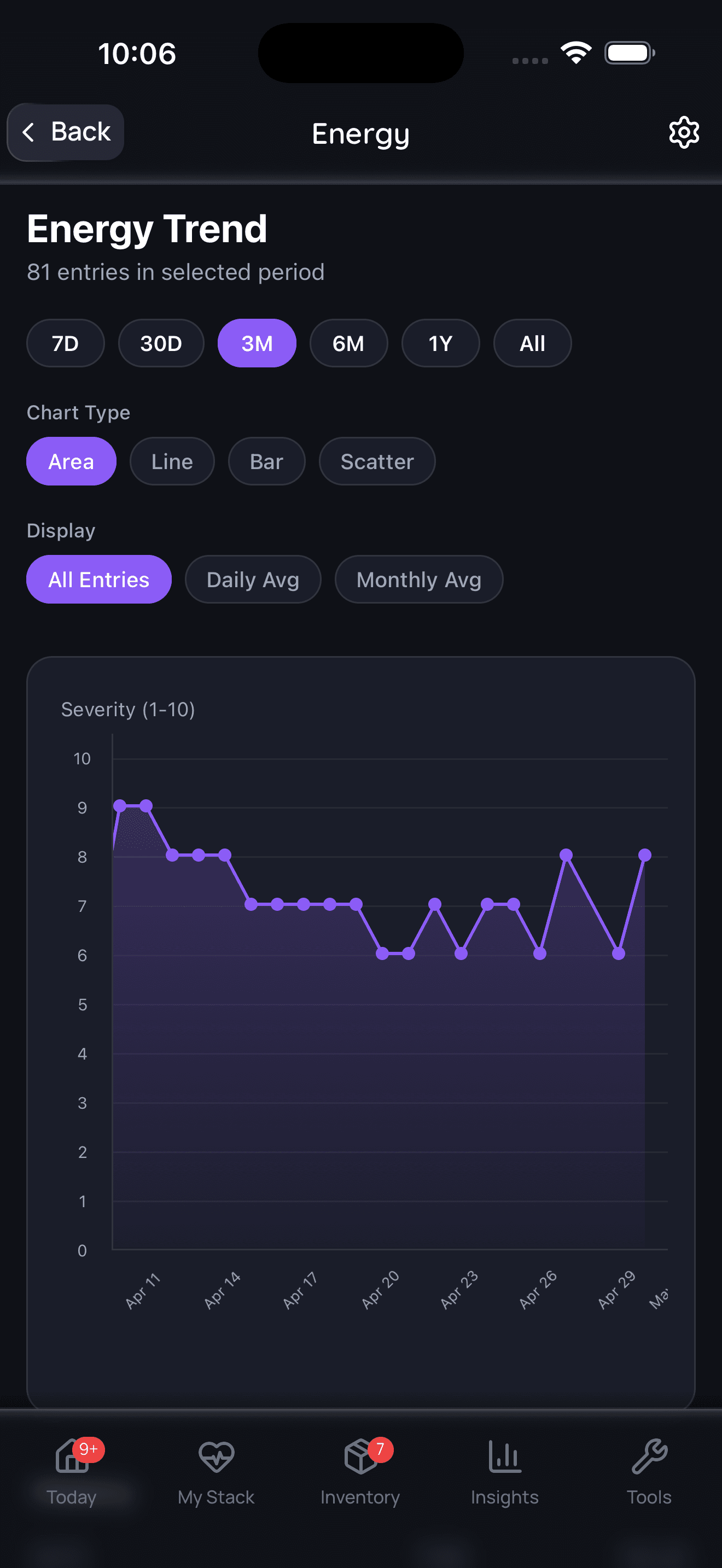
Symptom tracking is informational and should be interpreted with a qualified clinician.
Side Effects & Safety
The Basics
Astaxanthin has one of the strongest safety profiles of any supplement on the market. A comprehensive safety review examined 87 human clinical trials (including 35 studies using doses of 12 mg/day or higher) and found no safety concerns with natural astaxanthin supplementation at any dose or duration tested [5].
The most commonly reported side effect is red-orange discoloration of stool, which is entirely harmless and simply reflects the passage of this deeply colored carotenoid pigment through the digestive system. This is not a sign of bleeding or any medical concern [3].
A small number of people report mild digestive effects when first starting astaxanthin, including temporary bloating, changes in bowel frequency, or mild stomach discomfort. These typically resolve within the first week or two [3].
At very high acute doses (48 mg in a single serving), red stool discoloration is more pronounced. Chronic intake of 16-40 mg/day has been studied in patients with functional dyspepsia without adverse effects [7].
There are a few important cautions. Astaxanthin may interact with blood-thinning medications (such as warfarin) due to a potential risk of increased bleeding. It may also influence the liver enzyme CYP2B6, which could affect the metabolism of certain medications. People taking prescription blood thinners or other medications metabolized by this enzyme pathway should discuss astaxanthin with their healthcare provider before starting [10].
There is insufficient safety data for use during pregnancy or breastfeeding. The general recommendation is to avoid supplemental doses beyond amounts found naturally in foods during these periods [10].
The Science
Toxicological Profile: The oral LD50 of astaxanthin in Wistar rats exceeds 12 g/kg body weight, indicating extremely low acute toxicity [1]. Chronic supplementation studies in humans at doses of 6 mg/day for prolonged periods have not demonstrated adverse effects on any monitored blood parameter [3]. Acute dosing of 40 mg was well-tolerated in 32 healthy participants, with only three mild events (unspecified) reported in the 48-hour post-intake period [7].
Natural vs. Synthetic Safety Distinction: A critical consideration highlighted by the 2020 safety review is that synthetically produced astaxanthin is chemically distinct from natural astaxanthin (different stereoisomer ratios, different esterification status) and that safety conclusions from synthetic astaxanthin studies should not be extrapolated to natural forms, nor vice versa [5]. The EFSA ADI of 0.2 mg/day was based on synthetic astaxanthin data in rats, and researchers have recommended establishing separate ADI values for the two forms [5].
Drug Interactions:
- CYP2B6 substrates: Astaxanthin may increase the rate at which the liver metabolizes medications processed by this enzyme, potentially reducing their efficacy [10].
- Anticoagulants (warfarin, heparin): Potential increased bleeding risk. Concurrent use requires medical supervision [10].
Populations Requiring Caution:
- Pregnant or breastfeeding women (insufficient safety data) [10]
- Individuals on anticoagulant therapy [10]
- Patients taking medications metabolized by CYP2B6 [10]
- Individuals with known carotenoid absorption disorders
Dosing & Usage Protocols
The Basics
Most research on astaxanthin uses doses between 4 and 12 mg per day, taken with a fat-containing meal. This is also the range available in most commercial supplements, with the average US product providing approximately 11 mg per serving [3].
For general antioxidant support, doses at the lower end of the range (4-6 mg daily) are commonly cited. For specific goals like skin health or cardiovascular support, research suggests that higher doses (6-12 mg daily) may provide more noticeable benefits [3][7].
Some studies have used doses as high as 20-24 mg daily for shorter periods (up to 12 weeks) without safety concerns, though these higher doses have not been established as necessary for most users [3][5].
There is no established loading protocol for astaxanthin. Because of its long half-life (approximately 52 hours), it accumulates gradually over the first 1-2 weeks of consistent daily use. Starting at the intended maintenance dose is the standard approach [3].
The Science
Dose-Response Relationships:
Goal
General antioxidant support
- Commonly Reported Range
- 4-6 mg/day
- Study Basis
- Multiple RCTs [1][3]
Goal
Skin health
- Commonly Reported Range
- 4-12 mg/day for ≥6 weeks
- Study Basis
- Tominaga et al. series [7]
Goal
Cardiovascular markers
- Commonly Reported Range
- 6-20 mg/day for ≥8 weeks
- Study Basis
- Lipid profile studies [3]
Goal
Exercise performance
- Commonly Reported Range
- 4 mg/day for ≥28 days
- Study Basis
- Cycling time trial [3]
Goal
Eye health
- Commonly Reported Range
- 4-12 mg/day for ≥4 weeks
- Study Basis
- Visual acuity and blood flow studies [3][9]
Goal
Cognitive support (elderly)
- Commonly Reported Range
- 6-12 mg/day for ≥12 weeks
- Study Basis
- Japanese RCTs [1]
Goal
Male fertility
- Commonly Reported Range
- 16 mg/day for 3 months
- Study Basis
- Single RCT [3]
Pharmacokinetic Considerations: Non-linear kinetics with evidence of absorption saturation suggest that divided dosing (e.g., two doses with separate fat-containing meals) may theoretically improve total daily absorption at higher doses, though this has not been specifically validated in clinical trials [3].
Red Blood Cell Dose Threshold: An important finding from the Examine database analysis is that doses of 1-3 mg/day accumulated in red blood cells but failed to reduce measurable oxidation markers, while 6-12 mg/day successfully reduced lipid peroxidation in RBCs [3]. This suggests a practical minimum effective dose of approximately 4-6 mg/day for antioxidant effects.
What to Expect (Timeline)
Astaxanthin is not a supplement with immediate, noticeable effects. Because it is fat-soluble and has a long half-life (approximately 52 hours), it builds up in your tissues gradually. Here is what consistent users and clinical trial participants typically report:
Weeks 1-2: Accumulation Phase
During the first two weeks, astaxanthin is building up to steady-state plasma concentrations. Most people do not notice any changes during this period. Plasma levels typically plateau within the first 6-7 days of consistent daily intake [1]. The only thing you might notice is red-orange stool coloration, which is normal and harmless.
Weeks 3-4: Early Signals
Some users begin noticing subtle improvements in energy levels and exercise recovery. Skin may start to feel slightly more hydrated. However, many people still report no noticeable changes at this stage. Patience is important. Internal antioxidant markers (MDA, SOD activity) begin shifting within the first 2-4 weeks based on clinical trial data [7].
Weeks 5-8: Skin and Recovery Benefits
This is when most skin-related benefits become noticeable. Research trials consistently demonstrate measurable improvements in wrinkle depth, elasticity, and moisture content at the 6-8 week mark [7][8]. Users who were going to notice improvements in exercise recovery or eye comfort typically report them during this window. Community feedback aligns with clinical data, noting that improvements are gradual and best assessed by comparing before-and-after photos rather than day-to-day observation.
Weeks 8-12+: Full Effect
Cardiovascular marker improvements (lipid profiles, blood flow parameters) typically require 8-12 weeks to manifest in measurable ways [3]. Cognitive benefits in elderly populations have been demonstrated at the 12-week mark [1]. Long-term users (months to years) often report that the benefits become most apparent when they stop taking astaxanthin and notice their skin or energy declining relative to their established baseline.
Important Context: Individual responses vary significantly. Factors that influence how quickly and strongly you respond include your baseline oxidative stress level, dietary fat intake (which affects absorption), smoking status (which reduces bioavailability by approximately 40%), and the quality of the product being used. Independent testing has found that many astaxanthin products on the market contain significantly less astaxanthin than their labels claim [3].
One of the hardest parts of any supplement routine is knowing whether it's working when results unfold gradually over weeks or months. Without a record, it's easy to abandon something too early or keep taking something that isn't delivering. Doserly solves that by giving you a visual timeline of your entire supplementation history mapped against the outcomes you care about.
When everything is in one view, you can compare how different supplements in your stack are performing over the same period. You can see whether adding this supplement coincided with the improvement you've noticed, or whether the timing points to something else entirely. That kind of clarity turns patience into a strategy rather than a gamble.
Keep sensitive protocol records in a purpose-built app.
Doserly is designed for private health tracking with structured records, offline-ready workflows, and exportable history when you need it.
Privacy
Health records
Privacy controls help you manage records; keep clinical records where required.
Interactions & Compatibility
Synergistic
- Vitamin E: Complementary antioxidant that protects different compartments of cell membranes. Astaxanthin and alpha-tocopherol work through distinct mechanisms and may provide additive protection against lipid peroxidation.
- Vitamin C: Water-soluble antioxidant that may help regenerate oxidized astaxanthin, extending its functional antioxidant capacity. Covers the aqueous phase while astaxanthin covers the lipid phase.
- Fish Oil (EPA/DHA): Omega-3 fatty acids provide a lipid substrate that enhances astaxanthin absorption. Additionally, astaxanthin may protect the omega-3 fatty acids in fish oil from oxidation, potentially preserving their potency.
- Krill Oil: Naturally contains both astaxanthin and omega-3 phospholipids. Krill oil users may already be getting small amounts of astaxanthin (typically 0.1-1 mg per serving), though not at supplemental doses.
- CoQ10 (Ubiquinol): Both compounds support mitochondrial function and provide lipid-soluble antioxidant protection. They work at different points in the mitochondrial electron transport chain.
- Lutein and Zeaxanthin: Complementary carotenoids for eye health. Lutein and zeaxanthin concentrate in the macular pigment, while astaxanthin supports choroidal blood flow.
- Collagen: A 12-week RCT using astaxanthin (2 mg) combined with collagen hydrolysate showed improvements in skin elasticity with molecular changes including procollagen type I induction and reduced MMP-1/MMP-12 expression [7].
Caution / Avoid
- Warfarin and anticoagulant medications: Astaxanthin may increase bleeding risk when combined with blood thinners. Medical supervision is essential if combining [10].
- CYP2B6 substrates: Astaxanthin may increase the metabolism of drugs processed by this liver enzyme, potentially reducing their blood levels and efficacy. Examples include efavirenz, cyclophosphamide, and bupropion [10].
- Beta-carotene (high-dose): While low-dose beta-carotene is not problematic, high-dose supplementation of multiple carotenoids may compete for absorption. Astaxanthin and beta-carotene share intestinal absorption pathways.
- Other carotenoid supplements at high doses: Simultaneous high-dose supplementation with multiple carotenoids (lutein, lycopene, beta-carotene, astaxanthin) may saturate shared absorption mechanisms. If stacking, consider separating doses by several hours.
How to Take / Administration Guide
Recommended Forms: Natural astaxanthin derived from Haematococcus pluvialis is the form used in virtually all human research and is available as softgel capsules (most common), standard capsules, and powder. Synthetic astaxanthin is not approved for direct human consumption in most regions and should be avoided. Look for products specifying "natural astaxanthin" or "from Haematococcus pluvialis" on the label.
Timing: Most practitioners recommend taking astaxanthin with the largest fat-containing meal of the day, typically lunch or dinner. Morning dosing is fine if taken with a fat-containing breakfast. A few community reports suggest that taking astaxanthin late in the evening may cause mild insomnia in sensitive individuals; switching to morning dosing resolved this.
Food Pairing: Always take with dietary fat. Good options include eggs, avocado, olive oil, nuts, seeds, or fatty fish. Taking astaxanthin on an empty stomach or with a fat-free meal substantially reduces absorption.
Stacking Guidance: Astaxanthin pairs well with omega-3 fatty acids (the fat enhances absorption while astaxanthin protects the oils from oxidation), vitamin E, and vitamin C. If supplementing with multiple carotenoids (lutein, zeaxanthin, beta-carotene), consider spacing doses several hours apart to reduce absorption competition.
Cycling: No cycling or breaks are required. Astaxanthin is used continuously in research and by long-term users (some for 8+ years) without reported issues. There is no evidence of tolerance development.
Choosing a Quality Product
Product quality is a significant concern in the astaxanthin market. Independent testing by third-party labs found that 13 out of 22 tested astaxanthin products provided less than 1 mg per serving despite label claims of 10 mg or more. This means the majority of products tested were severely underdosed [11].
Key Quality Indicators:
- Source specification: The label should clearly state "natural astaxanthin" or "from Haematococcus pluvialis." Avoid products that do not specify the source, as they may contain synthetic astaxanthin (which uses a different stereoisomer mixture and has not been approved for direct human consumption in most regions).
- Third-party certifications: Look for USP Verified, NSF Certified for Sport, or ConsumerLab Approved seals, which verify that the product contains what the label claims.
- Capsule color: Genuine astaxanthin softgels should have a deep red to amber color. Clear, pale, or off-color capsules are a red flag for insufficient astaxanthin content.
- Esterification form: Natural astaxanthin is predominantly esterified (bound to fatty acids), which is how it occurs in algae. Some products use free-form astaxanthin, which may have different stability and absorption characteristics.
- Standardization: Quality products specify the astaxanthin content per capsule in milligrams. Be cautious of products listing "astaxanthin complex" or "algal extract" without specifying actual astaxanthin content, as the total extract weight includes other algal components.
Red Flags:
- Products making disease treatment or cure claims
- Extremely low pricing relative to market norms (quality natural astaxanthin is not cheap to produce)
- Proprietary blends that hide the actual astaxanthin dose
- Products claiming synthetic astaxanthin is equivalent to natural
- No third-party testing or Certificate of Analysis available
Excipient Considerations: Most astaxanthin softgels use an oil base (olive oil, safflower oil, or medium-chain triglycerides) to aid absorption. This is appropriate for a fat-soluble compound. Check for unnecessary fillers, artificial colors, or common allergens (soy, gluten, dairy) if you have sensitivities.
Storage & Handling
Astaxanthin is inherently unstable when exposed to temperature, light, and oxygen due to its highly conjugated polyene structure with 13 double bonds [1]. Proper storage is important to maintain potency:
- Temperature: Store at room temperature (59-77 F / 15-25 C). Avoid exposure to heat, including leaving bottles in direct sunlight or in a hot car. Retention studies show 92% stability at 90 C and 85% at 100 C in controlled conditions, but sustained heat exposure degrades the compound over time [1].
- Light: Store in a dark place or in opaque containers. UV and visible light accelerate degradation of the conjugated double bond system. This is why most quality products use dark-colored softgels and amber or opaque bottles.
- Oxygen: Keep the bottle tightly sealed. Oxidative degradation is a primary concern for carotenoid stability.
- Moisture: Store in a dry environment. Humidity does not directly degrade astaxanthin but can compromise capsule integrity.
- Shelf Life: Follow the manufacturer's expiration date. Most properly stored astaxanthin supplements maintain potency for 18-24 months from manufacturing.
Lifestyle & Supporting Factors
Dietary Sources: While supplementation provides concentrated doses, astaxanthin occurs naturally in several foods. Wild salmon provides the highest dietary intake at 26-38 mg/kg, followed by farmed salmon (6-8 mg/kg), shrimp, crab, and lobster [1]. However, even regular wild salmon consumption typically provides only 1-3 mg of astaxanthin per serving, well below most supplemental doses.
Sun Exposure: Astaxanthin may offer complementary UV protection when taken alongside topical sunscreen. Clinical trials demonstrate reduced UV-induced erythema intensity, but astaxanthin should never replace external sun protection. Think of it as an internal support layer, not a substitute for sunscreen [7].
Exercise: Astaxanthin may be particularly beneficial for regular exercisers. Exercise increases oxidative stress and free radical production, which is a normal part of the adaptive process but can contribute to muscle damage and delayed recovery. Astaxanthin supplementation has been shown to reduce exercise-induced markers of oxidative stress and muscle damage [3].
Smoking Cessation: If you smoke, astaxanthin bioavailability is reduced by approximately 40%. Quitting smoking would improve not only general health but also the absorption and utilization of astaxanthin and other carotenoids [3].
Balanced Antioxidant Intake: Astaxanthin works best as part of a comprehensive antioxidant strategy that includes dietary sources of vitamin C, vitamin E, selenium, and other carotenoids from fruits and vegetables. No single antioxidant can do the job alone, and the synergistic network of multiple antioxidants provides broader protection than high doses of any one compound.
Hydration: Adequate hydration supports skin health outcomes, complementing astaxanthin's dermatological benefits. While not a direct cofactor for astaxanthin, proper hydration is foundational for the skin moisture improvements documented in clinical trials.
Regulatory Status & Standards
United States (FDA): Astaxanthin from Haematococcus pluvialis has been granted GRAS (Generally Recognized as Safe) status for use in dietary supplements at 6-7 mg/day, with short-term use up to 24 mg/day for no more than 30 days [5][7]. It is regulated as a dietary supplement under DSHEA. Synthetic astaxanthin is not approved for direct human consumption in the US and is primarily used for aquaculture feed coloring.
European Union (EFSA): Astaxanthin from Haematococcus pluvialis holds Novel Food status. EFSA established an ADI of 0.034 mg/kg body weight (approximately 2.38 mg/day for a 70 kg adult) based on synthetic astaxanthin toxicological data [5][7]. This conservative ADI has been criticized by researchers who argue natural and synthetic forms should have separate safety evaluations. Maximum permitted levels in supplements are 8 mg/day [1].
Canada (Health Canada): Permitted as a natural health product ingredient. Commonly available at 4-12 mg/day formulations.
Australia (TGA): Available as a listed complementary medicine ingredient.
Japan: Widely used as both a food additive and dietary supplement. Japanese regulatory framework is generally permissive, with supplements commonly dosed at 4-12 mg/day. Several key clinical trials have been conducted in Japanese populations.
Athlete & Sports Regulatory Status
WADA: Astaxanthin is NOT listed on the World Anti-Doping Agency Prohibited List (categories S0-S9, M1-M3, P1). It is a naturally occurring carotenoid found in common foods (salmon, shrimp, crab) and is not considered a performance-enhancing substance under any anti-doping framework.
National Anti-Doping Agencies: No major national anti-doping organization (USADA, UKAD, Sport Integrity Canada, Sport Integrity Australia, NADA Germany) has issued specific guidance, warnings, or alerts regarding astaxanthin. It is generally considered a low-risk supplement for athletes.
Professional Sports Leagues: Astaxanthin is not banned or restricted by any major professional sports league (NFL, NBA, MLB, NHL, MLS, NCAA). However, as with all supplements, athletes should be aware of contamination risks with non-certified products.
NCAA: Astaxanthin is not on the NCAA banned substance list. Athletic departments providing supplements to student-athletes are required to use NSF Certified for Sport or Informed Sport products.
Athlete Certification Programs: Athletes seeking additional assurance can look for astaxanthin products certified by Informed Sport (sport.wetestyoutrust.com), NSF Certified for Sport (nsfsport.com), the Cologne List (koelnerliste.com), or BSCG (bscg.org). Certified products are available from several manufacturers.
GlobalDRO: Athletes can verify the current status of astaxanthin at GlobalDRO.com, which covers the US, UK, Canada, Australia, Japan, Switzerland, and New Zealand.
Regulatory status and prohibited substance classifications change frequently. Athletes should always verify the current status of any supplement with their sport's governing body, their national anti-doping agency, and a qualified sports medicine professional before use. Third-party certification (Informed Sport, NSF Certified for Sport) reduces but does not eliminate the risk of contamination with prohibited substances.
Frequently Asked Questions
Q: How long does it take to see results from astaxanthin?
A: Based on available clinical data and community reports, most benefits require 4-8 weeks of consistent daily supplementation to become noticeable. Skin improvements (reduced wrinkles, improved elasticity, better hydration) typically emerge in the 6-8 week range. Cardiovascular marker changes may take 8-12 weeks to appear on blood work. Some people notice subtle improvements in energy and recovery sooner, but dramatic overnight effects should not be expected. The effects accumulate gradually and are best assessed by comparing photos or markers over time rather than day-to-day observation.
Q: What is the difference between natural and synthetic astaxanthin?
A: Natural astaxanthin is derived from the microalga Haematococcus pluvialis and exists predominantly as the (3S,3'S) stereoisomer in esterified form. Synthetic astaxanthin is manufactured from petrochemical precursors and contains a racemic mixture of three stereoisomers in free (unesterified) form. Research has consistently shown that natural astaxanthin demonstrates substantially greater biological activity. Synthetic astaxanthin is not approved for direct human consumption in most countries and is primarily used for aquaculture feed coloring. Virtually all human clinical trials have used natural astaxanthin.
Q: Can astaxanthin replace sunscreen?
A: No. While clinical studies demonstrate that astaxanthin supplementation may reduce the severity of UV-induced skin redness and support the skin's internal repair mechanisms, it does not provide the level of protection offered by topical sunscreen. Think of astaxanthin as a complementary internal support layer that works alongside your regular sun protection routine, not as a replacement for it.
Q: Is astaxanthin safe to take long-term?
A: Based on available data, natural astaxanthin appears to have a strong long-term safety profile. A comprehensive review of 87 human clinical trials, including 35 studies using doses of 12 mg/day or higher, found no safety concerns [5]. Some community members report taking astaxanthin daily for 8+ years without adverse effects. However, long-term studies spanning decades have not been conducted. Individuals taking medications (particularly warfarin or drugs metabolized by CYP2B6) should consult their healthcare provider.
Q: Does astaxanthin interact with blood thinners?
A: Astaxanthin may increase bleeding risk when taken alongside anticoagulant medications such as warfarin. Individuals taking blood thinners should discuss astaxanthin supplementation with their healthcare provider before starting.
Q: Why does astaxanthin turn my stool red?
A: The red-orange discoloration of stool is a harmless and expected side effect of astaxanthin's intense pigment passing through the digestive system. It is not a sign of bleeding or any medical problem. This effect is dose-dependent and more pronounced at higher doses.
Q: Should I take astaxanthin with food?
A: Astaxanthin is fat-soluble and requires dietary fat for proper absorption. Taking it with a meal containing healthy fats (eggs, avocado, olive oil, nuts, fatty fish) significantly improves how much your body absorbs. Taking astaxanthin on an empty stomach or with a fat-free meal substantially reduces its bioavailability.
Q: Can I get enough astaxanthin from food?
A: While wild salmon is the richest dietary source (26-38 mg/kg), a typical serving provides only 1-3 mg of astaxanthin, well below the 4-12 mg/day range used in most clinical trials. Regularly eating wild salmon, shrimp, and other crustaceans contributes to astaxanthin intake but is unlikely to reach supplemental levels. Supplementation is the practical route for achieving clinically studied doses.
Q: Is astaxanthin safe for athletes?
A: Astaxanthin is not on the WADA Prohibited List or any major professional sports league banned substance list. It is a naturally occurring carotenoid found in common foods. However, athletes should use third-party certified products (Informed Sport, NSF Certified for Sport) to minimize contamination risk. Athletes can verify current status at GlobalDRO.com.
Q: Can I take astaxanthin with other antioxidants like vitamin C and vitamin E?
A: Based on available evidence, combining astaxanthin with other antioxidants is generally considered compatible and may provide complementary benefits, as these compounds work in different cellular compartments. Vitamin C (water-soluble) and vitamin E (fat-soluble membrane antioxidant) operate through distinct mechanisms from astaxanthin. If stacking multiple carotenoid supplements specifically (lutein, zeaxanthin, beta-carotene), spacing doses several hours apart may reduce absorption competition.
Myth vs. Fact
Myth: Astaxanthin is 6,000 times more powerful than vitamin C.
Fact: This widely cited claim comes from specific in vitro (laboratory) singlet oxygen quenching assays. While the measurement itself is accurate for that particular assay system, it does not mean astaxanthin provides 6,000 times more antioxidant protection in the human body. In vitro potency comparisons do not account for differences in bioavailability, tissue distribution, mechanisms of action, or the fact that vitamin C and astaxanthin work in entirely different compartments (water vs. lipid). Both are valuable antioxidants, but direct potency comparisons between them are scientifically misleading [1][2].
Myth: Synthetic astaxanthin is just as good as natural.
Fact: Synthetic and natural astaxanthin are chemically distinct. Natural astaxanthin (from H. pluvialis) exists predominantly as the (3S,3'S) stereoisomer in esterified form, while synthetic astaxanthin is a racemic mixture of three stereoisomers in free form. Research consistently demonstrates greater biological activity for the natural form. Synthetic astaxanthin is not approved for direct human consumption in most countries and has a different safety evidence base. The 2020 safety review explicitly recommended establishing separate acceptable daily intakes for the two forms [1][5].
Myth: All astaxanthin supplements contain what they claim on the label.
Fact: Independent testing found that 13 out of 22 astaxanthin products (59%) provided less than 1 mg of astaxanthin per serving despite label claims indicating 10 mg or more [11]. Product quality varies enormously, and third-party testing verification (USP, NSF, ConsumerLab) is important for ensuring you are actually receiving the stated dose.
Myth: Astaxanthin works as a standalone sunscreen.
Fact: While clinical trials show that astaxanthin supplementation reduces UV-induced skin redness and supports skin repair mechanisms, the level of protection is modest and complementary. It does not replace topical sunscreen with adequate SPF. Think of it as supporting your skin's internal defenses, not as external UV blocking [7].
Myth: You'll notice astaxanthin working within days.
Fact: Due to its long half-life (approximately 52 hours) and fat-soluble nature, astaxanthin takes time to accumulate in tissues. Clinical trials consistently show that measurable skin benefits emerge at 6-8 weeks, cardiovascular marker changes at 8-12 weeks, and cognitive benefits at 12+ weeks [1][3][7]. Community feedback confirms that effects are gradual and best assessed through comparison over time, not day-to-day observation.
Myth: Higher doses of astaxanthin are always better.
Fact: Research suggests diminishing returns at higher doses. Red blood cell studies show that 1-3 mg/day accumulated in cells without reducing oxidation markers, while 6-12 mg/day did produce measurable antioxidant effects [3]. However, doses above 12 mg/day have not consistently shown superior outcomes compared to the 6-12 mg range for most studied outcomes. Non-linear pharmacokinetics with evidence of absorption saturation further suggest that very high doses may not be proportionally more effective [3].
Myth: Astaxanthin is dangerous because the EFSA limit is only 2 mg/day.
Fact: The EFSA acceptable daily intake of approximately 2 mg/day was derived from toxicological studies using synthetic astaxanthin in rats, not from human studies of natural astaxanthin. A comprehensive review of 87 human clinical trials (including 35 at doses of 12 mg/day or higher) found no safety concerns with natural astaxanthin at any dose tested. The review authors explicitly noted that synthetic and natural forms are chemically different and should have separate safety evaluations [5].
Sources & References
Clinical Trials & RCTs
[1] Donoso A, Gonzalez-Duran J, Agurto Munoz A, Gonzalez PA, Agurto-Munoz C. "Therapeutic uses of natural astaxanthin: An evidence-based review focused on human clinical trials." Pharmacological Research. 2021;166:105479. PMID: 33549728. Comprehensive review of human clinical evidence for astaxanthin.
[2] Fakhri S, Abbaszadeh F, Dargahi L, Jorjani M. "Astaxanthin: A Potential Mitochondrial-Targeted Antioxidant Treatment in Diseases and with Aging." Oxidative Medicine and Cellular Longevity. 2019;2019:3849692. PMC6878783. Mechanisms of mitochondrial protection and antioxidant activity.
[3] Multiple randomized controlled trials and meta-analyses on astaxanthin supplementation. Aggregated data from 4,179 participants across 27 trials and 8 meta-analyses, including cardiovascular, metabolic, performance, eye health, reproductive, and pharmacokinetic outcomes. Individual studies available via PubMed.
[4] Brendler T, Williamson EM. "Astaxanthin: How much is too much? A safety review." Phytotherapy Research. 2019;33(12):3090-3111. PMID: 31788888. Safety review of 87 human studies.
[5] Brendler T, Williamson EM. "Astaxanthin: How much is too much? A safety review." Phytotherapy Research. 2019;33(12):3090-3111. PMID: 31788888. Comprehensive safety review including regulatory analysis and natural vs. synthetic distinction.
Systematic Reviews & Meta-Analyses
[6] Davinelli S, Nielsen ME, Scapagnini G. "Astaxanthin in Skin Health, Repair, and Disease: A Comprehensive Review." Nutrients. 2018;10(4):522. PMC5946307. Systematic review of skin health evidence.
[7] Davinelli S, Nielsen ME, Scapagnini G. "Astaxanthin in Skin Health, Repair, and Disease: A Comprehensive Review." Nutrients. 2018;10(4):522. PMC5946307. Comprehensive review including multiple RCT summaries for dermatological outcomes.
[8] Tominaga K, Hongo N, Fujishita M, Takahashi Y, Adachi Y. "Protective effects of astaxanthin on skin deterioration." Journal of Clinical Biochemistry and Nutrition. 2017;61(1):33-39. 16-week RCT of astaxanthin effects on skin health parameters.
Observational Studies & Clinical Findings
[9] Multiple referenced eye health studies including: Saito M, Yoshida K, Saito W, et al. "Astaxanthin increases choroidal blood flow velocity." Graefes Archive for Clinical and Experimental Ophthalmology. Multiple studies documenting visual acuity and dry eye improvements.
Government/Institutional Sources
[10] FDA GRAS notifications for Haematococcus pluvialis astaxanthin; drug interaction data (CYP2B6 substrates, warfarin) referenced in clinical pharmacology databases and FDA adverse event reporting. Pregnancy/breastfeeding safety assessments per standard pharmacovigilance protocols.
[11] Independent third-party testing data on astaxanthin supplement quality, documenting that 13 of 22 tested products contained less than 1 mg per serving despite label claims of 10+ mg.
Related Supplement Guides
Same Category (Carotenoids & Antioxidants)
- Lutein
- Zeaxanthin
- CoQ10 (Ubiquinol)
- Vitamin E
- Vitamin C
- Alpha-Lipoic Acid
- Resveratrol
- NAC (N-Acetyl Cysteine)
- L-Glutathione
Common Stacks / Pairings
- Fish Oil (EPA/DHA) — Enhances absorption and provides complementary omega-3 benefits
- Krill Oil — Contains natural astaxanthin plus phospholipid-bound omega-3s
- Collagen — Synergistic skin health combination supported by RCT evidence
- Vitamin D3 — Complementary fat-soluble nutrient for overall health
Related Health Goal
- Turmeric/Curcumin — Anti-inflammatory properties, different mechanism
- Pine Bark Extract (Pycnogenol) — Antioxidant with skin and cardiovascular benefits
- Chlorella — Algae-derived nutrient source
- Spirulina — Algae-derived antioxidant and nutritional supplement
- Selenium — Supports endogenous antioxidant enzyme systems (glutathione peroxidase)
- Zinc — Essential mineral cofactor for antioxidant defense systems