
In this guide
What is the NAD+ precursor category?
Nicotinamide adenine dinucleotide, or NAD+, is a coenzyme used in energy-transfer reactions and by enzymes involved in DNA repair and cellular signalling. The body makes and recycles it through pathways that use forms of vitamin B3 and related intermediates. Consumer products most often feature nicotinamide riboside (NR) or nicotinamide mononucleotide (NMN). Nicotinamide and nicotinic acid also contribute to NAD biology, but have different nutritional, drug and adverse-effect contexts. [1]
NR and NMN are best described as biochemical precursors with human target-engagement evidence. The strongest repeated finding is a change in NAD-related metabolites after oral use. The 2026 systematic review identified 33 human intervention studies, including 28 randomized trials, but judged functional, metabolic, vascular and other healthspan-related outcomes heterogeneous and often null or endpoint-specific. No human trial shows that taking NR or NMN extends lifespan. [5]
Precursor identity
Several inputs converge on NAD+
This is a simplified pathway map. It does not show that one precursor is clinically superior or that increasing a marker slows aging.
Typical NAD+ Precursor Protocols
| Study and population | Precursor and formulation | Amount each administration | Daily total | Frequency and duration | Main interpretation |
|---|---|---|---|---|---|
| Conze 2019 · 140 generally healthy adults with overweight | Nicotinamide riboside chloride (NIAGEN) | 100 mg, 300 mg or 1,000 mg | 100 mg, 300 mg or 1,000 mg | Once daily for 8 weeks | Whole-blood NAD+ rose dose-dependently; industry-funded safety and metabolism trial |
| Yoshino 2021 · 25 postmenopausal women with overweight or obesity and prediabetes | β-NMN capsules | 250 mg | 250 mg | Once daily for 10 weeks | Clamp-measured muscle insulin sensitivity improved; small, population-specific trial |
| Yi 2023 · 80 healthy middle-aged adults | β-NMN (Uthever) | 300 mg, 600 mg or 900 mg | 300 mg, 600 mg or 900 mg | Once daily for 60 days | Blood NAD increased; selected walking and survey outcomes improved, while HOMA-IR did not |
The Conze trial randomized 35 people to each of four groups and measured a clear dose-response in whole-blood NAD+, reaching reported mean increases of 22%, 51% and 142% at 100, 300 and 1,000 mg/day. The trial was funded by the ingredient manufacturer; two authors were employees and another held licensed intellectual property. It establishes biochemical response and short-term tolerability, not anti-aging efficacy. [2]
Yoshino’s 250 mg/day result is clinically more interesting because insulin-stimulated glucose disposal was measured by hyperinsulinemic-euglycemic clamp. It still applies to a small, selected group rather than healthy adults generally. Yi’s dose-ranging study found higher blood NAD at all NMN doses and favorable six-minute walking-test changes, yet HOMA-IR did not differ from placebo. That mix is why individual endpoints should remain visible. [3], [4]
- Exact precursor
- Record NR, NMN, nicotinamide or nicotinic acid; the names are not interchangeable.
- Finished product
- Record salt, formulation, serving mass and other active ingredients rather than only the front-label claim.
- Outcome
- Separate a blood NAD-related marker from insulin sensitivity, walking performance, symptoms or a clinical event.
What are NAD+ precursors commonly used for?
Raising NAD-related biomarkers
This is the most defensible use claim. NR and NMN trials repeatedly report higher circulating or cellular NAD-related measures over periods of weeks to months. A marker demonstrates that the pathway responded; it does not say how much reached every tissue or whether the change improved health. [2], [4], [5]
Metabolic health
The strongest specific NMN signal comes from Yoshino’s trial in women with prediabetes, where muscle insulin sensitivity and insulin signalling improved after 10 weeks. Other trials use different populations and measures and have not produced one consistent metabolic result. Yi’s 60-day trial, for example, found no HOMA-IR difference despite higher blood NAD. [3], [4]
Energy, exercise and healthy aging
NAD+ is central to cellular metabolism, so “energy” is biologically plausible marketing language. Human outcomes such as fatigue, walking distance, exercise capacity and quality of life are not interchangeable with ATP production or a higher blood marker. The systematic review found selected positive signals alongside null results and substantial heterogeneity. Longevity remains untested as a human outcome. [5]
Evidence ladder
Target engagement is clearer than healthspan benefit
Evidence strength follows the measured endpoint, not the distance of a molecule from NAD+ in a pathway.
How do forms and labels differ?
NR labels should state the NR compound and actual NR amount rather than only a branded raw-material name. NMN products should identify β-NMN, serving mass and other actives. Liposomal, sublingual and “stabilized” language does not establish superior clinical delivery unless the finished formulation has comparative human pharmacokinetic evidence.
Nicotinic acid and nicotinamide belong to vitamin B3 nutrition but cannot be substituted casually for NR or NMN trials. Nicotinic acid can cause flushing at supplemental amounts and high-dose prescription use needs medical monitoring. The adult U.S. tolerable upper intake level of 35 mg/day applies to supplemental niacin based on flushing; it is not an NR- or NMN-specific evidence-based ceiling. Likewise, the absence of an NR- or NMN-specific upper limit is not proof of unlimited safety. [1]
Avoid products that state only “NAD booster,” hide the precursor inside a proprietary blend or combine several longevity ingredients without individual amounts. A certificate of analysis should match the product lot and identity assay, not merely list generic purity claims.
How should NAD+ precursors be stored?
Follow the finished product’s label. Keep capsules or powder sealed, dry and away from heat and direct light. Do not use a product with damaged packaging, an unreadable lot, unusual moisture or changed appearance. Refrigeration claims are formulation-specific; they should not be generalized to every NR or NMN product.
What does the human evidence show?
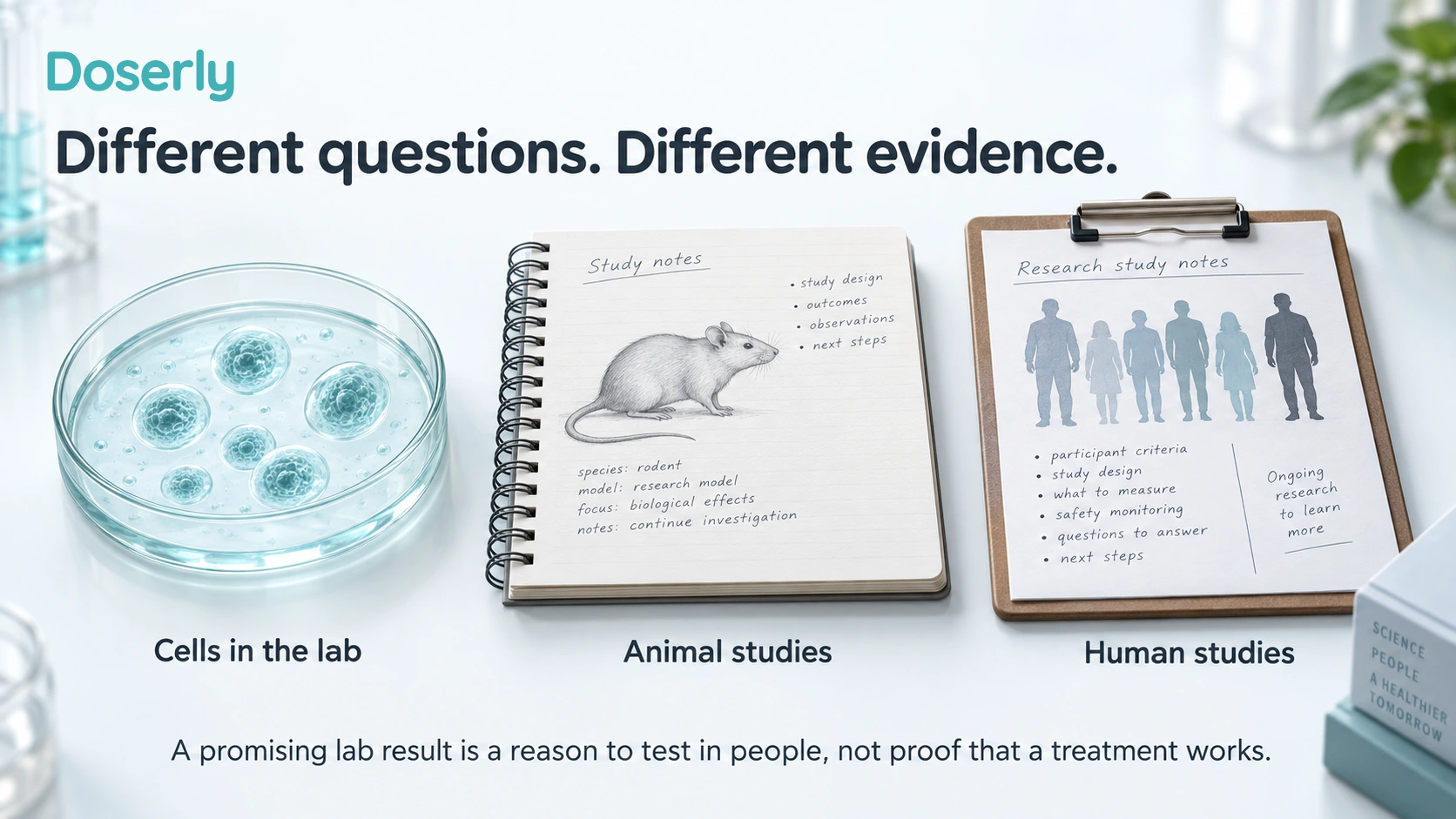
| Question | Evidence | Finding | Boundary |
|---|---|---|---|
| Can oral NR change the target? | 8-week randomized dose-response trial | Whole-blood NAD+ increased at 100, 300 and 1,000 mg/day | Manufacturer-funded; biomarker outcome |
| Can NMN change a metabolic outcome? | 10-week randomized trial | Muscle insulin sensitivity improved at 250 mg/day | 25 postmenopausal women with prediabetes |
| Is more NMN always better? | 60-day randomized dose-ranging trial | Blood NAD higher at all doses; 600 and 900 mg similar on several measures | 80 participants; short, product-specific study |
| Do the trials establish anti-aging efficacy? | 2026 systematic review | Target engagement consistent; healthspan outcomes heterogeneous | No human lifespan evidence |
Biochemical response is the category’s most replicated result. It is useful, but still a surrogate. Blood NAD or related metabolites can confirm exposure without proving a meaningful change in disability, disease events or survival. [2], [4], [5]
The systematic review’s risk-of-bias assessment also limits certainty: among 28 randomized human trials, only one received an overall low-risk judgment, 23 had some concerns and four were high risk. Five nonrandomized studies were rated at serious overall risk. Short duration, small samples, multiple endpoints and commercial involvement make broad claims premature. [5]
What are the risks, interactions and legal limits?
Short NR and NMN trials generally report good tolerability, but the evidence covers specific products for weeks or months. Reported problems can include nausea, abdominal discomfort, diarrhea, headache and other nonspecific symptoms. Long-term safety during pregnancy, breastfeeding, childhood, cancer treatment, serious liver or kidney disease and complex medication use is not established.
Nicotinic acid is a separate caution: supplemental amounts can cause flushing, burning, itching, headache, dizziness and lower blood pressure. High-dose nicotinic acid used for lipid management can affect liver enzymes, glucose and uric acid and belongs under clinical supervision. Nicotinamide has a different adverse-effect profile; gram-level exposure has been associated with GI effects and liver toxicity. [1]
Potential interactions are inadequately characterized for NR and NMN. A clinician or pharmacist should review use with glucose-lowering drugs, cancer treatment, investigational agents, significant liver or kidney disease, or surgery. Do not interpret a lower home glucose reading as permission to change medication. Severe allergy, fainting, chest pain, persistent vomiting, jaundice or marked neurologic symptoms require prompt care.
What is the legal and regulatory status?
In the United States, FDA’s September 2025 petition response concluded that NMN is not excluded from the dietary-supplement definition under the drug-exclusion provision. The agency described NMN as a dietary ingredient and new dietary ingredient. That conclusion does not approve anti-aging efficacy, every product, every claim or product-specific compliance. FDA’s current notification index lists an NMN notification with a January 2026 response, which is also not premarket drug approval. [6], [7]
In Canada, a finished natural health product needs authorization and should bear a matching NPN or DIN-HM. The presence of NR or NMN on a label does not by itself establish that the product, dose and claims are licensed. Sale status and sports eligibility are separate questions; tested athletes should verify exact-lot certification and current anti-doping rules.
What happens when you stop?
NR and NMN do not have an established physiologic withdrawal syndrome in controlled trials. NAD-related blood markers may move back toward baseline after exposure ends, but the timing is formulation- and study-specific. Stopping does not require an invented taper. New or persistent symptoms deserve evaluation rather than assuming “detox” or rebound aging.
What should you monitor?
Record the exact precursor, brand, lot, amount per administration, daily total, time, duration and all co-ingredients. Pick a meaningful outcome before starting, such as a standardized fatigue scale or a clinician-directed metabolic measure. Keep sleep, exercise and medication changes visible because they can alter the same outcomes.
For higher-risk users, laboratory monitoring should come from the underlying condition and clinician plan rather than a universal NAD panel. Blood NAD tests are not standardized consumer endpoints for longevity, and a higher number does not define a therapeutic target. Stop and review the product if symptoms appear, the label changes or the serving cannot be reconciled with the stated amount.
What does community experience add?
Public reports can reveal capsule burden, cost, storage problems, GI tolerance and how often people combine NR or NMN with other products. They cannot confirm product identity, verify a blood marker or distinguish a supplement effect from sleep, training, diet, medication or expectation. No systematic current community sample was assembled for this guide, so it reports no consensus precursor, dose, cycle or response rate.
How do NAD+ precursor options compare?
| Option | Practical distinction | Evidence boundary |
|---|---|---|
| NR | Human dose-response and short-term safety literature is comparatively mature | Biomarker response exceeds clinical-outcome certainty |
| NMN | Human biomarker and selected metabolic/functional trials | Product-specific, short trials; U.S. status changed in 2025 |
| Nicotinamide | Established B3 form without nicotinic-acid flushing | High doses have their own toxicity; not an NMN trial substitute |
| Nicotinic acid | Established nutrient and prescription lipid context | Flushing and medical monitoring differ substantially |
| IV or IM NAD+ | Wellness-market route rather than oral precursor | 2026 review found no eligible controlled anti-aging/wellness outcome trials supporting it [5] |
Common questions
Is NR better than NMN?
No direct evidence establishes a universal winner. NR has a broader mature oral pharmacokinetic history; NMN has human target-engagement and selected outcome trials. Product, dose, population and endpoint matter more than pathway proximity.
Do NAD+ precursors reverse aging?
No human trial has shown reversal of aging or longer life. Biomarker changes and animal lifespan results cannot be converted into a human longevity claim. [5]
Does a higher NAD+ marker mean the product worked?
It shows biochemical target engagement for that measured sample and assay. It does not by itself establish better energy, metabolic health or survival.
Is 900 mg of NMN better than 300 mg?
Yi’s 60-day trial found higher blood NAD at every active dose and selected stronger results at 600 or 900 mg, but the study does not define a universal optimum. More exposure can increase cost and unknown long-term risk. [4]
Should TMG be added to NR or NMN?
No universal TMG requirement or dose is established by the cited precursor trials. Adding it creates a separate intervention and interaction profile.
Is IV NAD+ more effective than oral NR or NMN?
The 2026 review found no eligible controlled IV or IM NAD+ outcome trials supporting anti-aging or wellness benefit. Route intensity is not evidence of clinical superiority. [5]
Are NAD+ precursors the same as vitamin B3?
They sit in related vitamin B3 biology, but their labels, protocols, regulatory histories and adverse effects differ. Niacin intake reference values cannot be treated as NR or NMN protocols. [1]
Glossary
Plain explanations of NAD+ precursor terms.
- NAD+
- Oxidized nicotinamide adenine dinucleotide, a coenzyme involved in redox reactions and enzyme signalling.
- NR
- Nicotinamide riboside, a nucleoside precursor that can be converted to NMN through NRK enzymes.
- NMN
- Nicotinamide mononucleotide, a nucleotide intermediate converted to NAD+ by NMNAT enzymes.
- Target engagement
- Evidence that an intervention changed the intended biochemical pathway or marker.
- Surrogate endpoint
- A marker used in place of a direct clinical outcome; it may not reliably predict how a person feels or functions.
- Hyperinsulinemic-euglycemic clamp
- A controlled research method used to quantify insulin-stimulated glucose disposal.
How this guide was researched
Primary PubMed and PMC records were matched to the displayed titles, authors, products, populations and schedules for each trial. The current systematic review and official U.S. sources were read for the clinical-evidence and regulatory boundaries. The older 2022 NMN exclusion language was not carried forward after the 2025 FDA response.
Research record · checked October 9, 2026
Fresh reads: official NIH niacin guidance, three primary randomized trial records, the 2026 systematic review and FDA/Regulations.gov materials.
Identity verification: PMID 31278280, PMID 33888596, PMID 36482258 and PMID 41655607 were matched to their displayed titles and authors.
Protocol extraction: precursor, branded formulation where reported, amount per administration, daily total, frequency and duration remain separate.
Negative findings: null HOMA-IR results, heterogeneous health outcomes, short follow-up and lack of human lifespan evidence remain visible.
Regulatory correction: the FDA’s 2025 conclusion replaces the stale blanket claim that NMN is excluded from dietary supplements.
Explore the sources
Official nutrient and regulatory sources, primary human trials and a current systematic review.
Showing 7 sources
- 01
Niacin: Fact Sheet for Health Professionals ↗
Official nutrient fact sheet
NAD biology, niacin forms, reference intakes and form-specific adverse effects.
- 02
Safety and Metabolism of Long-term Administration of NIAGEN (Nicotinamide Riboside Chloride) in a Randomized, Double-Blind, Placebo-controlled Clinical Trial of Healthy Overweight Adults. ↗
Randomized controlled trial
Eight-week NR dose-response, whole-blood NAD+ results, safety and commercial conflicts.
- 03
Nicotinamide mononucleotide increases muscle insulin sensitivity in prediabetic women. ↗
Randomized controlled trial
Ten-week 250 mg/day NMN trial with clamp-measured muscle insulin sensitivity.
- 04
The efficacy and safety of β-nicotinamide mononucleotide (NMN) supplementation in healthy middle-aged adults: a randomized, multicenter, double-blind, placebo-controlled, parallel-group, dose-dependent clinical trial. ↗
Randomized dose-ranging trial
Sixty-day 300, 600 and 900 mg/day NMN trial with blood NAD, walking and HOMA-IR outcomes.
- 05
NAD⁺ supplementation for anti-aging and wellness: A PRISMA-guided systematic review of preclinical and clinical evidence. ↗
Systematic review
Human target engagement, heterogeneous healthspan outcomes, risk of bias and parenteral evidence gap.
- 06
FDA response to citizen petition FDA-2023-P-0872 regarding NMN ↗
Regulatory response
Revised U.S. drug-exclusion interpretation; not finished-product approval or efficacy evidence.
- 07
Submitted 75-Day Premarket Notifications for New Dietary Ingredients ↗
Official notification index
Lists beta-NMN notification 1444 and its January 2026 response date without implying approval.
No matching sources
Try a different term or show the full list.
Editorial note
This guide keeps precursor identity, NAD-related target engagement, clinical outcomes, safety and regulation in separate evidence lanes.