
Shilajit: The Complete Supplement Guide
On this page
Quick Reference Card
Attribute
Common Name
- Detail
- Shilajit
Attribute
Other Names / Aliases
- Detail
- Mumie, Mumiyo, Mineral Pitch, Silajit, Silaras, Shilajita, Salajeet, Asphaltum, Ozokerite, Zhaxun (Tibetan)
Attribute
Category
- Detail
- Herbomineral Complex (humic substance / phytocomplex)
Attribute
Primary Forms & Variants
- Detail
- Purified resin (traditional, tar-like consistency); Standardized extract powder (e.g., PrimaVie, standardized to >=50% fulvic acid); Capsules and tablets (varying standardization); Liquid/drops
Attribute
Typical Dose Range
- Detail
- 200-500 mg/day of standardized extract (most clinical trials use 250-500 mg/day); Traditional Ayurvedic recommendations: 300-500 mg/day
Attribute
RDA / AI / UL
- Detail
- No RDA, AI, or UL established. Shilajit is a complex natural substance, not a single nutrient.
Attribute
Common Delivery Forms
- Detail
- Resin (dissolved in warm water or milk), capsule, tablet, powder, liquid drops
Attribute
Best Taken With / Without Food
- Detail
- Most clinical studies administered with meals. Traditional use recommends taking with warm milk or water.
Attribute
Key Cofactors
- Detail
- CoQ10 (synergistic effect on mitochondrial function and ATP production); traditionally paired with milk for enhanced bioavailability
Attribute
Storage Notes
- Detail
- Store in a cool, dry place away from direct sunlight. Resin form is stable at room temperature. Keep container tightly sealed to prevent moisture absorption.
Overview
The Basics
Shilajit is a dark, tar-like substance that oozes from cracks in high-altitude mountain rocks, primarily in the Himalayas, Altai, Caucasus, and Hindu Kush ranges. It forms over centuries from the slow decomposition of plant matter compressed between layers of rock, creating a mineral-rich resin that contains fulvic acid, humic acid, and dozens of trace minerals in their ionic forms [1][2].
The name comes from Sanskrit, roughly translating to "conqueror of mountains and destroyer of weakness." That ambitious title reflects thousands of years of use in Ayurvedic medicine, where it has been classified as a rasayana, a rejuvenating substance believed to promote vitality and longevity. Ancient texts including the Charaka Samhita and Susruta Samhita describe it as a remedy for nearly every ailment, from fatigue and digestive issues to sexual dysfunction and cognitive decline [1][2][3].
In modern supplement terms, shilajit is best understood as a natural mineral complex. Its primary active component is fulvic acid, which acts as a carrier molecule, helping transport minerals and nutrients into cells. It also contains dibenzo-alpha-pyrones (DBPs), which are compounds involved in mitochondrial energy production, along with more than 84 minerals in ionic form [1][2][4].
The interest in shilajit has surged in recent years, driven largely by preliminary research showing testosterone support and energy-related benefits. However, the research base remains limited. Most clinical trials are small, short-term, and use a single patented extract, making broad generalizations difficult [5][6].
The Science
Shilajit is a heterogeneous humic substance of geological and biological origin, classified as an herbomineral drug in the Ayurvedic pharmacopoeia. It is a blackish-brown rock exudate found at altitudes of 1,000-5,000 meters, composed primarily of humic substances (60-80% by weight) with the remainder consisting of non-humic organic compounds and inorganic minerals [1][2].
The chemical composition includes fulvic acid as the principal bioactive fraction, along with dibenzo-alpha-pyrones (DBPs), dibenzo-alpha-pyrone chromoproteins (DCPs), humic acid, uronic acids, phenolic glucosides, amino acids (including glycine, aspartic acid, and glutamic acid in minor quantities), triterpenoic compounds such as 24(Z)-3/3-hydroxytirucalla-7,24-dien-26-oic acid, and over 84 minerals including copper, silver, zinc, iron, selenium, calcium, magnesium, and manganese in their ionic forms [1][2][4][7].
Composition varies substantially by geographic origin, altitude, surrounding rock formation, and climate conditions. This natural variability presents a significant challenge for standardization and quality control. Modern standardized extracts typically specify minimum fulvic acid content (commonly >=50%), DBP content (>=0.3%), and DCP content (>=10%) to address this variability [5][6][8].
The formation mechanism involves the decomposition of higher plant material (including species from genera Euphorbia, Trifolium, and various bryophytes) under conditions of high pressure and temperature within sedimentary rock formations, followed by seasonal exudation driven by thermal expansion during warm months [9].
Chemical & Nutritional Identity
Property
Primary Chemical Class
- Value
- Humic substance / phytocomplex
Property
Principal Bioactive
- Value
- Fulvic acid
Property
Other Key Compounds
- Value
- Dibenzo-alpha-pyrones (DBPs), DBP chromoproteins (DCPs), humic acid, triterpenoids
Property
CAS Number
- Value
- Not applicable (complex natural mixture)
Property
PubChem CID
- Value
- Not applicable (complex natural mixture)
Property
Category
- Value
- Herbomineral complex; Ayurvedic rasayana
Property
Mineral Content
- Value
- 84+ minerals in ionic forms, including iron, zinc, copper, selenium, calcium, magnesium, manganese, silver
Property
Amino Acid Content
- Value
- Glycine, aspartic acid, glutamic acid (minor quantities)
Property
No RDA established
- Value
- Complex natural substance, not a single nutrient
Property
No AI established
- Value
- No data
Property
No UL established
- Value
- No data
Property
Organic Matter
- Value
- 60-80% of humus fraction
Standardized Extract Specifications (PrimaVie)
Component
Total bioactives
- Minimum Content
- >=60% w/w
Component
Fulvic acids (FAs)
- Minimum Content
- >=50% w/w
Component
Dibenzo-alpha-pyrones (DBPs)
- Minimum Content
- >=0.3% w/w
Component
DBP chromoproteins (DCPs)
- Minimum Content
- >=10% w/w
Mechanism of Action
The Basics
Shilajit works through several interconnected pathways, but its core function comes down to energy production and nutrient delivery. Think of fulvic acid, its main active component, as a molecular delivery truck. It picks up minerals and nutrients in their ionic forms and transports them directly into cells, where they are needed for hundreds of biochemical reactions [1][2][10].
One of its most studied mechanisms involves mitochondria, the energy-producing structures inside every cell. Research in animal models suggests that compounds in shilajit, particularly DBPs and fulvic acid, can support mitochondrial function and improve the efficiency of ATP production, which is the energy currency your cells run on. This may explain the increased energy and reduced fatigue that many users report [4][10][11].
Shilajit also appears to support the body's antioxidant defenses. Fulvic acid can scavenge free radicals and reduce oxidative stress, which may help protect cells from damage associated with aging and intense physical activity [1][2][12].
The testosterone-related effects appear to work through a different pathway. Rather than directly producing testosterone, shilajit seems to support the existing hormonal signaling chain while maintaining normal levels of luteinizing hormone (LH) and follicle-stimulating hormone (FSH), suggesting it works by optimizing the body's own production capacity rather than artificially elevating hormones [5][6].
The Science
The pharmacological activity of shilajit is attributed primarily to its fulvic acid fraction and dibenzo-alpha-pyrone (DBP) constituents, acting through multiple mechanisms [1][2][4]:
Mitochondrial energy metabolism: DBPs, particularly 3-hydroxydibenzo-alpha-pyrone (3-OH-DBP) and 3,8-dihydroxydibenzo-alpha-pyrone, function as electron carriers in the mitochondrial electron transport chain, working in tandem with coenzyme Q10 (CoQ10). In murine models, shilajit administration increased mitochondrial CoQ10 concentrations in skeletal muscle and cardiac tissue, enhanced ATP synthesis, and reduced markers of mitochondrial oxidative damage [4][10][11]. The synergistic effect of DBPs with CoQ10 suggests that shilajit may enhance the efficiency of oxidative phosphorylation.
Nutrient transport and mineral delivery: Fulvic acid acts as a chelating agent and carrier molecule, facilitating the transport of ionic minerals across cell membranes. This carrier function enhances the bioavailability of co-administered nutrients and endogenous minerals, potentially explaining the traditional claim that shilajit "amplifies the benefits of other herbs" [1][2][10].
Antioxidant and anti-inflammatory activity: Fulvic acid demonstrates free radical scavenging activity and inhibits lipid peroxidation. In vitro studies show that isolated shilajit components, including fulvic acids, significantly reduce mast cell degranulation in the presence of immunological stimuli, suggesting anti-allergic and anti-inflammatory properties [7][12].
Hormonal modulation: In a randomized, double-blind, placebo-controlled trial (n=75), 250 mg purified shilajit twice daily for 90 days significantly increased total testosterone, free testosterone, and dehydroepiandrosterone sulfate (DHEA-S) in healthy men aged 45-55, with maintained levels of LH and FSH [5]. The mechanism is not fully elucidated but may involve preservation of Leydig cell function and optimization of the hypothalamic-pituitary-gonadal axis.
Nociceptive modulation: In isolated substantia gelatinosa neurons, shilajit produced concentration-dependent inward currents (EC50 = 562 ug/mL), which were abolished by strychnine (glycine receptor antagonist) and partially reduced by GABAA receptor antagonism, suggesting glycinergic and GABAergic involvement in its analgesic properties [7].
Absorption & Bioavailability
The Basics
Shilajit's absorption story is quite different from most supplements because it is not a single molecule with a measurable absorption rate. Instead, it is a complex mixture where the different components follow different pathways into the body [1][2].
Fulvic acid, the primary active fraction, is water-soluble and appears to be reasonably well absorbed through the gastrointestinal tract. This is one reason traditional Ayurvedic practice recommends dissolving shilajit resin in warm water or milk before consuming it. The warm liquid helps dissolve the resin and may improve the availability of its water-soluble components [2][3].
The mineral components in shilajit are already in ionic form, which is generally more bioavailable than mineral salts found in many standard supplements. Interestingly, fulvic acid itself may enhance the absorption of these minerals by acting as a natural chelator, essentially escorting them across intestinal membranes [1][2][10].
After absorption, shilajit is slowly metabolized. Peak blood levels are reached approximately 12-14 hours after consumption, which is notably slow compared to many supplements. This slow metabolism may explain why consistent daily use over weeks to months is emphasized rather than single-dose effects [3].
One important consideration is that the form of shilajit matters significantly. Purified, standardized extracts have been specifically processed to concentrate the bioactive components and remove contaminants, while raw, unprocessed resin may contain variable amounts of active compounds along with potentially harmful substances including free radicals and fungal contaminants [2][3].
The Science
The pharmacokinetics of shilajit are not fully characterized in human studies due to the complexity of its composition. Available data suggest the following absorption and distribution profile [2][3][5]:
Absorption: Fulvic acid is water-soluble and absorbed through the gastrointestinal tract, though specific bioavailability values have not been quantified in controlled human pharmacokinetic studies. The ionic mineral fraction is absorbed through standard mineral absorption pathways, with fulvic acid potentially enhancing mineral uptake through chelation and carrier-mediated transport [1][2][10].
Time to peak concentration: Approximately 12-14 hours post-oral administration, indicating slow absorption and/or extensive first-pass metabolism [3].
Distribution: Based on animal and limited human data, shilajit components distribute to multiple tissues including skeletal muscle, cardiac tissue, liver, kidney, spleen, brain, and adipose tissue. DBPs and their conjugates have been identified in mitochondrial fractions, consistent with their proposed role in the electron transport chain [4][10][11].
Form-dependent bioavailability: The bioavailability of shilajit is influenced by the form consumed. Purified and standardized extracts (e.g., PrimaVie, standardized to >=50% fulvic acid) provide consistent concentrations of bioactive components. Raw resin contains variable fulvic acid content and may include compounds that interfere with absorption. Processing and purification methods significantly impact the final bioactive profile [5][6][8].
Cofactor interactions: Co-administration with CoQ10 in murine models demonstrated synergistic effects on mitochondrial CoQ10 levels and ATP production, suggesting that fulvic acid and DBPs may enhance CoQ10 bioavailability and utilization [4][10][11].
Understanding how your body absorbs a supplement is only useful if you can act on it. Doserly lets you log exactly when you take each form, whether it's a capsule with a meal, a sublingual tablet on an empty stomach, or a liquid taken with a cofactor, so you can see how timing and form choices affect your results over time.
The app also tracks cofactor pairings that influence absorption. If a supplement works better alongside vitamin C, fat, or black pepper extract, Doserly reminds you to take them together and logs both. Over weeks, your personal data reveals whether those pairing strategies are translating into measurable differences in the biomarkers you're tracking.
Build reminders around the routine, not just the compound.
Doserly can keep timing, skipped doses, and schedule changes organized so the plan you read about becomes easier to follow and review.
Today view
Upcoming reminders

Reminder tracking supports consistency; it does not select a protocol for you.
Research & Clinical Evidence
The Basics
The honest summary of shilajit research is this: there is genuine scientific interest and some encouraging early results, but the evidence base remains limited. Most human trials are small (fewer than 100 participants), short-term (8-12 weeks), and use a single branded extract, which makes it difficult to draw broad conclusions about shilajit as a whole [5][6][7].
The strongest evidence exists for testosterone support. A well-designed randomized, double-blind, placebo-controlled trial found that 500 mg of standardized shilajit daily for 90 days significantly increased total testosterone, free testosterone, and DHEA-S in healthy men aged 45-55 [5]. A separate study in infertile men showed a 23.5% increase in testosterone along with improved sperm parameters [13].
For exercise performance, an 8-week study found that 500 mg per day helped participants retain more muscular strength after fatiguing exercise and showed favorable markers of connective tissue health. The lower dose of 250 mg per day did not produce significant effects [6].
Blood sugar effects are less clear. One study showed a modest 6.8% reduction in blood glucose with 200 mg per day over 90 days, but a larger-dose study (2,000 mg/day for 45 days) showed no blood sugar changes, leaving the picture uncertain [7].
The lipid data is limited to a single study showing reductions in triglycerides, LDL cholesterol, and increases in HDL cholesterol with 2,000 mg per day, but this needs replication [7].
The Science
Testosterone and Reproductive Health
Pandit et al. (2016) conducted a randomized, double-blind, placebo-controlled clinical trial in healthy male volunteers (n=75) aged 45-55 years, administering 250 mg purified shilajit (PrimaVie) twice daily for 90 consecutive days. Treatment significantly (P < 0.05) increased total testosterone, free testosterone, and DHEA-S compared with placebo, while gonadotropic hormones (LH and FSH) remained within normal ranges [5].
In oligospermic men, 200 mg shilajit (54.8% fulvic acid) daily for 90 days improved semen volume (+37.6%), sperm count (+61.4%), motility (+12.4-17.4%), and normal morphology (+18.9%), with concurrent reduction in seminal malondialdehyde (MDA, -18.7%), indicating reduced oxidative stress in the reproductive tract [13]. Testosterone increased by 23.5% (4.85 to 5.99 ng/mL) [7][13].
Muscular Strength and Exercise Performance
Keller et al. (2019) examined 8 weeks of PrimaVie supplementation at 250 mg/day and 500 mg/day versus placebo. The 500 mg/day group demonstrated significantly less decline in maximal voluntary isometric contraction (MVIC) following a fatiguing protocol and decreased baseline serum hydroxyproline (HYP), indicating favorable muscular strength retention and connective tissue adaptations. The 250 mg/day dose did not reach statistical significance [6].
Glucose Metabolism
Results are inconsistent. One trial (200 mg/day, 54.8% fulvic acid, 90 days) showed a 6.8% reduction in fasting blood glucose in healthy males [7]. A separate trial (2,000 mg/day, 6.61% fulvic acid, 45 days) failed to demonstrate significant glucose changes [7]. The discrepancy may reflect differences in fulvic acid content, duration, or the non-linear dose-response characteristic of complex herbal substances.
Lipid Profile
A single study using 2,000 mg shilajit daily (6.61% fulvic acid) for 45 days in healthy adults reported reductions in triglycerides (-21.7%), LDL-C (-22.6%), vLDL-C (-20.6%), and an increase in HDL-C (+5.8%) [7]. These findings require replication in larger trials.
Mitochondrial Function and CoQ10 Interaction
Preclinical studies demonstrate that shilajit administration increases mitochondrial CoQ10 concentrations and ATP production in murine models. The combination of shilajit with CoQ10 produced synergistic effects on mitochondrial function, with the combination restoring ATP levels in brain and blood tissue to near-baseline values following exhaustive exercise [4][10][11].
Evidence & Effectiveness Matrix
Category
Hormonal Symptoms
- Evidence Strength
- 7/10
- Reported Effectiveness
- 7/10
- Summary
- RCT evidence of testosterone and DHEA-S increases in healthy and infertile men. Lab-verified community reports consistent with clinical data.
Category
Energy Levels
- Evidence Strength
- 5/10
- Reported Effectiveness
- 7/10
- Summary
- Mechanistic support via mitochondrial/ATP pathways. Limited direct human energy outcome data, but strong community consensus on energy improvement.
Category
Libido
- Evidence Strength
- 6/10
- Reported Effectiveness
- 7/10
- Summary
- Testosterone increases would mechanistically support libido. Community reports consistently highlight sex drive as a primary benefit.
Category
Physical Performance
- Evidence Strength
- 6/10
- Reported Effectiveness
- 5/10
- Summary
- One RCT showed muscular strength retention at 500 mg/day. Community reports mixed, with some noting gym performance and others not.
Category
Focus & Mental Clarity
- Evidence Strength
- 3/10
- Reported Effectiveness
- 6/10
- Summary
- No dedicated human cognitive trials for shilajit alone. One confounded polyherbal study. Community reports moderately positive for focus.
Category
Heart Health
- Evidence Strength
- 4/10
- Reported Effectiveness
- N/A
- Summary
- Single study showing lipid improvements. Preliminary in vitro cardiac tissue effects. Community data not yet collected for this category.
Category
Mood & Wellbeing
- Evidence Strength
- 3/10
- Reported Effectiveness
- 6/10
- Summary
- Traditional adaptogen classification. Limited direct evidence. Community reports generally positive for wellbeing.
Category
Stress Tolerance
- Evidence Strength
- 3/10
- Reported Effectiveness
- 5/10
- Summary
- Traditional adaptogenic use. Animal anxiolytic data. Limited human evidence.
Category
Inflammation
- Evidence Strength
- 3/10
- Reported Effectiveness
- N/A
- Summary
- In vitro mast cell degranulation inhibition. Anti-inflammatory traditional use. No human inflammatory marker studies.
Category
Immune Function
- Evidence Strength
- 2/10
- Reported Effectiveness
- N/A
- Summary
- Traditional immunostimulant claims. Animal immunomodulatory data. No human immune outcome trials.
Category
Sleep Quality
- Evidence Strength
- 2/10
- Reported Effectiveness
- 4/10
- Summary
- No direct sleep studies. Traditional use for insomnia at altitude. Community reports are sparse and mixed.
Categories scored: 11
Categories with community data: 9
Categories not scored (insufficient data): Fat Loss, Muscle Growth, Weight Management, Appetite & Satiety, Food Noise, Memory & Cognition, Anxiety, Motivation & Drive, Emotional Aliveness, Emotional Regulation, Sexual Function, Joint Health, Pain Management, Recovery & Healing, Gut Health, Digestive Comfort, Nausea & GI Tolerance, Skin Health, Hair Health, Blood Pressure, Heart Rate & Palpitations, Temperature Regulation, Fluid Retention, Body Image, Bone Health, Longevity & Neuroprotection, Cravings & Impulse Control, Social Connection, Side Effect Burden, Treatment Adherence, Withdrawal Symptoms, Daily Functioning
Benefits & Potential Effects
The Basics
Shilajit's benefit profile centers on a few core areas where there is at least some clinical evidence, surrounded by a broader set of traditional claims that await modern validation.
The most substantiated benefit is testosterone support. In men aged 45-55, purified shilajit increased both total and free testosterone over 90 days of consistent use. For men in the age range where testosterone naturally begins declining, this is a noteworthy finding, though it comes from a single well-designed trial [5].
Energy and vitality represent the most widely reported subjective benefit. The traditional classification of shilajit as a "rejuvenator" aligns with what many modern users describe: more sustained daytime energy without the jitteriness of stimulants. The mechanistic basis for this, improved mitochondrial ATP production, is supported by animal studies, though direct human energy outcome trials are limited [4][10][11].
Male fertility support has preliminary evidence showing improvements in sperm count, motility, and morphology in men with low sperm counts [7][13].
Exercise-related benefits include better retention of muscular strength after fatigue-inducing exercise, observed at 500 mg per day over 8 weeks. The proposed mechanism involves improved connective tissue integrity and muscle adaptation at the cellular level [6].
It is important to note that many traditional claims, including benefits for cognitive function, immune support, gut health, and anti-aging, lack human clinical evidence specific to shilajit.
The Science
Androgenic and reproductive effects: Purified shilajit (500 mg/day) significantly elevated total testosterone, free testosterone, and DHEA-S in healthy males aged 45-55 over 90 days (P < 0.05), with maintenance of normal gonadotropic hormone levels [5]. In oligospermic men (n=60), 200 mg/day for 90 days improved semen volume (+37.6%), total sperm count (+61.4%), sperm motility (+12.4-17.4%), and morphologically normal spermatozoa (+18.9%), with concurrent reductions in seminal MDA (-18.7%) and serum increases in testosterone (+23.5%) and FSH (+9.8%) [7][13].
Muscular performance: Eight weeks of PrimaVie supplementation at 500 mg/day promoted retention of maximal voluntary isometric contraction strength following fatiguing protocols and decreased baseline serum hydroxyproline, a marker of collagen turnover, suggesting favorable skeletal muscle and connective tissue adaptations. The effect was dose-dependent; 250 mg/day did not reach significance [6].
Mitochondrial bioenergetics: In murine forced-swimming models, shilajit administration (30 mg/kg/day) restored CoQ10 concentrations in skeletal muscle and blood to levels comparable to exogenous CoQ10 supplementation (15 mg/kg/day). The combination of shilajit with CoQ10 produced synergistic increases in ATP, adenylate energy charge (AEC), and total adenine nucleotide (TAN) levels [4][10][11].
Lipid metabolism: A single trial using 2,000 mg/day for 45 days demonstrated reductions in triglycerides (-21.7%), LDL-C (-22.6%), vLDL-C (-20.6%), and increases in HDL-C (+5.8%) in healthy adults [7].
Side Effects & Safety
The Basics
At the doses used in clinical trials (200-500 mg per day of purified extract), shilajit appears to be well-tolerated. Studies lasting up to 90 days have not reported clinically significant adverse effects [5][7].
However, the safety conversation around shilajit centers on two distinct concerns: the supplement itself and what might be in it.
Regarding the supplement itself, common reported side effects are mild and include slight gastrointestinal discomfort and overstimulation (feeling "wired") at higher doses. Some community reports suggest individual sensitivity varies widely, with some users finding even 250 mg too stimulating while others tolerate 500 mg or more without issue.
The more serious concern involves contamination. Raw, unprocessed shilajit can contain heavy metals including lead, mercury, arsenic, cadmium, and thallium, which accumulate during the geological formation process. A 2025 peer-reviewed study found thallium concentrations of up to 0.095 micrograms per tablet in some commercial supplements, and in some cases, supplements contained higher thallium levels than the raw material itself [8][14]. Raw shilajit may also contain fungal organisms including Aspergillus niger and Trichothecium roseum [3].
This contamination risk makes product quality and purification critically important. Purified, standardized extracts undergo processing designed to remove heavy metals and biological contaminants, while unprocessed resin products carry substantially higher risk [3][8][14].
Traditional Ayurvedic texts note that shilajit should not be consumed with horse gram, pigeon meat, or Solanum nigrum (black nightshade) [3].
The Science
Human safety data: In a 90-day trial (200 mg/day in men), standard toxicological biomarkers remained within normal limits. Notable but non-adverse changes included a small decrease in serum creatinine (-7.8%), increases in hemoglobin (+5.2%, without morphological changes in RBCs), and increased WBC count (+6%) [7]. A 45-day trial using 2,000 mg/day in healthy adults aged 16-30 also reported no significant toxicological changes [7].
Animal toxicology: Shilajit at 100 mg/kg body weight daily for 6 weeks in rats showed no abnormal organ weight changes. Acute toxicity testing demonstrated safety up to 3 g/kg body weight in mice [3][7].
Heavy metal contamination: Published analyses document the presence of lead (Pb), mercury (Hg), arsenic (As), cadmium (Cd), aluminum (Al), chromium (Cr), and thallium (Tl) in raw shilajit and some commercial products. Kamgar et al. (2025) quantified thallium at up to 0.226 ug/g in natural shilajit and up to 0.5 ug/g in supplements, with per-tablet exposure of up to 0.095 ug Tl [14]. Notably, some supplements contained higher thallium concentrations than crude raw material, raising questions about processing-related concentration [8][14].
Biological contamination: Unprocessed shilajit has been found to contain Aspergillus niger, Aspergillus ochraceous, and Trichothecium roseum. Raw shilajit also contains significant concentrations of free radicals [3].
Drug interaction potential: No formal drug interaction studies have been conducted. Given shilajit's effects on glucose metabolism and testosterone, theoretical interactions exist with antidiabetic medications, anticoagulants, and hormone-modulating therapies. Consultation with a healthcare provider is advisable for individuals on prescription medications.
Knowing the possible side effects is the first step. Catching them early in your own experience is what keeps a supplement routine safe. Doserly lets you log any symptoms as they arise, tagging them with severity, timing relative to your dose, and whether they resolve on their own or persist.
The app's interaction checker cross-references everything in your stack, supplements and medications alike, flagging known interactions before they become a problem. It also monitors your total intake against established upper limits, alerting you if your combined sources of a nutrient are approaching thresholds where risk increases. Think of it as a safety net that works quietly in the background while you focus on the benefits.
Connect protocol changes to labs and health markers.
Doserly can keep lab results, biomarkers, symptoms, and dose history close together so follow-up conversations have better context.
Insights
Labs and trends
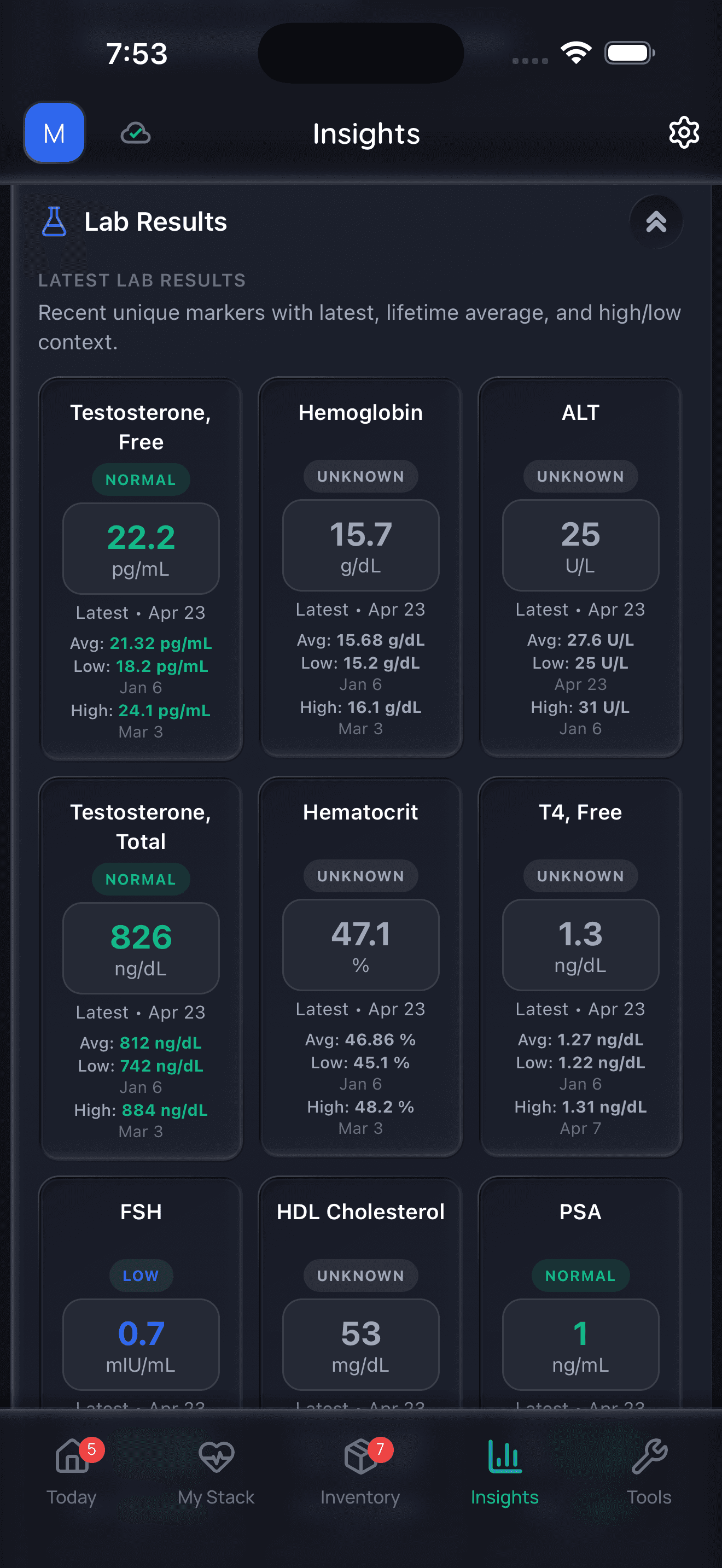
Doserly organizes data; it does not diagnose or interpret labs for you.
Dosing & Usage Protocols
The Basics
Shilajit dosing in clinical research has ranged from 200 mg to 2,000 mg per day, with 500 mg per day split into two doses being the most commonly studied regimen. The optimal dose appears to depend heavily on both the specific product (standardization matters enormously) and the individual [5][6][7].
Most of the positive clinical results, including the testosterone and exercise performance studies, used doses of 250-500 mg per day of standardized extract. The traditional Ayurvedic recommendation of 300-500 mg per day falls within this same range [3][5][6].
A few important considerations about dosing: first, consistency appears to matter more than total daily amount. The testosterone study showed progressive increases at 30, 60, and 90 days, suggesting cumulative effects over time [5]. Second, some individuals report sensitivity at standard doses, describing overstimulation or restlessness, which may warrant starting at a lower dose and adjusting upward. Third, the quality and standardization of the product directly affects effective dosing. A product with 50% fulvic acid delivers a very different bioactive load than one with 6% fulvic acid, even at the same milligram dose [5][7].
Traditional practice recommends taking shilajit with warm milk or water, typically in the morning or split between morning and evening. Clinical trials have generally administered it with meals.
The Science
Clinical trial dosing protocols:
Study
Pandit et al., 2016
- Dose
- 250 mg twice daily (500 mg/day)
- Duration
- 90 days
- Form
- PrimaVie (>=50% FA, >=10% DCPs)
- Key Outcome
- Significant testosterone increase
Study
Biswas et al., 2009
- Dose
- 100 mg twice daily (200 mg/day)
- Duration
- 90 days
- Form
- Standardized (54.8% FA)
- Key Outcome
- Improved sperm parameters, testosterone +23.5%
Study
Keller et al., 2019
- Dose
- 250 mg/day or 500 mg/day
- Duration
- 56 days
- Form
- PrimaVie
- Key Outcome
- Strength retention at 500 mg only
Study
Sharma et al. (lipid/glucose)
- Dose
- 2,000 mg/day
- Duration
- 45 days
- Form
- 6.61% FA
- Key Outcome
- Lipid improvements, no glucose change
Standardization considerations: Products standardized to >=50% fulvic acid with specified DBP and DCP content (e.g., PrimaVie specifications) are the only form with published clinical trial data. Non-standardized products cannot be assumed to produce equivalent effects [5][6][8].
What to Expect (Timeline)
Based on available clinical data and community reports, a general timeline for shilajit supplementation at 250-500 mg/day of a standardized extract:
Weeks 1-2: Most users do not notice dramatic changes in the first week. Some individuals report a subtle increase in energy and alertness within the first few days, while others feel nothing. A minority may experience mild overstimulation or gastrointestinal adjustment. This is a period of acclimation rather than measurable benefit.
Weeks 3-4: Energy effects become more consistent for most users. Afternoon energy crashes may decrease. Some users begin to notice improved focus and mental clarity. Sleep quality may shift slightly (some report more vivid dreams). Early subjective changes in mood and stress tolerance may appear. The effects feel cumulative rather than sudden.
Weeks 5-8: The exercise performance study showed significant effects (strength retention, connective tissue markers) at the 8-week mark at 500 mg/day [6]. Users who respond well typically describe sustained energy, improved workout capacity, and in some cases, noticeable changes in libido. This is also the period where non-responders become apparent, as those who will not benefit from shilajit have usually not seen meaningful effects by this point.
Weeks 9-12+ (90 days): The testosterone study measured outcomes at 30, 60, and 90 days, with the most significant increases at the 90-day mark [5]. Sperm parameter improvements were also measured at 90 days [13]. Long-term users (months to years) report that benefits plateau and stabilize rather than continuing to increase. Some users cycle shilajit (e.g., 3 months on, 1 month off), though no clinical data supports or refutes cycling protocols.
Peak blood levels: Shilajit reaches maximum blood concentration approximately 12-14 hours after a single dose [3], which is notably slow. This pharmacokinetic profile supports once or twice daily dosing with a consistent routine.
Timelines in the research give you a general idea of when to expect results, but your body has its own schedule. Doserly tracks your progress against those benchmarks, letting you see whether your experience aligns with typical response curves or whether something in your protocol might need adjusting.
By logging biomarkers and subjective outcomes alongside your supplement intake, you build a personal timeline that shows exactly when changes started appearing and how they've progressed. The app's trend analysis highlights inflection points, weeks where things shifted for better or worse, so you have concrete data when deciding whether to continue, adjust your dose, or try a different form.
Capture changes while they are still fresh.
Log symptoms, energy, sleep, mood, and other observations alongside protocol events so patterns do not live only in memory.
Trend view
Symptom timeline
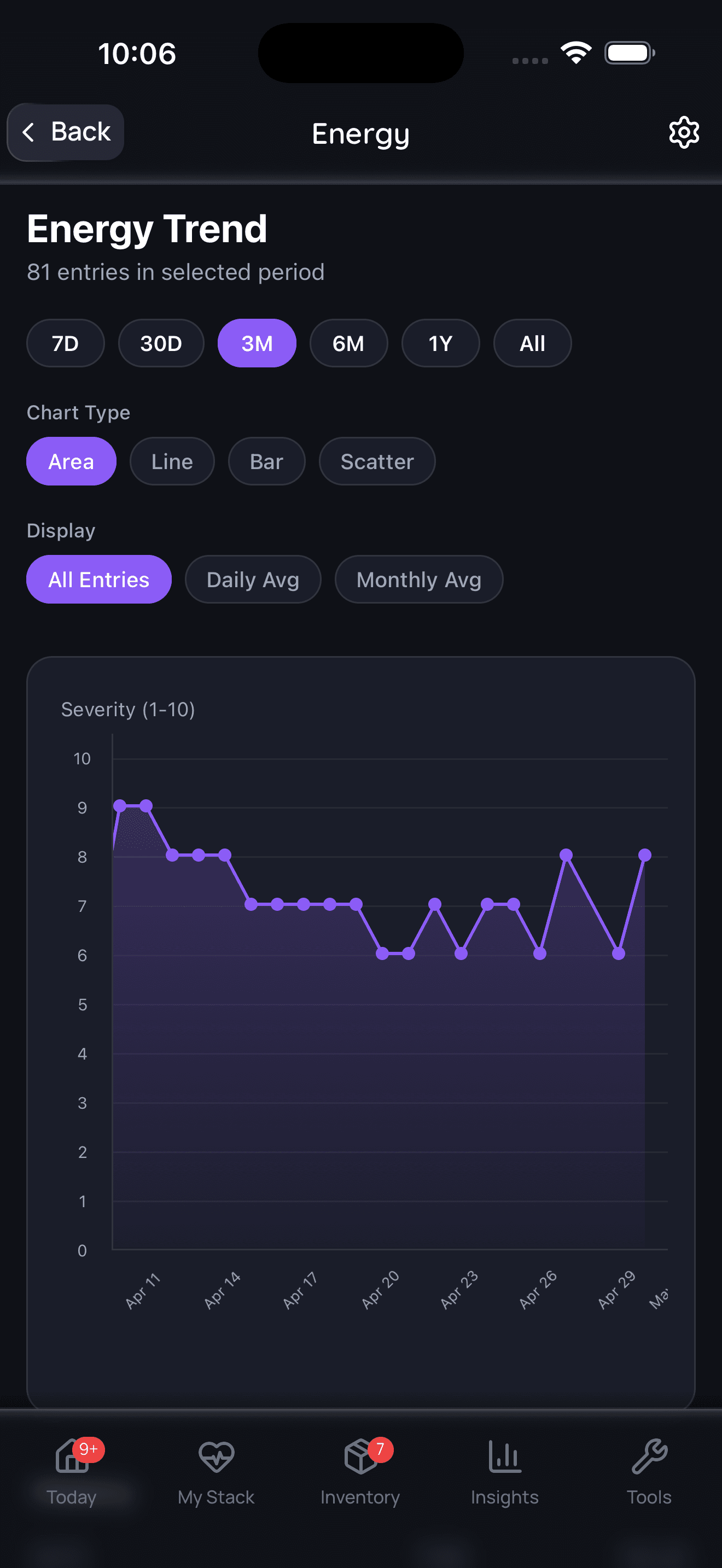
Symptom tracking is informational and should be interpreted with a qualified clinician.
Interactions & Compatibility
Synergistic
- CoQ10 (if available, otherwise search registry): Preclinical evidence shows synergistic effects on mitochondrial CoQ10 levels and ATP production. The combination restored ATP to near-baseline levels in exercised animals where either compound alone was only partially effective [4][10][11].
- Ashwagandha: Both are Ayurvedic rasayanas traditionally used together. Complementary adaptogenic mechanisms. Ashwagandha primarily modulates cortisol and GABAergic pathways while shilajit targets mitochondrial energy and mineral delivery.
- Vitamin C: May help protect against vanadium-induced and other heavy metal-related oxidative stress from trace contaminants. Vitamin C also supports mineral absorption.
- Zinc: Shilajit contains trace zinc in ionic form. Zinc is a cofactor for testosterone synthesis, potentially complementing shilajit's testosterone-supporting effects.
- Magnesium: One of the minerals present in shilajit's ionic mineral complex. Supplemental magnesium may complement shilajit's energy and muscle relaxation effects.
Caution / Avoid
- Antidiabetic medications: Shilajit has demonstrated modest blood glucose-lowering effects in one human trial [7]. Concurrent use with insulin or oral hypoglycemics could theoretically increase hypoglycemia risk. Monitor blood glucose and consult a healthcare provider.
- Anticoagulant/antiplatelet drugs: No direct interaction studies, but shilajit's effects on platelet function and blood parameters have not been fully characterized. Exercise caution and consult a healthcare provider.
- Hormone-modulating therapies: Given the documented effects on testosterone and DHEA-S [5][13], individuals on testosterone replacement therapy, anti-androgen therapy, or hormonal contraceptives should consult their healthcare provider before adding shilajit.
- Iron supplements (high dose): Shilajit contains ionic iron. High-dose supplemental iron combined with shilajit's iron content could theoretically contribute to excessive iron intake in susceptible individuals (e.g., those with hemochromatosis).
- Horse gram, pigeon meat, Solanum nigrum (black nightshade): Traditional Ayurvedic contraindications documented in classical texts [3].
How to Take / Administration Guide
Recommended forms: Standardized extracts with specified fulvic acid content (>=50%) and DBP/DCP content have the most clinical evidence. Purified resin is the traditional form. Both are considered acceptable, though standardized extracts provide more consistent dosing. Capsules and tablets are available for convenience.
Timing considerations: Most clinical trials administered shilajit with meals. Traditional practice recommends morning dosing or split between morning and evening. Some users report stimulatory effects that may interfere with sleep if taken late in the day. Consider starting with morning dosing and adjusting based on personal response.
Preparation (resin form): Dissolve a pea-sized amount (approximately 300-500 mg) in warm (not boiling) water or milk. Stir until fully dissolved. The resulting liquid will be dark brown with a characteristic bitter, slightly smoky taste. Traditional preparation uses warm milk, which may enhance bioavailability of fat-soluble components.
Stacking guidance: If stacking with CoQ10, take together for potential synergistic mitochondrial benefits. If taking with other supplements, shilajit can generally be included in a morning stack. Space apart from high-dose individual mineral supplements to avoid exceeding intake thresholds for specific minerals.
Cycling guidance: No clinical data specifically addresses cycling. Some practitioners and experienced users recommend cycling (e.g., 8-12 weeks on, 2-4 weeks off) to prevent tolerance, though this practice is based on tradition and anecdotal observation rather than controlled studies. Continuous use for 90 days was well-tolerated in clinical trials [5][7].
Choosing a Quality Product
Quality is arguably more important for shilajit than for most supplements due to the significant contamination risks and composition variability inherent in this natural substance.
Third-party certifications to look for:
- BSCG Certified Quality: Specifically offers shilajit authentication using FTIR (Fourier-transform infrared spectroscopy) alongside heavy metal and banned substance screening [8].
- NSF International / NSF Certified for Sport: General supplement quality verification.
- USP Verified: Quality standards testing for identity, strength, purity, and performance.
- Informed Sport: Relevant for athletes concerned about banned substance contamination.
Standardization markers to verify:
- Fulvic acid content: >=50% is the benchmark used in clinical trials.
- DBP and DCP content: >=0.3% DBPs and >=10% DCPs are the PrimaVie specifications used in published research.
- Products that do not specify fulvic acid content on the label or Certificate of Analysis (COA) should be viewed with caution.
Red flags:
- No Certificate of Analysis (COA) available upon request.
- No specification of fulvic acid content or standardization.
- Claims of "pure" or "raw" shilajit without heavy metal testing documentation. Raw, unprocessed shilajit carries significant contamination risk [3][8][14].
- Extremely low pricing (quality shilajit requires extensive purification and testing).
- Synthetic shilajit, which is not a legal dietary supplement ingredient and may not contain the bioactive profile of natural shilajit [8].
- Products with fulvic acid content varying wildly from label claims. Testing by independent labs has found fulvic acid amounts ranging from 6.9 mg to 2,206 mg per serving across commercial products.
Heavy metal testing: This is non-negotiable for shilajit. Verify that the manufacturer tests for at minimum: lead (Pb), mercury (Hg), arsenic (As), cadmium (Cd). Ideally, testing should also include thallium (Tl), aluminum (Al), and chromium (Cr) [8][14]. ICP-MS (Inductively Coupled Plasma Mass Spectrometry) is the gold standard analytical method for heavy metal quantification.
Form considerations: Standardized extracts in capsule form offer the most consistent dosing and are the form used in clinical trials. Resin form is traditional and may appeal to purists, but dosing is less precise. Gummies and flavored forms may contain additional ingredients that dilute the active content.
Storage & Handling
Shilajit is a relatively stable substance when stored properly. Resin form should be kept in a tightly sealed container (preferably glass) at room temperature, away from direct sunlight and moisture. It does not require refrigeration, though some users prefer to refrigerate resin to maintain a firmer consistency that is easier to portion.
Capsules, tablets, and powder forms should follow standard supplement storage: cool, dry place, away from direct sunlight, in the original container. No special handling requirements.
Shelf life varies by form and manufacturer but is typically 2-3 years for properly stored products. Resin that has dried out excessively can be reconstituted with a small amount of warm water, though this may indicate suboptimal storage conditions.
Do not use raw, unprocessed shilajit that has not been tested and certified free of heavy metals and biological contaminants [3][8].
Lifestyle & Supporting Factors
Diet: A balanced diet rich in whole foods provides the cofactors needed for shilajit's proposed mechanisms to function optimally. Adequate protein intake supports the testosterone and muscle-related benefits. Foods rich in CoQ10 (organ meats, fatty fish, whole grains) may complement shilajit's mitochondrial effects.
Exercise: The clinical evidence for shilajit's exercise benefits was observed in active individuals performing resistance training. Regular exercise, particularly resistance training, may maximize the strength and body composition benefits [6].
Hydration: Adequate water intake is important when supplementing with any mineral-containing product. Traditional preparation involves dissolving shilajit in warm water or milk, which inherently supports hydration.
Sleep: While shilajit is not a sleep supplement per se, adequate sleep (7-9 hours) supports the hormonal pathways that shilajit appears to influence, particularly testosterone production, which peaks during sleep.
Monitoring: Consider baseline and follow-up blood work for testosterone (total and free), DHEA-S, and a basic metabolic panel if using shilajit specifically for hormonal support. This provides objective data to assess response beyond subjective feelings.
Signs of deficiency that may indicate benefit: Shilajit is not correcting a single nutrient deficiency. However, individuals with chronic fatigue, low testosterone (confirmed by blood work), mineral-poor diets, or those living/exercising at high altitudes may be populations most likely to notice benefits based on the available evidence [2][3].
Regulatory Status & Standards
United States (FDA): Shilajit is regulated as a dietary supplement under the Dietary Supplement Health and Education Act (DSHEA) of 1994. Manufacturers may make structure/function claims (e.g., "supports energy metabolism") but cannot claim to treat, cure, or prevent disease. The FDA does not pre-approve shilajit products before marketing [8].
Canada (Health Canada): Canadian authorities have issued warnings and may detain unauthorized Ayurvedic imports due to contaminant detection. Shilajit products must comply with Natural Health Product (NHP) regulations to be legally sold [8].
European Union (EFSA): Shilajit is classified as a novel food and/or herbal supplement, requiring comprehensive safety assessments for authorized sale. The EU applies extensive requirements including maximum permitted levels for contaminants [8].
Australia (TGA): The Therapeutic Goods Administration upholds strict herbal supplement standards. Shilajit products must comply with complementary medicine regulations and listed medicines requirements [8].
Athlete & Sports Regulatory Status:
- WADA: Shilajit is not listed on the current WADA Prohibited List. It is not classified as a prohibited substance under any WADA category (S0-S9, M1-M3, P1). However, athletes should be aware that contaminated shilajit products could contain prohibited substances, making third-party certification critical.
- National Anti-Doping Agencies (USADA, UKAD, etc.): No specific advisories have been issued regarding shilajit. General guidance from USADA and UKAD recommends that athletes only use supplements certified by third-party programs to reduce contamination risk.
- NCAA: Shilajit is not on the NCAA banned substance list. However, NCAA policy requires that supplements provided by athletic departments carry NSF Certified for Sport or Informed Sport certification.
- Athlete Certification Programs: Certified shilajit products are available through some third-party programs. BSCG Certified Quality has developed specific FTIR-based authentication for shilajit [8]. Athletes should verify that their specific product carries current certification.
- GlobalDRO: Athletes can check the status of specific shilajit products at GlobalDRO.com, which covers the US, UK, Canada, Australia, Japan, Switzerland, and New Zealand.
Regulatory status and prohibited substance classifications change frequently. Athletes should always verify the current status of any supplement with their sport's governing body, their national anti-doping agency, and a qualified sports medicine professional before use. Third-party certification (Informed Sport, NSF Certified for Sport) reduces but does not eliminate the risk of contamination with prohibited substances.
FAQ
Does shilajit actually increase testosterone?
Based on available data, one well-designed randomized controlled trial found that 500 mg/day of standardized shilajit (PrimaVie) for 90 days significantly increased total testosterone, free testosterone, and DHEA-S in healthy men aged 45-55. A separate study in infertile men showed a 23.5% testosterone increase at 200 mg/day. These results are promising but come from a small number of studies using a single branded product [5][13].
Is shilajit safe to take every day?
Clinical trials using 200-500 mg/day of purified, standardized shilajit for up to 90 days reported no clinically significant adverse effects. However, long-term safety data (beyond 3 months) in humans is not available. The primary safety concern relates to product quality; only purified, heavy metal-tested products should be considered for regular use [5][7][8][14].
Does shilajit contain dangerous heavy metals?
Raw shilajit naturally contains heavy metals including lead, mercury, arsenic, cadmium, and thallium accumulated during its geological formation. Purified and standardized extracts undergo processing to reduce these contaminants. However, research has found that some commercial products still contain measurable heavy metal levels. Always verify that a product provides a Certificate of Analysis (COA) with heavy metal testing results [8][14].
How long does it take to feel the effects of shilajit?
Based on community reports and clinical data, initial energy effects may appear within 1-3 weeks. More substantial benefits (testosterone changes, exercise performance) are typically measured at 8-12 weeks in clinical studies. The substance reaches peak blood concentration 12-14 hours after a single dose [3][5][6].
Is raw shilajit resin better than capsules?
Raw, unprocessed shilajit carries significant risks including heavy metal contamination and biological contaminants (fungi). The clinical evidence supporting shilajit's benefits comes from purified, standardized extracts, not raw resin. While traditional use involved processed (not raw) resin, modern standardized extracts offer more consistent dosing and safety profiles [3][8][14].
Can women take shilajit?
Most clinical trials have been conducted in men. Limited preclinical data suggests shilajit may influence ovulation in animal models. There is insufficient human data to make specific recommendations for women. Women who are pregnant, nursing, or taking hormonal medications should consult a healthcare provider before use [7].
What is fulvic acid and why does it matter?
Fulvic acid is the primary bioactive compound in shilajit. It acts as a natural carrier molecule that helps transport minerals into cells and has demonstrated antioxidant properties. The fulvic acid content of shilajit products varies enormously (from under 7% to over 50%), which directly affects the product's bioactive profile. Clinical trials typically use products standardized to contain at least 50% fulvic acid [1][2][5][6].
Should I cycle shilajit?
No clinical data specifically addresses cycling. Continuous use for 90 days has been shown to be safe in clinical trials. Some practitioners recommend cycling (e.g., 8-12 weeks on, 2-4 weeks off) based on traditional practice, though this is not supported by controlled studies. The decision to cycle is a personal preference [5][7].
Does shilajit interact with medications?
No formal drug interaction studies have been conducted. Based on its documented effects on blood glucose and testosterone, potential interactions exist with antidiabetic medications, anticoagulants, and hormone therapies. Consult a healthcare provider if taking prescription medications [7].
What is PrimaVie?
PrimaVie is a patented, purified and standardized shilajit extract manufactured by Natreon, Inc. It is standardized to contain at least 50% fulvic acids, at least 0.3% DBPs, and at least 10% DCPs. The majority of published clinical trials on shilajit have used PrimaVie, making it the most evidence-backed form currently available [5][6].
Myth vs. Fact
Myth: Shilajit is a miracle supplement that cures everything from diabetes to cancer.
Fact: Ancient Ayurvedic texts describe shilajit as a cure for "all ailments," but modern evidence supports a much narrower set of benefits, primarily related to testosterone, energy, and exercise performance. The clinical evidence base is small, and most traditional claims remain unvalidated by human studies [1][2][5][6][7].
Myth: Raw, unprocessed shilajit is more potent and natural than purified extracts.
Fact: Raw shilajit contains potentially dangerous levels of heavy metals (lead, mercury, arsenic, cadmium, thallium) and biological contaminants (fungi). The clinical evidence comes entirely from purified, standardized extracts. Traditional Ayurvedic practice also involved processing shilajit before use; consuming truly raw rock exudate was never the traditional method [3][8][14].
Myth: All shilajit products are basically the same.
Fact: Product quality varies enormously. Independent testing has found fulvic acid content ranging from 6.9 mg to 2,206 mg per serving across commercial products. Geographic origin, altitude, processing method, and standardization all affect composition. A product from one region processed one way may have a completely different bioactive profile than another [5][8].
Myth: Shilajit works immediately and you should feel effects within the first dose.
Fact: Shilajit reaches peak blood concentration 12-14 hours after a single dose and appears to work cumulatively over weeks to months. Clinical testosterone effects were measured at 30, 60, and 90 days. Expecting immediate dramatic effects is unrealistic for most users [3][5].
Myth: Shilajit is just fulvic acid, and you can get the same benefits from a fulvic acid supplement.
Fact: While fulvic acid is the primary bioactive component, shilajit also contains DBPs, DCPs, over 84 ionic minerals, triterpenoids, and other compounds that may contribute to its effects through synergistic mechanisms. The mitochondrial benefits, for example, are attributed specifically to the interaction between DBPs and CoQ10 in the electron transport chain [1][2][4][10].
Myth: Shilajit is a banned substance for athletes.
Fact: Shilajit is not on the WADA Prohibited List or NCAA banned substance list. However, contaminated or adulterated shilajit products could contain prohibited substances. Athletes should use only third-party certified products (Informed Sport, NSF Certified for Sport, BSCG) and verify status through GlobalDRO [8].
Myth: Higher doses of shilajit produce better results.
Fact: The available evidence does not support a simple "more is better" dose-response. In exercise performance research, 500 mg/day was effective while 250 mg/day was not, but the glucose and testosterone benefits were observed at lower doses (200 mg/day). The fulvic acid concentration of the product may matter more than the total milligram dose [5][6][7].
Sources & References
Clinical Trials & RCTs
[5] Pandit S, Biswas S, Jana U, De RK, Mukhopadhyay SC, Biswas TK. Clinical evaluation of purified Shilajit on testosterone levels in healthy volunteers. Andrologia. 2016;48(5):570-575. doi:10.1111/and.12482. PMID: 26395129. https://pubmed.ncbi.nlm.nih.gov/26395129/
[6] Keller JL, Housh TJ, Hill EC, et al. The effects of Shilajit supplementation on fatigue-induced decreases in muscular strength and serum hydroxyproline levels. J Int Soc Sports Nutr. 2019;16(1):3. doi:10.1186/s12970-019-0270-2. PMID: 30728074; PMCID: PMC6364418. https://pmc.ncbi.nlm.nih.gov/articles/PMC6364418/
[13] Biswas TK, Pandit S, Mondal S, et al. Clinical evaluation of spermatogenic activity of processed Shilajit in oligospermia. Andrologia. 2010;42(1):48-56. doi:10.1111/j.1439-0272.2009.00956.x. PMID: 20078516.
Review Articles
[1] Meena H, Pandey HK, Arya MC, Ahmed Z. Shilajit: A panacea for high-altitude problems. Int J Ayurveda Res. 2010;1(1):37-40. doi:10.4103/0974-7788.59942. PMID: 20532096; PMCID: PMC2876922. https://pmc.ncbi.nlm.nih.gov/articles/PMC2876922/
[2] Carrasco-Gallardo C, Guzman L, Maccioni RB. Shilajit: a natural phytocomplex with potential procognitive activity. Int J Alzheimers Dis. 2012;2012:674142. doi:10.1155/2012/674142.
Preclinical & Mechanistic Studies
[4] Bhattacharyya S, Pal D, Banerjee D, et al. Shilajit dibenzo-alpha-pyrones: Mitochondria targeted antioxidants. Pharmacologyonline. 2009;2:690-698.
[7] Multiple studies reviewed at: Examine.com Shilajit Research Breakdown. https://examine.com/supplements/shilajit/research/ (Accessed 2026-03-21).
[9] Ding R, Zhao M, Fan J, et al. Mechanisms of generation and exudation of Tibetan medicine Shilajit (Zhaxun). Chin J Integr Med. 2020;26(7):546-552. doi:10.1007/s11655-020-3269-z. PMID: 32612671; PMCID: PMC7322889. https://pmc.ncbi.nlm.nih.gov/articles/PMC7322889/
[10] Surapaneni DK, Adapa SR, Preeti K, Teja GR, Veeraragavan M, Krishnamurthy S. Shilajit attenuates behavioral symptoms of chronic fatigue syndrome by modulating the hypothalamic-pituitary-adrenal axis and mitochondrial bioenergetics in rats. J Ethnopharmacol. 2012;143(1):91-99. doi:10.1016/j.jep.2012.06.002.
[11] Stohs SJ. Safety and efficacy of shilajit (mumie, moomiyo). Phytother Res. 2014;28(4):475-479. doi:10.1002/ptr.5018. PMID: 23733436.
[12] Ghosal S. Shilajit Part 7: Chemistry of shilajit, an immunomodulatory Ayurvedic rasayana. Pure Appl Chem. 1990;62(7):1285-1288.
Safety & Toxicology
[3] Acharya SB, Frotan MH, Goel RK, Tripathi SK, Das PK. Pharmacological actions of Shilajit. Indian J Exp Biol. 1988;26(10):775-777. PMID: 3248832.
[14] Kamgar E, Zembrzuska J, Zembrzuski W. Quantifying of thallium in Shilajit and its supplements to unveil the potential risk of consumption. Sci Rep. 2025;15(1):2181. doi:10.1038/s41598-025-86399-x. PMID: 39827344; PMCID: PMC11743217. https://pmc.ncbi.nlm.nih.gov/articles/PMC11743217/
Quality & Regulatory
[8] BSCG. Shilajit Supplement Safety, Testing, Compliance Guide. Published 2026-02-09. https://www.bscg.org/blogs/single/shilajit-supplement-safety-testing-compliance-guide
Related Supplement Guides
Same Category
Common Stacks / Pairings
- Ashwagandha (fellow Ayurvedic adaptogen, complementary stress/hormonal mechanisms)
- Tongkat Ali (testosterone support stacking)
- Fenugreek (testosterone support stacking)
- Zinc (testosterone cofactor)
- Magnesium (mineral synergy, energy/recovery)
- Iron (mineral content overlap, use caution with high-dose iron)
Related Health Goal
- Cordyceps (energy, mitochondrial support, athletic performance)
- Rhodiola Rosea (adaptogen, energy, fatigue reduction)
- Maca Root (energy, libido, hormonal support)
- Tribulus Terrestris (traditional testosterone/libido support)
- D-Aspartic Acid (testosterone support)