
Potassium: The Complete Supplement Guide
On this page
Quick Reference Card
Attribute
Common Name
- Detail
- Potassium
Attribute
Other Names / Aliases
- Detail
- Kalium (K), Potassium ion (K+)
Attribute
Category
- Detail
- Major Mineral (Electrolyte)
Attribute
Primary Forms & Variants
- Detail
- Potassium chloride (KCl, most common supplement form); Potassium citrate (alkalinizing, used in kidney stone prevention); Potassium bicarbonate (alkalinizing, used in bone health studies); Potassium gluconate (lower elemental potassium content); Potassium aspartate (less commonly studied)
Attribute
Typical Dose Range
- Detail
- OTC supplements: 99 mg per serving (FDA-limited); Therapeutic doses in studies: 1,170-5,460 mg/day (30-140 mmol/day); Salt substitutes: 650 mg per 1/4 teaspoon
Attribute
RDA / AI / UL
- Detail
- AI (NASEM 2019): Males 19+: 3,400 mg/day; Females 19+: 2,600 mg/day. No RDA established. No UL established for dietary potassium in healthy individuals with normal kidney function. FDA Daily Value: 4,700 mg.
Attribute
Common Delivery Forms
- Detail
- Tablet, capsule, powder, liquid, salt substitute (granular)
Attribute
Best Taken With / Without Food
- Detail
- Best taken with food to reduce GI irritation, especially for chloride forms. Powder dissolved in water can be taken throughout the day.
Attribute
Key Cofactors
- Detail
- Sodium (sodium-potassium balance is critical), Magnesium (supports cellular potassium retention; low magnesium can cause refractory hypokalemia), Vitamin D (supports kidney potassium regulation)
Attribute
Storage Notes
- Detail
- Store in a cool, dry place. Potassium salts are hygroscopic (absorb moisture); keep containers tightly sealed. Powder forms should be kept especially dry.
Overview
The Basics
Potassium is a mineral your body needs for nearly every function, from keeping your heart beating steadily to allowing your muscles to contract and your nerves to fire properly. It is the most abundant positively charged ion inside your cells, and this positioning is not accidental. The difference in potassium concentration between the inside and outside of your cells creates an electrical gradient that powers nerve signals, muscle contractions, and fluid balance throughout your body [1][2].
Despite its fundamental importance, potassium is a nutrient most people do not get enough of. Surveys consistently show that the average American adult consumes roughly 2,500 mg of potassium per day, which falls well short of the 2,600 to 3,400 mg Adequate Intake recommended by the National Academies [1][3]. This shortfall is made worse by the fact that most modern diets are simultaneously high in sodium. The ratio between sodium and potassium may matter more than the absolute amount of either one, and the typical Western diet pushes that ratio in the wrong direction [4].
Potassium is found naturally in a wide range of foods: fruits, vegetables, legumes, dairy, meat, and fish all contribute. Bananas are the most famous potassium source, but dried apricots, lentils, potatoes, and spinach actually provide more per serving. For people who cannot meet their needs through diet, supplements are available, though regulatory limits on supplement dosing in the United States make this more complicated than it is for most other minerals [1].
The Science
Potassium (K+), atomic number 19, is an alkali metal that exists as a monovalent cation in biological systems. It is the principal intracellular cation, with approximately 98% of the body's total potassium (approximately 140 g in a 175-pound adult, or roughly 45 mmol/kg body weight) residing within cells [1][2]. The intracellular potassium concentration is approximately 150 mmol/L, roughly 30-fold higher than the extracellular concentration of 3.6 to 5.0 mmol/L [1][3].
This steep concentration gradient is maintained by the Na+/K+-ATPase pump, which actively transports 3 sodium ions out of the cell and 2 potassium ions into the cell per ATP molecule hydrolyzed. This electrogenic pump consumes approximately 20-40% of resting cellular energy expenditure and establishes the resting membrane potential of approximately -70 to -90 mV in excitable cells (neurons, cardiomyocytes, skeletal muscle fibers) [1][2]. The membrane potential is essential for action potential generation and propagation, cardiac conduction, and neuromuscular junction signaling.
Potassium homeostasis involves both internal balance (transcellular shifts mediated by insulin, catecholamines, acid-base status, and plasma osmolality) and external balance (dietary intake versus renal, gastrointestinal, and cutaneous losses). The kidneys are the primary regulators of external potassium balance, with aldosterone-mediated secretion in the cortical collecting duct serving as the principal regulatory mechanism [1][5].
Chemical & Nutritional Identity
Property
Chemical Name
- Value
- Potassium
Property
Symbol
- Value
- K (from Latin: Kalium)
Property
Atomic Number
- Value
- 19
Property
Atomic Weight
- Value
- 39.098 g/mol
Property
CAS Number
- Value
- 7440-09-7 (elemental); 7447-40-7 (potassium chloride)
Property
PubChem CID
- Value
- 5462222 (potassium ion)
Property
Category
- Value
- Essential major mineral; electrolyte
Property
AI (NASEM 2019, Males 19+)
- Value
- 3,400 mg/day
Property
AI (NASEM 2019, Females 19+)
- Value
- 2,600 mg/day
Property
AI (Pregnancy)
- Value
- 2,900 mg/day
Property
AI (Lactation)
- Value
- 2,800 mg/day
Property
UL
- Value
- Not established for dietary intake in healthy individuals
Property
FDA Daily Value
- Value
- 4,700 mg
Property
Normal Serum Range
- Value
- 3.6-5.0 mmol/L (3.6-5.0 mEq/L)
The NASEM 2019 DRI report established Adequate Intake (AI) values for potassium rather than Recommended Dietary Allowances (RDAs), reflecting insufficient dose-response data to determine an Estimated Average Requirement (EAR). The AI values were based on the highest median intake level observed in apparently healthy NHANES survey groups [3]. No Tolerable Upper Intake Level (UL) was established because evidence indicates that healthy individuals with normal kidney function efficiently excrete excess dietary potassium in the urine without adverse effects [1][3].
Common supplement forms vary substantially in elemental potassium content:
- Potassium chloride (KCl): 52% elemental potassium by weight
- Potassium citrate (K3C6H5O7): 38% elemental potassium by weight
- Potassium bicarbonate (KHCO3): 39% elemental potassium by weight
- Potassium gluconate (KC6H11O7): 17% elemental potassium by weight
- Potassium aspartate: approximately 26% elemental potassium by weight
Mechanism of Action
The Basics
Potassium works by creating and maintaining an electrical charge difference across your cell membranes. Think of it as a battery: the concentration difference between potassium inside your cells and outside your cells generates the voltage that your nerves and muscles need to function.
Every time a nerve sends a signal or a muscle contracts, potassium ions flow across the cell membrane through specialized channels. This flow changes the electrical state of the cell momentarily, triggering the nerve impulse or muscle contraction. Once the signal passes, the Na+/K+-ATPase pump restores the potassium to its original position inside the cell, resetting the system for the next signal. This cycle repeats billions of times per day across your body [1][2].
Potassium also plays several roles that are less immediately obvious. It helps regulate fluid balance by working in opposition to sodium: where sodium causes your body to retain water, potassium promotes its excretion. It helps maintain the acid-base balance of your blood, supports proper kidney function, and appears to influence blood vessel tone by promoting relaxation of arterial smooth muscle, which contributes to its blood-pressure-lowering effect [1][6].
The Science
The physiological functions of potassium are mediated through several mechanisms:
Membrane potential and excitability: The resting membrane potential is determined primarily by the potassium equilibrium potential (EK), described by the Nernst equation: EK = (RT/zF) x ln([K+]out/[K+]in). At physiological concentrations, EK approximates -90 mV. Changes in extracellular potassium concentration directly alter the resting membrane potential and, consequently, cellular excitability. Hyperkalemia partially depolarizes the membrane, initially increasing excitability but ultimately causing depolarization block. Hypokalemia hyperpolarizes the membrane, reducing excitability [1][2].
Cardiac electrophysiology: Potassium channels (IK1, IKr, IKs, IKur, IKACh) govern cardiac repolarization. Extracellular potassium concentration directly modulates these channels, affecting action potential duration, QT interval, and arrhythmia susceptibility. Both hypokalemia and hyperkalemia create conditions favoring cardiac arrhythmias through different mechanisms [1][7].
Renal function: Potassium influences renal sodium handling through effects on the renin-angiotensin-aldosterone system (RAAS). Increased potassium intake suppresses renin secretion and modulates aldosterone, promoting sodium excretion (natriuresis), which partially explains potassium's antihypertensive effect [1][6].
Vascular smooth muscle relaxation: Potassium promotes vasodilation through hyperpolarization of vascular smooth muscle cells via inward-rectifier potassium channels and stimulation of Na+/K+-ATPase activity in the vascular wall. This reduces peripheral vascular resistance, contributing to blood pressure reduction [6][8].
Acid-base balance: Potassium salts with metabolizable anions (citrate, bicarbonate, acetate) provide an alkalinizing effect by generating bicarbonate during metabolism. This buffering capacity reduces the dietary acid load, which may decrease urinary calcium excretion and benefit bone metabolism [9][10].
Absorption & Bioavailability
The Basics
Potassium is one of the more efficiently absorbed nutrients. Whether it comes from food or supplements, your body absorbs roughly 85 to 90% of the potassium you consume [1]. Absorption happens primarily in the small intestine through passive diffusion, which means potassium moves naturally across the intestinal wall following concentration gradients without needing specialized transport proteins.
This high absorption rate does not vary much between food and supplement sources. However, the form of the potassium supplement does matter for tolerability and secondary effects. Potassium chloride, the most common supplement form, provides only potassium and chloride without any additional metabolic benefit. Potassium citrate and potassium bicarbonate, on the other hand, generate bicarbonate when metabolized, creating an alkalinizing effect that may benefit bone health and reduce kidney stone risk [9][10].
Once absorbed, your kidneys take over the job of regulating potassium levels. They can adjust potassium excretion over a wide range, from as little as 5 mmol per day (about 195 mg) to well over 100 mmol per day (about 3,900 mg), depending on intake. This is why healthy people with normal kidney function can handle substantial variations in daily potassium consumption without problems. Aldosterone, a hormone produced by the adrenal glands, is the primary regulator of this renal potassium excretion [1][5].
The Science
Potassium absorption occurs predominantly in the small intestine via paracellular passive diffusion, driven by the electrochemical gradient and solvent drag [1][2]. Unlike many other minerals, potassium absorption is not rate-limited by saturable transport mechanisms, does not require carrier proteins, and is not significantly affected by dietary factors such as phytate or oxalate.
Bioavailability of potassium from food and supplements is comparable at 85-90% [1]. The forms of potassium present in food sources (phosphate, sulfate, citrate, and other organic anions) differ from the typical supplement form (chloride), though absorption efficiency is similar. The accompanying anion does influence downstream metabolic effects: chloride salts are acid-forming, while citrate, bicarbonate, and organic anions from food are alkali-forming after metabolism [9][10].
Renal potassium handling involves glomerular filtration (freely filtered), proximal tubular reabsorption (approximately 65-70% via solvent drag and paracellular diffusion), loop of Henle reabsorption (approximately 25-30% via Na-K-2Cl cotransporter, NKCC2), and regulated secretion or reabsorption in the distal nephron. The cortical collecting duct is the primary site of regulated potassium secretion, mediated by ROMK and BK potassium channels in principal cells. Aldosterone upregulates ENaC-mediated sodium reabsorption, which creates a lumen-negative electrical gradient favoring potassium secretion [1][5].
Transcellular potassium shifts between intracellular and extracellular compartments are regulated by insulin (stimulates Na+/K+-ATPase, shifting potassium intracellularly), beta-2 adrenergic catecholamines (same mechanism), and acid-base status (acidosis causes potassium efflux from cells, alkalosis causes influx). These shifts are acute regulatory mechanisms and do not alter total body potassium but can significantly change serum potassium concentration [1][2].
Research & Clinical Evidence
Blood Pressure
The Basics
The relationship between potassium and blood pressure is one of the best-studied nutrient-health connections in nutrition science. In short, higher potassium intake is associated with lower blood pressure, and this effect is most pronounced in people who already have elevated blood pressure or who consume a lot of sodium [6][8][11].
Several large-scale analyses have pooled data from dozens of clinical trials to quantify this effect. A 2017 meta-analysis of 23 randomized controlled trials involving over 1,200 participants with essential hypertension found that potassium supplementation reduced systolic blood pressure by about 4.25 mmHg and diastolic blood pressure by about 2.53 mmHg compared to placebo [12]. A 2025 dose-response analysis found even larger effects in people with hypertension: a 50 mmol/day increase in potassium was associated with a 5.3 mmHg reduction in systolic blood pressure [13].
Interestingly, the dose-response relationship is not linear. A 2020 analysis of 32 trials found a U-shaped curve: the blood pressure benefit increased up to about 30-50 mmol/day of additional potassium, but the benefit plateaued and may even diminish at very high supplemental doses above 80 mmol/day [14]. This suggests a "Goldilocks zone" rather than a "more is always better" relationship.
The DASH diet (Dietary Approaches to Stop Hypertension), which provides approximately 4,100 mg of potassium daily from food, consistently reduces blood pressure in clinical trials. Some evidence suggests that the form of potassium matters: non-chloride forms (citrate, food-derived potassium) may be more effective than potassium chloride for blood pressure reduction [6][8].
The Science
A systematic review and meta-analysis by Poorolajal et al. (2017, PLOS One) of 23 RCTs (n=1,213) with essential hypertension found potassium supplementation significantly reduced SBP (MD -4.25 mmHg, 95% CI: -5.96 to -2.53; I2=41%) and DBP (MD -2.53 mmHg, 95% CI: -4.05 to -1.02; I2=65%) compared to placebo [12].
Filippini et al. (2020, J Am Heart Assoc) conducted a dose-response meta-analysis of 32 RCTs and identified a U-shaped relationship between potassium supplementation and blood pressure. Using a one-stage cubic spline regression model, optimal SBP reductions occurred at approximately 30-50 mmol/day increase in urinary potassium excretion, with attenuated effects above approximately 80 mmol/day [14].
A 2025 dose-response meta-analysis of 10 RCTs stratified by baseline blood pressure found markedly different dose-response curves: in subjects without hypertension, a 50 mmol/day increase in urinary potassium was associated with only a 0.5 mmHg SBP reduction and 0.12 mmHg DBP reduction, while in hypertensive subjects the same increase yielded 5.3 mmHg SBP and 3.62 mmHg DBP reductions [13].
The earlier Whelton et al. meta-analysis (1997, JAMA, 33 RCTs, n=2,609) reported SBP -3.11 mmHg (95% CI: -1.91 to -4.31) and DBP -1.97 mmHg (95% CI: -0.52 to -3.42) with potassium supplementation at median 75 mmol/day [15].
The WHO meta-analysis by Aburto et al. (2013, BMJ) found increased potassium intake was associated with significant SBP reduction (-3.49 mmHg in hypertensive subjects) and no adverse effects on renal function, blood lipids, or catecholamines in adults [16].
Stroke Risk
The Basics
Higher potassium intake is consistently associated with lower stroke risk in large observational studies. The WHO meta-analysis found that higher potassium intake was linked to a 24% lower risk of stroke [16]. This association is likely mediated in part through potassium's blood pressure-lowering effects, since high blood pressure is the single strongest modifiable risk factor for stroke. However, some researchers suggest potassium may have additional protective effects on blood vessels beyond what blood pressure reduction alone would predict [6][16].
The Science
Aburto et al. (2013, BMJ) conducted a systematic review for the WHO and found that increased potassium intake was associated with a 24% reduction in stroke risk (RR 0.76, 95% CI 0.66-0.89) in prospective cohort studies [16]. A pooled analysis from the Nurses' Health Study and Health Professionals Follow-up Study (247,510 adults, nearly 20 years of follow-up) found that the highest quintile of potassium intake was associated with a 13% lower risk of stroke and a 12% lower risk of total cardiovascular disease compared to the lowest quintile [1].
Kidney Stones
The Basics
People who eat more potassium-rich foods tend to develop fewer kidney stones. In one large study of health professionals, men in the highest quintile of potassium intake had a 56% lower risk of kidney stones compared to the lowest quintile [1]. Potassium citrate is used clinically as a prescription treatment for recurrent calcium kidney stones, where it works by increasing urinary citrate (which inhibits calcium stone formation) and raising urine pH [17].
The Science
Potassium citrate (typically 30-60 mEq/day, equivalent to approximately 1,170-2,340 mg elemental potassium) is an established clinical intervention for recurrent calcium nephrolithiasis. Its mechanism involves increasing urinary citrate, which chelates calcium and inhibits calcium oxalate and calcium phosphate crystallization, and increasing urine pH, which increases citrate reabsorption and reduces uric acid stone risk [17]. Observational data from the Health Professionals Follow-up Study demonstrate a dose-dependent inverse association between dietary potassium intake and kidney stone risk [1].
Bone Health
The Basics
Some evidence suggests that higher potassium intake may benefit bone health, particularly when the potassium comes in alkalinizing forms like citrate or bicarbonate. The proposed mechanism relates to your body's acid-base balance: when dietary acid load is high (from a diet rich in protein and grains but low in fruits and vegetables), your body may pull calcium from bones to neutralize the excess acid. Alkaline potassium salts can buffer this acid load, potentially reducing calcium loss from bones [9][10].
A meta-analysis found that supplementation with alkaline potassium salts significantly reduced urinary calcium excretion and markers of bone resorption [10]. However, it remains unclear whether potassium supplementation actually prevents bone fractures or meaningfully improves bone mineral density over the long term. The evidence is promising but not yet definitive.
The Science
Lambert et al. (2015, Osteoporos Int) conducted a meta-analysis of RCTs examining alkaline potassium salt supplementation (citrate or bicarbonate) and found significant reductions in urinary calcium excretion and in bone resorption markers (NTX, deoxypyridinoline) [10]. The mechanism is attributed to the alkalinizing effect of non-chloride potassium salts, which reduces the need for skeletal calcium mobilization to buffer dietary acid load. Notably, potassium chloride does not provide this alkalinizing benefit, suggesting the effect is anion-dependent rather than potassium-specific [9][10].
Type 2 Diabetes
The Basics
Several large observational studies have found an association between higher dietary potassium intake and lower risk of developing type 2 diabetes. One meta-analysis found that each 1,000 mg/day increase in dietary potassium was associated with an 11% lower risk of type 2 diabetes [1]. However, these are observational associations and do not prove that potassium supplementation prevents diabetes. The link may reflect the benefits of a diet rich in fruits, vegetables, and other potassium-containing whole foods rather than potassium itself.
The Science
Prospective epidemiologic data, including pooled analyses from the Nurses' Health Study cohorts, demonstrate inverse associations between dietary potassium intake and incident type 2 diabetes (approximately 11% risk reduction per 1,000 mg/day increment) [1]. Proposed mechanisms include potassium's role in insulin secretion (beta-cell potassium channels mediate insulin release) and improved insulin sensitivity, though interventional data are limited.
Evidence & Effectiveness Matrix
Category
Blood Pressure
- Evidence Strength
- 8/10
- Community-Reported Effectiveness
- 6/10
- Summary
- Multiple meta-analyses of RCTs demonstrate consistent 3-5 mmHg SBP reduction with supplementation, more pronounced in hypertensive individuals. Community reports positive but often theoretical rather than experiential.
Category
Heart Health
- Evidence Strength
- 7/10
- Community-Reported Effectiveness
- 5/10
- Summary
- Strong epidemiological association with reduced cardiovascular mortality (Rotterdam Study equivalent for potassium: 12-24% risk reduction). Community discussion dominated by safety concerns rather than outcome reports.
Category
Energy Levels
- Evidence Strength
- 3/10
- Community-Reported Effectiveness
- 6/10
- Summary
- Limited clinical evidence for energy specifically. Community reports of improved energy likely reflect correction of subclinical deficiency, particularly in keto/fasting populations.
Category
Mood & Wellbeing
- Evidence Strength
- 2/10
- Community-Reported Effectiveness
- 7/10
- Summary
- Minimal direct clinical research on potassium and mood. Surprisingly strong and consistent community reports of calm, reduced stress, and mood elevation. Likely reflects neuronal membrane potential normalization in deficient individuals.
Category
Anxiety
- Evidence Strength
- 2/10
- Community-Reported Effectiveness
- 6/10
- Summary
- No major RCTs on potassium for anxiety. Community reports of reduced anxiety and panic attacks. Mechanism plausible (potassium channel-mediated amygdala modulation) but clinical evidence lacking.
Category
Bone Health
- Evidence Strength
- 5/10
- Community-Reported Effectiveness
- Not scored
- Summary
- Meta-analysis shows reduced urinary calcium excretion and bone resorption markers with alkaline potassium salts. Clinical fracture data insufficient. No meaningful community discussion.
Category
Fluid Retention
- Evidence Strength
- 4/10
- Community-Reported Effectiveness
- 6/10
- Summary
- Physiological mechanism well-established (potassium counterbalances sodium-mediated water retention). Community reports positive but volume is limited.
Category
Digestive Comfort
- Evidence Strength
- 3/10
- Community-Reported Effectiveness
- 4/10
- Summary
- Potassium chloride supplements frequently cause GI distress. Citrate forms better tolerated. Clinical data shows GI lesions from enteric-coated tablets.
Category
Nausea & GI Tolerance
- Evidence Strength
- 3/10
- Community-Reported Effectiveness
- 4/10
- Summary
- GI side effects well-documented for chloride tablet forms. FDA 99mg limit originally motivated by GI lesion reports. Powder-in-water forms better tolerated.
Category
Side Effect Burden
- Evidence Strength
- 5/10
- Community-Reported Effectiveness
- 5/10
- Summary
- Well-characterized safety profile: therapeutic window exists between hypokalemia and hyperkalemia. Healthy individuals at very low risk from moderate supplementation. Kidney disease is the primary risk factor for adverse effects.
Categories not scored due to insufficient data: Fat Loss, Muscle Growth, Weight Management, Appetite & Satiety, Food Noise, Sleep Quality, Focus & Mental Clarity, Memory & Cognition, Stress Tolerance, Motivation & Drive, Emotional Aliveness, Emotional Regulation, Libido, Sexual Function, Joint Health, Inflammation, Pain Management, Recovery & Healing, Physical Performance, Gut Health, Hair Health, Skin Health, Heart Rate & Palpitations, Hormonal Symptoms, Temperature Regulation, Body Image, Immune Function, Longevity & Neuroprotection, Cravings & Impulse Control, Social Connection, Treatment Adherence, Withdrawal Symptoms, Daily Functioning
Benefits & Potential Effects
The Basics
The clearest, most well-established benefit of adequate potassium intake is its effect on blood pressure. If you have high blood pressure, increasing your potassium intake (whether through food or supplements) may produce a meaningful reduction, particularly if your current intake is low or your sodium intake is high. The effect is modest (typically 3-5 mmHg systolic) but clinically significant, especially as part of a broader dietary and lifestyle approach [6][8][11].
Beyond blood pressure, potassium supports several other aspects of health. It appears to reduce the risk of stroke, likely through a combination of blood pressure reduction and direct vascular protective effects. It may reduce the risk of kidney stones, particularly when taken as potassium citrate. And there is suggestive evidence that alkaline potassium salts may benefit bone health by reducing the body's need to pull calcium from bones as an acid buffer [1][9][10][16].
What potassium does not do is equally important to note. It is not a performance-enhancing supplement, a weight loss aid, or a nootropic in the traditional sense. Some community members report mood improvements and reduced anxiety from potassium supplementation, but these effects likely reflect correction of deficiency rather than a pharmacological effect above baseline needs. Potassium is foundational: it helps everything work as it should, but it does not supercharge anything.
The Science
Well-established benefits (strong clinical evidence):
- Blood pressure reduction in hypertensive individuals: SBP -3 to -5 mmHg across multiple meta-analyses [11][12][14][15]
- Stroke risk reduction: RR 0.76 (24% reduction) in WHO meta-analysis [16]
- Kidney stone prevention: Potassium citrate reduces recurrence of calcium nephrolithiasis [17]
Emerging benefits (moderate evidence):
- Reduced urinary calcium excretion and bone resorption markers with alkaline potassium salts [10]
- Inverse association with type 2 diabetes risk in observational studies [1]
- Cardiovascular mortality reduction in prospective cohort studies [1][16]
Preliminary/community-reported benefits (limited evidence):
- Mood improvement and anxiety reduction (community reports consistent but no clinical trials)
- Reduced fluid retention (mechanistically sound, limited clinical data as primary outcome)
- Improved energy in deficient individuals (clinical case reports, not RCT data)
Side Effects & Safety
The Basics
Potassium has a well-defined safety profile, and the risks fall into two distinct categories: too little and too much. For most healthy people with normal kidney function, the primary concern is getting too little potassium, not too much. Your kidneys are remarkably effective at excreting excess dietary potassium, which is why no Upper Tolerable Intake Level has been established for potassium from food [1][3].
However, potassium supplements carry specific risks that food sources do not. The GI tract is the most common site of side effects from supplemental potassium. Potassium chloride tablets, particularly in enteric-coated or wax-matrix formulations, have been associated with nausea, vomiting, abdominal discomfort, diarrhea, and, in rare cases, small bowel ulceration or obstruction. This historical association with GI lesions is the primary reason the FDA limits over-the-counter potassium supplements to 99 mg per serving [1][18].
The more serious risk is hyperkalemia, defined as serum potassium above 5.0 mmol/L. For healthy individuals with normal kidneys, this is very difficult to achieve through oral supplementation alone. The risk increases substantially in people with chronic kidney disease, those taking ACE inhibitors or ARBs, those on potassium-sparing diuretics, and individuals with type 1 diabetes or adrenal insufficiency. Severe hyperkalemia can cause muscle weakness, paresthesias, and potentially fatal cardiac arrhythmias [1][7].
On the other side, hypokalemia (serum potassium below 3.6 mmol/L) is a more common clinical problem than hyperkalemia. It most often results from excessive losses through vomiting, diarrhea, or diuretic use rather than from inadequate intake alone. Symptoms range from muscle weakness and cramping to, in severe cases, cardiac arrhythmias and paralysis [1][7].
The Science
Gastrointestinal effects: Potassium chloride in solid dosage forms (particularly enteric-coated tablets and wax-matrix formulations) has been associated with upper GI mucosal lesions, including esophageal ulceration, gastric erosion, and small bowel ulceration. This led to an FDA requirement limiting OTC potassium supplements to 99 mg per dosage unit. Liquid and powder formulations diluted in water are associated with significantly lower GI irritation risk [1][18].
Hyperkalemia: The lethal serum potassium concentration is approximately 10-12 mmol/L. Oral potassium overdose is rare in individuals with normal renal function because the kidneys can increase potassium excretion to over 100 mmol/day. Risk factors for hyperkalemia from supplemental potassium include CKD (GFR <30 mL/min), concurrent use of RAAS inhibitors (ACE inhibitors, ARBs), potassium-sparing diuretics (spironolactone, amiloride, triamterene, eplerenone), type 1 diabetes, adrenal insufficiency, and advanced age [1][7].
Hypokalemia: Defined as serum K+ <3.6 mmol/L. Moderate hypokalemia (2.5-3.0 mmol/L) manifests as constipation, muscle weakness, fatigue. Severe hypokalemia (<2.5 mmol/L) can cause paralytic ileus, rhabdomyolysis, respiratory failure, and cardiac arrhythmias (U waves, QT prolongation, ventricular fibrillation). Common causes include diuretic use, prolonged vomiting or diarrhea, laxative abuse, and hypomagnesemia (which causes refractory hypokalemia through mechanisms involving ROMK channel dysregulation) [1][7].
Pregnancy and lactation: NASEM AI values for pregnant women (2,900 mg/day) and lactating women (2,800 mg/day) are modestly higher than non-pregnant values. No specific safety concerns have been identified for dietary potassium during pregnancy in women with normal kidney function [3].
Managing side effect risks across a multi-supplement stack can feel overwhelming, especially when interactions between supplements, medications, and foods add layers of complexity. Doserly brings all of that into a single safety view so nothing falls through the cracks.
Rather than researching every possible interaction yourself, the app checks your full stack automatically and flags supplement-drug and supplement-supplement interactions that warrant attention. If you do experience something unexpected, logging it takes seconds, and over time the app helps you spot patterns: whether symptoms correlate with specific doses, timing, or combinations. One place for the safety picture that matters most when your stack grows beyond a few bottles.
Capture changes while they are still fresh.
Log symptoms, energy, sleep, mood, and other observations alongside protocol events so patterns do not live only in memory.
Trend view
Symptom timeline
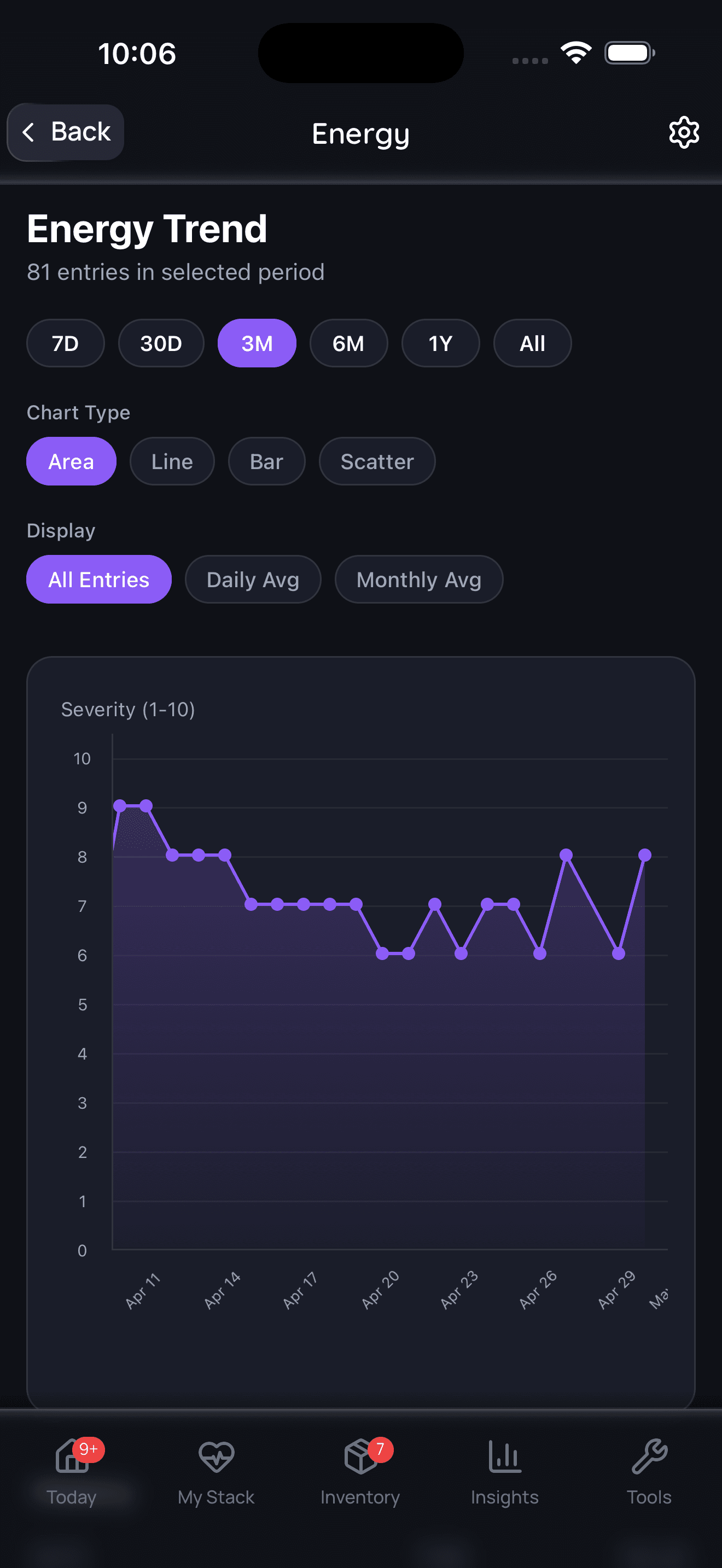
Symptom tracking is informational and should be interpreted with a qualified clinician.
Dosing & Usage Protocols
The Basics
Dosing potassium is unusually complicated for a mineral supplement, largely because of the disconnect between what your body needs, what research studies use, and what you can legally buy over the counter.
Your body needs roughly 2,600 to 3,400 mg of potassium per day (depending on sex), yet the FDA limits OTC potassium supplements to just 99 mg per serving. That is about 3% of the daily need. This limit exists not because 100 mg of potassium is dangerous, but because decades-old reports linked high-dose potassium chloride tablets to GI lesions [1][18]. For comparison, a single baked potato provides about 610 mg of potassium, and a cup of lentils provides about 731 mg, with no warnings attached.
In clinical research, the doses that produce measurable blood pressure reductions range from approximately 1,200 to 3,900 mg per day (30-100 mmol/day), with the optimal range appearing to be around 1,200 to 2,000 mg per day (30-50 mmol/day) for blood pressure effects [12][14]. This is far more than OTC supplements provide, which is why many practitioners recommend food-first approaches or the use of potassium-containing salt substitutes, which are regulated as foods rather than supplements and provide approximately 650 mg per quarter teaspoon.
For kidney stone prevention, potassium citrate is typically prescribed at 30-60 mEq/day (approximately 1,170-2,340 mg elemental potassium), divided into two or three doses [17].
The Science
Adequate Intake targets (NASEM 2019):
- Adult males 19+: 3,400 mg/day
- Adult females 19+: 2,600 mg/day
- Pregnancy: 2,900 mg/day
- Lactation: 2,800 mg/day
Clinical trial dosing for blood pressure:
- Meta-analysis median dose: 75 mmol/day (approximately 2,925 mg elemental potassium) [15]
- Optimal dose-response range: 30-50 mmol/day increase (approximately 1,170-1,950 mg) [14]
- U-shaped curve: diminishing returns above approximately 80 mmol/day (3,120 mg) [14]
Clinical dosing for kidney stones:
- Potassium citrate: 30-60 mEq/day (1,170-2,340 mg elemental potassium), divided BID or TID [17]
OTC supplement limitations:
- FDA limit: 99 mg elemental potassium per dosage unit (approximately 2-3% of AI)
- Salt substitutes (potassium chloride): approximately 650 mg per 1/4 teaspoon (regulated as food, not supplement)
Conversion factors:
- 1 mmol potassium = 1 mEq potassium = 39.1 mg potassium
- 25 mmol = 25 mEq = approximately 978 mg
When your stack includes several supplements, each with its own dose, form, and timing requirements, the logistics alone can derail consistency. Doserly consolidates all of it into one protocol view, so every dose across your entire routine is accounted for without spreadsheets or guesswork.
The app also tracks cumulative intake for nutrients that appear in multiple products. If your multivitamin, standalone supplement, and fortified protein shake all contain the same nutrient, Doserly adds them up and shows you the total alongside recommended and upper limits. Managing a thoughtful supplement protocol shouldn't require a degree in nutrition science. The app handles the complexity so you can focus on staying consistent.
Track injection timing, draw notes, and site rotation.
Doserly helps keep syringe-related notes, injection site history, reminders, and reconstitution context together for easier review.
Injection log
Site rotation
Injection logs support record-keeping; follow clinician instructions for administration.
What to Expect (Timeline)
Potassium is not a supplement with a dramatic onset or a slow build-up period like adaptogens or fat-soluble vitamins. Because it is an electrolyte with rapid absorption and tight homeostatic regulation, the timeline depends largely on your starting status.
If you are deficient (hypokalemic): Effects can be noticeable within hours to days. Users report rapid improvement in muscle cramping, fatigue, and weakness once potassium levels are restored. Clinical potassium repletion in hospitalized patients typically occurs over 24-72 hours with monitored supplementation.
If you are suboptimally fed but not clinically deficient (the majority of the population): You may notice subtle improvements in energy, fluid balance, and possibly mood over the first 1-2 weeks of consistently increased intake. Blood pressure effects, based on clinical trial data, typically become measurable within 4-8 weeks of sustained supplementation [12][14].
Week 1-2: Correction of acute electrolyte imbalance if present. Possible improvement in muscle cramping, fatigue. Fluid balance may begin to normalize.
Week 4-8: Blood pressure changes become measurable in clinical studies. Steady-state effects on sodium-potassium balance. Most community users who report mood and energy improvements describe noticing them within this window.
Month 3+: Long-term bone health benefits (reduced urinary calcium excretion) require sustained intake over months. Kidney stone prevention benefits accrue over months to years of consistent potassium citrate use. Cardiovascular risk reduction is observed in studies with years of follow-up.
If you are already meeting your AI from food: Adding a 99 mg supplement is unlikely to produce any noticeable effects, as this represents roughly 3% of your daily need and is well within normal meal-to-meal variation.
Interactions & Compatibility
Synergistic
- Sodium: Potassium and sodium work as a pair. The sodium-to-potassium ratio influences blood pressure, fluid balance, and cardiovascular risk. Increasing potassium while moderating sodium has a greater blood pressure benefit than either change alone [1][6].
- Magnesium: Magnesium is required for proper cellular potassium retention. Hypomagnesemia causes renal potassium wasting and can make hypokalemia refractory to potassium replacement alone. Correcting magnesium status is often necessary before potassium levels can normalize [1][7].
- Vitamin D3: Vitamin D supports kidney function and calcium metabolism. K-D synergy is indirect but relevant: vitamin D increases calcium absorption, and adequate potassium (especially citrate/bicarbonate forms) helps ensure calcium is directed to bones rather than excreted or deposited in soft tissue [1].
- Calcium: Potassium reduces urinary calcium excretion, which may complement calcium supplementation for bone health. The relationship is primarily relevant for alkaline potassium salts (citrate, bicarbonate), not chloride [9][10].
- Vitamin B1: Thiamine-dependent enzymes are involved in cellular potassium handling. Severe thiamine deficiency can cause refractory hypokalemia through mechanisms similar to hypomagnesemia.
Caution/Avoid
- ACE Inhibitors (captopril, enalapril, lisinopril, ramipril): Reduce aldosterone production, decreasing renal potassium excretion. Concurrent potassium supplementation increases hyperkalemia risk. Medical supervision required [1].
- Angiotensin II Receptor Blockers (ARBs) (losartan, valsartan, irbesartan): Same mechanism as ACE inhibitors. Hyperkalemia risk with concurrent potassium supplementation [1].
- Potassium-Sparing Diuretics (spironolactone, amiloride, triamterene, eplerenone): Directly reduce renal potassium excretion. Combined with supplemental potassium, hyperkalemia risk is significant [1].
- NSAIDs (ibuprofen, naproxen): Can decrease renal potassium excretion by inhibiting prostaglandin-mediated renal blood flow. Risk increases with chronic use, especially in combination with ACE inhibitors/ARBs [1].
- Loop Diuretics (furosemide, bumetanide) and Thiazide Diuretics (hydrochlorothiazide, chlorthalidone): Increase urinary potassium loss. Patients on these medications may NEED potassium supplementation, but should have levels monitored by their healthcare provider [1].
- Iron: No direct interaction, but potassium citrate raises gastric pH, which may reduce non-heme iron absorption. Separate dosing recommended if taking both.
How to Take / Administration Guide
Potassium supplementation is more form-sensitive than most minerals. How you take it matters as much as how much you take.
Potassium chloride (KCl): The most common and least expensive form. Best tolerated when dissolved in liquid (water or juice) and consumed with food. Tablet forms (especially enteric-coated and sustained-release) are more likely to cause GI irritation. Salt substitutes like NuSalt and NoSalt are potassium chloride regulated as food, providing approximately 650 mg per 1/4 teaspoon. These can be added to food or dissolved in water. The taste is distinctly metallic and bitter compared to sodium chloride.
Potassium citrate: Generally better tolerated than chloride. Provides an alkalinizing effect beneficial for kidney stone prevention and bone health. Available as powder, capsules, and prescription tablets (Urocit-K). Powder dissolves easily in water and has a milder taste than KCl. This form is preferred by many experienced supplementers.
Potassium bicarbonate: Similar alkalinizing benefits to citrate. Often used in effervescent tablet formulations. Good tolerability profile.
Potassium gluconate: Lower elemental potassium content (17% by weight), meaning larger doses are needed. Generally well tolerated.
Timing: Take with food to minimize GI irritation, particularly for chloride forms. Splitting the daily dose across meals reduces the peak concentration in the GI tract and improves tolerability. If using powder forms in water, sipping throughout the day is preferred over consuming the full daily amount in one drink.
Powder dosing: When using bulk powder, measure carefully. A kitchen scale is more reliable than volume measurements for potassium powders. Start with smaller amounts (500-1,000 mg elemental potassium per day) and increase gradually. Always dissolve fully in water before consuming.
Electrolyte balance: If supplementing potassium substantially, maintain adequate sodium and magnesium intake. Electrolytes work as a system, and imbalancing one can create problems with the others. This is particularly important for people following keto diets, fasting protocols, or heavy exercise regimens.
Coordinating the administration details for one supplement is straightforward enough. Coordinating them across an entire stack, where some need an empty stomach, others need fat, and several compete for the same absorption window, is where things get complicated. Doserly takes your full supplement list and builds a conflict-free daily schedule automatically.
Instead of mentally juggling timing rules each morning, you open the app and see exactly what to take, when, and with what. If you add a new supplement or change a dose, the schedule adjusts. The goal is simple: remove the friction that makes complex supplement protocols hard to maintain, so the only thing you have to think about is showing up.
Keep multi-step protocols organized from start to finish.
Use Doserly to map compounds, timing, cycle windows, notes, and review points so complex protocols stay readable in one place.
Plan view
Protocol schedule
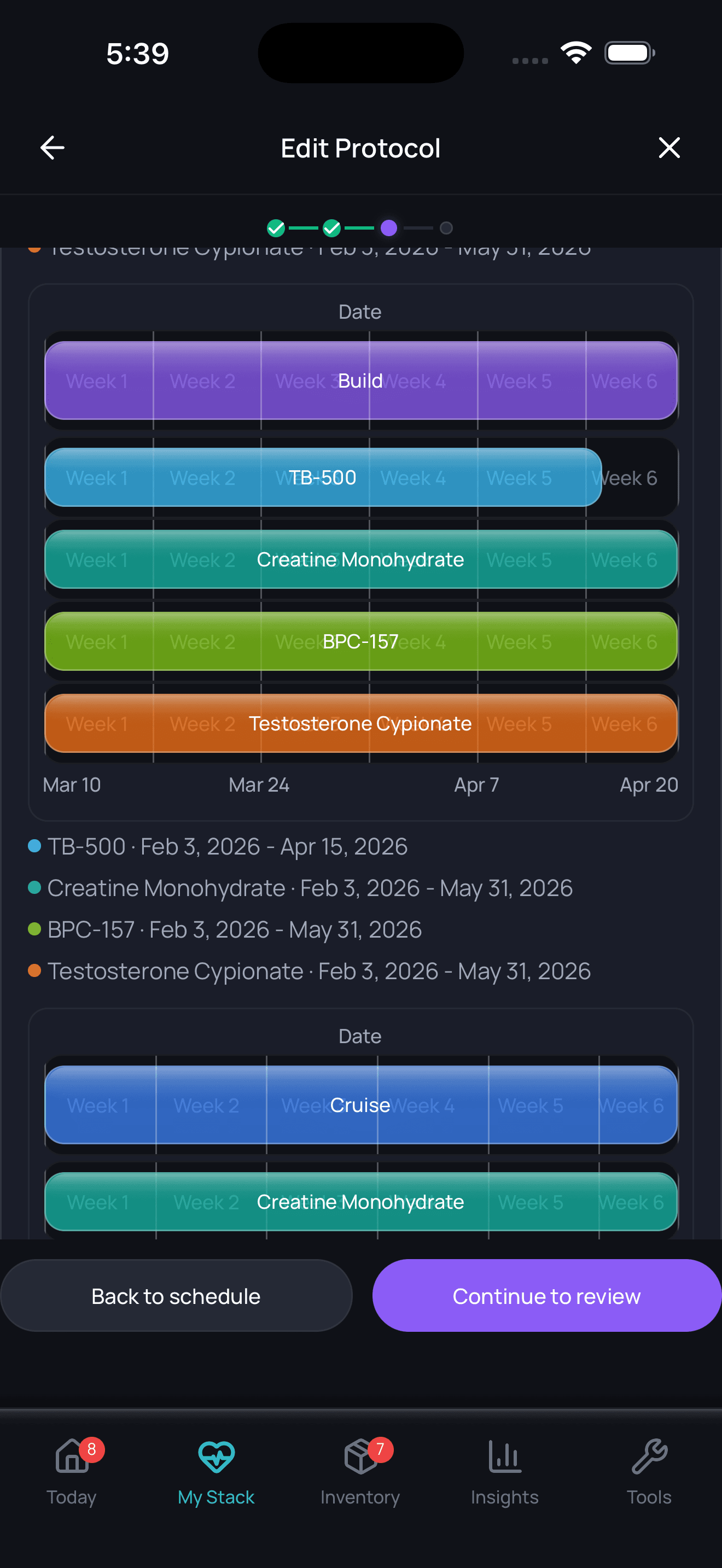
Planning views are organizational and should be aligned with professional guidance.
Choosing a Quality Product
Potassium supplements are relatively simple chemically, so quality considerations differ somewhat from more complex botanical or specialty supplements.
Form selection matters most: The choice between potassium chloride, citrate, bicarbonate, and gluconate is the single most important product decision. For general electrolyte replenishment, potassium chloride is adequate and the most affordable. For kidney stone prevention or bone health goals, potassium citrate is preferred for its alkalinizing effect. For GI-sensitive individuals, citrate or bicarbonate powder dissolved in water is the best-tolerated option.
Third-party testing: Look for products tested by USP, NSF International, or verified by ConsumerLab. Given potassium's narrow therapeutic index, accurate labeling of elemental potassium content is critical. Some products list total salt weight rather than elemental potassium, which can cause dosing errors.
Avoid enteric-coated or wax-matrix tablets if possible. These formulations were associated with GI mucosal lesions in older literature and are the reason for the FDA's 99 mg per serving limit. Powder forms dissolved in water provide the same potassium with far better tolerability.
Bulk powder vs. capsules: Bulk potassium citrate or chloride powder is significantly more cost-effective than capsulated products and allows for precise dosing with a scale. However, it requires more care in measurement and storage. This approach is common in keto, fasting, and electrolyte-focused communities.
Salt substitutes: Products like NuSalt (pure potassium chloride) and Morton Lite Salt (50/50 sodium chloride/potassium chloride) are regulated as foods by the FDA, not as supplements. They provide substantially more potassium per serving than OTC supplements (approximately 650 mg vs. 99 mg) and are widely available in grocery stores. These are a practical and affordable way to increase potassium intake through food preparation.
Red flags: Avoid products making therapeutic claims about blood pressure reduction or heart disease prevention (violates DSHEA). Be cautious of products with proprietary blends that obscure the actual potassium content. Verify that the product lists elemental potassium, not just total compound weight.
Storage & Handling
Potassium salts are generally stable compounds, but some considerations apply:
Moisture sensitivity: Potassium chloride and potassium citrate powders are hygroscopic (they absorb moisture from the air). Store in tightly sealed containers with desiccant packs if included. Clumping indicates moisture absorption but does not typically affect potency.
Temperature: Store at room temperature. No refrigeration required. Avoid extreme heat (above 40C/104F).
Light: Potassium salts are not light-sensitive. Opaque containers are not required but do not hurt.
Shelf life: Potassium salts are chemically stable and have long shelf lives when stored properly (typically 2-3 years). Expiration dates on supplements refer to guaranteed potency, not safety. Expired potassium supplements are unlikely to be harmful, just potentially less potent.
Travel: Potassium supplements are safe to travel with. Powder forms should be kept in labeled, sealed containers to avoid confusion at airport security.
Lifestyle & Supporting Factors
Diet: The single most effective way to increase potassium intake is through dietary choices. Potassium-rich foods include dried apricots (1,101 mg per 1/2 cup), lentils (731 mg per cup), baked potato with skin (610 mg), prunes (635 mg per 1/2 cup), kidney beans (607 mg per cup), orange juice (496 mg per cup), and banana (422 mg) [1]. Focusing on these foods provides potassium alongside fiber, vitamins, and other beneficial nutrients that supplements do not offer.
Sodium balance: Reducing sodium intake amplifies the blood pressure benefit of increased potassium. The DASH diet combines both approaches (increasing potassium-rich foods while limiting sodium) and consistently demonstrates significant blood pressure reductions in clinical trials [6][8].
Exercise: Heavy exercise, especially in heat, increases potassium losses through sweat. Athletes, endurance competitors, and those with physically demanding occupations may have higher potassium needs. Electrolyte drinks and foods like coconut water (approximately 600 mg potassium per cup) can help with acute replacement.
Hydration: Potassium is an electrolyte, and its function depends on adequate hydration. Dehydration concentrates serum potassium and can mask underlying deficiency or create artifactual hyperkalemia on blood tests.
Magnesium status: Magnesium deficiency can cause refractory hypokalemia. If you are supplementing potassium but not seeing improvement in symptoms like muscle cramps, ensuring adequate magnesium (350-400 mg/day for adults) is an important next step [1][7].
Lab monitoring: For people on medications that affect potassium levels (ACE inhibitors, ARBs, diuretics), or those with kidney disease, regular serum potassium monitoring is essential. For healthy individuals supplementing at moderate levels, routine monitoring is not typically necessary but provides useful data.
Regulatory Status & Standards
United States (FDA)
Potassium is recognized as an essential nutrient and is regulated as a dietary supplement under DSHEA. The FDA limits OTC potassium supplements to 99 mg elemental potassium per dosage unit, based on historical concerns about GI mucosal lesions from high-dose potassium chloride tablets [18]. Potassium chloride salt substitutes are regulated as foods, not supplements, and are not subject to this limit. Prescription potassium products (e.g., Klor-Con, K-Tab, Urocit-K) are available in much higher doses under medical supervision. The FDA Daily Value for potassium is 4,700 mg for adults and children 4+ years.
Canada (Health Canada)
Potassium supplements are regulated as Natural Health Products (NHPs). Health Canada has established a maximum non-prescription dose of 200 mg per dosage unit. Higher doses require a prescription.
European Union (EFSA)
EFSA has not established a Tolerable Upper Intake Level for potassium from food. Supplement regulations vary by member state. Several EU countries permit higher-dose OTC potassium supplements than the United States (e.g., 400 mg per unit in some markets).
Australia (TGA)
Potassium supplements are available as Listed Medicines. The TGA permits up to 100 mg elemental potassium per tablet/capsule. Higher-dose products require scheduling.
Athlete & Sports Regulatory Status
- WADA: Potassium is not on the WADA Prohibited List. It is a naturally occurring mineral and essential nutrient.
- USADA, UKAD, Sport Integrity Canada, Sport Integrity Australia, NADA Germany: No restrictions on potassium supplementation.
- Professional Sports Leagues (NFL, NBA, MLB, NHL, NCAA): No restrictions on potassium. It is commonly included in team-provided electrolyte formulations.
- Athlete Certification Programs: Informed Sport, NSF Certified for Sport, and Cologne List certifications are available for some potassium-containing electrolyte products, providing additional assurance against contamination with prohibited substances.
- GlobalDRO: Potassium supplements can be checked at GlobalDRO.com and will show as permitted in all listed jurisdictions.
Regulatory status and prohibited substance classifications change frequently. Athletes should always verify the current status of any supplement with their sport's governing body, their national anti-doping agency, and a qualified sports medicine professional before use. Third-party certification (Informed Sport, NSF Certified for Sport) reduces but does not eliminate the risk of contamination with prohibited substances.
Frequently Asked Questions
Can I get enough potassium from diet alone?
Yes, it is possible to meet the Adequate Intake through food, but most people do not. The average American adult consumes approximately 2,500 mg/day, below the AI of 2,600-3,400 mg/day. Eating several servings of potassium-rich foods daily (potatoes, lentils, dried fruits, bananas, leafy greens, dairy) can bridge this gap. Tracking intake for a few days using a food logging app provides useful baseline data.
Why are potassium supplements limited to 99 mg?
The FDA established this limit based on reports from the 1970s-1980s of gastrointestinal mucosal lesions (ulcers, erosions) associated with high-dose potassium chloride in enteric-coated and wax-matrix tablet formulations. This limit applies to supplements, not to foods. Salt substitutes containing potassium chloride are regulated as foods and typically provide 650 mg or more per serving without any regulatory cap. Many practitioners and researchers view the 99 mg limit as outdated.
Is supplemental potassium dangerous?
For healthy individuals with normal kidney function, moderate potassium supplementation (up to 3,000-4,000 mg/day from all sources) is generally considered safe based on available clinical evidence. The primary risk group consists of people with chronic kidney disease, those taking medications that impair potassium excretion (ACE inhibitors, ARBs, potassium-sparing diuretics), and individuals with adrenal insufficiency. Anyone taking these medications should consult their healthcare provider before supplementing potassium.
What is the best form of potassium supplement?
This depends on your goals. Potassium chloride is the most studied form and the most affordable. Potassium citrate provides additional alkalinizing benefits that may support bone health and kidney stone prevention. Potassium bicarbonate has similar alkalinizing properties. For general electrolyte replenishment, any form works. For GI-sensitive individuals, citrate or bicarbonate powder dissolved in water tends to be better tolerated than chloride tablets.
Should I take potassium if I'm on blood pressure medication?
This question requires medical guidance specific to your situation. Some blood pressure medications (ACE inhibitors, ARBs, potassium-sparing diuretics) increase serum potassium, making supplementation potentially risky. Others (loop diuretics, thiazide diuretics) deplete potassium, making supplementation potentially necessary. Only your prescribing healthcare provider can determine the right approach based on your medications, kidney function, and current potassium levels.
Is potassium chloride salt substitute safe to use daily?
Based on available evidence, potassium chloride salt substitutes (NuSalt, NoSalt, Morton Lite Salt) are considered safe for healthy individuals with normal kidney function when used in reasonable amounts to replace some dietary sodium. They are regulated as foods by the FDA. However, individuals with kidney disease, those taking potassium-affecting medications, or those with conditions affecting potassium excretion should consult their healthcare provider before using these products.
What are the signs of potassium deficiency?
Mild deficiency may cause fatigue, muscle weakness, cramping, and constipation. More significant deficiency (hypokalemia, serum K+ below 3.6 mmol/L) can cause abnormal heart rhythms, severe muscle weakness, and in extreme cases, paralysis. If you experience unexplained muscle cramps, fatigue, or heart palpitations, a simple blood test can check your potassium level.
Can I take potassium with magnesium?
Yes, and in many cases this combination is beneficial. Magnesium is required for proper cellular potassium retention, and magnesium deficiency can make hypokalemia refractory to potassium replacement alone. Many electrolyte formulations combine potassium with magnesium and sodium. Taking them together does not cause absorption competition.
How does potassium interact with sodium?
Potassium and sodium work as counterbalancing electrolytes. The sodium-to-potassium ratio in your diet may be more important than the absolute intake of either mineral for cardiovascular health. Increasing potassium intake while reducing sodium intake has a synergistic effect on blood pressure reduction. The DASH diet leverages this relationship.
Why do some people feel calmer after taking potassium?
Some community members report a calming effect from potassium supplementation. This may relate to potassium's role in setting the resting membrane potential of neurons. In individuals with subclinical potassium insufficiency, correcting the deficit may normalize neuronal excitability and reduce excessive neural firing associated with anxiety and stress responses. However, this effect has not been studied in clinical trials, and individuals seeking help with anxiety should consult a healthcare professional.
Myth vs. Fact
Myth: Bananas are the best source of potassium.
Fact: While bananas contain potassium (about 422 mg per medium banana), they are far from the most concentrated source. Dried apricots (1,101 mg per 1/2 cup), lentils (731 mg per cup), baked potatoes with skin (610 mg each), and kidney beans (607 mg per cup) all provide substantially more per serving [1]. Bananas are convenient but not exceptional.
Myth: Potassium supplements are extremely dangerous and should never be taken without a prescription.
Fact: The risk of potassium supplementation is population-dependent. For healthy individuals with normal kidney function, moderate supplementation (in addition to dietary intake) is considered safe based on clinical trial data. The primary risk groups are people with chronic kidney disease, those on medications that impair potassium excretion, and individuals with adrenal insufficiency. The FDA's 99 mg limit was motivated by GI concerns with specific tablet formulations, not by hyperkalemia risk in healthy people [1][18].
Myth: If my blood test shows normal potassium, I'm getting enough.
Fact: Serum potassium is tightly regulated and reflects only the 2% of body potassium in the extracellular fluid. Your body will maintain serum potassium within the normal range (3.6-5.0 mmol/L) by depleting intracellular stores long before serum levels drop. A normal serum potassium level does not rule out suboptimal total body potassium status or inadequate dietary intake [1][2].
Myth: Potassium chloride salt substitutes taste just like regular salt.
Fact: Potassium chloride has a distinctly bitter, metallic aftertaste compared to sodium chloride. Pure potassium chloride substitutes (NuSalt, NoSalt) are noticeably different in taste. Blended products (Morton Lite Salt, 50/50 mix) are more palatable. Some people adapt to the taste over time, while others prefer to use potassium citrate powder in water instead.
Myth: Athletes primarily lose sodium in sweat, so potassium supplementation during exercise isn't important.
Fact: While sodium losses in sweat are proportionally greater than potassium losses, potassium is still lost through perspiration, and exercise-induced shifts in potassium balance can impair performance. Adequate potassium supports proper muscle contraction, nerve signaling, and fluid balance during physical activity. Comprehensive electrolyte replacement includes potassium alongside sodium, magnesium, and chloride.
Myth: You can overdose on potassium from eating too much fruit.
Fact: It is essentially impossible to develop hyperkalemia from dietary potassium alone in a person with normal kidney function. The kidneys can excrete large amounts of potassium rapidly, and the gradual absorption of potassium from food allows the body to regulate levels effectively. Hyperkalemia from oral intake is primarily a concern with concentrated supplement forms taken in large quantities, especially in people with impaired kidney function [1].
Myth: More potassium is always better for blood pressure.
Fact: The dose-response relationship between potassium and blood pressure is U-shaped, not linear. A 2020 meta-analysis of 32 RCTs found that optimal blood pressure reductions occurred at approximately 30-50 mmol/day of additional potassium (roughly 1,200-2,000 mg), with diminishing or even reversed effects above approximately 80 mmol/day (roughly 3,100 mg) of supplemental potassium [14]. This suggests a therapeutic sweet spot rather than an unbounded benefit.
Sources & References
Systematic Reviews & Meta-Analyses
- NIH Office of Dietary Supplements. Potassium: Fact Sheet for Health Professionals. Updated 2024. https://ods.od.nih.gov/factsheets/Potassium-HealthProfessional/
- Stone MS, Martyn L, Weaver CM. Potassium Intake, Bioavailability, Hypertension, and Glucose Control. Nutrients. 2016;8(7):444.
- National Academies of Sciences, Engineering, and Medicine. Dietary Reference Intakes for Sodium and Potassium. Washington, DC: The National Academies Press; 2019.
- Palmer BF, Clegg DJ. Achieving the Benefits of a High-Potassium, Paleolithic Diet, Without the Toxicity. Mayo Clin Proc. 2016;91(4):496-508.
- Weaver CM. Potassium and Health. Adv Nutr. 2013;4(3):368S-377S.
- Adrogue HJ, Madias NE. Sodium and Potassium in the Pathogenesis of Hypertension. N Engl J Med. 2007;356(19):1966-78.
- Mount DB. Disorders of Potassium Balance. In: Brenner and Rector's The Kidney. 11th ed. Elsevier; 2020.
- He FJ, MacGregor GA. Beneficial effects of potassium on human health. Physiol Plant. 2008;133(4):725-35.
- Maurer M, Riesen W, Muser J, et al. Neutralization of Western diet inhibits bone resorption independently of K intake and reduces cortisol secretion in humans. Am J Physiol Renal Physiol. 2003;284(1):F32-40.
- Lambert H, Frassetto L, Moore JB, et al. The effect of supplementation with alkaline potassium salts on bone metabolism: a meta-analysis. Osteoporos Int. 2015;26(4):1311-8.
Clinical Trials & RCTs
- Whelton PK, He J, Cutler JA, et al. Effects of oral potassium on blood pressure: Meta-analysis of randomized controlled clinical trials. JAMA. 1997;277(20):1624-32.
- Poorolajal J, Zeraati F, Soltanian AR, et al. Oral potassium supplementation for management of essential hypertension: A meta-analysis of randomized controlled trials. PLoS One. 2017;12(4):e0174967.
- Effect of changes in potassium intake on blood pressure: a dose-response meta-analysis of randomized clinical trials (2000-2024). 2025. PMID: 40612568.
- Filippini T, Violi F, D'Amico R, Vinceti M. Potassium Intake and Blood Pressure: A Dose-Response Meta-Analysis of Randomized Controlled Trials. J Am Heart Assoc. 2020;9(12):e015719.
- Cappuccio FP, Buchanan LA, Ji C, Siani A, Miller MA. Systematic review and meta-analysis of randomised controlled trials on the effects of potassium supplements on serum potassium and creatinine. BMJ Open. 2016;6(8):e011716.
Government/Institutional Sources
- Aburto NJ, Hanson S, Gutierrez H, et al. Effect of increased potassium intake on cardiovascular risk factors and disease: systematic review and meta-analyses. BMJ. 2013;346:f1378.
- Moe OW. Kidney stones: pathophysiology and medical management. Lancet. 2006;367(9507):333-44.
- U.S. Food and Drug Administration. 21 CFR 201.306: Potassium salt preparations intended for oral ingestion by man.
Related Supplement Guides
Same Category (Major Minerals)
Common Stacks/Pairings
- Magnesium (prevents refractory hypokalemia; common electrolyte co-supplement)
- Vitamin D3 (supports calcium/potassium metabolism)
- Vitamin K2 (complements calcium-directing effects)
- Electrolyte Powders (comprehensive electrolyte replacement)
Related Health Goal
- Iron (mineral absorption considerations; separate timing from potassium citrate)
- Zinc (electrolyte and mineral balance)
- Boron (bone mineral metabolism)
- Calcium (potassium reduces urinary calcium excretion)