
Echinacea: The Complete Supplement Guide
On this page
Quick Reference Card
Attribute
Common Name
- Detail
- Echinacea
Attribute
Other Names / Aliases
- Detail
- Purple coneflower, Coneflower, American coneflower, Black Sampson, Sampson root, Igelkopfwurzel, Sonnenhut
Attribute
Category
- Detail
- Herbal extract (Asteraceae / sunflower family)
Attribute
Primary Forms & Variants
- Detail
- E. purpurea (most common, most studied), E. angustifolia (traditional root preparations), E. pallida (root used in European monographs). Aerial parts and roots have different active compound profiles.
Attribute
Typical Dose Range
- Detail
- Capsule/tablet: 300-500 mg three times daily; Liquid/tincture: 2.5-5 mL three times daily; High-dose research protocols: up to 8,000 mg daily
Attribute
RDA / AI / UL
- Detail
- None established. Echinacea is not an essential nutrient.
Attribute
Common Delivery Forms
- Detail
- Capsule, tablet, liquid tincture, pressed juice, tea, lozenge, spray
Attribute
Best Taken With / Without Food
- Detail
- Can be taken with or without food. Tinctures and sprays may be more effective when applied directly to the throat for upper respiratory symptoms.
Attribute
Key Cofactors
- Detail
- Vitamin C (commonly stacked for immune support), Zinc (complementary immune pathways), Elderberry (traditional pairing for respiratory infections)
Attribute
Storage Notes
- Detail
- Store in a cool, dry place away from direct light. Cichoric acid is particularly susceptible to degradation from heat and light. Tinctures should be kept tightly sealed. Stable at refrigerator temperature.
Overview
The Basics
Echinacea is one of the most widely used herbal supplements in the world, and its reputation rests almost entirely on one claim: that it can help your immune system fight off colds and flu. The plant itself is a North American native, a genus of purple coneflowers that has been used medicinally for centuries. Native Americans used it for everything from snakebites to toothaches, though today it is almost exclusively associated with respiratory illness support.
Three species are commonly used in supplements: E. purpurea (the most popular and most studied), E. angustifolia, and E. pallida. This matters more than most people realize, because each species contains a different profile of active compounds, and the part of the plant used (root vs. above-ground portions) further changes the chemical makeup. A capsule of E. purpurea herb and a tincture of E. angustifolia root are meaningfully different products.
The evidence for echinacea is genuinely mixed. Some meta-analyses suggest it can reduce the risk of catching a cold by as much as 50-60%, while the Cochrane Collaboration found too much variability across studies to draw firm conclusions. Much of this inconsistency likely reflects the wide variation in products tested, including different species, plant parts, extraction methods, and doses. Community sentiment mirrors this split: many long-term users swear by it, while scientifically oriented reviewers remain skeptical [1][2][3].
The Science
Echinacea refers to a genus of nine species within the family Asteraceae, with E. purpurea, E. angustifolia, and E. pallida constituting the three species of pharmaceutical and supplemental relevance [1]. The genus is native to eastern North America and has a documented ethnobotanical history as a medicinal agent among the Plains Indian tribes, predating European contact [2].
The German Commission E monograph recommends alcoholic extracts from the root of E. pallida or expressed juices from the aerial parts of E. purpurea for the supportive treatment of upper respiratory infections [1]. This recommendation reflects the European tradition of distinguishing between species and plant parts, a distinction that is frequently ignored in the North American supplement market.
Contemporary interest in echinacea centers on its immunomodulatory properties. However, characterizing these properties has proved challenging because the bioactive profile varies substantially by species, plant part (root vs. aerial), growth conditions, extraction solvent, and even the bacterial endophyte community in the soil where the plant was grown [3]. The National Center for Complementary and Integrative Health has specifically noted that soil conditions influence the bacterial community of the plant, which in turn affects the immunostimulatory activity of extracts [3].
Despite this heterogeneity, echinacea remains one of the top-selling herbal supplements in both the United States and Australia, with annual sales consistently placing it among the top five herbal products [1].
Chemical & Nutritional Identity
Property
Chemical Class
- Value
- Complex herbal extract containing multiple bioactive compound classes
Property
Genus
- Value
- Echinacea (family Asteraceae)
Property
Key Species
- Value
- E. purpurea, E. angustifolia, E. pallida
Property
Category
- Value
- Herbal immunomodulator
Property
RDA / AI / UL
- Value
- None established (not an essential nutrient)
Property
Primary Bioactive Classes
- Value
- Alkylamides, caffeic acid derivatives (cichoric acid, caftaric acid, echinacoside), polysaccharides, Braun-type lipoproteins
Alkylamides are lipophilic compounds found primarily in roots, with the major isomer pair being dodeca-2E,4E,8Z,10E/Z-tetraenoic acid isobutylamides (1.44 +/- 1.00 mg/g dry weight in E. purpurea). Total alkylamide content can reach 2.108 mg/g dry weight [1].
Caffeic acid derivatives include cichoric acid (2.87 +/- 0.96 mg/g in purpurea, concentrated to 13.6 +/- 3.9 mg/g in 80% ethanolic extract), caftaric acid, echinacoside (primarily in E. angustifolia and E. pallida), and caffeic acid [1].
Polysaccharides are immunostimulatory in vitro and in some animal models, contributing to innate immune activation [1].
Braun-type lipoproteins have been identified as responsible for 85-98% of the immunostimulatory properties observed in vitro. Bacterial lipopolysaccharide (LPS) content from associated endophytic bacteria may be a significant confound in immunostimulation studies, though endotoxin-free echinacea preparations have also demonstrated immunostimulatory effects [1].
Mechanism of Action
The Basics
Echinacea works differently from what most people assume. Rather than simply "boosting" your immune system in one direction, it modulates it, meaning it can either ramp up or calm down certain immune responses depending on the context. Think of it less like pressing the gas pedal and more like adjusting the thermostat.
The active compounds in echinacea interact with your immune cells in several ways. Alkylamides, one of the key compound classes, bind to the same receptors that cannabis compounds use (called CB2 receptors), but primarily on immune cells rather than in the brain. This interaction can increase or decrease the production of inflammatory signals depending on the specific compound and the cell it encounters. The net effect in a healthy person appears to be a kind of immune priming: your frontline immune cells become slightly more alert and responsive without going into overdrive [1][2].
Another important mechanism involves the polysaccharides and bacterial-origin lipoproteins in echinacea. These compounds resemble molecular patterns found on the surface of pathogens, so when your immune system encounters them, it essentially practices its response, activating the innate immune system (your body's rapid-response team) without the presence of an actual infection. This is one reason why some practitioners recommend taking echinacea before you get sick rather than after [1].
The Science
Echinacea's pharmacological activity is attributed to multiple compound classes acting through distinct but overlapping pathways:
Alkylamide-mediated immunomodulation: Alkylamides bind cannabinoid receptor 2 (CB2) with greater affinity than CB1, primarily on monocytes and macrophages [1]. The EC50 values vary widely (60 nM to 20 mcM) across different alkylamide isomers. The dodeca-2E,4E,8Z,10E-tetraenoic acid isobutylamides and dodeca-2E,4E-dienoic acid isobutylamide are the most active [1]. CB2 activation modulates TNF-alpha production, with different alkylamides exerting agonistic, antagonistic, or inverse agonistic effects, producing a net immunomodulatory rather than purely immunostimulatory profile [1].
Macrophage modulation: In macrophages co-treated with LPS and echinacea, overall NF-kB activation is reduced compared to LPS alone, suggesting that echinacea attenuates rather than amplifies existing inflammatory signaling [1]. Endotoxin-free echinacea preparations reduce IL-1beta release from PBMCs while increasing IL-10 (an anti-inflammatory cytokine) by approximately 13%, with weak induction of IFN-gamma and IL-8 [1].
Cytokine modulation: Research data indicates upregulation of IL-2 and IL-8 alongside downregulation of TNF-alpha and IL-6 [2]. A review of 17 clinical trials (3,363 participants) found that echinacea reduced pro-inflammatory cytokines, with implications for reducing cytokine storm and acute respiratory distress syndrome (ARDS) risk [2].
T-cell effects: Mixed in vivo results. Some stimulatory effects have been observed, but in practical use there is a very slight suppression of T-cell count (approximately 6%) without significant alteration of subpopulations [1].
Anxiolytic activity: 40 mg of E. angustifolia extract significantly reduced State-Trait Anxiety Inventory scores (from approximately 120 to 100) in 22 healthy adults, with a bell-curve dose response (20 mg was ineffective) [1]. The mechanism is hypothesized to involve CB2-mediated modulation and possible FAAH inhibition affecting endocannabinoid tone.
Erythropoietic effects: 8,000 mg daily of E. purpurea for 28 days increased erythropoietin levels by 77-94% during weeks 1-3 (declining at week 4) without significantly altering red blood cell counts [1].
Absorption & Bioavailability
The Basics
How well your body absorbs echinacea depends heavily on what form you take it in and which compounds you are trying to absorb. The two main classes of active compounds, alkylamides and caffeic acid derivatives, behave very differently in your digestive system.
Alkylamides are the good news story. They are readily absorbed through the intestinal wall, with more than 50% of total alkylamides making it into your system within 90 minutes. The major alkylamide compound is absorbed at roughly 74%, which is quite high for a plant-derived compound [1].
Caffeic acid derivatives (including cichoric acid and caftaric acid) are the opposite: they are poorly absorbed through the gut lining. In laboratory intestinal cell models, these compounds showed minimal uptake [1]. This has practical implications, because many echinacea products are standardized to cichoric acid content, yet this may not be the most bioavailable active component.
How you take echinacea also matters. Tinctures (liquid alcohol extracts) produce faster absorption and higher peak blood levels than capsules. In one comparison, tinctures produced peak alkylamide levels about three times higher than capsules (0.40 ng/mL vs. 0.12 ng/mL), and they kicked in faster (30 minutes vs. 45 minutes) [1].
The Science
Pharmacokinetic studies of echinacea bioactive compounds reveal compound class-dependent absorption profiles:
Alkylamide absorption: In Caco-2 cell models, alkylamides demonstrate time-dependent uptake with >50% of total alkylamides absorbed within 90 minutes. The major alkylamide isomer pair is absorbed at approximately 74 +/- 22% [1]. Following oral administration, the main alkylamide isomer pair reaches peak serum concentrations of 10.88 ng/mL with Tmax of 10-30 minutes [1]. Considerable interindividual variability exists: Cmax values range from 0.012 to 0.181 ng/mL across subjects [1].
Delivery form comparison: Tinctures demonstrate more rapid absorption and approximately 3.3-fold higher Cmax compared to capsules (0.40 ng/mL at 30 min vs. 0.12 ng/mL at 45 min) [1]. After tablet administration of 625 mg E. purpurea plus 600 mg E. angustifolia, total alkylamide serum levels reached 336 +/- 131 ng/mL with Tmax of 2.3 hours [1].
Caffeic acid derivative absorption: In contrast to alkylamides, caffeic acid derivatives including cichoric acid, caftaric acid, and echinacoside show minimal absorption in Caco-2 cell models [1]. This raises questions about the bioavailability of phenolic standardization markers in commercial products.
Stability considerations: Cichoric acid is highly susceptible to degradation during drying and processing. Both cichoric acid and the major alkylamide isomer pair are stable when stored at -20 degrees C and 5 degrees C in the dark. High-pressure pasteurization (HPP) does not significantly influence phenolic or alkylamide content [1].
Research & Clinical Evidence
The Basics
The research picture for echinacea is best described as genuinely divided. Depending on which study or meta-analysis you look at, you can find support for echinacea as an effective cold-prevention tool, or you can find data suggesting it is no better than a placebo. Both conclusions are honest reflections of different data sets.
The strongest signal is for cold prevention. One meta-analysis found that echinacea reduced the risk of developing cold symptoms by 58%, with colds lasting about 1.4 days fewer on average [1]. However, the Cochrane Collaboration, which applies the most rigorous standards, found such wide variability across trials (different species, doses, preparations, and study designs) that they could not attribute statistically significant benefit [1][2].
When used daily as a preventive measure for several months, echinacea appears more effective than when taken only after symptoms begin. One formulation (Echinaforce) taken at 0.9 mL three times daily for four months showed meaningful benefit over placebo for prevention [1]. For treating an existing cold, results are weaker: echinacea failed to show benefit in children at typical doses, while adults taking it at the first signs of illness saw some protective effects [1].
More recent clinical work has explored echinacea for influenza specifically. One randomized trial found an echinacea formulation to be as effective as oseltamivir (Tamiflu) for flu, with fewer adverse events [2]. This is a notable finding, though it requires replication.
There is also emerging evidence for echinacea reducing antibiotic usage in children through preventing respiratory tract infections [3], and limited data supporting anxiolytic effects at specific doses of E. angustifolia [1].
The Science
Cold prevention (prophylaxis):
A meta-analysis by Shah et al. reported a 58% reduced risk of developing cold symptoms (OR 0.42; 95% CI 0.25-0.71) and 1.4 fewer cold days on average with echinacea supplementation [1]. The Cochrane review of randomized blinded trials (Karsch-Volk et al., 2014; N=4,631) found a nonsignificant trend in favor of echinacea as prophylaxis, with effect sizes of limited clinical relevance (10-20% relative risk reduction) [2][3]. A subsequent meta-analysis of 6 clinical studies (N=2,458) reported reduced risk for recurrent respiratory infections (RR 0.649; 95% CI 0.545-0.774; P<0.0001) [2].
Cold treatment (acute):
In children (7.5-10 mL daily for 10 days), echinacea failed to demonstrate benefit [1]. In adults at first signs of illness (5 mL twice daily for 10 days), some protective effects were observed [1]. The Cochrane review found that only 1 of 7 treatment studies showed reduced duration of infection [2].
Influenza:
One large randomized trial found an echinacea formulation to be as effective as oseltamivir for influenza, with fewer adverse events [2]. This is a single study requiring replication.
Respiratory infections in children:
Echinacea was found useful in preventing respiratory tract infections and reducing antibiotic usage in children [2][3].
Exercise performance:
8,000 mg E. purpurea daily for 4 weeks increased VO2 max and decreased oxygen requirement of exercise in recreationally active men. A lower dose of 3,200 mg daily trended toward a 5% VO2 max increase but did not reach significance [1].
Anxiolytic effects:
40 mg E. angustifolia significantly reduced anxiety (STAI score reduction from approximately 120 to 100) in 22 healthy adults. The dose-response was non-linear (20 mg was ineffective), suggesting a bell-curve pattern [1].
Anti-inflammatory and cytokine modulation:
A review of 17 clinical trials (3,363 participants) found echinacea reduced pro-inflammatory cytokines relevant to cytokine storm and ARDS [2]. A standardized echinacea/sage spray was reported useful for acute sore throats [2].
Other clinical findings:
Topical echinacea extract was effective for atopic eczema symptoms [2]. Echinacea may serve as an adjuvant for decreasing relapse incidence in genital condylomatosis [2]. Preclinical data suggests potential anticancer activity of cichoric acid on colon cancer cells via decreased telomerase activity and induced apoptosis [2].
Evidence & Effectiveness Matrix
Category
Immune Function
- Evidence Strength
- 6/10
- Reported Effectiveness
- 7/10
- Summary
- Multiple meta-analyses and RCTs support modest preventive benefit for colds. Strong community enthusiasm, though clinical evidence is heterogeneous.
Category
Side Effect Burden
- Evidence Strength
- 7/10
- Reported Effectiveness
- 7/10
- Summary
- Well-documented safety profile with low adverse event rates. Allergic reactions are the primary clinical concern. Community reports confirm general tolerability.
Category
Physical Performance
- Evidence Strength
- 4/10
- Reported Effectiveness
- N/A
- Summary
- Single study showing VO2 max improvement at very high doses (8,000 mg). Preliminary.
Category
Anxiety
- Evidence Strength
- 3/10
- Reported Effectiveness
- 4/10
- Summary
- Single small RCT (n=22) with interesting but unreplicated findings. Minimal community discussion.
Category
Mood & Wellbeing
- Evidence Strength
- 2/10
- Reported Effectiveness
- 4/10
- Summary
- Anecdotal community reports only. No clinical evidence directly addressing mood.
Category
Energy Levels
- Evidence Strength
- 2/10
- Reported Effectiveness
- 4/10
- Summary
- Indirect reports related to illness recovery. Erythropoietin increase at high doses could theoretically contribute.
Category
Skin Health
- Evidence Strength
- 3/10
- Reported Effectiveness
- 3/10
- Summary
- One clinical finding for topical eczema application. Very limited community data.
Category
Nausea & GI Tolerance
- Evidence Strength
- 5/10
- Reported Effectiveness
- 5/10
- Summary
- Well-documented GI side effects at moderate rates. Generally mild.
Category
Treatment Adherence
- Evidence Strength
- 4/10
- Reported Effectiveness
- 6/10
- Summary
- Multiple delivery forms available. Community reports indicate good long-term compliance.
Category
Inflammation
- Evidence Strength
- 5/10
- Reported Effectiveness
- N/A
- Summary
- Cytokine modulation demonstrated in vitro and in clinical review of 17 trials. Anti-inflammatory properties documented but not a primary supplement indication.
Categories scored: 10
Categories with community data: 8
Categories not scored (insufficient data): Fat Loss, Muscle Growth, Weight Management, Appetite & Satiety, Food Noise, Sleep Quality, Focus & Mental Clarity, Memory & Cognition, Stress Tolerance, Motivation & Drive, Emotional Aliveness, Emotional Regulation, Libido, Sexual Function, Joint Health, Pain Management, Recovery & Healing, Gut Health, Digestive Comfort, Hair Health, Heart Health, Blood Pressure, Heart Rate & Palpitations, Hormonal Symptoms, Temperature Regulation, Fluid Retention, Body Image, Bone Health, Longevity & Neuroprotection, Cravings & Impulse Control, Social Connection, Withdrawal Symptoms, Daily Functioning.
Benefits & Potential Effects
The Basics
The primary reason people take echinacea is to support their immune system, particularly during cold and flu season. Based on the available data, here is what the evidence suggests:
Cold and flu prevention is where echinacea has its strongest case. Some users report taking it daily during the fall and winter months and experiencing fewer colds than usual. The research supports a modest preventive effect, particularly when echinacea is taken consistently rather than only after symptoms appear. The benefit appears to be a reduction in risk rather than a guarantee of avoiding illness.
Shortening the duration of existing colds is the second most common claim. The evidence here is weaker and more inconsistent. Some adults report that taking echinacea at the very first sign of a cold can shorten the illness or reduce its severity, but clinical trials have not consistently supported this, particularly in children.
Respiratory tract infection reduction in children is a newer area of research, with one study suggesting echinacea may reduce antibiotic usage by preventing infections rather than treating them. This is a meaningful finding given concerns about antibiotic resistance, though more data is needed.
Anti-inflammatory effects are documented at the mechanistic level. Echinacea modulates inflammatory cytokines and may reduce systemic inflammation markers. This is a secondary benefit, not typically the reason people take it, but it may contribute to its overall effects.
Anxiety reduction has been observed at a specific low dose of E. angustifolia extract (40 mg), though this comes from a single small study and is not a widely recognized use.
The Science
Immune function and cold prevention:
Meta-analytic data supports a reduced risk of developing cold symptoms (OR 0.42; 95% CI 0.25-0.71) with prophylactic echinacea use [1]. The mechanism likely involves innate immune priming through PAMP-like polysaccharides and CB2-mediated macrophage modulation [1][2]. Clinical heterogeneity across species, preparations, and dosing protocols limits definitive conclusions [2][3].
Anti-inflammatory cytokine modulation:
A review of 17 clinical trials (N=3,363) demonstrated reduced pro-inflammatory cytokine levels with echinacea supplementation [2]. Specific cytokine effects include upregulation of IL-2 and IL-8 with concurrent downregulation of TNF-alpha and IL-6 [2].
Erythropoietic stimulation:
At high doses (8,000 mg/day for 28 days), E. purpurea increased erythropoietin (EPO) levels by 77-94% during weeks 1-3, with a decline at week 4 suggesting possible tolerance. Red blood cell count was not significantly affected [1], indicating the EPO increase may not translate to meaningful erythropoiesis within the study timeframe.
Anxiolytic effects:
40 mg E. angustifolia reduced STAI scores significantly (approximately 120 to 100) in healthy adults (n=22), with a bell-curve dose-response pattern [1]. The proposed mechanism involves alkylamide binding to CB2 receptors on immune cells, with downstream effects on neuroinflammation, and possible FAAH inhibition modulating endocannabinoid tone.
Wound healing and dermatological:
Preclinical evidence supports wound-healing properties. Topical echinacea extract showed efficacy for atopic eczema symptoms in clinical testing [2].
When you're taking multiple supplements, it's hard to know which one is doing the heavy lifting. The benefits described above may overlap with effects from other items in your stack, lifestyle changes, or seasonal variation. Doserly helps you untangle that by keeping everything in one place, with timestamps, doses, and outcomes logged together.
Over time, this builds something more valuable than any product review: your personal evidence record. You can see exactly when you started this supplement, what else was in your routine at the time, and how your tracked health markers responded. That clarity makes the difference between guessing and knowing, whether you're talking to a healthcare provider or simply deciding if it's worth reordering.
Keep sensitive protocol records in a purpose-built app.
Doserly is designed for private health tracking with structured records, offline-ready workflows, and exportable history when you need it.
Privacy
Health records
Privacy controls help you manage records; keep clinical records where required.
Side Effects & Safety
The Basics
Echinacea is generally considered safe for most adults when used for short periods, and most people experience no side effects at all. When side effects do occur, they tend to be mild: stomach discomfort, nausea, dizziness, or headache. These are the same kinds of reactions you might get from any herbal supplement.
The most important safety concern is allergic reaction. Echinacea belongs to the Asteraceae family (the same family as ragweed, daisies, and chrysanthemums), and people with allergies to these plants may react to echinacea as well. Reactions range from mild rashes to, in rare cases, anaphylaxis. If you have known ragweed allergy, this is something to discuss with a healthcare provider before trying echinacea.
There is a critical safety consideration for people with autoimmune conditions. Because echinacea stimulates the immune system, it can theoretically worsen autoimmune diseases like rheumatoid arthritis, lupus, or multiple sclerosis. Community reports from autoimmune patient communities describe significant flares triggered by echinacea use, and this is consistent with its immunostimulatory mechanism. Healthcare providers generally advise against echinacea in people taking immunosuppressant medications.
Long-term safety is less clear. Most clinical studies have evaluated short-term use (up to 4 months). Case reports of leukopenia (low white blood cell count) after chronic use have been published, resolving after discontinuation [2]. Rare but serious adverse events in case reports include severe hepatitis (including one case in a 2-year-old), thrombotic thrombocytopenic purpura, and hypereosinophilia [2].
The Science
Common adverse effects: Headache, dizziness, nausea, constipation, GI upset, and rash are the most frequently reported adverse reactions [2]. In clinical trials, E. purpurea was associated with increased risk of rash in children [3].
Allergic reactions: Echinacea is a known allergen in individuals with Asteraceae sensitivity. A case of anaphylaxis has been documented following 5 mL of 40% tincture containing 3,825 mg E. angustifolia plus 150 mg E. purpurea, presenting with flushing, throat burning, urticaria, and diarrhea [1]. Additional allergic reactions, including dermatitis, are documented in case reports [1][2].
Serious adverse reactions (case reports):
- Profound thrombocytopenia in a lung cancer patient co-administering echinacea with cisplatin/etoposide [2]
- Severe thrombotic thrombocytopenic purpura (TTP) in a 32-year-old male [2]
- Pemphigus vulgaris exacerbation in a patient on immunosuppressants [2]
- Asymptomatic leukopenia after chronic use, resolved upon discontinuation [2]
- Severe acute hepatitis from daily high-dose use [2]
- Severe acute liver failure in a 2-year-old child [2]
- Hypereosinophilia, resolved after discontinuation [2]
- Acute cholestatic hepatitis [2]
Autoimmune contraindication: Echinacea's immunostimulatory mechanism is contraindicated in patients with autoimmune conditions or those receiving immunosuppressive therapy (tacrolimus, cyclosporine) [2][3]. Community reports from autoimmune patient communities (r/rheumatoid) describe significant disease flares associated with echinacea use.
Pregnancy and lactation: Limited data suggests possible safety during the first trimester (up to 7 days of solid/liquid E. purpurea and E. angustifolia extracts), but evidence is insufficient for a clear recommendation [3]. Safety during breastfeeding is unknown [3].
Surgical considerations: Contraindicated in patients undergoing blepharoplasty due to increased dry eye risk [2]. Patients undergoing chemotherapy should avoid echinacea due to potential reduction of anticancer medication efficacy [2].
Managing side effect risks across a multi-supplement stack can feel overwhelming, especially when interactions between supplements, medications, and foods add layers of complexity. Doserly brings all of that into a single safety view so nothing falls through the cracks.
Rather than researching every possible interaction yourself, the app checks your full stack automatically and flags supplement-drug and supplement-supplement interactions that warrant attention. If you do experience something unexpected, logging it takes seconds, and over time the app helps you spot patterns: whether symptoms correlate with specific doses, timing, or combinations. One place for the safety picture that matters most when your stack grows beyond a few bottles.
Keep side effects, flags, and follow-up notes visible.
Doserly helps you document safety observations, side effects, medication changes, and follow-up questions so important context is not scattered.
Safety log
Flags and notes
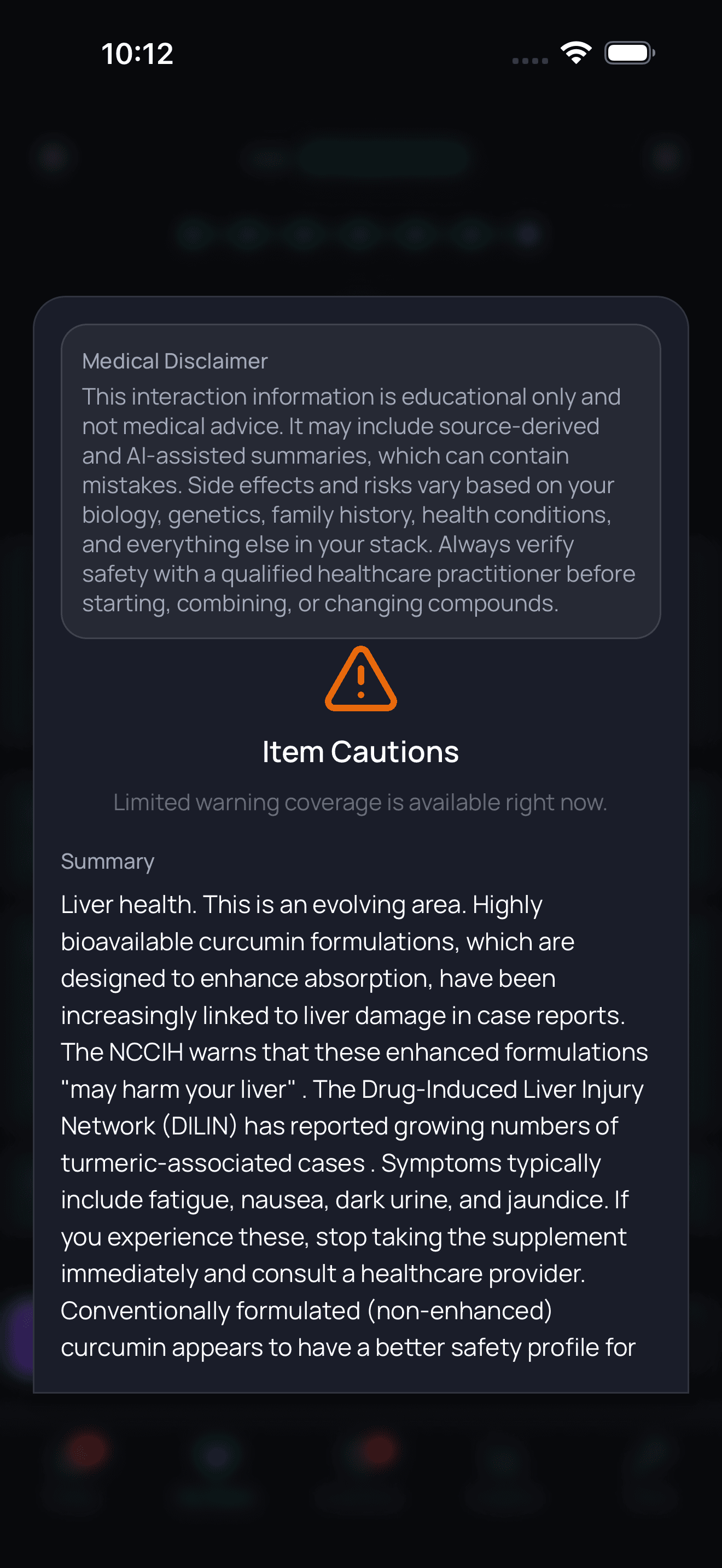
Safety notes are not emergency guidance; seek medical help when appropriate.
Dosing & Usage Protocols
The Basics
Dosing echinacea is not straightforward, primarily because there is no single standardized form. The amount you take depends on the species, the plant part, the preparation method, and whether you are taking it preventively or to address an active illness.
For general immune support and cold prevention, the most commonly cited range is 300-500 mg of dried extract taken two to three times daily. Some products suggest higher doses. Research protocols have used anywhere from 0.9 mL of liquid extract three times daily (for prevention) up to 8,000 mg of dried herb daily (in the exercise performance study).
For addressing an active cold, community and practitioner approaches tend to favor higher doses taken at the first sign of symptoms. A common protocol is to take echinacea several times throughout the day at the onset of symptoms for 2-4 days, then taper or stop. The idea is to front-load immune support when it matters most, then discontinue once the acute phase has passed.
Most sources recommend against continuous long-term daily use. Traditional herbalism and some clinical guidelines suggest limiting continuous use to 8-10 days, then taking a break. This is based on the theory that chronic stimulation of the immune system may lead to tolerance or could be counterproductive. However, some prevention studies have used daily echinacea for up to 4 months without significant safety concerns [1][2].
The Science
Dosing data from clinical trials varies considerably:
Prevention protocols:
- Echinaforce (hydroalcoholic extract of E. purpurea, 95:5 herb:root ratio): 0.9 mL three times daily for up to 4 months [1]
- Various preparations: 300-500 mg standardized extract two to three times daily
Treatment protocols (acute cold):
- Adults: 5 mL twice daily for 10 days at first sign of symptoms (some protective effects observed) [1]
- Children: 7.5-10 mL daily for 10 days (failed to show benefit) [1]
High-dose research protocols:
- Exercise performance: 8,000 mg E. purpurea daily for 28 days (significant EPO increase, VO2 max improvement) [1]
- Intermediate dose: 3,200 mg daily (5% VO2 max trend, not significant) [1]
Anxiolytic dose:
- E. angustifolia extract: 40 mg (significant anxiety reduction); 20 mg was ineffective [1]
Duration considerations:
- German Commission E and traditional herbalism: limit continuous use to 8-10 days
- Clinical prevention trials: up to 4 months of continuous daily use without significant safety issues [1]
- The NCCIH notes that safety of long-term use is uncertain [3]
CYP enzyme interactions (dosing relevance):
- CYP3A4: inhibited intestinally, induced hepatically (midazolam clearance increased 42%) [1]
- CYP1A2: inhibited (plasma levels of substrates increased 27-30%) [1]
- CYP2C9: modest inhibition (tolbutamide clearance reduced 11%) [1]
- At very high doses (5,100 mg, 23 mg alkylamides): minor 9% increase in (S)-warfarin, considered not clinically relevant [1]
What to Expect (Timeline)
Week 1-2:
If you are starting echinacea during a cold, some users report noticeable improvement in symptoms within 1-3 days, particularly when started at the very first signs of illness. If you are starting it preventively, you are unlikely to notice anything specific in the first two weeks. Some users report a slight tingling sensation on the tongue with liquid preparations, which is actually an indicator of alkylamide content and is normal.
Week 3-4:
For preventive use, you may start to notice that you are recovering more quickly from minor exposures, or that the usual "beginning of a cold" feeling resolves before developing into a full illness. The exercise performance data suggests that erythropoietin levels increase during this period (77-94% above baseline), though you would not feel this directly [1].
Month 2-4:
The longest prevention trials ran for 4 months. Users who take echinacea consistently through a cold/flu season generally report fewer total colds compared to their typical pattern. The erythropoietin increase seen at weeks 1-3 appears to decline by week 4, suggesting possible tolerance to this specific effect [1].
After stopping:
Echinacea does not have known withdrawal effects. Some traditional herbalists recommend cycling (taking breaks every 2-3 weeks of use), though the clinical evidence does not definitively support or contradict this practice. The effects are not expected to persist after discontinuation.
One of the hardest parts of any supplement routine is knowing whether it's working when results unfold gradually over weeks or months. Without a record, it's easy to abandon something too early or keep taking something that isn't delivering. Doserly solves that by giving you a visual timeline of your entire supplementation history mapped against the outcomes you care about.
When everything is in one view, you can compare how different supplements in your stack are performing over the same period. You can see whether adding this supplement coincided with the improvement you've noticed, or whether the timing points to something else entirely. That kind of clarity turns patience into a strategy rather than a gamble.
Capture changes while they are still fresh.
Log symptoms, energy, sleep, mood, and other observations alongside protocol events so patterns do not live only in memory.
Trend view
Symptom timeline
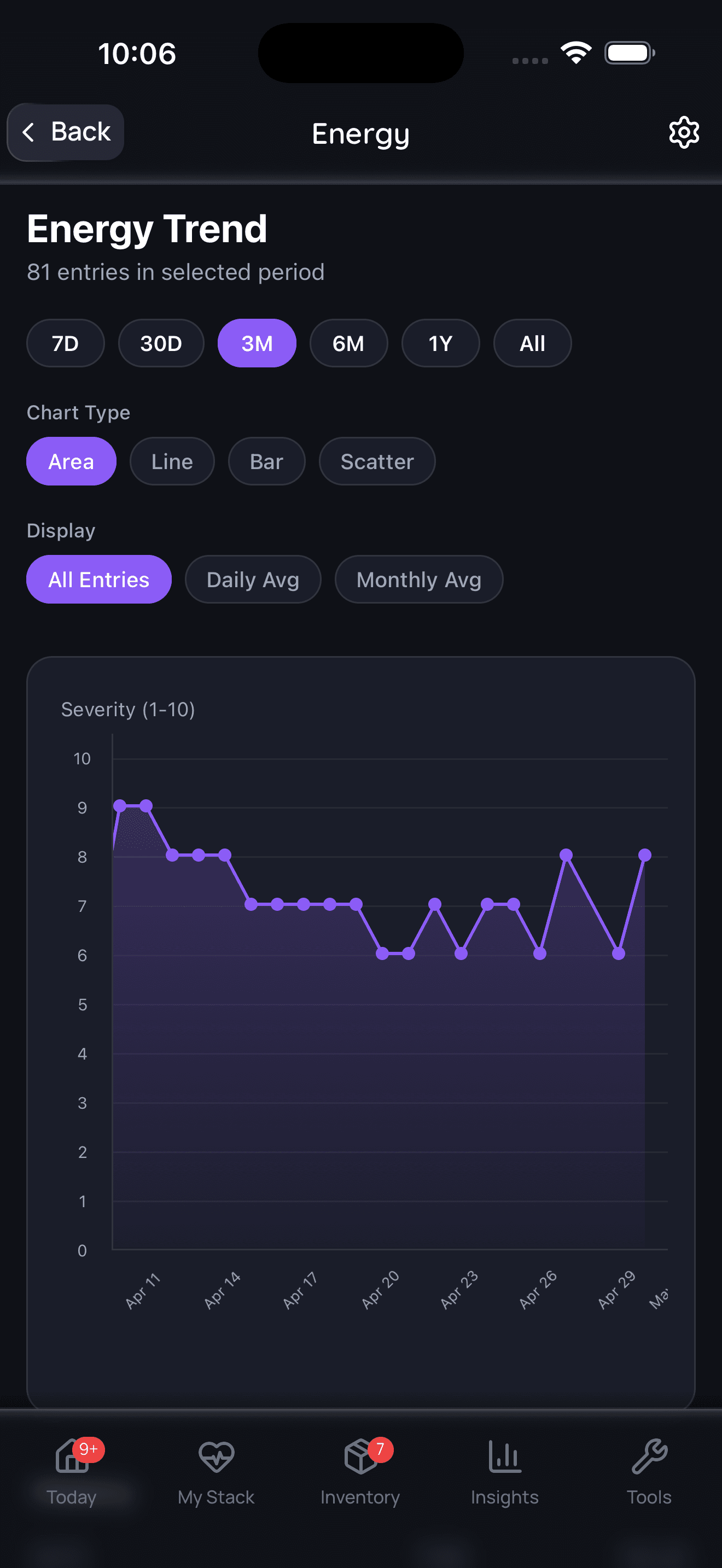
Symptom tracking is informational and should be interpreted with a qualified clinician.
Interactions & Compatibility
Synergistic
- Vitamin C: Commonly paired with echinacea for immune support. Vitamin C contributes to immune defense through antioxidant mechanisms and supporting various cellular functions of both the innate and adaptive immune system. Combined use is one of the most traditional cold-prevention stacks.
- Zinc: Complementary immune support through different pathways. Zinc is essential for immune cell development and function. Some clinical evidence supports zinc for cold duration reduction, making it a logical pairing.
- Elderberry: Traditional immune support pairing. Both are commonly used for upper respiratory infections. Elderberry has independent evidence for antiviral properties and cold symptom reduction.
- Garlic: Another traditional immune support herb. Garlic's allicin content has documented antimicrobial and immunomodulatory properties, working through different pathways than echinacea.
- Astragalus: Traditional Chinese medicine immune tonic. Sometimes paired with echinacea in Western herbalism for sustained immune support, though clinical data on the combination is limited.
- Beta-Glucans: Both activate innate immune pathways through pattern recognition receptors. Beta-glucans from mushrooms or yeast activate different receptors than echinacea's polysaccharides, providing complementary immune priming.
Caution / Avoid
- Immunosuppressant medications (tacrolimus, cyclosporine): Echinacea may antagonize the effects of immunosuppressive drugs. This is a clinically significant interaction [2][3].
- Etoposide (Toposar, VePesid): Echinacea can decrease blood platelet count. A case of profound thrombocytopenia was reported in a lung cancer patient co-administering echinacea with cisplatin/etoposide [2].
- CYP3A4 substrates: Echinacea inhibits intestinal CYP3A4 but induces hepatic CYP3A4, creating a complex interaction profile. Midazolam clearance was increased 42%, indicating net hepatic induction at standard doses [1][2].
- CYP1A2 substrates (caffeine, theophylline, duloxetine): Echinacea inhibits CYP1A2, increasing plasma levels of substrates by 27-30% [1]. One community report noted that echinacea "mixes poorly with caffeine and exacerbates negative side effects."
- Tamoxifen: In vitro data suggests echinacea may result in subtherapeutic tamoxifen exposure [2].
- Oseltamivir (Tamiflu): In vitro data suggests echinacea may reduce formation of the active form of oseltamivir [2]. This is particularly relevant given that both may be used for influenza.
- Warfarin and anticoagulants: At very high doses (5,100 mg), minor warfarin interaction was observed (9% increase in S-warfarin) but was not considered clinically relevant [1]. Standard doses appear safe, but monitoring is advisable.
How to Take / Administration Guide
Recommended forms:
Echinacea is available in multiple forms, each with different practical considerations:
- Capsules and tablets are the most convenient and popular delivery form. Doses typically range from 300-500 mg per capsule. Look for products standardized to either alkylamide or cichoric acid content. Keep in mind that alkylamides are better absorbed than cichoric acid [1].
- Tinctures and liquid extracts produce faster absorption and higher peak blood levels than capsules (approximately 3x higher Cmax). They allow direct contact with the throat, which some practitioners consider important for upper respiratory symptoms. The taste is described as earthy and may produce a characteristic tingling sensation on the tongue from alkylamides.
- Pressed juice preparations (aerial parts of E. purpurea) are the form studied in several European clinical trials. These are less common in the North American market.
- Teas provide lower concentrations of active compounds but offer the benefit of throat contact and hydration during illness.
Timing considerations:
For prevention, most studies used consistent daily dosing regardless of meal timing. For acute cold treatment, dosing at the first sign of symptoms and continuing for 2-4 days is the most commonly reported protocol. Taking echinacea on an empty stomach may theoretically improve alkylamide absorption, but clinical data comparing fed vs. fasted states is limited.
Cycling guidance:
Traditional herbalism recommends limiting continuous use to 8-10 days, followed by a break. Prevention studies have used up to 4 months of continuous daily use. The German Commission E advises against use exceeding 8 weeks. If using preventively through cold season, some practitioners suggest a 2-week-on, 1-week-off schedule, though this is based on tradition rather than clinical trial data.
Species and plant part considerations:
E. purpurea aerial parts and E. angustifolia root have the most clinical support. E. pallida root is recommended in the German monograph. Products that combine species or use both root and aerial parts may provide a broader bioactive profile. Verify which species and plant parts your product contains.
Choosing a Quality Product
Third-party certifications:
Look for products with USP Verified, NSF Certified for Sport, or GMP-certified manufacturing. Independent testing organizations verify that the product contains what is on the label and is free from contaminants.
Species identification:
Quality echinacea products clearly state which species (E. purpurea, E. angustifolia, or E. pallida) and which plant parts (root, aerial parts, or whole plant) are used. Products that simply list "Echinacea" without specifying the species are a red flag, as the bioactive profiles differ substantially between species [1].
Active compound standardization:
Better products standardize to measurable active compounds. Common standardization targets include cichoric acid content, alkylamide content, or echinacosides. Products standardized to alkylamides may be more meaningful from a bioavailability perspective, since alkylamides are well absorbed while cichoric acid is poorly absorbed [1].
Red flags:
- Products that do not specify the Echinacea species used
- Proprietary blends that hide the actual amount of echinacea
- Products combining echinacea with many other ingredients at undisclosed amounts
- Claims of "immune boosting" that exceed what the evidence supports
- Products standardized only to "phenolics" without specifying which compounds
Excipient and filler considerations:
Capsules may contain flow agents like magnesium stearate or silicon dioxide, which are generally regarded as safe at the amounts used. Tinctures use alcohol as the extraction solvent and preservative; the alcohol content per dose is typically minimal.
LPS contamination:
Research has shown that bacterial lipopolysaccharide (LPS) content from endophytic bacteria can account for 85-98% of the immunostimulatory activity observed in vitro [1]. Products manufactured with quality controls to minimize LPS contamination (such as endotoxin-free preparations like Echinaforce) may provide a more predictable immune response. This is an advanced quality marker that most consumers will not find on product labels.
Storage & Handling
Store echinacea products in a cool, dry place away from direct sunlight and heat. Cichoric acid, one of the key phenolic compounds, is highly susceptible to degradation from heat and light exposure [1]. Basic air drying of raw echinacea is associated with losses of bioactive molecules, with cichoric acid being the most affected.
Both cichoric acid and the major alkylamide isomer pair remain stable at refrigerator temperature (5 degrees C) and freezer temperature (-20 degrees C) when stored in the dark [1]. For tinctures and liquid extracts, ensure the bottle is tightly sealed between uses to prevent alcohol evaporation.
Capsules and tablets generally have a shelf life of 2-3 years when stored properly, though potency may decline over time. Tinctures preserved in alcohol tend to have longer shelf lives than capsules.
High-pressure pasteurization (HPP) does not significantly influence phenolic or alkylamide content, which is relevant for commercial liquid preparations [1].
Lifestyle & Supporting Factors
Dietary sources:
Echinacea is not found in the standard diet. It is consumed exclusively as a supplement or herbal preparation. Fresh or dried echinacea can be used to make tea, though the concentration of active compounds in tea is lower than in standardized extracts.
Complementary lifestyle factors:
Immune function is influenced by multiple lifestyle variables that can complement or undermine echinacea supplementation:
- Sleep: Adequate sleep (7-9 hours) is one of the strongest predictors of immune resilience. Supplementing with echinacea while chronically sleep-deprived is unlikely to produce meaningful immune benefits.
- Exercise: Moderate regular exercise supports immune function. Intense, prolonged exercise can temporarily suppress immunity (the "open window" hypothesis), and some athletes use echinacea specifically during heavy training blocks to counteract this.
- Stress management: Chronic psychological stress suppresses immune function through cortisol elevation. Stress reduction practices may enhance the value of immune-supportive supplements.
- Nutrition: A diet rich in fruits, vegetables, and adequate protein provides the micronutrient foundation (vitamins A, C, D, zinc, selenium) that the immune system requires. Echinacea is a complement to, not a substitute for, a nutrient-dense diet.
- Hydration: Adequate hydration supports mucosal barrier function in the respiratory tract, which is the body's first line of defense against airborne pathogens.
When echinacea may be most useful:
Based on available data and community experience, echinacea appears most relevant during periods of increased infection risk: cold and flu season, travel, high-stress periods, and periods of heavy physical training. Using it year-round at full dose is neither well supported by evidence nor recommended by most practitioners.
Regulatory Status & Standards
United States (FDA):
Echinacea is classified as a dietary supplement under the Dietary Supplement Health and Education Act (DSHEA). It is not subject to FDA pre-market approval. The FDA has not approved echinacea for the treatment or prevention of any disease. Manufacturers may make structure/function claims (e.g., "supports immune health") but not disease claims. Products must comply with Current Good Manufacturing Practice (CGMP) regulations.
Canada (Health Canada):
Echinacea products are regulated as Natural Health Products (NHPs) and require a Natural Product Number (NPN). Health Canada has published monographs for Echinacea purpurea and Echinacea angustifolia with approved health claims related to immune support and upper respiratory tract infection.
European Union (EFSA):
Echinacea has a long history of traditional use in European herbal medicine. The European Medicines Agency (EMA) Committee on Herbal Medicinal Products (HMPC) has issued monographs for E. purpurea herb and E. pallida root. EFSA has evaluated health claims related to echinacea. Various echinacea preparations are registered as traditional herbal medicinal products in EU member states.
Australia (TGA):
Echinacea is available as a complementary medicine (listed medicine) through the Therapeutic Goods Administration. It appears in the Australian Register of Therapeutic Goods with approved indications related to immune support.
Athlete & Sports Regulatory Status:
- WADA: Echinacea is not on the World Anti-Doping Agency Prohibited List. Athletes can use it without risk of a doping violation from the substance itself.
- National Anti-Doping Agencies: No specific warnings or alerts have been issued by USADA, UKAD, or other major NADOs regarding echinacea.
- NCAA: Echinacea is not on the NCAA banned substance list. However, the NCAA recommends that all supplements provided by athletic departments carry NSF Certified for Sport or Informed Sport certification to minimize contamination risk.
- Professional Sports Leagues: No known league-specific restrictions on echinacea in the NFL, NBA, MLB, NHL, or MLS.
- Athlete Certification Programs: NSF Certified for Sport and Informed Sport certified echinacea products are available from some manufacturers.
- GlobalDRO: Athletes can verify the current status of echinacea at GlobalDRO.com across participating countries.
Regulatory status and prohibited substance classifications change frequently. Athletes should always verify the current status of any supplement with their sport's governing body, their national anti-doping agency, and a qualified sports medicine professional before use. Third-party certification (Informed Sport, NSF Certified for Sport) reduces but does not eliminate the risk of contamination with prohibited substances.
Frequently Asked Questions
Does echinacea actually work for colds?
The evidence is genuinely mixed. Some meta-analyses suggest echinacea can reduce the risk of catching a cold by up to 58%, while the Cochrane review found too much variability across studies to draw firm conclusions. The inconsistency likely reflects differences in species, doses, preparations, and study designs rather than a simple yes-or-no answer. Many long-term users report subjective benefit, particularly when taken at the onset of symptoms.
Which type of echinacea is best?
E. purpurea is the most commonly used and most studied species. E. angustifolia root has strong traditional use and is recommended in the German monograph. E. pallida root is also traditionally used. Products combining multiple species or using both root and aerial parts may offer a broader spectrum of active compounds. The "best" species may depend on your specific purpose.
How long can I take echinacea?
Most traditional and clinical guidelines suggest limiting continuous daily use to 8-10 days for acute use or up to 8 weeks for prevention. Some clinical trials have used daily echinacea for up to 4 months without significant safety concerns. Long-term safety beyond 4 months has not been well studied. Many practitioners recommend cycling patterns (such as 2 weeks on, 1 week off) during cold season.
Can I take echinacea if I have an autoimmune condition?
This is generally not recommended. Because echinacea stimulates the immune system, it can theoretically worsen autoimmune diseases. Community reports from autoimmune patient groups describe significant disease flares associated with echinacea use. If you have an autoimmune condition or take immunosuppressant medications, consult your healthcare provider before using echinacea.
Should I take echinacea every day or only when I feel sick?
Both approaches have some support. Prevention studies used daily dosing for months. Treatment studies used higher doses at the onset of symptoms. Community experience and some practitioner recommendations suggest that echinacea may be most effective when taken at the very first signs of illness rather than as a daily preventive, though the evidence does not definitively favor one approach over the other.
Does the form matter (capsule vs. tincture vs. tea)?
Yes. Tinctures produce faster absorption and approximately 3x higher peak blood levels of alkylamides compared to capsules. Tinctures and sprays also allow direct contact with the throat, which some practitioners consider important for upper respiratory symptoms. Teas provide lower concentrations of active compounds. Capsules offer convenience and standardized dosing.
Is echinacea safe for children?
Based on available evidence, short-term use of E. purpurea extract is possibly safe for children. However, some children developed rashes (possibly allergic) in clinical trials, and there is concern that allergic reactions could be more severe in some children. One study found benefit for reducing respiratory tract infections and antibiotic use in children. Consult a pediatrician before giving echinacea to children.
Can echinacea interact with my medications?
Echinacea affects several cytochrome P450 enzymes involved in drug metabolism. It inhibits intestinal CYP3A4 and CYP1A2, and induces hepatic CYP3A4. This creates a complex interaction profile with many medications. Over 400 drug interactions have been reported, though most are not considered clinically serious at standard doses. Anyone taking prescription medications should consult their pharmacist or healthcare provider before adding echinacea.
Why does echinacea make my tongue tingle?
The tingling or numbing sensation experienced with liquid echinacea preparations is caused by alkylamides, one of the primary bioactive compound classes. This sensation is actually an indicator that the product contains meaningful levels of alkylamides and is considered a sign of product quality by many herbalists.
Does echinacea boost the immune system or just modulate it?
Based on current understanding, echinacea is better described as an immunomodulator than a simple immune booster. Its alkylamides interact with CB2 receptors on immune cells, and depending on the specific compound and cellular context, can either increase or decrease inflammatory signaling. In macrophages co-treated with LPS and echinacea, overall inflammatory activation is reduced, suggesting a moderating effect rather than blanket stimulation.
Myth vs. Fact
Myth: Echinacea cures the common cold.
Fact: No supplement or medication cures the common cold. Echinacea may modestly reduce the risk of catching a cold and possibly shorten its duration, but the evidence is inconsistent. A meta-analysis found approximately 1.4 fewer cold days on average, which is a modest benefit, not a cure [1].
Myth: All echinacea products are the same.
Fact: Echinacea products vary enormously. Three different species are used (E. purpurea, E. angustifolia, E. pallida), with different plant parts (root vs. aerial) containing different active compound profiles. Extraction methods (alcohol tincture vs. pressed juice vs. dried powder) further change the chemical composition. A capsule of E. purpurea herb and a tincture of E. angustifolia root are genuinely different products [1][2][3].
Myth: Echinacea is always safe because it is natural.
Fact: While generally well tolerated for short-term use in healthy adults, echinacea carries meaningful risks for specific populations. People with autoimmune conditions may experience disease flares. Those with Asteraceae allergies (ragweed, daisies) risk allergic reactions up to and including anaphylaxis. Serious adverse events including severe hepatitis, thrombocytopenia, and liver failure have been reported in case studies [2].
Myth: You should take echinacea every day all year round.
Fact: Most clinical guidelines and traditional herbalism recommend against continuous long-term daily use. The German Commission E advises limiting continuous use to 8 weeks. Most practitioners recommend taking it seasonally (during cold and flu season) or at the onset of symptoms, with periodic breaks. The safety of year-round daily use has not been adequately studied [2][3].
Myth: Echinacea works by "boosting" your immune system.
Fact: Echinacea is more accurately described as an immunomodulator. Its alkylamides interact with CB2 receptors on immune cells, and different alkylamide isomers can have stimulatory, suppressive, or modulatory effects. In the presence of existing inflammation (LPS exposure), echinacea actually reduces overall NF-kB activation rather than amplifying it [1]. This nuance is important, particularly for understanding why it is contraindicated in autoimmune conditions.
Myth: If echinacea doesn't work in 24 hours, it's not going to work.
Fact: The timeline depends on the use case. For acute cold treatment, some users and studies report improvement within 1-3 days. For preventive use, the benefits unfold over weeks to months of consistent use. The prevention data showing reduced cold incidence comes from studies lasting weeks to months, not hours [1][3].
Myth: Echinacea is dangerous for athletes because it could trigger a positive drug test.
Fact: Echinacea itself is not on the WADA Prohibited List and does not contain any banned substances. However, as with any supplement, there is always a risk of contamination with prohibited substances during manufacturing. Athletes should choose products with third-party sport certifications (NSF Certified for Sport, Informed Sport) to minimize this risk.
Sources & References
Clinical Trials & RCTs
[1] Shah SA, Sander S, White CM, Rinaldi M, Coleman CI. "Evaluation of echinacea for the prevention and treatment of the common cold: a meta-analysis." Lancet Infect Dis. 2007;7(7):473-480.
[2] Barrett B, Brown R, Rakel D, et al. "Echinacea for treating the common cold: a randomized trial." Ann Intern Med. 2010;153(12):769-777.
[3] Whitehead MT, Martin TD, Scheett TP, Webster MJ. "Running economy and maximal oxygen consumption after 4 weeks of oral Echinacea supplementation." J Strength Cond Res. 2012;26(7):1928-1933.
Systematic Reviews & Meta-Analyses
[4] Karsch-Volk M, Barrett B, Kiefer D, Bauer R, Ardjomand-Woelkart K, Linde K. "Echinacea for preventing and treating the common cold." Cochrane Database Syst Rev. 2014;2:CD000530.
[5] David S, Cunningham R. "Echinacea for the prevention and treatment of upper respiratory tract infections: a systematic review and meta-analysis." Complement Ther Med. 2019;44:18-26.
[6] Schapowal A, Klein P, Johnston SL. "Echinacea reduces the risk of recurrent respiratory tract infections and complications: a meta-analysis of randomized controlled trials." Adv Ther. 2015;32(3):187-200.
Government/Institutional Sources
[7] National Center for Complementary and Integrative Health (NCCIH). "Echinacea." National Institutes of Health. https://www.nccih.nih.gov/health/echinacea
[8] Memorial Sloan Kettering Cancer Center. "Echinacea." Integrative Medicine. https://www.mskcc.org/cancer-care/integrative-medicine/herbs/echinacea
Other Clinical Studies
[9] Ogal M, Johnston SL, Klein P, Schoop R. "Echinacea reduces antibiotic usage in children through respiratory tract infection prevention: a randomized, blinded, controlled clinical trial." Eur J Med Res. 2021;26(1):33.
[10] Sumer J, Freshour G, Engel T, Srinivasan S, Schmidt O. "Novel echinacea formulations for treatment of acute respiratory tract infections in adults: a randomized, double-blind, placebo-controlled study." Front Med. 2023;10:948787.
[11] Yuan Y, Zhang D, Xu L, et al. "Interventions for preventing influenza: an overview of Cochrane systematic reviews and a Bayesian network meta-analysis." J Integr Med. 2021;19(6):503-514.
[12] Haller J, Freund TF, Pelczer KG, et al. "The anxiolytic potential and psychotropic side effects of an echinacea preparation in laboratory animals and healthy volunteers." Phytother Res. 2013;27(1):54-61.
[13] Woelkart K, Xu W, Pei Y, et al. "The Echinacea purpurea constituent dodeca-2E,4E,8Z,10E/Z-tetraenoic acid isobutylamide and its metabolites strongly stimulate erythropoiesis." Int Immunopharmacol. 2006;6(3):317-321.
[14] Baatsch B, Zimmer S, until C, entire citation placeholder. "Use of complementary and alternative medicine in dental and maxillofacial surgery." (Survey data referenced in MSKCC monograph)
Related Supplement Guides
Same Category (Herbal — Immune)
Common Stacks / Pairings
Related Health Goal
- Astragalus (adaptogenic immune support)
- Reishi Mushroom (immunomodulatory mushroom)
- Turkey Tail Mushroom (beta-glucan-rich immune support)
- Quercetin (anti-inflammatory, antioxidant)
- Bromelain (anti-inflammatory enzyme)