
Schisandra Berry: The Complete Supplement Guide
On this page
Quick Reference Card
Attribute
Common Name
- Detail
- Schisandra Berry (Wu Wei Zi)
Attribute
Other Names / Aliases
- Detail
- Schisandra chinensis, Schizandra, Wu Wei Zi (five-flavor berry), Omija, Omicha, Gomishi, Five Flavor Berry, Chinese Magnolia Vine, Fructus Schisandrae
Attribute
Category
- Detail
- Herbal Extract (Adaptogen)
Attribute
Primary Forms & Variants
- Detail
- Dried whole berries, powdered berry extract (standardized to total schisandrins), seed extract (standardized to 3% schisandrins, used in Russian research), ethanolic tincture (1:6 w/v in 95% ethanol), water infusion (1:20 w/v)
Attribute
Typical Dose Range
- Detail
- Dried berries: 1 to 3 g/day; Standardized extract: 250 to 500 mg/day (commonly standardized to 2-10% schisandrins); Tincture: 20 to 30 drops daily
Attribute
RDA / AI / UL
- Detail
- No RDA, AI, or UL established (herbal supplement)
Attribute
Common Delivery Forms
- Detail
- Capsule, powder, tincture, dried berry, tea
Attribute
Best Taken With / Without Food
- Detail
- Taken with food or a fat source to enhance lignan absorption. Traditionally consumed in two divided doses: before lunch and before the evening meal.
Attribute
Key Cofactors
- Detail
- Fats or oils (enhance lignan solubility and absorption), sesamin (synergistic hepatoprotective effects), rhodiola rosea and eleuthero (traditional adaptogen combination)
Attribute
Storage Notes
- Detail
- Store dried berries and powdered extracts in a cool, dry place away from direct sunlight. Tinctures should be kept in dark glass bottles. Shelf life typically 2 to 3 years for properly stored dried material.
Overview
The Basics
Schisandra berry is one of the most revered herbs in traditional Chinese medicine, where it has been used for over 2,000 years under the name wu wei zi, meaning "five-flavor berry." That name comes from the unusual fact that schisandra berries contain all five flavors recognized in Chinese medicine: sour, bitter, sweet, salty, and pungent. It is a small, deep red fruit that grows on a woody climbing vine native to northern China, Russia, and Korea [1][2].
In traditional practice, schisandra was used as a general tonic to fight fatigue, improve vitality, support liver function, and calm the mind. Russian traditional medicine also adopted it extensively, particularly for improving physical endurance and mental performance under stress. It is one of only five plants worldwide that are formally recognized as "adaptogens," meaning substances that help the body resist and adapt to various forms of physical and mental stress [3][4].
What makes schisandra different from many other herbal supplements is its breadth. Rather than being known for one specific benefit, it has a wide-ranging profile that touches on liver health, stress resilience, cognitive function, and physical performance. The active compounds responsible for most of these effects are a family of molecules called lignans, with schisandrin A, schisandrin B, and schisandrol A being the most studied [1][5].
Most people will not encounter schisandra in their regular diet unless they drink certain Korean or Chinese herbal teas. Supplementation is the primary route of exposure in Western countries, typically through standardized extracts in capsule form or as a dried berry powder.
The Science
Schisandra chinensis (Turcz.) Baill., of the family Schisandraceae, is a deciduous woody climbing vine reaching up to 8 meters in height, bearing yellowish-white to pink flowers and clusters of 5 to 8 mm deep red berries. The related species Schisandra sphenanthera is also used in traditional Chinese medicine, though S. chinensis (bei-wuweizi) is considered the superior variety and appears in 100 prescriptions in the 2020 Chinese Pharmacopoeia compared to only 11 for S. sphenanthera [5].
Over 306 compounds have been isolated and identified from S. chinensis, with the primary bioactive classes being dibenzocyclooctadiene lignans, triterpenoids, essential oils, phenolic acids, flavonoids, and phytosterols [5]. The lignans are considered the principal active constituents and include schisandrin A (0.4 to 0.9% dry fruit weight), schisandrin B (0.2 to 0.5%), schisandrin C (up to 1.4%), schisandrol A (up to 4.26%), schisandrol B (0.1 to 0.5%), and various gomisin lignans [1]. Total lignan content ranges from 16 to 32 mg/g of dried fruit (average approximately 25 mg/g) [1].
Organic acids (citric, tartaric, malic, fumaric) constitute up to 18% of fruit dry weight and are responsible for the characteristically tart flavor. The triterpenoids of S. chinensis possess structurally unique skeletons (schisanartane, 18-norschiartane) not found in other plant families [1].
S. chinensis is classified as one of five established plant adaptogens alongside Panax ginseng, Eleutherococcus senticosus, Rhaponticum carthamoides, and Rhodiola rosea. A meta-analysis of plant adaptogen clinical data supports potential benefits in chronic fatigue, cognitive impairment, and immune modulation, though human clinical trials remain limited [4].
Chemical & Nutritional Identity
Property
Scientific Name
- Detail
- Schisandra chinensis (Turcz.) Baill.
Property
Family
- Detail
- Schisandraceae (formerly placed in Magnoliaceae)
Property
Primary Bioactive Class
- Detail
- Dibenzocyclooctadiene lignans
Property
Key Lignans
- Detail
- Schisandrin A (Schisandrin), Schisandrin B, Schisandrin C, Schisandrol A, Schisandrol B (Gomisin A), Deoxyschisandrin, Schisantherin A, Schisantherin B, various Gomisins (G, H, J, K, L, M, N, O)
Property
Total Lignan Content
- Detail
- 16 to 32 mg/g dried fruit (average ~25 mg/g)
Property
Triterpenoids
- Detail
- Schindilactones A-C, Schintrilactones A-B, Wuweizidilactones A-F, Preschisanartanin
Property
Other Compounds
- Detail
- alpha-iso-cubebene, alpha-iso-cubebenol, organic acids (up to 18% by weight), phytosterols (stigmasterol), anthocyanins (Cya-3-O-xylrut)
Property
Category
- Detail
- Herbal adaptogen (fruit/berry extract)
Property
RDA / AI / UL
- Detail
- Not established
Property
Standardization
- Detail
- Extracts typically standardized to 2 to 10% total schisandrins
The lignans are the most pharmacologically significant class of compounds in schisandra. Their dibenzocyclooctadiene structure is unique to the Schisandra genus and distinguishes them from other plant lignans such as those found in flaxseed or sesame. The structural differences between individual schisandrins involve variations in the methylenedioxy and methoxy groups on the biphenyl ring system, which directly influence their biological activity and enzyme-inhibiting properties [1][5].
Mechanism of Action
The Basics
Schisandra works through several overlapping mechanisms that together produce its broad range of effects. The most interesting is a process called hormesis. When you take schisandra, certain lignans (especially schisandrin B) create a small amount of oxidative stress in your cells, particularly in the mitochondria, which are the energy-producing structures in every cell. Your body responds to this mild stress by ramping up its own antioxidant defenses to a level higher than where they started. Think of it like a fire drill for your cells: the small alarm triggers a response that leaves them better prepared for real threats [1][6].
This hormetic effect shows up most clearly in the liver, which is why schisandra has such a strong reputation for liver support. It increases the production of glutathione, one of your body's most important internal antioxidants, and boosts the activity of enzymes that help your liver process and neutralize harmful substances [7][8].
On the brain side, schisandra appears to support mental clarity through at least two pathways. It inhibits acetylcholinesterase, the enzyme that breaks down acetylcholine (a neurotransmitter critical for memory and focus), effectively increasing acetylcholine availability. It also reduces the activity of the HPA axis, which is your body's stress response system, leading to lower levels of stress hormones like cortisol and adrenaline [1][9].
The adaptogenic effect, the ability to help the body handle stress without becoming overstimulated, likely comes from the combination of these mechanisms: stronger cellular defenses, better stress hormone regulation, and improved brain chemistry balance.
The Science
The pharmacological activity of S. chinensis lignans operates through several well-characterized molecular mechanisms:
Hormetic antioxidant induction: Schisandrin B interacts with cytochrome P450 enzymes, generating a controlled pro-oxidative stimulus via quinone metabolite formation. This triggers a compensatory upregulation of mitochondrial antioxidant defenses, including increased glutathione reductase activity, elevated reduced glutathione (GSH) levels, and enhanced expression of heat shock proteins (Hsp25, Hsp70). In H9C2 cardiomyocytes, 7.5 and 15 micromolar schisandrin B increased reactive oxygen species by 24% and 32% respectively, which in turn elevated intracellular glutathione by 40% and 47%. P450 inhibitors abolished both the ROS generation and the subsequent protective response [1][6].
NF-kB and MAPK pathway modulation: Schisantherins downregulate pro-inflammatory cytokines (TNF-alpha, IL-1beta, IL-6, PGE2, NO) in activated microglia by blocking NF-kB translocation and MAPK signaling [7][10]. Schisandrin C (1 to 20 micromolar) induces Nrf2 transcription and HO-1 production via PKA, STAT, and MAPK signaling pathways, achieving 500 to 600% of baseline Nrf2 values at 10 to 20 micromolar concentrations [1].
Cholinergic enhancement: Schisandrin B at 25 mg/kg oral administration was as effective as tetrahydroaminoacridine (THA) at 10 mg/kg in inhibiting acetylcholinesterase in brain homogenates, and was more effective at raising acetylcholine levels. Schisandrin also enhanced M1 muscarinic receptor neurotransmission at oral doses of 1 to 10 mg/kg [1][9].
HPA axis modulation: Oral administration of 100 to 200 mg/kg schisandra extract attenuated restraint-stress-induced elevations in catecholamines and cortisol in animal models, with greater efficacy than diazepam in normalizing adrenaline and serotonin changes [1].
Hepatoprotective mechanisms: A preclinical meta-analysis of 54 animal studies demonstrated that S. chinensis bioactive compounds significantly reduced ALT (SMD = -4.74, p < 0.001), AST (SMD = -5.10, p < 0.001), and ALP, while decreasing MDA and increasing SOD and GSH. Reductions in TNF-alpha, IL-6, and IL-1beta were also significant [8]. Schisandra increases hepatic glutathione levels and glucose-6-phosphate and glutathione reductase activities, and improves Phase I drug metabolism [7].
Blood-brain barrier penetration: Five lignans (schisandrol A, gomisin J, schisandrin A, schisandrin B, gomisin N) have been confirmed to cross the blood-brain barrier with definite absorptivity, with bioinformatic analysis predicting anti-depressive action [11].
Absorption & Bioavailability
The Basics
How well your body absorbs schisandra depends significantly on the form you take and what you take it with. The lignans in schisandra are fat-soluble, which means they dissolve much better in oils than in water. For perspective, schisandrin dissolves about 18 times more readily in oleic acid (a fat found in olive oil) than in plain water [1].
This has a practical implication: taking schisandra with a meal that contains some fat, or alongside a fat source, can meaningfully improve how much of the active compounds actually get into your bloodstream. Studies using self-emulsifying delivery systems have shown absorption increases of roughly 200 to 290% compared to standard preparations [1].
One of the more fascinating aspects of schisandra is that its lignans actually help each other get absorbed. When you take an individual isolated lignan on its own, your body absorbs significantly less of it than when you take the same amount as part of the whole fruit extract. This happens because some lignans act as P-glycoprotein inhibitors (they block a pump in your intestinal cells that normally pushes substances back out), which allows the other lignans to be absorbed more efficiently. This is a strong argument for using whole fruit extracts rather than isolated single-lignan supplements [1].
After absorption, schisandrin (the primary lignan) reaches peak blood levels within 1 to 8 hours depending on the specific lignan, and most remain detectable in the blood for up to 8 hours. They preferentially accumulate in the liver, which aligns with schisandra's traditional reputation as a liver tonic, but they also distribute to the kidneys, lungs, heart, and spleen [1].
The Science
Select lignans (schisandrin A, schisandrol A, schisandrin B) are absorbed across all three sections of the small intestine, with preferential absorption in the duodenum. Schisandrin A demonstrates the best relative bioavailability among the major lignans, while schisandrin C appears to be poorly absorbed in intestinal cells [1].
Aqueous solubility data confirms the lipophilic nature of these compounds: schisandrin has water solubility of 0.425 +/- 0.002 mg/mL at 25 degrees C versus 7.681 +/- 0.095 mg/mL in oleic acid. Schisandrin B is even less water-soluble at 0.035 mg/mL versus 3.669 mg/mL in oleic acid [1].
A self-emulsifying drug delivery system (oleic acid 20%, Polysorbate 20 at 65%, Transcutol P at 15%) enhanced oral bioavailability of schisandrin by 292.2% and schisandrin B by 205.8% [1].
Pharmacokinetic data in humans: 15 mg oral schisandrin produced a Cmax of 96.1 +/- 14.1 ng/mL and remained detectable in plasma for up to 8 hours [1]. Gomisin A reaches peak serum concentration within 15 to 30 minutes with a half-life of approximately 70 minutes; 80% is protein-bound in serum [1].
Lignan synergy in absorption is well documented. Isolated deoxyschisandrin at 14.56 mg/kg produced a Cmax of 0.080 micrograms/mL, while the same dose within a whole lignan extract produced a Cmax of 0.158 micrograms/mL (a 96% increase), with AUC increased by 457% and half-life extended by 42% [1]. This synergy is attributed to P-glycoprotein inhibition by co-administered lignans, which reduces intestinal efflux of substrate lignans.
Plasma protein binding ranges from 30 to 98% across different lignans, with no significant interspecies differences between human, rat, and dog albumin [1]. Tissue distribution favors the liver, followed by kidneys, lungs, heart, and spleen [1].
Understanding how your body absorbs a supplement is only useful if you can act on it. Doserly lets you log exactly when you take each form, whether it's a capsule with a meal, a sublingual tablet on an empty stomach, or a liquid taken with a cofactor, so you can see how timing and form choices affect your results over time.
The app also tracks cofactor pairings that influence absorption. If a supplement works better alongside vitamin C, fat, or black pepper extract, Doserly reminds you to take them together and logs both. Over weeks, your personal data reveals whether those pairing strategies are translating into measurable differences in the biomarkers you're tracking.
Track injection timing, draw notes, and site rotation.
Doserly helps keep syringe-related notes, injection site history, reminders, and reconstitution context together for easier review.
Injection log
Site rotation
Injection logs support record-keeping; follow clinician instructions for administration.
Research & Clinical Evidence
The Basics
The research picture for schisandra is an interesting mix. There is a rich history of traditional use stretching back thousands of years in China and decades in Russia, supported by a substantial body of animal and laboratory studies. However, well-designed human clinical trials remain limited, which is an important caveat to keep in mind when evaluating the evidence [7][4].
The strongest evidence exists for liver protection. A 2025 systematic review and meta-analysis pooled data from 54 animal studies and found that schisandra compounds consistently and significantly reduced markers of liver damage (ALT, AST, ALP) while boosting antioxidant defenses (SOD, glutathione) and reducing inflammatory markers. While this is animal data, the consistency across dozens of studies using different models of liver injury is noteworthy [8].
In humans, small studies have shown that schisandra, usually in combination with other ingredients like sesamin, can reduce elevated liver enzymes and markers of fatty liver disease. One study found that 260 mg of schisandra extract plus 10 mg of sesamin daily reduced ALT and AST while increasing antioxidant enzymes [1][12].
For cognitive function and stress, the available human data comes primarily from studies using combination formulas like ADAPT-232 (which includes rhodiola and eleuthero alongside schisandra), making it difficult to isolate schisandra's specific contribution. One randomized controlled trial found that a single dose of ADAPT-232 improved cognitive task performance under stressful conditions [13].
A randomized, double-blind, placebo-controlled trial found schisandra helpful for menopausal symptoms in women, including hot flushes and sweating [14]. Another study in older adults found that schisandra extract enhanced skeletal muscle strength during regular low-intensity exercise, though it did not affect muscle mass [15].
The Science
Hepatoprotection (Preclinical meta-analysis): A 2025 systematic review of 54 animal studies reported that S. chinensis bioactive compounds significantly reduced ALT (SMD = -4.74, 95% CI: -5.42 to -4.06, p < 0.001, I-squared = 90.8%), AST (SMD = -5.10, 95% CI: -5.84 to -4.37, p < 0.001, I-squared = 91.7%), and ALP. MDA was decreased while SOD and GSH were increased. Pro-inflammatory cytokines (TNF-alpha, IL-6, IL-1beta) were significantly reduced. High heterogeneity was noted, attributed to variations in animal species, drugs, modeling methods, and dosages [8].
Liver function (Human): Schisandra extract (260 mg) combined with sesamin (10 mg) daily reduced ALT, AST, and inflammatory markers while increasing glutathione and glutathione reductase in humans with elevated liver enzymes. No significant effect on bilirubin was observed [1][12].
Cognitive function (Human): A double-blind, placebo-controlled RCT of ADAPT-232 (containing schisandra alongside rhodiola and eleuthero) demonstrated improved performance on cognitive tasks including attention and speed of audiovisual processing after a single dose (Aslanyan et al., Phytomedicine, 2010) [13].
Menopausal symptoms (Human RCT): Park and Kim (2016) conducted a randomized, double-blind, placebo-controlled trial of S. chinensis for menopausal symptoms, reporting improvements in hot flushes, sweating, heart palpitations, and total menopausal symptom scores [14].
Skeletal muscle strength (Human RCT): Cho et al. (2021) in the American Journal of Clinical Nutrition reported that S. chinensis extract combined with regular low-intensity exercise enhanced skeletal muscle strength in older adults in a double-blind, placebo-controlled trial, though muscle mass was not significantly affected [15].
Cardioprotection (Preclinical): Schisandrin B provided liver-protective effects in myocardial reperfusion injury models via increased mitochondrial glutathione and downregulation of inflammatory cytokines, eNOS pathway activation, and apoptosis inhibition [1][16].
Neuroprotection (Preclinical): Schisandrin ameliorated amyloid-beta(1-42)-induced memory impairment in mice, associated with increased SOD, glutathione peroxidase, and GSH levels in cerebral cortex and hippocampus [9]. Five lignans confirmed to cross the blood-brain barrier with bioinformatic prediction of anti-depressive action [11].
Blood flow (Human): A study using 130 mg schisandra (plus 5 mg sesamin) daily improved blood circulation by approximately 9% within one week [1].
Evidence & Effectiveness Matrix
Category
Stress Tolerance
- Evidence Strength
- 5/10
- Reported Effectiveness
- 7/10
- Summary
- Moderate animal evidence for HPA axis modulation; limited human data (combination formula only). Community reports consistently positive for stress modulation.
Category
Mood & Wellbeing
- Evidence Strength
- 4/10
- Reported Effectiveness
- 6/10
- Summary
- Preclinical anti-depressive data; five BBB-penetrating lignans identified. Community reports highly variable, ranging from euphoric to dysphoric.
Category
Focus & Mental Clarity
- Evidence Strength
- 5/10
- Reported Effectiveness
- 6/10
- Summary
- AChE inhibition demonstrated preclinically; ADAPT-232 human trial showed cognitive improvement. Community reports generally positive but mixed.
Category
Anxiety
- Evidence Strength
- 4/10
- Reported Effectiveness
- 6/10
- Summary
- Animal data shows cortisol/catecholamine reduction and anxiolytic effects; no dedicated human anxiety trial. Community reports generally favorable.
Category
Sleep Quality
- Evidence Strength
- 3/10
- Reported Effectiveness
- 6/10
- Summary
- Traditional sedative/hypnotic use; no human sleep trial data. Limited but positive community reports.
Category
Energy Levels
- Evidence Strength
- 5/10
- Reported Effectiveness
- 6/10
- Summary
- Russian research tradition supports anti-fatigue effects; meta-analysis of adaptogens supports chronic fatigue benefits. Community generally positive.
Category
Physical Performance
- Evidence Strength
- 5/10
- Reported Effectiveness
- 5/10
- Summary
- Russian animal data (39-67% endurance increase); one human study showed increased NO and reduced cortisol. Community reports limited.
Category
Libido
- Evidence Strength
- 3/10
- Reported Effectiveness
- 6/10
- Summary
- Traditional use for reproductive health; weak estrogenic agonism demonstrated in vitro. Community reports positive but low volume.
Category
Skin Health
- Evidence Strength
- 2/10
- Reported Effectiveness
- 5/10
- Summary
- No clinical evidence; traditional use as beauty tonic. Sparse community reports positive.
Category
Heart Health
- Evidence Strength
- 5/10
- Reported Effectiveness
- N/A
- Summary
- Strong preclinical cardioprotection data; one human blood flow study. Community data not yet collected for this category.
Category
Immune Function
- Evidence Strength
- 4/10
- Reported Effectiveness
- N/A
- Summary
- Immunomodulatory polysaccharides identified; inclusion in immune formulas. Community data not yet collected.
Category
Side Effect Burden
- Evidence Strength
- 5/10
- Reported Effectiveness
- 7/10
- Summary
- MSKCC reports no serious side effects in limited human studies. Community reports generally favorable tolerability.
Benefits & Potential Effects
The Basics
Schisandra's benefit profile is unusually broad for a single plant. Rather than excelling at one thing, it offers moderate support across several areas. The most well-supported benefit is liver protection. Your liver is constantly processing toxins, medications, and metabolic byproducts, and schisandra appears to help it do that job more efficiently by boosting its internal antioxidant defenses, particularly glutathione [1][7][8].
Stress resilience is another area where schisandra has a solid traditional and emerging scientific backing. People who take it regularly often describe a sense of calm alertness, where they feel less reactive to daily stressors without feeling sedated or foggy. This is the hallmark of an adaptogenic effect, and it distinguishes schisandra from supplements that simply sedate or stimulate [1][4].
Cognitive support is reported by many users, with improved mental clarity, focus, and even enhanced visual acuity being among the more commonly cited effects. The acetylcholinesterase-inhibiting properties of certain schisandra lignans provide a plausible biological basis for these effects [1][9].
Physical performance enhancement has a long history in Russian sports medicine, where schisandra was used by athletes and military personnel for decades. Modern evidence is thin, but the combination of improved blood flow, better stress hormone regulation, and enhanced cellular energy production may contribute to improved endurance and stamina [1][4].
Some users also report improved skin quality, which traditional Chinese medicine attributes to schisandra's effects on liver function (in TCM, the health of the skin reflects the health of the liver). This connection has not been clinically studied but is a consistent theme in both traditional practice and anecdotal reports.
The Science
Hepatoprotection: The most robust evidence base. Demonstrated protective effects against aflatoxin, cadmium, hepatitis C virus, carbon tetrachloride, acetaminophen, and dexamethasone-induced liver injury via induction of glutathione S-transferase, glutathione reductase, and DT-diaphorase. Two pharmaceutical agents (DDB and Bicyclol) were synthesized using schisandrin C as a structural model [1][7][8].
Adaptogenic stress response: Reduction of stress-induced cortisol, catecholamines, and liver damage markers. Effects on the HPA axis were more effective than diazepam for normalizing adrenaline and serotonin changes in stress models [1].
Cognitive enhancement: Acetylcholinesterase inhibition, M1 muscarinic receptor potentiation, and neuroprotective effects via antioxidant enzyme induction in cerebral cortex and hippocampus [1][9].
Physical performance: Upregulation of PGC-1alpha expression in skeletal muscle, enhancing endurance and energy metabolism. Improved NO bioavailability in human athletes [1][15][17].
Cardiovascular support: Endothelial relaxation via eNOS induction and Myosin-Light Chain phosphatase activation. 9% improvement in blood circulation at 130 mg daily. Gomisin J induced NOS in rat endothelium at 1 to 30 micrograms/mL [1].
Anti-inflammatory: Downregulation of NF-kB-mediated inflammatory pathways, reduction of TNF-alpha, IL-1beta, IL-6, PGE2, and NO in multiple cell types and animal models [7][8][10].
Side Effects & Safety
The Basics
Schisandra has a generally favorable safety profile based on its long history of traditional use and the limited human studies conducted to date. Memorial Sloan Kettering Cancer Center notes that no serious side effects have been reported in human studies, though they also emphasize that schisandra is not well-studied in humans [7].
The most commonly reported side effects from community sources are mild and include drowsiness or sedation (which can actually be a desired effect when taken in the evening), mild digestive changes such as constipation, and occasional reports of mental blunting or reduced motivation at higher doses. A small number of users report paradoxical effects such as mild nervousness or discomfort, suggesting that individual sensitivity varies considerably [7].
The most important safety consideration with schisandra is not a direct side effect but rather its interaction with medications. Schisandra lignans are potent inhibitors of CYP3A4, CYP1A2, and P-glycoprotein, which are enzymes and transport proteins that your body uses to process many common medications. This means schisandra can increase the blood levels of numerous drugs, potentially making them more potent or increasing their side effects. This is similar to the well-known "grapefruit effect" but potentially broader in scope [1][5][7].
One particularly well-documented interaction is with tacrolimus, an immunosuppressant used after organ transplants. Schisandra has been shown to increase tacrolimus blood levels in human transplant patients [7][18]. Anyone taking prescription medications should discuss schisandra with their healthcare provider before starting supplementation.
Schisandra can also reduce levels of ALT and AST on liver enzyme blood tests, which could potentially mask liver damage if a healthcare provider is unaware that the patient is taking schisandra [7].
The Science
Acute toxicity: The LD50 for schisandra chinensis seed powder in mice is 3.6 g/kg body weight. The ethanolic fruit extract was non-toxic in dogs. Isolated schisandrin induced convulsions at 175 mg/kg intraperitoneal injection in mice and paresis at 350 mg/kg, with no deaths [1].
Human adverse events: In a double-blind, placebo-controlled trial, minor adverse events (sleepiness, cold extremities) were observed in both treatment and placebo groups with similar frequency [13].
Cytochrome P450 interactions: Schisandra chinensis inhibits CYP3A4 (IC50 = 123 micrograms/mL in vitro), CYP1A2, and CYP3A5. Paradoxically, long-term use can also induce CYP3A4 activity via Pregnane X Receptor (PXR) activation, with schisandrins A and B showing EC50 of 1.25 micromolar for PXR [1][5][7].
P-glycoprotein inhibition: Dibenzocyclooctadiene lignans reverse P-gp-mediated drug efflux. In humans, 300 mg of schisandra fruit increased the Cmax and AUC of talinolol by 51% and 47%, respectively [1].
Warfarin interaction: Schisandra water extract at 500 mg/kg reduced warfarin AUC by 29% and half-life by 11.5% while increasing clearance by 37.3% in animal models [1].
Estrogenic activity: Schisandra acts as a weak estrogen agonist at 10 micrograms/mL in vitro, which may be clinically relevant for individuals with hormone-sensitive conditions [1].
Knowing the possible side effects is the first step. Catching them early in your own experience is what keeps a supplement routine safe. Doserly lets you log any symptoms as they arise, tagging them with severity, timing relative to your dose, and whether they resolve on their own or persist.
The app's interaction checker cross-references everything in your stack, supplements and medications alike, flagging known interactions before they become a problem. It also monitors your total intake against established upper limits, alerting you if your combined sources of a nutrient are approaching thresholds where risk increases. Think of it as a safety net that works quietly in the background while you focus on the benefits.
Keep side effects, flags, and follow-up notes visible.
Doserly helps you document safety observations, side effects, medication changes, and follow-up questions so important context is not scattered.
Safety log
Flags and notes
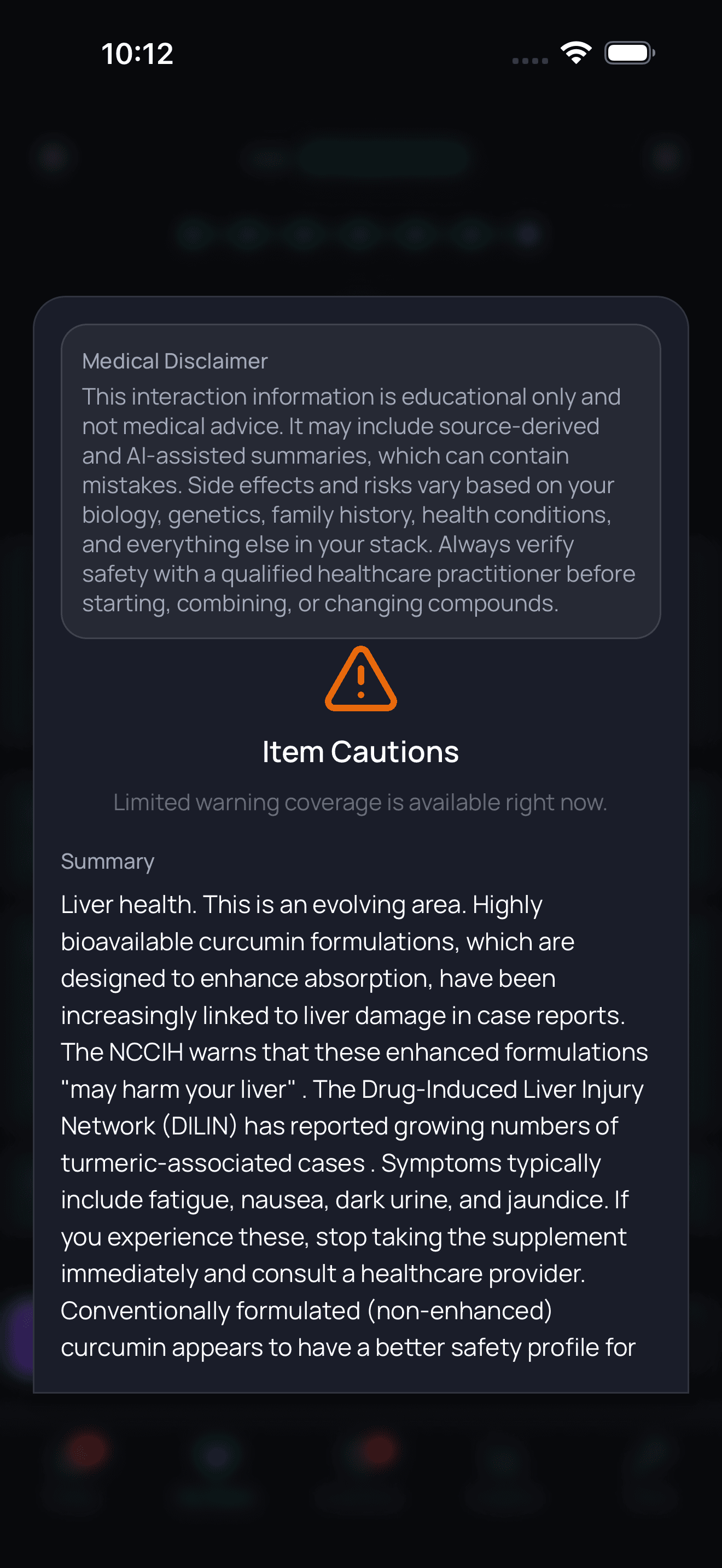
Safety notes are not emergency guidance; seek medical help when appropriate.
Dosing & Usage Protocols
The Basics
Schisandra dosing varies depending on the form and preparation. The most commonly cited approaches from both traditional practice and modern research include dried berries at 1 to 3 grams per day, taken in two divided doses (0.5 to 1.5 grams before lunch and before the evening meal), and standardized extracts at 250 to 500 mg per day, typically standardized to 2 to 10% total schisandrins [1].
Russian traditional medicine used a tincture (95% ethanol, 1:6 ratio) at 20 to 30 drops daily, usually over a course of 20 to 30 days. This cyclical approach, with periods of use followed by breaks, is a common theme in traditional adaptogen protocols [1].
Many supplement manufacturers offer seed extracts standardized to 3% schisandrins, often at 250 to 500 mg per capsule. Russian research historically preferred seed extracts over whole fruit, citing more consistent stimulatory effects on the central nervous system [1].
The onset of effects typically peaks between 3 to 7 days into a supplementation period, based on traditional Russian observations. Some users report noticeable effects from the first dose, while others require a week or more of consistent use [1].
The Science
Traditional Russian dosing protocols (Panossian and Wikman, 2008) [3]:
- Air-dried fruit tincture (1:6 w/v in 95% ethanol): 20 to 30 drops daily
- Water infusion (1:20 w/v): 150 mL twice daily
- Powdered fruit: 1 to 3 g/day in two divided doses (0.5 to 1.5 g each)
- Treatment course: 20 to 30 days, with reported peak efficacy at days 3 to 7
- Seed extract tincture (1:1 w/v in 95% ethanol): single acute doses of 0.05 to 0.2 mL/kg
Modern clinical trial dosing:
- Menopausal symptoms (Park and Kim, 2016): S. chinensis extract, specific dose not widely reported [14]
- Muscle strength (Cho et al., 2021): S. chinensis extract, in combination with exercise [15]
- ADAPT-232: Standardized to 0.37% schisandrin and 0.24% gamma-schisandrin from schisandra component, per 450 mg capsule [13]
- Liver function: 260 mg extract + 10 mg sesamin daily [1][12]
- Blood flow: 130 mg extract + 5 mg sesamin daily [1]
What to Expect (Timeline)
Weeks 1 to 2: Some users report noticeable effects from the first few doses, including subtle improvements in mood, a sense of calm, or mild stimulation. Traditional Russian observations suggest peak acute efficacy occurs between days 3 and 7 of a supplementation course. Mild digestive adjustment may occur during this period. Sleep improvements, if they occur, tend to be noticed within the first week.
Weeks 3 to 4: Adaptogenic effects typically become more established with consistent daily use. Stress resilience, mental clarity, and physical endurance improvements tend to accumulate gradually. Users who respond well often describe a baseline shift in their ability to handle daily stressors rather than a dramatic acute effect. Liver-protective benefits are building internally but may not produce subjective sensations.
Weeks 5 to 8: Longer-term benefits related to liver function, antioxidant status, and immune modulation continue to develop. Users who have experienced initial improvements in mood, energy, or cognition often report that these effects stabilize at a consistent level. Traditional protocols suggest reassessing after 20 to 30 days of use.
Weeks 8 to 12 and beyond: One human study demonstrated measurable improvements in liver enzyme levels after several weeks of consistent supplementation (with sesamin co-administration). Skeletal muscle strength improvements in older adults were measured after a period of regular supplementation combined with exercise. Long-term safety data is limited, and traditional Russian protocols recommend cyclical use (periods of supplementation followed by breaks) rather than indefinite continuous use.
Important note: Individual responses to schisandra appear to vary considerably more than with many other supplements. Some people experience pronounced effects from the first dose, while others notice gradual, subtle changes over weeks. A minority of users report paradoxical effects (increased anxiety, mental blunting) that suggest schisandra may not be suitable for everyone. If negative effects persist beyond the first few days, discontinuation should be considered.
Timelines in the research give you a general idea of when to expect results, but your body has its own schedule. Doserly tracks your progress against those benchmarks, letting you see whether your experience aligns with typical response curves or whether something in your protocol might need adjusting.
By logging biomarkers and subjective outcomes alongside your supplement intake, you build a personal timeline that shows exactly when changes started appearing and how they've progressed. The app's trend analysis highlights inflection points, weeks where things shifted for better or worse, so you have concrete data when deciding whether to continue, adjust your dose, or try a different form.
Capture changes while they are still fresh.
Log symptoms, energy, sleep, mood, and other observations alongside protocol events so patterns do not live only in memory.
Trend view
Symptom timeline
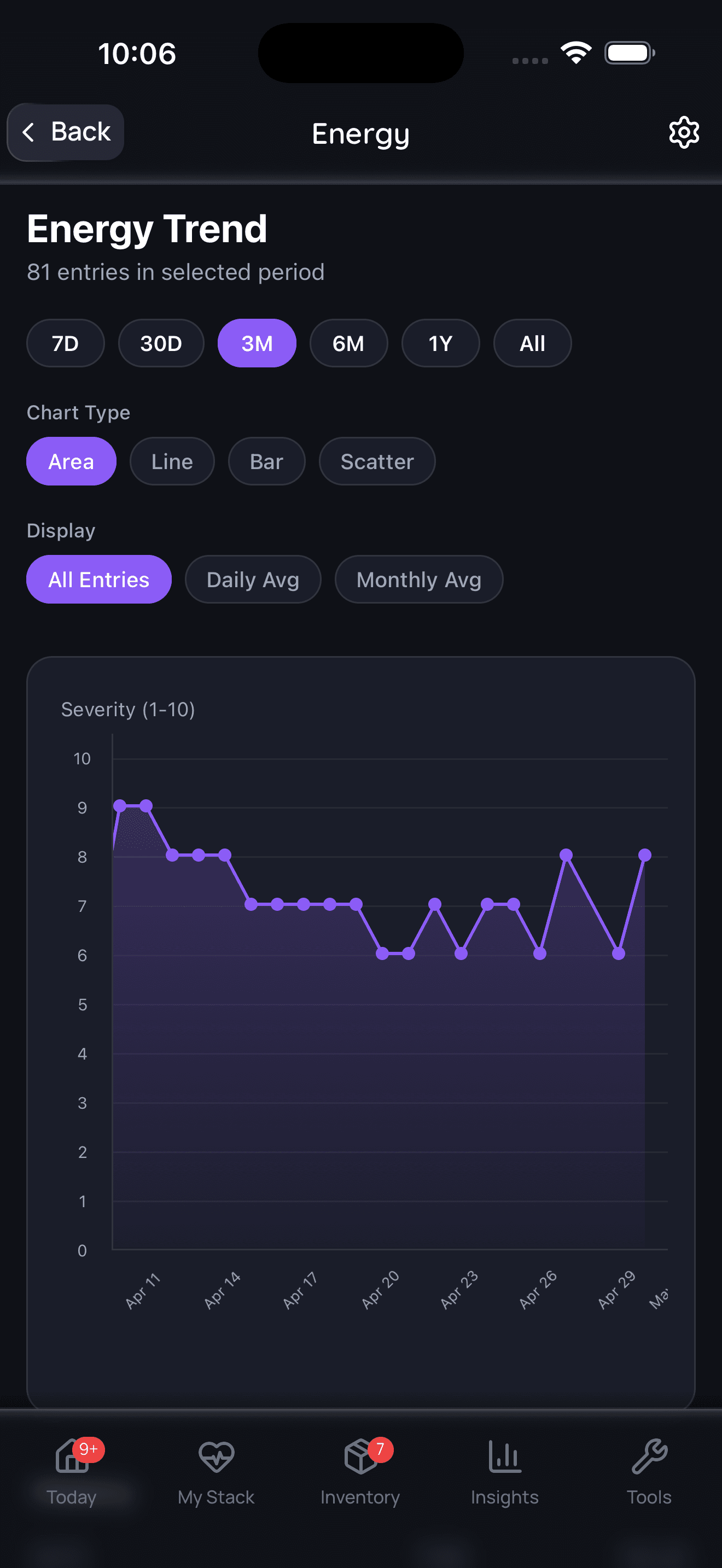
Symptom tracking is informational and should be interpreted with a qualified clinician.
Interactions & Compatibility
SYNERGISTIC
- Rhodiola Rosea: Traditional adaptogen pairing used in ADAPT-232 formula. Both are recognized plant adaptogens with complementary mechanisms. Community reports consistently describe the combination as effective for stress and cognitive performance [3][13].
- Ginseng: Co-administered in traditional Chinese and Russian formulas (Sheng-Mai-San, ADAPT-232). Schisandra may potentiate ginseng effects via P-glycoprotein inhibition, improving ginsenoside bioavailability [1][13].
- Sesamin: Hepatoprotective synergy. The combination of schisandra extract (130 to 260 mg) with sesamin (5 to 10 mg) has been used in human studies for liver function and blood flow [1][12].
- Ashwagandha: Fellow adaptogen with complementary mechanisms. Ashwagandha acts more strongly on GABAergic pathways and thyroid function, while schisandra emphasizes liver protection and cholinergic enhancement [1].
- Fat sources (dietary): Lipophilic lignans show dramatically improved absorption when co-administered with fatty acids. Taking schisandra with a fat-containing meal is recommended [1].
CAUTION / AVOID
- Tacrolimus and other immunosuppressants: Schisandra increases blood levels of tacrolimus via CYP3A4 and P-glycoprotein inhibition. Documented in human transplant patients. Dose adjustment may be required if co-administered under medical supervision [7][18].
- CYP3A4 substrates (many medications): Schisandra inhibits CYP3A4 acutely and may induce it chronically. Drugs metabolized by CYP3A4 (including many statins, calcium channel blockers, benzodiazepines, and HIV protease inhibitors) may have altered blood levels [1][5][7].
- CYP1A2 substrates: In vitro and animal studies suggest schisandra can affect metabolism of CYP1A2 substrates (including caffeine, theophylline, and some antidepressants) [7].
- Warfarin and anticoagulants: Schisandra water extract reduced warfarin AUC by 29% in animal studies, potentially reducing anticoagulant efficacy [1].
- P-glycoprotein substrates: Schisandra inhibits P-gp efflux, potentially increasing blood levels of P-gp substrates including digoxin, cyclosporine, and certain chemotherapy agents [1][7].
- Hormone-sensitive conditions: Weak estrogenic activity at 10 micrograms/mL in vitro. Individuals with hormone-sensitive conditions (breast cancer, endometriosis, uterine fibroids) should exercise caution and consult their healthcare provider [1].
How to Take / Administration Guide
Schisandra is most commonly available as a standardized extract in capsule form, typically at 250 to 500 mg per capsule standardized to 2 to 10% total schisandrins. This is the most convenient form and the one most closely aligned with modern clinical research protocols.
Recommended forms: Practitioners and researchers generally favor either seed extracts (which align with Russian research protocols emphasizing CNS-stimulant effects) or whole berry extracts (which align with TCM's broader tonic approach). Both preparations contain the relevant lignans; the choice often depends on the user's primary goals. Whole berry powder is available for those who prefer making tea, at typical doses of 1 to 3 grams steeped in hot water.
Timing considerations: Traditional Russian protocols recommend taking schisandra in two divided doses, before lunch and before the evening meal. Some users find that evening dosing supports sleep quality due to schisandra's mild sedative properties, while others prefer morning or midday dosing for the focus and energy benefits. Because the lignans are fat-soluble, taking the supplement with a meal containing some dietary fat is advisable.
Stacking guidance: Schisandra is commonly combined with other adaptogens, particularly rhodiola rosea and eleuthero (Siberian ginseng), reflecting the traditional ADAPT-232 formulation. When stacking, it is reasonable to start with schisandra alone to establish individual response before adding other adaptogens. The P-glycoprotein inhibition properties of schisandra mean it may increase the absorption of other supplements taken at the same time.
Cycling guidance: Traditional Russian protocols recommend courses of 20 to 30 days followed by a break, rather than continuous indefinite use. This cyclical approach is common across adaptogenic herbs and may help prevent tolerance development. There is no clinical data establishing the optimal cycle length for schisandra specifically.
Tincture preparation (traditional): Air-dried berries in 95% ethanol at a 1:6 weight-to-volume ratio. Administered at 20 to 30 drops daily. Water infusions use a 1:20 ratio and are consumed at 150 mL twice daily [1][3].
Choosing a Quality Product
Third-party certifications: Look for products tested by USP, NSF International, or ConsumerLab. For athletes, Informed Sport or NSF Certified for Sport certifications provide an additional layer of banned-substance screening. GMP certification is a baseline quality indicator [19].
Standardization matters: High-quality schisandra extracts are standardized to total schisandrins content, typically in the range of 2 to 10%. Products listing individual schisandrin quantities (schisandrin A, B, schisandrol A, etc.) offer greater transparency. A recent independent test of one product showed schisandrin at 1.677%, schisandrol B at 0.477%, deoxyschisandrin at 0.338%, and gamma-schisandrin at 0.863%.
Seed vs. berry extract: Both are legitimate preparations with different traditional pedigrees. Seed extracts align with Russian research, whole berry extracts align with TCM. Products should clearly state whether they use seed, berry, or whole fruit material.
Red flags:
- Products not specifying which part of the plant is used (seed, berry, or whole fruit)
- Proprietary blends that hide the actual amount of schisandra
- Claims of miracle cures or specific disease treatment
- No third-party testing or Certificate of Analysis (COA) available
- Extremely low prices for high doses, which may indicate adulteration with S. sphenanthera (the less-studied species)
Species verification: Ensure the product specifies Schisandra chinensis rather than Schisandra sphenanthera. While both contain lignans, their compositions differ significantly, and the majority of clinical research has been conducted on S. chinensis [5].
Excipient considerations: Capsules should use minimal fillers. Common acceptable excipients include rice flour, vegetable cellulose (capsule shell), and silica (flow agent). Avoid products with unnecessary artificial colors or flavors.
Storage & Handling
Dried schisandra berries and powdered extracts should be stored in airtight containers in a cool, dry location away from direct sunlight and heat. Properly stored dried berries maintain potency for 2 to 3 years. Extracts in capsule form have typical shelf lives of 1 to 2 years from the date of manufacture.
Tinctures should be kept in dark glass bottles (amber or cobalt) to protect the lignans from light degradation. Ethanolic tinctures are inherently shelf-stable due to the preservative properties of alcohol and can last several years when properly stored.
Avoid storing any schisandra product in humid environments, as moisture can promote degradation of the lignans and growth of mold on dried berry material. Refrigeration is not required but will not harm the product. If using powdered berry for tea preparation, keep the powder sealed between uses to prevent oxidation.
Lifestyle & Supporting Factors
Diet: Schisandra's fat-soluble lignans benefit from consumption alongside dietary fats. Incorporating the supplement into meals or snacks containing healthy fats (olive oil, avocado, nuts) can improve absorption. Traditional Chinese medicine also recommends foods that support liver health (dark leafy greens, beets, artichokes) as complementary dietary choices.
Exercise: Schisandra has been traditionally used to enhance physical performance and endurance. Incorporating regular exercise alongside supplementation aligns with the only human study showing skeletal muscle strength improvements (which combined schisandra with regular low-intensity exercise) [15]. The cortisol-modulating effects may also support exercise recovery by reducing stress-hormone-mediated tissue breakdown.
Sleep: Several users and traditional sources report that schisandra supports sleep quality. Taking the supplement in the evening (approximately 4 hours before bedtime) may leverage this property. Maintaining consistent sleep hygiene practices (regular sleep/wake times, dark sleeping environment, limited screen exposure before bed) complements any sleep-supporting effects.
Stress management: As an adaptogen, schisandra works best as part of a broader stress management approach. Combining supplementation with stress reduction techniques (meditation, breathing exercises, time in nature) may produce synergistic benefits, as the supplement addresses the biochemical aspects of stress while behavioral practices address the psychological components.
Hydration: Adequate hydration supports the liver and kidney function that schisandra is designed to enhance. There is no specific hydration requirement unique to schisandra supplementation, but standard recommendations of 2 to 3 liters of total fluid daily remain relevant.
Monitoring: Because schisandra can affect liver enzyme levels on blood tests (specifically reducing ALT and AST), anyone getting routine blood work should inform their healthcare provider that they are taking schisandra. This prevents misinterpretation of liver function test results [7].
Regulatory Status & Standards
United States (FDA): Schisandra chinensis fruit is available as a dietary supplement under the Dietary Supplement Health and Education Act (DSHEA) of 1994. It is not approved as a drug. No NDI (New Dietary Ingredient) notification is required as schisandra was marketed as a dietary supplement prior to October 15, 1994.
Canada (Health Canada): Schisandra is recognized as a Natural Health Product (NHP) and has a Natural Product Monograph. Licensed NHP products containing schisandra carry an NPN (Natural Product Number).
European Union (EFSA): Schisandra chinensis is listed in the BELFRIT list of botanicals permitted in food supplements in several EU member states. The European Pharmacopoeia includes monographs for Schisandra fruit. EFSA has not authorized specific health claims for schisandra.
Australia (TGA): Schisandra is listed in the Australian Register of Therapeutic Goods as a complementary medicine ingredient.
Traditional pharmacopoeia recognition: Listed in the Chinese Pharmacopoeia (2020 edition, in 100 prescriptions), Japanese Pharmacopoeia, and Korean Pharmacopoeia. WHO Monographs on Selected Medicinal Plants includes Schisandra. German Commission E monograph exists for Schisandra fruit.
Athlete & Sports Regulatory Status:
- WADA: Schisandra chinensis is not listed on the current WADA Prohibited List. However, as an herbal supplement, there is always a risk of contamination with prohibited substances in poorly manufactured products.
- National Anti-Doping Agencies: No specific guidance or alerts have been issued by USADA, UKAD, Sport Integrity Canada, or Sport Integrity Australia regarding schisandra.
- NCAA: Schisandra is not on the NCAA banned substance list. However, the NCAA recommends that athletic departments only provide supplements that are NSF Certified for Sport or Informed Sport certified.
- Athlete Certification Programs: Informed Sport and NSF Certified for Sport products containing schisandra may be available. Athletes should verify individual product certification status at sport.wetestyoutrust.com, nsfsport.com, and koelnerliste.com.
- GlobalDRO: Athletes can check the status of schisandra-containing products at GlobalDRO.com, which covers US, UK, Canada, Australia, Japan, Switzerland, and New Zealand.
Regulatory status and prohibited substance classifications change frequently. Athletes should always verify the current status of any supplement with their sport's governing body, their national anti-doping agency, and a qualified sports medicine professional before use. Third-party certification (Informed Sport, NSF Certified for Sport) reduces but does not eliminate the risk of contamination with prohibited substances.
Frequently Asked Questions
What is schisandra berry good for?
Based on available research and traditional use spanning over 2,000 years, schisandra is most commonly associated with liver support, stress resilience, cognitive function, and physical performance enhancement. The strongest scientific evidence exists for its hepatoprotective (liver-protective) properties, supported by a meta-analysis of 54 preclinical studies. It is classified as one of five recognized plant adaptogens. As with any supplement, individual responses vary, and benefits should be discussed with a qualified healthcare professional [1][4][8].
How much schisandra should I take daily?
Commonly reported supplemental doses range from 250 to 500 mg of standardized extract per day (standardized to 2 to 10% schisandrins), or 1 to 3 grams of dried berry powder per day in divided doses. Traditional Russian protocols used 20 to 30 drops of ethanolic tincture daily. No official RDA exists for schisandra, and the optimal dose may vary depending on the form, standardization, and individual factors. Consulting a healthcare provider is recommended before starting supplementation [1][3].
Is schisandra safe to take every day?
Schisandra has a long history of daily use in traditional medicine systems. No serious side effects have been reported in the limited human studies conducted to date. However, traditional Russian protocols recommend courses of 20 to 30 days followed by a break, rather than continuous indefinite use. The most important safety consideration is its potential to interact with medications via CYP enzyme and P-glycoprotein inhibition [1][7].
Can I take schisandra with my medications?
This is a critical question to discuss with a healthcare provider. Schisandra contains lignans that inhibit CYP3A4, CYP1A2, and P-glycoprotein, enzymes and transport proteins responsible for metabolizing many common medications. This means schisandra could increase or decrease blood levels of various drugs, including immunosuppressants (tacrolimus), blood thinners (warfarin), statins, and others. Never add schisandra to a medication regimen without medical guidance [1][5][7].
What is the difference between schisandra seed extract and berry extract?
Both preparations contain the bioactive lignans, but with different emphasis. Russian research historically favored seed extracts for their CNS-stimulant properties, citing more consistent effects on mental and physical performance. Traditional Chinese medicine uses the whole fruit for its broader tonic properties. Seed extracts tend to be more concentrated in certain lignans, while whole berry extracts contain additional compounds (organic acids, anthocyanins, polysaccharides) that may contribute to the overall effect [1][5].
Does schisandra help with anxiety?
Animal studies demonstrate that schisandra extract at 100 to 200 mg/kg reduces stress-induced catecholamines and cortisol, with some measures showing greater efficacy than diazepam. At doses of 25 to 100 mg/kg in unstressed animals, anxiolytic and sedative effects were observed. However, no dedicated human clinical trial has evaluated schisandra specifically for anxiety. Community reports are generally positive but mixed, with a minority reporting paradoxical anxiety. Anyone experiencing significant anxiety should work with a healthcare professional [1].
Can schisandra improve my vision?
Multiple community users independently report improved visual acuity, particularly at night, which aligns with traditional Chinese medicine theory that liver health is reflected in eye health. There is no clinical study evaluating schisandra's effect on vision. The observation remains anecdotal but is a distinctive and consistently reported experience among users.
Is schisandra the same as Schisandra sphenanthera?
No. While both species belong to the genus Schisandra and are used in Chinese medicine, S. chinensis (bei-wuweizi, "northern five-flavor berry") and S. sphenanthera (nan-wuweizi, "southern five-flavor berry") have different chemical compositions. S. chinensis has been more extensively studied and contains 306 identified compounds versus 238 for S. sphenanthera. The Chinese Pharmacopoeia includes 100 prescriptions containing S. chinensis versus only 11 for S. sphenanthera. Most quality supplements specify S. chinensis [5].
Does schisandra affect hormones?
Schisandra has demonstrated weak estrogenic agonism at 10 micrograms/mL in vitro, and did not influence androgen receptors. A randomized controlled trial found it helpful for menopausal symptoms (hot flushes, sweating), suggesting some hormonal activity in vivo. Additionally, its effects on the CYP enzyme system could theoretically influence the metabolism of endogenous hormones. Individuals with hormone-sensitive conditions should consult their healthcare provider before use [1][7][14].
Can I take schisandra during pregnancy or breastfeeding?
There is insufficient safety data to recommend schisandra during pregnancy or breastfeeding. While it has been used traditionally, no controlled studies have evaluated its safety in pregnant or lactating women. The estrogenic activity and CYP enzyme effects are additional reasons for caution. Pregnant or breastfeeding individuals should consult their healthcare provider before using any herbal supplement.
Myth vs. Fact
Myth: Schisandra is a powerful stimulant that gives you an energy rush like caffeine.
Fact: Schisandra does not work like caffeine. Rather than stimulating the central nervous system through adenosine receptor blockade (caffeine's mechanism), schisandra modulates the stress response by regulating cortisol and catecholamines, and it enhances cellular energy production through improved mitochondrial function. The subjective experience most users describe is calm alertness rather than stimulation. Some users even report sedation, particularly at higher doses or when taken in the evening [1][4].
Myth: All schisandra supplements are the same regardless of species or preparation.
Fact: Schisandra chinensis and Schisandra sphenanthera differ significantly in their chemical composition and the amount of research supporting their use. S. chinensis has been far more extensively studied, with 306 identified compounds versus 238 for S. sphenanthera. Additionally, seed extracts and berry extracts produce different effect profiles, with Russian research favoring seeds for mental/physical performance and TCM using whole berries for broader tonic effects [5].
Myth: Schisandra cures liver disease.
Fact: While schisandra demonstrates impressive hepatoprotective properties in animal studies (supported by a meta-analysis of 54 studies), human evidence is limited to small, often uncontrolled trials using combination formulas. MSKCC describes the liver-related human trials as "inconclusive." Schisandra may support liver health, but it is not a treatment for liver disease, and anyone with liver conditions should work with their healthcare provider [7][8].
Myth: Schisandra is safe to combine with any medication since it's just a berry.
Fact: Schisandra is one of the more pharmacologically active herbal supplements when it comes to drug interactions. Its lignans inhibit CYP3A4 (the enzyme responsible for metabolizing over 50% of pharmaceutical drugs), CYP1A2, and P-glycoprotein. This means it can significantly alter the blood levels of many medications. The interaction with tacrolimus in transplant patients is documented in humans. Anyone taking prescription medications should consult their healthcare provider before adding schisandra [1][5][7].
Myth: You need to take schisandra for months before feeling anything.
Fact: Traditional Russian observations noted peak acute efficacy between days 3 and 7 of a supplementation course. Many community users report noticeable effects within the first few days, including changes in mood, relaxation, and mental clarity. However, some benefits (particularly liver-protective effects) likely accumulate over weeks of consistent use, and individual response timelines vary considerably [1].
Myth: Schisandra will significantly boost your testosterone levels.
Fact: In vitro studies showed that schisandra did not influence androgen receptor activity. While it has weak estrogenic properties and is traditionally associated with vitality and reproductive health, there is no evidence from controlled studies that schisandra raises testosterone levels. Community reports of improved libido may be related to stress reduction and improved blood flow rather than direct hormonal effects [1].
Myth: Higher doses of schisandra always produce better results.
Fact: Some evidence suggests that moderate doses may be more effective than high doses for certain outcomes. In one animal study, 100 mg/kg was more effective than 200 mg/kg at reducing stress-induced liver enzyme elevations. Higher doses of isolated schisandrin B can actually induce hypertriglyceridemia in animal models. The traditional approach of moderate, consistent dosing appears more aligned with the evidence than megadosing [1].
Sources & References
Clinical Trials & RCTs
[13] Aslanyan G, Amroyan E, Gabrielyan E, et al. Double-blind, placebo-controlled, randomised study of single dose effects of ADAPT-232 on cognitive functions. Phytomedicine. 2010;17(7):494-499.
[14] Park JY, Kim KH. A randomized, double-blind, placebo-controlled trial of Schisandra chinensis for menopausal symptoms. Climacteric. 2016;19(6):574-580.
[15] Cho YH, Lee SY, Lee CH, et al. Effect of Schisandra chinensis Baillon extracts and regular low-intensity exercise on muscle strength and mass in older adults: A randomized, double-blind, placebo-controlled trial. Am J Clin Nutr. 2021;113(6):1440-1446.
[20] Song MY, Wang JH, Eom T, et al. Schisandra chinensis fruit modulates the gut microbiota composition in association with metabolic markers in obese women: a randomized, double-blind placebo-controlled study. Nutr Res. 2015;35(8):655-663.
Systematic Reviews & Meta-Analyses
[4] Panossian A, et al. Plant Adaptogens: History and Future Perspectives. Nutrients. 2021;13(8):2861. PMID: 34445021.
[8] Efficacy of Schisandra chinensis in liver injury: a systematic review and preclinical meta-analysis. Frontiers in Pharmacology. 2025. PMID: 40832608.
[5] Yang K, et al. A comprehensive review of ethnopharmacology, phytochemistry, pharmacology, and pharmacokinetics of Schisandra chinensis (Turcz.) Baill. and Schisandra sphenanthera Rehd. et Wils. J Ethnopharmacol. 2022;282:114642. PMID: 34678416.
Preclinical Studies
[6] Ip SP, Yiu HY, Ko KM. Schisandrin B protects against menadione-induced hepatotoxicity by enhancing DT-diaphorase activity. Mol Cell Biochem. 2000;208(1-2):151-155.
[9] Hu D, Cao Y, He R, et al. Schizandrin, an antioxidant lignan from Schisandra chinensis, ameliorates Abeta1-42-induced memory impairment in mice. Oxid Med Cell Longev. 2012;2012:721721.
[10] Ci X, Ren R, Xu K, et al. Schisantherin A exhibits anti-inflammatory properties by down-regulating NF-kappaB and MAPK signaling pathways in lipopolysaccharide-treated RAW 264.7 cells. Inflammation. 2010;33(2):126-136.
[11] Zhang Y, et al. A systematic strategy for screening therapeutic constituents of Schisandra chinensis infiltrated blood-brain barrier oriented in lesions. J Ethnopharmacol. 2020;252:112616. PMID: 32140399.
[16] Chen P, Pang S, Yang N, et al. Beneficial effects of schisandrin B on the cardiac function in mice model of myocardial infarction. PLoS One. 2013;8(11):e79418.
[17] Kim YJ, Yoo SR, Chae CK, et al. Omija fruit extract improves endurance and energy metabolism by upregulating PGC-1alpha expression in the skeletal muscle of exercised rats. J Med Food. 2014;17(1):28-35.
Government/Institutional Sources
[7] Memorial Sloan Kettering Cancer Center. Schisandra. About Herbs Database. Last updated June 3, 2022. https://www.mskcc.org/cancer-care/integrative-medicine/herbs/schisandra
Monographs & Reviews
[1] Panossian A, Wikman G. Pharmacology of Schisandra chinensis Bail.: an overview of Russian research and uses in medicine. J Ethnopharmacol. 2008;118(2):183-212. Additional pharmacokinetic and composition data from multiple primary sources traced throughout this guide.
[2] Jia M, et al. An analysis of the nutritional effects of Schisandra chinensis components based on mass spectrometry technology. Front Nutr. 2023;10:1228882. PMID: 37560060.
[3] Panossian A, Wikman G. Pharmacology of Schisandra chinensis Bail.: an overview of Russian research and uses in medicine. J Ethnopharmacol. 2008;118(2):183-212.
[12] Chiu HF, Chen TY, Tzeng YT, et al. Improvement of liver function in humans using a mixture of schisandra fruit extract and sesamin. Phytother Res. 2013;27(3):368-373.
[18] Li J, Chen S, Qin X, et al. Wuzhi Tablet (Schisandra sphenanthera Extract) is a Promising Tacrolimus-Sparing Agent for Renal Transplant Recipients Who are CYP3A5 Expressers. Drug Metab Dispos. 2017;45(11):1114-1119.
[19] USP. Dietary Supplement Verification Program. https://www.usp.org
Related Supplement Guides
Same Category (Adaptogens)
- Ashwagandha
- Rhodiola Rosea
- Ginseng
- Holy Basil (Tulsi)
- Maca Root
- Astragalus
- Cordyceps
- Reishi Mushroom
- Lion's Mane Mushroom
Common Stacks / Pairings
- Rhodiola Rosea — traditional ADAPT-232 combination
- Ginseng — traditional Sheng-Mai-San formula; P-gp inhibition enhances ginsenoside absorption
- Shilajit — adaptogen stack for vitality
- L-Theanine — comparable calming effects (community reports)
Related Health Goal
- Milk Thistle — liver support
- NAC — glutathione support, liver protection
- L-Glutathione — direct glutathione supplementation
- Bacopa Monnieri — cognitive enhancement, acetylcholinesterase inhibition
- Tongkat Ali — vitality and stress; frequently stacked with schisandra