
Vitamin D2 (Ergocalciferol): The Complete Supplement Guide
On this page
Quick Reference Card
Attribute
Common Name
- Detail
- Vitamin D2 (Ergocalciferol)
Attribute
Other Names / Aliases
- Detail
- Ergocalciferol, Calciferol, Drisdol, Ercalciol, Viosterol
Attribute
Category
- Detail
- Fat-Soluble Vitamin (Secosteroid)
Attribute
Primary Forms & Variants
- Detail
- Ergocalciferol (D2, plant/fungal-derived). Note: Cholecalciferol (D3, animal-derived) is the other major form. D3 raises serum 25(OH)D levels to a greater extent and maintains them longer than D2, though both are effective at correcting deficiency.
Attribute
Typical Dose Range
- Detail
- 400-2,000 IU (10-50 mcg) daily for maintenance; 50,000 IU weekly for prescription deficiency correction
Attribute
RDA / AI / UL
- Detail
- RDA: 15 mcg (600 IU) for adults 19-70; 20 mcg (800 IU) for adults >70. AI: 10 mcg (400 IU) for infants. UL: 100 mcg (4,000 IU) for adults 9+ years. (IOM/NASEM, applies to total vitamin D from all sources.)
Attribute
Common Delivery Forms
- Detail
- Capsule (prescription 50,000 IU), tablet, liquid drops, fortified foods
Attribute
Best Taken With / Without Food
- Detail
- Best absorbed when taken with a meal containing fat. Both D2 and D3 are fat-soluble vitamins. Some absorption occurs without dietary fat, and neither aging nor obesity alters absorption from the gut.
Attribute
Key Cofactors
- Detail
- Magnesium (required for vitamin D metabolism and conversion to active form), Vitamin K2 (directs calcium to bones, prevents arterial calcification), Calcium (vitamin D enhances calcium absorption)
Attribute
Storage Notes
- Detail
- Store at room temperature, away from light, excess heat, and moisture. No refrigeration required.
Overview
The Basics
Vitamin D2 (ergocalciferol) is one of the two main forms of vitamin D, the nutrient your body needs for strong bones, a functioning immune system, and dozens of other critical processes. While vitamin D3 (cholecalciferol) gets most of the attention in supplement aisles, D2 has its own distinct place in nutrition and medicine. It is the form most commonly prescribed by doctors for treating vitamin D deficiency, typically as a 50,000 IU weekly capsule, and it is the only form of vitamin D naturally produced by plants and fungi.
Your body handles D2 and D3 through largely the same biological pathways. Both get converted in the liver and kidneys into the active hormone that regulates calcium, supports bone health, and influences immune function. The key difference is that D3 tends to raise blood levels of vitamin D (measured as 25-hydroxyvitamin D, or 25(OH)D) somewhat higher and for a longer duration than the same dose of D2. This does not mean D2 is ineffective; both forms successfully treat rickets and correct deficiency. It means that gram for gram, D3 has a modest potency advantage.
D2 matters for several practical reasons. It is the standard prescription vitamin D in many countries, available in the 50,000 IU strength that no D3 supplement currently matches. It is also the only non-animal-derived form of vitamin D, making it the default choice for strict vegans and vegetarians (though lichen-sourced D3 has recently become available as an alternative). And it is the form found naturally in UV-exposed mushrooms, one of the very few plant-based dietary sources of vitamin D [1].
The Science
Ergocalciferol (vitamin D2) is a secosteroid produced by UV-B irradiation of ergosterol, a sterol found in the cell membranes of fungi and yeast. It differs from cholecalciferol (vitamin D3) only in its side-chain structure: D2 has a C-22/C-23 double bond and a C-24 methyl group that are absent in D3. These structural differences affect binding affinity to vitamin D-binding protein (DBP) and downstream metabolism, but both forms undergo identical hydroxylation steps to reach their biologically active metabolites [1][2].
Both D2 and D3 are biologically inert upon ingestion and require two sequential hydroxylations for activation. The first occurs in the liver via CYP2R1 and CYP27A1, producing 25-hydroxyvitamin D [25(OH)D], the primary circulating form and clinical biomarker of vitamin D status. The second occurs primarily in the kidney via CYP27B1, producing the hormonally active 1,25-dihydroxyvitamin D [1,25(OH)2D], also known as calcitriol [1][2].
Commercial vitamin D2 is manufactured through UV irradiation of ergosterol extracted from yeast (Saccharomyces cerevisiae). In the United States, ergocalciferol is available both as an over-the-counter dietary supplement and as the prescription drug Drisdol (50,000 IU capsules). The prescription formulation remains the most commonly used high-dose vitamin D for acute deficiency correction in clinical practice [3].
Meta-analytic evidence from 24 studies (n=1,277) demonstrates that cholecalciferol raises total 25(OH)D levels to a greater extent than ergocalciferol (mean difference: 15.69 nmol/L, 95% CI: 9.46-21.93), with the magnitude of difference being dose-dependent; at lower daily doses, the difference between D2 and D3 narrows significantly [4][5]. Both forms have equivalent ability to cure rickets, the most severe manifestation of vitamin D deficiency [1].
Chemical & Nutritional Identity
Property
Chemical Name
- Value
- (3S,5Z,7E,22E)-9,10-secoergosta-5,7,10(19),22-tetraen-3-ol
Property
Synonyms
- Value
- Ergocalciferol, Calciferol, Viosterol, Activated Ergosterol
Property
Molecular Formula
- Value
- C₂₈H₄₄O
Property
Molecular Weight
- Value
- 396.65 g/mol
Property
CAS Number
- Value
- 50-14-6
Property
PubChem CID
- Value
- 5280793
Property
Category
- Value
- Fat-soluble vitamin; Secosteroid; Vitamin D analog
Property
Precursor
- Value
- Ergosterol (from yeast and fungi, irradiated by UV-B)
Property
RDA (Adults 19-70)
- Value
- 15 mcg (600 IU) total vitamin D (D2 + D3 combined)
Property
RDA (Adults >70)
- Value
- 20 mcg (800 IU) total vitamin D
Property
AI (Infants 0-12 months)
- Value
- 10 mcg (400 IU)
Property
UL (Adults 9+ years)
- Value
- 100 mcg (4,000 IU) total vitamin D
Property
Conversion
- Value
- 1 mcg vitamin D = 40 IU
Ergocalciferol is a white crystalline powder, practically insoluble in water but soluble in alcohol, chloroform, and fatty oils. It differs from cholecalciferol (D3) by the presence of a double bond between C-22 and C-23 and a methyl group at C-24 on the side chain. These side-chain differences result in a shorter half-life in circulation compared to D3 and reduced binding affinity to vitamin D-binding protein (DBP), which contributes to the observed differences in potency between the two forms [4][5].
The IOM (now NASEM) established the RDA for vitamin D without distinguishing between D2 and D3, treating them as interchangeable for the purpose of meeting daily requirements. However, the Endocrine Society and multiple meta-analyses have noted that achieving equivalent serum 25(OH)D levels may require higher doses of D2 compared to D3 [1][4].
Mechanism of Action
The Basics
Vitamin D2 works in your body much the same way as vitamin D3, just through a slightly less efficient version of the same pathway. After you swallow a D2 supplement, it travels to your liver, where it gets converted into a storage form called 25-hydroxyvitamin D2 (calcidiol). This is the form that doctors measure when they check your vitamin D levels with a blood test. From there, your kidneys convert it into the active hormone form, 1,25-dihydroxyvitamin D (calcitriol), which is the form that actually does the work.
The most important job of this active hormone is managing calcium. It tells your intestines to absorb more calcium from food, tells your kidneys to hold on to calcium instead of letting it pass into urine, and, when dietary calcium is insufficient, it signals your bones to release stored calcium into the bloodstream. This calcium management system is why vitamin D deficiency leads to weak, brittle, or misshapen bones.
Beyond calcium, vitamin D influences your immune system, helps regulate cell growth, and plays a role in reducing inflammation. Vitamin D receptors have been found in cells throughout the body, including the brain, heart, muscles, prostate, breast tissue, and immune cells, which is why researchers continue to investigate its potential roles in conditions ranging from autoimmune diseases to mood disorders [1][2].
The Science
Ergocalciferol undergoes the same two-step activation pathway as cholecalciferol. Hepatic hydroxylation by CYP2R1 and CYP27A1 produces 25(OH)D2 (ercalcidiol), and renal hydroxylation by CYP27B1 produces 1,25(OH)2D2 (ercalcitriol). The active metabolite binds to the nuclear vitamin D receptor (VDR), forming a heterodimer with the retinoid X receptor (RXR) that modulates transcription of over 200 target genes involved in calcium homeostasis, cell differentiation, immune modulation, and inflammation [1][2].
The primary physiological function of activated vitamin D is regulation of calcium and phosphate homeostasis through three mechanisms:
- Enhanced intestinal absorption of calcium and phosphorus, primarily in the duodenum and jejunum, through upregulation of calbindin-D9k and the epithelial calcium channel TRPV6 [1]
- Renal tubular reabsorption of calcium, reducing urinary calcium excretion [2]
- Mobilization of calcium from bone via osteoclast activation when dietary calcium intake is insufficient, mediated through RANKL signaling [1]
Extraskeletally, vitamin D modulates innate and adaptive immune responses: it stimulates cathelicidin production in macrophages (antimicrobial defense) and modulates T-cell differentiation, promoting regulatory T cells while suppressing Th17 responses [2]. VDRs are expressed in cells of the intestine, kidney, brain, pancreatic beta cells, cardiovascular tissue, and immune cells, supporting the hypothesis that vitamin D has pleiotropic effects beyond calcium metabolism [1][2].
The metabolic differences between D2 and D3 are relevant at this level: 25(OH)D2 has a shorter serum half-life than 25(OH)D3 and lower binding affinity to DBP, resulting in more rapid clearance. Additionally, CYP24A1, the primary catabolic enzyme for vitamin D metabolites, may preferentially degrade D2 metabolites [4][5]. These kinetic differences, rather than differences in receptor binding or gene transcription, are the primary mechanism underlying D3's observed superiority in maintaining serum 25(OH)D levels.
Absorption & Bioavailability
The Basics
Vitamin D2 is absorbed reasonably well from the gut, though the details matter. Like all fat-soluble vitamins, it is absorbed best when taken with a meal that contains some fat. The vitamin dissolves into dietary fat during digestion, gets incorporated into micelles in the small intestine, and enters your bloodstream through passive diffusion and carrier-mediated transport. Neither age nor body weight significantly affects how well your gut absorbs vitamin D2 from a single dose.
Where D2 and D3 differ most is not in absorption from the gut but in what happens afterward. Once absorbed, D2 has a shorter half-life in your bloodstream compared to D3. This means your body clears D2 faster, so blood levels can drop more quickly between doses. This is particularly relevant for people taking D2 as a once-weekly 50,000 IU dose: levels spike after the dose and then decline steadily throughout the week, creating a sawtooth pattern rather than the stable plateau seen with daily dosing.
A 2021 meta-analysis of 24 studies found that D3 raised total 25(OH)D levels by an average of about 15.7 nmol/L more than equivalent doses of D2. Importantly, this difference was smaller at lower daily doses and larger at high bolus doses, suggesting that daily low-dose D2 supplementation narrows the gap with D3 considerably [4].
The Science
Both ergocalciferol and cholecalciferol are absorbed in the small intestine via passive diffusion and a mechanism involving intestinal membrane carrier proteins, primarily NPC1L1 and SR-B1 [1]. The concurrent presence of fat in the gut enhances vitamin D absorption by facilitating micellar solubilization, but absorption does occur without dietary fat. Neither aging nor obesity significantly alters vitamin D absorption at the intestinal level [1].
Post-absorptive pharmacokinetics differ meaningfully between D2 and D3:
- Binding affinity: 25(OH)D2 has lower binding affinity to vitamin D-binding protein (DBP) than 25(OH)D3, resulting in faster clearance from circulation [4]
- Half-life: The circulating half-life of 25(OH)D2 is shorter than that of 25(OH)D3. In bolus dosing studies, the area under the curve (AUC) for 25(OH)D3 consistently exceeds that of 25(OH)D2 [5]
- Dose-response relationship: Meta-regression analysis demonstrates that the magnitude of difference between D2 and D3 in raising total 25(OH)D is dose-dependent, with average daily dose being the single significant predictor of effect size. At lower daily doses, differences are smaller [4]
- BMI influence: Body mass index is an important modifying factor in comparing D2 and D3 response, alongside baseline 25(OH)D concentration [5]
Clinically, the pharmacokinetic differences between D2 and D3 are most impactful in bolus dosing scenarios. The commonly prescribed regimen of 50,000 IU D2 once weekly produces peak-trough fluctuations that are more pronounced than equivalent daily dosing of either form. Studies suggest that daily dosing of D2 at 1,000-2,000 IU produces serum 25(OH)D levels closer to those achieved with equivalent D3 doses than bolus comparisons would suggest [4][5].
Managing absorption timing across multiple supplements gets complicated fast. Some need to be taken with food, others on an empty stomach. Some compete for the same absorption pathways, others enhance each other. Doserly organizes all of this into a single schedule that accounts for the interactions between everything in your stack.
Instead of juggling mental notes about which supplements to separate and which to pair, the app handles the coordination for you. It flags timing conflicts, suggests optimal windows based on the forms you're using, and builds a daily routine that gives each supplement its best chance of being absorbed effectively. One place for all the details that are easy to forget.
Build reminders around the routine, not just the compound.
Doserly can keep timing, skipped doses, and schedule changes organized so the plan you read about becomes easier to follow and review.
Today view
Upcoming reminders

Reminder tracking supports consistency; it does not select a protocol for you.
Research & Clinical Evidence
Bone Health and Fracture Prevention
The Basics
Bone health is the most well-established benefit of vitamin D, including D2. Vitamin D is essential for calcium absorption, and without adequate levels, bones become thin, brittle, or misshapen. In children, severe deficiency causes rickets; in adults, it causes osteomalacia (soft bones) and contributes to osteoporosis. Both D2 and D3 are equally effective at preventing and treating rickets, which is the gold standard test of vitamin D's skeletal function [1].
Where the picture gets more complicated is fracture prevention in otherwise healthy adults. Large clinical trials and meta-analyses have produced mixed results. Some studies show that vitamin D supplementation (combined with calcium) can reduce fracture risk in elderly populations and postmenopausal women, while other large trials, including the VITAL trial and analyses by the U.S. Preventive Services Task Force, have found no benefit for fracture prevention in healthy, community-dwelling adults [6][7][8].
High-dose vitamin D supplementation (4,000 or 10,000 IU daily) has paradoxically been associated with greater bone mineral density loss in healthy, vitamin D-sufficient individuals compared to 400 IU, suggesting that more is not always better for bone health [9].
The Science
A patient-level pooled analysis of 68,500 patients from seven major vitamin D fracture trials found modest reduction in fracture risk with vitamin D supplementation [10]. However, a 2018 meta-analysis by Bolland et al. concluded that vitamin D supplementation did not prevent fractures or falls, or improve bone mineral density in the general population [7]. The 2022 VITAL trial ancillary study (n=25,871) found that supplemental vitamin D3 (2,000 IU/day) did not lower risk of fractures in midlife and older adults [6].
In hemodialysis patients, active vitamin D compounds did not reduce fracture risk [11]. The U.S. Preventive Services Task Force evidence review found no association between supplementation and reduced falls or fracture incidence in healthy community-dwelling older adults [8].
Burt et al. (2019, 2020) demonstrated in a randomized clinical trial that high-dose vitamin D supplementation (4,000 or 10,000 IU D3 versus 400 IU) resulted in statistically significant greater bone mineral density loss in healthy, vitamin D-sufficient adults, with effects more pronounced in women [9].
Immune Function
The Basics
Vitamin D plays a well-documented role in immune function. Your immune cells have vitamin D receptors, and vitamin D helps regulate the production of antimicrobial peptides (natural antibiotics your body makes). Despite this strong biological rationale, clinical trials testing whether vitamin D supplementation prevents infections have produced inconsistent results. Some studies suggest it may protect against influenza and reduce wheezing in infants, while others found no significant reduction in upper respiratory tract infections in healthy adults or the elderly [12][13].
The Science
Vitamin D modulates both innate and adaptive immune responses. In innate immunity, 1,25(OH)2D stimulates the production of cathelicidin (LL-37) and beta-defensin 2 in macrophages and epithelial cells, enhancing antimicrobial defense. In adaptive immunity, vitamin D promotes regulatory T-cell differentiation while suppressing Th1 and Th17 inflammatory responses [2].
Clinical evidence for infection prevention is mixed. Zhou et al. (2018) found vitamin D may protect against influenza in infants [13]. Hibbs et al. (2018) showed supplementation reduced wheezing in some preterm Black infants [14]. However, Murdoch et al. (2012) found no significant reduction in URTIs in healthy adults supplementing with D3 [15], and Avenell et al. (2007) found no benefit for infection prevention in the elderly [16].
Cardiovascular Health
The Basics
The relationship between vitamin D and heart health has been extensively studied, but results have been largely disappointing for supplementation as a cardiovascular intervention. While low vitamin D levels are associated with higher cardiovascular risk, supplementation has not been shown to reduce heart disease, improve vascular function, or lower cardiovascular mortality in large clinical trials [17][18].
One exception is that vitamin D supplementation may benefit diabetic patients who are vitamin D-deficient and have coronary artery disease [19]. A single high dose of D2 was also shown to improve endothelial function in type 2 diabetic patients [20]. But these benefits appear specific to deficient populations with existing metabolic conditions, not the general public.
The Science
Meta-analyses have found no effect of vitamin D supplementation on vascular function markers or reduction in cardiovascular disease endpoints in the general population [17][18]. The VITAL trial found no cardiovascular benefit from D3 supplementation in healthy adults [21]. Vitamin D supplementation also did not reduce risk of atrial fibrillation [22] or all-cause mortality in vitamin D-replete older adults [23].
However, Farrokhian et al. (2017) demonstrated that long-term vitamin D supplementation improved metabolic status in vitamin D-deficient type 2 diabetic patients with coronary artery disease [19]. Sugden et al. (2008) showed a single high oral dose of D2 improved endothelial function in type 2 diabetic patients [20].
Cancer Research
The Basics
Vitamin D has been extensively investigated for anticancer properties, with hundreds of studies examining whether higher vitamin D levels or supplementation can prevent cancer. The results are nuanced. There are associations between higher blood levels of vitamin D and lower risks of certain cancers (particularly colorectal and breast cancer), but supplementation trials have generally not shown cancer prevention benefits in healthy populations. The association may reflect that people with healthier lifestyles (more outdoor activity, better diets) tend to have higher vitamin D levels, rather than vitamin D itself being protective [24][25].
The Science
Pooled analyses found associations between higher serum 25(OH)D levels and lower risks of breast and colorectal cancers [26][27]. A meta-analysis of vitamin D supplementation on colorectal cancer survival outcomes suggests clinically meaningful benefit [28]. However, a large trial in healthy postmenopausal women found that D3 plus calcium did not lower cancer risk after 4 years [29], and high-dose supplementation did not show clear cancer prevention effects [25]. Data on cancer incidence and mortality from supplementation trials are conflicting [24].
Evidence & Effectiveness Matrix
Category
Bone Health
- Evidence Strength
- 8/10
- Reported Effectiveness
- 5/10
- Summary
- Strong evidence that vitamin D prevents rickets and treats osteomalacia. Fracture prevention evidence is mixed in healthy adults. Community reports focus on bone pain relief during deficiency correction.
Category
Energy Levels
- Evidence Strength
- 4/10
- Reported Effectiveness
- 6/10
- Summary
- One RCT showed D3 significantly improved fatigue in deficient individuals. Community reports consistently describe improved energy when correcting deficiency with D2 50,000 IU.
Category
Mood & Wellbeing
- Evidence Strength
- 4/10
- Reported Effectiveness
- 6/10
- Summary
- Large trial found no depression prevention benefit in healthy adults. However, community reports of mood improvement when correcting deficiency are robust and consistent.
Category
Immune Function
- Evidence Strength
- 5/10
- Reported Effectiveness
- N/A
- Summary
- Mechanistic evidence is strong (VDR on immune cells, cathelicidin production). Clinical trial results are mixed. Community data insufficient for scoring.
Category
Sleep Quality
- Evidence Strength
- 3/10
- Reported Effectiveness
- 5/10
- Summary
- Limited direct evidence for vitamin D and sleep. Community reports of improved sleep during deficiency correction are common but confounded.
Category
Focus & Mental Clarity
- Evidence Strength
- 3/10
- Reported Effectiveness
- 5/10
- Summary
- No large RCTs on vitamin D and cognition showed benefit. Community reports of reduced brain fog during deficiency correction.
Category
Anxiety
- Evidence Strength
- 3/10
- Reported Effectiveness
- 4/10
- Summary
- No dedicated anxiety trials. Community reports are genuinely mixed: some report anxiety relief, others report D2 specifically causing or worsening anxiety.
Category
Heart Rate & Palpitations
- Evidence Strength
- 3/10
- Reported Effectiveness
- 3/10
- Summary
- No direct evidence. Community reports frequently mention palpitations as a D2 side effect, likely related to magnesium depletion from high-dose supplementation.
Category
Nausea & GI Tolerance
- Evidence Strength
- 4/10
- Reported Effectiveness
- 4/10
- Summary
- GI effects are documented in clinical data and community reports, primarily at the 50,000 IU bolus dose level.
Category
Side Effect Burden
- Evidence Strength
- 5/10
- Reported Effectiveness
- 4/10
- Summary
- Moderate side effect profile at therapeutic doses. Community reports more side effects with D2 than D3, though dose and form confounding is likely.
Category
Treatment Adherence
- Evidence Strength
- N/A
- Reported Effectiveness
- 4/10
- Summary
- Community frequently reports switching from prescribed D2 to OTC D3 due to perceived inferior efficacy and side effects. Weekly dosing is convenient but produces peak-trough fluctuations.
Categories scored: 11
Categories with community data: 10
Categories not scored (insufficient data): Fat Loss, Muscle Growth, Weight Management, Appetite & Satiety, Food Noise, Memory & Cognition, Stress Tolerance, Motivation & Drive, Emotional Aliveness, Emotional Regulation, Libido, Sexual Function, Joint Health, Inflammation, Pain Management, Recovery & Healing, Physical Performance, Gut Health, Digestive Comfort, Skin Health, Hair Health, Heart Health, Blood Pressure, Hormonal Symptoms, Temperature Regulation, Fluid Retention, Body Image, Longevity & Neuroprotection, Cravings & Impulse Control, Social Connection, Withdrawal Symptoms, Daily Functioning, Body Image
Benefits & Potential Effects
The Basics
Vitamin D2's primary, well-established benefit is maintaining bone health through calcium regulation. When your vitamin D levels are adequate, your body absorbs calcium efficiently from food, keeps your bones strong, and avoids the softening and weakening that lead to rickets (in children) or osteomalacia (in adults). This is the benefit with the strongest evidence behind it, and it is the reason vitamin D has established dietary reference values.
Beyond bone health, correcting a vitamin D deficiency with D2 supplementation frequently produces noticeable improvements in energy, mood, and overall sense of wellbeing. People who have been deficient for extended periods (blood levels below 20 ng/mL) often describe the change as dramatic, sometimes within days of starting high-dose supplementation. Fatigue lifts, brain fog clears, and muscle pain or cramping may improve. These benefits are real but are best understood as the result of correcting a deficiency rather than as therapeutic effects of the supplement itself.
The evidence for benefits beyond deficiency correction, such as cardiovascular protection, cancer prevention, or immune enhancement in people with adequate vitamin D levels, is largely unsupportive. Major trials including the VITAL trial have not shown significant benefits of vitamin D supplementation for disease prevention in vitamin D-replete populations.
The Science
Vitamin D's established benefits are skeletal: maintenance of calcium homeostasis, prevention of rickets and osteomalacia, and contribution to bone mineral density in combination with adequate calcium intake [1]. These effects are mediated through VDR-dependent upregulation of intestinal calcium absorption and renal calcium reabsorption.
Nowak et al. (2016) demonstrated in a double-blind RCT that a single oral high dose of D3 significantly improved fatigue in healthy persons who were vitamin D-deficient, providing clinical support for the energy improvement commonly reported during deficiency correction [30].
Extraskeletal benefits in supplementation trials have been largely neutral: the VITAL trial (n=25,871) found no significant reduction in cancer incidence, cardiovascular events, or all-cause mortality with 2,000 IU D3 daily over 5 years in the general population [21]. Depression prevention was also not supported by long-term D3 supplementation in healthy adults [31].
The disconnect between observational associations (low vitamin D linked to many diseases) and null intervention trials suggests that low vitamin D status may be a marker of poor health rather than a cause, or that supplementation above sufficiency does not confer additional benefit [1].
Side Effects & Safety
The Basics
Vitamin D2 is generally safe when taken at recommended doses. The most significant safety concern is toxicity from excessive intake, which can occur with any form of vitamin D if taken in very high doses over extended periods. Your body cannot produce too much vitamin D from sun exposure because it self-regulates production, but supplements bypass this protective mechanism.
Vitamin D toxicity causes your body to absorb too much calcium from food and release too much calcium from bones, leading to dangerously high blood calcium levels (hypercalcemia). Symptoms include nausea, vomiting, muscle weakness, confusion, excessive thirst, increased urination, loss of appetite, and kidney problems. Severe cases can lead to kidney failure, irregular heartbeat, and, in extreme situations, death. These serious effects typically occur at sustained blood levels above 150 ng/mL (375 nmol/L), far above the adequate range of 20-50 ng/mL [1][2].
At the commonly prescribed 50,000 IU weekly dose used for deficiency correction, some people experience side effects that may be related to the large bolus dose rather than D2 specifically. These include anxiety, heart palpitations, nausea, and general malaise. Community reports suggest that many of these symptoms may be attributable to magnesium depletion, since vitamin D metabolism requires magnesium, and a large dose can rapidly draw on magnesium reserves.
People with kidney stones, kidney disease, high blood calcium levels, sarcoidosis, or other granulomatous diseases should consult a healthcare provider before taking vitamin D supplements, as these conditions can amplify the risk of hypercalcemia [2][3].
The Science
Tolerable Upper Intake Level: The IOM established the UL at 100 mcg (4,000 IU)/day for adults, based on the risk of hypercalcemia. The UL encompasses total vitamin D intake from all sources including food, supplements, and fortification [1].
Hypervitaminosis D: Case reports document severe hypercalcemia from over-the-counter vitamin D supplements containing 100 to 1,000 times the labeled amount [32]. Hypercalcemic crisis has been reported after prolonged high-dose vitamin D intake [33]. Acute pancreatitis has also been reported following vitamin D toxicity [34].
Bone density paradox: In vitamin D-sufficient individuals, high-dose supplementation (4,000 or 10,000 IU/day) has been associated with greater bone mineral density loss compared to 400 IU/day, particularly in women [9]. This finding underscores that exceeding adequate levels does not improve skeletal outcomes and may be counterproductive.
High-dose side effects: Clinical and community data report anxiety, palpitations, nausea, and malaise at the 50,000 IU/week D2 dose. Magnesium depletion is a plausible mechanism: vitamin D metabolism through CYP enzymes and VDR-mediated gene transcription requires magnesium as a cofactor, and acute high-dose vitamin D supplementation may unmask subclinical magnesium deficiency [35].
Contraindications per MSKCC: Individuals with kidney stones, kidney disease, high blood calcium levels, gastrointestinal disease, heart disease, liver disease, or other diseases associated with disorders of calcium metabolism should seek medical advice before supplementation [2].
Managing side effect risks across a multi-supplement stack can feel overwhelming, especially when interactions between supplements, medications, and foods add layers of complexity. Doserly brings all of that into a single safety view so nothing falls through the cracks.
Rather than researching every possible interaction yourself, the app checks your full stack automatically and flags supplement-drug and supplement-supplement interactions that warrant attention. If you do experience something unexpected, logging it takes seconds, and over time the app helps you spot patterns: whether symptoms correlate with specific doses, timing, or combinations. One place for the safety picture that matters most when your stack grows beyond a few bottles.
Connect protocol changes to labs and health markers.
Doserly can keep lab results, biomarkers, symptoms, and dose history close together so follow-up conversations have better context.
Insights
Labs and trends
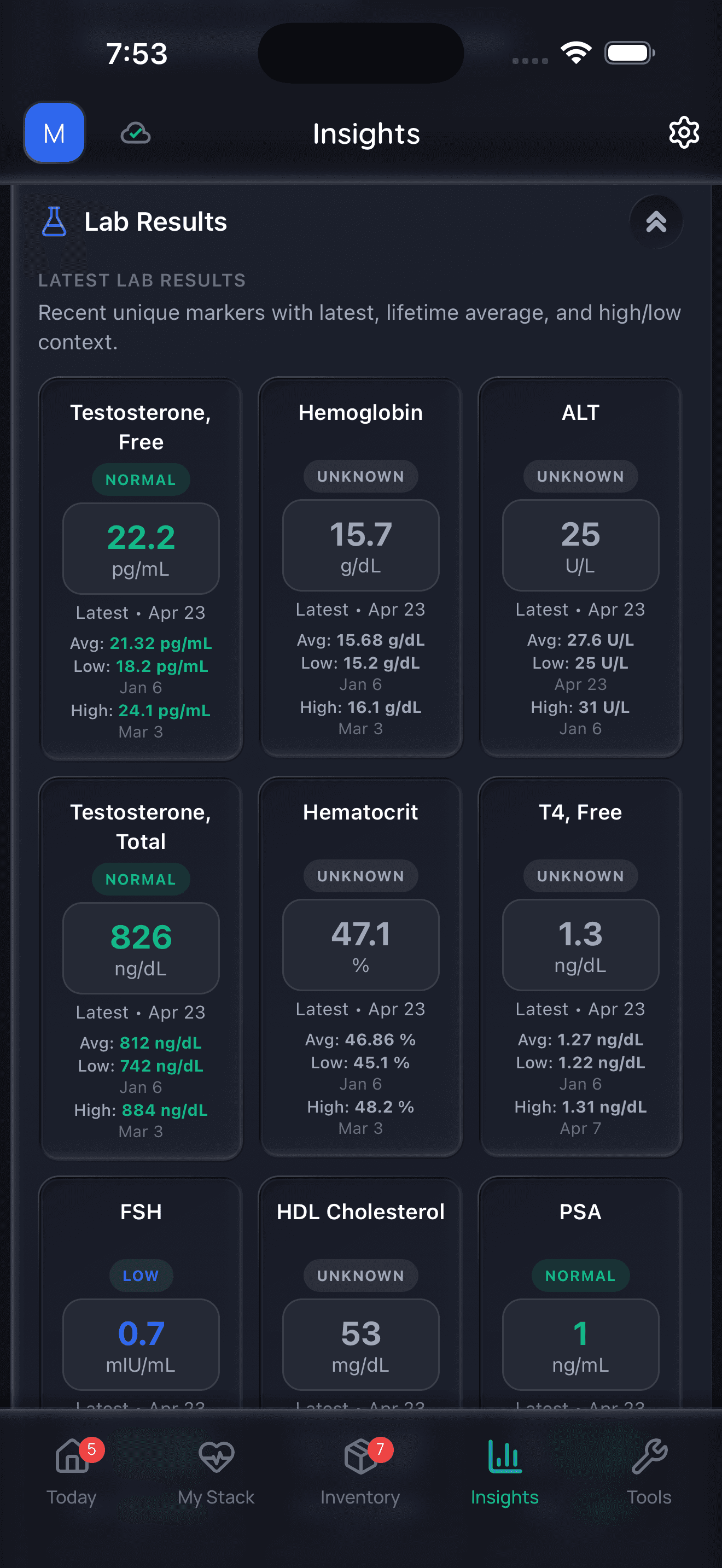
Doserly organizes data; it does not diagnose or interpret labs for you.
Dosing & Usage Protocols
The Basics
Vitamin D dosing depends on whether you are correcting a deficiency or maintaining adequate levels, and these are very different scenarios. For maintenance in someone with adequate blood levels, the RDA of 600-800 IU (15-20 mcg) daily from all sources (food, sun, and supplements) is considered sufficient by the IOM/NASEM. Many practitioners recommend somewhat higher daily doses, commonly 1,000 to 2,000 IU, particularly for people with limited sun exposure, darker skin, or higher body weight.
For deficiency correction, the most common prescription protocol is 50,000 IU of ergocalciferol (D2) once weekly for 8 to 12 weeks, followed by retesting and a transition to a lower daily maintenance dose. This is the standard of care in many clinical settings, though community experience and some researchers have noted that daily dosing (even at lower doses) may produce more stable blood levels than weekly bolus dosing.
The Endocrine Society recommends routine supplementation for children/teens (ages 1-18), pregnant women, adults with pre-diabetes, and adults age 75+, but does not recommend specific doses beyond adhering to the RDA [1].
The Science
Deficiency correction protocols:
Protocol
Standard prescription
- Dose
- 50,000 IU D2
- Frequency
- Weekly
- Duration
- 8-12 weeks
- Context
- Most common clinical protocol for documented deficiency
Protocol
Endocrine Society maintenance
- Dose
- Per RDA
- Frequency
- Daily
- Duration
- Ongoing
- Context
- After correction, maintain adequate levels
Protocol
Community-preferred
- Dose
- 5,000-10,000 IU D3
- Frequency
- Daily
- Duration
- Until target reached
- Context
- Common OTC approach; not formally recommended by major guidelines
Dose-response considerations: Approximately 1,000 IU (25 mcg) of daily vitamin D supplementation raises serum 25(OH)D by approximately 5-10 ng/mL (12.5-25 nmol/L), though this varies by baseline status, body composition, and form used [1].
Form selection: In chronic kidney disease, D3 was more effective than D2 in raising serum levels [36]. For strict vegans, D2 remains the traditional choice, though lichen-sourced D3 is now available.
Monitoring: Healthcare providers typically order serum 25(OH)D testing before and after a deficiency correction course. The goal is to achieve and maintain levels at or above 20 ng/mL (50 nmol/L), which the IOM considers adequate for bone and overall health. Some practitioners target higher levels (30-50 ng/mL) based on Endocrine Society guidelines [1].
When your stack includes several supplements, each with its own dose, form, and timing requirements, the logistics alone can derail consistency. Doserly consolidates all of it into one protocol view, so every dose across your entire routine is accounted for without spreadsheets or guesswork.
The app also tracks cumulative intake for nutrients that appear in multiple products. If your multivitamin, standalone supplement, and fortified protein shake all contain the same nutrient, Doserly adds them up and shows you the total alongside recommended and upper limits. Managing a thoughtful supplement protocol shouldn't require a degree in nutrition science. The app handles the complexity so you can focus on staying consistent.
Turn symptom and safety notes into a clearer timeline.
Doserly helps you log doses, symptoms, and safety observations side by side so patterns are easier to discuss with a qualified clinician.
Pattern view
Logs and observations
Pattern visibility is informational and should be reviewed with a clinician.
What to Expect (Timeline)
Weeks 1-2: When correcting a documented deficiency with high-dose D2 (50,000 IU weekly), some people report noticeable improvements in energy and mood within the first week or two. Serum 25(OH)D levels begin rising measurably. Initial side effects, if any, are most likely during this period: nausea, anxiety, or general malaise may occur, particularly if magnesium stores are marginal. Taking D2 with a fat-containing meal and supplementing magnesium may reduce these effects.
Weeks 3-4: Energy and mood improvements continue to build for those who responded early. Muscle pain, cramping, and general achiness associated with deficiency often begin to resolve during this period. Blood levels of 25(OH)D are typically rising significantly by this point.
Weeks 5-8: Most of the measurable increase in serum 25(OH)D occurs within this window for typical 8-12 week correction protocols. Symptoms of deficiency (fatigue, bone pain, muscle weakness) have typically improved substantially. Sleep quality improvements, if they occur, tend to emerge during this period.
8-12 weeks (end of correction): Healthcare providers typically retest serum 25(OH)D at this point. If levels have reached the target range (usually 20-50 ng/mL), the prescription D2 course ends and patients transition to a daily maintenance dose (often 1,000-2,000 IU of D2 or D3). If levels remain low, the course may be extended or adjusted.
Long-term maintenance: Once adequate levels are achieved, the goal is sustaining them. This typically requires ongoing daily supplementation (especially during winter months and for people with limited sun exposure), as vitamin D stores are gradually depleted without continued intake. Many people find that daily D3 supplementation at 1,000-2,000 IU is sufficient for maintenance after an initial D2 correction course.
Important caveat: The timeline above applies to people correcting a diagnosed deficiency under medical guidance. People with adequate vitamin D levels who begin supplementation are unlikely to notice subjective changes, as the benefits of vitamin D supplementation are primarily apparent when correcting a deficiency state.
Interactions & Compatibility
Synergistic
- Calcium: Vitamin D enhances intestinal calcium absorption. Combined supplementation is commonly recommended for bone health, particularly in older adults and postmenopausal women. However, combined vitamin D and calcium supplementation has been associated with increased kidney stone incidence in some studies.
- Magnesium: Magnesium is a required cofactor for vitamin D metabolism; the enzymes that convert vitamin D to its active form (CYP2R1, CYP27B1) require magnesium. Magnesium deficiency can impair vitamin D activation even when vitamin D intake is adequate. Supplementing magnesium alongside vitamin D is widely recommended.
- Vitamin K2 (MK-4, MK-7): Vitamin K2 directs calcium to bones and teeth, preventing its deposition in arteries and soft tissues. The D-K2 combination is considered synergistic for bone health and cardiovascular safety, though the evidence base for K2's cardiovascular protection is still developing.
- Vitamin D3 (Cholecalciferol): D2 and D3 can be taken together. Some healthcare providers prescribe weekly D2 for acute correction while also recommending daily D3 for maintenance. Both contribute to total serum 25(OH)D.
- Zinc: Vitamin D may enhance zinc absorption. Some practitioners recommend zinc alongside vitamin D for immune support.
- Boron: Boron may support vitamin D metabolism and reduce urinary excretion of calcium and magnesium.
Caution / Avoid
- Thiazide diuretics (hydrochlorothiazide, chlorthalidone, indapamide): May increase serum calcium levels when combined with vitamin D, potentially leading to hypercalcemia. Monitor calcium levels.
- Atorvastatin and other statins: Vitamin D may reduce blood levels of atorvastatin, though it also helps lower cholesterol concentrations. Clinical significance varies; monitoring is recommended.
- Aluminum hydroxide antacids: Vitamin D may increase the absorption and blood level of aluminum. Avoid prolonged concurrent use.
- Orlistat (weight loss medication): Can reduce vitamin D absorption by blocking dietary fat absorption.
- Cholestyramine and Colestipol (bile acid sequestrants): Can reduce vitamin D absorption.
- Corticosteroids (prednisone, etc.): Chronic use can reduce calcium absorption and impair vitamin D metabolism, potentially increasing the risk of bone loss.
- Mineral oil: Can reduce vitamin D absorption when taken concurrently.
- Digoxin: Vitamin D-induced hypercalcemia can increase the risk of digoxin toxicity.
How to Take / Administration Guide
Recommended forms: For deficiency correction, prescription ergocalciferol 50,000 IU capsules are the standard. For daily maintenance, many practitioners recommend transitioning to cholecalciferol (D3) at 1,000-2,000 IU daily after the D2 correction course, due to D3's longer half-life and somewhat greater potency per IU. Vitamin D2 remains appropriate for vegans who prefer a non-animal source.
Timing considerations: Take vitamin D2 with the largest meal of the day or with any meal containing fat to maximize absorption. There is no strong evidence favoring morning versus evening dosing. For the weekly 50,000 IU dose, choose a consistent day each week to maintain routine.
Cofactor stacking: Many practitioners recommend taking magnesium (200-400 mg, preferably as glycinate or citrate) daily alongside vitamin D, as magnesium is required for vitamin D metabolism. Vitamin K2 (100-200 mcg MK-7) is commonly recommended to direct calcium to bones rather than arteries, though this is based more on mechanistic rationale than large clinical trials.
Cycling guidance: Vitamin D does not require cycling. It is typically taken continuously, either as a time-limited correction course (8-12 weeks at high dose) followed by indefinite daily maintenance, or as ongoing daily supplementation.
Swallowing the capsules: Prescription D2 capsules (Drisdol and generics) should be swallowed whole. Do not chew or crush them.
Choosing a Quality Product
Third-party certifications: Look for products tested by USP (United States Pharmacopeia), NSF International, or ConsumerLab. These organizations verify that the product contains what the label claims and is free from harmful contaminants. For athletes, NSF Certified for Sport or Informed Sport certification provides additional assurance against banned substances.
D2 vs. D3 form choice: D2 (ergocalciferol) is the appropriate choice for strict vegans seeking a non-animal vitamin D source, or for individuals whose healthcare provider has specifically prescribed it. D3 (cholecalciferol) is generally preferred for ongoing supplementation due to its greater potency in raising serum levels. Lichen-sourced D3 is now available as a vegan-friendly D3 option.
Red flags: Avoid products with proprietary blends that obscure the actual vitamin D content. Verify that the product clearly states whether it contains D2 or D3, as some labels simply say "Vitamin D" without specifying the form. Be cautious of products making therapeutic claims (e.g., "cures bone disease") as dietary supplements cannot legally make such claims. Avoid mega-dose products far exceeding the UL (4,000 IU) unless under medical supervision.
Excipient considerations: Prescription D2 capsules (Drisdol) contain soybean oil as a carrier. Individuals with soy allergies should inform their pharmacist. Some products contain tartrazine (FD&C Yellow No. 5), which can cause allergic reactions in sensitive individuals. Check ingredient lists for common allergens.
Supplement-specific quality markers: Ensure the label specifies the IU or mcg content per serving. For D2, check that the source is stated (typically UV-irradiated yeast or mushroom). Liquid vitamin D products should have clear dosing instructions with a calibrated dropper.
Storage & Handling
Store vitamin D2 supplements at room temperature (59-77 degrees F / 15-25 degrees C) in the original container, tightly closed. Keep away from direct sunlight, excess heat, and moisture. Do not store in the bathroom, where humidity can degrade fat-soluble vitamins. No refrigeration is required for capsule or tablet forms.
Liquid vitamin D formulations should be stored according to manufacturer instructions, which may include refrigeration after opening. Check the expiration date before use; vitamin D potency can degrade over time, particularly if exposed to light or heat.
Keep all vitamin D products out of reach of children, as accidental ingestion of high-dose products (particularly the 50,000 IU prescription capsules) can cause toxicity.
Lifestyle & Supporting Factors
Sun exposure: Your body produces vitamin D3 (not D2) when UVB rays hit exposed skin. The amount produced depends on latitude, season, time of day, skin pigmentation, age, and sunscreen use. In many northern latitudes, UVB radiation is insufficient for vitamin D synthesis during winter months (roughly November through February above 37 degrees N latitude). Brief, regular sun exposure (10-30 minutes of midday sun on arms and legs, without sunscreen) is often cited as a complementary strategy alongside supplementation, balanced against skin cancer risk.
Dietary sources: Natural dietary sources of D2 include UV-exposed mushrooms (maitake, shiitake, white button mushrooms exposed to UV light). These are among the very few plant-based vitamin D sources. D3 is found in fatty fish, cod liver oil, egg yolks, and fortified foods. Most fortified foods in the US (milk, cereal, orange juice) contain D3, though some contain D2.
Body weight: Individuals with obesity (BMI >=30) may need higher vitamin D doses to achieve adequate serum levels, as vitamin D is sequestered in adipose tissue. Weight loss can release stored vitamin D, potentially raising serum levels.
Signs of deficiency: Fatigue, bone pain, muscle weakness, muscle cramps, frequent illness, depression, and slow wound healing may indicate vitamin D deficiency. Blood testing (serum 25(OH)D) is the definitive diagnostic method.
Exercise: Weight-bearing exercise complements vitamin D and calcium for bone health. Some evidence suggests that outdoor exercise provides the dual benefit of physical activity and sun-derived vitamin D synthesis.
Medications affecting vitamin D: Several medications can lower vitamin D levels or impair its metabolism, including corticosteroids, anticonvulsants (phenytoin, phenobarbital), rifampin, and weight loss drugs like orlistat. People on these medications should discuss vitamin D monitoring with their healthcare provider.
Regulatory Status & Standards
United States (FDA): Vitamin D2 (ergocalciferol) is regulated both as a dietary supplement under DSHEA and as a prescription drug (Drisdol, 50,000 IU capsules). Over-the-counter D2 supplements are available at lower doses. The FDA Daily Value for vitamin D is 20 mcg (800 IU). UV-treated mushroom powder is FDA-approved as a food additive and source of D2.
Canada (Health Canada): Vitamin D is regulated as a Natural Health Product. Canada mandates fortification of milk with vitamin D. The recommended intake aligns closely with U.S. guidelines.
European Union (EFSA): EFSA has evaluated vitamin D and authorized health claims related to bone health, calcium absorption, immune function, and muscle function. Maximum permitted levels in supplements vary by member state.
Australia (TGA): Vitamin D is available as a listed medicine (low-risk) and as a prescription medication for deficiency correction.
Athlete & Sports Regulatory Status:
- WADA: Vitamin D (D2 and D3) is NOT on the WADA Prohibited List. It is permitted at all times, both in-competition and out-of-competition.
- National Anti-Doping Agencies (USADA, UKAD, Sport Integrity Canada, Sport Integrity Australia, NADA Germany): No restrictions on vitamin D supplementation. All agencies advise athletes to use third-party tested products to avoid contamination risk.
- Professional Sports Leagues (NFL, NBA, MLB, NHL, NCAA): No league-specific restrictions on vitamin D. NCAA athletic departments are required to use NSF Certified for Sport or Informed Sport certified products for any supplements provided to athletes.
- Athlete Certification Programs: Vitamin D supplements with Informed Sport, NSF Certified for Sport, Cologne List, or BSCG certification are available and recommended for competitive athletes.
- GlobalDRO: Athletes can verify vitamin D product status at GlobalDRO.com across US, UK, Canada, Australia, Japan, Switzerland, and New Zealand.
Regulatory status and prohibited substance classifications change frequently. Athletes should always verify the current status of any supplement with their sport's governing body, their national anti-doping agency, and a qualified sports medicine professional before use. Third-party certification (Informed Sport, NSF Certified for Sport) reduces but does not eliminate the risk of contamination with prohibited substances.
Frequently Asked Questions
What is the difference between vitamin D2 and vitamin D3?
Vitamin D2 (ergocalciferol) is derived from plants and fungi, while vitamin D3 (cholecalciferol) is produced in human skin from sunlight and found in animal-based foods. Both forms raise blood levels of vitamin D, but meta-analyses consistently show D3 raises levels somewhat higher and maintains them longer than equivalent doses of D2. Both forms are effective at treating rickets and correcting deficiency.
Why do doctors prescribe D2 instead of D3?
Ergocalciferol (D2) at 50,000 IU has been available as a prescription medication (Drisdol) for decades and is covered by most insurance plans. Cholecalciferol (D3) is not available in a 50,000 IU prescription form in many markets. The weekly single-capsule convenience of prescription D2 also supports adherence in some patients.
Is vitamin D2 safe to take at 50,000 IU per week?
Based on available clinical data, 50,000 IU weekly for 8-12 weeks is a standard medical protocol for correcting documented vitamin D deficiency and is generally considered safe under medical supervision. Healthcare providers typically monitor serum 25(OH)D and calcium levels during and after the correction course.
Should I take magnesium with vitamin D?
Based on the available research, magnesium is a required cofactor for the enzymes that metabolize vitamin D. Some practitioners recommend magnesium supplementation (200-400 mg daily) alongside vitamin D, particularly at higher doses, to support proper metabolism and reduce the risk of side effects associated with magnesium depletion.
Should I take vitamin K2 with vitamin D?
Some practitioners recommend vitamin K2 (particularly as MK-7) alongside vitamin D to support appropriate calcium distribution, directing it toward bones rather than arteries. The mechanistic rationale is sound, though large clinical trials confirming cardiovascular benefit from the D + K2 combination are still limited.
Can I get enough vitamin D2 from food?
Based on available data, it is very difficult to get adequate vitamin D from food sources alone. UV-exposed mushrooms are the primary natural food source of D2, and while they can contribute meaningful amounts, most nutrition experts consider supplementation necessary for people with limited sun exposure.
Is vitamin D2 suitable for vegans?
Vitamin D2 is derived from UV-irradiated yeast or fungi, making it vegan-friendly. It has traditionally been the default vitamin D supplement for vegans. However, lichen-sourced vitamin D3 is now available as a vegan D3 alternative.
How do I know if I'm vitamin D deficient?
The only reliable way to determine vitamin D status is a blood test measuring serum 25-hydroxyvitamin D [25(OH)D]. Most laboratories consider levels below 20 ng/mL (50 nmol/L) deficient, and 20-30 ng/mL (50-75 nmol/L) as potentially insufficient. Common symptoms of deficiency include fatigue, bone pain, muscle weakness, and mood changes, but these symptoms are nonspecific.
Can I take too much vitamin D?
Based on available evidence, vitamin D toxicity is possible but rare and almost always results from excessive supplementation (not food or sun exposure). The established Upper Tolerable Intake Level for adults is 4,000 IU (100 mcg) daily from all sources. Toxicity symptoms (hypercalcemia) typically occur at sustained blood levels above 150 ng/mL (375 nmol/L).
How long does it take for vitamin D2 to work?
Based on commonly reported timelines, serum levels begin rising within days of starting supplementation. Subjective improvements in energy and mood, when correcting a deficiency, are commonly reported within 1-4 weeks. Full correction of deficiency typically takes 8-12 weeks of prescribed high-dose supplementation.
Myth vs. Fact
Myth: Vitamin D2 is ineffective and does not raise blood levels of vitamin D.
Fact: Multiple studies and the NIH Office of Dietary Supplements confirm that vitamin D2 raises serum 25(OH)D levels, though D3 raises them somewhat higher at equivalent doses. D2 effectively treats rickets and corrects deficiency. The claim that D2 is "useless" or "poison" found in some online communities is not supported by clinical evidence [1][4].
Myth: You should never take vitamin D without vitamin K2.
Fact: Vitamin K2 is commonly recommended alongside vitamin D based on its role in calcium metabolism, and the combination has a sound mechanistic rationale. However, millions of people safely take vitamin D without K2. The risk of arterial calcification from vitamin D supplementation at normal doses without K2 is not established by large clinical trials.
Myth: More vitamin D is always better for bone health.
Fact: High-dose vitamin D supplementation (4,000-10,000 IU daily) has been associated with greater bone mineral density loss compared to 400 IU daily in healthy, vitamin D-sufficient adults [9]. Exceeding adequate levels does not provide additional skeletal benefit and may be counterproductive.
Myth: You can get all the vitamin D you need from the sun.
Fact: While sunlight triggers vitamin D3 synthesis in the skin, many factors limit this: latitude, season, time of day, skin pigmentation, age, sunscreen use, and time spent indoors. An estimated 42% of American adults have insufficient vitamin D levels [1]. During winter months at higher latitudes, UVB radiation may be inadequate for any vitamin D synthesis.
Myth: Vitamin D2 50,000 IU weekly is dangerous.
Fact: This is a standard medical protocol for documented deficiency, prescribed millions of times annually. While some individuals experience side effects (nausea, anxiety, palpitations), serious adverse events are rare at this dose when used for the prescribed 8-12 week duration under medical supervision [1][3].
Myth: Vitamin D supplements can replace sunshine entirely.
Fact: Vitamin D supplements replace only the vitamin D production component of sun exposure. Sunlight has other biological effects, including circadian rhythm regulation, nitric oxide release in the skin (which may affect blood pressure), and mood benefits through pathways independent of vitamin D.
Myth: Dark-skinned people don't need vitamin D supplements because they evolved in sunny climates.
Fact: Melanin reduces vitamin D synthesis in the skin. Data from NHANES show that vitamin D insufficiency affects 82% of African Americans, the highest rate of any demographic group in the United States. People with darker skin living in higher latitudes are among those most likely to benefit from supplementation [1].
Sources & References
Government & Institutional Sources
[1] National Institutes of Health, Office of Dietary Supplements. "Vitamin D Fact Sheet for Health Professionals." Updated 2025. https://ods.od.nih.gov/factsheets/VITAMIND/HealthProfessional/
[2] Memorial Sloan Kettering Cancer Center. "Vitamin D: Purported Benefits, Side Effects & More." Updated March 2024. https://www.mskcc.org/cancer-care/integrative-medicine/herbs/vitamin-d
[3] MedlinePlus. "Ergocalciferol." National Library of Medicine. https://medlineplus.gov/druginfo/meds/a616042.html
Systematic Reviews & Meta-Analyses
[4] Balachandar R, Pullakhandam R, Kulkarni B, Sachdev HS. "Relative Efficacy of Vitamin D2 and Vitamin D3 in Improving Vitamin D Status: Systematic Review and Meta-Analysis." Nutrients. 2021;13(10):3328. PMID: 34684328.
[5] van den Heuvel EGHM, et al. "Comparison of the Effect of Daily Vitamin D2 and Vitamin D3 Supplementation on Serum 25-Hydroxyvitamin D Concentration and Importance of Body Mass Index." Advances in Nutrition. 2024;15(1):100133.
[6] LeBoff MS, Chou SH, Ratliff KA, et al. "Supplemental Vitamin D and Incident Fractures in Midlife and Older Adults." N Engl J Med. 2022;387(4):299-309. PMID: 35939577.
[7] Bolland MJ, Grey A, Avenell A. "Effects of vitamin D supplementation on musculoskeletal health: a systematic review, meta-analysis, and trial sequential analysis." Lancet Diabetes Endocrinol. 2018;6(11):847-858.
[8] Kahwati LC, Weber RP, Pan H, et al. "Vitamin D, Calcium, or Combined Supplementation for the Primary Prevention of Fractures in Community-Dwelling Adults." JAMA. 2018;319(15):1600-1612.
[9] Burt LA, Billington EO, Rose MS, et al. "Effect of High-Dose Vitamin D Supplementation on Volumetric Bone Density and Bone Strength." JAMA. 2019;322(8):736-745.
[10] DIPART Group. "Patient level pooled analysis of 68,500 patients from seven major vitamin D fracture trials." BMJ. 2010;340:b5463.
[11] Komaba H, Zhao J, Karaboyas A, et al. "Active Vitamin D Use and Fractures in Hemodialysis Patients." J Bone Miner Res. 2023;38(11):1577-1585.
Clinical Trials
[12] Aglipay M, Birken CS, Parkin PC, et al. "Effect of High-Dose vs Standard-Dose Wintertime Vitamin D Supplementation on Viral Upper Respiratory Tract Infections in Young Healthy Children." JAMA. 2017;318(3):245-254.
[13] Zhou J, Du J, Huang L, et al. "Preventive Effects of Vitamin D on Seasonal Influenza A in Infants." Pediatr Infect Dis J. 2018;37(8):749-754.
[14] Hibbs AM, Ross K, Kerns LA, et al. "Effect of Vitamin D Supplementation on Recurrent Wheezing in Black Infants Who Were Born Preterm." JAMA. 2018;319(20):2086-2094.
[15] Murdoch DR, Slow S, Chambers ST, et al. "Effect of vitamin D3 supplementation on upper respiratory tract infections in healthy adults." JAMA. 2012;308(13):1333-1339.
[16] Avenell A, Cook JA, Maclennan GS, et al. "Vitamin D supplementation to prevent infections." Age Ageing. 2007;36(5):574-577.
[17] Beveridge LA, Khan F, Struthers AD, et al. "Effect of Vitamin D Supplementation on Markers of Vascular Function." J Am Heart Assoc. 2018;7(11).
[18] Virtanen JK, Nurmi T, Aro A, et al. "Vitamin D supplementation and prevention of cardiovascular disease and cancer in the Finnish Vitamin D Trial." Am J Clin Nutr. 2022;115(5):1300-1310.
[19] Farrokhian A, Raygan F, Bahmani F, et al. "Long-Term Vitamin D Supplementation Affects Metabolic Status in Vitamin D-Deficient Type 2 Diabetic Patients with Coronary Artery Disease." J Nutr. 2017;147(3):384-389.
[20] Sugden JA, Davies JI, Witham MD, et al. "Vitamin D improves endothelial function in patients with Type 2 diabetes mellitus and low vitamin D levels." Diabet Med. 2008;25(3):320-325.
[21] Manson JE, Bassuk SS, Buring JE; VITAL Research Group. "Principal results of the VITamin D and OmegA-3 TriaL (VITAL) and updated meta-analyses of relevant vitamin D trials." J Steroid Biochem Mol Biol. 2020;198:105522.
[22] Albert CM, Cook NR, Pester J, et al. "Effect of Marine Omega-3 Fatty Acid and Vitamin D Supplementation on Incident Atrial Fibrillation." JAMA. 2021;325(11):1061-1073.
[23] Neale RE, Baxter C, Romero BD, et al. "The D-Health Trial: a randomised controlled trial of the effect of vitamin D on mortality." Lancet Diabetes Endocrinol. 2022;10(2):120-128.
[24] Bjelakovic G, Gluud LL, Nikolova D, et al. "Vitamin D supplementation for prevention of cancer in adults." Cochrane Database Syst Rev. 2014;6:CD007469.
[25] Scragg R, Khaw KT, Toop L, et al. "Monthly High-Dose Vitamin D Supplementation and Cancer Risk." JAMA Oncol. 2018.
[26] McDonnell SL, Baggerly CA, French CB, et al. "Breast cancer risk markedly lower with serum 25-hydroxyvitamin D concentrations >=60 vs <20 ng/mL." PLoS One. 2018;13(6):e0199265.
[27] McCullough ML, Zoltick ES, Weinstein SJ, et al. "Circulating Vitamin D and Colorectal Cancer Risk." J Natl Cancer Inst. 2019;111(2):158-169.
[28] Vaughan-Shaw PG, Buijs LF, Blackmur JP, et al. "The effect of vitamin D supplementation on survival in patients with colorectal cancer." Br J Cancer. 2020;123(11):1705-1712.
[29] Lappe J, Watson P, Travers-Gustafson D, et al. "Effect of Vitamin D and Calcium Supplementation on Cancer Incidence in Older Women." JAMA. 2017;317(12):1234-1243.
Other References
[30] Nowak A, Boesch L, Andres E, et al. "Effect of vitamin D3 on self-perceived fatigue: A double-blind randomized placebo-controlled trial." Medicine (Baltimore). 2016;95(52):e5353.
[31] Okereke OI, Reynolds CF 3rd, Mischoulon D, et al. "Effect of Long-term Vitamin D3 Supplementation vs Placebo on Risk of Depression or Clinically Relevant Depressive Symptoms." JAMA. 2020;324(5):471-480.
[32] Kaptein S, Risselada AJ, Boerma EC, et al. "Life-threatening complications of vitamin D intoxication due to over-the-counter supplements." Clin Toxicol (Phila). 2010;48(5):460-462.
[33] Genzen JR. "Hypercalcemic crisis due to vitamin D toxicity." Lab Med. 2014;45(2):147-150.
[34] Kohli A, Chawla A, Arora S, Kalra S. "Vitamin D Toxicity Masquerading as Acute Pancreatitis." Cureus. 2023;15(6):e40189.
[35] Institute of Medicine. "Dietary Reference Intakes for Calcium and Vitamin D." Washington, DC: The National Academies Press; 2011. doi:10.17226/13050.
[36] Wetmore JB, Kimber C, Mahnken JD, et al. "Cholecalciferol v. ergocalciferol for 25-hydroxyvitamin D repletion in chronic kidney disease." Br J Nutr. 2016;116(12):2074-2081.
Related Supplement Guides
Same Category
Common Stacks / Pairings
Related Health Goal
- Iron (both commonly identified as deficiency in blood work)
- Vitamin B12 (commonly co-deficient)