
Milk Thistle: The Complete Supplement Guide
On this page
Quick Reference Card
Attribute
Common Name
- Detail
- Milk Thistle
Attribute
Other Names / Aliases
- Detail
- Silybum marianum, silymarin, silybin, Mary thistle, holy thistle, Marian thistle, wild artichoke, Carduus marianus, Venus thistle
Attribute
Category
- Detail
- Herbal / Hepatoprotective
Attribute
Primary Forms & Variants
- Detail
- Silymarin extract (standardized to 70-80% silymarin); Silybin/Silibinin (most active flavonolignan); Siliphos/Phytosome (phosphatidylcholine complex, approximately 10x greater bioavailability); Eurosil 85 (Legalon formulation with enhanced bioavailability)
Attribute
Typical Dose Range
- Detail
- 420-600 mg silymarin per day for hepatoprotection, divided into 2-3 doses; 140-700 mg/day depending on condition
Attribute
RDA / AI / UL
- Detail
- No RDA, AI, or UL established for milk thistle or silymarin
Attribute
Common Delivery Forms
- Detail
- Capsules, tablets, softgels, liquid extract (tincture), powder
Attribute
Best Taken With / Without Food
- Detail
- Can be taken with meals to reduce GI discomfort and enhance absorption; some evidence that empty stomach may improve bioavailability
Attribute
Key Cofactors
- Detail
- Phosphatidylcholine (enhances bioavailability in phytosome formulations); Vitamin E (synergistic antioxidant effects)
Attribute
Storage Notes
- Detail
- Store in a cool, dry place away from direct sunlight and moisture. Capsules and tablets have typical shelf life of 2-3 years when sealed.
Overview
The Basics
Milk thistle (Silybum marianum) is a flowering plant from the daisy family (Asteraceae) that has been used as a natural remedy for liver conditions for over 2,000 years. Native to the Mediterranean region, it is now found throughout Europe, North America, and parts of South America, Africa, and Asia. The plant is easily recognizable by its large purple flowers and distinctive white-veined leaves, which according to legend were caused by the Virgin Mary's milk falling on them, giving the plant its common name [1][2].
The active compound in milk thistle is silymarin, a complex of flavonolignans extracted from the plant's ripe seeds. Silymarin is not a single molecule but rather a mixture of several related compounds, with silybin (also called silibinin) being the most abundant and most pharmacologically active. Silymarin has been studied extensively for its liver-protective properties, and it is one of the most widely used herbal supplements globally, generating annual sales in the hundreds of millions of dollars [2][3].
In practical terms, people take milk thistle primarily for liver support. This includes protection against environmental toxins and alcohol-related damage, support during medication use that may stress the liver, and management of conditions like non-alcoholic fatty liver disease (NAFLD). There is also emerging evidence for blood sugar management in type 2 diabetes, though this research is still developing [1][4].
It is worth noting that while milk thistle has a long history of traditional use and a strong mechanistic rationale, the clinical evidence for its effectiveness remains mixed. Large, well-controlled trials funded by the National Center for Complementary and Integrative Health (NCCIH) have not shown clear benefits for conditions like hepatitis C, while smaller studies have shown promising results for NAFLD and blood sugar control [1][5].
The Science
Silybum marianum (L.) Gaertn. (synonym Carduus marianus L.) is an annual or biennial herb belonging to the family Asteraceae. The plant has been employed in European phytomedicine since at least the first century AD, when the Greek physician and botanist Dioscorides (40-90 AD) recommended it as a treatment for snakebite. The English herbalist Nicholas Culpeper later recommended it for jaundice, and by the 19th century, German scientist Johannes Gottfried Rademacher had demonstrated clinical benefits of seed tinctures for liver conditions [3][6].
Silymarin, the standardized extract from milk thistle seeds (typically 70-80% by weight), comprises a complex of flavonolignans including silybin A and B (constituting 50-70% of the extract), silychristin (approximately 20%), silydianin (approximately 10%), isosilybin A and B (approximately 5%), and dehydrosilybin, along with the flavonoid taxifolin. The seeds also contain betaine, trimethylglycine, and essential fatty acids that may contribute to the extract's hepatoprotective and anti-inflammatory effects [2][3][7].
Silymarin has been the subject of over 700 published scientific papers, with 34% published in the preceding five years as of 2007 and interest continuing to accelerate. The compound has been recognized as one of the most extensively studied hepatoprotective agents of plant origin. In Europe, intravenous preparations of purified silibinin (Legalon SIL) are approved as an antidote for Amanita phalloides mushroom poisoning, representing one of the few instances where a milk thistle derivative has achieved formal pharmaceutical approval [2][4][8].
Chemical & Nutritional Identity
Property
Botanical Name
- Value
- Silybum marianum (L.) Gaertn.
Property
Common Names
- Value
- Milk thistle, Mary thistle, holy thistle, Marian thistle
Property
Plant Family
- Value
- Asteraceae (Compositae)
Property
Active Extract
- Value
- Silymarin (flavonolignan complex)
Property
Most Active Component
- Value
- Silybin (silibinin), approximately 50-70% of silymarin
Property
Other Flavonolignans
- Value
- Silychristin (~20%), silydianin (~10%), isosilybin A & B (~5%), dehydrosilybin
Property
Additional Compounds
- Value
- Taxifolin (flavonoid), betaine, trimethylglycine, essential fatty acids
Property
Molecular Formula (Silybin)
- Value
- C25H22O10
Property
Molecular Weight (Silybin)
- Value
- 482.44 g/mol
Property
CAS Number (Silymarin)
- Value
- 65666-07-1
Property
CAS Number (Silybin)
- Value
- 22888-70-6
Property
Solubility
- Value
- Insoluble in water; soluble in ethanol, acetone, methanol
Property
Standardization
- Value
- Commercial extracts standardized to 70-80% silymarin
Property
RDA / AI / UL
- Value
- Not established
Common supplement forms and their bioavailability differences:
- Standard silymarin extract (70-80%): Most widely available. Oral absorption approximately 23-47%, leading to low bioavailability due to lipophilic nature and poor water solubility [3][7].
- Siliphos/Phytosome (silybin-phosphatidylcholine complex): Approximately 10x greater bioavailability than standard silymarin. The phospholipid complex enhances absorption across intestinal membranes [3].
- Eurosil 85 (Legalon formulation): Standardized preparation with documented higher oral bioavailability. Most clinical research data available for this formulation [6].
- Liquid tincture: Ethanol-extracted; may offer different absorption characteristics but limited comparative data available.
Mechanism of Action
The Basics
Milk thistle protects the liver through three main pathways: it works as an antioxidant, an anti-inflammatory, and an antifibrotic agent. Understanding these three roles helps explain why the supplement has such a broad range of reported benefits for liver health [2][4].
As an antioxidant, silymarin neutralizes harmful molecules called free radicals that are produced when your liver processes toxins like alcohol, acetaminophen, or environmental pollutants. Think of free radicals as microscopic sparks flying off a fire; left unchecked, they damage the walls of liver cells. Silymarin acts like a fireproof shield, both blocking the sparks directly and boosting your body's own antioxidant defenses, particularly by increasing levels of glutathione, often called the body's "master antioxidant" [2][4][9].
As an anti-inflammatory agent, silymarin helps calm the immune response that occurs when liver cells are damaged. Chronic inflammation in the liver is what drives many liver diseases from manageable conditions to serious ones. Silymarin reduces the chemical messengers (cytokines) that trigger inflammation while increasing others that help resolve it [2][4].
As an antifibrotic agent, silymarin helps prevent scar tissue from forming in the liver. When liver cells are repeatedly damaged and repaired, special cells called stellate cells lay down collagen fibers, similar to how a wound forms a scar. Over time, excessive scarring (fibrosis) stiffens the liver and impairs its function. Silymarin interferes with this process by blocking the signals that activate stellate cells, helping to preserve healthy liver architecture [2][4].
The Science
Silymarin exerts its hepatoprotective effects through multiple molecular targets operating across three primary mechanistic domains [2][4][9]:
Antioxidant mechanisms:
- Direct scavenging of reactive oxygen species (ROS) and reactive nitrogen species
- Enhancement of endogenous antioxidant defenses: increases superoxide dismutase (SOD) activity, serum glutathione levels, and glutathione peroxidase (GPX) activity [2][9]
- Stabilization of hepatocyte cell membranes against free radical-induced lipid peroxidation
- Iron chelation via silybin, reducing Fenton reaction-mediated oxidative damage [10]
- Activation of the Nrf2 pathway, promoting expression of cytoprotective genes [11]
Anti-inflammatory mechanisms:
- Inhibition of NF-kB transduction cascade, reducing expression of pro-inflammatory genes encoding TNF-alpha, IL-1beta, and IL-6 [2][4]
- Downregulation and inhibition of COX-2 expression [2]
- Inhibition of inducible nitric oxide synthase (iNOS) [7]
- Increase of IL-10, an anti-inflammatory cytokine that regulates and dampens the inflammatory response [2]
- Inhibition of the lipoxygenase pathway [7]
Antifibrotic mechanisms:
- Inhibition of platelet-derived growth factor (PDGF)-induced DNA synthesis in hepatic stellate cells [2]
- Prevention of stellate cell transformation to myofibroblasts, thereby reducing collagen deposition [2]
- Reduction of transforming growth factor-beta (TGF-beta), a key regulator in liver fibrogenesis [12]
Additional pharmacological actions:
- Modification of membrane transport proteins including organic anion uptake transporter peptides (OATP), ABC transporters (P-glycoprotein), and bile salt export pump [7]
- Stimulation of ribosomal RNA polymerase and subsequent protein synthesis, promoting hepatocyte regeneration [3]
- UV-protective effects on skin via upregulation of tumor suppressor genes p53 and p21CIP1 [7]
- Potential anti-cancer mechanisms including inhibition of cell division, promotion of apoptosis in cancer cells, and reduction of tumor blood supply (in vitro and animal studies only) [2][13]
History & Traditional Use
Milk thistle cultivation and medicinal use dates back over 2,000 years. The Greek physician Dioscorides (40-90 AD) was among the first to document its therapeutic applications, recommending it as a treatment for snakebite. The plant's association with the Virgin Mary, from which it derives its common names "Mary thistle" and "Our Lady's thistle," contributed to its widespread use throughout medieval Europe [3][6].
In the 16th century, English herbalist Nicholas Culpeper recommended milk thistle for jaundice and for "opening obstructions" of the liver and spleen. By the 19th century, German physician and scientist Johannes Gottfried Rademacher had demonstrated through clinical observation that tinctures from milk thistle seeds were beneficial for treating various liver conditions [3][6].
The modern scientific era of milk thistle research began in 1968, when German scientists first isolated silymarin from the seeds of the plant. This isolation enabled systematic pharmacological study and led to the development of standardized extracts. In Germany, milk thistle became an approved treatment for toxic liver damage and as supportive therapy for chronic inflammatory liver conditions, generating annual sales of $180 million in that country alone. The herb is approved for sale in Canada in over 70 different products [3][7].
Today, milk thistle is one of the most commonly used herbal supplements worldwide, particularly for liver support. In the United States, it is classified as a dietary supplement under DSHEA and is not approved by the FDA for the treatment of any medical condition [1][2].
Absorption & Bioavailability
The Basics
One of the most important things to understand about milk thistle is that its active compounds are not easily absorbed by the body. Standard silymarin extracts have an oral bioavailability of only about 23-47%, meaning that more than half of what you swallow never makes it into your bloodstream in an active form. This low absorption is a significant challenge and is one reason why clinical trial results have been inconsistent [3][7].
The low bioavailability is caused by silymarin's poor water solubility. Because it does not dissolve well in water, it has difficulty crossing the intestinal lining into the bloodstream. Once absorbed, silymarin is rapidly metabolized in the liver (ironically, the organ it is meant to protect) and excreted through bile. Peak plasma levels occur approximately 6-8 hours after ingestion [3][7].
This absorption challenge has led to the development of enhanced formulations. The most notable is the phytosome form (sold as Siliphos or similar trade names), which combines silybin with phosphatidylcholine, a type of phospholipid found naturally in cell membranes. This combination dramatically improves absorption, delivering approximately 10 times more silybin into the bloodstream compared to standard extracts [3]. Another enhanced formulation is Eurosil 85 (used in Legalon), which has been the basis for much of the positive clinical research on silymarin [6].
Taking milk thistle with food, particularly food containing some fat, may improve absorption of standard extracts. However, the improvement from dietary fat is modest compared to the improvement from phytosome formulations [6].
The Science
Pharmacokinetic studies demonstrate the following absorption profile for silymarin [3][7]:
- Oral bioavailability: Approximately 23-47% for standard extracts
- Tmax (peak plasma concentration): 6-8 hours post-ingestion for standard silymarin
- Absorption mechanism: Passive diffusion across intestinal epithelium, limited by poor water solubility
- First-pass metabolism: Extensive; silymarin flavonolignans undergo phase II hepatic metabolism including glucuronidation and sulfation [2][3]
- Elimination: Parent compounds and metabolites excreted primarily in bile, with a smaller fraction recovered in urine as sulfate and glucuronide conjugates [2][3]
- Volume of distribution: Appears dose-dependent for some component phytochemicals, with certain compounds detectable in plasma only at higher doses [2]
Enhanced formulations and bioavailability:
- Siliphos (silybin-phosphatidylcholine complex): approximately 10-fold greater bioavailability than free silymarin, attributed to improved amphiphilic properties that facilitate membrane crossing [3]
- Eurosil 85: proprietary standardized preparation with documented enhanced oral bioavailability and the most extensive clinical pharmacokinetic characterization [6]
- Emerging nanotechnology approaches (nanoemulsions, liposomes, solid lipid nanoparticles) under investigation for further bioavailability enhancement [11]
Research & Clinical Evidence
The Basics
The research on milk thistle is extensive but presents a nuanced picture. Thousands of scientific papers have been published, yet definitive clinical proof of efficacy remains elusive for many of the conditions it is used to treat. Here is what the evidence says for the major areas of investigation [1][2][4]:
Liver disease (NAFLD/NASH): This is currently the most promising area. A systematic review and meta-analysis of eight randomized clinical trials found that silymarin significantly reduces liver enzyme levels (ALT and AST) compared to placebo, even without concurrent weight loss. A double-blind, placebo-controlled trial reported significant reductions in liver fibrosis scores among patients treated with 700 mg/day of silymarin over 48 weeks [9][14].
Blood sugar and diabetes: Multiple small studies, predominantly from Middle Eastern countries, show that silymarin may help control blood sugar in people with type 2 diabetes. One study found a significant reduction in fasting blood glucose and a 1-point drop in HbA1c over 4 months at 600 mg/day. The NCCIH notes that it is unclear whether these results would be replicated in other populations [1][4][15].
Hepatitis C: Two large, well-funded clinical trials, one from NCCIH and one from NIDDK, found no benefit from silymarin supplementation in patients with chronic hepatitis C. A 2014 meta-analysis of five trials involving 389 participants confirmed this negative finding [1][5].
Alcoholic liver disease: Clinical trials indicate that silymarin can improve liver function tests and reduce inflammation in patients with alcoholic liver disease. A pooled analysis of trials in patients with cirrhosis found that silymarin reduced liver-related mortality, though these results have not been uniformly replicated [6][9].
The Science
NAFLD evidence:
A systematic review and meta-analysis (Malik et al., 2024, Can Liver J) of eight RCTs found silymarin significantly reduces ALT and AST levels in patients with metabolic dysfunction-associated steatotic liver disease. A trial of 64 NASH patients demonstrated substantial enzyme reductions after 8 weeks at 210 mg/day silymarin [9][14].
Wah Kheong et al. (2017, Clin Gastroenterol Hepatol) conducted a randomized trial of 700 mg/day silymarin in NASH patients over 48 weeks, reporting significant reductions in fibrosis scores compared to placebo [14].
Hajiaghamohammadi et al. (2012, Hepat Mon) compared silymarin with metformin and pioglitazone in NAFLD patients, finding that silymarin-treated patients had significantly lower transaminase levels than either pharmaceutical comparator [4].
Hepatitis C evidence:
Fried et al. (2012, JAMA) conducted a multicenter RCT of silymarin (420 mg, 700 mg, or placebo three times daily for 24 weeks) in patients with chronic hepatitis C who had not responded to interferon therapy. No significant changes in ALT or HCV RNA levels were observed at any dose [5].
Navarro et al. (2019, PLoS ONE) evaluated silymarin in non-cirrhotic NASH patients in a randomized, double-blind, placebo-controlled trial funded by NCCIH, finding no significant benefit [16].
Diabetes/metabolic evidence:
Huseini et al. (2006, Phytother Res) conducted a double-blind RCT finding significant reductions in fasting blood glucose and HbA1c with silymarin 200 mg TID in type 2 diabetics [15]. Velussi et al. (1997, J Hepatol) demonstrated that 12 months of silymarin 600 mg/day reduced fasting insulin levels and insulin resistance in cirrhotic diabetic patients [4]. Xiao et al. (2020, Medicine) meta-analysis confirmed therapeutic effects of silymarin on glucose and lipid metabolic dysfunction [1].
Anti-cancer evidence (preclinical):
In vitro and animal studies suggest potential anti-cancer properties including inhibition of cancer cell proliferation, induction of apoptosis, and reduction of tumor angiogenesis. Silybin has been studied in prostate, breast, and hepatocellular carcinoma models. These findings remain preclinical; no human cancer treatment trials have demonstrated clinical efficacy [2][13].
Evidence & Effectiveness Matrix
The following matrix scores milk thistle across relevant biomarker categories based on available clinical evidence and community-reported effectiveness. Evidence Strength reflects the quality and volume of peer-reviewed research. Community-Reported Effectiveness reflects sentiment analysis of user reports.
Category
Gut Health
- Evidence Strength
- 5/10
- Community-Reported Effectiveness
- 7/10
- Direction
- Positive
Category
Digestive Comfort
- Evidence Strength
- 4/10
- Community-Reported Effectiveness
- 6/10
- Direction
- Mixed
Category
Energy Levels
- Evidence Strength
- 2/10
- Community-Reported Effectiveness
- 6/10
- Direction
- Positive
Category
Sleep Quality
- Evidence Strength
- 1/10
- Community-Reported Effectiveness
- 5/10
- Direction
- Positive
Category
Inflammation
- Evidence Strength
- 7/10
- Community-Reported Effectiveness
- 6/10
- Direction
- Positive
Category
Skin Health
- Evidence Strength
- 3/10
- Community-Reported Effectiveness
- 4/10
- Direction
- Mixed
Category
Hormonal Symptoms
- Evidence Strength
- 2/10
- Community-Reported Effectiveness
- 5/10
- Direction
- Positive
Category
Heart Health
- Evidence Strength
- 4/10
- Community-Reported Effectiveness
- 4/10
- Direction
- Positive
Category
Weight Management
- Evidence Strength
- 2/10
- Community-Reported Effectiveness
- 3/10
- Direction
- Mixed
Category
Mood & Wellbeing
- Evidence Strength
- 1/10
- Community-Reported Effectiveness
- 4/10
- Direction
- Positive
Category
Side Effect Burden
- Evidence Strength
- 8/10
- Community-Reported Effectiveness
- 7/10
- Direction
- Low burden
Category
Nausea & GI Tolerance
- Evidence Strength
- 7/10
- Community-Reported Effectiveness
- 5/10
- Direction
- Mixed
Categories Not Scored (insufficient data): Fat Loss, Muscle Growth, Appetite & Satiety, Food Noise, Focus & Mental Clarity, Memory & Cognition, Anxiety, Stress Tolerance, Motivation & Drive, Emotional Aliveness, Emotional Regulation, Libido, Sexual Function, Joint Health, Pain Management, Recovery & Healing, Physical Performance, Hair Health, Blood Pressure, Heart Rate & Palpitations, Temperature Regulation, Fluid Retention, Body Image, Immune Function, Bone Health, Longevity & Neuroprotection, Cravings & Impulse Control, Social Connection, Treatment Adherence, Withdrawal Symptoms, Daily Functioning.
Notes:
- The strongest evidence supports milk thistle's role in reducing liver enzymes (ALT/AST) and providing hepatoprotective effects, which do not map neatly to a single biomarker category
- Inflammation reduction is the highest-evidence scored category, driven by extensive preclinical and clinical mechanistic data
- Community reports of energy, sleep, and digestive improvements likely reflect secondary effects of improved liver function
- The gap between evidence strength and community-reported effectiveness for energy and sleep reflects enthusiastic user reports that outpace the clinical data
Benefits & Potential Effects
The Basics
Milk thistle's most well-established benefit is liver protection. The supplement appears to help shield liver cells from damage caused by toxins, alcohol, and certain medications. For people with non-alcoholic fatty liver disease (NAFLD), the most common liver condition in Western countries, clinical studies suggest that silymarin can reduce elevated liver enzymes, which are markers of liver cell damage [4][6][9].
Beyond liver protection, emerging evidence suggests milk thistle may help with blood sugar management. Several studies have shown reductions in fasting blood glucose and HbA1c levels in people with type 2 diabetes, though most of this research comes from a limited number of studies and the effect sizes are modest [1][4][15].
Some users report improvements in digestion, reduced bloating, and better energy levels after starting milk thistle. These effects are plausible given that the liver plays a central role in digestion (through bile production) and detoxification, and a healthier liver could improve these downstream functions. However, these benefits are less well documented in controlled clinical trials [community reports].
One unique and well-established application is in emergency medicine: intravenous silibinin is an approved antidote in Europe for poisoning by Amanita phalloides ("death cap") mushroom, demonstrating silymarin's potent protective capacity at pharmacological doses [2][8].
The Science
Established benefits (strong evidence):
- Reduction of liver enzymes (ALT, AST) in NAFLD: demonstrated in meta-analysis of 8 RCTs [9][14]
- Hepatoprotection against toxin-induced liver damage: demonstrated in multiple animal and human studies with carbon tetrachloride, acetaminophen, and Amanita toxins [2][4]
- Antioxidant defense enhancement: increases SOD, glutathione, and GPX levels [2][9]
- Reduction of fibrosis markers in chronic liver disease: 48-week RCT demonstrated significant fibrosis score reduction at 700 mg/day [14]
Probable benefits (moderate evidence):
- Blood glucose reduction in type 2 diabetes: RCT evidence for fasting glucose and HbA1c reductions [15]
- Lipid profile improvement: reduced total cholesterol, LDL, and triglycerides in diabetic patients [4][15]
- Reduced insulin resistance in NAFLD: reduced fasting insulin levels at 600 mg/day over 12 months [4]
Emerging/preliminary benefits (limited evidence):
- Anti-inflammatory effects in mast cell-related conditions [community reports, mechanistic data]
- Choleretic (bile-stimulating) effects improving digestion [3]
- Renoprotective properties [2]
- Potential anti-cancer properties (preclinical only) [2][13]
Side Effects & Safety
The Basics
Milk thistle has an excellent safety profile and is generally well tolerated, even at doses significantly above standard recommendations. Most clinical studies, including those using doses up to 700 mg three times daily for 24 weeks, report minimal adverse effects [1][2][4].
The most commonly reported side effects are mild gastrointestinal symptoms: bloating, nausea, gas, and occasionally diarrhea. These tend to be more common when starting the supplement and often resolve within the first few days of use. Taking milk thistle with food can help reduce these effects [1][2].
Allergic reactions are possible, particularly in people who are sensitive to plants in the Asteraceae/Compositae family, which includes ragweed, chrysanthemums, marigolds, and daisies. Symptoms may include skin rash, itching, or swelling. If you have known allergies to these plants, exercise caution [1][2].
Because milk thistle can lower blood sugar, people taking medications for type 2 diabetes should be aware of the potential for additive effects that could result in hypoglycemia. This is especially relevant with phytosome formulations, which deliver higher amounts of active compound [2][4].
Concerns have been raised about the quality of some commercial milk thistle products. Testing has found that some supplements contain significantly more or less silymarin than stated on the label, and some have been contaminated with pesticides, microorganisms, or mycotoxins. Choosing products from reputable manufacturers with third-party testing is important [1][17].
The Science
Safety profile from clinical data:
- Silymarin is recognized as safe at therapeutic doses with no established toxicity threshold at standard dosing [2][4]
- Well tolerated at doses up to 700 mg TID (2,100 mg/day) for 24 weeks in clinical trials [2]
- Asymptomatic elevation of ALT and bilirubin reported only at extremely high doses (10-20 g/day of silybin) in cancer patients [2]
- Not implicated in causing clinically relevant acute hepatic injury despite extensive use in patients with and without liver disease [2]
Known adverse effects:
- Gastrointestinal: gastroenteritis, diarrhea, bloating (mild, self-limiting) [1][2]
- Dermatological: hives, rash, pruritus (rare) [2]
- Headache (rare) [2]
- Allergic reactions in Asteraceae-sensitive individuals [1][2]
Pharmacological interactions:
- CYP450 effects: some inhibition of CYP3A4 and CYP2C9, though not potent or moderate at recommended doses [2][18]
- Anticoagulant interaction: potential association with increased bleeding risk when combined with warfarin or antiplatelet agents [2][19]
- Antidiabetic interaction: additive hypoglycemic effect with diabetes medications [2][4]
- Raloxifene interaction: inhibition of raloxifene glucuronidation via UGT enzyme effects [2][20]
- Phytoestrogenic properties: theoretical concern in hormone-sensitive conditions (breast cancer, endometriosis), though clinical significance is uncertain [9]
Pregnancy and lactation:
- Insufficient data to establish safety during pregnancy; caution recommended [1][2]
- Limited data suggests silymarin components are not excreted into breast milk in measurable amounts [2]
- Historically used to promote breast milk production, but evidence for this effect is unclear [1]
Product quality concerns:
- Fenclova et al. (2019, Scientific Reports) found poor chemical and microbiological quality in commercial supplements, with silymarin content varying significantly from label claims and contamination with mycotoxins detected [17]
- Pickova et al. (2020, Toxins) reviewed mycotoxin contamination in milk thistle food supplements [1]
Knowing the possible side effects is the first step. Catching them early in your own experience is what keeps a supplement routine safe. Doserly lets you log any symptoms as they arise, tagging them with severity, timing relative to your dose, and whether they resolve on their own or persist.
The app's interaction checker cross-references everything in your stack, supplements and medications alike, flagging known interactions before they become a problem. It also monitors your total intake against established upper limits, alerting you if your combined sources of a nutrient are approaching thresholds where risk increases. Think of it as a safety net that works quietly in the background while you focus on the benefits.
Connect protocol changes to labs and health markers.
Doserly can keep lab results, biomarkers, symptoms, and dose history close together so follow-up conversations have better context.
Insights
Labs and trends
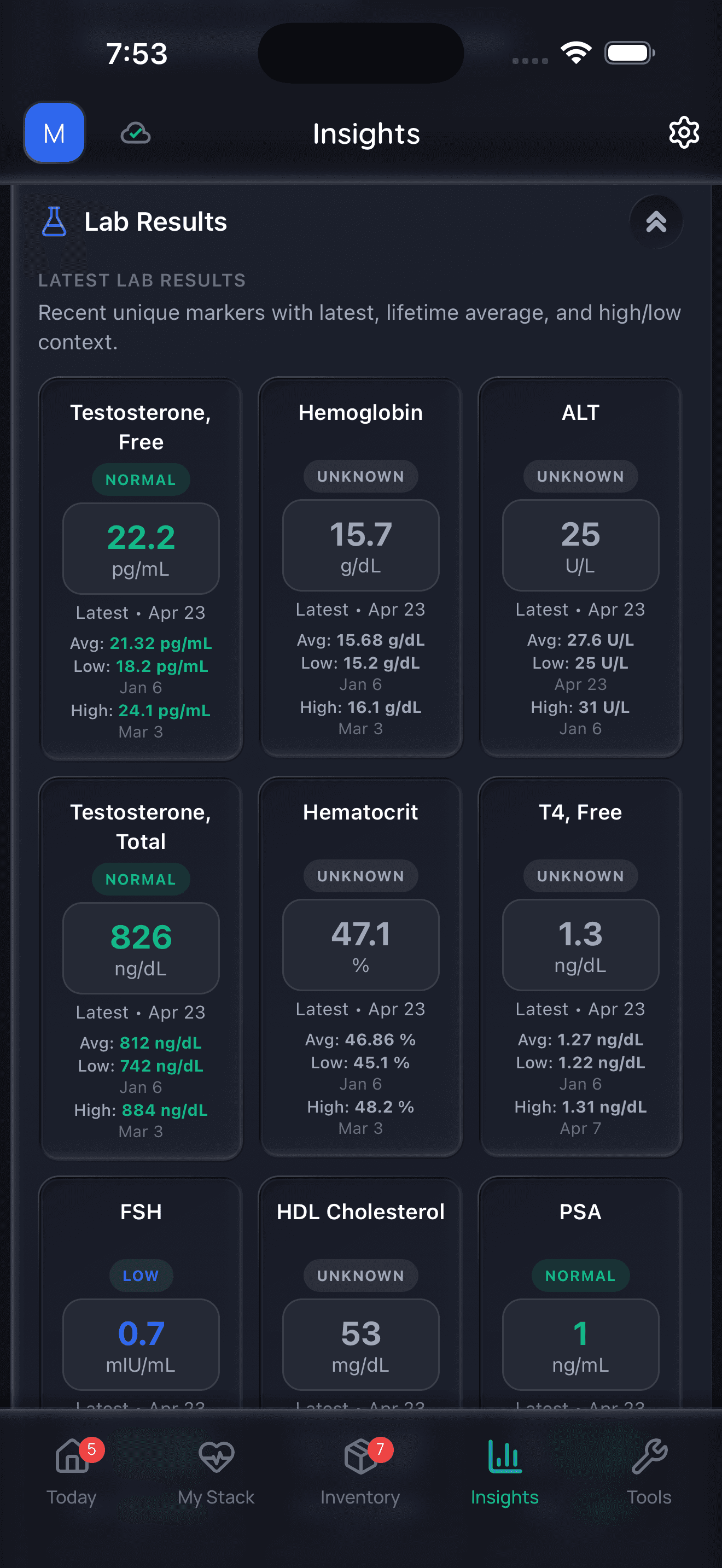
Doserly organizes data; it does not diagnose or interpret labs for you.
Dosing & Usage
The Basics
Milk thistle dosing depends on both the form of the supplement and the reason for taking it. The most important thing to understand is that dosing is based on the silymarin content, not the total weight of the capsule or extract. A capsule labeled "1,000 mg milk thistle" may contain only 200-300 mg of silymarin, depending on the extraction ratio and standardization [2][3].
For general liver support and hepatoprotection, the most commonly studied dose range is 420-600 mg of silymarin per day, divided into two or three doses. This is the range used in most clinical trials showing positive results for liver enzyme reduction [2][4][6].
For specific conditions, the clinical literature suggests:
- NAFLD: 420-700 mg silymarin per day, divided into 2-3 doses [9][14]
- Alcoholic liver disease: 140-420 mg silymarin per day [9]
- Blood sugar management (type 2 diabetes): 200 mg silymarin three times daily before meals [15]
- General liver support: 140-300 mg silymarin, 2-3 times daily [2]
The form of milk thistle also matters significantly for effective dosing. Standard silymarin extracts have low bioavailability (23-47%), so the actual amount reaching your liver is less than what you swallow. Phytosome formulations deliver approximately 10 times more active compound, meaning that lower doses may be equally or more effective [3].
The Science
Silymarin dosing from clinical literature [2][4][6][9]:
Condition
NAFLD (enzyme reduction)
- Dose (silymarin)
- 210 mg/day
- Frequency
- Daily
- Duration
- 8 weeks
- Source
- Malik et al. 2024 meta-analysis
Condition
NASH (fibrosis reduction)
- Dose (silymarin)
- 700 mg/day
- Frequency
- Divided doses
- Duration
- 48 weeks
- Source
- Wah Kheong et al. 2017
Condition
NAFLD (insulin resistance)
- Dose (silymarin)
- 600 mg/day
- Frequency
- Daily
- Duration
- 12 months
- Source
- Velussi et al. 1997
Condition
NAFLD (vs metformin)
- Dose (silymarin)
- Not specified
- Frequency
- Daily
- Duration
- Variable
- Source
- Hajiaghamohammadi 2012
Condition
Type 2 diabetes
- Dose (silymarin)
- 200 mg TID
- Frequency
- 3x/day before meals
- Duration
- 4 months
- Source
- Huseini et al. 2006
Condition
Hepatitis C (negative result)
- Dose (silymarin)
- 420 or 700 mg TID
- Frequency
- 3x/day
- Duration
- 24 weeks
- Source
- Fried et al. 2012
Condition
Safety tolerance study
- Dose (silymarin)
- 700 mg TID
- Frequency
- 3x/day
- Duration
- 24 weeks
- Source
- StatPearls 2024
Condition
Amanita poisoning (IV)
- Dose (silymarin)
- Silibinin IV
- Frequency
- Hospital setting
- Duration
- Acute
- Source
- Hruby et al. 1983
Standard silymarin extracts are available in 140-300 mg capsules/tablets, standardized to 70-80% silymarin content. Typical regimen: 140-200 mg, 2-3 times daily with meals.
Getting the dose right matters more than most people realize. Too little may be ineffective, too much wastes money or introduces risk, and inconsistency undermines both. Doserly tracks every dose you take, across every form, giving you a clear record of what you're actually consuming versus what you planned.
The app helps you compare RDA recommendations against therapeutic ranges discussed in the research, so you can see exactly where your intake falls. If you switch forms, say from a standard capsule to a liposomal liquid, Doserly adjusts your tracking to account for different bioavailabilities. Pair that with smart reminders that keep your timing consistent, and the precision that makes a real difference in outcomes becomes effortless.
Turn symptom and safety notes into a clearer timeline.
Doserly helps you log doses, symptoms, and safety observations side by side so patterns are easier to discuss with a qualified clinician.
Pattern view
Logs and observations

Pattern visibility is informational and should be reviewed with a clinician.
What to Expect (Timeline)
The timeline for experiencing effects from milk thistle supplementation varies depending on the outcome being monitored and the formulation used:
Within the first week:
- Mild gastrointestinal effects (bloating, gas, or loose stools) may occur initially and typically resolve within a few days
- Phytosome formulations may produce noticeable blood sugar-lowering effects more quickly due to higher bioavailability; individuals on diabetes medications should monitor for hypoglycemia [community reports]
Weeks 2-4:
- Some users report reduced bloating, improved digestion, and a general sense of feeling "lighter" within 2-3 weeks [community reports]
- Improved energy and sleep quality reported by some users, potentially secondary to improved liver function and reduced systemic inflammation
- Initial changes in liver enzyme levels may begin to occur, though typically not yet measurable on routine blood work
Weeks 4-8:
- Clinical studies have demonstrated significant reductions in ALT and AST levels within 8 weeks of silymarin supplementation at 210 mg/day [14]
- Blood sugar improvements (reduced fasting glucose) observed in diabetic patients within 4 months at higher doses [15]
- Digestive improvements should be well established by this point
3-6 months:
- Insulin resistance improvements demonstrated after 12 months at 600 mg/day in cirrhotic diabetic patients [4]
- Fibrosis score reductions demonstrated at 48 weeks (approximately 11 months) at 700 mg/day [14]
- Lipid profile improvements (cholesterol, triglycerides, LDL) observed alongside blood sugar improvements [15]
What you are unlikely to see:
- Rapid or dramatic effects within the first few days (silymarin's effects are gradual)
- Weight loss (any "lightness" reported is more likely reduced bloating than fat loss)
- Cognitive improvements (not supported by current evidence)
- Viral load reduction in hepatitis C (clinical trials showed no benefit) [5]
Interactions & Compatibility
Synergistic
- Vitamin E: Combination with silymarin may enhance antioxidant effects. Studies show combined supplementation reduces oxidative stress markers (MDA) more effectively than either agent alone [9]
- Vitamin C: May work synergistically with silymarin to enhance endogenous antioxidant capacity and reduce liver enzyme levels [9]
- CoQ10: Combination with silymarin, vitamin E, vitamin C, and selenomethionine improved liver enzymes and lipid profiles in NAFLD patients [9]
- Phosphatidylcholine: Enhances silymarin bioavailability approximately 10-fold in phytosome formulations [3]
- TUDCA: Commonly stacked by community users for complementary liver support; TUDCA supports bile acid metabolism while milk thistle provides hepatoprotection [community reports]
- NAC (N-Acetyl Cysteine): Both support glutathione production; complementary liver support mechanisms
- Dandelion Root: Traditional combination for liver and gallbladder support; dandelion provides choleretic effects [community reports]
Caution / Avoid
- Warfarin and anticoagulants: Milk thistle may have mild anticoagulant properties and could increase bleeding risk. Monitor INR if combining [2][19]
- Antiplatelet medications (aspirin, clopidogrel): Similar bleeding concern as with anticoagulants [19]
- Diabetes medications (metformin, insulin, sulfonylureas): Silymarin has hypoglycemic effects and may enhance the blood sugar-lowering action of these drugs, potentially causing hypoglycemia. Monitor blood glucose closely [2][4]
- Diazepam: Silymarin's effect on CYP450 enzymes may theoretically affect diazepam metabolism, though the interaction is not considered potent at standard doses [2]
- Raloxifene: Milk thistle constituents inhibit raloxifene intestinal glucuronidation, potentially increasing raloxifene exposure [20]
- CYP3A4 substrates: Silymarin may mildly inhibit CYP3A4, potentially affecting the metabolism of drugs processed by this enzyme, though the effect is generally considered clinically insignificant at recommended doses [2][18]
- St. John's Wort: May interfere with milk thistle's action through overlapping CYP450 effects [general herbal interaction guidance]
How to Take (Administration Guide)
Standard silymarin capsules/tablets:
- Take 140-200 mg silymarin per dose, 2-3 times daily
- Best taken with meals containing some fat to enhance absorption
- Swallow whole with water; do not crush enteric-coated formulations
Phytosome/Siliphos formulations:
- Lower doses may be effective due to approximately 10x higher bioavailability
- Follow manufacturer-specific dosing recommendations
- Monitor for stronger effects, particularly blood sugar lowering
Liquid extract/tincture:
- Follow manufacturer dosing guidance (typically 1-2 ml, 2-3 times daily)
- Can be mixed with water or juice
- Alcohol-based tinctures may not be appropriate for individuals with liver disease or those avoiding alcohol
Timing considerations:
- No strong evidence for optimal time of day
- Some herbalists recommend evening dosing based on the theory that liver detoxification is more active during sleep [community reports]
- Splitting the daily dose into 2-3 servings may maintain more consistent plasma levels given the relatively rapid metabolism
Cycling:
- No established cycling protocol is supported by clinical evidence
- Some community users cycle 3 weeks on, 1 week off, though this is based on anecdotal preference rather than research
- Long-term daily use appears safe based on studies lasting up to 12 months [4]
Stacking:
- Commonly combined with TUDCA, NAC, vitamin E, and/or dandelion root for comprehensive liver support
- When stacking with other supplements that affect CYP450 enzymes, be aware of potential cumulative interactions
Choosing a Quality Product
Choosing a quality milk thistle supplement is particularly important for this herbal product, as studies have documented significant variability in the actual silymarin content and purity of commercial products [1][17].
What to look for:
- Standardization to silymarin content: Look for products standardized to 70-80% silymarin. This ensures a consistent amount of active flavonolignans per dose.
- Specification of silybin content: Higher-quality products may specify silybin (the most active component) content in addition to total silymarin.
- Third-party testing: USP Verified, NSF International, or ConsumerLab Approved marks indicate independent verification of label accuracy and purity.
- Phytosome formulations: If bioavailability is a priority, look for silybin-phosphatidylcholine complexes (sold under names like Siliphos, Silybin Phytosome, or similar).
Red flags to avoid:
- Products listing only "milk thistle" weight without specifying silymarin content or standardization percentage
- Proprietary blends that obscure individual ingredient amounts
- Products with no third-party testing or verification
- Very low prices that may indicate diluted or adulterated products
- Products contaminated with mycotoxins (a documented concern for milk thistle specifically) [1][17]
Quality concerns specific to milk thistle:
- Fenclova et al. (2019) found that poor chemical and microbiological quality of commercial supplements may account for unsatisfactory and non-reproducible clinical outcomes [17]
- Mycotoxin contamination has been documented in milk thistle food supplements, likely arising from pre-harvest fungal infection of the plant material [1]
- Some products have been found to contain amounts of silymarin substantially different from label claims [1]
Storage & Handling
- Store capsules, tablets, and softgels in a cool, dry place away from direct sunlight and moisture
- Keep container tightly sealed between uses
- Typical shelf life is 2-3 years for sealed products; check expiration dates
- Liquid extracts/tinctures should be stored in dark glass bottles to prevent light degradation
- No refrigeration required for standard capsule and tablet forms
- Powder forms are more susceptible to moisture absorption; consider storing with a desiccant packet
- Avoid storing in bathrooms or kitchens where humidity fluctuates
Lifestyle & Supporting Factors
Milk thistle does not work in isolation. The liver's ability to benefit from supplemental support depends heavily on the overall burden being placed on it by diet, alcohol intake, medications, and lifestyle factors.
Diet and nutrition:
- A diet low in processed foods, added sugars, and saturated fats reduces the liver's detoxification burden, allowing silymarin's protective effects to be more impactful
- Cruciferous vegetables (broccoli, Brussels sprouts, kale) contain compounds that support the same phase II detoxification pathways that silymarin enhances
- Adequate protein intake supports the liver's regenerative capacity
- For individuals with NAFLD, caloric restriction and weight loss of 7-10% of body weight remain the most evidence-based intervention, with silymarin potentially providing adjunctive support [4][6]
Alcohol:
- The most important lifestyle factor for liver health. Reducing or eliminating alcohol consumption dramatically reduces the liver's toxic burden
- Community consensus strongly advises against relying on milk thistle as a "shield" that permits continued heavy drinking; the supplement cannot fully counteract the damage from excessive alcohol intake [community reports]
- For individuals who consume alcohol moderately, milk thistle may provide some protective support, but this should not be interpreted as a license to increase intake
Exercise:
- Regular physical activity improves liver health independently of supplementation, particularly for NAFLD
- Exercise enhances insulin sensitivity, which is one of the mechanisms by which silymarin appears to benefit metabolic liver disease [4]
Sleep:
- The liver performs significant metabolic and detoxification functions during sleep
- Some herbalists recommend taking milk thistle in the evening to support these overnight processes, though this timing has not been validated in clinical studies [community reports]
Lab work to monitor:
- ALT and AST (liver enzymes): the primary biomarkers for tracking milk thistle's effects on liver health
- GGT (gamma-glutamyl transferase): another liver enzyme that may respond to silymarin
- Fasting blood glucose and HbA1c: relevant for individuals using milk thistle for blood sugar management
- Lipid panel (total cholesterol, LDL, HDL, triglycerides): may improve alongside blood sugar management
- Complete blood count: monitor if using long-term, given rare reports of effects on blood cell counts
The lifestyle factors above, nutrition, exercise, sleep, stress, are not just nice-to-haves alongside a supplement routine. They're the foundation that determines whether a supplement can do its job effectively. Doserly lets you track these inputs alongside every supplement in your stack, building a complete picture of what your body is receiving and how it's responding.
With AI-powered health analytics, the app surfaces correlations that are nearly impossible to spot on your own. You might discover that your supplement delivers noticeably better results during weeks when your sleep is consistent, or that exercise timing amplifies the benefits you're tracking. That kind of insight transforms general lifestyle advice into specific, actionable intelligence tailored to your body.
Capture changes while they are still fresh.
Log symptoms, energy, sleep, mood, and other observations alongside protocol events so patterns do not live only in memory.
Trend view
Symptom timeline
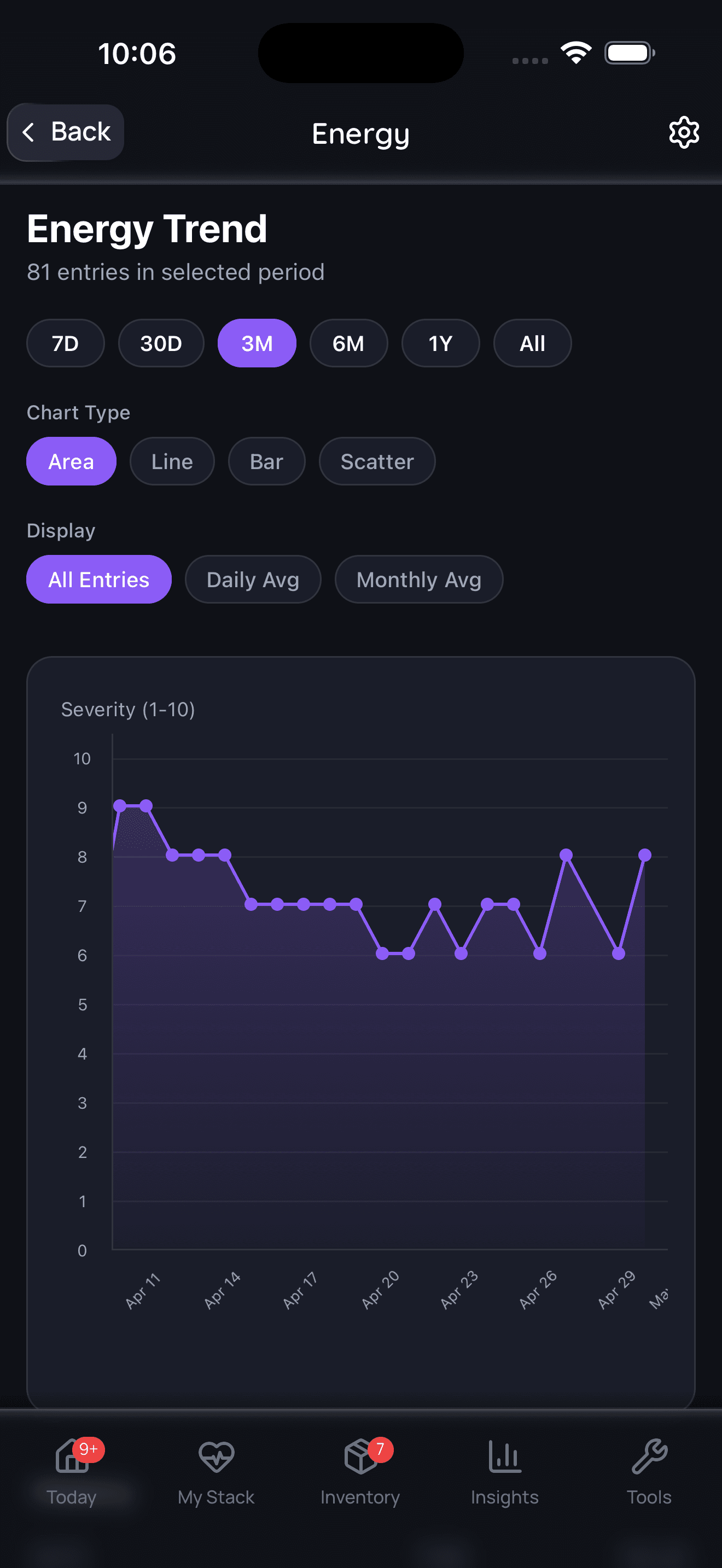
Symptom tracking is informational and should be interpreted with a qualified clinician.
Regulatory Status & Standards
United States (FDA):
Milk thistle is classified as a dietary supplement under the Dietary Supplement Health and Education Act (DSHEA) of 1994. It is not approved by the FDA for the treatment, cure, or prevention of any disease. The FDA does not evaluate dietary supplements for efficacy before they are marketed. Manufacturers are responsible for ensuring product safety and accurate labeling [1][2].
Canada (Health Canada):
Milk thistle is licensed as a Natural Health Product (NHP). Over 70 milk thistle-containing products are approved for sale in Canada. Products require a Natural Product Number (NPN) and must comply with Health Canada monograph standards for quality, safety, and efficacy claims [3].
European Union (EFSA/EMA):
Milk thistle has a long history of use in European phytomedicine. In Germany, silymarin is an approved treatment for toxic liver damage and as supportive therapy for chronic inflammatory liver conditions. The European Medicines Agency (EMA) recognizes milk thistle as a traditional herbal medicinal product for symptomatic relief of digestive disorders. Intravenous silibinin (Legalon SIL) is approved in several European countries as an antidote for Amanita phalloides mushroom poisoning [6][8].
Australia (TGA):
Milk thistle is available as a listed complementary medicine. Products must comply with TGA requirements for quality, safety, and labeling.
Athlete & Sports Regulatory Status:
- WADA: Silymarin/milk thistle is not on the WADA Prohibited List. It is not a prohibited substance in or out of competition.
- National Anti-Doping Agencies: No specific advisories or alerts have been issued regarding milk thistle by USADA, UKAD, or other major NADOs.
- NCAA: Milk thistle is not on the NCAA banned substance list.
- Athlete Certification Programs: Third-party tested milk thistle products are available through NSF Certified for Sport and Informed Sport programs for athletes who want additional assurance against contamination.
- GlobalDRO: Athletes can verify milk thistle's status at GlobalDRO.com.
Regulatory status and prohibited substance classifications change frequently. Athletes should always verify the current status of any supplement with their sport's governing body, their national anti-doping agency, and a qualified sports medicine professional before use. Third-party certification (Informed Sport, NSF Certified for Sport) reduces but does not eliminate the risk of contamination with prohibited substances.
Frequently Asked Questions
Is milk thistle actually good for your liver?
Based on available clinical evidence, milk thistle shows promise for supporting liver health, particularly for non-alcoholic fatty liver disease (NAFLD). Meta-analyses of randomized controlled trials have found that silymarin can significantly reduce liver enzyme levels (ALT and AST), which are markers of liver cell damage. However, the NCCIH notes that the overall evidence base does not yet allow definitive conclusions. The strongest evidence exists for NAFLD and alcoholic liver disease, while studies in hepatitis C have not shown benefit. As with any supplement, consulting with a healthcare provider is recommended before use.
How long does it take for milk thistle to work?
Clinical studies have demonstrated measurable reductions in liver enzymes within 8 weeks of supplementation. Blood sugar improvements in diabetic patients have been observed over 4 months. However, individual responses vary significantly. Some users report subjective improvements (reduced bloating, better digestion) within 2-3 weeks, while structural liver improvements (fibrosis reduction) may take 6-12 months of consistent use.
Can I take milk thistle every day?
Clinical trials have used daily silymarin supplementation for durations up to 12 months without significant adverse effects. High-dose studies (700 mg three times daily) have been well tolerated for 24 weeks. There is no established need for cycling, though some users prefer to cycle the supplement based on personal preference.
Does milk thistle interact with medications?
Milk thistle has mild effects on liver enzymes involved in drug metabolism (CYP450 system), but these effects are generally not considered clinically significant at recommended doses. Specific caution is warranted with blood thinners (warfarin), diabetes medications (risk of additive blood sugar lowering), and raloxifene. Always inform your healthcare provider about all supplements you are taking.
What is the difference between milk thistle and silymarin?
Milk thistle is the plant (Silybum marianum). Silymarin is the standardized extract from milk thistle seeds, typically containing 70-80% of the active flavonolignan compounds. Silybin (silibinin) is the single most active compound within silymarin, making up 50-70% of the extract. When purchasing supplements, look for the silymarin content rather than the total milk thistle weight.
Can milk thistle help with hangovers or alcohol damage?
While silymarin has demonstrated hepatoprotective effects against alcohol-induced liver damage in clinical studies, it should not be viewed as a hangover cure or a way to drink without consequences. The evidence supports potential protection against chronic alcohol-related liver damage when used consistently, not acute hangover relief. Reducing alcohol intake remains far more effective than any supplement for preventing alcohol-related liver injury.
Is milk thistle safe during pregnancy?
There is insufficient evidence to confirm the safety of milk thistle during pregnancy. While it has historically been used to promote breast milk production, current evidence does not clearly support this use. Caution is recommended, and pregnant or breastfeeding individuals should consult with a healthcare provider before use.
Does the form of milk thistle matter?
Yes, significantly. Standard silymarin extracts have low oral bioavailability (23-47%). Phytosome formulations (silybin combined with phosphatidylcholine) deliver approximately 10 times more active compound into the bloodstream. The Eurosil 85 formulation (used in Legalon) also has enhanced bioavailability and is the basis for much of the positive clinical research. When comparing products, consider not just the total milligram amount but also the formulation type.
Can milk thistle lower blood sugar?
Clinical studies have shown that silymarin can reduce fasting blood glucose and HbA1c in patients with type 2 diabetes. This effect means that people taking diabetes medications should monitor their blood sugar when starting milk thistle, as the combination could cause blood sugar to drop too low (hypoglycemia). This effect appears more pronounced with phytosome formulations.
Should I take milk thistle with food?
Taking milk thistle with food, especially food containing some fat, may improve absorption of standard formulations. Food also helps reduce the gastrointestinal side effects that some people experience. However, one study suggested that empty-stomach administration may improve bioavailability. The most practical recommendation is to take it with meals for comfort and consistency.
Myth vs. Fact
Myth: Milk thistle can cure liver disease.
Fact: Milk thistle is not a cure for any liver disease. Clinical evidence supports its potential to reduce liver enzyme levels and slow disease progression in some conditions (particularly NAFLD), but it cannot reverse established cirrhosis or cure viral hepatitis. Two well-controlled clinical trials found no benefit for hepatitis C [5]. It is best understood as a supportive supplement, not a replacement for medical treatment.
Myth: Taking milk thistle means you can drink alcohol without consequences.
Fact: While silymarin has demonstrated hepatoprotective properties against alcohol-induced damage in clinical studies, it cannot fully counteract the toxic effects of excessive alcohol consumption. Relying on milk thistle as an "insurance policy" against alcohol damage is a dangerous misconception. Reducing alcohol intake is far more effective than any supplement for preventing liver disease.
Myth: All milk thistle supplements are equally effective.
Fact: Bioavailability varies dramatically between formulations. Standard silymarin extracts are absorbed at only 23-47%, while phytosome formulations deliver approximately 10 times more active compound. Additionally, testing has found that some commercial products contain significantly different amounts of silymarin than labeled, and some are contaminated with mycotoxins [1][17]. Product quality matters significantly with this supplement.
Myth: Milk thistle is a liver "detox" that flushes toxins from your body.
Fact: The concept of "detoxing" through supplements is largely a marketing term without precise scientific meaning. What silymarin actually does is protect liver cells from oxidative damage, enhance the liver's own antioxidant defenses (particularly glutathione), and reduce inflammation. These are genuine physiological effects, but they are protective and supportive rather than a dramatic "flushing" process.
Myth: Higher doses are always better.
Fact: Clinical studies have shown effective results at doses ranging from 210 mg/day to 700 mg/day of silymarin, depending on the condition. One study found benefits at just 210 mg/day for NAFLD. At extremely high doses (10-20 g/day), liver toxicity has actually been observed in cancer patients [2]. More is not necessarily better, and the formulation (standard vs. phytosome) matters more than raw milligrams.
Myth: Milk thistle has no side effects because it is natural.
Fact: While milk thistle is generally well tolerated, it is not side-effect-free. Common issues include GI symptoms (bloating, nausea, diarrhea), potential allergic reactions (especially in people with Asteraceae plant allergies), and drug interactions (particularly with blood thinners, diabetes medications, and drugs metabolized by CYP450 enzymes). "Natural" does not mean risk-free [1][2].
Myth: Milk thistle works immediately.
Fact: Silymarin's effects are gradual. Clinical studies measuring liver enzyme changes required at least 8 weeks to demonstrate significant results. Blood sugar improvements took 4 months. Fibrosis reduction required nearly a year of consistent supplementation. Short-term use of a few days is unlikely to produce measurable benefits beyond potential GI effects.
Sources & References
Clinical Trials & RCTs
[5] Fried MW, Navarro VJ, Afdhal N, et al. Effect of silymarin (milk thistle) on liver disease in patients with chronic hepatitis C unsuccessfully treated with interferon therapy: a randomized controlled trial. JAMA. 2012;308(3):274-282.
[14] Wah Kheong C, Nik Mustapha NR, Mahadeva S. A randomized trial of silymarin for the treatment of nonalcoholic steatohepatitis. Clin Gastroenterol Hepatol. 2017;15:1940-1949.
[15] Huseini HF, Larijani B, Heshmat R, et al. The efficacy of Silybum marianum (L.) Gaertn. (silymarin) in the treatment of type II diabetes: a randomized, double-blind, placebo-controlled, clinical trial. Phytother Res. 2006;20(12):1036-9.
[16] Navarro VJ, Belle SH, D'Amato M, et al. Silymarin in non-cirrhotics with non-alcoholic steatohepatitis: a randomized, double-blind, placebo controlled trial. PLoS ONE. 2019;14(9):e0221683.
Systematic Reviews & Meta-Analyses
[1] NCCIH. Milk Thistle: Usefulness and Safety. National Center for Complementary and Integrative Health. Updated February 2025. https://www.nccih.nih.gov/health/milk-thistle
[9] Dhande D, Dhok A, Anjankar A, Nagpure S. Silymarin as an Antioxidant Therapy in Chronic Liver Diseases: A Comprehensive Review. Cureus. 2024;16(8):e67083.
[7] Saller R, Meier R, Brignoli R. The use of silymarin in the treatment of liver diseases. Drugs. 2001;61(14):2035-63. Also: Saller R, et al. An updated systematic review of the pharmacology of silymarin. Forsch Komplementmed. 2007;14(2):70-80.
Observational Studies & Reviews
[2] Achufusi TGO, Pellegrini MV, Patel RK. Milk Thistle. StatPearls. Updated 2024 Feb 28. NCBI Bookshelf NBK541075.
[3] Multiple authors. Various pharmacological reviews of silymarin. Indian J Pharmacol. 2007;39(4):195-200; Bijak M. Molecules. 2017;22(11):1942.
[4] Velussi M, Cernigoi AM, De Monte A, et al. Long-term (12 months) treatment with an anti-oxidant drug (silymarin) is effective on hyperinsulinemia, exogenous insulin need and malondialdehyde levels in cirrhotic diabetic patients. J Hepatol. 1997;26(4):871-9. Hajiaghamohammadi AA, et al. Hepat Mon. 2012;12(8):e6099.
[6] Gillessen A, Schmidt HHJ. Silymarin as Supportive Treatment in Liver Diseases: A Narrative Review. Adv Ther. 2020;37:1279-1301.
[8] Hruby K, Csomos G, Fuhrmann M, Thaler H. Chemotherapy of Amanita phalloides poisoning with intravenous silibinin. Hum Toxicol. 1983;2(2):183-95.
Government / Institutional Sources
[1] NCCIH. Milk Thistle: Usefulness and Safety. Updated February 2025.
[17] Fenclova M, Novakova A, Viktorova J, et al. Poor chemical and microbiological quality of the commercial milk thistle-based dietary supplements may account for their reported unsatisfactory and non-reproducible clinical outcomes. Scientific Reports. 2019;9(1):11118.
Additional References
[10] Borsari M, Gabbi C, Ghelfi F, et al. Silybin, a new iron-chelating agent. J Inorg Biochem. 2001;85(2-3):123-9.
[11] Frontiers in Pharmacology. Silymarin as a phytopharmaceutical agent: advances in mechanistic insights. Front Pharmacol. 2025;16:1711653.
[12] Fabregat I, et al. TGF-beta signalling and liver disease. FEBS J. 2016;283(12):2219-32.
[13] Rahnama S, et al. Milk thistle nano-micelle formulation promotes cell cycle arrest and apoptosis in hepatocellular carcinoma cells. BMC Complement Med Ther. 2023;23(1):337.
[18] Kawaguchi-Suzuki M, et al. The effects of milk thistle on human cytochrome P450 activity. Drug Metab Dispos. 2014;42(10):1611-6.
[19] Hatfield J, Saad S, Housewright C. Dietary supplements and bleeding. Proc (Bayl Univ Med Cent). 2022;35(6):802-807.
[20] Gufford BT, et al. Milk Thistle Constituents Inhibit Raloxifene Intestinal Glucuronidation. Drug Metab Dispos. 2015;43(9):1353-9.
[21] Soleimani V, Delghandi PS, Moallem SA, et al. Safety and toxicity of silymarin, the major constituent of milk thistle extract: an updated review. Phytother Res. 2019;33(6):1627-1638.
[22] Pickova D, Ostry V, Toman J, et al. Presence of mycotoxins in milk thistle (Silybum marianum) food supplements: a review. Toxins (Basel). 2020;12(12):782.