
L-Tyrosine (NALT): The Complete Supplement Guide
On this page
Quick Reference Card
Attribute
Common Name
- Detail
- L-Tyrosine
Attribute
Other Names / Aliases
- Detail
- Tyrosine, Tyr, 4-hydroxyphenylalanine, N-Acetyl-L-Tyrosine (NALT), L-Tyr
Attribute
Category
- Detail
- Conditionally Essential Amino Acid
Attribute
Primary Forms & Variants
- Detail
- Free-form L-Tyrosine (most common, best absorbed); N-Acetyl-L-Tyrosine / NALT (more water-soluble but poor bioconversion, ~20% yield to free tyrosine); DL-Phenylalanine (upstream precursor, converts to tyrosine in vivo)
Attribute
Typical Dose Range
- Detail
- 500-2,000 mg/day (common supplement doses); 100-150 mg/kg body weight (research doses for acute stress, equivalent to 7-13.5 g for a 150-200 lb person)
Attribute
RDA / AI / UL
- Detail
- No formal RDA, AI, or UL established. WHO suggests 14 mg/kg/day total tyrosine + phenylalanine from dietary sources. Average daily dietary intake: ~7 mg/kg.
Attribute
Common Delivery Forms
- Detail
- Capsules, tablets, powder
Attribute
Best Taken With / Without Food
- Detail
- Best taken on an empty stomach 30-60 minutes before meals. Competes with other large neutral amino acids (LNAAs) from dietary protein for intestinal absorption and blood-brain barrier transport.
Attribute
Key Cofactors
- Detail
- Vitamin B6 (cofactor for aromatic L-amino acid decarboxylase in dopamine synthesis); Vitamin B9/Folate and Vitamin B12 (support methylation pathways); Vitamin C (cofactor for dopamine beta-hydroxylase); Iron (cofactor for tyrosine hydroxylase)
Attribute
Storage Notes
- Detail
- Store in a cool, dry place away from direct sunlight and moisture. No refrigeration required. Powder forms should be kept sealed to prevent clumping.
Overview
The Basics
L-Tyrosine is an amino acid that your body uses to build some of its most important chemical messengers, including dopamine, norepinephrine, and adrenaline. These messengers, collectively called catecholamines, are the molecules behind your feelings of alertness, motivation, and ability to focus under pressure. Think of L-Tyrosine as raw material for your brain's "get things done" system.
Your body can actually make tyrosine on its own from another amino acid called phenylalanine, and it is also abundant in protein-rich foods like chicken, turkey, fish, eggs, cheese, and soy products. For most people eating a balanced diet, there is no shortage of tyrosine in the body. However, during periods of acute stress, sleep deprivation, or intense cognitive demand, your brain may burn through its catecholamine stores faster than it can replenish them. This is where supplemental L-Tyrosine enters the picture. By providing extra raw material, it may help your brain keep producing these critical neurotransmitters when they are being used up rapidly.
The key distinction with L-Tyrosine is that it appears to work best as a "buffer" against depletion rather than a baseline booster. In other words, if your dopamine and norepinephrine levels are already normal, adding more tyrosine may not do much. But if stress or exhaustion has drained those reserves, the extra supply can help your brain recover faster and maintain cognitive performance [1][2].
The Science
L-Tyrosine (4-hydroxyphenylalanine) is a non-essential (or conditionally essential) aromatic amino acid with the molecular formula C9H11NO3. It is synthesized endogenously from the essential amino acid L-phenylalanine via the hepatic enzyme phenylalanine hydroxylase (PAH), a process that requires tetrahydrobiopterin (BH4) as a cofactor [1].
Tyrosine serves as the primary precursor in the catecholamine biosynthetic pathway: L-Tyrosine is hydroxylated to L-DOPA by tyrosine hydroxylase (TH), which is the rate-limiting enzyme in the pathway. L-DOPA is then decarboxylated to dopamine by aromatic L-amino acid decarboxylase (AADC). Dopamine is subsequently converted to norepinephrine by dopamine beta-hydroxylase (DBH), and finally to epinephrine by phenylethanolamine N-methyltransferase (PNMT) [1][2].
The rate-limiting enzyme TH is normally saturated with its tyrosine substrate by only approximately 75%, meaning that increases in brain tyrosine availability can, under certain conditions, increase the rate of catecholamine synthesis [3]. This substrate-dependent regulation is particularly relevant when catecholaminergic neurons are firing at elevated rates, such as during acute stress, when increased neurotransmitter release can deplete local substrate pools [4].
In healthy fasted adults, plasma tyrosine concentrations range from approximately 35-102 micromol/L. Average daily dietary intake of tyrosine is approximately 7 mg/kg, roughly half of the WHO upper requirement of 14 mg/kg for combined tyrosine and phenylalanine [5]. Tyrosine is classified as "conditionally essential" because endogenous synthesis may be insufficient in individuals with phenylketonuria (PKU) or during states of severe physiological stress.
Chemical & Nutritional Identity
Property
Chemical Name
- Value
- 4-Hydroxyphenylalanine; (S)-2-amino-3-(4-hydroxyphenyl)propanoic acid
Property
Molecular Formula
- Value
- C9H11NO3
Property
Molecular Weight
- Value
- 181.19 g/mol
Property
CAS Number
- Value
- 60-18-4
Property
PubChem CID
- Value
- 6057
Property
Category
- Value
- Aromatic amino acid; conditionally essential amino acid
Property
Water Solubility
- Value
- 0.453 mg/mL at 25 degrees C (low solubility)
Established Daily Values: No formal RDA, Adequate Intake (AI), or Tolerable Upper Intake Level (UL) has been established for L-Tyrosine specifically by the Institute of Medicine (IOM) or EFSA. The WHO/FAO recommends a combined intake of 25 mg/kg/day of phenylalanine + tyrosine for adults.
Common Supplement Forms:
- Free-form L-Tyrosine: The standard supplemental form. Low water solubility but good oral bioavailability. This is the form used in the majority of clinical research.
- N-Acetyl-L-Tyrosine (NALT): An acetylated derivative with substantially higher water solubility. However, the deacetylation required to liberate free L-Tyrosine occurs primarily in the kidneys, and conversion is inefficient. Studies show that NALT only increases plasma L-Tyrosine by approximately 20% despite large increases in circulating NALT, with 35-56% of the dose excreted unchanged in the urine [6]. Free-form L-Tyrosine is generally preferred for supplementation purposes.
- DL-Phenylalanine (DLPA): An upstream precursor that requires hepatic conversion to tyrosine before entering the catecholamine pathway. Some individuals prefer this form.
Mechanism of Action
The Basics
Your brain relies on a group of chemical messengers called catecholamines (dopamine, norepinephrine, and adrenaline) to stay alert, focused, and motivated. L-Tyrosine is the building block your brain uses to make all three of these messengers. The production line works in a chain: tyrosine becomes L-DOPA, which becomes dopamine, which becomes norepinephrine, which can become adrenaline.
The important thing to understand is that there is a bottleneck in this production line. The enzyme that converts tyrosine into L-DOPA (called tyrosine hydroxylase) is normally running at about 75% capacity. Under normal conditions, your brain has enough tyrosine to keep up with demand. But when you are under acute stress, your brain fires off these neurotransmitters faster than usual, and the local supply of tyrosine can run low. Supplementing with extra tyrosine gives your brain more raw material to work with, potentially keeping the production line running smoothly when it would otherwise slow down [2][3].
This is why L-Tyrosine tends to help most when you are already under pressure. If your brain is cruising along comfortably, adding more tyrosine to the pool does not necessarily make it produce more dopamine. The bottleneck enzyme only speeds up when demand is high.
The Science
L-Tyrosine's primary mechanism of action centers on its role as the immediate biosynthetic precursor in the catecholamine pathway. The conversion of tyrosine to L-3,4-dihydroxyphenylalanine (L-DOPA) by tyrosine hydroxylase (TH; EC 1.14.16.2) represents the rate-limiting step in catecholamine biosynthesis. TH is a mixed-function oxidase requiring molecular oxygen, ferrous iron (Fe2+), and tetrahydrobiopterin (BH4) as cofactors [1][2].
Under basal neuronal firing conditions, TH is approximately 75% saturated with its tyrosine substrate, meaning modest increases in brain tyrosine availability have limited effect on catecholamine synthesis rates [3]. However, during conditions of elevated catecholaminergic activity (acute stress, sleep deprivation, cognitive overload), increased neurotransmitter release and turnover can deplete local tyrosine pools below the TH saturation threshold. Under these conditions, supplemental tyrosine can restore substrate availability and maintain catecholamine synthesis rates [4][7].
Beyond catecholamine production, tyrosine serves as a precursor for:
- Thyroid hormones (thyroxine/T4 and triiodothyronine/T3) via iodination reactions in the thyroid gland. Supplemental tyrosine (12 g) has been shown to reduce TSH by 28-30% and increase free T3 by 6% in healthy adults [8].
- Melanin via oxidation by the enzyme tyrosinase, contributing to skin, hair, and eye pigmentation.
- p-Hydroxyphenylpyruvic acid via transamination, which serves as a gluconeogenic substrate.
The neurocognitive effects of tyrosine supplementation follow an inverted-U dose-response pattern consistent with the Yerkes-Dodson principle applied to dopaminergic signaling: individuals with suboptimal catecholamine function (due to stress-induced depletion, genetic variation, or baseline cognitive demands) tend to benefit, while those with already-optimal or elevated catecholamine levels may show no benefit or even impairment [9][10].
Absorption & Bioavailability
The Basics
When you take L-Tyrosine as a supplement, your body absorbs it through the wall of your small intestine using a specialized transport system shared with other large amino acids. This is an important detail because it means tyrosine competes for absorption with other amino acids from protein in your diet. Taking L-Tyrosine with a protein-rich meal can significantly reduce how much actually gets into your bloodstream and eventually into your brain. This is why most practitioners recommend taking it on an empty stomach.
Once absorbed, tyrosine levels in the blood typically peak within 1 to 2 hours and remain elevated for up to 8 hours. Getting from the blood into the brain requires crossing another barrier (the blood-brain barrier), and again, tyrosine uses a shared transport system with other amino acids. This means the ratio of tyrosine to other amino acids in your blood matters more than the absolute amount.
The form of tyrosine you take also matters. Free-form L-Tyrosine, despite being less soluble in water, is well absorbed and readily available to the body. NALT (N-Acetyl-L-Tyrosine) dissolves better in water but converts poorly to usable tyrosine in the body, with a large portion excreted unchanged [6].
The Science
L-Tyrosine is absorbed in the proximal small intestine via the large neutral amino acid (LNAA) transport system (System L), which is a sodium-independent, bidirectional transporter with broad specificity for branched-chain and aromatic amino acids [11]. This competitive transport mechanism means that concurrent ingestion of protein (which contains competing LNAAs including leucine, isoleucine, valine, phenylalanine, and tryptophan) can reduce tyrosine absorption and subsequently its brain uptake.
Following oral administration of 150 mg/kg, plasma tyrosine concentrations rise from a baseline of approximately 56 nmol/L to 140-168 nmol/L within 90 minutes, with significant elevation detectable within 30 minutes [12]. Plasma concentrations remain elevated for several hours, with return to baseline occurring approximately 4-8 hours post-ingestion. Notably, plasma norepinephrine concentrations do not show corresponding increases at rest, consistent with the substrate-dependent model where catecholamine synthesis increases primarily under conditions of elevated neuronal firing [12].
Blood-brain barrier (BBB) transport of tyrosine is mediated by the LAT1 (SLC7A5) transporter, the same system that transports other LNAAs across the BBB. Brain tyrosine uptake is therefore determined by the plasma tyrosine-to-LNAA ratio rather than absolute plasma tyrosine concentration [11]. This competitive dynamic is the primary basis for the recommendation to take tyrosine supplements separately from protein-containing meals.
For NALT specifically, deacetylation occurs primarily in the kidneys via aminoacylase enzymes, with limited first-pass hepatic conversion. Parenteral administration of NALT increases plasma L-Tyrosine by only approximately 20%, with 35% of the total dose excreted as intact NALT in the urine within 4 hours [6]. These pharmacokinetic data suggest that NALT is a substantially less efficient delivery vehicle for L-Tyrosine compared to the free-form amino acid.
Research & Clinical Evidence
The Basics
The research on L-Tyrosine has a surprisingly specific story to tell: it appears to work best when you are already stressed, sleep-deprived, or cognitively depleted, and it works by preventing your performance from falling rather than boosting it above your normal baseline. Most of the strongest human studies come from military research, where soldiers and cadets were subjected to cold stress, altitude stress, sleep deprivation, or intense cognitive demands.
In these scenarios, participants who took L-Tyrosine performed better on memory tests, reaction time tasks, and mood assessments compared to those who took a placebo. They were not performing above normal; they were simply declining less. For everyday use at typical supplement doses (500-2,000 mg), the evidence is less robust. Some smaller studies suggest benefits for working memory and cognitive flexibility, but the effects are generally modest and more variable between individuals [2][4][7].
For conditions like clinical depression, ADHD, and Parkinson's disease, the evidence is limited. A comprehensive review concluded that tyrosine's benefits are most reliable for short-term cognitive maintenance during acute stress, with little evidence supporting its use for chronic psychiatric conditions [7].
The Science
Cognitive performance under acute stress: A series of controlled studies, primarily conducted at the U.S. Army Research Institute of Environmental Medicine (USARIEM), have demonstrated that L-Tyrosine (100-150 mg/kg) attenuates stress-induced cognitive decrements across multiple stressor types:
- Cold stress: 150 mg/kg tyrosine preserved memory performance (delayed matching-to-sample) during acute cold exposure (4 degrees C) compared to placebo (n=8) [12].
- Altitude stress: 100 mg/kg (split into two doses) reduced headaches, stress, fatigue, and cognitive decline during acute high-altitude exposure, with improvements on mood and cognitive test batteries [13].
- Noise stress: 100 mg/kg improved performance on stress-sensitive cognitive tasks and decreased diastolic blood pressure in healthy subjects exposed to acute noise [14].
- Sleep deprivation: 150 mg/kg attenuated the cognitive performance decline associated with extended wakefulness [15].
- Combat training: 2 g/day for 5 days preserved cognitive performance (memory and tracking tasks) during a demanding military combat training course, though mood improvements did not reach significance [16].
Working memory enhancement: In non-stressed conditions, 2.0 g L-Tyrosine improved performance on the cognitively demanding 2-back working memory task but not the easier 1-back condition, suggesting selective benefit for high-demand cognitive operations [5]. A subsequent study found baseline-dependent effects: low-performing subjects improved on working memory gating tasks while high-performing subjects showed no benefit or slight impairment, consistent with an inverted-U dopaminergic dose-response curve [9].
Stress biomarkers: A 2024 RCT (n=80) found that 2,000 mg L-Tyrosine did not significantly alter salivary stress biomarkers (alpha-amylase, secretory immunoglobulin A) during a virtual reality active shooter training drill, but did significantly reduce missed responses on the Stroop cognitive challenge compared to placebo [17]. This dissociation between physiological stress markers and cognitive performance supports the hypothesis that tyrosine's benefits are primarily cognitive rather than anxiolytic.
Severe stress and anger: In SERE (Survival, Evasion, Resistance, Escape) military training, 300 mg/kg tyrosine increased anger ratings (p=.002) without altering most other subjective or physiological responses. The researchers interpreted this as a potentially adaptive emotional response: anger may improve resistance to interrogation [10].
Depression and ADHD: A comprehensive review concluded that "the potential of using TYR supplementation to treat clinical disorders seems limited and its benefits are likely determined by the presence and extent of impaired neurotransmitter function and synthesis" [7]. In one of the longest human studies, 2.5 g three times daily for 4 weeks had no beneficial or adverse effect on patients with depression [18].
Aging and cognition: In healthy older adults, 150 mg/kg tyrosine decreased proactive response slowing in an age-dependent manner, with effects becoming detrimental with increasing age. This finding raised concerns about the cognitive enhancing potential of tyrosine supplementation in older populations and highlighted the importance of individual baseline dopaminergic tone [10].
Evidence & Effectiveness Matrix
Category
Focus & Mental Clarity
- Evidence Strength
- 7/10
- Reported Effectiveness
- 7/10
- Summary
- Strong research evidence for cognitive preservation under acute stress. Community reports are enthusiastic but often confounded by concurrent stimulant medication use.
Category
Stress Tolerance
- Evidence Strength
- 7/10
- Reported Effectiveness
- 6/10
- Summary
- Multiple controlled studies in military populations demonstrate stress-buffering effects. Community discussion of stress tolerance is less prominent than focus/motivation reports.
Category
Motivation & Drive
- Evidence Strength
- 3/10
- Reported Effectiveness
- 8/10
- Summary
- Limited formal research on motivation per se, but strong community signal. Likely reflects dopaminergic enhancement in individuals with suboptimal baseline catecholamine function.
Category
Mood & Wellbeing
- Evidence Strength
- 4/10
- Reported Effectiveness
- 7/10
- Summary
- Mood improvement noted in some stress studies (altitude, cold) but not supported for clinical depression. Community reports of mood improvement are strong but include tolerance concerns.
Category
Memory & Cognition
- Evidence Strength
- 6/10
- Reported Effectiveness
- 5/10
- Summary
- Working memory enhancement demonstrated under demanding conditions (2-back task). Effects are baseline-dependent and may follow an inverted-U pattern.
Category
Energy Levels
- Evidence Strength
- 3/10
- Reported Effectiveness
- 7/10
- Summary
- Limited direct research on energy. Community consistently reports increased energy and reduced fatigue. May reflect catecholamine-mediated arousal.
Category
Anxiety
- Evidence Strength
- 2/10
- Reported Effectiveness
- 5/10
- Summary
- Not well-studied for anxiety specifically. Community reports are mixed: helps some individuals, worsens anxiety in others. Consistent with bidirectional dopamine effects.
Category
Libido
- Evidence Strength
- 1/10
- Reported Effectiveness
- 7/10
- Summary
- No formal research on tyrosine and libido. Notable community reports of increased libido, potentially via dopaminergic pathways.
Category
Appetite & Satiety
- Evidence Strength
- 1/10
- Reported Effectiveness
- 6/10
- Summary
- No formal research on appetite effects. Multiple community reports of appetite suppression, possibly mediated by dopamine's role in reward circuitry.
Category
Physical Performance
- Evidence Strength
- 4/10
- Reported Effectiveness
- 5/10
- Summary
- Research suggests minimal direct ergogenic benefit. Performance improvements likely reflect cognitive/motivational enhancement rather than physical capacity.
Category
Blood Pressure
- Evidence Strength
- 4/10
- Reported Effectiveness
- N/A
- Summary
- Mixed research findings: some studies show reduction in diastolic BP under stress, others show no effect. Community data not yet collected for this category.
Category
Side Effect Burden
- Evidence Strength
- 5/10
- Reported Effectiveness
- 6/10
- Summary
- Generally well-tolerated at standard doses. GRAS status. Headaches, nausea, and anxiety reported at higher doses or with long-term use.
Categories scored: 12
Categories with community data: 11
Categories not scored (insufficient data): Fat Loss, Muscle Growth, Weight Management, Food Noise, Sleep Quality, Emotional Aliveness, Sexual Function, Joint Health, Inflammation, Pain Management, Recovery & Healing, Gut Health, Digestive Comfort, Nausea & GI Tolerance, Skin Health, Hair Health, Heart Health, Heart Rate & Palpitations, Hormonal Symptoms, Temperature Regulation, Fluid Retention, Body Image, Immune Function, Bone Health, Longevity & Neuroprotection, Cravings & Impulse Control, Social Connection, Emotional Regulation, Withdrawal Symptoms, Treatment Adherence, Daily Functioning
Benefits & Potential Effects
The Basics
L-Tyrosine's primary benefits center on keeping your brain performing well when it is under pressure. Rather than making you sharper on a normal day, it helps prevent the dip in focus, memory, and decision-making that comes with stress, fatigue, or lack of sleep. For people whose work or lifestyle involves sustained mental demands, this buffer effect can be genuinely useful.
Many supplement users report improvements in motivation and the ability to start and complete tasks. Some describe increased energy without the jitteriness of caffeine. Others notice reduced brain fog and a greater sense of mental clarity, particularly in the morning or during periods of high workload. These effects are most commonly reported by individuals who suspect their dopamine levels may be suboptimal, whether due to chronic stress, dietary patterns, or other factors [2][7].
It is worth noting that not everyone experiences noticeable benefits. If your catecholamine production is already running efficiently, supplemental tyrosine may not produce a perceptible change. The people who tend to notice the most are those who are under-recovered, under-sleeping, or under sustained cognitive demand.
The Science
The documented and plausible benefits of L-Tyrosine supplementation include:
Cognitive resilience under stress: The most well-established benefit, supported by multiple controlled studies. Tyrosine (100-150 mg/kg) has been shown to attenuate cognitive decrements during cold stress, altitude stress, noise stress, and sleep deprivation [12][13][14][15]. These effects are attributed to the replenishment of stress-depleted catecholamine pools.
Working memory support: At 2.0 g, tyrosine selectively improved performance on demanding working memory tasks (2-back) without affecting performance on easier tasks (1-back), suggesting it replenishes cognitive resources specifically when high-level control operations are required [5].
Mood maintenance under environmental stress: Supplementation with 12 g of tyrosine during Antarctic winter conditions was associated with a 47% improvement in mood scores and a 6% increase in serum free triiodothyronine (T3), suggesting a potential thyroid-mediated mechanism for mood effects in cold or low-light environments [8].
Catecholamine precursor support during medication use: Anecdotal and community evidence suggests that tyrosine may support catecholamine replenishment in individuals using stimulant medications (which increase catecholamine release and turnover). This use case, while pharmacologically plausible, has not been evaluated in controlled clinical trials.
The benefits of L-Tyrosine supplementation follow a clear pattern: they are most pronounced in contexts of catecholamine depletion and diminish or disappear when catecholamine function is already optimal [7].
When your stack includes several supplements, each with its own dose, form, and timing requirements, the logistics alone can derail consistency. Doserly consolidates all of it into one protocol view, so every dose across your entire routine is accounted for without spreadsheets or guesswork.
The app also tracks cumulative intake for nutrients that appear in multiple products. If your multivitamin, standalone supplement, and fortified protein shake all contain the same nutrient, Doserly adds them up and shows you the total alongside recommended and upper limits. Managing a thoughtful supplement protocol shouldn't require a degree in nutrition science. The app handles the complexity so you can focus on staying consistent.
Keep sensitive protocol records in a purpose-built app.
Doserly is designed for private health tracking with structured records, offline-ready workflows, and exportable history when you need it.
Privacy
Health records
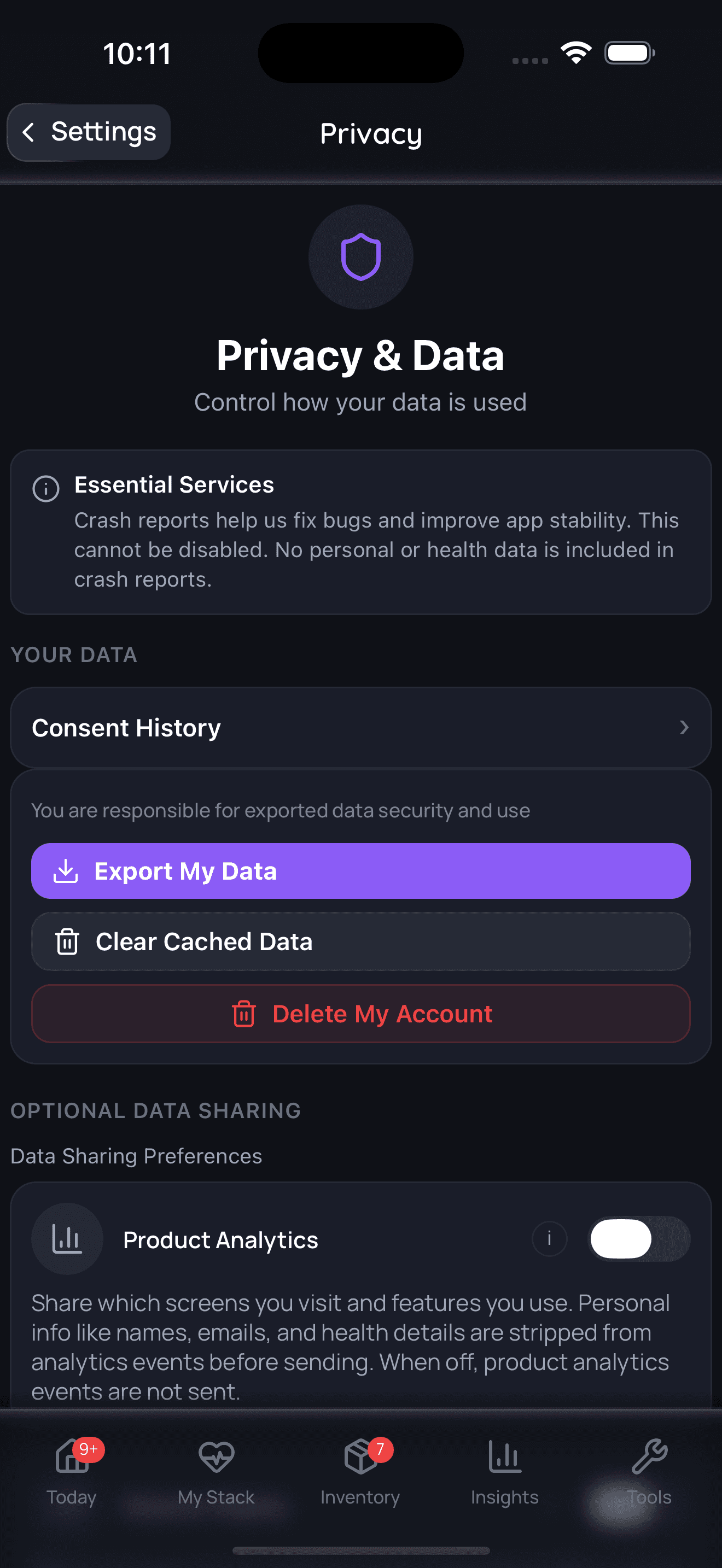
Privacy controls help you manage records; keep clinical records where required.
Side Effects & Safety
The Basics
L-Tyrosine has a solid safety profile at commonly used supplement doses (500-2,000 mg per day) and is classified as Generally Recognized as Safe (GRAS) by the FDA. Most people tolerate it well, and side effects, when they occur, are typically mild. The most commonly reported issues include nausea, heartburn, headaches, and occasional fatigue.
At higher doses (particularly the research-level doses of 100-150 mg/kg, which translates to 7-13 g for most adults), gastrointestinal discomfort becomes more common. Splitting large doses into two servings taken 30 minutes apart can help reduce this.
One pattern worth being aware of is the potential for tolerance or mood shifts with long-term daily use. Some supplement users report that the positive effects plateau or reverse after several months of continuous use, with irritability replacing the initial motivation boost. This is thought to reflect adaptations in dopamine receptor sensitivity. Cycling (taking breaks from supplementation) is a common strategy to mitigate this.
People with overactive thyroid conditions (hyperthyroidism, Graves' disease) should exercise particular caution, as tyrosine is a precursor to thyroid hormones and could potentially exacerbate these conditions [8].
The Science
Safety classification: L-Tyrosine is classified as GRAS in the United States. Oral doses up to 150 mg/kg/day (approximately 12 g for an 80 kg adult) for up to 3 months are generally considered safe in the literature [1].
Common side effects at standard doses: Nausea, heartburn, headache, joint pain, and fatigue have been reported in clinical and consumer settings [19].
Animal toxicology: In a dose-escalation study in rats (0, 200, 600, 2000 mg/kg/day), the 2000 mg/kg/day group showed edema of the forestomach cornified layer, hepatocyte hypertrophy with elevated ALT and AST, increased kidney weight, elevated urinary protein, and increases in triglycerides, cholesterol, and phospholipids. The 600 mg/kg/day group showed forestomach changes in females only [1]. These doses substantially exceed typical human supplementation.
Thyroid effects: 12 g L-Tyrosine administered to healthy adults reduced TSH by 28-30% and increased free T3 by 6%. This is clinically relevant for individuals with thyroid conditions or those taking thyroid medications [8].
Cardiovascular effects: Results are inconsistent. One study found 100 mg/kg reduced diastolic blood pressure under noise stress, while another found 150 mg/kg increased heart rate and blood pressure [1][14]. The interaction between tyrosine, catecholamines, and cardiovascular parameters appears to be context-dependent.
Migraine considerations: Tyrosine metabolism via the decarboxylation pathway can produce trace amines such as tyramine. Chronic migraine sufferers have been found to have elevated plasma levels of tyrosine metabolites, and it has been hypothesized (though not directly demonstrated) that increased tyrosine intake could worsen migraines in susceptible individuals [1].
Drug interactions: Three clinically significant interactions are documented:
- Levodopa: Tyrosine competes with levodopa for absorption via the LNAA transport system. Concurrent use may reduce levodopa efficacy [1].
- MAO inhibitors: Tyrosine can increase catecholamine and tyramine levels. With MAO inhibition, this accumulation can cause dangerous hypertensive crises [1].
- Thyroid medications: Tyrosine may potentiate the effects of levothyroxine and liothyronine by providing additional substrate for thyroid hormone synthesis [1][19].
Pregnancy and lactation: Insufficient safety data available. One animal study showed potential teratogenic effects from a combination of mildly elevated phenylalanine and tyrosine, with offspring showing learning difficulties. No human studies have confirmed or refuted this concern [1].
Dosing & Usage Protocols
The Basics
Figuring out the right dose of L-Tyrosine can be confusing because there is a wide gap between what most supplement products provide and what has been studied in research. Most capsules contain 500-750 mg, and typical supplement use falls in the 500-2,000 mg range. Research studies, by contrast, often use 100-150 mg/kg of body weight (which works out to 7-13 g for most adults), doses that are dramatically higher and not practical for everyday supplement use.
For general cognitive support during stressful or demanding periods, the most commonly discussed approach in both research and user communities is 500-2,000 mg taken 30-60 minutes before the mentally demanding activity, on an empty stomach. Some people take it first thing in the morning before breakfast, while others time it before work or study sessions.
For those using research-level doses for acute stress situations, the literature suggests 100-150 mg/kg taken 60 minutes before the stressor, ideally split into two doses 30 minutes apart to reduce gastrointestinal discomfort [1][2].
Most sources recommend free-form L-Tyrosine over NALT, as the free-form is better absorbed and more efficiently converted to usable tyrosine in the body [6].
The Science
Research-supported dosing:
- Acute stress mitigation: 100-150 mg/kg body weight, taken 60 minutes before anticipated stressor. Commonly used in military research (cold stress, altitude, sleep deprivation). For a 70 kg individual, this is 7-10.5 g [2][7][12].
- Working memory / cognitive flexibility: 2.0 g as a single dose, administered 60-90 minutes before cognitive testing [5][9].
- Daily use during extended stress: 2 g/day for 5 days demonstrated cognitive benefits during military combat training [16].
Consumer/anecdotal dosing:
- 500-2,000 mg/day, typically taken in the morning on an empty stomach
- Some users split doses (e.g., 500 mg morning, 500 mg midday)
- Cycling protocols are common in the supplement community (e.g., 5 days on, 2 days off; or 4 weeks on, 1 week off)
Form-specific considerations:
- Free-form L-Tyrosine is the preferred form based on both research evidence and community experience
- NALT requires higher doses to achieve equivalent plasma tyrosine elevation due to its ~20% bioconversion rate [6]
Timing:
- Taken on empty stomach to minimize competition with dietary amino acids for LNAA transport
- Peak plasma levels occur 1-2 hours after ingestion [12]
- Effects may persist for 4-8 hours based on plasma elevation duration
Safety ceiling: Doses up to 150 mg/kg/day (approximately 12 g) for up to 3 months have been used without significant adverse effects. Doses up to 7,500 mg for 2 weeks have been reported as safe. Long-term safety data beyond 3 months at high doses is lacking [1][18].
When your stack includes several supplements, each with its own dose, form, and timing requirements, the logistics alone can derail consistency. Doserly consolidates all of it into one protocol view, so every dose across your entire routine is accounted for without spreadsheets or guesswork.
The app also tracks cumulative intake for nutrients that appear in multiple products. If your multivitamin, standalone supplement, and fortified protein shake all contain the same nutrient, Doserly adds them up and shows you the total alongside recommended and upper limits. Managing a thoughtful supplement protocol shouldn't require a degree in nutrition science. The app handles the complexity so you can focus on staying consistent.
Turn symptom and safety notes into a clearer timeline.
Doserly helps you log doses, symptoms, and safety observations side by side so patterns are easier to discuss with a qualified clinician.
Pattern view
Logs and observations

Pattern visibility is informational and should be reviewed with a clinician.
What to Expect (Timeline)
Weeks 1-2: Most users report noticing effects within the first few days of supplementation. Common early observations include increased mental alertness, improved motivation, and a subtle sense of enhanced focus, particularly in the morning. Some individuals notice appetite suppression. A minority of users experience headaches or increased anxiety during this initial period, which may indicate that the dose is too high or that tyrosine supplementation is not appropriate for their biochemistry. Effects at lower doses (500 mg) may be subtle; effects at higher doses (1,000-2,000 mg) tend to be more noticeable. Onset of effects is typically within 1-2 hours of taking a dose.
Weeks 3-4: For those experiencing benefits, effects tend to stabilize. Users who combine tyrosine with stimulant medications often report the most consistent improvements in this period, describing smoother focus, less pronounced medication crashes, and more consistent energy throughout the day. Those taking it standalone may find effects plateau at a moderate level. If no benefit has been noticed by week 4, the supplement may not be effective for your particular biochemistry.
Weeks 5-8: Continued use generally maintains the benefits experienced in weeks 3-4. Some users begin to notice a slight reduction in the initial impact, which may reflect dopamine receptor adaptation. This is the period where many experienced users begin to implement cycling protocols (taking weekends off, or one week off per month) to maintain sensitivity.
8-12+ weeks: Long-term daily users have mixed reports. Some individuals (including one who reported 15 years of daily use) maintain consistent benefit without notable tolerance. Others report that the positive effects diminish or reverse after several months, with irritability replacing the initial motivation boost. This pattern, reported repeatedly in community discussions, may reflect downregulation of dopamine receptors or shifts in the dopamine/norepinephrine balance with sustained supplementation. Cycling remains the most commonly recommended strategy for long-term use.
One of the hardest parts of any supplement routine is knowing whether it's working when results unfold gradually over weeks or months. Without a record, it's easy to abandon something too early or keep taking something that isn't delivering. Doserly solves that by giving you a visual timeline of your entire supplementation history mapped against the outcomes you care about.
When everything is in one view, you can compare how different supplements in your stack are performing over the same period. You can see whether adding this supplement coincided with the improvement you've noticed, or whether the timing points to something else entirely. That kind of clarity turns patience into a strategy rather than a gamble.
Capture changes while they are still fresh.
Log symptoms, energy, sleep, mood, and other observations alongside protocol events so patterns do not live only in memory.
Trend view
Symptom timeline
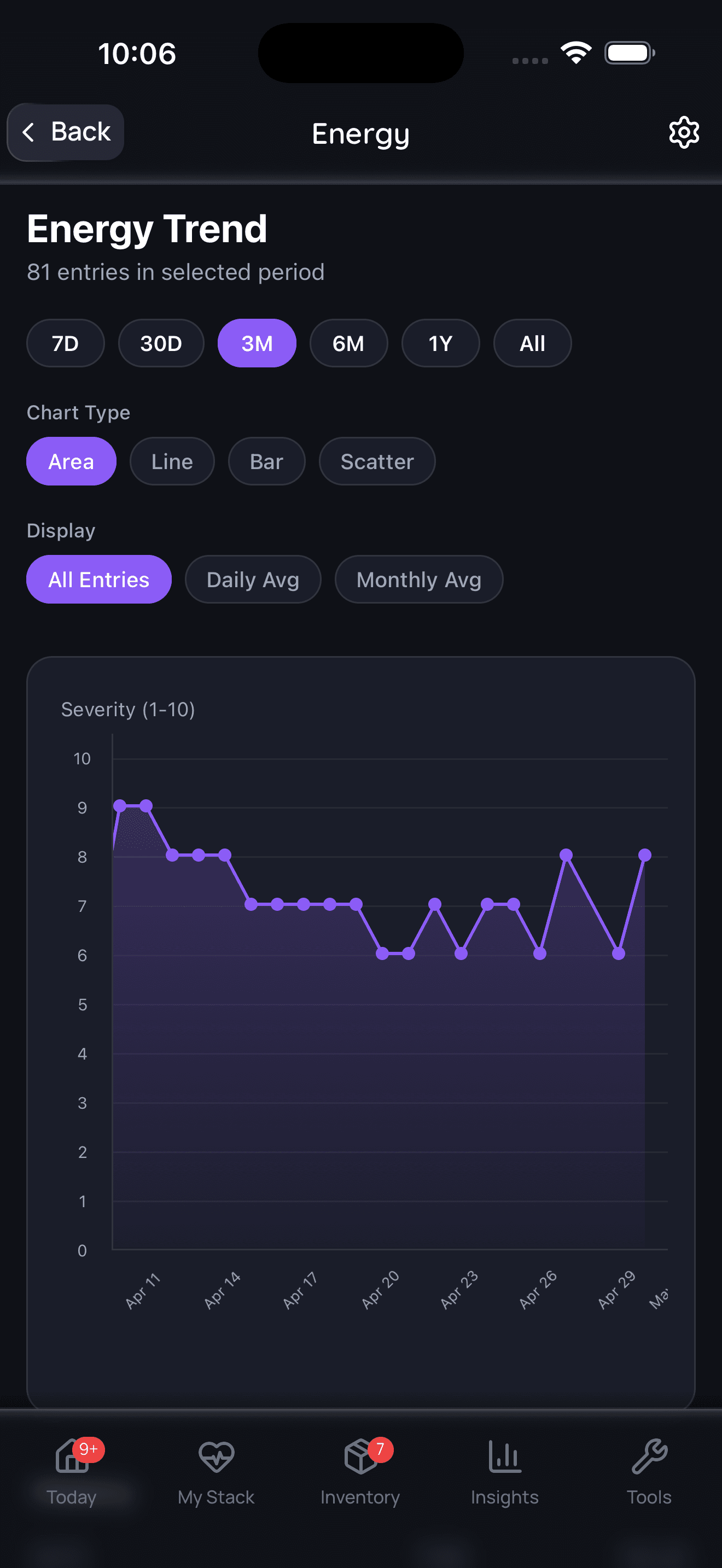
Symptom tracking is informational and should be interpreted with a qualified clinician.
Interactions & Compatibility
SYNERGISTIC
- Caffeine: L-Tyrosine paired with caffeine is one of the most popular nootropic stacks. Caffeine increases catecholamine release, and tyrosine provides the substrate to sustain that release. Users commonly report enhanced focus and alertness compared to either compound alone.
- L-Theanine: Frequently combined with tyrosine (often with caffeine as well) for "calm focus." L-Theanine provides GABAergic and glutamatergic modulation that can smooth out the stimulatory edge of increased catecholamine activity. Community reports are consistently positive for this combination.
- Vitamin B6: Pyridoxal-5-phosphate (P5P), the active form of B6, is a cofactor for aromatic L-amino acid decarboxylase (AADC), the enzyme that converts L-DOPA to dopamine. Ensuring adequate B6 status supports efficient conversion of the tyrosine supply.
- Vitamin B12 and Vitamin B9 (Folate): Support methylation pathways involved in catecholamine metabolism and recycling.
- Vitamin C: Cofactor for dopamine beta-hydroxylase (DBH), the enzyme that converts dopamine to norepinephrine. Adequate vitamin C supports complete catecholamine pathway function.
- Iron: Ferrous iron (Fe2+) is a required cofactor for tyrosine hydroxylase, the rate-limiting enzyme. Iron deficiency may impair catecholamine synthesis regardless of tyrosine availability.
- Alpha-GPC: Some users combine tyrosine with choline sources for complementary neurotransmitter support (catecholamines + acetylcholine). Community reports describe this combination as "feeling like ADHD meds."
- L-Tryptophan: Some experienced users take tyrosine in the morning and tryptophan in the evening to balance dopaminergic and serotonergic activity. This approach addresses the concern that sustained tyrosine supplementation may shift neurotransmitter balance away from serotonin.
- Magnesium: Supports overall neurotransmitter function and may complement the cognitive benefits of tyrosine.
CAUTION / AVOID
- Levodopa (L-DOPA): Tyrosine and levodopa compete for absorption in the proximal duodenum via the LNAA transport system. Concurrent use may reduce levodopa efficacy. Individuals taking levodopa for Parkinson's disease should not supplement with tyrosine without medical supervision [1].
- MAO inhibitors (isocarboxazid, phenelzine, tranylcypromine, selegiline): MAO enzymes are responsible for breaking down catecholamines. Combining MAO inhibitors with a catecholamine precursor like tyrosine can lead to dangerous accumulation of catecholamines and tyramine, potentially causing hypertensive crisis [1].
- Thyroid medications (levothyroxine, liothyronine): Tyrosine is a precursor to thyroid hormones. Supplementation may potentiate the effects of thyroid replacement therapy, requiring dose adjustment [1][19].
- Stimulant medications (amphetamines, methylphenidate): While many community members combine tyrosine with stimulants and report positive effects, this combination has not been evaluated in controlled clinical trials. Both tyrosine and stimulants affect catecholamine systems, and the interaction is unpredictable. Medical supervision is strongly recommended.
- 5-HTP: Both tyrosine and 5-HTP are amino acid neurotransmitter precursors. Concurrent supplementation affects both catecholamine and serotonin pathways simultaneously, and the interaction dynamics are complex. Some practitioners recommend separating them by time of day rather than taking simultaneously.
How to Take / Administration Guide
Recommended forms: Free-form L-Tyrosine is preferred over NALT for supplementation. Free-form L-Tyrosine has demonstrated superior bioavailability and more efficient conversion to catecholamines. NALT, despite its better water solubility, has poor bioconversion with 35-56% excreted unchanged [6].
Timing considerations:
- Best taken on an empty stomach, at least 30-60 minutes before eating, to minimize competition with dietary amino acids for absorption and blood-brain barrier transport
- Morning dosing aligns with natural catecholamine rhythms (plasma tyrosine peaks around 10:30 AM)
- For acute cognitive demands, timing 60-90 minutes before the demanding activity allows plasma levels to peak
- Avoid taking close to bedtime, as increased catecholamine activity may interfere with sleep onset
Stacking guidance:
- Compatible with B-vitamins (B6, B12, B9), vitamin C, and minerals (iron, magnesium) taken at the same time
- If combining with caffeine, start with a lower tyrosine dose (250-500 mg) and increase gradually to assess tolerance
- If using L-Tryptophan or 5-HTP, separate by at least 6-8 hours (tyrosine in the morning, tryptophan/5-HTP in the evening) to avoid competitive transport interactions
Reconstitution for powders: L-Tyrosine powder has low water solubility. It dissolves better in acidic liquids (e.g., juice, water with a squeeze of lemon). Stirring vigorously or blending may be needed. Some users mix it with a small amount of warm water first, then add cold water.
Cycling guidance: Based on community experience and the theoretical concern about dopamine receptor downregulation, many experienced users cycle L-Tyrosine rather than taking it daily indefinitely. Common cycling approaches include:
- 5 days on, 2 days off (weekdays only)
- 3 weeks on, 1 week off
- As-needed use before particularly demanding days rather than daily supplementation
Choosing a Quality Product
Third-party certifications: Look for products that carry USP Verified, NSF Certified for Sport, or GMP (Good Manufacturing Practices) certification. These certifications verify identity, potency, purity, and the absence of contaminants such as heavy metals.
Active vs. cheap forms: Free-form L-Tyrosine is the gold standard. Products labeled simply "Tyrosine" or "L-Tyrosine" typically contain this form. Be aware that some products contain NALT instead of free-form tyrosine, sometimes without clearly distinguishing between the two on the front label. NALT has significantly lower bioconversion to usable tyrosine and requires higher doses for equivalent effect.
Red flags:
- Products that blend tyrosine into proprietary blends where the exact dose is hidden
- Mega-dosing claims without supporting evidence
- Marketing language that positions tyrosine as a treatment for depression, ADHD, or other medical conditions
- NALT marketed at the same dose as free-form L-Tyrosine without acknowledging the bioavailability difference
Excipient and filler considerations: Capsule fillers like magnesium stearate, silicon dioxide, and rice flour are common and generally considered safe. For individuals with allergies, check labels for soy, gluten, dairy, and other common allergens. Powder forms typically have fewer additives.
Brand transparency indicators: Reputable brands provide a Certificate of Analysis (COA) upon request, conduct third-party heavy metal testing, and clearly state the form of tyrosine (free-form vs. NALT) on the label along with the exact milligram amount per serving.
Storage & Handling
L-Tyrosine supplements are stable at room temperature and do not require refrigeration. Store in a cool, dry place away from direct sunlight and moisture. Heat and humidity can degrade the amino acid over time.
Powder forms are mildly hygroscopic (absorb moisture from the air) and should be kept in airtight containers. If the powder clumps significantly, it may have absorbed moisture, though this does not necessarily indicate degradation if there is no discoloration or off-odor.
Capsules and tablets generally have a shelf life of 2-3 years from the manufacturing date when stored properly. Check the expiration date on the packaging and discard supplements that have passed this date.
Keep out of reach of children. While L-Tyrosine is GRAS, pediatric supplementation should only occur under medical supervision.
Lifestyle & Supporting Factors
Dietary sources: Tyrosine is abundant in protein-rich foods. Good sources include chicken, turkey, fish, eggs, cheese (especially hard cheeses like Parmesan), soybeans, almonds, peanuts, avocados, bananas, and sesame seeds. A standard Western diet provides approximately 7 mg/kg/day of tyrosine, roughly half the WHO's suggested combined tyrosine + phenylalanine intake. For most healthy individuals eating adequate protein, dietary tyrosine is sufficient.
Signs that may indicate suboptimal tyrosine status: Low motivation, difficulty concentrating under stress, persistent fatigue despite adequate sleep, and poor stress resilience. These are non-specific symptoms that can have many causes, but they align with the catecholamine depletion that tyrosine supplementation may address.
Exercise: Regular physical exercise increases catecholamine turnover and may increase demand for precursor amino acids including tyrosine. Intense or prolonged exercise sessions may temporarily deplete catecholamine stores, creating a window where supplemental tyrosine could theoretically be helpful.
Sleep: Adequate sleep is essential for catecholamine system recovery and receptor sensitivity. Chronic sleep deprivation depletes catecholamine stores and may reduce the benefit of tyrosine supplementation by overwhelming the system's capacity to synthesize neurotransmitters from the precursor.
Stress management: Since L-Tyrosine primarily functions as a buffer against stress-induced catecholamine depletion, individuals with chronically elevated stress may benefit most. However, addressing the root causes of chronic stress (rather than relying solely on precursor supplementation) is a more sustainable approach.
Protein intake: Individuals on low-protein diets may have lower baseline tyrosine and phenylalanine levels, potentially making supplementation more relevant. Conversely, high-protein diets provide abundant tyrosine, which may reduce the marginal benefit of supplementation.
Monitoring: Blood testing for plasma tyrosine levels is available but not routinely performed. Functional assessment (tracking cognitive performance, mood, and energy levels over time) is a more practical approach for most supplement users.
Regulatory Status & Standards
United States (FDA): L-Tyrosine is classified as Generally Recognized as Safe (GRAS) when used as a food additive and is marketed as a dietary supplement under DSHEA. It does not require FDA pre-market approval. No Novel Dietary Ingredient (NDI) notification is required as tyrosine was marketed before DSHEA's 1994 enactment.
Canada (Health Canada): L-Tyrosine is available as a Natural Health Product (NHP). Products containing tyrosine require an NPN (Natural Product Number) when making health claims.
European Union (EFSA): L-Tyrosine is permitted in food supplements. EFSA has not established specific maximum levels for tyrosine in supplements at the EU level, though individual member states may set limits.
Australia (TGA): L-Tyrosine is available as a complementary medicine and listed in the ARTG (Australian Register of Therapeutic Goods) for permitted indications.
Athlete & Sports Regulatory Status:
- WADA: L-Tyrosine is NOT on the WADA Prohibited List. It is a naturally occurring amino acid found in normal dietary protein and is not considered a performance-enhancing substance under current anti-doping regulations.
- National Anti-Doping Agencies (USADA, UKAD, Sport Integrity Canada, Sport Integrity Australia): No specific restrictions or alerts have been issued regarding L-Tyrosine supplementation.
- Professional Sports Leagues (NFL, NBA, MLB, NHL, NCAA): L-Tyrosine is not banned by any major professional sports league or the NCAA. However, as with all dietary supplements, athletes should use products that carry third-party certification (Informed Sport, NSF Certified for Sport) to minimize the risk of contamination with prohibited substances.
- Athlete Certification Programs: NSF Certified for Sport, Informed Sport, Cologne List, and BSCG all offer batch-tested supplement products. Athletes should verify that their specific L-Tyrosine product has been tested through one of these programs. Products with these certifications provide additional assurance against inadvertent doping violations.
- GlobalDRO: Athletes can verify the status of L-Tyrosine-containing products at GlobalDRO.com for their specific sport and country.
Regulatory status and prohibited substance classifications change frequently. Athletes should always verify the current status of any supplement with their sport's governing body, their national anti-doping agency, and a qualified sports medicine professional before use. Third-party certification (Informed Sport, NSF Certified for Sport) reduces but does not eliminate the risk of contamination with prohibited substances.
Frequently Asked Questions
Is L-Tyrosine better than NALT?
Based on available evidence, free-form L-Tyrosine is generally preferred over NALT (N-Acetyl-L-Tyrosine) for supplementation. While NALT is more water-soluble, its conversion to usable tyrosine in the body is inefficient, with approximately 35-56% of the dose excreted unchanged. Free-form L-Tyrosine is the form used in the majority of clinical research and is directly available as a catecholamine precursor without requiring additional metabolic conversion.
Can L-Tyrosine help with ADHD?
L-Tyrosine has not been proven effective for treating ADHD in clinical trials. While it is a precursor to dopamine (which is implicated in ADHD), simply providing more precursor does not address the receptor and transporter-level differences that characterize ADHD. Some individuals report subjective benefits, particularly when combining tyrosine with prescribed ADHD medications, but this combination has not been studied in controlled trials and should only be attempted under medical supervision.
Should I take L-Tyrosine every day?
This depends on individual goals and response. Some people take it daily for months or years without issues, while others develop tolerance with continuous use. Many experienced users follow cycling protocols (such as 5 days on, 2 days off) to maintain sensitivity. Based on available research, daily use up to 12 g for up to 3 months appears safe, but long-term safety data at supplemental doses is limited.
Can L-Tyrosine cause anxiety?
For most people, L-Tyrosine does not cause anxiety. However, some individuals, particularly those who are sensitive to increased catecholamine activity, report heightened anxiety or overstimulation. This appears to be dose-dependent and more common at higher doses or in individuals already experiencing elevated stress. Starting with a lower dose (250-500 mg) and monitoring your response is a reasonable approach.
When is the best time to take L-Tyrosine?
Most sources recommend taking L-Tyrosine in the morning on an empty stomach, 30-60 minutes before eating. This timing aligns with natural catecholamine rhythms, minimizes competition with dietary amino acids for absorption, and avoids potential sleep interference from increased catecholamine activity later in the day.
Does L-Tyrosine interact with antidepressants?
L-Tyrosine is contraindicated with MAO inhibitors due to the risk of catecholamine and tyramine accumulation, which can cause hypertensive crisis. Interactions with SSRIs and SNRIs are less well-documented but should be discussed with a healthcare provider, as both classes of medication affect neurotransmitter systems that tyrosine can influence.
How much tyrosine do I get from food?
The average Western diet provides approximately 7 mg/kg/day of tyrosine. For a 70 kg (154 lb) person, this is about 490 mg per day from food alone. High-protein diets provide considerably more. A single chicken breast (approximately 170 g) contains roughly 1,600 mg of tyrosine. This dietary context is important: for individuals eating adequate protein, baseline tyrosine availability is unlikely to be a limiting factor for catecholamine synthesis under normal conditions.
Can I take L-Tyrosine with caffeine?
Yes, this is one of the most popular supplement combinations. Caffeine increases catecholamine release, while tyrosine provides substrate to sustain that release. Many users report enhanced focus and alertness with this combination compared to either alone. Starting with a modest dose of each and adjusting based on individual response is advisable.
Does L-Tyrosine affect thyroid function?
Tyrosine is a precursor to thyroid hormones (T3 and T4). High-dose supplementation (12 g) has been shown to reduce TSH by 28-30% in healthy adults. Individuals with thyroid conditions (hyperthyroidism, Graves' disease) or those taking thyroid medications should consult their healthcare provider before supplementing with tyrosine.
Is L-Tyrosine safe during pregnancy?
There is insufficient safety data to recommend L-Tyrosine supplementation during pregnancy or breastfeeding. One animal study raised concerns about potential developmental effects when both phenylalanine and tyrosine were mildly elevated. Pregnant and breastfeeding women should consult their healthcare provider before using any supplement.
Myth vs. Fact
Myth: L-Tyrosine directly increases dopamine levels in everyone who takes it.
Fact: Tyrosine hydroxylase, the enzyme converting tyrosine to L-DOPA, is normally ~75% saturated. Under basal conditions, additional tyrosine may not significantly increase dopamine synthesis. Benefits are most apparent when catecholaminergic neurons are firing at elevated rates (during stress or cognitive demand), creating substrate demand that supplemental tyrosine can help meet [3][7].
Myth: NALT is a superior form of tyrosine because it's more water-soluble.
Fact: Despite better water solubility, NALT has poor bioconversion to free L-Tyrosine. Research shows approximately 35-56% of an NALT dose is excreted unchanged, with only ~20% increase in plasma L-Tyrosine levels. Free-form L-Tyrosine remains the preferred supplemental form [6].
Myth: L-Tyrosine is an effective treatment for clinical depression.
Fact: The most rigorous review of the evidence concluded that tyrosine's therapeutic potential for clinical disorders "seems limited and its benefits are likely determined by the presence and extent of impaired neurotransmitter function and synthesis" [7]. In a 4-week trial, 2.5 g three times daily had no beneficial effect on depression symptoms [18].
Myth: More tyrosine equals more cognitive benefit.
Fact: Research demonstrates an inverted-U dose-response relationship. Low-performing individuals tend to benefit from supplementation, while already high-performing individuals may show no benefit or even impairment. This is consistent with the well-established inverted-U relationship between dopamine signaling and cognitive performance [9][10].
Myth: L-Tyrosine is a nootropic that enhances cognition beyond your baseline.
Fact: The primary evidence supports tyrosine as a cognitive "buffer" against stress-induced decline, not a baseline enhancer. In non-stressed conditions, only one study has shown modest cognitive benefits (improved 2-back working memory performance), and this effect was baseline-dependent [5][9].
Myth: You need L-Tyrosine supplements if you want adequate dopamine levels.
Fact: The average Western diet provides approximately 7 mg/kg/day of tyrosine from protein-rich foods. A single chicken breast contains roughly 1,600 mg. For healthy individuals eating adequate protein, dietary tyrosine is sufficient for normal catecholamine synthesis. Supplementation is most relevant during periods of exceptional stress, sleep deprivation, or for individuals with specific biochemical needs.
Myth: L-Tyrosine can replace ADHD medication.
Fact: ADHD involves differences in dopamine receptor density, transporter activity, and prefrontal cortex signaling that are not addressed by simply providing more dopamine precursor. While some individuals report subjective benefits, L-Tyrosine has not been proven effective for ADHD in clinical trials and should not be used as a replacement for prescribed medication [7][19].
Sources & References
Clinical Trials & RCTs
[1] Glaeser BS, Melamed E, Growdon JH, Wurtman RJ. "Elevation of plasma tyrosine after a single oral dose of L-tyrosine." Life Sci. 1979;25(3):265-271. (Pharmacokinetics, safety, GRAS status, and metabolic pathway data.)
[5] Colzato LS, Jongkees BJ, Sellaro R, Hommel B. "Working Memory Reloaded: Tyrosine Repletes Updating in the N-Back Task." Front Behav Neurosci. 2013;7:200. doi:10.3389/fnbeh.2013.00200. PMCID: PMC3863934.
[9] Jongkees BJ, Sellaro R, Beste C, Nitsche MA, Colzato LS. "Baseline-dependent effect of dopamine's precursor L-tyrosine on working memory gating but not updating." J Cogn Neurosci. 2020. PMCID: PMC7266860.
[10] Lieberman HR, Thompson LA, et al. "The catecholamine neurotransmitter precursor tyrosine increases anger during exposure to severe psychological stress." Psychopharmacology (Berl). 2015;232(5):943-951. doi:10.1007/s00213-014-3727-7. PMCID: PMC4325185.
[12] Banderet LE, Lieberman HR. "Treatment with tyrosine, a neurotransmitter precursor, reduces environmental stress in humans." Brain Res Bull. 1989;22(4):759-762. PMID: 2736402.
[14] Deijen JB, Orlebeke JF. "Effect of tyrosine on cognitive function and blood pressure under stress." Brain Res Bull. 1994;33(3):319-323.
[16] Deijen JB, Wientjes CJ, Vullinghs HF, Cloin PA, Langefeld JJ. "Tyrosine improves cognitive performance and reduces blood pressure in cadets after one week of a combat training course." Brain Res Bull. 1999;48(2):203-209.
[17] McAllister MJ, et al. "Impact of L-theanine and L-tyrosine on markers of stress and cognitive performance in response to a virtual reality based active shooter training drill." Stress. 2024. PMID: 38975711. ClinicalTrials.gov: NCT05592561.
Systematic Reviews & Meta-Analyses
[7] Jongkees BJ, Hommel B, Kuhn S, Colzato LS. "Effect of tyrosine supplementation on clinical and healthy populations under stress or cognitive demands: A review." J Psychiatr Res. 2015;70:50-57. doi:10.1016/j.jpsychires.2015.08.014. PMID: 26424423.
Observational Studies & Mechanistic Research
[3] Mathar D, Erfanian Abdoust M, Marrenbach T, Tuzsus D, Peters J. "The catecholamine precursor Tyrosine reduces autonomic arousal and decreases decision thresholds in reinforcement learning and temporal discounting." PLoS Comput Biol. 2022;18(12):e1010785.
[4] Young SN. "L-Tyrosine to alleviate the effects of stress?" J Psychiatry Neurosci. 2007;32(3):224. PMCID: PMC1863555.
[6] Magnusson I, Shinnick FL, Bhathena SJ, et al. "N-acetyl-L-tyrosine as a tyrosine source: urinary excretion and plasma pharmacokinetics." Metabolism. 1989;38(10):957-961. (NALT bioconversion data: ~20% plasma increase, 35-56% excreted unchanged.)
[8] Palinkas LA, Reedy KR, Smith M, et al. "Psychoneuroendocrine effects of combined thyroxine and triiodothyronine versus tyrosine during prolonged Antarctic residence." Int J Circumpolar Health. 2007;66(5):401-417. (Antarctic study: TSH decrease 28-30%, free T3 increase 6%, 47% mood improvement with 12g tyrosine.)
[10] Bloemendaal M, Froebose MI, Wegman J, et al. "Neuro-Cognitive Effects of Acute Tyrosine Administration on Reactive and Proactive Response Inhibition in Healthy Older Adults." eNeuro. 2018;5(2). PMCID: PMC6084775.
Government/Institutional Sources
[2] Wurtman RJ, Fernstrom JD. "Control of brain monoamine synthesis by diet and plasma amino acids." Am J Clin Nutr. 1975;28:638-647.
[11] Pardridge WM. "Blood-brain barrier carrier-mediated transport and brain metabolism of amino acids." Neurochem Res. 1998;23(5):635-644.
[13] Banderet LE, Lieberman HR. "Treatment with tyrosine reduces effects of lower body negative pressure stress." Aviation, Space, and Environmental Medicine. 1989.
[15] Neri DF, et al. "The effects of tyrosine on cognitive performance during extended wakefulness." Aviation, Space, and Environmental Medicine. 1995.
[18] Gelenberg AJ, Wojcik JD, et al. "Tyrosine for the treatment of depression." Am J Psychiatry. 1990;147(5):622-623.
[19] Drugs.com. "L-Tyrosine: Uses, Side Effects & Warnings." Last updated March 31, 2025.
Related Supplement Guides
Same Category (Amino Acids)
- L-Tryptophan — Serotonin precursor; commonly used in complementary evening dosing with morning tyrosine
- L-Glutamine — Conditionally essential amino acid with gut health and recovery applications
- L-Arginine — Conditionally essential amino acid; nitric oxide precursor
- Taurine — Non-essential amino acid with GABAergic and neuroprotective properties
- L-Theanine — Amino acid commonly stacked with tyrosine for calm focus
- Creatine Monohydrate — Amino acid derivative with cognitive and physical performance benefits
Common Stacks / Pairings
- Caffeine — Frequently paired with tyrosine for enhanced focus and alertness
- Alpha-GPC — Choline source often combined for complementary neurotransmitter support
- Vitamin B6 — Essential cofactor in the catecholamine synthesis pathway
- Vitamin B12 — Supports methylation pathways involved in catecholamine metabolism
- Vitamin C — Cofactor for dopamine-to-norepinephrine conversion
- Iron — Cofactor for tyrosine hydroxylase (rate-limiting enzyme)
Related Health Goal
- 5-HTP — Serotonin precursor; complementary neurotransmitter pathway
- Ashwagandha — Adaptogen for chronic stress management (complementary mechanism to tyrosine's acute stress buffering)
- Rhodiola Rosea — Adaptogen with catecholamine-modulating properties
- Magnesium — Broad neurotransmitter support; commonly included in nootropic stacks
- Lion's Mane — Neurotrophic support complementary to catecholamine precursor supplementation