
L-Glutamine: The Complete Supplement Guide
On this page
Quick Reference Card
Attribute
Common Name
- Detail
- L-Glutamine
Attribute
Other Names / Aliases
- Detail
- Glutamine, GLN, L-Glutamic Acid 5-Amide, Levoglutamide, (2S)-2,5-Diamino-5-oxopentanoic acid
Attribute
Category
- Detail
- Conditionally Essential Amino Acid
Attribute
Primary Forms & Variants
- Detail
- L-Glutamine free form powder (most common supplement form); L-Glutamine capsules/tablets; Alanyl-Glutamine (dipeptide, more water-soluble and stable); Glutamine peptides (from hydrolyzed wheat or whey protein)
Attribute
Typical Dose Range
- Detail
- 5-15 g per day for general supplementation; up to 30 g/day in clinical settings (divided doses)
Attribute
RDA / AI / UL
- Detail
- No formal RDA, AI, or UL established. Estimated dietary intake: ~6.85 g/day (Nurse's Health Study). Observed Safety Limit (OSL): 14 g/day supplemental [1][2]
Attribute
Common Delivery Forms
- Detail
- Powder (most common), capsules, tablets
Attribute
Best Taken With / Without Food
- Detail
- Best taken on an empty stomach for gut health applications. Can be taken with or without food for general use. Mix powder with cold or room temperature liquid (not hot).
Attribute
Key Cofactors
- Detail
- Vitamin C, Zinc L-Carnosine (for gut healing synergy), B vitamins (for amino acid metabolism)
Attribute
Storage Notes
- Detail
- Store in a cool, dry place away from direct sunlight and moisture. Glutamine degrades in aqueous solution and with heat; prepare drinks immediately before consumption.
Overview
The Basics
L-Glutamine is the most abundant amino acid in your body, making up roughly 60% of the free amino acid pool in skeletal muscle. Your body can produce it on its own, which technically makes it "nonessential." But that label is misleading. During periods of physical stress, illness, intense exercise, or injury, your body's demand for glutamine can outstrip its ability to produce it. That is why researchers classify it as "conditionally essential": under normal circumstances you have plenty, but when your body is under strain, you may not have enough [1][3].
Think of glutamine as a multi-purpose fuel that your body routes to wherever the need is greatest. Your immune cells depend on it for energy. Your intestinal lining relies on it to maintain the tight junctions that keep your gut barrier intact. Your muscles store it as a nitrogen reservoir. Your liver uses it to manage ammonia, a waste product of protein metabolism. When demand surges in one of these systems, the body pulls glutamine from muscle tissue to compensate, which is why muscle wasting accelerates during critical illness [1][3][4].
Most people eating a balanced diet that includes meat, dairy, and eggs consume roughly 3-6 grams of glutamine daily from food. Supplementation is most commonly explored for gut health support, post-exercise recovery, and immune function during periods of intense training [1].
The Science
L-Glutamine ((2S)-2,5-diamino-5-oxopentanoic acid) is a conditionally essential amino acid featuring a standard alpha-amino acid backbone with a 3-carbon side chain terminating in an amide group. It is the most abundant free amino acid in human plasma (normal range: 500-750 umol/L fasting) and the most abundant amino acid in skeletal muscle tissue. Muscle concentrations are typically regulated at approximately 20 mmol/kg wet weight, with muscle releasing approximately 50 umol/L into plasma per hour in the fed state [1].
Glutamine occupies a central node in nitrogen metabolism, serving as the primary inter-organ nitrogen shuttle. It acts as a nitrogen donor for the biosynthesis of purines, pyrimidines, and other non-essential amino acids. It serves as a precursor for glutathione (GSH) synthesis, alongside cysteine and glycine, providing a critical link between amino acid availability and antioxidant defense. Additionally, glutamine participates in gluconeogenesis, acid-base regulation via renal ammoniagenesis, and serves as the principal metabolic fuel for rapidly dividing cells including enterocytes, lymphocytes, and other immune cells [1][3][4].
The enzyme glutamine synthetase catalyzes de novo glutamine synthesis primarily in skeletal muscle, lungs, and liver. When exogenous glutamine is administered, endogenous synthesis rates decrease, which may indirectly preserve other amino acids (notably leucine) that would otherwise be catabolized to generate glutamine [1].
Chemical & Nutritional Identity
Property
Chemical Name
- Value
- (2S)-2-Amino-4-carbamoylbutanoic acid
Property
Synonyms
- Value
- L-Glutamine, Glutamine, GLN, L-2-Aminoglutaramic acid, Levoglutamide
Property
Molecular Formula
- Value
- C₅H₁₀N₂O₃
Property
Molecular Weight
- Value
- 146.15 g/mol
Property
CAS Number
- Value
- 56-85-9
Property
PubChem CID
- Value
- 5961
Property
Category
- Value
- Conditionally essential amino acid
Property
Solubility
- Value
- 36 g/L in water at 25°C (relatively low for an amino acid)
Property
RDA / AI / UL
- Value
- Not formally established
L-Glutamine is one of the 20 standard proteinogenic amino acids. It is classified as nonessential under normal physiological conditions because the body can synthesize it via glutamine synthetase. However, it becomes conditionally essential during states of metabolic stress, critical illness, trauma, burns, and prolonged intense exercise [1][3].
The low aqueous solubility of glutamine limits its use in intravenous formulations. To address this, the dipeptide alanyl-glutamine (L-alanyl-L-glutamine) was developed, offering greater water solubility and stability while delivering glutamine after enzymatic cleavage in vivo [1].
Multiple supplement forms exist:
- L-Glutamine free form (powder): The most common and cost-effective supplement form. Requires mixing with cold or room temperature liquid immediately before consumption, as glutamine degrades in aqueous solution and with heat.
- L-Glutamine capsules/tablets: Convenient but typically deliver lower doses per unit (500-1,000 mg per capsule), making high-dose protocols impractical.
- Alanyl-Glutamine (Sustamine): A dipeptide with superior water solubility and stability. Preliminary rodent evidence suggests more efficient delivery of glutamine to muscle tissue compared to free-form glutamine [5].
- Glutamine peptides: Derived from hydrolyzed protein (wheat or whey). Potentially more stable but with less research on bioequivalence.
Mechanism of Action
The Basics
Glutamine works in your body through several interconnected pathways. The most fundamental is as fuel for rapidly dividing cells. Your intestinal lining replaces itself every 3-5 days, and the cells that make up this barrier (enterocytes) depend heavily on glutamine as their primary energy source. When glutamine is scarce, these cells cannot maintain the tight junctions between them, and your gut becomes more permeable, a state commonly referred to as "leaky gut" [1][4].
Your immune system runs on glutamine in a similar way. White blood cells (leukocytes) cannot produce glutamine on their own and must import it from the bloodstream. They use it not only for energy but also as raw material for building new immune cells. This is why prolonged intense exercise, which depletes circulating glutamine, has been associated with increased susceptibility to infections: fewer resources for your immune cells to work with [1][3].
Glutamine also serves as the key building block for glutathione, one of your body's most important antioxidants. Glutathione protects cells from oxidative damage, and its production depends on having adequate glutamine available alongside cysteine and glycine [3][4].
In muscle tissue, glutamine acts as a nitrogen reservoir. Your muscles store large amounts of glutamine and release it into the bloodstream as needed. During critical illness or severe physical stress, the body's demand for glutamine can exceed what muscles produce, leading to muscle breakdown as the body cannibalizes its own tissue to meet glutamine demands elsewhere [1][3].
The Science
L-Glutamine participates in the following biochemical pathways:
1. Intestinal Mucosal Integrity
Glutamine is the principal metabolic substrate for enterocytes, providing approximately 30% of their energy needs. It is essential for maintaining intestinal tight junction barrier function. Depletion of intracellular glutamine and inhibition of glutamine synthetase in vitro causes rapid increases in intestinal permeability. Glutamine supplementation has been shown to stimulate gut protein synthesis in healthy humans at a potency comparable to mixed amino acids [1][4].
2. Immune Cell Metabolism
Leukocytes, macrophages, and lymphocytes utilize glutamine as their primary fuel source, preferring it over glucose due to faster energy extraction kinetics. Leukocytes lack glutamine synthetase and are entirely dependent on exogenous glutamine. Optimal leukocyte proliferation occurs at plasma glutamine concentrations of approximately 600 umol/L [1].
3. Glutathione Biosynthesis
Glutamine serves as a precursor for glutathione (GSH) synthesis. In the critically ill, glutamine depletion becomes rate-limiting for GSH production. Intravenous administration of 0.5 g/kg bodyweight glutamine has been shown to increase glutathione levels in critically ill patients [3].
4. Nitrogen Transport and Ammonia Metabolism
Glutamine functions as the primary inter-organ nitrogen shuttle, transporting nitrogen from peripheral tissues (primarily muscle) to the liver for urea synthesis and to the kidneys for ammoniagenesis and acid-base regulation. Oral glutamine (2 g) increases plasma bicarbonate levels, reflecting its role in acid-base homeostasis [1].
5. De Novo Synthesis Regulation
Exogenous glutamine administration downregulates endogenous synthesis. This feedback mechanism may indirectly preserve branched-chain amino acids, particularly leucine, by reducing their oxidation to generate glutamine. This has implications for protein economy during catabolic states [1].
6. Glucose Metabolism
Glutamine attenuates postprandial blood glucose spikes by blunting the rise in blood glucose and insulin Cmax values in response to dietary carbohydrate ingestion. This effect does not appear to involve delayed gastric emptying [1].
Absorption & Bioavailability
The Basics
When you take glutamine as a supplement, a significant portion never makes it past your gut and liver. Up to 13% of circulating glutamine is redirected to what researchers call the "splanchnic bed," which includes the liver and intestinal lining. These organs use glutamine as fuel before it enters general circulation. This splanchnic extraction rate is the same whether glutamine comes from food or supplements [1].
This is actually a feature, not a bug, if your goal is gut health. The intestinal cells that need glutamine get first access. But it also means that the dose you take does not directly translate to the amount that reaches your muscles or other tissues.
Once glutamine enters the bloodstream, it distributes widely. In people with chronic stable angina, an oral dose of 80 mg/kg was shown to increase plasma glutamine concentrations by approximately 55% (from 419 to 649 umol/L) [1].
One practical consideration: glutamine is not very soluble in water and degrades in solution, especially warm or hot liquids. Prepare glutamine drinks immediately before consuming them, using cold or room temperature liquid. The dipeptide form (alanyl-glutamine) is considerably more water-soluble and stable [1][5].
The Science
L-Glutamine absorption and distribution characteristics:
- Intestinal absorption: Glutamine is absorbed in the small intestine via sodium-dependent neutral amino acid transporters (SNAT family, particularly SNAT1 and SNAT2) and the ASC system. Splanchnic extraction does not differ between food-bound sources and supplemental dosages [1].
- Plasma kinetics: Oral glutamine supplementation can increase plasma concentrations, though the magnitude is variable and depends on baseline status. In persons with chronic stable angina, 80 mg/kg glutamine produced a 55% increase in plasma levels [1].
- Tissue distribution: Skeletal muscle is the primary glutamine reservoir, containing approximately 60% of total body free glutamine. Muscle releases glutamine into circulation at approximately 50 umol/L per hour in fed state [1].
- De novo synthesis feedback: Exogenous glutamine administration suppresses endogenous synthesis rates, creating a self-regulating system [1].
- Form considerations: Alanyl-glutamine (dipeptide form) bypasses intestinal glutamine consumption more effectively than free-form glutamine, potentially delivering more glutamine to peripheral tissues. Preliminary rodent evidence supports greater muscular glutamine deposition with the dipeptide form [5].
Evidence & Effectiveness Matrix
The matrix below integrates clinical evidence strength with community-reported effectiveness for L-Glutamine across relevant biomarker categories.
Category
Gut Health
- Evidence Strength
- ★★★★☆
- Community Score
- 8/10
- Direction
- Positive
- Confidence
- High
- Notes
- Strongest evidence for intestinal permeability, IBS symptoms (RCT), and gut barrier integrity. FDA-approved for sickle cell disease (Endari). Dominant community use case.
Category
Digestive Comfort
- Evidence Strength
- ★★★☆☆
- Community Score
- 7/10
- Direction
- Positive
- Confidence
- High
- Notes
- Reduces bloating, diarrhea, and abdominal discomfort in community reports. Clinical evidence in chemotherapy-induced GI toxicity and IBS.
Category
Immune Function
- Evidence Strength
- ★★★☆☆
- Community Score
- 5/10
- Direction
- Positive
- Confidence
- Medium
- Notes
- Primary fuel for leukocytes. Endurance athlete study showed reduced infection incidence post-event. Community reports are theoretical rather than experiential.
Category
Recovery & Healing
- Evidence Strength
- ★★★☆☆
- Community Score
- 6/10
- Direction
- Positive
- Confidence
- Medium
- Notes
- Clinically used in post-surgical and ICU settings. Strength recovery data in healthy athletes is positive in recent trials. Community moderately positive.
Category
Energy Levels
- Evidence Strength
- ★★☆☆☆
- Community Score
- 5/10
- Direction
- Mixed
- Confidence
- Medium
- Notes
- Some users report energy boost; others report unwanted stimulation. Not well-studied as a standalone energy outcome.
Category
Focus & Mental Clarity
- Evidence Strength
- ★☆☆☆☆
- Community Score
- 5/10
- Direction
- Mixed
- Confidence
- Low
- Notes
- Anecdotal brain fog clearance reports, likely mediated through gut-brain axis. Glutamate excitotoxicity risk at high doses may impair cognition in some.
Category
Sleep Quality
- Evidence Strength
- ★☆☆☆☆
- Community Score
- 4/10
- Direction
- Mixed
- Confidence
- Medium
- Notes
- Community reports split between improved and disrupted sleep. Glutamate conversion may cause insomnia in susceptible individuals.
Category
Anxiety
- Evidence Strength
- ★☆☆☆☆
- Community Score
- 3/10
- Direction
- Negative
- Confidence
- Medium
- Notes
- Notable community reports of glutamine-induced anxiety and panic attacks. Glutamine-to-glutamate conversion may increase excitatory neurotransmission.
Category
Physical Performance
- Evidence Strength
- ★★☆☆☆
- Community Score
- 3/10
- Direction
- Neutral
- Confidence
- Medium
- Notes
- May preserve performance during prolonged endurance exercise via preventing glutamine depletion. No enhancement in short-duration or strength activities.
Category
Muscle Growth
- Evidence Strength
- ★★★☆☆
- Community Score
- 2/10
- Direction
- Negative
- Confidence
- High
- Notes
- Meta-analysis of 5 studies: no effect on body composition. RCTs at doses up to 0.9 g/kg found no benefit. Strong community and research consensus.
Category
Cravings & Impulse Control
- Evidence Strength
- ★☆☆☆☆
- Community Score
- 5/10
- Direction
- Positive
- Confidence
- Low
- Notes
- Sparse but notable anecdotal reports of food craving reduction. Possible GABA pathway involvement.
Category
Mood & Wellbeing
- Evidence Strength
- ★☆☆☆☆
- Community Score
- 5/10
- Direction
- Mixed
- Confidence
- Low
- Notes
- Anecdotal improvements alongside gut healing. One detailed report of depression/brain fog resolution. Offset by anxiety reports.
Categories Not Scored: Fat Loss, Weight Management, Appetite & Satiety, Food Noise, Memory & Cognition, Stress Tolerance, Motivation & Drive, Emotional Aliveness, Emotional Regulation, Libido, Sexual Function, Joint Health, Inflammation, Pain Management, Skin Health, Hair Health, Heart Health, Blood Pressure, Heart Rate & Palpitations, Hormonal Symptoms, Temperature Regulation, Fluid Retention, Body Image, Bone Health, Longevity & Neuroprotection, Social Connection, Side Effect Burden, Treatment Adherence, Withdrawal Symptoms, Daily Functioning, Nausea & GI Tolerance
Research & Clinical Evidence
The Basics
L-Glutamine research falls into two distinct worlds. In clinical medicine, glutamine has a strong track record: it is FDA-approved (as Endari) for reducing pain crises in sickle cell disease, and it is routinely used in hospitals for critically ill patients, burn victims, and people recovering from major surgery. In these settings, glutamine supplementation helps preserve muscle mass, maintain gut barrier integrity, and support immune function when the body is under extreme stress [3][4][6].
For healthy people, the picture is more nuanced. The most consistent evidence supports glutamine's role in gut health. A randomized controlled trial found that glutamine supplements reduced symptoms in patients with post-infectious irritable bowel syndrome (IBS) [7]. Multiple studies demonstrate that glutamine helps maintain intestinal tight junction barriers and reduces gut permeability caused by exercise, alcohol metabolites, chemotherapy, and radiation [1][4].
For exercise and athletics, the results are mixed. Glutamine does not build muscle or improve body composition in healthy individuals. A 2018 meta-analysis of five studies found no benefit [8]. However, more recent research suggests glutamine may help with strength recovery after muscle-damaging exercise and may reduce exercise-induced gut permeability in a dose-dependent manner (0.25 to 0.9 g/kg) [2]. For endurance athletes, glutamine supplementation around events may reduce the risk of post-exercise infections, though this is based on limited data [2].
The Science
Sickle Cell Disease (FDA-Approved Indication)
A Phase 3 randomized, double-blind, placebo-controlled trial demonstrated that L-glutamine oral powder (Endari) significantly reduced the frequency of sickle cell crises compared to placebo. The mechanism is attributed to increased proportions of the reduced form of nicotinamide adenine dinucleotides (NAD) in sickle cell erythrocytes, reducing oxidative stress [6].
Gut Health and Intestinal Permeability
A randomized, placebo-controlled trial in patients with post-infectious IBS found that dietary glutamine supplements significantly reduced IBS-related symptoms [7]. In exercise contexts, glutamine (0.25, 0.5, and 0.9 g/kg) demonstrated dose-dependent reduction in exercise-induced intestinal permeability, with reductions correlating to decreased serum endotoxin and inflammatory markers [2]. In preterm infants, glutamine supplementation at 0.3 g/kg aided intestinal integrity and reduced septicemia incidence [1].
Oncology Applications
Clinical studies suggest glutamine or its derivatives have utility against chemotherapy-induced peripheral neuropathy, mucositis, fluorouracil-induced GI toxicity, and FOLFOX-induced diarrhea. Intravenous glutamine reduced chemotherapy-induced nausea, vomiting, and diarrhea in gastric and colorectal cancer patients. However, data on radiation dermatitis are conflicting, and evidence for postsurgical infection prevention in cancer patients is mixed [4].
Exercise Performance and Body Composition
A 2018 meta-analysis of 5 studies found no benefit from glutamine supplementation on body composition [8]. Individual RCTs at doses ranging from 0.3 to 0.9 g/kg in resistance-trained populations consistently found no improvement in strength, lean body mass, or power output [1][2]. In endurance contexts, glutamine may preserve performance during events exceeding 2 hours by attenuating glutamine depletion, representing performance preservation rather than enhancement [1].
Muscle Recovery
Recent evidence is more positive for recovery outcomes. Glutamine (0.3 g/kg) reduced muscle soreness and improved strength recovery in recreationally active men following 100 drop-jumps. Leucine combined with glutamine produced better recovery at 24, 48, and 72 hours compared to leucine alone or placebo [2]. A 2026 narrative review concluded that while biological mechanisms are plausible, clinical trial outcomes remain heterogeneous and insufficient to define optimal protocols [2].
Cardiac Protection
Supplementation of 500 mg/kg glutamine (as alanyl-glutamine) for three days prior to cardiopulmonary bypass surgery reduced clinical and biochemical indicators of ischemia/reperfusion injury. In persons with chronic stable angina, a single oral dose of 80 mg/kg enhanced physical performance on Bruce testing [1].
Glucose Metabolism
Glutamine has been shown to blunt postprandial blood glucose and insulin spikes in response to dietary carbohydrate ingestion, an effect not explained by delayed gastric emptying [1].
Benefits
The Basics
Glutamine's most well-supported benefit for healthy individuals is gut health. If you experience digestive issues such as bloating, irregular bowel movements, or symptoms consistent with increased intestinal permeability, glutamine may help by providing fuel to the cells that maintain your gut lining. Many users report noticeable improvements within days of starting supplementation at 5-10 grams per day [1][7].
For athletes, particularly endurance athletes who train for extended periods, glutamine supplementation around events or heavy training blocks may help maintain immune function and reduce the risk of upper respiratory infections that often follow intense exercise. This benefit is more about protection than enhancement, replacing what strenuous exercise depletes [1][2].
Glutamine has clinical utility in post-surgical recovery, critical illness, and sickle cell disease management. In these settings, it helps preserve muscle mass, maintain gut barrier integrity, and reduce hospital stay. However, these benefits are most pronounced in people whose glutamine stores are genuinely depleted by their medical condition [3][4][6].
For muscle building and strength in healthy individuals, glutamine supplementation does not appear to offer meaningful benefits. Multiple well-designed studies have found no effect on body composition or strength outcomes, and the community consensus aligns with this evidence [1][2][8].
The Science
Established Benefits (Moderate to Strong Evidence):
- Sickle cell disease management: FDA-approved (as Endari) for reducing pain crisis frequency [6]
- Intestinal barrier maintenance: Dose-dependent reduction in exercise-induced intestinal permeability [2]
- IBS symptom reduction: RCT demonstrated significant symptom improvement [7]
- Post-surgical recovery support: Improves nitrogen balance, preserves intestinal integrity, reduces hospital stay in critically ill patients [3][4]
- Chemotherapy side effect management: Evidence for peripheral neuropathy, mucositis, and GI toxicity reduction [4]
Emerging Benefits (Preliminary Evidence):
- Strength recovery: Recent studies show improved strength recovery following muscle-damaging exercise [2]
- Blood glucose modulation: Attenuates postprandial glucose spikes [1]
- Cardiac protection: Reduces ischemia/reperfusion injury markers around cardiac surgery [1]
- Glycogen replenishment: May enhance muscle glycogen stores when consumed with or without carbohydrates [1]
Theoretical/Anecdotal Benefits (Insufficient Evidence):
- Brain fog reduction (community reports, likely via gut-brain axis)
- Food craving reduction (sparse anecdotal reports, possible GABA pathway)
- Mood improvement (anecdotal, co-occurring with gut health improvement)
Reading about potential benefits gives you a framework. Seeing whether those benefits are showing up in your own body turns knowledge into confidence. Doserly lets you track the specific health markers relevant to this supplement, building a personal dataset that captures what's actually changing week over week.
The app's AI analytics go further than simple logging. By correlating your supplement intake with the biomarkers and health outcomes you're tracking, Doserly surfaces patterns you might miss on your own, like whether a dose adjustment three weeks ago corresponds to the improvement you're noticing now. When it's time to evaluate whether a supplement is earning its place in your stack, you have your own data to guide the decision.
Capture changes while they are still fresh.
Log symptoms, energy, sleep, mood, and other observations alongside protocol events so patterns do not live only in memory.
Trend view
Symptom timeline
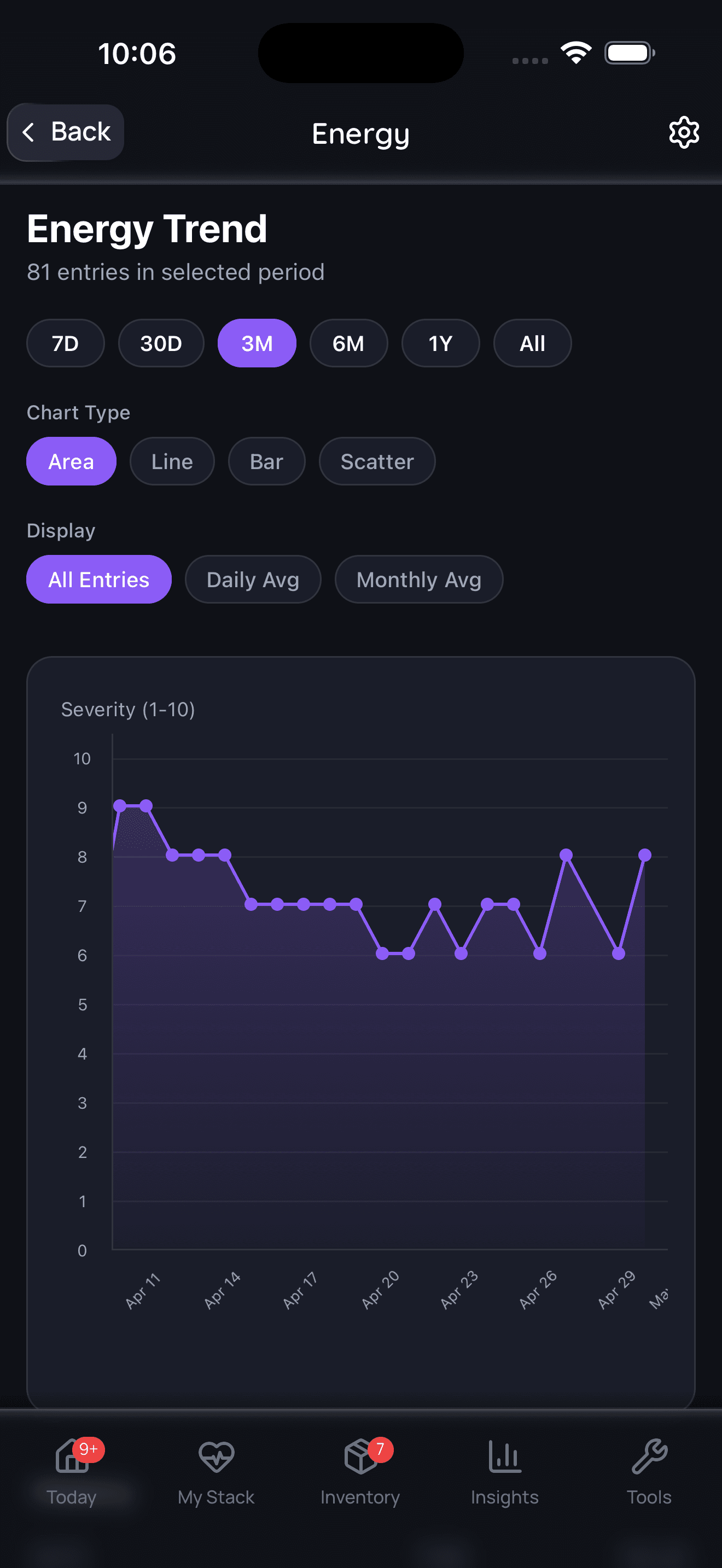
Symptom tracking is informational and should be interpreted with a qualified clinician.
Side Effects & Safety
The Basics
L-Glutamine is generally well-tolerated at typical supplemental doses of 5-15 grams per day. The Observed Safety Limit (OSL) has been suggested at 14 grams per day in supplemental form above food intake. Higher doses (up to 50-60 grams) have been used short-term without significant adverse effects in clinical studies, though long-term safety at these levels is not established [1].
The most commonly reported side effects at supplemental doses include headache, nausea, abdominal pain, and constipation [9].
However, glutamine has a safety consideration that deserves attention: its relationship with the excitatory neurotransmitter glutamate. In the body, glutamine can be converted to glutamate, which at elevated levels can overstimulate neurons (a process called excitotoxicity). A notable subset of users report anxiety, panic attacks, insomnia, and brain fog after starting glutamine supplementation. This effect appears to be dose-dependent and more pronounced in individuals with pre-existing anxiety disorders, ADD/ADHD, or sensitivity to MSG (monosodium glutamate), since MSG is a glutamate source [10].
One case report documented hepatotoxicity (liver injury presenting as abdominal pain and scleral icterus) in a 35-year-old female athlete after three weeks of glutamine powder use. The patient recovered after discontinuation [10].
At very high acute doses (approximately 0.75 g/kg bodyweight), glutamine can increase plasma ammonia levels above the tolerated safety limit. A study in elderly persons (average age 69) using 0.5 g/kg oral glutamine found no effects on ammonia levels but did observe transient increases in serum urea, creatinine, and a temporary decrease in glomerular filtration rate [1].
Importantly, glutamine may not be appropriate for individuals with active cancer. Research has demonstrated that tumor cells upregulate glutamine transporters and depend on glutamine for growth and maintenance. While glutamine is used clinically to manage cancer treatment side effects, this should only be done under oncologist supervision [4].
The Science
Adverse Event Profile:
The Observed Safety Limit (OSL) of 14 g/day supplemental has been proposed based on available evidence. Limited evidence suggests 50-60 g for periods of a few weeks is not associated with significant adverse effects, though long-term safety data at these levels is insufficient [1].
Reported Adverse Effects (from clinical studies and case reports):
- Peripheral edema, gastrointestinal symptoms, headache, fever, infections (from ENDARI prescribing data and clinical trials) [4][9]
- Hepatotoxicity: One case report of a 35-year-old female athlete developing abdominal pain and scleral icterus after 3 weeks of glutamine powder supplementation. Testing suggested hepatotoxicity; patient recovered upon discontinuation [10]
- Elevated plasma ammonia: Doses of approximately 0.75 g/kg can raise ammonia above safe limits [1]
- Transient renal effects: 0.5 g/kg in elderly subjects increased serum urea and creatinine (not clinically significant) with transient GFR decrease [1]
Neurological Concerns:
Glutamine serves as a precursor for both GABA (inhibitory) and glutamate (excitatory) neurotransmitters. Individual variation in the balance of glutamine-to-glutamate versus glutamine-to-GABA conversion may explain the divergent neurological responses reported in the community. Individuals prone to glutamate sensitivity may experience anxiety, insomnia, and cognitive disturbance [10].
Contraindications:
- Active cancer (glutamine may support tumor cell metabolism) [4]
- Hepatic encephalopathy (glutamine may worsen ammonia levels) [11]
- History of severe anxiety, panic disorder, or schizophrenia (excitatory neurotransmitter concerns)
- Concurrent lactulose therapy for hepatic encephalopathy [11]
Pregnancy/Lactation:
L-Glutamine (Endari) prescribing information advises consulting a healthcare provider if pregnant or breastfeeding [9]. Insufficient data to confirm safety in pregnancy.
Knowing the possible side effects is the first step. Catching them early in your own experience is what keeps a supplement routine safe. Doserly lets you log any symptoms as they arise, tagging them with severity, timing relative to your dose, and whether they resolve on their own or persist.
The app's interaction checker cross-references everything in your stack, supplements and medications alike, flagging known interactions before they become a problem. It also monitors your total intake against established upper limits, alerting you if your combined sources of a nutrient are approaching thresholds where risk increases. Think of it as a safety net that works quietly in the background while you focus on the benefits.
Connect protocol changes to labs and health markers.
Doserly can keep lab results, biomarkers, symptoms, and dose history close together so follow-up conversations have better context.
Insights
Labs and trends
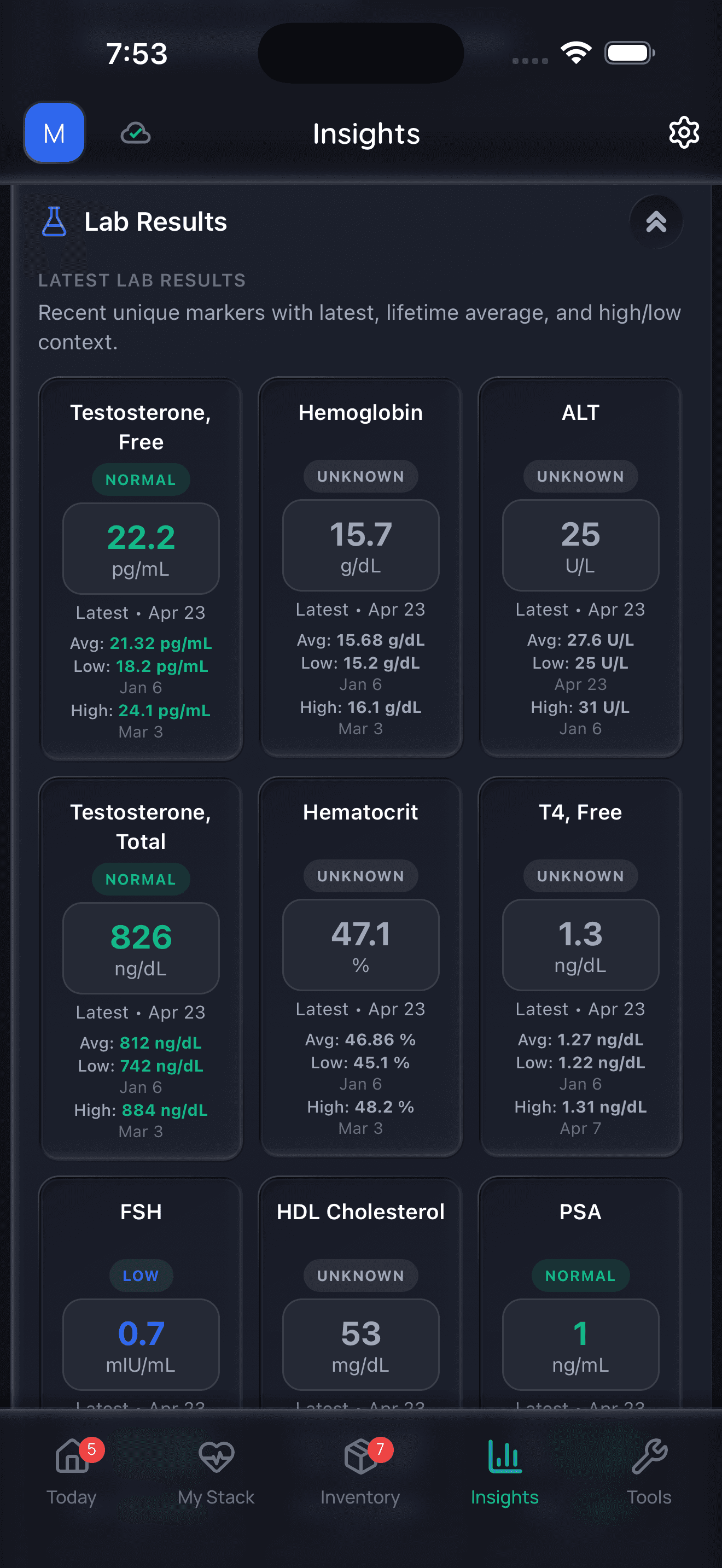
Doserly organizes data; it does not diagnose or interpret labs for you.
Dosing & Usage
The Basics
L-Glutamine dosing depends heavily on your goal. For general gut health maintenance, 5 grams per day taken on an empty stomach is the most commonly recommended starting point. Many users report noticeable digestive improvements within 2-7 days at this dose. For more significant gut issues (IBS, post-infectious symptoms, increased permeability), clinical practitioners sometimes recommend 10-15 grams per day in divided doses for a defined period [1][7].
For exercise recovery and immune support during heavy training blocks, 5-10 grams per day taken around workouts (pre- or post-exercise) is the typical range. Some studies have used weight-based dosing of 0.3 g/kg bodyweight [2].
For critical illness, surgical recovery, or sickle cell disease (under medical supervision), doses of 0.3-0.5 g/kg bodyweight per day have been used in clinical trials [3][4][6].
The most important practical consideration: start low (3-5 grams) and increase gradually. The anxiety and excitotoxicity reports from the community cluster at higher doses (10 grams and above), particularly in susceptible individuals. If you notice insomnia, anxiety, or brain fog after starting glutamine, reduce the dose or discontinue rather than increasing [10].
The Science
Dosing by Indication:
Indication
Gut health maintenance
- Dose
- 5 g/day (empty stomach)
- Duration
- Ongoing
- Evidence Level
- Moderate
Indication
IBS symptom management
- Dose
- 5-15 g/day (divided doses)
- Duration
- 8-12 weeks
- Evidence Level
- Moderate (RCT)
Indication
Exercise-induced gut permeability
- Dose
- 0.25-0.9 g/kg pre-exercise
- Duration
- Acute
- Evidence Level
- Moderate
Indication
Post-exercise immune support
- Dose
- 5 g post-event + 5 g at 2 hours
- Duration
- Around events
- Evidence Level
- Low (single study)
Indication
Endurance exercise recovery
- Dose
- 0.3 g/kg/day
- Duration
- Training blocks
- Evidence Level
- Low-Moderate
Indication
Sickle cell disease (Endari Rx)
- Dose
- 5-15 g twice daily (weight-based)
- Duration
- Ongoing (Rx)
- Evidence Level
- High (Phase 3 RCT)
Indication
Post-surgical / ICU support
- Dose
- 0.3-0.5 g/kg/day IV or oral
- Duration
- Hospitalization
- Evidence Level
- Moderate
Indication
General supplementation
- Dose
- 3-5 g/day
- Duration
- Ongoing
- Evidence Level
- Based on traditional use
Key Dosing Considerations:
- Average dietary intake: approximately 6.85 g/day from food (Nurse's Health Study, N=70,356) [1]
- Observed Safety Limit (OSL): 14 g/day supplemental, above dietary intake [1]
- Acute ammonia concern threshold: approximately 0.75 g/kg bodyweight [1]
- Powder is the most practical delivery form for therapeutic doses; capsules are impractical above 3 g/day
- Empty stomach administration optimizes delivery to intestinal enterocytes
- Mix with cold or room temperature liquid only; heat degrades glutamine [1]
Getting the dose right matters more than most people realize. Too little may be ineffective, too much wastes money or introduces risk, and inconsistency undermines both. Doserly tracks every dose you take, across every form, giving you a clear record of what you're actually consuming versus what you planned.
The app helps you compare RDA recommendations against therapeutic ranges discussed in the research, so you can see exactly where your intake falls. If you switch forms, say from a standard capsule to a liposomal liquid, Doserly adjusts your tracking to account for different bioavailabilities. Pair that with smart reminders that keep your timing consistent, and the precision that makes a real difference in outcomes becomes effortless.
Turn symptom and safety notes into a clearer timeline.
Doserly helps you log doses, symptoms, and safety observations side by side so patterns are easier to discuss with a qualified clinician.
Pattern view
Logs and observations

Pattern visibility is informational and should be reviewed with a clinician.
What to Expect (Timeline)
Week 1-2: Gut health effects are often the first to appear. Many users report reduced bloating, improved stool consistency, and less abdominal discomfort within the first week of supplementation at 5+ grams per day. Some individuals may notice increased energy or, conversely, sleep disruption. Monitor closely for any anxiety or excitatory symptoms during this initial period.
Week 2-4: Digestive improvements typically stabilize. Any exercise recovery benefits should begin to become apparent with consistent daily use. Intestinal permeability improvements, as measured in clinical studies, are generally observed within this timeframe.
Month 1-3: For IBS and chronic gut issues, the clinical trial demonstrating symptom improvement used an 8-week protocol. Full gut barrier repair in cases of significant damage may require 2-3 months of consistent supplementation. Immune function benefits for athletes are most relevant during heavy training blocks and competition seasons.
Long-term considerations: Glutamine is generally used as an ongoing maintenance supplement at lower doses (3-5 g/day) or in defined courses at higher doses (10-15 g/day for 8-12 weeks) for specific gut healing protocols. There is no strong evidence for or against indefinite use at moderate doses. Periodic reassessment of whether supplementation remains beneficial is recommended.
Interactions & Compatibility
Synergistic
- Zinc L-Carnosine: Frequently combined for gut barrier repair. Zinc L-Carnosine protects gastric mucosa while glutamine fuels enterocyte repair. Community consensus supports this pairing for gut health protocols.
- Vitamin C: Supports glutathione synthesis when combined with glutamine and glycine. Also aids collagen synthesis in the gut lining.
- Collagen: Provides glycine and proline alongside glutamine for comprehensive gut lining support. Bone broth is a natural source of both collagen and glutamine.
- Probiotics: Glutamine supports the intestinal environment; probiotics populate it with beneficial bacteria. Often combined in gut health protocols.
- L-Leucine: Glutamine combined with leucine showed superior strength recovery (at 24, 48, and 72 hours) compared to leucine alone in one study [2].
- Creatine Monohydrate: Both commonly used for exercise recovery through different mechanisms. No interaction concerns.
- B-Complex: B vitamins (particularly B6 as P5P) support amino acid metabolism and may influence the glutamine-glutamate-GABA balance.
Caution / Avoid
- Lactulose (for hepatic encephalopathy): Glutamine may reduce the ammonia-lowering effect of lactulose. This interaction does not apply when lactulose is used as a laxative [11].
- Methotrexate: Glutamine may increase tumor retention of methotrexate, potentially increasing both efficacy and toxicity. Use only under oncologist guidance [4].
- Anti-seizure medications: Glutamine's potential conversion to glutamate may theoretically lower seizure threshold. Caution advised.
- Other excitatory supplements (high-dose caffeine, phenylethylamine, DMAA): May compound excitatory effects in susceptible individuals.
How to Take / Administration Guide
Powder (recommended for therapeutic doses):
- Measure 5 grams (approximately 1 teaspoon) using a kitchen scale or supplement scoop
- Mix with 8 ounces (240 mL) of cold or room temperature water, juice, or other liquid
- Stir and drink immediately. Do not prepare in advance or use hot liquids, as glutamine degrades in aqueous solution and with heat
- For gut health: take on an empty stomach (30 minutes before meals or 2+ hours after)
- For exercise recovery: take within 30 minutes post-workout
Capsules/Tablets:
- Practical only for lower doses (1-3 g/day) due to the number of capsules required for therapeutic dosing
- Follow standard timing guidance above
Dosing Schedule Options:
- Simple gut maintenance: 5 g once daily, morning, empty stomach
- Active gut repair protocol: 5 g two to three times daily, each dose on empty stomach (morning, mid-afternoon, bedtime)
- Exercise recovery: 5-10 g post-workout
- Endurance event protocol: 5 g immediately post-event + 5 g at 2 hours post-event
Important Timing Notes:
- Avoid taking glutamine close to bedtime if you experience sleep disruption
- Empty stomach administration maximizes delivery to intestinal cells
- Consistent daily timing helps maintain steady glutamine availability
- If combining with other amino acids, glutamine can be taken simultaneously
Choosing a Quality Product
When selecting a L-Glutamine supplement, prioritize these quality indicators:
Form Selection:
- L-Glutamine powder (free form): Best value for therapeutic doses. Look for "L-Glutamine" as the sole ingredient with no fillers, flavors, or additives. Micronized powder dissolves more easily.
- Alanyl-Glutamine (Sustamine brand): More stable and water-soluble but more expensive. Potentially better for mixing in sport drinks or pre-made beverages.
- Avoid: Glutamine peptides from unspecified protein sources, proprietary blends that obscure the actual glutamine content.
Third-Party Testing:
- Look for products tested by USP (United States Pharmacopeia), NSF International, or Informed Sport
- Certificates of Analysis (COA) should confirm identity, purity, and absence of heavy metals
- For athletes subject to drug testing: choose products certified by NSF Certified for Sport or Informed Sport
Quality Red Flags:
- Proprietary blends listing glutamine among multiple ingredients without specifying the exact glutamine dose
- Products that combine glutamine with stimulants, sweeteners, or performance-enhancing claims
- Extremely low prices relative to market average (may indicate lower purity or adulteration)
- Claims about muscle building or fat burning (contradicts current evidence)
Pharmaceutical-Grade Option:
- Endari (L-glutamine oral powder) is an FDA-approved prescription product for sickle cell disease. It requires a prescription and represents the highest quality standard for L-glutamine.
Natural Food Sources
L-Glutamine is present in most protein-containing foods, with the highest concentrations in animal products:
Food Source
Corn
- Glutamine Content (% of total protein)
- 16.2%
Food Source
White Rice
- Glutamine Content (% of total protein)
- 11.1%
Food Source
Tofu
- Glutamine Content (% of total protein)
- 9.1%
Food Source
Milk products
- Glutamine Content (% of total protein)
- 8.7-9.2%
Food Source
Skim Milk
- Glutamine Content (% of total protein)
- 8.08%
Food Source
Beef
- Glutamine Content (% of total protein)
- 4.4-4.8%
Food Source
Eggs
- Glutamine Content (% of total protein)
- 4.3%
By weight (per 100g product):
- Beef: approximately 1.23 g
- Skim Milk: approximately 0.28 g
Important notes:
- Average dietary glutamine intake is approximately 6.85 g/day (based on Nurse's Health Study of 70,356 women) [1]
- Bone broth is a particularly rich natural source, providing both glutamine and collagen
- Cooking methods affect glutamine availability: heat and aqueous preparation can degrade glutamine
- Plant sources contain higher glutamine as a percentage of protein but contribute less total glutamine due to lower overall protein content [1]
Lifestyle Factors
Factors that increase glutamine demand:
- Intense or prolonged exercise (>2 hours of cardiovascular exercise depletes plasma glutamine)
- Physical stress: surgery, burns, trauma, critical illness
- Psychological stress (chronic stress increases cortisol, which accelerates glutamine consumption)
- Illness and infection (immune cells consume more glutamine)
- Gut damage from alcohol, NSAIDs, or inflammatory conditions
Factors that support glutamine status:
- Adequate protein intake (0.8-1.2 g/kg bodyweight) from varied sources
- Sufficient sleep and recovery between training sessions
- Stress management practices
- Adequate hydration (supports amino acid transport and kidney function)
Factors that may impair glutamine utilization:
- Very low protein diets
- Chronic overtraining without adequate recovery
- Excessive alcohol consumption (damages gut lining, increases glutamine demand)
- Chronic inflammatory conditions
Regulatory Status & Standards
United States:
- L-Glutamine is sold as a dietary supplement under DSHEA
- L-Glutamine oral powder (Endari) is FDA-approved as a prescription drug for sickle cell disease (approved July 2017)
- Not evaluated by the FDA for other health claims when sold as a dietary supplement
European Union:
- Available as a food supplement
- EFSA has evaluated glutamine in the context of amino acid supplementation
Canada:
- Available as a Natural Health Product (NHP)
WADA Status:
- L-Glutamine is NOT on the World Anti-Doping Agency Prohibited List
- Safe for use by athletes in all sports
- Available in NSF Certified for Sport and Informed Sport certified products for athletes who require third-party batch testing
National Anti-Doping Agencies:
- USADA, UKAD, Sport Integrity Canada, Sport Integrity Australia: Not prohibited
- NCAA: Not on the NCAA banned substance list
- GlobalDRO: Can verify status at globaldro.com
- Athletes should always verify current status before competition and choose certified products
FAQ
Is L-glutamine the same as glutamate or MSG?
No. L-Glutamine and glutamate are related but distinct molecules. Glutamine contains an amide group; glutamate contains a carboxyl group. In the body, glutamine can be converted to glutamate by the enzyme glutaminase, but they serve different biological functions. MSG (monosodium glutamate) is the sodium salt of glutamic acid. Some individuals who are sensitive to MSG may also react to high-dose glutamine supplementation due to this metabolic conversion.
Do I need glutamine if I eat enough protein?
For most healthy individuals with adequate protein intake, dietary glutamine is sufficient. Supplementation is most likely to provide benefit during periods of increased demand: intense exercise, illness, post-surgery, gut barrier issues, or chronic stress. If you are eating 0.8-1.2 g/kg protein from varied sources, you are likely consuming 3-6 g of glutamine daily from food.
Can glutamine cause anxiety?
Yes, in some individuals. Glutamine can be converted to glutamate, an excitatory neurotransmitter. People who are more prone to glutamate conversion (rather than GABA conversion) may experience anxiety, insomnia, or brain fog. This appears to be dose-dependent and more common at doses above 5-10 grams. Starting with a low dose and monitoring your response is advisable. Individuals with pre-existing anxiety disorders should exercise particular caution.
Should I take glutamine on an empty stomach?
For gut health applications, yes. Taking glutamine on an empty stomach allows the intestinal enterocytes (the cells lining your gut) to use it directly as fuel before it enters general circulation. For general supplementation or exercise recovery, timing relative to meals is less critical.
Is glutamine safe for people with cancer?
This is a complex question that requires individual medical guidance. Glutamine is used clinically to manage cancer treatment side effects (mucositis, neuropathy, GI toxicity), and studies show benefits in these contexts. However, research has also shown that tumor cells upregulate glutamine transporters and depend on glutamine for growth. Based on available data, glutamine supplementation during cancer treatment should only be undertaken with oncologist oversight and is not recommended for unsupervised self-supplementation in people with active cancer.
How much glutamine is in whey protein?
Whey protein contains approximately 8-9% glutamine by total protein content. Two scoops of 30g whey protein would provide roughly 5-5.4 g of glutamine. For individuals already consuming whey protein, additional glutamine supplementation may be redundant for general purposes, though targeted gut health dosing on an empty stomach may still offer distinct benefits.
Can I take glutamine long-term?
There is limited long-term safety data beyond a few weeks at high doses. The Observed Safety Limit of 14 g/day supplemental has been proposed. At moderate doses (3-5 g/day), long-term use is generally considered safe, though periodic reassessment is prudent. Higher doses (10-15 g/day) are typically used in defined courses of 8-12 weeks for gut healing protocols rather than indefinitely.
Does glutamine help with sugar cravings?
Some users report reduced food cravings with glutamine supplementation, and this aligns with glutamine's role as a precursor for GABA and its involvement in blood glucose regulation. However, this effect is based on anecdotal reports rather than controlled studies and should not be considered an established benefit.
What is the best form of glutamine to take?
L-Glutamine free-form powder is the most cost-effective and widely studied form. It allows easy dose adjustment and is practical for therapeutic doses (5-15 g). Alanyl-glutamine (the dipeptide form) offers better stability in solution and potentially improved delivery to peripheral tissues, but costs more and has less human clinical data. Capsules are convenient but impractical for doses above 2-3 grams due to pill burden.
When should I avoid glutamine?
Avoid or use extreme caution with glutamine if you have: hepatic encephalopathy (may worsen ammonia levels), active cancer (without oncologist guidance), history of severe anxiety or panic attacks, or if you are taking lactulose for ammonia management. Discontinue use if you experience significant anxiety, insomnia, or neurological symptoms.
Myth vs. Fact
Myth: Glutamine builds muscle and improves body composition.
Fact: A 2018 meta-analysis of 5 studies found no benefit from glutamine supplementation on body composition. Multiple RCTs at doses up to 0.9 g/kg in resistance-trained populations found no improvement in lean body mass, fat mass, or strength. While glutamine is an activator of mTOR in vitro, dietary protein provides sufficient glutamine for muscle protein synthesis in healthy individuals. Community consensus and research evidence are strongly aligned on this point [1][2][8].
Myth: Everyone needs glutamine supplements because exercise depletes it.
Fact: Short-duration exercise and resistance training do not meaningfully deplete plasma glutamine. Glutamine depletion is primarily a concern during prolonged endurance exercise exceeding 2 hours, critical illness, and severe physiological stress. For most recreational exercisers and weightlifters, dietary protein intake provides adequate glutamine [1][2].
Myth: Glutamine is just another amino acid with no real effects.
Fact: L-Glutamine has an FDA-approved pharmaceutical application (Endari for sickle cell disease) and substantial clinical evidence for gut barrier maintenance, IBS symptom reduction, and critical illness management. Its effects on intestinal permeability are well-documented and dose-dependent. However, many popular marketing claims overstate its benefits for healthy, well-nourished individuals [4][6][7].
Myth: Higher doses of glutamine are always better.
Fact: Glutamine exhibits clear dose-dependent effects, but more is not always better. Doses above 0.75 g/kg can raise plasma ammonia above safe limits. Higher doses (10+ grams) are associated with increased rates of anxiety, insomnia, and excitatory neurological symptoms in susceptible individuals. The Observed Safety Limit is 14 g/day supplemental. Starting low (3-5 g) and increasing gradually is a more prudent approach [1][10].
Myth: Glutamine and glutamate are the same thing.
Fact: These are chemically distinct molecules. Glutamine has an amide group; glutamate has a carboxyl group. While glutamine can be enzymatically converted to glutamate in the body, they have different biological functions. Glutamine is the body's most abundant amino acid and serves as a nitrogen shuttle, while glutamate is the primary excitatory neurotransmitter. This conversion is one reason some people experience neurological side effects from glutamine supplementation.
Myth: Glutamine supplements cure leaky gut.
Fact: Glutamine supports intestinal tight junction barrier function and is the primary fuel for enterocytes. Clinical evidence shows it can reduce intestinal permeability. However, glutamine addresses a symptom (barrier dysfunction) rather than the root cause of gut damage (which may be dietary, infectious, stress-related, or autoimmune). Effective gut healing typically requires identifying and addressing the underlying cause alongside supportive supplementation [1][4].
Myth: Glutamine is safe for everyone, including cancer patients.
Fact: Research has demonstrated that tumor cells upregulate glutamine transporters and depend on glutamine for growth, metabolism, and survival under acidic stress. While glutamine is used clinically to manage cancer treatment side effects under medical supervision, unsupervised supplementation during active cancer is not recommended. This is a nuanced area where oncologist guidance is essential [4].
Sources & References
Clinical Trials & RCTs
[1] Garlick PJ. Assessment of the safety of glutamine and other amino acids. J Nutr. 2001;131(9 Suppl):2556S-61S.
[2] Leaf A, et al. Fact check: does glutamine build muscle? (2025). Citing: Candow DG, et al. Effect of glutamine supplementation combined with resistance training in young adults. Eur J Appl Physiol. 2001;86(2):142-149. Antonio J, et al. The effects of high-dose glutamine ingestion on weightlifting performance. J Strength Cond Res. 2002;16(1):157-160. Ramezani Ahmadi A, et al. The effect of glutamine supplementation on athletic performance, body composition, and immune function: A systematic review and a meta-analysis of clinical trials. Clin Nutr. 2019;38(3):1076-1091.
[3] Griffiths RD, Jones C, Palmer TE. Six-month outcome of critically ill patients given glutamine-supplemented parenteral nutrition. Nutrition. 1997;13(4):295-302.
[4] Memorial Sloan Kettering Cancer Center. Glutamine monograph. Clinical Summary. Last updated September 19, 2024.
[5] Harris RC, et al. L-glutamine absorption is enhanced after ingestion of L-alanylglutamine compared with the free amino acid or wheat protein. Nutr Res. 2012;32(4):272-277.
[6] Niihara Y, Miller ST, Kanter J, et al. A Phase 3 Trial of L-Glutamine in Sickle Cell Disease. N Engl J Med. 2018;379(3):226-235.
[7] Zhou Q, Verne ML, Fields JZ, et al. Randomised placebo-controlled trial of dietary glutamine supplements for postinfectious irritable bowel syndrome. Gut. 2019;68(6):996-1002.
[8] Ramezani Ahmadi A, et al. The effect of glutamine supplementation on athletic performance, body composition, and immune function: A systematic review and a meta-analysis of clinical trials. Clin Nutr. 2019;38(3):1076-1091.
Systematic Reviews & Meta-Analyses
[9] MedlinePlus. L-glutamine Drug Information. National Library of Medicine. Last revised 09/15/2017.
[10] Hatami B, et al. Glutamine powder-induced hepatotoxicity: it is time to understand the side effects of sports nutritional supplements. Gastroenterol Hepatol Bed Bench. 2020;13(1):86-89.
Government/Institutional Sources
[11] Wright G, Jalan R. Management of hepatic encephalopathy in patients with cirrhosis. Best Pract Res Clin Gastroenterol. 2007;21(1):95-110.
Additional Clinical Evidence
[12] Heyland DK, Wibbenmeyer L, Pollack JA, et al. A Randomized Trial of Enteral Glutamine for Treatment of Burn Injuries. N Engl J Med. 2022;387(11):1001-1010.
[13] Wang WS, et al. Oral glutamine is effective for preventing oxaliplatin-induced neuropathy in colorectal cancer patients. Oncologist. 2007;12(3):312-319.
[14] Rubio IT, et al. Oral glutamine reduces radiation morbidity in breast conservation surgery. JPEN J Parenter Enteral Nutr. 2013;37(5):623-630.
[15] Samocha-Bonet D, et al. Glycemic effects and safety of L-Glutamine supplementation with or without sitagliptin in type 2 diabetes patients. PLoS One. 2014;9(11):e113366.
[16] Liang B, et al. Glutamine enteral therapy for critically ill adult patients: An updated meta-analysis. Clin Nutr. 2024;43(1):124-133.
[17] Valenzuela PL, et al. Supplements with purported effects on muscle mass and strength. Eur J Nutr. 2019;58(8):2983-3008.
Related Supplement Guides
Same Category (Amino Acids)
Common Stacks / Pairings
- Zinc (Zinc L-Carnosine for gut repair synergy)
- Collagen Peptides (gut lining support)
- Probiotics (combined gut health protocol)
- Creatine Monohydrate (exercise recovery stack)
- Vitamin C (glutathione synthesis support)
Related Health Goal
- B-Complex (amino acid metabolism support)
- Iron (gut health and absorption)
- Magnesium (gut motility and muscle recovery)