
L-Ornithine: The Complete Supplement Guide
On this page
Quick Reference Card
Attribute
Common Name
- Detail
- L-Ornithine
Attribute
Other Names / Aliases
- Detail
- Ornithine, Orn, L-Orn, (S)-2,5-Diaminopentanoic acid
Attribute
Category
- Detail
- Non-Essential (Non-Proteinogenic) Amino Acid
Attribute
Primary Forms & Variants
- Detail
- L-Ornithine Hydrochloride (HCl, 78% ornithine by weight; most common and well-studied); L-Ornithine L-Aspartate (LOLA, 50% ornithine; used clinically for hepatic encephalopathy); L-Ornithine Alpha-Ketoglutarate (OKG, 47% ornithine; used in clinical wound healing settings)
Attribute
Typical Dose Range
- Detail
- 2,000 to 6,000 mg per day (as HCl); doses above 10,000 mg may cause GI distress
Attribute
RDA / AI / UL
- Detail
- No formal RDA, AI, or UL established by IOM or EFSA. Non-essential amino acid produced endogenously. NOAEL estimated at 12,000 mg/day (HCl form) per systematic review.
Attribute
Common Delivery Forms
- Detail
- Capsules, powder, tablets
Attribute
Best Taken With / Without Food
- Detail
- Can be taken with or without food. Empty stomach may enhance absorption. Some users prefer bedtime dosing for sleep-related benefits.
Attribute
Key Cofactors
- Detail
- L-Arginine (promotes ornithine uptake into cells); Alpha-Ketoglutarate (redirects ornithine metabolism toward arginine and proline); L-Aspartate (cofactor in urea cycle for citrulline-to-arginine conversion); Vitamin B6 (supports amino acid metabolism)
Attribute
Storage Notes
- Detail
- Store in a cool, dry place away from direct sunlight and moisture. No refrigeration required. Powder forms are hygroscopic; seal container tightly after use.
Overview
The Basics
L-Ornithine is an amino acid that your body makes on its own, primarily from another amino acid called L-Arginine. Unlike most amino acids you hear about, ornithine is not used to build proteins or muscle tissue directly. Instead, it plays a behind-the-scenes role in one of your body's most important cleanup systems: the urea cycle.
Think of the urea cycle as your body's waste disposal for nitrogen. Every time your body breaks down protein (whether from food or your own tissues during exercise), ammonia is produced as a byproduct. Ammonia is toxic, especially to the brain, and your body needs to convert it into urea so your kidneys can safely flush it out. Ornithine is the molecule that kicks off this conversion process, making it the rate-limiting step in the entire cycle [1][2].
This ammonia-clearing role is why ornithine has attracted interest from two very different groups. Athletes supplement with it in hopes of reducing the fatigue that ammonia buildup causes during prolonged exercise. Meanwhile, in clinical medicine, ornithine (usually paired with aspartate as LOLA) is used to manage hepatic encephalopathy, a serious condition where a damaged liver cannot clear ammonia properly [1][3].
Beyond the urea cycle, ornithine is the starting material for polyamines (putrescine, spermidine, and spermine), which are involved in cell growth and tissue repair. It can also be converted into the amino acid proline, a key building block of collagen [2]. These pathways help explain why ornithine-containing compounds have shown promise in wound healing research, particularly for burns.
The Science
L-Ornithine (2,5-diaminopentanoic acid) is a non-proteinogenic amino acid that does not appear in any protein structures and is not encoded by the standard genetic code. It is synthesized endogenously primarily via the arginase-catalyzed hydrolysis of L-Arginine, which yields L-Ornithine and urea. Basal circulating concentrations in healthy adults are approximately 50 nmol/mL [1].
Within the urea cycle, ornithine serves as both the entry point and the regenerated product. Ornithine combines with carbamoyl phosphate (produced by carbamoyl phosphate synthetase I from ammonia and bicarbonate) via ornithine transcarbamylase (OTC) to form L-Citrulline. Citrulline then combines with L-Aspartate via argininosuccinate synthase to form argininosuccinate, which is cleaved by argininosuccinate lyase into L-Arginine and fumarate. Arginase then regenerates ornithine from arginine, completing the cycle [1][2].
The provision of ornithine to the hepatic mitochondrial matrix is considered the rate-limiting step of the urea cycle. Supplemental ornithine therefore has the theoretical capacity to accelerate urea synthesis and ammonia clearance when ammonia concentrations are elevated, whether from hepatic insufficiency, intense exercise, or high protein catabolism [1][3].
Beyond the urea cycle, ornithine serves as the primary precursor for the polyamine biosynthesis pathway. Ornithine decarboxylase (ODC) converts ornithine to putrescine, which is subsequently converted to spermidine and spermine. These polyamines regulate cell proliferation, differentiation, and apoptosis [2]. Additionally, ornithine can be transaminated to glutamic-gamma-semialdehyde, which spontaneously cyclizes to pyrroline-5-carboxylate (P5C), a precursor of both proline (for collagen synthesis) and glutamate (the primary excitatory neurotransmitter). The ornithine-to-glutamate pathway provides a metabolic connection between urea cycle function and neurological signaling [2].
Chemical & Nutritional Identity
Property
Chemical Name
- Value
- (S)-2,5-Diaminopentanoic acid
Property
Synonyms
- Value
- L-Ornithine, Ornithine, Orn, L-Orn
Property
Molecular Formula
- Value
- C₅H₁₂N₂O₂
Property
Molecular Weight
- Value
- 132.16 g/mol (free base); 168.62 g/mol (hydrochloride salt)
Property
CAS Number
- Value
- 70-26-8 (L-Ornithine); 3184-13-2 (L-Ornithine HCl)
Property
PubChem CID
- Value
- 6262
Property
Category
- Value
- Non-essential, non-proteinogenic amino acid
Property
pI (Isoelectric Point)
- Value
- 9.7
Property
RDA / AI / UL
- Value
- Not formally established
L-Ornithine is a diamino monocarboxylic acid with two amino groups, one at the alpha position and one at the delta (side chain) position. It is structurally simpler than L-Arginine, lacking the guanidinium group. Despite being non-proteinogenic, it is metabolically active and serves as a central intermediate in nitrogen metabolism [1][2].
Common supplement forms include:
- L-Ornithine Hydrochloride (HCl): The most widely available and well-studied supplement form. Contains 78% ornithine by weight. Readily soluble in water with reasonable oral bioavailability.
- L-Ornithine L-Aspartate (LOLA): A salt combining ornithine with L-aspartate in equimolar ratio. Contains approximately 50% ornithine by weight. Primarily used in clinical settings for hepatic encephalopathy management. Both components contribute to urea cycle function.
- L-Ornithine Alpha-Ketoglutarate (OKG): A 1:2 stoichiometric combination of ornithine with alpha-ketoglutarate. Contains approximately 47% ornithine by weight. Used primarily in clinical wound healing and burn recovery, mostly via intravenous routes.
No formal Dietary Reference Intakes (DRIs) have been established for L-Ornithine by the Institute of Medicine or EFSA, as it is a non-essential amino acid produced endogenously. Dietary intake of ornithine from food is generally low, as it is not abundant in common foods, though it is produced from dietary arginine during digestion [1].
Mechanism of Action
The Basics
L-Ornithine's primary job is managing your body's ammonia levels. When proteins break down, ammonia is released. In small amounts, your body handles it fine. But when ammonia builds up, whether from intense exercise, a high-protein meal, or a liver that is not working optimally, it can cause problems ranging from fatigue and brain fog to serious neurological damage.
Ornithine is the molecule that sets the urea cycle in motion. It grabs onto ammonia (in the form of carbamoyl phosphate) and transforms it into citrulline, starting a chain of conversions that ultimately packages the ammonia as harmless urea for your kidneys to excrete. Without enough ornithine, this waste disposal system slows down [1][2].
Ornithine also contributes to processes beyond waste management. Your body uses it to produce polyamines, which are small molecules that help cells grow and divide. This connection to cell growth is part of why ornithine compounds show up in wound healing research. Additionally, ornithine can be converted into proline, an amino acid your body uses to build collagen, the structural protein in skin, tendons, and connective tissue [2].
There is also a connection to brain chemistry. Ornithine can be converted (through several steps) into glutamate, one of the brain's main signaling molecules. Glutamate is also a precursor to GABA, a calming neurotransmitter. This indirect relationship between ornithine and the glutamate-GABA axis may help explain why some research has found that ornithine supplementation influences stress hormones and sleep quality [4][5].
The Science
L-Ornithine participates in several interconnected metabolic pathways:
Urea Cycle (Primary Pathway): Ornithine serves as both substrate and product of the urea cycle, functioning as a catalytic intermediate rather than being consumed. Within hepatic mitochondria, ornithine transcarbamylase (OTC, EC 2.1.3.3) catalyzes the condensation of ornithine with carbamoyl phosphate to form L-Citrulline. This reaction sequestrates one molecule of ammonia per cycle. The subsequent cytosolic reactions (argininosuccinate synthase, argininosuccinate lyase, arginase) regenerate ornithine while producing urea. The provision of ornithine to OTC is rate-limiting for urea synthesis, making exogenous ornithine a potential accelerator of the cycle when ammonia concentrations are elevated [1][2][3].
Polyamine Biosynthesis: Ornithine decarboxylase (ODC, EC 4.1.1.17) converts ornithine to putrescine, the first polyamine. Putrescine is subsequently converted to spermidine by spermidine synthase and then to spermine by spermine synthase. These polyamines are essential regulators of cell proliferation, gene expression, and programmed cell death [2].
Proline and Glutamate Synthesis: Ornithine aminotransferase (OAT, EC 2.6.1.13) converts ornithine to glutamic-gamma-semialdehyde, which spontaneously cyclizes to pyrroline-5-carboxylate (P5C). P5C can be reduced to proline by P5C reductase (for collagen synthesis) or oxidized to glutamate by P5C dehydrogenase. The glutamate produced can then serve as substrate for glutamate decarboxylase to produce GABA, establishing a metabolic link between the urea cycle and inhibitory neurotransmission [2][5].
Growth Hormone Modulation: Ornithine infusions stimulate growth hormone (GH) secretion via hypothalamic mechanisms. Oral supplementation at high doses (170 mg/kg) has been shown to increase GH concentrations 318% above baseline in bodybuilders, although the absolute values (from 2.2 to 9.2 ng/mL) remain within normal diurnal variation (nondetectable to 16 ng/mL). The acute nature of this GH response, combined with compensatory feedback mechanisms, suggests that whole-day GH exposure is not meaningfully altered by ornithine supplementation [6][7].
Absorption & Bioavailability
The Basics
L-Ornithine is absorbed in the small intestine using the same transport channels that handle L-Arginine and L-Cysteine. At typical supplemental doses (2 to 6 grams), ornithine is absorbed reasonably well and reaches peak blood levels within about 45 minutes. These elevated levels persist for roughly 4 hours before gradually declining [1].
One practical advantage of ornithine over arginine is that ornithine appears to reach the bloodstream more efficiently. Research comparing the urea cycle amino acids found that supplemental ornithine achieves roughly twice the serum concentration of an equivalent dose of arginine. This is because arginine undergoes significant metabolism in the intestines and liver before reaching systemic circulation, while ornithine bypasses much of this first-pass breakdown [1].
However, like arginine, there is a ceiling on how much your body can absorb at once. As the dose increases beyond 6 to 10 grams, the intestinal transporters become saturated. Unabsorbed ornithine sitting in the intestines draws in water and can cause diarrhea. This is the same mechanism that limits high-dose arginine absorption, and the two amino acids share these transporters, meaning that taking both together may lower the effective absorption threshold for each [1].
The Science
L-Ornithine is transported across the intestinal epithelium via cationic amino acid transport systems shared with L-Arginine: system y+ (CAT family transporters, sodium-independent, preferentially handling lysine, arginine, and ornithine), system y+L, system B0,+, and system b0,+. This shared transport system has important implications for competitive inhibition when multiple cationic amino acids are consumed simultaneously [1].
Pharmacokinetic data from human studies demonstrate dose-dependent absorption:
- 40 to 170 mg/kg (approximately 3 to 12 g for a 70 kg individual) as hydrochloride: dose-dependent increase in serum ornithine concentrations within 45 minutes, stable through 90 minutes [6].
- 100 mg/kg (approximately 7 g): serum ornithine increases from approximately 50 nmol/mL to approximately 300 nmol/mL within one hour, with elevation persisting through exhaustive exercise [8].
- Split dosing (3 g + 3 g, 2 hours apart): plasma ornithine remained elevated 65.8% above placebo at 380 minutes post-initial dose, with a 314% elevation observed at 240 minutes [9].
Importantly, ornithine supplementation at 2,000 mg has been shown not to significantly increase serum arginine or citrulline concentrations, indicating that at typical supplement doses, ornithine does not meaningfully flux through the urea cycle to produce these metabolites. Only when combined with alpha-ketoglutarate (as OKG) has ornithine been shown to increase plasma arginine and proline levels, likely because the alpha-ketoglutarate suppresses the conversion of ornithine to alpha-ketoglutarate and redirects metabolic flux toward arginine production [10].
The primary absorption-limiting side effect is osmotic diarrhea at high doses (above 10 g), caused by cationic amino acid-stimulated nitric oxide production in the colon, which promotes water secretion. The safety buffer between the effective dose (2 to 6 g) and the diarrhetic threshold appears to be larger for ornithine than for arginine [1].
Research & Clinical Evidence
Ammonia Detoxification and Hepatic Encephalopathy
The Basics
The strongest clinical evidence for ornithine relates to its ammonia-lowering effects in liver disease. Hepatic encephalopathy is a condition where a damaged liver cannot clear ammonia from the bloodstream, leading to confusion, cognitive impairment, and in severe cases, coma. It affects up to 84% of people with liver cirrhosis [3].
In this setting, ornithine (usually given as LOLA, the aspartate salt) has repeatedly been shown to reduce blood ammonia levels and improve cognitive symptoms. Most of the strong evidence comes from intravenous administration in hospital settings, but oral LOLA at 18 grams per day (6 grams three times daily) for 14 days has also shown effectiveness at reducing both fasting and post-meal ammonia levels [3].
For healthy people without liver disease, this research confirms that ornithine genuinely accelerates ammonia processing, but the practical relevance depends on whether your ammonia levels are meaningfully elevated in the first place.
The Science
A Cochrane systematic review and meta-analysis evaluated the efficacy of L-Ornithine L-Aspartate (LOLA) for hepatic encephalopathy. Intravenous LOLA at 20 to 40 g/day demonstrated significant reductions in blood ammonia concentrations and improvements in hepatic encephalopathy grades, although evidence quality was graded as low to very low due to small study sizes and risk of bias [3].
Oral LOLA at 18 g/day (6 g three times daily) for 14 days significantly reduced both postprandial and fasting blood ammonia in patients with cirrhosis. The dual mechanism involves ornithine accelerating urea cycle flux and aspartate providing the substrate for argininosuccinate synthase, addressing two separate steps in the cycle simultaneously [3].
Exercise Performance and Fatigue
The Basics
Ammonia accumulates in muscles and the brain during prolonged exercise, contributing to the sensation of fatigue. Since ornithine helps clear ammonia, researchers have tested whether supplementing with it before exercise can delay fatigue.
The results are encouraging but limited. In a study using two hours of cycling at 80% of maximum capacity, participants who took ornithine (2 grams daily for six days plus 6 grams on testing day) rated their fatigue at only 52% of what the placebo group reported. They also performed better on a post-exercise sprint test. However, a shorter exercise test lasting about 15 minutes showed no performance benefit, which makes sense because ammonia only becomes a significant fatigue factor during prolonged efforts [8][9].
There is also one older study from 1989 that found improvements in lean mass and power output in weightlifters given ornithine plus arginine over five weeks, but this study has never been replicated and the results are confounded by the arginine component [11].
The Science
The ammonia-fatigue hypothesis posits that exercise-induced hyperammonemia contributes to central fatigue by disrupting glutamate-glutamine cycling in the brain and inhibiting the TCA cycle via alpha-ketoglutarate depletion [8][12].
At 100 mg/kg L-Ornithine HCl, serum ammonia was paradoxically increased after short-duration exhaustive exercise (~15 min) while not affected at rest. However, during prolonged exercise (2 hours at 80% VO2 max), the exercise-induced rise in serum ammonia was attenuated, and subjective fatigue ratings were 52% of placebo values. A post-exercise 10-second sprint showed preserved performance in the ornithine group relative to placebo, though mean speed over the full test was unaffected [8][9].
These findings suggest that ornithine's anti-fatigue effects are specifically relevant to exercise durations exceeding approximately 45 minutes, when ammonia accumulation becomes a meaningful contributor to fatigue. The lack of benefit during short-duration maximal exercise is consistent with ammonia not being a primary fatigue factor in such protocols [8].
Stress and Sleep Quality
The Basics
A small but intriguing body of research suggests that ornithine may help reduce stress and improve sleep quality. In a randomized controlled trial involving 52 healthy Japanese workers, 400 mg of ornithine daily for eight weeks reduced cortisol levels (a stress hormone), improved the cortisol-to-DHEA-S ratio (a biomarker of stress), reduced feelings of anger, and improved self-reported sleep quality [4].
A more recent study (2024) tested 1,600 mg of ornithine in 65 participants subjected to a social stress test. While ornithine did not affect cortisol levels in this study, it significantly improved fatigue and anger-hostility scores the morning after the stress test [5].
The mechanism connecting ornithine to sleep and stress is not fully established, but may involve ornithine's conversion to glutamate and subsequently to GABA (a calming neurotransmitter), its stimulation of growth hormone release during sleep, and its effects on serotonin metabolism [4][5].
The Science
In the Miyake et al. (2014) RCT, 400 mg/day L-Ornithine HCl for 8 weeks produced statistically significant reductions in serum cortisol and the cortisol/DHEA-S ratio compared to placebo, alongside improvements in Athens Insomnia Scale and Oguri-Shirakawa-Azumi Sleep Inventory scores [4].
Moriyasu et al. (2024) conducted a parallel-group RCT (n=65) using 1,600 mg L-Ornithine for 7 days with administration 1 hour before the Trier Social Stress Test (TSST). L-Ornithine did not affect salivary cortisol but significantly improved POMS fatigue-inertia and anger-hostility subscales the morning after the TSST [5].
Proposed mechanisms include: (1) inhibitory effects on the HPA axis via GABAA receptor modulation, as demonstrated in animal models where oral ornithine reduced restraint-stress-induced corticosterone secretion [4]; (2) stimulation of growth hormone release during sleep, with correlation between nocturnal GH pulses and sleep satisfaction [4][13]; (3) induction of the serotonin metabolite 5-hydroxyindoleacetic acid (5-HIAA) in the striatum, with daytime serotonin influencing nighttime melatonin production [4].
Growth Hormone Release
The Basics
Ornithine can trigger a short-lived spike in growth hormone when taken at high doses. In a study of bodybuilders, only the highest dose tested (about 12 grams for a 70-kilogram person) increased growth hormone levels meaningfully, roughly tripling concentrations 90 minutes after ingestion. Lower doses had no effect [6].
However, this spike is likely not practically meaningful. Growth hormone naturally fluctuates throughout the day between nearly undetectable levels and peaks of around 16 ng/mL. The ornithine-induced increase (from about 2 to 9 ng/mL) falls well within this normal range. More importantly, the benefits people associate with growth hormone, such as increased muscle mass and fat loss, depend on sustained elevation throughout the day, not brief spikes [6][7].
The Science
Bucci et al. (1990) administered 40, 100, or 170 mg/kg L-Ornithine HCl to 12 bodybuilders. Only the 170 mg/kg dose (~12 g for a 70 kg individual) significantly increased GH at 90 minutes post-ingestion, from 2.2 +/- 1.4 ng/mL to 9.2 +/- 3.0 ng/mL (318% increase from baseline). Normal diurnal GH variation ranges from nondetectable to 16 ng/mL [6].
Demura et al. (2010) found that L-Ornithine HCl (~100 mg/kg) significantly augmented serum GH response after strength training in untrained males (effect size = 0.75), though the practical significance of acute post-exercise GH spikes remains debated [7].
A combination of 2,200 mg ornithine with 3,000 mg arginine and 12 mg B12 for 3 weeks increased post-exercise GH by 35.7%, an effect that attenuated within one hour [11]. The same combination failed to significantly affect testosterone or cortisol concentrations [11].
Evidence & Effectiveness Matrix
Category
Energy Levels
- Evidence Strength
- 5/10
- Reported Effectiveness
- 5/10
- Summary
- Two RCTs show improvements in fatigue scores (POMS fatigue-inertia). Community reports are mixed, with some users reporting dramatic relief and others reporting increased fatigue initially.
Category
Sleep Quality
- Evidence Strength
- 5/10
- Reported Effectiveness
- 5/10
- Summary
- One RCT (400 mg/day, 8 weeks) showed improved subjective sleep quality and reduced cortisol. Community data is thin and mixed.
Category
Focus & Mental Clarity
- Evidence Strength
- 3/10
- Reported Effectiveness
- 5/10
- Summary
- No dedicated cognitive studies in healthy populations. Community reports from CFS populations suggest brain fog reduction, but this population has unique ammonia metabolism characteristics.
Category
Physical Performance
- Evidence Strength
- 4/10
- Reported Effectiveness
- 5/10
- Summary
- Anti-fatigue effect demonstrated in prolonged exercise (>45 min) but not short-duration. One confounded study on lean mass. Limited community data.
Category
Stress Tolerance
- Evidence Strength
- 5/10
- Reported Effectiveness
- 4/10
- Summary
- Two RCTs show stress marker reduction (cortisol, cortisol/DHEA-S ratio). Community data is insufficient.
Category
Mood & Wellbeing
- Evidence Strength
- 4/10
- Reported Effectiveness
- 4/10
- Summary
- Improvements in anger-hostility scores in two RCTs. Community data is too sparse for reliable scoring.
Category
Nausea & GI Tolerance
- Evidence Strength
- 6/10
- Reported Effectiveness
- 4/10
- Summary
- Systematic review (22 studies) established NOAEL of 12 g/day with GI symptoms as primary adverse events. Community reports confirm dose-dependent GI issues.
Category
Recovery & Healing
- Evidence Strength
- 4/10
- Reported Effectiveness
- Community data not yet collected
- Summary
- OKG form shows promise in burn wound healing (IV studies). No oral supplementation data in healthy populations.
Categories not scored (insufficient data): Fat Loss, Muscle Growth, Weight Management, Appetite & Satiety, Anxiety, Libido, Sexual Function, Joint Health, Inflammation, Pain Management, Gut Health, Digestive Comfort, Skin Health, Hair Health, Heart Health, Blood Pressure, Hormonal Symptoms, Immune Function, Bone Health, Longevity & Neuroprotection, and all remaining categories.
Benefits & Potential Effects
The Basics
L-Ornithine's benefits center on its role as an ammonia-clearing agent, with secondary effects on stress, sleep, and recovery. Here is what the research supports:
Ammonia Reduction: This is the most well-supported benefit. Ornithine genuinely accelerates ammonia processing through the urea cycle. For people whose ammonia levels are elevated (whether from liver conditions, intense exercise, or high protein intake), this can translate to reduced fatigue and improved cognitive clarity. The clinical evidence for LOLA in hepatic encephalopathy is substantial [3].
Exercise Fatigue Reduction: During prolonged exercise lasting more than 45 minutes, ornithine appears to reduce the subjective sensation of fatigue. This benefit is specifically tied to ammonia clearance during sustained effort and does not appear to help with short-duration high-intensity exercise [8][9].
Stress and Sleep Support: A small number of controlled studies suggest that regular ornithine supplementation (even at modest doses like 400 mg daily) may reduce stress hormones and improve sleep quality. These effects may be linked to ornithine's downstream influence on neurotransmitter pathways [4][5].
Hangover Recovery: In alcohol-sensitive individuals (particularly those with the aldehyde dehydrogenase gene variant common in East Asian populations), ornithine taken before drinking may reduce next-morning fatigue, anger, and confusion. This likely relates to alcohol's effect on ammonia levels [14].
The Science
The evidence hierarchy for L-Ornithine's benefits:
Well-supported (multiple RCTs, systematic reviews):
- Ammonia reduction in hepatic encephalopathy (primarily LOLA form, IV and oral) [3]
- Safety profile established through systematic review of 22 clinical trials [15]
Moderately supported (limited RCTs):
- Subjective fatigue reduction during prolonged exercise (>45 min) [8][9]
- Stress marker reduction (cortisol, cortisol/DHEA-S) with chronic supplementation [4][5]
- Subjective sleep quality improvement [4]
Preliminary (single studies, confounded designs):
- Lean mass and power accrual (confounded with arginine) [11]
- Hangover symptom reduction (limited to "flushers") [14]
- Growth hormone augmentation (acute, likely not practically significant) [6][7]
Theoretical (mechanistic, no human supplementation data):
- Wound healing acceleration (OKG form, IV administration in burn patients) [16]
- Collagen synthesis support (via proline production pathway) [2]
- GABA-mediated anxiolytic effects (demonstrated in animal models only) [4]
When you're taking multiple supplements, it's hard to know which one is doing the heavy lifting. The benefits described above may overlap with effects from other items in your stack, lifestyle changes, or seasonal variation. Doserly helps you untangle that by keeping everything in one place, with timestamps, doses, and outcomes logged together.
Over time, this builds something more valuable than any product review: your personal evidence record. You can see exactly when you started this supplement, what else was in your routine at the time, and how your tracked health markers responded. That clarity makes the difference between guessing and knowing, whether you're talking to a healthcare provider or simply deciding if it's worth reordering.
Capture changes while they are still fresh.
Log symptoms, energy, sleep, mood, and other observations alongside protocol events so patterns do not live only in memory.
Trend view
Symptom timeline
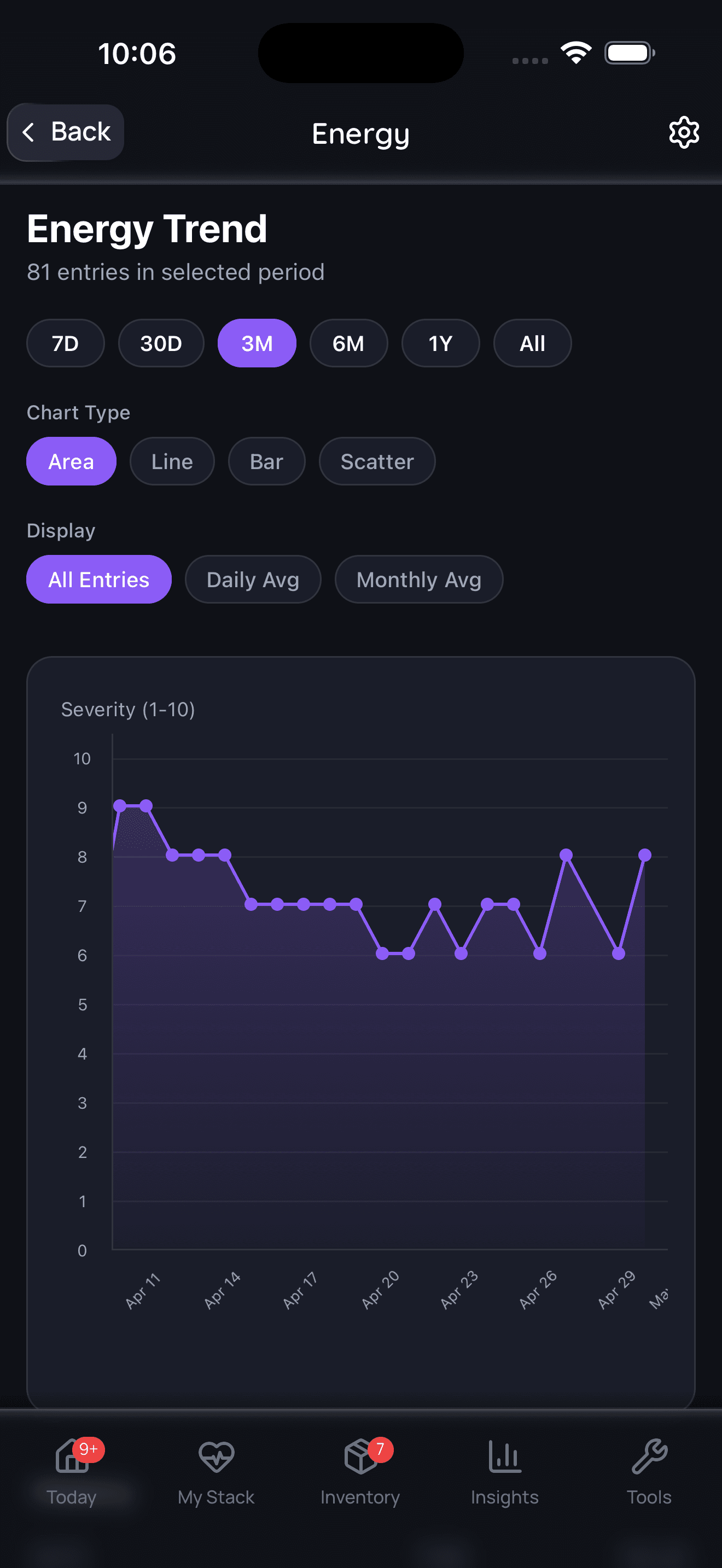
Symptom tracking is informational and should be interpreted with a qualified clinician.
Side Effects & Safety
The Basics
L-Ornithine has a favorable safety profile at typical supplemental doses. A systematic review covering 22 clinical studies found that the main side effects are gastrointestinal in nature: nausea, diarrhea, and abdominal discomfort, typically occurring at higher doses. At doses up to 12 grams per day, no significant adverse effects were observed compared to placebo [15].
The gastrointestinal effects are dose-dependent and relate to a physical limitation: the intestinal transport channels that absorb ornithine become saturated at high doses. Unabsorbed ornithine in the gut draws water into the intestines, causing loose stools or diarrhea. This is the same mechanism seen with high-dose arginine, and the two amino acids share the same transporters. If you take both, the combined load on these transporters means GI effects could occur at lower individual doses [1].
A few specific safety considerations:
- Kidney impairment: Individuals with severe kidney disease (serum creatinine above 3 mg/dL) should avoid ornithine supplementation, as excretion may be impaired.
- Gyrate atrophy: People with this rare genetic eye condition have chronically elevated blood ornithine levels and should not supplement with ornithine. Long-term high ornithine levels are associated with retinal damage in this population [17].
- Pregnancy and breastfeeding: Insufficient safety data exists for supplemental ornithine during pregnancy or breastfeeding.
- Pre-surgery: Some practitioners recommend discontinuing ornithine one week before surgery due to potential interactions with anesthesia.
The Science
Yang et al. (2025) conducted a systematic review of 22 clinical trial articles on oral L-Ornithine intake in healthy subjects. Key findings include [15]:
- Maximum tested dose: 14,025 mg/person/day as L-Ornithine HCl
- Maximum tested duration: 156 days
- NOAEL: 12,000 mg/person/day for L-Ornithine HCl
- Primary adverse events: gastrointestinal disorders (nausea, diarrhea, abdominal discomfort)
- Meta-analysis of adverse event risk: difference between ornithine and placebo groups was 0.00 (95% CI: +/- 0.02, P = 1.00), indicating no statistically significant increase in adverse event risk
- Oral acute toxicity in rats: LD50 approximately 10 g/kg body weight [15]
The intestinal side effects result from ornithine sharing the cationic amino acid transport system (CAT family) with arginine and cysteine. At doses exceeding transporter capacity, unabsorbed cationic amino acids stimulate colonic nitric oxide production, which increases water secretion and produces osmotic diarrhea. The safety margin between effective supplemental doses (2 to 6 g) and the GI threshold appears wider for ornithine than for arginine [1].
Retinal toxicity considerations derive from gyrate atrophy research: chronic blood ornithine concentrations exceeding 600 micromol/L are toxic to retinal pigment epithelial cells. Concentrations between 250 and 600 micromol/L may cause very slowly progressive retinal degeneration. Normal supplemental use produces transient elevations to approximately 300 nmol/mL (0.3 micromol/L at typical doses, well below toxic thresholds). However, the review advises caution for individuals with gyrate atrophy, HHH syndrome, or known RPE lesions [17].
Dosing & Usage Protocols
The Basics
Most research on L-Ornithine uses doses between 2 and 6 grams per day, taken as the hydrochloride (HCl) form. The specific dose that makes sense depends on your goals:
For general wellness and stress support: Studies showing stress and sleep benefits used as little as 400 mg per day for 8 weeks. This is on the lower end but represents the dose with the most evidence for these outcomes [4].
For exercise performance and ammonia clearance: Doses of 2 to 6 grams per day are commonly used in exercise studies, with some protocols using a loading approach (2 grams daily for several days followed by a larger dose on the day of exercise) [8][9].
For growth hormone stimulation: Doses of 100 to 170 mg/kg body weight (roughly 7 to 12 grams for a 70 kg person) have been used in GH studies, though the practical value of this effect is questionable [6].
Because ornithine hydrochloride is only 78% ornithine by weight, equivalent doses in other forms are higher. For example, to get the same amount of actual ornithine from LOLA (50% ornithine), you would need roughly 1.5 times the weight of the HCl dose [1].
Starting at a lower dose and gradually increasing is a reasonable approach, particularly since GI tolerance varies between individuals. Taking ornithine with food may reduce stomach discomfort, though an empty stomach may improve absorption.
The Science
Dose-response data from human studies [1][6][8][9][15]:
Dose (as HCl)
400 mg/day
- Context
- Chronic (8 weeks)
- Outcome
- Reduced cortisol, improved sleep quality [4]
Dose (as HCl)
1,600 mg/day
- Context
- Acute (7 days)
- Outcome
- Improved fatigue and anger-hostility after social stress [5]
Dose (as HCl)
2,000 mg/day
- Context
- Chronic (6 days) + acute (6 g on test day)
- Outcome
- Anti-fatigue effect during 2-hour cycling [9]
Dose (as HCl)
2,000 mg (single)
- Context
- Acute
- Outcome
- No significant effect on serum arginine or citrulline [1]
Dose (as HCl)
~7,000 mg (~100 mg/kg)
- Context
- Acute
- Outcome
- Increased serum ornithine; no effect on short-duration exercise performance [8]
Dose (as HCl)
~12,000 mg (~170 mg/kg)
- Context
- Acute
- Outcome
- Significant GH increase (318% above baseline) [6]
Dose (as HCl)
12,000 mg/day
- Context
- Safety threshold
- Outcome
- NOAEL per systematic review [15]
Form-specific dosing equivalencies (to achieve 2 to 6 g elemental ornithine):
- L-Ornithine HCl (78% ornithine): 2.6 to 7.7 g
- L-Ornithine L-Aspartate (50% ornithine): 4.0 to 12.0 g
- L-Ornithine Alpha-Ketoglutarate (47% ornithine): 4.3 to 12.8 g
When your stack includes several supplements, each with its own dose, form, and timing requirements, the logistics alone can derail consistency. Doserly consolidates all of it into one protocol view, so every dose across your entire routine is accounted for without spreadsheets or guesswork.
The app also tracks cumulative intake for nutrients that appear in multiple products. If your multivitamin, standalone supplement, and fortified protein shake all contain the same nutrient, Doserly adds them up and shows you the total alongside recommended and upper limits. Managing a thoughtful supplement protocol shouldn't require a degree in nutrition science. The app handles the complexity so you can focus on staying consistent.
Track injection timing, draw notes, and site rotation.
Doserly helps keep syringe-related notes, injection site history, reminders, and reconstitution context together for easier review.
Injection log
Site rotation
Injection logs support record-keeping; follow clinician instructions for administration.
What to Expect (Timeline)
Weeks 1 to 2: The most immediate effect many users notice is on gastrointestinal tolerance. Starting at a lower dose and increasing gradually helps the body adjust. Some users report initial fatigue or feeling "wiped out" in the first few days, which may represent a transient ammonia mobilization effect. Others notice improved energy or a subtle calming effect within the first week, particularly if taken before bed. Acute effects on exercise fatigue (if taking a pre-exercise dose) may be noticeable from the first use during prolonged activity.
Weeks 3 to 4: If stress and sleep benefits are going to emerge, this is when they typically become noticeable. The clinical study on sleep quality and cortisol used 8 weeks of supplementation, but subjective improvements may begin sooner. Those using ornithine for exercise may begin to notice more consistent performance during longer training sessions.
Weeks 5 to 8: The sleep and stress study by Miyake et al. measured outcomes at 8 weeks and found significant improvements in cortisol levels, sleep quality scores, and anger ratings at this time point [4]. This suggests that ornithine's stress-related benefits may require sustained supplementation to manifest fully.
Beyond 8 weeks: Long-term supplementation data is limited. The safety systematic review covered studies up to 156 days (approximately 5 months) and found no accumulating safety concerns [15]. Whether benefits continue to accrue or plateau beyond 8 weeks is not well-established.
One of the hardest parts of any supplement routine is knowing whether it's working when results unfold gradually over weeks or months. Without a record, it's easy to abandon something too early or keep taking something that isn't delivering. Doserly solves that by giving you a visual timeline of your entire supplementation history mapped against the outcomes you care about.
When everything is in one view, you can compare how different supplements in your stack are performing over the same period. You can see whether adding this supplement coincided with the improvement you've noticed, or whether the timing points to something else entirely. That kind of clarity turns patience into a strategy rather than a gamble.
Connect protocol changes to labs and health markers.
Doserly can keep lab results, biomarkers, symptoms, and dose history close together so follow-up conversations have better context.
Insights
Labs and trends
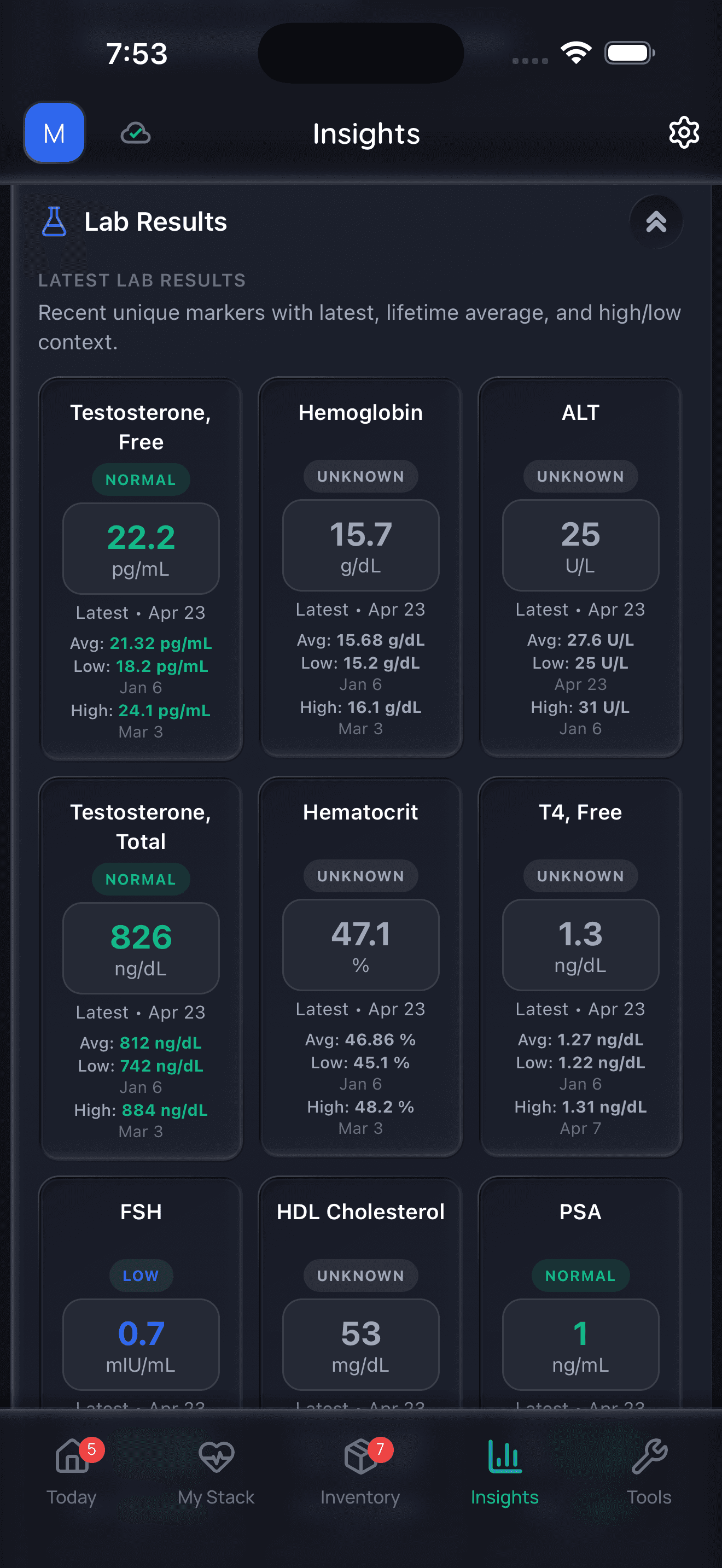
Doserly organizes data; it does not diagnose or interpret labs for you.
Interactions & Compatibility
Synergistic
- L-Arginine: Arginine promotes ornithine uptake into hepatic cells (218% increase at 0.36 mM), potentially enhancing urea cycle activity. The two are frequently combined in supplement formulations, typically in a 2:1 arginine-to-ornithine ratio. One study found improved lean mass and power output with the combination, though the study has not been replicated [11].
- L-Citrulline: As the third amino acid in the urea cycle, citrulline is metabolically complementary. Citrulline supplementation increases both arginine and ornithine plasma levels. However, supplementing ornithine on top of citrulline may increase the risk of GI side effects due to shared transporters.
- Alpha-Ketoglutarate: When combined with ornithine (as OKG), alpha-ketoglutarate suppresses ornithine-to-AKG conversion, redirecting metabolic flux toward arginine and proline production. Only the combination increased plasma arginine and proline levels; ornithine alone did not [10].
- L-Aspartate: Aspartate is a cofactor in the urea cycle (substrate for argininosuccinate synthase). The LOLA combination addresses two separate rate-limiting steps in ammonia clearance simultaneously, which may explain its clinical efficacy [3].
- Vitamin B6: Supports amino acid transaminase reactions, including those involved in ornithine metabolism.
Caution / Avoid
- High-dose L-Arginine + Ornithine (combined >10 g): Both share intestinal cationic amino acid transporters. High combined doses may saturate transport capacity and increase GI side effect risk [1].
- L-Cysteine (high dose): Also shares the same intestinal transporter system. Concurrent high-dose supplementation may reduce absorption of all three amino acids.
- Growth hormone therapies: Ornithine may stimulate GH release; concurrent use with prescription GH could require IGF-1 monitoring [6].
- Antihypertensive medications: Through its urea cycle relationship with arginine and downstream nitric oxide pathways, high-dose ornithine may theoretically potentiate blood pressure-lowering effects, though this has not been demonstrated clinically.
- Medications for hepatic encephalopathy (lactulose, rifaximin): LOLA may have additive effects. Clinical monitoring recommended if combining.
How to Take / Administration Guide
Recommended forms: L-Ornithine Hydrochloride (HCl) is the most widely available and well-studied form for general supplementation. It dissolves readily in water, though the taste can be bitter. LOLA is primarily a clinical form used for liver-related indications. OKG is predominantly used in clinical settings via IV administration.
Timing considerations: Ornithine reaches peak serum levels in approximately 45 minutes and maintains elevation for roughly 4 hours. For exercise-related benefits, many practitioners suggest taking ornithine 30 to 60 minutes before prolonged training. For sleep and stress benefits, the clinical studies administered ornithine in the morning or evening, with some evidence suggesting that bedtime administration may support growth hormone release during sleep [4][13].
Stacking guidance: Ornithine is frequently paired with arginine in commercial supplements, typically in a 1:1 or 1:2 ratio (ornithine:arginine). When stacking with citrulline, total cationic amino acid intake should be monitored, as combined doses above 6 to 10 grams may increase GI side effects.
Reconstitution for powders: L-Ornithine HCl powder dissolves in water. The taste is described as bitter and slightly salty. Mixing with juice or flavored beverages is common. Start with 1 to 2 grams in 200 to 300 mL of liquid.
Cycling guidance: There is no established evidence for cycling ornithine. Clinical studies have used continuous supplementation for up to 8 weeks (and safety data extends to 156 days) without reported tolerance development. Whether breaks are beneficial is unknown.
Choosing a Quality Product
Third-party certifications: As with any supplement, products carrying USP Verified, NSF Certified for Sport, or ConsumerLab Approved marks provide greater confidence in purity and label accuracy. GMP-certified manufacturing facilities add an additional quality assurance layer.
Active forms: L-Ornithine HCl is the standard supplement form and the most researched for general use. Ensure the label specifies "L-Ornithine" (the biologically active stereoisomer) rather than "D-Ornithine" or racemic ornithine. Check whether the dose listed on the label refers to elemental ornithine or the HCl salt (78% ornithine by weight), as this significantly affects actual ornithine content per serving.
Red flags:
- Products claiming ornithine will "dramatically boost growth hormone" or "build muscle fast" are overstating the evidence.
- Proprietary blends that do not disclose the exact ornithine dose per serving.
- Mega-dose formulations exceeding 10 grams per serving without adequate GI tolerance warnings.
- Products combining ornithine with numerous other amino acids at undisclosed ratios, making it impossible to determine effective dosing.
Excipient and filler considerations: Ornithine supplements are typically straightforward formulations. Common fillers include microcrystalline cellulose, magnesium stearate, and gelatin (for capsules). Vegetarian capsule options using cellulose-based shells are available.
Supplement-specific quality markers: Fermentation-derived L-Ornithine (produced by Kyowa Hakko Bio and similar manufacturers) is considered the gold standard for purity. Look for "fermentation-derived" or "pharmaceutical-grade" designations when available.
Storage & Handling
L-Ornithine HCl should be stored in a cool, dry place away from direct sunlight and moisture. The powder form is hygroscopic (absorbs moisture from the air), so containers should be sealed tightly after each use. No refrigeration is required under normal storage conditions. Capsule and tablet forms are generally more stable than open powder.
Shelf life is typically 2 to 3 years from manufacture when stored properly. Discard any product that has developed an unusual odor, clumping (beyond normal settling), or discoloration.
Lifestyle & Supporting Factors
Dietary sources of ornithine precursors: While ornithine itself is not abundant in foods, your body produces it from arginine, which is found in red meat, poultry, fish, dairy products, nuts, seeds, legumes, and soy products. A diet adequate in protein generally provides sufficient arginine for baseline ornithine production. Corbicula (freshwater clam) is one of the few foods containing meaningful amounts of free ornithine and has been used traditionally in Japan as a liver health food [4].
Exercise: The anti-fatigue benefits of ornithine are most relevant during prolonged endurance exercise lasting more than 45 minutes. Individuals engaged primarily in short-duration, high-intensity training are less likely to benefit from ornithine supplementation specifically for performance.
Protein intake: High-protein diets increase ammonia production through protein catabolism. Individuals consuming very high protein (above 2 g/kg/day) may theoretically benefit more from ornithine's ammonia-clearing properties, though this has not been directly studied.
Alcohol consumption: Ornithine may mitigate some hangover symptoms in alcohol-sensitive individuals by addressing alcohol-induced ammonia elevation. However, this effect has only been demonstrated in "flushers" (those with aldehyde dehydrogenase gene variants) and should not be interpreted as making alcohol consumption safer [14].
Sleep hygiene: For those using ornithine to support sleep quality, combining supplementation with standard sleep hygiene practices (consistent sleep schedule, reduced screen time before bed, cool sleeping environment) may enhance outcomes.
Hydration: Adequate water intake supports kidney function and urea excretion. Since ornithine's primary mechanism involves increasing urea production, maintaining good hydration is sensible during supplementation.
Regulatory Status & Standards
United States (FDA): L-Ornithine is classified as a dietary supplement under the Dietary Supplement Health and Education Act (DSHEA). It is not a New Dietary Ingredient (NDI), as amino acids were marketed as dietary supplements before DSHEA's enactment in 1994. As of 2018, approximately 170 tonnes of L-Ornithine were used globally as a functional food or dietary supplement [15].
Canada (Health Canada): L-Ornithine is available as a Natural Health Product (NHP). Products containing ornithine may require a Natural Product Number (NPN) for legal sale.
European Union (EFSA): L-Ornithine is available as a food supplement in EU member states. LOLA (L-Ornithine L-Aspartate) is used as a pharmaceutical product for hepatic encephalopathy in some European countries. No specific health claims have been authorized by EFSA for ornithine supplements.
Australia (TGA): L-Ornithine may be available as a Listed Medicine (low risk) or Registered Medicine depending on claims and indications.
Active Clinical Trials: Recent clinical research has focused on L-Ornithine's effects on stress, fatigue, and ammonia metabolism. The safety systematic review (UMIN000033371) comprehensively evaluated 22 clinical trials [15].
Athlete & Sports Regulatory Status:
- WADA: L-Ornithine is not listed on the current WADA Prohibited List. It is not classified as a banned substance in any WADA category (S0-S9, M1-M3, P1).
- National Anti-Doping Agencies: No major NADOs (USADA, UKAD, Sport Integrity Canada, Sport Integrity Australia) have issued specific warnings or alerts about L-Ornithine supplementation.
- Professional Sports Leagues: L-Ornithine is not known to be prohibited by any major professional sports league (NFL, NBA, MLB, NHL, NCAA).
- NCAA: L-Ornithine is not on the NCAA banned substance list. However, athletes should use products certified by NSF Certified for Sport or Informed Sport to minimize contamination risk.
- Athlete Certification Programs: Ornithine-containing supplements certified by Informed Sport (sport.wetestyoutrust.com), NSF Certified for Sport (nsfsport.com), or Cologne List (koelnerliste.com) are available. Athletes should verify product-specific certification.
- GlobalDRO: Athletes can check the current status of L-Ornithine across multiple jurisdictions at GlobalDRO.com.
Regulatory status and prohibited substance classifications change frequently. Athletes should always verify the current status of any supplement with their sport's governing body, their national anti-doping agency, and a qualified sports medicine professional before use. Third-party certification (Informed Sport, NSF Certified for Sport) reduces but does not eliminate the risk of contamination with prohibited substances.
Frequently Asked Questions
What is L-Ornithine used for?
L-Ornithine is primarily used to support the body's ammonia detoxification process through the urea cycle. Common reasons for supplementation include reducing exercise-related fatigue during prolonged activity, supporting liver health, improving sleep quality and stress management, and as part of amino acid stacks aimed at overall metabolic support. Clinically, the LOLA form is used to manage hepatic encephalopathy.
Does L-Ornithine build muscle?
Based on available evidence, L-Ornithine alone is unlikely to directly build muscle. One older study (1989) found lean mass improvements when ornithine was combined with arginine during a strength training program, but this study has not been replicated and the results are confounded by the arginine component. While ornithine can acutely increase growth hormone levels at high doses, these transient spikes do not appear to produce the sustained GH elevation associated with anabolic effects [6][11].
Is L-Ornithine the same as L-Arginine?
No. While closely related metabolically (arginine is converted into ornithine via the arginase enzyme), they are distinct amino acids with different properties. Arginine is a proteinogenic amino acid involved in protein synthesis and nitric oxide production. Ornithine is a non-proteinogenic amino acid primarily involved in ammonia detoxification through the urea cycle. Ornithine does not directly influence nitric oxide production [1][2].
When is the best time to take L-Ornithine?
Timing depends on the intended purpose. For exercise performance, many practitioners suggest taking ornithine 30 to 60 minutes before prolonged training sessions. For sleep and stress support, some evidence suggests bedtime administration may be beneficial. The clinical study on sleep quality administered ornithine daily without specific timing requirements [4].
Can I take L-Ornithine with L-Citrulline or L-Arginine?
Yes, these amino acids are complementary within the urea cycle and are frequently combined. However, because ornithine and arginine share the same intestinal transporters, very high combined doses (above 10 grams total) may increase the risk of gastrointestinal side effects [1].
Does L-Ornithine help with hangovers?
Limited research suggests that 400 mg of ornithine taken before drinking may improve next-morning symptoms (fatigue, confusion, anger) specifically in individuals classified as "flushers," those with aldehyde dehydrogenase gene variants who are more sensitive to alcohol's effects. No benefit was observed in non-flushers, and overall alcohol metabolism was not affected [14].
How much L-Ornithine is safe to take?
A 2025 systematic review of 22 clinical trials estimated the no observed adverse effect level (NOAEL) at 12,000 mg per day for L-Ornithine HCl. Most supplemental protocols use 2,000 to 6,000 mg per day. Doses above 10,000 mg increase the likelihood of gastrointestinal discomfort [15].
Is L-Ornithine safe for athletes?
L-Ornithine is not on any major prohibited substance list (WADA, USADA, NCAA). However, as with all supplements, athletes should use products that carry third-party certification (Informed Sport, NSF Certified for Sport) to minimize contamination risk.
What is the difference between L-Ornithine HCl, LOLA, and OKG?
L-Ornithine HCl is the standard supplement form (78% ornithine by weight). LOLA (L-Ornithine L-Aspartate) combines ornithine with aspartate and is primarily used clinically for hepatic encephalopathy (50% ornithine). OKG (L-Ornithine Alpha-Ketoglutarate) combines ornithine with alpha-ketoglutarate and is mainly used in clinical wound healing settings (47% ornithine) [1][10].
Can L-Ornithine cause eye problems?
In the general population at typical supplemental doses, ornithine is not associated with eye problems. However, individuals with the rare genetic condition gyrate atrophy of the choroid and retina have chronically elevated blood ornithine levels, and high-dose, long-term ornithine intake could theoretically worsen retinal damage in this population. Standard supplemental use produces transient, low-level ornithine elevation well below toxic thresholds [17].
Myth vs. Fact
Myth: L-Ornithine is a powerful muscle builder and growth hormone booster.
Fact: While ornithine can produce a short-lived spike in growth hormone at very high doses (12+ grams), this acute increase does not translate to meaningful muscle-building effects. Normal diurnal GH fluctuations already range from undetectable to 16 ng/mL, and the ornithine-induced spike (to approximately 9 ng/mL) falls within this range. The anabolic effects of growth hormone require sustained elevation, not brief pulses. No well-controlled study has demonstrated that ornithine alone increases muscle mass [6][7].
Myth: L-Ornithine and L-Arginine are interchangeable.
Fact: Despite being metabolically related through the urea cycle, these two amino acids have distinct functions. Arginine is the precursor for nitric oxide (a vasodilator) and is a proteinogenic amino acid used in protein synthesis. Ornithine is a non-proteinogenic amino acid primarily involved in ammonia detoxification. Ornithine supplementation does not increase arginine levels or nitric oxide production at typical doses [1][2].
Myth: More ornithine means more ammonia detoxification.
Fact: Ornithine's ammonia-clearing benefits follow a dose-response curve with diminishing returns. Intestinal absorption capacity limits how much ornithine reaches the bloodstream, and doses above 10 grams are more likely to cause diarrhea than provide additional benefit. The relationship between dose and serum levels plateaus as transport channels become saturated [1][15].
Myth: L-Ornithine cures insomnia.
Fact: One controlled study found that 400 mg of ornithine daily for 8 weeks improved subjective sleep quality scores and reduced cortisol levels in healthy workers. This is a modest, stress-related effect, not a direct sedative or sleep-inducing action. Ornithine should not be considered a replacement for established sleep interventions or medical treatment for insomnia [4].
Myth: All forms of ornithine are the same.
Fact: Different forms contain different percentages of actual ornithine and may have different clinical applications. HCl contains 78% ornithine, LOLA contains 50%, and OKG contains 47%. LOLA has the strongest clinical evidence for hepatic encephalopathy, OKG has been studied for wound healing (primarily IV), and HCl is the most common general supplement form. Clinical evidence for one form does not automatically transfer to others [1][3][10].
Myth: L-Ornithine is effective for short, intense workouts.
Fact: The exercise research consistently shows that ornithine's anti-fatigue effect is specific to prolonged exercise lasting more than 45 minutes, when ammonia accumulation becomes a meaningful contributor to fatigue. A study using a short-duration cycle to exhaustion (approximately 15 minutes) found no performance benefit from ornithine supplementation [8][9].
Myth: L-Ornithine is dangerous for the eyes.
Fact: Retinal toxicity from ornithine is a concern only in the context of gyrate atrophy, a rare genetic condition causing chronically elevated blood ornithine levels (above 600 micromol/L). Standard supplemental use produces transient ornithine elevation to approximately 300 nmol/mL (0.3 micromol/L), well below the toxic threshold. Short-term, low-dose, or transient high-dose ornithine intake is considered safe for the retina [17].
Sources & References
Systematic Reviews & Meta-Analyses
[1] Wu G. Amino acids: metabolism, functions, and nutrition. Amino Acids. 2009;37(1):1-17. doi: 10.1007/s00726-009-0269-0.
[2] Wu G, Morris SM Jr. Arginine metabolism: nitric oxide and beyond. Biochem J. 1998;336(Pt 1):1-17.
[3] Butterworth RF, Kircheis G, Hilger N, McPhail MJW. Efficacy of L-ornithine L-aspartate for the treatment of hepatic encephalopathy and hyperammonemia in cirrhosis: systematic review and meta-analysis of randomized controlled trials. J Clin Exp Hepatol. 2018;8(3):301-313.
[15] Yang H, Kuramochi Y, Sato S, Sakai R, Hayamizu K. Safety assessment of L-ornithine oral intake in healthy subjects: a systematic review. Amino Acids. 2025;57(1):23. doi: 10.1007/s00726-025-03455-4. PMID: 40323503.
Clinical Trials & RCTs
[4] Miyake M, Kirisako T, Kokubo T, et al. Randomised controlled trial of the effects of L-ornithine on stress markers and sleep quality in healthy workers. Nutr J. 2014;13:53. doi: 10.1186/1475-2891-13-53. PMC4055948.
[5] Moriyasu K, Morita M. Effects of oral ingestion of L-ornithine on mental stress and fatigue based on the Trier Social Stress Test in healthy humans: a randomized, double-blind, placebo-controlled, parallel-group trial. Nutrients. 2024;16(24):4354. PMID: 39768508.
[6] Bucci LR, Hickson JF Jr, Pivarnik JM, Wolinsky I, McMahon JC, Turner SD. Ornithine ingestion and growth hormone release in bodybuilders. Nutr Res. 1990;10:239-245.
[7] Demura S, Yamada T, Yamaji S, Komatsu M, Morishita K. The effect of L-ornithine hydrochloride ingestion on human growth hormone secretion after strength training. Adv Biosci Biotechnol. 2010;1:7-11.
[8] Demura S, Yamada T, Yamaji S, Komatsu M, Morishita K. The effect of L-ornithine hydrochloride ingestion on performance during incremental exhaustive ergometer bicycle exercise and ammonia metabolism during and after exercise. Eur J Clin Nutr. 2010;64:1166-1171.
[9] Sugino T, Shirai T, Kajimoto Y, Kajimoto O. L-ornithine supplementation attenuates physical fatigue in healthy volunteers by modulating lipid and amino acid metabolism. Nutr Res. 2008;28(11):738-743.
[10] Cynober L. Ornithine alpha-ketoglutarate as a potent precursor of arginine and nitric oxide: a new job for an old friend. J Nutr. 2004;134(10 Suppl):2858S-2862S.
[11] Elam RP, Hardin DH, Sutton RA, Hagen L. Effects of arginine and ornithine on strength, lean body mass and urinary hydroxyproline in adult males. J Sports Med Phys Fitness. 1989;29(1):52-56.
Observational Studies & Preclinical Research
[12] Mutch BJ, Banister EW. Ammonia metabolism in exercise and fatigue: a review. Med Sci Sports Exerc. 1983;15(1):41-50.
[13] Van Cauter E, Plat L, Copinschi G. Interrelations between sleep and the somatotropic axis. Sleep. 1998;21(6):553-566.
[14] Kokubo T, Ikeshima E, Komatsu M, Kirisako T, Miura Y, Horiuchi M, Tsuda A. L-ornithine-L-aspartate improves alcohol-derived fatigue feeling in flushers. Jpn Pharmacol Ther. 2012;40:205-212.
Government/Institutional Sources
[16] Jeevanandam M, Holaday NJ, Petersen SR. Ornithine-alpha-ketoglutarate (OKG) supplementation is more effective than its component salts in traumatized rats. J Nutr. 1996;126(9):2141-2150.
[17] Hayasaka S, Saito T, Nakajima H, et al. Retinal risks of high-dose ornithine supplements: a review. Br J Nutr. 2011;106(6):801-811.
Pharmacokinetic Studies
[18] Miura N, Morishita K, Yasuda T, Akiduki S, Matsumoto H. Subchronic tolerance trials of graded oral supplementation with ornithine hydrochloride or citrulline in healthy adults. Amino Acids. 2023;55:299-311.
[19] Kowalski P, Bieniecki M. Pharmacokinetics and bioavailability study of L-ornithine-L-aspartate in healthy volunteers. J Clin Pharmacol. 2006.
[20] Morita M, Ochiai M, Watanabe F, Iizuka M, Yokoyama T, Kawatari Y, Morishita K. An open-label safety trial of kinetics and metabolic effects of orally-administered L-ornithine hydrochloride in healthy volunteers. Amino Acids. 2013.
Related Supplement Guides
Same Category (Amino Acids)
- L-Arginine — Precursor to ornithine; nitric oxide production, cardiovascular health
- L-Citrulline — Urea cycle partner; raises arginine and ornithine levels
- L-Glutamine — Ammonia buffering via alternative pathway; gut health
- Taurine — Non-proteinogenic amino acid; cardiovascular and neurological support
- L-Carnitine — Amino acid derivative; energy metabolism, exercise recovery
- L-Tryptophan — Serotonin and melatonin precursor; sleep support
Common Stacks / Pairings
- L-Arginine — Most commonly paired with ornithine (2:1 ratio typical)
- L-Citrulline — Urea cycle completion; some users combine for comprehensive ammonia support
- Creatine — Performance stack for endurance and strength athletes
- Magnesium — Sleep and recovery support; frequently stacked with ornithine
Related Health Goal
- L-Theanine — Stress and sleep support via different mechanism (GABA modulation)
- Melatonin — Direct sleep hormone; ornithine may support endogenous melatonin production
- BCAAs — Exercise performance and recovery; ammonia-related fatigue reduction
- Beta-Alanine — Exercise fatigue buffering through different mechanism (carnosine)