
Chlorella: The Complete Supplement Guide
On this page
Quick Reference Card
Attribute
Common Name
- Detail
- Chlorella
Attribute
Other Names / Aliases
- Detail
- Chlorella vulgaris, Chlorella pyrenoidosa, green algae, freshwater algae, Sun Chlorella, Yaeyama Chlorella
Attribute
Category
- Detail
- Microalgae (Specialty / Detox & Chelation)
Attribute
Primary Forms & Variants
- Detail
- Whole dried powder (broken cell wall), tablet/pressed pill, liquid extract; C. vulgaris and C. pyrenoidosa are the two most common species. Broken cell wall processing improves digestibility.
Attribute
Typical Dose Range
- Detail
- 2-10 g/day (whole powder or tablets); clinical trials commonly use 1.2-5 g/day
Attribute
RDA / AI / UL
- Detail
- No established RDA, AI, or UL. No official daily value set by IOM or EFSA. GRAS status from FDA.
Attribute
Common Delivery Forms
- Detail
- Tablet, capsule, powder, liquid extract
Attribute
Best Taken With / Without Food
- Detail
- Generally taken with meals to improve GI tolerance
Attribute
Key Cofactors
- Detail
- Vitamin C (enhances iron absorption from chlorella), Vitamin D (commonly co-supplemented), Iron (chlorella provides supplemental iron)
Attribute
Storage Notes
- Detail
- Store in a cool, dry place away from direct sunlight. Powder forms are sensitive to moisture and oxidation. Sealed containers preferred.
Overview
The Basics
Chlorella is a single-celled freshwater green alga that has been consumed as a food source and nutritional supplement for decades, particularly in East Asia. It is one of the most nutrient-dense whole food supplements available, packed with protein, chlorophyll, vitamins, minerals, and antioxidants in a tiny green package.
What makes chlorella stand out from other greens supplements is its remarkably complete nutritional profile. It contains roughly 50-60% protein by dry weight, a broad spectrum of B vitamins (including some B12), iron, zinc, magnesium, and more chlorophyll than almost any other plant. This density is why chlorella has attracted interest from researchers studying everything from cardiovascular health to heavy metal detoxification to immune function.
The supplement is particularly popular among plant-based eaters looking for whole food sources of iron and B12, health-conscious individuals interested in detoxification support, and people seeking a broad-spectrum nutritional "insurance policy." However, the research picture is more nuanced than the marketing suggests. While chlorella does show genuine promise in several areas (particularly cholesterol reduction and liver health), the evidence base is still developing, and many studies are small or limited to specific populations [1][2].
One practical consideration worth noting early: chlorella can cause digestive discomfort in some people, especially when first starting. This is the most commonly reported side effect and the primary reason some people discontinue use. Starting with a lower dose and gradually increasing is a widely recommended approach [3].
The Science
Chlorella (genus Chlorella, family Chlorellaceae) encompasses several species of unicellular, spherical green microalgae found in freshwater environments. The two species most commonly used in supplements are Chlorella vulgaris and Chlorella pyrenoidosa, both of which have been extensively studied [1][4].
The organism was first described by Dutch microbiologist Martinus Beijerinck in 1890 and was among the first algae to be grown in pure culture. Commercial cultivation began in Japan in the 1960s, and chlorella rapidly became one of the most popular health supplements in East Asia. Annual production currently exceeds 2,000 metric tons globally, with the majority cultivated in controlled freshwater systems in Japan, Taiwan, and Germany [4].
Chlorella's dense nutritional profile includes protein (50-58% dry weight), lipids (including omega-3 fatty acids), carbohydrates, fiber, chlorophyll (the highest concentration of any known plant per gram), carotenoids (beta-carotene, lutein, zeaxanthin), B vitamins, vitamin C, vitamin K, iron, zinc, magnesium, phosphorus, and a unique compound known as Chlorella Growth Factor (CGF), a nucleotide-peptide complex derived from its rapid reproduction cycle [4][5].
Contemporary research has focused primarily on chlorella's effects on cardiometabolic parameters, with multiple systematic reviews and meta-analyses published between 2018 and 2026 examining its impact on lipid profiles, blood pressure, blood glucose, liver function, and inflammatory markers in both healthy adults and clinical populations, particularly those with non-alcoholic fatty liver disease (NAFLD) [1][2][6][7].
Chemical & Nutritional Identity
Property
Scientific Name
- Value
- Chlorella vulgaris, Chlorella pyrenoidosa
Property
Family
- Value
- Chlorellaceae
Property
Cell Size
- Value
- 2-10 micrometers diameter
Property
Key Active Compounds
- Value
- Chlorophyll, Chlorella Growth Factor (CGF), carotenoids, polysaccharides, GABA
Property
Protein Content
- Value
- 50-58% dry weight
Property
Chlorophyll Content
- Value
- 1-4% dry weight (highest of any known plant)
Property
Key Carotenoids
- Value
- Beta-carotene, lutein, zeaxanthin, alpha-carotene
Property
Vitamin K1 Content
- Value
- Significant (may affect warfarin therapy)
Property
Iron Content
- Value
- 6-40 mg per 100g dry weight (varies by cultivation)
Property
B12 Content
- Value
- Present, but contains both active B12 and pseudovitamin B12 analogs
Property
GRAS Status
- Value
- Yes (FDA)
Property
EFSA Status
- Value
- Approved as food ingredient
Property
CAS Number
- Value
- 1406-65-1 (chlorophyll reference)
Property
Category
- Value
- Microalgae / Whole food supplement
B12 Content Note
The B12 content of chlorella is frequently debated. While chlorella does contain cobalamin, some studies indicate that a portion of the B12 present consists of pseudovitamin B12 analogs (inactive forms that may compete with active B12 for absorption). The proportion of active to inactive B12 varies by species and cultivation conditions. Individuals relying on chlorella as their sole B12 source, particularly those on vegan diets, should monitor their B12 status through blood testing and consider a dedicated B12 supplement as a more reliable option [4].
Cell Wall Processing
Raw chlorella has a rigid cellulose cell wall that humans cannot effectively digest. Most commercial supplements use "broken cell wall" or "cracked cell wall" processing (mechanical pulverization, heat treatment, or enzymatic digestion) to make the nutrients bioavailable. The processing method affects both nutrient accessibility and the supplement's binding capacity for toxins [4].
Mechanism of Action
The Basics
Chlorella works through several different pathways at once, which makes sense when you consider that it is an entire organism rather than a single isolated compound. Think of it less like taking one targeted vitamin and more like consuming a concentrated whole food with multiple active components working together.
The most well-studied mechanism involves chlorella's antioxidant activity. The chlorophyll, carotenoids, and other compounds in chlorella help neutralize harmful molecules called free radicals in your body. Over time, excessive free radical activity contributes to inflammation, cardiovascular damage, and cellular aging. Chlorella appears to both directly scavenge free radicals and boost your body's own antioxidant defense systems [5][8].
For cardiovascular effects, chlorella seems to work in at least three ways. It can bind dietary fat in the intestine (reducing how much cholesterol your body absorbs), increase the clearance of LDL cholesterol from the blood, and reduce the absorption of sterols. It also contains GABA, a naturally occurring compound that may contribute to blood pressure reduction [5].
Chlorella's detoxification reputation comes from its ability to bind to certain heavy metals and environmental pollutants in the digestive tract, potentially reducing their absorption into the body. This has been demonstrated in animal studies with dioxins and in human studies measuring mercury levels [1][5].
The immune-supporting effects appear to involve enhancement of natural killer (NK) cell activity and increased production of immune signaling molecules like interferon, based on a randomized controlled trial in healthy adults [9].
The Science
Chlorella's pharmacological activity derives from multiple bioactive fractions acting through distinct but overlapping molecular pathways:
Antioxidant mechanisms: Chlorella constituents function as free radical scavengers and enhance endogenous antioxidant enzyme activity. Supplementation has demonstrated increased superoxide dismutase (SOD), catalase (CAT), glutathione (GSH), and glutathione peroxidase (GPx) activity in both animal models and human subjects. In male smokers, chlorella supplementation significantly increased plasma antioxidant status. The antioxidant activity is attributed to chlorophyll, carotenoids (beta-carotene, lutein), polyphenols, and vitamin C content [5][8].
Anti-inflammatory pathways: Chlorella polysaccharides and polyphenols suppress NF-kB activation, reduce COX-2 expression, and lower circulating inflammatory markers including C-reactive protein (CRP), interleukin-6 (IL-6), and prostaglandins. A 2026 meta-analysis in NAFLD patients confirmed significant hs-CRP reduction (WMD = -1.02, 95% CI: -1.84, -0.19) [2][5].
Lipid-lowering mechanisms: Chlorella constituents bind to dietary fat in the intestinal lumen, increase hepatic LDL receptor-mediated scavenging, and reduce intestinal sterol absorption. ACE (angiotensin-converting enzyme) inhibition has also been demonstrated, contributing to both lipid and blood pressure effects [5].
Glycemic regulation: Chlorella supplementation improves insulin sensitivity and enhances glucose uptake in liver and skeletal muscles. These effects appear to be potentiated when combined with exercise training, particularly high-intensity interval training (HIIT) [1][5].
Immunomodulation: A randomized, double-blind, placebo-controlled trial by Kwak et al. (2012) demonstrated enhanced NK cell activity and increased interferon-gamma and interleukin-12 production after 8 weeks of chlorella supplementation in healthy adults. Earlier work by Halperin et al. (2003) showed enhanced antibody titers following influenza vaccination in subjects supplementing with a chlorella-derived product [9][10].
Detoxification/chelation: Chlorella inhibited intestinal absorption of dioxins in animal models and heterocyclic amines in humans. In healthy adults, chlorella supplementation reduced mercury levels in hair and blood, likely through binding in the gastrointestinal tract rather than true chelation at the tissue level [1].
Absorption & Bioavailability
The Basics
How well your body absorbs the nutrients in chlorella depends heavily on one key factor: whether the cell wall has been processed. Chlorella naturally has a tough cellulose cell wall that human digestive enzymes cannot break down effectively. Without processing, much of the nutritional content passes through your digestive system unused. This is why virtually all modern chlorella supplements use some form of "broken cell wall" or "cracked cell wall" technology [4].
Once the cell wall barrier is addressed, the various nutrients in chlorella are absorbed through different pathways. The protein, vitamins, and minerals follow standard digestive absorption routes. The carotenoids (beta-carotene, lutein, zeaxanthin) are fat-soluble, meaning they absorb better when taken with a meal that contains some fat. One study found that a single dose of marine chlorella significantly increased plasma concentrations of lutein, beta-carotene, and zeaxanthin in healthy men, confirming that these compounds are bioavailable from chlorella [11].
The iron in chlorella has attracted particular interest as a potential alternative to conventional iron supplements, which are often poorly tolerated. Research suggests chlorella may offer a more bioavailable and better-tolerated iron source, with studies showing improvements in hemoglobin, serum ferritin, and red blood cell counts without the GI side effects commonly associated with ferrous sulfate [12].
Taking chlorella with meals is generally recommended both to enhance absorption of fat-soluble components and to reduce the likelihood of GI discomfort.
The Science
Bioavailability of chlorella's nutrient components is primarily governed by the integrity of the cell wall and the processing method used to disrupt it. Mechanical disruption (bead milling, high-pressure homogenization), enzymatic digestion, and heat treatment are the principal commercial methods, each yielding different digestibility profiles [4].
Carotenoid bioavailability from chlorella has been confirmed in a human pharmacokinetic study. Serra et al. (2021) demonstrated that a single dose of marine Chlorella vulgaris significantly increased plasma concentrations of lutein, beta-carotene, and zeaxanthin in healthy male volunteers, with measurable increases within hours of ingestion [11].
Iron bioavailability from chlorella is enhanced relative to some conventional supplements due to reduced hepcidin-mediated inhibition. Both C. vulgaris and Arthrospira platensis (spirulina) reduced inflammation-induced hepcidin levels, thereby supporting improved iron absorption. Enhanced antioxidant defenses (increased SOD and GPx activity, reduced lipid peroxidation) may further support iron utilization [12].
The B12 bioavailability from chlorella remains contentious. While chlorella contains measurable cobalamin, some analytical studies have identified a significant proportion of pseudovitamin B12 (inactive corrinoid analogs) that may actually interfere with active B12 metabolism. The ratio of active to inactive forms varies by species (C. vulgaris vs. C. pyrenoidosa), cultivation conditions, and analytical method used [4].
GABA content in chlorella is absorbed through standard intestinal GABA transport mechanisms, though systemic bioavailability of orally ingested GABA and its ability to cross the blood-brain barrier remain areas of active investigation [5].
Managing absorption timing across multiple supplements gets complicated fast. Some need to be taken with food, others on an empty stomach. Some compete for the same absorption pathways, others enhance each other. Doserly organizes all of this into a single schedule that accounts for the interactions between everything in your stack.
Instead of juggling mental notes about which supplements to separate and which to pair, the app handles the coordination for you. It flags timing conflicts, suggests optimal windows based on the forms you're using, and builds a daily routine that gives each supplement its best chance of being absorbed effectively. One place for all the details that are easy to forget.
Turn symptom and safety notes into a clearer timeline.
Doserly helps you log doses, symptoms, and safety observations side by side so patterns are easier to discuss with a qualified clinician.
Pattern view
Logs and observations

Pattern visibility is informational and should be reviewed with a clinician.
Research & Clinical Evidence
The Basics
The research on chlorella has grown considerably over the past decade, with several systematic reviews and meta-analyses now available. The strongest evidence exists for cholesterol reduction and liver health support, while other areas like immune function and detoxification have promising but less robust data.
For heart health markers, a meta-analysis of 10 randomized controlled trials (539 adults) found that chlorella supplementation significantly reduced total cholesterol by about 7.5 mg/dL and LDL cholesterol by about 7.7 mg/dL [6]. These are modest but meaningful reductions. Interestingly, the dose-response analysis showed that the LDL-lowering effect was most pronounced at dosages up to 1,500 mg per day, with diminishing returns at higher doses.
For liver health, a 2026 meta-analysis of 7 trials in people with non-alcoholic fatty liver disease (NAFLD) found significant improvements in liver enzymes (AST, ALP), fasting blood sugar, inflammation markers, total cholesterol, and even modest weight loss [2]. However, all included studies were conducted in Iran, which limits how broadly the findings can be applied.
For immune function, a well-designed randomized trial showed that 8 weeks of chlorella supplementation enhanced natural killer cell activity and increased immune signaling molecules in healthy adults. An earlier trial showed improved antibody response to influenza vaccination [9][10].
The detoxification research is perhaps the most cited but least rigorous area. Animal studies show chlorella can bind dioxins in the gut, and a human study showed reduced mercury levels in hair and blood. However, claims about chlorella "detoxifying" the body in a broad sense go well beyond what current evidence supports [1].
The Science
Lipid Profile (Meta-analysis level): Sherafati et al. (2022) conducted a systematic review and dose-response meta-analysis of 10 RCTs (n=539). Results demonstrated significant reductions in total cholesterol (MD: -7.47 mg/dL, 95% CI: -12.98 to -1.96) and LDL-C (MD: -7.71 mg/dL, 95% CI: -14.05 to -1.37), with no significant effects on triglycerides or HDL-C. Non-linear dose-response analysis indicated LDL-C reduction was significant only at dosages between 0 and 1,500 mg/day (P for non-linearity = 0.01) [6].
A separate 2025 meta-analysis by Pinto-Leite et al. examining both chlorella and spirulina found that chlorella supplementation had a neutral effect on blood pressure and lipemia in pooled analysis, while spirulina showed modest diastolic blood pressure reduction [7]. This discrepancy with Examine.com's B-grade blood pressure rating reflects differences in included studies and populations.
NAFLD (Meta-analysis level): Jafari et al. (2026) conducted a GRADE-assessed systematic review of 7 RCTs (n=375) in NAFLD patients. Significant reductions were found for: weight (WMD: -1.62 kg), fasting blood sugar (WMD: -6.25 mg/dL), hs-CRP (WMD: -1.02), total cholesterol (WMD: -7.18 mg/dL), ALP (WMD: -14.84), and AST (WMD: -4.99). However, certainty of evidence was rated "very low" by GRADE criteria due to risk of bias, and all studies were conducted in Iran [2].
Liver Function (Clinical trial): Azocar & Diaz (2013) studied 18 adults with chronic hepatitis C (genotype 1) receiving 12 weeks of chlorella supplementation. ALT levels decreased significantly in 84.61% of patients (p < 0.05). AST levels decreased in 69.23% (p = 0.06, not significant). HCV viral load decreased in 69.23% (not significant). Energy levels improved in 76.9% and general health perception in 46.1% [3].
Immune Function (RCT): Kwak et al. (2012) conducted a randomized, double-blind, placebo-controlled trial demonstrating enhanced NK cell activity and increased interferon-gamma and IL-12 production after 8 weeks of chlorella supplementation in healthy adults [9]. Halperin et al. (2003) showed enhanced antibody titers following influenza vaccination with chlorella supplementation [10].
Heavy Metal Detoxification: Animal models demonstrate reduced intestinal absorption of dioxins with chlorella co-administration. In humans, chlorella supplementation reduced mercury levels in hair and blood of healthy adults. Chlorella pyrenoidosa supplementation during pregnancy decreased dioxin transfer to breastmilk [13][14].
Evidence & Effectiveness Matrix
Category
Heart Health
- Evidence Strength
- 7/10
- Community-Reported Effectiveness
- 5/10
- Summary
- Meta-analyses show significant TC and LDL-C reductions. Blood pressure data is mixed across reviews. Community discussion is minimal.
Category
Energy Levels
- Evidence Strength
- 4/10
- Community-Reported Effectiveness
- 6/10
- Summary
- Clinical trial showed 76.9% reported improved energy in HCV patients. Community reports are consistently positive for energy but confounded by potential nutrient deficiency correction.
Category
Immune Function
- Evidence Strength
- 6/10
- Community-Reported Effectiveness
- 5/10
- Summary
- One well-designed RCT showing NK cell enhancement and improved vaccine response. Community discussion is research-referenced rather than experiential.
Category
Gut Health
- Evidence Strength
- 3/10
- Community-Reported Effectiveness
- 4/10
- Summary
- Limited direct evidence for gut health specifically. Community reports are mixed, with detox claims commonly discussed but poorly evaluated.
Category
Nausea & GI Tolerance
- Evidence Strength
- 5/10
- Community-Reported Effectiveness
- 4/10
- Summary
- GI side effects are well-documented (nausea, diarrhea, constipation) but typically resolve. Community is divided: users either tolerate it well or cannot take it.
Category
Inflammation
- Evidence Strength
- 6/10
- Community-Reported Effectiveness
- N/A
- Summary
- NAFLD meta-analysis showed significant hs-CRP reduction. No meaningful community sentiment data.
Category
Skin Health
- Evidence Strength
- 2/10
- Community-Reported Effectiveness
- 5/10
- Summary
- Limited clinical evidence. A few community reports of improved skin, but low volume.
Category
Mood & Wellbeing
- Evidence Strength
- 3/10
- Community-Reported Effectiveness
- 5/10
- Summary
- One small study on MDD (1.8 g/day for 6 weeks). Some community reports of general wellbeing improvement.
Category
Pain Management
- Evidence Strength
- 2/10
- Community-Reported Effectiveness
- 5/10
- Summary
- No clinical evidence for pain. One detailed community report of fibromyalgia relief (confounded).
Category
Weight Management
- Evidence Strength
- 5/10
- Community-Reported Effectiveness
- N/A
- Summary
- NAFLD meta-analysis showed modest weight reduction (-1.62 kg). No meaningful community data.
Category
Side Effect Burden
- Evidence Strength
- 5/10
- Community-Reported Effectiveness
- 5/10
- Summary
- Well-tolerated in clinical trials; GI effects are primary concern. Community reports a clear tolerance divide.
Categories scored: 11
Categories with community data: 8
Categories not scored (insufficient data): Fat Loss, Muscle Growth, Appetite & Satiety, Food Noise, Sleep Quality, Focus & Mental Clarity, Memory & Cognition, Anxiety, Stress Tolerance, Motivation & Drive, Emotional Aliveness, Emotional Regulation, Libido, Sexual Function, Joint Health, Recovery & Healing, Physical Performance, Digestive Comfort, Blood Pressure, Heart Rate & Palpitations, Hormonal Symptoms, Temperature Regulation, Fluid Retention, Body Image, Bone Health, Longevity & Neuroprotection, Cravings & Impulse Control, Social Connection, Hair Health, Treatment Adherence, Withdrawal Symptoms, Daily Functioning, Other
Benefits & Potential Effects
The Basics
Chlorella's benefits span several health areas, though it is important to note that the strength of evidence varies considerably depending on the specific claim.
The most well-supported benefits involve cardiovascular markers. Multiple meta-analyses have found that regular chlorella supplementation can modestly lower total cholesterol and LDL ("bad") cholesterol. For people looking for a natural adjunct to heart-healthy lifestyle changes, these findings are encouraging, though the magnitude of the effect (roughly 7-8 mg/dL reduction) means chlorella is a supportive tool rather than a replacement for medical treatment when cholesterol levels are significantly elevated [6].
Liver health support is another area with growing evidence, particularly for people with NAFLD. Research shows improvements in liver enzymes (markers of liver inflammation and damage), blood sugar, and inflammatory markers in this population [2].
Chlorella also provides meaningful nutritional support as a whole food supplement. Its high chlorophyll content, broad mineral profile, and protein density make it a popular option for people looking to fill nutritional gaps, particularly those following plant-based diets. The iron and carotenoid content (lutein, beta-carotene, zeaxanthin) have been confirmed as bioavailable in human studies [11][12].
The immune-supporting potential is backed by a well-conducted randomized trial showing enhanced NK cell activity, though this is a single study requiring replication [9].
Emerging but less established benefits include potential support for blood sugar management, heavy metal binding in the digestive tract, and antioxidant protection. These areas have promising preliminary data but need larger, more diverse clinical trials to draw firm conclusions [1][5].
The Science
Established benefits (moderate-strong evidence):
Lipid profile improvement: Pooled data from 10 RCTs demonstrates statistically significant reductions in total cholesterol (MD: -7.47 mg/dL) and LDL-C (MD: -7.71 mg/dL). Effect size is clinically modest but consistent across multiple independent studies [6].
Liver function improvement: In NAFLD populations, meta-analysis of 7 RCTs shows significant reductions in AST (WMD: -4.99 IU/L), ALP (WMD: -14.84 IU/L), and fasting blood sugar (WMD: -6.25 mg/dL). In chronic HCV, 12-week supplementation produced significant ALT reduction (p < 0.05) [2][3].
Immunomodulation: Enhanced NK cell activity, increased interferon-gamma, and IL-12 production demonstrated in healthy adults (RCT, n=51) [9]. Improved influenza vaccine antibody response (RCT) [10].
Emerging benefits (preliminary evidence):
Antioxidant enhancement: Increased SOD, catalase, and glutathione activity demonstrated in both animal and human studies. Reduced malondialdehyde (MDA), a marker of lipid peroxidation [5][8].
Glycemic control: Improved insulin sensitivity and glucose uptake, particularly when combined with exercise. Fasting blood sugar reductions significant in NAFLD meta-analysis [2][5].
Heavy metal reduction: Reduced mercury levels in hair and blood of healthy adults. Reduced maternal dioxin transfer during pregnancy [13][14].
Carotenoid delivery: A single dose of marine chlorella increased plasma lutein, beta-carotene, and zeaxanthin in healthy men. In breastfeeding women, chlorella supplementation increased beta-carotene (1.7-fold), lutein (2.7-fold), and zeaxanthin (2.6-fold) in milk [11][14].
Iron status improvement: Enhanced hemoglobin, serum ferritin, and red blood cell counts without the GI side effects of conventional iron salts. Reduced hepcidin levels support improved iron absorption [12].
When you're taking multiple supplements, it's hard to know which one is doing the heavy lifting. The benefits described above may overlap with effects from other items in your stack, lifestyle changes, or seasonal variation. Doserly helps you untangle that by keeping everything in one place, with timestamps, doses, and outcomes logged together.
Over time, this builds something more valuable than any product review: your personal evidence record. You can see exactly when you started this supplement, what else was in your routine at the time, and how your tracked health markers responded. That clarity makes the difference between guessing and knowing, whether you're talking to a healthcare provider or simply deciding if it's worth reordering.
Capture changes while they are still fresh.
Log symptoms, energy, sleep, mood, and other observations alongside protocol events so patterns do not live only in memory.
Trend view
Symptom timeline
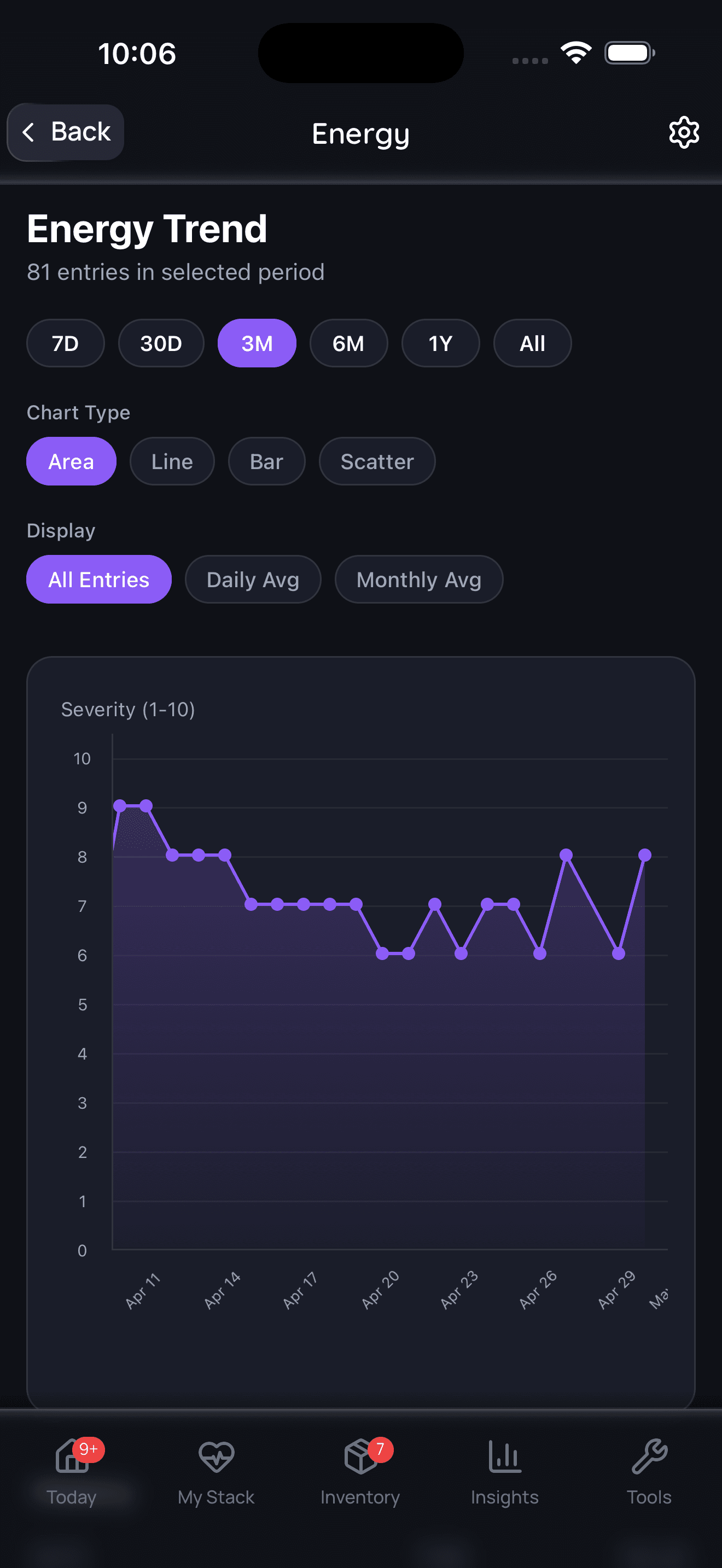
Symptom tracking is informational and should be interpreted with a qualified clinician.
Side Effects & Safety
The Basics
Chlorella is generally considered safe and well-tolerated, with GRAS (Generally Recognized As Safe) status from the FDA and approval from EFSA. Clinical trials consistently report a favorable safety profile, and no serious adverse effects have been attributed to chlorella supplementation at standard doses [3][4].
That said, GI effects are the most commonly reported side effects and the primary reason some people stop taking chlorella. These include nausea, diarrhea, abdominal cramping, flatulence, and green-colored stools. In clinical trials, these symptoms typically appeared during the first 1-2 weeks and resolved on their own. Starting with a smaller dose and gradually working up can help minimize these effects [3].
Allergic reactions are a more serious concern, though they are uncommon. Cases of asthma and even anaphylaxis have been reported in people taking chlorella, as well as in workers who handle chlorella tablets during manufacturing. People with known allergies to molds or other algae should exercise caution [15].
Photosensitivity (increased sun sensitivity) has been reported following chlorella ingestion, likely related to the high chlorophyll content, which can increase the skin's reactivity to UV light [15].
Because chlorella is high in vitamin K, it may reduce the effectiveness of warfarin (a blood-thinning medication). Anyone taking warfarin or other anticoagulants should consult their healthcare provider before starting chlorella [15].
A significant safety consideration is heavy metal contamination. Because chlorella readily absorbs metals from its growing environment, products grown under poorly controlled conditions can contain lead, mercury, arsenic, or other contaminants. Third-party testing is especially important for chlorella products [4].
Chlorella supplementation during pregnancy has been studied with positive results (reduced dioxin transfer, increased breastmilk carotenoids), but pregnant or breastfeeding women should consult a healthcare provider before use [14].
The Science
Common adverse effects (clinical trial data):
- GI effects: nausea, diarrhea, constipation, flatulence, abdominal cramping. In the Azocar & Diaz (2013) HCV trial, 30.7% experienced mild-moderate constipation (resolved within 2 weeks), 15.3% experienced mild diarrhea (resolved after week 2). One subject discontinued due to constipation [3].
- Green stool discoloration: expected and harmless, attributable to chlorophyll content [15].
Uncommon/rare adverse effects:
- Allergic reactions: asthma, urticaria, and anaphylaxis reported in case studies. Occupational asthma documented in chlorella tablet manufacturing workers [15].
- Photosensitivity: increased UV sensitivity related to chlorophyll and pheophorbide a (a chlorophyll degradation product) [15].
- Green breastmilk discoloration: reported in one case with a blue-green algae complex containing chlorella and spirulina [15].
Drug interactions:
- Warfarin: high vitamin K content may reduce anticoagulant effectiveness. Monitoring of INR recommended [15].
- Immunosuppressants: theoretical concern based on immunostimulatory effects (enhanced NK cell activity), though no clinical interactions have been documented [9].
Contamination risks:
- Heavy metals: chlorella bioaccumulates lead, mercury, arsenic, and cadmium from cultivation water. Products grown in uncontrolled environments pose significant contamination risk [4].
- Microbial contamination: open-pond cultivation systems carry risk of contamination with potentially toxic cyanobacteria species [4].
Safety in clinical trials: No significant adverse effects or organ toxicity were reported across multiple RCTs, including studies lasting 8-12 weeks at doses of 1.2-9 g/day [2][3][12].
Managing side effect risks across a multi-supplement stack can feel overwhelming, especially when interactions between supplements, medications, and foods add layers of complexity. Doserly brings all of that into a single safety view so nothing falls through the cracks.
Rather than researching every possible interaction yourself, the app checks your full stack automatically and flags supplement-drug and supplement-supplement interactions that warrant attention. If you do experience something unexpected, logging it takes seconds, and over time the app helps you spot patterns: whether symptoms correlate with specific doses, timing, or combinations. One place for the safety picture that matters most when your stack grows beyond a few bottles.
Connect protocol changes to labs and health markers.
Doserly can keep lab results, biomarkers, symptoms, and dose history close together so follow-up conversations have better context.
Insights
Labs and trends
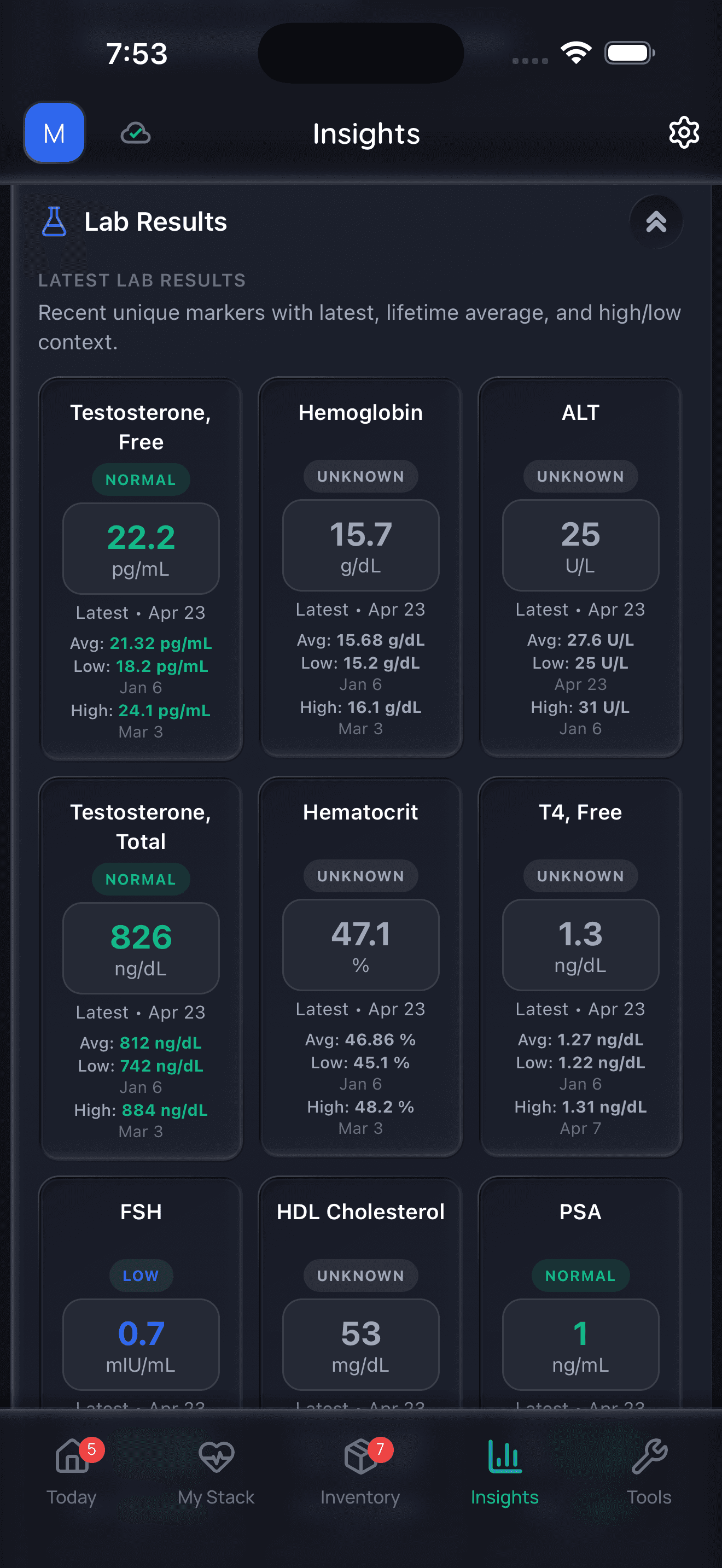
Doserly organizes data; it does not diagnose or interpret labs for you.
Dosing & Usage Protocols
The Basics
Chlorella dosing is not standardized, and the range used in research is quite broad. Most clinical studies have used doses between 1.2 and 10 grams per day, with the most common range being 3-6 grams daily. Because chlorella is a whole food supplement rather than an isolated compound, dosing is measured in grams rather than milligrams [1][2][3][4].
For general health and nutritional support, commonly reported ranges are 2-5 grams per day. For specific health goals like cholesterol management, research has used doses of 5-10 grams per day, though the lipid meta-analysis interestingly found that LDL-lowering effects were most pronounced at doses up to about 1,500 mg (1.5 grams) per day, with diminishing returns at higher doses [6].
Most practitioners recommend starting with a lower dose (1-2 grams per day) for the first week and gradually increasing to the target dose over 2-3 weeks. This approach helps minimize the GI adjustment period that many new users experience.
Chlorella is available as tablets, capsules, and powder. Tablets are the most convenient but may require taking multiple pills per day to reach effective doses (a single tablet is typically 200-500 mg). Powder can be mixed into smoothies, juice, or water but has a strong green taste that some people find challenging.
Timing is flexible. Most sources suggest taking chlorella with meals to improve GI tolerance and enhance absorption of fat-soluble carotenoids. Splitting the daily dose across two or three meals is a common approach.
There is no established cycling protocol for chlorella, and long-term daily use appears to be well-tolerated based on available data.
The Science
Chlorella dosing in published clinical trials spans a wide range:
Study
Sherafati et al. (2022) meta-analysis
- Population
- Healthy adults + clinical
- Dose
- Variable (10 RCTs)
- Duration
- Variable
- Key Outcome
- TC/LDL reduction significant; LDL effect optimal 0-1,500 mg/day
Study
Jafari et al. (2026) meta-analysis
- Population
- NAFLD patients
- Dose
- Variable (7 RCTs)
- Duration
- 8-12 weeks
- Key Outcome
- Weight, FBS, hs-CRP, TC, ALP, AST all significant
Study
Azocar & Diaz (2013)
- Population
- Chronic HCV
- Dose
- Sun Chlorella A 4.5g/day + Wakasa Gold 60mL/day
- Duration
- 12 weeks
- Key Outcome
- Significant ALT reduction
Study
Kwak et al. (2012)
- Population
- Healthy adults
- Dose
- Chlorella (dose not fully specified)
- Duration
- 8 weeks
- Key Outcome
- Enhanced NK cell activity
Study
Halperin et al. (2003)
- Population
- Healthy adults
- Dose
- Chlorella-derived supplement
- Duration
- Alongside flu vaccination
- Key Outcome
- Enhanced antibody response
Study
Hosseini et al. (2021)
- Population
- Type 2 diabetes
- Dose
- Chlorella supplementation
- Duration
- Variable
- Key Outcome
- Improved glycemic control, lipids
No UL (Tolerable Upper Intake Level) has been established for chlorella by the IOM, EFSA, or other regulatory bodies. GRAS status from the FDA covers chlorella as a food ingredient at common consumption levels [4].
What to Expect (Timeline)
Based on clinical trial data and community reports, the following timeline represents commonly reported patterns. Individual experiences vary significantly based on baseline health status, dose, form, and concurrent medications or supplements.
Days 1-7 (Adjustment Period):
Some users experience GI effects during this initial phase: mild bloating, changes in stool color (green is normal and harmless), occasional loose stools or constipation. These effects typically resolve as the body adjusts. Starting with a lower dose (1-2 g/day) can minimize this period. Energy levels may begin to shift if chlorella is addressing an underlying nutrient deficiency (iron, B12).
Weeks 2-4 (Early Response):
GI tolerance generally stabilizes. Users supplementing for nutritional support may notice subtle improvements in energy, particularly if previously deficient in iron or B vitamins. Skin improvements are occasionally reported in this window. No measurable changes in cholesterol or liver markers would be expected this early.
Weeks 4-8 (Clinical Effect Window):
This is where the clinical evidence kicks in. The Kwak et al. (2012) immunology trial measured NK cell enhancement at 8 weeks. Liver enzyme improvements in the HCV study were measured at 12 weeks but likely began in this window. Cholesterol changes typically require 8-12 weeks to manifest measurably.
Weeks 8-12+ (Full Effect):
Meta-analyses draw on studies lasting 8-12 weeks, suggesting this is the minimum duration needed to evaluate chlorella's effects on lipid profiles, liver enzymes, and inflammatory markers. Long-term use appears to be safe based on available data, with no evidence of tolerance development or diminishing returns over time for the studied outcomes.
Important note: Chlorella is not an acute-effect supplement. Unlike caffeine or melatonin, there is no immediate perceptible effect for most people. Benefits accumulate gradually and are most reliably detected through biomarker testing (lipid panels, liver enzymes, inflammatory markers) rather than subjective experience alone.
Interactions & Compatibility
Synergistic (Works Well With)
- Vitamin C: Enhances non-heme iron absorption from chlorella. A useful pairing for individuals using chlorella as an iron source.
- Iron: Chlorella provides supplemental iron in a well-tolerated form and may support iron absorption through reduced hepcidin levels. May reduce the need for high-dose standalone iron supplements.
- Spirulina: Often taken together as a complementary algae pair. Spirulina provides different pigment compounds (phycocyanin) and may have stronger blood pressure effects [7].
- Fish Oil: Complementary cardiovascular support; chlorella for cholesterol, fish oil for triglycerides and overall omega-3 status.
- Vitamin D3: Commonly co-supplemented. No known negative interactions.
- Probiotics: Chlorella's prebiotic fiber content may support probiotic colonization.
Caution / Avoid
- Warfarin and anticoagulants: Chlorella's high vitamin K content may reduce anticoagulant effectiveness. INR monitoring is essential if combining [15].
- Immunosuppressant medications: Chlorella's immunostimulatory properties (NK cell enhancement) theoretically oppose immunosuppressive therapy. Consult a healthcare provider before combining [9].
- Other high-vitamin-K supplements: Cumulative vitamin K intake should be monitored for individuals on anticoagulant therapy.
Supplement-Food Interactions
- Fat-containing meals enhance carotenoid absorption from chlorella [11].
- Chlorella may bind certain dietary minerals in the GI tract, though this has not been shown to cause clinically significant nutrient depletion at standard doses.
How to Take / Administration Guide
Chlorella is available in several forms, each with practical considerations:
Tablets/Capsules: The most common and convenient form. Typical tablet sizes are 200-500 mg, meaning 6-20 tablets per day may be needed to reach effective doses (3-10 g). Many users prefer to split tablets across meals. Ensure the product uses broken cell wall chlorella for adequate digestibility.
Powder: Can be mixed into smoothies, juices, or water. Has a strong green, slightly grassy or seaweed-like taste. Blending with fruit, banana, or citrus helps mask the flavor. Powder allows flexible dosing and is often more cost-effective per gram than tablets.
Liquid extract: Less common. The Azocar & Diaz HCV study used both tablets and a liquid chlorella extract (Wakasa Gold) [3]. Liquid forms may have different bioavailability characteristics.
Practical tips based on research and community experience:
- Take with meals to enhance fat-soluble nutrient absorption and improve GI tolerance
- Start with 1-2 g/day for the first week, then increase gradually to the target dose
- Split daily dose across 2-3 meals if taking more than 3 g/day
- Green stool discoloration is normal and expected due to chlorophyll content
- Store powder in sealed containers away from light and moisture
- If using for iron support, pair with vitamin C to enhance absorption
- Expect an adjustment period of 1-2 weeks for GI symptoms
Choosing a Quality Product
Quality is especially critical for chlorella due to its tendency to bioaccumulate heavy metals from its growing environment. A contaminated chlorella product is not just ineffective; it could be actively harmful [4].
What to look for:
- Broken/cracked cell wall processing: Essential for nutrient bioavailability. Products should clearly state this on the label.
- Third-party testing for heavy metals: This is non-negotiable for chlorella. Look for products that provide certificates of analysis (COAs) showing testing for lead, mercury, arsenic, and cadmium.
- Species identification: The label should specify Chlorella vulgaris or Chlorella pyrenoidosa. Both are well-studied, but knowing the species matters for evaluating claims.
- Controlled cultivation: Closed photobioreactor or controlled indoor cultivation systems produce cleaner chlorella than open-pond systems. Some manufacturers specify this.
- Third-party certifications: USP, NSF, or ConsumerLab verification provides additional quality assurance. NSF Certified for Sport is relevant for athletes.
- Minimal fillers: Check for unnecessary additives, binders, or flow agents in tablets.
Red flags:
- No mention of cell wall processing (may be poorly digestible)
- No heavy metal testing documentation available
- Exaggerated health claims ("cures cancer," "detoxes everything")
- Unclear or missing species identification
- Open-pond cultivation without contamination testing
B12 claims: Be cautious of products marketed as a reliable B12 source. While chlorella contains some B12, the proportion of active versus inactive forms is variable and often not specified. Products making strong B12 claims should ideally provide testing data distinguishing active cobalamin from pseudovitamin B12 analogs.
Storage & Handling
Chlorella supplements should be stored in a cool, dry place away from direct sunlight. The chlorophyll, carotenoids, and other bioactive compounds are sensitive to heat, light, and moisture degradation.
Tablets/Capsules: Generally shelf-stable when kept sealed. Most products list a shelf life of 2-3 years from manufacture. Keep the container tightly closed after each use.
Powder: More susceptible to moisture absorption and oxidation. Store in an airtight container, preferably opaque. Refrigeration can extend potency but is not required if stored properly at room temperature. Avoid introducing moisture (wet spoons) into the powder container.
Liquid extract: Follow manufacturer's storage instructions, which typically recommend refrigeration after opening.
Travel: Tablets and capsules travel well. Powder should be kept in sealed, airtight containers.
Lifestyle & Supporting Factors
Getting the most from chlorella supplementation involves more than just the supplement itself:
Diet: Chlorella works best as part of an overall nutrient-dense diet. Its iron and B12 content are particularly relevant for plant-based eaters, but these nutrients should be monitored through blood testing rather than assumed to be adequately supplied by chlorella alone. Consuming chlorella with fat-containing foods enhances carotenoid absorption.
Exercise: Research suggests chlorella's glycemic benefits may be amplified when combined with regular exercise, particularly higher-intensity training [5]. Chlorella's antioxidant properties may also support post-exercise recovery, though direct evidence for exercise recovery is limited.
Hydration: Adequate water intake supports the digestive processing of chlorella and may help minimize GI side effects during the adjustment period.
Lab monitoring: For individuals taking chlorella for cardiovascular or liver health goals, periodic blood work (lipid panel, liver enzymes, hs-CRP) provides objective measurement of progress. For those using chlorella as a nutritional supplement, iron studies (ferritin, transferrin saturation) and B12 levels can confirm whether the supplement is meeting its intended purpose.
Sun exposure: Due to the documented photosensitivity potential from chlorella's high chlorophyll content, individuals taking higher doses may want to be mindful of prolonged sun exposure and use appropriate sun protection [15].
Regulatory Status & Standards
United States (FDA):
Chlorella vulgaris has GRAS (Generally Recognized As Safe) status. It is classified as a dietary supplement under DSHEA. No New Dietary Ingredient (NDI) notification is required for whole chlorella products. The FDA has not issued specific warnings or safety alerts specific to chlorella, though general algae contamination advisories apply.
European Union (EFSA):
Chlorella is approved as a food ingredient in the EU. EFSA has not established specific health claims for chlorella. Novel Food classification is not required for traditional chlorella products, as they have a history of significant use before 1997.
Canada (Health Canada):
Chlorella is available as a Natural Health Product (NHP). Products require an NPN (Natural Product Number) for legal sale.
Australia (TGA):
Chlorella is listed in the Australian Register of Therapeutic Goods as a complementary medicine ingredient.
Athlete & Sports Regulatory Status:
Chlorella is not listed on the WADA Prohibited List and is not banned by any major sports organization. It is a food-derived supplement with no known prohibited substance content. However, the contamination risk inherent to algae products means athletes should select products with third-party certification.
- Informed Sport / NSF Certified for Sport: Athletes should preferentially select chlorella products bearing these certifications, which screen for banned substances and contaminants.
- Cologne List / BSCG: Additional certification programs that provide contamination screening.
- NCAA: Chlorella is not on the NCAA banned substance list. However, NCAA guidelines recommend athletes only use supplements certified by NSF Certified for Sport or Informed Sport.
- GlobalDRO: Chlorella does not appear on GlobalDRO as a prohibited substance.
Regulatory status and prohibited substance classifications change frequently. Athletes should always verify the current status of any supplement with their sport's governing body, their national anti-doping agency, and a qualified sports medicine professional before use. Third-party certification (Informed Sport, NSF Certified for Sport) reduces but does not eliminate the risk of contamination with prohibited substances.
Frequently Asked Questions
Is chlorella the same as spirulina?
No. While both are algae-based supplements, they are different organisms. Chlorella is a single-celled freshwater green alga (Chlorella vulgaris or C. pyrenoidosa), while spirulina is a multicellular cyanobacterium (Arthrospira platensis). They have overlapping but distinct nutritional profiles and different research bases. Chlorella has stronger evidence for cholesterol reduction, while spirulina may have a slight edge for blood pressure. Many people take both.
Can chlorella replace a B12 supplement for vegans?
Based on available research, chlorella should not be relied upon as a sole B12 source. While chlorella contains some B12, it also contains pseudovitamin B12 analogs (inactive forms) that can interfere with B12 testing and may not support adequate B12 status. Vegans should use a dedicated B12 supplement (methylcobalamin or cyanocobalamin) and monitor their B12 levels through blood testing.
Why does chlorella turn my stool green?
Green stool is a normal and harmless effect of chlorella's high chlorophyll content. Chlorophyll is a green pigment, and when consumed in significant quantities, it colors digestive waste. This is not a sign of a problem and does not indicate that the chlorella is not being absorbed.
How long does it take for chlorella to work?
The timeline depends on what outcome you are tracking. Subtle energy improvements may be noticed within 1-2 weeks, particularly if correcting a nutrient deficiency. Measurable changes in cholesterol, liver enzymes, or inflammatory markers typically require 8-12 weeks of consistent supplementation based on clinical trial data.
Is chlorella safe during pregnancy?
Studies in Japan have examined chlorella supplementation during pregnancy with positive findings (reduced dioxin transfer, increased breastmilk carotenoid content). However, due to contamination risks inherent to algae products, pregnant women should only use chlorella under medical supervision and should select products with rigorous third-party testing for heavy metals.
Should I worry about heavy metal contamination?
This is a legitimate concern for chlorella products. Chlorella naturally bioaccumulates metals from its growing environment. Products grown in controlled, clean-water systems and tested by third parties for heavy metals (lead, mercury, arsenic, cadmium) are strongly preferred. Look for certificates of analysis (COAs) from the manufacturer.
What is "broken cell wall" chlorella?
Chlorella naturally has a rigid cellulose cell wall that humans cannot digest. Broken cell wall processing (through mechanical, thermal, or enzymatic methods) disrupts this cell wall, making the nutrients inside accessible for absorption. Most quality chlorella supplements use this processing. Products that do not mention cell wall processing may have significantly lower nutrient bioavailability.
Can I take chlorella with medications?
Chlorella is high in vitamin K, which can interfere with warfarin (blood thinners). It also has immunostimulatory effects that could theoretically interact with immunosuppressant medications. Anyone taking prescription medications should discuss chlorella supplementation with their healthcare provider before starting.
What dose should I start with?
Based on commonly reported protocols, starting with 1-2 grams per day for the first week and gradually increasing to a target dose of 3-6 grams per day over 2-3 weeks helps minimize GI adjustment symptoms. As always, consult a healthcare professional for personalized guidance.
Does chlorella actually detox heavy metals from the body?
Chlorella has been shown to bind certain toxins and heavy metals in the digestive tract, reducing their absorption. It reduced mercury levels in hair and blood in one human study, and reduced dioxin transfer in animal models. However, the idea that chlorella can "pull" heavy metals that are already stored in tissues throughout the body is not supported by current evidence. Its detoxification mechanism appears to work primarily at the intestinal level, preventing absorption rather than extracting deposited metals.
Myth vs. Fact
Myth: Chlorella is a complete protein source that can replace animal protein.
Fact: While chlorella is impressively high in protein (50-58% dry weight) and contains all essential amino acids, the amounts consumed as a supplement (3-10 g/day) provide only 1.5-6 g of actual protein. This is a meaningful addition but nowhere near a protein replacement. A 5-gram dose of chlorella provides roughly the protein equivalent of a single bite of chicken breast [4].
Myth: Chlorella "detoxes" your entire body of heavy metals and toxins.
Fact: Chlorella has demonstrated the ability to bind certain toxins and heavy metals in the digestive tract, reducing their absorption. However, claims that chlorella can chelate or extract heavy metals already deposited in organs and tissues throughout the body go well beyond the current evidence. Its primary mechanism appears to be preventing absorption rather than systemic detoxification [1][13].
Myth: Chlorella is a reliable source of vitamin B12 for vegans.
Fact: Chlorella contains measurable B12, but a significant portion may be pseudovitamin B12 (inactive analogs that can actually interfere with B12 testing and metabolism). The proportion of active to inactive B12 varies by species and cultivation. Relying on chlorella as a sole B12 source is not recommended by nutrition professionals. A dedicated B12 supplement is more reliable [4].
Myth: More chlorella is always better.
Fact: The meta-analysis on lipid profiles actually found that the LDL-lowering effect was most significant at dosages up to about 1,500 mg/day, with diminishing returns at higher doses. This suggests a non-linear dose response, and mega-dosing chlorella may not provide proportionally greater benefits while potentially increasing GI side effects [6].
Myth: All chlorella supplements are essentially the same.
Fact: Chlorella quality varies dramatically. Factors that affect quality and safety include: the species used (C. vulgaris vs. C. pyrenoidosa), whether the cell wall has been processed for digestibility, the cultivation method (controlled vs. open-pond), and whether the product has been tested for heavy metal contamination. An untested chlorella product could contain harmful levels of lead, mercury, or other contaminants [4].
Myth: Chlorella and spirulina are interchangeable.
Fact: While both are algae-based supplements with overlapping nutritional profiles, they have distinct compositions and different evidence bases. Chlorella has stronger evidence for cholesterol reduction and liver support, while spirulina has been more studied for blood pressure reduction and exercise performance. Their pigment profiles differ (chlorella: chlorophyll-dominant; spirulina: phycocyanin-dominant), contributing to different antioxidant mechanisms [7].
Myth: Chlorella cures or treats diseases.
Fact: Chlorella is a dietary supplement with GRAS status, not a medication. While research shows promising effects on cholesterol, liver enzymes, and immune markers, chlorella has not been approved by any regulatory body for the treatment or cure of any disease. The FDA, EFSA, and other agencies classify it as a food/supplement, not a therapeutic agent [4].
Sources & References
Systematic Reviews & Meta-Analyses
- Examine.com. Chlorella Research Breakdown. Last updated March 19, 2024. Based on 34 references, 2,689 participants in 6 trials.
- Jafari A, Mardani H, Nezhad BP, et al. The beneficial effects of Chlorella vulgaris supplementation on health-related indices in patients with non-alcoholic fatty liver disease: a GRADE-assessed systematic review and meta-analysis. BMC Cardiovasc Disord. 2026. doi:10.1186/s12872-025-05433-w
- Azocar J, Diaz A. Efficacy and safety of Chlorella supplementation in adults with chronic hepatitis C virus infection. World J Gastroenterol. 2013;19(7):1085-1090. doi:10.3748/wjg.v19.i7.1085
- Wang CA, Onyeaka H, Miri T, Soltani F. Chlorella vulgaris as a food substitute: Applications and benefits in the food industry. J Food Sci. 2024;89:8231-8247. doi:10.1111/1750-3841.17529
- Barghchi H, Dehnavi Z, Nattagh-Eshtivani E, et al. The effects of Chlorella vulgaris on cardiovascular risk factors: A comprehensive review on putative molecular mechanisms. Biomed Pharmacother. 2023;162:114624. doi:10.1016/j.biopha.2023.114624
- Sherafati N, Bideshki MV, Behzadi M, et al. Effect of supplementation with Chlorella vulgaris on lipid profile in adults: A systematic review and dose-response meta-analysis of randomized controlled trials. Complement Ther Med. 2022;66:102822. PMID:35331862
- Pinto-Leite M, Martins D, Ferreira AC, et al. The Role of Chlorella and Spirulina as Adjuvants of Cardiovascular Risk Factor Control: A Systematic Review and Meta-Analysis of Randomised Controlled Trials. Nutrients. 2025;17(6):943. doi:10.3390/nu17060943
Clinical Trials & RCTs
- Diaz JP, Pena E, El Alam S, et al. Chlorella vulgaris Supplementation Attenuates Lead Accumulation, Oxidative Stress, and Memory Impairment in Rats. PMC. 2025. PMC12031184
- Kwak JH, Baek SH, Woo Y, et al. Beneficial immunostimulatory effect of short-term Chlorella supplementation: enhancement of Natural Killer cell activity and early inflammatory response (Randomized, double-blinded, placebo-controlled trial). Nutr J. 2012;11:53. doi:10.1186/1475-2891-11-53
- Halperin SA, Smith B, Nolan C, Shay J, Kralovec J. Safety and immunoenhancing effect of a Chlorella-derived dietary supplement in healthy adults undergoing influenza vaccination: randomized, double-blind, placebo-controlled trial. CMAJ. 2003;169:111-117.
- Serra AT, Silva SD, Pleno de Gouveia L, et al. A Single Dose of Marine Chlorella Increases Plasma Concentrations of Lutein, beta-Carotene and Zeaxanthin in Healthy Male Volunteers. Antioxidants (Basel). 2021 Jul 22.
- Pinto-Leite M, et al. (2025) and supporting review on Arthrospira platensis and Chlorella vulgaris consumption on iron status. PMC12700048.
Government/Institutional Sources
- Nakano S, Noguchi T, Takekoshi H, et al. Maternal-fetal distribution and transfer of dioxins in pregnant women in Japan, and attempts to reduce maternal transfer with Chlorella (Chlorella pyrenoidosa) supplements. Chemosphere. 2005;61:1244-55. PMID:15985279
- Nakano S, Takekoshi H, Nakano M. Chlorella (Chlorella pyrenoidosa) supplementation decreases dioxin and increases immunoglobulin A concentrations in breast milk. J Med Food. 2007;10:134-42. PMID:17472477
- Drugs.com. Chlorella use while Breastfeeding (LactMed database). Last updated Aug 1, 2025.
Additional References
- Hosseini AM, Keshavarz SA, Nasli-Esfahani E, Amiri F, Janani L. The effects of Chlorella supplementation on glycemic control, lipid profile and anthropometric measures on patients with type 2 diabetes mellitus. Eur J Nutr. 2021;60(6):3049-3058.
- Merchant RE, Andre CA. A review of recent clinical trials of the nutritional supplement Chlorella pyrenoidosa in the treatment of fibromyalgia, hypertension, and ulcerative colitis. Altern Ther Health Med. 2001;7:79-91.
- Nakano S, Takekoshi H, Nakano M. Chlorella pyrenoidosa supplementation reduces the risk of anemia, proteinuria and edema in pregnant women. Plant Foods Hum Nutr. 2010;65:25-30.
Related Supplement Guides
Same Category (Detox / Chelation)
Common Stacks / Pairings
- Vitamin C (iron absorption enhancement)
- Iron (complementary iron support)
- Vitamin D3 (commonly co-supplemented)
- Fish Oil (complementary cardiovascular support)
- Probiotics / Bacillus Coagulans (gut health synergy)
Related Health Goal
- Algal Oil (plant-based omega-3)
- NAC (liver support, antioxidant)
- Alpha-Lipoic Acid (antioxidant, liver support)
- Vitamin K1 (related nutrient in chlorella)
- Vitamin K2 (related nutrient for cardiovascular health)