
Dihexa: Complete Research Guide
On this page
Quick Reference Card
Attribute
Also Known As
- Detail
- PNB-0408, NDX-1017, ATH-1017, N-hexanoic-Tyr-Ile-(6) aminohexanoic amide, Hexanoyl-Tyr-Ile-Ahx-NH2
Attribute
Administration
- Detail
- Oral (capsule, sublingual, DMSO solution), Transdermal, Subcutaneous (less common)
Attribute
Research Status
- Detail
- Research Compound — No FDA Approval. Preclinical data only (animal models). No completed human clinical trials. Foundational mechanism paper retracted (April 2025).
Attribute
Typical Dose Range
- Detail
- 0.5–20 mg/day oral (highly variable, no established consensus)
Attribute
Half-Life
- Detail
- ~12 hours (estimated); some pharmacokinetic studies in rats suggest much longer biological activity
Attribute
Cycle Length
- Detail
- 4–8 weeks, with 4-week washout periods commonly discussed
Attribute
Storage
- Detail
- Lyophilized: -20°C long-term or 2–8°C short-term; Solutions: 2–8°C; Typically supplied in DMSO solution or as powder
Overview / What Is Dihexa?
The Basics
Dihexa is a synthetic compound originally developed at Washington State University as a potential treatment for Alzheimer's disease and other neurodegenerative conditions. It belongs to a class of molecules called angiotensin IV derivatives, meaning it was designed by modifying a naturally occurring brain signaling molecule.
What sets Dihexa apart from typical nootropics (compounds used to enhance cognition) is its proposed mechanism. Most cognitive enhancers work by adjusting levels of neurotransmitters like dopamine or serotonin, similar to turning up the volume on your brain's existing signals. Dihexa, by contrast, was designed to help the brain build new connections between neurons. Think of it less like a software update and more like a hardware upgrade: new wiring, not just louder signals.
Early animal research generated significant excitement. Rodent studies showed improvements in learning and memory, including in models designed to simulate Alzheimer's-like cognitive decline. The compound can cross the blood-brain barrier and is unusual among peptide-like molecules in that it can be taken orally.
However, an important development occurred in April 2025: the foundational study that originally described how Dihexa works (the specific pathway it activates) was formally retracted due to data integrity concerns. This does not necessarily mean Dihexa has no effects, but it does mean that the scientific explanation for why it might work is now on weaker footing than previously believed. Anyone considering this compound should weigh this significant caveat carefully.
The Science
Dihexa (N-hexanoic-Tyr-Ile-(6) aminohexanoic amide) is a synthetic oligopeptide derived from angiotensin IV, developed by Harding and colleagues at Washington State University [1]. With a molecular weight of 504.66 g/mol, it is a modified tripeptide containing N-terminal hexanoyl and C-terminal 6-aminohexanoic acid modifications that confer enhanced metabolic stability and blood-brain barrier permeability [2].
The proposed primary mechanism involves allosteric potentiation of the hepatocyte growth factor (HGF)/c-Met receptor system. The original characterization claimed Dihexa was approximately seven orders of magnitude more potent than brain-derived neurotrophic factor (BDNF) in promoting dendritic spinogenesis in vitro [1][3].
Critical note on evidence integrity: The key mechanistic study establishing HGF/c-Met pathway activation (Benoist et al., 2014, published in the Journal of Pharmacology and Experimental Therapeutics) was formally retracted in April 2025 following a Washington State University investigation that found "falsified and/or fabricated data" in Figures 1B, 2A/C and subsequent erratum submissions. The researchers Leen H. Kawas and Joseph W. Harding were identified as solely responsible [4]. This retraction undermines the primary mechanistic basis for Dihexa's claimed effects, though other studies examining its procognitive effects in animal models remain in the literature.
In animal models, Dihexa has demonstrated procognitive effects including restoration of spatial learning in scopolamine-induced amnesia models and improvement in Morris water maze performance in APP/PS1 transgenic mice (an Alzheimer's model) [5][6]. A 2021 study by Sun et al. demonstrated that Dihexa rescued cognitive impairment in APP/PS1 mice via the PI3K/AKT signaling pathway, reducing neuroinflammation markers IL-1beta and TNF-alpha while increasing expression of the synaptic marker synaptophysin (SYP) [6].
Additionally, in September 2024, Athira Pharma's LIFT-AD Phase 2/3 trial of fosgonimeton (a clinical derivative of Dihexa also targeting the HGF/c-Met pathway) failed to meet both primary and secondary endpoints in 312 patients with mild-to-moderate Alzheimer's disease [4]. This clinical failure, combined with the foundational paper retraction, represents a significant setback for the HGF/c-Met pathway approach to cognitive enhancement.
Molecular Identity
Attribute
Common Names
- Detail
- Dihexa, PNB-0408, NDX-1017, ATH-1017, N-hexanoic-Tyr-Ile-(6) aminohexanoic amide
Attribute
Amino Acid Sequence
- Detail
- Core: Tyr-Ile with N-terminal hexanoyl and C-terminal 6-aminohexanoic acid modifications
Attribute
Molecular Formula
- Detail
- C27H44N4O5
Attribute
Molecular Weight
- Detail
- 504.66 g/mol
Attribute
CAS Number
- Detail
- 1401708-83-5
Attribute
PubChem CID
- Detail
- 129010512
Attribute
UNII Code
- Detail
- 9WYX65A5C2
Attribute
Structural Type
- Detail
- Linear synthetic oligopeptide (modified tripeptide)
Attribute
Source
- Detail
- Fully synthetic; derived from angiotensin IV structural modifications
Attribute
Salt Form
- Detail
- Typically available as trifluoroacetate salt or in DMSO solution
Attribute
Solubility
- Detail
- Soluble in DMSO; limited aqueous solubility
Attribute
Target Receptor
- Detail
- HGF/c-Met (proposed)
Attribute
Functional Class
- Detail
- Growth factor mimetic; HGF/c-Met agonist (proposed); procognitive agent
Mechanism of Action
The Basics
To understand how Dihexa is proposed to work, imagine your brain as a city. Neurons are the buildings, and synapses (the connections between neurons) are the roads. As you age, or after injury or disease, some of those roads deteriorate or disappear entirely. Your brain has a natural repair crew (a growth factor called HGF) that helps build and maintain these roads, but its capacity is limited.
Dihexa was designed to act like a megaphone for that repair crew. By amplifying the HGF signal, it was proposed to help the brain build new synaptic connections (a process called synaptogenesis) and strengthen existing ones. This is different from stimulants, which just make traffic move faster on the roads you already have. Dihexa was intended to create new roads.
The compound also appears to interact with the brain's angiotensin IV system, a signaling network involved in memory and learning. The PI3K/AKT pathway, which promotes cell survival and growth, has been implicated as a downstream mediator of its effects.
It is important to note that the study which originally mapped out much of this mechanism was retracted in 2025 due to data integrity issues. While animal studies showing cognitive improvements remain in the literature, the precise molecular explanation for how those improvements occur is now less certain.
The Science
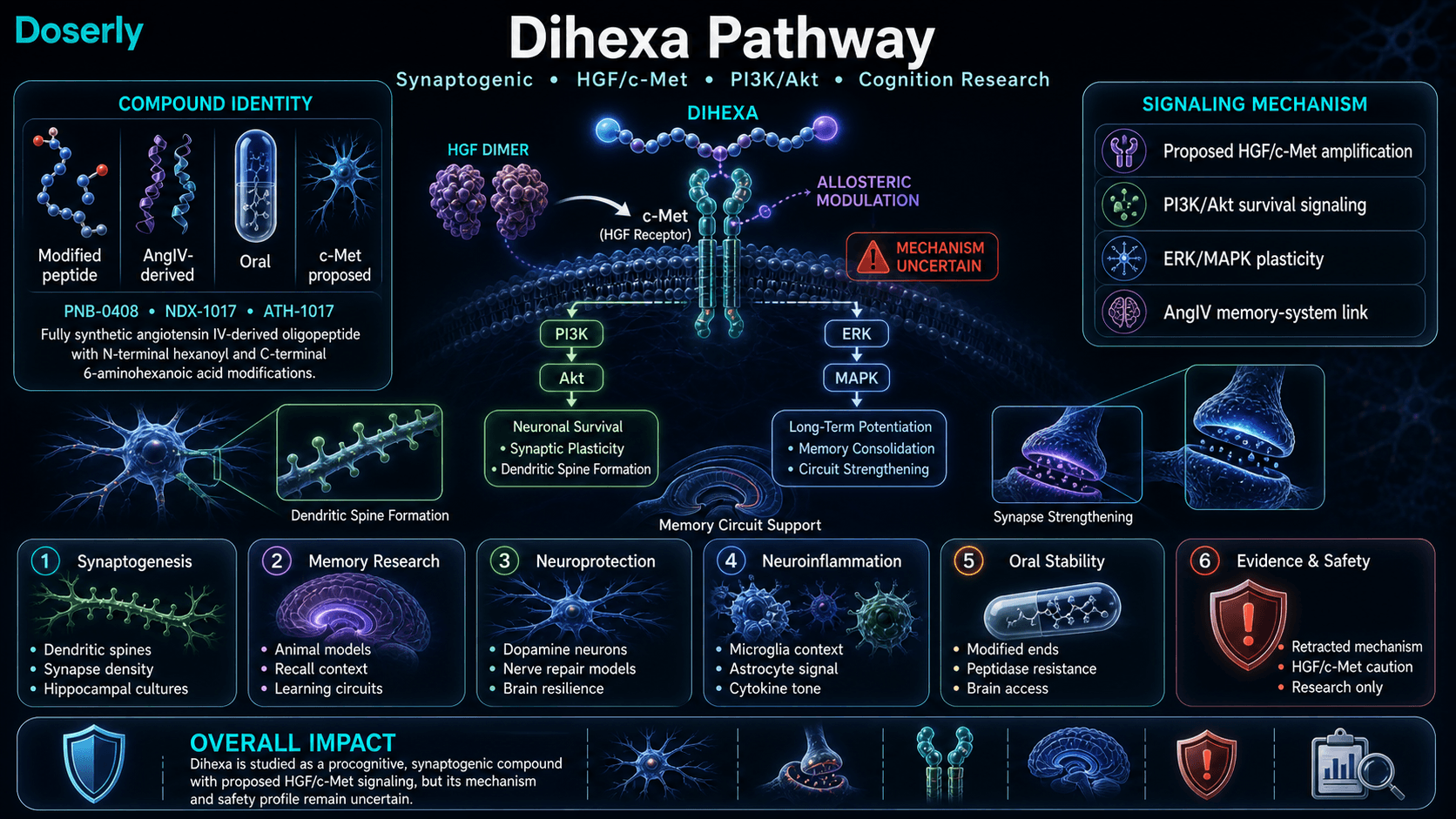
The proposed mechanism of action for Dihexa centers on the hepatocyte growth factor (HGF)/c-Met receptor system. According to the original (now-retracted) mechanistic characterization, Dihexa functions as an allosteric modulator that stabilizes an active HGF dimer at the c-Met receptor, amplifying downstream signaling cascades [3].
Proposed downstream pathways include:
- PI3K/AKT signaling: Activation of this pathway is implicated in neuronal survival, synaptic plasticity, and dendritic spine formation. Sun et al. (2021) demonstrated that PI3K inhibitors reversed Dihexa's cognitive benefits in APP/PS1 mice, supporting the involvement of this pathway independent of the retracted data [6].
- ERK/MAPK signaling: Proposed to contribute to long-term potentiation and memory consolidation [1].
- Angiotensin IV (AngIV) system: Dihexa interacts with the brain's AngIV system, contributing to procognitive effects. HGF antagonist delivery blocked Dihexa's cognitive-enhancing effects in animal models, suggesting these pathways converge [3].
In hippocampal neuronal cultures, Dihexa administration over 5 days increased dendritic spine density by approximately 3-fold (41 spines per 50 micrometers of dendrite with Dihexa versus 15 with vehicle). An acute 30-minute application also increased spine-head width to 0.80 micrometers versus 0.67 for control, indicative of larger synapses associated with stronger memory function [1].
Notably, when HGF antagonist (Hinge) was delivered intracerebroventricularly in healthy animals without scopolamine-induced cognitive impairment, it had no effect on cognitive performance. This finding suggests the HGF/c-Met system may not be engaged during normal learning under healthy conditions, potentially limiting Dihexa's utility as a general cognitive enhancer in cognitively intact individuals [3].
Pathway Visualization Image
Pharmacokinetics
The Basics
One of Dihexa's most notable characteristics is that it can be taken by mouth, which is unusual for peptide-like compounds. Most peptides are broken down in the digestive system before they can reach the bloodstream. Dihexa's chemical modifications (the hexanoyl group on one end and aminohexanoic acid on the other) protect it from this breakdown and help it cross from the gut into the blood, and then from the blood into the brain.
How long does it last? The estimated half-life is around 12 hours, meaning half the compound has been processed by the body after about half a day. However, some animal data suggests that biological activity may persist considerably longer than that. Because Dihexa is proposed to create structural changes (new synaptic connections), its effects may outlast the compound's presence in the body by weeks or even months.
This long-lasting activity profile has important implications. It means the compound may accumulate with daily dosing, and effects from one dose may overlap with the next. Several community members and researchers have noted that more frequent dosing does not necessarily produce better results and may increase the risk of unintended effects.
The Science
Dihexa demonstrates oral bioavailability, which is atypical for peptide-like molecules. The N-terminal hexanoyl modification and C-terminal 6-aminohexanoic acid moiety confer resistance to exopeptidase degradation, enhancing metabolic stability and enabling gastrointestinal absorption [2].
Pharmacokinetic data from animal studies suggests a half-life of approximately 12 hours, though one source reports significantly longer elimination kinetics (approximately 12 days IV and 8.8 days intraperitoneal in rats) [7]. This discrepancy may reflect differences between plasma elimination and tissue-level biological activity, or differences in measurement methodology.
The compound crosses the blood-brain barrier efficiently, which is essential for its proposed central nervous system activity. In oral dosing studies in aged rats, Dihexa at 2 mg/kg/day showed measurable cognitive effects via Morris water maze testing [1].
Administration routes reported in the literature and community include oral (capsule, sublingual, DMSO solution), transdermal, and subcutaneous injection. Oral and transdermal administration are the most commonly discussed routes, with subcutaneous injection being less common due to solubility considerations [8].
The half-life and clearance data above tells you how long the compound stays active, but what does that mean for your daily schedule? Doserly's pharmacokinetic tools let you plug in your dose and frequency to see a projected concentration timeline, helping you understand when you're at peak levels and when the compound has largely cleared.
This becomes especially useful when titrating. If you're increasing your dose gradually, the estimator shows how each step changes your projected peak and trough levels, giving you and your healthcare provider concrete data to discuss at check-ins rather than relying on subjective feel alone.
See where a dose, cycle, or change fits in time.
Doserly gives each protocol a timeline so dose changes, pauses, restarts, and observations are easier to compare later.
Timeline
Cycle history
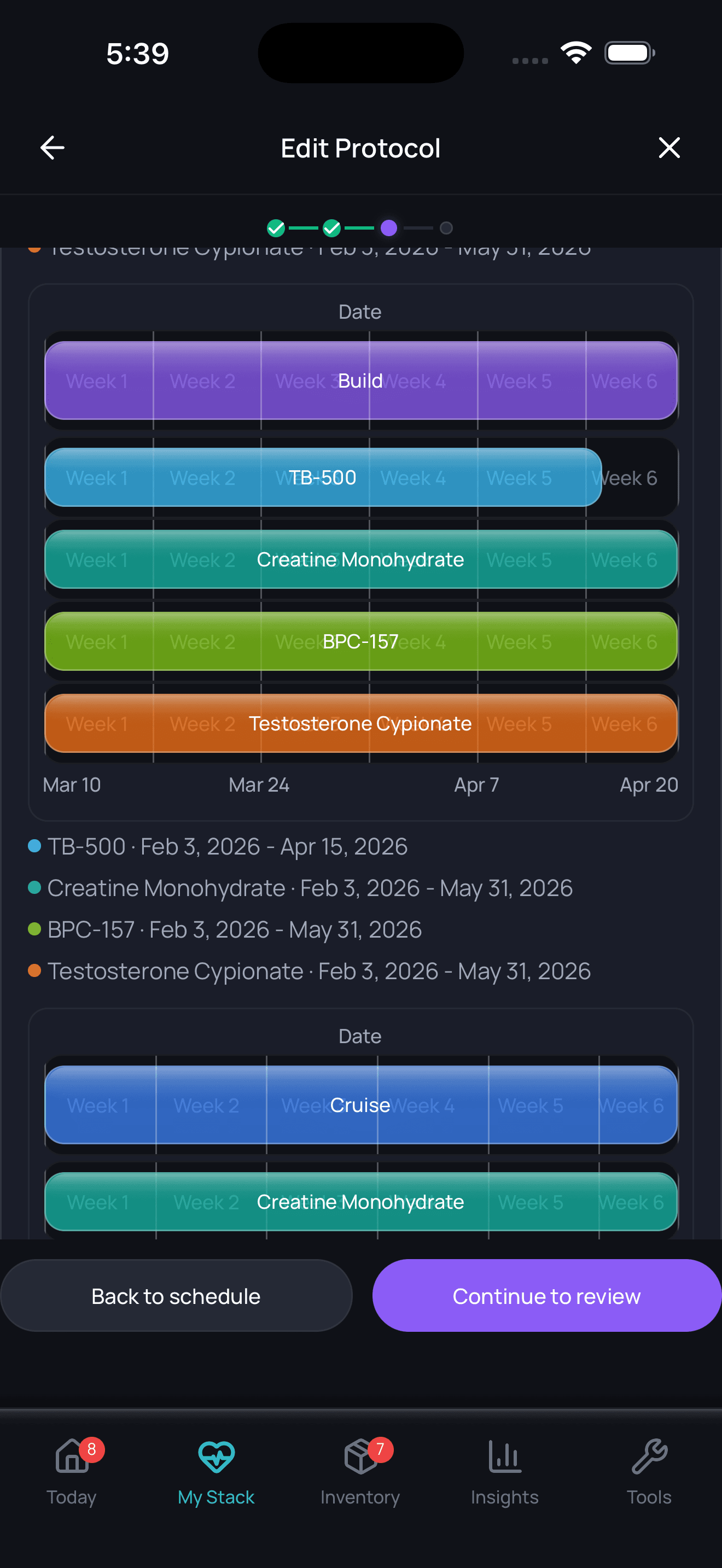
Timeline tracking helps with recall; it is not a treatment recommendation.
Research & Clinical Evidence
Cognitive Enhancement and Memory
The Basics
The primary research interest in Dihexa is cognitive enhancement, particularly for conditions involving memory loss or cognitive decline. In animal studies, rats treated with Dihexa showed improvements in spatial learning (the ability to navigate and remember locations) and memory consolidation (the process of converting short-term memories into long-term ones).
These results were observed in multiple models: rats whose memory was chemically impaired, genetically modified mice designed to develop Alzheimer's-like symptoms, and naturally aged animals. In several of these models, Dihexa appeared to restore cognitive function to near-normal levels.
However, it is essential to recognize that these results are entirely preclinical. No completed human clinical trials exist for Dihexa. The closest clinical test was the LIFT-AD trial of fosgonimeton (a related compound), which failed in 312 Alzheimer's patients in 2024.
The Science
In scopolamine-induced amnesia models, Dihexa restored memory function as measured by the Morris water maze [1]. In aged rats (24 months), orally delivered Dihexa at 2 mg/kg/day improved cognitive performance, though results showed high variability because some aged rats did not exhibit cognitive decline [1].
In APP/PS1 transgenic mice (an Alzheimer's disease model), Dihexa treatment increased neuronal cell counts, increased synaptophysin (SYP) protein expression, decreased astrocyte and microglial activation, and reduced levels of pro-inflammatory cytokines IL-1beta and TNF-alpha [6].
The LIFT-AD Phase 2/3 trial of fosgonimeton (ATH-1017, Athira Pharma), a clinical-stage HGF/c-Met pathway modulator closely related to Dihexa, failed to meet its primary and secondary endpoints in 312 patients with mild-to-moderate Alzheimer's disease in September 2024 [4]. This represents significant negative clinical evidence for the HGF/c-Met approach.
Neuroprotection
The Basics
Beyond cognitive enhancement, Dihexa has been studied for its potential to protect neurons from damage. In animal models of Parkinson's disease, it showed the ability to restore motor function and protect dopamine-producing neurons. It has also been investigated in nerve regeneration models, where it showed positive results when combined with stem cell therapies.
These neuroprotective effects align with the compound's proposed growth factor mechanism. By supporting the HGF signaling system, Dihexa may help neurons survive stressful conditions and recover from injury.
The Science
In chemically-lesioned Parkinson's disease models, Dihexa demonstrated complete restoration of motor function and recovery of tyrosine hydroxylase-positive dopamine neurons, effective via both oral and subcutaneous administration routes [9].
Weiss et al. (2021) investigated Dihexa in a rat sciatic nerve damage-repair model, finding positive results for limb function recovery, particularly in combination with mesenchymal stem cell therapies and granulocyte-colony stimulating factor. Dihexa was not studied alone in this application, so evidence for its independent nerve-regeneration effects is less robust [10].
Uribe et al. (2015) demonstrated that HGF mimetics (including Dihexa-related compounds) protected lateral line hair cells from aminoglycoside-induced damage, suggesting potential otoprotective applications [11].
Biomarker Evidence Matrix
Category
Focus & Mental Clarity
- Evidence Strength (1-10)
- 4
- Reported Effectiveness (1-10)
- 6
- Summary
- Animal data shows improved cognitive performance in impaired models. Community reports consistent focus improvements, though subtle and gradual.
Category
Memory & Cognition
- Evidence Strength (1-10)
- 5
- Reported Effectiveness (1-10)
- 7
- Summary
- Multiple animal studies demonstrate memory restoration. Community reports are notably specific (improved recall, verbal fluency, pattern recognition). Strongest community signal.
Category
Mood & Wellbeing
- Evidence Strength (1-10)
- 2
- Reported Effectiveness (1-10)
- 4
- Summary
- No direct preclinical mood data. Community reports are mixed: some describe improved confidence, others note irritability on off-days.
Category
Motivation & Drive
- Evidence Strength (1-10)
- 2
- Reported Effectiveness (1-10)
- 5
- Summary
- Limited preclinical relevance. Some community reports of increased motivation, but low volume and potential confounding with concurrent stimulant use.
Category
Energy Levels
- Evidence Strength (1-10)
- 1
- Reported Effectiveness (1-10)
- 4
- Summary
- No preclinical energy data. Community explicitly describes compound as "not a stimulant." Minimal energy-specific reports.
Category
Sleep Quality
- Evidence Strength (1-10)
- 1
- Reported Effectiveness (1-10)
- 4
- Summary
- No preclinical sleep data. One user reported mild improvement; vivid dreams noted by others. Very limited data.
Category
Longevity & Neuroprotection
- Evidence Strength (1-10)
- 5
- Reported Effectiveness (1-10)
- 6
- Summary
- Animal data supports neuroprotection in Alzheimer's, Parkinson's, and nerve injury models. Community views it primarily as a neuroprotective compound. Retracted paper reduces confidence.
Category
Side Effect Burden
- Evidence Strength (1-10)
- 3
- Reported Effectiveness (1-10)
- 5
- Summary
- Limited preclinical safety data. Community reports attentional scatter and irritability. HGF/c-Met cancer pathway concern is widely acknowledged.
Category
Treatment Adherence
- Evidence Strength (1-10)
- 1
- Reported Effectiveness (1-10)
- 5
- Summary
- No formal adherence data. Oral availability supports convenience. Cycling protocols are discussed but compliance is self-reported.
Category
Emotional Regulation
- Evidence Strength (1-10)
- 1
- Reported Effectiveness (1-10)
- 3
- Summary
- No preclinical data. Community reports occasional irritability and mood instability, especially on off-days.
Categories scored: 10
Categories with community data: 10
Categories not scored (insufficient data): Fat Loss, Muscle Growth, Weight Management, Appetite & Satiety, Food Noise, Anxiety, Stress Tolerance, Emotional Aliveness, Libido, Sexual Function, Joint Health, Inflammation, Pain Management, Recovery & Healing, Physical Performance, Gut Health, Digestive Comfort, Nausea & GI Tolerance, Skin Health, Hair Health, Heart Health, Blood Pressure, Heart Rate & Palpitations, Hormonal Symptoms, Temperature Regulation, Fluid Retention, Body Image, Immune Function, Bone Health, Cravings & Impulse Control, Social Connection, Withdrawal Symptoms, Daily Functioning, Other
Benefits & Potential Effects
The Basics
Dihexa's proposed benefits center almost entirely on the brain. Unlike many peptides that offer a broad range of physical health effects, Dihexa's primary appeal is cognitive: better memory, sharper thinking, and enhanced learning capacity. Some community members also describe improvements in verbal fluency (finding the right words more easily), pattern recognition, and creative thinking.
What makes these reports unusual is the way they are described. Rather than the immediate, obvious effect of a stimulant, community members typically describe Dihexa's effects as gradual and structural. Many compare it to a "rewiring" rather than a "boost." Some report that benefits persist for weeks or months after discontinuing the compound, which would be consistent with the theory that it creates lasting changes to synaptic architecture.
However, several important caveats apply. All preclinical benefits data comes from animal models. The foundational mechanism paper was retracted. Community reports are entirely anecdotal and subject to placebo and confirmation bias. No controlled human studies have validated any cognitive benefits.
The Science
Preclinical benefits documented in animal models include:
- Spatial learning restoration: Morris water maze performance improved in scopolamine-impaired and aged rats [1][6]
- Memory consolidation enhancement: Improved storage and retrieval of memories in multiple paradigms [5]
- Synaptogenesis: Approximately 3-fold increase in dendritic spine density in hippocampal neuronal cultures [1]
- Neuroinflammation reduction: Decreased IL-1beta, TNF-alpha, and reduced astrocyte/microglial activation in APP/PS1 mice [6]
- Dopaminergic neuroprotection: Motor function restoration and dopamine neuron recovery in Parkinson's models [9]
- Nerve regeneration support: Positive outcomes in sciatic nerve damage-repair model (in combination with stem cells) [10]
It is important to note that in-vitro potency claims (e.g., "seven orders of magnitude more potent than BDNF") derive from the retracted Benoist et al. 2014 study and should be treated with caution [4].
The benefits outlined above span multiple body systems, and your experience will be uniquely yours. Rather than guessing which effects are attributable to this compound versus other factors in your life, Doserly helps you log specific outcomes alongside your protocol details, building a clear picture of what's changing and when.
Over weeks and months, this creates something more useful than any anecdotal report: your own evidence-based record of how this compound affects you personally, at your specific dose, within the context of your full health protocol. When it's time to decide whether to continue, adjust, or discontinue, you have real data to inform that conversation with your healthcare provider.
Connect protocol changes to labs and health markers.
Doserly can keep lab results, biomarkers, symptoms, and dose history close together so follow-up conversations have better context.
Insights
Labs and trends
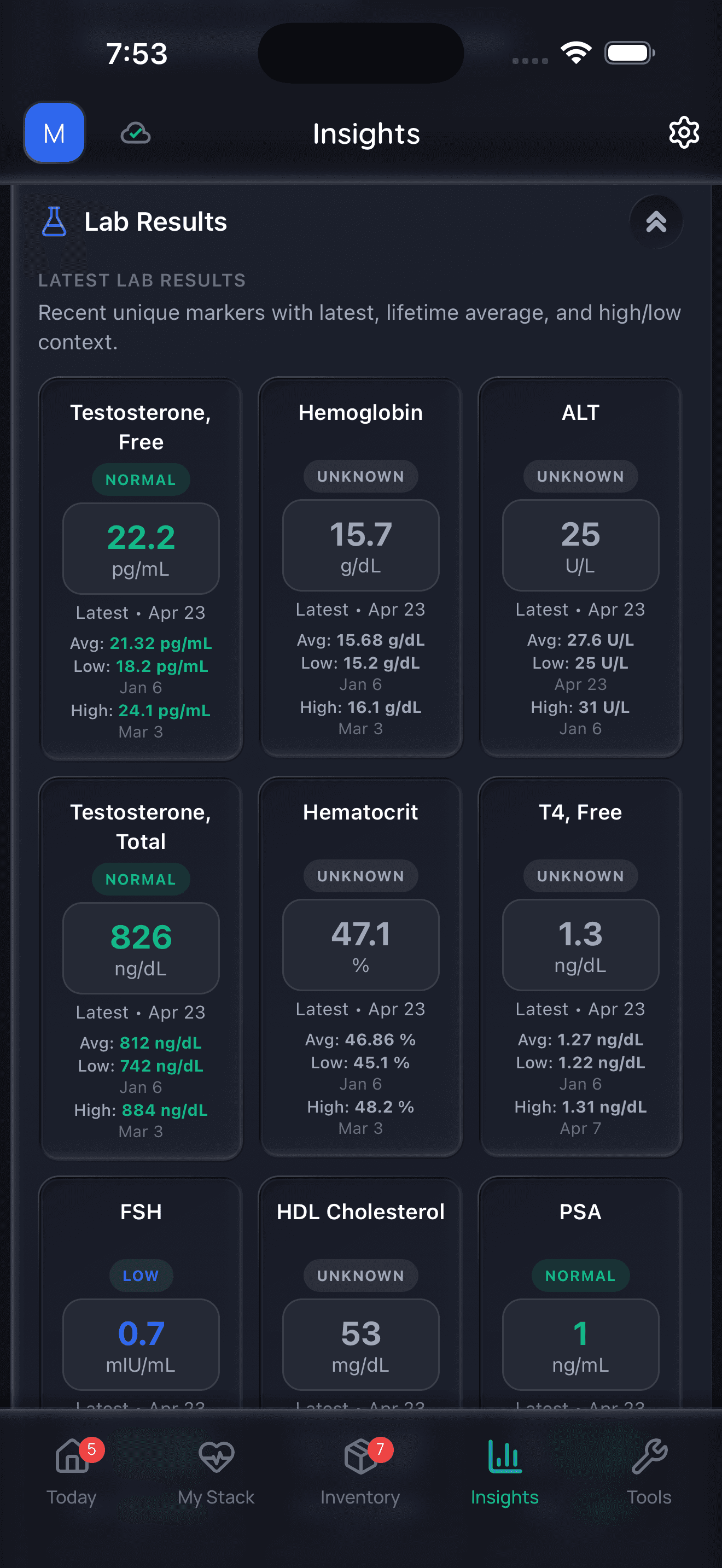
Doserly organizes data; it does not diagnose or interpret labs for you.
Side Effects & Safety Considerations
The Basics
Dihexa carries a unique safety profile that requires careful consideration. The most widely discussed concern is theoretical but serious: the HGF/c-Met pathway that Dihexa activates is also involved in tumor growth. This does not mean Dihexa causes cancer, but it does mean that stimulating this pathway could theoretically support the growth of existing tumors. Most practitioners and community sources strongly advise against use by anyone with a current cancer diagnosis, a history of cancer, or a strong family cancer predisposition.
Beyond the cancer question, reported side effects from community users include attentional scatter (difficulty focusing on a single task despite overall cognitive improvement), irritability on off-days or between doses, and vivid dreams. These effects tend to be mild and dose-dependent based on available anecdotal reports.
A key concern for any highly potent compound is the risk of overuse. Dihexa's long biological activity means it can accumulate with daily dosing. Several community sources strongly recommend pulsed or cycled use rather than continuous daily administration. The compound enhances neuroplasticity indiscriminately, meaning it may strengthen whatever neural patterns are active during use, whether beneficial or harmful.
The Science
Safety data is extremely limited. No completed human safety or tolerability studies exist for Dihexa. Preclinical data suggests no apparent acute toxicity in short-duration studies and no observed neoplastic effects in the studies conducted to date [9].
HGF/c-Met and oncogenesis: The c-Met receptor is a recognized proto-oncogene. Aberrant HGF/c-Met signaling has been implicated in tumor growth, invasion, and metastasis across multiple cancer types [12]. While no evidence directly links Dihexa to cancer promotion, chronic stimulation of growth factor pathways raises theoretical concerns that have not been addressed by controlled studies.
Theoretical contraindications based on available data include:
- Active malignancy or cancer history (growth factor pathway stimulation)
- Pregnancy and lactation (insufficient safety data)
- Severe hepatic or renal impairment (unknown metabolism and excretion pathways)
- Concurrent use of other experimental neurotrophic agents
Reported side effects from community sources (anecdotal, not from controlled studies):
- Attentional scatter at moderate-to-high doses
- Irritability, particularly on off-days between doses
- Vivid dreams (first week of use)
- One user reported discontinuation due to side effects they could not tolerate (specifics not provided)
Side effect profiles are most useful when you can compare them against your own experience in real time. Doserly lets you log symptoms, severity, and timing alongside your dosing data, creating a side-by-side view of your protocol and your body's response.
This kind of systematic tracking catches things that memory alone misses. A subtle mood shift that began three days after a dose increase. Sleep disruption that correlates with evening administration. These patterns become visible when the data is laid out on a timeline, and they give your healthcare provider actionable information rather than vague concerns. Early detection of emerging side effects means earlier intervention.
Capture changes while they are still fresh.
Log symptoms, energy, sleep, mood, and other observations alongside protocol events so patterns do not live only in memory.
Trend view
Symptom timeline
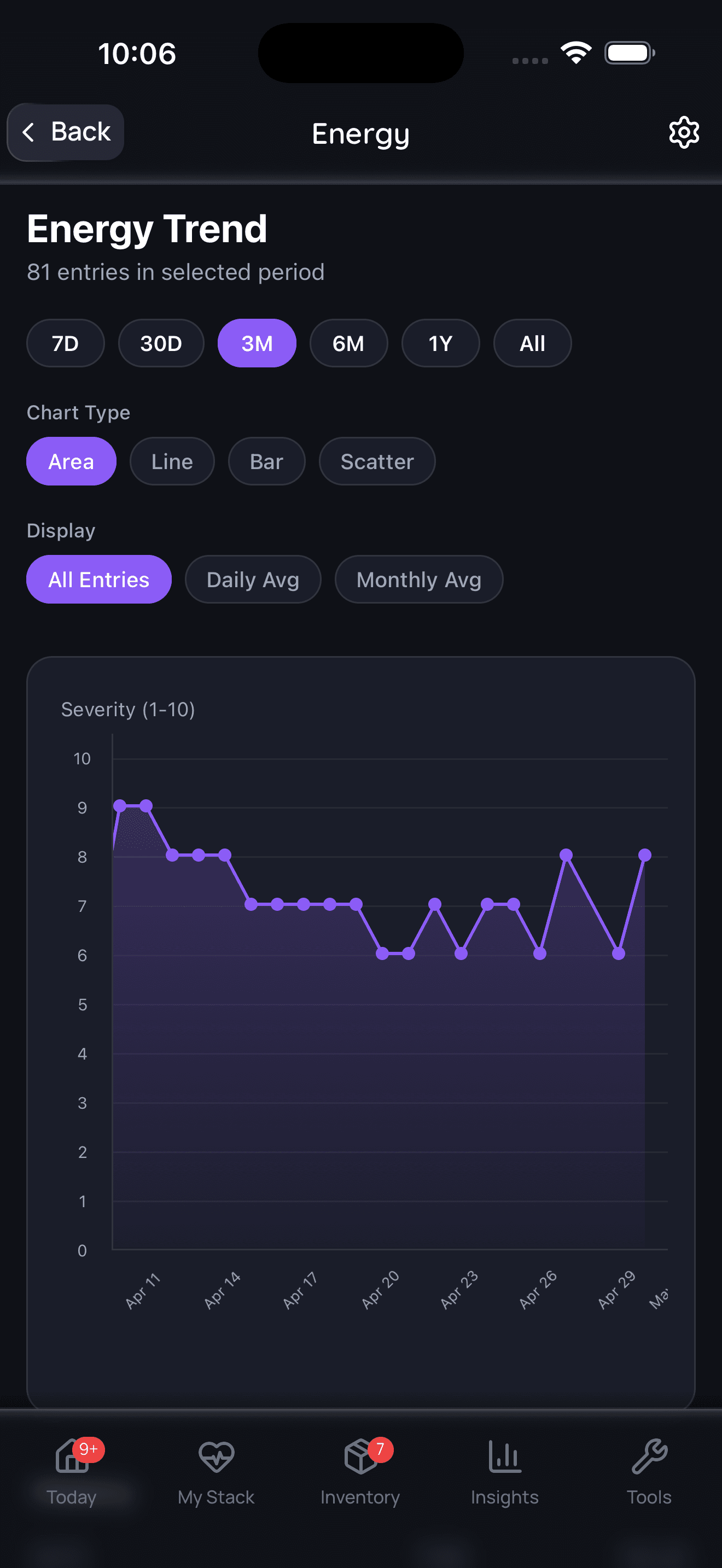
Symptom tracking is informational and should be interpreted with a qualified clinician.
Dosing Protocols
The Basics
There is no established human dosing protocol for Dihexa. All dosing information comes from animal studies, theoretical calculations, and community self-experimentation. The ranges discussed here are reported across sources and should not be interpreted as recommendations.
Dosing reports vary enormously. Some community sources discuss microgram-level sublingual doses (0.5 to 2 mg), while others describe oral doses of 5 to 20 mg or more. This 40-fold range reflects the absence of pharmacokinetic data in humans and the lack of dose-finding studies.
A commonly discussed principle is that less may be more. Because Dihexa is proposed to work through structural brain changes rather than neurotransmitter modulation, effects are expected to build over time rather than be immediately apparent. Some community educators advocate for pulsed dosing (1 to 2 times per week) rather than daily use, arguing that the long biological activity of the compound makes daily dosing unnecessary and potentially counterproductive.
The Science
Human Equivalent Dose (HED) calculations from preclinical data:
Animal studies used doses of 0.5 to 2.88 mg/kg in mice. Conservative allometric scaling (mouse Km=3, human Km=37, conversion factor 0.081) applied to a 70 kg human yields a theoretical range of approximately 2.9 to 16.3 mg daily [9].
Community-reported protocols include:
Protocol
Low/conservative
- Dose
- 0.5–2 mg
- Route
- Sublingual
- Frequency
- Daily
- Cycle
- 2–4 weeks
Protocol
Standard oral
- Dose
- 5–10 mg
- Route
- Oral capsule
- Frequency
- Daily or 3x/week
- Cycle
- 4–8 weeks
Protocol
High oral
- Dose
- 10–20 mg
- Route
- Oral or transdermal
- Frequency
- Daily or every other day
- Cycle
- 4–8 weeks
Protocol
Pulsed protocol
- Dose
- 10–20 mg
- Route
- Oral
- Frequency
- 1–2x/week
- Cycle
- 4–8 weeks
Cycle structure commonly discussed: 4 to 8 weeks on, followed by a 4-week washout period. Some sources suggest repeating cycles 1 to 4 times per year.
Titration: Starting at a low dose and gradually increasing is commonly recommended in community discussions. One proposed dose escalation schedule suggests starting at 0.5 mg and stepping through 1.0, 2.0, 5.0, 10.0, and 15.0 mg daily over the course of weeks [9].
Important caveats: All dosing information above is derived from animal data scaling and community anecdotal reports. No human pharmacokinetic, dose-finding, or tolerability studies have been conducted. The relationship between dose, blood levels, brain exposure, and clinical effects in humans is entirely unknown. Readers should discuss any dosing decisions with a qualified healthcare provider.
What to Expect
Based on community reports (not clinical data), the following timeline represents commonly described experiences. Individual variation is expected to be significant.
Days 1–7: Effects are typically described as subtle. Some users report mild improvements in mental clarity or vivid dreams. The neurogenic processes proposed to underlie Dihexa's effects are expected to take time to produce measurable cognitive changes.
Weeks 2–3: This is when many community members describe the first noticeable differences. Commonly reported experiences include improved verbal fluency, better recall of names and details, enhanced working memory, and improved focus during complex tasks. Effects are described as "gradual" and "building," not sudden.
Weeks 4–8: Full expression of effects, according to community reports. Pattern recognition sharpens, learning speed increases, and sustained cognitive performance improves. Creative thinking and the ability to connect disparate ideas are sometimes mentioned. Some users describe enhanced social acuity, catching subtle conversational cues more easily.
Post-cycle: This is where Dihexa is described as distinct from most compounds. Because its proposed mechanism involves structural synaptic changes rather than neurotransmitter modulation, community members frequently report that benefits persist for weeks to months after stopping. New synaptic connections, once formed, may persist even after the compound has cleared.
Individual variation is significant. Some users report effects as subtle and hard to distinguish from placebo, especially at lower doses. Others describe clear, qualitative shifts in cognitive function. One user's summary: "Sub-threshold but real."
Interaction Compatibility
Commonly Discussed Supportive Combinations
- Alpha-GPC (choline source): Frequently recommended as a foundational support. Choline is a precursor to acetylcholine and a building block for synaptic membranes. Multiple community sources describe choline supplementation (300 to 600 mg Alpha-GPC) as important for providing raw materials for new synapse construction. Methylene Blue has also been discussed in combination contexts.
- NAD+ precursors: NAD+ supplementation is discussed as mitochondrial support during periods of enhanced neurogenesis, providing the cellular energy required for synapse formation.
- MOTS-C: Mentioned as mitochondrial support in stack discussions.
- SS-31: Discussed as a mitochondrial protective agent that may complement neurogenic compounds.
- ARA-290: Mentioned as a supportive nervous system integrity compound in some community protocols.
- Semax / Selank: Semax works through a different mechanism (BDNF/TrkB pathway) and is sometimes discussed as complementary for immediate cognitive enhancement alongside Dihexa's structural effects.
- Pinealon: Discussed as a neuroprotective complement (defends existing structure while Dihexa builds new structure).
Combinations Requiring Caution
- Other neurotropic/neurogenic compounds (P21, PE-22-28): Combining multiple growth-factor-stimulating compounds may amplify risks. Multiple community sources advise caution.
- Stimulants (amphetamines, methylphenidate): Mixing a compound that alters synaptic architecture with stimulants that force neurotransmitter output may create unpredictable neurochemical interactions.
- 5-Amino-1MQ: Some community protocols include it, but combining metabolic modulators with neurogenic compounds has not been studied.
Contraindicated Combinations
- Other experimental growth factor stimulators at high doses: Risk of excessive growth factor pathway activation.
Blend Note
A commercial blend Dihexa / Methylene Blue / Tesofensine exists in the market. This combination pairs Dihexa with a mitochondrial support agent and a triple monoamine reuptake inhibitor. No safety or efficacy data exists for this specific combination.
Administration Guide
Dihexa is administered through several routes, with oral and transdermal being the most commonly discussed.
Materials typically associated with oral administration:
- Dihexa capsules or powder
- DMSO or ethanol solution (for sublingual preparation)
- Precision milligram scale (essential given the compound's potency)
Materials typically associated with subcutaneous administration (less common):
- Insulin syringes (U-100, 29-31G)
- Alcohol swabs (70% isopropanol)
- Bacteriostatic water for reconstitution
Timing considerations:
Most community sources suggest morning administration to allow monitoring of cognitive effects during waking hours. Some sources note that Dihexa may have mild stimulatory effects that could interfere with sleep if taken later in the day.
Post-administration monitoring:
Given the absence of established human safety data, monitoring for any cognitive or behavioral changes is important. Community members who use Dihexa often recommend establishing a cognitive baseline before starting (using online cognitive tests) to objectively assess whether effects are occurring.
Supplies & Planning
Materials typically associated with Dihexa protocols:
For oral/sublingual administration:
- Dihexa powder or pre-made capsules (common vial sizes: 5 mg, 10 mg, 20 mg)
- Precision milligram scale (critical for accurate dosing of a potent compound)
- DMSO or solvent for sublingual solutions (if not using capsules)
- Capsule filling supplies (if preparing own capsules from powder)
For subcutaneous administration (less common):
- Insulin syringes (U-100, 29-31G, 1/2" needle)
- Alcohol swabs
- Bacteriostatic water (for reconstitution from lyophilized powder)
- Sharps disposal container
Storage supplies:
- Opaque storage containers (light protection)
- Refrigerator access for reconstituted solutions
Readers should consult their healthcare provider for specific quantity planning and use the Doserly reconstitution calculator for preparation math if using injectable formulations.
Storage & Handling
Lyophilized (powder) form:
- Long-term storage: -20°C (-4°F) or below
- Short-term storage: 2-8°C (35.6-46.4°F) for weeks to months
- Room temperature: Acceptable for short periods (days) if dry and protected from light
- Keep in original sealed packaging with desiccant to minimize moisture exposure
- Allow vials to reach room temperature before opening to prevent condensation
Reconstituted / solution form:
- Refrigerate at 2-8°C immediately after reconstitution
- Use within 28 days when using bacteriostatic water
- Do not freeze reconstituted solutions
- Avoid repeated freeze-thaw cycles
DMSO solutions:
- Store at room temperature or refrigerated
- DMSO solutions are generally more stable than aqueous reconstitutions
- Inspect for discoloration before each use
General handling:
- Protect from direct light (UV accelerates degradation)
- Use aseptic technique when handling
- Label containers with preparation date
Lifestyle Factors
Community sources and peptide reference sites consistently emphasize that Dihexa's effects are proposed to depend heavily on what you do while using it.
Cognitive engagement: Multiple sources describe Dihexa as a compound that "builds what you use." The theory is that enhanced neuroplasticity is directional, meaning it strengthens whatever neural pathways are being actively used during the cycle. Engaging in learning activities (studying, language learning, problem-solving, creative work) during a Dihexa cycle is frequently described as essential for directing the compound's effects toward beneficial outcomes.
Nutrition: A diet rich in Omega-3 fatty acids (supporting neuronal membrane health), choline-containing foods (eggs, fish, organ meats), and antioxidants (fruits, vegetables) is commonly recommended. These nutrients provide raw materials for synapse construction and protect neurons from oxidative stress.
Sleep: Quality sleep of 7 to 9 hours is emphasized for memory consolidation and glymphatic clearance (the brain's waste removal system). Sleep is described as the period when newly formed synaptic connections are consolidated.
Avoid neurotoxic substances: Alcohol, recreational drugs, and other neurotoxic substances are described as counterproductive during Dihexa protocols. Given the compound's proposed mechanism of enhanced neuroplasticity, exposing the brain to neurotoxic substances during a cycle may cause more harm than usual.
Exercise: Regular physical exercise is noted as supportive of BDNF production and cerebral blood flow, both of which may complement Dihexa's proposed neurogenic effects.
Regulatory Status & Research Classification
United States (FDA):
Dihexa is not FDA-approved for any indication. It is classified as a research compound with no Investigational New Drug (IND) application currently active. The compound is available only through peptide research suppliers and is not available through pharmacies or compounding pharmacies. Fosgonimeton (ATH-1017), a clinical derivative, underwent Phase 2/3 trials under Athira Pharma but failed to meet endpoints in the LIFT-AD trial (September 2024).
Canada (Health Canada):
No DIN, NPN, or other regulatory classification. Research compound status.
United Kingdom (MHRA):
No marketing authorization. Not classified as a medicine.
Australia (TGA):
No TGA scheduling or approval.
European Union (EMA):
No EMA marketing authorization.
WADA Status:
Dihexa is not specifically listed on the WADA prohibited list. However, growth factor pathway modulators may fall under broader prohibited categories depending on interpretation.
Active Clinical Trials:
No active clinical trials for Dihexa itself are registered on ClinicalTrials.gov as of March 2026. The fosgonimeton (ATH-1017) program, which targeted the same HGF/c-Met pathway, has concluded following the LIFT-AD trial failure.
Regulatory status changes frequently. Always verify the current legal status of any compound in your specific country or jurisdiction before making any decisions.
FAQ
What is Dihexa?
Dihexa is a synthetic compound derived from angiotensin IV, designed as a potential cognitive enhancer and neuroprotective agent. It is a research compound with no FDA approval and no completed human clinical trials.
How does Dihexa work?
Dihexa is proposed to work by activating the hepatocyte growth factor (HGF)/c-Met receptor system, which is involved in synapse formation and neuronal growth. However, the foundational study describing this mechanism was retracted in April 2025 due to data integrity concerns. Other preclinical studies showing cognitive benefits in animal models remain in the literature.
Is Dihexa safe?
There are no completed human safety studies for Dihexa. Preclinical data suggests short-term tolerability in animal models, but long-term safety is unknown. The HGF/c-Met pathway is involved in tumor biology, raising theoretical cancer concerns that have not been addressed by controlled studies. Anyone with a current cancer diagnosis, cancer history, or strong family cancer predisposition is generally advised to avoid this compound.
What doses are commonly discussed?
Based on available sources, commonly reported ranges vary widely from 0.5 mg sublingual to 20 mg oral, reflecting the absence of human dose-finding studies. Readers should discuss dosing with a qualified healthcare provider.
Can Dihexa be taken orally?
Yes. Oral bioavailability is one of Dihexa's distinguishing features among peptide-like compounds. Most community protocols describe oral administration via capsule, sublingual solution, or DMSO solution.
How long does a Dihexa cycle last?
Most community sources describe cycles of 4 to 8 weeks followed by a 4-week washout period. Some sources recommend pulsed dosing (1 to 2 times per week) rather than daily administration, given the compound's proposed long biological activity.
Are the effects of Dihexa permanent?
Community reports suggest that some cognitive improvements persist for weeks to months after discontinuation. This is consistent with the theory that Dihexa creates structural synaptic changes rather than temporary neurotransmitter modulation. However, this has not been confirmed in controlled human studies.
What about the retracted paper?
The 2014 study by Benoist et al. that established Dihexa's HGF/c-Met mechanism was formally retracted in April 2025 after a Washington State University investigation found falsified and fabricated data. This retraction significantly weakens the scientific basis for Dihexa's proposed mechanism but does not necessarily invalidate all preclinical observations of cognitive effects, which were documented in separate studies.
How does Dihexa compare to Semax?
Semax works through a different mechanism (BDNF/TrkB pathway) and has decades of clinical use in Russia. Dihexa targets the HGF/c-Met pathway, has no clinical use history, and carries a less characterized safety profile. Semax is generally considered to have a stronger evidence base.
Sources & References
[1] McCoy AT, Benoist CC, Wright JW, Harding JW. "Dihexa, a small molecule for treatment of neurodegenerative diseases." Journal of Pharmacology and Experimental Therapeutics. 2013. PMID: 23767152. https://pubmed.ncbi.nlm.nih.gov/23767152/
[2] Benoist CC, Kawas LH, Zhu M, Bhatt DK, Wright JW, Harding JW. "Pharmacokinetics of Dihexa: Development of an Orally Active Brain Penetrating Pro-cognitive Agent." 2012. PMID: 22421919. https://pubmed.ncbi.nlm.nih.gov/22421919/
[3] Benoist CC, Wright JW, Bhatt DK, et al. "The Procognitive and Synaptogenic Effects of Angiotensin IV-Derived Peptides Are Dependent on Activation of the Hepatocyte Growth Factor/c-Met System." J Pharmacol Exp Ther. 2014. RETRACTED April 2025. PMID: 24566123. https://pubmed.ncbi.nlm.nih.gov/24566123/
[4] Glorioso C. "Peptides for Cognitive Enhancement & Dementia Prevention." Substack. December 2025. Analysis documenting the Benoist et al. retraction and LIFT-AD trial failure. https://drglorioso.substack.com/p/peptides-for-cognitive-enhancement
[5] Kawas LH, McCoy AT, Yamamoto BJ, Wright JW, Harding JW. "Development of angiotensin IV analogs as hepatocyte growth factor/Met modifiers." J Pharmacol Exp Ther. 2012. PMID: 22072102. https://pubmed.ncbi.nlm.nih.gov/22072102/
[6] Sun X, Deng Y, Fu X, Wang S, Duan R, Zhang Y. "AngIV-Analog Dihexa Rescues Cognitive Impairment and Recovers Memory in the APP/PS1 Mouse via the PI3K/AKT Signaling Pathway." 2021. PMID: 34827486. https://pubmed.ncbi.nlm.nih.gov/34827486/
[7] Community pharmacokinetic data compiled from r/Nootropics and r/Biohack_Blueprint discussions (March 2026). Half-life estimates derived from animal pharmacokinetic studies cited in user analyses.
[8] Harding JW, Wright JW. "Development of Dihexa as an orally active compound for cognitive enhancement." Washington State University research program. Multiple preclinical publications. See also PMID: 23113581.
[9] Washington State University research program. Multiple preclinical publications on Dihexa as a procognitive agent. Referenced via PMID: 23113581. https://pubmed.ncbi.nlm.nih.gov/23113581/
[10] Weiss JB, Phillips CJ, Malin EW, Gorantla VS, Harding JW, Salgar SK. "Stem cell, Granulocyte-Colony Stimulating Factor and/or Dihexa to promote limb function recovery in a rat sciatic nerve damage-repair model." 2021. https://pubmed.ncbi.nlm.nih.gov/34385390/
[11] Uribe PM, Kawas LH, Harding JW, Coffin AB. "Hepatocyte growth factor mimetic protects lateral line hair cells from aminoglycoside exposure." 2015. https://pubmed.ncbi.nlm.nih.gov/26222381/
[12] Organ SL, Tsao MS. "An overview of the c-MET signaling pathway." Ther Adv Med Oncol. 2011;3(1 Suppl):S7-S19. https://pubmed.ncbi.nlm.nih.gov/22128289/
Related Peptide Guides
- Semax — BDNF/TrkB-pathway cognitive enhancement peptide with decades of clinical use in Russia. Different mechanism from Dihexa.
- Selank — Anxiolytic peptide often paired with Semax. Complementary to cognitive enhancement protocols.
- Pinealon — Neuroprotective bioregulator peptide. Discussed as a protective complement to neurogenic compounds.
- NAD+ — Cellular energy support. Frequently mentioned as mitochondrial support during neurogenic protocols.
- MOTS-C — Mitochondrial-derived peptide. Discussed in combination stack contexts.
- SS-31 — Mitochondrial protective peptide. Mentioned in community neuroprotection stacks.
- ARA-290 — Neuroprotective peptide for nerve repair. Mentioned in community nervous system integrity discussions.
- Methylene Blue — Mitochondrial support agent. Available in a commercial blend with Dihexa.
- Tesofensine — Triple monoamine reuptake inhibitor. Available in a commercial blend with Dihexa.
- Dihexa / Methylene Blue / Tesofensine Blend — Commercial blend product.
Need the reconstitution math for Dihexa: Complete Research Guide?
Open the calculator with Dihexa: Complete Research Guide prefilled to estimate concentration, draw volume, and related measurement math from the reconstitution details you already have.