
SS-31 (Elamipretide): Complete Research Guide
On this page
Quick Reference Card
Attribute
Also Known As
- Detail
- Elamipretide, MTP-131, Bendavia, Forzinity (trade name)
Attribute
Administration
- Detail
- Subcutaneous injection (primary); intravenous infusion (clinical trial settings)
Attribute
Research Status
- Detail
- FDA accelerated approval for Barth syndrome (September 2025) as Forzinity. Investigational for all other indications. Multiple Phase 2/3 clinical trials completed or ongoing.
Attribute
Typical Dose Range
- Detail
- 5-10 mg subcutaneous once daily (community protocols); 20-40 mg daily (clinical trials for mitochondrial myopathy and heart failure); 0.05 mg/kg/hr IV (clinical trial for renal artery stenosis)
Attribute
Half-Life
- Detail
- Peak plasma concentration within 1-2 hours after subcutaneous injection; approximately 4-hour plasma half-life; functional effects on mitochondrial membranes persist longer
Attribute
Cycle Length
- Detail
- 4-8 weeks (standard); 8-12 weeks (extended); some protocols use ongoing maintenance at reduced frequency
Attribute
Storage
- Detail
- Lyophilized: -20C long-term, protected from light; Reconstituted: 2-8C, use within 4-6 weeks
Overview / What Is SS-31?
The Basics
SS-31 is a synthetic peptide designed to repair and protect the energy-producing machinery inside your cells. More specifically, it targets the mitochondria, which are responsible for generating over 90% of the energy your body uses for everything from muscle contractions to brain function.
What makes SS-31 unusual is its precision. Rather than acting as a general antioxidant that floats through the body cleaning up damage after the fact, SS-31 concentrates inside mitochondria at levels roughly 5,000 times higher than surrounding tissue. It goes directly to where energy is made and fixes the infrastructure.
Its target is a molecule called cardiolipin, a specialized lipid found only on the inner mitochondrial membrane. Cardiolipin acts like scaffolding that holds the energy-producing protein complexes in the right positions. As you age, experience illness, or encounter chronic stress, cardiolipin becomes damaged. The scaffolding loosens, the machinery drifts apart, energy output drops, and damaging byproducts increase. SS-31 binds to cardiolipin and restores the structural integrity that keeps energy production running cleanly.
SS-31 made history in September 2025 when it received FDA accelerated approval for Barth syndrome (a rare genetic disorder of cardiolipin remodeling), marketed under the trade name Forzinity. This made it the first mitochondria-targeted therapeutic approved in the United States. For all other uses, it remains investigational.
The Science
SS-31 (D-Arg-2',6'-dimethyltyrosine-Lys-Phe-NH2) is an aromatic-cationic tetrapeptide engineered to selectively target the inner mitochondrial membrane (IMM) through electrostatic interactions between its positively charged residues and the anionic phospholipid cardiolipin [1]. The dimethyltyrosine residue provides hydrophobic anchoring within the lipid bilayer while the cationic charges facilitate membrane penetration independent of mitochondrial membrane potential [1].
SS-31 was developed by Stealth BioTherapeutics and has progressed through multiple clinical trials under designations including MTP-131 and Bendavia. Its pharmaceutical form, elamipretide, received FDA accelerated approval in September 2025 for Barth syndrome under the trade name Forzinity [2][3].
The peptide demonstrates selective accumulation within mitochondria at concentrations 1,000-5,000 times higher than extracellular levels, enabling targeted modulation of mitochondrial bioenergetics without systemic redox disruption [1]. This selectivity is driven by the electrochemical gradient across the IMM and the compound's favorable partition coefficient for mitochondrial membrane lipids.
Molecular Identity
Attribute
Common Names
- Detail
- SS-31, Elamipretide, MTP-131, Bendavia, Forzinity
Attribute
Amino Acid Sequence
- Detail
- D-Arg-Dmt-Lys-Phe-NH2 (Dmt = 2',6'-dimethyltyrosine)
Attribute
Molecular Formula
- Detail
- C32H49N9O5
Attribute
Molecular Weight
- Detail
- 639.8 Da
Attribute
CAS Number
- Detail
- 736992-21-5
Attribute
PubChem CID
- Detail
- 11764719
Attribute
Structural Type
- Detail
- Aromatic-cationic tetrapeptide with C-terminal amidation
Attribute
Functional Class
- Detail
- Mitochondria-targeted cardiolipin stabilizer; cardioprotective and neuroprotective agent
Attribute
Target Systems
- Detail
- Cardiolipin on inner mitochondrial membrane, electron transport chain supercomplexes (Complex I/III/IV), mitochondrial permeability transition pore (mPTP)
Mechanism of Action
The Basics
Think of your mitochondria as power plants, and cardiolipin as the foundation that keeps all the generators bolted in their correct positions. When that foundation weakens (from aging, inflammation, illness, or chronic stress), the generators start drifting apart. Energy output drops, and the power plant starts producing more pollution (reactive oxygen species) than electricity (ATP).
SS-31 works by reinforcing that foundation. It binds directly to cardiolipin and tightens the structure, keeping the generators (electron transport chain complexes) in their optimal positions. The result is cleaner energy production, fewer damaging byproducts, and mitochondria that function the way they did when they were younger.
This is fundamentally different from taking a general antioxidant. Antioxidants clean up the pollution after it has been created. SS-31 prevents the pollution from being created in the first place by fixing the machinery that was generating it. This is why researchers describe it as structural repair rather than stimulation.
The Science
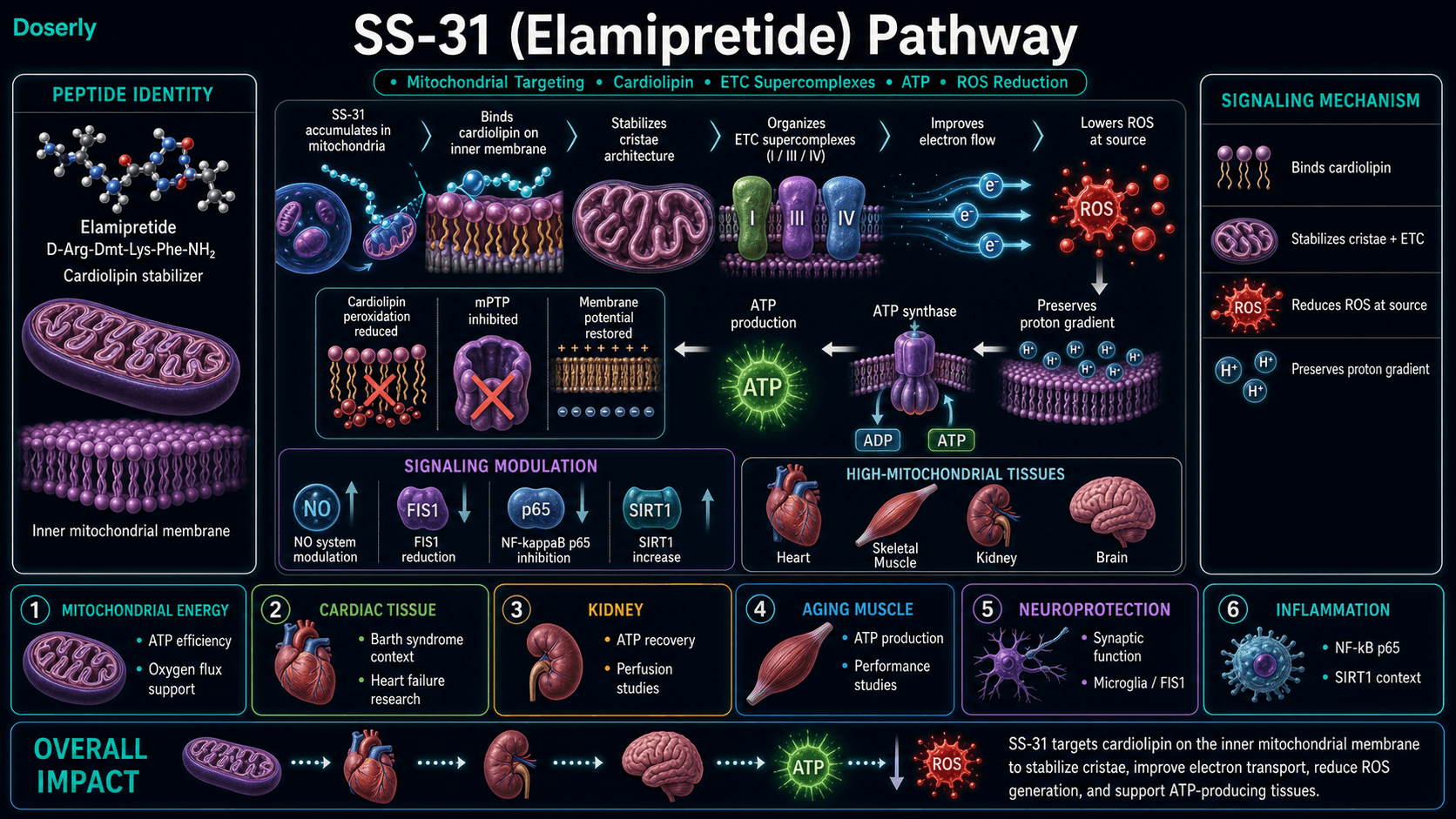
SS-31 binds to cardiolipin at a 1:1 stoichiometry, stabilizing cristae structure and preventing cardiolipin peroxidation by scavenging reactive oxygen species at the site of generation (primarily Complex I and Complex III of the electron transport chain) [1][4].
The primary mechanisms include:
- Electron transport chain supercomplex stabilization: Cardiolipin organizes respiratory complexes I, III, and IV into supercomplexes that facilitate efficient electron transfer. SS-31 binding preserves this organization, reducing electron leak and associated ROS production [1][5].
- Cristae structure maintenance: Cardiolipin is enriched at cristae junctions. SS-31 protects cardiolipin at these locations, maintaining the membrane folds that provide surface area for oxidative phosphorylation [5].
- Mitochondrial permeability transition pore (mPTP) inhibition: SS-31 inhibits mPTP opening, preventing the collapse of membrane potential and subsequent cell death signaling [1].
- ROS reduction at source: By maintaining supercomplex organization, SS-31 reduces electron escape from the chain, decreasing ROS generation by up to 30-50% in preclinical models rather than scavenging ROS after production [1][6].
- Membrane potential restoration: Stabilized membranes maintain proton gradient integrity, supporting efficient ATP synthase function and improving energy yield per unit of oxygen consumed [5].
Additional demonstrated effects include modulation of the nitric oxide (NO) system, reduction of FIS1 expression (involved in dysfunctional mitochondrial fission), inhibition of NF-kappaB p65 (reducing inflammatory signaling), and increased SIRT1 levels (associated with improved insulin sensitivity) [7][8][9].
Pathway Visualization Image
Pharmacokinetics
The Basics
SS-31 reaches its target quickly. After a subcutaneous injection, it appears in the blood within minutes and reaches peak levels in about 1-2 hours. It has a plasma half-life of approximately 4 hours, which is relatively long for a small peptide.
What makes the pharmacokinetics interesting is the difference between how long the peptide stays detectable in blood versus how long its effects last. While SS-31 clears from plasma within hours, the structural changes it makes to cardiolipin persist significantly longer. This is because once the membrane is stabilized, the benefits continue until oxidative damage accumulates again. This is why some protocols use intermittent dosing (a few times per week) after an initial daily loading phase rather than requiring continuous daily administration.
SS-31 is primarily administered via subcutaneous injection, which provides approximately 100% bioavailability. Oral bioavailability is very limited, which is why oral administration is not a viable route.
The Science
Following subcutaneous administration, SS-31 demonstrates rapid absorption with peak plasma concentrations (Cmax) achieved within 1-2 hours [10]. The plasma elimination half-life is approximately 4 hours, which is notable for a tetrapeptide and attributed to the compound's D-amino acid incorporation (D-Arg) and C-terminal amidation, both of which confer resistance to enzymatic degradation by aminopeptidases and carboxypeptidases [1].
Subcutaneous bioavailability approaches 100%, making it the preferred route for non-clinical settings [1]. In clinical trials, intravenous infusion protocols (0.01-0.25 mg/kg/hr over 4 hours) were employed for acute cardiovascular indications [11][12].
The pharmacodynamic profile extends beyond plasma kinetics. Target engagement at the mitochondrial membrane is measurable within hours of administration, with bioenergetic improvements (increased ATP production, reduced ROS) demonstrable at tissue level in preclinical models. The distinction between plasma half-life and functional duration of effect supports intermittent maintenance dosing after initial membrane saturation [1][10].
Tissue selectivity is notable: SS-31 accumulates preferentially in metabolically demanding tissues with high mitochondrial density, including cardiac muscle, skeletal muscle, kidney, and brain [1].
Research & Clinical Evidence
SS-31 and Barth Syndrome
The Basics
Barth syndrome is a rare genetic condition where the body cannot properly maintain cardiolipin, the exact molecule SS-31 targets. This makes it the ideal test case for the peptide. The TAZPOWER trial treated Barth syndrome patients with SS-31 for up to 168 weeks (over three years) and found meaningful improvements in walking distance, cardiac function, and cardiolipin levels. These results were strong enough for the FDA to grant accelerated approval in September 2025, making Forzinity the first mitochondria-targeted drug approved in the United States.
The Science
The TAZPOWER Phase 2/3 trial evaluated elamipretide 40 mg subcutaneous daily in Barth syndrome patients. Results demonstrated a 96.1-meter improvement in 6-minute walk test, improved cardiac stroke volume, and normalized cardiolipin profiles [2]. Long-term extension data over 168 weeks confirmed sustained benefit and acceptable tolerability [3]. FDA accelerated approval was granted in September 2025, with a confirmatory post-marketing study required [2][3].
SS-31 and Heart Failure
The Basics
Heart failure creates a destructive cycle where weakened hearts need more energy but damaged mitochondria produce less of it. Research in both animal models and human heart tissue shows that SS-31 can break this cycle. In dogs with advanced heart failure, chronic treatment improved how well the heart pumped. In human heart tissue studied in the laboratory, SS-31 improved the mitochondria's ability to use oxygen and produce energy.
The Science
Chronic elamipretide treatment in dogs with advanced heart failure improved left ventricular function, with measures of mitochondrial respiration and maximum ATP synthesis correlating with cardiac improvement [13]. Ex vivo application to failing human heart tissue improved mitochondrial oxygen flux and respiratory complex activity [14]. The PROGRESS-HF trial in heart failure with reduced ejection fraction demonstrated safety and tolerability at doses of 0.25 mg/kg/day and 0.75 mg/kg/day [11]. Trials in ST-segment elevation myocardial infarction showed elamipretide reduced circulating HtrA2, a marker of cardiomyocyte apoptosis [15].
SS-31 and Kidney Disease
The Basics
The kidneys are energy-hungry organs with high mitochondrial density, making them vulnerable to mitochondrial dysfunction. In animal models of kidney injury, SS-31 protected kidney structure, accelerated ATP recovery, and reduced cell damage. A small human study at the Mayo Clinic found that SS-31 given during kidney stent procedures improved blood flow and kidney function compared to placebo, with effects persisting at three months.
The Science
In rat models of ischemia-reperfusion injury, SS-31 protected kidney structure, accelerated ATP recovery, and reduced cell death and necrosis [16]. In diabetic nephropathy models, SS-31 attenuated renal injury via antioxidant effects, downregulated CD36, and improved renal function [7][8]. A human study in atherosclerotic renal artery stenosis patients (n=6) receiving elamipretide 0.05 mg/kg/hr IV during stent revascularization showed attenuated post-intervention hypoxia, improved renal blood flow and cortical perfusion, increased eGFR, and improved systolic blood pressure control at 3 months [12].
SS-31 and Aging
The Basics
As we age, our mitochondria accumulate damage from decades of oxidative stress. In a study of older adults, a single intravenous dose of SS-31 increased skeletal muscle ATP production, demonstrating that the compound can reach its target and improve function in aged human tissue. In animal studies, SS-31 rapidly improved mitochondrial energetics and skeletal muscle performance in aged mice.
The Science
A single IV dose of elamipretide increased skeletal-muscle ATP production in older adults, demonstrating target engagement in the population most affected by mitochondrial decline [10]. In aged mice, SS-31 rapidly improved mitochondrial energetics and skeletal muscle performance [17]. The compound has shown efficacy in reversing age-related vascular stiffness and improving cardiac diastolic function in old mouse hearts, with synergistic effects when combined with NMN [18].
SS-31 and Neurological Conditions
The Basics
The brain consumes approximately 20% of the body's energy despite being only 2% of body weight, making it especially sensitive to mitochondrial dysfunction. Preclinical research suggests SS-31 may protect neurons by preserving mitochondrial function. In mouse models, SS-31 improved memory and reduced neurological damage caused by inflammation.
The Science
In lipopolysaccharide-induced neuroinflammation models, elamipretide improved mitochondrial dysfunction, synaptic impairment, and memory deficits [19]. SS-31 reduced inflammation and oxidative stress by inhibiting FIS1 expression in activated microglia [9]. The peptide is under investigation for dry age-related macular degeneration (ReCLAIM-2 trial), with mixed results overall but functional signal in predefined subgroups [10].
SS-31 and Diabetes
The Basics
In people with type 2 diabetes, mitochondrial dysfunction contributes to the oxidative damage that causes long-term complications. Human studies show SS-31 reduces the production of damaging reactive oxygen species and increases SIRT1, a protein associated with improved insulin sensitivity and reduced inflammation. This suggests SS-31 may help protect against the microvascular complications that develop over time in diabetes.
The Science
In human subjects, SS-31 administration produced a marked decrease in reactive oxygen species production and increased SIRT1 levels, associated with improved insulin sensitivity and reduced inflammation in type 2 diabetes [8]. In diabetic nephropathy models, SS-31 suppressed NADPH oxidase function, inhibited NF-kappaB p65, and reduced expression of activated MnSOD [7][8].
Biomarker Evidence Matrix
Category
Energy Levels
- Evidence Strength
- 7/10
- Reported Effectiveness
- 7/10
- Summary
- Strong preclinical and early clinical evidence of improved ATP production. Community reports consistently describe cleaner, more sustained baseline energy. Single IV dose improved ATP production in aging muscle [10].
Category
Heart Health
- Evidence Strength
- 7/10
- Reported Effectiveness
- 5/10
- Summary
- FDA approval for Barth syndrome cardiac manifestations [2][3]. Improved LV function in animal heart failure models [13]. Ex vivo human heart tissue improvements [14]. Community discussion is mostly research-derivative, not experiential.
Category
Physical Performance
- Evidence Strength
- 6/10
- Reported Effectiveness
- 6/10
- Summary
- Phase 2 trials showed improved exercise performance after 5 days [20]. Aged mice showed rapid skeletal muscle improvement [17]. Community reports improved endurance and exercise capacity.
Category
Recovery & Healing
- Evidence Strength
- 5/10
- Reported Effectiveness
- 6/10
- Summary
- Preclinical evidence of tissue protection in ischemia-reperfusion models. Community reports faster recovery from training (24-36hr vs 48-72hr baseline).
Category
Focus & Mental Clarity
- Evidence Strength
- 4/10
- Reported Effectiveness
- 6/10
- Summary
- Limited direct cognitive evidence. Mechanistic rationale via brain's high mitochondrial density. Community reports improved clarity as secondary to energy improvements.
Category
Inflammation
- Evidence Strength
- 6/10
- Reported Effectiveness
- 5/10
- Summary
- NF-kappaB inhibition, FIS1 reduction, CD36 downregulation demonstrated in multiple models [7][8][9]. Community reports are mostly mechanistic rather than experiential.
Category
Sleep Quality
- Evidence Strength
- 3/10
- Reported Effectiveness
- 5/10
- Summary
- No direct clinical evidence for sleep. Does not interfere with sleep. Community reports are sparse and indirect.
Category
Stress Tolerance
- Evidence Strength
- 3/10
- Reported Effectiveness
- 5/10
- Summary
- Mechanistic rationale via reduced oxidative burden. Limited direct evidence and community reports.
Category
Mood & Wellbeing
- Evidence Strength
- 3/10
- Reported Effectiveness
- 5/10
- Summary
- Limited evidence. Community reports improved wellbeing secondary to energy restoration.
Category
Daily Functioning
- Evidence Strength
- 5/10
- Reported Effectiveness
- 6/10
- Summary
- Barth syndrome trials showed functional capacity improvements [2][3]. ME/CFS community reports improved upright time and daily activity capacity.
Category
Longevity & Neuroprotection
- Evidence Strength
- 5/10
- Reported Effectiveness
- 5/10
- Summary
- Preclinical evidence of neuroprotection [19], reversed age-related mitochondrial decline [17][18]. Community discussion is mechanistic rather than experiential.
Category
Side Effect Burden
- Evidence Strength
- 7/10
- Reported Effectiveness
- 5/10
- Summary
- Well-characterized in clinical trials. Injection site reactions in ~80% of trial participants. MRGPRX2 mechanism identified. Generally manageable but not negligible.
Benefits & Potential Effects
The Basics
The primary benefit most people associate with SS-31 is improved energy, but it is important to understand what kind of energy improvement this is. SS-31 does not work like caffeine or other stimulants that create a temporary surge followed by a crash. Instead, users describe the effect as their baseline energy becoming more stable and predictable. Physical effort produces proportional fatigue rather than disproportionate exhaustion, and recovery windows become shorter.
Beyond energy, SS-31 has demonstrated potential benefits across multiple body systems. In the heart, it improves the ability of cardiac muscle to produce energy and pump blood efficiently. In the kidneys, it protects against damage from reduced blood flow. In the brain, its neuroprotective properties may support cognitive function by maintaining neuronal energy supply. And across all tissues, the reduction in oxidative stress may slow the accumulation of damage that drives aging and chronic disease.
It is worth noting that the most dramatic benefits are typically reported by individuals with significant baseline mitochondrial dysfunction, such as those with chronic fatigue syndromes, post-viral conditions, or age-related energy decline. Individuals with healthy mitochondrial function may experience subtler improvements.
The Science
Demonstrated and potential benefits based on available evidence:
- Enhanced ATP production: Improved oxidative phosphorylation efficiency via cardiolipin stabilization and ETC supercomplex organization [1][10][14]
- Reduced reactive oxygen species: 30-50% reduction in ROS generation in preclinical models by preventing electron leak at source [1][6]
- Cardioprotection: Improved left ventricular function in heart failure, reduced cardiomyocyte apoptosis in acute MI, improved cardiac biomarkers in Barth syndrome [2][3][13][15]
- Renoprotection: Accelerated ATP recovery and reduced cell death in ischemia-reperfusion kidney injury, improved eGFR in human renal artery stenosis [7][12][16]
- Neuroprotection: Improved memory and synaptic function in neuroinflammation models, reduced microglial activation [9][19]
- Anti-inflammatory effects: Suppressed NF-kappaB signaling, reduced FIS1 expression, downregulated NADPH oxidase [7][8][9]
- NAD+ conservation: Reduced oxidative damage decreases PARP activation and CD38 upregulation, preserving cellular NAD+ pools [1]
- Improved exercise capacity: Phase 2 data showed improved exercise performance after 5 days of treatment [20]
The benefits outlined above span multiple body systems, and your experience will be uniquely yours. Rather than guessing which effects are attributable to this compound versus other factors in your life, Doserly helps you log specific outcomes alongside your protocol details, building a clear picture of what's changing and when.
Over weeks and months, this creates something more useful than any anecdotal report: your own evidence-based record of how this compound affects you personally, at your specific dose, within the context of your full health protocol. When it's time to decide whether to continue, adjust, or discontinue, you have real data to inform that conversation with your healthcare provider.
Capture changes while they are still fresh.
Log symptoms, energy, sleep, mood, and other observations alongside protocol events so patterns do not live only in memory.
Trend view
Symptom timeline
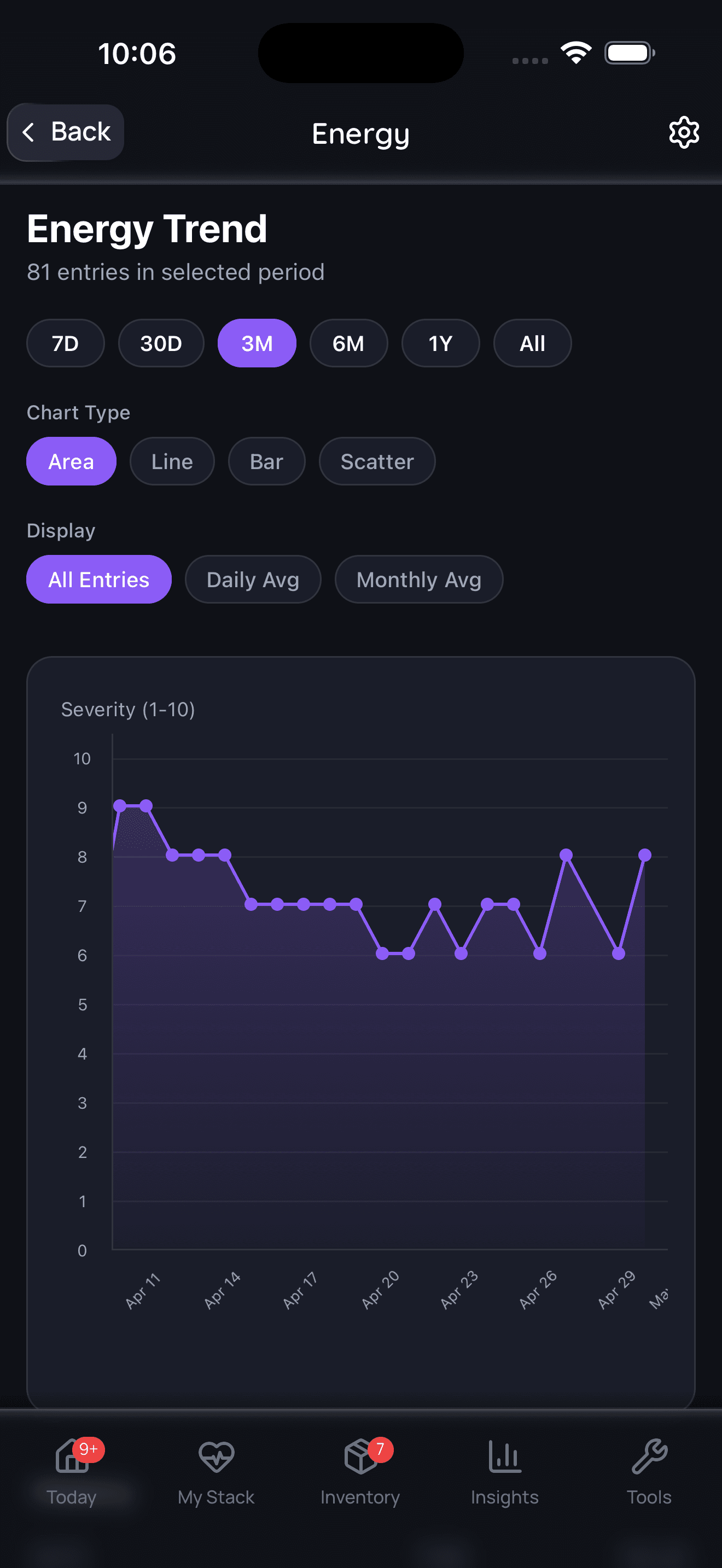
Symptom tracking is informational and should be interpreted with a qualified clinician.
Side Effects & Safety Considerations
The Basics
SS-31 has a favorable safety profile based on clinical trial data spanning multiple indications and durations up to 168 weeks. The most common side effect by a significant margin is injection site reactions: redness, itching, swelling, and occasionally welts at the injection site. In the TAZPOWER Phase III trial using 40 mg daily, approximately 57% of participants experienced erythema (redness), 47% experienced pruritus (itching), and 20% experienced pain at the injection site.
These reactions are caused by a specific biological mechanism (MRGPRX2 mast cell activation) rather than a true allergic response. Reconstituting with isotonic bacteriostatic water (containing 0.9% sodium chloride) rather than standard bacteriostatic water can significantly reduce these reactions. Pre-treating the injection site with topical mometasone has also been shown to reduce swelling without affecting drug absorption.
Other reported side effects are generally mild and transient: headache (occasional), nausea (infrequent), and fatigue during the initial loading period (which may actually reflect the mitochondrial repair process rather than a true adverse effect). No dose-limiting toxicities or serious adverse events have been directly attributed to SS-31 in published clinical trials.
Some community members report dizziness or lightheadedness at moderate doses (2-5 mg), with one individual documenting a 10 bpm increase in resting heart rate. These effects resolved upon discontinuation. Individuals with sensitivity to autonomic changes should start at lower doses and titrate carefully.
The Science
Clinical trial safety data across multiple Phase 2 and Phase 3 studies demonstrates a favorable tolerability profile [2][3][11][20]:
- Injection site reactions: Most common adverse event. MRGPRX2-mediated mast cell degranulation identified as the mechanism (EC50 63 +/- 13 mcg/mL). Topical mometasone pre-treatment significantly reduced induration/swelling (p=0.0031) without affecting pharmacokinetics. MRGPRX2 knockout mice showed approximately 80% reduction in tissue extravasation [21].
- No dose-limiting toxicities observed at doses up to 40 mg daily in clinical trials [2][20]
- No significant alterations to blood pressure, heart rate, or standard laboratory parameters in controlled trials [11]
- Long-term safety: The TAZPOWER extension study demonstrated acceptable tolerability over 168 weeks of continuous treatment at 40 mg daily [3]
- Contraindications: Known hypersensitivity to elamipretide or excipients. Insufficient data for pregnancy and lactation. Renal/hepatic impairment: limited data, use caution [11].
Dosing Protocols
The Basics
SS-31 dosing follows a loading-then-maintenance pattern. The idea is straightforward: during the loading phase, you are saturating the cardiolipin binding sites on your mitochondrial membranes. Once those sites are occupied, additional SS-31 provides diminishing returns. The maintenance phase sustains the structural integrity achieved during loading.
The dose ranges reported across sources vary considerably. Community and biohacker protocols typically describe 5-10 mg subcutaneous daily, while clinical trials for disease indications used 20-40 mg daily. The discrepancy likely reflects different objectives (general optimization versus treatment of severe mitochondrial dysfunction) and different study populations.
Most community protocols start at 5 mg daily for 1-2 weeks to assess tolerance, then increase to 10 mg daily for the main treatment phase. After 4-8 weeks of daily dosing, many protocols transition to maintenance at 5-10 mg given 2-3 times per week. Some protocols extend to 8-12 weeks with daily dosing before transitioning.
Morning administration or 60-90 minutes before training is the most commonly recommended timing. SS-31 does not appear to interfere with sleep when taken earlier in the day.
The Science
Clinical trial dosing protocols provide the most rigorous data points [11][20]:
Protocol
TAZPOWER
- Indication
- Barth syndrome
- Dose
- 40 mg daily
- Route
- SC
- Duration
- 48+ weeks
Protocol
MMPOWER-3
- Indication
- Primary mitochondrial myopathy
- Dose
- 40 mg daily
- Route
- SC
- Duration
- 12 weeks
Protocol
PROGRESS-HF
- Indication
- Heart failure (HFrEF)
- Dose
- 0.25-0.75 mg/kg/day
- Route
- SC
- Duration
- 4 weeks
Protocol
HFpEF trial
- Indication
- Heart failure (HFpEF)
- Dose
- 20-40 mg daily
- Route
- SC
- Duration
- 4 weeks
Protocol
Renal artery stenosis
- Indication
- Atherosclerotic RAS
- Dose
- 0.05 mg/kg/hr IV
- Route
- IV infusion
- Duration
- Single dose
Protocol
ATPmax
- Indication
- Aging (skeletal muscle)
- Dose
- Single dose
- Route
- IV
- Duration
- Single administration
Protocol
MMPOWER-2
- Indication
- Primary mitochondrial myopathy
- Dose
- Dose-escalation
- Route
- SC
- Duration
- 5 days
Community dosing protocols based on available reports:
Phase
Loading
- Dose
- 5-10 mg
- Frequency
- Daily
- Duration
- 5-10 days
Phase
Standard maintenance
- Dose
- 5-10 mg
- Frequency
- Daily
- Duration
- 4-8 weeks
Phase
Reduced maintenance
- Dose
- 5-10 mg
- Frequency
- 2-3x per week
- Duration
- Ongoing
Phase
Advanced (supervised)
- Dose
- 15-20 mg
- Frequency
- Daily (split doses)
- Duration
- 8-12 weeks
Doses above 10 mg per injection should be split into two separate subcutaneous injections at different sites [11].
The dosing protocols above involve numbers that matter: specific microgram amounts, reconstitution ratios, and timing windows. Getting any of these wrong compounds across every subsequent dose from that vial.
Doserly's dose and reconstitution calculators eliminate the guesswork. Enter your vial size, peptide amount, and target dose, and get the exact bacteriostatic water volume, units per tick mark, and doses per vial. The injection site tracker maps your administration history as a visual heat map across your body, flagging areas that need rest and suggesting rotation patterns. Combined with dose reminders that include compound name, amount, and route, every aspect of your daily protocol is handled with the precision it requires.
Track injection timing, draw notes, and site rotation.
Doserly helps keep syringe-related notes, injection site history, reminders, and reconstitution context together for easier review.
Injection log
Site rotation
Injection logs support record-keeping; follow clinician instructions for administration.
What to Expect
SS-31's effects build gradually over weeks as cardiolipin stabilization progresses. The timeline below reflects both clinical observations and community reports. Individual responses vary significantly based on baseline mitochondrial function, dose, and concurrent protocols.
Days 1-5: Subtle Phase
SS-31 is binding to cardiolipin throughout mitochondria. Most people do not notice acute effects during this period. Mitochondria are beginning to stabilize, and ROS production is starting to decrease. Some individuals report mild fatigue or sedation during this phase, which may reflect the early stages of the repair process.
Days 5-10: First Noticeable Changes
The first improvements typically become apparent. Improved exercise capacity is often the earliest signal, with the ability to sustain slightly higher intensity during training. Recovery between sessions begins to improve. Some users report more stable energy levels throughout the day.
Days 10-14: Clear Improvements
Training and daily activities feel noticeably better. Recovery from physical exertion improves significantly (many report muscle soreness resolving in 24-36 hours rather than 48-72 hours). Physical energy becomes more stable and sustained. Mental clarity often improves at this stage, likely because the brain is highly energy-dependent.
Weeks 3-4: Compounding Benefits
Effects continue building. Energy baseline is noticeably higher than before starting. Training adaptations may occur faster. Reduced post-activity fatigue becomes more consistent. This is the period where many users begin to feel that SS-31 has made a meaningful difference.
Weeks 4-6: Peak Effects
Full benefits are typically realized, with an estimated 20-40% improvement in mitochondrial efficiency (based on preclinical data). This becomes the new baseline. Most community reports suggest benefits plateau around this point. If no improvement has been observed by week 6, it may be worth reassessing dose, peptide quality, or whether mitochondrial dysfunction is actually the limiting factor.
Month 2+: Maintenance
Benefits are maintained with continued use. Many protocols transition to reduced-frequency maintenance dosing (2-3 times per week) at this stage. Benefits persist for several weeks after discontinuation, as the structural changes to cardiolipin endure until oxidative damage accumulates again.
Timelines are useful benchmarks, but they mean more when you're tracking your own progress against them. Doserly lets you log daily observations alongside your protocol data, creating a personal timeline that runs parallel to the general expectations above.
When you reach the 4-week or 8-week assessment points, you'll have more than a feeling to work with. You'll have a documented record of how each week progressed, what changed, and when. This makes protocol decisions concrete: whether to extend a cycle, adjust a dose, or try a different approach, the data is there to support the conversation with your healthcare provider rather than relying on recall.
See where a dose, cycle, or change fits in time.
Doserly gives each protocol a timeline so dose changes, pauses, restarts, and observations are easier to compare later.
Timeline
Cycle history
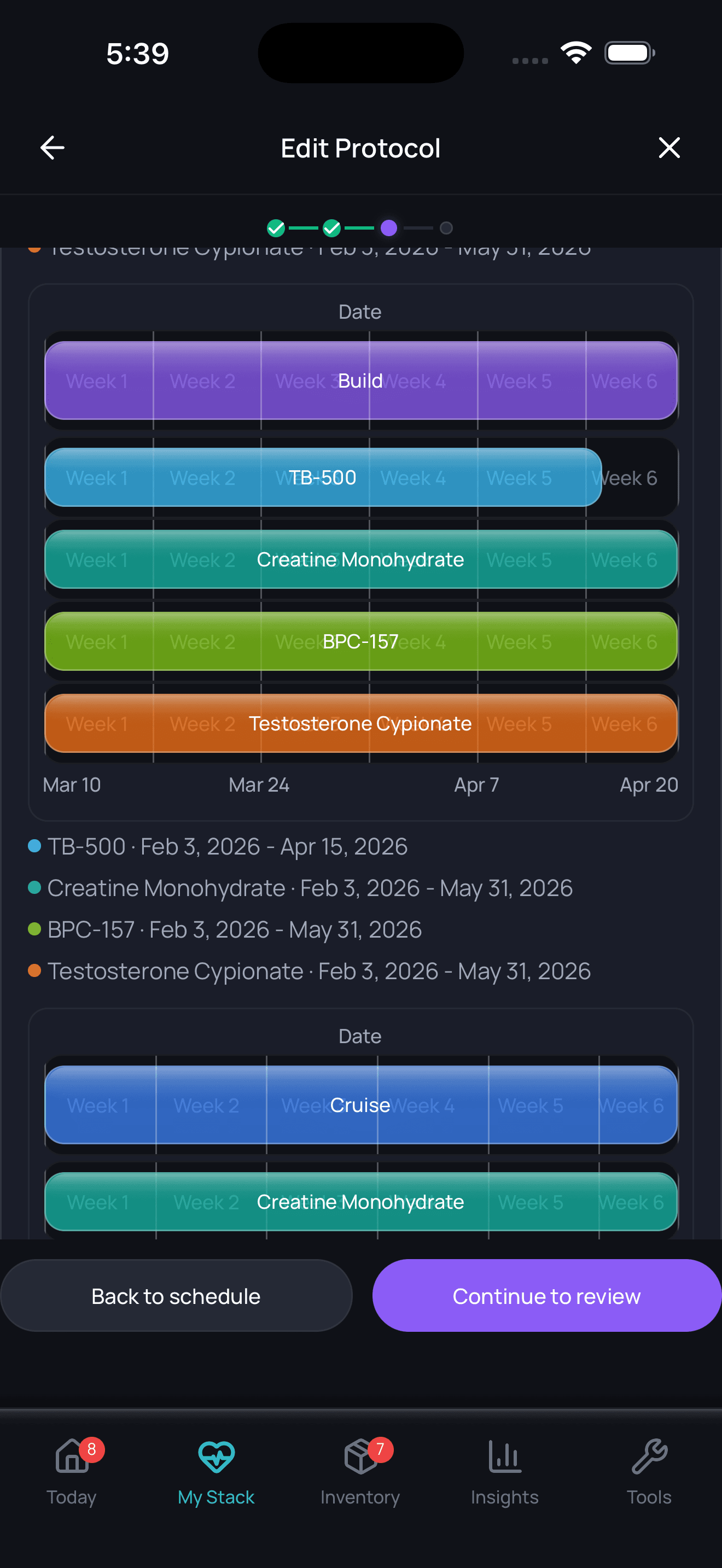
Timeline tracking helps with recall; it is not a treatment recommendation.
Interaction Compatibility
Synergistic Compounds ("Good With")
- MOTS-c: Complementary mitochondrial peptide. SS-31 repairs existing mitochondrial structure while MOTS-c activates AMPK signaling to build new mitochondria and improve metabolic flexibility. Together they address both hardware (structure) and software (signaling).
- NAD+: Provides the essential redox cofactor that mitochondria require for electron transport. SS-31 reduces the "NAD+ burn rate" by fixing structural problems that waste NAD+ through oxidative damage repair. Combining them ensures both the machinery and its fuel are optimized.
- 5-Amino-1MQ: May complement SS-31 during metabolic optimization phases. Addresses metabolic rate through a different pathway (NNMT inhibition).
- BPC-157 + TB-500: In injury recovery contexts, these vascular repair peptides address tissue-level healing while SS-31 provides mitochondrial stability during the repair process.
- L-Carnitine (injectable): Ensures fatty acid substrate reaches repaired mitochondria for beta-oxidation.
- Mitochondrial cofactors: CoQ10, B-vitamins, magnesium, alpha-lipoic acid support the electron transport chain that SS-31 is stabilizing.
Compounds Requiring Caution ("Not Good With")
- High-dose general antioxidants during loading phase: Excessive systemic antioxidant supplementation may theoretically interfere with the mild oxidative signaling that drives mitochondrial adaptation. This is speculative but worth monitoring.
- Other mitochondrial stimulators during initial repair: Community protocols suggest allowing SS-31 to complete an initial repair phase (4-6 weeks) before introducing strong mitochondrial stimulators like MOTS-c, SLU-PP-332, or NAD+ if fatigue from those compounds is a concern (fatigue may indicate damaged mitochondria that need repair before stimulation).
Administration Guide
Materials required:
- Insulin syringes (U-100, 1 mL capacity, 29-31 gauge)
- Alcohol swabs
- Sharps container for disposal
- Reconstituted peptide vial
Recommended reconstitution solution:
Bacteriostatic water with 0.9% sodium chloride (isotonic) is preferred over standard bacteriostatic water. The ionic shielding from sodium chloride dampens MRGPRX2 receptor activation at the injection site, significantly reducing the redness, swelling, and itching that are common with this compound. Standard bacteriostatic water can be used but may produce more pronounced injection site reactions.
Timing considerations:
Morning administration is most common. Some protocols suggest 60-90 minutes before training to support mitochondrial function during high-demand periods. SS-31 does not appear to interfere with sleep when taken in the morning or early afternoon. Consistency of timing appears more important than the specific time chosen.
Post-administration care:
Apply gentle pressure with a clean alcohol swab or cotton ball for a few seconds after injection. Do not massage the site. Mild redness, warmth, or itching at the injection site is common and typically resolves within hours. If persistent hives or systemic allergic symptoms develop, discontinue and consult a healthcare provider. Pre-treatment of the injection site with topical mometasone has been shown in clinical research to reduce induration and swelling without affecting drug absorption.
Supplies & Planning
Typical supplies for a SS-31 protocol:
- Peptide vials: Available in 10 mg, 30 mg, and 50 mg vial sizes. Vial selection depends on target dose and protocol duration.
- Insulin syringes: U-100, 1 mL capacity. One sterile syringe per injection. For protocols requiring split doses (above 10 mg per injection), two syringes per day may be needed.
- Bacteriostatic water: Isotonic (with 0.9% NaCl) preferred. Standard BAC water is an alternative. Typical reconstitution volume is 1-3 mL per vial depending on vial size and desired concentration.
- Alcohol swabs: Two per injection day (one for vial stopper, one for injection site).
- Sharps container: For safe syringe disposal.
- Storage: Refrigerator space for reconstituted vials.
Specific quantities depend on the dose and duration determined in consultation with a healthcare provider. Use Doserly's reconstitution calculator to determine exact bacteriostatic water volumes and units per dose for your specific vial size and target dose.
Storage & Handling
Lyophilized (unreconstituted) powder:
Store at -20C (freezer) for long-term stability. Keep in original sealed vial, dry, and protected from light. Stable for months when properly frozen. Can be stored at 2-8C (refrigerator) for shorter periods.
Reconstituted solution:
Refrigerate immediately at 2-8C after reconstitution. Use within 4-6 weeks for optimal potency. Protect from light and temperature fluctuations. Do not freeze reconstituted solution. Do not refreeze after thawing.
Handling best practices:
- Allow refrigerated vials to reach room temperature briefly before drawing to reduce condensation inside the vial
- Gently swirl or roll the vial during reconstitution; avoid vigorous shaking to prevent foaming
- Inject bacteriostatic water slowly down the vial wall
- Label each vial with reconstitution date and concentration
- Avoid repeated temperature cycling
Lifestyle Factors
Supporting mitochondrial health through lifestyle factors amplifies the benefits of any mitochondrial-targeted intervention. The compound works by repairing the machinery; lifestyle factors determine how hard that machinery has to work.
Exercise: Combining resistance training with aerobic activity stimulates mitochondrial biogenesis (creating new mitochondria) and enhances oxidative capacity. SS-31 ensures that both existing and newly created mitochondria function optimally. Zone 2 cardio is particularly relevant as it trains fat oxidation pathways in mitochondria.
Sleep: Prioritize 7-9 hours of quality sleep. Deep sleep is when cellular repair processes, including mitochondrial turnover through autophagy, are most active. Fragmented sleep leaves restoration incomplete, increasing the burden on mitochondrial membranes.
Nutrition: Emphasize mitochondrial cofactors: B-vitamins (especially B1, B2, B3), CoQ10, magnesium, alpha-lipoic acid, and L-carnitine. Adequate protein intake supports muscle maintenance. Strategic carbohydrate intake provides substrate for mitochondrial energy production. Avoid excessive alcohol, which generates acetaldehyde that stresses mitochondrial membranes.
Stress management: Chronic psychological stress increases cortisol, which elevates metabolic demand on mitochondria while suppressing repair windows. Meditation, breathwork, or other stress-reduction practices reduce the oxidative burden that SS-31 is working to counteract.
Avoid mitotoxins: Minimize exposure to substances that impair mitochondrial function, including excessive alcohol, certain medications when possible, and environmental toxins.
Regulatory Status & Research Classification
United States (FDA):
SS-31 (elamipretide) received FDA accelerated approval in September 2025 for the treatment of Barth syndrome, a rare genetic disorder of cardiolipin remodeling. It is marketed under the trade name Forzinity. A confirmatory post-marketing study is required under the accelerated-approval framework. For all other indications, elamipretide remains investigational. Multiple clinical trials have been conducted or are ongoing: NCT03098797 (TAZPOWER, Barth syndrome), NCT02814097 (MMPOWER-3, primary mitochondrial myopathy), NCT02814006 (PROGRESS-HF, heart failure), and others.
Canada (Health Canada):
Not approved. No DIN assigned. Investigational status only.
United Kingdom (MHRA):
Not approved. Available through research channels and expanded-access programs.
Australia (TGA):
Not approved or scheduled. Available through Special Access Scheme for compassionate use cases.
European Union (EMA):
No marketing authorization. Orphan drug designation may apply for Barth syndrome.
WADA Status:
SS-31 is not currently listed on the WADA Prohibited List. However, athletes should verify current status before use, as lists are updated annually.
Active clinical trials:
Multiple trials registered on ClinicalTrials.gov spanning cardiovascular, neurological, metabolic, and ophthalmologic indications. Stealth BioTherapeutics continues pipeline development.
Regulatory status changes frequently. Always verify the current legal status of any compound in your specific country or jurisdiction before making any decisions.
FAQ
What is SS-31 and how does it work?
SS-31 (also known as elamipretide or Forzinity) is a synthetic tetrapeptide that targets the inner mitochondrial membrane. It binds to cardiolipin, a specialized lipid that holds the energy-producing protein complexes in position. By stabilizing cardiolipin, SS-31 restores efficient energy production and reduces the damaging byproducts (reactive oxygen species) that accumulate when mitochondria are impaired.
Is SS-31 FDA approved?
Yes, but only for Barth syndrome. Elamipretide received FDA accelerated approval in September 2025 under the trade name Forzinity for this specific rare genetic condition. For all other uses, it remains investigational.
What dose ranges are commonly reported?
Based on available data, commonly reported ranges vary significantly depending on context. Community protocols typically describe 5-10 mg subcutaneous daily, while clinical trials for disease indications used 20-40 mg daily. Most community protocols suggest starting at 5 mg daily and titrating based on response. Readers should consult a healthcare professional for guidance appropriate to their individual situation.
How long does it take to feel effects?
Based on community reports, subtle improvements may begin within 5-10 days, with clearer benefits typically apparent by weeks 2-3. Peak effects are generally reported at weeks 4-6. Some individuals with significant mitochondrial dysfunction report noticeable improvements earlier, while others with mild dysfunction may need longer to perceive changes.
Can SS-31 be taken orally?
Based on available data, oral bioavailability is very limited. SS-31 must be administered via injection (subcutaneous or intravenous) to reach mitochondria at effective concentrations.
Does SS-31 need to be cycled?
SS-31 is inherently a cycled compound because it works as a structural repair signal rather than continuous therapy. Most protocols involve a loading phase (daily for 1-2 weeks) followed by maintenance (2-3 times per week for 4-8 weeks), then a break. Some practitioners use periodic repair cycles a few times per year.
Can SS-31 be combined with MOTS-c and NAD+?
Based on available sources, SS-31, MOTS-c, and NAD+ are commonly used together as a mitochondrial stack. SS-31 repairs membrane structure, MOTS-c activates metabolic signaling and mitochondrial biogenesis, and NAD+ provides the essential cofactor for electron transport. Some protocols suggest allowing SS-31 to run for 2-4 weeks before introducing MOTS-c.
What about injection site reactions?
Injection site reactions (redness, itching, welts) are the most common side effect. They are caused by MRGPRX2 mast cell activation rather than true allergy. Using isotonic bacteriostatic water (with 0.9% NaCl) for reconstitution and pre-treating with topical mometasone can significantly reduce these reactions.
Sources & References
- Szeto HH, Liu S. Cardiolipin-targeted peptides rejuvenate mitochondrial function, remodel mitochondria, and promote tissue regeneration during aging. Int J Mol Sci. 2025. PMC11816484
- Thompson WR, Hornby B, Manuel R, et al. A phase 2/3 randomized clinical trial followed by an open-label extension to evaluate the effectiveness of elamipretide in Barth syndrome. Genet Med. 2021. doi:10.1038/s41436-021-01185-8
- Thompson WR, Manuel R, Batzner A, et al. Long-term elamipretide treatment in Barth syndrome: TAZPOWER 168-week extension data. Genet Med. 2024. PMID: 38602181
- Birk AV, et al. The mitochondrial-targeted compound SS-31 re-energizes ischemic mitochondria by interacting with cardiolipin. J Am Soc Nephrol. 2013;24(8):1250-1261. PMC3752943
- Biochimica et Biophysica Acta (BBA) Bioenergetics. Cardiolipin remodeling and cristae structure: role in mitochondrial function.
- Journal of Cardiovascular Pharmacology. SS-31 reduces oxidative stress and improves mitochondrial bioenergetics.
- Hou Y, et al. Mitochondria-targeted peptide SS-31 attenuates renal injury via an antioxidant effect in diabetic nephropathy. Am J Physiol Renal Physiol. 2015;310(6):F547-F559.
- Escribano-Lopez I, et al. The mitochondrial antioxidant SS-31 increases SIRT1 levels and ameliorates inflammation, oxidative stress and leukocyte-endothelium interactions in type 2 diabetes. Sci Rep. 2018;8(1).
- Mo Y, et al. SS-31 reduces inflammation and oxidative stress through the inhibition of Fis1 expression in lipopolysaccharide-stimulated microglia. Biochem Biophys Res Commun. 2019;520(1):171-178.
- Siegel MP, Kruse SE, Percival JM, et al. Mitochondrial-targeted peptide rapidly improves mitochondrial energetics and skeletal muscle performance in aged mice. Aging Cell. 2013;12(5):763-771. (Note: Human ATPmax study results published separately in PLoS ONE. 2021. PMC8282018)
- JACC. PROGRESS-HF trial: safety and tolerability of elamipretide in heart failure patients.
- Elamipretide in atherosclerotic renal artery stenosis stent revascularization. Mayo Clinic study. PMID: 28916603
- Sabbah HN, Gupta RC, Kohli S, Wang M, Hachem S, Zhang K. Chronic therapy with elamipretide (MTP-131), a novel mitochondria-targeting peptide, improves left ventricular and mitochondrial function in dogs with advanced heart failure. Circ Heart Fail. 2016;9(2):e002206.
- Chatfield KC, et al. Elamipretide improves mitochondrial function in the failing human heart. JACC Basic Transl Sci. 2019;4(2):147-157.
- Hartmann M, et al. The mitochondria-targeting peptide elamipretide diminishes circulating HtrA2 in ST-segment elevation myocardial infarction. Eur Heart J Acute Cardiovasc Care. 2019;8(8):695-702.
- Szeto HH, et al. Mitochondria-targeted peptide accelerates ATP recovery and reduces ischemic kidney injury. J Am Soc Nephrol. 2011;22(6):1041-1052.
- Siegel MP, et al. Mitochondrial targeted peptide rapidly improves mitochondrial energetics and skeletal muscle performance in aged mice. Aging Cell. 2013;12(5):763-771.
- SS-31 and NMN: Two paths to improve metabolism and function in aged hearts. Aging Cell. 2020.
- Zhao W, et al. Elamipretide (SS-31) improves mitochondrial dysfunction, synaptic and memory impairment induced by lipopolysaccharide in mice. 2019.
- Karaa A, Haas R, Goldstein A, Vockley J, Weaver WD, Cohen BH. Randomized dose-escalation trial of elamipretide in adults with primary mitochondrial myopathy. Neurology. 2018;90(14):e1212-e1221.
- Reference site injection site analysis. Elamipretide MRGPRX2 mechanism and mitigation data. Fortune Journal. Phase 1 crossover study (n=10).
Related Peptide Guides
- MOTS-c — Mitochondrial-derived peptide for metabolic signaling and biogenesis; primary SS-31 stack partner
- NAD+ — Essential cofactor for mitochondrial electron transport; completes the Mito Stack
- 5-Amino-1MQ — NNMT inhibitor for metabolic optimization
- SLU-PP-332 — Exercise mimetic targeting mitochondrial biogenesis
- BAM15 — Mitochondrial uncoupler for metabolic flexibility
- BPC-157 — Tissue repair peptide; used in injury protocols preceding SS-31
- TB-500 — Cellular mobility peptide; complements SS-31 in injury recovery
- FOXO4-DRI — Senolytic peptide; addresses cellular senescence while SS-31 addresses mitochondrial dysfunction
- Methylene Blue — Electron carrier with mitochondrial effects
- Humanin — Mitochondrial-derived peptide with cytoprotective properties
- GHK-Cu — Copper peptide for tissue matrix quality; often paired with SS-31 in recovery protocols
Need the reconstitution math for SS-31 (Elamipretide): Complete Research Guide?
Open the calculator with SS-31 (Elamipretide): Complete Research Guide prefilled to estimate concentration, draw volume, and related measurement math from the reconstitution details you already have.