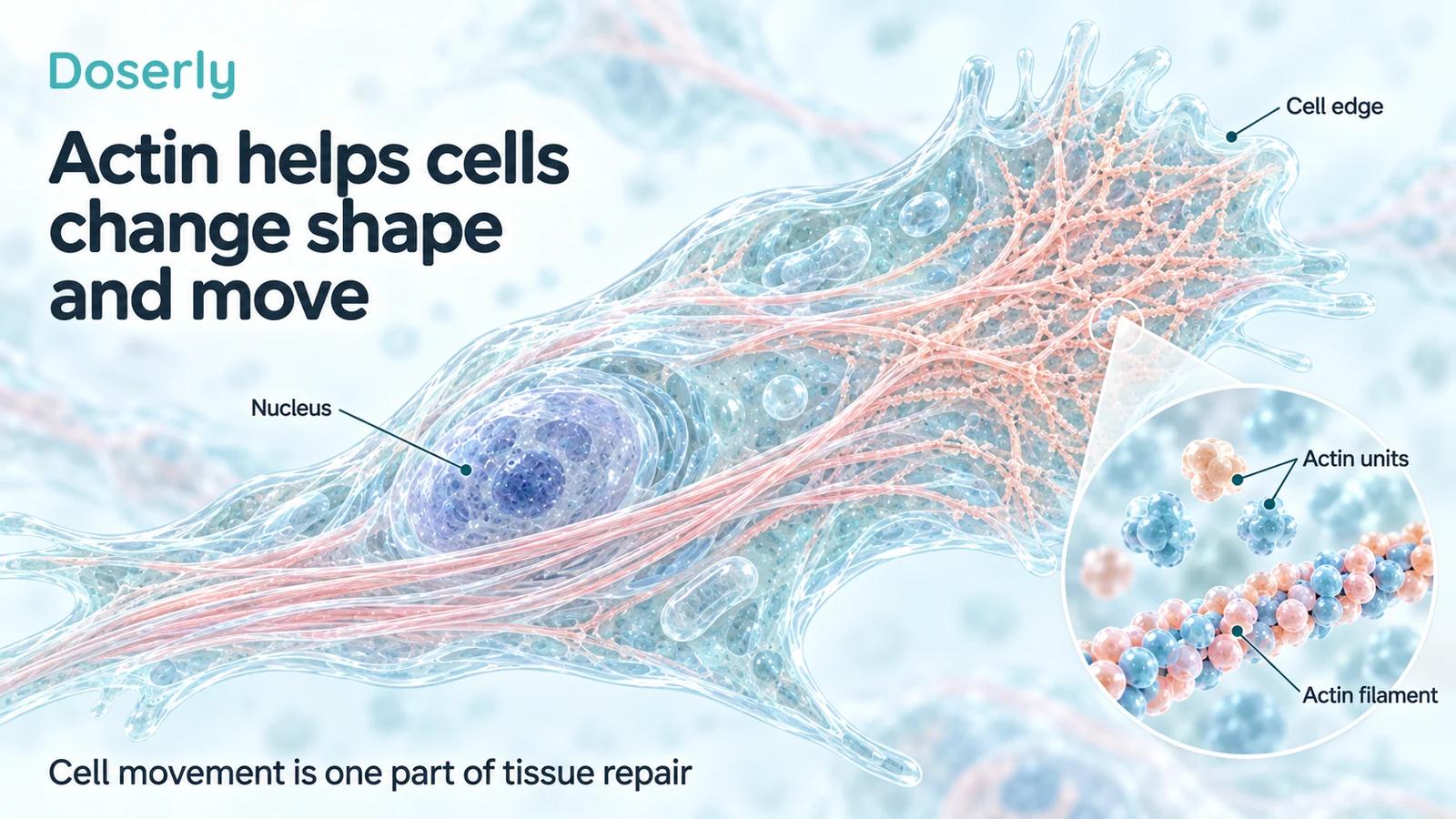
TB-500 and actin: what the cell biology can actually explain
Actin biology explains scientific interest in thymosin-related peptides, but full-length molecules, fragments and metabolites do not share one evidence base.
Read articleFor informational and research purposes only.
Research, explained. Explore peptides, supplements and hormone health with clear, practical breakdowns of what the studies actually tell us.
Metabolism, recovery and emerging research
Actin biology explains scientific interest in thymosin-related peptides, but full-length molecules, fragments and metabolites do not share one evidence base.
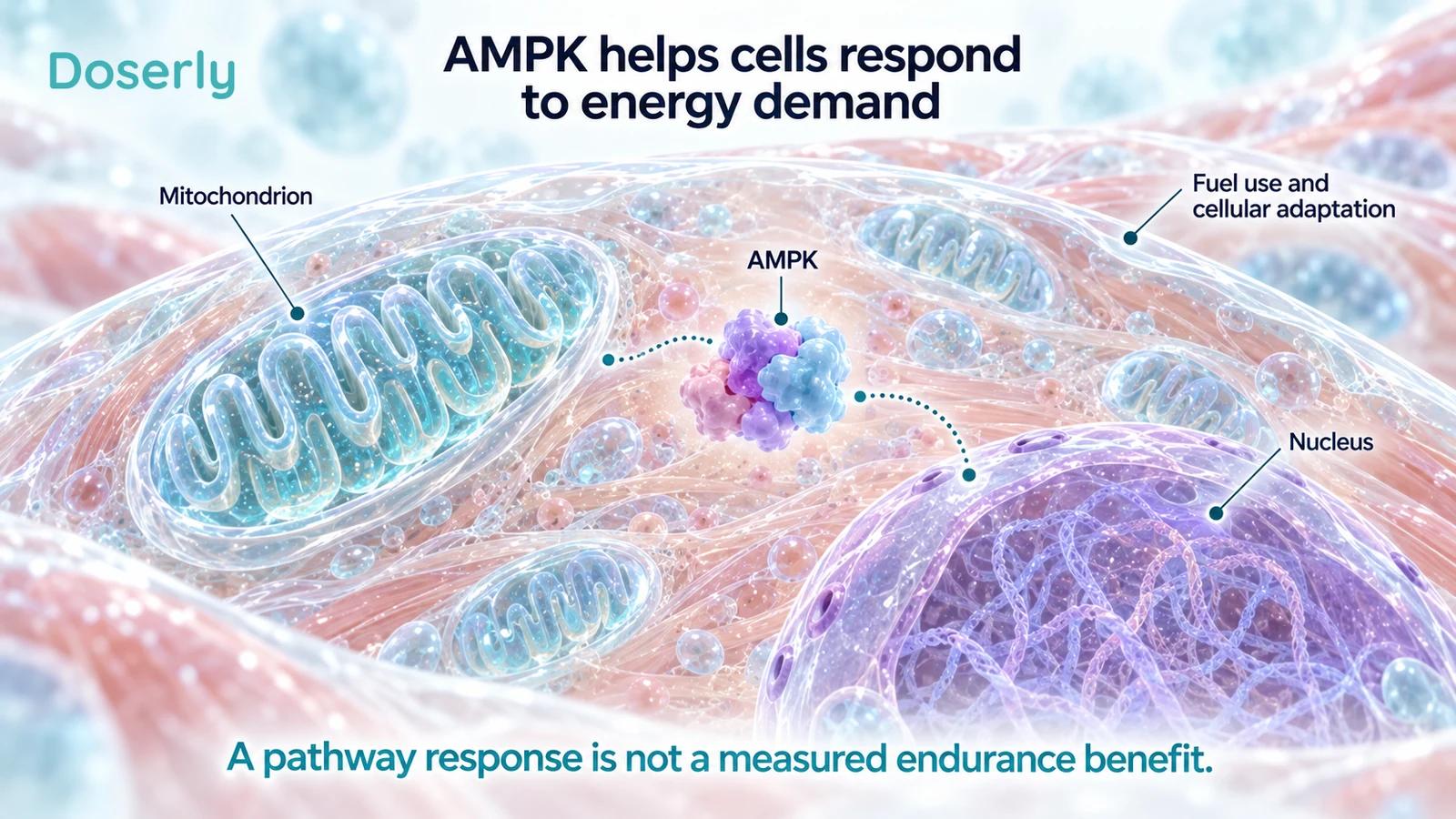
Read articleAMPK helps explain why researchers study MOTS-c, but cellular signaling, exercise responses and human treatment benefits are different questions.
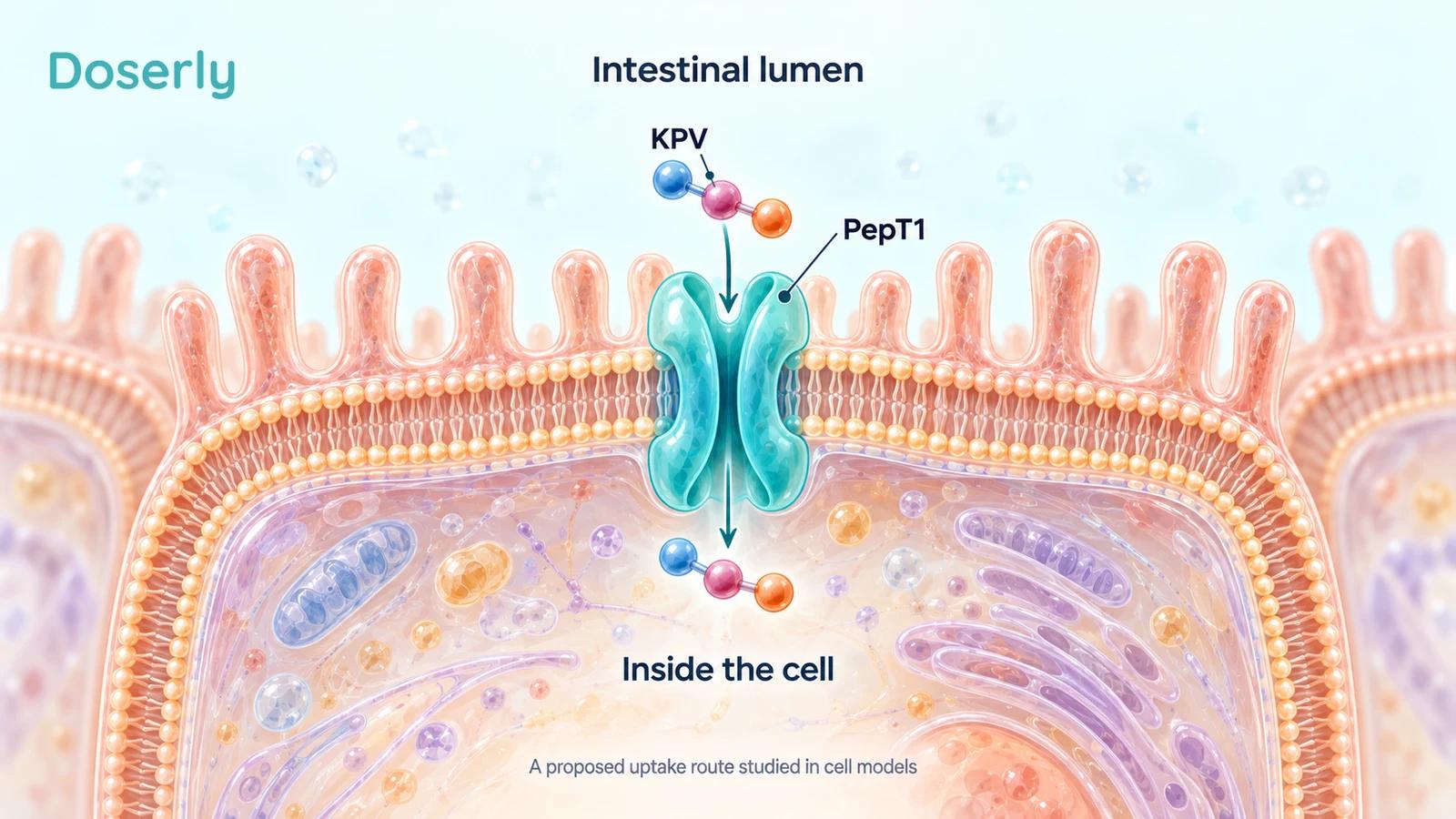
Read articlePepT1 offers a possible route into intestinal cells. Learn what the transporter experiments show, where studies disagree, and why uptake is not clinical benefit.
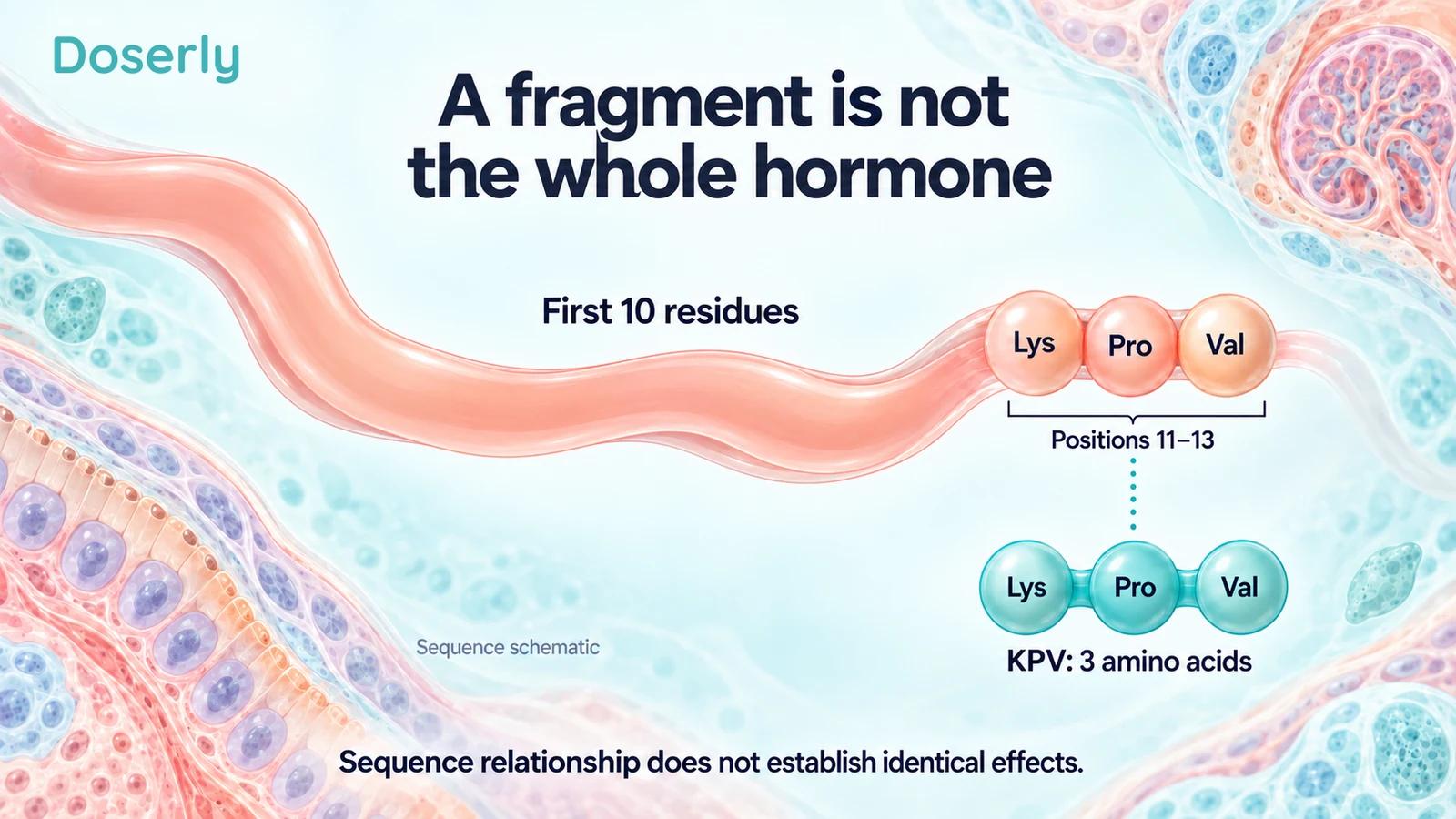
Read articleKPV shares alpha-MSH’s terminal sequence, but the original experiments show why a fragment’s signaling and clinical evidence must be evaluated separately.
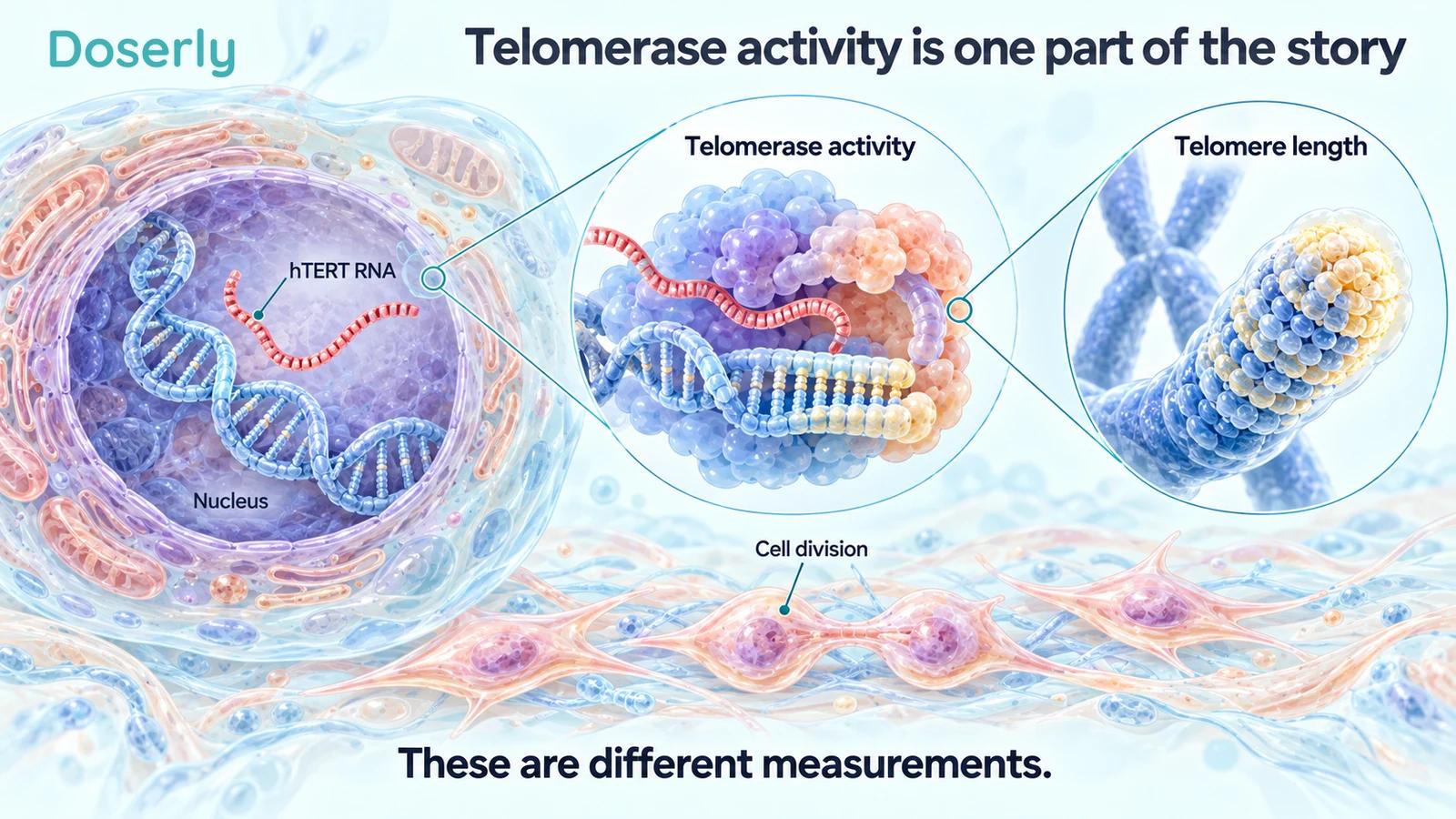
Read articleFollow the Epitalon telomerase experiments from fetal fibroblasts to donor lymphocytes, and see why cell division, telomere length and health are distinct.
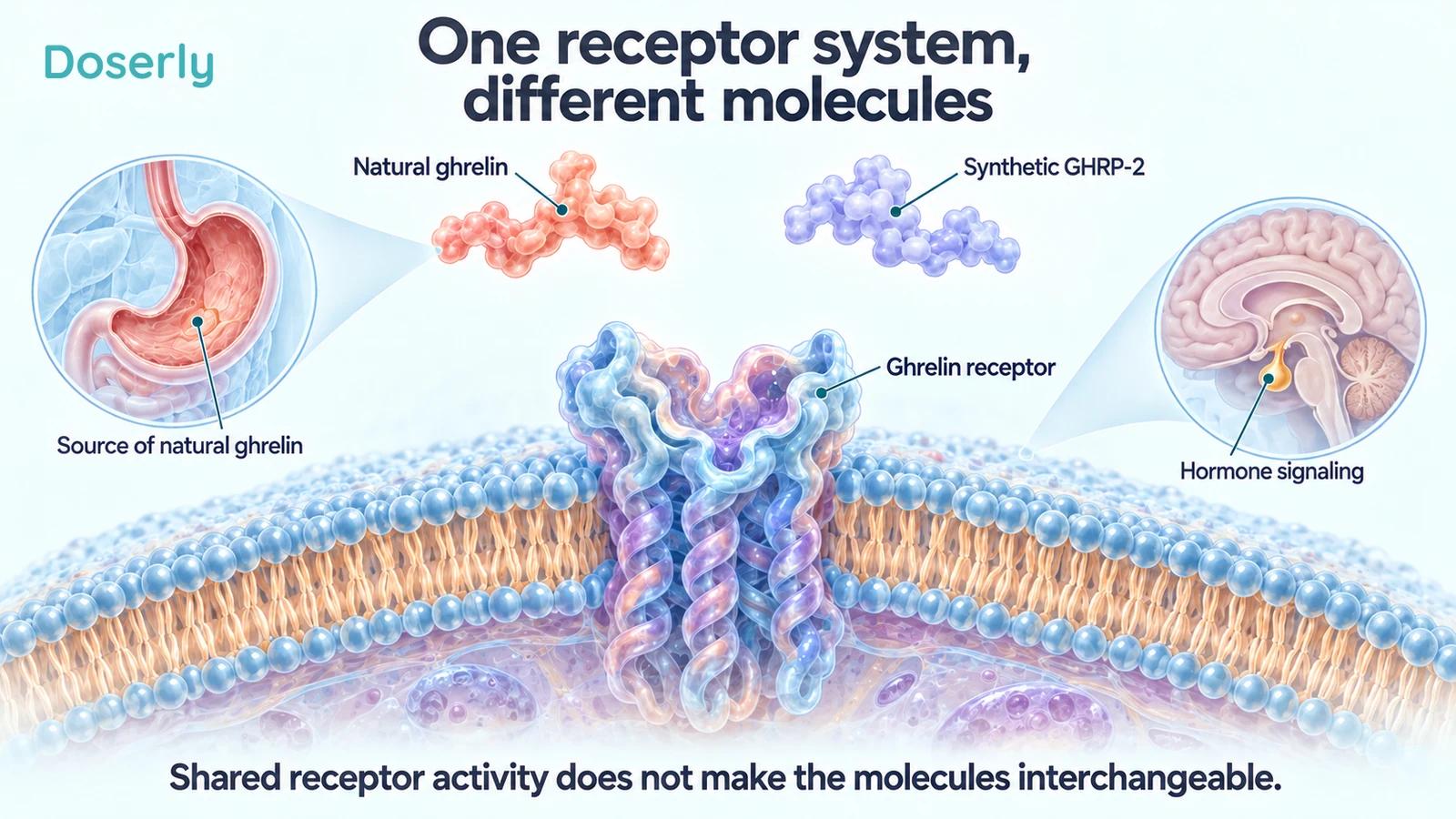
Read articleGHRP-2 research connects growth-hormone signaling with appetite. Learn why native ghrelin, synthetic agonists and gastrointestinal findings must stay distinct.
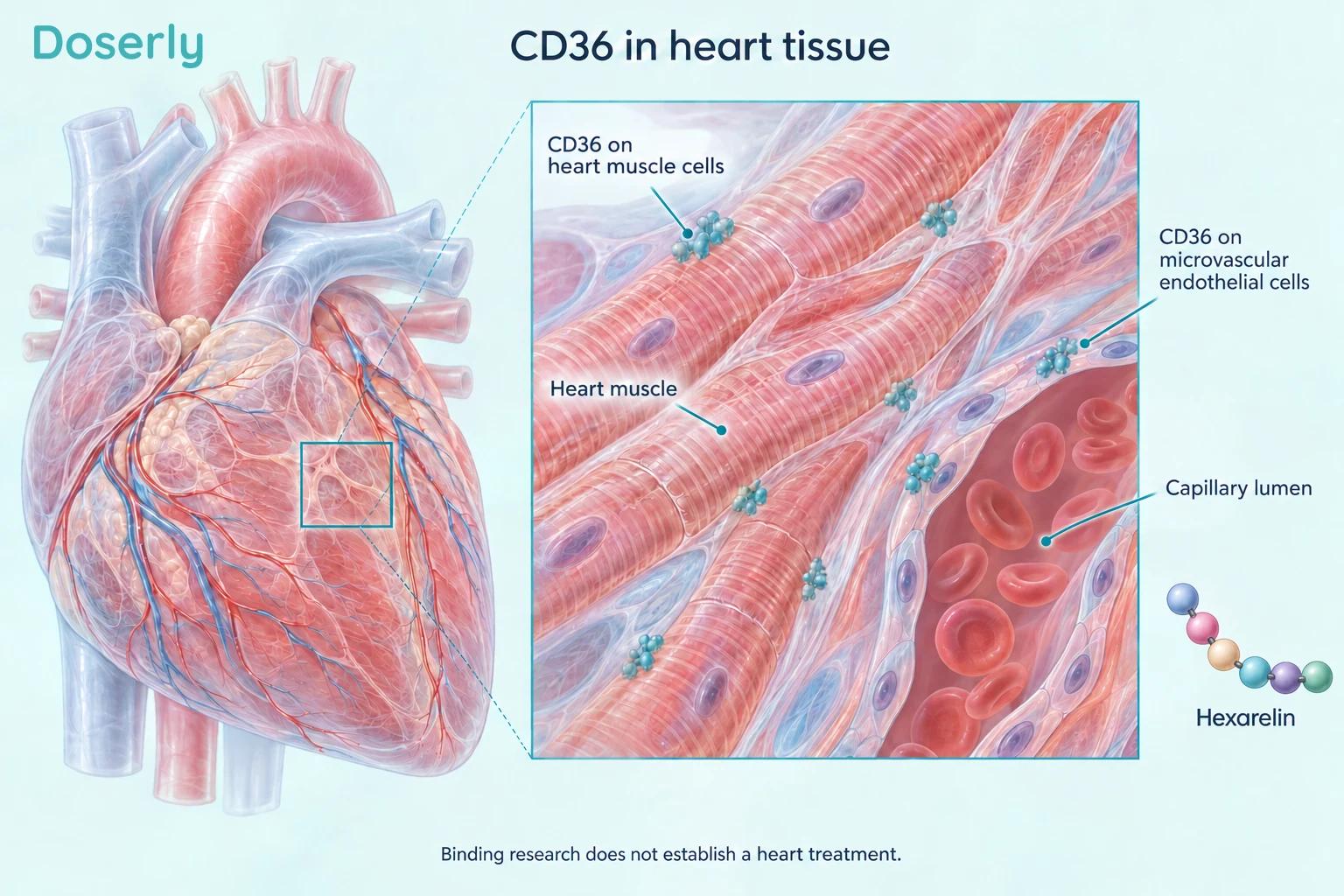
Read articleCD36 helps explain why hexarelin research extends beyond growth hormone. Its binding studies also reveal why a receptor mechanism cannot establish cardiac benefit.
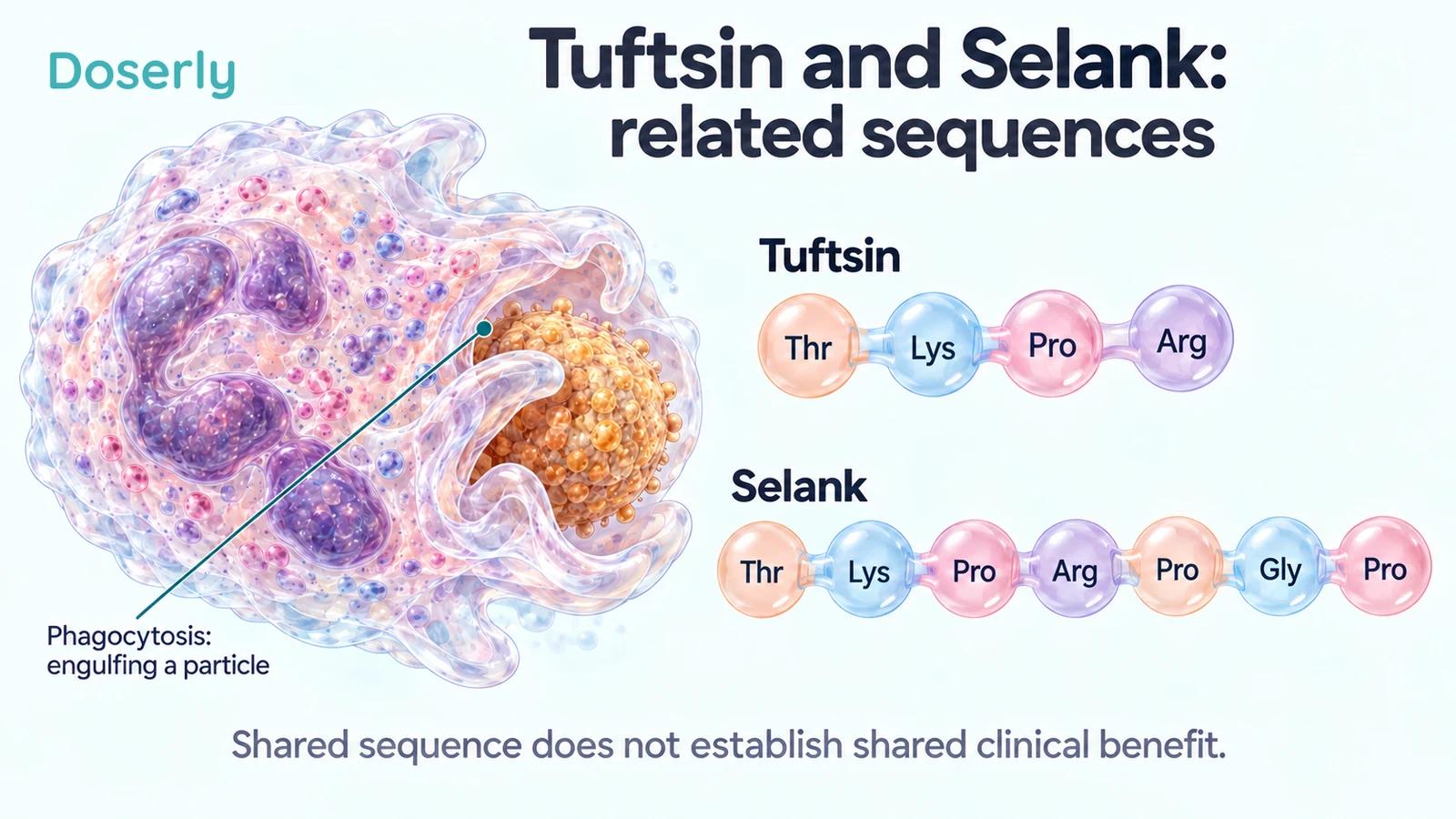
Read articleSelank shares a sequence with the immune peptide tuftsin. Explore the cell, mouse and human biomarker studies without confusing them with proven immune benefits.
Read article313–320 of 320 articles