
In this guide
What is Phosphatidylcholine?
Phosphatidylcholine is one choline-containing phospholipid. PC mass, choline equivalent, lecithin mass and modified-release drug formulations are not interchangeable. Adult choline AIs are 550 mg/day for men and 425 mg/day for women; pregnancy and lactation values differ. These refer to choline equivalents across the diet, not grams of PC. [1]
Typical Phosphatidylcholine Protocols
| Source and population | Form and amount each time | Frequency | Total exposure | Duration or boundary |
|---|---|---|---|---|
| Dignass 2024 induction · 466 randomized with mild/moderate UC | LT-02 0.8 g per administration QID or 1.6 g BID | Four or two administrations daily | Both active arms 3.2 g/day | 12 weeks; stopped for futility |
| Dignass maintenance · 150 randomized remitters | LT-02 1.6 g per administration | Twice daily | 3.2 g/day | 48 weeks; no significant remission difference |
| Choline reference | Total choline equivalents from all sources | Across the day | 550 mg men; 425 mg women | Adequate Intake; not a PC dose |
These rows reproduce sources. Do not average them into one universal regimen.
From source to outcome
Adult choline AI.
Stopped for futility.
Colon release matters.
Which forms and label details matter?
Record phosphatidylcholine and stated choline equivalent separately. Soy, sunflower, egg PC, essential-phospholipid mixtures, lecithin and colon-targeted LT-02 differ in composition and delivery.
How should it be stored?
Follow the label, close the container and protect it from heat, light and moisture.
Read the label before the claim
Match the studied preparation.
Keep the daily total visible.
A biomarker is not a clinical event.
What is it commonly used for?
Products target choline intake, liver health, cognition and bowel-barrier claims. Evidence from specialized liver or colon formulations cannot be transferred to generic PC capsules.
What does human research show?
The 2024 Dignass report tested colon-targeted LT-02 in mesalamine-inadequate ulcerative colitis. The 466-person induction trial stopped for futility: deep remission was 13.5% with placebo, 14.2% with LT-02 twice daily and 9.7% with LT-02 four times daily. [2] In 150 remitters, 48-week maintenance remission was 49.3%, 43.2% and 50.0% for LT-02, placebo and mesalamine, without a significant difference. A specialized 3.2 g/day colon-release formulation is not an ordinary PC capsule. [2] A 2026 trial of a specific essential-phospholipid mixture in MASLD reported improvement in an imaging steatosis measure, not fibrosis reversal or fewer clinical events; generic-PC equivalence is unproven. [3]
How might it act?
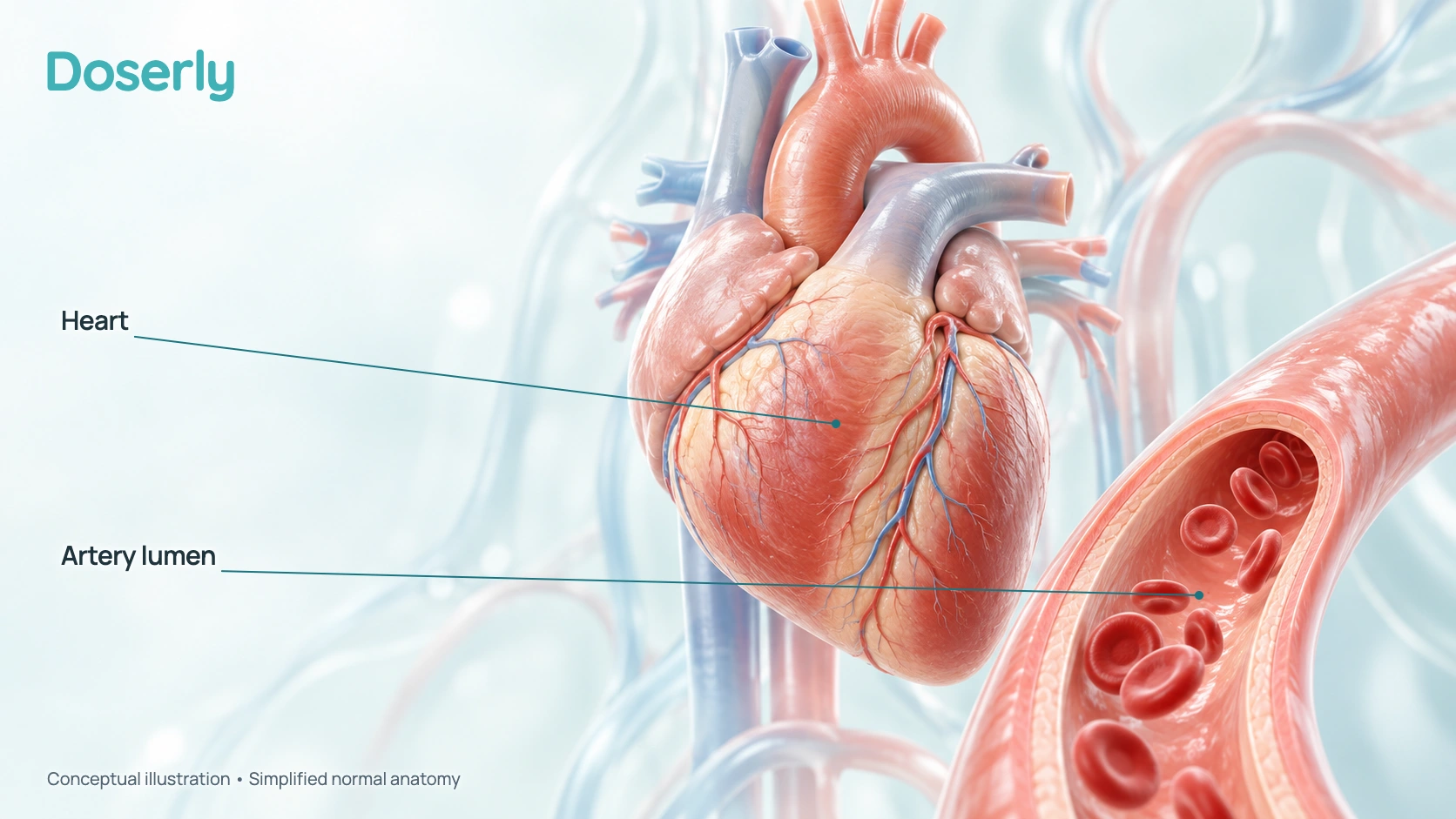
Phosphatidylcholine contributes to membranes, lipoprotein assembly and choline metabolism. Those normal roles do not establish that an oral product treats liver, bowel or cognitive disease.
How does it compare with related products?
| Product | Label identity | Practical distinction |
|---|---|---|
| Phosphatidylcholine | PC amount, source and delivery system | A delayed-release clinical formulation is not ordinary lecithin. |
| Lecithin | Source and phospholipid composition | Total lecithin mass does not reveal its PC dose. |
| Choline | Form and choline-equivalent amount | Nutrient references use choline, not PC or lecithin mass. |
What are the risks and interactions?
GI symptoms and source allergens matter. Review soy or egg allergy, liver disease, bowel disease, pregnancy, breastfeeding and overlapping choline products. High choline exposure can cause fishy odor, sweating, hypotension and GI effects; total choline from all sources matters. [1]
Which medicines require review?
Have the product reviewed with medicines, before surgery, and during pregnancy or breastfeeding. No universal separation interval is established.
Regulatory status: In the United States, supplements generally lack premarket efficacy approval. In Canada, verify the finished product’s NPN or DIN-HM and licensed conditions. [4], [5]
What should be monitored?
Record product, lot, form, amount per administration, frequency, daily total, co-ingredients, meals, symptoms, medicines, chosen outcome and review date.
What happens when it is stopped?
No ingredient-specific withdrawal syndrome is established. Record the stop date, symptoms and chosen outcome; seek care for a persistent serious symptom.
Seek prompt care for a serious allergic reaction, unusual bleeding, persistent palpitations, chest pain or another severe symptom.
What do public communities report?
Public reports can suggest questions to track, but they do not verify the product, dose or causality. This update did not newly quantify a community sample.
Common questions about Phosphatidylcholine
Is phosphatidylcholine the same as choline?
It contains choline, but the masses are not equal; use the product’s choline equivalent.
Does standard PC treat ulcerative colitis?
No. The larger specialized LT-02 induction trial stopped for futility.
Does it reverse fatty liver?
No. One specific adjunctive preparation changed an imaging steatosis measure, not fibrosis or events.
Is lecithin the same as purified PC?
No. Lecithin is a variable mixture containing a PC fraction.
Does a cell-membrane role prove a supplement benefit?
No. Normal biology is not clinical efficacy.
What should I track?
PC, choline equivalent, source, release system, co-ingredients, each administration, symptoms and review date.
Glossary
Terms for reading the evidence.
- ALA
- Essential 18-carbon omega-3; adult AIs refer to this form.
- EPA
- Long-chain omega-3; distinct from total oil weight.
- DHA
- Long-chain omega-3; often present in a different amount from EPA.
- Amount per administration
- Amount consumed at one time, distinct from daily total.
- Biomarqueur
- Biological measure that is not necessarily a clinical benefit.
- UL
- Tolerable Upper Intake Level established for a nutrient and defined scope.
How this guide was researched
Accessible official sources and human reports were read on October 9, 2026. Titles, authors, journals, DOI, PMID and visible corrections were checked. An unreported frequency was not guessed.
How this guide was made
Research and drafting were AI-assisted. This draft awaits Doserly editorial review and independent clinical review. See the editorial policy.
Explore the sources
Sources preserve form, amount, frequency, population, duration and outcome.
Showing 5 sources
- 01
Choline - Health Professional Fact Sheet ↗
Official nutrient monograph
Current page or report reviewed; scope and limits retained.
Detail: Choline AIs, UL, forms, adverse effects and interactions.
- 02
Modified-Release Phosphatidylcholine (LT-02) for Ulcerative Colitis: Two Double-Blind, Randomized, Placebo-Controlled Trials. ↗
Two randomized placebo-controlled trials
Current page or report reviewed; scope and limits retained.
Detail: Exact induction and maintenance schedules; both efficacy comparisons null.
- 03
Effect of Essential Phospholipids in Metabolic Dysfunction-Associated Steatotic Liver Disease: A Randomised Phase 4 Clinical Trial. ↗
Randomized phase 4 adjunctive trial
Current page or report reviewed; scope and limits retained.
Detail: Specific 1,800 mg/day essential-phospholipid mixture and imaging endpoint.
- 04
Questions and Answers on Dietary Supplements ↗
U.S. regulatory overview
Current page or report reviewed; scope and limits retained.
Detail: Supplements generally lack efficacy preapproval.
- 05
Product Licensing ↗
Canadian licensing overview
Current page or report reviewed; scope and limits retained.
Detail: Finished natural health products require licensing and authorized labels.
No matching sources
Try a different term or show the full list.