
L-Lysine: The Complete Supplement Guide
On this page
Quick Reference Card
Attribute
Common Name
- Detail
- L-Lysine
Attribute
Other Names / Aliases
- Detail
- Lysine, L-2,6-Diaminohexanoic Acid, Lysine HCl, Lysine Hydrochloride, Lys
Attribute
Category
- Detail
- Essential Amino Acid
Attribute
Primary Forms & Variants
- Detail
- L-Lysine Hydrochloride (most common supplement form, ~80% lysine by weight); L-Lysine free base; Calcium Lysinate; L-Lysine Monoorotate (lysortine)
Attribute
Typical Dose Range
- Detail
- 500-3,000 mg per day (maintenance 500-1,500 mg; therapeutic up to 3,000-4,000 mg)
Attribute
RDA / AI / UL
- Detail
- No formal RDA, AI, or UL established. Estimated average requirement: ~30 mg/kg/day (WHO). Average dietary intake: 800-3,000 mg/day. Provisional NOAEL for supplementation: 6,000 mg/day [1][2]
Attribute
Common Delivery Forms
- Detail
- Tablets, capsules, powder
Attribute
Best Taken With / Without Food
- Detail
- Can be taken with or without food. Some evidence suggests taking with meals reduces GI side effects. Absorption is adequate regardless of food intake.
Attribute
Key Cofactors
- Detail
- Vitamin C (supports collagen cross-linking with lysine); Iron (lysine may enhance iron absorption via chelation); Calcium (lysine increases calcium absorption and reduces excretion)
Attribute
Storage Notes
- Detail
- Store in a cool, dry place away from direct sunlight and moisture. No refrigeration required.
Overview
The Basics
L-Lysine is one of the nine essential amino acids your body cannot produce on its own, meaning you must get it from food or supplements. It was first isolated from milk protein in 1889 and has been available as a dietary supplement since 1955 [3]. Every cell in your body uses lysine to build proteins, but it plays particularly important roles in collagen production, calcium absorption, and immune function.
The most well-known reason people supplement with lysine is to manage cold sores caused by the herpes simplex virus (HSV). Lysine works by competing with another amino acid called arginine, which the virus needs to replicate. By tipping the ratio in favor of lysine, you can potentially starve the virus of a critical building block [4][5].
Beyond its antiviral reputation, lysine is a key ingredient in collagen, the structural protein that gives strength to your skin, bones, tendons, and connective tissue. It also helps your body absorb calcium more efficiently and may play a role in reducing anxiety when combined with arginine [6][7]. For most people eating a balanced diet that includes meat, dairy, eggs, or legumes, dietary lysine intake is sufficient. But certain populations, particularly those following grain-heavy diets low in animal protein, may benefit from supplementation [3].
The Science
L-Lysine ((S)-2,6-diaminohexanoic acid) is an essential amino acid that cannot be synthesized endogenously and must be obtained from dietary or supplemental sources. It is a positively charged, hydrophilic amino acid at physiological pH, with metal-chelating properties conferred by its epsilon-amino group [3][8].
Lysine participates in several critical biochemical processes. It serves as a substrate for protein synthesis, functions as a precursor for L-carnitine biosynthesis (along with methionine), and is required for the hydroxylation and subsequent cross-linking of collagen fibers via lysyl hydroxylase and lysyl oxidase [3][9]. Lysine catabolism occurs almost exclusively in the liver through the saccharopine pathway, initiated by alpha-aminoadipic semialdehyde synthase (AASS). Unlike most amino acids, lysine does not undergo transamination [8].
The pharmacological interest in supplemental lysine centers on its antagonistic relationship with L-arginine. Lysine and arginine compete for intestinal absorption, renal tubular reabsorption, and cellular uptake. In the context of herpes simplex virus (HSV) infection, this competition is clinically relevant: HSV requires arginine for replication, and its structural proteins have a higher arginine-to-lysine ratio. Increasing lysine intake shifts the intracellular amino acid balance away from arginine, potentially inhibiting viral replication [4][5].
Beyond antiviral effects, lysine has demonstrated anxiolytic properties, potentially acting as a partial serotonin receptor 4 (5-HT4) antagonist and a partial benzodiazepine agonist [7]. It enhances intestinal calcium absorption and reduces renal calcium excretion, contributing to calcium homeostasis [6]. Lysine is rapidly transported to muscle tissue following oral ingestion, reaching peak muscle concentrations within 5-7 hours [8].
Chemical & Nutritional Identity
Property
Chemical Name
- Value
- (2S)-2,6-Diaminohexanoic acid
Property
Synonyms
- Value
- L-Lysine, Lys, Alpha-epsilon-diaminocaproic acid
Property
Molecular Formula
- Value
- C₆H₁₄N₂O₂
Property
Molecular Weight
- Value
- 146.19 g/mol (free base); 182.65 g/mol (hydrochloride salt)
Property
CAS Number
- Value
- 56-87-1 (free base); 657-27-2 (hydrochloride)
Property
PubChem CID
- Value
- 5962
Property
Category
- Value
- Essential amino acid
Property
Natural Stereoisomer
- Value
- L-Lysine (biologically active form)
Property
RDA / AI / UL
- Value
- Not formally established. WHO estimated average requirement: ~30 mg/kg/day for adults
L-Lysine is one of the positively charged (basic) amino acids, along with arginine and histidine. Its side chain contains an epsilon-amino group (pKa ~10.5) that is protonated at physiological pH, giving the molecule a net positive charge. This charge enables its metal-chelating properties and its role in electrostatic interactions within protein structures [3][8].
Multiple salt forms of lysine exist in supplements:
- L-Lysine Hydrochloride (HCl): The most common supplement form. Contains approximately 78.8-80% L-lysine by weight on a dry matter basis. Described in the European Pharmacopoeia monograph 01/2008:0930 [10].
- L-Lysine free base: Less common, slightly higher lysine content per weight but less stable.
- Calcium Lysinate: A calcium salt form that provides both lysine and calcium.
- L-Lysine Monoorotate (Lysortine): A specialized form combining lysine with orotic acid.
- L-Lysine Succinate: An alternative salt form used in some formulations.
The bioavailability of dietary lysine is reduced by Maillard reactions during cooking: heating in the presence of reducing sugars (fructose, glucose), sucrose, or yeast causes lysine to bind irreversibly with these compounds, reducing absorption [3].
Mechanism of Action
The Basics
Lysine works in your body through several distinct pathways. The most straightforward is as a building block for proteins. Your body incorporates lysine into structural proteins like collagen and elastin, where it undergoes a special modification (hydroxylation) that allows collagen fibers to form the strong cross-links that give connective tissue its strength. Without adequate lysine, collagen quality suffers, which can affect skin, bones, tendons, and blood vessels [9].
The second major pathway is its relationship with the herpes virus. HSV needs arginine to build its viral proteins and replicate. Lysine competes with arginine at multiple levels: in your gut (where they compete for absorption), in your kidneys (where they compete to be reabsorbed rather than excreted), and at the cellular level (where they compete for transport into cells). When lysine levels are high relative to arginine, the virus has less raw material to work with [4][5].
Lysine also helps your body hold onto calcium. It increases how much calcium your intestines absorb from food and reduces how much calcium your kidneys excrete in urine. This dual effect makes lysine a potential supportive nutrient for bone health [6].
Finally, lysine is a precursor for L-carnitine, a compound your body uses to transport fatty acids into mitochondria for energy production. Your liver synthesizes carnitine from lysine and methionine [9].
The Science
L-Lysine participates in the following biochemical pathways:
1. Protein Synthesis and Collagen Cross-Linking
Lysine residues in nascent collagen chains undergo post-translational hydroxylation by lysyl hydroxylase (PLOD1), a Fe²+- and ascorbate-dependent enzyme, to form 5-hydroxylysine. Hydroxylysine residues are subsequently oxidized by lysyl oxidase to form allysine, which participates in covalent aldol cross-links that stabilize the collagen triple helix. This process is essential for the structural integrity of connective tissues [9][11].
2. Arginine Antagonism (Antiviral Mechanism)
Lysine exerts antagonistic effects on arginine through multiple mechanisms: (a) competitive inhibition of intestinal arginine absorption via shared dibasic amino acid transporters; (b) competitive inhibition of renal tubular arginine reabsorption; (c) induction of hepatic arginase activity, accelerating arginine catabolism; and (d) competitive inhibition of arginine transport into cells via cationic amino acid transporters (CAT family). HSV proteins exhibit a higher arginine:lysine ratio compared to host proteins, making viral replication disproportionately sensitive to arginine depletion [4][5][8].
3. Calcium Homeostasis
Lysine enhances intestinal calcium absorption through its positively charged epsilon-amino group, which can chelate calcium ions and facilitate their transport across the intestinal epithelium. Lysine also reduces renal calcium excretion by competing with calcium for renal tubular transport. These effects have been demonstrated in clinical studies using oral calcium chloride with and without lysine supplementation [6].
4. L-Carnitine Biosynthesis
Lysine, together with methionine, serves as a precursor for endogenous L-carnitine synthesis. Protein-bound lysine residues undergo trimethylation to form trimethyllysine (TML), which is released upon protein degradation and subsequently converted to L-carnitine through a four-step enzymatic pathway in the liver, kidneys, and brain [9].
5. Anxiolytic Activity
Lysine has been proposed to exert anxiolytic effects through partial agonism at benzodiazepine receptors and partial antagonism at serotonin 5-HT4 receptors. These mechanisms have been demonstrated in animal models and in a limited number of human trials, primarily using lysine in combination with arginine [7][12].
Absorption & Bioavailability
The Basics
When you take a lysine supplement, it enters your bloodstream through your small intestine using the same transport system that carries other basic amino acids like arginine and histidine. This shared transport system is one reason lysine and arginine compete with each other: they are literally fighting for the same doorway into your body [8].
Once absorbed, lysine enters the portal circulation and is processed by the liver. From there, it distributes throughout the body, with particularly high uptake by muscle tissue. Lysine reaches peak concentrations in muscle within about 5 to 7 hours after you take it [8].
The bioavailability of supplemental L-lysine hydrochloride has not been precisely quantified in published literature the way some other supplements have. However, dietary lysine from food has documented bioavailability that varies with protein source. Animal proteins (meat, dairy, eggs) provide lysine in a highly bioavailable form, while plant-based proteins tend to deliver less bioavailable lysine [3].
One practical consideration: cooking methods matter for dietary lysine. The Maillard reaction, which occurs when lysine is heated with sugars (like baking bread or browning foods), binds lysine in a form your body cannot use. This is why populations dependent on processed grain-based diets may be functionally lysine-deficient even with adequate total protein intake [3].
The Science
L-Lysine absorption and distribution characteristics:
- Intestinal absorption: Lysine is absorbed in the small intestine via the y+ system of cationic amino acid transporters (CAT-1, CAT-2, CAT-3) and the b0,+AT/rBAT heterodimeric transporter. These transport systems are shared with arginine and ornithine, creating competitive absorption dynamics [8][13].
- Hepatic first-pass metabolism: Lysine catabolism occurs almost exclusively in the liver via the saccharopine pathway. The enzyme alpha-aminoadipic semialdehyde synthase (AASS) catalyzes both the first step (lysine-ketoglutarate reductase) and second step (saccharopine dehydrogenase) of lysine degradation [13].
- Plasma kinetics: Oral lysine ingestion produces a 2-fold increase in plasma lysine concentration at 30 minutes, rising to a 2.9-fold increase by 150 minutes [14].
- Tissue distribution: Lysine is rapidly transported to skeletal muscle, reaching peak muscle concentrations within 5-7 hours post-ingestion [8].
- Maillard reaction impact: Heating lysine with reducing sugars produces epsilon-amino-deoxy-ketosyl-lysine (Amadori compounds), rendering the lysine biologically unavailable. This is significant in processed foods [3].
- NOAEL: A systematic review of 71 clinical studies (3,357 subjects) established a provisional no-observed-adverse-effect level of 6,000 mg/day for supplemental L-lysine in healthy adults [1][2].
Evidence & Effectiveness Matrix
The matrix below integrates clinical evidence strength with community-reported effectiveness for L-Lysine across relevant biomarker categories.
Category
Immune Function
- Evidence Strength
- ★★★☆☆
- Community Score
- 8/10
- Direction
- Positive
- Confidence
- High
- Notes
- Primary use case: HSV suppression. Multiple clinical trials. Consumer review platforms average 9.1/10 for herpes suppression.
Category
Skin Health
- Evidence Strength
- ★★☆☆☆
- Community Score
- 7/10
- Direction
- Positive
- Confidence
- Medium
- Notes
- Collagen cross-linking role well-established biochemically. Community reports of acne improvement. Clinical evidence limited to wound healing context.
Category
Anxiety
- Evidence Strength
- ★★★☆☆
- Community Score
- 6/10
- Direction
- Positive
- Confidence
- Medium
- Notes
- RCT in 108 subjects: lysine + arginine reduced trait anxiety and cortisol (men). Pilot study in schizophrenia (N=10) showed symptom reduction. Community reports of incidental anxiety reduction.
Category
Bone Health
- Evidence Strength
- ★★☆☆☆
- Community Score
- Not Scored
- Direction
- Positive
- Confidence
- Low
- Notes
- Small studies show increased calcium absorption and reduced excretion. Role in collagen cross-linking supports bone matrix. No large clinical trials.
Category
Joint Health
- Evidence Strength
- ★☆☆☆☆
- Community Score
- 6/10
- Direction
- Positive
- Confidence
- Low
- Notes
- No clinical trials. Compelling community anecdotes linking lysine to inflammatory joint pain relief, possibly via HSV-related inflammation reduction.
Category
Stress Tolerance
- Evidence Strength
- ★★☆☆☆
- Community Score
- 5/10
- Direction
- Positive
- Confidence
- Low
- Notes
- Cortisol reduction demonstrated in lysine + arginine combination study. Animal data supports anxiolytic effects.
Category
Hair Health
- Evidence Strength
- ★☆☆☆☆
- Community Score
- 5/10
- Direction
- Positive
- Confidence
- Low
- Notes
- No clinical evidence. Single highly-engaged community thread reporting dramatic hair regrowth. Plausible via collagen/keratin synthesis pathway.
Category
Inflammation
- Evidence Strength
- ★☆☆☆☆
- Community Score
- 5/10
- Direction
- Positive
- Confidence
- Low
- Notes
- No direct clinical evidence. Community reports from endometriosis and arthritis communities. Mechanism unclear.
Category
Pain Management
- Evidence Strength
- ★☆☆☆☆
- Community Score
- 5/10
- Direction
- Positive
- Confidence
- Low
- Notes
- No clinical evidence for pain specifically. Community reports of period pain and joint pain reduction.
Category
Mood & Wellbeing
- Evidence Strength
- ★★☆☆☆
- Community Score
- 5/10
- Direction
- Positive
- Confidence
- Low
- Notes
- Supported by anxiety data. Community reports of general wellbeing improvement.
Category
Hormonal Symptoms
- Evidence Strength
- ★☆☆☆☆
- Community Score
- 5/10
- Direction
- Positive
- Confidence
- Low
- Notes
- Community reports of PMDD and menstrual symptom improvement. No clinical studies.
Category
Focus & Mental Clarity
- Evidence Strength
- ★☆☆☆☆
- Community Score
- 4/10
- Direction
- Positive
- Confidence
- Low
- Notes
- Single POTS community report of brain fog improvement. No clinical evidence.
Category
Nausea & GI Tolerance
- Evidence Strength
- ★★★☆☆
- Community Score
- 4/10
- Direction
- Mixed
- Confidence
- Medium
- Notes
- Well-documented dose-dependent GI effects. Doses of 3g+ can delay gastric emptying and cause diarrhea [15].
Categories Not Scored: Fat Loss, Muscle Growth, Weight Management, Appetite & Satiety, Food Noise, Energy Levels, Sleep Quality, Memory & Cognition, Motivation & Drive, Emotional Aliveness, Emotional Regulation, Libido, Sexual Function, Recovery & Healing, Physical Performance, Gut Health, Digestive Comfort, Heart Health, Blood Pressure, Heart Rate & Palpitations, Temperature Regulation, Fluid Retention, Body Image, Longevity & Neuroprotection, Cravings & Impulse Control, Social Connection, Side Effect Burden, Treatment Adherence, Withdrawal Symptoms, Daily Functioning
Research & Clinical Evidence
The Basics
The bulk of lysine research focuses on one question: does it help with cold sores? The answer is "probably, at adequate doses." Several clinical trials have shown that taking 1,000 mg or more per day can reduce how often cold sores occur and how long they last. However, the evidence is not unanimous, and some well-designed studies found no benefit at lower doses [4][5][16][17].
Beyond herpes, lysine research is thinner but covers interesting ground. Small studies suggest it helps your body absorb more calcium, which could benefit bone health [6]. A randomized controlled trial in 108 healthy adults found that lysine combined with arginine reduced anxiety and stress hormones [7]. A pilot study in 10 people with schizophrenia found significant symptom reduction [18]. And one study in type 2 diabetes patients showed improvements in blood sugar markers [19]. These are promising directions, but the studies tend to be small and few have been replicated.
The safety picture is reassuring. Two systematic reviews covering 71 clinical studies and over 3,300 participants found that supplemental lysine is well tolerated, with GI symptoms (nausea, diarrhea, stomach pain) as the only notable side effects. The provisional no-observed-adverse-effect level was set at 6,000 mg/day [1][2].
The Science
Herpes Simplex Virus (HSV) Prevention and Treatment
The clinical evidence for lysine in HSV management is mixed but trends positive at adequate doses:
- A double-blind crossover study in 26 patients with recurrent herpes simplex labialis (4-16 recurrences/year) demonstrated that lysine 1,000 mg/day for 6 months significantly reduced lesion frequency upon crossover (P<0.05). Plasma lysine concentrations above 165 nmol/mL were associated with reduced recurrence (P<0.05) [16].
- An open-label study in 45 patients found that lysine 312-1,200 mg/day accelerated recovery and suppressed recurrence [5].
- An epidemiological survey of self-reported outcomes found 92% of cold sore sufferers, 87% of canker sore sufferers, and 81% of genital herpes sufferers reported lysine supplementation as effective [20].
- A prophylaxis study reported 100% prevention of herpetic labialis in 28 patients with frequent occurrences, using 500 mg/day for prevention and 1,000 mg every 6 hours during prodrome [21].
Anxiety and Stress
A randomized, double-blind, placebo-controlled trial (N=108) demonstrated that L-lysine 2.64 g/day combined with L-arginine 2.64 g/day for one week significantly reduced trait anxiety and blunted stress-induced state anxiety compared to placebo. Salivary cortisol and chromogranin-A levels decreased in male participants [7]. Animal studies in rats and pigs have demonstrated similar anxiolytic and cortisol-reducing effects with lysine-arginine combinations [12][24].
Calcium Metabolism and Bone Health
Two small clinical studies examined lysine's effects on calcium metabolism. In the first, lysine hydrochloride 400 mg co-administered with calcium chloride 3 g suppressed calcium excretion in healthy women. In the second, lysine 800 mg/day for 3 days increased intestinal calcium absorption in 45 osteoporosis patients compared to L-valine or L-tryptophan controls [6]. A double-blind crossover study confirmed that dibasic amino acids (lysine and arginine) supplemented to a low-protein diet increased calcium absorption in premenopausal women [25].
Glucose Metabolism
In 13 healthy volunteers, lysine co-ingested with glucose reduced the 2.5-hour glucose area response by 44% (P<0.02) and stimulated insulin and glucagon release [14]. A randomized trial in 50 type 2 diabetes patients found that lysine 1.5 g twice daily for 3 months improved fasting blood glucose, advanced glycation end products, and fructosamine levels [19].
Muscle Mass and Function
A double-blind, randomized trial in under- and well-nourished young men showed significant changes in muscle function (without change in muscle girth) with 8-week supplementation of high-dose lysine (80 mg/kg/day) [26]. In elderly populations, a year-long study using HMB, arginine, and lysine in combination showed improvements in protein metabolism and lean mass [28].
Benefits
The Basics
Lysine's most reliable benefit is for people who deal with cold sores. If you experience recurrent herpes simplex outbreaks, daily lysine supplementation at 1,000 mg or more may reduce how often outbreaks occur and help them heal faster. Many people describe this as transformative, especially those who previously experienced outbreaks monthly or more frequently [4][5][16].
The collagen connection gives lysine potential skin and connective tissue benefits. As a required component for collagen cross-linking, adequate lysine helps maintain the structural integrity of your skin, tendons, and blood vessels. This is not the same as applying collagen topically; lysine supports your body's internal collagen production machinery [9].
Lysine's ability to increase calcium absorption and decrease calcium excretion makes it a potentially useful companion supplement for people concerned about bone health, particularly those who are already supplementing with calcium [6].
The anxiety-reducing effects of lysine, while less established, are intriguing. A well-designed RCT showed that lysine combined with arginine reduced anxiety and cortisol in healthy adults [7]. This may seem counterintuitive since lysine and arginine compete with each other, but at supplemental doses both amino acids are absorbed in sufficient quantities for their respective functions.
The Science
Established Benefits (Moderate to Strong Evidence):
- HSV recurrence reduction: Lysine at 1,000+ mg/day reduces outbreak frequency when plasma levels exceed 165 nmol/mL [16]
- Calcium metabolism enhancement: Increases intestinal calcium absorption; reduces renal calcium excretion [6][25]
Emerging Benefits (Preliminary Evidence):
- Anxiolytic effects: Lysine + arginine combination reduced trait anxiety, state anxiety, and cortisol (in men) in a 108-subject RCT [7]
- Glycemic improvement: Lysine may reduce glucose response to meals and attenuate AGE formation in type 2 diabetes [14][19]
- Collagen support: Essential for collagen hydroxylation and cross-linking; critical for connective tissue integrity [9]
- Growth promotion: Lysine supplementation improved appetite and growth in poorly thriving infants and showed positive anthropometric effects in children [3][29]
Theoretical/Anecdotal Benefits (Insufficient Evidence):
- Anti-inflammatory effects (community reports only)
- Hair growth support (community reports only, no clinical data)
- PMDD/menstrual symptom reduction (community reports only)
- Cardiovascular benefits (case reports of angina amelioration; in vitro atherosclerosis inhibition data [30])
Reading about potential benefits gives you a framework. Seeing whether those benefits are showing up in your own body turns knowledge into confidence. Doserly lets you track the specific health markers relevant to this supplement, building a personal dataset that captures what's actually changing week over week.
The app's AI analytics go further than simple logging. By correlating your supplement intake with the biomarkers and health outcomes you're tracking, Doserly surfaces patterns you might miss on your own, like whether a dose adjustment three weeks ago corresponds to the improvement you're noticing now. When it's time to evaluate whether a supplement is earning its place in your stack, you have your own data to guide the decision.
Capture changes while they are still fresh.
Log symptoms, energy, sleep, mood, and other observations alongside protocol events so patterns do not live only in memory.
Trend view
Symptom timeline
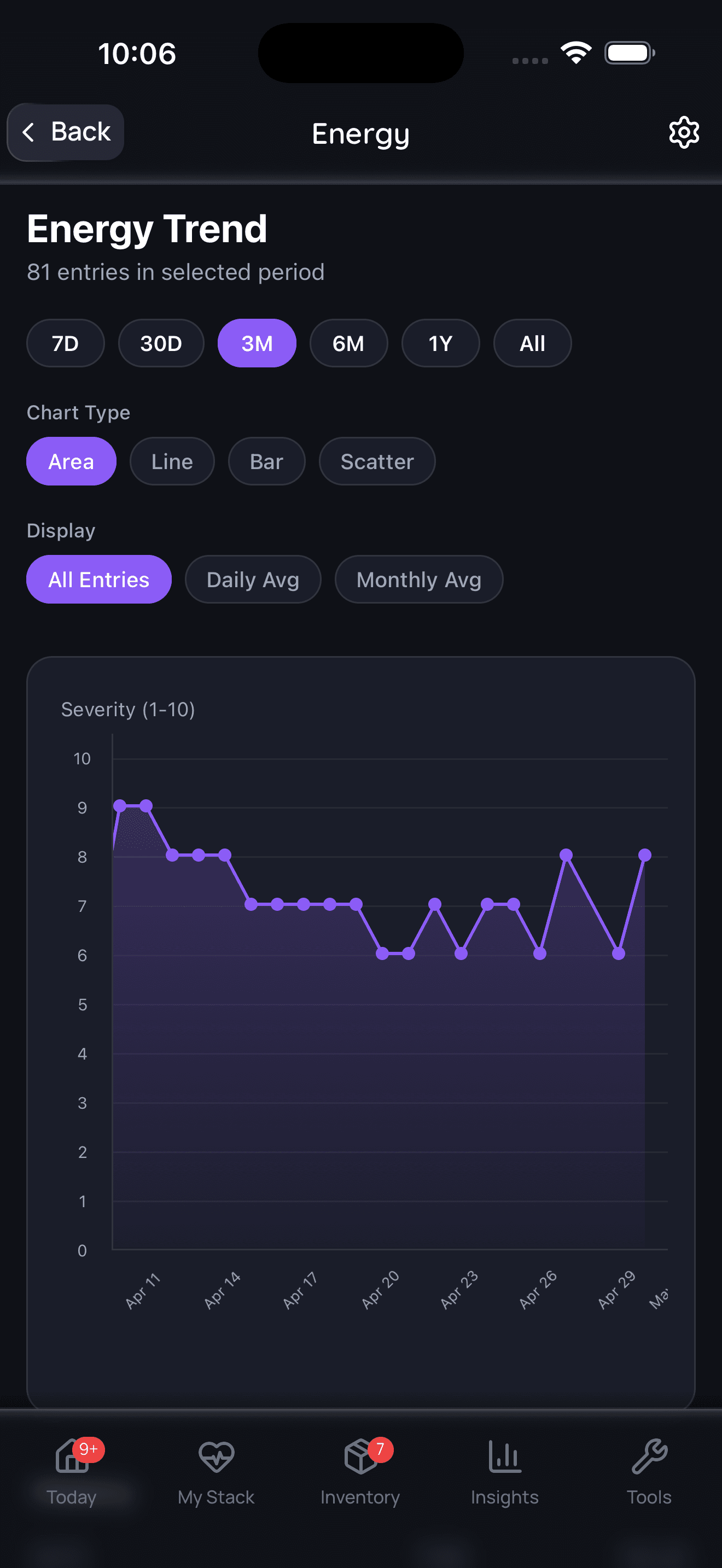
Symptom tracking is informational and should be interpreted with a qualified clinician.
Side Effects & Safety
The Basics
Lysine is generally well-tolerated. The most common side effects are gastrointestinal: stomach pain, nausea, and diarrhea. These tend to appear at higher doses (3,000 mg and above) and are usually self-limiting. Taking lysine with food can reduce the likelihood of stomach upset [1][2][15].
One important safety signal deserves attention: a case report documented a 44-year-old woman who developed serious kidney damage (Fanconi syndrome and tubulointerstitial nephritis) after taking 3,000 mg of lysine daily for five years. She ultimately progressed to end-stage renal failure requiring dialysis [31]. While this is a single case, it warrants caution with long-term, high-dose use, particularly for anyone with pre-existing kidney concerns.
Lysine is contraindicated for people with hyperlysinemia (a rare genetic condition causing elevated blood lysine levels) and should be used with caution in anyone with liver or kidney disease [3][8].
If you are taking calcium supplements, be aware that lysine increases calcium absorption and reduces excretion. This is usually desirable, but could theoretically contribute to excess calcium in individuals already taking high-dose calcium supplements [8].
The Science
Adverse Event Profile (from systematic reviews):
Two systematic reviews evaluated the safety of supplemental L-lysine across 71 clinical studies involving 3,357 subjects [1][2]:
- Dose range studied: 16.8-17,500 mg/day
- Duration range: 1-1,095 days (up to 3 years)
- Primary adverse events: Subjective GI symptoms (nausea, stomachache, diarrhea)
- Integrated risk analysis: Risk ratio 1.02 (95% CI: 0.96-1.07; P=0.49), indicating no statistically significant increase in GI symptom incidence versus control
- Provisional NOAEL: 6,000 mg/person/day [1][2]
Dose-Dependent GI Effects:
A randomized, double-blind crossover study in 6 healthy volunteers demonstrated dose-dependent effects on gastric emptying and intestinal fluid: lysine 3g and 7.5g significantly delayed gastric emptying (P=0.01) and increased intestinal fluid volume (P<0.0001). The 7.5g dose caused self-limiting diarrhea within 1-6 hours [15].
Nephrotoxicity Signal:
A documented case of Fanconi syndrome and tubulointerstitial nephritis in a 44-year-old female taking lysine 3g daily for 5 years. Renal biopsy revealed interstitial fibrosis, tubular atrophy, and prominent lysosomes in proximal tubules. The patient progressed to end-stage renal failure requiring peritoneal dialysis [31]. Discussion in the literature connects this to the known effects of amino acid infusions on short-term renal function, particularly in the context of ischemia or aminoglycoside co-administration.
Contraindications:
- Hyperlysinemia/hyperlysinuria (genetic disorder causing impaired lysine catabolism) [13]
- Hepatic impairment (lysine catabolism is almost exclusively hepatic) [8]
- Renal impairment (caution advised given nephrotoxicity case report) [31]
Pregnancy/Lactation:
Early data showed lysine supplementation combined with vitamins and iron increased hemoglobin levels in pregnant women, with no cases of preeclampsia versus 6 in controls [32]. A case report of a pregnant woman with familial hyperlysinemia (5-10x normal lysine levels) resulted in a normal infant with no malformations. Animal data at 500% excess dietary lysine showed smaller fetuses but no malformations [8].
Knowing the possible side effects is the first step. Catching them early in your own experience is what keeps a supplement routine safe. Doserly lets you log any symptoms as they arise, tagging them with severity, timing relative to your dose, and whether they resolve on their own or persist.
The app's interaction checker cross-references everything in your stack, supplements and medications alike, flagging known interactions before they become a problem. It also monitors your total intake against established upper limits, alerting you if your combined sources of a nutrient are approaching thresholds where risk increases. Think of it as a safety net that works quietly in the background while you focus on the benefits.
Connect protocol changes to labs and health markers.
Doserly can keep lab results, biomarkers, symptoms, and dose history close together so follow-up conversations have better context.
Insights
Labs and trends
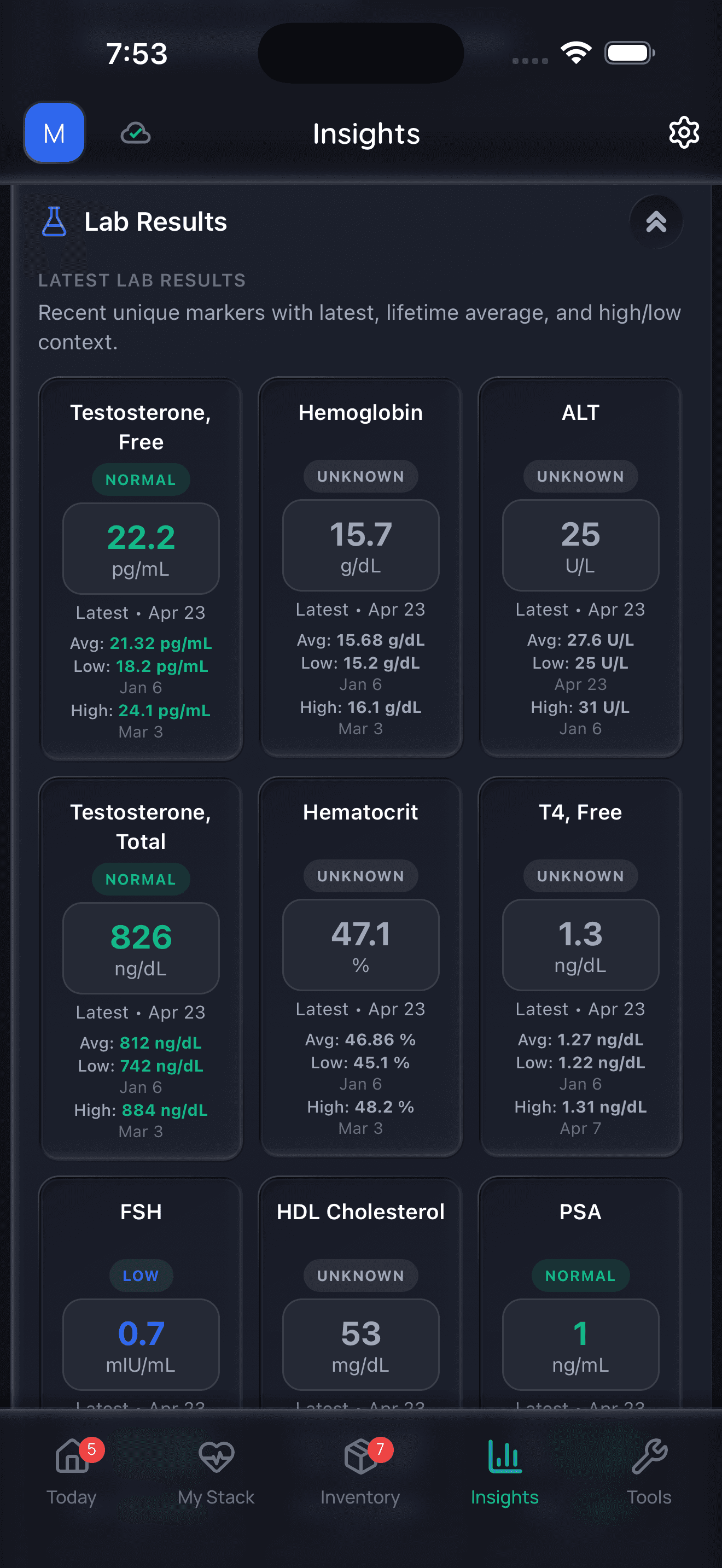
Doserly organizes data; it does not diagnose or interpret labs for you.
Dosing & Usage
The Basics
The right lysine dose depends on your goal. For general supplementation or immune support, 500-1,500 mg per day is the commonly used range. For preventing cold sore recurrences, most positive studies used 1,000-1,500 mg per day as a maintenance dose. During an active outbreak, many clinicians and experienced users recommend increasing to 3,000 mg per day, split across multiple doses [4][5][16][22].
A typical daily intake from food alone ranges from about 800 to 3,000 mg for someone eating a standard Western diet. This means supplemental lysine is adding to whatever you are already consuming from food sources [3].
The maximum dose studied without significant safety concerns is quite high: systematic reviews found no meaningful adverse effects up to 6,000 mg per day [1][2]. However, the risk of GI side effects (particularly diarrhea) increases noticeably above 3,000 mg, and the isolated kidney damage case report occurred at 3,000 mg per day over 5 years [15][31]. For most people, staying in the 1,000-3,000 mg range provides a good balance of potential benefit and minimal risk.
Lysine can be taken as a single daily dose or divided across 2-3 doses throughout the day. Divided dosing may help maintain more consistent plasma levels and reduce GI side effects at higher total daily doses.
The Science
Dosing by Indication:
Indication
HSV maintenance/prevention
- Dose
- 1,000-1,500 mg/day
- Duration
- Ongoing
- Evidence Level
- Moderate
Indication
HSV acute outbreak
- Dose
- 3,000 mg/day (divided doses)
- Duration
- Duration of outbreak
- Evidence Level
- Low-Moderate
Indication
Anxiety (with L-arginine)
- Dose
- 2,640 mg/day lysine + 2,640 mg/day arginine
- Duration
- 7 days studied
- Evidence Level
- Moderate (single RCT)
Indication
Calcium absorption support
- Dose
- 400-800 mg/day
- Duration
- As needed
- Evidence Level
- Low (small studies)
Indication
Schizophrenia adjunct
- Dose
- 6,000 mg/day
- Duration
- 4 weeks studied
- Evidence Level
- Very Low (pilot, N=10)
Indication
General supplementation
- Dose
- 500-1,000 mg/day
- Duration
- Ongoing
- Evidence Level
- Based on traditional use
Population-Specific Considerations:
- Average dietary requirement for a 70 kg adult: 800-3,000 mg/day [3]
- WHO estimated average requirement: ~30 mg/kg/day [3]
- Dietary intake from typical Western diet: ~4,000-5,000 mg/day from food sources [1]
- Supplemental NOAEL: 6,000 mg/day (in addition to dietary intake) [1][2]
- Pediatric: Lysine supplementation has been used safely in children for growth promotion, but optimal pediatric supplemental doses are not well-established [29]
Getting the dose right matters more than most people realize. Too little may be ineffective, too much wastes money or introduces risk, and inconsistency undermines both. Doserly tracks every dose you take, across every form, giving you a clear record of what you're actually consuming versus what you planned.
The app helps you compare RDA recommendations against therapeutic ranges discussed in the research, so you can see exactly where your intake falls. If you switch forms, say from a standard capsule to a liposomal liquid, Doserly adjusts your tracking to account for different bioavailabilities. Pair that with smart reminders that keep your timing consistent, and the precision that makes a real difference in outcomes becomes effortless.
Turn symptom and safety notes into a clearer timeline.
Doserly helps you log doses, symptoms, and safety observations side by side so patterns are easier to discuss with a qualified clinician.
Pattern view
Logs and observations

Pattern visibility is informational and should be reviewed with a clinician.
What to Expect (Timeline)
Based on available clinical data and community reports, here is a general timeline for lysine supplementation:
Week 1-2:
- GI adjustment period. Some users experience transient nausea or loose stools at higher doses, which typically resolves within a few days.
- If taking lysine for an active cold sore outbreak, improvement may be noticeable within 2-5 days at 3,000 mg/day.
Week 2-4:
- Cold sore prevention effects may begin to establish as plasma lysine levels stabilize above the 165 nmol/mL threshold associated with reduced recurrence [16].
- Anxiety effects (if taking with arginine) were observed within 7 days in clinical trials [7].
Month 1-3:
- Cold sore prevention benefit becomes more apparent with consistent daily use of 1,000+ mg.
- Community users commonly report noticing immune function improvements within this timeframe.
Month 3-12:
- Long-term herpes suppression effects consolidate. Multiple community members report near-complete elimination of outbreaks with consistent use over 6-12 months.
- Collagen-related benefits (skin quality, hair, connective tissue) would require sustained long-term use, as collagen turnover is a slow process.
- Calcium metabolism effects are ongoing with continued use.
Important caveat: Individual responses vary considerably. Some people notice benefits within days (particularly for active cold sores), while others require several months of consistent use before seeing effects on outbreak frequency.
Interactions & Compatibility
Synergistic
- L-Arginine: While these amino acids compete for absorption, clinical data shows the combination of lysine + arginine at therapeutic doses (2.64g each/day) reduces anxiety and cortisol more effectively than either alone [7][12]. Both are absorbed in sufficient quantities when co-administered orally.
- Vitamin C: Vitamin C is a required cofactor for lysyl hydroxylase, the enzyme that hydroxylates lysine residues in collagen. Co-supplementation supports optimal collagen cross-linking [9].
- Calcium: Lysine enhances intestinal calcium absorption and reduces renal calcium excretion, making it a potentially useful companion for calcium supplementation [6].
- Iron: Lysine may enhance iron absorption through chelation mechanisms. Early data in pregnant women showed improved hemoglobin levels with lysine + iron + vitamins versus iron + vitamins alone [32].
- Zinc: A topical combination of lysine, zinc oxide, and other ingredients has been studied for cold sore treatment [33].
Caution / Avoid
- Aminoglycoside Antibiotics (tobramycin, amikacin, neomycin): Lysine may increase aminoglycoside toxicity. Exercise caution and inform your healthcare provider [8].
- High-Dose Calcium Supplements: While lysine enhances calcium absorption, combining high-dose calcium with high-dose lysine could theoretically increase risk of hypercalcemia. Monitor if taking calcium supplements above recommended amounts [8].
- 5-HT4 Agonists (prucalopride, tegaserod): Lysine may inhibit the effects of these GI motility agents due to its partial 5-HT4 antagonist activity [7].
- L-Arginine (context-dependent): If supplementing lysine specifically for herpes suppression, simultaneous high-dose arginine supplementation may be counterproductive as arginine supports HSV replication [4][5]. However, for anxiety, the combination is beneficial (see Synergistic above).
Dietary Considerations
- High-Arginine Foods: People supplementing lysine for HSV management should be aware that foods high in arginine (chocolate, peanuts, almonds, walnuts, hazelnuts, flaxseeds, sesame seeds, sunflower seeds) may partially counteract the lysine:arginine ratio benefit [4][5].
- Maillard Reaction: Cooking lysine-containing foods at high temperatures with sugars reduces lysine bioavailability [3].
How to Take / Administration Guide
Oral Administration (tablets/capsules):
- Take with a full glass of water.
- Can be taken with or without food. Taking with food may reduce GI side effects.
- For divided dosing, space doses evenly throughout the day (e.g., morning and evening for 2x dosing; morning, midday, evening for 3x dosing).
Powder Form:
- L-Lysine HCl powder has a slightly salty flavor. It can be dissolved in water, juice, or mixed into food.
- Use a kitchen scale or provided scoop for accurate dosing.
Timing:
- For cold sore prevention: Consistent daily dosing is more important than specific timing.
- For active outbreaks: Begin high-dose supplementation (3,000 mg/day) at the first sign of tingling or prodrome symptoms. Continue until scabbing occurs, then return to maintenance dose.
- For anxiety (with arginine): Take daily for at least 7 days, as this was the duration used in clinical trials [7].
Stacking Guidance:
- Can be combined with Vitamin C for collagen support.
- If combining with L-arginine for anxiety, take both simultaneously; competition at the absorption level does not prevent therapeutic benefit at supplemental doses.
- Avoid taking simultaneously with aminoglycoside antibiotics.
Cycling:
- No cycling protocol has been established for lysine. Most clinical studies and long-term users take it continuously.
- Individuals concerned about the kidney safety signal may choose to take periodic breaks, though no evidence-based guidance exists for this practice.
Choosing a Quality Product
When selecting a lysine supplement, consider the following quality markers:
Form:
- L-Lysine Hydrochloride (HCl) is the most common and well-studied form. It contains approximately 78-80% L-lysine by weight. This is the form used in the majority of clinical trials.
- L-Lysine free base provides a slightly higher lysine content per gram but is less commonly available.
- Avoid products that list only "lysine" without specifying the L- form, as the D-form is not biologically active.
Third-Party Testing:
- Look for USP, NSF International, or ConsumerLab verification marks.
- For athletes: Informed Sport or NSF Certified for Sport certification ensures the product has been screened for banned substances.
Red Flags:
- Proprietary blends that do not disclose the exact amount of lysine per serving.
- Products combining lysine with arginine in a single capsule marketed for immune support (this combination may be counterproductive for HSV management specifically).
- Excessive additives, fillers, or artificial colorants.
- Claims of "enhanced absorption" or "liposomal lysine" without supporting evidence (lysine is a simple amino acid that absorbs well without enhancement technology).
Excipient Considerations:
- Common acceptable excipients include vegetable magnesium stearate, silica (flow agent), and cellulose (capsule material).
- Lysine supplements are widely available in vegetarian-suitable forms.
Dietary Sources
L-Lysine is found in a wide variety of protein-containing foods. Animal proteins are generally richer in lysine than plant proteins:
Food Source
Beef, lean (3 oz cooked)
- Approximate Lysine Content
- ~2,200 mg
Food Source
Chicken breast (3 oz cooked)
- Approximate Lysine Content
- ~2,100 mg
Food Source
Pork loin (3 oz cooked)
- Approximate Lysine Content
- ~2,000 mg
Food Source
Fish (cod, salmon, 3 oz)
- Approximate Lysine Content
- ~1,800-2,000 mg
Food Source
Eggs (1 large)
- Approximate Lysine Content
- ~450 mg
Food Source
Milk (1 cup)
- Approximate Lysine Content
- ~600 mg
Food Source
Cheese, cheddar (1 oz)
- Approximate Lysine Content
- ~500 mg
Food Source
Yogurt (1 cup)
- Approximate Lysine Content
- ~700 mg
Food Source
Soybeans (1/2 cup cooked)
- Approximate Lysine Content
- ~1,100 mg
Food Source
Lentils (1/2 cup cooked)
- Approximate Lysine Content
- ~600 mg
Food Source
Tofu (1/2 cup)
- Approximate Lysine Content
- ~800 mg
Food Source
Wheat germ (2 tbsp)
- Approximate Lysine Content
- ~200 mg
Food Source
Brewer's yeast (2 tbsp)
- Approximate Lysine Content
- ~300 mg
Key Dietary Patterns:
- Meat, dairy, and egg-heavy diets typically provide 4,000-5,000+ mg/day of lysine from food alone [1].
- Vegetarian/vegan diets can achieve adequate lysine through legumes, soy, and strategic food combining, but may require more planning.
- Grain-heavy diets (especially those based on wheat, corn, or rice with limited legume or animal protein intake) are the most likely to be lysine-insufficient [3].
Regulatory Status & Standards
United States:
- Classified as a dietary supplement under DSHEA (1994). Not evaluated by the FDA for treatment of any disease.
- L-Lysine monohydrochloride has Generally Recognized as Safe (GRAS) status for use in food.
- No FDA-approved drug product contains L-lysine as an active pharmaceutical ingredient.
European Union:
- L-Lysine is authorized for use in food, cosmetics, and as a veterinary medicinal product [10].
- L-Lysine hydrochloride is described in the European Pharmacopoeia (PhEur) monograph 01/2008:0930 [10].
- EFSA has issued multiple opinions on the safety of L-lysine for use in all animal species as a nutritional additive [10].
Other Jurisdictions:
- Health Canada: Available as a natural health product.
- Australia (TGA): Listed as a complementary medicine ingredient.
Athlete/Sports Regulatory Status:
- WADA: L-Lysine is NOT on the WADA Prohibited List. It is permitted in and out of competition.
- GlobalDRO: Lysine-containing supplements are generally permitted, but athletes should verify specific products through GlobalDRO (globaldro.com) as formulations may contain other restricted ingredients.
- NCAA: L-Lysine is not a banned substance. However, the NCAA permits only supplements certified by NSF Certified for Sport or Informed Sport.
- Informed Sport / NSF Certified for Sport / Cologne List: Several lysine products are available with third-party sport certification. Athletes should select certified products to minimize contamination risk.
- USADA, UKAD, Sport Integrity Canada, Sport Integrity Australia, NADA Germany: L-Lysine is permitted by all major national anti-doping organizations.
FAQ
What is L-Lysine best known for?
L-Lysine is most commonly used for managing cold sores caused by the herpes simplex virus (HSV). Clinical and community evidence suggests daily supplementation at 1,000 mg or more may reduce outbreak frequency and speed healing.
What is the recommended daily dose of L-Lysine?
For cold sore prevention, commonly studied doses range from 1,000 to 1,500 mg per day. During active outbreaks, doses up to 3,000 mg per day (split across multiple doses) are frequently used. The provisional NOAEL is 6,000 mg/day [1][2].
Can I take L-Lysine and L-Arginine together?
This depends on your goal. For anxiety reduction, the combination of lysine + arginine has shown benefit in clinical trials [7]. For herpes simplex management, simultaneous high-dose arginine may counteract lysine's antiviral benefit since HSV requires arginine to replicate [4][5].
Does L-Lysine help with acne or skin health?
Lysine plays a critical role in collagen synthesis, which supports skin structure and wound healing. Some community members report skin clarity improvements with lysine supplementation, but no clinical trials have specifically studied lysine for acne.
Is L-Lysine safe for long-term use?
Systematic reviews of 71 studies (up to 3 years duration) found lysine well-tolerated with no significant adverse effects at doses up to 6,000 mg/day [1][2]. However, a single case report of kidney damage after 5 years of daily 3,000 mg use warrants awareness [31]. Individuals with kidney disease should consult a healthcare provider.
Can vegetarians and vegans get enough lysine from diet alone?
Yes, but it requires planning. Legumes (especially soybeans, lentils, and chickpeas), quinoa, and tofu are good plant-based lysine sources. Grain-heavy diets low in legumes may be insufficient [3].
Does lysine help with anxiety?
A randomized, double-blind trial in 108 healthy adults found that lysine (2.64 g/day) combined with arginine (2.64 g/day) for one week reduced anxiety and cortisol levels [7]. Lysine alone has not been well-studied for anxiety in humans.
Should I avoid high-arginine foods while taking lysine?
If you are taking lysine specifically for herpes suppression, moderating high-arginine foods (chocolate, peanuts, almonds, walnuts, sesame seeds) may help maintain a favorable lysine:arginine ratio [4][5]. For other uses, dietary arginine restriction is not necessary.
What foods are highest in lysine?
Animal proteins are the richest sources: beef, chicken, pork, fish, eggs, and dairy. Among plant foods, soybeans, lentils, and tofu provide the most lysine [3].
Are there any drug interactions with L-Lysine?
Lysine may increase the toxicity of aminoglycoside antibiotics and may increase calcium absorption when taken with calcium supplements. It may also reduce the effectiveness of certain GI motility drugs (5-HT4 agonists) [7][8].
Myth vs. Fact
Myth: Lysine cures herpes.
Fact: Lysine does not cure herpes. The herpes simplex virus establishes lifelong latency in nerve ganglia and cannot be eradicated by any currently available treatment. Lysine may reduce the frequency and severity of outbreaks by competing with arginine, which the virus needs to replicate. It is a management tool, not a cure [4][5][16].
Myth: Lysine burns belly fat.
Fact: There is no clinical evidence that lysine directly reduces belly fat or promotes spot fat reduction. While lysine has been shown to reduce cortisol in combination with arginine [7], and elevated cortisol is associated with abdominal fat accumulation, this indirect connection does not constitute evidence for a fat-burning effect.
Myth: You need special "enhanced absorption" lysine supplements.
Fact: L-Lysine hydrochloride, the standard supplement form, absorbs well through normal intestinal transport. Claims of "liposomal lysine" or "enhanced bioavailability" formulations lack published evidence of superiority over standard forms. The basic amino acid is well-absorbed without enhancement technology [3][8].
Myth: Taking more lysine is always better.
Fact: There is a clear dose-response relationship for both benefits and side effects. Doses above 3,000 mg/day significantly increase the risk of GI side effects, and there is a case report of kidney damage at 3,000 mg/day over 5 years [15][31]. For most applications, 1,000-1,500 mg/day is sufficient for daily prevention.
Myth: Lysine is dangerous for your kidneys.
Fact: The kidney concern stems from a single case report in one individual who took 3,000 mg/day for 5 years [31]. Systematic reviews of 71 studies with over 3,300 participants found no significant safety concerns up to 6,000 mg/day [1][2]. While the case report warrants awareness, it does not constitute evidence of widespread nephrotoxicity. People with pre-existing kidney disease should exercise caution and consult their healthcare provider.
Myth: You should take lysine on an empty stomach for best absorption.
Fact: Lysine can be taken with or without food. Unlike some amino acid supplements that compete with dietary amino acids for absorption, lysine's absorption is adequate regardless of food intake. Taking it with food may actually help reduce GI side effects [8].
Myth: Lysine and arginine cancel each other out completely.
Fact: While lysine and arginine compete for absorption, both are absorbed in meaningful quantities when co-administered orally at supplemental doses. Clinical trials using 2.64 g of each simultaneously showed clear therapeutic effects on anxiety [7]. The "cancellation" concern is most relevant specifically for HSV management, where the lysine:arginine ratio influences viral replication [4][5].
Sources & References
Clinical Trials & RCTs
[7] Smriga M, Ando T, Akutsu M, Furukawa Y, Miwa K, Morinaga Y. Oral treatment with L-lysine and L-arginine reduces anxiety and basal cortisol levels in healthy humans. Biomed Res. 2007;28(2):85-90.
[14] Kalogeropoulou D, LaFave L, Schweim K, Gannon MC, Nuttall FQ. Lysine ingestion markedly attenuates the glucose response to ingested glucose without a change in insulin response. Am J Clin Nutr. 2009;90(2):314-320.
[15] Baruffol C, Jordi J, Camargo S, et al. L-lysine dose dependently delays gastric emptying and increases intestinal fluid volume in humans and rats. Neurogastroenterol Motil. 2014;26(7):999-1009.
[16] Thein DJ, Hurt WC. Lysine as a prophylactic agent in the treatment of recurrent herpes simplex labialis. Oral Surg Oral Med Oral Pathol. 1984;58(6):659-666.
[17] Milman N, Scheibel J, Jessen O. Failure of lysine treatment in recurrent herpes simplex labialis. Lancet. 1978;2(8096):942.
[18] Wass C, Klamer D, Katsarogiannis E, et al. L-lysine as adjunctive treatment in patients with schizophrenia: a single-blinded, randomized, cross-over pilot study. BMC Med. 2011;9:40.
[19] Mirmiranpour H, Khaghani S, Bathaie SZ, et al. The preventive effect of L-lysine on lysozyme glycation in type 2 diabetes. Acta Med Iran. 2016;54(1):24-31.
[21] Wright EF. Clinical effectiveness of lysine in treating recurrent aphthous ulcers and herpes labialis. Gen Dent. 1994;42(1):40-42.
[22] Simon CA, Van Melle GD, Ramelet AA. Failure of lysine in frequently recurrent herpes simplex infection. Arch Dermatol. 1985;121(2):167-168.
[25] Bihuniak JD, Sullivan RR, Simpson CA, et al. Supplementing a low-protein diet with dibasic amino acids increases urinary calcium excretion in young women. J Nutr. 2014;144(3):282-288.
[26] Unni US, Raj T, Sambashivaiah S, et al. The effect of a controlled 8-week metabolic ward based lysine supplementation on muscle function, insulin sensitivity and leucine kinetics in young men. Clin Nutr. 2012;31(6):903-910.
[27] Ullrich SS, Fitzgerald PC, Nkamba I, Steinert RE, Horowitz M, Feinle-Bisset C. Intragastric lysine lowers the circulating glucose and insulin responses to a mixed-nutrient drink without slowing gastric emptying in healthy adults. J Nutr. 2017;147(7):1275-1281.
[28] Baier S, Johannsen D, Abumrad N, Rathmacher JA, Nissen S, Flakoll P. Year-long changes in protein metabolism in elderly men and women supplemented with a nutrition cocktail of beta-hydroxy-beta-methylbutyrate (HMB), L-arginine, and L-lysine. JPEN J Parenter Enteral Nutr. 2009;33(1):71-82.
Systematic Reviews & Meta-Analyses
[1] Hayamizu K, Oshima I, Fukuda Z, Kuramochi Y, Nagai Y, Izumo N, Nakano M. Safety assessment of L-lysine oral intake: a systematic review. Amino Acids. 2019;51:647-659.
[2] Hayamizu K, Oshima I, Nakano M. Comprehensive Safety Assessment of L-Lysine Supplementation from Clinical Studies: A Systematic Review. J Nutr. 2020;150(Suppl 1):2561S-2569S.
[23] Chi CC, Wang SH, Delamere FM, Wojnarowska F, Peters MC, Kanjirath PP. Interventions for prevention of herpes simplex labialis (cold sores on the lips). Cochrane Database Syst Rev. 2015.
Observational Studies & Case Reports
[5] Griffith RS, Norins AL, Kagan C. A multicentered study of lysine therapy in herpes simplex infection. Dermatologica. 1978;156(5):257-267.
[6] Civitelli R, Villareal DT, Agnusdei D, Nardi P, Avioli LV, Gennari C. Dietary L-lysine and calcium metabolism in humans. Nutrition. 1992;8(6):400-405.
[20] Walsh DE, Griffith RS, Behforooz A. Subjective response to lysine in the therapy of herpes simplex. J Antimicrob Chemother. 1983;12(5):489-496.
[30] Ivanov V, Roomi MW, Kalinovsky T, Niedzwiecki A, Rath M. Anti-atherogenic effects of a mixture of ascorbic acid, lysine, proline, arginine, cysteine, and green tea phenolics in human aortic smooth muscle cells. J Cardiovasc Pharmacol. 2007;49(3):140-145.
[31] Lo JC, Chertow GM, Rennke H, Seifter JL. Fanconi's syndrome and tubulointerstitial nephritis in association with L-lysine ingestion. Am J Kidney Dis. 1996;28(4):614-617.
[32] Terry G. Protein nutrition in pregnancy. Texas State J Med. 1957;53(11):829-831.
Government/Institutional Sources
[10] European Pharmacopoeia (PhEur). Lysine hydrochloride, Monograph 01/2008:0930. European Directorate for the Quality of Medicines.
[13] MedlinePlus Genetics. Hyperlysinemia / Lysinuric protein intolerance. National Library of Medicine.
Review Articles & Monographs
[3] Flodin NW. The metabolic roles, pharmacology, and toxicology of lysine. J Am Coll Nutr. 1997;16(1):7-21.
[4] Gaby AR. Natural remedies for herpes simplex. Altern Med Rev. 2006;11(2):93-101.
[8] L-lysine. Monograph. Altern Med Rev. 2007;12(2):169-172.
[9] Tomblin FA Jr, Lucas KH. Lysine for management of herpes labialis. Am J Health Syst Pharm. 2001;58(4):298-300, 304.
[11] Fini M, Torricelli P, Giavaresi G, Carpi A, Nicolini A, Giardino R. Effect of L-lysine and L-arginine on primary osteoblast cultures from normal and osteopenic rats. Biomed Pharmacother. 2001;55(4):213-220.
[12] Smriga M, Torii K. Prolonged treatment with L-lysine and L-arginine reduces stress-induced anxiety in an elevated plus maze. Nutr Neurosci. 2003;6(2):125-128.
[24] Srinongkote S, Smriga M, Nakagawa K, Toride Y. A diet fortified with L-lysine and L-arginine reduces plasma cortisol and blocks anxiogenic response to transportation in pigs. Nutr Neurosci. 2003;6(5):283-289.
[29] Gunarathne R, Guan X, Feng T, Zhao Y, Lu J. L-lysine dietary supplementation for childhood and adolescent growth: Promises and precautions. J Adv Res. 2025;70:571-586.
[33] Singh BB, Udani J, Vinjamury SP, et al. Safety and effectiveness of an L-lysine, zinc, and herbal-based product on the treatment of facial and circumoral herpes. Altern Med Rev. 2005.
Related Supplement Guides
Same Category (Amino Acids)
- L-Arginine (competitive and synergistic interactions)
- L-Methionine (co-precursor for L-carnitine synthesis)
- L-Leucine
- L-Tryptophan
- L-Glutamine
- Glycine (collagen synthesis partner)
- L-Theanine
- NAC (community reports of synergy for inflammatory conditions)
Common Stacks/Pairings
- Vitamin C (collagen cofactor; immune support)
- Zinc (topical combination for cold sores; immune support)
- Calcium (enhanced absorption)
- Iron (enhanced absorption via chelation)
- L-Carnitine (lysine is a biosynthetic precursor)
Related Health Goals
- 5-HTP (anxiety/mood support)
- Vitamin D3 (bone health, calcium metabolism)
- Magnesium (bone health, anxiety)
- Vitamin B6 (amino acid metabolism support)
Changelog
Version
1.0
- Date
- 2026-03-21
- Changes
- Initial guide generation from KB dossier