
Fadogia Agrestis: The Complete Supplement Guide
On this page
Quick Reference Card
Attribute
Common Name
- Detail
- Fadogia Agrestis
Attribute
Other Names / Aliases
- Detail
- Black aphrodisiac, bakin gagai (Hausa)
Attribute
Category
- Detail
- Herbal Extract (Rubiaceae family)
Attribute
Primary Forms & Variants
- Detail
- Aqueous stem extract (most studied form); dried stem powder; root extract (less common, different compound profile). No standardized reference markers universally agreed upon.
Attribute
Typical Dose Range
- Detail
- 300-600 mg/day of stem extract (based on common retail products; no human clinical trials establish efficacy or safety at any dose)
Attribute
RDA / AI / UL
- Detail
- No RDA, AI, or UL established. Not an essential nutrient. No government-established safe intake levels.
Attribute
Common Delivery Forms
- Detail
- Capsules (most common), powder
Attribute
Best Taken With / Without Food
- Detail
- Most users take with meals to minimize gastrointestinal discomfort
Attribute
Key Cofactors
- Detail
- None established. Often stacked with Tongkat Ali (Eurycoma longifolia) in commercial products, though synergy is not clinically validated.
Attribute
Storage Notes
- Detail
- Store in a cool, dry place away from direct sunlight. Keep tightly sealed.
Overview
The Basics
Fadogia agrestis is a small shrub native to Nigeria and other parts of West and Central Africa. In traditional West African medicine, its stem has been used for generations as an aphrodisiac, a fever reducer, and a general vitality tonic. The plant entered the global supplement market relatively recently, driven largely by animal studies suggesting it could increase testosterone levels and improve sexual function in male rats.
Here is the critical thing to understand about Fadogia agrestis: as of the time of this writing, no human clinical trials have been published on this supplement. Every claim about its testosterone-boosting, libido-enhancing, or performance-improving effects in humans comes from animal research or anecdotal user reports. This places it in a very different category from supplements like ashwagandha or tongkat ali, which have at least some human trial data supporting their use.
The plant gained mainstream attention in large part through health and fitness podcasts, particularly in the biohacking and men's health space. This rapid popularity has outpaced the science, creating a situation where millions of capsules are being consumed based on a handful of rodent studies. For anyone considering this supplement, the honest summary is: the animal data is intriguing but limited, the safety profile raises legitimate concerns, and the human evidence simply does not exist yet.
The Science
Fadogia agrestis (Schweinf. Ex Hiern) is a member of the Rubiaceae family, a small erect shrub typically reaching 0.3 to 0.9 meters in height with yellow, tomentellous leaves and stem [1]. The plant is native to Nigeria and surrounding regions of West Africa, where it has been used in traditional medicine systems, particularly among the Hausa people of Northern Nigeria, who refer to it as "bakin gagai" [1].
Phytochemical screening of the aqueous stem extract has identified the presence of alkaloids and saponins as the primary bioactive constituents, with anthraquinones and flavonoids present in lower concentrations [1]. More recent analytical work using ultra-high-performance liquid chromatography (UHPLC) has identified 11 quantifiable chemical constituents from roots and aerial parts, including phenolic compounds, though no single reference marker has been universally adopted for standardization purposes [2].
A separate phytochemical study isolated seven glycosides from the dried roots of the plant (described under the synonym Vangueria agrestis), including four ursane-type triterpenoid glycosides, two benzophenone glycosides, and one iridoid glucoside. Two of these were identified as novel compounds, and some demonstrated inhibitory effects against Trypanosoma brucei in vitro [3].
The scientific literature on Fadogia agrestis is remarkably thin. A PubMed search returns fewer than 20 results, and the entire evidence base for its claimed testosterone and aphrodisiac effects rests primarily on a series of studies conducted by a single research group (Yakubu, Akanji, and Oladiji) at the University of Ilorin, Nigeria, between 2005 and 2009 [1][4][5]. No independent replication of the testosterone findings has been published, and no human pharmacokinetic, pharmacodynamic, or clinical outcome studies exist in the peer-reviewed literature.
Chemical & Nutritional Identity
Property
Chemical Name
- Value
- Fadogia agrestis stem extract (complex botanical mixture)
Property
Botanical Name
- Value
- Fadogia agrestis (Schweinf. Ex Hiern)
Property
Synonyms
- Value
- Vangueria agrestis
Property
Family
- Value
- Rubiaceae
Property
CAS Number
- Value
- Not assigned for the whole extract
Property
Category
- Value
- Herbal Extract / Botanical Supplement
Property
Key Phytochemicals
- Value
- Alkaloids, saponins, anthraquinones (trace), flavonoids (trace), ursane-type triterpenoid glycosides, benzophenone glycosides, iridoid glucoside
Property
RDA / AI / UL
- Value
- Not established (not a nutrient)
Property
Standardization
- Value
- No universally agreed-upon marker compound or standardization percentage
Common supplement forms:
- Aqueous stem extract (capsules): The most common supplement form and the form used in the primary research studies. Most retail products provide 300-600 mg per capsule. Some products claim standardization to saponin content, though standardization methods are not universally validated.
- Dried stem powder: Ground whole stem material in capsule form. Less concentrated than extracts. Less studied.
- Root extract: Some products use root material, which has a different chemical profile from stem extracts (notably containing triterpenoid and benzophenone glycosides). The root has been less studied for testosterone-related effects.
- Combination products: Frequently combined with Tongkat Ali (Eurycoma longifolia), Tribulus terrestris, or ashwagandha in "testosterone booster" formulations. Proprietary blends are common and often obscure individual ingredient doses.
Mechanism of Action
The Basics
The theory behind Fadogia agrestis centers on its potential to stimulate the body's own testosterone production system. In simple terms, your brain sends a signal (through a hormone called luteinizing hormone, or LH) to your testes, telling them to produce testosterone. Fadogia agrestis may amplify that signal, encouraging greater testosterone output.
A second line of interest involves its potential effects on erectile function. Erections depend on a chemical messenger called nitric oxide, which relaxes blood vessels in the penis, allowing increased blood flow. Animal research suggests Fadogia may support this nitric oxide pathway, which is the same pathway targeted by pharmaceutical erectile dysfunction drugs.
There is also some preliminary evidence of anti-inflammatory activity, with one animal study finding that a high dose of Fadogia extract reduced inflammation at levels comparable to aspirin. However, all of these mechanisms have only been demonstrated in animals, and the leap from rat biology to human biology is significant. What works dramatically in a rodent model may work differently, modestly, or not at all in humans.
The Science
The primary mechanistic hypothesis for Fadogia agrestis involves stimulation of the hypothalamic-pituitary-gonadal (HPG) axis. The proposed pathway suggests that bioactive constituents (primarily saponins and alkaloids) in the stem extract stimulate increased luteinizing hormone (LH) release from the anterior pituitary, which in turn signals Leydig cells in the testes to upregulate testosterone biosynthesis [1][6].
This hypothesis is supported by a single key study in male albino rats. Oral administration of aqueous stem extract at 18, 50, and 100 mg/kg body weight for 5 days produced dose-dependent increases in serum testosterone concentrations, with the highest dose yielding approximately a 6-fold increase over baseline [1]. The same study documented increased mount frequency, increased intromission frequency, reduced mount latency, reduced intromission latency, and prolonged ejaculatory latency, suggesting enhanced sexual motivation and altered ejaculatory control [1].
A more recent investigation examined the role of the nitric oxide/cyclic guanosine monophosphate (NO/cGMP) signaling pathway. Using a paroxetine-induced erectile dysfunction model in Wistar rats, Fadogia agrestis stem extract (18, 50, and 100 mg/kg) restored penile and testicular levels of NO, cGMP, catalase, superoxide dismutase (SOD), glutathione (GSH), and glutathione S-transferase (GST) while reducing acetylcholinesterase (AChE), phosphodiesterase-5 (PDE5), arginase, angiotensin-converting enzyme (ACE), thiobarbituric acid reactive substances (TBARS), and hydrogen peroxide (H2O2) [7]. These effects compared favorably with sildenafil citrate (50 mg/kg) as a positive control, suggesting the extract may support erectile function through both antioxidant and vasorelaxant mechanisms [7].
Additionally, an in vivo study examining analgesic and anti-inflammatory properties found that Fadogia agrestis at 200 mg/kg was comparable to aspirin at 100 mg/kg in reducing inflammation as measured by standard carrageenan-induced paw edema assay [8].
It is critical to note that all mechanistic evidence comes exclusively from animal models. No human pharmacokinetic or pharmacodynamic studies have been conducted, and the translatability of these findings to human physiology remains entirely speculative.
Absorption & Bioavailability
The Basics
Very little is known about how the human body absorbs and processes Fadogia agrestis. The animal studies used an aqueous (water-based) extract of the stem, given orally, and the testosterone and sexual behavior changes observed suggest that at least some active compounds are absorbed through the digestive tract. Beyond that, the science is essentially silent.
No human studies have measured how much of the active compounds make it into the bloodstream, how long they remain active, or how different preparation methods affect absorption. When you see a "600 mg" dose on a supplement label, there is no data telling you how much of that translates into biologically active material in your body. This is a significant gap in the evidence base.
The Science
No human pharmacokinetic data exists for Fadogia agrestis. Absorption parameters including oral bioavailability, Tmax, Cmax, AUC, half-life, volume of distribution, and clearance are entirely unknown for any of the plant's identified bioactive constituents in humans.
The animal studies used aqueous stem extract administered by oral gavage, and the observed biological effects (testosterone elevation, sexual behavior changes, erectile pathway modulation) provide indirect evidence of oral bioavailability in rats [1][7]. However, rodent gastrointestinal physiology, hepatic metabolism, and plasma protein binding differ substantially from humans, making extrapolation unreliable.
The lack of an identified primary active compound further complicates bioavailability assessment. Unlike standardized herbal extracts with known marker compounds (e.g., withanolides in ashwagandha, eurycomanone in tongkat ali), Fadogia agrestis has no universally accepted reference compound. This means that "bioavailability" cannot be meaningfully measured or compared across products until the active constituent(s) responsible for the claimed effects are definitively identified.
Research & Clinical Evidence
The Basics
The research picture for Fadogia agrestis is unusually thin compared to most supplements on the market. The entire evidence base consists of a small number of animal studies, primarily from a single research group in Nigeria, and a few in vitro (test tube) investigations. There are no human clinical trials of any kind, including no pilot studies, no case series, and no observational studies.
The animal research shows that Fadogia can dramatically increase testosterone levels in rats and improve markers of sexual function and erectile physiology. The effects are dose-dependent, meaning higher doses produce larger changes. These findings are genuinely interesting from a scientific standpoint. However, the same body of research also found that higher doses or longer durations of use caused damage to testicular tissue, liver cells, and kidney cells in rats.
The bottom line: the compound appears to be biologically active, but neither its benefits nor its risks have been validated in humans. This is not a case of "promising early data awaiting confirmation." It is a case of "animal-only data with simultaneous efficacy and toxicity signals."
The Science
Testosterone and Sexual Behavior (Yakubu et al., 2005)
The foundational study administered aqueous stem extract to male albino rats at 18, 50, and 100 mg/kg body weight via oral gavage at 24-hour intervals for 5 days. Serum testosterone increased in a dose-dependent pattern: approximately 2-fold at 18 mg/kg, 3-fold at 50 mg/kg, and 6-fold at 100 mg/kg [1]. Sexual behavior parameters including mount frequency, intromission frequency, mount latency, intromission latency, and ejaculatory latency were all significantly altered in patterns consistent with enhanced libido and sexual function [1].
Testicular Function and Histopathology (Yakubu et al., 2008)
Chronic administration (28 days) at the same dose levels revealed a more complex picture. Testicular weight increased by 11-15%, and prostrate-body weight ratio increased significantly [4]. However, at 50 and 100 mg/kg, significant reductions in sperm count, motility, morphology, and density were observed. Histopathological examination revealed destruction of spermatic cells and seminiferous tubules [4]. At 18 mg/kg, toxicity was mild and reversible during a 10-day recovery period. At 50 and 100 mg/kg, testicular damage was described as irreversible [4].
Hepatic and Renal Toxicity (Yakubu et al., 2009)
A 28-day oral administration study at 18, 50, and 100 mg/kg examined liver and kidney toxicity markers. No gross organ damage, mortality, or clinical toxicity symptoms were observed [5]. However, significant biochemical changes were detected: alkaline phosphatase, lactate dehydrogenase, and gamma glutamyl transferase decreased in liver and kidney tissue with corresponding increases in serum, indicating cellular membrane disruption [5]. Serum malondialdehyde (a marker of lipid peroxidation) increased significantly in all treatment groups [5]. The authors concluded that the extract disrupts the ordered lipid bilayer of plasma membranes in hepatocytes and nephrons through lipid peroxidation [5].
Erectile Dysfunction Pathway Restoration (2022)
The most recent animal study used a paroxetine-induced erectile dysfunction model and found that Fadogia agrestis stem extract restored NO/cGMP pathway markers and antioxidant enzyme levels in penile and testicular tissues to levels comparable to sildenafil citrate [7]. This study provides the most detailed mechanistic data to date but remains a single animal study without human validation.
Quality Control Concerns (2018)
A UHPLC analysis of 17 dietary supplements claiming to contain Fadogia agrestis found that 5 products (29%) contained no detectable Fadogia-related phenolic compounds [2]. This study, funded by the U.S. FDA, highlights significant quality control challenges in the Fadogia supplement market.
Evidence & Effectiveness Matrix
Category
Libido
- Evidence Strength
- 3/10
- Reported Effectiveness
- 7/10
- Summary
- Animal studies show significant aphrodisiac effects in rats. No human trials. Community reports are enthusiastic but confounded by stacking with Tongkat Ali.
Category
Hormonal Symptoms
- Evidence Strength
- 3/10
- Reported Effectiveness
- 6/10
- Summary
- Dramatic testosterone increases in rats (2-6 fold). No controlled human data. Anecdotal blood work reports are unreliable due to confounding variables.
Category
Sexual Function
- Evidence Strength
- 3/10
- Reported Effectiveness
- 6/10
- Summary
- NO/cGMP pathway restoration demonstrated in animal ED model. Community reports of improved erectile function are positive but uncontrolled.
Category
Energy Levels
- Evidence Strength
- 1/10
- Reported Effectiveness
- 6/10
- Summary
- No direct evidence from any source. Community reports are nonspecific and heavily confounded.
Category
Mood & Wellbeing
- Evidence Strength
- 1/10
- Reported Effectiveness
- 5/10
- Summary
- No direct evidence. Mixed community reports; some report mood improvements, others report irritability.
Category
Motivation & Drive
- Evidence Strength
- 1/10
- Reported Effectiveness
- 5/10
- Summary
- No direct evidence. Community reports are vague and confounded.
Category
Physical Performance
- Evidence Strength
- 1/10
- Reported Effectiveness
- 5/10
- Summary
- No human performance data. Community reports are inseparable from training and other supplement effects.
Category
Recovery & Healing
- Evidence Strength
- 2/10
- Reported Effectiveness
- 5/10
- Summary
- One animal study showed anti-inflammatory activity comparable to aspirin. Single community report of faster exercise recovery.
Category
Muscle Growth
- Evidence Strength
- 1/10
- Reported Effectiveness
- 4/10
- Summary
- No evidence. Community reports of body composition changes are confounded by training and multi-supplement stacks.
Category
Emotional Regulation
- Evidence Strength
- 1/10
- Reported Effectiveness
- 4/10
- Summary
- No evidence. Some community reports of increased irritability and aggression.
Category
Side Effect Burden
- Evidence Strength
- 3/10
- Reported Effectiveness
- 4/10
- Summary
- Animal toxicity data raises concerns for liver, kidney, and testicular health. Community reports include GI issues, irritability, and anxiety.
Category
Nausea & GI Tolerance
- Evidence Strength
- 2/10
- Reported Effectiveness
- 3/10
- Summary
- A few community reports of diarrhea and nausea. Consistent with animal data showing membrane disruption.
Categories scored: 12
Categories with community data: 12
Categories not scored (insufficient data): Fat Loss, Weight Management, Appetite & Satiety, Food Noise, Sleep Quality, Focus & Mental Clarity, Memory & Cognition, Anxiety, Stress Tolerance, Emotional Aliveness, Joint Health, Inflammation, Pain Management, Gut Health, Digestive Comfort, Skin Health, Hair Health, Heart Health, Blood Pressure, Heart Rate & Palpitations, Temperature Regulation, Fluid Retention, Body Image, Immune Function, Bone Health, Longevity & Neuroprotection, Cravings & Impulse Control, Social Connection, Treatment Adherence, Withdrawal Symptoms, Daily Functioning
Benefits & Potential Effects
The Basics
Based on animal research and community reports, Fadogia agrestis has been associated with several potential benefits. It is important to emphasize that none of these have been confirmed in human clinical trials.
Testosterone support. The most commonly cited potential benefit is increased testosterone production. In rats, the effect was striking: dose-dependent increases of 2 to 6 times baseline levels over just 5 days. Whether anything remotely similar occurs in humans remains unknown. Some community members who have shared blood work results while using Fadogia (typically alongside other supplements) have reported testosterone increases, though these reports are uncontrolled and confounded by simultaneous lifestyle changes.
Sexual function and libido. Animal research shows increased sexual motivation and improved erectile function markers. Community reports frequently mention increased libido as one of the most noticeable effects, often describing it as the strongest subjective response to the supplement.
Anti-inflammatory effects. A single animal study found anti-inflammatory activity comparable to aspirin at high doses, which could potentially support exercise recovery. This is a preliminary finding that requires significant further investigation.
Exercise recovery. A small number of community reports describe faster recovery from intense physical training, though these are heavily confounded by simultaneous use of other supplements and training program changes.
The Science
The potential benefits of Fadogia agrestis can be categorized by their level of supporting evidence:
Preliminary animal evidence (not validated in humans):
Testosterone elevation via HPG axis stimulation, specifically through increased LH secretion leading to enhanced Leydig cell testosterone biosynthesis. The magnitude of effect in rodent models (2-6 fold increase at 18-100 mg/kg over 5 days) is among the largest reported for any herbal extract in the literature, though this has not been independently replicated and relies on a single research group's findings [1].
Erectile function support through NO/cGMP pathway modulation, PDE5 inhibition, and antioxidant enhancement in penile and testicular tissues. The comparison to sildenafil citrate in a single animal study is mechanistically plausible but clinically unproven [7].
Anti-inflammatory activity, demonstrated in a carrageenan-induced paw edema model, with the 200 mg/kg dose showing efficacy comparable to aspirin at 100 mg/kg [8].
No direct evidence (community reports only):
Energy, mood, motivation, physical performance, and body composition effects reported by supplement users have no supporting data from controlled studies. These reports are subject to substantial placebo, expectancy, and confounding biases.
Side Effects & Safety
The Basics
The safety profile of Fadogia agrestis is one of the most important aspects of this guide, and the honest answer is that we do not know whether this supplement is safe for human use at any dose. Here is what the animal research tells us, keeping in mind that effects in rats may or may not translate directly to humans.
Testicular concerns. When rats were given Fadogia extract daily for 28 days, the two higher doses (50 and 100 mg/kg) caused measurable damage to testicular tissue, including destruction of sperm-producing cells and structural damage to the seminiferous tubules. This damage was described as irreversible at those doses. The lowest dose (18 mg/kg) caused only mild changes that reversed when the supplement was stopped [4]. This is particularly concerning because the very organ Fadogia is supposed to support may be the one most vulnerable to its toxic effects.
Liver and kidney effects. The same research group found evidence that Fadogia extract disrupts cell membranes in the liver and kidneys through a process called lipid peroxidation. While no gross organ damage was observed (the organs looked normal under visual inspection), the biochemical markers indicated cellular stress at all doses tested [5]. One community member reported confirmed elevated liver enzymes while using Fadogia, though this is a single uncontrolled case.
Reported side effects from community users. These include gastrointestinal issues (particularly diarrhea), irritability and aggression, anxiety, headaches, sleep disturbances, and (in one case) hair thinning. Several long-term users have expressed regret about using the supplement without understanding the potential risks.
No established safe dose. Because no human dose-finding or safety studies have been conducted, there is no scientifically established safe dose for Fadogia agrestis in humans. Independent evidence reviewers have concluded that "it is unclear whether or not consumption of Fadogia agrestis is safe at any dosage, so no dosage can be recommended" [9].
The Science
The toxicological profile of Fadogia agrestis in animal models raises several concerns that warrant careful consideration:
Reproductive toxicity: Chronic 28-day oral administration at 50 and 100 mg/kg resulted in significant reductions in sperm count, motility, morphology, and density. Histopathological examination revealed destruction of spermatic cells and disruption of seminiferous tubular architecture [4]. These changes were not reversed during a 10-day recovery period at the two higher doses, leading the authors to describe the damage as irreversible. At 18 mg/kg, mild testicular changes were observed but reversed during recovery [4].
Hepatotoxicity and nephrotoxicity: A 28-day study at all three dose levels (18, 50, and 100 mg/kg) demonstrated significant reductions in alkaline phosphatase, lactate dehydrogenase, and gamma glutamyl transferase in liver and kidney tissues, with corresponding elevations in serum [5]. Serum malondialdehyde, a biomarker of lipid peroxidation, was significantly elevated in all treatment groups [5]. The authors concluded that the extract causes disruption of the plasma membrane lipid bilayer in hepatocytes and nephrons through oxidative damage, even in the absence of gross morphological changes [5].
Dose-dependent risk window: A concerning pattern emerges from the literature. The doses that produced the most dramatic testosterone increases (50-100 mg/kg) in the 5-day study [1] are the same doses that caused irreversible testicular damage in the 28-day study [4]. Using standard allometric scaling (body surface area method), these doses correspond to human-equivalent doses of approximately 560 mg and 1,130 mg for a 70 kg adult. The "safer" 18 mg/kg dose corresponds to approximately 200 mg in human-equivalent terms. Many retail products provide 600 mg per serving, which sits uncomfortably close to the dose range associated with adverse effects in animal models.
Quality control safety risk: The finding that 29% of tested Fadogia supplements contained no detectable Fadogia-related compounds [2] introduces an additional layer of risk: consumers cannot be confident about what they are actually ingesting, whether the dose is accurate, or whether the product contains contaminants or adulterants.
Knowing the possible side effects is the first step. Catching them early in your own experience is what keeps a supplement routine safe. Doserly lets you log any symptoms as they arise, tagging them with severity, timing relative to your dose, and whether they resolve on their own or persist.
The app's interaction checker cross-references everything in your stack, supplements and medications alike, flagging known interactions before they become a problem. It also monitors your total intake against established upper limits, alerting you if your combined sources of a nutrient are approaching thresholds where risk increases. Think of it as a safety net that works quietly in the background while you focus on the benefits.
Capture changes while they are still fresh.
Log symptoms, energy, sleep, mood, and other observations alongside protocol events so patterns do not live only in memory.
Trend view
Symptom timeline
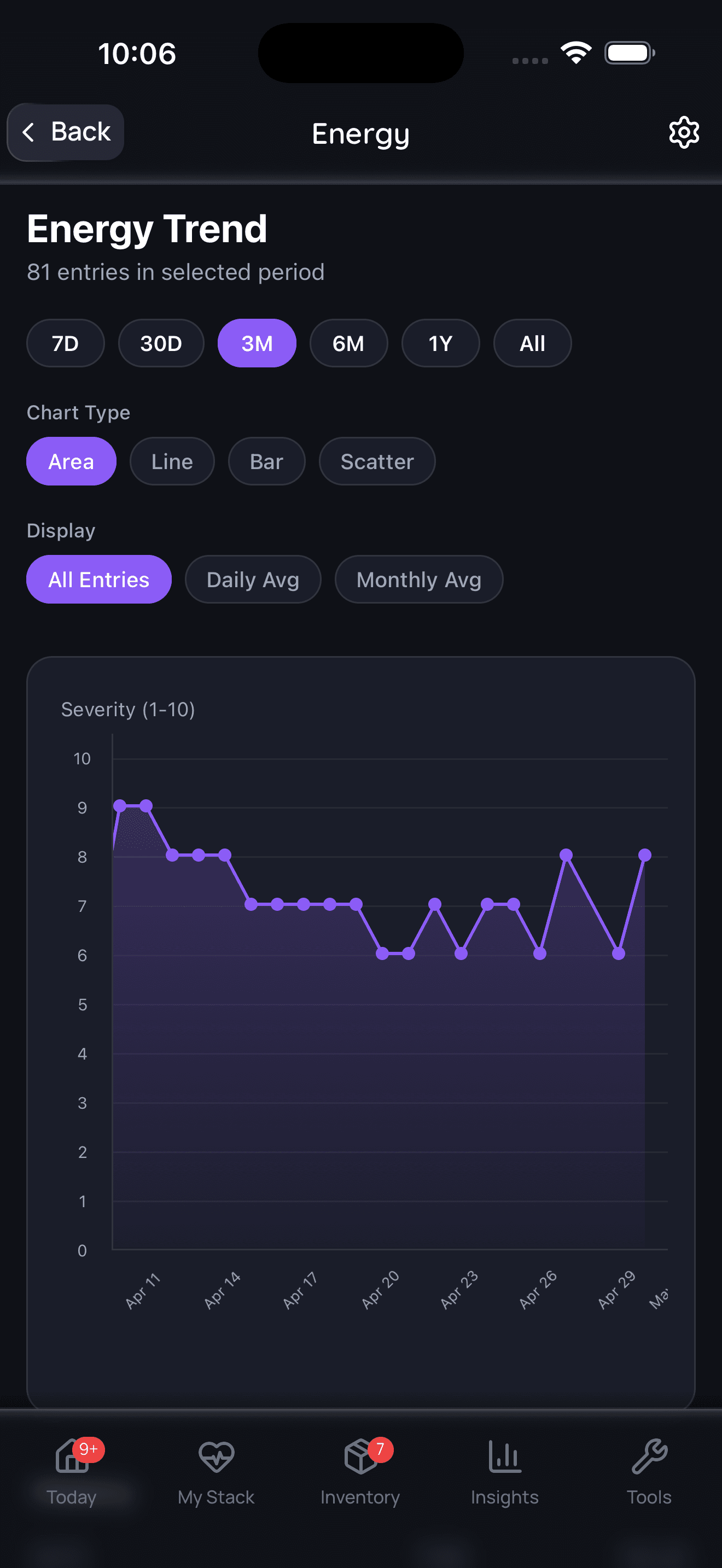
Symptom tracking is informational and should be interpreted with a qualified clinician.
Dosing & Usage Protocols
The Basics
There is no clinically validated dose for Fadogia agrestis in humans. This is worth repeating: no human study has ever determined what dose is effective, what dose is safe, or what dose achieves the best balance between the two. Everything that follows is derived from animal study dose conversions and common marketplace practices, not from human evidence.
Most retail supplements provide 300 to 600 mg per serving of stem extract. Some products and protocols use higher amounts, but the animal toxicity data suggests caution with doses above 600 mg per day. Many practitioners who discuss this supplement publicly recommend starting at the lower end of the range and monitoring for adverse effects.
Cycling (taking the supplement for a period and then stopping for a break) is widely recommended by users and commentators, though no clinical evidence establishes whether cycling reduces risk or how long breaks should be. Common cycling patterns include 4 to 8 weeks on followed by 2 to 4 weeks off, or 5 days on and 2 days off within each week.
The Science
Human-equivalent dose (HED) calculations using the body surface area (BSA) normalization method provide the following estimates for a 70 kg adult, based on the three doses used in the key animal studies [1][4][5]:
Rat Dose (mg/kg)
18
- Human Equivalent (mg)
- ~200
- Rat Outcome (5-day)
- ~2-fold testosterone increase
- Rat Outcome (28-day)
- Mild, reversible testicular changes
Rat Dose (mg/kg)
50
- Human Equivalent (mg)
- ~560
- Rat Outcome (5-day)
- ~3-fold testosterone increase
- Rat Outcome (28-day)
- Irreversible testicular damage, reduced sperm parameters
Rat Dose (mg/kg)
100
- Human Equivalent (mg)
- ~1,130
- Rat Outcome (5-day)
- ~6-fold testosterone increase
- Rat Outcome (28-day)
- Irreversible testicular damage, severe sperm parameter reductions
These conversions carry significant limitations. The BSA method is a rough approximation that does not account for species-specific differences in oral bioavailability, hepatic first-pass metabolism, plasma protein binding, or tissue distribution [10]. Additionally, the aqueous extract used in animal studies may differ substantially in composition from commercial capsule products.
The most commonly cited retail dose range of 300 to 600 mg/day falls between the HED of the lowest dose (which produced mild, reversible effects) and the middle dose (which produced irreversible testicular damage in the 28-day study). This dose range has not been validated for either efficacy or safety in humans.
No dose-response data, no minimum effective dose, no maximum tolerated dose, and no therapeutic index have been established in human subjects.
Getting the dose right matters more than most people realize. Too little may be ineffective, too much wastes money or introduces risk, and inconsistency undermines both. Doserly tracks every dose you take, across every form, giving you a clear record of what you're actually consuming versus what you planned.
The app helps you compare RDA recommendations against therapeutic ranges discussed in the research, so you can see exactly where your intake falls. If you switch forms, say from a standard capsule to a liposomal liquid, Doserly adjusts your tracking to account for different bioavailabilities. Pair that with smart reminders that keep your timing consistent, and the precision that makes a real difference in outcomes becomes effortless.
Track injection timing, draw notes, and site rotation.
Doserly helps keep syringe-related notes, injection site history, reminders, and reconstitution context together for easier review.
Injection log
Site rotation
Injection logs support record-keeping; follow clinician instructions for administration.
What to Expect (Timeline)
Because no human clinical trials exist for Fadogia agrestis, the following timeline is synthesized entirely from community reports and theoretical extrapolation from animal data. Individual experiences vary widely, and some users report no noticeable effects at all.
Week 1-2: Some users describe an increase in libido and energy within the first 5 to 7 days. This aligns with the animal data showing testosterone changes within 5 days of dosing [1]. However, early-onset effects are particularly susceptible to placebo and expectancy bias. Some users also report mild gastrointestinal discomfort during the initial period.
Week 3-4: Users who experience benefits typically describe them as stabilizing during this period. Reported effects include sustained libido changes, improved mood and confidence, and increased gym performance (though the latter is heavily confounded by training variables). This is also the timeframe where some users report irritability or sleep disturbances.
Week 5-8: Community reports diverge significantly at this point. Some users describe continued benefits, while others report diminishing effects or developing tolerance. This is the window where most cycling protocols recommend a break. The 28-day animal toxicity data suggests that continuous use beyond this point may carry increased risk [4][5].
Beyond 8 weeks (continuous use): Very few users report taking Fadogia continuously for extended periods. Those who have sometimes describe concerns about side effects or the development of tolerance. The animal toxicity data showing irreversible testicular changes at 28 days of continuous dosing at moderate-to-high doses provides a biological rationale for limiting continuous use duration [4].
Interactions & Compatibility
Synergistic
- Tongkat Ali (Eurycoma longifolia): The most common stacking partner. Tongkat ali has a different proposed mechanism (freeing bound testosterone by reducing SHBG) versus Fadogia's proposed mechanism (stimulating LH-mediated testosterone production). This theoretical complementarity drives the popularity of the stack, though no study has validated the combination.
- Zinc: Zinc is essential for testosterone synthesis. Ensuring adequate zinc status may support baseline hormonal function, potentially complementing any effects from Fadogia. Zinc deficiency is associated with reduced testosterone levels.
- Vitamin D3: Vitamin D receptor is expressed in testicular tissue, and severe deficiency is associated with reduced testosterone. Correcting deficiency may support overall hormonal health.
- Boron: Some evidence suggests boron may reduce SHBG and support free testosterone levels. Often included in testosterone-support stacks alongside Fadogia.
- Ashwagandha: Has human clinical data supporting modest testosterone increases and cortisol reduction. Occasionally stacked with Fadogia for complementary stress and hormonal support.
Caution / Avoid
- PDE5 inhibitors (sildenafil, tadalafil, vardenafil): Fadogia demonstrated PDE5 inhibitory activity and NO/cGMP pathway modulation in animal studies [7]. Combining with pharmaceutical PDE5 inhibitors could theoretically produce additive vasodilatory effects, increasing risk of hypotension. Consult a healthcare provider before combining.
- Antihypertensive medications: The vasodilatory mechanisms suggested by animal research could theoretically compound the blood pressure-lowering effects of antihypertensive drugs. Blood pressure monitoring is advisable.
- SSRIs and other serotonergic medications: While one animal study used paroxetine to model erectile dysfunction [7], this does not establish safety or efficacy of co-administration in humans. Combining hormonal-active supplements with psychotropic medications requires medical supervision.
- Hormone replacement therapy (TRT, HRT): Adding a supplement that theoretically stimulates endogenous testosterone production on top of exogenous testosterone replacement creates unpredictable hormonal interactions. Medical supervision is essential.
- Other testosterone-modifying supplements taken simultaneously: Stacking multiple unproven testosterone-active botanicals (e.g., Fadogia + Tongkat Ali + Tribulus + Fenugreek) increases the risk of unpredictable hormonal effects and makes it impossible to identify which substance causes any observed effect or side effect.
- Liver-metabolized medications: Given the animal evidence of hepatic membrane disruption [5], individuals taking medications metabolized through the liver should exercise particular caution and monitor liver function.
How to Take / Administration Guide
Most Fadogia agrestis products are sold as capsules containing 300 to 600 mg of stem extract. The following reflects common practices reported by users and discussed by practitioners, not clinically validated protocols.
Timing and food. Most users take Fadogia with meals to reduce the likelihood of gastrointestinal discomfort. Dividing the daily amount across two servings (e.g., 300 mg with breakfast and 300 mg with lunch) is a common approach. Some users avoid taking it in the evening, reporting that it may affect sleep for some individuals.
Cycling protocols. Because no human safety data supports continuous long-term use, cycling is widely recommended in the supplement community. Common patterns include:
- 5 days on, 2 days off (within each week)
- 4 weeks on, 1 to 2 weeks off
- 8 weeks on, 4 weeks off
- The Huberman Lab protocol suggests 3 weeks on, 1 week off
None of these cycling patterns have been clinically validated. The rationale is precautionary, based on the animal toxicity data showing dose- and duration-dependent adverse effects [4][5].
Liver support. Some experienced users recommend co-administering liver-supportive supplements such as N-acetylcysteine (NAC), TUDCA, or milk thistle (silymarin) during Fadogia use, based on the animal evidence of hepatic membrane stress [5]. This practice is precautionary and unvalidated.
Monitoring. Users who choose to take Fadogia agrestis are advised by multiple sources to obtain baseline blood work before starting (including liver enzymes, kidney function markers, total and free testosterone, LH, FSH) and to repeat testing at regular intervals (every 60 to 90 days) during use. Any abnormalities should prompt immediate discontinuation and medical consultation.
The administration details above are only valuable if they become part of your daily routine rather than something you have to look up each time. Doserly's routine builder turns these recommendations into a personalized schedule, with reminders timed to your meals, sleep, and other supplements so you take each one under the right conditions.
Whether you're splitting doses throughout the day, cycling on and off, or coordinating timing around food and other supplements, the app keeps it all organized. You set it up once based on what you've learned, and the daily prompts handle the rest. Building a sustainable routine is the difference between a supplement that collects dust and one that delivers consistent results.
Keep multi-step protocols organized from start to finish.
Use Doserly to map compounds, timing, cycle windows, notes, and review points so complex protocols stay readable in one place.
Plan view
Protocol schedule
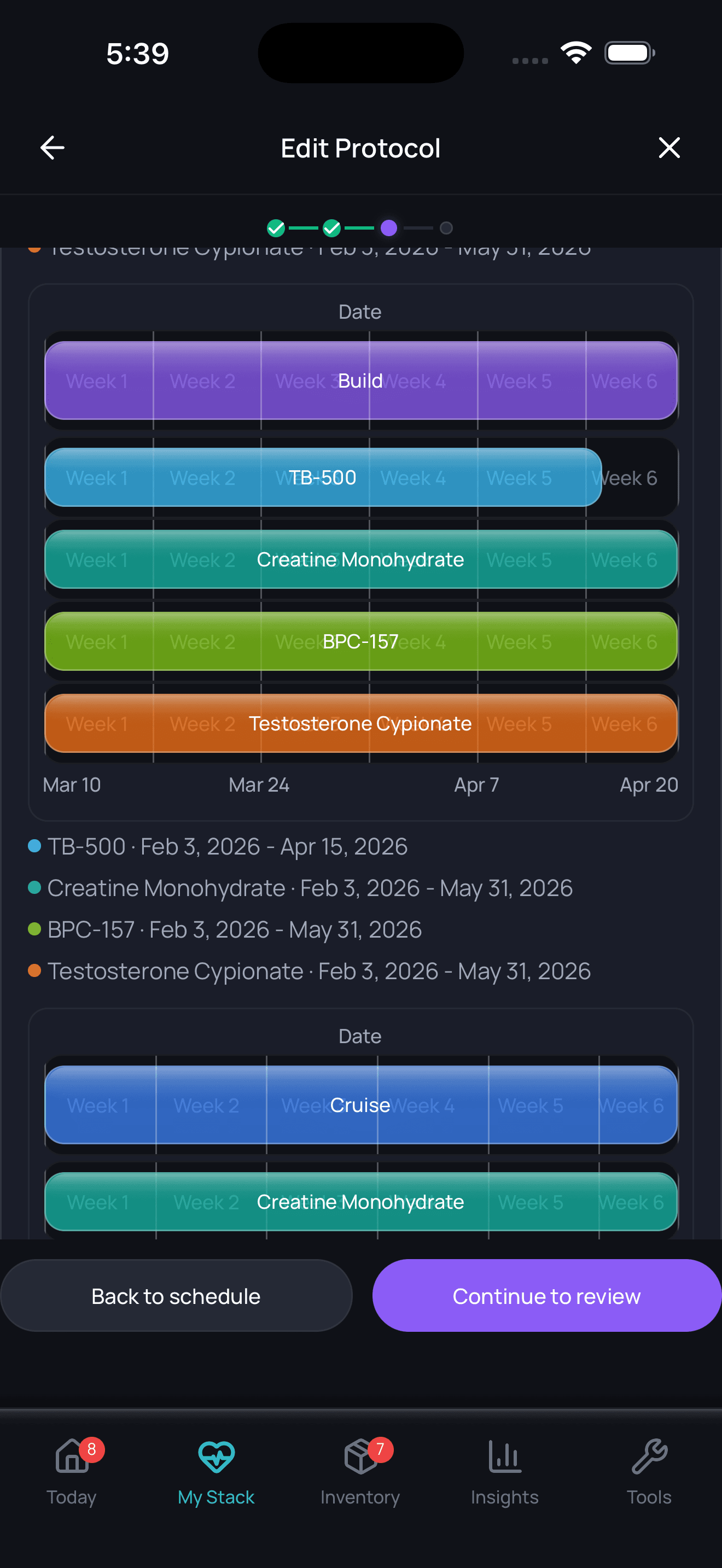
Planning views are organizational and should be aligned with professional guidance.
Choosing a Quality Product
Product quality is a significant concern for Fadogia agrestis supplements. An FDA-funded analytical study found that 29% of tested products (5 out of 17) contained no detectable Fadogia-related phenolic compounds [2], raising serious questions about product authenticity.
Third-party certifications. Look for products tested by independent laboratories such as USP, NSF International, or Informed Sport. These certifications verify identity, purity, potency, and the absence of contaminants. Given the limited regulatory attention to Fadogia agrestis specifically, third-party testing is especially important.
Plant part and extraction method. The primary research was conducted using aqueous (water-based) stem extract [1][4][5][7]. Products that specify "stem extract" and "aqueous extract" more closely match the studied form. Root extracts have a different chemical profile and have been less studied for testosterone-related effects [3].
Standardization. Some products claim standardization to saponin content. While saponins are among the identified bioactive constituents [1], no universally validated standardization marker exists for Fadogia agrestis. Standardization claims should be viewed with appropriate skepticism until independent validation methods are established.
Red flags:
- Proprietary blends that hide the actual Fadogia dose
- Doses significantly above 600 mg per serving (approaching the HED of doses associated with irreversible toxicity in animals)
- Products making explicit testosterone-increase claims (no human data supports this)
- Extremely low prices that may indicate adulterated or substitute material
- Absence of any third-party testing or Certificate of Analysis (COA)
Brand transparency indicators. Prefer brands that provide a Certificate of Analysis (COA) for each batch, disclose the plant part used, specify the extraction method, and provide heavy metal and microbial testing results.
Storage & Handling
Fadogia agrestis supplements should be stored in a cool, dry place away from direct sunlight, excessive heat, and moisture. Keep the container tightly sealed when not in use. Capsule forms are generally stable at room temperature. Follow any specific storage instructions provided by the manufacturer, and discard products that are past their expiration date.
No specific stability data for Fadogia agrestis supplements has been published. General best practices for herbal extract supplements apply: avoid bathroom storage (humidity), keep away from stoves or windows (heat and light), and store out of reach of children.
Lifestyle & Supporting Factors
For anyone interested in supporting testosterone levels and sexual health naturally, lifestyle factors represent the most evidence-based foundation. These fundamentals should be optimized before and during any supplement experimentation.
Sleep. Deep, consistent sleep is one of the strongest predictors of healthy testosterone levels. Even one week of sleep restriction (5 hours per night) has been shown to reduce testosterone by 10 to 15% in healthy young men. Prioritizing 7 to 9 hours of quality sleep per night is arguably more impactful than any supplement.
Resistance training. Compound strength training (squats, deadlifts, presses) acutely elevates testosterone and improves androgen receptor sensitivity over time. Regular resistance exercise is one of the most well-documented lifestyle interventions for maintaining healthy testosterone levels.
Body composition. Excess body fat, particularly visceral fat, promotes aromatase activity, which converts testosterone to estrogen. Maintaining a healthy body fat percentage supports hormonal balance more reliably than supplementation.
Nutrition. Adequate caloric intake is essential; severe caloric restriction reduces testosterone. Ensure sufficient dietary fat (cholesterol is a precursor to testosterone), zinc (found in oysters, beef, pumpkin seeds), magnesium (dark leafy greens, nuts), and vitamin D (sunlight, fatty fish, supplementation if deficient).
Stress management. Chronic psychological stress elevates cortisol, which has an inverse relationship with testosterone. Stress reduction practices (meditation, nature exposure, social connection) support hormonal balance.
Alcohol and substance use. Heavy alcohol consumption directly suppresses testosterone production and impairs liver function. Nicotine and recreational drugs can also negatively impact hormonal health.
Medical evaluation. If symptoms suggest low testosterone (persistent fatigue, low libido, difficulty gaining muscle, mood changes), the appropriate first step is comprehensive blood work and evaluation by a healthcare provider, not self-supplementation with unproven botanicals.
Regulatory Status & Standards
United States (FDA). Fadogia agrestis is sold as a dietary supplement under the Dietary Supplement Health and Education Act (DSHEA). It has not received GRAS (Generally Recognized as Safe) designation, and no New Dietary Ingredient (NDI) notification appears to have been filed. The FDA has not issued specific guidance or warning letters regarding Fadogia agrestis supplements. However, a 2018 FDA-funded study highlighted quality control problems in the market [2].
Canada (Health Canada). Fadogia agrestis does not appear to have an approved Natural Health Product monograph. Products containing it may not be authorized for sale as NHPs in Canada.
European Union (EFSA). No EFSA scientific opinion or authorized health claim exists for Fadogia agrestis. Its status under the Novel Food Regulation would depend on whether it has a documented history of significant consumption in the EU prior to May 1997.
Australia (TGA). Fadogia agrestis does not appear in the TGA's Listed Medicines database as an approved complementary medicine ingredient.
Athlete & Sports Regulatory Status
Fadogia agrestis is not specifically listed on the current WADA Prohibited List (categories S0-S9). However, athletes should exercise particular caution for several reasons:
- The supplement category "testosterone boosters" is disproportionately affected by contamination and adulteration. Products marketed for testosterone enhancement have a higher risk of containing undeclared anabolic agents or other prohibited substances.
- No major national anti-doping agency (USADA, UKAD, Sport Integrity Canada, Sport Integrity Australia) has issued specific guidance or approval for Fadogia agrestis.
- The NCAA recommends only NSF Certified for Sport or Informed Sport certified products for supplements provided by athletic departments. Fadogia agrestis products with these certifications are rare.
- Athletes should check GlobalDRO (globaldro.com) for the most current status information and verify individual product certification through Informed Sport (sport.wetestyoutrust.com) or NSF Certified for Sport (nsfsport.com).
Regulatory status and prohibited substance classifications change frequently. Athletes should always verify the current status of any supplement with their sport's governing body, their national anti-doping agency, and a qualified sports medicine professional before use. Third-party certification (Informed Sport, NSF Certified for Sport) reduces but does not eliminate the risk of contamination with prohibited substances.
Frequently Asked Questions
Does Fadogia agrestis increase testosterone in humans?
No human clinical trial has measured the effect of Fadogia agrestis on testosterone levels in a controlled setting. The testosterone-increasing claims are based entirely on rat studies, which showed dose-dependent increases over 5 days of supplementation. Some supplement users have shared blood work suggesting testosterone increases while using Fadogia (typically alongside other supplements), but these reports are uncontrolled, confounded by other variables, and cannot be attributed specifically to Fadogia.
Is Fadogia agrestis safe?
The honest answer is that safety in humans has not been established. Animal studies found evidence of testicular toxicity, liver membrane disruption, and kidney membrane disruption, particularly at higher doses and with longer-duration use. No human safety trial has been conducted. Independent evidence reviewers have concluded that no dosage can be recommended because safety is unclear at any dose [9]. Anyone considering this supplement should consult a healthcare provider and monitor relevant blood markers.
What dose of Fadogia agrestis should I take?
No clinically validated human dose exists. Commonly reported doses in retail products range from 300 to 600 mg per day of stem extract. Using allometric scaling from the lowest animal dose (which showed the mildest toxicity profile), the rough human equivalent is approximately 200 mg per day. Many sources recommend starting at the lower end of the range and not exceeding 600 mg per day without medical supervision.
Should I cycle Fadogia agrestis?
Most practitioners and experienced users recommend cycling, though no clinical evidence establishes optimal on/off periods. Common protocols include 4 to 8 weeks on followed by 2 to 4 weeks off. The rationale is precautionary, based on animal data showing duration-dependent toxicity. Continuous long-term use is generally discouraged.
Can I take Fadogia agrestis with Tongkat Ali?
This is one of the most popular supplement combinations in the testosterone-support category. The theoretical rationale is that Fadogia may stimulate testosterone production while Tongkat Ali may increase free testosterone by reducing sex hormone-binding globulin (SHBG). However, no study has examined this combination in humans, and combining multiple hormonal-active botanicals increases complexity and unpredictability.
Is Fadogia agrestis the same as Tongkat Ali?
No. Fadogia agrestis and Tongkat Ali (Eurycoma longifolia) are completely different plants from different families and different continents (Fadogia from West Africa, Tongkat Ali from Southeast Asia). They have different proposed mechanisms and different levels of clinical evidence, with Tongkat Ali having substantially more human research.
Can women take Fadogia agrestis?
There is no research on the effects of Fadogia agrestis in women. Given its proposed mechanism of action (stimulating LH and testosterone production), its effects on female hormonal balance are entirely unknown. Women who are pregnant, breastfeeding, or planning pregnancy should avoid this supplement.
Will Fadogia agrestis show up on a drug test?
Fadogia agrestis itself is not a prohibited substance under WADA or most sports governing bodies. However, the "testosterone booster" supplement category has a higher risk of contamination with undeclared prohibited substances. Athletes subject to drug testing should only use products certified by Informed Sport or NSF Certified for Sport, and should verify status through GlobalDRO.
Does Fadogia agrestis cause testicular damage in humans?
This is unknown. Animal studies found irreversible testicular damage at moderate to high doses (50-100 mg/kg) administered for 28 days. At the lowest tested dose (18 mg/kg), testicular changes were mild and reversible. Whether these findings translate to humans at typical supplement doses is entirely speculative. Some community members have reported no issues after months of use, while others have expressed concern about potential effects. Regular monitoring of reproductive health markers is prudent for anyone using this supplement.
How long does it take for Fadogia agrestis to work?
Based on community reports, some users describe noticing effects within 5 to 7 days, which aligns with the 5-day animal study showing testosterone changes. Other users report effects developing over 2 to 4 weeks, and some report no noticeable effects at all. Early-onset experiences are particularly susceptible to placebo effects.
Myth vs. Fact
Myth: Fadogia agrestis is a clinically proven testosterone booster.
Fact: No human clinical trial has ever been conducted on Fadogia agrestis. All testosterone-related claims derive from a single rat study by Yakubu et al. (2005), which has never been independently replicated. While the animal data is intriguing, it cannot be extrapolated to humans with confidence [1].
Myth: Fadogia agrestis is safe because it's natural and has been used traditionally for centuries.
Fact: Traditional use in West African medicine does not establish safety for modern supplementation practices. The traditional uses were at unknown doses, for unclear durations, and with different preparation methods. Animal toxicity studies have identified dose-dependent testicular, hepatic, and renal toxicity [4][5]. "Natural" does not mean safe.
Myth: Taking more Fadogia will produce better results.
Fact: Animal data suggests the opposite. While higher doses produced larger testosterone increases in a 5-day study [1], the same doses caused irreversible testicular damage when administered for 28 days [4]. There appears to be a narrow window between potential efficacy and toxicity, and exceeding 600 mg per day moves closer to doses associated with adverse effects in animal models.
Myth: Fadogia agrestis is equivalent to or as well-studied as Tongkat Ali.
Fact: Tongkat Ali (Eurycoma longifolia) has a significantly more developed evidence base, including multiple human clinical trials, established standardization markers (eurycomanone), and a longer track record in the supplement market. Fadogia has no human trials, no standardized marker compound, and a much smaller body of published research [1][9].
Myth: You can use Fadogia agrestis continuously without breaks.
Fact: While no clinical data establishes optimal cycling protocols, animal toxicity data strongly suggests that continuous use increases risk. The key testicular toxicity study used 28 days of continuous dosing [4]. Most knowledgeable practitioners and experienced users recommend cycling protocols with regular breaks, though the optimal duration is not established.
Myth: All Fadogia agrestis supplements contain what the label says.
Fact: An FDA-funded analytical study found that 5 out of 17 tested Fadogia supplements (29%) contained no detectable Fadogia-related phenolic compounds [2]. Product quality varies widely, and the lack of standardized quality markers makes verification difficult. Third-party tested products from transparent brands reduce but do not eliminate this risk.
Myth: Fadogia agrestis works like a pharmaceutical testosterone replacement.
Fact: Even if Fadogia does increase testosterone in humans (which remains unproven), its proposed mechanism is fundamentally different from testosterone replacement therapy (TRT). TRT provides exogenous testosterone directly. Fadogia theoretically stimulates endogenous production via the HPG axis. The magnitude, reliability, and clinical significance of any effect would likely be vastly smaller than pharmaceutical intervention.
Sources & References
Primary Research Studies
[1] Yakubu MT, Akanji MA, Oladiji AT. Aphrodisiac potentials of the aqueous extract of Fadogia agrestis (Schweinf. Ex Hiern) stem in male albino rats. Asian J Androl. 2005;7(4):399-404. PMID: 16281088.
[2] Simmler C, Chen SN, Anderson J, Lankin DC, Phansalkar R, Krber C, et al. Quantification of Phenolic Compounds from Fadogia agrestis and Dietary Supplements Using UHPLC. Planta Med. 2018;84(18):1390-1397. PMID: 30170324.
[3] Bender MH, Dagobert OC, Bankeu JJK, et al. Glycosides of ursane-type triterpenoid, benzophenone, and iridoid from the dried roots of Vangueria agrestis. Phytochemistry. 2018;156:214-221. PMID: 30325205.
[4] Yakubu MT, Akanji MA, Oladiji AT. Effects of oral administration of aqueous extract of Fadogia agrestis (Schweinf. Ex Hiern) stem on some testicular function indices of male rats. J Ethnopharmacol. 2008;111(2):288-292.
[5] Yakubu MT, Oladiji AT, Akanji MA. Mode of cellular toxicity of aqueous extract of Fadogia agrestis (Schweinf. Ex Hiern) stem in male rat liver and kidney. Hum Exp Toxicol. 2009;28(8):469-478. PMID: 19755438.
Mechanistic Studies
[6] Gillette K. Discussion of Fadogia agrestis mechanism via LH pathway. Referenced in multiple clinical discussions and podcast appearances, 2022-2023.
[7] Fadogia agrestis (Schweinf. Ex Hiern) Stem Extract Restores Selected Biomolecules of Erectile Dysfunction in the Testicular and Penile Tissues of Paroxetine-Treated Wistar Rats. Andrologia. 2022. PMID: 35969364.
Anti-Inflammatory Research
[8] Oyekunle OA, Okojie AK, Udoh US. Analgesic and anti-inflammatory effects of an extract of Fadogia agrestis in rats. Neurophysiology. 2010;42(2):124-129.
Evidence Reviews
[9] Independent evidence review of Fadogia agrestis primary literature. Synthesis of studies [1]-[5] and [7]-[8]. Assessment: insufficient human evidence to establish safe or effective dose.
[10] Reagan-Shaw S, Nihal M, Ahmad N. Dose translation from animal to human studies revisited. FASEB J. 2008;22(3):659-661. PMID: 17942826.