
Evening Primrose Oil: The Complete Supplement Guide
On this page
Quick Reference Card
Attribute
Common Name
- Detail
- Evening Primrose Oil (EPO)
Attribute
Other Names / Aliases
- Detail
- EPO, King's cure-all, Fever plant, Night willow herb, Oenothera biennis oil
Attribute
Category
- Detail
- Fatty Acid (Omega-6 / GLA Source)
Attribute
Primary Forms & Variants
- Detail
- Cold-pressed evening primrose oil (standard; richest GLA content), hexane-extracted EPO (lower cost, potentially lower quality), borage oil alternative (higher GLA content at 20-26% but different fatty acid profile)
Attribute
Typical Dose Range
- Detail
- 500 mg to 6,000 mg EPO daily (providing approximately 45-540 mg GLA depending on product standardization)
Attribute
RDA / AI / UL
- Detail
- No RDA, AI, or UL established specifically for evening primrose oil or GLA. Linoleic acid AI: 17 g/day (males 19-50), 12 g/day (females 19-50). No UL for omega-6 fatty acids established by IOM.
Attribute
Common Delivery Forms
- Detail
- Softgel capsule (most common), liquid oil (less common, used topically and orally)
Attribute
Best Taken With / Without Food
- Detail
- Take with food to improve absorption and reduce GI side effects. Fat-containing meals enhance absorption of fat-soluble components.
Attribute
Key Cofactors
- Detail
- Vitamin E (antioxidant protection, may enhance GLA effects on mastalgia); Zinc and Magnesium (cofactors for delta-6 desaturase, the enzyme that converts LA to GLA); Vitamin B6 (supports fatty acid metabolism)
Attribute
Storage Notes
- Detail
- Store in a cool, dry place away from direct sunlight. EPO is prone to oxidation; keep in a dark, tightly sealed container. Refrigeration may extend shelf life. Discard if oil develops a rancid odor.
Overview
The Basics
Evening primrose oil comes from the seeds of Oenothera biennis, a wildflower native to North and South America that also grows across Europe and parts of Asia. The plant gets its common name from its yellow flowers, which open in the evening and close during the day. Native Americans used various parts of the plant for wound healing, skin inflammation, sore throats, and digestive complaints long before it became a popular supplement [1].
The oil extracted from evening primrose seeds is valued primarily for its fatty acid composition. It contains two omega-6 fatty acids: linoleic acid (LA), which makes up about 70-74% of the oil, and gamma-linolenic acid (GLA), which accounts for roughly 8-10% [2]. While linoleic acid is abundant in many dietary oils, GLA is relatively uncommon in the food supply. This scarcity of dietary GLA is the central reason people take evening primrose oil as a supplement.
GLA is considered "conditionally essential" because your body can normally produce it from linoleic acid using an enzyme called delta-6 desaturase. However, various factors can impair this conversion, including aging, stress, alcohol consumption, certain nutritional deficiencies, and some medical conditions. When the conversion is sluggish, supplementing with preformed GLA may bypass that bottleneck [3].
Evening primrose oil is most commonly taken for women's health concerns, including premenstrual syndrome (PMS), breast pain (mastalgia), and menopausal symptoms. It is also used for skin conditions like eczema, rheumatoid arthritis, and diabetic neuropathy. The evidence supporting these uses varies considerably, and NCCIH has stated that there is currently not enough evidence to support the use of evening primrose oil for any specific health condition [1].
The Science
Evening primrose oil (EPO) is derived from the seeds of Oenothera biennis (family Onagraceae). The oil's therapeutic interest centers on its fatty acid profile: linoleic acid (LA, C18:2n-6) comprising 60-80% and gamma-linolenic acid (GLA, C18:3n-6) comprising 8-14% of total fatty acids [2][3]. Additional components include oleic acid, palmitic acid, stearic acid, triterpenes, phenolic acids, tocopherols, and phytosterols [2].
GLA occupies a unique position in omega-6 metabolism. It is the direct product of delta-6 desaturase acting on linoleic acid, and the immediate precursor to dihomo-gamma-linolenic acid (DGLA, C20:3n-6). DGLA serves as a substrate for cyclooxygenase (COX), producing series-1 prostaglandins (PGE1) that possess anti-inflammatory, vasodilatory, and anti-platelet properties [3][4]. This distinguishes GLA from the downstream omega-6 metabolite arachidonic acid (AA), which generates the more pro-inflammatory series-2 prostaglandins.
Delta-6 desaturase activity can be impaired by aging, diabetes, alcohol intake, trans-fatty acid consumption, and deficiencies of zinc, magnesium, and vitamin B6. In individuals with impaired delta-6 desaturase function, direct supplementation with GLA via EPO bypasses this rate-limiting step, potentially restoring prostaglandin balance [3][4].
Chemical & Nutritional Identity
Property
Source Organism
- Value
- Oenothera biennis (Evening Primrose)
Property
Plant Family
- Value
- Onagraceae
Property
Category
- Value
- Omega-6 fatty acid supplement (GLA source)
Property
Primary Active Compounds
- Value
- Gamma-linolenic acid (GLA, C18:3n-6), Linoleic acid (LA, C18:2n-6)
Property
GLA Content (% of total fatty acids)
- Value
- 8-14% (8-10% per comprehensive review)
Property
LA Content (% of total fatty acids)
- Value
- 60-80% (70-74% per comprehensive review)
Property
Other Fatty Acids
- Value
- Oleic acid, palmitic acid, stearic acid
Property
Additional Bioactives
- Value
- Triterpenes, phenolic acids, tocopherols (vitamin E), phytosterols
Property
GLA CAS Number
- Value
- 506-26-3
Property
GLA Molecular Formula
- Value
- C18H30O2
Property
GLA Molecular Weight
- Value
- 278.43 g/mol
Property
Linoleic Acid CAS Number
- Value
- 60-33-3
Property
RDA / AI (Linoleic acid)
- Value
- AI: 17 g/day (males 19-50), 12 g/day (females 19-50)
Property
UL
- Value
- No UL established by IOM for omega-6 fatty acids or GLA specifically
EPO also contains minor quantities of long-chain fatty alcohols (hexacosanol, tetracosanol, docosanol, octocosanol) that have demonstrated independent anti-inflammatory activity in vitro [4]. The tocopherol content provides some inherent antioxidant protection, though EPO remains susceptible to oxidation and degradation upon exposure to light, heat, and air.
Mechanism of Action
The Basics
Evening primrose oil works in your body primarily through the GLA it delivers. Think of GLA as a building block that your body can use to produce specific signaling molecules called prostaglandins. These prostaglandins act like chemical messengers that influence inflammation, pain, immune function, and hormonal responses throughout the body.
The prostaglandins made from GLA (specifically PGE1) tend to reduce inflammation rather than promote it. This is significant because the typical Western diet is heavy in omega-6 fatty acids that eventually get converted into arachidonic acid, which produces more inflammatory prostaglandins. By supplementing with GLA, you may be able to shift the balance toward less inflammatory signaling [3][4].
This mechanism helps explain why evening primrose oil is studied for conditions involving inflammation: breast pain during the menstrual cycle, PMS symptoms, eczema, and joint pain. In each of these conditions, inflammatory prostaglandins and other signaling molecules play a role in the symptoms people experience.
For skin conditions specifically, GLA and its downstream metabolites appear to support the skin's barrier function. Some people with eczema have been found to have lower levels of GLA and its metabolites, suggesting an impairment in the enzyme that normally produces GLA from dietary linoleic acid [4].
The Science
The biological activity of EPO is mediated through several interconnected pathways [3][4]:
Prostaglandin modulation: GLA is converted to DGLA by elongase enzymes. DGLA serves as a substrate for COX-1 and COX-2, producing prostaglandin E1 (PGE1) and thromboxane A1 (TXA1). PGE1 possesses anti-inflammatory, vasodilatory, and anti-aggregatory properties. Simultaneously, DGLA competes with arachidonic acid for COX binding, reducing the production of pro-inflammatory series-2 prostaglandins (PGE2, TXA2) and series-4 leukotrienes [3][4].
Anti-inflammatory mechanisms: In vitro, long-chain fatty alcohols present in EPO (hexacosanol, tetracosanol, docosanol, octocosanol) demonstrated anti-inflammatory activity in murine peritoneal macrophages [4]. In animal arthritis models, EPO normalized angiopoietin-1 and TNF-alpha levels, reduced malondialdehyde (an oxidative stress marker), and decreased synovial hyperplasia and inflammatory cell invasion [4].
Platelet function: EPO supplementation decreased thromboxane B2 synthesis, contributing to antiplatelet and anticoagulant effects. A significant increase in bleeding time was observed in 9 of 12 human subjects after several months of GLA supplementation [4].
Epidermal barrier function: In atopic dermatitis, plasma GLA and DGLA levels correlate with clinical improvement. GLA's metabolite DGLA contributes to stratum corneum maturation, differentiation, and preservation of the skin's permeability barrier [4].
Immunomodulation: In multiple sclerosis patients, EPO accelerated anti-inflammatory responses and prevented pro-inflammatory cytokine production while helping maintain fatty acid membrane composition [4].
Absorption & Bioavailability
The Basics
Evening primrose oil is absorbed through the same pathways as other dietary fats. When you take an EPO capsule with a meal, the oil is emulsified by bile salts in the small intestine, broken down by pancreatic lipase, and then absorbed through the intestinal wall. Taking EPO with food, particularly food containing some fat, improves this process.
GLA from EPO is well absorbed orally. Once absorbed, it enters the bloodstream and is either incorporated directly into cell membranes, stored in adipose tissue, or converted to its longer-chain metabolite DGLA. The conversion to DGLA occurs efficiently because it requires only elongase enzymes, not the potentially impaired delta-6 desaturase step.
The GLA content of EPO products varies depending on the growing conditions, extraction method, and processing of the primrose seeds. Cold-pressed oils generally retain more of their beneficial components compared to solvent-extracted products. The composition can range from 8% to 14% GLA, meaning that a 1,000 mg EPO capsule may deliver anywhere from 80 to 140 mg of GLA depending on the product [2][3].
The Science
EPO fatty acids are absorbed via standard lipid absorption pathways in the proximal small intestine. Following micellar solubilization with bile salts and hydrolysis by pancreatic lipase, free fatty acids and monoglycerides are taken up by enterocytes. Inside the enterocyte, they are re-esterified into triglycerides, packaged into chylomicrons, and enter the lymphatic system before reaching the systemic circulation [3].
GLA is subsequently elongated to DGLA by microsomal elongase (ELOVL5). Unlike the conversion of LA to GLA, which requires delta-6 desaturase, this elongation step is not considered rate-limiting and proceeds efficiently. DGLA can then be converted to arachidonic acid by delta-5 desaturase, though EPO supplementation appears to increase DGLA levels more substantially than AA levels, suggesting preferential channeling toward PGE1 production [3][4].
Plasma GLA and DGLA levels increase dose-dependently with EPO supplementation. In patients with atopic dermatitis, these increases have correlated with clinical improvements in eczema severity scores [4].
Research & Clinical Evidence
The Basics
Evening primrose oil has been studied extensively, but the results have been mixed across most of its promoted uses. Here is what the research shows for the most commonly studied conditions:
Breast pain (mastalgia): This is one of the most studied uses for EPO. A 2021 systematic review and meta-analysis found that EPO showed similar efficacy for pain control compared to placebo, topical NSAIDs, danazol, or vitamin E [5]. However, a 2024 randomized controlled trial found that the combination of EPO (1,000 mg twice daily) and vitamin E (400 mg daily) was superior to either alone for reducing cyclical breast pain over 6 months [6]. EPO did not increase adverse events compared to other treatments.
Eczema (atopic dermatitis): Despite early promise, a 2013 Cochrane review found insufficient evidence that oral EPO or borage oil is effective for eczema [7]. Small trials have shown some benefit, with plasma GLA levels correlating with clinical improvement in some studies [4], but the overall evidence does not support EPO as an effective eczema treatment.
Menopausal symptoms: EPO may modestly improve quality of life and hot flash intensity in some menopausal women, though other studies have found no benefit [4]. NCCIH notes insufficient evidence for this use [1]. EPO may improve psychological symptoms in postmenopausal women, though behavioral approaches like exercise may provide better relief [4].
PMS: Evidence is mixed. Some women report benefit, but controlled studies have not consistently demonstrated superiority over placebo for PMS [4][1].
Diabetic neuropathy: A 2025 RCT found EPO at 1,000 mg twice daily significantly reduced pain scores in diabetic neuropathy patients [8]. GLA from EPO was found noninferior to alpha-lipoic acid for neuropathy pain reduction in a separate double-blind trial [4].
Rheumatoid arthritis: Preliminary research suggests potential anti-inflammatory benefits, but most GLA studies used borage or blackcurrant seed oil rather than EPO specifically. Further research is needed [4].
The Science
Mastalgia: A 2021 systematic review and meta-analysis (6 RCTs, pooled sample) evaluated EPO for mastalgia treatment. Primary outcomes showed no significant difference between EPO and comparators (topical NSAIDs, danazol, vitamin E) for breast pain reduction. Pain relief rates were comparable across EPO and placebo groups. Adverse events were not increased with EPO [5]. In contrast, Kumari et al. (2024) randomized 126 premenopausal women to EPO 1000 mg BID, vitamin E 400 mg QD, their combination, or placebo for 6 months. The combination group showed a mean pain reduction of 4.5 points vs 2.5 (EPO alone), 3.0 (vitamin E alone), and minimal change (placebo), reaching statistical significance (p < 0.001) [6].
Atopic dermatitis: The Cochrane systematic review (Bamford et al., 2013) evaluated oral EPO and borage oil for eczema and concluded insufficient evidence of benefit [7]. However, Simon et al. (2014) demonstrated that plasma GLA increases correlate dose-dependently with clinical efficacy in atopic dermatitis patients receiving EPO, suggesting a subpopulation with impaired delta-6 desaturase may benefit [4].
Diabetic neuropathy: Gholami et al. (2025) conducted a randomized, double-blind trial where EPO 1000 mg q12h significantly improved VAS pain scores and NTSS-6 neuropathy symptom scores compared to controls (p < 0.001) [8]. Won et al. (2020) demonstrated noninferiority of GLA from EPO versus alpha-lipoic acid for painful diabetic neuropathy in a 12-week double-placebo RCT [4].
Lipid profiles: Khorshidi et al. (2020) conducted a systematic review and meta-analysis of RCTs evaluating EPO on lipid profiles, suggesting modest beneficial effects on some lipid parameters [4].
Multiple sclerosis: Majdinasab et al. (2018) found that EPO supplementation improved fatigue and quality of life in MS patients. Rezapour-Firouzi et al. (2013, 2014) demonstrated clinical and immunological improvements when EPO was combined with hemp seed oil and a high-antioxidant diet in MS patients [4].
Evidence & Effectiveness Matrix
Category
Hormonal Symptoms
- Evidence Strength
- 5/10
- Reported Effectiveness
- 6/10
- Summary
- Moderate clinical evidence for PMS and menopausal symptoms, though results are inconsistent across trials. Community reports generally positive for PMS relief.
Category
Skin Health
- Evidence Strength
- 4/10
- Reported Effectiveness
- 6/10
- Summary
- Cochrane review found insufficient evidence for eczema. Topical use reports are positive for hydration and redness. Oral use for hormonal acne has strong community advocates but also vocal detractors.
Category
Pain Management
- Evidence Strength
- 5/10
- Reported Effectiveness
- 5/10
- Summary
- EPO + Vitamin E combination shows promise for cyclical mastalgia. GLA noninferior to alpha-lipoic acid for diabetic neuropathy pain. EPO alone showed similar efficacy to placebo for mastalgia.
Category
Inflammation
- Evidence Strength
- 5/10
- Reported Effectiveness
- 5/10
- Summary
- Well-established anti-inflammatory mechanism through PGE1 production. Animal model data strong. Human evidence primarily indirect through condition-specific outcomes.
Category
Temperature Regulation
- Evidence Strength
- 3/10
- Reported Effectiveness
- 4/10
- Summary
- Limited evidence for hot flash management. May modestly reduce hot flash intensity, but exercise may be more effective. Community reports are mixed, with some noting tolerance development.
Category
Mood & Wellbeing
- Evidence Strength
- 3/10
- Reported Effectiveness
- 4/10
- Summary
- Limited direct evidence. Some benefit for psychological symptoms in postmenopausal women. Community reports mixed, with some reporting mood worsening.
Category
Nausea & GI Tolerance
- Evidence Strength
- 5/10
- Reported Effectiveness
- 4/10
- Summary
- Well-documented GI side effects (nausea, bloating, gas) in a minority of users. Most users tolerate EPO well.
Category
Heart Health
- Evidence Strength
- 3/10
- Reported Effectiveness
- 3/10
- Summary
- Meta-analysis suggests modest lipid profile improvements. Limited community discussion.
Category
Side Effect Burden
- Evidence Strength
- 5/10
- Reported Effectiveness
- 5/10
- Summary
- Generally well tolerated. Side effects are uncommon but can include GI distress, headaches, breast tenderness, and mood changes. Highly individual.
Category
Sleep Quality
- Evidence Strength
- 2/10
- Reported Effectiveness
- 3/10
- Summary
- Minimal evidence. Occasional community reports of improved relaxation and sleep.
Categories scored: 10
Categories with community data: 10
Categories not scored (insufficient data): Fat Loss, Muscle Growth, Weight Management, Appetite & Satiety, Food Noise, Energy Levels, Focus & Mental Clarity, Memory & Cognition, Anxiety, Stress Tolerance, Motivation & Drive, Emotional Aliveness, Emotional Regulation, Libido, Sexual Function, Joint Health, Recovery & Healing, Physical Performance, Gut Health, Digestive Comfort, Hair Health, Blood Pressure, Heart Rate & Palpitations, Fluid Retention, Body Image, Immune Function, Bone Health, Longevity & Neuroprotection, Cravings & Impulse Control, Social Connection, Treatment Adherence, Withdrawal Symptoms, Daily Functioning, Other
Benefits & Potential Effects
The Basics
Evening primrose oil's benefits center on its delivery of GLA, and most of the studied uses involve conditions where inflammation, hormonal fluctuation, or fatty acid imbalance plays a role.
For women dealing with PMS, EPO is one of the more commonly recommended natural options, and there is some logic behind this. The prostaglandins produced from GLA may help modulate the hormonal shifts that drive PMS symptoms like bloating, breast tenderness, mood changes, and cramping. While controlled studies have not consistently demonstrated superiority over placebo, many women and their healthcare providers consider it worth trying given its safety profile [1][3].
Breast pain that follows the menstrual cycle (cyclical mastalgia) is another area where EPO has been studied. On its own, EPO appears to perform similarly to placebo for breast pain. However, a 2024 study found that combining EPO with vitamin E produced significantly better results than either alone, suggesting these two may work better as a pair for this specific concern [6].
For skin health, EPO's reputation is strongest in the skincare community. Topical application is widely reported to improve hydration, reduce redness, and support overall skin barrier function. Oral supplementation for hormonal acne has passionate advocates, though results are highly individual. Some people see dramatic improvements while others experience worsened breakouts [4].
The newer research on diabetic neuropathy is encouraging. GLA from EPO has shown meaningful pain reduction in diabetic nerve damage, performing comparably to alpha-lipoic acid, which is an established treatment for this condition [8][4].
The Science
PMS and menstrual health: The theoretical basis for EPO in PMS involves GLA's conversion to PGE1, which may modulate prolactin sensitivity and reduce the inflammatory component of premenstrual symptoms. A systematic review by Dante and Facchinetti (2011) found mixed evidence for EPO in PMS [4]. Clinical application persists based on mechanism plausibility and favorable safety profile.
Mastalgia: The meta-analysis by Ahmad Adni et al. (2021) across 6 RCTs found EPO non-superior to placebo for breast pain reduction [5]. Kumari et al. (2024) demonstrated that EPO 1000 mg BID combined with vitamin E 400 mg QD for 6 months produced superior pain reduction (4.5-point mean reduction) versus EPO alone (2.5 points), vitamin E alone (3.0 points), or placebo [6].
Skin barrier function: Muggli (2005) demonstrated that oral EPO supplementation (500 mg/day for 12 weeks) improved biophysical skin parameters in healthy adults, including moisture, elasticity, firmness, fatigue resistance, and roughness. The mechanism involves DGLA incorporation into epidermal phospholipids and subsequent effects on stratum corneum integrity [4].
Diabetic neuropathy: Gholami et al. (2025) showed that EPO 1000 mg q12h significantly reduced VAS and NTSS-6 scores in diabetic neuropathy (p < 0.001). Won et al. (2020) demonstrated noninferiority of GLA from EPO versus alpha-lipoic acid 600 mg in a 12-week trial [4][8].
Lipid modulation: Systematic review suggests EPO may modestly improve certain lipid parameters. The mechanism involves GLA-derived PGE1's effects on hepatic lipid metabolism and platelet aggregation [4].
When you're taking multiple supplements, it's hard to know which one is doing the heavy lifting. The benefits described above may overlap with effects from other items in your stack, lifestyle changes, or seasonal variation. Doserly helps you untangle that by keeping everything in one place, with timestamps, doses, and outcomes logged together.
Over time, this builds something more valuable than any product review: your personal evidence record. You can see exactly when you started this supplement, what else was in your routine at the time, and how your tracked health markers responded. That clarity makes the difference between guessing and knowing, whether you're talking to a healthcare provider or simply deciding if it's worth reordering.
Keep sensitive protocol records in a purpose-built app.
Doserly is designed for private health tracking with structured records, offline-ready workflows, and exportable history when you need it.
Privacy
Health records
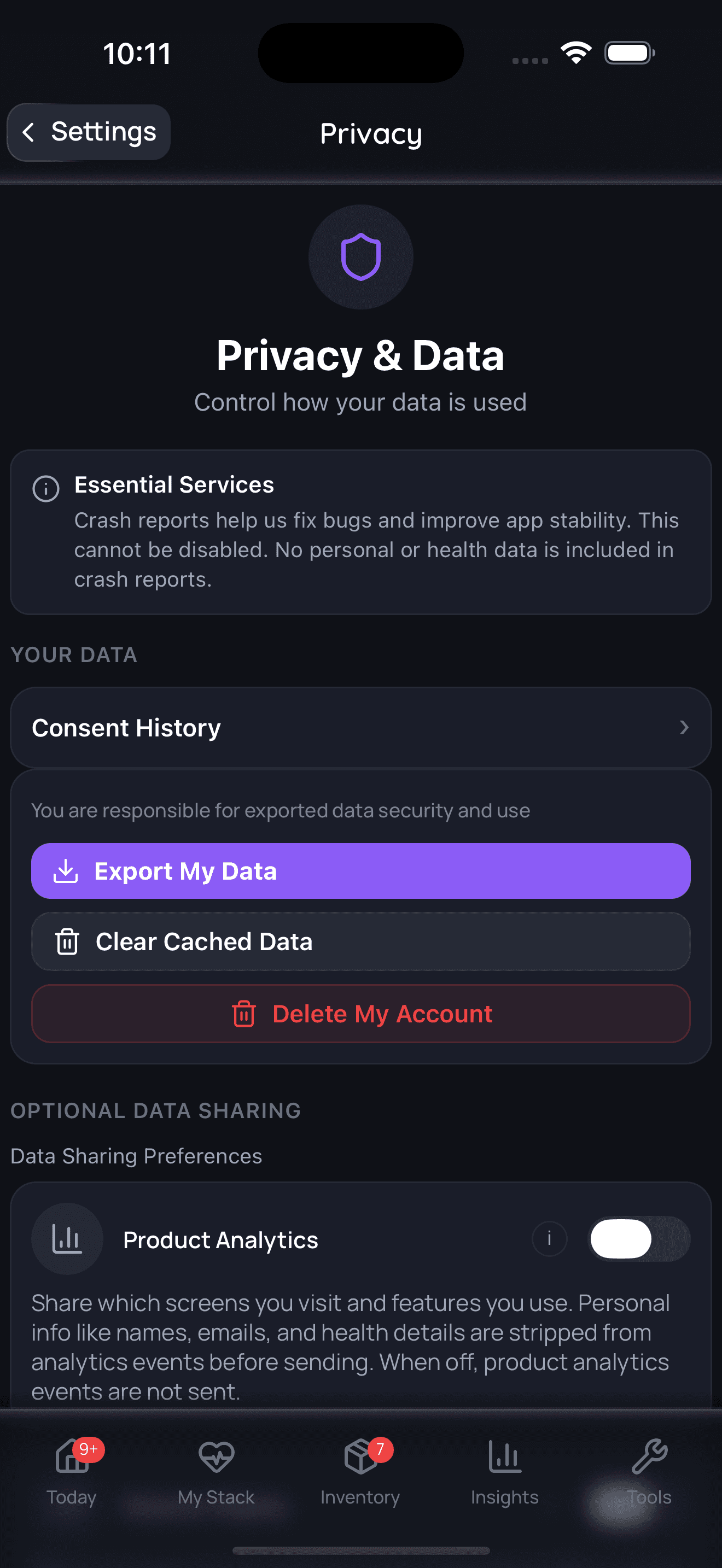
Privacy controls help you manage records; keep clinical records where required.
Side Effects & Safety
The Basics
Evening primrose oil is generally well tolerated by most adults. The most common side effects are mild gastrointestinal complaints: abdominal pain, nausea, diarrhea, indigestion, and softening of stools. These tend to be more common when starting supplementation or at higher doses, and often improve over time [1][4].
Less commonly reported side effects include headaches, bloating, and breast tenderness. In community forums, a minority of users report more significant reactions, including worsened hormonal acne, mood changes, and increased PMS symptoms. These responses appear to be highly individual and may reflect differences in omega-6 metabolism.
An important safety consideration involves blood clotting. EPO has mild anticoagulant effects, and a study found increased bleeding time in 9 of 12 people taking GLA from EPO for several months [4]. If you take blood-thinning medications like warfarin (Coumadin), clopidogrel (Plavix), or aspirin, or if you have a scheduled surgery, discuss EPO use with your healthcare provider.
EPO may interact with some medications. It has been shown to significantly increase levels of certain antiretroviral (HIV) drugs, potentially increasing their side effects [4]. It has also been identified as a supplement that may increase blood pressure in some people [4].
Pregnant women should not take EPO without medical supervision. While it has been traditionally used for cervical ripening near the end of pregnancy, studies have linked its use to increased incidences of prolonged membrane rupture, oxytocin augmentation, arrest of descent, and vacuum extraction [4]. NCCIH notes that safety during pregnancy and breastfeeding is not conclusively established [1].
A rare but serious adverse event is lipoid pneumonia, reported in one case following chronic EPO use, caused by aspiration of lipid particles into the lungs [4].
The Science
Gastrointestinal effects: Common adverse reactions include abdominal pain, indigestion, nausea, softening of stools, and headaches [4]. These are generally dose-dependent and self-limiting.
Bleeding risk: EPO's anticoagulant effect is mediated through decreased thromboxane B2 synthesis. In a controlled study, 9 of 12 patients showed significantly increased bleeding times after several months of GLA supplementation from EPO. EPO is approximately 10% GLA [4].
Blood pressure effects: A large population-based study identified EPO among supplements that may increase both systolic and diastolic blood pressure, with a clinically meaningful difference for systolic blood pressure [4].
Antiretroviral interactions: EPO significantly increases levels of certain antiretroviral drugs in humans, potentially increasing adverse effect risk [4].
Pregnancy complications: When used for cervical ripening, increased incidences of prolonged membrane rupture, oxytocin augmentation, arrest of descent, and vacuum extraction have been reported [4]. A case report documented petechiae and ecchymoses in a newborn whose mother used EPO vaginally and orally one week before childbirth [4].
Lipoid pneumonia: A case report described lipoid pneumonia in a 50-year-old woman following chronic EPO use, attributed to aspiration of lipid particles into the lungs [4].
Managing side effect risks across a multi-supplement stack can feel overwhelming, especially when interactions between supplements, medications, and foods add layers of complexity. Doserly brings all of that into a single safety view so nothing falls through the cracks.
Rather than researching every possible interaction yourself, the app checks your full stack automatically and flags supplement-drug and supplement-supplement interactions that warrant attention. If you do experience something unexpected, logging it takes seconds, and over time the app helps you spot patterns: whether symptoms correlate with specific doses, timing, or combinations. One place for the safety picture that matters most when your stack grows beyond a few bottles.
Keep side effects, flags, and follow-up notes visible.
Doserly helps you document safety observations, side effects, medication changes, and follow-up questions so important context is not scattered.
Safety log
Flags and notes

Safety notes are not emergency guidance; seek medical help when appropriate.
Dosing & Usage Protocols
The Basics
There is no officially established optimal dose for evening primrose oil. In clinical trials, oral EPO dosages have ranged from 500 mg to 6,000 mg daily, depending on the condition being studied [3].
For general use, most studies and healthcare providers suggest starting in the range of 1,000 to 3,000 mg of total EPO daily, which delivers approximately 90 to 300 mg of GLA depending on the product's standardization.
For specific uses studied in clinical trials:
- PMS and menstrual symptoms: 1,000 to 2,000 mg daily
- Breast pain (mastalgia): 1,000 mg twice daily (often combined with vitamin E 400 mg daily)
- Diabetic neuropathy: 1,000 mg twice daily
- Skin health (general): 500 to 1,000 mg daily
- Cervical ripening (under medical supervision only): 1,000 to 4,000 mg daily, orally or vaginally
An important practical note: EPO benefits typically develop gradually. Clinical studies suggest that consistent use for 4 to 6 months may be needed before full effects become apparent [3]. Do not expect immediate results.
The composition of EPO varies depending on the growing environment and extraction methods, which means different products may deliver different amounts of GLA per capsule. Always check the label for standardized GLA content rather than relying on total EPO weight alone [3].
The Science
Clinical dosing data spans a range of indications and formulations [3][4]:
Indication
Mastalgia (monotherapy)
- Dose (EPO)
- 1,000-3,000 mg/day
- GLA Delivered
- 90-300 mg
- Duration
- 3-6 months
- Reference
- Ahmad Adni 2021 meta-analysis
Indication
Mastalgia (+ Vitamin E)
- Dose (EPO)
- 1,000 mg BID
- GLA Delivered
- ~180 mg
- Duration
- 6 months
- Reference
- Kumari 2024 RCT
Indication
Diabetic neuropathy
- Dose (EPO)
- 1,000 mg q12h
- GLA Delivered
- ~180 mg
- Duration
- 12 weeks
- Reference
- Gholami 2025 RCT
Indication
Atopic dermatitis
- Dose (EPO)
- Variable
- GLA Delivered
- Variable
- Duration
- 4-12 weeks
- Reference
- Cochrane 2013 review
Indication
Menopausal symptoms
- Dose (EPO)
- 500-2,000 mg/day
- GLA Delivered
- 45-180 mg
- Duration
- 6-8 weeks
- Reference
- Multiple small trials
Indication
PMS
- Dose (EPO)
- 1,500-3,000 mg/day
- GLA Delivered
- 135-300 mg
- Duration
- 2-4 cycles
- Reference
- Multiple trials
Indication
MS fatigue
- Dose (EPO)
- Dose per trial protocol
- GLA Delivered
- Per protocol
- Duration
- Variable
- Reference
- Majdinasab 2018
No Upper Tolerable Intake Level (UL) has been established by the IOM for GLA or omega-6 fatty acids specifically. The practical upper limit in most clinical research has been 6,000 mg EPO daily (delivering approximately 540-840 mg GLA).
When your stack includes several supplements, each with its own dose, form, and timing requirements, the logistics alone can derail consistency. Doserly consolidates all of it into one protocol view, so every dose across your entire routine is accounted for without spreadsheets or guesswork.
The app also tracks cumulative intake for nutrients that appear in multiple products. If your multivitamin, standalone supplement, and fortified protein shake all contain the same nutrient, Doserly adds them up and shows you the total alongside recommended and upper limits. Managing a thoughtful supplement protocol shouldn't require a degree in nutrition science. The app handles the complexity so you can focus on staying consistent.
Build reminders around the routine, not just the compound.
Doserly can keep timing, skipped doses, and schedule changes organized so the plan you read about becomes easier to follow and review.
Today view
Upcoming reminders

Reminder tracking supports consistency; it does not select a protocol for you.
What to Expect (Timeline)
Weeks 1-2: Most people notice little change during the first two weeks. GLA is being absorbed and beginning to enter cell membrane phospholipids, but meaningful tissue incorporation has not yet occurred. A minority of users may experience GI adjustment symptoms (mild bloating, soft stools) that typically resolve. Some users report subtle changes in skin texture within the first week when using EPO topically.
Weeks 3-4: Plasma GLA and DGLA levels begin to reach a new steady state with consistent supplementation. Some users report early improvements in skin hydration, reduced breast tenderness, or mild PMS symptom relief. These early responses should be interpreted cautiously and may reflect individual variation rather than a consistent pharmacological effect.
Months 1-3: This is the timeframe in which most clinical studies begin to show measurable effects. PMS symptom improvements typically require 2-4 menstrual cycles to evaluate. Skin parameters (moisture, elasticity, roughness) showed improvement in one study within 12 weeks. Early neuropathy symptom changes were observed within this window. If you are going to respond to EPO, you should begin to notice trends during this period.
Months 3-6: Clinical trials for mastalgia (6 months), PMS, and other conditions show their primary endpoints in this range. Full fatty acid membrane incorporation is typically achieved. This is the appropriate time to evaluate whether EPO is providing meaningful benefit for your specific concern. If no benefit is apparent after 4-6 months of consistent use, EPO may not be effective for your situation.
Beyond 6 months: Long-term safety data is limited. One review noted that some sources advise against use beyond one year, though this is not based on strong evidence of harm. Discontinuation of EPO results in gradual return to baseline fatty acid profiles over several weeks. There are no documented withdrawal effects.
Interactions & Compatibility
SYNERGISTIC
- Vitamin E: Demonstrated synergy for cyclical mastalgia (Kumari 2024). The combination reduced breast pain significantly more than either supplement alone. Vitamin E also provides antioxidant protection for EPO's polyunsaturated fatty acids.
- Fish Oil: While both are fatty acid supplements, they provide different classes of fatty acids (omega-3 vs omega-6). Some researchers advocate for balanced omega-3 and omega-6 intake. Monitor total polyunsaturated fatty acid intake and bleeding risk.
- Zinc: Cofactor for delta-6 desaturase, the enzyme that converts LA to GLA. Adequate zinc status supports the endogenous pathway that EPO is designed to supplement.
- Magnesium: Also a cofactor for delta-6 desaturase. Supports the enzymatic machinery involved in GLA metabolism.
- Vitamin B6: Supports fatty acid metabolism and is a cofactor in the delta-6 desaturase pathway. May enhance the conversion and utilization of GLA.
- Borage Oil: Contains higher GLA concentrations (20-26%). Some practitioners use both or switch between them. Note that borage oil may contain pyrrolizidine alkaloids unless the product specifies PA-free.
- Vitamin D3: Complementary for immune modulation and inflammatory pathways. EPO's fat content may modestly enhance vitamin D absorption when taken together.
CAUTION / AVOID
- Anticoagulant medications (warfarin/Coumadin, heparin): EPO has additive anticoagulant effects and may increase bleeding risk. A significant increase in bleeding time was observed in 9 of 12 patients on prolonged GLA supplementation [4]. Monitor INR closely.
- Antiplatelet medications (aspirin, clopidogrel/Plavix, apixaban/Eliquis, rivaroxaban/Xarelto): Additive blood-thinning effects. Consult healthcare provider before combining [4].
- Antiretroviral drugs (lopinavir/Kaletra): EPO significantly increases levels of certain antiretroviral drugs, potentially increasing adverse effects [4].
- Blood pressure medications: EPO has been identified as a supplement that may increase blood pressure. Monitor blood pressure if taking antihypertensives concurrently [4].
- Phenothiazine drugs and anesthetics: Theoretically, EPO may lower seizure threshold in combination with these medications. This concern is based on older, poorly documented reports and is not well-supported by modern evidence, but caution is warranted in epilepsy patients.
- Pre-surgical: Discontinue EPO at least 2 weeks before scheduled surgery due to increased bleeding risk.
How to Take / Administration Guide
Recommended forms: EPO is most commonly available as softgel capsules, typically in 500 mg, 1,000 mg, or 1,300 mg sizes. Liquid oil is also available for both oral and topical use. Look for products that specify the GLA content per serving, as this can vary significantly between brands (from 8% to 14% of total oil weight).
Timing considerations: Take EPO with meals that contain some dietary fat to optimize absorption. Splitting the daily dose across two or three meals may reduce GI side effects compared to taking the full dose at once. There is no strong evidence for morning versus evening dosing, though some women prefer taking it in the evening based on anecdotal reports of improved sleep.
Topical use: EPO can be applied directly to the skin. It is well-tolerated topically for most skin types and may help with dryness, redness, and barrier function. For facial use, apply a small amount to slightly damp skin. Patch-test first if you have sensitive or acne-prone skin, as reactions vary.
Stacking guidance: EPO pairs well with vitamin E (supported by clinical evidence for mastalgia). When taking EPO alongside other fatty acid supplements (fish oil, flaxseed oil), consider the total omega-6 to omega-3 balance. Most Western diets already contain excess omega-6 relative to omega-3, so combining EPO with fish oil may help maintain balance.
Cycling guidance: No formal cycling protocol has been established. Some practitioners recommend cycling EPO with the menstrual cycle (taking it during the luteal phase only, roughly days 15-28) for PMS, though clinical trials have generally used continuous daily dosing. If long-term use is planned (beyond 6-12 months), periodic review with a healthcare provider is advisable.
Starting recommendations: Begin with 1,000 mg daily for the first week to assess tolerance, then increase to the target dose if well tolerated. For PMS or mastalgia, typical target doses are 2,000-3,000 mg daily. Allow at least 2-3 menstrual cycles to evaluate effectiveness.
Choosing a Quality Product
Third-party certifications:
- USP (U.S. Pharmacopeia): Verifies identity, strength, purity, and proper manufacturing practices.
- NSF International: NSF/ANSI 173 standard for dietary supplements.
- ConsumerLab.com: Independent testing with detailed product reviews. CL Seal of Approval.
Active vs. cheap forms: Quality EPO products should clearly specify:
- Total evening primrose oil per serving
- GLA content per serving (ideally 9-10% or higher, meaning at least 90-100 mg GLA per 1,000 mg EPO)
- Extraction method (cold-pressed is preferred over hexane-extracted)
- Whether the product is hexane-free
Products that only list "Evening Primrose Oil" without specifying GLA content may be lower quality or inconsistent between batches.
Red flags:
- No GLA content specified on label
- Extremely low price relative to other EPO products (may indicate dilution or inferior extraction)
- No third-party testing certification
- Products containing undisclosed phytoestrogen ingredients (relevant for hormone-sensitive conditions)
- Rancid or strong unpleasant odor when capsule is punctured
Excipient/filler considerations: EPO softgels typically contain gelatin, glycerin, and purified water. Vegetarian alternatives use modified starch or carrageenan capsules. Some products add vitamin E (as mixed tocopherols) as an antioxidant to prevent rancidity, which is a positive quality indicator.
Brand quality markers: Reputable EPO brands will specify the botanical name (Oenothera biennis), GLA standardization, and extraction method. Some brands also specify the geographic origin of the primrose seeds and whether organic sourcing was used.
Food & Dietary Sources
GLA is not abundant in the typical diet. The primary dietary sources of GLA include:
Source
Evening primrose oil
- GLA Content
- 8-14% of fatty acids
Source
Borage (starflower) oil
- GLA Content
- 20-26% of fatty acids
Source
Blackcurrant seed oil
- GLA Content
- 15-19% of fatty acids
Source
Hemp seed oil
- GLA Content
- 2-4% of fatty acids
Source
Spirulina
- GLA Content
- Small amounts
Human breast milk also contains GLA, reflecting its importance in infant development.
Most people obtain adequate linoleic acid (the precursor to GLA) through dietary oils, nuts, and seeds. The rationale for GLA supplementation is based on the possibility that some individuals do not efficiently convert dietary LA to GLA due to impaired delta-6 desaturase activity.
Lifestyle Factors
Diet: A diet adequate in zinc, magnesium, vitamin B6, and vitamin C supports the enzymatic pathways that metabolize GLA. Conversely, high trans-fat intake, excessive alcohol consumption, and very high-sugar diets can impair delta-6 desaturase activity, potentially increasing the need for preformed GLA. Maintaining a reasonable omega-6 to omega-3 ratio is important; EPO adds to the omega-6 side, so ensuring adequate omega-3 intake (through fatty fish or fish oil supplementation) helps maintain balance.
Exercise: Regular physical activity supports overall hormonal balance and anti-inflammatory pathways. For women using EPO for PMS or menopausal symptoms, exercise has been shown to independently improve these symptoms and may complement EPO's effects.
Stress management: Chronic stress elevates cortisol and can impair delta-6 desaturase function. Stress management practices may indirectly support GLA metabolism and the benefits sought from EPO supplementation.
Alcohol: Alcohol consumption inhibits delta-6 desaturase activity, which is one of the reasons GLA supplementation may benefit regular drinkers. However, the anticoagulant effects of alcohol combined with EPO's blood-thinning properties warrant caution.
Regulatory Status & Standards
FDA Status (United States): Evening primrose oil is classified as a dietary supplement under the Dietary Supplement Health and Education Act (DSHEA) of 1994. It is not approved by the FDA for the treatment, cure, or prevention of any disease. Manufacturers cannot make disease claims but may make structure/function claims with appropriate disclaimers.
EFSA (European Union): The European Food Safety Authority has evaluated EPO and GLA. In some EU member states, EPO was previously available as a licensed medicine for eczema (Epogam) but was withdrawn due to insufficient evidence of efficacy.
Health Canada: Evening primrose oil has Natural Health Product (NHP) status in Canada. Products require a Natural Product Number (NPN) and must meet quality and safety standards.
TGA (Australia): EPO is available as a listed complementary medicine in Australia.
WADA Status: Evening primrose oil is NOT prohibited by the World Anti-Doping Agency (WADA). It does not appear on the WADA Prohibited List. Athletes may use EPO without regulatory concern from anti-doping perspectives.
USADA, UKAD, Sport Integrity Canada, Sport Integrity Australia: EPO is not flagged by any major national anti-doping organization. Athletes are still advised to use products with third-party certification (NSF Certified for Sport, Informed Sport) to ensure no contamination with banned substances.
GlobalDRO: Evening primrose oil is not a medication and would not appear in the GlobalDRO database. Athletes can verify supplement safety through batch-tested certification programs.
NCAA: EPO is not on the NCAA banned substance list.
FAQ
What is evening primrose oil used for?
Evening primrose oil is primarily used as a source of gamma-linolenic acid (GLA), an omega-6 fatty acid. Common uses include PMS symptom management, breast pain (mastalgia), skin health support (eczema, acne, general hydration), menopausal symptom relief (particularly hot flashes), and diabetic neuropathy. However, NCCIH states there is currently insufficient evidence to support EPO for any specific health condition.
How long does evening primrose oil take to work?
Based on clinical trial data, EPO typically requires 4 to 6 months of consistent daily use before full effects become apparent. Some people notice subtle changes in skin quality or PMS symptoms within the first 1-2 menstrual cycles, but substantial benefits, if they occur, generally develop over a longer timeframe. This reflects the time needed for GLA to incorporate into cell membrane phospholipids.
Can men take evening primrose oil?
Yes, EPO is not exclusively for women, despite being most commonly marketed for women's health. Men may benefit from GLA's anti-inflammatory properties, skin health effects, and potential cardiovascular benefits. Clinical research in men is limited compared to women.
Is evening primrose oil safe during pregnancy?
This is an area of significant disagreement among authorities. MSKCC advises against EPO during pregnancy due to increased risk of complications (prolonged membrane rupture, oxytocin augmentation). NCCIH states safety during pregnancy has not been conclusively established. Do not use EPO during pregnancy without explicit guidance from your healthcare provider.
What is the difference between evening primrose oil and borage oil?
Both are sources of GLA, but borage oil contains a higher concentration (20-26% GLA vs 8-14% in EPO). Borage oil may contain pyrrolizidine alkaloids (liver-toxic compounds) unless the product is certified PA-free. EPO has a longer safety track record and more clinical research. Some people switch to borage oil if they want more GLA per capsule.
Can I use evening primrose oil on my skin?
Yes, EPO is widely used topically. It is high in linoleic acid (72%), which is beneficial for skin barrier function and acne-prone skin (which tends to be deficient in linoleic acid). Topical use is generally well tolerated. Patch-test first if you have sensitive skin. Results for redness reduction and hydration are commonly reported within the first week of topical use.
Does evening primrose oil interact with blood thinners?
Yes. EPO has anticoagulant properties and may increase bleeding risk when combined with blood-thinning medications such as warfarin, heparin, aspirin, or clopidogrel. If you take any anticoagulant or antiplatelet medication, consult your healthcare provider before starting EPO.
Should I take evening primrose oil with food?
Yes, taking EPO with a meal that contains some dietary fat improves absorption and may reduce GI side effects like nausea and bloating.
Can evening primrose oil cause acne?
Community reports are divided. Some people report dramatic improvement in hormonal acne after starting EPO, while others report worsened breakouts. This may depend on individual omega-6 metabolism, baseline fatty acid status, and the cause of the acne. Starting with a lower dose and monitoring skin response over 1-2 months is advisable.
Is there a maximum duration for taking evening primrose oil?
Some sources suggest not exceeding one year of continuous use, though this is not based on strong evidence of harm from long-term use. Clinical trials have generally been limited to 3-6 months. If you plan to use EPO long-term, periodic review with a healthcare provider is advisable.
Myth vs. Fact
Myth: Evening primrose oil induces labor.
Fact: EPO has been traditionally used for cervical ripening near the end of pregnancy, but clinical studies have produced inconsistent results. NCCIH notes that studies testing EPO for starting labor have had mixed outcomes. Furthermore, its use has been associated with increased labor complications. It is not proven to induce labor and should not be used for this purpose without medical supervision [1][4].
Myth: EPO is a proven treatment for eczema.
Fact: Despite decades of use, a Cochrane systematic review found insufficient evidence that oral EPO is effective for eczema. While some small trials showed benefit, the overall evidence does not support EPO as an effective eczema treatment [7]. Topical application may help with skin hydration and barrier function, but this is different from treating eczema.
Myth: Evening primrose oil has estrogenic effects.
Fact: EPO does not possess intrinsic estrogenic properties. However, some commercial EPO products may be combined with phytoestrogens without clear labeling. Patients with hormone-sensitive conditions should check product labels carefully [4].
Myth: More GLA is always better.
Fact: GLA follows the same principles as other nutrients. Higher doses do not necessarily produce proportionally greater benefits, and GLA is still an omega-6 fatty acid that participates in inflammatory pathways. The optimal dose depends on the specific condition, individual metabolism, and the overall omega-6 to omega-3 balance in the diet.
Myth: EPO works immediately for PMS.
Fact: Clinical research suggests that EPO requires consistent use for 4 to 6 months before maximum benefit is achieved [3]. This reflects the time needed for GLA to be incorporated into cell membranes and shift prostaglandin production patterns. Users who try EPO for one menstrual cycle and see no improvement may abandon it prematurely.
Myth: EPO is only for women.
Fact: While most clinical research and marketing focuses on women's health applications, GLA has anti-inflammatory, skin health, and potentially cardiovascular benefits that are not sex-specific. The emphasis on women's health reflects the research landscape rather than biological exclusivity.
Sources & References
Clinical Trials & RCTs
- Kumari J, et al. Effectiveness of Evening Primrose and Vitamin E for Cyclical Mastalgia: A Prospective Study. Cureus. 2024 Nov 4. PMID: 38752050.
- Gholami A, et al. Effects of evening primrose oil on treating painful diabetic neuropathy: a randomized, double-blind, clinical trial. J Diabetes Metab Disord. 2025 May 23. PMID: 40418820.
Systematic Reviews & Meta-Analyses
- Ahmad Adni LL, Norhayati MN, Mohd Rosli RR, et al. A Systematic Review and Meta-Analysis of the Efficacy of Evening Primrose Oil for Mastalgia Treatment. Int J Environ Res Public Health. 2021;18(12):6295. PMID: 34200727.
- Bamford JTM, Ray S, Musekiwa A, et al. Oral evening primrose oil and borage oil for eczema. Cochrane Database Syst Rev. 2013;(4):CD004416.
Review Articles
- Farag MA, et al. Evening primrose oil: a comprehensive review of its bioactives, extraction, analysis, oil quality, therapeutic merits, and safety. Food Funct. 2023 Sep 19. PMID: 37614101.
- Mahboubi M. Evening Primrose (Oenothera biennis) Oil in Management of Female Ailments. J Menopausal Med. 2019 Aug 5;25(2):74-82. PMID: 31497576.
Government / Institutional Sources
- National Center for Complementary and Integrative Health (NCCIH). Evening Primrose Oil: Usefulness and Safety. Updated November 2024. https://www.nccih.nih.gov/health/evening-primrose-oil
- Memorial Sloan Kettering Cancer Center. Evening Primrose Oil - About Herbs. Updated February 16, 2022. https://www.mskcc.org/cancer-care/integrative-medicine/herbs/evening-primrose-oil
Related Supplement Guides
Same Category
Common Stacks / Pairings
- Vitamin E (clinically studied combination for mastalgia)
- Zinc (delta-6 desaturase cofactor)
- Magnesium (delta-6 desaturase cofactor)
- Vitamin B6 (fatty acid metabolism support)
- Vitamin D3 (complementary anti-inflammatory)
Related Health Goals
- Inositol (hormonal health, PMS)
- Vitamin B9 (women's health)
- Iron (menstrual health)
- Calcium (PMS symptom support)
- Vitamin C (skin health, antioxidant support)