
Propolis: The Complete Supplement Guide
On this page
Quick Reference Card
Attribute
Common Name
- Detail
- Propolis
Attribute
Other Names / Aliases
- Detail
- Bee glue, bee putty, propolis resin, propolis wax, bee propolis
Attribute
Category
- Detail
- Bee product (resinous mixture of plant exudates, beeswax, and bee enzymes)
Attribute
Primary Forms & Variants
- Detail
- Poplar propolis (temperate regions, rich in flavonoids), Brazilian green propolis (rich in artepillin C from Baccharis dracunculifolia), Red propolis (Brazil, distinct phenolic profile). Ethanol extracts show superior bioactivity vs. water or glycerol extracts.
Attribute
Typical Dose Range
- Detail
- Oral: 400-1,000 mg/day in capsule or extract form. Topical: 0.5-3% in ointments or sprays. Tinctures: variable concentration (20-30% propolis in alcohol).
Attribute
RDA / AI / UL
- Detail
- None established. Propolis is not an essential nutrient.
Attribute
Common Delivery Forms
- Detail
- Capsule, tablet, liquid tincture (ethanol-based), spray (throat), lozenge, topical ointment/cream, raw resin
Attribute
Best Taken With / Without Food
- Detail
- Can be taken with or without food. Taking with food may reduce GI discomfort for sensitive individuals.
Attribute
Key Cofactors
- Detail
- Vitamin C (complementary antioxidant support), Zinc (complementary immune pathways), Quercetin (synergistic anti-inflammatory effects)
Attribute
Storage Notes
- Detail
- Store in a cool, dry place away from direct light and excessive heat. Tinctures should be tightly sealed. Propolis becomes brittle at low temperatures and soft and sticky at high temperatures. Ethanol-based extracts are more stable than water-based preparations.
Overview
The Basics
Propolis is a sticky, resinous substance that honeybees create by collecting sap and resin from tree buds and bark and mixing it with their own enzymes and beeswax. Bees use it to seal cracks in their hives, coat the interior walls, and protect the colony from bacteria and fungi. If you have ever noticed that beehives remain remarkably clean despite housing tens of thousands of inhabitants, propolis is a big part of why.
Humans have been using propolis for thousands of years. The ancient Egyptians used it in mummification because of its ability to inhibit bacterial growth. Hippocrates reportedly used it for wound healing. During World War II, it was employed as an antibacterial agent. Today, propolis appears in supplements, throat sprays, skin care products, lozenges, and even chewing gum.
What makes propolis interesting as a supplement is its rich chemical complexity. It contains over 300 identified compounds, including flavonoids (like chrysin and pinocembrin), phenolic acids, and a well-studied compound called caffeic acid phenethyl ester (CAPE). These compounds give propolis its antimicrobial, anti-inflammatory, and antioxidant properties in laboratory settings [1][2].
The challenge with propolis is that its composition varies dramatically depending on the plants available to the bees. Brazilian green propolis, sourced from Baccharis dracunculifolia, has a completely different bioactive profile than European poplar propolis or Egyptian propolis. This geographic variability makes it harder to draw universal conclusions about its effects compared to more standardized supplements [2][3].
The clinical evidence for propolis is growing. Recent meta-analyses of randomized controlled trials have shown significant effects on inflammatory markers and modest improvements in blood sugar and triglyceride levels, particularly in people with type 2 diabetes or metabolic syndrome [4][5][6]. However, the evidence base is still maturing, with many claims supported primarily by cell and animal studies rather than large human trials.
The Science
Propolis is a complex resinous mixture produced by Apis mellifera through the enzymatic processing of plant exudates, beeswax, and salivary secretions [1]. Its gross composition comprises approximately 50-60% resins and balsams, 30-40% waxes and fatty acids, 5-10% essential and aromatic oils, 5% pollen, and trace minerals including calcium, potassium, magnesium, iron, and zinc [2].
Over 300 chemical compounds have been identified in propolis, with the bioactive profile varying substantially based on botanical source, geographic origin, season, climate, bee species, and extraction methodology [2][3]. The three most pharmacologically significant propolis types are:
- Poplar-type propolis (temperate regions): Characterized by high flavonoid content, including chrysin, pinocembrin, galangin, and apigenin, along with caffeic acid derivatives including CAPE [1][2].
- Brazilian green propolis: Derived predominantly from Baccharis dracunculifolia, with artepillin C (3,5-diprenyl-4-hydroxycinnamic acid) and baccharin as major bioactive constituents [1][7].
- Red propolis (Brazilian): Contains a distinct isoflavonoid profile derived from Dalbergia ecastaphyllum [2].
This compositional heterogeneity presents a significant challenge for clinical research standardization and makes direct comparison between studies using different propolis types difficult [3][4].
Chemical & Nutritional Identity
Property
Chemical Class
- Value
- Complex natural resinous mixture containing multiple bioactive compound classes
Property
Source Organism
- Value
- Apis mellifera (honeybee)
Property
Category
- Value
- Bee product / Herbal supplement
Property
RDA / AI / UL
- Value
- None established (not an essential nutrient)
Property
Primary Bioactive Classes
- Value
- Flavonoids, caffeic acid derivatives (including CAPE), phenolic acids, terpenoids, polysaccharides
Key bioactive compounds:
Caffeic Acid Phenethyl Ester (CAPE): A major phenolic compound in poplar-type propolis with well-characterized anti-inflammatory (NF-kB inhibition), antioxidant, and anticancer properties in preclinical models [1][7].
Chrysin: A flavonoid with demonstrated photoprotective effects (UVA/UVB), aromatase inhibition (the enzyme converting testosterone to estrogen), and histone deacetylase (HDAC8) inhibitory activity [7].
Pinocembrin: The most abundant flavonoid in many propolis types. Demonstrated neuroprotective and anti-inflammatory effects. Has been studied at 150 mg single doses in humans [3].
Artepillin C: The major bioactive constituent of Brazilian green propolis. Activates TRPA1 channels and has demonstrated immunomodulatory effects via suppression of IL-2, IFN-gamma, and IL-17 in alloreactive CD4 T cells [7].
Galangin: A flavonoid with antimicrobial and anti-inflammatory properties [8].
Polysaccharides: Contribute to immunostimulatory activity observed in vitro and in some animal models [2].
Mechanism of Action
The Basics
Propolis works through several interconnected pathways, and the effects depend partly on which type of propolis you are taking. The general picture involves anti-inflammatory, antioxidant, and antimicrobial activity, but the details reveal a more nuanced story.
The anti-inflammatory action is one of the best-understood effects. Propolis compounds, particularly CAPE, help dial down the activity of NF-kB, a master regulator of inflammation in your body. When NF-kB is overactive, it triggers the production of inflammatory molecules that drive conditions from joint pain to cardiovascular disease. By helping to keep this switch from being stuck in the "on" position, propolis compounds may reduce chronic low-grade inflammation [1][7].
Propolis also acts as an antioxidant. The flavonoids and phenolic acids it contains can neutralize free radicals, those unstable molecules that damage cells when they accumulate. Beyond directly scavenging free radicals, propolis appears to boost your body's own antioxidant defenses by increasing levels of glutathione and the activity of protective enzymes like glutathione peroxidase [4].
The antimicrobial properties are what bees originally evolved propolis for, and these effects carry over when humans use it. Propolis can inhibit the growth of various bacteria, fungi, and even some viruses, though this activity is most reliably demonstrated in laboratory settings and with topical application. The antimicrobial potency correlates with the total phenolic content, which again varies by geographic origin [2][7].
The Science
Propolis exerts its pharmacological effects through multiple compound classes acting via distinct but overlapping molecular pathways:
NF-kB pathway inhibition: CAPE is a well-characterized inhibitor of nuclear factor kappa-light-chain-enhancer of activated B cells (NF-kB), a central transcription factor in inflammatory signaling. This inhibition reduces downstream expression of pro-inflammatory cytokines including TNF-alpha, IL-6, and IL-1beta [1][7]. Propolis as a whole modulates key inflammatory mediators of mRNA transcription and blocks NF-kB activation [7].
Cytokine modulation: Meta-analytic data from 27 RCTs demonstrates that propolis supplementation significantly reduces CRP (WMD: -1.23 mg/L, p < 0.001), IL-6 (WMD: -1.52 pg/mL, p < 0.001), TNF-alpha (WMD: -1.15 pg/mL, p < 0.001), and MCP-1 (WMD: -35.33 pg/mL, p < 0.001) [4].
Antioxidant enhancement: Propolis increases total antioxidant capacity (TAC, WMD: 0.32 mmol/L, p = 0.001), glutathione levels (GSH, WMD: 4.71 micromol/L, p < 0.001), and glutathione peroxidase activity (GPx, WMD: 44.75 U/L, p = 0.02) [4]. Non-linear dose-response modeling suggests 500 mg/day may be optimal for superoxide dismutase (SOD) enhancement [4].
Immunomodulatory effects: In animal models, propolis increases toll-like receptor expression and IL-1beta/IL-6 production, suggesting innate immune priming [7]. Artepillin C modulates adaptive immunity through suppression of IL-2, IFN-gamma, and IL-17 expression in alloreactive CD4 T cells [7].
Metabolic effects: Propolis supplementation significantly reduces fasting blood sugar (WMD: -7.93 to -12.08 mg/dL across meta-analyses) and triglycerides (WMD: -12.32 to -25.40 mg/dL) in adults with metabolic risk factors [5][6]. Mechanisms include improved insulin sensitivity (reduced HOMA-IR) and modulation of lipid metabolism via upregulation of ABCA1 and ABCG1 transporters [2][9].
CYP450 interaction potential: Animal data suggests propolis may inhibit CYP450 enzymes, increasing the systemic availability and half-life of co-administered drugs [10].
Absorption & Bioavailability
The Basics
How well your body absorbs propolis compounds depends on two main factors: which type of propolis you are taking and how it was extracted.
The flavonoids in propolis (compounds like pinocembrin, chrysin, and galangin) are absorbed from the gut, but the process is variable between individuals. In one study, peak blood levels of pinocembrin reached about 168 ng/mL within one hour of taking a standardized propolis extract, with a second peak appearing around five hours later. This double-peak pattern suggests the body recycles some of these compounds through a process called enterohepatic circulation [8].
Brazilian green propolis, with its different bioactive profile, also shows absorption of its key compounds. Artepillin C and drupanin are absorbed and converted mostly into glucuronide conjugates (a form the body creates for processing and elimination), with roughly 89% appearing in this conjugated form in the blood [11].
An interesting finding is that crude propolis extracts appear to be absorbed better than isolated polyphenol compounds. Studies comparing the two found plasma concentrations roughly 2-3 times higher from crude extracts (40-50 mcg/mL) than from isolated compounds (15-20 mcg/mL). This suggests that the matrix of other compounds in propolis may help with absorption [12].
The extraction method matters too. Ethanol-based extracts consistently outperform water and glycerol extracts in terms of phenolic content, flavonoid content, and antioxidant capacity. Tinctures (liquid alcohol extracts) also produce faster absorption than capsules [12].
The Science
Pharmacokinetic studies reveal compound class-dependent absorption profiles with significant interindividual variability:
Flavonoid absorption (temperate propolis): Following oral administration of 125 mg of standardized propolis flavonoids (EPID), plasma concentrations were detected for pinobanksin-5-methyl ether, pinobanksin, chrysin, pinocembrin, and galangin. Cmax values at 1 hour were: pinocembrin 168.1 +/- 16.3 ng/mL, galangin 113.7 +/- 16.8 ng/mL, chrysin 79.5 +/- 18.6 ng/mL, pinobanksin 46.5 +/- 12.7 ng/mL. A biphasic kinetic profile with tmax at 1 hour and approximately 5 hours post-ingestion was observed, likely due to enterohepatic cycling. Levels were significantly reduced at 8 hours and undetectable at 24 hours [8].
Brazilian green propolis pharmacokinetics: Following oral administration of 360 mg BGP ethanol extract powder, Cmax values (after enzymatic hydrolysis) were artepillin C 1,255 +/- 517 nM and drupanin 2,893 +/- 711 nM, with 89.3% and 88.2% respectively detected as phenolic glucuronide conjugates, indicating extensive first-pass conjugation metabolism [11].
Crude extract superiority: Crude propolis extracts demonstrate superior bioavailability compared to isolated polyphenols, with plasma Cmax values of 40-50 mcg/mL versus 15-20 mcg/mL for isolated compounds [12]. This matrix effect may be attributed to synergistic absorption enhancement between co-present compounds.
Solvent-dependent bioavailability: Ethanol-based extracts contain significantly higher phenolic and flavonoid content with superior antioxidant capacity compared to glycerol or water preparations. Simulated oral digestion enhances bioaccessibility of ethanol-extracted compounds [12].
Research & Clinical Evidence
The Basics
The research on propolis has expanded significantly in recent years, with multiple meta-analyses (studies that pool data from many individual trials) published in 2025 and 2026. The areas with the strongest human evidence are anti-inflammatory effects and blood sugar management, while many other claimed benefits are still supported primarily by cell and animal studies.
Anti-inflammatory and antioxidant effects represent the most robust clinical evidence for propolis. A 2025 meta-analysis pooling data from 27 randomized controlled trials found that propolis supplementation significantly reduced several key inflammatory markers, including C-reactive protein, interleukin-6, and TNF-alpha. It also increased the body's antioxidant defenses, raising glutathione levels and total antioxidant capacity [4].
Blood sugar and metabolic effects are the second-strongest area of clinical evidence. Multiple meta-analyses from 2025-2026, collectively covering over 1,000 participants, found that propolis significantly lowered fasting blood sugar and triglyceride levels in people with type 2 diabetes or metabolic syndrome. One well-designed RCT using 1,000 mg/day of Iranian propolis for 90 days showed improvements in HbA1c, insulin resistance, and HDL cholesterol [5][6][9].
Antimicrobial and wound healing effects have more support for topical than oral use. Small trials suggest propolis may help treat warts, fungal foot infections, and diabetic foot ulcers when applied directly. A propolis/zinc suspension reduced ear infections in children. However, oral antimicrobial effects in humans are less well established [7].
Cancer prevention is an area where expectations should be tempered. While propolis shows anticancer activity in cell and animal studies, a clinical trial in high-risk patients found no benefit for colon cancer prevention, and the study actually noted potential negative effects on muscle tissue including heart muscle cells [7].
The Science
Inflammation and oxidative stress (meta-analytic evidence):
A systematic review and meta-analysis of 27 RCTs (29 treatment arms) demonstrated statistically significant reductions in CRP (WMD: -1.23 mg/L; 95% CI: -1.76 to -0.69; p < 0.001), IL-6 (WMD: -1.52 pg/mL; 95% CI: -2.10 to -0.93; p < 0.001), TNF-alpha (WMD: -1.15 pg/mL; 95% CI: -1.75 to -0.55; p < 0.001), and MCP-1 (WMD: -35.33 pg/mL; 95% CI: -50.28 to -20.37; p < 0.001). Antioxidant markers TAC, GSH, and GPx were significantly increased. No significant effects were found for IL-10, IL-2, IL-8, MDA, or SOD [4].
Subgroup analyses revealed significant effects in studies of females only, intervention durations under 12 weeks, and dosages under 1,000 mg/day. Non-linear dose-response modeling identified 500 mg/day as potentially optimal for SOD enhancement and 8 weeks as optimal duration [4].
Metabolic syndrome and type 2 diabetes:
A meta-analysis of 20 RCTs (1,091 participants) found propolis significantly reduced FBS (WMD: -7.93 mg/dL; 95% CI: -12.37 to -3.50; p < 0.001) and triglycerides (WMD: -12.32 mg/dL; 95% CI: -21.08 to -3.56; p = 0.006) [5]. A separate analysis of 12 RCTs in T2DM specifically (731 participants) confirmed improvements in HDL-C (MD: +0.13 mmol/L, p < 0.00001), LDL-C (MD: -0.32 mmol/L, p = 0.009), triglycerides (MD: -0.15 mmol/L, p = 0.04), and FBS (MD: -1.13 mmol/L, p = 0.01) [6].
A key individual RCT (n=94) using 1,000 mg/day Iranian propolis for 90 days in T2DM patients demonstrated significant reductions in HbA1c, 2-hour postprandial glucose, insulin, HOMA-IR, liver transaminases (ALT, AST), and BUN, with increased HDL-C [9].
Antimicrobial and wound healing (limited human data):
Small trials support topical propolis for cutaneous warts [7], tinea pedis/corporis (Brazilian green propolis) [7], and diabetic foot ulcers [7]. A propolis/zinc suspension reduced acute otitis media recurrence in children [7]. Propolis/cranberry combination reduced UTI recurrence in women [7]. A double-blind RCT found no benefit of Brazilian propolis for rheumatoid arthritis [7].
Cancer settings:
Supplemental propolis was not useful for colon cancer prevention in a pilot RCT in patients with frequent colorectal adenoma polyps, and indicated potential negative effects on muscle tissues including myocardial cells [7]. Effects on chemotherapy-induced mucositis are equivocal across studies [7].
Safety signals from preclinical data:
Propolis constituents may act as pro-oxidants at high concentrations, produce cytotoxic effects in normal cells, and demonstrate mutagenic activity (chrysin), indicating the need for continued risk-benefit evaluation [7].
Evidence & Effectiveness Matrix
Category
Inflammation
- Evidence Strength
- 8/10
- Reported Effectiveness
- 6/10
- Summary
- Meta-analysis of 27 RCTs shows significant CRP, IL-6, TNF-alpha, and MCP-1 reductions. Community reports align with anti-inflammatory effects.
Category
Immune Function
- Evidence Strength
- 4/10
- Reported Effectiveness
- 6/10
- Summary
- Preclinical immunomodulatory data is strong. Human clinical evidence for immune outcomes is limited. Community reports immune support, particularly for respiratory illness.
Category
Heart Health
- Evidence Strength
- 5/10
- Reported Effectiveness
- N/A
- Summary
- Meta-analytic data shows improvements in triglycerides and HDL-C, primarily in T2DM populations. Community data not yet collected for this category.
Category
Skin Health
- Evidence Strength
- 3/10
- Reported Effectiveness
- 5/10
- Summary
- Topical evidence for warts and fungal infections. Oral-to-skin pathway unclear. Community reports mixed for oral supplementation.
Category
Digestive Comfort
- Evidence Strength
- 3/10
- Reported Effectiveness
- 5/10
- Summary
- Very limited clinical data. Community reports are mixed and conflicting.
Category
Anxiety
- Evidence Strength
- 2/10
- Reported Effectiveness
- 4/10
- Summary
- No clinical trials on propolis for anxiety. Single community report of improvement. Theoretical support via CAPE/CB2 pathways.
Category
Pain Management
- Evidence Strength
- 3/10
- Reported Effectiveness
- 4/10
- Summary
- Anti-inflammatory mechanism supports pain relief. Community reports limited to acute throat pain.
Category
Recovery & Healing
- Evidence Strength
- 4/10
- Reported Effectiveness
- 5/10
- Summary
- Small clinical trials support topical wound healing. Community reports primarily for topical application.
Category
Side Effect Burden
- Evidence Strength
- 6/10
- Reported Effectiveness
- 6/10
- Summary
- Generally well tolerated in clinical trials at 400-1,000 mg/day. Allergy risk is a meaningful concern. Case reports of serious adverse reactions exist.
Category
Treatment Adherence
- Evidence Strength
- 3/10
- Reported Effectiveness
- 5/10
- Summary
- Multiple delivery forms available. Product quality variability complicates consistent use.
Category
Energy Levels
- Evidence Strength
- 1/10
- Reported Effectiveness
- 3/10
- Summary
- No clinical evidence for energy effects. Minimal community discussion.
Categories scored: 11
Categories with community data: 9
Categories not scored (insufficient data): Fat Loss, Muscle Growth, Weight Management, Appetite & Satiety, Food Noise, Sleep Quality, Focus & Mental Clarity, Memory & Cognition, Mood & Wellbeing, Stress Tolerance, Motivation & Drive, Emotional Aliveness, Emotional Regulation, Libido, Sexual Function, Joint Health, Physical Performance, Gut Health, Nausea & GI Tolerance, Hair Health, Blood Pressure, Heart Rate & Palpitations, Hormonal Symptoms, Temperature Regulation, Fluid Retention, Body Image, Bone Health, Longevity & Neuroprotection, Cravings & Impulse Control, Social Connection, Withdrawal Symptoms, Daily Functioning.
Benefits & Potential Effects
The Basics
The benefits of propolis fall into two categories: those with meaningful clinical support and those that are plausible based on laboratory findings but lack strong human data.
Anti-inflammatory support is where propolis has its most solid evidence. For people dealing with chronic low-grade inflammation (which is common in conditions like metabolic syndrome, type 2 diabetes, and cardiovascular disease), propolis supplementation has been shown across multiple pooled analyses to reduce key inflammatory markers. This is not a subtle effect: reductions in C-reactive protein, interleukin-6, and TNF-alpha were statistically significant across studies involving hundreds of participants [4].
Blood sugar management is a practical benefit that has emerged from research focused on people with type 2 diabetes or metabolic syndrome. Propolis supplementation at typical doses has been associated with modest reductions in fasting blood sugar and triglycerides. These are supportive effects, not replacements for medication or lifestyle management, but they suggest propolis may be a useful complement for people already working on metabolic health [5][6][9].
Antioxidant defense is enhanced by propolis through multiple pathways. Rather than simply acting as an antioxidant itself, propolis appears to support your body's own antioxidant systems by boosting glutathione levels and the activity of protective enzymes. This systemic antioxidant support may underlie many of the other observed benefits [4].
Antimicrobial and wound healing effects are best documented for topical use. Propolis sprays and ointments have shown promise for cold sores, minor skin infections, and wound healing. The oral antimicrobial benefit is less clear, though many users report that propolis throat sprays help with sore throats.
The Science
Systemic anti-inflammatory effects (Level of Evidence: High):
Pooled analysis of 27 RCTs demonstrates consistent reductions across multiple pro-inflammatory biomarkers: CRP (WMD: -1.23 mg/L), IL-6 (WMD: -1.52 pg/mL), TNF-alpha (WMD: -1.15 pg/mL), and MCP-1 (WMD: -35.33 pg/mL), all at p < 0.001 [4]. These effects were observed across diverse populations including healthy individuals, T2DM patients, and those with metabolic syndrome.
Glycemic and lipid modulation (Level of Evidence: Moderate):
Three independent meta-analyses converge on significant FBS reduction (range: -7.93 to -12.08 mg/dL) and triglyceride reduction (range: -12.32 to -25.40 mg/dL) [5][6]. In T2DM specifically, additional improvements in HDL-C (+0.13 mmol/L) and LDL-C (-0.32 mmol/L) have been reported [6]. A 90-day RCT at 1,000 mg/day demonstrated improvements in HbA1c, insulin, HOMA-IR, and hepatorenal markers [9].
Antioxidant enhancement (Level of Evidence: Moderate):
TAC (+0.32 mmol/L), GSH (+4.71 micromol/L), and GPx (+44.75 U/L) are all significantly increased with propolis supplementation [4]. The mechanism involves both direct free radical scavenging by polyphenols and upregulation of endogenous antioxidant enzyme systems [2].
Cardioprotective effects (Level of Evidence: Low-Moderate):
Propolis promotes reverse cholesterol transport via increased ABCA1/ABCG1 expression [2]. Animal data demonstrates cardioprotection against doxorubicin-induced oxidative damage [7]. Human data is limited to metabolic markers in T2DM populations.
When you're taking multiple supplements, it's hard to know which one is doing the heavy lifting. The benefits described above may overlap with effects from other items in your stack, lifestyle changes, or seasonal variation. Doserly helps you untangle that by keeping everything in one place, with timestamps, doses, and outcomes logged together.
Over time, this builds something more valuable than any product review: your personal evidence record. You can see exactly when you started this supplement, what else was in your routine at the time, and how your tracked health markers responded. That clarity makes the difference between guessing and knowing, whether you're talking to a healthcare provider or simply deciding if it's worth reordering.
Connect protocol changes to labs and health markers.
Doserly can keep lab results, biomarkers, symptoms, and dose history close together so follow-up conversations have better context.
Insights
Labs and trends
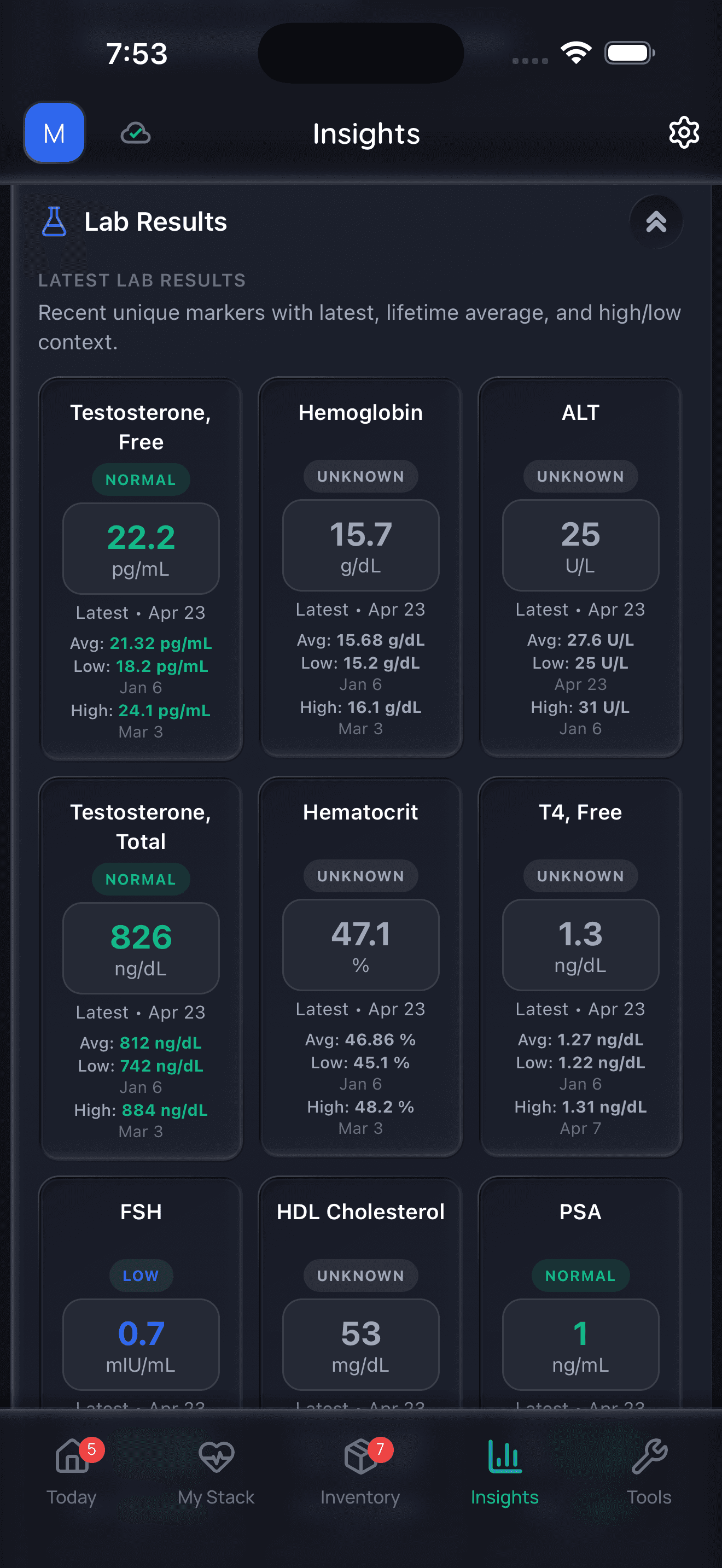
Doserly organizes data; it does not diagnose or interpret labs for you.
Side Effects & Safety
The Basics
Propolis is generally considered safe at the doses commonly used in supplements (400-1,000 mg/day), and clinical trials lasting up to 90 days have not reported serious adverse events at these levels. The median lethal dose in mice is greater than 7.34 g/kg body weight, confirming a wide safety margin [3].
However, there are real safety concerns that deserve attention:
Allergic reactions are the most common adverse effect. Propolis is a known contact allergen, and its increased use in cosmetics, supplements, and food products has led to a documented rise in both skin reactions and systemic allergic responses. People who are allergic to bee stings, honey, ragweed, or chrysanthemums should avoid propolis entirely. People with asthma or eczema may also face elevated risk [7].
Serious adverse event case reports exist in the medical literature. These include elevated liver enzymes from chronic high-dose consumption, acute kidney failure requiring dialysis after just two weeks of use, a case of propolis aspiration mimicking lung cancer, and a life-threatening deep neck infection from liquid propolis use. While these cases are rare and often involve unusual circumstances (excessive dosing, non-standard routes of administration), they illustrate that "natural" does not mean risk-free [7].
Drug interactions are a concern, particularly with blood thinners. Propolis may increase the anticoagulant effect of warfarin, and a case report documented a clinically significant increase in INR. Propolis also appears to inhibit CYP450 enzymes in animal studies, which could theoretically increase the blood levels and half-life of many prescription medications [7][10].
Potential pro-oxidant effects at high doses have been noted in preclinical research. Some propolis constituents, including chrysin, have demonstrated mutagenic activity in laboratory assays. These findings do not necessarily translate to risk at normal supplement doses, but they warrant ongoing investigation [7].
The Science
Tolerability in clinical trials:
Across 27 RCTs included in the Bahari et al. meta-analysis, propolis was generally well-tolerated at doses ranging from 400 to 1,000 mg/day for durations up to 13 months [4]. A safety review reported propolis and its constituents as "generally well tolerated and non-toxic unless administered in very large quantities" [3]. LD50 in conscious mice exceeds 7.34 g/kg [3].
Allergic hypersensitivity:
Propolis has strong sensitizing properties and is classified as a contact allergen. Increased commercial use has led to a rise in both contact allergy and systemic reactions [7]. Contraindicated in individuals allergic to bee stings, honey, ragweed, or chrysanthemums [7]. Cross-reactivity with royal jelly is expected.
Hepatotoxicity: Elevated liver enzymes documented in a young man with chronic ingestion of large amounts of propolis candies (>10 per day) [7].
Nephrotoxicity: Acute renal failure requiring hemodialysis in a 59-year-old man after two weeks of propolis ingestion. CAPE-mediated iNOS inhibition may decrease renal perfusion in susceptible individuals [3][7].
Serious respiratory adverse events: Propolis aspiration mimicking lung cancer from chronic nasal application, and descending necrotizing mediastinitis from liquid propolis causing deep throat inflammation [7].
Warfarin interaction: A case report described probable interaction between warfarin and honeybee pollen causing INR elevation [7].
CYP450 inhibition: Animal data demonstrates significantly increased AUC (48.91 vs. 26.11 mcg*h/mL), prolonged T1/2 (11.75 vs. 5.93 h), and increased MRT (17.26 vs. 8.96 h) for co-administered drugs, suggesting propolis may inhibit CYP450 metabolic enzymes [10].
Pro-oxidant and mutagenic potential: Propolis constituents may act as pro-oxidants at high concentrations, produce cytotoxic effects in normal cells, and demonstrate mutagenic activity (particularly chrysin) [7].
Managing side effect risks across a multi-supplement stack can feel overwhelming, especially when interactions between supplements, medications, and foods add layers of complexity. Doserly brings all of that into a single safety view so nothing falls through the cracks.
Rather than researching every possible interaction yourself, the app checks your full stack automatically and flags supplement-drug and supplement-supplement interactions that warrant attention. If you do experience something unexpected, logging it takes seconds, and over time the app helps you spot patterns: whether symptoms correlate with specific doses, timing, or combinations. One place for the safety picture that matters most when your stack grows beyond a few bottles.
Capture changes while they are still fresh.
Log symptoms, energy, sleep, mood, and other observations alongside protocol events so patterns do not live only in memory.
Trend view
Symptom timeline
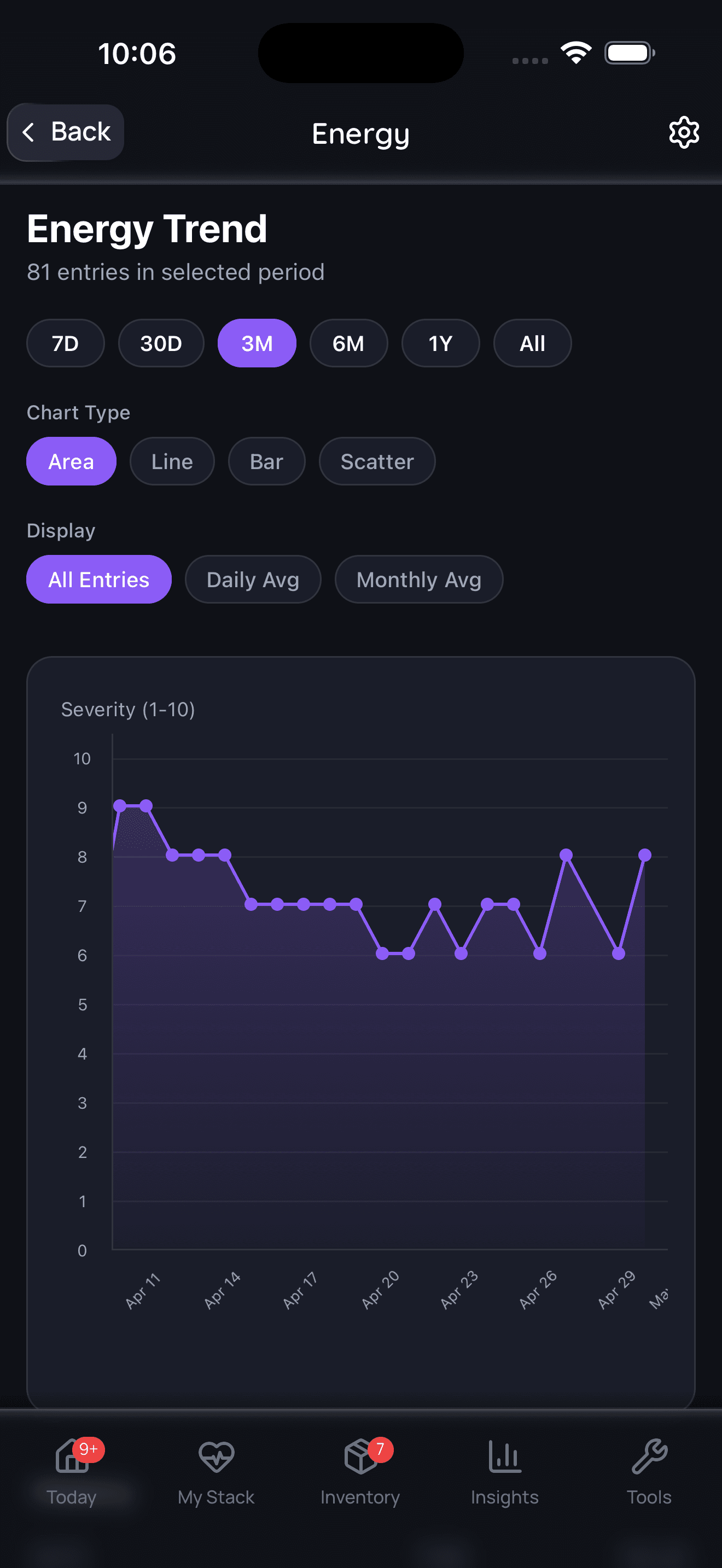
Symptom tracking is informational and should be interpreted with a qualified clinician.
Dosing & Usage Protocols
The Basics
There is no universally established dose for propolis, and this is partly because propolis itself is not a single standardized compound. The active ingredient content varies between products, making dose comparisons across studies and brands challenging.
That said, based on the available clinical trial data, here is what sources report:
Commonly used oral doses in clinical trials range from 400 to 1,000 mg/day, typically taken as capsules or standardized extract. The 500 mg/day level has been highlighted in one meta-analysis as potentially optimal for certain antioxidant markers, while several RCTs in type 2 diabetes populations used 900-1,000 mg/day for 8-12 weeks with good results [4][5][9].
Topical applications in studies typically use 0.5-3% propolis concentrations in ointments, applied up to five times daily for conditions like cold sores [3].
Throat sprays and tinctures use variable concentrations (20-30% propolis in ethanol). These are typically used as-needed for sore throat relief, with a few sprays several times daily being a common pattern.
Duration in clinical trials ranges from 8 weeks to 13 months. The 8-week timepoint appears particularly relevant, as non-linear dose-response modeling suggests this may be an optimal duration for certain antioxidant improvements [4].
For breastfeeding adults, some sources report up to 300 mg/day for up to 10 months as a commonly cited upper range, though safety data in this population is limited [3].
The Science
Dosing data from clinical trials and meta-analyses:
Population
T2DM patients
- Dose
- 1,000 mg/day
- Duration
- 90 days
- Key Outcomes
- Reduced HbA1c, 2hpp, insulin, HOMA-IR [9]
Population
MetS/T2DM adults
- Dose
- 400-1,000 mg/day
- Duration
- 8-12 weeks
- Key Outcomes
- Reduced FBS, triglycerides [5][6]
Population
Healthy/mixed adults
- Dose
- <1,000 mg/day
- Duration
- <12 weeks
- Key Outcomes
- Significant anti-inflammatory effects [4]
Population
Breastfeeding adults
- Dose
- Up to 300 mg/day
- Duration
- Up to 10 months
- Key Outcomes
- Reported range; limited safety data [3]
Population
Topical (cold sores)
- Dose
- 0.5-3% ointment
- Duration
- As needed
- Key Outcomes
- Applied up to 5x daily [3]
Non-linear dose-response analysis suggests 500 mg/day as potentially optimal for SOD enhancement and 8 weeks as optimal duration for SOD improvement [4]. However, the dosage of propolis was not identified as a source of heterogeneity for most inflammatory markers, suggesting effects are present across the commonly used dose range [4].
The difficulty with prescribing an accurate dose is pronounced. Phenolic compound content varies based on geographical origin, making it difficult to define a universally correct dosage [3]. Standardization to specific bioactive markers (total polyphenols, CAPE content, artepillin C content) would improve dose comparability but is not currently required.
When your stack includes several supplements, each with its own dose, form, and timing requirements, the logistics alone can derail consistency. Doserly consolidates all of it into one protocol view, so every dose across your entire routine is accounted for without spreadsheets or guesswork.
The app also tracks cumulative intake for nutrients that appear in multiple products. If your multivitamin, standalone supplement, and fortified protein shake all contain the same nutrient, Doserly adds them up and shows you the total alongside recommended and upper limits. Managing a thoughtful supplement protocol shouldn't require a degree in nutrition science. The app handles the complexity so you can focus on staying consistent.
Track injection timing, draw notes, and site rotation.
Doserly helps keep syringe-related notes, injection site history, reminders, and reconstitution context together for easier review.
Injection log
Site rotation
Injection logs support record-keeping; follow clinician instructions for administration.
What to Expect (Timeline)
Based on available clinical data and community reports, here is a general timeline of what users may experience when starting propolis supplementation:
Weeks 1-2: Most people will not notice dramatic effects during this initial period. Propolis is not a fast-acting supplement for most of its potential benefits. Some users report that propolis throat sprays provide near-immediate sore throat relief, but systemic benefits from oral capsules take longer to manifest. Mild GI adjustment is possible in some individuals.
Weeks 3-4: Some users begin to report subjective improvements in general wellbeing or reduced frequency of minor respiratory complaints. Anti-inflammatory biomarker changes may begin to become measurable at this stage, though individual variation is substantial.
Weeks 5-8: This is the timeframe where clinical trial data suggests measurable changes become more consistent. Non-linear dose-response modeling identifies 8 weeks as potentially optimal for antioxidant enzyme (SOD) enhancement [4]. Blood sugar and lipid improvements in diabetic populations typically become statistically significant within this window [5][6].
Weeks 9-12+: Sustained supplementation at 400-1,000 mg/day over 90 days has demonstrated significant improvements in HbA1c, insulin resistance, and inflammatory markers in clinical settings [9]. Long-term users in the community who perceive benefits tend to continue indefinitely, with one reported case of over 2 years of daily use.
Important context: Many potential users take propolis as-needed (at the first sign of a cold, or for sore throat relief) rather than as a daily maintenance supplement. For as-needed use, the timeline is different: topical and throat spray effects are reported within hours, while oral capsules taken at illness onset may have effects over days rather than weeks.
Interactions & Compatibility
SYNERGISTIC
- Vitamin C: Complementary antioxidant pathways. Vitamin C provides direct aqueous-phase free radical scavenging while propolis flavonoids act in lipid-phase and modulate endogenous antioxidant enzymes.
- Zinc: Complementary immune support. A propolis/zinc suspension reduced acute otitis media infections in children in clinical research [7].
- Quercetin: Shared anti-inflammatory mechanisms (NF-kB modulation, cytokine reduction). May have additive effects on inflammatory markers.
- Elderberry: Traditional pairing for respiratory infection support. Different mechanisms of immune modulation.
- Cranberry: A propolis/cranberry combination reduced urinary tract infection recurrence in a multicenter RCT [7].
- Curcumin: Shared NF-kB inhibition pathway. Both have documented anti-inflammatory effects in meta-analyses.
CAUTION / AVOID
- Warfarin (and other anticoagulants): Propolis may increase anticoagulant effects. A case report documented clinically significant INR elevation with honeybee pollen/propolis [7]. Monitor INR closely if combining.
- CYP450-metabolized drugs: Animal data suggests propolis inhibits CYP450 enzymes, potentially increasing drug levels and half-lives for medications processed through this pathway (statins, certain antidepressants, calcium channel blockers, etc.) [10]. Consult a healthcare provider before combining.
- Immunosuppressant medications: Propolis has immunomodulatory effects that could theoretically interfere with immunosuppressive therapy. Not studied but warrants caution.
- Other bee products (Royal Jelly): Cross-allergenicity is expected. If allergic to one bee product, avoid others.
How to Take / Administration Guide
Recommended forms: Ethanol-based extracts and standardized capsules are the best-studied forms. Ethanol extracts show superior bioactive compound content and absorption compared to water or glycerol preparations [12]. Capsules provide convenience and more consistent dosing.
Timing considerations: Propolis can be taken at any time of day. Taking with food may reduce any GI sensitivity. For throat-specific benefits, sprays and tinctures applied directly to the throat are reported to work more quickly than capsules.
Form selection by goal:
- General anti-inflammatory/antioxidant support: Capsules or standardized extract (400-500 mg/day)
- Blood sugar support (in conjunction with medical care): Higher-dose capsules as studied in RCTs (900-1,000 mg/day)
- Acute throat/respiratory support: Propolis throat spray or tincture, used as-needed
- Skin/wound support: Topical propolis cream or ointment (0.5-3%)
Cycling guidance: There is no established need for cycling propolis. Clinical trials have used continuous supplementation for up to 13 months. However, given the limited long-term safety data beyond this timeframe, periodic reassessment with a healthcare provider is reasonable.
Quality note: Because propolis composition varies by geographic origin and extraction method, switching brands or sources may change the bioactive profile you are receiving. Consistency with a single, well-sourced product is advisable for tracking outcomes.
Choosing a Quality Product
Third-party certifications: Look for products tested by USP, NSF, or ConsumerLab for identity, purity, and potency. GMP certification indicates the manufacturer follows good manufacturing practices.
Standardization: Quality propolis products may be standardized to total polyphenol content, total flavonoid content, or specific markers such as CAPE or artepillin C. Standardization helps ensure consistent dosing across batches. Products without any standardization marker make it difficult to know what you are actually getting.
Geographic origin matters: Brazilian green propolis, European poplar propolis, and other regional varieties have meaningfully different bioactive profiles. Choose a product whose origin is clearly stated, as this influences the dominant active compounds.
Ethanol extraction preferred: Products made from ethanol-based extraction generally contain higher concentrations of bioactive compounds and demonstrate superior antioxidant capacity compared to water or glycerol extracts [12].
Red flags:
- Products that do not disclose the propolis type or geographic origin
- No standardization to any bioactive marker
- Proprietary blends that hide the actual propolis dose
- Extravagant health claims (cancer cure, cure-all)
- Products using non-standard extraction methods without published data
Allergy testing: Given propolis's known allergenicity, consider a small test dose before committing to full supplementation. Individuals with known bee product, ragweed, or chrysanthemum allergies should avoid propolis entirely.
Storage & Handling
Propolis products should be stored in a cool, dry place away from direct sunlight and excessive heat. Raw propolis becomes brittle at low temperatures and soft, sticky, and potentially messy at warm temperatures.
Tinctures (liquid extracts) should be kept tightly sealed to prevent alcohol evaporation, which would change the concentration. Capsules are generally stable at room temperature when stored in their original container with the lid tightly closed.
Ethanol-based preparations tend to have longer shelf lives than water-based extracts. Check expiration dates and note that phenolic compounds, the primary bioactive constituents, can degrade with prolonged heat or light exposure.
Refrigeration is not typically necessary for standard capsules or sealed tinctures but may extend the shelf life of opened products, particularly in warm climates.
Lifestyle & Supporting Factors
Diet: A diet rich in fruits, vegetables, and other polyphenol-containing foods complements propolis supplementation by providing diverse antioxidant compounds through different pathways. For people taking propolis for blood sugar management, dietary modifications remain the foundation of metabolic health.
Exercise: Regular physical activity independently reduces inflammatory markers and improves insulin sensitivity, potentially amplifying the anti-inflammatory and metabolic effects seen with propolis in clinical trials.
Hydration: Adequate water intake supports kidney function, which is relevant given the rare but documented case of propolis-associated renal impairment.
Monitoring: For individuals taking propolis for metabolic support (blood sugar, lipids), regular monitoring of fasting blood glucose, HbA1c, and lipid panels provides objective feedback on whether supplementation is contributing to their health goals.
Deficiency context: Unlike vitamins and minerals, there is no such thing as a "propolis deficiency." Propolis is not an essential nutrient. Its benefits, if they apply to an individual, derive from its pharmacological properties rather than from correcting a nutritional gap.
Regulatory Status & Standards
United States (FDA): Propolis is sold as a dietary supplement under DSHEA. It is not approved by the FDA for the treatment, cure, or prevention of any disease. Propolis is not classified as GRAS (Generally Recognized as Safe) for food additive purposes, though it is marketed as a dietary supplement.
Canada (Health Canada): Propolis is available as a licensed Natural Health Product (NHP). Products require an NPN (Natural Product Number) and must comply with NHP regulations.
European Union (EFSA): Propolis is available as a food supplement in EU markets. EFSA has not approved specific health claims for propolis. Novel Food classification may apply to certain novel preparations or extracts.
Australia (TGA): Propolis is listed as a complementary medicine ingredient. Products containing propolis must comply with TGA regulations for listed medicines.
Athlete & Sports Regulatory Status:
Propolis is not listed on the WADA Prohibited List and is not a prohibited substance under any major national anti-doping agency (USADA, UKAD, Sport Integrity Canada, Sport Integrity Australia). It is not on the NCAA banned substance list.
However, as with all supplements, contamination risk exists. Athletes subject to drug testing should look for products certified by Informed Sport, NSF Certified for Sport, or Cologne List to reduce the risk of inadvertent consumption of prohibited substances. GlobalDRO (globaldro.com) can be used to verify the status of specific products.
Regulatory status and prohibited substance classifications change frequently. Athletes should always verify the current status of any supplement with their sport's governing body, their national anti-doping agency, and a qualified sports medicine professional before use. Third-party certification (Informed Sport, NSF Certified for Sport) reduces but does not eliminate the risk of contamination with prohibited substances.
Frequently Asked Questions
What is propolis, and how is it different from honey or royal jelly?
Propolis is a resinous substance that bees make by combining tree sap, resin, and beeswax with their own enzymes. It serves as a structural sealant and antimicrobial coating for the hive. Honey is a food product made from flower nectar, and royal jelly is a protein-rich secretion used to feed bee larvae. Each has a different composition and set of researched properties. People allergic to one bee product may react to others.
Is propolis effective for colds and sore throats?
Propolis throat sprays are widely used for sore throat relief and have some clinical support for antimicrobial effects. For cold prevention and treatment, the evidence is less robust than for supplements like zinc or vitamin C. Community reports suggest propolis may help shorten cold duration, but large-scale clinical trials specifically for cold prevention with oral propolis are limited.
What dose of propolis should I consider?
Based on available clinical trial data, commonly reported oral doses range from 400 to 1,000 mg/day. Many RCTs have used 500 mg/day for general antioxidant support and 900-1,000 mg/day in diabetes-related studies. There is no officially established dose. Consulting a healthcare professional for personalized guidance is advisable.
Can I take propolis if I'm allergic to bees?
No. Individuals with known allergies to bee stings, honey, ragweed, or chrysanthemums should avoid propolis. Propolis has strong sensitizing properties, and allergic reactions ranging from skin rashes to anaphylaxis have been reported.
Does the type of propolis matter?
Yes, significantly. Brazilian green propolis, European poplar propolis, and other regional varieties contain different bioactive compounds and have different pharmacological profiles. The effects documented in studies using one type may not apply to products made from a different type. Choosing a product that specifies its source and type is important.
Can propolis interact with my medications?
Propolis may interact with warfarin and other anticoagulants, increasing bleeding risk. Animal data suggests it may also inhibit CYP450 enzymes, potentially affecting the metabolism of many prescription drugs. Anyone taking prescription medications should consult their healthcare provider before adding propolis.
Is propolis safe during pregnancy or breastfeeding?
Safety data in pregnancy is insufficient, and most sources recommend avoidance. For breastfeeding, some sources cite up to 300 mg/day for up to 10 months as a reported range, but this should only be undertaken with clinician oversight.
How long does it take for propolis to work?
For oral supplementation targeting anti-inflammatory or metabolic effects, clinical data suggests measurable changes typically become apparent around 8 weeks, with more pronounced effects at 12 weeks. For acute sore throat relief with sprays, effects may be felt within hours.
Is propolis a good supplement for diabetes?
Multiple meta-analyses have found that propolis significantly reduces fasting blood sugar and triglyceride levels in people with type 2 diabetes. However, propolis is not a substitute for diabetes medication, diet management, or medical care. It may serve as a complementary addition under healthcare provider supervision.
Can propolis help with skin issues?
Topical propolis has the strongest evidence for skin applications, including small trials for warts, fungal infections, and wound healing. Oral propolis for skin improvement has much weaker evidence. Community reports of oral-to-skin benefits are mixed and inconclusive.
Myth vs. Fact
Myth: Propolis is a "cure-all" natural remedy that treats everything from cancer to infections.
Fact: While propolis has demonstrated anti-inflammatory and antioxidant properties in clinical trials, calling it a cure-all is misleading. Its strongest human evidence is for reducing inflammatory markers and modestly improving blood sugar in diabetic populations. A clinical trial for colon cancer prevention found no benefit and potential harm. Many claimed uses are supported only by cell or animal studies [4][7].
Myth: All propolis supplements are the same.
Fact: Propolis composition varies dramatically by geographic origin, plant source, bee species, season, and extraction method. Brazilian green propolis contains artepillin C as its main bioactive, while European poplar propolis is rich in chrysin and CAPE. These are fundamentally different products with different pharmacological profiles, making "propolis" one of the most variable supplements on the market [2][3].
Myth: Propolis is completely safe because it's natural.
Fact: While propolis is generally well tolerated at standard doses, serious adverse events have been documented, including acute kidney failure, elevated liver enzymes, and life-threatening throat infections. Propolis is a known contact allergen, and some of its constituents have shown mutagenic and pro-oxidant activity in laboratory testing. Natural origin does not guarantee safety [7].
Myth: Propolis is just another name for bee pollen or royal jelly.
Fact: Propolis, bee pollen, and royal jelly are three distinct bee products with different compositions and properties. Propolis is a resinous hive-sealing material made from tree sap, bee pollen is a food product made from plant pollens and nectar, and royal jelly is a protein-rich glandular secretion. They share allergenicity risk but have different bioactive profiles.
Myth: You need to take massive doses of propolis to see benefits.
Fact: Clinical trials have demonstrated significant effects on inflammatory markers and blood sugar at doses of 400-1,000 mg/day. Meta-analytic data suggests that doses under 1,000 mg/day may actually produce stronger anti-inflammatory effects in subgroup analyses, and 500 mg/day appeared optimal for certain antioxidant markers. More is not necessarily better [4].
Myth: Propolis boosts your immune system to fight cancer.
Fact: While propolis shows anticancer activity in cell cultures and animal models, the only published clinical trial for cancer prevention (colon cancer in high-risk patients) found no benefit. The study actually noted potential negative effects on muscle tissues, including heart muscle cells. Using propolis as a cancer treatment or prevention strategy is not supported by current human evidence [7].
Myth: Ethanol-free propolis extracts are just as effective as alcohol-based ones.
Fact: Research consistently shows that ethanol-based propolis extracts contain higher concentrations of bioactive phenolic and flavonoid compounds and demonstrate superior antioxidant capacity compared to water or glycerol-based preparations. The extraction solvent significantly affects which compounds are present and how well they are absorbed [12].
Sources & References
Systematic Reviews & Meta-Analyses
[1] Martinotti S, Bonsignore G, Ranzato E. Propolis: A Natural Substance with Multifaceted Properties and Activities. Int J Mol Sci. 2025;26(4):1519. doi: 10.3390/ijms26041519. PMID: 40003984.
[2] Rivera-Yanez N, et al. Biomedical properties of propolis on diverse chronic diseases and its potential applications and health benefits. Nutrients. 2020;13:78.
[3] Braakhuis A. Evidence on the health benefits of supplemental propolis. Nutrients. 2019;11(11):2705. doi: 10.3390/nu11112705. PMID: 31717922.
[4] Bahari H, et al. Propolis supplementation on inflammatory and oxidative stress biomarkers in adults: a systematic review and meta-analysis of randomized controlled trials. Front Nutr. 2025;12:1542184. PMID: 40421039.
[5] Rab SO, et al. Propolis Supplementation and Metabolic Syndrome Components in Adults at Risk: A Systematic Review and Meta-Analysis. J Med Food. 2026. PMID: 41767366.
[6] Zhang Y, et al. Propolis effects on blood sugar and lipid metabolism, inflammatory indicators, and oxidative stress in people with type 2 diabetes: a systematic review and meta-analysis. Front Endocrinol. 2025. PMCID: PMC12545095.
Clinical Trials & RCTs
[7] Memorial Sloan Kettering Cancer Center. Propolis. About Herbs Database. Updated July 6, 2022. https://www.mskcc.org/cancer-care/integrative-medicine/herbs/propolis
[8] Gardana C, Simonetti P, Berti C, Pietta P. Evaluation of propolis polyphenols absorption in humans by liquid chromatography/tandem mass spectrometry. Rapid Commun Mass Spectrom. 2007;21:3849-3854.
[9] Samadi N, et al. The Effect of Iranian Propolis on Glucose Metabolism, Lipid Profile, Insulin Resistance, Renal Function and Inflammatory Biomarkers in Patients with Type 2 Diabetes Mellitus: A Randomized Double-Blind Clinical Trial. Sci Rep. 2019;9(1):7289. doi: 10.1038/s41598-019-43838-8.
Pharmacokinetic Studies
[10] Food-Drug Interactions: Effect of Propolis on the Pharmacokinetics of Enrofloxacin and Its Active Metabolite. Applied Sciences. 2025. PMCID: PMC12299926.
[11] Yamaga M, et al. Pharmacokinetics and metabolism of cinnamic acid derivatives and flavonoids after oral administration of Brazilian green propolis in humans. Food Funct. 2021;12:2520-2530. doi: 10.1039/D0FO02541K.
[12] Medina-Perez G, et al. Exploring Apis mellifera Propolis Extracts: Bioavailability, Protective Effects, and Applications. Applied Sciences. 2025;15(20):11043.
Additional Meta-Analyses
[13] Fazeli Moghadam E, et al. Effects of propolis supplementation on blood glucose and lipid profiles in individuals with metabolic syndrome and type 2 diabetes: a systematic review and meta-analysis. Clin Nutr Res. 2026;15(1):45-54.
[14] Kocot J, et al. Antioxidant potential of propolis, bee pollen, and royal jelly: Possible medical application. Oxid Med Cell Longev. 2018;2018:7074209.
[15] Pieranski MK, et al. Therapeutic Potential of Propolis in Preclinical Models of Cancer and Infectious Diseases: A Review. MDPI. 2025. PMCID: PMC12539513.
Related Supplement Guides
Same Category (Bee Products)
Common Stacks / Pairings
- Vitamin C — complementary antioxidant support
- Zinc — complementary immune pathways, studied in combination
- Quercetin — synergistic anti-inflammatory effects
- Elderberry — traditional respiratory immune support pairing
- Cranberry — studied in combination for UTI prevention
Related Health Goal
- Echinacea — immune support, herbal antimicrobial
- Curcumin — anti-inflammatory, NF-kB modulation
- Resveratrol — antioxidant, polyphenol
- Berberine — blood sugar management
- Omega-3 (Fish Oil) — anti-inflammatory, cardiovascular support