
Turkey Tail Mushroom: The Complete Supplement Guide
On this page
Quick Reference Card
Attribute
Common Name
- Detail
- Turkey Tail Mushroom
Attribute
Other Names / Aliases
- Detail
- Trametes versicolor, Coriolus versicolor, Polyporus versicolor, Yun Zhi (Chinese), Kawaratake (Japanese), PSK (Polysaccharide K), Krestin
Attribute
Category
- Detail
- Medicinal Mushroom (Basidiomycetes class, Polyporaceae family)
Attribute
Primary Forms & Variants
- Detail
- PSK (Krestin, protein-bound polysaccharide, ~35% carbohydrate/28-35% protein, most studied for oncology), PSP (polysaccharopeptide, ~60% polysaccharide/10-30% peptide, Chinese extract), hot-water extract (concentrates beta-glucans), whole mushroom powder (fruiting body, requires higher doses), mycelium-on-grain (includes fermented substrate, variable potency)
Attribute
Typical Dose Range
- Detail
- 1-3 g/day standardized extract for general immune support; 3 g/day PSK for clinical oncology protocols; up to 9 g/day shown safe in Phase 1 trial
Attribute
RDA / AI / UL
- Detail
- No established RDA, AI, or UL (medicinal mushroom, not an essential nutrient)
Attribute
Common Delivery Forms
- Detail
- Capsule, powder, tea, tincture, liquid extract
Attribute
Best Taken With / Without Food
- Detail
- Can be taken with or without food. Dividing daily dose into 2-3 servings may improve tolerability.
Attribute
Key Cofactors
- Detail
- Vitamin C may enhance immune function synergistically; hot-water extraction required to release beta-glucans from chitin cell walls
Attribute
Storage Notes
- Detail
- Store in a cool, dry place away from direct sunlight and moisture. Dried whole mushroom and powder should remain dry to prevent mold. No refrigeration required for most supplement forms.
Overview
The Basics
Turkey Tail mushroom is one of the most extensively researched medicinal mushrooms in the world. Named for its colorful, fan-shaped fruiting bodies that resemble the tail feathers of a wild turkey, this common woodland fungus has a long history of use in traditional Chinese and Japanese medicine as a tonic for overall vitality and immune health [1][2].
What distinguishes turkey tail from other popular medicinal mushrooms like Lion's Mane or Cordyceps is the depth of its clinical evidence, particularly in oncology. A purified extract called PSK (Polysaccharide K, sold as Krestin) has been used as a prescription adjuvant cancer treatment in Japan since 1977. At its peak in the late 1980s, PSK accounted for more than 25% of Japan's total national spending on anticancer drugs [3][4]. This level of clinical integration is unmatched by any other medicinal mushroom.
For the general supplement user, turkey tail is primarily taken for immune system support. Its bioactive compounds, particularly beta-glucans and protein-bound polysaccharides, interact with immune receptors in ways that appear to modulate rather than simply "boost" immune function. This distinction matters: turkey tail appears to help calibrate immune response rather than indiscriminately stimulating it [5][6].
It is important to note that while the clinical evidence for PSK as a cancer adjuvant is substantial, turkey tail supplements available in the United States and Europe are not standardized to the same pharmaceutical specifications as Japanese PSK. The gap between clinical-grade PSK and consumer supplement products is significant and should inform expectations [7].
The Science
Trametes versicolor (formerly Coriolus versicolor) is a saprophytic polypore fungus of the Basidiomycetes class, found on dead and fallen hardwood trees across temperate regions of Europe, North America, and Asia [1]. The species is recognized by its fan-shaped, concentrically zoned fruiting bodies exhibiting variable coloration.
The primary bioactive constituents of interest are protein-bound polysaccharides, specifically PSK (Polysaccharide K) and PSP (Polysaccharopeptide). PSK is derived from the mycelium of the CM-101 strain via hot-water extraction followed by ammonium sulfate precipitation [4]. PSP, developed in China, is extracted from a different strain (Cov-1) and differs from PSK in its peptide-bound sugar composition: PSK contains fucose, while PSP contains rhamnose and arabinose [8]. Both have molecular weights of approximately 100 kDa and are considered analogous compounds with overlapping biological activities [8].
Beyond PSK and PSP, turkey tail contains beta-glucans (the primary immunomodulatory polysaccharide class), triterpenoids, ergothioneine, phytosterols, and various phenolic compounds with antioxidant properties [1][9]. The beta-glucan content is responsible for much of the immunomodulatory activity, acting through pattern-recognition receptors including Toll-like receptor 2 (TLR2), dectin-1, and complement receptor 3 (CR3) on innate immune cells [5][10].
Chemical & Nutritional Identity
Property
Scientific Name
- Value
- Trametes versicolor (syn. Coriolus versicolor, Polyporus versicolor)
Property
Taxonomic Class
- Value
- Basidiomycetes
Property
Family
- Value
- Polyporaceae
Property
Active Compound Class
- Value
- Protein-bound polysaccharides (beta-glucans)
Property
Key Bioactives
- Value
- PSK (Polysaccharide K), PSP (Polysaccharopeptide), beta-glucans, triterpenoids, ergothioneine
Property
PSK Molecular Weight
- Value
- ~100 kDa
Property
PSP Molecular Weight
- Value
- ~100 kDa
Property
PSK Composition
- Value
- ~35% soluble carbohydrate, 28-35% protein, fucose sugar side chain
Property
PSP Composition
- Value
- ~60% polysaccharide, 10-30% peptide, rhamnose and arabinose side chains
Property
CAS Number
- Value
- 50488-44-0 (PSK)
Property
Category
- Value
- Medicinal mushroom, biological response modifier
Property
Part Used
- Value
- Fruiting body (whole mushroom products), mycelium (PSK/PSP extraction)
Common Supplement Forms
Form
PSK (Krestin)
- Source Material
- Mycelium (CM-101 strain)
- Standardization
- Pharmaceutical-grade protein-bound polysaccharide
- Notes
- Japanese prescription drug; most studied form; not widely available as OTC supplement
Form
PSP (Im-Yunity)
- Source Material
- Mycelium (Cov-1 strain)
- Standardization
- Standardized polysaccharopeptide
- Notes
- Chinese extract; used in clinical trials; available in some specialty supplements
Form
Hot-water extract
- Source Material
- Fruiting body
- Standardization
- Standardized to beta-glucan content (typically 30-50%)
- Notes
- Concentrates active compounds; preferred consumer supplement form
Form
Whole mushroom powder
- Source Material
- Fruiting body
- Standardization
- Unstandardized
- Notes
- Requires higher doses (3-4 g/day); less concentrated
Form
Mycelium-on-grain
- Source Material
- Mycelium grown on rice/oat substrate
- Standardization
- Variable; often includes fermented substrate
- Notes
- Includes both mycelial and fermented substrate compounds; potency varies
Form
Tincture / Liquid extract
- Source Material
- Fruiting body or mycelium
- Standardization
- Dual extraction (water + alcohol) or water only
- Notes
- May capture both water-soluble and alcohol-soluble compounds
Mechanism of Action
The Basics
Turkey tail works primarily by communicating with your immune system rather than acting as a direct antimicrobial or anticancer agent. Think of it as providing training signals to your immune cells, helping them recognize threats and respond more effectively.
The key mechanism involves pattern recognition. Your immune cells have specific receptors that are designed to detect molecules commonly found on fungi, bacteria, and other potential threats. The beta-glucans and protein-bound polysaccharides in turkey tail bind to these same receptors, effectively putting your immune system through a practice drill. This triggers a cascade of immune responses, including the activation of Natural Killer (NK) cells, T-cells, and other immune defenders, without actually presenting a threat [5][10].
This is why turkey tail is described as an "immunomodulator" rather than a simple immune booster. It does not just ramp up immune activity indiscriminately. It helps train and calibrate the system. For people whose immune function has been suppressed (for example, by chemotherapy), this modulatory effect can help restore immune cell populations toward normal levels [11].
Turkey tail also appears to function as a prebiotic, feeding beneficial gut bacteria and promoting changes in the microbiome that may support both digestive and immune health [12].
The Science
The immunomodulatory activity of Trametes versicolor and its extracts operates through several interconnected molecular pathways:
Toll-like Receptor 2 (TLR2) Agonism: PSK functions as a direct TLR2 agonist, activating peripheral blood mononuclear cells (PBMCs) and downstream immune signaling. TLR2 activation stimulates cytokine production, including IL-1alpha, IL-8, TNF-alpha, and IFN-gamma [5][10]. Abolishment of TLR2 in murine models eliminates PSK-induced NK cell activation, confirming TLR2 as a critical receptor [5].
Natural Killer Cell Activation: PSK stimulates NK cells to produce IFN-gamma and increase cytotoxicity against tumor cells. Whether this activation is direct or mediated through dendritic cells remains an area of active investigation [5][13]. In breast cancer patients post-radiotherapy, a trend toward increased NK cell activity was observed with 6 g/day turkey tail mycelia, though this did not reach statistical significance [11].
T-Cell Enhancement: PSK increases CD4+ and CD8+ T-cell populations in vitro at concentrations of 10-200 mcg/mL. In animal models, PSK (100 mg/kg) increased cytotoxic T-cell response against tumor cells [5]. A Phase 1 trial in breast cancer patients showed normalization of lymphocyte counts (reduced by radiotherapy) at 6-9 g/day, with counts exceeding pre-radiation levels after 6 weeks [11].
Dendritic Cell Maturation: PSK promotes dendritic cell maturation and antigen presentation, enhancing the bridge between innate and adaptive immunity [6].
Apoptosis Induction: In promyelocytic leukemia cells (HL-60), both ethanolic and water extracts of turkey tail suppressed cell viability in a concentration-dependent manner. Water extract was more potent, with 7.5-10 mcg/mL suppressing viability below 25% of baseline [14]. PSK induces apoptosis via the p38 MAPK pathway [15].
Anti-metastatic Activity: A medicinal mushroom blend containing Coriolus versicolor inhibited cell proliferation and induced G2/M cell cycle arrest in invasive breast cancer cells, suppressing urokinase plasminogen activator and reducing cell adhesion, migration, and invasion [16].
Prebiotic Modulation: PSP from turkey tail modulates gut microbiome composition in healthy volunteers, acting as a prebiotic. A randomized clinical trial showed consistent microbiome changes distinct from antibiotic-induced disruption [12]. In vitro colonic simulation studies confirmed increased short-chain fatty acid (SCFA) production including acetate, propionate, and butyrate [17].
Absorption & Bioavailability
The Basics
The bioavailability of turkey tail depends significantly on the form you take and how the product was prepared. The active compounds, beta-glucans and protein-bound polysaccharides, are locked inside the mushroom's cell walls, which are made of chitin (the same material in crustacean shells). Your digestive system cannot break down chitin efficiently on its own, which is why raw mushroom powder may deliver fewer active compounds than a properly extracted product [9].
Hot-water extraction is the traditional and most effective method for releasing beta-glucans from turkey tail. This process breaks down the chitin cell walls and makes the polysaccharides available for absorption. Some products use dual extraction (water plus alcohol) to capture both water-soluble polysaccharides and alcohol-soluble triterpenoids.
PSK and PSP are high-molecular-weight compounds (~100 kDa) that do not follow typical small-molecule pharmacokinetics. Rather than being absorbed intact into the bloodstream, they likely exert their effects partly through direct interaction with gut-associated immune tissue and partly through microbiome-mediated metabolites [12][18].
The Science
The pharmacokinetics of PSK/PSP differ fundamentally from small-molecule supplements. As large polysaccharide-protein complexes, their absorption follows a model more analogous to dietary fiber than to a conventional pharmaceutical compound.
Beta-glucans interact with immune cells in the gut-associated lymphoid tissue (GALT), including Peyer's patches and M cells, which sample luminal contents and present antigens to underlying immune cells. This mechanism does not require systemic absorption of intact polysaccharides to produce immunomodulatory effects [18].
Additionally, gut microbiome fermentation of turkey tail polysaccharides produces short-chain fatty acids (SCFAs) that serve as signaling molecules and energy substrates for colonocytes. The prebiotic effect demonstrated in clinical trials suggests that microbiome-mediated pathways contribute to the overall biological activity [12][17].
The distinction between extract types is clinically important. Hot-water extraction concentrates water-soluble beta-glucans and polysaccharide-protein complexes. Products standardized to beta-glucan content (typically 30-50% for quality extracts) provide more consistent active compound delivery than unstandardized whole mushroom powders.
Mycelium-on-grain products present an additional variable: the fermented grain substrate itself has immune-activating properties distinct from the mycelium, and the combined product may have biological activities not present in either component alone [19].
Research & Clinical Evidence
The Basics
Turkey tail has the deepest clinical evidence base of any medicinal mushroom, driven primarily by decades of research on PSK in Japan. The evidence is strongest for its role as an adjuvant therapy in cancer treatment, where it has been shown to modestly improve survival when added to conventional chemotherapy.
For colorectal cancer patients receiving chemotherapy, the addition of PSK improved 5-year survival rates across multiple large studies [20][21][22]. Similar benefits have been observed in gastric cancer, where PSK improved outcomes for patients with certain immune profiles [23][24]. In lung cancer, PSP showed potential to slow disease progression [25].
A Phase 1 trial at the University of Washington found that turkey tail mycelia powder (up to 9 g/day) was safe in breast cancer patients and showed trends toward immune cell recovery after radiotherapy, though the study was too small for definitive efficacy conclusions [11].
Beyond oncology, a small but well-designed randomized trial found that PSP acts as a prebiotic, modulating gut microbiome composition in healthy volunteers in ways distinct from antibiotic disruption [12].
It is important to contextualize this evidence: most large clinical trials were conducted in Japan using pharmaceutical-grade PSK alongside Japanese chemotherapy regimens. Whether over-the-counter turkey tail supplements, which differ in composition and standardization from clinical-grade PSK, produce comparable effects has not been established.
The Science
Colorectal Cancer (Good Evidence): Multiple randomized controlled trials demonstrate improved survival outcomes when PSK is added to chemotherapy following surgical resection of colorectal cancer. Torisu et al. (1990) reported significant prolongation of disease-free period [20]. Mitomi et al. (1992) confirmed benefits in a controlled study [21]. Ohwada et al. (2004) demonstrated improved outcomes with oral Tegafur/Uracil plus PSK in stage II-III patients [22]. A Cochrane review found low-certainty evidence of a small survival benefit at 5 years when PSK was added to standard treatment [26].
Gastric Cancer (Modest Evidence): Nakazato et al. (1994) in the Lancet demonstrated that PSK improved 5-year survival as adjuvant treatment after curative resection of gastric cancer [23]. A subsequent analysis found that survival-prolonging effects were more pronounced in patients who were PD-L1 negative, while PSK had no effect on PD-L1 positive patients [24]. A network meta-analysis suggested PSK may improve therapeutic efficacy in gastrointestinal cancer [28].
Breast Cancer (Preliminary Evidence): A Phase 1 trial in women with stage I-III breast cancer showed that 6-9 g/day of turkey tail mycelia normalized lymphocyte counts reduced by radiotherapy, with counts exceeding pre-radiation levels after 6 weeks. The 3 g/day dose was not significantly different from placebo [11]. PSK has been demonstrated to enhance the activity of trastuzumab (Herceptin) against HER2-positive breast cancer cells in preclinical models [5].
Non-Small Cell Lung Cancer: Tsang et al. (2003) found that PSP slowed progression of advanced non-small cell lung cancer, with patients showing increased leukocyte and neutrophil counts and elevated serum IgG and IgM [25].
Meta-Analysis (Overall Cancer): A systematic review and meta-analysis of randomized controlled trials by Zhong et al. (2019) found reduced mortality risk with adjuvant use of Coriolus versicolor across a variety of cancers, though the authors noted that confirmatory studies are needed [29]. Eliza et al. (2012) reviewed 13 RCTs and found slightly better overall survival at 5 years with turkey tail adjunct therapy [30].
HPV/Cervical Lesions: The PALOMA study (Serrano et al., 2021), an open-label randomized trial, found that a Coriolus versicolor-based vaginal gel had clinical benefit over watchful waiting for patients with HPV-related low-grade cervical lesions [31].
Gut Microbiome: Pallav et al. (2014) conducted a randomized clinical trial in 22 healthy volunteers comparing PSP (1200 mg TID for 14 days), amoxicillin, and control. PSP led to clear and consistent microbiome changes consistent with prebiotic activity, while amoxicillin disruption persisted for 42 days post-treatment [12].
Evidence & Effectiveness Matrix
The matrix below combines clinical evidence strength with community-reported effectiveness to provide a balanced view of turkey tail mushroom's profile across health domains.
Category
Immune Function
- Evidence Strength
- 8/10
- Community-Reported Effectiveness
- 7/10
- Confidence
- High
Category
Gut Health
- Evidence Strength
- 5/10
- Community-Reported Effectiveness
- 5/10
- Confidence
- Medium
Category
Side Effect Burden
- Evidence Strength
- 8/10 (low burden)
- Community-Reported Effectiveness
- 8/10 (low burden)
- Confidence
- High
Category
Longevity & Neuroprotection
- Evidence Strength
- 3/10
- Community-Reported Effectiveness
- 4/10
- Confidence
- Low
Category
Inflammation
- Evidence Strength
- 4/10
- Community-Reported Effectiveness
- 4/10
- Confidence
- Low
Category
Digestive Comfort
- Evidence Strength
- 3/10
- Community-Reported Effectiveness
- 4/10
- Confidence
- Low
Category
Energy Levels
- Evidence Strength
- 2/10
- Community-Reported Effectiveness
- 3/10
- Confidence
- Low
Category
Treatment Adherence
- Evidence Strength
- N/A
- Community-Reported Effectiveness
- 6/10
- Confidence
- Low
Evidence Strength reflects the quality and volume of clinical trial data. Community-Reported Effectiveness reflects scored sentiment from community discussions. Confidence reflects the reliability of the combined assessment.
Key Observations:
- Immune function has the strongest alignment between clinical evidence and community reports, driven by decades of oncology research and consistent user interest in immune support
- Side effect burden scores are high (positive), reflecting the remarkably clean safety profile across clinical trials up to 9 g/day
- Energy levels and subjective "felt effects" score low; community members consistently note that turkey tail does not produce the noticeable daily effects associated with Cordyceps or Lion's Mane
- Gut health evidence is emerging, with one well-designed RCT supporting prebiotic activity but limited personal experience reports
- Community data not yet collected for: Fat Loss, Muscle Growth, Weight Management, Appetite & Satiety, Sleep Quality, Focus & Mental Clarity, Memory & Cognition, Mood & Wellbeing, Anxiety, Stress Tolerance, Libido, Sexual Function, Joint Health, Pain Management, Physical Performance, Skin Health, Hair Health, Heart Health, Blood Pressure, Hormonal Symptoms, Bone Health
Benefits
The Basics
Turkey tail mushroom's primary benefit is immune system modulation. Rather than indiscriminately stimulating the immune system, the beta-glucans and polysaccharides in turkey tail help train immune cells to respond more effectively to genuine threats while maintaining balance [5][6].
The most clinically validated benefit is in the oncology setting, where PSK has been shown to modestly improve survival and reduce recurrence when used alongside conventional cancer treatment. This benefit has been demonstrated most consistently in colorectal and gastric cancers [20][21][23].
For healthy individuals, the expected benefits are more subtle. Turkey tail may help maintain robust immune function, support gut microbiome health through prebiotic activity, and provide antioxidant protection. These are not benefits most people will feel on a daily basis, but rather protective effects that may contribute to long-term health resilience [12][17].
A practical benefit worth noting: turkey tail has one of the best safety profiles among all supplements, with clinical trials reporting no significant adverse effects even at high doses (up to 9 g/day) over extended periods (6 months) [11].
The Science
Immunomodulation (Strong Evidence): PSK and PSP activate innate immunity through TLR2 and other pattern-recognition receptors, enhancing NK cell cytotoxicity, T-cell proliferation, dendritic cell maturation, and cytokine production (IL-1alpha, IL-8, TNF-alpha, IFN-gamma) [5][10]. In cancer patients, this translates to improved immune recovery following immunosuppressive treatments [11][30].
Cancer Adjuvant Support (Good Evidence): Systematic reviews and meta-analyses confirm modest survival benefits when PSK/turkey tail is added to conventional cancer treatment across colorectal, gastric, esophageal, and lung cancers [29][30]. The mechanism is believed to involve restoration of immune surveillance against residual cancer cells post-surgery and during chemotherapy [6].
Prebiotic/Gut Microbiome Support (Emerging Evidence): PSP promotes beneficial shifts in gut microbiome composition [12]. In vitro studies demonstrate increased SCFA production (acetate, propionate, butyrate) and enhanced beneficial bacterial populations [17]. These metabolites support gut barrier integrity, reduce inflammation, and serve as energy substrates for colonocytes.
Antioxidant Activity (Preclinical Evidence): Ethanolic extracts of turkey tail demonstrate antioxidant properties in preclinical models. Ergothioneine and phenolic compounds contribute to free radical scavenging [1][9].
Reading about potential benefits gives you a framework. Seeing whether those benefits are showing up in your own body turns knowledge into confidence. Doserly lets you track the specific health markers relevant to this supplement, building a personal dataset that captures what's actually changing week over week.
The app's AI analytics go further than simple logging. By correlating your supplement intake with the biomarkers and health outcomes you're tracking, Doserly surfaces patterns you might miss on your own, like whether a dose adjustment three weeks ago corresponds to the improvement you're noticing now. When it's time to evaluate whether a supplement is earning its place in your stack, you have your own data to guide the decision.
Connect protocol changes to labs and health markers.
Doserly can keep lab results, biomarkers, symptoms, and dose history close together so follow-up conversations have better context.
Insights
Labs and trends
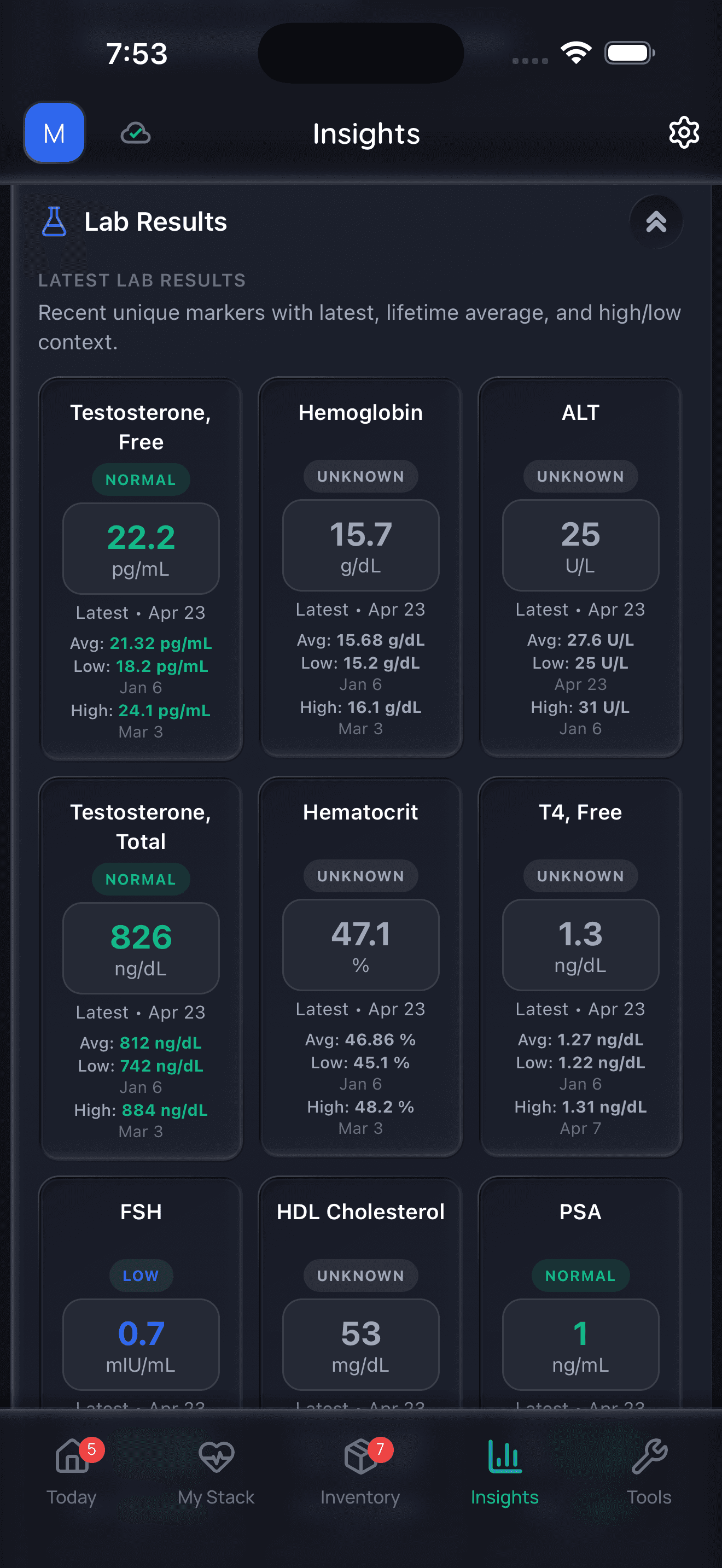
Doserly organizes data; it does not diagnose or interpret labs for you.
Side Effects & Safety
The Basics
Turkey tail mushroom has an exceptionally clean safety profile across clinical trials. Up to 9 g/day for 6 months in women with breast cancer produced no significant side effects [11]. This makes turkey tail one of the better-tolerated supplements available.
The most commonly reported side effects are minor:
- Darkened stools: A harmless color change related to the mushroom pigments, not blood in the stool [32].
- Darkened fingernails: Rare and temporary [33].
- Mild GI discomfort: Bloating, gas, or loose stools, particularly at higher doses or when taken on an empty stomach [34].
- Nausea: Uncommon; usually resolved by taking with food or reducing dose.
Serious adverse effects have not been consistently attributed to turkey tail in clinical trials [34][30].
There are, however, important cautions for specific populations:
Immunosuppressed individuals: Because turkey tail modulates immune function, people taking immunosuppressive medications (organ transplant recipients, autoimmune disease patients on biologics) should use turkey tail only under medical supervision [7].
Pregnancy and breastfeeding: Insufficient safety data exists. Most clinical guidelines recommend avoidance during pregnancy and lactation [7][32].
Bleeding/clotting disorders: Turkey tail has been associated with low platelet counts (thrombocytopenia) in some reports. People with bleeding disorders or on anticoagulant/antiplatelet medications should exercise caution [34].
Mushroom allergies: Individuals with known mushroom allergies should avoid turkey tail supplements [34].
The Science
Clinical Trial Safety Data: A Phase 1 clinical trial of Trametes versicolor mycelia in women with breast cancer tested doses of 3, 6, and 9 g/day over 6 months with no dose-limiting toxicities and no significant adverse effects [11]. A systematic review of 13 RCTs found no evidence of increased major adverse events with turkey tail or PSK as adjuncts to chemotherapy [30].
Reported Adverse Reactions (Rare): Dark colored stools not originating from occult blood [32], darkening of fingernails [33], and low-grade hematological and gastrointestinal toxicities when used in conjunction with chemotherapy, though such effects may be attributable to the chemotherapy agents themselves [21].
Hepatic Considerations: Reduced liver function could theoretically impact the metabolism of other supplements or drugs broken down by the liver. However, no undesirable herb-drug interactions between turkey tail or its constituents and cytotoxic drugs were reported in a systematic review [35].
High-Dose Preclinical Concern: High doses of a hot water extract of Coriolus versicolor enhanced development of large intestinal tumors in mice [36]. However, this finding is not considered clinically relevant as the dosage was 10-13 times higher than what is used in human studies and the mice were injected with known potent carcinogens [7].
Dosing & Usage Protocols
The Basics
Turkey tail dosing depends heavily on the form you are using and your intended purpose. The dosing landscape is more complex than most supplements because of the significant differences between pharmaceutical-grade PSK and consumer supplement products.
General immune support (consumer supplements):
- Hot-water extract: 1-2 g/day
- Whole mushroom powder: 3-4 g/day (higher dose needed due to lower concentration)
Clinical PSK protocols (Japanese oncology):
- 3 g/day divided into three doses, often continued for months to years as maintenance therapy [4][23]
- This dose has been the standard in Japanese oncology since the 1970s
Phase 1 safety data:
- Up to 9 g/day of turkey tail mycelia was safe for 6 months in breast cancer patients [11]
- 3.6 g/day PSP (1200 mg three times daily) was the dose used in the microbiome RCT [12]
Most practitioners recommend starting at the lower end of the range and increasing gradually over 1-2 weeks to assess tolerance. Dividing the daily dose into 2-3 servings, taken with meals, may improve tolerability and provide more consistent immune engagement throughout the day.
Consistency matters more than any single dose. Research suggests immune effects are linked to sustained daily use over at least 8-12 weeks rather than short-term supplementation [4].
The Science
Clinical Dose Rationale: The 3 g/day PSK dose used in Japanese oncology was established through dose-finding studies conducted in the 1970s and has remained the standard clinical dose across gastric, colorectal, and esophageal cancer adjuvant trials [4][23][20]. This dose produces measurable immune parameter changes (TNF-alpha and IL-8 gene expression induction in PBMCs) within hours of oral administration [10].
Dose-Response in Breast Cancer: The Phase 1 trial by Torkelson et al. (2012) tested three dose levels: 3 g, 6 g, and 9 g/day of turkey tail mycelia powder. Lymphocyte count normalization was observed at 6-9 g/day but not at 3 g/day, suggesting a threshold effect for immune recovery in immunosuppressed patients [11]. NK cell activity trends appeared at 6 g/day after 4 weeks but were not statistically significant, and were absent at 6 weeks and with 9 g dosing.
Extract vs. Whole Mushroom: Consumer supplements vary considerably in bioactive compound content. Hot-water extracts standardized to 30-50% beta-glucan content deliver more concentrated active compounds per milligram than whole mushroom powder. The choice of extract type should be guided by the standardization data on the product label and the intended use case.
Getting the dose right matters more than most people realize. Too little may be ineffective, too much wastes money or introduces risk, and inconsistency undermines both. Doserly tracks every dose you take, across every form, giving you a clear record of what you're actually consuming versus what you planned.
The app helps you compare RDA recommendations against therapeutic ranges discussed in the research, so you can see exactly where your intake falls. If you switch forms, say from a standard capsule to a liposomal liquid, Doserly adjusts your tracking to account for different bioavailabilities. Pair that with smart reminders that keep your timing consistent, and the precision that makes a real difference in outcomes becomes effortless.
Build reminders around the routine, not just the compound.
Doserly can keep timing, skipped doses, and schedule changes organized so the plan you read about becomes easier to follow and review.
Today view
Upcoming reminders

Reminder tracking supports consistency; it does not select a protocol for you.
What to Expect (Timeline)
Turkey tail mushroom is not a supplement that produces immediate or dramatic subjective effects. Unlike Cordyceps (which some users report as providing noticeable energy) or Lion's Mane (which may produce perceptible cognitive shifts), turkey tail works primarily behind the scenes on immune system modulation.
Weeks 1-2: Most users report no noticeable changes. Some may experience mild GI adjustment (bloating or slight changes in stool consistency) as the gut microbiome begins responding to the prebiotic polysaccharides. These effects typically resolve on their own.
Weeks 3-4: Still unlikely to notice dramatic changes. Immune system modulation is occurring at the cellular level but is not typically perceptible without lab testing. Users who started at lower doses may increase to their target dose during this period.
Weeks 5-8: This is the minimum timeframe before evaluating effectiveness. Gut microbiome shifts may be established. For immune support purposes, consistent daily intake for at least 8 weeks provides the best basis for assessment.
Months 3-6+: In clinical trials, immune parameters (lymphocyte counts, NK cell activity) showed meaningful changes over this timeframe [11]. Cancer adjuvant protocols typically continue for months to years. For general immune support, many practitioners recommend ongoing use.
What you are unlikely to feel: Increased energy, mood changes, cognitive enhancement, or other subjective effects commonly associated with other mushroom supplements. If you are expecting a noticeable daily effect, turkey tail may not meet that expectation. Its value lies in long-term immune and gut health support rather than acute, perceptible changes.
Timelines in the research give you a general idea of when to expect results, but your body has its own schedule. Doserly tracks your progress against those benchmarks, letting you see whether your experience aligns with typical response curves or whether something in your protocol might need adjusting.
By logging biomarkers and subjective outcomes alongside your supplement intake, you build a personal timeline that shows exactly when changes started appearing and how they've progressed. The app's trend analysis highlights inflection points, weeks where things shifted for better or worse, so you have concrete data when deciding whether to continue, adjust your dose, or try a different form.
Keep sensitive protocol records in a purpose-built app.
Doserly is designed for private health tracking with structured records, offline-ready workflows, and exportable history when you need it.
Privacy
Health records
Privacy controls help you manage records; keep clinical records where required.
Interactions & Compatibility
Synergistic
- Reishi Mushroom: Commonly combined in traditional Chinese medicine for comprehensive immune support. A systematic review examined Coriolus versicolor and Ganoderma lucidum (Reishi) natural products together as adjunct cancer therapy [29].
- Vitamin C: May enhance immune function synergistically. Vitamin C supports NK cell activity through complementary mechanisms.
- Vitamin D3: Supports immune regulation through vitamin D receptor activation. Commonly stacked for winter immune support.
- Lion's Mane: Combined in preclinical TBI research showing complementary neuroprotective and immune effects. Different mechanism profiles (NGF stimulation vs. immune modulation) suggest additive benefits [37].
- Cordyceps: Popular in functional mushroom blends. Cordyceps provides energy/performance benefits while turkey tail provides immune support.
- Chemotherapy agents: PSK has shown synergistic effects when combined with standard chemotherapy in multiple cancer types (always under oncologist supervision) [20][23][25].
Caution / Avoid
- Immunosuppressant drugs (cyclosporine, tacrolimus, mycophenolate, biologics): Turkey tail's immunostimulatory effects may counteract immunosuppressive therapy. Avoid concurrent use without medical supervision [7][34].
- Anticoagulant / antiplatelet medications (warfarin, heparin, aspirin, clopidogrel): Turkey tail has been associated with low platelet counts. Concurrent use may increase bleeding risk [34].
- Immune checkpoint inhibitors: While theoretically synergistic, the interaction between turkey tail's immune modulation and checkpoint inhibitor therapy (pembrolizumab, nivolumab) has not been studied. Use only under oncologist guidance.
How to Take / Administration Guide
Capsules/Tablets: The most convenient form. Take with water, with or without food. Divide daily dose across 2-3 servings for optimal coverage.
Powder: Mix into warm (not boiling) water, smoothies, soups, or broths. Turkey tail tea is a traditional preparation method. Steep dried turkey tail or powder in hot water for 15-30 minutes. The tea has a mild, slightly earthy taste that most users find palatable.
Tincture/Liquid extract: Follow manufacturer dosing instructions. Place under the tongue or add to water. May provide faster absorption than capsules.
Timing: No specific time of day is established as optimal. Many practitioners suggest dividing the dose across the day (morning and evening) for more consistent immune engagement. Can be taken with meals to minimize any GI discomfort.
Cycling: There is no established need to cycle turkey tail. Clinical oncology protocols use continuous daily dosing for months to years. For general immune support, sustained daily use is the studied approach.
Preparation note for whole/dried mushrooms: Turkey tail's chitin cell walls must be broken down to release beta-glucans. Simple grinding is insufficient. Hot-water extraction (simmering for 1-2 hours) or commercial extraction processes are needed for optimal bioavailability. Alcohol (dual) extraction captures additional triterpenoid compounds.
Choosing a Quality Product
Turkey tail supplement quality varies dramatically across the market. The gap between pharmaceutical-grade PSK and many consumer products is substantial. Here is what to look for:
Prioritize hot-water extracted products that specify beta-glucan content on the label. Quality extracts typically contain 30-50% beta-glucans. Products that list only "polysaccharide" content without specifying beta-glucans may be counting starch from grain substrates, which has no immune-modulating activity.
Fruiting body vs. mycelium-on-grain: Products made from fruiting body (the actual mushroom) tend to have higher beta-glucan content and fewer filler starches. Mycelium-on-grain products may contain significant amounts of the grain substrate (rice, oat) alongside the mycelium, diluting the active compound concentration. However, research suggests the fermented substrate itself has immune-activating properties distinct from the mycelium [19].
Third-party testing: Look for products tested by USP, NSF International, ConsumerLab, or other independent laboratories. Testing should verify identity (confirming the product contains Trametes versicolor), potency (beta-glucan content), and purity (absence of heavy metals, pesticides, microbial contamination).
Red flags to avoid:
- Products listing only "mushroom mycelium biomass" with high starch content
- Proprietary blends that do not disclose individual mushroom species amounts
- Products without any beta-glucan or polysaccharide standardization
- Exaggerated anticancer marketing claims (supplement products are not equivalent to pharmaceutical PSK)
- Extremely low-priced products from unverified manufacturers
Certifications relevant to turkey tail:
- NSF Certified for Sport or Informed Sport: Important for athletes
- USDA Organic: Relevant for fruiting body products
- GMP (Good Manufacturing Practices): Minimum quality standard
- Certificate of Analysis (CoA): Should be available on request, showing beta-glucan content and contaminant testing results
Storage & Handling
Turkey tail supplements in capsule, tablet, or powder form should be stored in a cool, dry place away from direct sunlight and moisture. Most forms do not require refrigeration.
Powder and whole dried mushroom: Particularly susceptible to moisture. Store in airtight containers. When stored dry, shelf life is approximately 1-2 years for powdered forms. Dried whole mushrooms can last longer if kept completely dry.
Tinctures/Liquid extracts: Alcohol-based tinctures have an extended shelf life (2-5 years) due to the preservative effect of alcohol. Store in amber glass bottles away from heat and light.
Travel: Capsule and tablet forms are the most portable and stable for travel.
Lifestyle & Supporting Factors
Diet: A diverse, fiber-rich diet supports the gut microbiome that turkey tail's prebiotic effects build upon. Consuming other mushroom varieties (shiitake, maitake, reishi) as part of the diet provides complementary beta-glucan profiles. Fermented foods (kimchi, sauerkraut, yogurt) may support the microbiome shifts promoted by turkey tail's prebiotic activity.
Exercise: Regular moderate exercise supports immune function through independent mechanisms. Overtraining, however, can suppress immunity. Turkey tail's immune modulation may be particularly relevant for athletes in heavy training cycles.
Sleep: Adequate sleep (7-9 hours) is critical for immune function. While turkey tail does not directly affect sleep, immune system optimization requires proper rest.
Stress management: Chronic stress impairs immune function. Combining turkey tail with adaptogenic herbs like ashwagandha or rhodiola may provide complementary immune and stress support.
Lab work to consider: For those tracking turkey tail's immune effects, relevant biomarkers include complete blood count (CBC) with differential, NK cell activity (specialized test), and inflammatory markers (CRP, ESR). These are not necessary for casual supplementation but can help evaluate response in individuals with specific health goals.
Regulatory Status & Standards
United States (FDA): Turkey tail mushroom is marketed as a dietary supplement under DSHEA. It is not approved by the FDA as a drug or for the treatment, prevention, or cure of any disease. PSK (Krestin) is not FDA-approved for any indication in the United States. Turkey tail supplements must comply with cGMP (current Good Manufacturing Practices) requirements for dietary supplements.
Japan: PSK (Krestin, manufactured by Kureha Corporation) has been approved as a prescription drug for adjuvant cancer treatment since 1977. It is classified as a biological response modifier and is covered by the Japanese national health insurance system for specific cancer indications [4].
China: PSP-containing products are available as health foods and traditional medicines. Turkey tail (Yun Zhi) is part of the traditional Chinese medicine pharmacopoeia.
European Union (EFSA): Turkey tail mushroom is not classified as a Novel Food in the EU when used in traditional preparation forms. Specific health claims for mushroom supplements have not been authorized by EFSA.
Canada (Health Canada): Turkey tail may be available as a Natural Health Product (NHP) with specific licensed health claims related to immune support.
Australia (TGA): Listed as a complementary medicine under certain conditions.
Athlete & Sports Regulatory Status:
- WADA: Turkey tail mushroom and its extracts (PSK, PSP) do not appear on the WADA Prohibited List. They are not prohibited in-competition or out-of-competition.
- National Anti-Doping Agencies (USADA, UKAD, Sport Integrity Canada, Sport Integrity Australia): No specific guidance or alerts regarding turkey tail mushroom have been issued by major NADOs.
- NCAA: Turkey tail is not on the NCAA banned substance list. However, NCAA institutions providing supplements to student-athletes should source from NSF Certified for Sport or Informed Sport-certified products to minimize contamination risk.
- Athlete Certification Programs: NSF Certified for Sport and Informed Sport-certified turkey tail products are available from select manufacturers. Athletes should verify batch-specific testing.
- GlobalDRO: Athletes can verify turkey tail supplement status at GlobalDRO.com across US, UK, Canada, Australia, Japan, Switzerland, and New Zealand jurisdictions.
Regulatory status and prohibited substance classifications change frequently. Athletes should always verify the current status of any supplement with their sport's governing body, their national anti-doping agency, and a qualified sports medicine professional before use. Third-party certification (Informed Sport, NSF Certified for Sport) reduces but does not eliminate the risk of contamination with prohibited substances.
Frequently Asked Questions
Can turkey tail mushroom cure cancer?
No. Turkey tail mushroom and its extracts (PSK, PSP) are not cures for cancer. The clinical evidence supports their use as adjunctive therapies alongside conventional cancer treatment (surgery, chemotherapy, radiation) to potentially improve immune function and survival outcomes. They should never replace standard medical care. Any supplement marketed as a cancer cure is making claims that are not supported by the evidence and may violate regulatory guidelines.
What is the difference between PSK, PSP, and regular turkey tail supplements?
PSK (Krestin) is a pharmaceutical-grade protein-bound polysaccharide extract used as a prescription drug in Japan. PSP (polysaccharopeptide) is a similar extract developed in China. Both are produced under controlled conditions from specific mushroom strains. Consumer turkey tail supplements vary widely in composition, ranging from whole mushroom powder to hot-water extracts to mycelium-on-grain products. Most consumer products are not equivalent to pharmaceutical PSK in terms of standardization, potency, or clinical evidence.
How long do I need to take turkey tail before seeing benefits?
Based on the available research, a minimum of 8-12 weeks of consistent daily use is recommended before evaluating effectiveness for immune support. Most clinical trials in oncology used turkey tail for months to years. Turkey tail does not typically produce noticeable subjective effects like energy or mood changes, so "seeing benefits" may require laboratory testing of immune markers rather than subjective assessment.
Can I forage and prepare my own turkey tail?
Turkey tail is one of the most common bracket fungi and can be identified in the wild. However, proper preparation is essential. The chitin cell walls must be broken down through extended hot-water extraction (simmering for 1-2 hours) to release bioactive beta-glucans. Simply grinding dried mushrooms into powder without extraction may deliver minimal active compounds. Correct identification is also critical, as several look-alike species exist.
Should I take turkey tail during chemotherapy or radiation?
This decision should be made exclusively with your oncologist. While clinical trials in Japan have shown benefits of PSK alongside chemotherapy, turkey tail's immune-modulating effects could theoretically interfere with certain treatments. Most integrative oncologists recommend pausing mushroom supplements during active treatment and resuming afterward, though practices vary.
Is mycelium-on-grain as effective as fruiting body extract?
This is debated. Fruiting body extracts generally have higher beta-glucan concentrations and lower filler starch content. However, research suggests that the fermented grain substrate in mycelium-on-grain products has its own distinct immune-activating properties [19]. The clinical trials that established PSK's efficacy used mycelium-derived extracts, not fruiting body. For consumers, the key consideration is the beta-glucan content on the label rather than the source material alone.
Can turkey tail help with gut health?
Emerging evidence suggests yes. A randomized clinical trial found that PSP from turkey tail acted as a prebiotic, modulating gut microbiome composition in healthy volunteers [12]. In vitro studies confirm increased short-chain fatty acid production. However, this is based on a single small human trial, and more research is needed to establish gut health as a robust clinical indication.
Are there any drug interactions with turkey tail?
Based on available evidence, no undesirable herb-drug interactions between turkey tail and cytotoxic drugs have been reported in systematic reviews [35]. However, turkey tail's immune-modulating properties mean it should be used cautiously with immunosuppressant medications, and its association with low platelet counts warrants caution with anticoagulant drugs. Always inform your healthcare provider about all supplements you are taking.
Can I take turkey tail with other mushroom supplements?
Yes. Turkey tail is commonly combined with other medicinal mushrooms including reishi, lion's mane, maitake, and cordyceps in multi-mushroom formulas. Each mushroom has a distinct bioactive compound profile, and combining them may provide broader immune support. However, quality concerns apply to blends as they do to single-mushroom products: verify that each species is present in meaningful quantities rather than trace "fairy dusting" amounts.
How much beta-glucan should be in a quality turkey tail supplement?
Quality hot-water extracts typically contain 30-50% beta-glucans. Products with beta-glucan content below 20% may indicate inadequate extraction or dilution with filler materials (particularly starch from grain substrates in mycelium-on-grain products). Look for a Certificate of Analysis (CoA) from the manufacturer that specifies beta-glucan content.
Myth vs. Fact
Myth: Turkey tail mushroom can cure cancer on its own.
Fact: No clinical evidence supports turkey tail as a standalone cancer treatment. The clinical trials that showed survival benefits used PSK as an adjuvant, meaning it was added to conventional chemotherapy and surgery, not used instead of them [20][23][29]. The concept of using turkey tail alone to treat cancer is not supported by the evidence and is potentially dangerous if it delays conventional treatment.
Myth: All turkey tail supplements are the same.
Fact: Turkey tail supplements vary enormously in composition and potency. Pharmaceutical-grade PSK (Krestin) used in Japanese clinical trials is a purified, standardized extract manufactured under drug-quality controls. Consumer supplements range from standardized hot-water extracts with documented beta-glucan content to unstandardized whole mushroom powders and mycelium-on-grain products with unknown active compound concentrations. The positive clinical trial results for PSK should not be automatically extrapolated to all consumer products.
Myth: You can just eat raw turkey tail for the same benefits.
Fact: Turkey tail is too tough and woody to eat directly. More importantly, the bioactive beta-glucans are locked inside chitin cell walls that human digestive enzymes cannot efficiently break down. Hot-water extraction (prolonged simmering or commercial extraction) is necessary to release these compounds in a bioavailable form [9]. Simply grinding dried turkey tail into powder without extraction may deliver minimal active compounds.
Myth: Turkey tail "boosts" the immune system.
Fact: Turkey tail is more accurately described as an immunomodulator. It interacts with immune cell receptors (TLR2, dectin-1, CR3) to modulate immune cell activity, including NK cells, T-cells, and dendritic cells [5][10]. This does not mean it uniformly increases all immune activity. In cancer patients, it helps restore immune function suppressed by treatment. The distinction matters because indiscriminate immune "boosting" could be harmful for people with autoimmune conditions.
Myth: Higher polysaccharide content on the label means better quality.
Fact: The "polysaccharide" number on a label can be misleading because it includes starch, which is a polysaccharide but has no immune-modulating activity. This is particularly relevant for mycelium-on-grain products, where the grain substrate (rice, oats) contributes significant starch that inflates the polysaccharide percentage. The relevant metric is beta-glucan content, specifically the non-starch polysaccharides that interact with immune receptors.
Myth: Turkey tail supplements can replace vaccines or conventional immune treatments.
Fact: Turkey tail supplements do not provide the specific, targeted immune response that vaccines induce. Vaccines train the adaptive immune system to recognize and respond to specific pathogens. Turkey tail's immunomodulatory effects are nonspecific and do not substitute for vaccination or other established immune interventions.
Myth: Paul Stamets cured his mother's cancer with turkey tail alone.
Fact: The well-known story of mycologist Paul Stamets' mother involves an 84-year-old woman with stage IV breast cancer who used turkey tail supplements (Host Defense brand, 8 capsules/day) alongside conventional treatment including Herceptin (trastuzumab) and Taxol (paclitaxel) [38]. Her positive outcome involved a combination of conventional and complementary approaches, not turkey tail alone. While inspiring, individual case reports cannot establish causation, and her outcome may have been influenced by multiple factors.
Sources & References
Clinical Trials & RCTs
[11] Torkelson CJ, Sweet E, Martzen MR, et al. Phase 1 Clinical Trial of Trametes versicolor in Women with Breast Cancer. ISRN Oncol. 2012;2012:251632.
[12] Pallav K, Dowd SE, Villafuerte J, et al. Effects of polysaccharopeptide from Trametes versicolor and amoxicillin on the gut microbiome of healthy volunteers: a randomized clinical trial. Gut Microbes. 2014;5(4):458-67.
[20] Torisu M, et al. Significant prolongation of disease-free period gained by oral polysaccharide K (PSK) administration after curative surgical operation of colorectal cancer. Cancer Immunol Immunother. 1990;31(5):261-8.
[21] Mitomi T, et al. Randomized, controlled study on adjuvant immunochemotherapy with PSK in curatively resected colorectal cancer. Dis Colon Rectum. 1992;35(2):123-30.
[22] Ohwada S, et al. Adjuvant immunochemotherapy with oral Tegafur/Uracil plus PSK in patients with stage II or III colorectal cancer. Br J Cancer. 2004;90(5):1003-10.
[23] Nakazato H, et al. Efficacy of immunochemotherapy as adjuvant treatment after curative resection of gastric cancer. Lancet. 1994;343(8906):1122-6.
[25] Tsang KW, et al. Coriolus versicolor polysaccharide peptide slows progression of advanced non-small cell lung cancer. Respir Med. 2003;97(6):618-24.
[31] Serrano L, Lopez AC, Gonzalez SP, et al. Efficacy of a Coriolus versicolor-Based Vaginal Gel in Women With HPV-Dependent Cervical Lesions: The PALOMA Study. J Low Genit Tract Dis. 2021;25(2):130-136.
Systematic Reviews & Meta-Analyses
[26] Cochrane Review on Coriolus/Turkey Tail in Colorectal Cancer. Found low-certainty evidence of a small 5-year survival benefit when PSK is added to standard treatment.
[28] Ma Y, Wu X, Yu J, et al. Can polysaccharide K improve therapeutic efficacy and safety in gastrointestinal cancer? A systematic review and network meta-analysis. Oncotarget. 2017;8(51):89108-89118.
[29] Zhong L, Yan P, Lam WC, et al. Coriolus versicolor and Ganoderma lucidum Related Natural Products as an Adjunct Therapy for Cancers: A Systematic Review and Meta-Analysis of Randomized Controlled Trials. Front Pharmacol. 2019;10:703.
[30] Eliza WL, Fai CK, Chung LP. Efficacy of Yun Zhi (Coriolus versicolor) on survival in cancer patients: systematic review and meta-analysis. Recent Patents on Inflammation & Allergy Drug Discovery. 2012;6(1):78-87.
[35] Lam CS, Cheng LP, Zhou LM, et al. Herb-drug interactions between the medicinal mushrooms Lingzhi and Yunzhi and cytotoxic anticancer drugs: a systematic review. Chinese Medicine. 2020.
Preclinical & Mechanistic Studies
[5] Fisher M, Yang LX. Anticancer effects and mechanisms of polysaccharide-K (PSK): implications of cancer immunotherapy. Anticancer Res. 2002;22(3):1737-54.
[10] Kato M, et al. Induction of gene expression for immunomodulating cytokines in peripheral blood mononuclear cells in response to orally administered PSK. Cancer Immunol Immunother. 1995;40(3):152-6.
[14] Lau CB, et al. Cytotoxic activities of Coriolus versicolor (Yunzhi) extract on human leukemia and lymphoma cells by induction of apoptosis. Life Sci. 2004;75(7):797-808.
[15] Hirahara N, Edamatsu T, Fujieda A, et al. Protein-bound polysaccharide-K (PSK) induces apoptosis via p38 MAPK pathway in promyelomonocytic leukemia HL-60 cells. Anticancer Res. 2012;32(7):2631-7.
[16] Jiang J, Sliva D. Novel medicinal mushroom blend suppresses growth and invasiveness of human breast cancer cells. Int J Oncol. 2010;37(6):1529-36.
[17] Daoust J, Schmalz J, et al. Prebiotic activity of functional whole mushroom powders in short-term in vitro colonic simulations. J Funct Foods. 2025;130:106912.
[19] Benson KF, et al. The mycelium of the Trametes versicolor (Turkey tail) mushroom and its fermented substrate each show potent and complementary immune activating properties in vitro. BMC Complement Med Ther. 2019;19:342.
[24] Hsu WH, et al. Immunomodulatory effects of PSK on PD-L1 negative vs positive gastric cancer patients. (Referenced in PMC10183216 systematic review.)
[36] Toth B, Coles M, Lynch J. Effects of VPS extract of Coriolus versicolor on cancer of the large intestine using a serial sacrifice technique. In Vivo. 2006;20(3):341-6.
Review Articles
[1] Ajibola OO, Nolasco-Hipolito C, Carvajal-Zarrabal O, et al. Turkey tail mushroom (Trametes versicolor): An edible mushroom with multiple biological functions. J Food Bioact. 2023.
[2] The Medicinal Mushroom Trametes versicolor: A Comprehensive Review. Integr Cancer Ther. 2026;25. doi:10.1177/27683192261431082.
[3] Tsukagoshi S, et al. Krestin (PSK). Cancer Treat Rev. 1984;11(2):131-55.
[4] Cui J, Chisti Y. Polysaccharopeptides of Coriolus versicolor: physiological activity, uses, and production. Biotechnol Adv. 2003;21(2):109-22.
[6] Kidd PM. The use of mushroom glucans and proteoglycans in cancer treatment. Altern Med Rev. 2000;5(1):4-27.
[8] Dou et al. PSK and PSP comparison studies. (Referenced in Integr Cancer Ther 2026 review.)
[9] Janjusevic L, Pejin B, Kaisarevic S, et al. Trametes versicolor ethanol extract: biological activities. J Food Bioact. 2023.
[18] Alzheimer's Drug Discovery Foundation. Turkey Tail Mushrooms Cognitive Vitality Report. ADDF.org.
Government/Institutional Sources
[7] Memorial Sloan Kettering Cancer Center. Coriolus versicolor: About Herbs. mskcc.org. Updated May 31, 2022.
[27] Referenced in CancerChoices safety review. Stage 2B/3 colorectal cancer study with PSK plus intravenous chemotherapy showing worse outcomes.
[32] Ohno R, et al. A randomized trial of chemoimmunotherapy of acute nonlymphocytic leukemia in adults using a protein-bound polysaccharide preparation. Cancer Immunol Immunother. 1984;18(3):149-54.
[33] Suto T, et al. Clinical study of biological response modifiers as maintenance therapy for hepatocellular carcinoma. Cancer Chemother Pharmacol. 1994;33:S145-8.
[34] CancerChoices. Turkey Tail Mushroom: Safety and Precautions. cancerchoices.org. 2025.
[37] CFS/ME preclinical research on combined lion's mane and turkey tail extracts post-TBI. (Referenced in r/cfs community discussion of published study.)
[38] Stamets P. MycoMedicinals: An Informational Treatise on Mushrooms. Host Defense case report documentation.
Related Supplement Guides
Same Category (Medicinal Mushrooms)
Common Stacks / Pairings
- Vitamin C (immune synergy)
- Vitamin D3 (immune regulation)
- Zinc (immune support)
- Ashwagandha (stress + immune support)
- NAC (antioxidant + immune support)
Related Health Goals
- Fish Oil (anti-inflammatory)
- L-Glutamine (gut barrier support)
- Probiotics (gut microbiome)
- Selenium (immune and antioxidant support)
- Beta-Alanine (exercise performance for athletes)