
In this guide
What is Bacillus coagulans?
Bacillus coagulans, also classified as Weizmannia coagulans in updated taxonomy, is a lactic-acid-producing bacterium that forms spores. A spore is a dormant, resistant state; it can tolerate manufacturing and storage stresses better than many non-spore-forming probiotic cells. That property explains why the organism appears in capsules, powders and shelf-stable foods. It does not prove that a spore germinates in every person or changes a clinical outcome.
The strain identifier is essential. Unique IS2, MTCC 5856, LBSC (DSM 17654), BCP92 (MTCC 25460) and GBI-30, 6086 are distinct research materials. “Lactobacillus sporogenes” is an outdated commercial name and does not identify a modern strain. Current NIH guidance emphasizes that probiotic effects can differ by strain even within one species. [1]
From formulation to inference
Surviving the shelf is only the first step
Shelf stability cannot supply a missing strain match or clinical endpoint.
Typical Bacillus coagulans Protocols
| Study and population | Exact strain and product | Amount each time | Frequency | Daily total and duration | Primary interpretation |
|---|---|---|---|---|---|
| 2025 Unique IS2 · 144 healthy adults with 3 to fewer than 7 complete spontaneous bowel movements weekly | Unique IS2 | 2 billion CFU | Once daily | 2 billion CFU/day for 4 weeks after a 2-week run-in | Bowel-movement frequency and stool consistency improved; GI symptoms, quality of life and stool microbiota did not |
| Majeed 2016 · 36 newly diagnosed adults with diarrhea-predominant IBS | MTCC 5856 tablet plus standard-care medicines | 2 billion CFU | Once daily, at least 30 minutes before a meal | 2 billion CFU/day for 90 days; 4-hour gap from the study’s multi-drug standard care | Symptoms favored active treatment in a small adjunct pilot |
| Gupta 2021 · 40 adults with Rome IV IBS; 38 analyzed per protocol | LBSC, DSM 17654 | 2 billion CFU | Three times daily | 6 billion CFU/day for 80 days | Multiple symptoms and quality of life favored LBSC; small per-protocol analysis |
| Stecker 2020 · 30 healthy adults in a crossover protein study | GBI-30, 6086 added to 25 g milk protein concentrate | 1 billion CFU with 25 g protein | Once daily | 1 billion CFU/day for 2 weeks per condition, separated by a 3-week washout | Some amino-acid exposure, peak and timing measures favored the probiotic condition |
The rows should not be collapsed into a “2 to 6 billion CFU” recommendation. The 6-billion schedule belongs to LBSC and an 80-day IBS study. The 1-billion schedule belongs to GBI-30, 6086 co-administered with milk protein and measured acute blood amino-acid kinetics after two weeks. The question and product change together. [4], [5]
- CFU time point
- A meaningful label states whether the viable count is guaranteed at manufacture or through the end of shelf life. Spores are resilient, but viability can still vary by formulation, storage and expiry.
- Co-treatment
- The MTCC 5856 pilot added the probiotic to domperidone/esomeprazole and metronidazole. Its result cannot be described as probiotic monotherapy. [3]
- Analysis population
- The LBSC report analyzed 38 completers per protocol after 40 were randomized. Small per-protocol estimates can look more favorable than a full intention-to-treat analysis. [4]
What is B. coagulans commonly used for?
Constipation and stool quality
The 2025 Unique IS2 study gives a useful balanced result. After four weeks, the active group improved bowel-movement frequency and overall stool consistency, driven by fewer hard stools. It did not improve gastrointestinal symptom scores, quality of life, stool microbiota composition or the proportion of complete spontaneous bowel movements among all bowel movements. The participants were otherwise healthy and already averaged at least three complete spontaneous bowel movements per week, so the result is not evidence for severe constipation. [2]
An earlier 100-person Unique IS2 trial in diagnosed functional constipation also reported favorable four-week bowel and symptom results, but investigators included manufacturer-affiliated authors. Consistency across two trials helps; it does not remove the need for independent replication. [6]
Irritable bowel syndrome
Several small trials report symptom improvements with specific strains. MTCC 5856 was studied in 36 people with IBS-D as an adjunct to a regimen that included metronidazole and domperidone/esomeprazole. LBSC was studied in 40 randomized participants and reported broad symptom improvements after 80 days. A 2024 BCP92 trial enrolled 100 adults and used one 2-billion-CFU capsule daily for eight weeks. These results support continued strain-specific research, but differences in IBS subtype, co-treatment, endpoints and analysis prevent one species-wide effect estimate. [3], [4], [7]
Protein digestion and sports claims
The GBI-30, 6086 crossover study measured amino-acid appearance after milk protein. It found higher area under the curve for arginine and isoleucine, higher peaks for several amino acids and faster peak timing for others. It did not establish greater muscle growth, strength or recovery from the same protocol. Translating a blood concentration curve into a performance promise goes beyond the measured outcome. [5]
Strain-specific map
One species name, different questions
No arrow connects these outcomes automatically; each needs its own direct evidence.
How do you read the form and label?
Record the current organism name, strain code, CFU per unit and serving, the point at which CFU is guaranteed, dosage form, other organisms or fibres, expiry and storage. An “at manufacture” count may not describe viability near expiry. A proprietary name can help locate a study only when the strain and formulation actually match.
FDA’s GRAS inventory contains separate notices for GBI-30, 6086, MTCC 5856, Unique IS2, DSM 17654 and other preparations. A “no questions” letter means FDA did not challenge the notifier’s GRAS conclusion for the stated food uses. FDA explicitly says it did not make its own GRAS determination. The notice is not approval of a treatment claim. [8]
How should B. coagulans products be stored?
Spores often permit room-temperature storage, but follow the finished-product label. Keep the container dry and closed, avoid heat beyond labelled conditions and respect the expiry date. Do not assume a food-incorporated strain has the same verified count as a capsule. Refrigeration is neither universally required nor universally harmful; the product directions control.
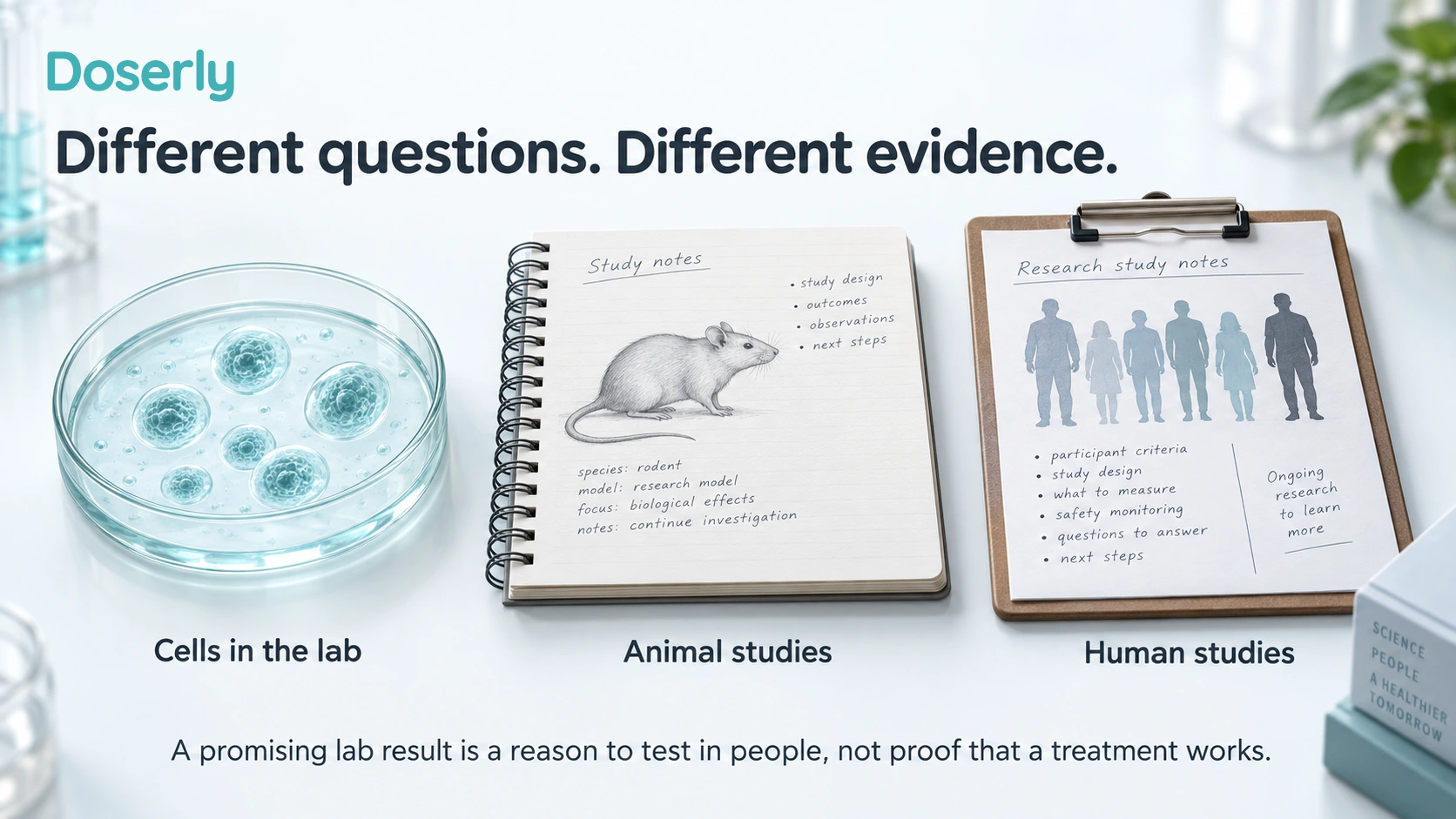
What does the human evidence show?
| Question | Best direct evidence here | Answer | Main limit |
|---|---|---|---|
| Does Unique IS2 improve stool characteristics in adults with infrequent bowel movements? | 2025 RCT, 144 adults | Frequency and hard-stool measures improved | No GI symptom, quality-of-life or microbiota benefit |
| Does MTCC 5856 help IBS-D by itself? | 2016 pilot, 36 adults | Cannot isolate it | Added to a multi-drug regimen |
| Does LBSC improve IBS symptoms? | 2021 RCT, 40 randomized | Broad favorable report | Small, 38-person per-protocol analysis |
| Does GBI-30, 6086 improve muscle outcomes? | 2020 crossover, 30 adults | Not tested directly | Measured amino-acid kinetics after milk protein |
The field has many positive studies but few large, independent replications of the same strain, population and primary endpoint. A 2024 species-level meta-analysis pooled seven IBS RCTs, but combining strains can obscure precisely the product differences that decide whether a commercial label matches a trial. [9]
What are the risks and interactions?
Gas, bloating, abdominal discomfort and stool changes can occur, especially when a product also contains fermentable fibre or other probiotic organisms. Stop and reassess if symptoms clearly worsen. Blood in stool, fever, dehydration, severe pain, persistent vomiting, marked distension or prolonged diarrhea requires medical assessment.
Live-microorganism products deserve specialist review in critical illness, major immune suppression, very premature infancy, severe intestinal-barrier disruption or central venous access. Safety in small outpatient trials does not establish safety in these populations. Do not extrapolate case reports involving other Bacillus species directly to B. coagulans, but do use them to recognize that live spore-forming organisms are not automatically risk-free.
Antibiotics may inhibit susceptible vegetative cells after spores germinate, and susceptibility differs by strain and drug. A universal two-hour spacing rule is not proven for every product. Do not delay an antibiotic; ask a pharmacist about the exact strain and medicine. Immunosuppressive therapy and new systemic infection symptoms warrant clinician review.
What is the legal and regulatory status?
In the United States, a B. coagulans product may be marketed as a food ingredient or dietary supplement. GRAS notices apply to specified food uses and strain preparations; they do not authorize disease treatment claims. In Canada, natural health products require product-specific licensing, while foods follow a separate framework. Neither jurisdiction creates a species-wide approved IBS protocol. [8]
What happens when you stop?
B. coagulans is not known to cause a drug-like withdrawal syndrome. The organism is generally treated as transient rather than a permanent colonizer. A returning bowel symptom may reflect the underlying condition, changes in diet or medicine, or natural fluctuation. It does not by itself prove dependence or durable colonization.
What should you monitor?
Choose one primary measure before starting: bowel movements per week, complete spontaneous bowel movements, Bristol stool type, abdominal-pain days or bloating severity. Record a baseline and keep diet, fibre, fluids, laxatives, antibiotics and IBS medicines visible. Review at the studied duration for the exact strain, such as four weeks for the recent Unique IS2 stool trial, rather than mixing timelines from another strain.
What does community experience add?
Public reports can reveal taste, capsule size, early gas, fibre sensitivity and product-switching problems. They cannot tell whether a result belongs to the organism or another ingredient in a blend. No systematic current community sample was assembled for this refresh, so no consensus percentage or “most common” response is claimed.
How do nearby probiotic options compare?
| Option | Form | Evidence boundary |
|---|---|---|
| B. coagulans Unique IS2 | Bacterial spores | Constipation and stool trials specific to Unique IS2 |
| B. coagulans MTCC 5856 | Bacterial spores | IBS-D pilot included substantial co-treatment |
| B. coagulans GBI-30, 6086 | Bacterial spores | Protein-kinetics data do not establish muscle benefit |
| S. boulardii | Live yeast | Different interaction profile and fungemia boundary |
Common questions
Is B. coagulans the same as Lactobacillus sporogenes?
No. That historical label reflects older taxonomic confusion and does not identify a modern strain. Look for a current species name and a strain code.
Are spores automatically more effective than other probiotics?
No. Spores can improve environmental stability. Efficacy still requires a clinical trial using the same strain and a relevant outcome.
Is 6 billion CFU better than 2 billion?
The cited studies do not answer that comparison. Six billion CFU/day was an LBSC schedule; two billion CFU/day was used with other strains and populations. Strain and trial context changed with the dose.
Does the protein study show better muscle growth?
No. It measured post-meal blood amino-acid curves after 25 g milk protein. Muscle growth, strength and long-term training adaptation were not its endpoints. [5]
Does GRAS mean FDA approved for IBS?
No. A GRAS no-questions response concerns a notifier’s safety conclusion for specified food uses. It is not an efficacy approval or treatment authorization. [8]
Glossary
Plain explanations of the probiotic research terms used here.
- Spore
- A dormant, resistant bacterial state that can survive environmental stress and later germinate under suitable conditions.
- CFU
- Colony-forming unit, an estimate of viable microorganisms capable of forming colonies.
- Strain
- A specific genetic line within a microbial species, such as Unique IS2 or MTCC 5856.
- Per-protocol analysis
- An analysis restricted to participants who completed or closely followed the study protocol.
- GRAS notice
- A US notification about a conclusion that an ingredient is generally recognized as safe for stated food uses; it is not drug approval.
How this guide was researched
Current NIH ODS guidance defined strain-level interpretation. Full reports and PubMed records supplied exact strain codes, CFU, timing, duration, co-treatment and outcomes for Unique IS2, MTCC 5856, LBSC and GBI-30, 6086. FDA records were used to distinguish strain-specific food-safety notices from clinical efficacy approval.
Research record · checked October 9, 2026
Protocol verification: four source-specific schedules were checked for strain, amount each administration, frequency, daily total, duration, population and co-treatment.
Negative findings: the 2025 Unique IS2 trial’s null GI symptom, quality-of-life and microbiota outcomes remain explicit.
Design limits: the MTCC 5856 result is labelled adjunct evidence; the LBSC analysis is identified as small and per protocol; protein kinetics are not converted into muscle benefit.
Regulatory boundary: FDA GRAS no-questions responses are described as food-use safety records, not treatment approvals.
Explore the sources
Official guidance, primary trials and evidence synthesis supporting this guide.
Showing 9 sources
- 01
Probiotics: Health Professional Fact Sheet ↗
Official evidence summary
Used for strain-specific interpretation and probiotic safety context.
- 02
Bacillus coagulans Unique IS2 improves stool characteristics in healthy adults with infrequent bowel movements: a randomized, double-blind, placebo-controlled trial. ↗
Randomized controlled trial
Used for the 144-person protocol and both positive and null outcomes.
- 03
Bacillus coagulans MTCC 5856 supplementation in the management of diarrhea predominant Irritable Bowel Syndrome: a double blind randomized placebo controlled pilot clinical study. ↗
Randomized pilot trial
Full report reviewed; probiotic was added to a multi-drug standard-care regimen.
- 04
Efficacy and safety of Bacillus coagulans LBSC in irritable bowel syndrome: A prospective, interventional, randomized, double-blind, placebo-controlled clinical study [CONSORT Compliant]. ↗
Randomized controlled trial
Full report reviewed; 40 randomized and 38 analyzed per protocol.
- 05
Bacillus coagulans GBI-30, 6086 improves amino acid absorption from milk protein. ↗
Randomized crossover trial
Used for the milk-protein schedule and measured amino-acid outcomes.
- 06
Bacillus coagulans Unique IS2 in Constipation: A Double-Blind, Placebo-Controlled Study. ↗
Randomized controlled trial
Supportive earlier trial with manufacturer-affiliated authors.
- 07
Role of Bacillus coagulans (Heyndrickxia coagulans)BCP92 in managing irritable bowel syndrome: A randomized, double-blind, multicenter, placebo-controlled clinical trial. ↗
Randomized controlled trial
Used as additional strain-specific IBS context.
- 08
FDA GRAS Notice Inventory: Bacillus coagulans ↗
Official food-ingredient records
Used to distinguish strain-specific notices and food uses from efficacy approval.
- 09
B. coagulans for irritable bowel syndrome ↗
Systematic review and meta-analysis
Seven pooled RCTs; interpreted with strain-heterogeneity caution.
No matching sources
Try a different term or show the full list.
Editorial note
This guide keeps stability, food-safety status and clinical efficacy separate. It preserves null outcomes from the recent Unique IS2 trial, labels co-treatment and per-protocol limits, and does not convert amino-acid kinetics into a performance claim. It was authored in English for translation from the same evidence record.