
Vinpocetine: The Complete Supplement Guide
On this page
Quick Reference Card
Attribute
Common Name
- Detail
- Vinpocetine
Attribute
Other Names / Aliases
- Detail
- Ethyl apovincaminate, Cavinton, Ceractin, Bravinton, Kavinton, RGH-4405, TCV-3B, apovincaminic acid ethyl ester, cis-apovincaminic acid ethyl ester
Attribute
Category
- Detail
- Nootropic / Cerebral Vasodilator / Vinca Alkaloid Derivative
Attribute
Primary Forms & Variants
- Detail
- Standard vinpocetine tablets (5mg, 10mg, 15mg); sustained-release formulations (e.g., complex with beta-cyclodextrin); injectable formulation (Cavinton, prescription-only in Europe/Asia)
Attribute
Typical Dose Range
- Detail
- 15-60 mg/day, divided into three doses with meals. 5mg three times daily is the standard low dose; 20mg three times daily is the higher end
Attribute
RDA / AI / UL
- Detail
- No established RDA, AI, or UL (synthetic compound, not an essential nutrient)
Attribute
Common Delivery Forms
- Detail
- Tablet, capsule
Attribute
Best Taken With / Without Food
- Detail
- Always take with food. Bioavailability increases 60-100% when taken with a meal compared to fasted conditions
Attribute
Key Cofactors
- Detail
- Often paired with racetams (piracetam, noopept) in nootropic stacks; sometimes combined with ginkgo biloba for cerebral blood flow support
Attribute
Storage Notes
- Detail
- Store in a cool, dry place away from direct sunlight. No refrigeration required
Overview
The Basics
Vinpocetine is a synthetic compound derived from vincamine, an alkaloid found in the lesser periwinkle plant (Vinca minor). Despite its plant origins, vinpocetine itself does not exist naturally in any plant. It is manufactured through chemical modification of vincamine and was first synthesized in Hungary in 1978 under the brand name Cavinton [1].
The compound has lived a split life across the globe. In many European and Asian countries (Hungary, Germany, Poland, Russia, Japan, China), vinpocetine is classified and prescribed as a pharmaceutical drug for cerebrovascular disorders, stroke recovery, and cognitive decline. In the United States, it has been sold as a dietary supplement for brain health, memory, and focus, though the FDA has questioned whether it qualifies as a dietary ingredient at all [2].
Vinpocetine's primary appeal is its ability to increase blood flow to the brain. It does this by relaxing blood vessels and reducing blood viscosity, which allows more oxygen and nutrients to reach brain tissue. This mechanism has made it popular among people dealing with cognitive decline, recovery from brain injuries, and circulatory problems affecting the head and eyes. For healthy individuals hoping to sharpen their memory, however, the evidence is much thinner. Most studies showing cognitive benefit involve people who already have some degree of impairment [3].
The supplement also carries notable safety concerns, particularly for women of childbearing age. The FDA issued a specific warning in 2019 based on animal studies showing reproductive toxicity, and pregnant women are advised not to take vinpocetine [4].
The Science
Vinpocetine (ethyl apovincaminate, CAS 42971-09-5) is a semi-synthetic ethyl ester derivative of apovincamine, itself a dehydration product of vincamine. Its molecular formula is C22H26N2O2 with a molecular weight of 350.5 g/mol. The compound is based on the cis(3S,16S)-eburnamenine skeleton, a pentacyclic structure incorporating an indole moiety [5][6].
Vincamine, the natural precursor, is the principal alkaloid of Vinca minor, constituting 25-65% of total alkaloids in the plant. Vinpocetine can also be derived from tabersonine, an alkaloid found in Voacanga africana seeds. The FDA has emphasized that vinpocetine is synthetically produced and is not a natural constituent of any plant [2].
Vinpocetine was first developed and marketed by Gedeon Richter Ltd. in Budapest, Hungary, and remains one of their leading central nervous system products. Since the 1980s, its use has expanded across multiple countries, primarily as a supportive treatment in cerebrovascular disorders including acute ischemic stroke [7]. The compound has achieved Phase IV clinical trial status for some indications, and has been investigated for epilepsy and attention deficit hyperactivity disorder [6].
In the United States, the regulatory status of vinpocetine remains contested. In 2016, the FDA published a Federal Register notice presenting its tentative conclusion that vinpocetine does not meet the definition of a dietary ingredient and is excluded from the definition of a dietary supplement because it was authorized for investigation as a new drug before it was marketed as a dietary supplement [2].
Chemical & Nutritional Identity
Property
Chemical Name
- Value
- Ethyl (3alpha,16alpha)-eburnamenine-14-carboxylate; ethyl apovincaminate
Property
Molecular Formula
- Value
- C22H26N2O2
Property
Molecular Weight
- Value
- 350.5 g/mol
Property
CAS Number
- Value
- 42971-09-5
Property
PubChem CID
- Value
- 443955
Property
UNII
- Value
- 543512OBTC
Property
DrugBank ID
- Value
- DB12131
Property
KEGG ID
- Value
- D01371
Property
Category
- Value
- Synthetic vinca alkaloid derivative; PDE1 inhibitor; cerebral vasodilator
Property
Solubility
- Value
- Fully soluble in methanol, dimethyl sulfoxide, and acetone; poorly water-soluble
Property
Active Metabolite
- Value
- cis-Apovincaminic acid (AVA), formed via rapid ester hydrolysis
Vinpocetine is structurally distinct from the chemotherapy agents vincristine and vinblastine, which are also derived from periwinkle plants (specifically Catharanthus roseus, the Madagascar periwinkle). It should not be confused with these cytotoxic compounds [3].
No RDA, AI, or UL has been established for vinpocetine. As a synthetic compound with no essential nutrient status, it falls outside the framework of dietary reference intake values set by the Institute of Medicine or EFSA.
Available Formulations
Formulation
Standard immediate-release tablet
- Dose
- 5 mg, 10 mg, 15 mg
- Key Notes
- Most common dietary supplement form in the US
Formulation
Sustained-release (beta-cyclodextrin complex)
- Dose
- 10 mg
- Key Notes
- Improved dissolution profile; used in some clinical research formulations
Formulation
Injectable (Cavinton)
- Dose
- IV formulation
- Key Notes
- Prescription-only in Europe/Asia; used clinically for acute stroke
Mechanism of Action
The Basics
Vinpocetine works through several pathways simultaneously, which is part of what makes it an interesting but complex compound. Its most well-known action is improving blood flow to the brain. It does this by relaxing blood vessels in the brain without significantly affecting blood pressure elsewhere in the body. Think of it as selectively widening the highways that deliver oxygen and nutrients to your brain tissue, while leaving the rest of your circulatory system mostly unchanged [3][7].
Beyond blood flow, vinpocetine acts as a kind of neural stabilizer. It calms overactive nerve signaling by blocking certain channels (sodium and calcium channels) that neurons use to fire electrical signals. When brain cells become overstimulated, as happens during a stroke or after a head injury, this calming effect can prevent further damage. This is one reason vinpocetine has been studied primarily in people with existing brain injuries rather than healthy individuals looking for a cognitive boost [1].
Vinpocetine also has anti-inflammatory properties. It blocks a specific molecular pathway (NF-kB) that triggers inflammation in brain cells. Chronic low-grade inflammation in the brain is increasingly linked to cognitive decline with aging, so this property has attracted interest from researchers studying neuroprotection [8].
The Science
Vinpocetine exerts its effects through multiple pharmacological mechanisms operating at different concentration thresholds:
PDE1 Inhibition: Vinpocetine is a noncompetitive inhibitor of phosphodiesterase type 1 (PDE1) with IC50 values in the 19-21 micromolar range [1]. PDE1 degrades cyclic GMP (cGMP); inhibition elevates intracellular cGMP, promoting vasodilation through smooth muscle relaxation in cerebral vasculature. This mechanism is thought to underlie the selective enhancement of cerebral blood flow observed in human studies (7% increase with 20mg IV infusion) without significant systemic blood pressure changes [1][7]. However, it should be noted that the IC50 for PDE1 inhibition is relatively high, and it remains uncertain whether oral supplementation at standard doses achieves sufficient tissue concentrations for meaningful PDE1 inhibition in vivo.
Ion Channel Modulation: Vinpocetine inhibits voltage-gated sodium channels at site 2 (IC50 1.6 micromolar) and NaV1.8 channels (IC50 3.5 micromolar), with weaker affinity for NaV1.5 (IC50 44 micromolar) [1]. It also inhibits L-type calcium channels (IC50 2.1-4.1 micromolar) both directly and indirectly through sodium channel blockade [1]. These ion channel effects occur at lower concentrations than PDE1 inhibition and are likely the primary mediators of vinpocetine's neuroprotective and anticonvulsant properties, reducing excitotoxic neurotransmitter release and preventing excessive calcium influx.
NF-kB Pathway Inhibition: Vinpocetine directly inhibits IKK-beta (IC50 17.17 micromolar), preventing NF-kB translocation and subsequent transcription of pro-inflammatory cytokines including TNF-alpha, IL-1-beta, and IL-6 [8][9]. This mechanism is independent of both PDE1 inhibition and ion channel effects and underlies the observed anti-inflammatory effects in microglia and vascular smooth muscle cells.
Receptor Interactions: Vinpocetine demonstrates significant affinity for alpha-adrenergic receptors (alpha-2b: 0.9 micromolar, alpha-2a: 1.9 micromolar, alpha-1a: 2.9 micromolar) and peripheral GABAA benzodiazepine receptors (TSPO system, IC50 0.2 micromolar) [1]. The TSPO interaction has been confirmed in vivo in primate brain tissue at 3 mg/kg intramuscular dosing. TSPO is a molecular sensor of neural injury that is upregulated in neuroinflammatory states including stroke, aging, and cognitive decline.
Hemorheological Effects: Vinpocetine enhances red blood cell deformability and reduces blood viscosity [3][10], improving microcirculation particularly in cerebral vasculature. This mechanism operates independently of vasodilation and contributes to improved oxygen delivery to brain tissue.
Absorption & Bioavailability
The Basics
Vinpocetine has a significant absorption challenge that every user should understand. When taken on an empty stomach, your body absorbs only about 6-7% of the dose. This means that a 10mg tablet taken without food delivers roughly 0.6-0.7mg to your bloodstream. Taking vinpocetine with a meal changes this dramatically, increasing absorption by 60-100% [1][7].
Once absorbed, vinpocetine moves quickly. It appears in the bloodstream within about 20 minutes and peaks around one hour after ingestion. But it also disappears quickly, as your body converts nearly all of it into its active metabolite (apovincaminic acid) within 2-3 hours. This short lifespan is why most dosing protocols call for taking vinpocetine three times daily rather than once [1].
One of vinpocetine's notable properties is how well it crosses into the brain. Studies in humans and primates show that it enters brain tissue rapidly and actually accumulates there at higher concentrations than you would expect based on the brain's size relative to the body. It seems to favor certain brain regions, including the thalamus, basal ganglia, and visual cortex [1].
The Science
Oral Bioavailability: Fasted bioavailability in humans is reported at 6.2-6.7% in aqueous solution [1]. One study reported 56.6 +/- 8.9% bioavailability, though this figure is considered unreliable and may reflect methodological differences [7]. Fed-state administration increases bioavailability by 60-100% relative to fasting conditions, likely due to enhanced dissolution in the lipid-rich postprandial environment [1]. Novel delivery systems have demonstrated further absorption enhancement: self-emulsifying drug delivery systems (SEDDS) achieved 1.72-fold improvement, and proliposomes achieved 3.5-fold improvement over standard oral dosing [1].
Pharmacokinetic Parameters (5mg oral dose): Cmax 63.69 +/- 8.32 ng/mL; Tmax 1.46 +/- 0.14 hours; half-life 1.36 +/- 0.27 hours (biphasic); AUC 202.48 +/- 14.48 ng*h/mL. Volume of distribution: 246.7 +/- 88.55 L (3.2 +/- 0.9 L/kg). Total plasma clearance: 66.7 +/- 17.9 L/h [1].
Metabolism: Vinpocetine undergoes rapid ester hydrolysis to its primary active metabolite, cis-apovincaminic acid (AVA). No unchanged vinpocetine is detected in urine. AVA peaks at approximately 100 ng/mL within one hour of ingestion and normalizes within 3-4 hours [1][7].
Plasma Protein Binding: Extensive binding, reported from 86.6% to near-complete binding [1].
CNS Penetration: Vinpocetine rapidly crosses the blood-brain barrier, with 3.18-4.27% of an injected dose detected in human brain tissue within 2 minutes (compared to brain weight representing only 1.7% of body weight), indicating selective accumulation. Regional distribution favors the thalamus (24% higher than reference regions), striatum (18% higher), basal ganglia, putamen, and visual cortex [1].
No Accumulation: Standard oral dosages (15-30 mg daily) do not produce appreciable accumulation in the body [1].
Transdermal Delivery: A 5mg transdermal patch achieved Tmax 11.67 +/- 1.15 hours, Cmax 12.44 +/- 1.87 ng/mL, half-life 13.94 +/- 1.2 hours, and AUC 417.70 +/- 50.27 ng*h/mL, approximately double the AUC of oral administration, demonstrating superior bioavailability through this route [1].
Research & Clinical Evidence
The Basics
The research picture for vinpocetine is a study in contrasts. For people with existing cerebrovascular problems, cognitive decline, or brain injuries, there is a reasonable body of evidence suggesting it can help. For healthy individuals looking for a memory or focus boost, the evidence is much thinner and largely disappointing [1][3].
The strongest evidence supports vinpocetine's ability to increase cerebral blood flow. Infusion studies have shown a clear 7% increase in blood flow to the brain, and this effect has been confirmed to persist over months in stroke patients. Improved blood flow correlates with better oxygenation and, in some studies, improved alertness and memory in people with cerebrovascular disease [1].
For cognitive function, results are mixed. Some older studies in elderly patients with chronic cerebral dysfunction showed modest improvements. A systematic review of vinpocetine for dementia, however, did not find sufficient evidence of benefit [3][12]. In both healthy adults and patients with epilepsy, a recent study found no significant cognitive benefits at the dosages tested [3]. One study in healthy young women found that 40mg (but not lower doses) improved reaction time on a memory scanning test, suggesting the compound may require higher doses for any noticeable effect in people without cognitive impairment [1].
Vinpocetine has shown promise in protecting the brain against various types of damage in animal studies, including toxin-induced amnesia, Parkinson-like symptoms, and epileptic seizures. Whether these protective effects translate to meaningful benefits in human supplementation remains an open question [1].
The Science
Cerebral Blood Flow: An infusion of 20mg vinpocetine in 6 healthy adult males produced a 7% increase in cerebral blood flow relative to placebo, without significant changes in mean arterial pressure [1]. This finding has been replicated in stroke patients, where the effect persisted over 14-day and 90-day follow-up periods [1]. The mechanism involves both PDE1-mediated vasodilation and improved red blood cell deformability reducing blood viscosity [10].
Cognitive Decline and Dementia: A double-blind placebo-controlled trial in patients with chronic vascular senile cerebral dysfunction demonstrated improvements with vinpocetine compared to placebo [11]. However, a Cochrane systematic review (Szatmari & Whitehouse, 2003) concluded that there was insufficient evidence to support vinpocetine for cognitive impairment and dementia, noting methodological limitations in available studies [12].
Acute Ischemic Stroke: A Cochrane review (Bereczki & Fekete, 2008) found insufficient evidence for benefit in acute ischemic stroke [13]. However, a subsequent randomized open-label multicenter trial (CAVIN trial) demonstrated that IV vinpocetine as adjunctive treatment for acute cerebral infarction improved cerebral blood flow, neurological functioning, and cognition [14].
Cognitive Enhancement in Healthy Adults: In 12 healthy female volunteers, 40mg vinpocetine (divided into three daily doses) significantly improved reaction time on memory scanning tests (from approximately 610ms to 430ms), while 10mg and 20mg were ineffective [1]. No study has demonstrated inherent memory formation enhancement in cognitively healthy individuals; vinpocetine's cognitive benefits appear to be primarily neuroprotective rather than nootropic in the strict sense.
Neuroprotection in Animal Models: Vinpocetine at 3-6 mg/kg daily protected against rotenone-induced dopaminergic neurodegeneration in rats, preserving motor function and striatal dopamine concentrations to a greater degree than alpha-tocopherol at 100-200 mg/kg [1]. Protective effects have been demonstrated against scopolamine-induced amnesia, glutaminergic excitotoxicity, hypoxia-induced impairment, and benzodiazepine-induced amnesia [1].
Anti-epileptic Effects: Vinpocetine (2-10 mg/kg) reduced epileptic potential in guinea pig models by blocking sodium channel-mediated calcium influx and subsequent glutamate release from neurons [1]. In human epilepsy patients, however, no significant cognitive benefits were observed [3].
Atherosclerosis: In ApoE-deficient mice, 5 mg/kg vinpocetine (injections every other day for 16 weeks) reduced atherosclerotic buildup by approximately 50%, attributed to reduced LDL oxidation via LOX-1 receptor suppression and IKK-beta/NF-kB-dependent anti-inflammatory effects, independent of lipoprotein concentration changes [1][15].
Hepatoprotection: Oral vinpocetine at 2.1-8.4 mg/kg daily for 15 days in a CCL4 hepatotoxicity model dose-dependently reduced ALT (49.3-63.6%), AST (10.5-27.2%), ALP (52.5-64.9%), and necrosis (82.6% at highest dose), with potency comparable to silymarin (milk thistle) at 30 mg/kg [1].
Hearing Protection: Injections of 2 mg/kg vinpocetine provided near-complete protection against antibiotic-induced hearing loss over 180 days in guinea pigs [1].
Evidence & Effectiveness Matrix
Category
Focus & Mental Clarity
- Evidence Strength
- 4/10
- Reported Effectiveness
- 6/10
- Summary
- Modest evidence in cognitively impaired populations. In healthy adults, only 40mg showed benefit on reaction time. Community reports positive but inconsistent.
Category
Memory & Cognition
- Evidence Strength
- 4/10
- Reported Effectiveness
- 5/10
- Summary
- Protective against toxin-induced amnesia; no evidence of inherent memory enhancement in healthy individuals. Cochrane review found insufficient evidence for dementia.
Category
Heart Health
- Evidence Strength
- 5/10
- Reported Effectiveness
- 5/10
- Summary
- Animal data shows 50% reduction in atherosclerosis. Improves cerebral blood flow reliably. No human cardiovascular outcome trials.
Category
Blood Pressure
- Evidence Strength
- 3/10
- Reported Effectiveness
- 4/10
- Summary
- Vasodilatory effects documented; may modestly reduce blood pressure as a secondary effect. Not studied as an antihypertensive.
Category
Mood & Wellbeing
- Evidence Strength
- 2/10
- Reported Effectiveness
- 5/10
- Summary
- No formal studies. Some community users report feeling calmer and improved mood, but evidence base is anecdotal only.
Category
Energy Levels
- Evidence Strength
- 2/10
- Reported Effectiveness
- 5/10
- Summary
- No clinical evidence. Some users report cognitive "awakeness" which may be interpreted as energy.
Category
Pain Management
- Evidence Strength
- 3/10
- Reported Effectiveness
- 5/10
- Summary
- NaV1.8 sodium channel blocking activity relevant to chronic pain pathways. Anecdotal headache relief reports. No clinical pain trials.
Category
Immune Function
- Evidence Strength
- 2/10
- Reported Effectiveness
- 3/10
- Summary
- Case report of agranulocytosis; one community report of immune decline at high doses. Direction is cautionary.
Category
Longevity & Neuroprotection
- Evidence Strength
- 5/10
- Reported Effectiveness
- N/A
- Summary
- Strong animal evidence for neuroprotection across multiple models. TSPO receptor interaction relevant to aging brain. Community data not yet collected for this category.
Benefits & Potential Effects
The Basics
Vinpocetine's benefits center around brain circulation and protection rather than the dramatic cognitive enhancement some supplement marketing suggests. The most reliable benefit is improved blood flow to the brain, which can translate to better oxygenation of brain tissue. For people with compromised cerebral circulation (after a stroke, with age-related vascular changes, or with conditions like Meniere's disease that involve inner ear blood flow), this increased circulation can make a real difference [1][3].
Some users report improvements in focus, mental clarity, and a sense of cognitive "sharpness." These reports tend to be more common among people who had some degree of impairment to begin with, whether from a head injury, chronic illness, or simply aging. Healthy young adults looking for a nootropic edge are more likely to notice subtle effects, if any, and usually only at higher doses (40mg or more) [1].
The compound's anti-inflammatory properties may offer longer-term neuroprotective benefits. By reducing inflammation in brain cells and blood vessels, vinpocetine could theoretically slow some aspects of age-related cognitive decline. Animal studies support this idea strongly, but human evidence of long-term neuroprotection from oral vinpocetine supplementation is limited [8][9].
Vinpocetine has also shown promise for hearing protection and visual function, likely through its blood flow effects on the small vessels that supply the inner ear and retina. Some users report reductions in tinnitus and visual snow, though these remain anecdotal observations [1].
The Science
Cerebral Blood Flow Enhancement: Reliably demonstrated in human studies via both infusion (20mg IV, 7% increase) and oral dosing (30-45mg daily, improvements in oxygenation status in cerebrovascular patients) [1]. The selectivity for cerebral over systemic vasculature is attributed to PDE1's relatively higher expression in cerebral smooth muscle.
Neuroprotection: Vinpocetine demonstrates broad-spectrum neuroprotective effects across multiple animal models: protection against glutamate excitotoxicity (via sodium channel blockade reducing calcium influx and glutamate release), preservation of mitochondrial membrane potential during excitotoxic stress (25 micromolar), and normalization of dopaminergic parameters in rotenone-induced parkinsonism (3-6 mg/kg oral) [1].
Anti-inflammatory Neuroprotection: Through IKK-beta inhibition and subsequent NF-kB pathway suppression, vinpocetine reduces microglial activation markers and pro-inflammatory cytokine production (TNF-alpha, IL-1-beta, IL-6). TSPO receptor binding (IC50 0.2 micromolar) in activated microglia is confirmed in vivo [1][8][9]. Given that TSPO expression is upregulated in the aging brain across species including humans, this mechanism has implications for age-related neuroinflammation.
Hemorheological Benefits: Reduced plasma and whole blood viscosity, decreased red blood cell aggregation, and enhanced RBC deformability contribute to improved microcirculation independent of vasodilation [3][10].
Hepatoprotective Potential: Dose-dependent protection against CCL4-induced hepatotoxicity at oral doses of 2.1-8.4 mg/kg, with efficacy comparable to silymarin at the highest dose [1].
Reading about potential benefits gives you a framework. Seeing whether those benefits are showing up in your own body turns knowledge into confidence. Doserly lets you track the specific health markers relevant to this supplement, building a personal dataset that captures what's actually changing week over week.
The app's AI analytics go further than simple logging. By correlating your supplement intake with the biomarkers and health outcomes you're tracking, Doserly surfaces patterns you might miss on your own, like whether a dose adjustment three weeks ago corresponds to the improvement you're noticing now. When it's time to evaluate whether a supplement is earning its place in your stack, you have your own data to guide the decision.
Capture changes while they are still fresh.
Log symptoms, energy, sleep, mood, and other observations alongside protocol events so patterns do not live only in memory.
Trend view
Symptom timeline
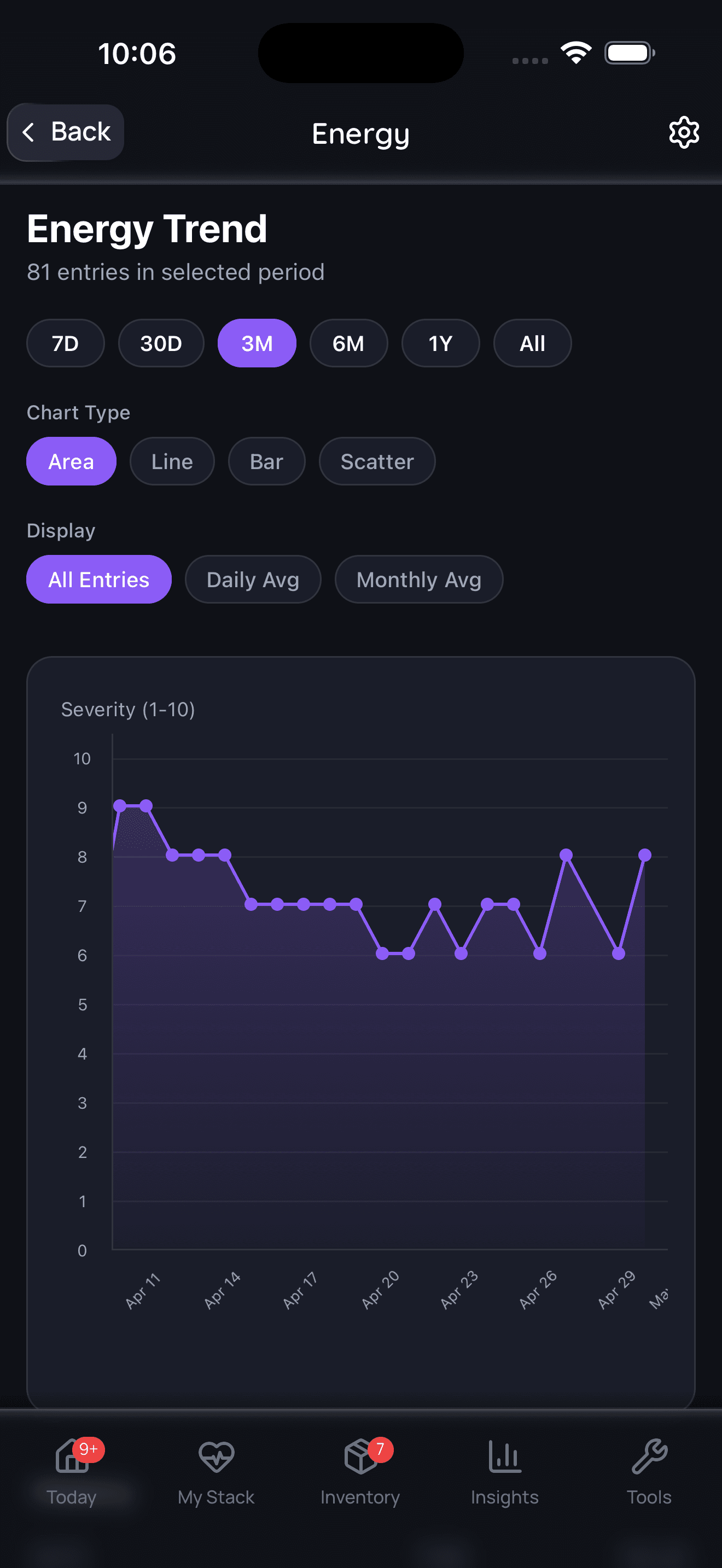
Symptom tracking is informational and should be interpreted with a qualified clinician.
Side Effects & Safety
The Basics
At standard oral doses (15-30mg daily), vinpocetine has a generally favorable safety profile based on decades of clinical use, primarily in Europe and Asia. Most people tolerate it well, and serious side effects are rare. The most commonly reported issues are mild: slight flushing, nausea, heartburn, and occasional headaches [3][7].
There are, however, several important safety concerns that deserve attention. The most significant is reproductive toxicity. Based on animal studies reviewed by the National Toxicology Program, the FDA issued a specific warning in 2019 advising pregnant women and women who could become pregnant not to take vinpocetine. Animal studies showed dose-dependent fetal toxicity, with higher doses causing miscarriages and fetal abnormalities [2][4][16].
Vinpocetine can lower blood pressure, which is a concern for people who already have low blood pressure or who take antihypertensive medications. Intravenous administration has been associated with dangerous drops in blood pressure and pulse rate in clinical settings, though this extreme effect has not been reported with oral supplementation at standard doses [1][3].
A single case report documented agranulocytosis (a dangerous drop in white blood cells) in a 73-year-old man after 50 days of vinpocetine use. While this is an isolated case, it suggests that immune monitoring may be warranted during long-term use, particularly in older adults [3].
The Science
Common Adverse Effects: Flushing, rashes, gastrointestinal discomfort (nausea, heartburn), and hypotension are documented at standard oral doses [3][7]. In a small clinical study, jitters, increased heart rate, and insomnia were possibly related to vinpocetine administration [3].
Reproductive Toxicity (Critical): The NTP prenatal developmental toxicity studies in Sprague Dawley rats demonstrated dose-dependent fetal toxicity [16]:
- At 80-320 mg/kg: near-complete post-implantation loss (90-100%)
- At 60 mg/kg: 83.13% post-implantation loss, statistically significant
- At 20 mg/kg: increased fetal skeletal and organ abnormalities
- At 5 mg/kg (roughly equivalent to a single 10mg human dose): small, non-statistically-significant increases in risk compatible with the data
In rabbits (25-300 mg/kg, GD7-28): dose-dependent maternal weight reduction and decreased live fetuses per litter at 300 mg/kg, with no notable fetal malformations at any dose [16].
The FDA concluded that "consumption of vinpocetine is associated with adverse reproductive effects" and issued a public warning in June 2019 [2][4].
Cardiovascular Risk: IV administration has been associated with deaths from drastic blood pressure and pulse rate drops in clinical settings. This risk has not been documented with oral supplementation but warrants caution in patients with pre-existing hypotension or cardiovascular conditions [1][3].
Hematological Risk: A case of agranulocytosis was reported in a 73-year-old man using 15mg daily vinpocetine for 50 days, with full resolution upon discontinuation [3].
Drug Interactions (see Interactions section): P-glycoprotein inhibition, additive antihypertensive effects, and increased bleeding risk with anticoagulants represent clinically relevant interaction potentials [3].
Knowing the possible side effects is the first step. Catching them early in your own experience is what keeps a supplement routine safe. Doserly lets you log any symptoms as they arise, tagging them with severity, timing relative to your dose, and whether they resolve on their own or persist.
The app's interaction checker cross-references everything in your stack, supplements and medications alike, flagging known interactions before they become a problem. It also monitors your total intake against established upper limits, alerting you if your combined sources of a nutrient are approaching thresholds where risk increases. Think of it as a safety net that works quietly in the background while you focus on the benefits.
Connect protocol changes to labs and health markers.
Doserly can keep lab results, biomarkers, symptoms, and dose history close together so follow-up conversations have better context.
Insights
Labs and trends
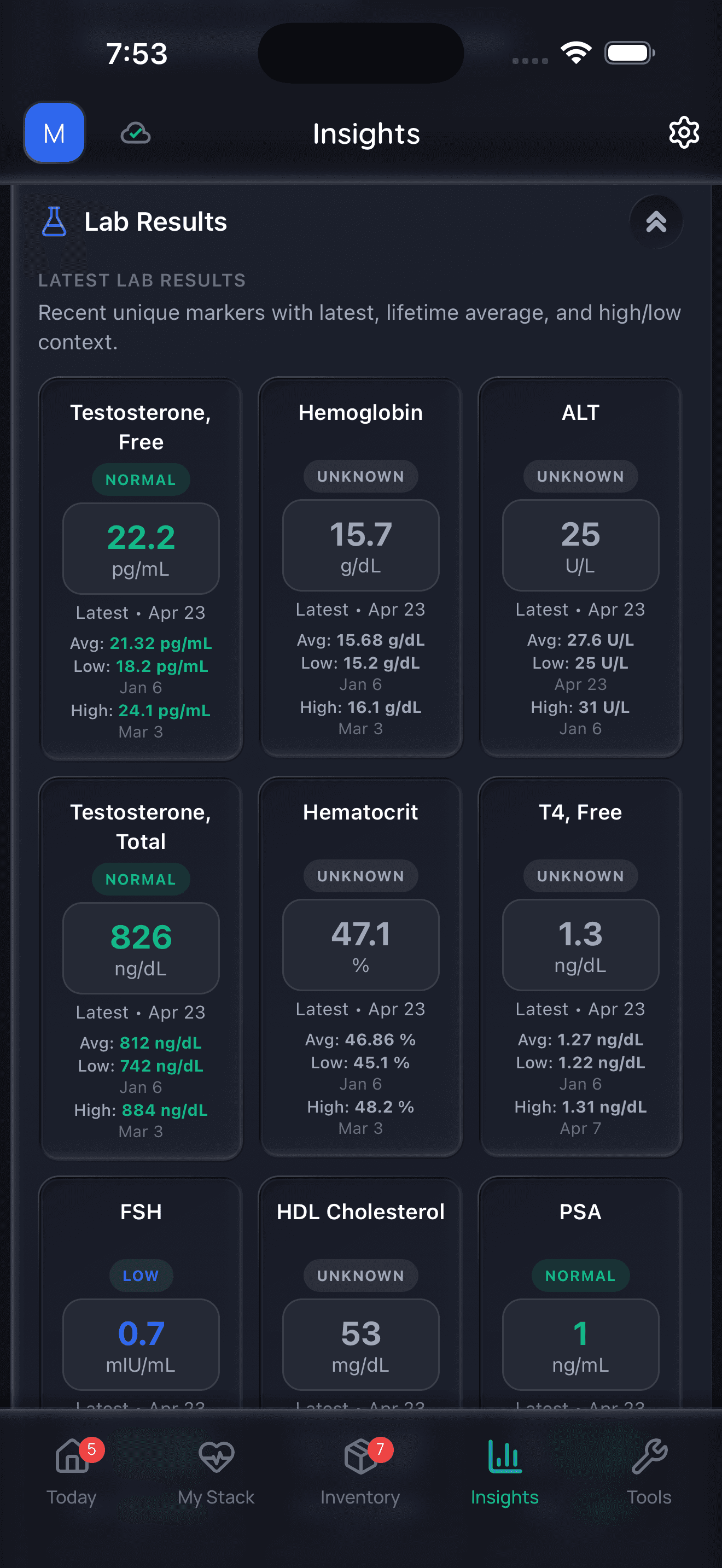
Doserly organizes data; it does not diagnose or interpret labs for you.
Dosing & Usage Protocols
The Basics
Vinpocetine dosing follows a pattern shaped by two key realities: its short half-life (about 1-2 hours) and its need to be taken with food. Because the compound clears the body so quickly, splitting the daily dose across three meals is the standard approach. Taking it all at once would produce a brief spike followed by hours with negligible blood levels [1][7].
Commonly reported dose ranges span from 15mg to 60mg daily, divided into three equal doses. The most frequently cited starting point is 5mg three times daily (15mg total), taken with breakfast, lunch, and dinner. Sources suggest that going up to 20mg three times daily (60mg total) represents the upper end of typical use. The doses used in most clinical research, particularly for cerebrovascular conditions, fall in the 15-30mg daily range [1][7].
For people interested in cognitive effects specifically, it is worth noting that the one study showing measurable benefit in healthy volunteers used 40mg daily. Lower doses of 10mg and 20mg did not produce significant results in that study, suggesting that the threshold for noticeable effects in healthy individuals may be higher than the standard clinical dose range [1].
The Science
Standard Clinical Dosing (Europe/Asia): 15-30 mg/day in divided doses (5-10 mg three times daily), administered orally after meals. The Cavinton patient information leaflet recommends this range for cerebrovascular disorders and cognitive impairment [7].
Nootropic/Supplement Dosing (US): 15-60 mg/day, divided into three doses taken with meals. The lower range (15mg/day) targets general neuroprotective effects, while the higher range (40-60mg/day) targets cognitive enhancement, based on the study demonstrating improved reaction time at 40mg but not at lower doses [1].
Pharmacokinetic Rationale for TID Dosing: With a half-life of 1.36-1.46 hours and undetectable blood levels 2-3 hours post-ingestion, three-times-daily dosing is necessary to maintain meaningful plasma concentrations throughout the day [1].
Fed-State Requirement: Bioavailability increases 60-100% with food [1]. All dosing recommendations specify administration with meals.
No Accumulation at Standard Doses: 15-30 mg/day does not produce appreciable accumulation [1], which supports the safety profile at standard doses but also means there is no "loading" effect.
Getting the dose right matters more than most people realize. Too little may be ineffective, too much wastes money or introduces risk, and inconsistency undermines both. Doserly tracks every dose you take, across every form, giving you a clear record of what you're actually consuming versus what you planned.
The app helps you compare RDA recommendations against therapeutic ranges discussed in the research, so you can see exactly where your intake falls. If you switch forms, say from a standard capsule to a liposomal liquid, Doserly adjusts your tracking to account for different bioavailabilities. Pair that with smart reminders that keep your timing consistent, and the precision that makes a real difference in outcomes becomes effortless.
Turn symptom and safety notes into a clearer timeline.
Doserly helps you log doses, symptoms, and safety observations side by side so patterns are easier to discuss with a qualified clinician.
Pattern view
Logs and observations

Pattern visibility is informational and should be reviewed with a clinician.
What to Expect (Timeline)
Week 1-2: Some users report an initial sense of improved clarity or calmness within hours of the first dose, though this may reflect placebo expectation. Cerebral blood flow changes begin with the first dose but subjective cognitive effects, if they occur, are typically subtle. Mild side effects (flushing, slight headache, GI discomfort) are most likely during this adjustment period. It is essential to establish consistent timing with meals during this phase.
Week 3-4: If vinpocetine is going to produce noticeable subjective effects, most users report recognizing them by this point. Improved focus, reduced brain fog, or a sense of mental "sharpness" are the most commonly described experiences. Users who notice nothing after a month of consistent use at their target dose are unlikely to experience significant subjective benefits from vinpocetine.
Month 2-3: Anti-inflammatory and neuroprotective effects operate on a longer timescale and would not be subjectively detectable. For users taking vinpocetine for cerebrovascular support, clinical studies suggest sustained blood flow improvements at the 90-day mark. Some community users report tolerance development in this window, with cycling (2 weeks on, 2 weeks off) as a commonly discussed strategy.
Month 3+: Long-term users who continue to find value in vinpocetine typically describe it as a maintenance supplement rather than one that produces ongoing noticeable improvements. The neuroprotective and anti-inflammatory properties represent the theoretical value proposition for sustained use, though human evidence for long-term benefit from oral supplementation is limited.
Interactions & Compatibility
SYNERGISTIC
- Piracetam and other racetams: Frequently stacked in nootropic protocols. Vinpocetine's cerebral blood flow enhancement may improve delivery of racetams to brain tissue. Community reports describe this combination as effective.
- Ginkgo Biloba: Both compounds enhance cerebral blood flow through complementary mechanisms (vinpocetine via PDE1 inhibition, ginkgo via platelet-activating factor antagonism and antioxidant effects). Some formulations combine the two. Used together in the John of Ohio (JOH) protocol for Meniere's disease.
- Alpha-GPC: Provides acetylcholine precursor support that may complement vinpocetine's cholinergic modulation. Users report pairing them for cognitive support, though controlled studies of the combination are lacking.
- L-Theanine: May buffer the "wired" feeling some users report from vinpocetine while preserving cognitive benefits.
- Nitrates: Vinpocetine as a PDE1 inhibitor may partially restore tolerance to chronic nitrate therapy and augment nitrate-induced vasodilation [1].
CAUTION / AVOID
- Anticoagulants and antiplatelet agents (warfarin, aspirin, clopidogrel): Vinpocetine may have additive effects on blood thinning and increase bleeding risk [3].
- Antihypertensive medications: Vinpocetine may enhance hypotensive effects, potentially causing excessive blood pressure reduction [3].
- P-glycoprotein substrate drugs: In vitro studies indicate vinpocetine strongly inhibits P-glycoprotein (P-gp), which could alter the pharmacokinetics of substrate drugs including digoxin, cyclosporine, certain HIV protease inhibitors, and many chemotherapy agents [3]. Clinical relevance has not been established, but caution is warranted.
- Other vasodilators: Combining vinpocetine with other cerebral vasodilators (nicergoline, pentoxifylline) may produce excessive vasodilation.
- Pregnancy: Contraindicated based on FDA safety warning and NTP reproductive toxicity data [2][4][16].
How to Take / Administration Guide
Recommended forms: Standard immediate-release tablets (5mg, 10mg) are the most widely available and studied form. Sustained-release formulations using beta-cyclodextrin complexing technology may offer improved dissolution and absorption profiles.
Timing considerations: Always take with a meal. The 60-100% improvement in bioavailability with food is too significant to ignore. Divide the daily dose evenly across three meals (breakfast, lunch, dinner) to maintain more consistent blood levels given the short 1-2 hour half-life.
Dose titration: Sources suggest starting at the lower end (5mg three times daily) and assessing tolerance before increasing. Some community users report that very low doses (2mg) are more effective than higher ones for their purposes, while the clinical literature suggests 40mg may be needed for cognitive effects in healthy individuals.
Cycling guidance: Some long-term users report tolerance development after 2-4 weeks of daily use. A commonly discussed approach is 2 weeks on, 2 weeks off, though this has not been validated in clinical studies. Others report consistent effects with daily use over years.
Stacking: If combining with racetams or other nootropics, introduce one compound at a time to identify individual effects and tolerance before adding complexity.
Choosing a Quality Product
Third-party certifications: Look for products that carry USP Verified, NSF Certified for Sport, or similar third-party testing certifications. Given vinpocetine's contested regulatory status in the US, quality control varies more than for mainstream supplements.
Active form verification: Ensure the product contains vinpocetine (ethyl apovincaminate), not vincamine or generic "periwinkle extract." The two compounds have different pharmacokinetic profiles and potency. Some products labeled as "Vinca minor extract" may contain vincamine rather than vinpocetine.
Dosage accuracy: Independent testing has found variability in actual vinpocetine content across brands. Products from established supplement manufacturers with Good Manufacturing Practice (GMP) certification are more likely to contain labeled amounts.
Red flags: Avoid products that claim vinpocetine is "natural" or "plant-derived" without qualification. The FDA has stated vinpocetine is synthetically produced and does not naturally occur in plants. Products making therapeutic claims (treating dementia, curing stroke) violate dietary supplement labeling rules and may indicate a less scrupulous manufacturer.
Availability concerns: Vinpocetine has been removed from some major retail platforms (including Amazon) following the FDA's regulatory actions. Availability may be limited to specialty supplement retailers, international pharmacies, or direct-from-manufacturer sources.
Brand sensitivity: Community reports suggest significant differences in perceived effectiveness between brands, which may reflect genuine quality control variation in this niche market.
Storage & Handling
Store vinpocetine tablets in a cool, dry place at room temperature, away from direct sunlight and excessive moisture. No refrigeration is required. Keep the container tightly sealed between uses.
Vinpocetine is chemically stable under standard storage conditions. There are no special handling requirements beyond those typical for oral supplement tablets.
Check expiration dates on packaging, as vinpocetine's potency may decline over time, particularly in humid environments. Discard any tablets that show discoloration, unusual odor, or visible degradation.
Lifestyle & Supporting Factors
Diet: Since vinpocetine must be taken with food for adequate absorption, maintaining regular meal patterns supports consistent dosing. No specific dietary modifications are required, but a diet supporting overall cardiovascular and brain health (rich in omega-3 fatty acids, antioxidants, and low in processed foods) complements vinpocetine's cerebrovascular effects.
Exercise: Regular aerobic exercise independently enhances cerebral blood flow and cognitive function. These benefits may complement vinpocetine's vasodilatory effects. No specific exercise modifications are needed when taking vinpocetine.
Sleep: Adequate sleep supports the cognitive functions vinpocetine targets. Some users report that taking vinpocetine too late in the day can cause mild stimulation or insomnia. If this occurs, limiting dosing to breakfast and lunch may help.
Hydration: Proper hydration supports blood flow and viscosity, both of which vinpocetine influences. Dehydration could theoretically offset some of vinpocetine's hemorheological benefits.
Monitoring: For long-term users, periodic blood pressure monitoring is reasonable given vinpocetine's vasodilatory properties. Users on higher doses (40mg+ daily) or those using vinpocetine for extended periods may want to discuss periodic complete blood count (CBC) monitoring with their healthcare provider, given the isolated case report of agranulocytosis.
Regulatory Status & Standards
United States (FDA)
Vinpocetine's regulatory status in the US is contested. The FDA has issued a tentative conclusion that vinpocetine does not meet the definition of a dietary ingredient and is excluded from the definition of a dietary supplement because it was authorized for investigation as a new drug before it was marketed as a dietary supplement [2]. Despite this, vinpocetine products continue to be sold in the US as dietary supplements, though availability has decreased following the FDA's actions.
In June 2019, the FDA issued a safety warning specifically advising women of childbearing age not to take vinpocetine due to reproductive toxicity concerns [4].
Europe
Vinpocetine (as Cavinton) is classified and marketed as a prescription pharmaceutical in several European countries including Hungary, Germany, Poland, and Russia. It is prescribed for cerebrovascular disorders, cognitive impairment, and eye diseases with vascular underlying causes [7].
Asia
Vinpocetine is available as a prescription medication in Japan and China, primarily for cerebrovascular indications [7].
Canada (Health Canada)
Not listed as an approved Natural Health Product with an NPN.
Australia (TGA)
No specific listing as a complementary medicine.
Athlete & Sports Regulatory Status
WADA: Vinpocetine does not appear on the current WADA Prohibited List. However, athletes should verify current status through their sport's governing body.
Athlete Certification Programs: Given vinpocetine's niche market status and limited availability, certified products (Informed Sport, NSF Certified for Sport) may not be readily available. Athletes should exercise particular caution with vinpocetine products and verify third-party testing before use.
GlobalDRO: Athletes can check vinpocetine's status at GlobalDRO.com for US, UK, Canada, Australia, Japan, Switzerland, and New Zealand.
Regulatory status and prohibited substance classifications change frequently. Athletes should always verify the current status of any supplement with their sport's governing body, their national anti-doping agency, and a qualified sports medicine professional before use. Third-party certification (Informed Sport, NSF Certified for Sport) reduces but does not eliminate the risk of contamination with prohibited substances.
Frequently Asked Questions
Is vinpocetine safe?
At standard oral doses (15-30mg daily) taken with food, vinpocetine has a generally favorable safety profile based on decades of clinical use in Europe and Asia. Common side effects include mild flushing, headache, and GI discomfort. The most significant safety concern is reproductive toxicity: the FDA advises pregnant women and women who could become pregnant not to take vinpocetine. Individuals with low blood pressure, cardiovascular conditions, or those taking blood-thinning medications should consult a healthcare provider before use.
Does vinpocetine improve memory?
Evidence for memory improvement is limited, particularly for healthy individuals. Vinpocetine has shown protective effects against toxin-induced amnesia in animal models, and one human study found improved reaction time at 40mg (but not lower doses) in healthy women. A Cochrane systematic review did not find sufficient evidence for benefit in dementia. The cognitive benefits, where they exist, appear to be primarily neuroprotective rather than enhancing for already-normal cognition.
Why do I need to take vinpocetine with food?
Vinpocetine has very poor bioavailability when taken on an empty stomach (approximately 6-7%). Taking it with a meal increases absorption by 60-100%, which makes a significant difference in how much of the compound actually reaches your bloodstream and brain.
Why is vinpocetine so hard to find?
The FDA's 2016 regulatory action questioning vinpocetine's status as a dietary ingredient, combined with the 2019 reproductive toxicity warning, led some retailers (including Amazon) to remove vinpocetine products from their platforms. Fewer manufacturers produce it than a decade ago. It remains available through specialty supplement retailers and some pharmacies.
Can I take vinpocetine with other nootropics?
Vinpocetine is commonly stacked with racetams (piracetam, noopept), alpha-GPC, and ginkgo biloba in nootropic protocols. When combining supplements, introduce one at a time to assess individual tolerance. Use particular caution when combining vinpocetine with other vasodilators or blood-thinning compounds, as effects may be additive.
How long does vinpocetine take to work?
Vinpocetine is rapidly absorbed, with blood levels peaking within about one hour of an oral dose taken with food. Some users report subtle effects within the first day, though others need several weeks of consistent use to notice changes. If no subjective benefit is noticed after 4-6 weeks of consistent use at an adequate dose, it is unlikely to produce significant noticeable effects for that individual.
Is vinpocetine natural or synthetic?
Vinpocetine is a synthetic compound. While it is derived from vincamine (a natural alkaloid found in the periwinkle plant Vinca minor), vinpocetine itself does not occur naturally in any plant. It is produced through chemical synthesis, which is one reason the FDA has questioned its classification as a dietary supplement.
What is the difference between vinpocetine and vincamine?
Vincamine is the natural alkaloid found in periwinkle plants. Vinpocetine is a semi-synthetic ethyl ester derivative of apovincamine (a product of heating vincamine). Vinpocetine has different pharmacokinetic properties, including more rapid absorption and a shorter half-life. The two compounds should not be considered interchangeable.
Does vinpocetine affect blood pressure?
Vinpocetine can modestly lower blood pressure through its vasodilatory effects. This is typically mild with oral supplementation, but it can be problematic for individuals already taking antihypertensive medications or those with naturally low blood pressure. In clinical (IV) settings, more significant blood pressure drops have been documented.
Is vinpocetine safe for athletes?
Vinpocetine does not currently appear on the WADA Prohibited List. However, athletes should verify current status with their sport's governing body and use only products that have been third-party tested (Informed Sport, NSF Certified for Sport) to minimize contamination risk. Given vinpocetine's niche market status, certified products may be difficult to find.
Myth vs. Fact
Myth: Vinpocetine is a natural plant extract.
Fact: Vinpocetine is synthetically produced. While it is derived from vincamine, a compound found in the periwinkle plant, vinpocetine itself does not exist naturally in any plant. The FDA has explicitly stated that vinpocetine is not a natural constituent of plants [2].
Myth: Vinpocetine dramatically improves memory in healthy people.
Fact: The evidence for memory enhancement in healthy individuals is weak. A Cochrane systematic review found insufficient evidence for cognitive benefit in dementia, and no study has demonstrated inherent memory formation enhancement in cognitively healthy subjects. The one study showing benefit in healthy volunteers required 40mg (higher than typical doses) and measured reaction time rather than memory formation [1][12].
Myth: Vinpocetine is completely safe because it's sold as a supplement.
Fact: The FDA has issued a specific safety warning about vinpocetine's reproductive toxicity. Animal studies show dose-dependent fetal harm, and the FDA advises pregnant women and women who could become pregnant not to take it [2][4]. Additionally, a case of agranulocytosis (dangerous white blood cell reduction) has been reported [3]. Being sold as a supplement does not guarantee safety.
Myth: Higher doses of vinpocetine are always better.
Fact: Vinpocetine demonstrates a non-linear dose-response relationship. Some animal studies show that higher doses are less effective than moderate ones for neuroprotection, suggesting a bell-curve effect [1]. In human nootropic use, community users have reported that small doses (2-5mg) sometimes outperform larger ones for subjective effects.
Myth: Vinpocetine is banned by the FDA.
Fact: The FDA has questioned vinpocetine's legal status as a dietary supplement ingredient and issued a reproductive toxicity warning, but has not formally banned it. Vinpocetine products continue to be legally sold in the United States, though availability has decreased as some retailers have voluntarily removed products [2].
Myth: Vinpocetine and vincamine are the same thing.
Fact: They are structurally related but distinct compounds with different pharmacokinetic profiles. Vinpocetine is a synthetic derivative of vincamine with faster absorption, shorter half-life, and different tissue distribution patterns. Products labeled as "periwinkle extract" may contain vincamine rather than vinpocetine [1][7].
Myth: You can take vinpocetine at any time for the same effect.
Fact: Vinpocetine's bioavailability is dramatically affected by food intake. Taking it on an empty stomach results in only about 6-7% absorption, while taking it with a meal increases absorption by 60-100%. Fasted dosing essentially wastes most of the supplement [1].
Sources & References
Clinical Trials & RCTs
[1] Hindmarch I, Fuchs HH, Erzigkeit H. Efficacy and tolerance of vinpocetine in ambulant patients suffering from mild to moderate organic psychosyndromes. Int Clin Psychopharmacol. 1991;6(1):31-43.
[11] Balestreri R, Fontana L, Astengo F. A double-blind placebo controlled evaluation of the safety and efficacy of vinpocetine in the treatment of patients with chronic vascular senile cerebral dysfunction. J Am Geriatr Soc. 1987;35(5):425-430.
[14] Zhang W, Huang Y, Li Y, et al. Efficacy and Safety of Vinpocetine as Part of Treatment for Acute Cerebral Infarction: A Randomized, Open-Label, Controlled, Multicenter CAVIN (Chinese Assessment for Vinpocetine in Neurology) Trial. Clin Drug Investig. 2016;36(9):697-704.
Systematic Reviews & Meta-Analyses
[12] Szatmari SZ, Whitehouse PJ. Vinpocetine for cognitive impairment and dementia. Cochrane Database Syst Rev. 2003;(1):CD003119.
[13] Bereczki D, Fekete I. Vinpocetine for acute ischaemic stroke. Cochrane Database Syst Rev. 2008;(1):CD000480.
Pharmacological Reviews
[5] Khalil NY. Vinpocetine (A comprehensive profile). Profiles Drug Subst Excip Relat Methodol. 2023;48:1-50. doi:10.1016/bs.poams.2022.03.001
[7] Petric Z, Paixao P, Filipe A, Morais JG. Clinical Pharmacology of Vinpocetine: Properties Revisited and Introduction of a Population Pharmacokinetic Model for Its Metabolite, Apovincaminic Acid (AVA). Pharmaceutics. 2023;15(10):2502. doi:10.3390/pharmaceutics15102502
[10] Feher G, Koltai K, Kesmarky G, et al. Effect of parenteral or oral vinpocetine on the hemorheological parameters of patients with chronic cerebrovascular diseases. Phytomedicine. 2009;16(2-3):111-117.
Mechanistic Studies
[8] Jeon KI, Xu X, Aizawa T, et al. Vinpocetine inhibits NF-kappaB-dependent inflammation via an IKK-dependent but PDE-independent mechanism. Proc Natl Acad Sci U S A. 2010;107(21):9795-9800.
[9] Wang H, Zhang K, Zhao L, et al. Anti-inflammatory effects of vinpocetine on the functional expression of nuclear factor-kappa B and tumor necrosis factor-alpha in a rat model of cerebral ischemia-reperfusion injury. Neurosci Lett. 2014;566:247-251.
[15] Zhuang J, Peng W, Li H, et al. Inhibitory effects of vinpocetine on the progression of atherosclerosis are mediated by Akt/NF-kappaB dependent mechanisms in apoE-/- mice. PLoS One. 2013;8(12):e82509.
Government/Institutional Sources
[2] U.S. Food and Drug Administration. Vinpocetine in Dietary Supplements. FDA website. Published February 22, 2023. https://www.fda.gov/food/information-select-dietary-supplement-ingredients-and-other-substances/vinpocetine-dietary-supplements
[4] U.S. Food and Drug Administration. Statement on Warning for Women of Childbearing Age About Possible Safety Risks of Dietary Supplements Containing Vinpocetine. Published June 3, 2019.
[6] National Center for Biotechnology Information. PubChem Compound Summary for CID 443955, Vinpocetine. https://pubchem.ncbi.nlm.nih.gov/compound/443955
[16] National Toxicology Program, National Institutes of Health. NTP Technical Report on the Prenatal Developmental Toxicity Studies of Vinpocetine. NTP Research Report 2.
Monographs
[3] Memorial Sloan Kettering Cancer Center. Vinpocetine. About Herbs database. Updated December 10, 2021. https://www.mskcc.org/cancer-care/integrative-medicine/herbs/vinpocetine
Related Supplement Guides
Same Category (Nootropics / Cognitive Support)
Common Stacks / Pairings
- Alpha-GPC (acetylcholine precursor for cognitive support)
- Ginkgo Biloba (complementary cerebral blood flow enhancement)
- L-Theanine (may buffer overstimulation effects)
Related Health Goal (Cerebrovascular / Neuroprotection)
- Fish Oil (omega-3 support for brain and vascular health)
- NAC (antioxidant neuroprotection)
- CoQ10 (mitochondrial support)
- Magnesium (vasodilation and neuroprotection)