
Lemon Balm: The Complete Supplement Guide
On this page
Quick Reference Card
Attribute
Common Name
- Detail
- Lemon Balm
Attribute
Other Names / Aliases
- Detail
- Melissa officinalis, Melissa, Bee Balm, Garden Balm, Sweet Balm, Sweet Mary, Cure-All, Honey Plant, Dropsy Plant, Erva-cidreira (Brazil)
Attribute
Category
- Detail
- Herbal extract (Lamiaceae/mint family)
Attribute
Primary Forms & Variants
- Detail
- Standardized extract (Cyracos, 7% rosmarinic acid, more activating profile), full spectrum extract (balanced), 10:1 concentrated extract (more sedating profile), dried leaf/herb (traditional), tincture (hydroalcoholic), essential oil (aromatherapy only, not for oral use)
Attribute
Typical Dose Range
- Detail
- 300-600 mg/day standardized extract; 1.5-4.5 g/day as herbal tea; 700 mg-4 g/day as dried leaf
Attribute
RDA / AI / UL
- Detail
- No established RDA, AI, or UL (herbal supplement, not an essential nutrient)
Attribute
Common Delivery Forms
- Detail
- Capsule, tablet, tincture, dried herb (tea), liquid extract, topical cream (1%), essential oil (aromatherapy)
Attribute
Best Taken With / Without Food
- Detail
- Taking with food is generally better tolerated; some users report GI discomfort on empty stomach
Attribute
Key Cofactors
- Detail
- Often paired with valerian root for sleep support; commonly stacked with L-theanine, magnesium, passionflower, or skullcap for anxiety
Attribute
Storage Notes
- Detail
- Store in a cool, dry place away from direct sunlight and moisture. Essential oil should be kept in dark glass bottles. No refrigeration required for dried herb or extracts.
Overview
The Basics
Lemon balm is one of those herbs that has been quietly helping people for a very long time. A member of the mint family, it has been used in food and traditional medicine for over 2,000 years, with documented use stretching back to the ancient Greeks, who named it "Melissa" after the Greek word for honeybee because bees are so attracted to its flowers.
Today, lemon balm is most popular for its calming properties. People reach for it when they want to take the edge off daily stress, quiet a racing mind before bed, or simply feel more settled without the heaviness that some pharmaceutical options bring. It is available as a tea (one of the most pleasant-tasting herbal teas), in capsule form, as a tincture, and even as a topical cream for cold sores.
What makes lemon balm interesting compared to many herbal supplements is how quickly some people feel it working. Unlike supplements that require weeks of consistent use before effects emerge, many users report noticeable calming within 15 to 30 minutes of taking a tincture or strong tea. That said, the herb also shows benefits with regular use over weeks, particularly for mood and sleep quality.
The Science
Melissa officinalis L. is a perennial herbaceous plant of the Lamiaceae family, indigenous to the Mediterranean region and western Asia, now naturalized across Europe, North America, and parts of South America [1]. The plant has a documented medicinal history extending to approximately 50-80 BCE in the Materia Medica, with subsequent use by Theophrastus, Dioscorides, Paracelsus, and in the traditional medicine systems of Europe, the Middle East, and Brazil [1][2].
The primary bioactive constituents are phenolic compounds, with rosmarinic acid as the dominant active component (22.96-255 mg/g depending on extraction method), along with caffeic acid (32.39 mg/g), lithospermic acid A (6.84-17.97 mg/g), salvianolic acids, luteolin glucuronide, and triterpenoids including oleanolic acid and ursolic acid [1]. The essential oil fraction (0.32% of dry weight) is dominated by the monoterpene aldehydes geranial (65.42%) and neral (24.65%) [1].
A 2021 systematic review and meta-analysis of randomized controlled trials found that lemon balm significantly improved both anxiety scores (SMD: -0.98; 95% CI: -1.63 to -0.33; p = 0.003) and depression scores (SMD: -0.47; 95% CI: -0.73 to -0.21; p = 0.0005) compared with placebo, without serious side effects [3]. A separate 2024 meta-analysis demonstrated significant reductions in triglycerides, total cholesterol, and LDL cholesterol [4], expanding the evidence base beyond its traditional neurological applications.
Chemical & Nutritional Identity
Property
Chemical Name
- Value
- Melissa officinalis L. leaf extract
Property
Plant Family
- Value
- Lamiaceae (mint family)
Property
Primary Active Compounds
- Value
- Rosmarinic acid, caffeic acid, lithospermic acid, salvianolic acids, luteolin, oleanolic acid, ursolic acid
Property
Key Phenolic
- Value
- Rosmarinic acid (22.96-255 mg/g depending on extract)
Property
Essential Oil Components
- Value
- Geranial (65.42%), neral (24.65%), geranyl acetate (7.38%), linalool (0.75%)
Property
Total Phenolic Content
- Value
- Up to 10.9% by weight (water extracts)
Property
Category
- Value
- Herbal supplement, nervine, carminative
Property
Part Used
- Value
- Leaf (primarily); aerial parts
Common Supplement Forms
Form
Cyracos
- Standardization
- 7% rosmarinic acid, 15% total hydrocinnamic acids
- Profile
- Most studied standardized extract; more activating/focusing at moderate doses
Form
Full spectrum extract
- Standardization
- Unstandardized or lightly standardized
- Profile
- Balanced calming profile; widely available
Form
10:1 concentrated extract
- Standardization
- 10x concentration of dried herb
- Profile
- More sedating; favored for sleep support
Form
Dried leaf/herb
- Standardization
- Unstandardized
- Profile
- Traditional tea preparation; mildest form
Form
Tincture
- Standardization
- Hydroalcoholic (45-53% ethanol)
- Profile
- Fast onset (sublingual); variable potency
Form
Essential oil
- Standardization
- Volatile oil fraction
- Profile
- Aromatherapy only; not for oral use (moderately toxic orally)
Mechanism of Action
The Basics
Lemon balm works primarily by helping your brain hold on to more GABA, the neurotransmitter responsible for calming your nervous system. Think of GABA as your brain's natural "quiet down" signal. Normally, an enzyme called GABA transaminase breaks GABA down relatively quickly. Lemon balm inhibits this enzyme, which means GABA sticks around longer and has more time to do its calming work [1].
This is different from how most pharmaceutical sedatives work. Benzodiazepines, for example, amplify GABA's signal at the receptor. Lemon balm takes a gentler approach: it simply slows down GABA's removal, allowing your natural calming system to work more effectively. This may explain why many people describe lemon balm as calming without feeling drugged or heavily sedated.
Lemon balm also has antioxidant and anti-inflammatory properties, largely attributed to its high rosmarinic acid content. Rosmarinic acid is one of the most potent natural phenolic antioxidants and also inhibits steps in the inflammatory complement cascade [2][5].
The Science
The pharmacological activity of Melissa officinalis is attributed primarily to its phenolic compounds, with multiple demonstrated mechanisms:
GABAergic Activity: The methanolic extract inhibits GABA transaminase with an IC50 of 0.55 mg/mL, the enzyme responsible for converting GABA to glutamate [1]. The active constituents for this effect include rosmarinic acid, oleanolic acid (20.2% inhibition at 10 ug/mL), and ursolic acid (40.4% inhibition at 100 ug/mL). Ursolic and oleanolic acids demonstrate apparent synergism [1]. In vivo, oral ingestion of 50-200 mg/kg in aged rats over 5 weeks reduced GABA transaminase concentration in the hippocampal dentate gyrus [1].
Cholinergic Activity: Lemon balm demonstrates nicotinic and muscarinic receptor binding properties, with variable acetylcholinesterase inhibiting activity in fresh (but not dried) leaf preparations [1]. These properties underlie the cognitive effects observed in Alzheimer disease studies [6].
Anti-inflammatory Pathways: Rosmarinic acid inhibits the C3 and C5 convertase steps in the complement cascade [2]. The extract demonstrates hepatoprotective effects, decreasing liver enzymes (AST, ALT, alkaline phosphatase) and increasing glutathione levels [2].
Antioxidant Activity: Water extracts show potent antioxidant effects with IC50 values of 15.67 ug/mL (iron-induced TBARS) and 11 ug/mL (sodium nitroprusside-induced oxidation) [1]. In human radiology staff chronically exposed to low-level radiation, 30 days of lemon balm tea consumption reduced DNA oxidative damage, myeloperoxidase, and lipid peroxidation [1].
Neuroprotection: At 10 ug/mL, lemon balm preserved approximately half of cortical neurons lost to hypoxia and reduced markers of apoptosis (caspase-3, DNA fragmentation) [1]. In murine models of hippocampal occlusion, 100 mg/kg for 2 weeks suppressed HIF-1alpha, TNF-alpha, and IL-1beta [1].
Absorption & Bioavailability
The Basics
How well your body absorbs lemon balm depends significantly on how you take it. The active compounds are water-soluble phenolics, which means they dissolve readily in hot water, making tea an effective (and traditional) delivery method. Tinctures and liquid extracts offer faster absorption, particularly when taken sublingually (under the tongue), with some users reporting effects within 15 minutes.
Standardized extracts concentrate the active compounds, so smaller doses deliver more of the bioactives compared to dried leaf tea. The rosmarinic acid content varies dramatically between preparations: a cup of lemon balm tea contains roughly 11 mg of rosmarinic acid per 100 mL, while a standardized extract capsule may deliver significantly more in a smaller volume.
One practical note: taking lemon balm with food appears to improve tolerability. Some users report nausea or stomach discomfort when taking concentrated extracts on an empty stomach.
The Science
The primary bioactives of Melissa officinalis are hydrophilic phenolic compounds, particularly rosmarinic acid and related caffeate oligomers. Rosmarinic acid content varies substantially by preparation: dried leaf contains 4-86 mg/g, while 60% ethanolic extracts concentrate this to 232-255 mg/g [1]. Water extracts yield the highest total phenolic content at up to 10.9% by weight, suggesting that traditional tea preparation is an efficient extraction method for these compounds [1].
Oral bioavailability of rosmarinic acid has been demonstrated in pharmacokinetic studies, with the compound appearing in plasma after oral administration. The ethanolic extraction process appears to preferentially concentrate rosmarinic acid, which may explain the higher potency of tincture and standardized extract forms compared to simple aqueous infusions.
The essential oil fraction (geranial, neral) is present at only 0.32% of dry weight, with tea extracting approximately 10 mg/L [1]. These volatile compounds contribute primarily to the aroma and aromatherapeutic applications rather than to oral pharmacological effects.
Rosmarinic acid also acts as an inhibitor of certain CYP enzymes in the liver, which may influence the metabolism of GABA and potentially other co-administered compounds [7]. This enzymatic interaction is part of the mechanism underlying the GABAergic effects.
Research & Clinical Evidence
The Basics
The evidence for lemon balm is strongest for anxiety and mood, with growing support for sleep and an emerging area of interest in cardiovascular markers like cholesterol.
For anxiety, the data is encouraging. Multiple clinical trials have shown that lemon balm can reduce anxiety and improve mood, both when taken as a single dose before a stressful event and when used regularly over days to weeks. A comprehensive review of the available clinical trials concluded that lemon balm is effective for reducing anxiety and depression scores, with effects more pronounced in acute (single-dose) settings [3].
For sleep, the picture is more nuanced. Most studies have tested lemon balm in combination with valerian root rather than alone, making it hard to isolate lemon balm's independent contribution. That said, one study using a standardized lemon balm extract alone (Cyracos, 600 mg/day for 15 days) found a 42% reduction in anxiety-related insomnia [8].
An interesting newer area is cardiovascular health. A 2024 meta-analysis found that lemon balm supplementation significantly reduced triglycerides, total cholesterol, and LDL cholesterol, though it had no significant effect on HDL [4].
For cognitive function, there are some intriguing early findings. In patients with mild to moderate Alzheimer disease, lemon balm extract improved cognitive function and reduced agitation [6]. In healthy adults, acute doses of 600-1600 mg improved memory accuracy, though at the cost of processing speed [1].
The Science
Anxiety and Depression (Moderate-Strong Evidence): A 2021 systematic review and meta-analysis by Ghazizadeh et al. evaluated all RCTs published through October 2020. Lemon balm significantly improved anxiety (SMD: -0.98; 95% CI: -1.63 to -0.33; p = 0.003) and depression (SMD: -0.47; 95% CI: -0.73 to -0.21; p = 0.0005) scores versus placebo [3]. Heterogeneity was high, and the authors noted that effects were more pronounced in acute settings. A separate RCT in type 2 diabetes patients with depression found 700 mg/day hydroalcoholic extract for 12 weeks significantly improved depression and anxiety scores versus placebo [9].
Sleep (Moderate Evidence): A Cyracos extract study (600 mg/day, 15 days) demonstrated 42% reduction in anxiety-related insomnia and significant improvement in sleep scores (p = 0.0001) [8]. A multicenter study of combined lemon balm (80 mg) and valerian (120 mg) found 33% of participants reported better sleep versus 9% on placebo [1]. A 2019 double-blind RCT found 1.5 g/day dried leaf powder for 7 days improved sleep quality in coronary artery bypass surgery patients [10].
Lipid Profile (Emerging Evidence): Shahsavari et al. (2024) published the first meta-analysis of lemon balm's effects on serum lipids, including 5 RCTs with 302 total patients. Significant reductions were found in triglycerides (SMD: -0.396, p = 0.001), total cholesterol (SMD: -0.416, p < 0.001), and LDL (SMD: -0.452, p < 0.001). No significant effect on HDL was observed [4].
Cognition and Dementia (Preliminary Evidence): In patients with mild to moderate Alzheimer disease, 60 drops of lemon balm extract (citral 500 mcg/mL) for 4 months increased cognitive function and decreased agitation versus placebo [6]. In healthy adults, acute doses of 600-1600 mg improved memory accuracy but reduced processing speed [1]. Essential oil aromatherapy reduced agitation in dementia patients, though a Cochrane review found the overall evidence insufficient for firm conclusions [2][6].
Antiviral (Limited Evidence): Hydroalcoholic extract reduced HSV-2 cytopathic effects (maximal 60% inhibition at 0.5 mg/mL), significantly underperforming acyclovir (94% at 0.5 ug/mL) [1]. Topical 1% cream has shown modest efficacy for cold sores in small trials [2].
Evidence & Effectiveness Matrix
The matrix below combines clinical evidence strength with community-reported effectiveness to provide a balanced view of lemon balm's profile across health domains.
Category
Anxiety
- Evidence Strength
- 7/10
- Community-Reported Effectiveness
- 7/10
- Confidence
- High
Category
Stress Tolerance
- Evidence Strength
- 6/10
- Community-Reported Effectiveness
- 7/10
- Confidence
- Medium
Category
Sleep Quality
- Evidence Strength
- 5/10
- Community-Reported Effectiveness
- 6/10
- Confidence
- Medium
Category
Mood & Wellbeing
- Evidence Strength
- 5/10
- Community-Reported Effectiveness
- 6/10
- Confidence
- Medium
Category
Focus & Mental Clarity
- Evidence Strength
- 4/10
- Community-Reported Effectiveness
- 4/10
- Confidence
- Low
Category
Heart Health
- Evidence Strength
- 5/10
- Community-Reported Effectiveness
- Not Scored
- Confidence
- Low
Category
Emotional Regulation
- Evidence Strength
- 3/10
- Community-Reported Effectiveness
- 5/10
- Confidence
- Low
Category
Memory & Cognition
- Evidence Strength
- 4/10
- Community-Reported Effectiveness
- Not Scored
- Confidence
- Low
Category
Digestive Comfort
- Evidence Strength
- 3/10
- Community-Reported Effectiveness
- 3/10
- Confidence
- Low
Category
Nausea & GI Tolerance
- Evidence Strength
- 2/10
- Community-Reported Effectiveness
- 4/10
- Confidence
- Low
Category
Side Effect Burden
- Evidence Strength
- 8/10
- Community-Reported Effectiveness
- 7/10
- Confidence
- Medium
Evidence Strength reflects the quality and volume of clinical trial data. Community-Reported Effectiveness reflects scored sentiment from community discussions. Confidence reflects the reliability of the combined assessment.
Key Observations:
- Anxiety has the strongest alignment between clinical evidence and community reports, supported by meta-analytic data
- Sleep quality community scores exceed evidence scores, partially because most clinical sleep studies confound lemon balm with valerian
- Heart health (lipid reduction) has emerging meta-analytic support but almost no community discussion, reflecting a newer research area
- The high side effect burden score (positive) reflects lemon balm's generally excellent tolerability profile
- Community data not yet collected for: Heart Health, Memory & Cognition
Benefits
The Basics
Lemon balm's primary appeal is its calming effect. People who use it regularly most often report feeling less anxious, more settled, and better able to manage daily stress without feeling sedated or foggy. Many describe it as "taking the edge off" in a gentle way, and the effect tends to appear quickly, often within 15 to 30 minutes with tincture or extract forms.
Sleep is the second most commonly cited benefit. While lemon balm is not a knockout sleep aid, it appears to help people fall asleep more easily by quieting the mental noise that keeps them awake. The quality of sleep is also frequently mentioned as improved, though some users report vivid dreams, which can be positive or disruptive depending on the individual.
Less well known but supported by recent research is lemon balm's potential to improve cholesterol levels. A 2024 analysis of clinical trials found that supplementation reduced LDL cholesterol, total cholesterol, and triglycerides [4]. This cardiovascular benefit is an area of growing interest and may make lemon balm relevant to people managing metabolic health alongside its traditional calming uses.
The Science
The evidence base supports several distinct benefit areas:
Anxiolytic Effects: The most robust evidence domain. Meta-analytic data demonstrate significant anxiety reduction (SMD: -0.98, p = 0.003) across multiple RCTs [3]. Acute anxiolytic effects have been demonstrated at 600 mg, with increased calmness on validated mood scales [1]. Chronic supplementation (300 mg twice daily for 15 days) reduced multiple anxiety-associated symptoms including insomnia (42%), eating problems (33%), and psychosomatic symptoms (33%) [8].
Antidepressant Effects: Meta-analytic evidence supports modest antidepressant effects (SMD: -0.47, p = 0.0005) [3]. A 12-week RCT in type 2 diabetes patients with depression found significant improvements with 700 mg/day hydroalcoholic extract [9].
Sleep Support: A Cyracos extract study demonstrated significant sleep score improvement (p = 0.0001) over 15 days [8]. Combined lemon balm/valerian preparations improve sleep quality versus placebo, with good tolerability [1]. Post-surgical sleep improvement demonstrated in a double-blind RCT [10].
Lipid Modulation: Meta-analysis of 5 RCTs (302 patients) demonstrates significant reductions in TG (p = 0.001), TC (p < 0.001), and LDL (p < 0.001) [4]. The lipid-lowering mechanism is not fully elucidated but may relate to the antioxidant and anti-inflammatory properties of rosmarinic acid.
Neuroprotection and Cognition: Demonstrated antioxidant protection of neural tissue from hypoxia in vitro [1]. Enhanced neurogenesis in aged rats (244-764% of control) [1]. Improved cognitive function in Alzheimer patients over 4 months [6].
Side Effects & Safety
The Basics
Lemon balm has an excellent safety profile overall. Clinical trials consistently report no serious adverse reactions, and the herb has been safely consumed as a food and tea for centuries. For most people, it is one of the better-tolerated herbal supplements available.
That said, there are a few things to be aware of. The most commonly reported side effects are mild and include vivid dreams (which some people find enjoyable and others find disruptive), next-day grogginess (especially when first starting or at higher doses), and occasional stomach discomfort when taken on an empty stomach.
One important caution: people with thyroid conditions, particularly hypothyroidism, should be careful with lemon balm. There is concern that it may interfere with thyroid function, and multiple community reports from people with underactive thyroids describe negative experiences. Anyone taking thyroid medication should consult their healthcare provider before using lemon balm.
The dose-response relationship is also worth noting. Unlike many herbs where more is simply more, lemon balm appears to have what some describe as a "curve response," where low doses promote calm and relaxation while higher doses can paradoxically increase alertness or even anxiety in some individuals.
The Science
Adverse Reaction Profile: Clinical trials generally report no adverse reactions at standard doses (300-600 mg/day of standardized extract, up to 4 g/day as dried herb) [2]. The European Medicines Agency monograph supports traditional use safety, though it notes insufficient data for pregnant, lactating, or pediatric (<12 years) populations [1].
Reported Side Effects (Uncommon):
- Increased appetite, nausea, vomiting, abdominal pain (primarily on empty stomach) [2]
- Dizziness, wheezing (rare) [2]
- Vivid dreams, next-day grogginess (community reports, dose-dependent)
- Skin irritation with topical application (uncommon) [2]
Thyroid Concerns: There is clinical and pharmacological concern that lemon balm may affect thyroid function, potentially worsening hypothyroidism [2]. The mechanism may involve interference with TSH receptor binding or thyroid hormone metabolism. Individuals with thyroid disease are advised to avoid lemon balm or use it only under medical supervision.
Dose-Dependent Paradoxical Effects: At higher doses (1,600 mg acute), a paradoxically negative effect on mood has been reported, with increased self-reports of reduced calmness [1][2]. This aligns with community observations of a "curve response" pattern.
Genotoxicity: Melissa extract was not found to be genotoxic in screening assays [2]. At 250-500 mg/kg in rats, it protected against genotoxicity induced by methyl methanesulfonate [1].
Surgery Precaution: Due to potential sedative effects, some sources recommend discontinuing lemon balm at least 2 weeks before scheduled surgery [2].
Getting the dose right matters more than most people realize. Too little may be ineffective, too much wastes money or introduces risk, and inconsistency undermines both. Doserly tracks every dose you take, across every form, giving you a clear record of what you're actually consuming versus what you planned.
The app helps you compare RDA recommendations against therapeutic ranges discussed in the research, so you can see exactly where your intake falls. If you switch forms, say from a standard capsule to a liposomal liquid, Doserly adjusts your tracking to account for different bioavailabilities. Pair that with smart reminders that keep your timing consistent, and the precision that makes a real difference in outcomes becomes effortless.
Build reminders around the routine, not just the compound.
Doserly can keep timing, skipped doses, and schedule changes organized so the plan you read about becomes easier to follow and review.
Today view
Upcoming reminders

Reminder tracking supports consistency; it does not select a protocol for you.
Dosing & Usage Protocols
The Basics
Lemon balm dosing depends heavily on the form you choose and what you are hoping to achieve. The European Medicines Agency provides guidelines for adults based on traditional use: 1.5 to 4.5 grams of dried herb as tea, one to three times daily, is the most common traditional approach [1].
For standardized extracts (like Cyracos), commonly reported ranges in clinical studies fall between 300 and 600 mg per day, typically split into two doses (morning and evening). For general calming, 300 mg once or twice daily is the most frequently studied regimen. For sleep support, many practitioners suggest the full dose in the evening.
If using a tincture, the onset tends to be faster, and some users report good results with sublingual administration. Dried leaf in capsule form typically requires higher doses (700 mg to 4 grams daily) because the active compounds are less concentrated than in standardized extracts.
An important practical point: lemon balm appears to have a dose-response curve where lower doses tend to be more calming and higher doses can become stimulating or even counterproductive for relaxation. Starting with a lower dose and adjusting based on personal response is a sensible approach.
The Science
The dosing landscape for Melissa officinalis reflects the heterogeneity across available forms:
Standardized Extracts:
- Cyracos (7% rosmarinic acid, 15% hydrocinnamic acids): 300 mg twice daily (600 mg total) demonstrated significant anxiolytic and sleep benefits over 15 days [8]
- General standardized extracts: 300-600 mg daily in divided doses is the most commonly studied range [1][2]
- Acute cognitive studies: Single doses of 300, 600, 1000, and 1600 mg have been evaluated, with 600 mg appearing optimal for calmness and 300 mg for cognitive performance [1]
Dried Herb/Tea:
- EMA traditional use: 1.5-4.5 g in 150 mL boiling water as infusion, 1-3 times daily [1]
- Surgical anxiety study: 1.5 g/day dried leaf powder for 7 days [10]
- Radiation protection study: 1.5 g in 100 mL water daily for 30 days [1]
Tincture/Liquid Extract:
- EMA: 2-4 mL liquid extract (1:1 in 45-53% ethanol), 1-3 times daily [1]
- EMA: 2-6 mL tincture (5:1 in 45-53% ethanol), 1-3 times daily [1]
- Alzheimer study: 60 drops daily of hydroalcoholic extract (citral 500 mcg/mL) [6]
Topical:
Knowing the possible side effects is the first step. Catching them early in your own experience is what keeps a supplement routine safe. Doserly lets you log any symptoms as they arise, tagging them with severity, timing relative to your dose, and whether they resolve on their own or persist.
The app's interaction checker cross-references everything in your stack, supplements and medications alike, flagging known interactions before they become a problem. It also monitors your total intake against established upper limits, alerting you if your combined sources of a nutrient are approaching thresholds where risk increases. Think of it as a safety net that works quietly in the background while you focus on the benefits.
Connect protocol changes to labs and health markers.
Doserly can keep lab results, biomarkers, symptoms, and dose history close together so follow-up conversations have better context.
Insights
Labs and trends
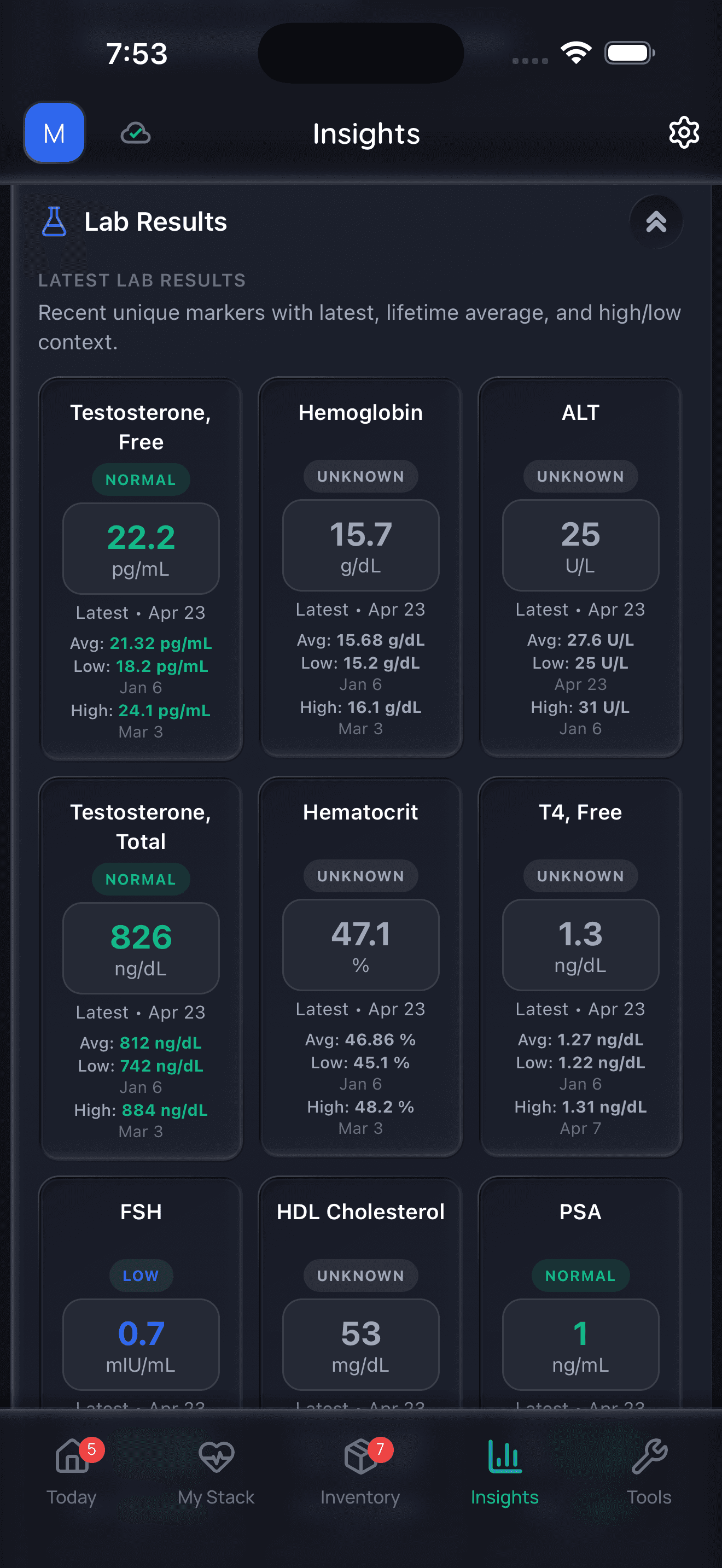
Doserly organizes data; it does not diagnose or interpret labs for you.
What to Expect (Timeline)
Weeks 1-2:
With tincture or standardized extract forms, many people notice calming effects within the first dose, often within 15 to 30 minutes. Tea forms may take slightly longer. During the first week, the primary experience is typically reduced anxiety and a general sense of calm. Some people experience vivid or unusual dreams during this initial period. If grogginess occurs, it is most common in these early days and tends to diminish with continued use. Starting with a lower dose and taking it earlier in the evening can help minimize morning grogginess.
Weeks 3-4:
By the third week of consistent use, the calming effects often feel more reliable and integrated. Some users report improved sleep quality becoming more consistent, and the vivid dreams may settle down. Mood improvements (feeling generally more positive, less reactive) tend to become more noticeable during this period. If using lemon balm for daytime anxiety, the balance between calmness and alertness typically improves as the body adjusts.
Weeks 5-8:
Regular users often describe lemon balm becoming part of their baseline rather than producing a distinct "effect." The calming properties feel natural rather than supplemental. If cardiovascular benefits (lipid improvements) are relevant, clinical studies suggest these metabolic effects begin to emerge after several weeks of consistent supplementation.
Beyond 8 Weeks:
Long-term safety data is limited. The EMA traditional use documentation supports use up to several months. Some users report sustained benefits with ongoing use, while others find the effects plateau. There is no well-established need for cycling, though some users choose to take periodic breaks. Anyone using lemon balm long-term should have regular check-ins with their healthcare provider, particularly regarding thyroid function.
Timelines in the research give you a general idea of when to expect results, but your body has its own schedule. Doserly tracks your progress against those benchmarks, letting you see whether your experience aligns with typical response curves or whether something in your protocol might need adjusting.
By logging biomarkers and subjective outcomes alongside your supplement intake, you build a personal timeline that shows exactly when changes started appearing and how they've progressed. The app's trend analysis highlights inflection points, weeks where things shifted for better or worse, so you have concrete data when deciding whether to continue, adjust your dose, or try a different form.
Capture changes while they are still fresh.
Log symptoms, energy, sleep, mood, and other observations alongside protocol events so patterns do not live only in memory.
Trend view
Symptom timeline
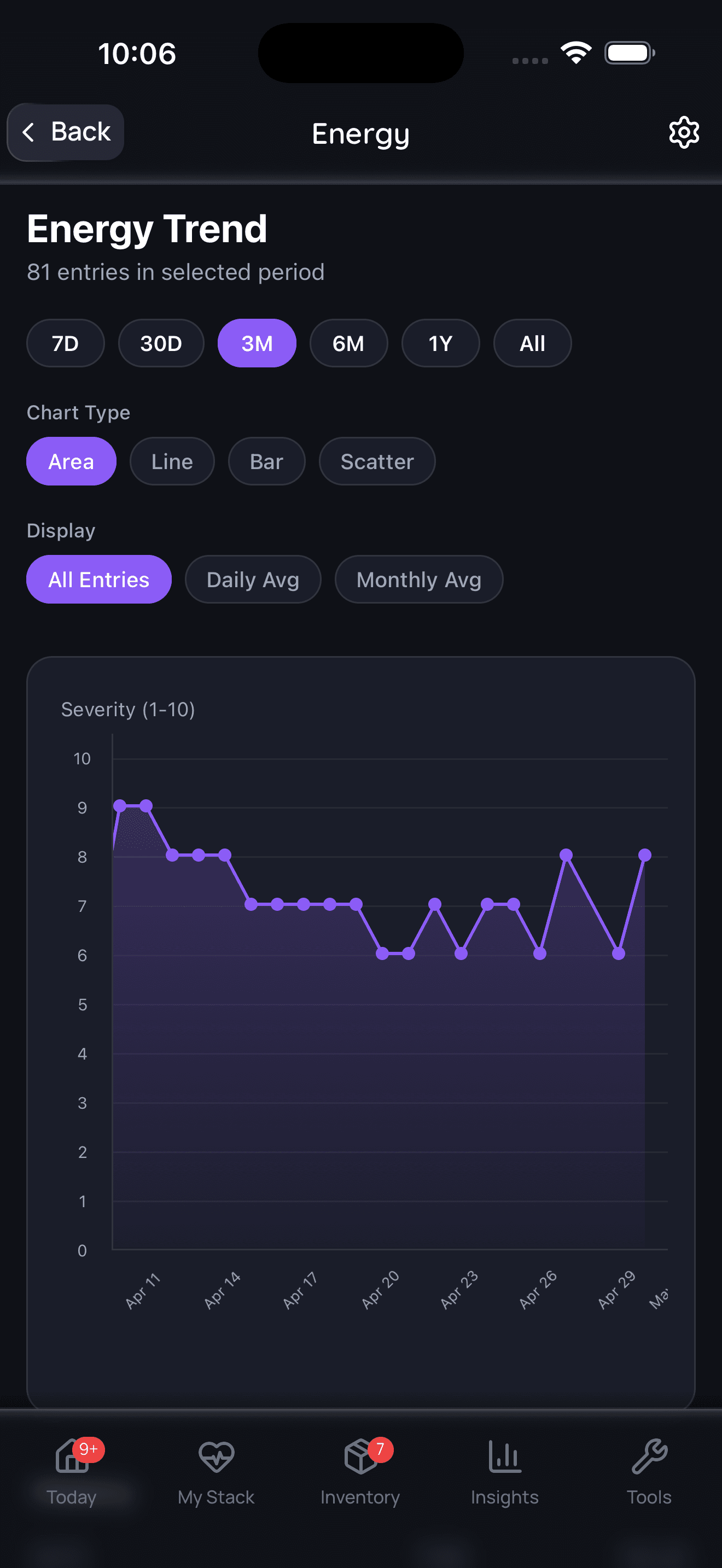
Symptom tracking is informational and should be interpreted with a qualified clinician.
Interactions & Compatibility
Synergistic
- Valerian Root: The most well-studied combination. Lemon balm inhibits GABA transaminase (slows GABA breakdown) while valerian stimulates glutamate decarboxylase (promotes GABA synthesis), creating a dual mechanism for enhancing GABAergic tone. Multiple clinical studies have used this combination for sleep support [1].
- L-Theanine: Commonly stacked for anxiety. Both promote calmness through different mechanisms (lemon balm via GABA transaminase inhibition, L-theanine via alpha brain wave promotion and glutamate modulation). Community users frequently report complementary effects.
- Magnesium: Often used together in evening relaxation and sleep protocols. Magnesium supports GABA receptor function and muscle relaxation, potentially complementing lemon balm's GABAergic effects.
- Passionflower: Both are GABAergic herbs used for anxiety and sleep. Combined use is common in herbal sleep formulas.
- Ashwagandha: Potential complementary pairing for stress management. Ashwagandha modulates the HPA axis and cortisol, while lemon balm acts on GABAergic pathways. Different mechanisms may provide broader stress support.
- Chamomile: Traditional pairing in herbal tea blends. Both are mild nervines with calming properties. Apigenin in chamomile also has GABAergic activity.
Caution / Avoid
- Sedative medications (CNS depressants): Lemon balm may have additive sedative effects when combined with benzodiazepines, barbiturates, or other CNS depressants. Monitor for excessive drowsiness [2].
- Thyroid medications (Levothyroxine): Lemon balm may interfere with thyroid hormone function. Individuals taking thyroid medication should consult their healthcare provider before use [2].
- Diabetes medications (Antidiabetic drugs): Lemon balm may lower blood sugar levels. Combined use with diabetes medications requires careful blood sugar monitoring [2].
- Alcohol: Potential additive drowsiness and sedation effects [2].
- Glaucoma medications: Some preclinical data suggests lemon balm may affect intraocular pressure [2].
How to Take / Administration Guide
Recommended Forms by Goal:
- Anxiety relief (acute): Tincture (sublingual for fastest onset, typically 15-20 minutes) or standardized extract capsule. Cyracos extract at 300-600 mg is the most studied form for this application.
- Sleep support: Full spectrum or 10:1 concentrated extract taken 30-60 minutes before bed. Community experience suggests that Cyracos may be less suitable for sleep due to its more activating profile; full spectrum extracts are generally preferred for sedation.
- General calming/daily stress: Tea (1.5-4.5 g dried herb) is a gentle, pleasant daily option. Can be consumed 1-3 times daily. Capsules of standardized extract (300 mg) taken once or twice daily also work well.
- Cold sores (topical): 1% cream applied to the affected area at the first sign of tingling, 2-5 times daily.
Timing Considerations:
- For anxiety: can be taken at any time of day. Morning and/or early evening dosing is common.
- For sleep: take 30-60 minutes before bed. Avoid taking too late as grogginess may carry into the morning.
- For stress: can be taken situationally (before stressful events) or on a daily schedule.
- Taking with food is recommended to minimize potential GI discomfort, particularly with concentrated extracts.
Stacking Guidance:
- Lemon balm pairs well with valerian root for sleep. A common clinical combination is 80 mg lemon balm (5:1 extract) with 120-160 mg valerian, taken 2-3 times in the evening.
- For daytime anxiety without sedation, pairing lemon balm with L-theanine may provide calmness while preserving alertness.
- Separate from thyroid medication by at least several hours if used at all (ideally consult a healthcare provider).
Cycling Guidance:
- No established cycling protocol exists. Many users take lemon balm daily for extended periods.
- Some community users take periodic breaks (e.g., 5 days on, 2 days off) though this is not evidence-based.
- Long-term use should include periodic discussion with a healthcare provider.
Choosing a Quality Product
Third-Party Certifications:
- Look for USP Verified, NSF Certified, or GMP certification on the label.
- For athletes, Informed Sport or NSF Certified for Sport certifications provide additional banned substance screening.
Active vs. Lower-Quality Forms:
- Standardized extracts specifying rosmarinic acid content (e.g., 7% rosmarinic acid for Cyracos) indicate quality control and consistent potency.
- Full spectrum extracts should specify the extraction ratio (e.g., 10:1) and the part of the plant used (leaf).
- Avoid products labeled simply as "lemon balm" without standardization or extraction details, as potency can vary dramatically.
Red Flags:
- Products that do not disclose the plant part used (leaf vs. stem vs. whole plant).
- Proprietary blends that hide the actual amount of lemon balm per serving.
- Claims of "100% pure essential oil" for oral use (lemon balm essential oil is not safe for oral consumption).
- Mega-dosing without safety data to support it.
Excipient/Filler Considerations:
- Look for minimal fillers. Common acceptable excipients include cellulose, rice flour, and vegetable capsule materials.
- Check for common allergens (gluten, soy, dairy) if relevant.
Supplement-Specific Quality Markers:
- Rosmarinic acid content should be specified for standardized extracts.
- Country of origin and extraction method (water vs. ethanol) can affect the compound profile.
- Organic certification provides assurance against pesticide residues, which is relevant for an herb often grown in gardens.
Storage & Handling
- Dried herb: Store in a cool, dry place away from direct sunlight and moisture. Airtight containers help preserve volatile compounds. Shelf life is typically 1-2 years for properly stored dried herb.
- Standardized extracts/capsules: Store at room temperature in a cool, dry place. No refrigeration required. Keep container sealed.
- Tinctures: Store in dark glass bottles at room temperature. Alcohol-based tinctures have a long shelf life (several years) when properly stored.
- Essential oil: Must be kept in dark glass bottles, cool and away from light. Essential oils degrade when exposed to heat, light, and oxygen.
- Fresh herb: Can be used immediately for tea or dried for later use. Fresh leaves can be refrigerated for a few days or frozen for longer storage.
Lifestyle & Supporting Factors
Diet:
- Lemon balm can be consumed as a culinary herb in salads, desserts, and beverages, contributing to daily intake.
- A diet rich in magnesium (leafy greens, nuts, seeds) may complement lemon balm's GABAergic effects.
- Reducing caffeine intake, particularly in the afternoon, can enhance lemon balm's calming benefits.
Exercise:
- Regular physical activity naturally supports the stress and anxiety pathways that lemon balm targets. Exercise increases GABA levels and promotes neuroplasticity.
- Lemon balm can be taken before stressful or high-performance situations as an acute anxiolytic, though its potential to reduce processing speed should be considered for activities requiring rapid reactions.
Sleep Hygiene:
- Lemon balm tea as part of an evening wind-down routine combines the herb's pharmacological benefits with the behavioral cue of a calming ritual.
- Consistent sleep-wake timing amplifies the sleep benefits of lemon balm supplementation.
Stress Management:
- Lemon balm is most effective when used as part of a broader stress management approach. Practices like meditation, deep breathing, and time in nature complement its anxiolytic effects.
- Growing lemon balm in a garden provides both a fresh supply and the aromatherapeutic benefit of handling the fragrant leaves.
Monitoring:
- Track thyroid function periodically if using lemon balm regularly, particularly if there is any history of thyroid issues.
- Monitor blood sugar levels if taking alongside diabetes medications.
Regulatory Status & Standards
United States (FDA):
Lemon balm is classified as a dietary supplement under DSHEA. It has Generally Recognized as Safe (GRAS) status as a food ingredient. No New Dietary Ingredient (NDI) notification is required for traditional forms. Available over the counter without prescription.
Canada (Health Canada):
Lemon balm is available as a Licensed Natural Health Product (NHP). Products require an NPN (Natural Product Number). Health Canada monographs support traditional use claims for sleep, nervousness, and digestive support.
European Union (EFSA/EMA):
The European Medicines Agency has published a Community Herbal Monograph on Melissa officinalis L., folium (2013), establishing it as a well-established traditional herbal medicinal product. Approved for traditional use indications: relief of mild symptoms of mental stress and to aid sleep, and for symptomatic treatment of mild gastrointestinal complaints [1].
Australia (TGA):
Available as a complementary medicine on the Australian Register of Therapeutic Goods (ARTG). Listed medicines containing lemon balm are available for traditional indications.
Athlete & Sports Regulatory Status:
- WADA: Lemon balm (Melissa officinalis) does not appear on the current WADA Prohibited List. It is not a banned substance in any category.
- National Anti-Doping Agencies: No specific guidance or alerts have been issued by USADA, UKAD, or other major NADOs regarding lemon balm.
- NCAA: Lemon balm is not on the NCAA banned substance list.
- Athlete Certification Programs: Products containing lemon balm are available with Informed Sport and NSF Certified for Sport certifications from select manufacturers.
- GlobalDRO: Athletes can verify the current status of any product containing lemon balm at GlobalDRO.com.
Regulatory status and prohibited substance classifications change frequently. Athletes should always verify the current status of any supplement with their sport's governing body, their national anti-doping agency, and a qualified sports medicine professional before use. Third-party certification (Informed Sport, NSF Certified for Sport) reduces but does not eliminate the risk of contamination with prohibited substances.
Frequently Asked Questions
Can lemon balm help with anxiety?
Based on available research, lemon balm has demonstrated anxiolytic (anxiety-reducing) effects in multiple clinical trials. A 2021 meta-analysis found significant improvements in anxiety scores compared with placebo. Effects have been observed both acutely (single dose before a stressor) and with regular use over days to weeks. Many community users compare the calming effect to mild pharmaceutical anxiolytics. However, individual responses vary, and healthcare provider consultation is recommended.
Is lemon balm safe for long-term use?
Clinical trials have studied lemon balm for up to 4 months without serious adverse effects. The EMA traditional use monograph supports use for extended periods. However, formal long-term safety studies beyond a few months are limited. Periodic check-ins with a healthcare provider are advisable, particularly for thyroid function monitoring.
Does lemon balm affect thyroid function?
There is concern in the medical and community literature that lemon balm may interfere with thyroid function and could potentially worsen hypothyroidism. Individuals with thyroid disorders or those taking thyroid medications should consult their healthcare provider before using lemon balm.
Which form of lemon balm is best for sleep?
Community experience and available research suggest that full spectrum or concentrated (10:1) extracts tend to have a more sedating profile compared to Cyracos-type standardized extracts, which are described as more activating. Tea prepared from dried herb is the most traditional sleep aid form. The dose-response pattern suggests lower doses may be more effective for sleep than higher ones.
Can I take lemon balm with other supplements?
Lemon balm is commonly combined with valerian root, L-theanine, magnesium, and passionflower in sleep and relaxation stacks. The combination with valerian root is the most studied clinically. Caution is advised when combining with other sedating supplements or medications due to potential additive effects.
Why does lemon balm give me vivid dreams?
Vivid or intense dreams are a commonly reported experience, particularly when first starting lemon balm or at higher doses. The mechanism is not fully understood but may relate to enhanced GABA activity influencing sleep architecture (potentially increasing REM sleep). This effect typically diminishes with continued use. Reducing the dose may help if the dreams are disruptive.
What is the "curve response" with lemon balm?
Community users widely discuss a pattern where low doses of lemon balm promote calm and relaxation, while higher doses paradoxically increase alertness or anxiety. This pattern has some support in clinical data: acute doses of 600 mg increased calmness, while 1,600 mg had negative mood effects. Starting with a lower dose and adjusting upward cautiously is a commonly suggested approach.
Is lemon balm safe during pregnancy or breastfeeding?
The European Medicines Agency does not recommend lemon balm during pregnancy or breastfeeding due to insufficient safety data. While the American National Institute of Child Health and Human Development notes that the herb has been safely used in infants and breastmilk exposure is likely minimal, the cautious approach is to consult a healthcare provider before use during these periods.
Can lemon balm lower cholesterol?
A 2024 meta-analysis of randomized controlled trials found that lemon balm supplementation significantly reduced triglycerides, total cholesterol, and LDL cholesterol. This is an emerging area of research, and the cardiovascular benefits require further study to establish optimal dosing and long-term effects.
Does lemon balm interact with medications?
No well-documented drug interactions exist, but theoretical interactions include additive sedation with CNS depressants, potential interference with thyroid medications, additive blood sugar lowering with diabetes medications, and enhanced effects of alcohol. Healthcare provider consultation is recommended for anyone on prescription medications.
Myth vs. Fact
Myth: Lemon balm is just a mild tea herb with no real medicinal effects.
Fact: While lemon balm makes a pleasant tea, its pharmacological effects are supported by meta-analytic evidence. A 2021 systematic review of RCTs found statistically significant improvements in both anxiety and depression scores [3]. The active compounds, particularly rosmarinic acid, demonstrate measurable GABAergic, anti-inflammatory, and antioxidant activity in both preclinical and clinical studies.
Myth: More lemon balm means more relaxation.
Fact: Available evidence and extensive community experience suggest a "curve response" pattern. Clinical data shows that 600 mg produced calming effects, while 1,600 mg paradoxically reduced calmness [1]. Multiple experienced users describe low doses as sedating and high doses as stimulating. Starting lower and adjusting based on personal response is consistently recommended.
Myth: Lemon balm essential oil can be taken orally like other supplements.
Fact: Lemon balm essential oil is not safe for oral consumption. Animal studies indicate moderate toxicity when the essential oil is ingested [1]. The essential oil is appropriate for aromatherapy (inhalation, diluted topical application) only. Oral supplementation should use dried herb, standardized extract, or tincture forms.
Myth: Lemon balm is completely safe for everyone.
Fact: While lemon balm has an excellent safety profile for most people, it is not appropriate for everyone. Individuals with hypothyroidism should exercise caution or avoid it entirely due to potential thyroid function interference [2]. The EMA does not recommend it for pregnant or breastfeeding women or children under 12 due to insufficient safety data [1]. People taking sedative medications, diabetes drugs, or thyroid medications should consult their healthcare provider.
Myth: All lemon balm supplements are the same.
Fact: The rosmarinic acid content of lemon balm preparations varies enormously, from 4-86 mg/g in dried leaf to 232-255 mg/g in 60% ethanolic extracts [1]. Different commercial extracts (Cyracos, full spectrum, 10:1) have distinct profiles and different reported effects. Cyracos is described as more activating, while full spectrum and 10:1 extracts tend to be more sedating. The form matters significantly for the experience.
Myth: Lemon balm works like a benzodiazepine.
Fact: While community users sometimes compare the calming effect to benzodiazepines, the mechanism is fundamentally different. Benzodiazepines enhance GABA signaling at the receptor (positive allosteric modulation). Lemon balm inhibits GABA transaminase, the enzyme that breaks down GABA, allowing natural GABA levels to persist longer [1]. This indirect mechanism is generally associated with milder effects and a better safety profile than direct receptor agonism.
Myth: Lemon balm has no cardiovascular benefits.
Fact: A 2024 meta-analysis of 5 RCTs (302 patients) found that lemon balm supplementation significantly reduced triglycerides (p = 0.001), total cholesterol (p < 0.001), and LDL cholesterol (p < 0.001) [4]. While this is an emerging area of research, the lipid-lowering effect represents a benefit beyond its traditional neurological applications.
Sources & References
Systematic Reviews & Meta-Analyses
[1] Community herbal monograph on Melissa officinalis L., folium. European Medicines Agency (EMA), 2013. (Referenced for traditional use dosing, composition, and safety data compiled from multiple sources)
[3] Ghazizadeh J, Sadigh-Eteghad S, Marx W, et al. The effects of lemon balm (Melissa officinalis L.) on depression and anxiety in clinical trials: A systematic review and meta-analysis. Phytotherapy Research. 2021;35(12):6690-6705. doi:10.1002/ptr.7252
[4] Shahsavari K, Shams Ardekani MR, Khanavi M, et al. Effects of Melissa officinalis (lemon balm) consumption on serum lipid profile: a meta-analysis of randomized controlled trials. BMC Complementary Medicine and Therapies. 2024;24:147. doi:10.1186/s12906-024-04442-0
Clinical Trials & RCTs
[8] Cases J, Ibarra A, Feuillere N, Roller M, Sukkar SG. Pilot trial of Melissa officinalis L. leaf extract in the treatment of volunteers suffering from mild-to-moderate anxiety disorders and sleep disturbances. Mediterranean Journal of Nutrition and Metabolism. 2011;4(3):211-218. doi:10.1007/s12349-010-0045-4
[9] Safari M, Asadi A, Aryaeian N, et al. The effects of Melissa officinalis on depression and anxiety in type 2 diabetes patients with depression: a randomized double-blinded placebo-controlled clinical trial. BMC Complement Med Ther. 2023;23:145. doi:10.1186/s12906-023-03978-x
[10] Soltanpour A, Alijaniha F, Naseri M, Kazemnejad A, Heidari MR. Effects of Melissa officinalis on anxiety and sleep quality in patients undergoing coronary artery bypass surgery: A double-blind randomized placebo controlled trial. European Journal of Integrative Medicine. 2019;28:27-32.
[6] Akhondzadeh S, Noroozian M, Mohammadi M, et al. Melissa officinalis extract in the treatment of patients with mild to moderate Alzheimer's disease: a double-blind, randomised, placebo-controlled trial. Journal of Neurology, Neurosurgery & Psychiatry. 2003;74(7):863-866.
Pharmacological & Preclinical Studies
[1] Kennedy DO, Little W, Scholey AB. Attenuation of laboratory-induced stress in humans after acute administration of Melissa officinalis (Lemon Balm). Psychosomatic Medicine. 2004;66(4):607-613. Kennedy DO, Scholey AB, Tildesley NTJ, et al. Modulation of mood and cognitive performance following acute administration of Melissa officinalis (Lemon Balm). Pharmacology, Biochemistry and Behavior. 2002;72(4):953-964. Awad R, Muhammad A, Durst T, et al. Bioassay-guided fractionation of lemon balm (Melissa officinalis L.) using an in vitro measure of GABA transaminase activity. Phytotherapy Research. 2009;23(8):1075-1081.
[5] Petersen M, Simmonds MS. Rosmarinic acid. Phytochemistry. 2003;62(2):121-125.
Government/Institutional Sources
[2] Drugs.com Clinical Overview: Lemon Balm. Last updated January 21, 2026. (Compiling data from multiple primary pharmacological and clinical sources)
[7] Awad R, Muhammad A, Durst T, et al. Bioassay-guided fractionation of lemon balm (Melissa officinalis L.) using an in vitro measure of GABA transaminase activity. Phytotherapy Research. 2009;23(8):1075-1081.
Monographs
Community herbal monograph on Melissa officinalis L., folium. European Medicines Agency (EMA), Committee on Herbal Medicinal Products (HMPC). EMA/HMPC/196746/2012. Published 2013.
Ulbricht C, Brendler T, Gruenwald J, et al. Lemon balm (Melissa officinalis L.): An evidence-based systematic review by the Natural Standard Research Collaboration. Journal of Herbal Pharmacotherapy. 2005;5(4):71-114. PMID: 16635970.
Related Supplement Guides
Same Category (Herbal — Cognitive/Nootropic)
Common Stacks / Pairings
- Valerian Root (sleep: dual GABAergic mechanism)
- L-Theanine (anxiety: complementary calming mechanisms)
- Magnesium (relaxation: GABA receptor support)
- Ashwagandha (stress: HPA axis + GABAergic)
- GABA (calming: direct GABA supplementation)
Related Health Goal
- Chamomile (calming herbal tea)
- L-Tryptophan (serotonin pathway, sleep)
- 5-HTP (serotonin precursor, mood/sleep)
- Rhodiola Rosea (adaptogen, stress resilience)
- Holy Basil (adaptogen, stress and mood)