
Passionflower: The Complete Supplement Guide
On this page
Quick Reference Card
Attribute
Common Name
- Detail
- Passionflower
Attribute
Other Names / Aliases
- Detail
- Passiflora incarnata, Passion vine, Maypop, Apricot vine, Passiflore, Maracuja, Water lemon
Attribute
Category
- Detail
- Herbal Extract (Anxiolytic / Sleep Aid)
Attribute
Primary Forms & Variants
- Detail
- Dried aerial parts (herb, leaf, flower, fruit); Standardized extract (capsules/tablets, often standardized to flavonoid content such as vitexin/isovitexin); Liquid extract/tincture; Tea (dried herb); Syrup
Attribute
Typical Dose Range
- Detail
- Capsules/tablets: 500-1,200 mg/day; Liquid extract: 30-60 drops/day diluted in water; Tea: 2 g dried herb steeped in hot water (1-3 times daily); No universally established dose
Attribute
RDA / AI / UL
- Detail
- None established. Not a vitamin or mineral. No formal dietary reference intakes exist for passionflower
Attribute
Common Delivery Forms
- Detail
- Capsule, tablet, liquid extract/tincture, tea, syrup
Attribute
Best Taken With / Without Food
- Detail
- Can be taken with or without food. Some users prefer taking with a small amount of food to reduce potential GI discomfort
Attribute
Key Cofactors
- Detail
- No specific nutrient cofactors required. Often combined with valerian, lemon balm, chamomile, hops, or magnesium in sleep and relaxation formulations
Attribute
Storage Notes
- Detail
- Store in a cool, dry place away from direct sunlight and moisture. Tinctures should be kept tightly sealed. Dried herb and tea bags are shelf-stable at room temperature
Overview
The Basics
Passionflower is a climbing vine native to the southeastern United States and Central and South America, recognized by its strikingly intricate white and purple flowers. The plant has a long history of use as a calming herb. Sixteenth-century Spanish explorers encountered it in South America, and it was subsequently brought to Europe, where it became a staple of folk medicine for anxiety and restlessness [1][2].
Today, passionflower is one of the most widely used herbal supplements for anxiety and sleep support. It is available in a variety of forms, including teas, tinctures, capsules, and tablets. The aerial parts of the plant (leaves, flowers, and stems) are the portions used medicinally, not the fruit (which is the edible passion fruit from a related species) [1][3].
What makes passionflower interesting to researchers is its apparent ability to interact with the brain's calming system. Specifically, compounds in passionflower appear to modulate GABA, a neurotransmitter that acts as the brain's natural braking system. When GABA activity increases, nerve cell excitability decreases, and you feel calmer. This is the same system targeted by prescription anti-anxiety medications like benzodiazepines, which is why passionflower is sometimes described as a "natural alternative" to these drugs, though the comparison has important limitations [4][5].
The clinical evidence for passionflower is promising but still limited. A handful of small human studies suggest it may reduce anxiety symptoms with a potency comparable to some prescription medications, while potentially causing fewer side effects like daytime drowsiness and impaired work performance [6][7]. However, larger, longer-term studies are needed to confirm these findings.
The Science
Passiflora incarnata L. (Passifloraceae) is a perennial climbing vine belonging to the genus Passiflora, which comprises approximately 600 species. P. incarnata is the species most extensively studied for pharmacological activity and the one included in multiple pharmacopoeias, including the European Pharmacopoeia, German Commission E monographs, and Health Canada Natural Health Products monographs [1][3].
The plant's pharmacologically active constituents are concentrated in the aerial parts and include several classes of compounds: flavonoids (chrysin, vitexin, isovitexin, orientin, homoorientin), indole alkaloids (harman, harmaline, harmol), gamma-pyrone derivatives (maltol), and various glycosides [4][5][8]. The relative concentration of these constituents varies by extraction method, plant part, growing conditions, and harvest timing, which contributes to variability in clinical outcomes across studies [3][9].
A 2020 PRISMA-compliant systematic review by Janda et al. identified nine randomized clinical trials examining P. incarnata in neuropsychiatric disorders [10]. The majority reported reduced anxiety levels following administration of passionflower preparations, with the effect less pronounced in individuals with mild baseline anxiety. No adverse effects on memory or psychometric function were observed across included studies. A 2007 Cochrane systematic review found limited but promising evidence for passionflower in anxiety disorders, while noting the need for larger, more rigorous trials [11].
The European Medicines Agency (EMA) has issued a community herbal monograph recognizing P. incarnata herba as a traditional herbal medicinal product for relief of mild symptoms of mental stress and to aid sleep, based on a history of at least 30 years of traditional use [12].
Chemical & Nutritional Identity
Property
Scientific Name
- Value
- Passiflora incarnata L.
Property
Family
- Value
- Passifloraceae
Property
Order
- Value
- Malpighiales
Property
Kingdom
- Value
- Plantae
Property
Category
- Value
- Herbal Extract; Anxiolytic; Sleep Aid
Property
Primary Bioactive Compounds (Flavonoids)
- Value
- Chrysin, vitexin, isovitexin, orientin, homoorientin, apigenin, luteolin, kaempferol, quercetin
Property
Primary Bioactive Compounds (Alkaloids)
- Value
- Harman, harmaline, harmol (beta-carboline alkaloids)
Property
Other Active Compounds
- Value
- Maltol (gamma-pyrone derivative), gamma-aminobutyric acid (GABA, present in plant material), various glycosides
Property
Standardization Markers
- Value
- Total flavonoids as vitexin or isovitexin (common); some products standardized to 3.5-4% or 6% flavonoid content
Property
CAS Number
- Value
- 8057-62-3 (extract)
Property
RDA / AI / UL
- Value
- None established. Not a vitamin or mineral
Passionflower's bioactive profile is complex, with multiple compound classes contributing to its pharmacological effects. The flavonoid fraction is the most abundant and most commonly used for standardization. Chrysin was initially proposed as the primary anxiolytic compound, but subsequent research has shown that isolated chrysin has poor oral bioavailability, and the anxiolytic activity likely results from synergistic interactions among multiple constituents [4][5][8].
The beta-carboline alkaloids (harman, harmaline) are present in relatively small quantities but are pharmacologically significant due to their monoamine oxidase (MAO) inhibitory activity. From 17 samples of the herb analyzed in one study, only one sample yielded a detectable quantity of harman alkaloids, indicating substantial variability [8][13].
Mechanism of Action
The Basics
Passionflower works primarily by interacting with your brain's main calming system, known as the GABA system. GABA (gamma-aminobutyric acid) is a neurotransmitter that acts like a volume dial for nerve cell activity. When GABA binds to its receptors, it turns the volume down, reducing neural excitability and producing feelings of calm and relaxation [4][5].
Passionflower contains several different compounds that appear to work together to enhance GABA's effects. Some compounds help GABA bind more effectively to its receptors. Others may slow the rate at which your brain removes GABA from the spaces between nerve cells, keeping it active for longer. This multi-pronged approach is thought to explain why whole passionflower extracts tend to work better than any single isolated compound from the plant [8][14].
Beyond the GABA system, passionflower contains small amounts of compounds called beta-carboline alkaloids (harman and harmaline) that have a separate calming effect. These compounds mildly inhibit an enzyme called monoamine oxidase (MAO), which breaks down neurotransmitters like serotonin and dopamine. By gently slowing this breakdown, these alkaloids may contribute to passionflower's mood-related effects [5][13].
Passionflower also has mild anti-inflammatory properties, though this is a less studied and less prominent effect compared to its nervous system activity [15].
The Science
The anxiolytic and sedative activity of Passiflora incarnata is attributed to modulation of the GABAergic system through multiple mechanisms:
GABA receptor binding: In vitro studies demonstrate that passionflower extracts exhibit affinity for both GABA(A) and GABA(B) receptors. Appel et al. (2011) showed modulation of GABA uptake and receptor binding in neuronal cell models [14]. Grundmann et al. (2008) provided the first in vivo demonstration that the anxiolytic activity of a phytochemically characterized P. incarnata extract is mediated via the GABA(A)/benzodiazepine receptor complex. The active dose (375 mg/kg in mice) was effectively antagonized by flumazenil (a GABA(A)/benzodiazepine receptor antagonist) but not by WAY-100635 (a 5-HT1A receptor antagonist), confirming GABAergic rather than serotonergic mediation [4].
GABA modulation by specific constituents: Maltol and gamma-pyrone derivatives activate GABA receptors directly [5]. Chrysin, a flavonoid present in passionflower, demonstrates central nervous system suppression activity and benzodiazepine-like effects in vitro, though its poor oral bioavailability limits its contribution when taken orally [8]. An isolated benzoflavone moiety has been identified as a potent anxiolytic compound, potentially the strongest GABA-active constituent in passionflower [16].
MAO inhibition: The beta-carboline alkaloids harman and harmaline produce monoamine oxidase inhibition [13]. This activity may modestly increase synaptic concentrations of serotonin, dopamine, and noradrenaline, though the clinical significance at the concentrations present in typical supplements is unclear.
Dose-response characteristics: Grundmann et al. demonstrated a U-shaped dose-response curve in the elevated plus maze model, with anxiolytic activity at 375 mg/kg but not at 150 mg/kg or 600 mg/kg [4]. This non-linear response is consistent with the pharmacology of GABA(A) receptor modulators and may explain inconsistent clinical results when dosing is not optimized.
Anti-inflammatory activity: An ethanolic extract of passionflower reduced carrageenan-induced edema, leukocyte migration, and granuloma formation in murine models, though the effect was less pronounced than aspirin [15]. Antiradical activities have been attributed to the flavonoid isovitexin [17].
Aromatase inhibition: An isolated benzoflavone moiety and chrysin demonstrate aromatase inhibitory properties in vitro. In animal reproductive studies, passionflower produced sexual behavioral disruption in male adult rats without altering plasma testosterone levels, reproductive organ weights, or sperm count, an effect potentially attributed to aromatase inhibition [18].
Absorption & Bioavailability
The Basics
How much benefit you get from passionflower depends partly on how you take it. Unlike a mineral supplement where you can measure exactly how many milligrams your body absorbs, passionflower contains dozens of active compounds that absorb at different rates, making the picture more complex [3][9].
The form of the supplement matters. Liquid extracts and tinctures tend to be absorbed more quickly than capsules or tablets because the active compounds are already dissolved and can begin absorbing as soon as they reach the digestive tract. Many users report feeling effects from tinctures within 15 to 30 minutes, while capsules may take 30 to 60 minutes.
Tea is another popular form, but the extraction efficiency depends on steeping time, water temperature, and the quality of the dried herb. A single cup of tea generally delivers a lower concentration of active compounds than a standardized capsule or tincture, which is why some clinical studies noted that tea doses needed to be higher or consumed multiple times daily for more significant effects [7][19].
The extraction method used to produce a supplement also matters. Some active compounds (like flavonoids) dissolve well in water, while others (like certain alkaloids) are better extracted with alcohol. This is why "dual extraction" or ethanol-based tinctures may capture a broader range of active compounds compared to water-only preparations like tea [9].
The Science
Detailed pharmacokinetic data for P. incarnata and its individual constituents in humans are limited. The available evidence suggests the following:
Flavonoid absorption: The major flavonoids (vitexin, isovitexin, orientin, homoorientin) are C-glycosyl flavones. C-glycosyl bonds are resistant to hydrolysis by mammalian enzymes, which may reduce the rate and extent of absorption compared to O-glycosyl flavonoids. However, gut microbiota can cleave these bonds to some degree, releasing aglycones for absorption in the colon [8][17].
Chrysin bioavailability: Despite in vitro GABA(A) receptor activity, chrysin has notably poor oral bioavailability due to extensive first-pass glucuronidation and sulfation. This has led researchers to question whether chrysin alone accounts for passionflower's observed anxiolytic effects, supporting the hypothesis that synergistic interactions among multiple constituents drive clinical outcomes [8].
Extraction method effects: Elsas et al. (2010) demonstrated that the pharmacological profile of passionflower extracts varies significantly with extraction method. Different extraction solvents (water, ethanol, aqueous ethanol) yielded extracts with different activity profiles in both in vitro GABA current assays and in vivo behavioral models, with some extracts producing anxiolytic effects and others producing anxiogenic effects [9]. This finding underscores the importance of standardized extraction in commercial products.
Onset and duration: Based on clinical study designs and community reports, the onset of action for oral passionflower preparations is typically 30 to 90 minutes, with effects lasting 2 to 6 hours depending on dose and individual metabolism [6][7][19].
Research & Clinical Evidence
The Basics
The research on passionflower is encouraging but still building. Most of the human studies have been small (typically 30 to 110 participants) and relatively short (ranging from a single dose before surgery to about 4 weeks of daily use). Within those limits, the results have been consistently positive for anxiety reduction [6][7][10].
The most notable finding from the clinical research is that passionflower appears to reduce anxiety with a potency comparable to some prescription medications, but with fewer cognitive side effects. In the landmark study comparing it to oxazepam (a benzodiazepine), passionflower performed equally well for reducing anxiety symptoms over four weeks, while causing significantly less impairment of work performance [6].
For sleep, the evidence is more modest. One study using polysomnography (an objective sleep measurement) found that passionflower increased total sleep time in people with insomnia, though it did not significantly improve the time it took to fall asleep compared to placebo [20]. A separate study found that passionflower tea improved subjective sleep quality, but not other sleep measures [19].
An emerging area of interest is the use of passionflower as a support tool during benzodiazepine tapering. A 2024 real-world study found that passionflower extract helped patients reduce their benzodiazepine dose successfully, with no rebound anxiety, withdrawal symptoms, or dependence when the passionflower itself was discontinued [21].
The Science
Generalized Anxiety Disorder: Akhondzadeh et al. (2001) conducted a pilot double-blind RCT (n=36) comparing P. incarnata extract (45 drops/day, standardized to 11-15 mg total flavonoids as hyperoside per 100 mL) to oxazepam 30 mg/day for 4 weeks in outpatients with GAD (DSM-IV criteria). Both treatments were effective in reducing Hamilton Anxiety Rating Scale scores, with no statistically significant difference between groups at trial conclusion. Oxazepam demonstrated a more rapid onset of anxiolytic action (day 4 vs. day 7 for passionflower). Notably, significantly greater job performance impairment was observed in the oxazepam group (p<0.01) [6].
Preoperative anxiety: Movafegh et al. (2008) conducted a double-blind, placebo-controlled study (n=60) administering 500 mg P. incarnata extract 90 minutes before ambulatory surgery. The passionflower group demonstrated significantly lower Numeric Anxiety Scale scores without increased sedation or psychomotor impairment [7]. Aslanargun et al. (2012) replicated this finding before spinal anesthesia (n=60), showing suppression of state anxiety increases without changes in psychomotor function, sedation level, or hemodynamics [22].
Insomnia: Lee et al. (2020) conducted a double-blind RCT (n=110) in adults with insomnia disorder (DSM-5 criteria). After 2 weeks of passionflower extract supplementation, total sleep time (TST) was significantly increased on polysomnography compared to placebo. Wake after sleep onset (WASO) improved within the treatment group but did not differ significantly from placebo [20]. Ngan and Conduit (2011) found that 2 g daily passionflower tea improved subjective sleep quality (via sleep diaries) but not polysomnographic measures, in a smaller double-blind study [19].
Stress and sleep combined: A 2024 double-blind RCT (n=65) found that a standardized P. incarnata extract (SIVI) significantly reduced Perceived Stress Scale scores and increased total sleep time compared to placebo over 30 days, with improved General Health Questionnaire scores at both day 15 and day 30. No adverse effects were reported [23].
Benzodiazepine tapering: Carminati et al. (2024) conducted an 18-month retrospective naturalistic study in euthymic outpatients with anxiety or depression chronically taking benzodiazepines. A dry extract of P. incarnata as add-on treatment during benzodiazepine tapering was effective, with sustained reduction in BDZ dosage over time. Critically, passionflower was easily discontinued with no rebound, withdrawal, or psychological dependence effects [21].
ADHD: Akhondzadeh et al. (2005) reported that passionflower had comparable effects to methylphenidate for ADHD symptoms in children and adolescents, with fewer side effects. However, this was a single small study and requires replication [24].
Dental anxiety: Dantas et al. (2017) compared passionflower to midazolam for anxiety control during dental extraction. Both reduced anxiety, but the passionflower group experienced significantly less anterograde amnesia than the midazolam group [25].
Evidence & Effectiveness Matrix
Category
Anxiety
- Evidence Strength
- 7/10
- Reported Effectiveness
- 8/10
- Summary
- Multiple RCTs show reduced anxiety symptoms comparable to oxazepam; consistent community reports of significant anxiety relief
Category
Sleep Quality
- Evidence Strength
- 6/10
- Reported Effectiveness
- 7/10
- Summary
- PSG data shows increased total sleep time in insomnia; community reports strong sleep quality improvement, particularly for anxiety-related insomnia
Category
Stress Tolerance
- Evidence Strength
- 5/10
- Reported Effectiveness
- 6/10
- Summary
- One RCT shows reduced perceived stress scores; community reports of improved stress handling
Category
Mood & Wellbeing
- Evidence Strength
- 4/10
- Reported Effectiveness
- 6/10
- Summary
- Limited direct clinical evidence; synergy with St. John's wort in antidepressant models; community reports of improved emotional state
Category
Focus & Mental Clarity
- Evidence Strength
- 4/10
- Reported Effectiveness
- 5/10
- Summary
- ADHD study shows potential; mixed community reports (helps rumination but may cause grogginess at higher doses)
Category
Emotional Regulation
- Evidence Strength
- 4/10
- Reported Effectiveness
- 6/10
- Summary
- No direct clinical trials targeting this outcome; community reports highlight reduction in rumination and repetitive thought loops
Category
Side Effect Burden
- Evidence Strength
- 6/10
- Reported Effectiveness
- 5/10
- Summary
- Clinical trials report good tolerability; community reports include headaches and sedation as common side effects
Category
Nausea & GI Tolerance
- Evidence Strength
- 5/10
- Reported Effectiveness
- 6/10
- Summary
- Generally well tolerated in trials; minimal GI complaints in community data
Category
Treatment Adherence
- Evidence Strength
- 5/10
- Reported Effectiveness
- 5/10
- Summary
- BDZ tapering study shows no withdrawal on discontinuation; community discussion about tolerance concerns
Category
Withdrawal Symptoms
- Evidence Strength
- 5/10
- Reported Effectiveness
- 5/10
- Summary
- Clinical data suggests no withdrawal; limited community reports of rebound anxiety
Categories scored: 10
Categories with community data: 10
Categories not scored (insufficient data): Fat Loss, Muscle Growth, Weight Management, Appetite & Satiety, Food Noise, Energy Levels, Memory & Cognition, Motivation & Drive, Emotional Aliveness, Libido, Sexual Function, Joint Health, Inflammation, Pain Management, Recovery & Healing, Physical Performance, Gut Health, Digestive Comfort, Skin Health, Hair Health, Heart Health, Blood Pressure, Heart Rate & Palpitations, Hormonal Symptoms, Temperature Regulation, Fluid Retention, Body Image, Immune Function, Bone Health, Longevity & Neuroprotection, Cravings & Impulse Control, Social Connection, Daily Functioning
Benefits & Potential Effects
The Basics
Passionflower's primary benefits center on calming the nervous system. The most consistent finding across studies is that it can reduce feelings of anxiety without the heavy sedation or cognitive impairment often associated with prescription anti-anxiety medications. For people who experience anxiety as a barrier to daily activities, this gentler approach has obvious appeal [6][7][10].
Sleep improvement is the second major benefit, particularly for people whose sleep problems are rooted in anxiety or an overactive mind. Rather than knocking you out like a strong sedative, passionflower seems to help by quieting the mental noise that keeps you awake. This distinction matters because it means the quality of sleep may be more natural and restorative [19][20].
There is early evidence suggesting passionflower may help people who are trying to reduce their reliance on benzodiazepine medications. One study found that adding passionflower during a gradual benzodiazepine taper helped patients successfully reduce their doses without the rebound anxiety or withdrawal symptoms that often derail tapering attempts [21].
Other potential benefits, including support for ADHD symptoms, reduction in nerve pain, and anti-inflammatory effects, have less supporting evidence and should be considered preliminary.
The Science
The evidence base for P. incarnata benefits can be stratified by strength of evidence:
Strong evidence (multiple RCTs):
- Reduction of generalized anxiety symptoms, with effect sizes comparable to low-dose benzodiazepines [6][10]
- Reduction of acute situational anxiety (preoperative, predental procedure) without psychomotor impairment [7][22][25]
Moderate evidence (single RCT or multiple pilot studies):
- Improvement in objective sleep parameters (total sleep time) in insomnia disorder [20]
- Reduction in perceived stress with improved general psychological health [23]
- Support during benzodiazepine tapering without rebound or withdrawal [21]
Preliminary evidence (single small studies, animal models):
- ADHD symptom reduction comparable to methylphenidate in children [24]
- Anti-inflammatory activity (animal models only) [15]
- Antidiabetic potential (animal models only) [26]
- Seizure suppression with protection against post-ictal depression (animal models) [27]
- Synergistic enhancement of St. John's wort antidepressant activity (in vitro and animal models) [28]
Side Effects & Safety
The Basics
Passionflower is generally well tolerated in clinical studies, with most trials reporting no serious adverse events at standard doses [6][7][10][20]. The most commonly reported side effects are drowsiness and dizziness, which are consistent with its calming mechanism and are sometimes considered desirable rather than problematic, particularly when taking passionflower for sleep.
At standard supplement doses, the side effect profile is considerably milder than prescription anti-anxiety medications. In the study comparing passionflower to oxazepam, the passionflower group had significantly less impairment of job performance [6].
However, there are important safety signals to be aware of. Large doses may cause excessive sedation and, rarely, cardiac effects. One case report documented a 34-year-old woman who required hospitalization after taking a passionflower supplement, with symptoms including nausea, vomiting, slowed heart rate, and heart rhythm abnormalities [29]. This was an isolated case at what appeared to be a high dose, but it underscores that more is not necessarily better.
Community reports also consistently mention headaches as a side effect that does not appear frequently in clinical literature but is noted by many users. This may be related to passionflower's mild MAO inhibitory activity [10][13].
Passionflower should be avoided during pregnancy, as some constituents may cause uterine contractions. Animal studies have also shown behavioral changes in male offspring exposed during development [18][30].
The Science
Clinical trial safety data: Across the nine RCTs included in the Janda et al. (2020) systematic review, no serious adverse effects were reported. Common side effects included dizziness, sedation, ataxia, allergic reaction, and impaired cognitive function at higher doses [10]. The Akhondzadeh (2001) study specifically noted that passionflower demonstrated less job performance impairment than oxazepam (p<0.01), suggesting a more favorable cognitive safety profile than benzodiazepines [6].
Cardiac effects: Large doses may result in central nervous system depression, bradycardia, prolonged QTc interval, and ventricular tachycardia. A case report documented nausea, vomiting, bradycardia, non-sustained ventricular tachycardia, QTc prolongation, and nonspecific ST-T wave changes in a 34-year-old woman after passionflower supplement use [29]. The pharmacologic profile suggests potential QT interval prolongation with large doses [29].
Toxicology surveillance: Passionflower was among the 10 most frequently reported plants associated with neurotoxicity and gastrointestinal symptoms across European poison centers in the PlantLIBRA study [31].
Pregnancy contraindication: In laboratory studies, passionflower produced sexual behavioral disruption in male adult rats exposed during development, potentially attributed to aromatase inhibition [18]. Some constituents may cause uterine contractions [30]. Use during pregnancy is contraindicated.
Duration of safe use: The NCCIH states that passionflower tea may be safe for up to 7 nights, and daily use of passionflower extract may be safe for up to 8 weeks [1]. Long-term safety data beyond 8 weeks are limited, though the Carminati et al. (2024) benzodiazepine tapering study observed no adverse events over an 18-month observation period [21].
Managing side effect risks across a multi-supplement stack can feel overwhelming, especially when interactions between supplements, medications, and foods add layers of complexity. Doserly brings all of that into a single safety view so nothing falls through the cracks.
Rather than researching every possible interaction yourself, the app checks your full stack automatically and flags supplement-drug and supplement-supplement interactions that warrant attention. If you do experience something unexpected, logging it takes seconds, and over time the app helps you spot patterns: whether symptoms correlate with specific doses, timing, or combinations. One place for the safety picture that matters most when your stack grows beyond a few bottles.
Connect protocol changes to labs and health markers.
Doserly can keep lab results, biomarkers, symptoms, and dose history close together so follow-up conversations have better context.
Insights
Labs and trends
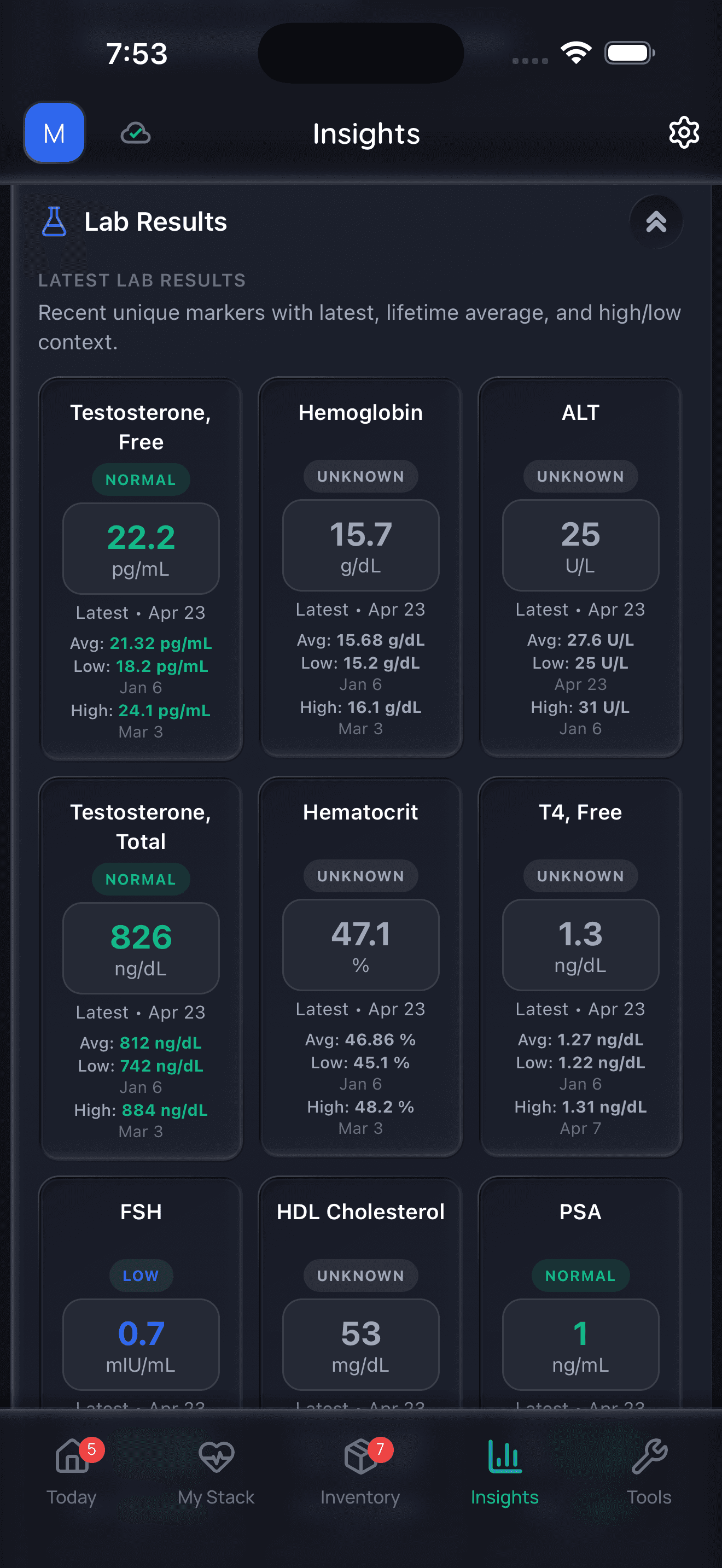
Doserly organizes data; it does not diagnose or interpret labs for you.
Dosing & Usage Protocols
The Basics
One of the challenges with passionflower is that there is no universally agreed-upon dose. Unlike vitamins and minerals, which have established Recommended Dietary Allowances, herbal supplements like passionflower lack standardized dosing guidelines. The "right" dose depends on the form you are taking, the concentration of the extract, and what you are taking it for [3][10].
Based on the doses used in clinical studies, the commonly cited ranges are:
- Capsules and tablets: 500 to 1,200 mg per day of dried herb or extract
- Liquid extract or tincture: 30 to 60 drops per day, diluted in water
- Tea: 2 grams of dried passionflower herb steeped in hot water, taken 1 to 3 times daily
For sleep support, most users take passionflower 30 to 60 minutes before bedtime. For anxiety, it is often taken 1 to 3 times throughout the day, though daytime sedation is a concern at higher doses [7][19].
It is worth noting that the researchers who conducted the passionflower tea study acknowledged that 2 grams once daily was a relatively low dose, and that consuming the tea three times daily would likely produce more significant effects. However, this was impractical in the study due to the risk of daytime sedation [19].
The Science
The absence of established dosing guidelines for P. incarnata reflects both the complexity of its multi-constituent pharmacology and the variability in commercial preparations [3][10].
Clinical trial doses:
- Akhondzadeh (2001): 45 drops/day of standardized liquid extract (11-15 mg total flavonoids as hyperoside per 100 mL) for GAD [6]
- Movafegh (2008): 500 mg standardized extract, single dose before surgery [7]
- Aslanargun (2012): Oral extract, single dose 30 minutes before spinal anesthesia [22]
- Ngan (2011): 2 g dried herb as tea, daily for 7 nights [19]
- Lee (2020): Passionflower extract, daily for 2 weeks (dose not specified in abstract) [20]
- SIVI study (2024): Standardized extract from aerial parts, daily for 30 days [23]
- Dantas (2017): 750 mg P. incarnata syrup, single dose before dental procedure [25]
Standardization challenges: Products vary considerably in their active constituent profiles. Standardization to total flavonoids (as vitexin, isovitexin, or hyperoside) is common but does not fully capture the pharmacological activity, which likely depends on the ratio of multiple compound classes (flavonoids, alkaloids, gamma-pyrones). This makes dose equivalence between products difficult to establish [3][9].
U-shaped dose-response: The preclinical finding of a U-shaped dose-response curve (Grundmann et al., 2008), with anxiolytic activity at 375 mg/kg but not at 150 mg/kg or 600 mg/kg, suggests that optimal dosing exists within a specific range and that exceeding it may reduce efficacy or change the pharmacological profile [4].
When your stack includes several supplements, each with its own dose, form, and timing requirements, the logistics alone can derail consistency. Doserly consolidates all of it into one protocol view, so every dose across your entire routine is accounted for without spreadsheets or guesswork.
The app also tracks cumulative intake for nutrients that appear in multiple products. If your multivitamin, standalone supplement, and fortified protein shake all contain the same nutrient, Doserly adds them up and shows you the total alongside recommended and upper limits. Managing a thoughtful supplement protocol shouldn't require a degree in nutrition science. The app handles the complexity so you can focus on staying consistent.
Turn symptom and safety notes into a clearer timeline.
Doserly helps you log doses, symptoms, and safety observations side by side so patterns are easier to discuss with a qualified clinician.
Pattern view
Logs and observations

Pattern visibility is informational and should be reviewed with a clinician.
What to Expect (Timeline)
Based on available clinical data and community reports, here is what users commonly report when starting passionflower supplementation:
Days 1-3: Initial Response
Many users report noticing calming effects from the first dose, particularly with tincture and liquid extract forms. Onset is typically within 30 to 60 minutes. The anxiolytic effect may be subtle at first. Some users notice improved sleep quality from the first night. Drowsiness is the most commonly reported early effect, which can be welcome or unwanted depending on timing.
Week 1: Establishing Effects
By the end of the first week, most users who respond to passionflower have a clear sense of whether it is working for them. In the preoperative anxiety studies, single-dose effects were observable within 90 minutes [7][22]. For sleep, the Ngan (2011) tea study measured effects over a 7-night period and found improved subjective sleep quality by the end of the week [19]. Some users report headaches during the first week, which may diminish with continued use or dose adjustment.
Weeks 2-4: Full Effect Window
The majority of clinical trials ran for 2 to 4 weeks, and this appears to be the window in which passionflower's effects are most clearly established. The Lee et al. (2020) insomnia study demonstrated significant PSG improvements at the 2-week mark [20]. The Akhondzadeh (2001) GAD study showed full anxiolytic effects by 4 weeks, with passionflower catching up to oxazepam's faster onset by the end of the trial period [6]. The 2024 stress/sleep study showed significant improvements at both day 15 and day 30 [23].
Beyond 4 Weeks: Maintenance and Long-term Considerations
Long-term data beyond 8 weeks of continuous use are limited. The NCCIH considers daily extract use safe for up to 8 weeks [1]. The Carminati et al. (2024) study observed patients using passionflower over an 18-month period during benzodiazepine tapering without adverse events, though this was a naturalistic observational design rather than a controlled trial [21]. Some community users report long-term daily use without issues, while others prefer to cycle passionflower with other calming herbs to avoid potential tolerance.
What if it does not work?
Not everyone responds to passionflower. If you do not notice any benefit after 2 to 3 weeks of consistent use at an appropriate dose, passionflower may simply not be the right fit for your biochemistry. Some community users report no effect from passionflower despite positive experiences with other calming herbs like skullcap, valerian, or lemon balm.
One of the hardest parts of any supplement routine is knowing whether it's working when results unfold gradually over weeks or months. Without a record, it's easy to abandon something too early or keep taking something that isn't delivering. Doserly solves that by giving you a visual timeline of your entire supplementation history mapped against the outcomes you care about.
When everything is in one view, you can compare how different supplements in your stack are performing over the same period. You can see whether adding this supplement coincided with the improvement you've noticed, or whether the timing points to something else entirely. That kind of clarity turns patience into a strategy rather than a gamble.
Capture changes while they are still fresh.
Log symptoms, energy, sleep, mood, and other observations alongside protocol events so patterns do not live only in memory.
Trend view
Symptom timeline
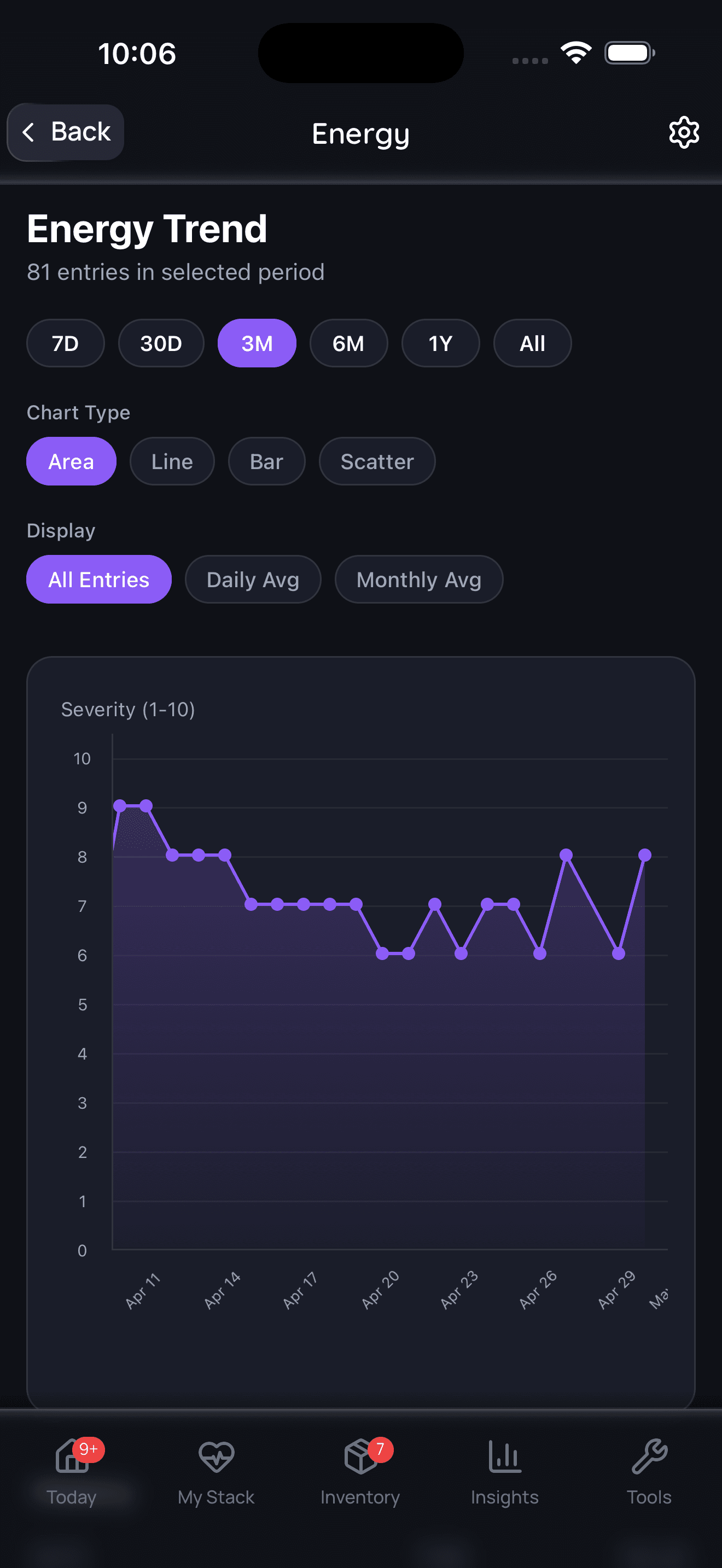
Symptom tracking is informational and should be interpreted with a qualified clinician.
Interactions & Compatibility
SYNERGISTIC
- Valerian: Commonly combined in sleep formulations. Both modulate the GABA system through different mechanisms. The combination is traditionally used for insomnia and may provide broader GABA support than either herb alone.
- Lemon Balm: Frequently paired for anxiety and sleep. Lemon balm has complementary anxiolytic mechanisms and may enhance the calming effects of passionflower.
- Chamomile: Gentle combination for nighttime relaxation. Chamomile's mild GABA(A) receptor activity complements passionflower's broader GABAergic profile.
- Magnesium: Magnesium supports GABA receptor function and nervous system relaxation. The combination is commonly used in sleep and stress formulations. No known negative interaction.
- L-Theanine: L-theanine promotes calm alertness through alpha wave modulation. The combination may provide anxiety relief without excessive sedation during daytime use.
- Hops: Traditional combination for insomnia. Hops enhance sedative effects when paired with passionflower.
- St. John's Wort: In vitro and in vivo evidence demonstrates synergistic enhancement of St. John's wort's antidepressant activity when combined with passionflower [28]. However, this combination requires caution due to St. John's wort's extensive drug interaction profile.
CAUTION / AVOID
- Benzodiazepines (Ativan, Valium, Xanax, etc.): Passionflower may increase the sedative effects of benzodiazepines by increasing the binding activity of benzodiazepines to GABA receptors. Clinical relevance is not established, but additive sedation is theoretically possible. A case report documented hand tremors, dizziness, and muscular fatigue in a patient combining passionflower with lorazepam [32].
- Pentobarbital and other barbiturates: Passionflower may potentiate the effects of barbiturates. Clinical relevance is not known [30].
- Drugs that prolong the QT interval (e.g., azithromycin, dasatinib, fingolimod): The pharmacologic profile of passionflower suggests potential QT interval prolongation with large doses. Combined use with QT-prolonging medications may carry additive cardiac risk [29].
- Sedative medications and anesthesia: Passionflower may have additive effects with sedative medications. The NCCIH recommends discussing passionflower use with a healthcare provider if surgery is scheduled within 2 weeks [1].
- MAO inhibitor medications: Due to the mild MAO inhibitory activity of harman and harmaline alkaloids in passionflower, theoretical interactions with prescription MAOIs exist, though clinical significance is unclear at typical supplement doses [13].
How to Take / Administration Guide
Recommended forms: The most commonly used forms are standardized capsules/tablets, liquid extracts/tinctures, and herbal tea. Standardized extracts (typically standardized to flavonoid content) offer the most consistent dosing. Tinctures tend to have a faster onset of action. Tea is the gentlest form but delivers a lower concentration of active compounds per serving.
Timing considerations: For sleep support, most practitioners suggest taking passionflower 30 to 60 minutes before bedtime. For daytime anxiety, smaller doses may be used, though sedation is a possibility and may limit daytime use for some individuals. The preoperative studies administered passionflower 30 to 90 minutes before the anxiety-inducing event [7][22].
Stacking guidance: Passionflower is commonly stacked with other calming herbs (valerian, lemon balm, chamomile, hops) and with magnesium. When combining with other GABAergic supplements, starting with lower doses of each and adjusting gradually is a common approach. Avoid combining with prescription sedatives or anti-anxiety medications without professional guidance.
Cycling guidance: While some users take passionflower continuously for extended periods, many herbalists and some healthcare practitioners recommend periodic breaks or rotation with other calming herbs to minimize the risk of tolerance. Common cycling approaches include 5 days on/2 days off, or alternating 2-week blocks between different nervine herbs.
Preparation notes for tea: Steep 2 grams of dried passionflower herb in freshly boiled water for 10 to 15 minutes. Strain and consume. The tea has a mild, slightly grassy flavor that many find palatable. It blends well with chamomile, lemon balm, or honey.
Choosing a Quality Product
Third-party certifications: Look for products that carry USP Verified, NSF Certified for Sport, or GMP-certified labels. These certifications verify identity, purity, and potency. For herbal supplements, GMP certification is particularly important because of the risk of contamination, adulteration, or substitution with related Passiflora species.
Standardization: Quality passionflower products are typically standardized to flavonoid content, often expressed as a percentage of vitexin, isovitexin, or total flavonoids (commonly 3.5% to 6%). Standardization helps ensure consistent dosing between batches. Products that do not specify their active constituent content make it difficult to judge potency.
Species verification: Ensure the product specifies Passiflora incarnata. The genus Passiflora includes approximately 600 species, and products may contain other species (such as P. edulis, the edible passion fruit, or P. caerulea) that do not have the same pharmacological profile. Certificates of Analysis (COAs) from reputable manufacturers should confirm species identity.
Red flags: Proprietary blends that do not disclose individual herb amounts; products making drug-like claims (e.g., "cures anxiety"); absence of a standardization marker; no third-party testing indicated; unusually low prices that may suggest adulteration or low-quality raw materials.
Form-specific quality markers: For tinctures, look for the herb-to-solvent ratio and alcohol percentage. For capsules, check whether the product contains whole dried herb (less concentrated) or a concentrated extract (more potent per milligram). For tea, look for products using whole cut herb rather than powder, as this indicates less processing and potentially better preservation of volatile compounds.
Storage & Handling
Store passionflower supplements in a cool, dry place away from direct sunlight, heat, and moisture. Capsules and tablets should be kept in their original sealed container. Tinctures should be kept tightly capped; the alcohol content acts as a preservative, and most tinctures have a shelf life of 3 to 5 years when stored properly. Dried herb for tea should be stored in an airtight container away from light and used within 1 to 2 years for optimal potency. Discard any product that has changed color significantly, developed an unusual odor, or shows signs of moisture damage.
Lifestyle & Supporting Factors
Stress management practices: Passionflower works on the nervous system's calming mechanisms, and its benefits may be enhanced by complementary stress management practices such as deep breathing, progressive muscle relaxation, meditation, or gentle yoga. These practices independently activate the parasympathetic nervous system and may have synergistic effects with passionflower's GABAergic activity.
Sleep hygiene: For those using passionflower for sleep support, good sleep hygiene practices amplify its effects. Consistent sleep and wake times, a dark and cool sleeping environment, limiting screen exposure before bed, and avoiding caffeine in the afternoon are all evidence-based practices that complement herbal sleep support.
Caffeine and stimulant interactions: Since passionflower works by enhancing GABA activity (calming), and caffeine works by blocking adenosine receptors (stimulating), these two compounds have somewhat opposing mechanisms. Heavy caffeine consumption may reduce passionflower's calming effects. Some users find that reducing caffeine intake, particularly in the afternoon and evening, enhances their response to passionflower.
Dietary considerations: No specific dietary requirements complement passionflower supplementation. However, adequate intake of magnesium (through foods like dark leafy greens, nuts, seeds, and whole grains) supports GABA receptor function and may complement passionflower's mechanism of action.
Signs that may indicate a need for calming support: Persistent difficulty falling asleep, racing thoughts at bedtime, physical manifestations of stress (muscle tension, jaw clenching, restlessness), difficulty concentrating due to mental noise, and situational anxiety that interferes with daily activities.
Regulatory Status & Standards
United States (FDA): Passionflower is regulated as a dietary supplement under DSHEA. It has a long history of food use and is Generally Recognized as Safe (GRAS) as a flavoring ingredient. The FDA has not evaluated passionflower for efficacy in treating any disease.
Canada (Health Canada): Passionflower is recognized as a Natural Health Product. Licensed products carry Natural Product Numbers (NPNs). Health Canada monographs support traditional use as a sleep aid and for relief of restlessness and nervousness.
European Union (EFSA/EMA): The European Medicines Agency (EMA) has issued a Community Herbal Monograph for Passiflora incarnata L. herba, recognizing it as a traditional herbal medicinal product for relief of mild symptoms of mental stress and to aid sleep, based on at least 30 years of documented traditional use [12]. The German Commission E has approved passionflower for nervous restlessness.
Australia (TGA): Passionflower is listed in the Australian Register of Therapeutic Goods as a complementary medicine ingredient.
Athlete & Sports Regulatory Status:
WADA: Passionflower is not on the current World Anti-Doping Agency Prohibited List. It is not classified under any prohibited substance category (S0-S9, M1-M3, P1).
National Anti-Doping Agencies: No major NADOs (USADA, UKAD, Sport Integrity Canada, Sport Integrity Australia, NADA Germany) have issued specific guidance or alerts about passionflower.
Professional Sports Leagues: Passionflower is not known to appear on any professional league banned substance lists (NFL, NBA, MLB, NHL, MLS, NCAA).
NCAA: Passionflower is not on the NCAA banned substance list. However, athletes should verify individual product purity, as herbal supplements carry a risk of contamination with prohibited substances.
Athlete Certification Programs: Athletes seeking additional assurance should look for products bearing Informed Sport (sport.wetestyoutrust.com), NSF Certified for Sport (nsfsport.com), Cologne List (koelnerliste.com), or BSCG (bscg.org) certifications.
GlobalDRO: Athletes can verify supplement status at GlobalDRO.com.
Regulatory status and prohibited substance classifications change frequently. Athletes should always verify the current status of any supplement with their sport's governing body, their national anti-doping agency, and a qualified sports medicine professional before use. Third-party certification (Informed Sport, NSF Certified for Sport) reduces but does not eliminate the risk of contamination with prohibited substances.
Frequently Asked Questions
Is passionflower safe to take every day?
Based on available data, daily use of passionflower extract has been studied for up to 8 weeks without reported safety concerns. Some clinical studies have used it for up to 30 days continuously with good safety profiles. However, long-term safety data beyond 8 weeks are limited. Some herbalists recommend periodic breaks or cycling with other calming herbs. Anyone considering long-term daily use should consult with a healthcare professional.
Can passionflower replace my anti-anxiety medication?
Passionflower should not be used as a replacement for prescribed medications without the guidance of a healthcare provider. While one study showed comparable efficacy to oxazepam for generalized anxiety, it was a small pilot trial. Decisions about anxiety medication should always be made in consultation with a qualified prescriber who understands your full medical history.
Does passionflower cause dependence or withdrawal?
The clinical evidence available does not suggest physical dependence or withdrawal from passionflower. The Carminati et al. (2024) study specifically noted that passionflower could be discontinued without rebound, withdrawal, or psychological dependence effects. However, some community users report mild rebound anxiety when stopping after extended use, and this possibility warrants awareness.
What form of passionflower works best?
This varies by individual. Tinctures and liquid extracts tend to have a faster onset (15 to 30 minutes). Standardized capsules offer more consistent dosing. Tea provides a gentler, more gradual effect but at lower concentrations. Some users find that the form that works best depends on their intended use: tinctures for acute anxiety, capsules for daily maintenance, and tea for bedtime relaxation.
Can I take passionflower with melatonin?
The combination of passionflower and melatonin is commonly used for sleep support. There are no known contraindications in the available literature. However, both have sedative properties, and the combination may produce stronger drowsiness than either alone.
Does passionflower interact with alcohol?
Passionflower modulates the same receptor system (GABA) that alcohol affects. Combining the two may result in additive sedation, drowsiness, and impairment. Caution is advised.
Will passionflower make me drowsy during the day?
Drowsiness is a possibility, particularly at higher doses. The preoperative anxiety studies used moderate doses and found anxiety reduction without significant sedation in most participants. Some users find that lower daytime doses provide anxiety relief with acceptable alertness levels, while higher doses are better suited for evening or bedtime use.
Is passionflower safe during pregnancy or breastfeeding?
Passionflower should not be used during pregnancy. Animal studies have shown uterine contracting effects and behavioral changes in offspring exposed during development. There is insufficient data on safety during breastfeeding. Pregnant or breastfeeding individuals should consult a healthcare provider before using any herbal supplement.
How does passionflower compare to valerian for sleep?
Both are commonly used herbal sleep aids, and they are frequently combined. Community reports suggest they have different profiles: passionflower is often described as better for quieting racing thoughts and anxiety-related insomnia, while valerian is described as having a stronger sedative "knockout" effect. Some users find that alternating between the two or combining them is more effective than using either alone.
Can children take passionflower?
One clinical study examined passionflower for ADHD in children and adolescents with favorable results. However, the evidence base for pediatric use is extremely limited. Any use of passionflower in children should be discussed with a pediatrician.
Myth vs. Fact
Myth: Passionflower is just as strong as prescription benzodiazepines.
Fact: While one clinical trial found passionflower comparable to oxazepam (a benzodiazepine) for generalized anxiety, this was a single small pilot study (n=36) over 4 weeks. Passionflower modulates GABA receptors differently than benzodiazepines and generally produces milder effects. It should not be considered a direct substitute for prescribed anti-anxiety medications [6].
Myth: All forms of passionflower are equally effective.
Fact: Research has shown that the extraction method significantly affects passionflower's pharmacological profile. Elsas et al. (2010) demonstrated that different extraction solvents produced extracts with different activity profiles, with some showing anxiolytic effects and others producing anxiogenic (anxiety-increasing) effects. Standardized products provide more consistent outcomes than unstandardized preparations [9].
Myth: Passionflower works instantly like a fast-acting anti-anxiety medication.
Fact: While some users report noticing effects within 30 to 60 minutes of a single dose, the clinical trial comparing passionflower to oxazepam found that oxazepam had a faster onset (by day 4) while passionflower took approximately 7 days to reach comparable efficacy. Passionflower may provide some immediate calming, but optimal effects for chronic anxiety may require consistent use over 1 to 2 weeks [6].
Myth: Passionflower has no side effects because it is natural.
Fact: While generally well tolerated, passionflower can cause drowsiness, dizziness, headaches, and, in rare cases at high doses, cardiac effects including slowed heart rate and abnormal heart rhythms. One woman required hospitalization after taking a passionflower supplement. "Natural" does not mean without risk [29][31].
Myth: Passionflower is the same as passion fruit.
Fact: Passionflower (Passiflora incarnata) is the medicinal species used in supplements. Passion fruit (Passiflora edulis) is a different species cultivated primarily for its edible fruit. While they belong to the same genus, they have different chemical profiles, and consuming passion fruit will not provide the anxiolytic effects attributed to P. incarnata [1][3].
Myth: You cannot develop tolerance to passionflower.
Fact: While the clinical evidence does not clearly demonstrate tolerance development, the GABA-mediated mechanism of action is the same system involved in tolerance to benzodiazepines. Some community users report diminishing effects with long-term daily use. The evidence is insufficient to make definitive claims about tolerance, and many herbalists recommend periodic breaks or cycling as a precaution.
Myth: Passionflower is just a placebo.
Fact: Multiple double-blind, placebo-controlled studies have demonstrated statistically significant effects of passionflower on anxiety and sleep outcomes compared to placebo. In vitro and in vivo studies have confirmed specific pharmacological mechanisms (GABA receptor modulation) that explain the observed clinical effects [4][6][7][14][20].
Sources & References
Clinical Trials & RCTs
[1] NCCIH. "Passionflower." National Center for Complementary and Integrative Health, National Institutes of Health. https://www.nccih.nih.gov/health/passionflower
[6] Akhondzadeh S, Naghavi HR, Vazirian M, et al. "Passionflower in the treatment of generalized anxiety: a pilot double-blind randomized controlled trial with oxazepam." J Clin Pharm Ther. 2001;26(5):363-367. https://pubmed.ncbi.nlm.nih.gov/11679026/
[7] Movafegh A, Alizadeh R, Hajimohamadi F, et al. "Preoperative oral Passiflora incarnata reduces anxiety in ambulatory surgery patients: a double-blind, placebo-controlled study." Anesth Analg. 2008;106(6):1728-1732. https://pubmed.ncbi.nlm.nih.gov/18519305/
[19] Ngan A, Conduit R. "A double-blind, placebo-controlled investigation of the effects of Passiflora incarnata (passionflower) herbal tea on subjective sleep quality." Phytother Res. 2011;25(8):1153-9. https://pubmed.ncbi.nlm.nih.gov/21294203/
[20] Lee J, Jung H-Y, Lee SI, et al. "Effects of Passiflora incarnata Linnaeus on polysomnographic sleep parameters in subjects with insomnia disorder: a double-blind randomized placebo-controlled study." Int Clin Psychopharmacol. 2020;35(1):29-35. https://pubmed.ncbi.nlm.nih.gov/31714321/
[22] Aslanargun P, Cuvas O, Dikmen B, et al. "Passiflora incarnata Linneaus as an anxiolytic before spinal anesthesia." J Anesth. 2012;26(1):39-44. https://pubmed.ncbi.nlm.nih.gov/22048283/
[23] "Randomized, Double-Blind, Placebo-Controlled, Clinical Study of Passiflora incarnata in Participants With Stress and Sleep Problems." Cureus. 2024. https://pubmed.ncbi.nlm.nih.gov/38646244/
[24] Akhondzadeh S, Mohammadi MR, Momeni F. "Passiflora incarnata in the treatment of attention-deficit hyperactivity disorder in children and adolescents." Therapy. 2005;2(4):609-614.
[25] Dantas LP, de Oliveira-Ribeiro A, de Almeida-Souza LM, Groppo FC. "Effects of passiflora incarnata and midazolam for control of anxiety in patients undergoing dental extraction." Med Oral Patol Oral Cir Bucal. 2017;22(1):e95-e101. https://pubmed.ncbi.nlm.nih.gov/27918740/
Systematic Reviews & Meta-Analyses
[10] Janda K, Wojtkowska K, Jakubczyk K, et al. "Passiflora incarnata in Neuropsychiatric Disorders - A Systematic Review." Nutrients. 2020;12(12):3894. https://pubmed.ncbi.nlm.nih.gov/33352740/
[11] Miyasaka LS, Atallah AN, Soares BG. "Passiflora for anxiety disorder." Cochrane Database Syst Rev. 2007;(1):CD004518. https://pubmed.ncbi.nlm.nih.gov/17253511/
[3] Miroddi M, Calapai G, Navarra M, et al. "Passiflora incarnata L: ethnopharmacology, clinical application, safety and evaluation of clinical trials." J Ethnopharmacol. 2013;150(3):791-804.
Mechanistic & Preclinical Studies
[4] Grundmann O, Wang J, McGregor GP, et al. "Anxiolytic Activity of a Phytochemically Characterized Passiflora incarnata Extract is Mediated via the GABAergic System." Planta Med. 2008;74(15):1769-73. https://pubmed.ncbi.nlm.nih.gov/19006051/
[5] Soulimani R, Younos C, Jarmouni S, et al. "Behavioural effects of Passiflora incarnata L. and its indole alkaloid and flavonoid derivatives and maltol in the mouse." J Ethnopharmacol. 1997;57(1):11-20. https://pubmed.ncbi.nlm.nih.gov/9228201/
[8] Dhawan K, Dhawan S, Sharma A. "Passiflora: a review update." J Ethnopharmacol. 2004;94(1):1-23.
[9] Elsas S-M, Rossi DJ, Raber J, et al. "Passiflora incarnata L. (Passionflower) extracts elicit GABA currents in hippocampal neurons in vitro and show anxiogenic and anticonvulsant effects in vivo, varying with extraction method." Phytomedicine. 2010;17(12):940-9. https://pubmed.ncbi.nlm.nih.gov/20708340/
[13] Grice ID, Ferreira LA, Griffiths LR. "Identification and simultaneous analysis of harmane, harmine, harmol, isovitexin, and vitexin in Passiflora incarnata extracts with a novel HPLC method." J Liq Chrom Rel Technol. 2001;24(16):2513-2523.
[14] Appel K, Rose T, Fiebich B, et al. "Modulation of the gamma-aminobutyric acid (GABA) system by Passiflora incarnata L." Phytother Res. 2011;25(6):838-843. https://pubmed.ncbi.nlm.nih.gov/20839214/
[15] Borrelli F, Pinto L, Izzo AA, et al. "Anti-inflammatory activity of Passiflora incarnata L. in rats." Phytother Res. 1996;10:S104-S106.
[16] Dhawan K, Kumar S, Sharma A. "Anti-anxiety studies on extracts of Passiflora incarnata Linneaus." J Ethnopharmacol. 2001;78(2-3):165-170. https://pubmed.ncbi.nlm.nih.gov/11694362/
[17] Masteikova R, Bernatoniene J, Bernatoniene R, et al. "Antiradical activities of the extract of Passiflora incarnata." Acta Pol Pharm. 2008;65(5):577-583.
[18] Bacchi AD, Ponte B, Vieira ML, et al. "Developmental exposure to Passiflora incarnata induces behavioural alterations in the male progeny." Reprod Fertil Dev. 2013;25(5):782-789.
[21] Carminati M, et al. "Passiflora incarnata L., herba, in benzodiazepine tapering: long-term safety and efficacy in a real-world setting." Front Psychiatry. 2024. https://pubmed.ncbi.nlm.nih.gov/39429529/
[26] Gupta RK, Kumar D, Chaudhary AK, et al. "Antidiabetic activity of Passiflora incarnata Linn. in streptozotocin-induced diabetes in mice." J Ethnopharmacol. 2012;139(3):801-806.
[27] Singh B, Singh D, Goel RK. "Dual protective effect of Passiflora incarnata in epilepsy and associated post-ictal depression." J Ethnopharmacol. 2012;139(1):273-279.
[28] Fiebich BL, Knorle R, Appel K, et al. "Pharmacological studies in an herbal drug combination of St. John's wort (Hypericum perforatum) and passion flower (Passiflora incarnata): In vitro and in vivo evidence of synergy between Hypericum and Passiflora in antidepressant pharmacological models." Fitoterapia. 2011;82(3):474-80. https://pubmed.ncbi.nlm.nih.gov/21256940/
Safety & Toxicology
[29] Fisher AA, Purcell P, Le Couteur DG. "Toxicity of Passiflora incarnata L." J Toxicol Clin Toxicol. 2000;38(1):63-66. https://pubmed.ncbi.nlm.nih.gov/10696930/
[30] Newall CA, Anderson LA, Phillipson JD. Herbal Medicines: A Guide for Health-Care Professionals. 1st ed. London: Pharmaceutical Press; 1996.
[31] Lude S, Vecchio S, Sinno-Tellier S, et al. "Adverse Effects of Plant Food Supplements and Plants Consumed as Food: Results from the Poisons Centres-Based PlantLIBRA Study." Phytother Res. 2016;30(6):988-96. https://pubmed.ncbi.nlm.nih.gov/27097164/
[32] Carrasco MC, Vallejo JR, Pardo-de-Santayana M, et al. "Interactions of Valeriana officinalis L. and Passiflora incarnata L. in a patient treated with lorazepam." Phytother Res. 2009;23:1795-1796.
Government/Institutional Sources
[2] MSKCC. "Passionflower." Memorial Sloan Kettering Cancer Center, About Herbs. https://www.mskcc.org/cancer-care/integrative-medicine/herbs/passionflower
[12] European Medicines Agency. "Assessment Report on Passiflora incarnata L., herba." EMA Committee on Herbal Medicinal Products (HMPC).
Review Articles
[33] da Fonseca LR, et al. "Herbal Medicinal Products from Passiflora for Anxiety: An Unexploited Potential." The Scientific World Journal. 2020. https://pubmed.ncbi.nlm.nih.gov/32765195/