
Crystagen: Complete Research Guide
On this page
Quick Reference Card
Attribute
Also Known As
- Detail
- Crystagen, Peptide Complex AC-6, EDP tripeptide, Immune System Bioregulator, Cytogen
Attribute
Administration
- Detail
- Oral (capsules), Sublingual (drops)
Attribute
Research Status
- Detail
- Research Compound / Dietary Supplement (Russia). No FDA approval. Not evaluated by MHRA. Classified as a parapharmaceutical/Cytogen in Russia.
Attribute
Typical Dose Range
- Detail
- Capsules: 1-2 capsules (0.2-0.4 mg peptide complex AC-6) 1-2 times daily. Sublingual: 1 ml daily (5-6 drops, 3-4 times per day).
Attribute
Half-Life
- Detail
- Not established in published literature
Attribute
Cycle Length
- Detail
- 1 month. Repeat every 3-6 months.
Attribute
Storage
- Detail
- Room temperature, dry place, below 25°C. Protect from direct sunlight.
Overview / What Is Crystagen?
The Basics
Crystagen is a short synthetic peptide designed to support the immune system. It belongs to a class of compounds called Cytogens, which are synthetic versions of naturally occurring peptides originally isolated from animal tissues. In the case of Crystagen, the underlying peptide was identified through analysis of thymus tissue, the organ that plays a central role in training and maintaining your immune cells.
Unlike many peptides in the research compound space, Crystagen is taken orally as a capsule or sublingually as drops, not injected. This makes it one of the more accessible peptide bioregulators, though it also means the delivery method and absorption dynamics differ significantly from injectable peptides that most people in the peptide community are familiar with.
Crystagen was developed by Professor Vladimir Khavinson and the St. Petersburg Institute of Bioregulation and Gerontology in Russia, where it has been available as a dietary supplement for decades. The underlying theory of peptide bioregulation proposes that short peptides (typically 2-4 amino acids) can interact directly with DNA and influence gene expression in tissue-specific ways. In Crystagen's case, the target tissue is the immune system, specifically cells involved in immune regulation and response.
People turn to Crystagen primarily for immune system support, particularly during recovery from illness, after exposure to environmental stressors, or as part of an anti-aging regimen. It has been used in Russia in the context of recovery from chemotherapy, chronic infections, and age-related immune decline. The compound has a loyal following in the bioregulator peptide community, though its evidence base is substantially smaller and less independently validated than many more mainstream peptides.
The Science
Crystagen (peptide complex AC-6) is a synthetic tripeptide bioregulator with the amino acid sequence Glu-Asp-Pro (EDP). It was identified as an active component of Thymalin, a polypeptide preparation extracted from the thymus of young animals, through reversed-phase high-performance liquid chromatography (RP-HPLC) and mass spectrometry [1][2].
The compound belongs to the Cytogen class of Khavinson peptide bioregulators, synthesized versions of naturally occurring regulatory peptides that are theorized to interact with DNA in the major groove of the double helix. According to the Khavinson bioregulation model, these short peptides bind to specific DNA sequences in target tissues, modulating chromatin accessibility and enabling transcription factor binding at gene loci involved in tissue-specific cellular function [1][2].
Crystagen was shown to activate B-cell components of the immune system in spleen tissue during aging, though it did not affect cellular renewal processes in the spleen [3]. The peptide also demonstrated effects on thymic cells in an accelerated aging model using gamma-irradiated rats, preserving the cortex-medulla division in the thymus and stimulating thymocyte proliferation as indicated by increased expression of proliferating cell nuclear antigen (PCNA) [1].
Molecular Identity
Attribute
Active Peptide Sequence
- Detail
- Glu-Asp-Pro (EDP)
Attribute
Peptide Complex Designation
- Detail
- AC-6
Attribute
Amino Acid Count
- Detail
- 3 (tripeptide)
Attribute
Origin
- Detail
- Synthetic; derived from amino acid analysis of thymus tissue extracts
Attribute
Developer
- Detail
- Prof. Vladimir Khavinson, St. Petersburg Institute of Bioregulation and Gerontology
Attribute
Peptide Class
- Detail
- Cytogen (synthetic bioregulatory peptide)
Mechanism of Action
The Basics
Crystagen is designed to work by communicating directly with your cells' DNA, specifically in immune system tissues. The idea behind Khavinson peptide bioregulators is that each organ and tissue in your body has its own regulatory peptides, and as you age or experience illness, the levels of these peptides decline. This decline leads to reduced gene expression in those tissues, which in turn means less protein production and diminished function.
Think of it like a fading instruction manual. Over time, the pages get harder to read, so the cellular machinery produces fewer of the proteins it needs to function properly. Crystagen, according to this theory, acts as a fresh copy of those faded instructions, restoring the ability of immune cells to produce the proteins they need.
In practical terms, the research that exists suggests Crystagen primarily influences B-cells (a type of white blood cell involved in antibody production) and may help preserve the structure of the thymus, the organ where T-cells mature. By supporting these immune cell populations, the peptide is thought to help maintain a more functional immune response, particularly in older adults or people whose immune systems have been compromised by illness or stress.
It is important to note that this mechanism is largely theoretical and based on the Khavinson bioregulation framework, which has not been independently validated by research groups outside of the St. Petersburg Institute.
The Science
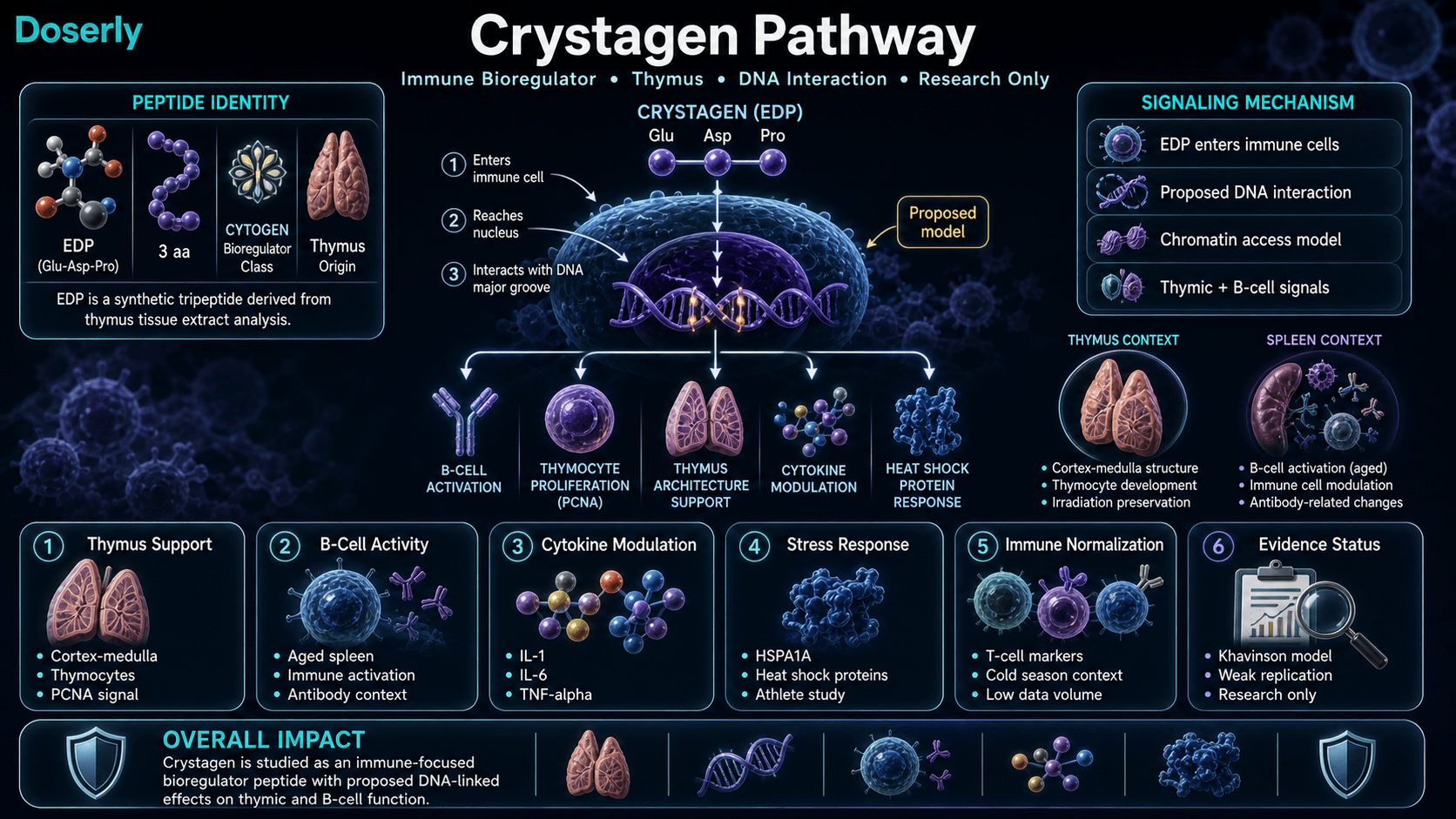
The proposed mechanism of Crystagen (EDP tripeptide) follows the Khavinson peptide bioregulation model, wherein short peptides of 2-4 amino acid residues interact directly with DNA in the major groove of the double helix, influencing chromatin condensation state and gene expression patterns in tissue-specific ways [1][2].
Experimental evidence for Crystagen's mechanism includes:
- B-cell activation in spleen: Crystagen was found to activate the B-cell immune system in aged spleen tissue, though it did not stimulate cellular renewal processes (proliferation/apoptosis balance) during aging [3].
- Thymic preservation: In gamma-irradiated rats (accelerated aging model), Crystagen preserved the cortex-medulla division of the thymus, which is typically lost with aging. The peptide increased macrophage and mast cell populations and stimulated thymocyte proliferation as measured by PCNA expression [1].
- Cytokine modulation: The EDP tripeptide demonstrated stimulatory effects on peritoneal macrophage cytokine secretion, including IL-1, IL-6, and TNF-alpha, in both young and old mice [2].
- Heat shock protein expression: When administered orally to athletes, Crystagen and other short peptides doubled expression of the HSP gene HSPA1A and normalized IL-6 expression, suggesting a role in stress response modulation [1].
- Antitumor activity: EDP promoted proliferation in human thymic epithelial cells while inhibiting proliferation of human erythromyelosis tumor K-562 cells in vitro, suggesting potential differential effects on normal versus malignant cells [2].
Independent validation of these mechanisms is limited. A 2025 assessment of Khavinson peptide bioregulators rated Crystagen's external validation as "Weak," noting that EDP's activity in thymic epithelial cell lines was documented only by Khavinson's research group, with no independent replication [4].
Pathway Visualization Image
Pharmacokinetics
The Basics
Detailed pharmacokinetic data for Crystagen (how quickly it's absorbed, how long it stays in your system, and how it's processed) has not been published in the available scientific literature. This is a significant gap in the evidence base and is common among Khavinson bioregulatory peptides, which were developed and studied primarily in Russia without the same pharmacokinetic characterization standards typical of Western drug development.
What is known is that Crystagen is taken orally (capsules or sublingual drops), which means it passes through the digestive system. Short peptides of 2-4 amino acids can potentially be absorbed through the gut and may also cross cellular membranes to interact with intracellular targets. The sublingual delivery form is designed to allow some absorption directly through the mucous membranes under the tongue, potentially bypassing first-pass metabolism in the liver.
Manufacturer guidance suggests taking Crystagen 30 minutes before meals, which is consistent with maximizing peptide absorption before food intake triggers digestive enzyme activity that could degrade the peptide.
The Science
No peer-reviewed pharmacokinetic studies specific to the Crystagen (EDP) tripeptide have been identified in the available literature. Key pharmacokinetic parameters including bioavailability, Cmax, Tmax, half-life, volume of distribution, and clearance remain uncharacterized.
The general pharmacokinetic profile of short peptide bioregulators of the Khavinson class suggests oral bioavailability, as peptides of fewer than 4 amino acids may be absorbed intact through intestinal transport mechanisms including PepT1 (SLC15A1), a proton-coupled oligopeptide transporter expressed in the small intestine [5]. However, this has not been specifically demonstrated for the EDP sequence.
The manufacturer's recommendation for pre-meal administration aligns with the general principle that peptide absorption is optimized in the absence of competing dietary amino acids and proteolytic enzyme activity.
Research & Clinical Evidence
Crystagen and Immune Function
The Basics
The most directly relevant research on Crystagen involves its effects on the immune system in elderly patients. In a study of elderly and senile individuals with impaired immunity, Crystagen used alongside standard treatment normalized the immune profile (immunogram) in 82% of patients, compared to 56% in the control group. Patients taking Crystagen also experienced reduced severity of asthenic syndrome, the weakness and fatigue associated with immune deficiency.
This is a promising signal, but it is important to note that this study comes from the same research group that developed Crystagen, and no independent replication has been published.
The Science
A clinical evaluation of Crystagen in elderly patients with secondary immunodeficiency demonstrated normalization of the immunogram in 82% of the treatment group versus 56% in the standard-treatment control group. Crystagen preferentially influenced T-cell immunity, increasing CD3+ and CD4+ cell counts and normalizing the CD4+/CD8+ ratio. Effects on B-lymphocyte populations were less pronounced. All patients receiving Crystagen showed reduction in asthenic syndrome severity [1].
Crystagen and Thymic Preservation
The Basics
The thymus is an organ behind your breastbone that serves as a training ground for T-cells, crucial immune cells. The thymus naturally shrinks with age, a process called thymic involution, which contributes to the decline in immune function seen in older adults. Research in animal models suggests that Crystagen may help slow this process by preserving the thymus structure and stimulating the growth of new thymic cells.
The Science
In an accelerated aging model using gamma-irradiated rats, Crystagen demonstrated immunogeroprotective effects on thymic cells. The peptide preserved cortex-medulla architectural division, which is typically lost during aging and radiation exposure. Crystagen treatment increased macrophage and mast cell populations within the thymus and stimulated thymocyte proliferation as assessed by PCNA expression [1][2].
Crystagen and Stress Resistance in Athletes
The Basics
A study involving athletes found that oral administration of Crystagen and other short peptides increased stress resistance and normalized markers of immune function. Athletes who took the peptides experienced fewer acute respiratory viral infections. This suggests that Crystagen may have practical value for people whose immune systems are under stress from intense physical activity.
The Science
Oral administration of Crystagen and other short bioregulatory peptides to athletes resulted in a twofold increase in expression of the heat shock protein gene HSPA1A, normalization of IL-6 expression, and reduced incidence of acute respiratory viral infections (ARVI) [1]. Heat shock proteins play a protective role in cellular stress response, and their upregulation is associated with enhanced tolerance to physical and environmental stressors.
Crystagen and Spleen Immunomodulation
The Basics
The spleen is another key immune organ that processes blood and houses immune cells. Research on aged spleen tissue found that Crystagen specifically activated B-cells, the immune cells responsible for producing antibodies. However, it did not appear to stimulate general cellular renewal in the spleen the way some other bioregulatory peptides did.
The Science
Investigation of Crystagen's immunomodulating activity in aging spleen tissue revealed B-cell activation without concurrent effects on cellular renewal processes (proliferation/apoptosis balance). In contrast, related peptides Vilon and R-1 activated T-helper cells through distinct mechanisms: Vilon via apoptosis inhibition and R-1 via proliferation stimulation. Thymogen activated B-lymphocytes and promoted general spleen cell proliferation. Crystagen's B-cell specificity without broader effects on cellular turnover represents a distinct immunomodulatory profile within the Khavinson peptide family [3].
Biomarker Evidence Matrix
Category
Immune Function
- Evidence Strength
- 4/10
- Reported Effectiveness
- 6/10
- Summary
- Limited clinical data from Khavinson-affiliated studies shows 82% immunogram normalization in elderly. Community reports are consistently positive for cold/flu season protection, though volume is very low. No independent replication.
Category
Longevity & Neuroprotection
- Evidence Strength
- 3/10
- Reported Effectiveness
- 5/10
- Summary
- Animal model data on thymic preservation and antitumor activity. Community interest in epigenetic age reversal claims, but these are unverified and based on multi-peptide protocols, not Crystagen alone.
Category
Focus & Mental Clarity
- Evidence Strength
- 1/10
- Reported Effectiveness
- 4/10
- Summary
- Single anecdotal report of nootropic effects. No mechanistic basis established. Insufficient data for meaningful scoring.
Category
Side Effect Burden
- Evidence Strength
- 3/10
- Reported Effectiveness
- 8/10
- Summary
- No adverse effects reported in available literature or community reports. Consistently described as well-tolerated. However, the total user base reporting is extremely small.
Category
Fat Loss
- Evidence Strength
- —
- Reported Effectiveness
- Community data not yet collected
- Summary
- —
Category
Muscle Growth
- Evidence Strength
- —
- Reported Effectiveness
- Community data not yet collected
- Summary
- —
Category
Weight Management
- Evidence Strength
- —
- Reported Effectiveness
- Community data not yet collected
- Summary
- —
Category
Appetite & Satiety
- Evidence Strength
- —
- Reported Effectiveness
- Community data not yet collected
- Summary
- —
Category
Energy Levels
- Evidence Strength
- —
- Reported Effectiveness
- Community data not yet collected
- Summary
- —
Category
Sleep Quality
- Evidence Strength
- —
- Reported Effectiveness
- Community data not yet collected
- Summary
- —
Category
Mood & Wellbeing
- Evidence Strength
- —
- Reported Effectiveness
- Community data not yet collected
- Summary
- —
Category
Joint Health
- Evidence Strength
- —
- Reported Effectiveness
- Community data not yet collected
- Summary
- —
Category
Inflammation
- Evidence Strength
- —
- Reported Effectiveness
- Community data not yet collected
- Summary
- —
Category
Recovery & Healing
- Evidence Strength
- —
- Reported Effectiveness
- Community data not yet collected
- Summary
- —
Category
Gut Health
- Evidence Strength
- —
- Reported Effectiveness
- Community data not yet collected
- Summary
- —
Category
Skin Health
- Evidence Strength
- —
- Reported Effectiveness
- Community data not yet collected
- Summary
- —
Benefits & Potential Effects
The Basics
Crystagen is primarily used for immune system support. Based on available research and community reports, the most commonly cited benefits include:
- Immune normalization. The central claim for Crystagen is that it helps bring a compromised or age-declined immune system back toward healthy function. This is distinct from immune "boosting," which can be problematic if the immune system is already overactive.
- Cold and flu season protection. Multiple users report taking Crystagen during cold season with fewer infections, though this is anecdotal and could reflect placebo effects or other lifestyle factors.
- Recovery support after illness or stress. The compound is frequently mentioned in the context of recovering from chemotherapy, radiation exposure, chronic infections, or prolonged psychoemotional stress.
- Anti-aging immune maintenance. As part of the broader Khavinson bioregulator approach, Crystagen is used to maintain immune function in older adults who may be experiencing age-related thymic involution.
It is worth noting that the benefits reported are largely based on Russian clinical experience and a small community of bioregulator enthusiasts. The evidence base is significantly thinner than for more commonly researched peptides.
The Science
Documented and proposed benefits of Crystagen based on available evidence:
- Immunogram normalization: 82% success rate in elderly patients with secondary immunodeficiency versus 56% for standard treatment alone. Preferential effects on T-cell populations (CD3+, CD4+, CD4+/CD8+ normalization) [1].
- Thymic tissue preservation: Maintenance of cortex-medulla architecture in accelerated aging models, with increased macrophage, mast cell, and thymocyte populations [1][2].
- B-cell immune activation: Demonstrated activation of B-cell immunity in aging spleen tissue [3].
- Stress resistance enhancement: Twofold upregulation of HSPA1A heat shock protein gene expression and reduced ARVI incidence in athletes [1].
- Antitumor activity (in vitro): Inhibition of K-562 erythromyelosis tumor cell proliferation with concurrent stimulation of normal thymic epithelial cell proliferation [2].
- Asthenic syndrome reduction: All patients in the clinical evaluation showed improvement in fatigue and weakness associated with immune deficiency [1].
Reading about potential benefits is the starting point. Knowing whether you're actually experiencing them is where real value begins. Doserly lets you track the specific health markers that matter for your protocol, from body composition and energy levels to sleep quality, mood, and recovery time, building a personal dataset that goes beyond subjective impressions.
The app's proactive monitoring doesn't wait for you to notice a problem. It surfaces patterns in your logged data that might suggest suboptimal timing, flags potential interactions with other items in your health stack, and helps you identify which benefits are tracking with what the research suggests and which aren't materializing. Think of it as a second set of eyes on your protocol, always watching the trends.
Capture changes while they are still fresh.
Log symptoms, energy, sleep, mood, and other observations alongside protocol events so patterns do not live only in memory.
Trend view
Symptom timeline
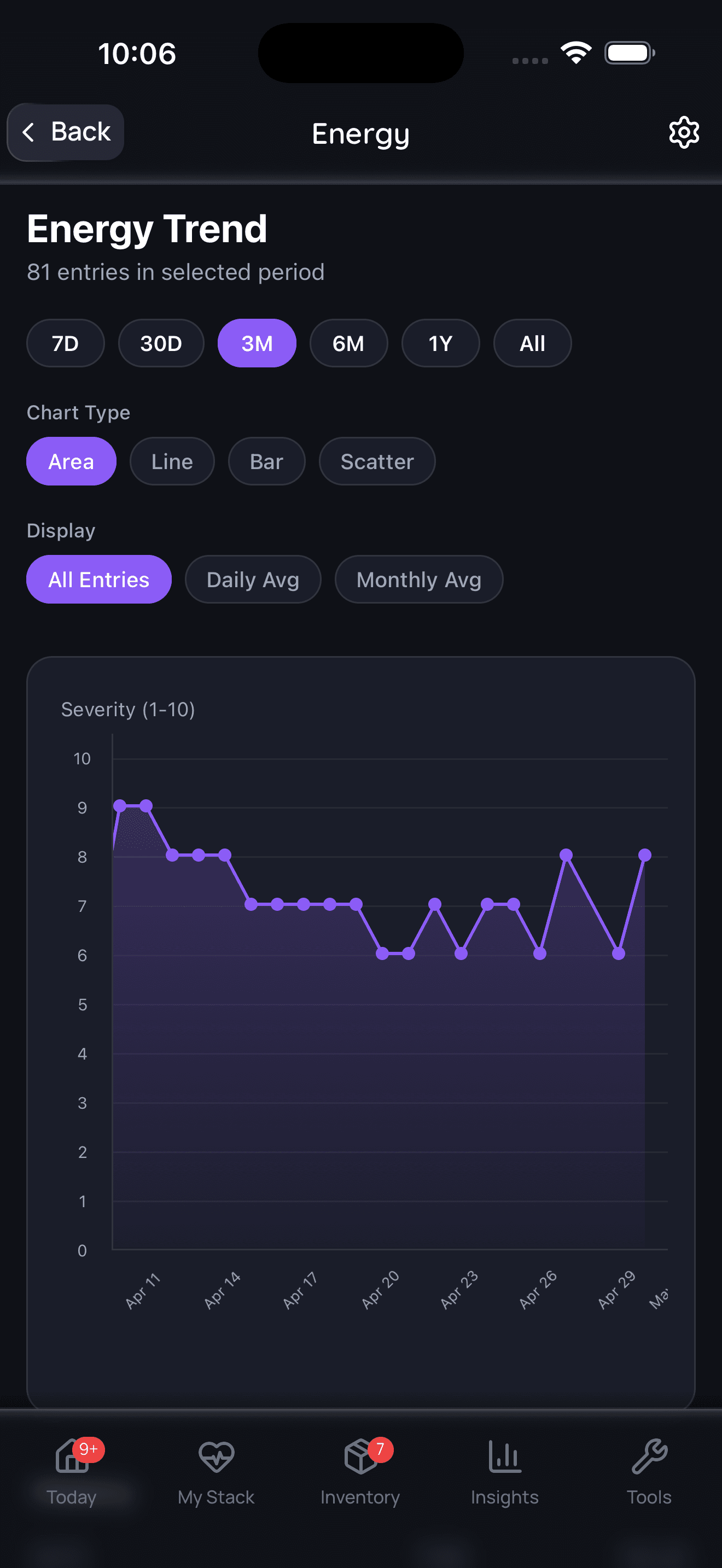
Symptom tracking is informational and should be interpreted with a qualified clinician.
Side Effects & Safety Considerations
The Basics
Crystagen has a notably clean safety profile in the available literature and community reports. No significant adverse effects have been documented in the published research, and the product literature from multiple manufacturers states that Cytogens act "in minimal dosages without causing any side effects."
Community members who have used Crystagen report no adverse reactions, even with long-term use spanning several years. However, this safety data comes from a very small user base and should not be interpreted as definitive proof of safety.
Known contraindications are limited to individual intolerance of components, pregnancy, and lactation. The capsule formulations contain inactive ingredients including microcrystalline cellulose, lactose, starch, and Tween-80, which may be relevant for individuals with lactose intolerance or specific sensitivities.
Because Crystagen is an immune system modulator (normalizer), individuals with autoimmune conditions should exercise particular caution and discuss use with a healthcare provider. While the compound is theorized to "normalize" rather than simply stimulate immune function, the distinction has not been rigorously established in clinical settings.
The Science
No adverse events attributable to Crystagen have been reported in available preclinical or clinical literature. The peptide complex has been classified as a parapharmaceutical (dietary supplement) in Russia, reflecting the regulatory assessment of minimal safety risk at recommended dosages [1].
Known contraindications: individual intolerance of components, pregnancy, and lactation. No drug interaction data is available from controlled studies.
The theoretical safety profile of short peptide bioregulators rests on their rapid metabolism to individual amino acids through standard proteolytic pathways, limiting accumulation potential and systemic toxicity risk. However, formal toxicology studies with standardized endpoints (LD50, genotoxicity, carcinogenicity, reproductive toxicity) have not been published for Crystagen specifically.
Side effect profiles are most useful when you can compare them against your own experience in real time. Doserly lets you log symptoms, severity, and timing alongside your dosing data, creating a side-by-side view of your protocol and your body's response.
This kind of systematic tracking catches things that memory alone misses. A subtle mood shift that began three days after a dose increase. Sleep disruption that correlates with evening administration. These patterns become visible when the data is laid out on a timeline, and they give your healthcare provider actionable information rather than vague concerns. Early detection of emerging side effects means earlier intervention.
Keep side effects, flags, and follow-up notes visible.
Doserly helps you document safety observations, side effects, medication changes, and follow-up questions so important context is not scattered.
Safety log
Flags and notes
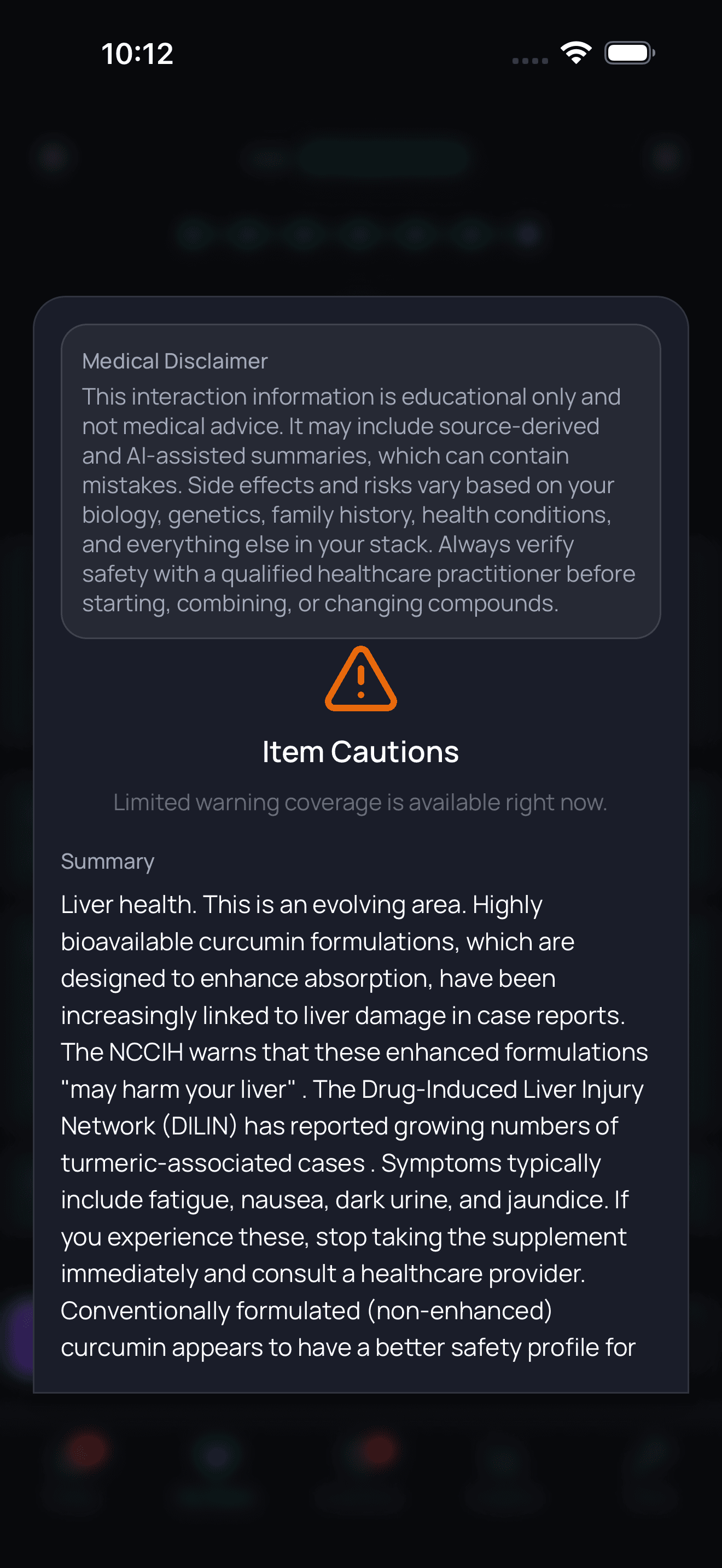
Safety notes are not emergency guidance; seek medical help when appropriate.
Dosing Protocols
The Basics
Crystagen is one of the simpler peptides to use because it is taken orally (no injections required). The standard protocol from the manufacturer is straightforward: 1-2 capsules, once or twice per day, taken 30 minutes before meals, for a course lasting one month. This course is then repeated every 3-6 months.
The sublingual (under-the-tongue) form follows a slightly different protocol: 5-6 drops (about 0.25-0.35 ml) taken 3-4 times throughout the day, 10-15 minutes before eating, for one month.
Within the Khavinson bioregulator framework, there is a recommended sequencing approach. Cytogens (synthetic peptides like Crystagen) are often used as an initial course to provide a faster-acting boost, followed by Cytomaxes (natural peptide extracts like Vladonix for immune support) for longer-term maintenance. This step-wise approach is a feature of the Russian bioregulator methodology rather than a universal recommendation.
The dosing does not vary by sex or body weight according to manufacturer guidance.
The Science
Published dosing protocols for Crystagen are derived from manufacturer recommendations and clinical practice guidelines from the St. Petersburg Institute of Bioregulation and Gerontology, not from dose-ranging clinical trials.
Capsule form:
- Active substance: Peptide complex AC-6, 0.2 mg per 2 capsules or 0.4 mg per 4 capsules
- Protocol: 1-2 capsules, 1-2 times daily, 30 minutes before meals (or with meals per some product versions)
- Duration: 1 month
- Repeat interval: Every 3-6 months
- No weight-based or sex-based dose adjustments specified
Sublingual form:
- Active substance: Complex AC-6, 0.1 mg per 1 ml daily dose
- Protocol: 5-6 drops (0.25-0.35 ml), 3-4 times daily, 10-15 minutes before meals
- Duration: 1 month
- Repeat interval: Every 3-6 months
No dose-response curves, minimum effective dose, or maximum tolerated dose data are available from controlled studies.
What to Expect
Detailed week-by-week progression timelines for Crystagen are not available from clinical studies or the community, as the compound has an extremely small English-language user base.
Based on the general profile of Khavinson Cytogen bioregulators and limited anecdotal reports:
Days 1-7: Cytogens are described as having a faster onset than natural peptide extracts (Cytomaxes), with some manufacturers suggesting physiological effects become evident within 24 hours of starting. One user reported a noticeable cognitive clarity effect within the first hour of use, though this is a single unverified report.
Weeks 1-4 (full course): The primary effects during the standard one-month course are expected to be immune system normalization. Users may not notice dramatic subjective changes, as immune function improvements are often subtle and best measured through blood work (immunograms, T-cell counts, CD4/CD8 ratios) rather than subjective feelings.
Post-course (months 1-6): According to manufacturer guidance, the effects of a Cytogen course are expected to persist for 1.5-2 months after completion, shorter than the 4-6 month duration attributed to natural Cytomaxes. This is why repeat courses every 3-6 months are recommended.
Interaction Compatibility
Good With (Synergistic)
Based on the Khavinson bioregulator protocol framework, Crystagen is commonly combined with:
- Vesugen (Vilon, KE dipeptide) for combined immune support. Vilon activates T-helper cells through apoptosis inhibition, complementing Crystagen's B-cell activation [3].
- Pinealon for central nervous system support alongside immune normalization. Part of the recommended synthesized peptide combination for CNS protocols.
- Epithalon (AEDG tetrapeptide) for anti-aging protocols combining telomerase activation with immune system normalization.
- Thymosin Alpha-1 for comprehensive immune support, combining bioregulatory and conventional immune peptide approaches.
- Bronchogen (AEDL tetrapeptide) for respiratory system support. The respiratory combination is Chonluten + Crystagen + Vesugen per Khavinson protocol recommendations.
Not Good With (Caution)
No specific contraindications or negative interactions have been documented in the available literature. However:
- Individuals on immunosuppressive therapy should consult their healthcare provider before using any immune-modulating compound, including Crystagen.
- The combination of Crystagen with other strong immune stimulants in the setting of autoimmune disease has not been studied and should be approached with caution.
Administration Guide
Crystagen is administered orally, making it one of the most straightforward peptides to use. No reconstitution, syringes, or injections are required.
Materials required:
- Crystagen capsules (20 or 60 capsule pack) or sublingual drops (10 ml bottle)
- Water for swallowing capsules (if using capsule form)
Timing considerations:
- Capsules: Take 30 minutes before meals for optimal absorption. Some product versions recommend taking with meals.
- Sublingual drops: Apply under the tongue 10-15 minutes before eating. Hold under the tongue briefly before swallowing.
- Morning administration is commonly suggested, though no circadian optimization data exists for this peptide specifically.
Post-administration care:
- No specific monitoring is required immediately after administration.
- For those seeking objective measurement of effects, baseline and post-course immune panels (CBC with differential, CD3/CD4/CD8 counts, immunoglobulin levels) may be informative.
- Report any unexpected reactions to a healthcare provider, though no adverse effects have been documented in the available literature.
Supplies & Planning
Crystagen is available in two primary forms:
Capsule form:
- 20-capsule packs (10-day course at 2 capsules/day)
- 60-capsule packs (full 30-day course at 2 capsules/day)
- Each capsule weighs 0.215 g and contains the peptide complex AC-6
Sublingual drops:
- 10 ml bottles
- 1 ml daily dose provides 0.1 mg of complex AC-6
Planning considerations:
- A standard one-month course requires either three 20-capsule packs or one 60-capsule pack
- Courses are repeated every 3-6 months
- Multiple Cytogens can be taken simultaneously (up to 5 peptide complexes per manufacturer guidance)
- No syringes, bacteriostatic water, or reconstitution supplies are needed
Storage & Handling
- Capsules: Store in a dry place at room temperature, not exceeding 25°C (77°F). Keep away from direct sunlight. No refrigeration required.
- Sublingual drops: Store at temperatures between 2°C and 25°C. Keep in a dry, dark place.
- Shelf life: Products typically have expiration dates 2-3 years from manufacture. Check the packaging for specific expiration dates.
- Handling: No special handling requirements. Standard supplement storage practices apply.
Lifestyle Factors
While specific lifestyle optimization data for Crystagen does not exist in published research, general principles for supporting immune function align well with the compound's intended purpose:
Nutrition: A nutrient-dense diet rich in vitamins C, D, and zinc supports immune cell function and may complement Crystagen's bioregulatory effects. Adequate protein intake provides the amino acid substrate for immune cell production.
Exercise: Moderate, regular exercise supports healthy immune function. Intense or prolonged exercise can temporarily suppress immune function, which is the context in which Crystagen showed reduced ARVI incidence in athletes.
Sleep: Sleep is critical for immune system repair and regulation. Growth hormone release during deep sleep supports tissue repair processes that may be relevant to Crystagen's thymic preservation effects.
Stress management: Chronic psychoemotional stress suppresses immune function and is listed as one of the conditions for which Crystagen is recommended. Stress reduction practices may enhance the compound's effectiveness.
Monitoring: Since Crystagen's effects are primarily on immune system parameters that are not easily felt subjectively, periodic blood work (complete blood count, immune panel) is the most reliable way to assess response.
The lifestyle factors above, nutrition, exercise, sleep, stress management, are not just nice-to-haves alongside a peptide protocol. They're force multipliers. Doserly lets you track these inputs alongside your compounds, building a complete picture of what your body is receiving and how it's responding.
When everything lives in one dashboard, patterns emerge. You can see whether training days correlate with better biomarker trends, whether your sleep scores predict next-day recovery quality, or whether stress spikes derail your progress in measurable ways. This kind of integrated tracking turns the lifestyle recommendations in this section from abstract advice into actionable, personalized insight.
See how each compound fits into the whole protocol.
Doserly organizes compounds, supplements, peptides, medications, and hormone protocols together so overlapping routines are easier to understand.
Stack view
Connected protocol
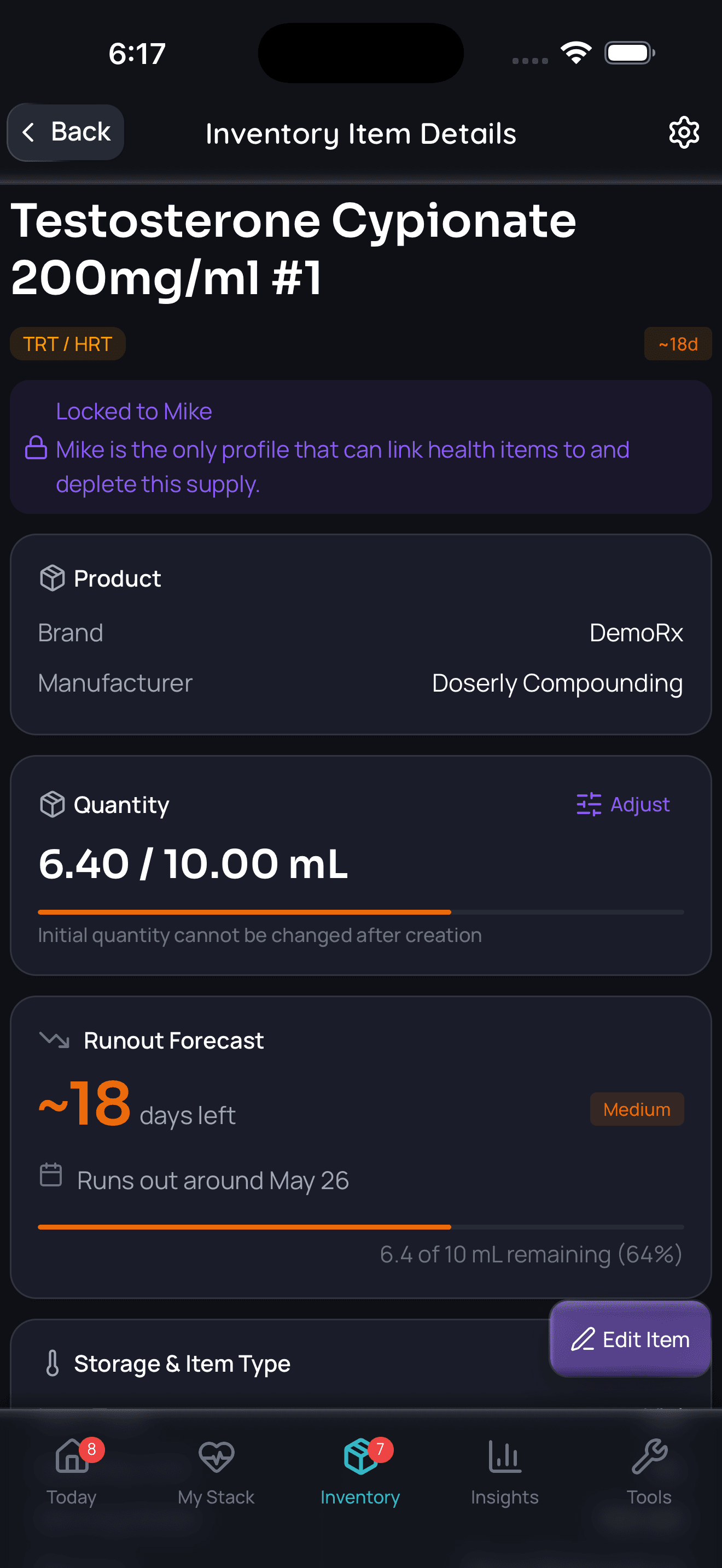
Stack views improve organization; they do not determine compatibility.
Regulatory Status & Research Classification
United States (FDA): Crystagen has no FDA approval, no Investigational New Drug (IND) application, and no registered clinical trials on ClinicalTrials.gov. It is not classified as a drug or dietary supplement under U.S. regulations.
Canada (Health Canada): No DIN or NPN issued. Not classified as a Natural Health Product.
United Kingdom (MHRA): No marketing authorization. The MHRA has not evaluated Crystagen.
Australia (TGA): No scheduling or approval status. Not listed on the Australian Register of Therapeutic Goods.
European Union (EMA): No marketing authorization from the European Medicines Agency.
Russia: Classified as a parapharmaceutical (biologically active food additive/dietary supplement). Developed and manufactured under the auspices of the St. Petersburg Institute of Bioregulation and Gerontology and the Scientific-Production Center of Revitalization and Health (NPCRIZ). Available commercially in Russia and through international bioregulator retailers.
WADA status: Not specifically listed on the WADA Prohibited List. However, athletes should verify current status with relevant anti-doping authorities.
Active clinical trials: No registered clinical trials found on ClinicalTrials.gov, EU Clinical Trials Register, or WHO ICTRP as of March 2026.
Regulatory status changes frequently. Always verify the current legal status of any compound in your specific country or jurisdiction before making any decisions.
FAQ
What is Crystagen used for?
Crystagen is primarily used for immune system support and normalization. Based on available sources, it has been used in Russia for recovery from chronic infections, post-chemotherapy immune rehabilitation, age-related immune decline, and general immune maintenance. It is classified as a dietary supplement (parapharmaceutical) in Russia, not a pharmaceutical drug.
Is Crystagen safe?
Based on the available literature and community reports, no adverse effects have been reported at recommended dosages. The product carries contraindications for individual component intolerance, pregnancy, and lactation. However, the total volume of safety data is small compared to more widely studied compounds, and formal toxicology studies have not been published. Consult a healthcare professional before use.
How is Crystagen different from Thymalin or Vladonix?
All three target the immune system but differ in composition and classification. Thymalin is a polypeptide extract from thymus tissue (an injectable). Vladonix is a natural peptide bioregulator extracted from thymus (a Cytomax, oral capsules). Crystagen is a synthesized short peptide bioregulator (a Cytogen, oral capsules). Cytogens are reported to act faster initially but with shorter-lasting effects, while Cytomaxes provide more gradual, longer-lasting support.
Can I take Crystagen with other peptide bioregulators?
According to manufacturer guidance, up to 5 peptide complexes can be taken simultaneously. Common combinations include Crystagen + Vesugen (vascular support) + Ovagen (liver/GI support) for immune protocols. The step-wise approach of starting with Cytogens followed by Cytomaxes is the standard recommendation from the Khavinson framework.
How long does it take to work?
Cytogens are described as faster-acting than natural peptide extracts, with some manufacturers suggesting physiological effects within 24 hours. However, immune system changes are typically measured through blood work rather than subjective feeling. A full one-month course is the standard protocol duration. Effects are reported to persist for 1.5-2 months after completing a course.
Where can I buy Crystagen?
Crystagen is available through international bioregulator retailers and some supplement distributors. It is manufactured in Russia. Availability may be affected by import regulations in your jurisdiction.
Sources & References
- Khavinson VKh, Linkova NS, Chalisova NI, et al. The Use of Thymalin for Immunocorrection and Molecular Aspects of Biological Activity. Biol Bull Rev. 2021;11:377-382. PMC8365293
- Khavinson VKh, Linkova NS, Kvetnoi IM, et al. Peptide bioregulators inhibit apoptosis. Bull Exp Biol Med. 2000;130(6):1177-1179. PMID: 11177296
- Chervyakova NA, Linkova NS, Chalisova NI, et al. Molecular aspects of immunoprotective activity of peptides in spleen during the ageing process. Adv Gerontol. 2014;27(1):224-228. PMID: 28976144
- Khavinson Peptide Bioregulators: Independent Validation Assessment. Rapamycin News Forum. 2025.
- Anisimov VN, Khavinson VKh. Peptide bioregulation of aging: results and prospects. Biogerontology. 2010;11(2):139-149. PMID: 19798586
Related Peptide Guides
- Epithalon - Pineal bioregulator for telomerase activation and anti-aging
- Pinealon - Brain cell bioregulator for central nervous system support
- Thymosin Alpha-1 - Immune peptide for T-cell function and immune modulation
- Vilon - Thymus dipeptide bioregulator for T-helper cell activation
- Bronchogen - Respiratory system bioregulator
- Cardiogen - Cardiovascular system bioregulator
- Cartalax - Cartilage and bone tissue bioregulator
- Pancragen - Pancreatic bioregulator
- KPV - Anti-inflammatory tripeptide for immune modulation
- LL-37 - Antimicrobial peptide for immune defense
Need the reconstitution math for Crystagen: Complete Research Guide?
Open the calculator with Crystagen: Complete Research Guide prefilled to estimate concentration, draw volume, and related measurement math from the reconstitution details you already have.