
White Willow Bark: The Complete Supplement Guide
On this page
Quick Reference Card
Attribute
Common Name
- Detail
- White Willow Bark
Attribute
Other Names / Aliases
- Detail
- Willow bark, Salix alba, Salicis cortex, Bay willow, Black willow, Salix purpurea, Salix daphnoides, Salix fragilis
Attribute
Category
- Detail
- Herbal supplement (Anti-inflammatory / Analgesic)
Attribute
Primary Forms & Variants
- Detail
- Standardized extract (typically 15% salicin; higher potency and more consistent than crude bark); crude bark powder (variable salicin content); bark tea/decoction (traditional preparation, lower bioavailability); liquid tincture/fluid extract
Attribute
Typical Dose Range
- Detail
- 120-240 mg salicin per day (from standardized extract), typically divided into two doses
Attribute
RDA / AI / UL
- Detail
- Not established. White willow bark is not classified as an essential nutrient.
Attribute
Common Delivery Forms
- Detail
- Capsule, tablet, bark tea, liquid tincture, topical preparations
Attribute
Best Taken With / Without Food
- Detail
- Best taken with food to reduce potential gastrointestinal discomfort
Attribute
Key Cofactors
- Detail
- No established cofactors. Often stacked with turmeric/curcumin (synergistic anti-inflammatory) and black pepper extract (piperine, to enhance curcumin bioavailability in combination protocols)
Attribute
Storage Notes
- Detail
- Store in a cool, dry place away from direct sunlight. Bark and dried preparations should be kept sealed to prevent moisture absorption.
Overview
The Basics
White willow bark is the dried bark of several willow tree species, most commonly white willow (Salix alba). It holds a remarkable place in medical history as the original source of what eventually became aspirin, one of the most widely used medications in the world. People have chewed willow bark or brewed it into tea for pain and fever relief for well over 3,500 years, with documented use spanning ancient Egypt, Greece, China, and the Americas [1][2].
The active compound that makes willow bark useful is called salicin. After you swallow it, your body converts salicin into salicylic acid, a chemical relative of aspirin's active ingredient (acetylsalicylic acid). This conversion is what gives willow bark its pain-relieving and anti-inflammatory properties. However, willow bark is not simply "natural aspirin." The bark contains a complex mix of additional compounds, including polyphenols and flavonoids, that contribute to its effects in ways that salicin alone does not fully explain [3][4].
Today, white willow bark is sold primarily as a standardized herbal extract in capsules or tablets. It is most commonly used by people seeking a natural alternative to over-the-counter pain relievers for back pain, joint discomfort, and mild inflammatory conditions. While its history is impressive, the clinical evidence supporting its use is modest: a small number of human trials exist, and the overall quality of evidence remains limited [5][6].
The Science
White willow bark derives from species within the genus Salix (family Salicaceae), predominantly Salix alba (white willow), Salix purpurea (purple willow), Salix daphnoides (violet willow), and Salix fragilis (crack willow). The bark is harvested from branches aged 2-3 years and is processed into aqueous or hydroalcoholic extracts, typically standardized to salicin content [3][7].
The pharmacological interest in Salix species dates to 1763, when Reverend Edward Stone presented his clinical observations on willow bark's antipyretic effects to the Royal Society of London. Johann Andreas Buchner isolated salicin from willow bark in 1828. Charles Gerhardt synthesized acetylsalicylic acid in 1853, and Felix Hoffmann at Bayer refined the process in 1897, producing the drug marketed as aspirin [1][2].
HPLC-MS/MS analysis of willow bark extracts has identified at least 13 principal bioactive compounds: saligenin, salicylic acid, salicin, isosalicin, picein, salidroside, triandrin, salicoylsalicin, salicortin, isosalipurposide, salipurposide, naringenin-7-O-glucoside, and tremulacin [7]. This chemical complexity distinguishes whole bark extract from isolated salicin or synthetic aspirin, as multiple constituent classes (salicylates, polyphenols, flavonoids, proanthocyanidins) contribute to the aggregate pharmacological profile [3][4][8].
Contemporary clinical interest centers on standardized extracts providing 120-240 mg of total salicin per day, a range derived from the pivotal RCTs by Chrubasik et al. (2000) and Schmid et al. (2001) [5][9]. A 2023 meta-analysis of randomized controlled trials in arthritis patients (Lin et al., 5 studies, 329 patients) demonstrated statistically significant pain relief and physical function improvement versus placebo, though the GRADE evidence quality was rated "very low" due to small sample sizes, methodological limitations, and inconsistency across trials [6].
Chemical & Nutritional Identity
Property
Primary Bioactive Compound
- Value
- Salicin (beta-glucoside of saligenin)
Property
Chemical Name (Salicin)
- Value
- 2-(Hydroxymethyl)phenyl beta-D-glucopyranoside
Property
Molecular Formula (Salicin)
- Value
- C13H18O7
Property
Molecular Weight (Salicin)
- Value
- 286.28 g/mol
Property
CAS Number (Salicin)
- Value
- 138-52-3
Property
PubChem CID (Salicin)
- Value
- 439503
Property
Category
- Value
- Herbal extract; salicylate-containing botanical
Property
Plant Species
- Value
- Salix alba (white willow), Salix purpurea, Salix daphnoides, Salix fragilis
Property
Plant Part Used
- Value
- Bark (inner bark of 2-3 year old branches)
Property
RDA / AI / UL
- Value
- Not established (not an essential nutrient)
Property
Standardization
- Value
- Most commercial extracts standardized to 15% salicin; 25% and 40% specifications also available
Property
Additional Bioactives
- Value
- Polyphenols (catechin derivatives), flavonoids (naringenin glycosides), additional salicylates (salicortin, tremulacin, salicoylsalicin), proanthocyanidins
Salicin is the primary marker compound used for standardization, though it functions as a prodrug. Following oral ingestion, salicin is hydrolyzed by intestinal beta-glucosidases to saligenin (salicyl alcohol), which is then oxidized in the liver to salicylic acid [10]. Unlike acetylsalicylic acid (aspirin), salicin and its metabolites lack the acetyl group required for irreversible COX-1 inhibition, meaning their mechanism of platelet aggregation inhibition differs from that of aspirin [4][11].
The presence of multiple bioactive compound classes in willow bark extract means that standardization to salicin content alone does not fully predict clinical efficacy. Pharmacological studies of the aqueous extract STW 33-I demonstrated that polyphenol and flavonoid fractions contribute significantly to the overall anti-inflammatory effect [8].
Mechanism of Action
The Basics
White willow bark works through a combination of chemical pathways, not just a single mechanism. The most well-known component, salicin, is converted by your body into salicylic acid, which is chemically related to aspirin. This conversion helps explain the pain-relieving and fever-reducing effects that people have observed for thousands of years.
However, the story goes deeper than salicin alone. Research has shown that other compounds in willow bark, particularly polyphenols and flavonoids, play substantial roles in its anti-inflammatory effects. This helps explain why willow bark's clinical benefits appear to exceed what the salicin content alone would predict: the whole extract works differently (and in some ways, more broadly) than isolated salicin or synthetic aspirin [4][8].
One key difference from aspirin is how willow bark interacts with blood clotting. Aspirin irreversibly blocks an enzyme (COX-1) involved in platelet aggregation, which is why aspirin is used to prevent blood clots. Willow bark's salicin does affect platelets, but to a lesser degree and through a different mechanism, since it lacks the acetyl group that gives aspirin its irreversible binding ability [11].
The Science
The anti-inflammatory activity of willow bark extract involves multiple molecular targets:
Salicylate pathway: Salicin is hydrolyzed to saligenin in the gut and oxidized to salicylic acid in the liver. Salicylic acid inhibits cyclooxygenase-2 (COX-2)-mediated prostaglandin E2 synthesis, though the in vivo serum salicylate concentrations achieved at standard doses (120-240 mg salicin/day) are typically lower than those required for clinically significant COX inhibition by aspirin [9][12]. This discrepancy strongly suggests that non-salicylate compounds contribute to the observed clinical effects.
NF-kB and TNF-alpha suppression: Willow bark extract STW 33-I inhibits pro-inflammatory cytokine release, specifically tumor necrosis factor-alpha (TNF-alpha), and suppresses nuclear translocation of the transcription factor NF-kB in LPS-activated human monocytes and differentiated macrophages [13]. This pathway is independent of the COX-inhibition mechanism and represents a broader anti-inflammatory action.
Antioxidant/Nrf2 activation: Willow bark extract activates the nuclear factor erythroid 2-related factor 2 (Nrf2) signaling pathway, upregulating antioxidant enzymes and increasing glutathione levels. This limits lipid peroxidation and provides cellular protection against oxidative stress [14][15]. This mechanism is notably absent in aspirin and represents a distinct pharmacological advantage of the whole bark extract.
ICAM-1 reduction: Flavonoid and catechol fractions from willow bark reduce expression of intercellular adhesion molecule-1 (ICAM-1) in endothelial cells, decreasing leukocyte adhesion and vascular inflammation [16].
Antiproliferative effects: In vitro, willow bark extract and salicin demonstrate growth inhibition and apoptotic induction in human colon and lung cancer cell lines. Salicin inhibits ROS and ERK signaling pathways to produce antiangiogenic effects [17][18]. These findings remain preclinical.
Platelet effects: Salicis cortex extract affects platelet aggregation to a lesser extent than acetylsalicylate. The clinical significance of this effect on platelet function in patients with impaired platelet functioning remains to be determined [11].
Absorption & Bioavailability
The Basics
When you take white willow bark, the salicin it contains follows a two-step journey before it becomes active. First, enzymes in your intestines break salicin down into a compound called saligenin (salicyl alcohol). Then, your liver converts saligenin into salicylic acid, the compound that actually provides anti-inflammatory and pain-relieving effects [10].
This conversion process means that willow bark's effects are not immediate. The gradual metabolism of salicin into its active form may contribute to a smoother, more sustained effect compared to the faster-acting acetylsalicylic acid (aspirin), though direct comparative pharmacokinetic studies are limited.
The form of willow bark you use matters for how much salicin actually reaches your system. Standardized extracts provide a consistent, known amount of salicin per dose. Crude bark powder or bark tea delivers variable and generally lower amounts, since the salicin content of raw bark depends on the species, harvest conditions, and preparation method. If a product label states 15% salicin standardization, then 1,600 mg of extract delivers approximately 240 mg of salicin, while 800 mg delivers approximately 120 mg [5][9].
The Science
Salicin (C13H18O7, MW 286.28) is a beta-glucoside absorbed from the small intestine. It undergoes hydrolysis by intestinal beta-glucosidases, liberating saligenin (salicyl alcohol) and glucose. Saligenin is absorbed into the portal circulation and undergoes first-pass hepatic oxidation to salicylic acid by alcohol dehydrogenase and aldehyde dehydrogenase enzymes [10].
Pharmacokinetic data from Schmid et al. (2001) demonstrated that oral administration of a standardized willow bark extract (corresponding to 240 mg salicin) produces measurable serum salicylate levels, though peak concentrations remain substantially below those achieved by equivalent analgesic doses of aspirin [10]. The time to peak plasma salicylate concentration (Tmax) is approximately 2 hours following oral administration of the extract.
The bioavailability of salicin from different willow bark preparations varies substantially:
- Standardized extracts (15-40% salicin): Most consistent delivery, aqueous or hydroalcoholic extraction concentrates salicylates
- Crude bark powder: Variable salicin content (1-11% depending on species and harvest), lower bioavailability
- Bark tea/decoction: Traditional preparation, salicin extraction efficiency depends on water temperature, steeping time, and bark particle size
- Tinctures: Hydroalcoholic preparations, extraction efficiency intermediate
Additional salicylates present in willow bark (salicortin, tremulacin, salicoylsalicin) may be hydrolyzed to salicin or saligenin during digestion, contributing to the total salicylate pool beyond the measured salicin content [7].
Research & Clinical Evidence
The Basics
The clinical evidence for white willow bark centers on pain relief, particularly for low back pain and osteoarthritis. While the number of studies is small compared to mainstream pharmaceuticals, the results are generally encouraging for certain types of pain. Here is what the research shows:
Low back pain has the strongest evidence. In the largest and most cited trial, 210 people with chronic low back pain flare-ups received either a high dose (240 mg salicin/day), a low dose (120 mg salicin/day), or a placebo for four weeks. By the final week, 39% of the high-dose group was pain-free compared to just 6% on placebo. The effect was evident within the first week of treatment, and there was a clear dose-response relationship [5].
Osteoarthritis results are mixed. Some studies show benefit for joint pain and physical function, while others find no significant improvement over placebo. A 2001 trial in patients with hip or knee osteoarthritis found improvements in pain scores with willow bark extract (240 mg salicin/day), but a larger 2004 trial found the effect was not statistically significant [9][12].
Rheumatoid arthritis evidence is negative. The same 2004 trial tested willow bark in rheumatoid arthritis patients and found no benefit [12].
A 2023 meta-analysis pooling data from five studies (329 patients with arthritis) found statistically significant pain relief and improvement in physical function with willow bark compared to placebo. However, the overall evidence quality was rated "very low" by established grading criteria [6].
The Science
Systematic reviews and meta-analyses:
Lin et al. (2023) conducted a meta-analysis of five studies comprising six RCTs (n=329 arthritis patients). Results showed significant pain relief (SMD: -0.31; 95% CI: -0.53 to -0.08, p=0.007) and improvement in WOMAC physical function scores (SMD: -0.80; 95% CI: -1.08 to -0.53, p<0.001). No significant difference in adverse event risk was observed between willow bark and placebo (OR: 1.37; 95% CI: 0.79 to 2.37, p=0.26). The GRADE quality of evidence was rated "very low" across all outcomes due to risk of bias, imprecision, inconsistency, and suspected publication bias [6].
Vlachojannis et al. (2009) conducted a systematic review of willow bark for musculoskeletal pain and found moderate evidence supporting its use for back pain, with weaker evidence for osteoarthritis [19].
Gagnier et al. (2016), in a Cochrane Review of herbal medicine for low back pain, concluded that willow bark extract providing 120-240 mg salicin demonstrated short-term improvements in pain relief versus placebo [20].
Pivotal RCTs:
Chrubasik et al. (2000): n=210, chronic low back pain, 4-week RCT. Pain-free rates in final week: 39% (240 mg salicin), 21% (120 mg salicin), 6% (placebo), p<0.001. Dose-response relationship confirmed. One severe allergic reaction reported [5].
Schmid et al. (2001): n=78, osteoarthritis of hip/knee, 2-week RCT. Willow bark extract (240 mg salicin/day, Salix purpurea x daphnoides, 17.6% salicin) showed improvement in WOMAC pain scores versus placebo [9].
Biegert et al. (2004): n=110, two parallel RCTs (osteoarthritis n=84, rheumatoid arthritis n=26), 6-week trial. 240 mg salicin/day (Salix daphnoides, 15% salicin). No statistically significant benefit over placebo for either condition. Authors noted that serum salicylate concentrations were too low to account for clinical effects through COX inhibition alone [12].
Observational data:
Uehleke et al. (2013): 6-month open-label study of willow bark extract STW 33-I in outpatients with rheumatic pain. Good tolerability noted. Authors concluded STW 33-I can serve as basic treatment in long-term management of painful musculoskeletal disorders and can be safely combined with NSAIDs and opioids [21].
Preclinical evidence:
In vitro studies demonstrate antiproliferative effects of willow bark extract and salicin in human colon and lung cancer cell lines through growth inhibition and apoptotic induction [17]. Salicin inhibits angiogenesis via ROS-ERK pathway blockade [18]. Willow bark extract activates Nrf2, upregulating antioxidant enzymes and glutathione [15]. These findings remain preclinical and have not been confirmed in human trials.
Evidence & Effectiveness Matrix
Category
Pain Management
- Evidence Strength
- 7/10
- Community-Reported Effectiveness
- 7/10
- Summary
- Multiple RCTs demonstrate statistically significant pain relief for low back pain (strongest evidence) and mixed results for osteoarthritis. Community reports consistently describe effective pain relief, some comparing favorably to aspirin.
Category
Inflammation
- Evidence Strength
- 7/10
- Community-Reported Effectiveness
- 7/10
- Summary
- Strong in vitro evidence for multiple anti-inflammatory mechanisms (NF-kB suppression, TNF-alpha inhibition, COX-2 inhibition). Clinical evidence supports anti-inflammatory effects. Community widely accepts anti-inflammatory use.
Category
Joint Health
- Evidence Strength
- 5/10
- Community-Reported Effectiveness
- 6/10
- Summary
- Mixed RCT results for osteoarthritis; negative findings for rheumatoid arthritis. 2023 meta-analysis shows significant WOMAC improvement but with very low evidence quality. Community reports modest joint pain benefits.
Category
Mood & Wellbeing
- Evidence Strength
- 2/10
- Community-Reported Effectiveness
- 6/10
- Summary
- No human clinical trials on mood effects. Animal model (forced swimming test) suggests antidepressant-like activity. Multiple independent community reports of mood-boosting and "happiness" effects, though sample sizes are very small.
Category
Focus & Mental Clarity
- Evidence Strength
- 1/10
- Community-Reported Effectiveness
- 5/10
- Summary
- No clinical evidence for cognitive effects. Community reports of enhanced focus primarily tied to caffeine potentiation. Speculative dopaminergic mechanism cited in community discussions.
Category
Energy Levels
- Evidence Strength
- 1/10
- Community-Reported Effectiveness
- 5/10
- Summary
- No clinical evidence for direct energy enhancement. Community reports are confounded by pain relief and caffeine co-use.
Category
Nausea & GI Tolerance
- Evidence Strength
- 5/10
- Community-Reported Effectiveness
- 5/10
- Summary
- Clinical data shows comparable or lower GI adverse event rates versus placebo in RCTs. Community reports are mixed: standardized extracts generally well tolerated, but crude preparations may cause GI distress from tannin content.
Category
Side Effect Burden
- Evidence Strength
- 6/10
- Community-Reported Effectiveness
- 5/10
- Summary
- Meta-analysis shows no significant increase in adverse event risk versus placebo. Most common side effects are GI discomfort, skin reactions, and headache. Serious adverse events are rare but documented (anaphylaxis, ARDS in case reports).
Categories Not Scored: Fat Loss, Muscle Growth, Weight Management, Appetite & Satiety, Food Noise, Sleep Quality, Memory & Cognition, Anxiety, Stress Tolerance, Motivation & Drive, Emotional Aliveness, Emotional Regulation, Libido, Sexual Function, Recovery & Healing, Physical Performance, Gut Health, Digestive Comfort, Skin Health, Hair Health, Heart Health, Blood Pressure, Heart Rate & Palpitations, Hormonal Symptoms, Temperature Regulation, Fluid Retention, Body Image, Immune Function, Bone Health, Longevity & Neuroprotection, Cravings & Impulse Control, Social Connection, Treatment Adherence, Withdrawal Symptoms, Daily Functioning
Benefits & Potential Effects
The Basics
White willow bark is primarily valued for its pain-relieving and anti-inflammatory properties. The established benefits are relatively focused compared to some other herbal supplements:
Pain relief is the best-documented benefit. Clinical trials have shown meaningful pain reduction in chronic low back pain, with higher doses (240 mg salicin/day) producing better results than lower doses. Some users report that willow bark's analgesic effect feels smoother and longer-lasting than aspirin, possibly because the body converts salicin gradually rather than all at once [5].
Anti-inflammatory support is the second major benefit. Willow bark works through multiple anti-inflammatory pathways beyond just its aspirin-like salicylate effects, including reducing specific inflammatory signaling molecules (TNF-alpha, NF-kB) and boosting the body's own antioxidant defenses [13][15].
Fever reduction is a traditional use supported by the salicylate mechanism, though modern clinical trials specifically testing willow bark as an antipyretic are lacking.
Emerging anecdotal reports suggest possible mood-enhancing effects, though these have not been tested in human clinical trials and should be viewed with appropriate caution.
The Science
Established benefits (supported by human RCTs):
- Analgesic effects for chronic low back pain: dose-dependent pain reduction demonstrated in a 210-patient RCT (39% pain-free at 240 mg salicin vs. 6% placebo) [5]
- Anti-inflammatory effects: clinical improvement in WOMAC scores for osteoarthritis (meta-analysis SMD: -0.80, p<0.001), though individual trial results are inconsistent [6][9]
- Generally favorable safety profile compared to synthetic NSAIDs: meta-analysis showed no significant increase in adverse event risk versus placebo [6]
Preliminary benefits (in vitro/animal data, limited or no human evidence):
- Antioxidant activity via Nrf2 pathway activation and glutathione upregulation, with demonstrated potency exceeding ascorbic acid in some assays [15]
- Antiproliferative and proapoptotic effects in human colon and lung cancer cell lines [17]
- Antiangiogenic activity via ROS-ERK pathway inhibition [18]
- Neuroprotective potential: salicin modulates neurite outgrowth in human neuroblastoma SH-SY5Y cells [22]
- Antidepressant-like activity in animal models (forced swimming test), attributed to possible dopaminergic mechanisms [23]
When you're taking multiple supplements, it's hard to know which one is doing the heavy lifting. The benefits described above may overlap with effects from other items in your stack, lifestyle changes, or seasonal variation. Doserly helps you untangle that by keeping everything in one place, with timestamps, doses, and outcomes logged together.
Over time, this builds something more valuable than any product review: your personal evidence record. You can see exactly when you started this supplement, what else was in your routine at the time, and how your tracked health markers responded. That clarity makes the difference between guessing and knowing, whether you're talking to a healthcare provider or simply deciding if it's worth reordering.
Capture changes while they are still fresh.
Log symptoms, energy, sleep, mood, and other observations alongside protocol events so patterns do not live only in memory.
Trend view
Symptom timeline
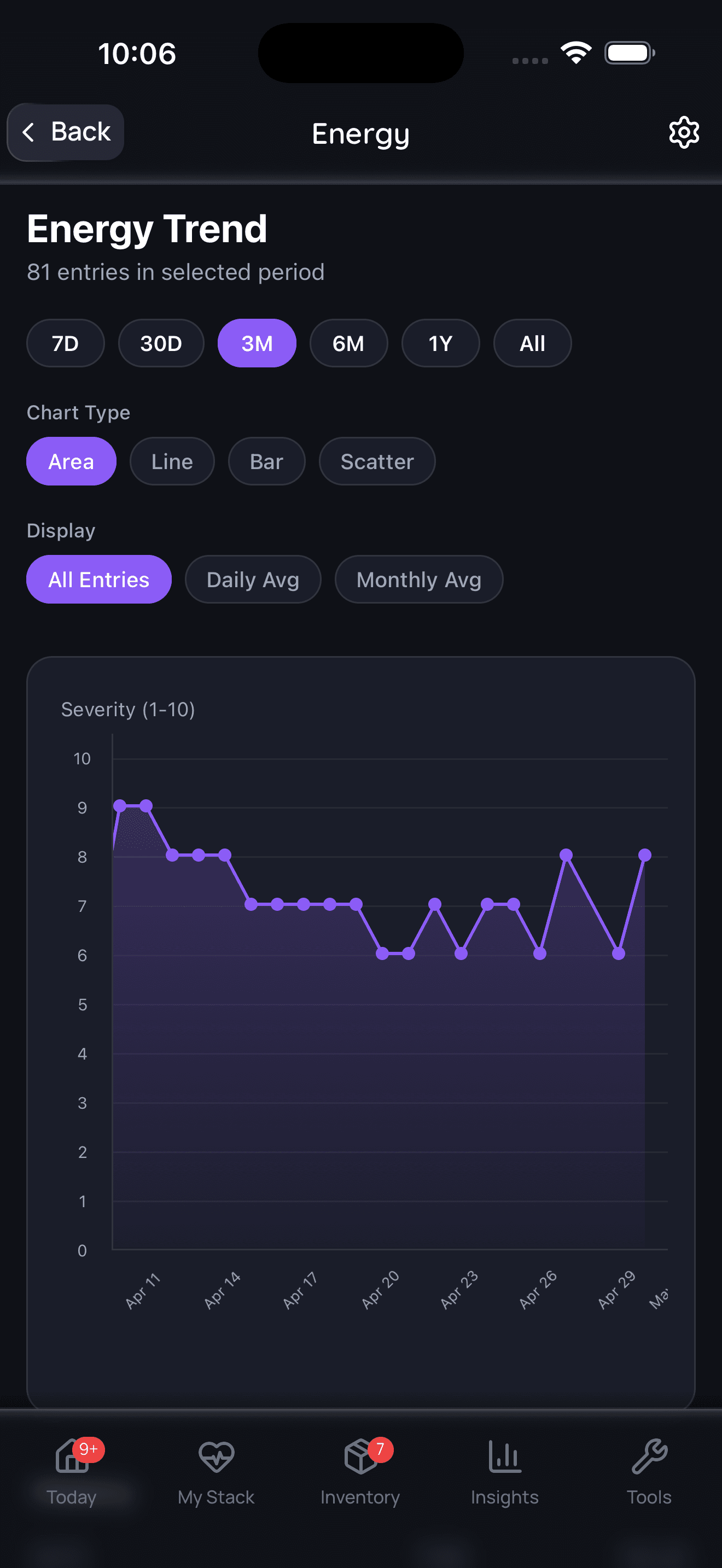
Symptom tracking is informational and should be interpreted with a qualified clinician.
Side Effects & Safety
The Basics
White willow bark is generally considered to have a favorable safety profile when used at standard doses (120-240 mg salicin/day) for limited periods. In clinical trials, the rate of side effects was not significantly different from placebo [6]. That said, there are important safety considerations:
Common side effects may include gastrointestinal discomfort (stomach upset, nausea, diarrhea), skin reactions (rash, itching), and headache. These are generally mild and resolve after stopping the supplement [6][9].
Allergic reactions are possible, particularly in people who are sensitive to aspirin or other salicylates. Rare but serious cases have been documented, including one case of anaphylaxis in a person with a known aspirin allergy [24].
Bleeding risk is a consideration because salicin's metabolites can affect platelet function, though to a lesser degree than aspirin [11]. People taking blood thinners (warfarin, other anticoagulants) or preparing for surgery should discuss willow bark use with their healthcare provider.
Children and teenagers should not take willow bark due to the theoretical risk of Reye syndrome, a rare but serious condition associated with salicylate use during viral illnesses [25].
Pregnancy and breastfeeding: There is insufficient safety data. Willow bark should be avoided during pregnancy and breastfeeding.
People with the following conditions should generally avoid willow bark: aspirin allergy or salicylate sensitivity, active peptic ulcer or gastritis, asthma (aspirin-sensitive), bleeding disorders, and kidney disease.
The Science
Clinical trial adverse event data:
The 2023 meta-analysis (Lin et al.) found no significant difference in overall adverse event risk between willow bark and placebo (OR: 1.37; 95% CI: 0.79-2.37, p=0.26) across 329 patients in six RCTs [6]. The most common adverse events in the willow bark groups were:
- Gastrointestinal system disorders: 14 events (vs. 26 in placebo)
- Central and peripheral nervous system disorders: 14 events (vs. 19 in placebo)
- Skin and appendage disorders: 9 events (vs. 7 in placebo)
- General disorders: 7 events (vs. 4 in placebo)
No severe adverse events were reported in any of the included RCTs.
Case reports of serious adverse events:
- Anaphylaxis in a 25-year-old woman with history of aspirin allergy, triggered by a weight-loss supplement containing willow bark [24]
- Acute respiratory distress syndrome (ARDS) in a 61-year-old woman following willow bark supplementation, with no prior drug allergy history [26]
- Fatal fulminant liver failure in a 28-month-old boy after co-ingestion of acetaminophen and willow bark tea [27]
Platelet effects: Salicis cortex extract affects platelet aggregation to a lesser extent than acetylsalicylate. The clinical significance of this reduced platelet effect remains undetermined [11].
Heavy metal contamination: The EFSA risk assessment noted that willow (Salix alba) has a notable capacity to concentrate heavy metals from soil, particularly cadmium. Third-party tested products are recommended [28].
Drug interactions of clinical concern:
- Anticoagulants (warfarin): increased bleeding risk [29]
- NSAIDs (aspirin, ibuprofen): increased risk of GI damage and bleeding
- Beta-blockers and diuretics: potential reduction in drug efficacy
- Acetaminophen: co-ingestion linked to a fatal case of liver failure in a pediatric patient [27]
Managing side effect risks across a multi-supplement stack can feel overwhelming, especially when interactions between supplements, medications, and foods add layers of complexity. Doserly brings all of that into a single safety view so nothing falls through the cracks.
Rather than researching every possible interaction yourself, the app checks your full stack automatically and flags supplement-drug and supplement-supplement interactions that warrant attention. If you do experience something unexpected, logging it takes seconds, and over time the app helps you spot patterns: whether symptoms correlate with specific doses, timing, or combinations. One place for the safety picture that matters most when your stack grows beyond a few bottles.
Connect protocol changes to labs and health markers.
Doserly can keep lab results, biomarkers, symptoms, and dose history close together so follow-up conversations have better context.
Insights
Labs and trends
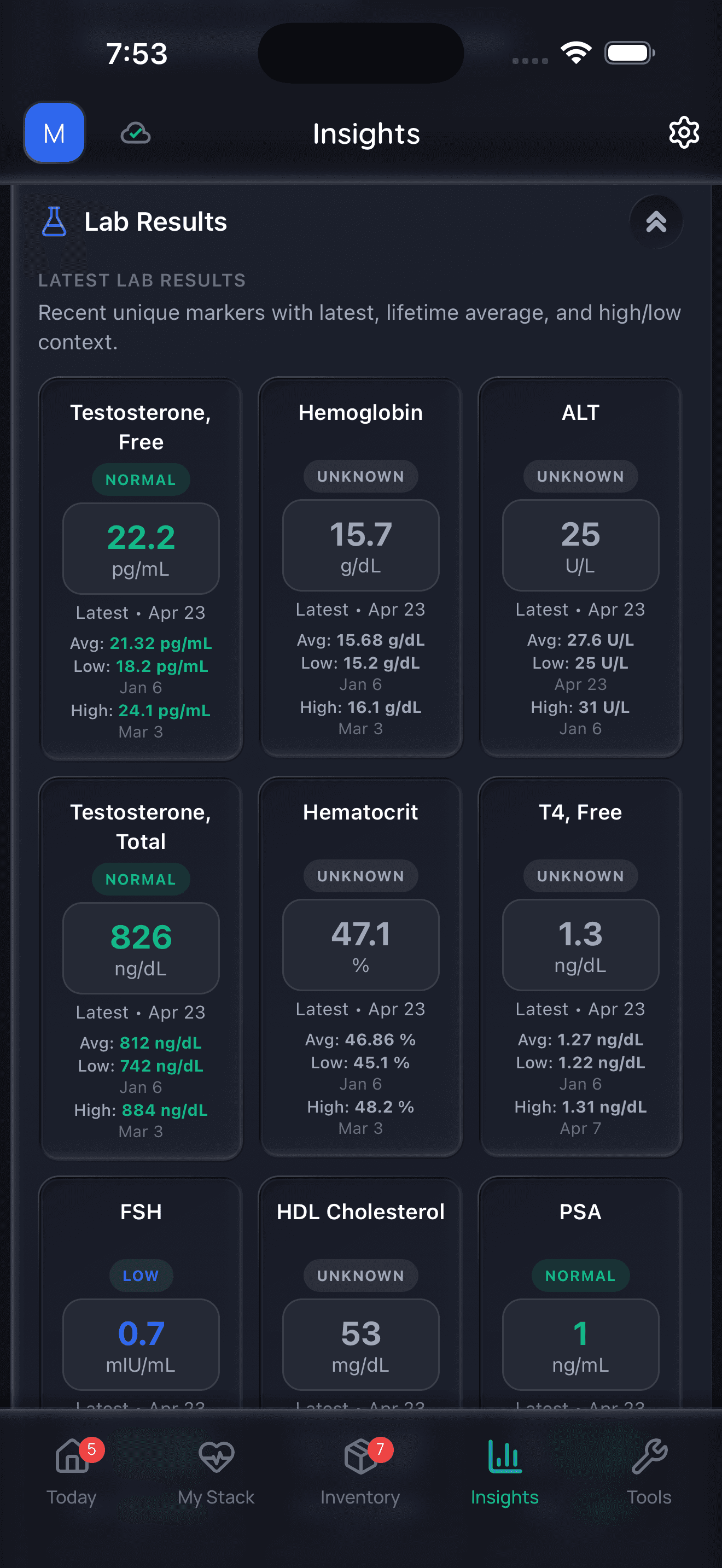
Doserly organizes data; it does not diagnose or interpret labs for you.
Dosing & Usage Protocols
The Basics
The most reliable way to dose white willow bark is by tracking the salicin content, not the total bark weight on the label. Most clinical evidence supports a range of 120-240 mg of salicin per day, typically split into two doses [5][9].
If an extract is standardized to 15% salicin (the most common specification):
- 800 mg of extract provides approximately 120 mg of salicin (low dose)
- 1,600 mg of extract provides approximately 240 mg of salicin (high dose)
The higher dose (240 mg salicin) produced significantly better pain relief in clinical trials than the lower dose (120 mg), with the response visible within the first week of treatment [5].
There is no established loading phase for willow bark. Most users begin at the lower end of the dose range and increase if needed, which is a reasonable approach for assessing individual tolerance. Clinical trials have lasted from 2 weeks to 6 months.
Important: If you are using crude bark powder (not standardized extract), the salicin content can range from 1% to 11% depending on the species and preparation, making it difficult to achieve consistent dosing.
The Science
Clinical trial dosing protocols:
Study
Chrubasik et al. 2000 [5]
- Population
- Chronic LBP (n=210)
- Dose (Salicin/day)
- 120 mg vs. 240 mg vs. placebo
- Duration
- 4 weeks
- Outcome
- 240 mg: 39% pain-free; 120 mg: 21%; placebo: 6%
Study
Schmid et al. 2001 [9]
- Population
- OA hip/knee (n=78)
- Dose (Salicin/day)
- 240 mg
- Duration
- 2 weeks
- Outcome
- Significant WOMAC improvement vs. placebo
Study
Biegert et al. 2004 [12]
- Population
- OA (n=84), RA (n=26)
- Dose (Salicin/day)
- 240 mg
- Duration
- 6 weeks
- Outcome
- No significant benefit vs. placebo
Study
Uehleke et al. 2013 [21]
- Population
- Rheumatic pain (open-label)
- Dose (Salicin/day)
- STW 33-I variable
- Duration
- 6 months
- Outcome
- Good tolerability, can combine with NSAIDs
Standardization and species variability:
- Salix purpurea x daphnoides: 17.6% salicin (used in Schmid 2001)
- Salix daphnoides: 15% salicin (used in Biegert 2004)
- Commercial products: typically 15% salicin; 25% and 40% specifications available
- Crude bark: 1-11% salicin depending on species, harvest timing, and processing
Long-term use: The 6-month Uehleke observational study found good tolerability with no relevant drug interactions for long-term use. However, long-term RCT data is absent [21].
When your stack includes several supplements, each with its own dose, form, and timing requirements, the logistics alone can derail consistency. Doserly consolidates all of it into one protocol view, so every dose across your entire routine is accounted for without spreadsheets or guesswork.
The app also tracks cumulative intake for nutrients that appear in multiple products. If your multivitamin, standalone supplement, and fortified protein shake all contain the same nutrient, Doserly adds them up and shows you the total alongside recommended and upper limits. Managing a thoughtful supplement protocol shouldn't require a degree in nutrition science. The app handles the complexity so you can focus on staying consistent.
Turn symptom and safety notes into a clearer timeline.
Doserly helps you log doses, symptoms, and safety observations side by side so patterns are easier to discuss with a qualified clinician.
Pattern view
Logs and observations

Pattern visibility is informational and should be reviewed with a clinician.
What to Expect (Timeline)
White willow bark is not an acute-acting supplement like aspirin. Its onset depends on the gradual conversion of salicin to salicylic acid, and the broader anti-inflammatory effects likely accumulate over days to weeks.
Days 1-3: Most users will not notice dramatic effects during the first few days. Mild analgesic effects may begin as salicin is metabolized, but the full anti-inflammatory response takes time to develop. Some users report a subtle sense of calm or reduced tension.
Week 1: In the pivotal Chrubasik et al. trial, the high-dose group (240 mg salicin) showed measurable pain improvement after the first week of treatment. At this point, users managing chronic pain may begin to notice a meaningful difference in daily discomfort levels [5].
Weeks 2-4: The strongest evidence window. By the end of the fourth week in the Chrubasik trial, 39% of the high-dose group was pain-free. Users reporting anti-inflammatory benefits typically describe a gradual reduction in stiffness and discomfort over this period [5].
Weeks 4-8+: Limited data exists for effects beyond 4-6 weeks from controlled trials. The 6-month open-label study by Uehleke et al. suggests sustained benefits with continued use and good tolerability, but controlled long-term efficacy data is lacking [21].
Nootropic/mood effects: Some users in online communities report mood-enhancing or focus-enhancing effects within the first few days of use, though these effects lack clinical documentation and may not be experienced by most users.
What to watch for: If you experience GI discomfort, skin rash, unusual bruising, or signs of allergic reaction (difficulty breathing, swelling, hives), discontinue use and consult a healthcare provider.
Interactions & Compatibility
Synergistic (Works Well With)
- Turmeric/Curcumin: Complementary anti-inflammatory mechanisms. Willow bark targets salicylate and NF-kB pathways while curcumin acts through COX-2, LOX, and NF-kB inhibition. Commonly stacked in community protocols.
- Boswellia Serrata: 5-LOX inhibitor that complements willow bark's COX-2 and NF-kB targeting. Used together in multi-ingredient joint support formulations (e.g., Instaflex Joint Support in the Nieman 2013 trial).
- Ginger Root: Anti-inflammatory and analgesic properties through prostaglandin and leukotriene inhibition. Often combined with willow bark in herbal pain formulations.
- Quercetin: Flavonoid with anti-inflammatory and antioxidant properties that may complement willow bark's polyphenol-mediated effects.
- Black Pepper Extract (Piperine): Not directly synergistic with willow bark, but commonly included in stacks to enhance curcumin bioavailability when willow bark and turmeric are combined.
- Fish Oil (EPA/DHA): Omega-3 fatty acids provide anti-inflammatory effects through distinct pathways (resolvins, protectins). Compatible with willow bark for comprehensive anti-inflammatory support.
Caution / Avoid
- Aspirin and NSAIDs (Ibuprofen, Naproxen): Concurrent use may increase risk of GI bleeding and mucosal damage due to additive salicylate effects. Medical guidance advised.
- Warfarin and Anticoagulants: Willow bark may increase bleeding risk when combined with blood thinners [29]. Medical monitoring required.
- Acetaminophen (Paracetamol): Co-ingestion associated with a fatal case of liver failure in a pediatric patient [27]. Caution advised, particularly in pediatric populations.
- Blood Pressure Medications (Beta-blockers, Diuretics): Salicylates may potentially reduce the effectiveness of some antihypertensive medications.
- Methotrexate: Salicylates may decrease methotrexate clearance, increasing the risk of methotrexate toxicity.
- Alcohol: May increase GI irritation risk when combined with salicylate-containing supplements.
How to Take / Administration Guide
Oral capsules/tablets (most common): Take with food and a full glass of water to minimize potential GI discomfort. Divide the daily dose into two servings (morning and evening) for more consistent salicylate levels throughout the day.
Bark tea/decoction (traditional): Steep 1-2 teaspoons of dried willow bark in boiling water for 10-15 minutes. Strain and drink up to 2-3 times daily. Note that salicin extraction into water is variable, making tea dosing less precise than standardized extracts. The taste is characteristically bitter due to tannin content.
Liquid tincture/fluid extract: Follow the manufacturer's instructions for dosing, as concentration varies widely between products. Look for products that specify salicin content per dose.
Timing: No strict timing requirements, but taking with meals improves GI tolerance. Avoid taking on an empty stomach, especially with crude bark preparations.
Cycling: No established cycling protocol. Clinical trials have used continuous daily dosing for 2 weeks to 6 months. Some practitioners suggest periodic breaks (e.g., 5 days on, 2 days off), but this is not evidence-based.
Stacking considerations: If combining with turmeric/curcumin (a common stack), take together with food containing some dietary fat to support curcumin absorption. If combining with boswellia or ginger, these can generally be taken at the same time.
What to avoid: Do not take willow bark as a substitute for prescribed aspirin therapy (e.g., low-dose aspirin for cardiovascular prevention). The salicylate content and platelet effects are not equivalent.
Choosing a Quality Product
When selecting a white willow bark supplement, the quality differences between products are significant. Here is what to look for:
Standardization is essential. Look for products standardized to a specific salicin percentage, typically 15% salicin. This ensures you know how much active compound you are getting per dose. "White willow bark 400mg" without a salicin specification tells you the bark weight but not the active content, which can vary enormously.
Preferred forms:
- Standardized extract capsules/tablets (15-25% salicin): most reliable for consistent dosing
- Crude bark powder (unstandardized): acceptable for traditional use but less precise
- Bark tea: traditional preparation, suitable for occasional use but impractical for clinical-level dosing
Third-party testing: Look for products tested by independent laboratories for identity, potency, and contaminants. Given willow's capacity to concentrate heavy metals (particularly cadmium) from soil, heavy metal testing is especially important for this supplement [28].
Certifications to look for: USP Verified, NSF International, or ConsumerLab approved products have undergone independent quality testing. GMP (Good Manufacturing Practice) compliance is the minimum standard.
Red flags:
- Products claiming to be "natural aspirin" or making disease-treatment claims
- Proprietary blends that hide the salicin content
- Products combining willow bark with numerous other ingredients at undisclosed doses
- Unusually low prices that may indicate use of cheaper Salix species with lower salicin content
- No species identification (Salix alba, S. purpurea, or S. daphnoides preferred)
Species considerations: The salicin content varies by willow species. Salix purpurea and Salix daphnoides tend to have higher salicin content than Salix alba. However, standardization to a specific salicin percentage normalizes these differences.
Storage & Handling
White willow bark products are generally stable when stored properly:
- Capsules and tablets: Store in a cool, dry place away from direct sunlight, at room temperature (15-25 degrees C / 59-77 degrees F). Keep the container tightly sealed to prevent moisture absorption.
- Dried bark: Store in an airtight container in a cool, dry, dark location. Dried bark maintains potency for approximately 1-2 years when stored properly.
- Liquid tinctures: Store in a cool, dark place. Alcohol-based tinctures have a longer shelf life (2-5 years) than glycerin-based extracts.
- No refrigeration required for any form.
- Travel considerations: Capsules are the most travel-friendly form. No special temperature precautions required for short trips.
- Expiration: Follow the manufacturer's expiration date. Degradation of salicin over time can reduce efficacy.
Lifestyle & Supporting Factors
Diet: An anti-inflammatory diet rich in fruits, vegetables, omega-3 fatty acids, and polyphenol-rich foods may complement willow bark's effects. Reducing intake of highly processed foods, refined sugars, and excessive omega-6 fatty acids supports the same anti-inflammatory pathways that willow bark targets.
Exercise: Regular moderate exercise is one of the most evidence-based interventions for the types of pain (low back pain, osteoarthritis) where willow bark shows benefit. Willow bark may serve as adjunctive support alongside a structured exercise program, not a replacement for physical activity.
Hydration: Adequate water intake supports kidney function, which is relevant since salicylate metabolites are renally excreted. Maintain normal hydration, particularly if using willow bark regularly.
Sleep: Chronic pain and poor sleep form a bidirectional cycle. If willow bark helps reduce pain, this may indirectly improve sleep quality, though it has no direct sedative properties.
Stress management: Chronic stress increases systemic inflammation through cortisol and inflammatory cytokine pathways. Stress reduction techniques may complement the anti-inflammatory benefits of willow bark.
Lab monitoring: No routine blood tests are specifically required for willow bark supplementation at standard doses. However, if you are using willow bark long-term alongside anticoagulants, periodic coagulation monitoring (INR/PT) is prudent. Consider periodic liver function tests if using willow bark in combination with hepatotoxic medications.
Regulatory Status & Standards
United States (FDA): White willow bark is classified as a dietary supplement under DSHEA (Dietary Supplement Health and Education Act of 1994). It is not approved as a drug by the FDA. Products cannot make disease-treatment claims. GRAS (Generally Recognized as Safe) status has not been specifically established for white willow bark extract.
Canada (Health Canada): White willow bark is recognized as a Natural Health Product (NHP). Licensed NHPs carry a Natural Product Number (NPN). Health Canada monographs cover its use as a traditional herbal medicine for temporary relief of headaches, muscle and joint pain, and fever.
European Union (EFSA): The European Medicines Agency (EMA) has published a Community herbal monograph for Salicis cortex (willow bark). The EFSA risk assessment (2018) flagged concerns about cadmium accumulation in willow plants and recommended monitoring of heavy metal content in supplements [28]. The German Commission E approved willow bark for pain, fever, and rheumatic complaints.
Australia (TGA): Willow bark extracts are listed in the Australian Register of Therapeutic Goods as complementary medicines for temporary relief of mild pain and inflammation.
USP Safety Review: The United States Pharmacopeia published a comprehensive safety review of willow bark in 2019, supporting its use within established dosing guidelines [30].
Athlete & Sports Regulatory Status:
- WADA: White willow bark and salicin are NOT on the WADA Prohibited List. Salicylates are permitted both in-competition and out-of-competition.
- National Anti-Doping Agencies: No specific alerts or restrictions from USADA, UKAD, Sport Integrity Canada, Sport Integrity Australia, or NADA Germany regarding white willow bark.
- NCAA: White willow bark is not on the NCAA banned substance list.
- Professional Sports Leagues: No known restrictions in NFL, NBA, MLB, NHL, or MLS policies.
- Athlete Certification Programs: Informed Sport and NSF Certified for Sport certifications are available for some willow bark products, though the selection is more limited than for mainstream supplements.
- GlobalDRO: Athletes can verify willow bark supplement status through GlobalDRO.com.
Regulatory status and prohibited substance classifications change frequently. Athletes should always verify the current status of any supplement with their sport's governing body, their national anti-doping agency, and a qualified sports medicine professional before use. Third-party certification (Informed Sport, NSF Certified for Sport) reduces but does not eliminate the risk of contamination with prohibited substances.
Frequently Asked Questions
Is white willow bark the same as aspirin?
No. While aspirin (acetylsalicylic acid) was originally derived from salicin in willow bark, they are chemically distinct compounds. Willow bark contains salicin, which the body converts to salicylic acid. Aspirin has an additional acetyl group that gives it different pharmacological properties, particularly stronger and irreversible platelet inhibition. Willow bark should not be used as a substitute for prescribed aspirin therapy.
Can I take white willow bark instead of ibuprofen or other NSAIDs?
Some people use willow bark as an alternative to over-the-counter NSAIDs for mild pain. Clinical trials show it may be effective for chronic low back pain at 240 mg salicin/day. However, willow bark has not been directly compared to modern NSAIDs in head-to-head trials, so relative efficacy is uncertain. Consult a healthcare provider before replacing any medication with a supplement.
How long does it take for white willow bark to work?
Based on the largest clinical trial, measurable pain relief was evident within the first week at the higher dose (240 mg salicin/day). Individual responses vary, and some users report effects within the first few days while others need 2-4 weeks of consistent use.
Is white willow bark safe for my stomach?
In clinical trials, GI side effects with willow bark were not significantly higher than placebo. Some researchers believe willow bark is gentler on the stomach than aspirin because salicin does not directly inhibit COX-1 in the GI tract. However, crude bark preparations contain tannins that can cause stomach discomfort in some people. Standardized extracts taken with food are generally better tolerated.
Can I give white willow bark to children?
No. Children and teenagers should not take willow bark due to the theoretical risk of Reye syndrome, a rare but serious condition linked to salicylate use during viral infections. This is the same reason children should not take aspirin.
Does white willow bark interact with blood thinners?
Willow bark may increase the risk of bleeding when combined with anticoagulants (warfarin) or antiplatelet medications. Salicin metabolites affect platelet aggregation, though less potently than aspirin. Anyone taking blood thinners should consult their healthcare provider before using willow bark.
What dose should I take?
Based on clinical evidence, commonly reported ranges for adults are 120-240 mg of salicin per day from standardized extract, typically divided into two doses. Always check the salicin content on the label rather than relying on the total bark weight. Healthcare provider guidance is recommended for determining the appropriate dose for your situation.
Is white willow bark safe during pregnancy?
There is insufficient safety data for use during pregnancy or breastfeeding. Willow bark should be avoided during pregnancy and nursing.
Can I take white willow bark long-term?
A 6-month open-label study found good tolerability with continued use. However, long-term controlled clinical trial data is limited. If you plan to use willow bark for more than a few weeks, periodic check-ins with a healthcare provider are reasonable.
Does white willow bark help with headaches?
Traditional use and the salicylate mechanism support headache relief, but no controlled clinical trials have specifically tested willow bark for headaches. The EMA Community herbal monograph includes headache as a traditional use indication.
Myth vs. Fact
Myth: White willow bark is "natural aspirin" and works exactly the same way.
Fact: While aspirin was historically derived from willow bark compounds, the two are pharmacologically distinct. Willow bark contains salicin (a prodrug converted to salicylic acid), not acetylsalicylic acid. This means willow bark lacks the irreversible COX-1 inhibition that gives aspirin its potent antiplatelet effect. Additionally, willow bark contains polyphenols and flavonoids that contribute to its effects through entirely different pathways (NF-kB suppression, Nrf2 activation) that aspirin does not share [4][8][13].
Myth: Willow bark is completely safe because it is natural.
Fact: Willow bark carries real safety considerations. It can cause allergic reactions (including anaphylaxis) in salicylate-sensitive individuals, may interact with blood thinners and NSAIDs, and should never be given to children due to Reye syndrome risk. A fatal case of liver failure was documented in a toddler who consumed willow bark tea with acetaminophen [24][26][27]. "Natural" does not mean free of risk.
Myth: Any willow bark product will give you the same results as the clinical trials.
Fact: Clinical trials used standardized extracts with precisely measured salicin content (120-240 mg/day). Crude bark powder, bark tea, and unstandardized products contain variable and often lower amounts of salicin, making their effects unpredictable. Product quality varies widely, and some products may have inadequate salicin levels to produce meaningful clinical effects.
Myth: Willow bark is a proven treatment for arthritis.
Fact: The evidence is mixed. While a meta-analysis found statistically significant pain relief, the overall quality of evidence was rated "very low." Results for osteoarthritis are inconsistent across trials, and the evidence for rheumatoid arthritis is negative. Willow bark may provide modest pain relief for some people with joint discomfort, but it is not a proven or recommended arthritis treatment [6][12].
Myth: Willow bark can replace low-dose aspirin therapy for heart protection.
Fact: This is potentially dangerous. Low-dose aspirin therapy for cardiovascular prevention relies on aspirin's specific ability to irreversibly inhibit COX-1-mediated platelet aggregation. Willow bark's platelet effects are weaker and mechanistically different. Substituting willow bark for prescribed aspirin therapy could increase cardiovascular risk. This substitution should never be made without explicit medical guidance [11].
Myth: Higher doses of willow bark are always better.
Fact: While the 240 mg salicin dose outperformed 120 mg in the Chrubasik trial, increasing doses beyond the evidence-based range increases the risk of GI discomfort and other side effects without proven additional benefit. Community reports describe a "narrow therapeutic window" where effective doses are not far below doses that cause discomfort.
Sources & References
Clinical Trials & RCTs
- Montinari MR, Minelli S, De Caterina R. The First 3500 Years of Aspirin History from Its Roots: A Concise Summary. Vascul Pharmacol. 2019;113:1-8. doi:10.1016/j.vph.2018.10.008
- Desborough MJR, Keeling DM. The Aspirin Story: From Willow to Wonder Drug. Br J Haematol. 2017;177(5):674-683. doi:10.1111/bjh.14520
- Chrubasik S, Eisenberg E, Balan E, et al. Treatment of Low Back Pain Exacerbations with Willow Bark Extract: A Randomized Double-Blind Study. Am J Med. 2000;109(1):9-14. PMID: 10936472
- Schmid B, Ludtke R, Selbmann HK, et al. Efficacy and Tolerability of a Standardized Willow Bark Extract in Patients with Osteoarthritis: Randomized Placebo-Controlled, Double Blind Clinical Trial. Phytother Res. 2001;15(4):344-350. doi:10.1002/ptr.981
- Biegert C, Wagner I, Ludtke R, et al. Efficacy and Safety of Willow Bark Extract in the Treatment of Osteoarthritis and Rheumatoid Arthritis: Results of 2 Randomized Double-Blind Controlled Trials. J Rheumatol. 2004;31(11):2121-2130. PMID: 15517622
- Uehleke B, Muller J, Stange R, Kelber O, Melzer J. Willow Bark Extract STW 33-I in the Long-Term Treatment of Outpatients with Rheumatic Pain Mainly Osteoarthritis or Back Pain. Phytother Res. 2013;27(8):1246-1252. doi:10.1002/ptr.4861. PMID: 23731658
Systematic Reviews & Meta-Analyses
- Lin CR, Tsai SHL, Wang C, et al. Willow Bark (Salix spp.) Used for Pain Relief in Arthritis: A Meta-Analysis of Randomized Controlled Trials. Life (Basel). 2023;13(10):2058. doi:10.3390/life13102058. PMID: 37895439; PMCID: PMC10607963
- Vlachojannis JE, Cameron M, Chrubasik S. A Systematic Review on the Effectiveness of Willow Bark for Musculoskeletal Pain. Phytother Res. 2009;23(7):897-900. doi:10.1002/ptr.2729
- Gagnier JJ, Oltean H, van Tulder MW, et al. Herbal Medicine for Low Back Pain: A Cochrane Review. Spine (Phila Pa 1976). 2016;41(2):116-133. doi:10.1097/BRS.0000000000001310
Mechanistic & In Vitro Studies
- Shara M, Stohs SJ. Efficacy and Safety of White Willow Bark (Salix alba) Extracts. Phytother Res. 2015;29(8):1112-1116. doi:10.1002/ptr.5377. PMID: 25997859
- Vlachojannis J, Magora F, Chrubasik S. Willow Species and Aspirin: Different Mechanism of Actions. Phytother Res. 2011;25(7):1102-1104. doi:10.1002/ptr.3386
- Nahrstedt A, Butterweck V. Lessons Learned from Herbal Medicinal Products: The Example of St. John's Wort (related work on willow bark polyphenols). J Nat Prod. 2010. PMID: 17704985
- Schmid B, Kotter I, Heide L. Pharmacokinetics of Salicin after Oral Administration of a Standardised Willow Bark Extract. Eur J Clin Pharmacol. 2001;57(2):159-163. doi:10.1007/s002280100325
- Krivoy N, Pavlotzky E, Chrubasik S, et al. Effect of Salicis Cortex Extract on Human Platelet Aggregation. Planta Med. 2001;67(3):209-212. doi:10.1055/s-2001-12003
- Bonaterra GA, Heinrich EU, Kelber O, et al. Anti-Inflammatory Effects of the Willow Bark Extract STW 33-I (Proaktiv) in LPS-Activated Human Monocytes and Differentiated Macrophages. Phytomedicine. 2010;17(14):1106-1113. doi:10.1016/j.phymed.2010.03.022
- Khayyal MT, El-Ghazaly MA, Abdallah DM, et al. Mechanisms Involved in the Anti-Inflammatory Effect of a Standardized Willow Bark Extract. Arzneimittelforschung. 2005;55(11):677-687
- Ishikado A, Sono Y, Matsumoto M, et al. Willow Bark Extract Increases Antioxidant Enzymes and Reduces Oxidative Stress through Activation of Nrf2 in Vascular Endothelial Cells and Caenorhabditis Elegans. Free Radic Biol Med. 2013;65:1506-1515. doi:10.1016/j.freeradbiomed.2012.12.006
- Freischmidt A, Jurgenliemk G, Kraus B, et al. Contribution of Flavonoids and Catechol to the Reduction of ICAM-1 Expression in Endothelial Cells by a Standardised Willow Bark Extract. Phytomedicine. 2012;19(3-4):245-252. doi:10.1016/j.phymed.2011.08.065
- Hostanska K, Jurgenliemk G, Abel G, et al. Willow Bark Extract (BNO1455) and Its Fractions Suppress Growth and Induce Apoptosis in Human Colon and Lung Cancer Cells. Cancer Detect Prev. 2007;31(2):129-139. doi:10.1016/j.cdp.2007.03.001
- Kong CS, Kim KH, Choi JS, et al. Salicin, an Extract from White Willow Bark, Inhibits Angiogenesis by Blocking the ROS-ERK Pathways. Phytother Res. 2014;28(7):1246-1251
- Wolfle U, Haarhaus B, Kersten A, et al. Salicin from Willow Bark Can Modulate Neurite Outgrowth in Human Neuroblastoma SH-SY5Y Cells. Phytother Res. 2015;29(10):1494-1500
- Animal model data on antidepressant-like activity (forced swimming test); referenced in community literature reviews
Government/Institutional Sources
- Kammerer B, Kahlich R, Biegert C, et al. HPLC-MS/MS Analysis of Willow Bark Extracts Contained in Pharmaceutical Preparations. Phytochem Anal. 2005;16(6):470-478. doi:10.1002/pca.873
- Beutler AI, Chesnut GT, Mattingly JC, Jamieson B. Aspirin Use in Children for Fever or Viral Syndromes. Am Fam Physician. 2009;80(12):1472
- German Federal Institute for Risk Assessment (BfR), Matyjaszczyk E, Schumann R. Risk Assessment of White Willow (Salix Alba) in Food. EFSA J. 2018;16:e16081. doi:10.2903/j.efsa.2018.e16081
- Shalansky S, Lynd L, Richardson K, et al. Risk of Warfarin-Related Bleeding Events and Supratherapeutic International Normalized Ratios Associated with Complementary and Alternative Medicine. Pharmacotherapy. 2007;27(9):1237-1247
- Oketch-Rabah HA, Marles RJ, Jordan SA, Low Dog T. United States Pharmacopeia Safety Review of Willow Bark. Planta Med. 2019;85(14):1192-1202. doi:10.1055/a-1007-5206
Case Reports
- Boullata JI, McDonnell PJ, Oliva CD. Anaphylactic Reaction to a Dietary Supplement Containing Willow Bark. Ann Pharmacother. 2003;37(6):832-835. doi:10.1345/aph.1D027
- Srivali N, Cheungpasitporn W, Chongnarungsin D, Edmonds LC. White Willow Bark Induced Acute Respiratory Distress Syndrome. N Am J Med Sci. 2013;5(5):330. doi:10.4103/1947-2714.112483
- Dinakaran D, Bristow E, Armanious H, et al. Co-Ingestion of Willow Bark Tea and Acetaminophen Associated with Fatal Infantile Fulminant Liver Failure. Pediatr Int. 2017;59(6):743-745
Related Supplement Guides
Same Category (Anti-Inflammatory Herbals)
Common Stacks / Pairings
- Fish Oil (EPA/DHA) (complementary anti-inflammatory pathways)
- Turmeric/Curcumin (synergistic anti-inflammatory stack)
- Boswellia Serrata (joint support formula ingredient)
- Ginger Root (herbal pain management stack)
Related Health Goals
- Magnesium (muscle relaxation, pain management)
- Vitamin D3 (bone health, inflammation modulation)
- NAC (glutathione support, antioxidant)
- L-Glutathione (antioxidant defense)